

 English
 中文简体
中文简体 Español
 عربى
عربى русский


Tencel Children Mattress Fabric: A Soft, Breathable, and Functional Textile for Better Sleep
Content
- 1 Why Children’s Mattress Fabric Requires Specialized Design
- 2 What Is Tencel Children Mattress Fabric?
- 3 Key Advantages Compared with Conventional Mattress Fabrics
- 4 Technical Performance Considerations
- 5 Advanced Manufacturing Approach
- 6 Manufacturing Strengths of an Experienced Decorative Textile Supplier
- 7 How the Fabric Supports Mattress Product Development
- 8 Customization Options for Global Buyers
- 9 Quality and Compliance Discussions Before Ordering
- 10 Application and Production Benefits for Mattress Manufacturers
- 11 Comparing Tencel Fabric with Common Alternatives
- 12 Designing for Comfort, Hygiene, and Long-Term Use
- 13 Recommended Development Process
- 14 Why Supplier Collaboration Matters
- 15 Commercial Value for Brands and Distributors
- 16 Care, Handling, and Product Guidance
- 17 Frequently Asked Questions
- 17.1 What makes Tencel Children Mattress Fabric suitable for children’s mattresses?
- 17.2 Is Tencel Children Mattress Fabric naturally antibacterial?
- 17.3 Can the fabric be used for removable and washable mattress covers?
- 17.4 Can buyers customize the color?
- 17.5 Can this fabric be quilted?
- 17.6 Is the fabric appropriate for premium nursery products?
- 17.7 Can the supplier develop flame-retardant fabric?
- 17.8 Does the fabric help control sleeping temperature?
- 17.9 How should buyers compare this fabric with polyester or cotton?
- 17.10 What information should be provided for a quotation?
- 17.11 Where is the manufacturer located?
- 18 Conclusion
- 19 References
- 20 Product: Tencel Children Mattress Fabric
Children spend a significant part of their early years sleeping, resting, and recovering in bed. Because of this, the materials used in a child’s mattress are more than decorative details. They influence softness, breathability, moisture management, hygiene, temperature comfort, durability, and the overall sleeping environment. A well-designed mattress fabric must therefore combine a pleasant hand feel with dependable performance and responsible material selection.
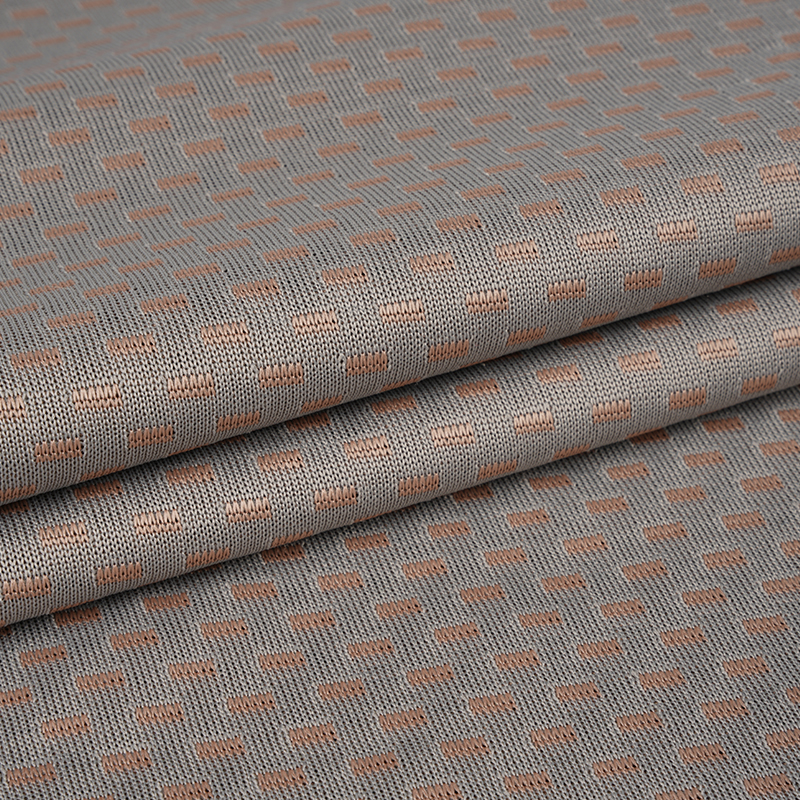
Tencel Children Mattress Fabric is developed for manufacturers and brands seeking a refined textile solution for children’s mattresses, mattress covers, and related bedding applications. It brings together the smooth surface associated with Tencel fibers and the practical requirements of modern children’s sleep products. The fabric is suitable for projects that value comfort, healthy material choices, functional performance, attractive presentation, and consistent production quality.
Compared with conventional mattress fabrics, this material offers a more balanced combination of softness, moisture handling, breathability, appearance, and functional customization. It can support the development of mattresses designed for homes, children’s bedrooms, nurseries, hotels, childcare environments, and other spaces where comfort and material safety are important considerations.
Why Children’s Mattress Fabric Requires Specialized Design
Children’s mattresses are not simply smaller versions of adult mattresses. Young sleepers may be more sensitive to heat, humidity, rough surfaces, odors, and uncomfortable pressure points. They also move frequently during sleep and may create greater friction between the body, sheets, and mattress surface. These conditions place special demands on the textile layer surrounding the mattress.
A suitable children’s mattress fabric should feel soft without becoming fragile. It should allow air to move through the structure while helping manage perspiration and humidity. It should retain its appearance after repeated use and cleaning. It should also support a comfortable sleeping microclimate across different seasons and room conditions.
Visual design is another important factor. Children’s products are often expected to look clean, welcoming, and attractive while remaining suitable for a wide range of interior styles. A fabric with a smooth, refined surface can help mattress manufacturers create products that appear premium, hygienic, and carefully made.
At the same time, mattress producers must consider production efficiency. The textile should be stable during cutting, sewing, quilting, laminating, and final assembly. Reliable width, consistent weight, uniform coloration, and predictable finishing behavior help reduce manufacturing interruptions and improve the repeatability of finished products.
Tencel Children Mattress Fabric is positioned to meet these requirements through a combination of fiber characteristics, textile engineering, functional finishing, and controlled manufacturing processes.
What Is Tencel Children Mattress Fabric?
Tencel Children Mattress Fabric is a decorative and functional textile intended for children’s mattress applications. Its design centers on the use of Tencel-related fibers or Tencel-blended textile structures, depending on the final specification selected by the customer. Tencel fibers are widely recognized for their smooth surface, soft touch, moisture-management potential, and suitability for comfort-focused textile products.
The fabric can be developed in different constructions, weights, colors, patterns, and finishing combinations to satisfy the requirements of individual mattress programs. Depending on the project, it may be used as a visible mattress cover fabric, a quilted outer layer, a panel material, or part of a multilayer mattress textile system.
Its application is not limited to one visual style. The textile can be adapted for minimalist children’s mattresses, premium nursery collections, natural-material bedding concepts, hotel and hospitality products, and functional sleep systems. The final appearance can be coordinated with mattress foam, quilting patterns, piping, labels, handles, and other product details.
The purpose of the fabric is to provide a comfortable interface between the sleeper and the mattress while also protecting the inner structure. A well-selected outer textile helps reduce direct contact with filling materials, supports product durability, and contributes to the overall perception of quality.
Key Advantages Compared with Conventional Mattress Fabrics
Smoother Skin Contact
One of the most important advantages of Tencel-based textile structures is their smooth and gentle hand feel. The surface can provide a more refined contact experience than many ordinary synthetic mattress fabrics, particularly when the fabric is carefully knitted, woven, and finished.
This smoothness is valuable in children’s mattresses because young sleepers may be sensitive to coarse or stiff surfaces. A comfortable textile can reduce the perception of irritation and create a more pleasant sleep environment. It also gives the mattress a premium tactile quality that parents can notice when touching the product in a showroom or at home.
Breathability and Moisture Comfort
Children can generate heat and perspiration during sleep, especially in warm rooms or when using heavy bedding. A mattress fabric that supports air exchange and moisture movement can help create a more comfortable sleeping surface.
Tencel fibers are commonly selected for their moisture-related comfort properties. The fiber structure can help manage moisture near the skin and support a drier-feeling textile surface. The actual performance depends on fiber composition, yarn design, fabric construction, finishing, quilting, and the complete mattress assembly, but a well-engineered Tencel fabric provides an excellent foundation for moisture-conscious bedding products.
Compared with dense, poorly breathable fabrics, this type of textile can contribute to a less stuffy and more comfortable sleeping experience. It is especially suitable for children’s products positioned around freshness, natural comfort, and temperature awareness.
Balanced Temperature Comfort
Temperature comfort is influenced by the entire mattress system, including the cover, padding, foam, springs, ventilation, sheets, and room environment. Even so, the outer textile plays an important role in how the mattress feels during use.
A breathable Tencel fabric can support a balanced surface climate by allowing air and moisture to move through the textile structure. This may help reduce the sensation of heat buildup compared with some less breathable materials. The result is a textile solution suited to mattresses designed for year-round use.
For manufacturers, this advantage creates opportunities to develop products for different markets and climates. The same basic textile concept can be combined with various constructions, weights, quilting layers, and finishing treatments to create summer-oriented, all-season, or premium comfort collections.
Responsible Material Positioning
Many consumers now pay closer attention to the material story behind bedding products. Parents often look for textiles that feel comfortable, appear clean, and align with broader expectations for responsible production. Tencel fibers are frequently associated with wood-based cellulosic fiber technology and a more environmentally conscious textile direction.
When used appropriately and supported by transparent product information, Tencel Children Mattress Fabric can strengthen a mattress collection’s responsible-material positioning. It may help brands communicate a focus on comfort, modern textile development, resource awareness, and long-term product quality.
Manufacturers should still evaluate the complete product system rather than relying on fiber content alone. Responsible product development also involves dye selection, finishing chemistry, energy use, waste control, packaging, durability, and end-of-life considerations. The fabric provides a strong component within this broader approach.
Premium Appearance
The look of a mattress influences purchasing decisions, particularly when the product is displayed without sheets or photographed for online sales. Tencel Children Mattress Fabric can provide a smooth, elegant, and modern appearance suitable for premium children’s bedding collections.
Its visual character can be adjusted through yarn selection, knitting or weaving structures, color development, pattern design, quilting, and finishing. This makes it possible to create different product identities without abandoning the core advantages of a soft, breathable, function-oriented textile.
A premium appearance also supports higher perceived value. When the fabric looks uniform and feels refined, it can communicate careful manufacturing and reassure customers that attention has been given to the details of the sleeping product.
Functional Customization
Different mattress brands have different priorities. One may focus on antibacterial performance, another on moisture resistance, another on flame-retardant requirements, and another on a highly decorative appearance. Tencel Children Mattress Fabric can be developed as part of a functional decorative textile program, allowing selected performance features to be considered during product design.
Possible directions include antibacterial treatments, moisture-resistant finishes, flame-retardant systems, comfort-enhancing constructions, and sleep-supporting textile concepts. The exact properties, test methods, and applicable standards should be confirmed for each order because performance depends on the final composition and finishing process.
This flexibility is a major advantage over basic commodity fabrics that are available only in fixed constructions or limited performance categories. It gives mattress companies more freedom to develop differentiated products for different price points and market segments.
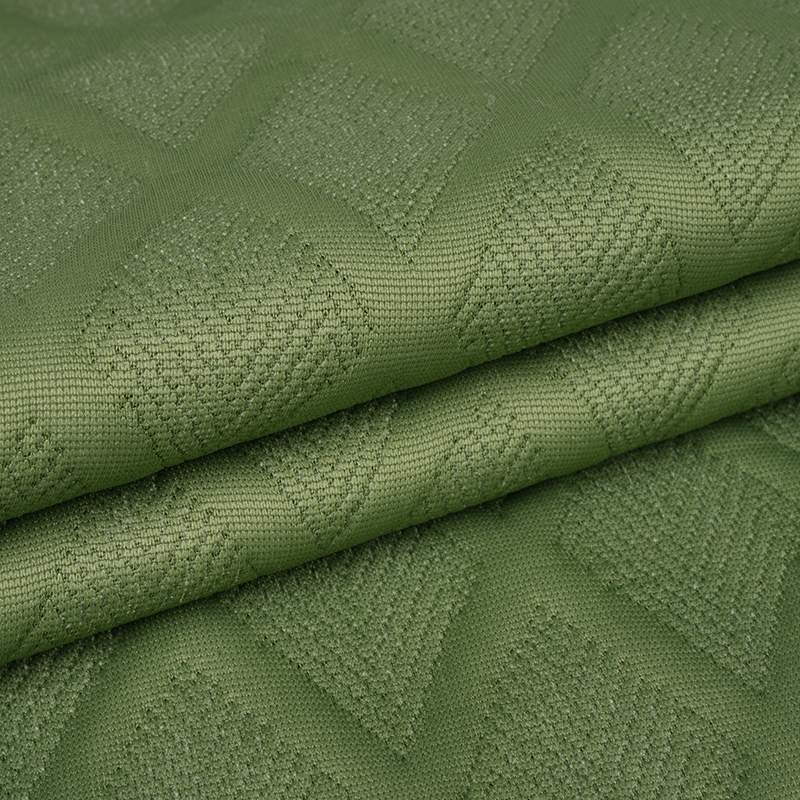
Tencel Children Mattress Fabric
Technical Performance Considerations
For professional buyers, the value of a mattress fabric is determined not only by softness but also by measurable and production-related performance. A textile suitable for children’s mattresses should be assessed according to the intended application, construction, and regulatory market.
| Performance Area | Importance for Children’s Mattresses | Development Considerations |
|---|---|---|
| Softness and hand feel | Supports comfortable skin contact and premium product perception | Fiber selection, yarn quality, surface construction, and finishing |
| Breathability | Helps support air circulation and sleeping comfort | Fabric density, knit or weave structure, lamination, and quilting layers |
| Moisture management | Contributes to a fresher and less humid sleeping surface | Fiber properties, capillary movement, absorbency, and finishing |
| Dimensional stability | Supports accurate cutting, sewing, quilting, and finished-product appearance | Process control, heat setting, relaxation, and quality inspection |
| Abrasion resistance | Helps the cover withstand repeated use and movement | Yarn strength, construction, surface treatment, and testing |
| Color fastness | Maintains a clean and attractive appearance over time | Dye selection, washing conditions, light exposure, and test standards |
| Functional treatment | Allows the product to target selected hygiene, moisture, or safety requirements | Approved chemistry, application uniformity, curing, and verification |
| Seam and sewing behavior | Supports efficient mattress assembly and reliable finished seams | Fabric elasticity, edge stability, needle selection, and sewing settings |
This table provides a general framework rather than a universal specification. Final requirements should be agreed between the buyer and supplier before production. Mattress construction, intended market, cleaning instructions, certification requirements, and target price all influence the appropriate textile design.
Advanced Manufacturing Approach
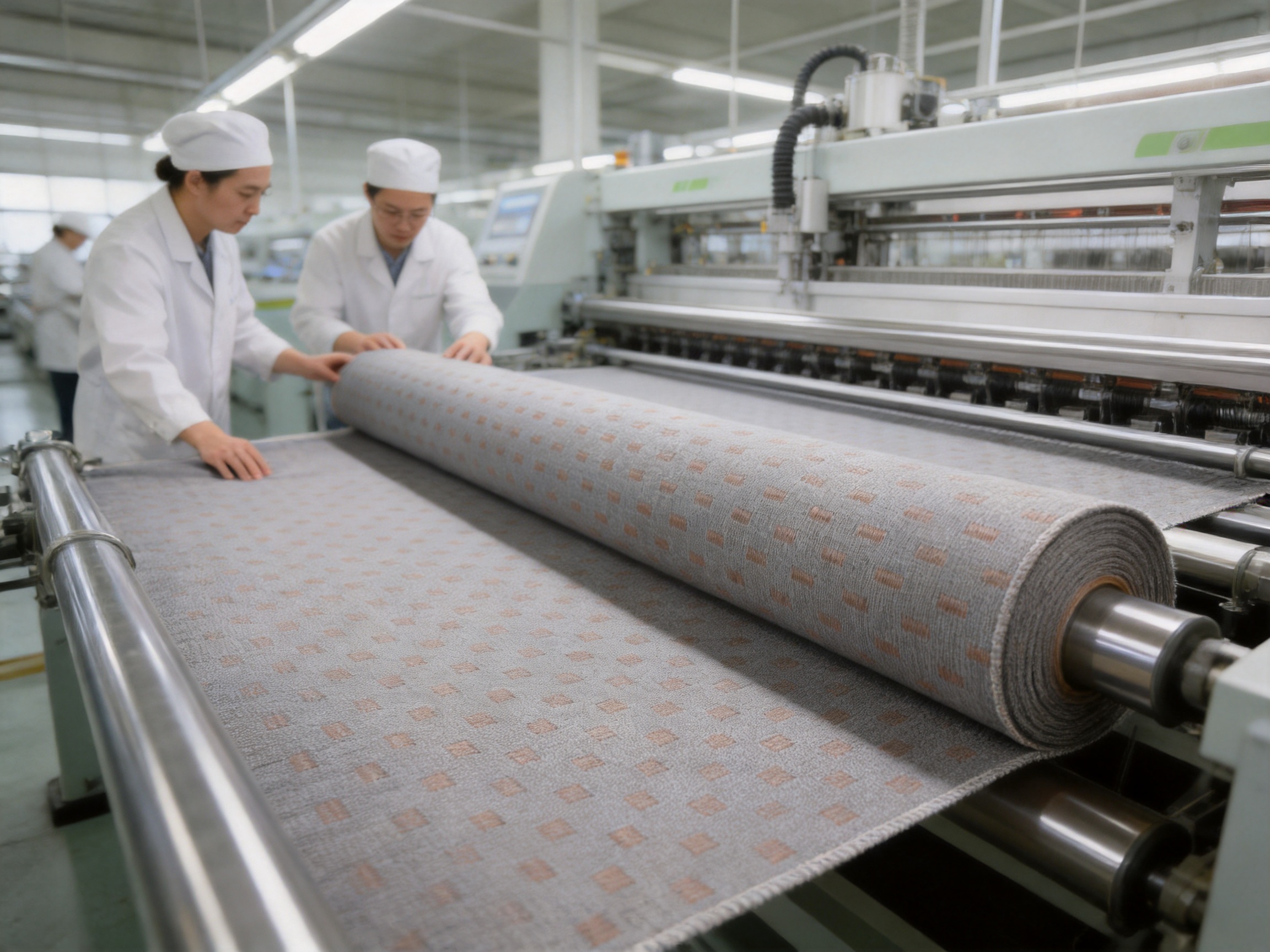
The quality of a children’s mattress fabric depends on the complete manufacturing chain. A premium fiber cannot compensate for inconsistent yarns, unstable fabric construction, poor dye control, or inadequate inspection. For this reason, an experienced textile manufacturer must manage the process from development to final packing.
Material Selection and Product Planning
The first stage is to understand the customer’s application. A mattress manufacturer may require a lightweight knitted fabric for quilted covers, a denser material for a structured outer panel, or a blended construction that balances cost, softness, strength, and appearance.
Product planning includes reviewing the desired fiber composition, fabric width, weight, stretch, color, pattern, finishing, packaging, and expected order volume. It also involves considering how the fabric will be cut and assembled. Early attention to these factors helps prevent problems during mass production.
For children’s applications, material planning should also consider the intended age group, contact conditions, washing or cleaning instructions, and applicable safety expectations. A textile designed for a removable washable cover may require a different construction from a fabric used in a non-removable mattress panel.
Yarn and Fiber Control
Yarn quality directly affects the final appearance and performance of the fabric. Variations in fineness, strength, moisture content, or cleanliness can produce uneven surfaces, color differences, or weak points. Careful sourcing and incoming inspection help maintain stable production.
Tencel-based yarns must be processed with suitable tension and machine settings. Excessive mechanical stress can affect surface quality and fabric uniformity. Appropriate handling helps protect the smooth character of the fiber while ensuring that the yarn performs reliably during knitting or weaving.
When blended fibers are used, the blend ratio and distribution should be controlled carefully. A well-designed blend may improve strength, elasticity, recovery, cost efficiency, or finishing behavior. However, inconsistent blending can cause shade variation and irregular performance, so process discipline is essential.
Precision Knitting or Weaving
The fabric construction determines many of its practical characteristics. Knitted structures may provide softness, elasticity, and comfort, while woven constructions may offer dimensional stability, surface definition, and a more structured appearance. The appropriate choice depends on the mattress design and manufacturing process.
During production, machine parameters must be managed to maintain consistent density, width, weight, tension, and surface appearance. Small variations can become visible when the textile is stretched over a mattress or joined with quilted panels. Consistent construction also supports efficient cutting and reduces material waste.
Precision manufacturing is particularly important for large mattress panels. If the fabric changes width or tension significantly across the roll, the final cover may become uneven or difficult to align. Stable production helps mattress factories maintain better productivity and a more professional finished appearance.
Dyeing and Color Management
Children’s mattress fabrics are often available in soft neutral colors, gentle pastel shades, modern gray tones, or customized brand colors. Color consistency is essential when a product is manufactured in multiple batches or combined with other textiles and accessories.
Professional color management includes laboratory sampling, shade approval, dye-bath control, washing, drying, and inspection under appropriate lighting. The supplier and buyer should establish a clear reference standard before bulk production. This is especially important for private-label brands that need consistent colors across different product sizes or collections.
Color fastness should be considered according to the intended use. Relevant evaluations may include rubbing, washing, perspiration, light, and water resistance, depending on market expectations and care instructions. The required test method should be agreed in advance rather than assumed.
Functional Finishing
Finishing can change the surface feel, appearance, dimensional stability, and functional behavior of the fabric. It may include softening, heat setting, moisture-related treatment, antibacterial treatment, flame-retardant treatment, or other application-specific processes.
Functional finishing must be applied uniformly. Uneven treatment can create differences in hand feel, shade, performance, or durability. Proper curing or fixation is also necessary when required by the selected chemistry and process.
For children’s mattresses, finishing should be selected carefully. The goal is not to add unnecessary treatments but to provide relevant functions that support the product’s intended use. Buyers should request technical documentation, test reports, and care guidance for any claimed performance feature.
Inspection and Quality Assurance
Inspection is a critical part of advanced textile manufacturing. A structured quality program may include raw-material checks, in-process monitoring, finished-roll inspection, laboratory testing, and shipment review.
Common inspection points include fabric width, weight, color, surface defects, holes, stains, barré effects, uneven tension, curling, skew, and dimensional changes. The appropriate acceptance criteria should be established according to the product specification and customer requirements.
Consistent inspection offers two benefits. First, it protects the buyer by reducing the risk of defective fabric entering mattress production. Second, it gives the manufacturer data that can be used to improve process stability over time. Quality control should therefore be viewed as both a protective measure and a continuous-improvement tool.
Manufacturing Strengths of an Experienced Decorative Textile Supplier
Hangzhou Xinsili Decorative Fabric Weaving Co., Ltd. specializes in the research, development, and manufacturing of decorative textiles. Its product direction includes functional fabrics for home, hotel, and commercial environments, making it suitable for mattress textile projects that require both visual quality and practical performance.
The company has 19 years of industry experience and operates a 12,000-square-meter factory area. This experience supports a deeper understanding of textile development, production planning, quality management, and customer coordination. Long-term industry participation can also help a supplier identify common production risks before they affect the customer’s final product.
In 2023, the company received recognition as a National High-Tech Enterprise. This recognition reflects an emphasis on technical development and innovation. For buyers, the value of a technically oriented supplier lies in its ability to discuss more than basic fabric supply. It can participate in construction selection, functional development, finishing decisions, and application-specific improvement.
The company’s stated manufacturing philosophy emphasizes craftsmanship-driven production, design innovation, and win-win cooperation. These principles are relevant to children’s mattress fabric because the product must satisfy several requirements simultaneously. It should be attractive enough for retail presentation, comfortable enough for daily use, stable enough for mass production, and adaptable enough for different customer programs.
The company also focuses on technologies associated with antibacterial, moisture-resistant, flame-retardant, sleep-supporting, and comfort-improving functions. Not every function is required for every mattress. However, access to a broader technical platform allows customers to select a suitable direction rather than relying on a one-size-fits-all textile.
How the Fabric Supports Mattress Product Development
Removable Mattress Covers
Removable children’s mattress covers are popular because they can be taken off for cleaning or replacement. For this type of product, the fabric should be selected for softness, dimensional stability, sewing performance, color retention, and compatibility with the care method.
Tencel Children Mattress Fabric can be developed for a cover system that combines a soft sleeping surface with a stable backing or quilted structure. Zippers, elastic edges, piping, handles, and labels should be considered during sample development. The fabric must remain attractive after repeated handling and should be compatible with the complete cover design.
Quilted Mattress Panels
Quilting can add softness, visual depth, and structure to a mattress cover. It may also help secure the outer fabric to padding layers. Tencel fabric can be evaluated for its behavior during quilting, including stitch appearance, tension, puckering, recovery, and alignment.
Different quilting patterns create different visual effects. Simple geometric patterns may suit modern children’s rooms, while softer curved or organic patterns may support natural-material product positioning. The fabric’s surface and color should be considered together with the padding thickness and quilt density.
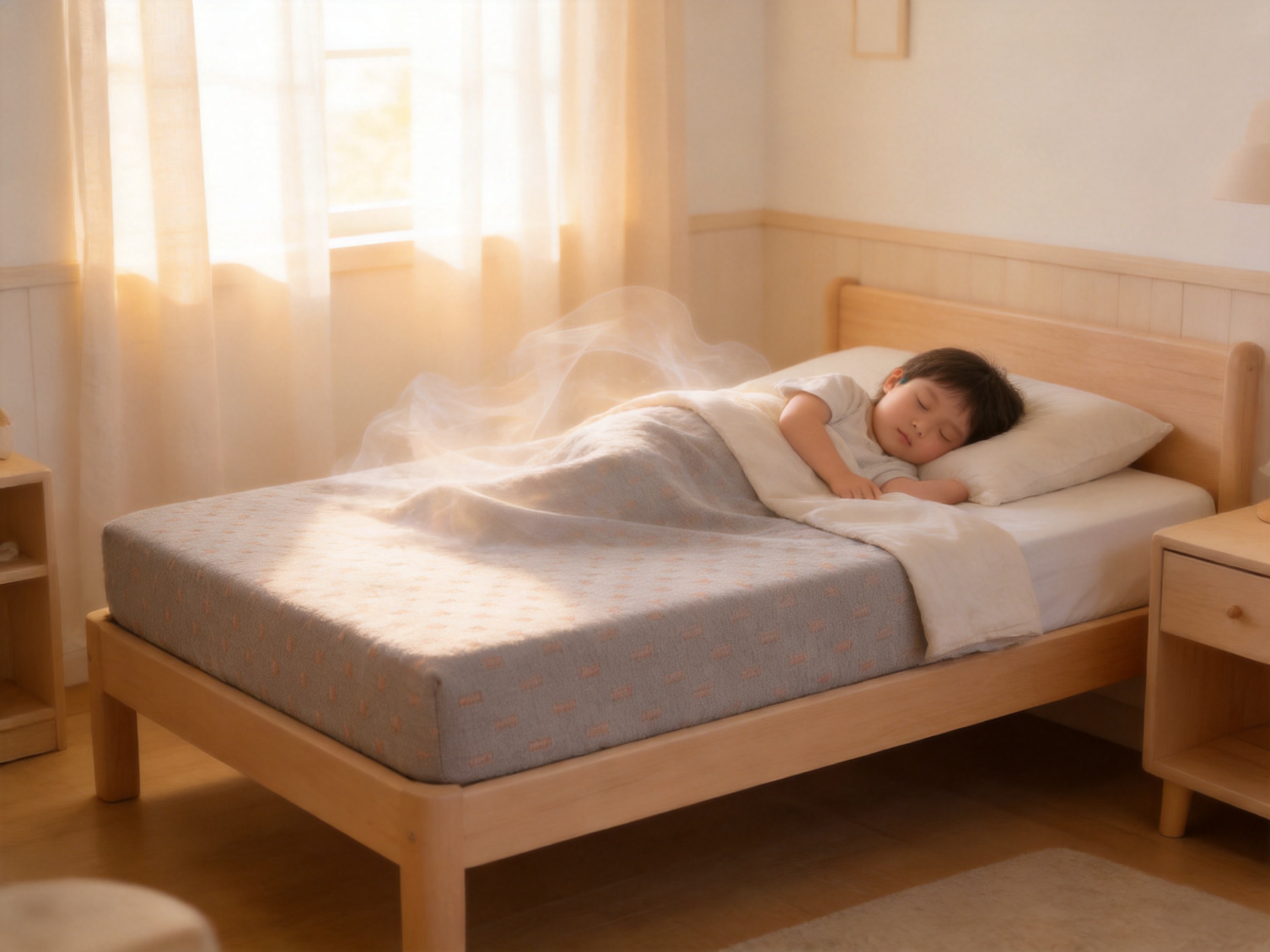
Premium Nursery Mattresses
Nursery products are often purchased by parents who carefully examine the materials and construction. A smooth, breathable, and responsibly positioned textile can strengthen the product story. It can also help a manufacturer distinguish its mattress from low-cost products using basic polyester fabrics.
For premium nursery mattresses, every detail matters. The fabric should coordinate with the mattress edge, stitching, packaging, care label, and product description. Consistent manufacturing helps ensure that the textile supports the premium position rather than weakening it through visible defects or irregular color.
Hospitality and Childcare Applications
Children’s sleeping products may also be used in hotels, resorts, daycare centers, educational facilities, and family-oriented commercial environments. These applications may place greater emphasis on durability, cleaning, stain management, and repeat-order consistency.
A functional decorative textile supplier can help develop a fabric that balances comfort with practical service requirements. The exact specifications should be tailored to the frequency of use, cleaning procedures, applicable safety requirements, and expected service life of the mattress.
Customization Options for Global Buyers
Customization allows mattress brands to create products that match their market identity and technical requirements. The following elements can be discussed during development:
Fiber Composition
Customers may request a specific Tencel content, a Tencel blend, or a construction that combines softness with additional strength and elasticity. The correct composition depends on the intended hand feel, performance targets, cost structure, and care instructions.
Fabric Construction
Knitted and woven options can be evaluated according to stretch, stability, drape, surface texture, and assembly requirements. A mattress manufacturer should provide information about the cover design so that the textile can be selected more accurately.
Weight and Width
Fabric weight affects hand feel, coverage, durability, and cost. Width affects cutting efficiency and the number of seams required in the finished cover. Selecting the correct width can reduce waste and improve production efficiency, particularly for larger mattress sizes.
Color and Pattern
Neutral colors can communicate simplicity and cleanliness, while gentle colors may support a nursery-oriented product identity. Custom patterns, jacquards, printed effects, and quilted textures can provide further differentiation when required.
Functional Treatments
Customers may discuss antibacterial, moisture-resistant, flame-retardant, or other functional directions. Each claim should be supported by suitable testing and documentation. It is important to distinguish between a fabric-level property and the performance of the complete mattress product.
Finishing and Hand Feel
The final hand feel may be adjusted toward smoothness, softness, dryness, fullness, or a more natural textile character. Finishing decisions should be evaluated through physical samples because the same nominal fiber content can feel different under different constructions and processing conditions.
Packaging and Delivery
Roll length, roll diameter, protective wrapping, labeling, palletizing, and shipment documentation can be coordinated according to the buyer’s warehouse and production requirements. Clear packaging information helps the customer identify colors, lots, widths, and order quantities after delivery.
Quality and Compliance Discussions Before Ordering
Professional buyers should define the product specification before placing a bulk order. A clear specification may include fiber content, fabric construction, weight, width, color standard, stretch, finish, inspection method, packing method, and tolerance requirements.
It is also advisable to request a sample or lab dip before production. A sample allows the buyer to evaluate softness, appearance, sewing behavior, quilting performance, and compatibility with the mattress filling. If the fabric will be washed, the proposed care procedure should be tested during development.
For children’s products, buyers should consider the laws and standards of the target sales market. Requirements may relate to flammability, restricted substances, colorants, formaldehyde, heavy metals, mechanical safety, labeling, or general consumer-product safety. The exact obligations vary by country and product category.
Any antibacterial or flame-retardant claim should be supported by relevant laboratory testing. Buyers should confirm whether the testing applies to the fabric alone or to the finished mattress assembly. Testing should also reflect the conditions under which the product will be marketed and used.
Care instructions should be realistic. If a fabric is intended to be machine washed, shrinkage, color fastness, seam behavior, and surface changes should be evaluated under the proposed washing conditions. If the mattress is not washable, the care label should clearly explain the recommended cleaning method.
Application and Production Benefits for Mattress Manufacturers
A well-developed Tencel mattress fabric can contribute to more than the comfort of the finished product. It can also support manufacturing efficiency. Stable fabric width and controlled tension help improve cutting accuracy. Predictable sewing behavior reduces interruptions on the assembly line. Consistent color minimizes the risk of mismatched components.
When the fabric is developed together with the mattress structure, manufacturers can reduce trial-and-error during production. The supplier can consider the interaction between fabric stretch, quilting density, foam thickness, zipper placement, and edge construction. This collaborative approach is more effective than selecting a fabric only by appearance.
For brands with multiple product sizes, consistent production is particularly valuable. A reliable textile can be used across crib mattresses, toddler mattresses, single mattresses, and other children’s sizes while maintaining a coherent visual identity. This helps simplify product development and strengthen brand recognition.
The fabric can also support product segmentation. A brand may use a standard construction for an entry-level collection, a softer or more functional construction for a mid-range product, and a premium Tencel-focused construction for a high-end collection. Different finishing and quilting choices can create variety without requiring a completely new development system each time.
Comparing Tencel Fabric with Common Alternatives
Polyester remains common in mattress covers because it is economical, widely available, and easy to process. However, basic polyester fabrics may not provide the same natural-feeling softness or moisture-related comfort expected from a premium children’s mattress. Tencel-based fabrics can offer a more refined material story and a smoother hand feel.
Cotton is valued for its familiar natural character and comfort. However, cotton fabrics can vary significantly in strength, shrinkage, moisture behavior, and surface quality. A carefully engineered Tencel fabric may provide more predictable performance in certain mattress constructions, particularly when moisture handling and smoothness are major priorities.
Viscose-based fabrics may offer softness and drape, but their performance depends greatly on the specific fiber technology, yarn, construction, and finishing. Tencel is often selected when a manufacturer wants a modern cellulosic fiber solution with a strong focus on smoothness and comfort.
Blended fabrics can provide a useful compromise. A Tencel blend may combine the comfort characteristics of Tencel with the strength, elasticity, dimensional stability, or cost advantages of another fiber. The most appropriate alternative depends on the complete product target rather than on fiber reputation alone.
For this reason, comparison should be based on actual samples and test data. Buyers should evaluate softness, breathability, moisture response, abrasion, washing behavior, appearance, sewing performance, and total product cost before making a final decision.
Designing for Comfort, Hygiene, and Long-Term Use
Comfort should be considered as a system. Tencel Children Mattress Fabric can provide a soft and breathable outer layer, but the final result also depends on the mattress core, quilting, padding, protector, sheets, room temperature, and bedding habits.
Hygiene is equally dependent on the complete product design. A fabric with a smooth surface and moisture-conscious construction can help support a clean-feeling mattress, but regular cleaning, ventilation, and correct care remain important. If an antibacterial treatment is selected, its durability and test conditions should be clearly understood.
Durability is not limited to abrasion resistance. It includes color retention, dimensional stability, seam performance, pilling behavior, surface appearance, and resistance to repeated handling. A durable fabric can extend the useful appearance of the mattress and reduce the need for premature replacement.
For children’s products, durability also has a sustainability dimension. A mattress that remains attractive and functional for a longer period may reduce material consumption associated with frequent replacement. Responsible product design should therefore balance softness, performance, safety, service life, and end-of-life considerations.
Recommended Development Process
Step One: Define the Mattress Concept
Begin by identifying the target age group, mattress size, intended market, price position, core material, cover design, and cleaning method. Decide whether the product is intended for home use, hospitality, childcare, or another environment.
Step Two: Establish Textile Requirements
Specify the desired fiber composition, construction, weight, width, color, stretch, softness, and functional features. If the product will be quilted or laminated, include the details of those processes during the discussion.
Step Three: Review Samples
Evaluate fabric samples by touch, appearance, stretch, recovery, breathability, sewing behavior, and compatibility with the mattress structure. If possible, produce a complete cover sample rather than evaluating only a small fabric swatch.
Step Four: Conduct Testing
Arrange appropriate tests for dimensional stability, abrasion, pilling, color fastness, moisture behavior, flammability, restricted substances, or other requirements relevant to the target market. Testing should be agreed before bulk production.
Step Five: Confirm Bulk Specifications
Once the sample is approved, confirm all technical details in writing. This includes tolerances, color references, packaging, inspection standards, order quantity, delivery schedule, and documentation requirements.
Step Six: Monitor Production
During bulk production, retain approved references and compare production goods against them. A professional supplier should maintain communication regarding production status, shade consistency, quality findings, and shipment preparation.
Step Seven: Review Customer Feedback
After the product enters the market, collect feedback from mattress factories, retailers, parents, and end users. Information about comfort, cleaning, appearance, and durability can guide future improvements and new fabric developments.
Why Supplier Collaboration Matters
Textile selection is more successful when the supplier is involved early. A fabric manufacturer can identify whether a requested combination of softness, weight, elasticity, function, and price is technically realistic. It can also suggest alternatives when a particular construction may create sewing, quilting, or durability problems.
Collaboration is especially important for customized children’s mattress fabrics. A buyer may know the desired market position but not the precise fabric construction required to achieve it. The supplier’s experience with yarns, machines, dyeing, finishing, and inspection can shorten the development cycle and reduce unnecessary sampling.
Hangzhou Xinsili Decorative Fabric Weaving Co., Ltd. positions itself as a partner for functional decorative textile development rather than only a basic material vendor. Its experience, factory resources, research orientation, and focus on practical product solutions can support customers seeking stable quality and differentiated mattress textiles.
The company’s broader product categories include mattress fabrics, children’s mattress fabrics, pillowcase fabrics, pregnancy pillow fabrics, cooling mat fabrics, bedding fabrics, sofa fabrics, and pet-friendly fabrics. This range indicates experience across several home-textile applications, including products where softness, hygiene, comfort, and functional performance are important.
Commercial Value for Brands and Distributors
A premium children’s mattress fabric can help brands create a stronger point of difference in a crowded market. Many mattress products compete on foam type, firmness, price, or design. A thoughtfully selected cover textile gives the brand another way to communicate quality.
The fabric can support product descriptions focused on soft touch, breathable comfort, moisture awareness, modern fiber technology, and responsible material selection. These messages should always be supported by accurate technical information and should not make claims beyond the available test evidence.
For distributors, a fabric with broad customization potential can simplify portfolio planning. One supplier may be able to provide several colors, constructions, functional treatments, and related bedding fabrics. This can improve purchasing coordination and help create visually consistent product families.
For mattress factories, stable supply and repeatable quality are essential. A supplier with established production systems can help reduce variation between orders. This is valuable for private-label programs, contract manufacturing, export orders, and retail collections that require consistent appearance over time.
Care, Handling, and Product Guidance
The correct care method depends on the final fabric construction and mattress design. A removable cover may be washable, while a fixed mattress cover may require spot cleaning or professional cleaning. Buyers should not assume that all Tencel fabrics have identical care requirements.
During storage, fabric rolls should be protected from excessive moisture, direct sunlight, contamination, and mechanical damage. Proper roll handling can help preserve the surface and reduce creasing or deformation before cutting.
During mattress production, fabric should be conditioned and handled according to the supplier’s recommendations. Excessive tension, unsuitable needles, incorrect sewing settings, or improper heat exposure can affect the final appearance even when the fabric itself is manufactured correctly.
Finished mattresses should include clear care and use instructions. Parents and end users benefit from knowing how to clean the cover, how to manage spills, whether the product should be ventilated, and which detergents or temperatures are appropriate.
Frequently Asked Questions
What makes Tencel Children Mattress Fabric suitable for children’s mattresses?
It is designed to combine a soft, smooth hand feel with breathability, moisture-conscious comfort, attractive appearance, and potential functional customization. These characteristics align with the needs of children’s bedding, although the final performance depends on the fabric specification and complete mattress structure.
Is Tencel Children Mattress Fabric naturally antibacterial?
Tencel fiber is often selected for its smoothness and moisture-related comfort, but a general fabric description should not automatically be treated as an antibacterial claim. If antibacterial performance is required, an appropriate treatment and laboratory verification should be specified for the final product.
Can the fabric be used for removable and washable mattress covers?
It can be considered for removable covers, but washability must be evaluated according to the exact construction, blend, finish, sewing design, and care conditions. Shrinkage, color fastness, seam behavior, and surface appearance should be tested before production approval.
Can buyers customize the color?
Yes. Color customization can be discussed according to the required shade, production quantity, color reference, and dyeing process. A laboratory sample or approved color standard should be confirmed before bulk manufacturing.
Can this fabric be quilted?
It may be suitable for quilting, depending on its construction, elasticity, weight, and backing layers. Sample quilting is recommended to evaluate stitch appearance, tension, puckering, alignment, and recovery.
Its smooth surface, refined appearance, comfort-oriented material story, and potential functional development make it suitable for premium nursery concepts. The complete product should still be assessed for safety, cleaning, durability, and market-specific compliance.
Can the supplier develop flame-retardant fabric?
The company focuses on functional decorative textiles and includes flame-retardant development among its technical directions. Buyers should specify the target standard, test method, fiber composition, durability requirement, and intended application before development begins.
Does the fabric help control sleeping temperature?
A breathable fabric with suitable moisture-management characteristics can contribute to a more comfortable sleeping microclimate. However, temperature performance depends on the entire mattress system, including the core, padding, quilting, bedding, room conditions, and user behavior.
How should buyers compare this fabric with polyester or cotton?
Buyers should compare actual samples and test data for softness, breathability, moisture response, abrasion, pilling, washing, color fastness, dimensional stability, sewing behavior, and cost. Fiber names alone do not determine the performance of a finished mattress cover.
What information should be provided for a quotation?
Useful information includes the required fiber composition, construction, weight, width, color, quantity, functional treatment, intended application, mattress size, packaging preference, target market, testing requirements, and delivery destination.
Where is the manufacturer located?
Hangzhou Xinsili Decorative Fabric Weaving Co., Ltd. is located in Yi Qiao Town, Xiaoshan District, Hangzhou City, Zhejiang Province, China. The company can be contacted for product development, technical discussions, quotation requests, and customized fabric programs.
Conclusion
Tencel Children Mattress Fabric offers a strong textile foundation for manufacturers developing comfortable, breathable, attractive, and function-oriented children’s mattresses. Its main advantages include a smooth hand feel, moisture-conscious comfort, modern appearance, flexible customization, and compatibility with premium bedding concepts.
Its value becomes even greater when supported by disciplined manufacturing. Fiber and yarn control, precision knitting or weaving, color management, functional finishing, dimensional stabilization, and systematic inspection all contribute to the quality of the final textile. These processes help mattress manufacturers improve product consistency, assembly efficiency, and customer confidence.
With 19 years of industry experience, a 12,000-square-meter factory area, National High-Tech Enterprise recognition in 2023, and a focus on functional decorative textile development, Hangzhou Xinsili Decorative Fabric Weaving Co., Ltd. provides a suitable manufacturing partner for customized children’s mattress fabric projects.
For buyers, the most effective approach is to define the mattress concept clearly, review physical samples, confirm the required technical specifications, conduct relevant testing, and maintain close communication throughout production. When these steps are followed, Tencel Children Mattress Fabric can help create bedding products that combine everyday comfort, refined design, practical performance, and long-term commercial value.

References
1. Textile Exchange. Preferred Fiber and Materials Market Reports and Cellulosic Fiber Guidance.
2. International Organization for Standardization. Textile Testing Methods for Color Fastness, Dimensional Stability, Abrasion, and Pilling.
3. European Committee for Standardization. Textile and Consumer Product Safety Considerations for Bedding Applications.
4. United States Consumer Product Safety Commission. General Guidance for Children’s Products and Bedding Safety.
5. Lenzing AG. Technical Information on Tencel Lyocell and Modal Fibers.
6. Association for Contract Textiles. Guidance on Performance Specifications for Decorative and Functional Fabrics.
7. Hangzhou Xinsili Decorative Fabric Weaving Co., Ltd. Product and Company Information Provided for Textile Development.
Product: Tencel Children Mattress Fabric
Our Featured Products
-
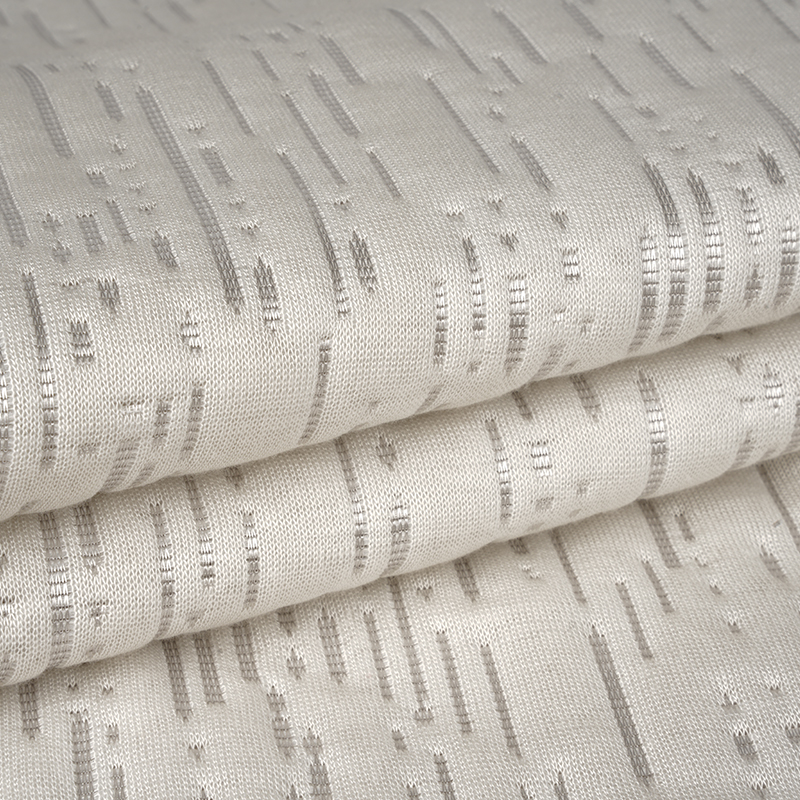
Antibacterial Yarn Children Mattress Fabric
Antibacterial Yarn Children Mattress Fabric
-
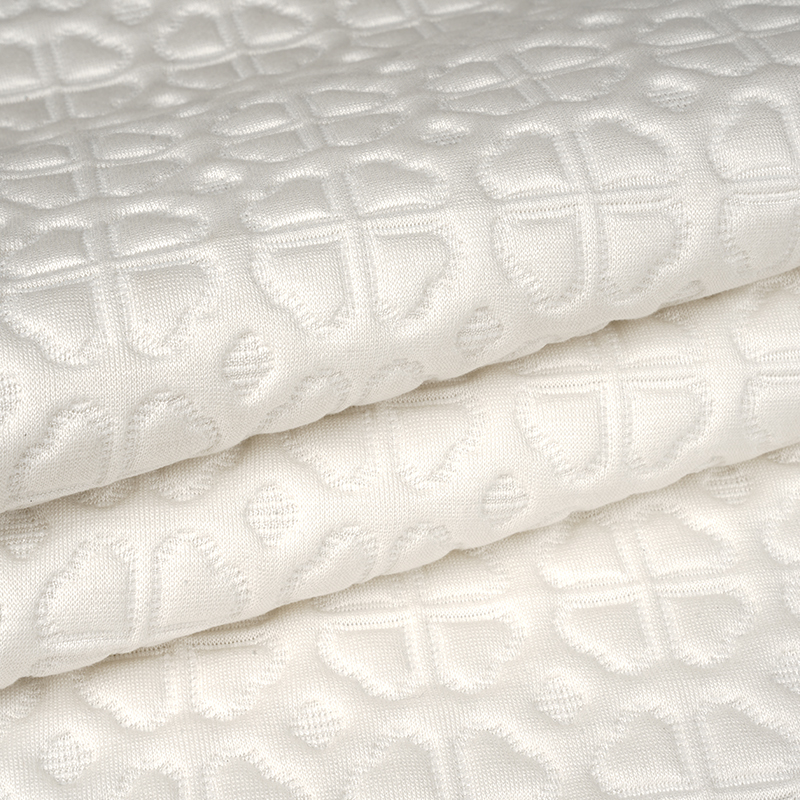
Antibacterial Yarn Children Mattress Fabric
Antibacterial Yarn Children Mattress Fabric
-
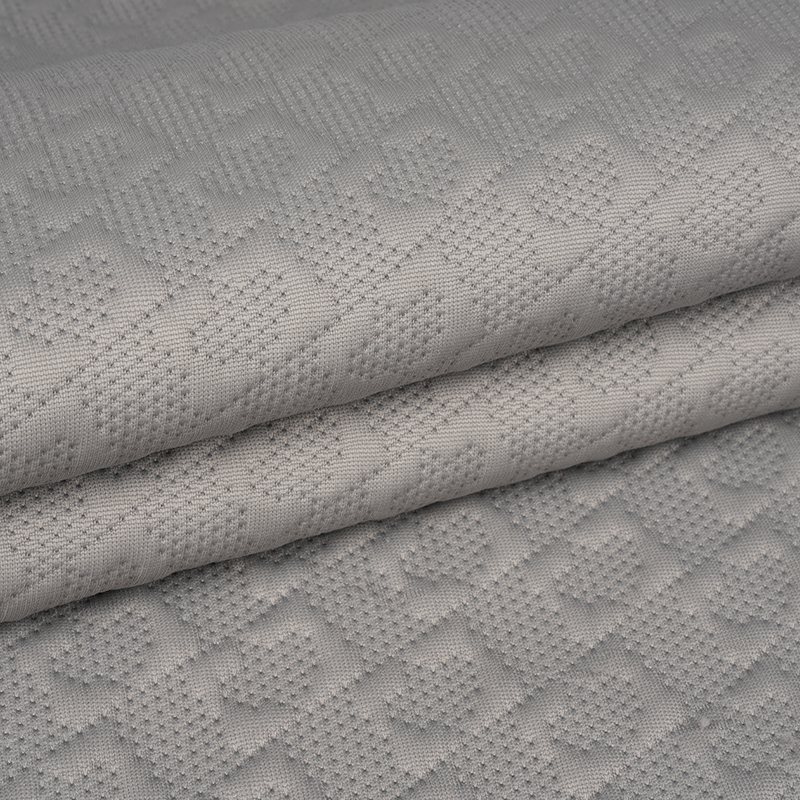
Antibacterial Yarn Children Mattress Fabric
Antibacterial Yarn Children Mattress Fabric
Haven’t Found The Products You Want?
-
-
Shen Jinyan:+86-15158070676
[email protected]
Liang Jinwen:+86-15757186621
[email protected]
Qiu Yingyingn:+86-13819545790
[email protected]
Yi qiao Town, Xiaoshan District, Hangzhou City, Zhejiang Province, China
-
Products
Mattress Fabric Children Mattress Fabric Pillowcase Fabric Pregnancy Pillow Fabric Cooling Mat Fabric Bedding Fabric Sofa Fabric Pet Friendly Fabrics -
Contact Information
About Us Products Strength Sustainability News Contact Us
Copyright © Hangzhou Xinsili Decorative Fabric Weaving Co.,Ltd. All Rights Reserved.
Functional Decorative Textile Manufacturers
