

 English
 中文简体
中文简体 Español
 عربى
عربى русский


Ice Silk Cooling Mat Fabric: Advanced Comfort, Functional Performance, and Reliable Textile Manufacturing
Content
- 1 1. Product Overview
- 2 2. Material Composition and Functional Value
- 3 3. Cooling Comfort and User Experience
- 4 4. Competitive Advantages Over Conventional Alternatives
- 5 5. Advanced Manufacturing Capabilities
- 6 6. Manufacturing Process from Fiber to Finished Fabric
- 7 7. Application Areas
- 8 8. Technical Specification Guide
- 9 9. Care, Washing, and Storage
- 10 10. Quality Control and Compliance Considerations
- 11 11. Customization and Product Development
- 12 12. Why Manufacturer Experience Matters
- 13 13. Sustainability and Responsible Material Selection
- 14 14. Purchasing and Evaluation Recommendations
- 15 15. Q&A
- 15.1 Q1: What is Ice Silk Cooling Mat Fabric made from?
- 15.2 Q2: Does the fabric actively refrigerate a mattress or cooling mat?
- 15.3 Q3: What is the typical fabric weight?
- 15.4 Q4: Can this fabric be used for children’s products?
- 15.5 Q5: Is the fabric suitable for direct skin contact?
- 15.6 Q6: How should the fabric be washed?
- 15.7 Q7: Can the fabric be dried in direct sunlight?
- 15.8 Q8: Can the fabric be customized?
- 15.9 Q9: Is a polyester blend always necessary?
- 15.10 Q10: What makes this product different from a standard cooling fabric?
- 15.11 Q11: Is the fabric suitable for sofas?
- 15.12 Q12: Can it be used for pets?
- 15.13 Q13: What safety standard is referenced for the fabric?
- 15.14 Q14: Why should buyers work with an experienced manufacturer?
- 16 16. Conclusion
- 17 References
- 18 Product: Ice Silk Cooling Mat Fabric
Ice Silk Cooling Mat Fabric is a functional textile designed for bedding, mattress accessories, pillowcases, pregnancy pillows, cooling mats, sofas, and other comfort-oriented applications. Its primary purpose is to provide a smoother, cooler, and more pleasant surface sensation while maintaining the flexibility and visual appeal required for modern home textiles. With a composition generally based on regenerated cellulose fibers such as Lyocell and Viscose, this fabric combines a soft hand feel with moisture-management potential, breathability, and a refined appearance.
As consumers become more attentive to sleep quality, thermal comfort, hygiene, and sustainable materials, cooling fabrics have moved beyond seasonal novelty products. They are increasingly used in mattresses, mattress toppers, summer bedding, pet products, upholstered furniture, and wellness-oriented accessories. However, not all cooling textiles provide the same balance of softness, durability, process stability, appearance, and manufacturing consistency. A high-quality cooling mat fabric must perform effectively in actual product construction, not merely feel cool during an initial touch test.
This article examines the characteristics, applications, manufacturing advantages, quality considerations, and competitive value of Ice Silk Cooling Mat Fabric. It also explains how an experienced decorative and functional textile manufacturer can support product developers, distributors, furniture companies, bedding brands, and contract manufacturers with stable production and customized fabric solutions.
1. Product Overview
Ice Silk Cooling Mat Fabric is a fabric category developed for products that require a cool-touch or comfort-enhancing surface. The term “ice silk” generally refers to a smooth textile hand feel and a cooling sensation associated with the fiber structure, moisture interaction, fabric construction, and surface finish. The actual performance of a fabric depends on the complete textile system, including fiber type, yarn arrangement, fabric density, finishing process, color, weight, and the structure of the final finished product.
The fabric commonly contains more than 90 percent regenerated cellulose fibers. Lyocell and Viscose are typical examples. In some constructions, a small proportion of polyester may be introduced to improve dimensional stability, strength retention, or processing performance. This composition approach enables manufacturers to balance comfort-oriented characteristics with the practical requirements of sewing, lamination, quilting, cutting, packaging, and repeated use.
The usual grammage range is approximately 200 to 400 GSM. Lower-weight fabrics within this range may be selected for breathable mattress covers, pillowcase surfaces, summer bedding, or layered products. Higher-weight fabrics may be used where a denser hand feel, stronger coverage, or more substantial appearance is required. The final choice depends on the target market, product design, construction method, and required level of support.
The fabric is suitable for residential, hotel, commercial, and specialized comfort-product environments. Its application flexibility is one of its main advantages. A single fabric family can be adapted for cooling mats, mattress panels, decorative bedding, pillow covers, pet cushions, sofa surfaces, and pregnancy support products, provided the selected structure and finishing treatment match the intended use.
2. Material Composition and Functional Value
2.1 Regenerated Cellulose Fiber Content
Regenerated cellulose fibers are produced from cellulose-based raw materials and processed into textile fibers. Lyocell and Viscose are widely used in comfort textiles because they can offer a soft touch, fluid drape, and pleasant contact with the skin. Their inclusion in cooling mat fabric supports the development of a surface that feels smooth rather than harsh or excessively synthetic.
A high regenerated-cellulose content can also contribute to a more natural textile sensation. This is especially valuable for bedding, pillowcases, pregnancy pillows, and products used directly against the body. When consumers compare fabrics, surface comfort is often as important as visual design. A fabric that looks attractive but feels rough, sticky, or excessively warm may not satisfy users during long periods of contact.
Cellulose-based fibers can interact with moisture differently from many conventional hydrophobic synthetic fibers. This may help the fabric manage perspiration and reduce the uncomfortable sensation associated with moisture remaining on the surface. Actual moisture-management results depend on yarn parameters, fabric construction, finishing, environmental conditions, and the structure of the completed product, but the fiber choice provides an appropriate foundation for a comfort-focused textile.
2.2 Optional Polyester Blending
Some Ice Silk Cooling Mat Fabric constructions may include a limited amount of polyester. The purpose is not necessarily to replace the comfort properties of regenerated cellulose, but to improve practical performance during manufacturing and use. Polyester can contribute to dimensional stability, abrasion resistance, recovery, and resistance to deformation during handling.
A controlled blend can be particularly useful for products that must be cut, sewn, quilted, laminated, or installed over a support layer. Mattress covers and cooling mats may experience pulling forces during assembly. Sofa fabrics may be exposed to repeated friction. Pet products may require greater resistance to handling and movement. In these situations, a carefully selected blend can help the fabric maintain its intended form without sacrificing the soft surface associated with cellulose-rich constructions.
The proportion of each fiber should be selected according to the final application. A product designed for direct skin contact may prioritize softness and moisture comfort. A fabric intended for furniture or pet applications may require increased structural stability. Experienced textile developers can adjust the composition, yarn specification, fabric density, and finishing route to create a more application-specific product.
2.3 Grammage and Handle
Grammage is an important technical and commercial variable. A fabric weighing approximately 200 GSM will generally provide a lighter and more flexible construction than one approaching 400 GSM. Lighter fabric can improve breathability and reduce the weight of a finished cooling mat or bedding product. Heavier fabric can provide greater coverage, a fuller hand, and a more substantial appearance.
GSM also influences cutting efficiency, sewing behavior, packaging volume, and product cost. A buyer should therefore avoid selecting a fabric based only on weight. The correct grammage must be considered together with fabric width, stretch or recovery, construction, surface finish, color, shrinkage, and end-use requirements.
A professional supplier can help buyers identify a suitable weight range during sampling. This reduces the risk of choosing a fabric that feels excellent in a small swatch but performs poorly when made into a complete mattress panel, pet cushion, or sofa cover.
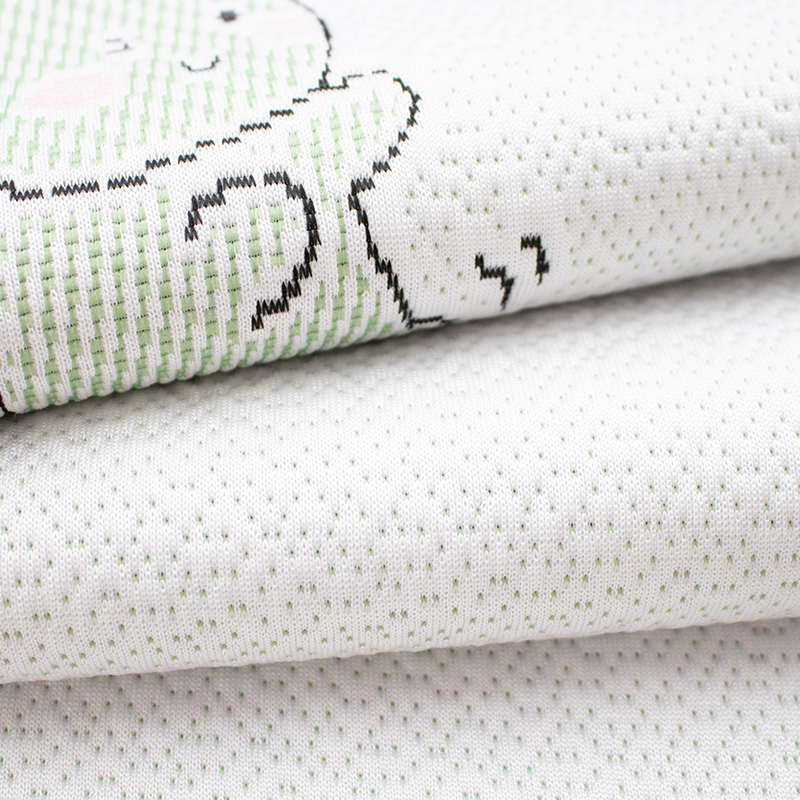
Ice Silk Cooling Mat Fabric
3. Cooling Comfort and User Experience
The main selling point of Ice Silk Cooling Mat Fabric is its cooling-oriented surface experience. A cool-touch sensation is created through a combination of factors. These may include the thermal behavior of the fibers, the smoothness of the surface, moisture interaction, fabric density, contact area, and the ability of the completed product to dissipate heat.
When a person first touches a fabric, the sensation of coolness is influenced by how quickly heat moves between the skin and the textile surface. A smooth, well-constructed fabric can feel cooler than a coarse or highly insulating surface under the same room conditions. During continued use, moisture management and air exchange become increasingly important. For this reason, a cooling fabric should be evaluated not only by immediate touch but also by comfort during extended contact.
Ice Silk Cooling Mat Fabric is designed to support this type of comfort experience. Its regenerated-cellulose-rich composition provides a soft surface, while suitable fabric engineering can help achieve a smooth appearance and balanced hand feel. Depending on the product construction, the fabric may be used as a single surface layer, a quilted cover, a laminated panel, or part of a multi-layer cooling system.
It is important to distinguish fabric-level cooling comfort from active refrigeration. This textile does not replace an electrical cooling device or a mechanically refrigerated system. Instead, it is a passive comfort material intended to help create a cooler-feeling, more breathable, and more pleasant surface. This makes it suitable for products that need simple maintenance, low operating complexity, and no external power source.
3.1 Benefits for Sleep Products
Sleep products are among the most suitable applications for cooling mat fabric. Mattresses, mattress toppers, pillowcases, and bedding remain in contact with users for many hours. A surface that feels smooth and less heat-retentive can improve the perceived comfort of the product, particularly in warm seasons or for users who are sensitive to heat during sleep.
For mattress manufacturers, the fabric can be used on the top panel, side panels, removable cover, or integrated cooling layer. The construction can be adapted to different mattress designs, including foam mattresses, hybrid mattresses, folding mattresses, and portable sleeping products. The final result depends on the entire mattress system, but the fabric offers a valuable surface material for a comfort-centered design.
Pillowcase and pregnancy pillow applications also benefit from softness and surface smoothness. These products are used close to the face, neck, arms, and abdomen, where roughness or excessive heat may reduce user satisfaction. The fabric can support a more pleasant tactile experience while allowing manufacturers to develop products with a modern cooling-oriented marketing position.
3.2 Benefits for Cooling Mats
Cooling mats are often used during warmer weather by people, children, and pets. The fabric surface must be comfortable, visually clean, and practical for repeated handling. Ice Silk Cooling Mat Fabric can be used as an outer cover or as a surface component over a cooling filling, gel layer, foam layer, or other internal structure.
The outer textile should not interfere with the intended function of the internal cooling system. It must be flexible enough to conform to the mat, stable enough to resist excessive distortion, and comfortable enough for direct contact. A cellulose-rich surface can provide a softer alternative to untreated plastic or coarse synthetic materials.
For pet cooling mats, the fabric selection should consider claw contact, hair accumulation, cleaning frequency, and the behavior of the animal. For children’s products, buyers should pay particular attention to seam construction, colorfastness, safe finishing, and the overall compliance of the completed article. The fabric is one component of a finished product, so responsible manufacturers should evaluate the complete product rather than relying on fabric properties alone.
4. Competitive Advantages Over Conventional Alternatives
4.1 Compared with Basic Polyester Cooling Fabrics
Basic polyester fabrics are widely used because they are economical, strong, and easy to process. However, some low-cost polyester constructions may feel less natural against the skin or may not provide the same soft, moisture-comfortable sensation as a cellulose-rich fabric. Ice Silk Cooling Mat Fabric offers a different value proposition by combining functional comfort with a smoother, more textile-like hand feel.
Polyester can be an appropriate choice for certain applications, especially where abrasion resistance and low cost are the primary requirements. Nevertheless, for premium bedding, pillow products, wellness accessories, and comfort-oriented home textiles, a high regenerated-cellulose content may provide a more appealing user experience. The advantage is not simply a single performance number; it is the combined impression of softness, appearance, drape, touch, and perceived quality.
4.2 Compared with Heavy Cotton Fabrics
Cotton is familiar to consumers and remains an important bedding material. Heavy cotton fabrics can provide a natural touch and good durability, but they may also be relatively dense, slower to dry, or less specifically positioned for cooling comfort. Ice Silk Cooling Mat Fabric can offer a lighter, smoother, and more cooling-oriented alternative for products designed for warm environments.
In addition, the fabric can be developed in different weights and constructions to achieve a targeted balance between coverage and breathability. This flexibility helps manufacturers create specialized products rather than using one general-purpose cotton fabric for every application.
4.3 Compared with Coated or Plastic-Like Cooling Surfaces
Some cooling mats use coated surfaces or plastic-like materials because they are easy to wipe clean and can produce an immediate cool sensation. However, these surfaces may feel less breathable, less textile-like, or less comfortable during prolonged contact. They may also create a stronger contrast between the cool surface and the surrounding environment, which does not always translate into long-term comfort.
Ice Silk Cooling Mat Fabric provides a more familiar textile surface. It can be incorporated into removable covers or layered products, allowing manufacturers to combine surface comfort with internal cooling materials. This approach may create a more balanced product experience for users who want cooling support without direct contact with a rigid or synthetic-feeling surface.
4.4 Compared with Low-Quality Blended Fabrics
Low-quality blended fabrics may contain inconsistent fiber ratios, uneven dyeing, unstable dimensions, or excessive surface finishing. These issues can lead to pilling, color variation, poor sewing performance, and dissatisfaction after washing. A fabric produced under controlled manufacturing conditions offers greater confidence in composition consistency, fabric weight, appearance, and batch-to-batch reliability.
The competitive value of Ice Silk Cooling Mat Fabric therefore depends on both its material concept and its production discipline. A good fiber recipe cannot compensate for poor weaving, inadequate inspection, or inconsistent finishing. The supplier’s process control is a major part of the final product advantage.
5. Advanced Manufacturing Capabilities
5.1 Experience in Decorative and Functional Textiles
Hangzhou Xinsili Decorative Fabric Weaving Co., Ltd. specializes in the research, development, and manufacturing of decorative and functional textile products. With 19 years of industry experience, the company has developed practical knowledge across fabric design, weaving, finishing, inspection, and customer-oriented product development.
This experience is important because cooling mat fabric is not merely a commodity surface. It must combine visual quality, tactile comfort, mechanical suitability, and performance-oriented positioning. A manufacturer familiar with decorative textiles can also help buyers consider color, texture, pattern, surface luster, and coordination with surrounding furniture or bedding designs.
The company’s approach is based on craftsmanship-driven manufacturing, design innovation, and long-term cooperation. These principles support a development process in which product appearance and technical function are considered together instead of being treated as separate objectives.
5.2 Factory Scale and Production Organization
The company operates a factory area of approximately 12,000 square meters. A dedicated production environment of this scale can support organized material handling, weaving operations, sample development, finishing, inspection, and shipment preparation. Efficient factory organization is especially valuable for buyers who require repeat orders, multiple colors, different fabric weights, or customized construction parameters.
Factory scale alone does not guarantee quality, but it can provide the physical foundation for better workflow management. Clear separation of production stages helps reduce handling confusion and supports more systematic inspection. It also allows the manufacturer to coordinate development samples and bulk production more effectively.
For international customers, stable organization can reduce communication risks and improve order planning. Buyers can discuss target GSM, composition, width, color, finish, packaging, and application requirements with a supplier that understands the relationship between design specifications and production feasibility.
5.3 Research and Development Orientation
Functional textile development requires more than repeating standard fabric constructions. The manufacturer must understand how fiber selection, yarn arrangement, fabric structure, and finishing treatment influence the final performance. A research-oriented supplier can help identify practical combinations that meet the requirements of a specific product category.
Xinsili focuses on functional decorative fabrics incorporating technologies and design objectives such as antibacterial, moisture-resistant, flame-retardant, sleep-supporting, and comfort-improving functions. Not every treatment applies to every Ice Silk Cooling Mat Fabric order, and each additional function should be confirmed through technical evaluation. However, this broader functional focus demonstrates experience in developing fabrics for modern living environments.
Research and development also support customization. A buyer may require a particular hand feel, color family, surface texture, fabric width, weight, or finishing approach. Instead of selecting only from a fixed catalog, the buyer can discuss the performance priorities and evaluate an appropriate construction through sampling.
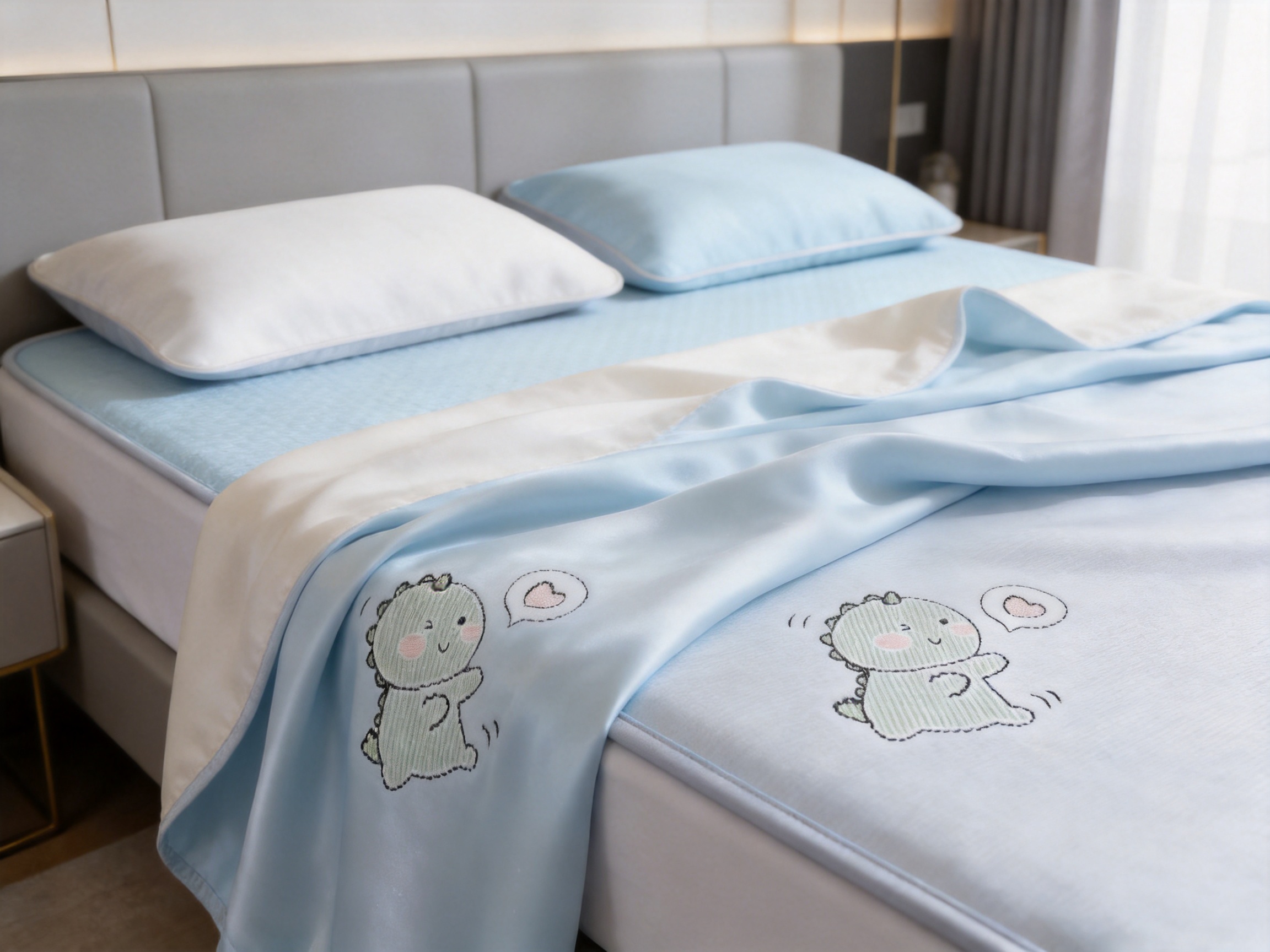
6. Manufacturing Process from Fiber to Finished Fabric
6.1 Fiber and Yarn Preparation
The production process begins with the selection and preparation of suitable regenerated cellulose fibers and, where required, small quantities of supporting fibers. Fiber quality affects yarn evenness, softness, strength, moisture behavior, and the consistency of the finished surface.
During yarn preparation, technical parameters must be selected according to the intended fabric construction. Yarn count, twist, blend uniformity, and tensile characteristics influence the hand feel and processing behavior. A yarn that is too coarse may create an undesirable surface, while an overly delicate yarn may reduce production efficiency or durability.
For cooling-oriented applications, yarn preparation should support a smooth and comfortable contact surface. The manufacturer must also consider whether the fabric will be quilted, laminated, sewn into a removable cover, or used as a decorative outer layer. These processes place different demands on yarn strength and dimensional stability.
6.2 Weaving and Fabric Formation
Fabric formation determines the basic structure, density, appearance, and mechanical behavior of the material. Weaving parameters influence how the fabric drapes, stretches, recovers, resists deformation, and responds to cutting and sewing. A suitable construction can provide a balance between airflow, coverage, surface smoothness, and strength.
During production, stable machine settings and controlled tension are important. Uneven tension may cause barre, streaks, width variation, or irregular hand feel. Proper monitoring helps the manufacturer produce a more consistent fabric roll and reduce defects that could become visible in large finished products.
For mattress and cooling mat applications, fabric construction must also be compatible with the geometry of the finished article. A cover that is too loose may wrinkle or shift. A fabric that is too rigid may be difficult to install over curved edges. A balanced structure makes assembly more efficient and improves the appearance of the final product.
6.3 Dyeing and Color Development
Color is a major factor in home textiles. Cooling products are often associated with light, calm, and fresh visual palettes, although darker and more decorative colors may also be required for sofa fabrics, pet products, or hotel applications. The dyeing process must achieve the desired shade while preserving the fabric’s softness and structural integrity.
Color consistency is particularly important for repeat orders. Buyers may use the same fabric across multiple product sizes or production batches. Differences in shade can create visible variation between mattress panels, pillowcases, or coordinated bedding sets. A controlled color-development process and retained standards help reduce this risk.
Colorfastness should be evaluated according to the intended use and care instructions. A fabric exposed to perspiration, washing, friction, or sunlight may require appropriate testing. Customers should confirm the exact test requirements with the supplier before approving bulk production.
6.4 Finishing and Surface Treatment
Finishing can influence softness, smoothness, appearance, dimensional stability, and the tactile impression of the fabric. For Ice Silk Cooling Mat Fabric, finishing should enhance the comfort concept without creating an excessively coated or artificial surface.
Finishing conditions must be controlled carefully because excessive heat, tension, or chemical treatment may affect the regenerated cellulose fibers. The objective is to achieve a stable and attractive fabric while retaining the natural-feeling qualities that make the material suitable for bedding and direct-contact applications.
Depending on the buyer’s needs, additional treatments may be evaluated for moisture resistance, hygiene support, flame retardancy, or other functional objectives. Such treatments should be discussed at the development stage because they may influence color, hand feel, breathability, washing behavior, and regulatory documentation.
6.5 Inspection, Testing, and Packing
Finished fabric should be inspected for appearance, width, weight, color, weaving defects, stains, holes, streaks, and other issues. Testing may include dimensional stability, colorfastness, tensile strength, tear strength, pilling resistance, abrasion resistance, and washing behavior, depending on the application.
Inspection is especially important for fabrics used on large visible surfaces. A small defect that is difficult to notice in a folded sample can become highly visible on a mattress top, sofa panel, or cooling mat. Careful roll inspection helps buyers reduce cutting loss and improve finished-product consistency.
Packaging should protect the fabric from moisture, dust, crushing, and contamination during storage and transportation. The fabric must be completely dry before shipment and should be packed in a manner appropriate for international logistics and warehouse handling.
7. Application Areas
7.1 Mattress Fabric
As a mattress fabric, Ice Silk Cooling Mat Fabric can serve as a top-panel material, removable cover, side panel, or decorative accent. It can support mattress designs aimed at summer comfort, breathable construction, and premium tactile quality.
Manufacturers may combine the fabric with quilting, foam, padding, mesh, or other structural layers. The choice depends on the desired mattress thickness, appearance, pressure response, and care method. The fabric’s 200 to 400 GSM range provides flexibility for different constructions, from relatively light covers to more substantial surface panels.
7.2 Children’s Mattress Fabric
Children’s sleep products require particular attention to softness, safety, cleanliness, and durability. A smooth cooling surface can help create a comfortable sleeping environment, especially in warm seasons. However, the finished product should be designed without hazardous accessories, unsafe seams, or unsuitable chemical treatments.
Buyers should verify the applicable children’s textile requirements in the target market. The fabric information indicates compliance with national textile basic safety technical specifications such as the GB 18401 standard. Product developers should still confirm current documentation, testing scope, and final-product compliance for each order and destination.
7.3 Pillowcase and Pregnancy Pillow Fabric
Pillowcases and pregnancy pillows require a pleasant hand feel because they remain close to the face, neck, shoulders, and body. The smooth surface of cooling mat fabric can enhance the perceived quality of these products and support a fresh, comfortable user experience.
Pregnancy pillows may have complex shapes and require covers that can be removed, washed, and reinstalled. Fabric flexibility, seam performance, zipper compatibility, and dimensional stability should therefore be assessed during product development. A suitable weight and construction can help the cover fit the internal pillow without excessive sagging or difficulty during assembly.
7.4 Sofa and Decorative Upholstery
Functional decorative textiles can bring comfort-oriented properties into sofas, lounge furniture, cushions, and hotel seating. In these applications, the fabric must balance visual appeal with resistance to abrasion, friction, body contact, and regular handling.
Ice Silk Cooling Mat Fabric can be developed in colors and textures that support interior design requirements. It may be used for selected decorative panels, cushions, seasonal furniture covers, or specialized seating products. For heavy-use upholstery, buyers should request application-specific abrasion and durability testing before final approval.
7.5 Pet-Friendly Fabrics
Pet products require fabrics that are comfortable but practical. Cooling mats, pet cushions, kennel pads, and seasonal covers may benefit from a smooth surface that is pleasant for animals to lie on. The product should also consider hair, dirt, claw contact, odor, washing, and seam durability.
The fabric alone does not make a product completely pet-proof. Product designers should select suitable internal fillings, reinforce seams, avoid loose components, and establish a realistic cleaning method. Nevertheless, a carefully selected textile surface can improve the comfort and appearance of pet products while supporting a premium market position.
8. Technical Specification Guide
The following table summarizes the general product information available for Ice Silk Cooling Mat Fabric. Exact values should be confirmed by approved samples and production specifications because fabric performance can vary according to construction, finishing, and order requirements.
| Item | General Information | Development Consideration |
|---|---|---|
| Product category | Ice Silk Cooling Mat Fabric | Suitable for cooling mats, bedding, mattress covers, pillow products, sofas, and pet applications |
| Common composition | More than 90% regenerated cellulose fibers, such as Lyocell or Viscose; optional minimal polyester blend | Select the blend according to softness, stability, durability, and processing requirements |
| Typical grammage | Approximately 200–400 GSM | Higher GSM generally provides a fuller hand and greater coverage; lower GSM may support lighter constructions |
| Primary comfort concept | Smooth, soft, cooling-oriented surface sensation | Evaluate both initial cool touch and extended-use comfort in the completed product |
| Care recommendation | Use neutral detergent and cold water or water below 30°C; avoid prolonged soaking | Confirm care instructions through finished-product testing |
| Drying recommendation | Dry in a shaded, ventilated area away from direct sunlight | Reduce excessive heat and direct ultraviolet exposure during drying |
| Storage recommendation | Store clean and completely dry in a ventilated, dry place without heavy pressure | Protect fabric from moisture, compression, dust, and contamination |
| Safety reference | National textile basic safety technical specifications, such as GB 18401 | Verify current test reports and destination-market requirements |
9. Care, Washing, and Storage
Correct care is essential for maintaining the appearance and comfort of regenerated-cellulose-rich fabrics. For routine washing, a neutral detergent and cold water or water below 30°C are recommended. Gentle washing can help reduce unnecessary stress on the fibers and preserve the surface finish.
Prolonged soaking should be avoided. Extended exposure to water and detergent may increase swelling, color migration, deformation, or loss of surface smoothness, depending on the fabric construction and finishing treatment. If the fabric is used as a removable cover, the washing process should follow the care label and the finished product’s construction requirements.
Direct sunlight should be avoided during drying. A shaded, ventilated drying area can help protect color and reduce unnecessary thermal or ultraviolet exposure. Excessive heat may also affect dimensional stability, especially when the fabric is combined with elastic components, foam, laminated layers, or internal fillings.
Before use, the fabric or finished product should be wiped with clean water or washed gently when appropriate. This can remove dust or handling residues accumulated during manufacturing, packing, and transportation. The material should be completely dry before storage or use.
For storage, fold the clean and dry fabric and place it in a ventilated, dry location. Avoid heavy pressure, which may create long-lasting creases or compress the surface. Storage areas should be protected from water, high humidity, direct sunlight, strong odors, and contamination from chemicals or oils.
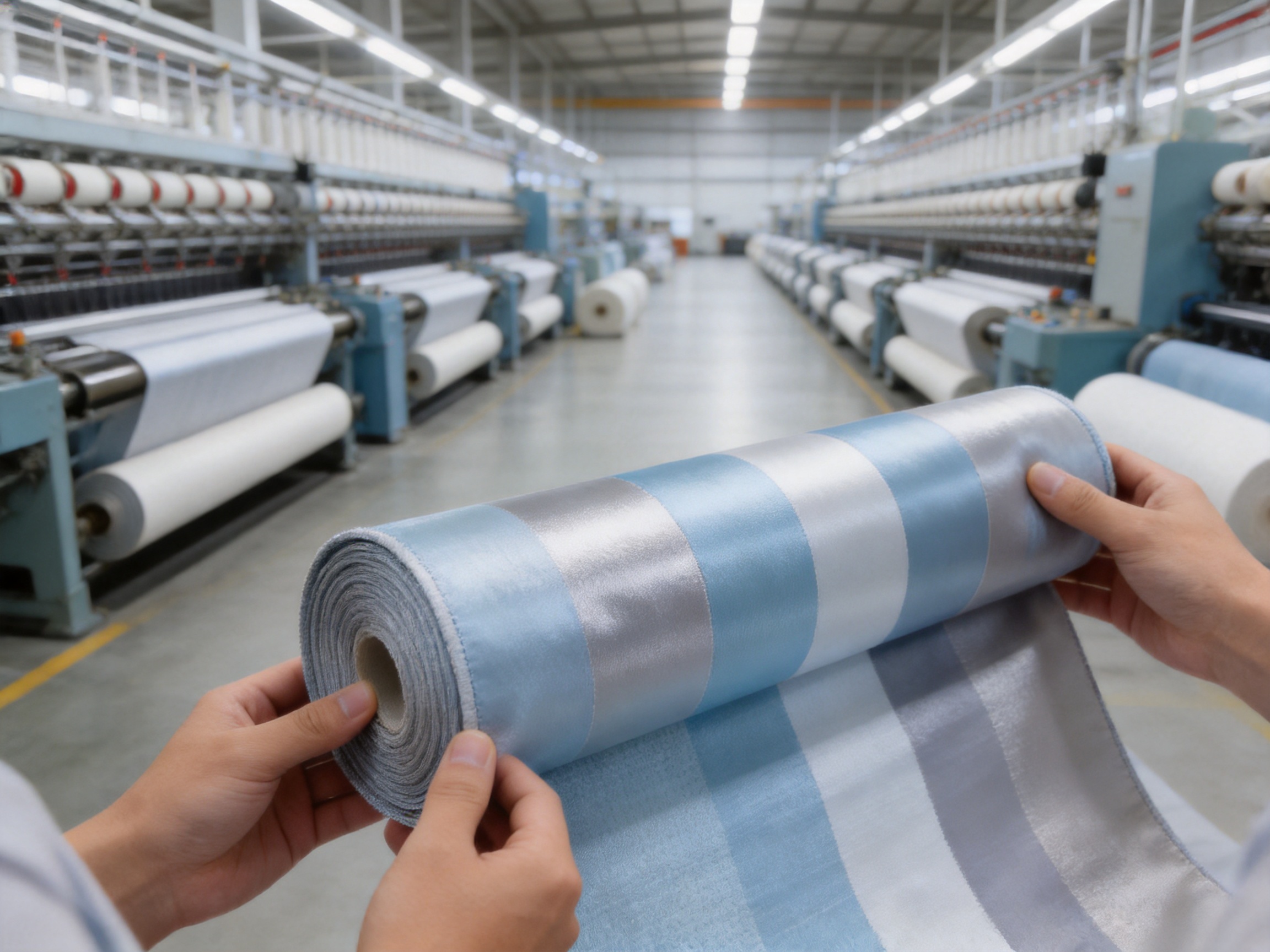
10. Quality Control and Compliance Considerations
Quality control begins with clear specifications. Buyers should define the intended application, target composition, GSM range, usable width, color standard, surface appearance, hand feel, shrinkage tolerance, and required performance tests before bulk production. Clear specifications make communication easier and reduce the risk of misunderstanding.
Composition verification is important when the product is marketed as a regenerated-cellulose-rich fabric. Buyers may request composition testing and relevant documentation. If a small amount of polyester is used, the actual ratio should be consistent with the approved specification and labeling requirements in the target market.
Fabric weight and width should be checked across production rolls. Variations can affect cutting plans, sewing dimensions, product weight, and cost calculations. For mattress and cooling mat manufacturers, width consistency is especially useful because large panels may be cut from the fabric with limited tolerance for edge waste.
Appearance inspection should cover holes, broken yarns, oil marks, stains, uneven dyeing, streaks, color bars, wrinkles, and other visible problems. The inspection method should be agreed in advance, including lighting conditions, roll length, defect grading, and acceptable tolerance.
Safety compliance should be handled responsibly. The supplied information identifies national textile basic safety technical specifications, including the GB 18401 standard, as a relevant reference. Buyers must determine which safety category and testing requirements apply to the finished product, its intended user group, and its destination country or region.
Additional claims such as antibacterial, flame-retardant, moisture-resistant, or sleep-supporting should only be used when supported by appropriate testing and documentation. A manufacturer with broad functional textile experience can help coordinate development, but claims must remain consistent with verified product performance.
11. Customization and Product Development
Customization is a major advantage for companies developing differentiated bedding and home textile products. Buyers may require particular colors, weights, widths, textures, compositions, or finishing treatments. A supplier with experience in both decorative and functional textiles can help integrate these needs into a workable construction.
11.1 Color and Appearance
Cooling products are often presented in soft blue, gray, white, green, beige, or other calm tones. However, the best color depends on the brand’s positioning and the application environment. A hotel may require a coordinated neutral palette, while a children’s product may use brighter colors or playful combinations. Sofa and pet products may require darker shades that are more practical for everyday use.
Surface texture can also influence the product’s perceived quality. A subtle texture may conceal minor handling marks and add visual depth, while a smoother surface may reinforce the cooling concept. Buyers should evaluate color and texture together because the same construction can appear different under natural, warm, and commercial lighting.
11.2 Weight and Construction
The 200 to 400 GSM range provides a starting point, but the final specification should be selected through samples and application trials. A mattress cover may require a different balance from a pillowcase. A pet cushion may need a stronger construction than a decorative sofa panel. The supplier can adjust the construction to match the expected stress and desired hand feel.
11.3 Functional Finishing
Functional finishing may be considered when the finished product requires additional properties. Moisture resistance could be relevant to certain mattress protectors or pet products. Flame retardancy may be important for specific furniture and hospitality applications. Hygiene-oriented treatments may be evaluated for products where cleanliness is a key selling point.
Every added treatment can affect breathability, softness, color, washing behavior, and cost. Therefore, finishing should be selected through a controlled development process rather than added without testing. The finished product should be evaluated under realistic use conditions.
12. Why Manufacturer Experience Matters
Textile buyers often compare suppliers primarily by quotation. Price is important, but the total value of a fabric also includes development support, consistency, delivery reliability, documentation, technical communication, and after-sales cooperation. A low initial price may become expensive if the fabric causes cutting loss, sewing problems, color variation, or customer complaints.
A manufacturer with 19 years of industry experience can bring practical knowledge to these challenges. Experience helps identify potential problems before bulk production, such as unsuitable fabric weight, excessive shrinkage, insufficient seam strength, or a finish that does not withstand washing.
Long-term manufacturing experience also supports more realistic customization. Some specifications may appear attractive in theory but be difficult to produce consistently. An experienced supplier can explain the trade-offs between softness, stability, cost, durability, and production efficiency, helping the buyer select a specification that is commercially viable.
The recognition of Xinsili as a National High-Tech Enterprise in 2023 further reflects its emphasis on technological development and innovation. This recognition should be considered alongside actual samples, test reports, factory communication, and order performance. Together, these factors provide a more complete basis for supplier evaluation.
13. Sustainability and Responsible Material Selection
Regenerated cellulose fibers are often considered in sustainability-oriented textile development because they are cellulose-based and can provide a lower-synthetic-content alternative to fabrics made entirely from conventional petroleum-derived fibers. However, sustainability should be evaluated across the full supply chain, including raw material sourcing, chemical processing, energy use, dyeing, finishing, transportation, product lifespan, and end-of-life treatment.
A high regenerated-cellulose content can support a product story centered on natural-feeling comfort and reduced dependence on fully synthetic construction. Nevertheless, buyers should request accurate composition information and avoid making environmental claims that exceed the available evidence.
Durability is also part of responsible textile design. A fabric that remains attractive and functional for a longer period may reduce replacement frequency. For this reason, the best product is not necessarily the softest or lightest fabric, but the one that provides an appropriate balance of comfort, service life, maintenance, and user satisfaction.
Xinsili’s stated focus on safe, healthy, comfortable, and sustainable living spaces aligns with the growing demand for responsible functional textiles. Through controlled manufacturing and application-based development, the company can help customers explore fabric solutions that combine design value with practical performance.
14. Purchasing and Evaluation Recommendations
Before placing a bulk order, buyers should request representative samples and evaluate them in the actual product structure. A small swatch can demonstrate softness and appearance, but it cannot fully reveal how the fabric behaves during quilting, sewing, installation, washing, or prolonged use.
For mattress and cooling mat products, test the fabric after it has been joined to the intended filling or support layer. Check whether it wrinkles, shifts, stretches, or creates uncomfortable pressure points. For pillowcases and pregnancy pillow covers, evaluate zipper installation, seam appearance, dimensional stability, and ease of removal.
For sofas and pet products, conduct application-specific abrasion, friction, stain, and cleaning assessments. The appropriate test depends on the market, product price, anticipated use intensity, and care instructions. Buyers should communicate these requirements to the supplier before sampling whenever possible.
It is also advisable to confirm the following points in writing:
1. Fiber composition and acceptable tolerance.
2. Target fabric weight and usable width.
3. Color standard and approved sample reference.
4. Roll length, packing method, and labeling requirements.
5. Washing and drying recommendations.
6. Required safety, quality, and performance reports.
7. Minimum order quantity and lead time.
8. Inspection procedure and handling of nonconforming goods.
9. Requirements for repeat-order consistency.
10. Whether customized finishing or functional treatments are available.
15. Q&A
Q1: What is Ice Silk Cooling Mat Fabric made from?
It is commonly made from more than 90 percent regenerated cellulose fibers, such as Lyocell or Viscose. Some constructions may include a small amount of polyester to improve stability, strength retention, or processing performance.
Q2: Does the fabric actively refrigerate a mattress or cooling mat?
No. It is a passive cooling-oriented textile. It is designed to provide a smooth and cooler-feeling surface through its fiber composition, fabric construction, and surface characteristics. It does not replace an electrical cooling system or mechanical refrigeration.
Q3: What is the typical fabric weight?
The usual grammage range is approximately 200 to 400 GSM. The best weight depends on whether the fabric is intended for a mattress cover, pillowcase, cooling mat, sofa panel, bedding product, or pet cushion.
Q4: Can this fabric be used for children’s products?
It may be used for children’s mattress products and related bedding applications, provided that the complete finished product meets the relevant safety and performance requirements. Buyers should confirm applicable standards, testing, chemical restrictions, and construction requirements for the target market.
Q5: Is the fabric suitable for direct skin contact?
Its smooth and soft regenerated-cellulose-rich construction is suitable for direct-contact applications such as bedding, pillowcases, and pregnancy pillow covers. Final suitability should be confirmed through hand-feel evaluation, safety testing, colorfastness testing, and finished-product trials.
Q6: How should the fabric be washed?
Use neutral detergent with cold water or water below 30°C. Gentle washing is recommended, and prolonged soaking should be avoided. The exact care label should be confirmed according to the finished product and any additional treatments applied.
Q7: Can the fabric be dried in direct sunlight?
Direct sunlight is not recommended. The fabric should be dried in a shaded, ventilated area to help protect color, surface quality, and dimensional stability.
Q8: Can the fabric be customized?
Customization may be available for composition, weight, color, width, surface appearance, and selected functional finishing options. The feasibility of each request should be reviewed through technical sampling and production evaluation.
Q9: Is a polyester blend always necessary?
No. A high regenerated-cellulose construction may be suitable when softness and direct-contact comfort are the primary objectives. A small polyester blend may be considered when additional dimensional stability, strength, or processing support is needed.
Q10: What makes this product different from a standard cooling fabric?
Its value comes from the combination of a high regenerated-cellulose content, smooth tactile quality, cooling-oriented surface concept, flexible weight range, and suitability for both functional and decorative applications. Manufacturing consistency and customization support further strengthen its commercial value.
Q11: Is the fabric suitable for sofas?
It can be considered for selected sofa panels, cushions, seasonal covers, and decorative upholstery applications. Heavy-use upholstery should be evaluated with appropriate abrasion, seam, colorfastness, and durability testing before approval.
Q12: Can it be used for pets?
Yes, it can be used for pet cooling mats, cushions, kennel pads, and related products. Product designers should also consider claw contact, hair, dirt, cleaning frequency, seam reinforcement, and the safety of the internal filling.
Q13: What safety standard is referenced for the fabric?
The supplied product information references national textile basic safety technical specifications, including GB 18401. Buyers should confirm current documentation and any additional requirements applicable to the finished product and destination market.
Q14: Why should buyers work with an experienced manufacturer?
An experienced manufacturer can help coordinate fiber selection, fabric construction, finishing, inspection, customization, and production planning. This reduces development risk and improves the possibility of achieving consistent quality across repeat orders.
16. Conclusion
Ice Silk Cooling Mat Fabric offers a practical textile solution for manufacturers seeking a softer, smoother, and more cooling-oriented surface for modern comfort products. Its common composition of regenerated cellulose fibers provides a strong foundation for bedding, mattress, pillow, pregnancy support, cooling mat, sofa, and pet applications. A typical 200 to 400 GSM range allows product developers to select a suitable balance of flexibility, coverage, hand feel, and structural presence.
Compared with basic polyester, heavy cotton, plastic-like cooling surfaces, and inconsistent low-quality blends, the fabric can offer a more balanced combination of tactile comfort, visual refinement, moisture-oriented comfort, and application flexibility. Its true competitive advantage is achieved when suitable material selection is combined with stable weaving, controlled finishing, careful inspection, and responsible technical documentation.
Hangzhou Xinsili Decorative Fabric Weaving Co., Ltd. brings 19 years of industry experience, a factory area of approximately 12,000 square meters, functional textile development expertise, and a stated commitment to craftsmanship, innovation, quality, and sustainable living spaces. These strengths make the company a capable development partner for customers seeking customized functional decorative textiles rather than undifferentiated commodity fabric.
For the best results, buyers should evaluate approved samples in the intended finished product, confirm composition and performance requirements, and establish clear care, testing, packaging, and repeat-order standards. With an application-focused development process, Ice Silk Cooling Mat Fabric can support the creation of comfortable, attractive, and commercially differentiated textile products for residential, hospitality, commercial, and pet-care markets.
References
1. General textile fiber and fabric engineering principles concerning regenerated cellulose fibers, yarn construction, weaving, dyeing, and finishing.
2. National textile basic safety technical specifications, including the GB 18401 reference identified in the product information.
3. Standard textile quality-control practices for fabric composition, grammage, width, colorfastness, dimensional stability, tensile strength, tear strength, abrasion, and pilling.
4. Textile care principles for cellulose-rich fabrics, including low-temperature washing, reduced soaking, shaded drying, and dry ventilated storage.
5. Product development guidance for mattresses, bedding, cooling mats, pillow products, upholstery, and pet textiles.
6. Manufacturer-provided product information for Ice Silk Cooling Mat Fabric, including composition, grammage range, care recommendations, storage notes, and safety references.
7. Manufacturer-provided company information concerning functional decorative textile research, development, manufacturing experience, factory capacity, and enterprise recognition.
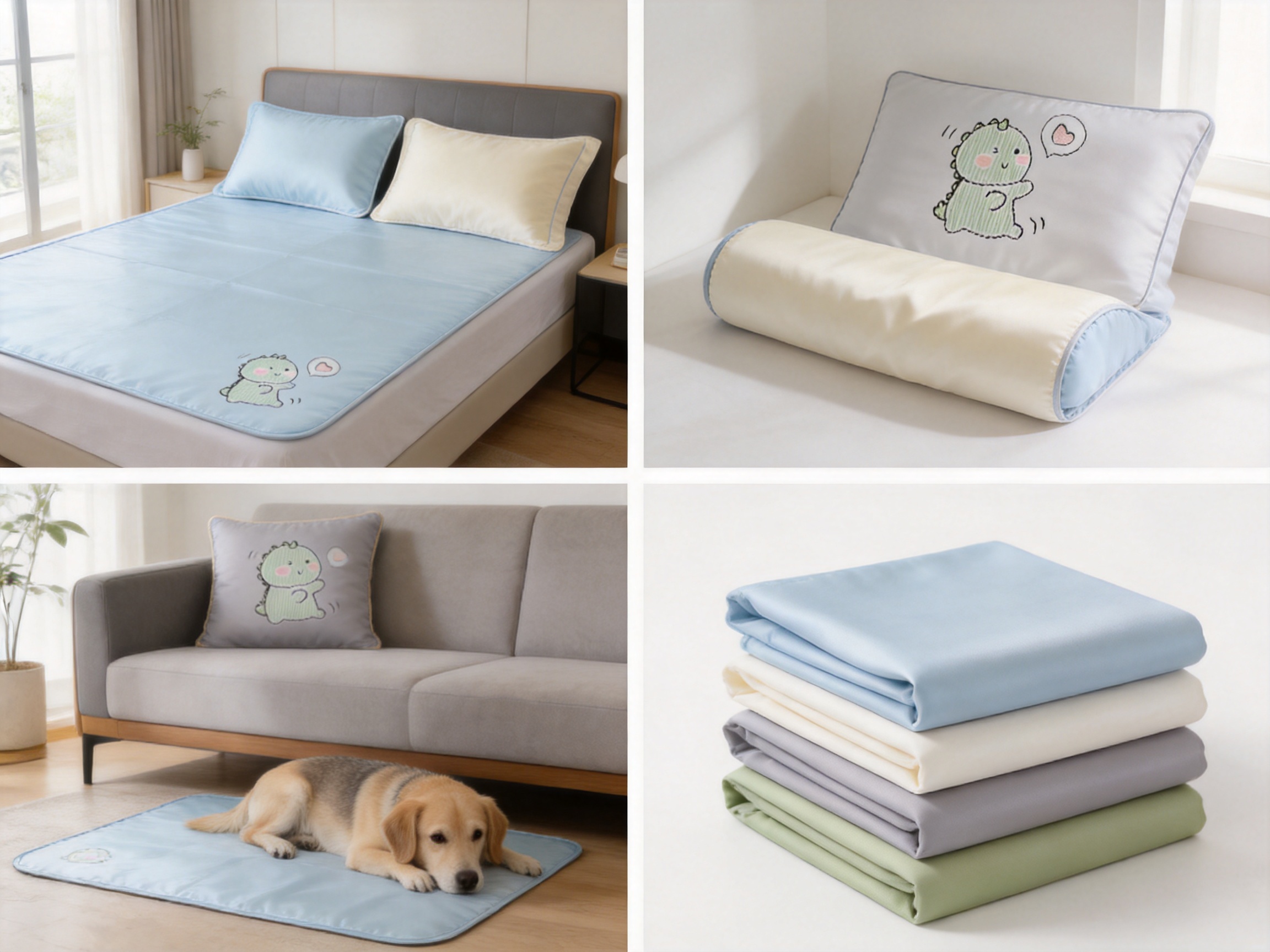
For product inquiries, sampling, and customized fabric development, buyers may consult the manufacturer regarding composition, GSM, color, width, finishing options, testing documentation, minimum order requirements, and application-specific production recommendations.
Product: Ice Silk Cooling Mat Fabric

Our Featured Products
-
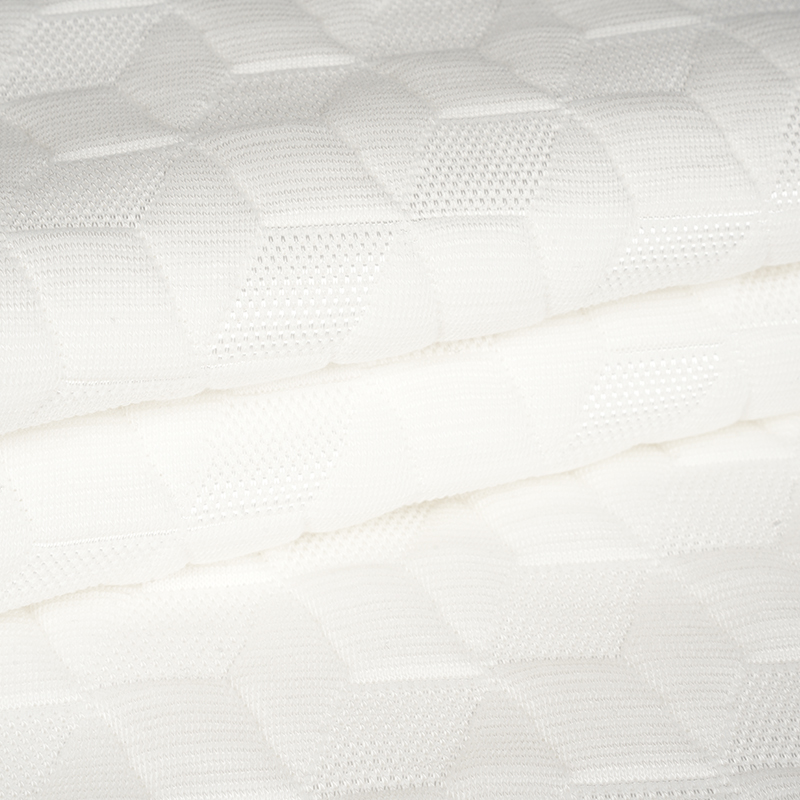
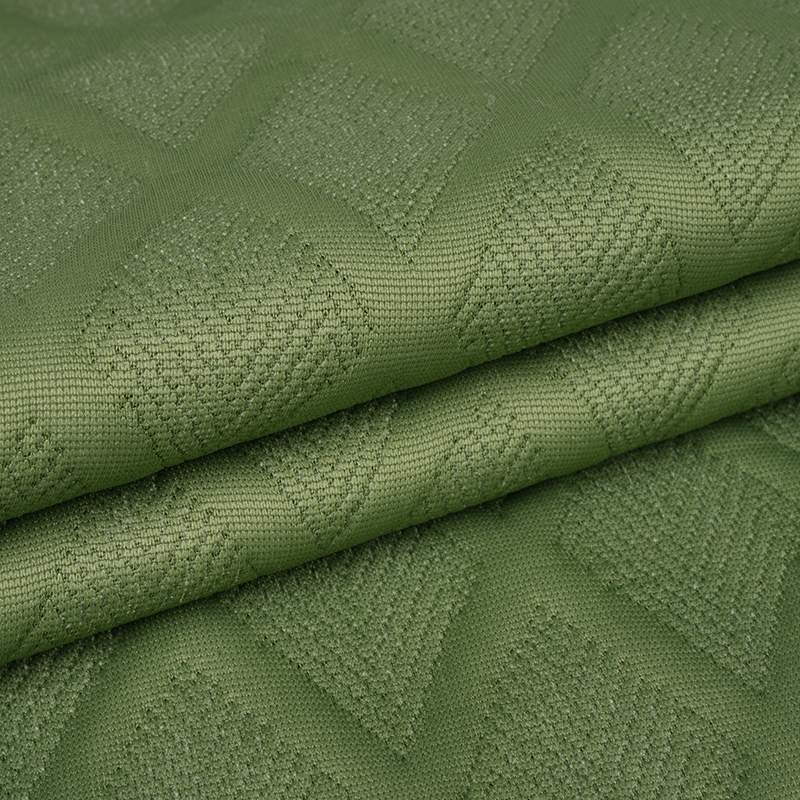
Polyester Mattress Fabric
Polyester Mattress Fabric
-
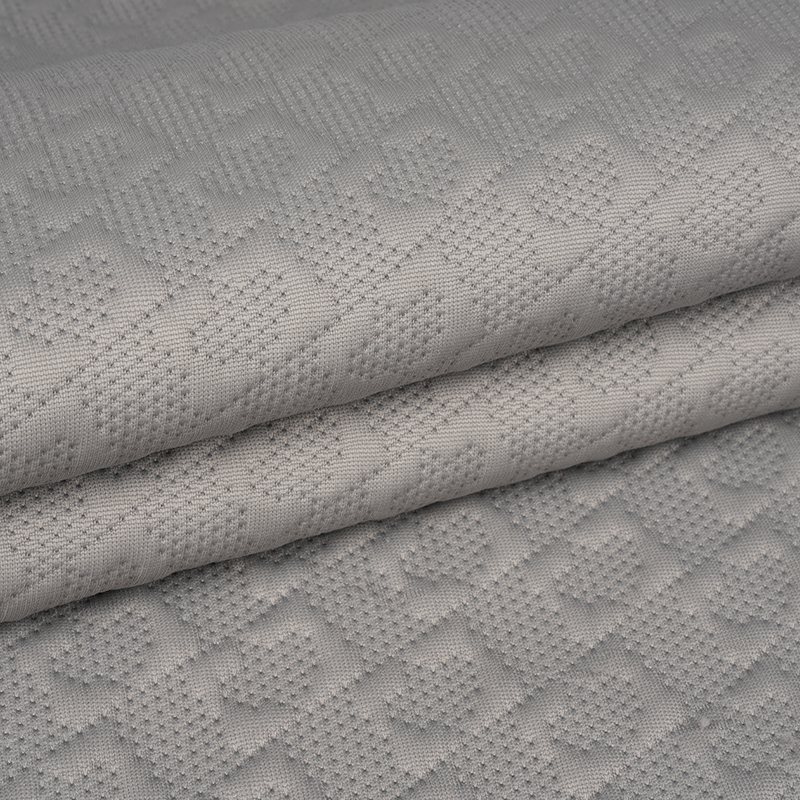
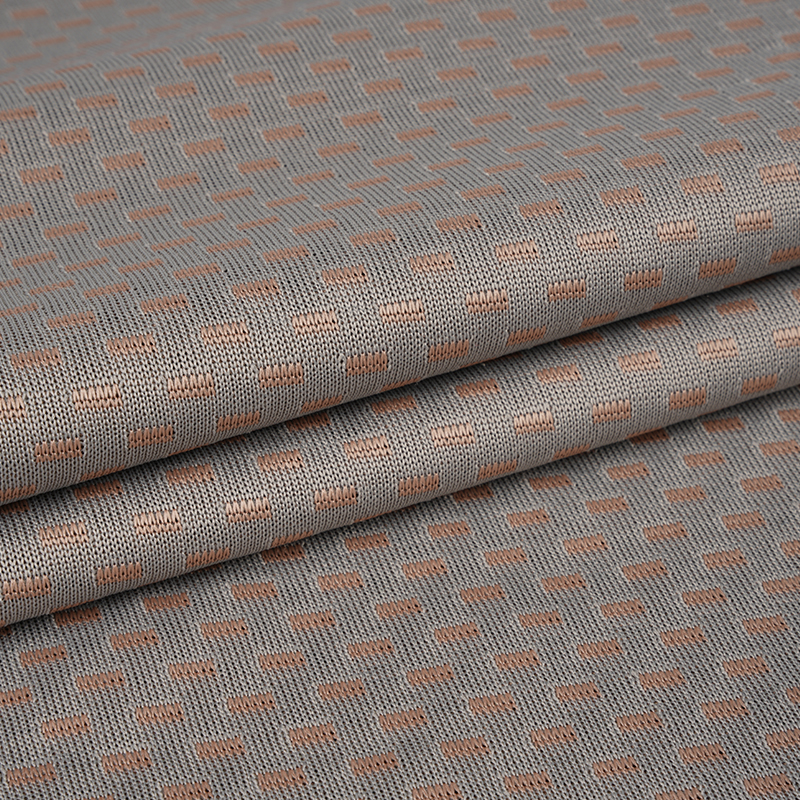
Antibacterial Yarn Children Mattress Fabric
Antibacterial Yarn Children Mattress Fabric
Haven’t Found The Products You Want?
-
-
Shen Jinyan:+86-15158070676
[email protected]
Liang Jinwen:+86-15757186621
[email protected]
Qiu Yingyingn:+86-13819545790
[email protected]
Yi qiao Town, Xiaoshan District, Hangzhou City, Zhejiang Province, China
-
Products
Mattress Fabric Children Mattress Fabric Pillowcase Fabric Pregnancy Pillow Fabric Cooling Mat Fabric Bedding Fabric Sofa Fabric Pet Friendly Fabrics -
Contact Information
About Us Products Strength Sustainability News Contact Us
Copyright © Hangzhou Xinsili Decorative Fabric Weaving Co.,Ltd. All Rights Reserved.
Functional Decorative Textile Manufacturers
