

 English
 中文简体
中文简体 Español
 عربى
عربى русский


Graphene Sofa Fabric: Advanced Performance, Comfort, and Sustainable Decorative Textile Innovation
Content
- 1 Understanding Graphene Sofa Fabric
- 2 Why Functional Upholstery Fabrics Are Increasing in Demand
- 3 Key Advantages of Graphene Sofa Fabric
- 4 Comparison with Conventional Sofa Fabrics
- 5 Advanced Manufacturing Approach
- 6 Manufacturing Strengths of Hangzhou Xinsili Decorative Fabric Weaving Co., Ltd.
- 7 Applications in Residential Interiors
- 8 Applications in Hotels and Commercial Spaces
- 9 Design and Customization Possibilities
- 10 Installation, Care, and Service Life
- 11 How Graphene Sofa Fabric Supports Sustainable Interior Goals
- 12 Why Choose a Specialized Functional Decorative Textile Supplier
- 13 Recommended Evaluation Process for Buyers
- 14 Frequently Asked Questions
- 14.1 What is graphene sofa fabric?
- 14.2 Is graphene sofa fabric suitable for everyday home sofas?
- 14.3 Does graphene fabric automatically provide antibacterial or flame-retardant performance?
- 14.4 Can the fabric be customized in color and texture?
- 14.5 What makes this fabric different from ordinary polyester sofa fabric?
- 14.6 Can graphene sofa fabric be used in hotels and commercial furniture?
- 14.7 How should graphene sofa fabric be cleaned?
- 14.8 Does the graphene function remain after washing or cleaning?
- 14.9 Why is manufacturing precision important for graphene textile?
- 14.10 What information should be requested before ordering?
- 14.11 Is graphene sofa fabric environmentally friendly?
- 14.12 Who manufactures this graphene sofa fabric?
- 15 Conclusion
- 16 References
- 17 Product: Graphene Sofa Fabric
Modern furniture textiles must do more than provide color and visual appeal. A sofa fabric is expected to withstand daily use, support comfortable living, complement interior design, and contribute to a healthier indoor environment. As residential, hospitality, office, and commercial interiors become more demanding, conventional upholstery fabrics are increasingly being evaluated according to measurable functional properties as well as appearance. Graphene sofa fabric represents one response to this changing market. By integrating graphene-related functional technology into a decorative textile structure, it aims to combine refined upholstery aesthetics with enhanced comfort, durability, thermal regulation, and practical usability.
Graphene Sofa Fabric is developed for applications in sofas, lounge chairs, upholstered benches, headboards, hospitality seating, and other interior furnishings. Its value lies not only in the inclusion of graphene as a functional material, but also in the way the material is incorporated into a stable and attractive textile system. A successful upholstery fabric must remain soft enough for everyday contact, strong enough for repeated use, visually consistent across production lots, and adaptable to different furniture designs. The fabric therefore requires coordinated control of fiber selection, yarn preparation, weaving, finishing, inspection, and packaging.
Hangzhou Xinsili Decorative Fabric Weaving Co., Ltd. specializes in the research, development, and precision manufacturing of decorative textiles. With 19 years of industry experience, a factory area of approximately 12,000 square meters, and recognition as a National High-Tech Enterprise in 2023, the company has established a manufacturing foundation for functional fabrics used in residential, hotel, and commercial environments. Its product development philosophy combines craftsmanship-driven manufacturing, design innovation, and long-term cooperation with customers.
This article examines the construction, advantages, manufacturing process, application potential, quality considerations, and purchasing value of graphene sofa fabric. It also explains why a specialized functional decorative textile manufacturer can offer advantages over suppliers that focus only on surface appearance or basic upholstery production.
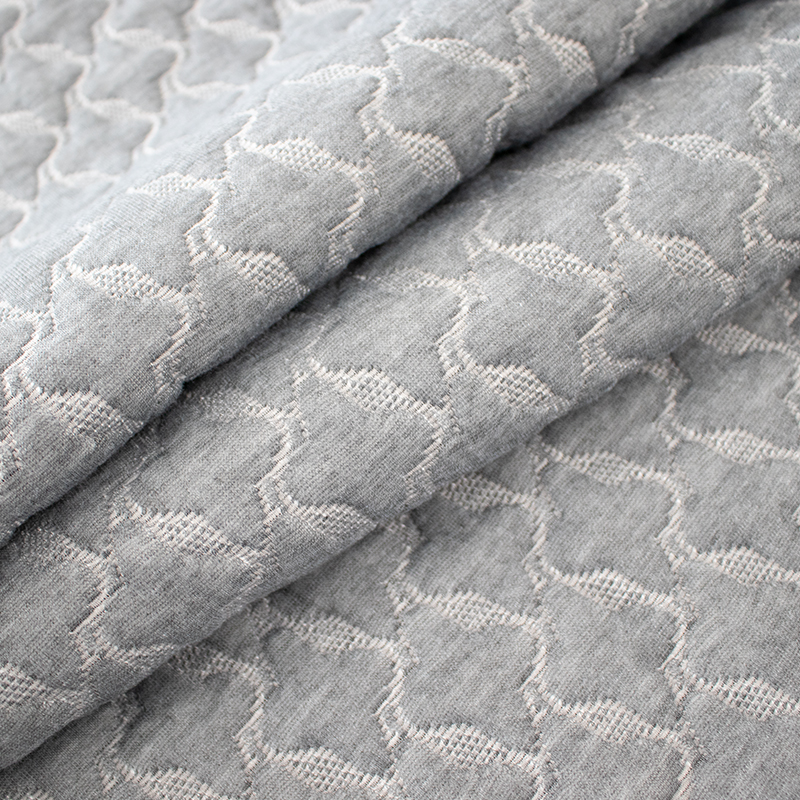
Graphene Sofa Fabric
Understanding Graphene Sofa Fabric
Graphene is a carbon-based material known for its thin structure and distinctive physical characteristics. In textile development, graphene may be introduced through functional fibers, masterbatch technology, coatings, blends, or other controlled textile processes. The exact method depends on the intended performance, fabric construction, hand feel, color requirements, and application environment. For sofa fabric, the objective is not simply to add a high-technology ingredient. The objective is to produce a balanced textile that maintains upholstery practicality while offering additional functional value.
Graphene sofa fabric can be designed in different constructions, including woven structures, knitted structures, blended surfaces, and laminated systems. Woven structures are particularly suitable for furniture upholstery because they can provide dimensional stability, structured appearance, and resistance to deformation. The fabric may be engineered with different yarn counts, densities, surface textures, and finishing treatments to meet the needs of specific furniture collections.
The functional properties associated with graphene-based textile development may include heat distribution, thermal comfort, static-control potential, conductivity-related performance, and compatibility with other functional finishes. Performance must always be evaluated according to the particular construction and tested specification of the finished fabric. In practical terms, the quality of graphene sofa fabric depends on the complete textile system rather than on the graphene content alone.
For interior designers and furniture manufacturers, this distinction is important. A fabric can contain an advanced functional material but still perform poorly if the yarn is unstable, the surface pills easily, the color varies, or the finishing process damages the hand feel. A professional supplier must therefore connect material innovation with precise manufacturing discipline.
Why Functional Upholstery Fabrics Are Increasing in Demand
Consumers spend long periods sitting on sofas and upholstered furniture. A sofa is often used for resting, reading, watching television, working remotely, receiving visitors, or caring for children and pets. These uses create multiple requirements: softness, abrasion resistance, easy maintenance, attractive appearance, low odor, and a comfortable temperature against the skin.
Hotels, serviced apartments, offices, healthcare-related interiors, and commercial venues face additional challenges. Furniture may be used by many people every day, exposed to friction, cleaning routines, sunlight, and changing indoor conditions. Designers also want textile surfaces that support a clear visual identity while meeting project specifications. Functional decorative textiles can help furniture manufacturers respond to these requirements without sacrificing design flexibility.
Graphene sofa fabric is positioned within this movement toward performance-oriented interior materials. It provides a way to present a technologically advanced product while preserving the decorative role of upholstery fabric. Depending on the construction and tested performance, it may contribute to improved thermal comfort, a more controlled surface environment, and a differentiated product story for furniture brands and project suppliers.
Another important market trend is the growing interest in healthier and more sustainable living spaces. Buyers increasingly ask about material safety, environmental responsibility, manufacturing transparency, and service life. A durable fabric that remains attractive for longer can support furniture longevity and reduce the frequency of replacement. When combined with responsible production practices, this approach can contribute to more sustainable interior design.
Key Advantages of Graphene Sofa Fabric
Enhanced Thermal Comfort
One of the most discussed advantages of graphene-related textile technology is its ability to support thermal management. A sofa surface can feel uncomfortable when it becomes excessively warm in summer or cold in a low-temperature environment. A suitably engineered graphene textile may help distribute heat across the fabric surface more evenly, reducing concentrated hot or cold sensations.
For upholstery, thermal comfort is especially relevant because users remain in contact with the fabric for extended periods. Even heat distribution can make a sofa feel more comfortable during daily use. This feature may be attractive for homes, offices, lounges, hotels, and other spaces where seating comfort influences the perceived quality of the environment.
Thermal behavior depends on the fabric structure, fiber composition, thickness, finish, backing, foam system, room temperature, and user contact conditions. Therefore, graphene should not be treated as a universal guarantee of a particular temperature. Instead, it is best understood as part of a designed textile system intended to improve the comfort profile of the upholstery.
Functional Value Without Losing Decorative Appeal
Some performance fabrics have a technical appearance that limits their use in high-end interiors. Graphene sofa fabric can be developed with decorative surfaces, coordinated colors, subtle textures, and varied visual effects. This enables the material to serve two roles at the same time: it can meet functional expectations and remain compatible with contemporary furniture design.
Textile designers may create smooth, brushed, ribbed, matte, patterned, or softly textured surfaces. Different yarn combinations can provide visual depth and help the fabric match wood, metal, leather, glass, stone, and other interior materials. For furniture producers, the ability to combine technology with a broad design language makes the fabric more commercially versatile.
Potential Static-Control Benefits
Dry indoor air, synthetic materials, and friction can contribute to static electricity on furniture surfaces. Depending on its construction and electrical characteristics, a graphene-related textile may help support static dissipation. This can improve the perceived comfort of the surface and reduce the attraction of lightweight dust particles in some conditions.
Static-control performance must be verified through appropriate testing because humidity, backing materials, foam, clothing, flooring, and furniture construction can all influence results. Even so, the possibility of integrating electrical or conductive functionality into a decorative upholstery fabric gives graphene textiles a distinctive position compared with ordinary decorative fabrics.
Durability for Repeated Furniture Use
A sofa fabric must tolerate repeated sitting, sliding, rubbing, stretching, cleaning, and contact with clothing. Fabric strength, tear resistance, seam performance, abrasion resistance, dimensional stability, and pilling behavior are important indicators of upholstery suitability. A carefully engineered graphene sofa fabric can be produced with a stable woven structure and supportive yarn system that helps it perform under routine use.
Durability is not determined by one material alone. It depends on yarn quality, fabric density, weave design, finishing, cutting, sewing, upholstery tension, foam design, and maintenance. Xinsili’s precision manufacturing approach focuses on these interconnected factors. By managing production from textile development through finished-fabric inspection, the company can help ensure that functional performance is supported by dependable construction.
Compatibility with Health-Oriented Interior Concepts
Many modern interiors are designed around comfort, wellness, and a healthier relationship with materials. Decorative fabrics used in these environments may be expected to support cleanliness, moisture management, low odor, and comfortable touch. Graphene sofa fabric can be developed as part of a broader functional textile portfolio that may include antibacterial, moisture-resistant, flame-retardant, sleep-supporting, and comfort-improving technologies.
The presence of graphene does not automatically make a fabric antibacterial, flame retardant, or stain resistant. Those properties require appropriate materials, treatments, and testing. However, a manufacturer with experience in multiple functional textile categories can select complementary technologies according to the intended use. This integrated development capability is more valuable than simply adding a single fashionable material to an ordinary fabric.
Product Differentiation for Furniture Manufacturers
Furniture companies operate in a competitive market where visual similarity can make product differentiation difficult. A sofa covered in a functional graphene textile can be presented as a more advanced product than a standard upholstery model. The fabric may support marketing themes such as comfort technology, modern material science, healthy living, and premium interior performance.
Product differentiation is strongest when it is supported by consistent quality and credible documentation. Buyers may request samples, technical data, color cards, test reports, care instructions, and production details. A manufacturer that can communicate the fabric’s actual construction and verified properties gives furniture brands a stronger foundation for responsible marketing.
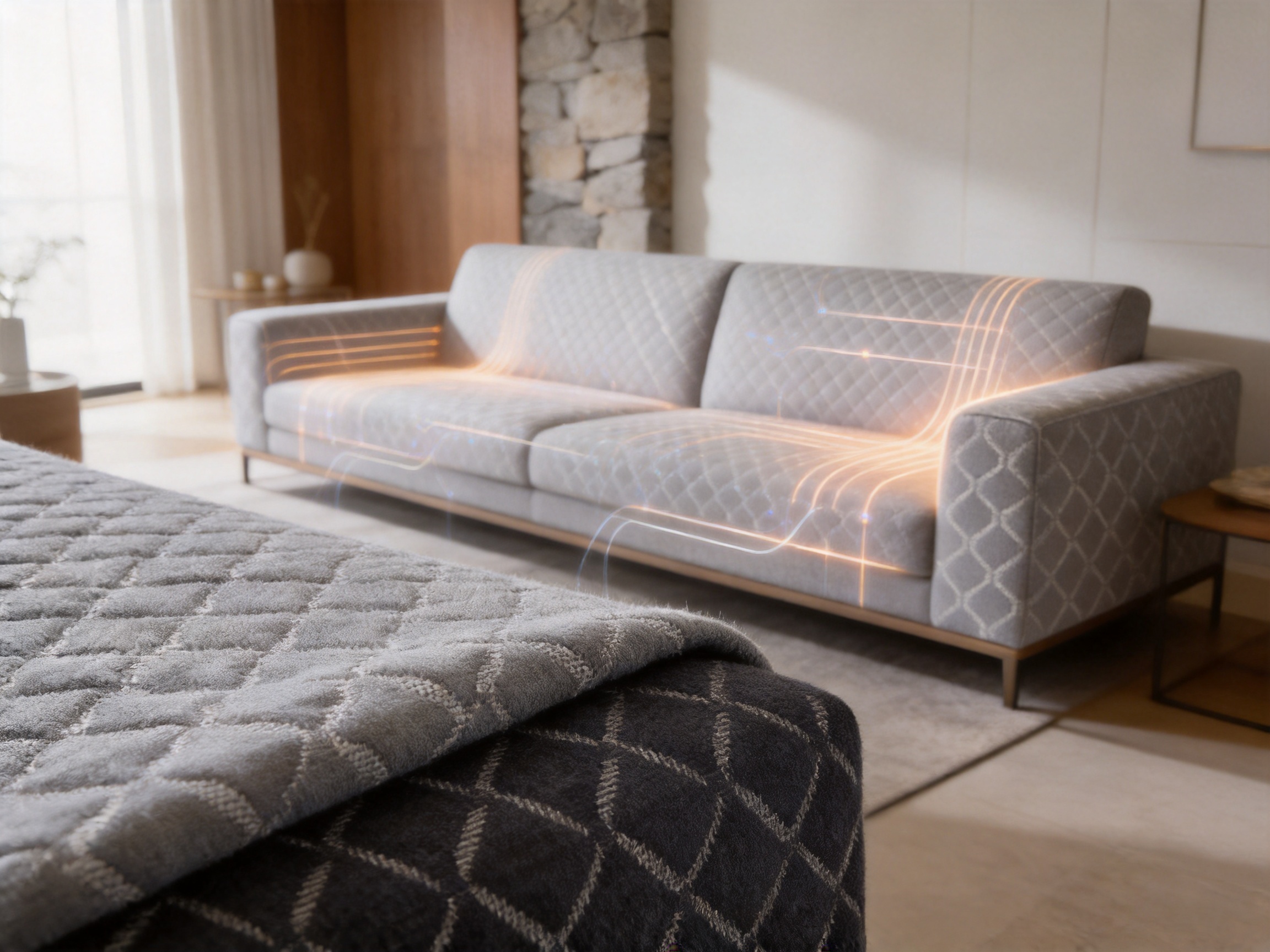
Comparison with Conventional Sofa Fabrics
Conventional polyester, cotton, linen, viscose, blended, and synthetic upholstery fabrics continue to serve many applications. They may offer attractive color ranges, familiar processing methods, and competitive prices. However, standard fabrics are not always designed to address advanced thermal, static, comfort, or functional requirements. Their performance may focus primarily on appearance, basic abrasion resistance, and general handling.
Graphene sofa fabric is differentiated by its functional design direction. Instead of treating upholstery as a passive decorative layer, it considers the fabric as an active part of the furniture experience. This can be valuable for projects where comfort, technology, and material innovation are central to the product concept.
| Evaluation Factor | Conventional Decorative Sofa Fabric | Graphene Sofa Fabric |
|---|---|---|
| Primary design purpose | Appearance, touch, and basic upholstery use | Decorative appearance combined with functional textile development |
| Thermal design potential | Depends mainly on fiber and fabric structure | May incorporate graphene-related heat-distribution or thermal-comfort functions |
| Static-control potential | Varies by fiber composition and humidity | May be enhanced through graphene-related functional properties and engineered construction |
| Market positioning | Standard residential or commercial upholstery | Technology-oriented, comfort-focused, and premium functional upholstery |
| Customization possibilities | Color, texture, density, and finish | Color, texture, density, finish, and selected functional performance goals |
| Technical development needs | Conventional yarn, weaving, dyeing, and finishing control | Additional control of functional material integration, consistency, and performance verification |
| Best application direction | General furniture and decorative projects | Smart furniture concepts, wellness interiors, hospitality, premium residential, and commercial projects |
This comparison does not mean that graphene fabric replaces every conventional upholstery material. Different projects have different budgets, design goals, cleaning requirements, and performance standards. The principal advantage of graphene sofa fabric is that it expands the range of value that a decorative textile can offer. It can serve projects seeking a combination of aesthetic quality, functional differentiation, and modern material technology.
Advanced Manufacturing Approach
Research and Development Planning
The production of a high-quality functional fabric begins before the first yarn enters the loom. Product developers review the target application, furniture structure, expected usage frequency, desired hand feel, color direction, environmental conditions, and testing requirements. For graphene sofa fabric, the development process must also consider how the functional material interacts with the yarn, dyeing process, finishing chemistry, and upholstery construction.
Xinsili’s research and development philosophy is based on combining practical manufacturing experience with technological advancement. The company focuses on functional decorative fabrics for home, hotel, and commercial spaces. This application-oriented approach helps connect laboratory concepts with real furniture requirements. A fabric is not considered successful merely because it contains an innovative material; it must also be workable for cutting, sewing, upholstering, inspection, storage, and distribution.
Material and Yarn Selection
Yarn selection influences strength, flexibility, surface appearance, moisture behavior, color retention, and comfort. Depending on the product specification, graphene-related components may be introduced through functional fibers or blended with other textile materials. The proportion and placement of functional material must be controlled to avoid unnecessary stiffness, uneven color, rough touch, or processing instability.
Other yarns may be selected to improve softness, resilience, surface fullness, abrasion resistance, or visual texture. A blended construction can balance performance and cost while preserving the desired decorative effect. Yarn suppliers and incoming materials should be evaluated for count, uniformity, strength, twist, moisture condition, and contamination. Consistent raw material control is essential for stable production results.
Warping and Weaving Precision
Warp preparation establishes the foundation for fabric stability. Incorrect tension, uneven yarn feeding, or poor beam preparation can lead to stripes, width variation, broken ends, and irregular density. In functional upholstery fabrics, these defects may affect not only visual quality but also the distribution of performance across the fabric width.
During weaving, the loom must maintain controlled tension, accurate insertion, stable beat-up, and reliable monitoring of yarn breaks. The selected weave can be engineered to provide a smooth face, textured surface, structured pattern, or reinforced construction. Weaving parameters influence drape, stretch, abrasion behavior, seam performance, and upholstery appearance. Precision at this stage supports both decorative consistency and functional reliability.
Finishing and Surface Development
Finishing transforms woven greige fabric into a usable decorative textile. Processes may include washing, drying, heat setting, brushing, shearing, calendaring, coating, softening, or other treatments. Each process must be selected carefully because excessive heat, tension, or chemical exposure can affect graphene-related functionality and the natural hand of the fabric.
A high-quality finishing program aims to stabilize width and length, control shrinkage, improve touch, develop the desired surface, and protect appearance during later upholstery use. If additional treatments are required, their compatibility with the functional textile structure must be evaluated. For example, a finish that improves softness should not undermine abrasion resistance, color fastness, or dimensional stability.
Surface design is especially important for sofa fabric. Designers may request a calm, uniform appearance for minimalist furniture or a more expressive texture for statement pieces. Finishing can help create visual depth and tactile character while maintaining the technical requirements of the product specification.
Inspection and Quality Control
Inspection is an essential part of decorative textile manufacturing. Fabric may be checked for width, weight, color consistency, weaving defects, stains, holes, yarn irregularities, surface marks, edge quality, and roll length. Functional fabrics may also require tests related to abrasion, pilling, tear strength, tensile strength, color fastness, shrinkage, static performance, thermal behavior, moisture management, or other agreed criteria.
Inspection should take place at multiple stages rather than only at the end of production. Incoming yarns and functional materials need review. Greige fabric should be checked before finishing. Finished rolls should be assessed under appropriate lighting and inspection conditions. Records should be maintained so that problems can be traced to a specific batch, process stage, or raw material source.
Stable quality is particularly important for furniture customers ordering large quantities. A sofa collection may require the same fabric across multiple production runs, furniture sizes, or regional markets. Consistent shade, width, hand feel, and performance help reduce cutting waste, rework, customer complaints, and production delays.
Packaging and Delivery Preparation
Even a well-manufactured fabric can be damaged by poor packaging or storage. Upholstery fabric should be wound with suitable tension, protected from moisture and contamination, and packed in a way that reduces crushing, abrasion, and edge damage. Labels should identify the product, color, lot, roll length, and other relevant information.
Professional delivery preparation supports efficient warehouse management and customer receiving. Furniture manufacturers often need fabric to arrive in an organized condition so that it can move directly into inspection, cutting, and upholstery production. Careful packaging therefore forms part of the overall service value of a textile supplier.
Manufacturing Strengths of Hangzhou Xinsili Decorative Fabric Weaving Co., Ltd.
Hangzhou Xinsili Decorative Fabric Weaving Co., Ltd. has built its business around decorative textile research, development, and manufacturing. Its experience in the sector supports an understanding of the practical relationship between fabric design and furniture production. The company’s stated vision, “Weaving Beautiful Spaces,” reflects a focus on materials that improve both the appearance and experience of interior environments.
The company has 19 years of industry experience, providing a substantial foundation for product development, process management, and customer cooperation. Experience is particularly valuable in functional textiles because new materials must be integrated into established production systems. Long-term manufacturing knowledge helps identify potential issues related to yarn behavior, loom settings, finishing, quality inspection, and application performance.
With a factory area of approximately 12,000 square meters, Xinsili has a physical production base for coordinating development, weaving, finishing management, inspection, and order fulfillment. Factory scale alone does not guarantee quality, but an organized facility can support better workflow, equipment planning, material handling, and production scheduling.
The company was recognized as a National High-Tech Enterprise in 2023. This recognition reflects an emphasis on technological capability and innovation. For customers seeking functional decorative textiles, such a background can be relevant because product value increasingly depends on research, process improvement, and the ability to develop textiles beyond conventional decorative standards.
Xinsili’s product direction includes antibacterial, moisture-resistant, flame-retardant, sleep-supporting, and comfort-improving functions. This broader portfolio is a competitive advantage when customers want to develop coordinated textile solutions for sofas, mattresses, pillowcases, bedding, pregnancy pillows, cooling mats, and related products. Knowledge gained across these categories can support more complete material recommendations for interior and sleep environments.
The company also emphasizes environmentally friendly decorative fabric solutions. Environmental performance involves many factors, including fiber selection, chemical management, energy and water use, product durability, packaging, and end-of-life considerations. While each product must be assessed according to its own verified data, a manufacturer with an environmental and long-term quality orientation is better positioned to address responsible sourcing discussions.
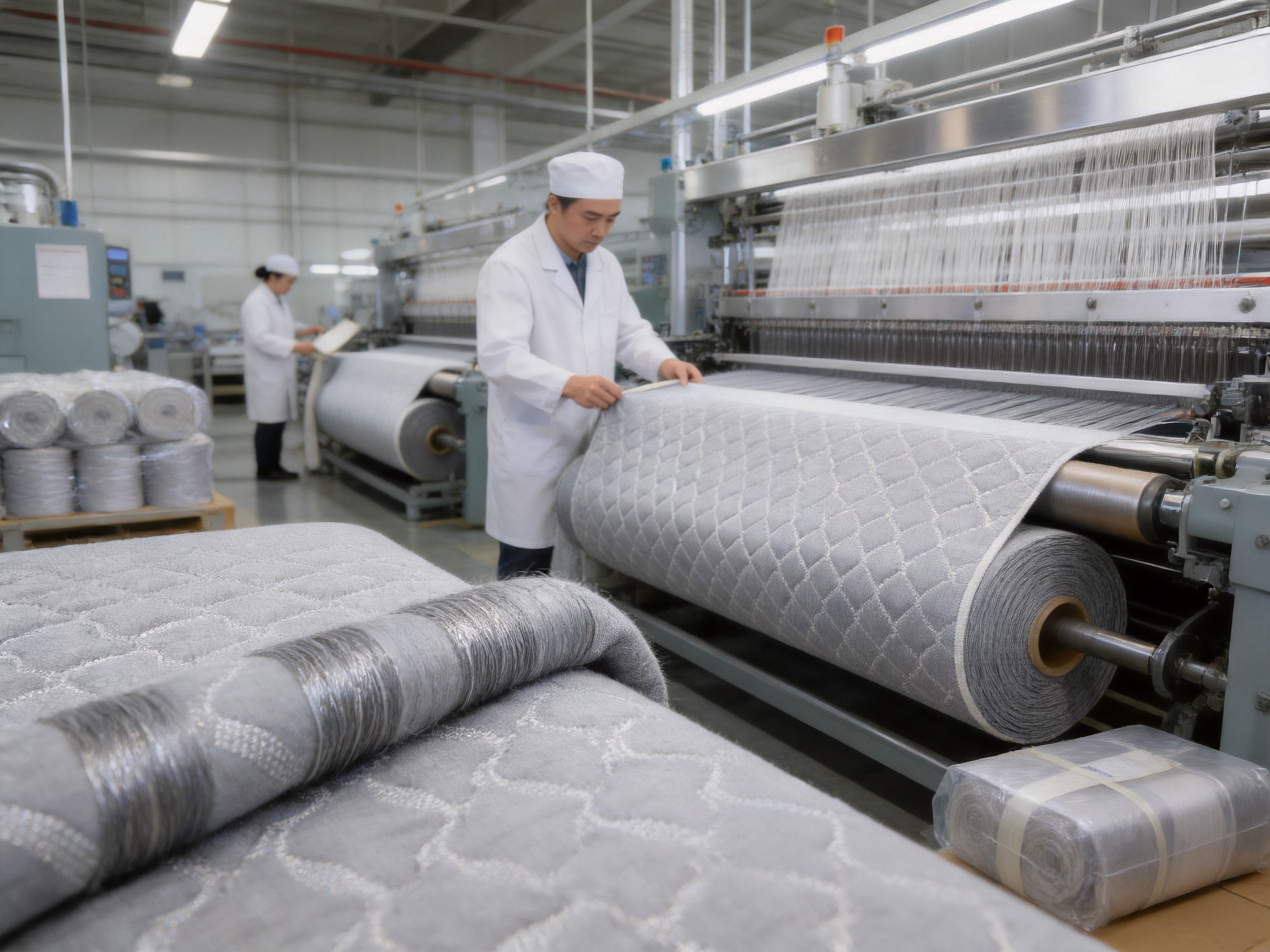
Applications in Residential Interiors
In residential settings, graphene sofa fabric can be used for living room sofas, sectional seating, accent chairs, recliners, ottomans, benches, and upholstered wall panels. Its technology-oriented positioning may appeal to consumers who want furniture that combines contemporary style with additional comfort features.
Minimalist interiors can use a smooth or subtly textured version to create a clean, refined surface. More expressive interiors may use patterned, ribbed, or dimensional constructions to add visual character. Neutral shades can support long-term furniture use, while deeper tones and selected accent colors can define a focal piece.
Family homes can benefit from fabrics designed with durability and maintenance in mind. Upholstery must tolerate frequent contact, movement, and occasional cleaning. Buyers should review the specific care instructions and testing data for the selected fabric because resistance to abrasion or light does not automatically indicate resistance to every type of stain or cleaning chemical.
Graphene sofa fabric may also support furniture designed for home offices and multipurpose rooms. As sofas increasingly serve as work, rest, and social spaces, users may value a fabric that feels comfortable across longer periods of contact. A performance-oriented surface can contribute to a more complete furniture experience.
Applications in Hotels and Commercial Spaces
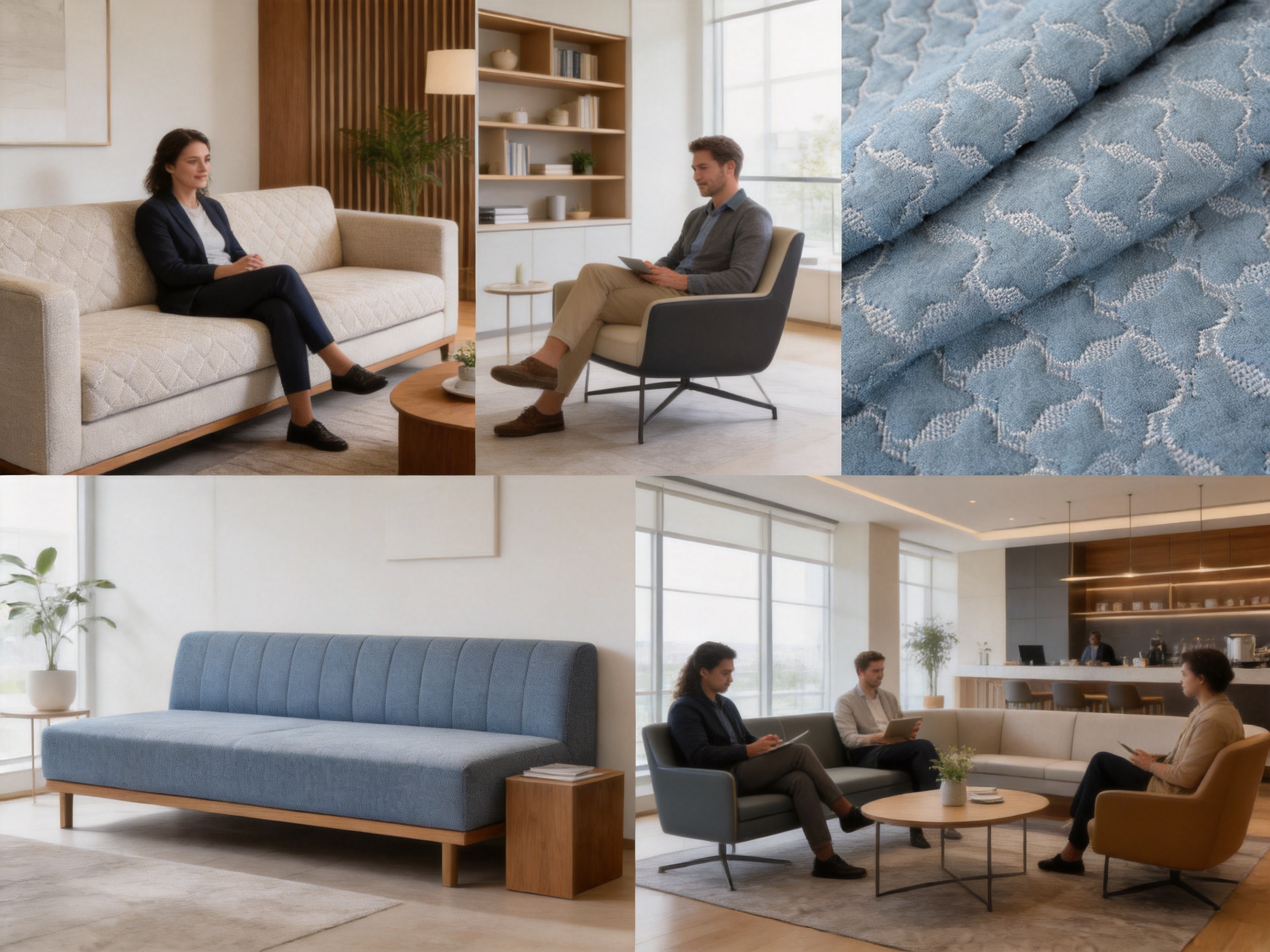
Hospitality environments require textiles that support visual identity and repeated use. Hotel lobbies, executive lounges, guest rooms, restaurants, conference areas, and serviced apartments may all use upholstered furniture. In these settings, furniture fabrics are visible to guests and must contribute to a coherent design concept.
Graphene sofa fabric can be specified for projects seeking a contemporary, technology-aware, or wellness-focused atmosphere. It may be coordinated with bedding fabrics, curtains, wall coverings, and decorative cushions to create a unified material language. Its functional story can also complement hotel concepts centered on comfort, smart living, or healthy interiors.
Commercial offices and collaborative spaces increasingly include soft seating. Employees may use sofas for informal meetings, breaks, concentrated work, or social interaction. Fabrics used in such environments must balance comfort, durability, color stability, and easy procurement. A supplier capable of providing repeatable quality and organized documentation can help project contractors manage these requirements.
For public or contract applications, project buyers should request relevant performance information before approval. Requirements may include abrasion cycles, flammability standards, seam behavior, color fastness, cleaning resistance, and environmental certifications. Graphene sofa fabric can be considered for these applications when its particular construction has been tested against the required standards.
Design and Customization Possibilities
Decorative textile buyers often need more than a standard stock color. Furniture collections may be built around a specific brand palette, hotel identity, architectural material, or seasonal trend. Customization can involve color matching, yarn selection, weave structure, texture, pattern scale, surface finish, width, weight, and backing arrangement.
Functional customization should begin with the intended use. A residential sofa may prioritize softness and visual warmth. A hotel lounge may require greater abrasion performance and strict color consistency. A commercial project may emphasize flame retardancy, cleaning compatibility, and documentation. By defining the use before selecting the construction, customers can avoid paying for unnecessary functions or overlooking essential performance requirements.
Color development requires careful control because graphene-related components, blended fibers, coatings, and finishing treatments can affect dye uptake and visual depth. Laboratory samples and approval swatches should be compared under consistent lighting. For large projects, a sealed reference sample is useful for controlling production shade and hand feel.
Texture also influences perceived comfort. A heavily raised surface can create a rich visual effect but may require additional care. A tightly woven smooth surface can support a more formal appearance and easier cleaning. Xinsili’s decorative textile focus allows functional development to remain connected to the aesthetic expectations of furniture designers.
Installation, Care, and Service Life
The final performance of sofa fabric depends partly on how the furniture is constructed. Upholstery workshops should use correct cutting direction, suitable seam allowances, appropriate needle and thread combinations, and controlled tension during installation. Excessive stretching can distort the pattern or place unnecessary stress on seams.
Fabric should be stored in a clean, dry environment away from direct sunlight and excessive humidity. Rolls should be handled carefully to protect edges and surfaces. Before cutting, upholstery manufacturers should inspect the material for shade consistency, width, surface defects, and any variation between rolls.
Routine care normally begins with removing loose dust using a suitable vacuum attachment or soft brush. Spills should be treated according to the supplier’s care instructions. Harsh chemicals, excessive moisture, abrasive scrubbing, and unapproved heat treatments may damage the surface or alter its appearance. Furniture should also be positioned with reasonable protection from intense, prolonged sunlight when the product specification requires it.
Long service life is one of the most practical sustainability advantages of quality upholstery. When furniture remains attractive and structurally sound for a longer period, the need for replacement may be reduced. Selecting a fabric with an appropriate performance level, installing it correctly, and following maintenance instructions all contribute to this result.
How Graphene Sofa Fabric Supports Sustainable Interior Goals
Sustainability in textiles should be assessed through the entire product life cycle. Important questions include where raw materials originate, how efficiently they are processed, what chemicals are used, how much energy and water are consumed, how durable the finished product is, and what happens after use. No single functional ingredient can answer all of these questions.
Graphene sofa fabric can contribute to sustainability when it is manufactured responsibly and used to extend furniture service life. Its functional value may encourage consumers and project owners to choose durable, repairable, and long-lasting furniture rather than disposable products. A fabric that maintains its appearance and comfort through extended use can reduce the material demand associated with frequent replacement.
Responsible manufacturers should continue improving process efficiency, reducing unnecessary waste, controlling production chemicals, and selecting packaging appropriate to the product. Xinsili’s stated commitment to environmentally friendly decorative fabric solutions aligns with the broader objective of creating safe, comfortable, and sustainable living spaces.
Buyers should request product-specific information rather than relying on general sustainability claims. Useful documentation may include fiber composition, restricted-substance information, care instructions, test reports, recycled-content data where applicable, and relevant management or product certifications.
Why Choose a Specialized Functional Decorative Textile Supplier
A specialized supplier understands that textile performance is created through many linked decisions. A general fabric trader may offer a wide catalog but have limited control over yarn development, weaving parameters, finishing stability, or batch consistency. In contrast, a manufacturer focused on decorative and functional fabrics can participate more directly in product engineering.
For graphene sofa fabric, this difference is significant. Customers may need help deciding between constructions, confirming compatibility with upholstery methods, developing colors, comparing hand feels, and interpreting performance requirements. A specialized manufacturer can provide more practical guidance because its knowledge is connected to production realities.
Supplier communication is another important advantage. Furniture manufacturers often require responsive sampling, clear technical information, predictable lead times, and assistance with repeat orders. Long-term cooperation can help both parties improve specifications and reduce avoidable problems. Xinsili’s emphasis on win-win collaboration supports this type of relationship.
Quality consistency is equally important. The most attractive first sample has limited value if subsequent bulk production changes significantly. A manufacturing partner should maintain reference standards, record process conditions, inspect finished rolls, and communicate any material or construction changes before shipment.
Recommended Evaluation Process for Buyers
Before placing a large order, buyers should define the application and establish measurable requirements. The evaluation should cover furniture type, expected traffic, indoor environment, cleaning method, design direction, target price, width, roll length, and regulatory expectations.
Requesting a physical sample is essential. Buyers should assess color, thickness, softness, surface texture, drape, edge behavior, and compatibility with the selected foam and frame. The fabric should be tested or reviewed under conditions that resemble actual use whenever possible.
Technical questions should address the functional technology as well as conventional textile performance. Buyers may ask how graphene is incorporated, whether the function is present throughout the textile or concentrated in a surface layer, how performance is tested, and whether the property remains stable after cleaning or repeated abrasion.
It is also useful to review production capacity and quality procedures. Questions may include whether the supplier can support custom colors, how shade is controlled, what inspection system is used, how nonconforming rolls are handled, and how repeat orders are matched to approved standards.
| Buyer Review Area | Questions to Consider |
|---|---|
| Application | Will the fabric be used in a home, hotel, office, restaurant, healthcare space, or public area? |
| Performance | What abrasion, pilling, strength, color fastness, flame-retardant, or cleaning requirements apply? |
| Comfort | Is the priority softness, thermal comfort, moisture behavior, surface smoothness, or a combination? |
| Design | What color, width, texture, pattern, weight, and finish are required? |
| Functional technology | What graphene-related property is being requested, and how will it be verified? |
| Manufacturing | Can the supplier support samples, bulk production, repeat orders, and batch consistency? |
| Documentation | Are technical data sheets, test reports, care instructions, and material information available? |
| Logistics | What are the packaging, labeling, lead-time, minimum-order, and delivery requirements? |
This process helps buyers distinguish genuine product value from vague technology language. It also creates a clear basis for comparing graphene sofa fabric with conventional fabrics and with other functional upholstery alternatives.
Frequently Asked Questions
What is graphene sofa fabric?
Graphene sofa fabric is a decorative upholstery textile developed with graphene-related functional materials or textile technologies. It is intended to combine the visual and tactile qualities required for sofas with selected performance benefits such as thermal comfort, static-control potential, and technology-based product differentiation.
Is graphene sofa fabric suitable for everyday home sofas?
Yes, it can be suitable for everyday home sofas when the specific construction meets the required abrasion, pilling, strength, color fastness, and care standards. Buyers should review the technical specification of the selected product rather than assuming that every graphene textile has identical performance.
Does graphene fabric automatically provide antibacterial or flame-retardant performance?
No. Antibacterial and flame-retardant properties require specific material choices, treatments, construction methods, and testing. Graphene-related technology may be combined with other functional systems, but each claimed property should be supported by product-specific technical information.
Can the fabric be customized in color and texture?
Functional decorative fabrics can often be customized according to color, yarn combination, weave, surface texture, weight, width, and finishing requirements. The final options depend on the product development plan, order quantity, available materials, and testing requirements.
What makes this fabric different from ordinary polyester sofa fabric?
Ordinary polyester sofa fabric may provide reliable decorative and upholstery performance, but graphene sofa fabric is developed with an additional functional objective. It may offer enhanced thermal-comfort potential, static-related functionality, and a stronger technology-oriented market position. The actual difference should be confirmed through construction details and test results.
Can graphene sofa fabric be used in hotels and commercial furniture?
It can be considered for hospitality and commercial furniture when the fabric meets the project’s abrasion, flammability, cleaning, color fastness, and durability requirements. Commercial buyers should request the relevant test documentation before approval.
How should graphene sofa fabric be cleaned?
Cleaning instructions depend on the fiber blend, finishing system, backing, and surface construction. General care may include regular vacuuming and prompt treatment of spills, but buyers should follow the supplier’s product-specific instructions and avoid unapproved chemicals or aggressive scrubbing.
Does the graphene function remain after washing or cleaning?
Functional retention depends on how the graphene-related component is integrated and what cleaning process is used. Performance should be evaluated through appropriate durability or after-treatment testing. Buyers with demanding applications should request information about function retention under expected care conditions.
Why is manufacturing precision important for graphene textile?
Functional material alone cannot compensate for uneven yarns, poor weaving tension, unstable finishing, or inconsistent inspection. Manufacturing precision helps maintain uniform appearance, stable dimensions, consistent hand feel, and reliable performance across the fabric roll and from one production batch to another.
What information should be requested before ordering?
Buyers should request fiber composition, width, weight, construction details, color information, performance data, care instructions, available certifications, sample approval procedures, minimum-order information, production lead time, packaging details, and terms for repeat-order shade control.
Is graphene sofa fabric environmentally friendly?
Environmental performance must be assessed according to the complete product and manufacturing process. Durability may support longer furniture life, while responsible raw-material selection and process management can reduce environmental impact. Buyers should request product-specific environmental information rather than relying on the graphene label alone.
Who manufactures this graphene sofa fabric?
The product is associated with Hangzhou Xinsili Decorative Fabric Weaving Co., Ltd., a Chinese manufacturer specializing in functional decorative textiles. The company serves residential, hotel, and commercial applications and focuses on combining decorative design with technologies related to comfort, moisture resistance, antibacterial performance, flame retardancy, and other textile functions.
Conclusion
Graphene sofa fabric reflects the transformation of upholstery from a purely decorative material into a multifunctional component of interior design. Its potential advantages include improved thermal-comfort design, static-control possibilities, decorative versatility, durability-oriented construction, and a differentiated technology profile. These benefits make it relevant to residential furniture, hospitality projects, commercial interiors, and premium seating collections.
The strongest product value comes from integration. Graphene-related technology must be combined with suitable yarns, stable weaving, controlled finishing, careful inspection, responsible packaging, and practical upholstery guidance. Without this manufacturing foundation, an advanced material may not deliver a dependable finished fabric.
Hangzhou Xinsili Decorative Fabric Weaving Co., Ltd. brings together 19 years of industry experience, a 12,000-square-meter factory area, functional decorative textile research, and recognition as a National High-Tech Enterprise in 2023. Its focus on craftsmanship, innovation, environmental responsibility, and cooperative development positions it as a capable partner for customers seeking more than standard upholstery fabric.
For buyers, the best approach is to evaluate graphene sofa fabric according to the exact application, verify every functional claim through appropriate documentation, approve physical samples, and confirm production consistency before bulk ordering. When these steps are followed, graphene sofa fabric can offer a compelling combination of modern aesthetics, comfort-oriented performance, and advanced decorative textile manufacturing.
References
1. International Organization for Standardization. Textile Testing and Performance Evaluation Principles.
2. International Organization for Standardization. Textiles—Determination of Fabric Abrasion Resistance.
3. International Organization for Standardization. Textiles—Tests for Color Fastness.
4. ASTM International. Standard Test Methods for Textile and Upholstery Fabric Performance.
5. Technical literature on graphene materials, conductive textiles, and thermal-management applications in textile engineering.
6. Technical literature on upholstery fabric construction, yarn engineering, weaving stability, and finishing technology.
7. Hangzhou Xinsili Decorative Fabric Weaving Co., Ltd. Product and company information supplied for this article.
Product: Graphene Sofa Fabric

Our Featured Products
-
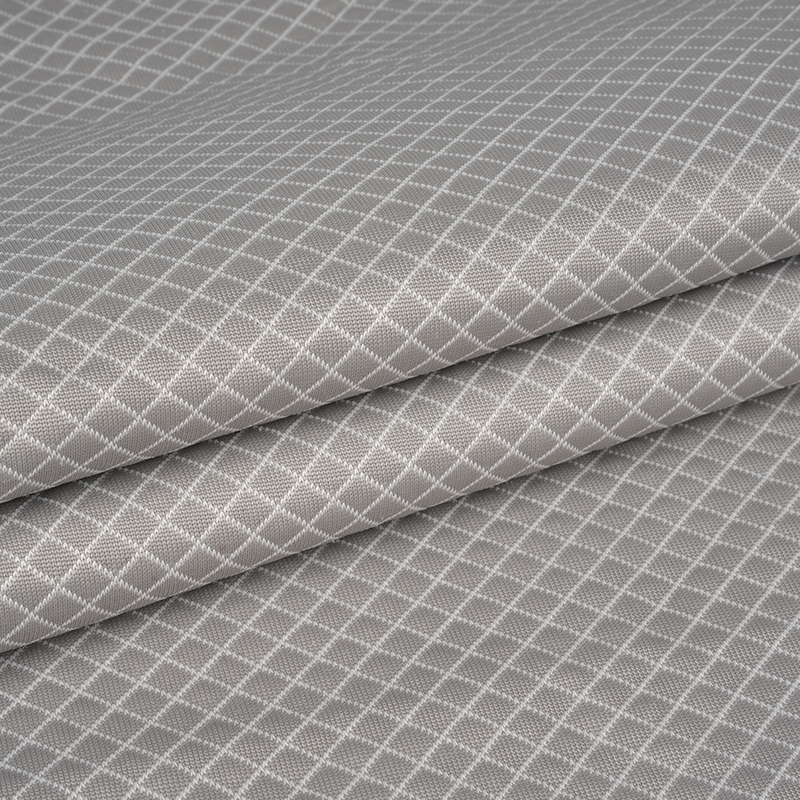
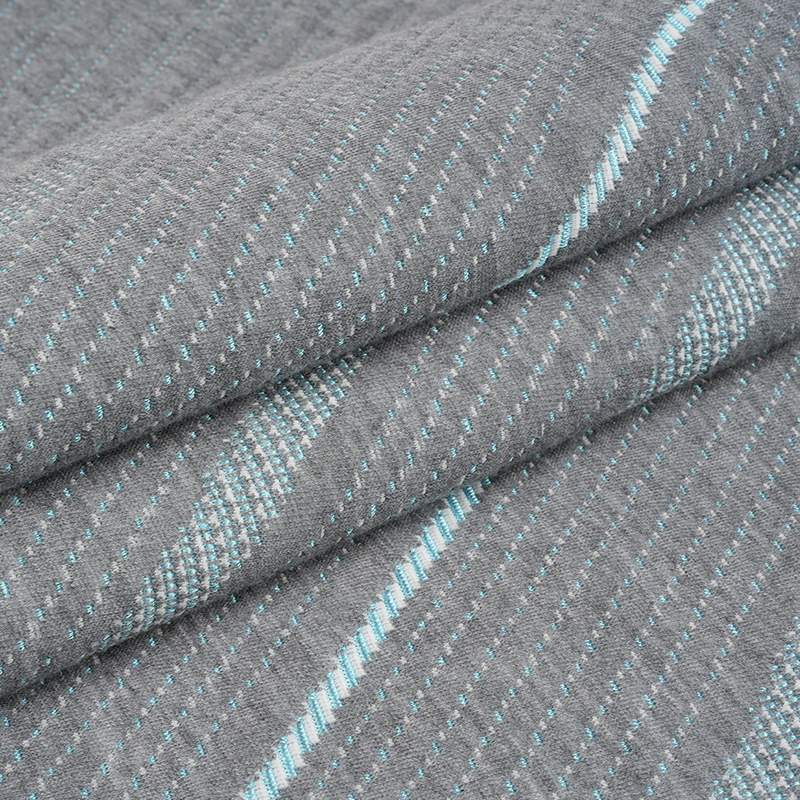
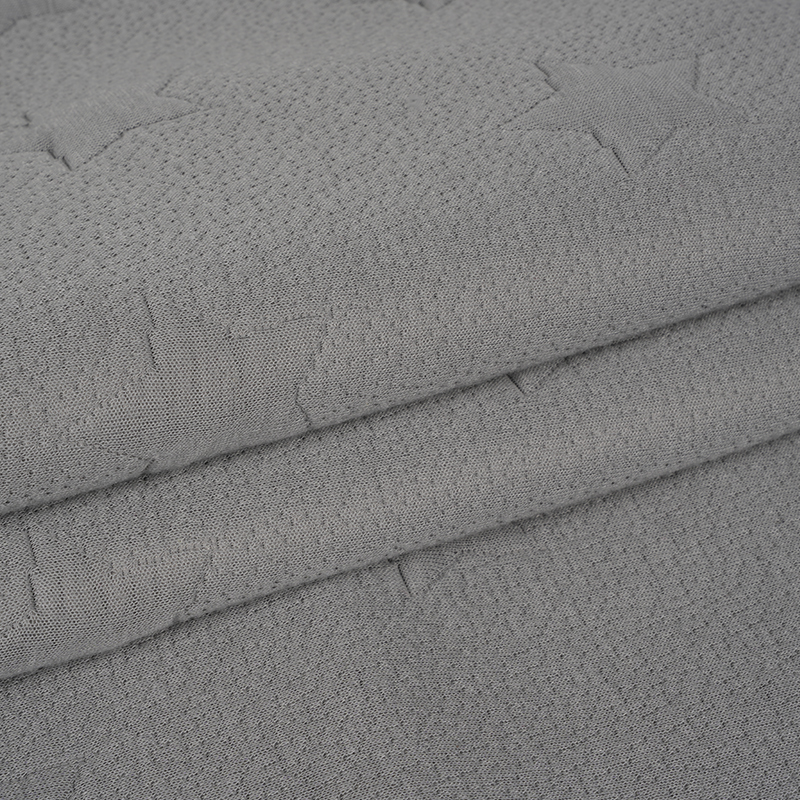
Graphene Children Mattress Fabric
Graphene Children Mattress Fabric
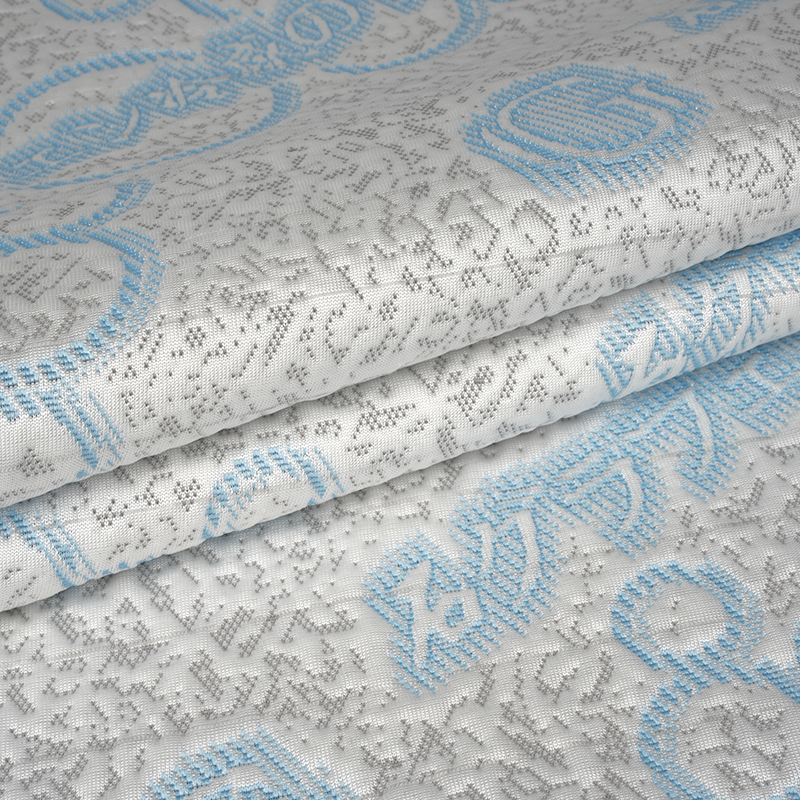
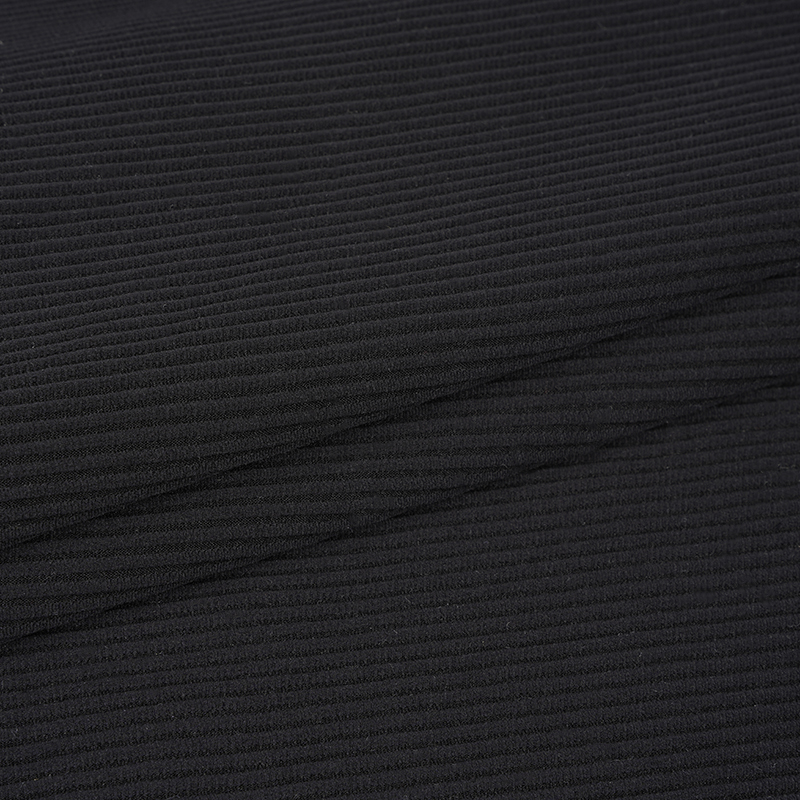
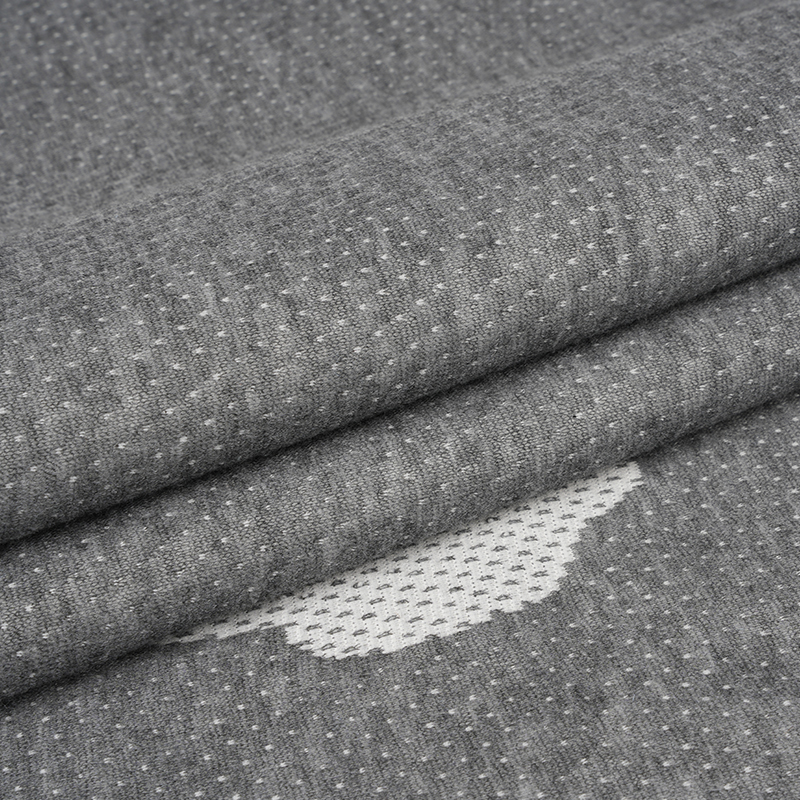
Haven’t Found The Products You Want?
-
-
Shen Jinyan:+86-15158070676
[email protected]
Liang Jinwen:+86-15757186621
[email protected]
Qiu Yingyingn:+86-13819545790
[email protected]
Yi qiao Town, Xiaoshan District, Hangzhou City, Zhejiang Province, China
-
Products
Mattress Fabric Children Mattress Fabric Pillowcase Fabric Pregnancy Pillow Fabric Cooling Mat Fabric Bedding Fabric Sofa Fabric Pet Friendly Fabrics -
Contact Information
About Us Products Strength Sustainability News Contact Us
Copyright © Hangzhou Xinsili Decorative Fabric Weaving Co.,Ltd. All Rights Reserved.
Functional Decorative Textile Manufacturers
