

 English
 中文简体
中文简体 Español
 عربى
عربى русский


Antibacterial Yarn Sofa Fabric for Cleaner, More Comfortable Interior Spaces
Content
- 1 Understanding Antibacterial Yarn Sofa Fabric
- 2 Why Functional Upholstery Matters
- 3 Key Product Advantages
- 4 Product Performance Compared with Conventional Sofa Fabric
- 5 Advanced Manufacturing Approach
- 6 Manufacturing Strengths of the Supplier
- 7 Applications in Residential Interiors
- 8 Applications in Hotels and Hospitality
- 9 Applications in Commercial and Public Spaces
- 10 Specification Guide for Buyers
- 11 Quality, Compliance, and Responsible Product Communication
- 12 How the Product Supports Interior Design Goals
- 13 Advantages of Working with an Experienced Manufacturer
- 14 Recommended Project Workflow
- 15 Maintenance Recommendations
- 16 Q&A About Antibacterial Yarn Sofa Fabric
- 16.1 What is antibacterial yarn sofa fabric?
- 16.2 Is the fabric suitable for residential sofas?
- 16.3 Can it be used in hotels and commercial spaces?
- 16.4 Does antibacterial functionality eliminate the need for cleaning?
- 16.5 Is the antibacterial performance applied to the surface?
- 16.6 How should buyers compare this fabric with ordinary sofa fabric?
- 16.7 Can the fabric be customized?
- 16.8 What information should be requested with a quotation?
- 16.9 How does the company support product reliability?
- 16.10 What other products does the manufacturer produce?
- 17 Conclusion
- 18 References
- 19 Product: Antibacterial Yarn Sofa Fabric
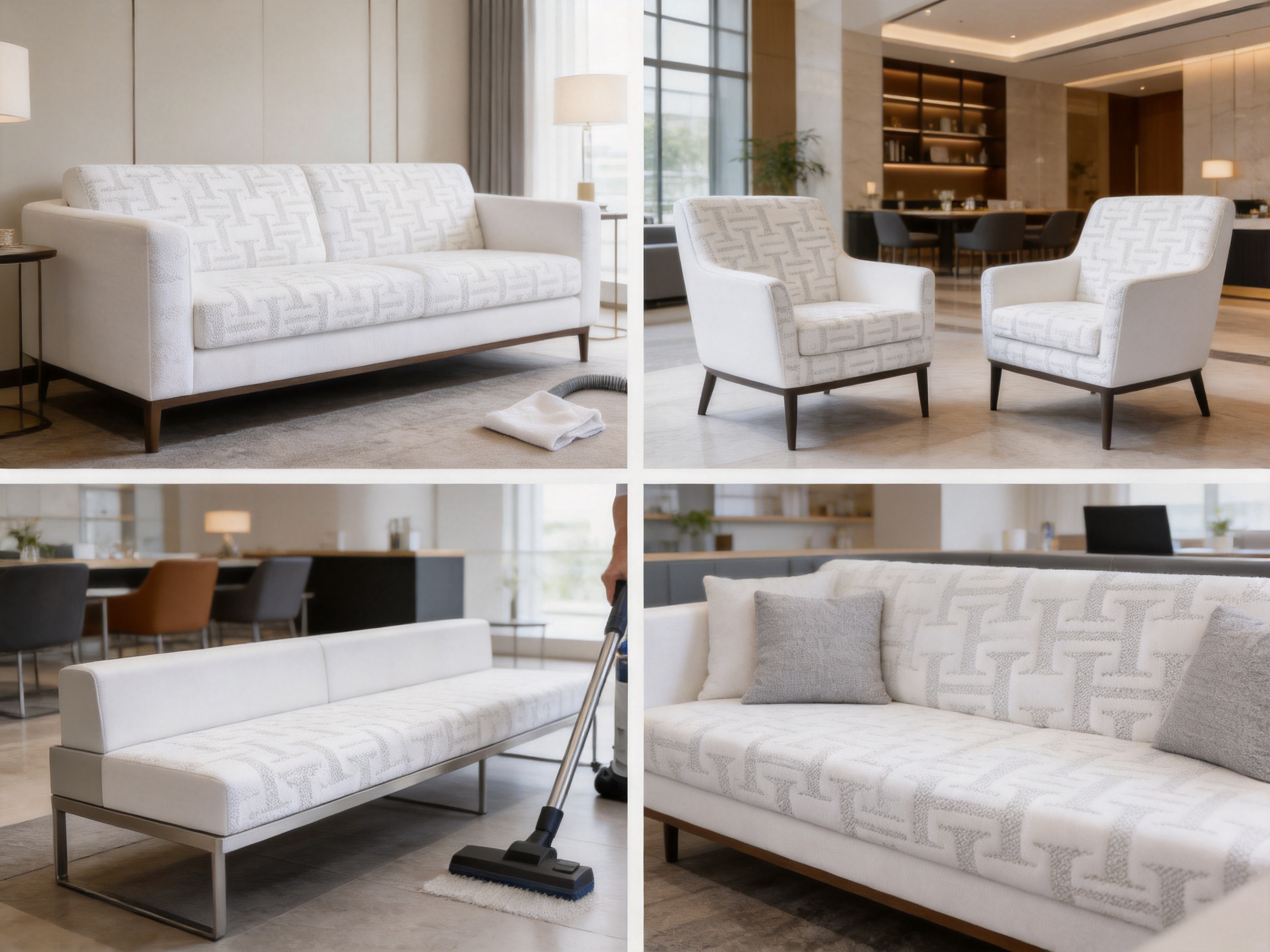
Antibacterial yarn sofa fabric is an advanced decorative textile developed for furniture applications where appearance, comfort, durability, and hygiene must work together. Unlike conventional upholstery materials that focus mainly on color, texture, and abrasion resistance, antibacterial yarn fabric is designed with a functional approach. Its yarn structure can support a cleaner-feeling surface while preserving the visual warmth, softness, and design flexibility expected from quality sofa textiles.
For residential furniture, hotels, offices, lounges, healthcare-related spaces, restaurants, and other commercial interiors, upholstery is exposed to continuous contact, friction, dust, moisture, and everyday handling. A sofa fabric therefore has to do more than look attractive when first installed. It should remain comfortable, stable, visually consistent, and easy to maintain throughout its service life. Antibacterial yarn sofa fabric addresses these expectations by combining decorative performance with a hygiene-oriented textile concept.
Manufactured by Hangzhou Xinsili Decorative Fabric Weaving Co., Ltd., this product belongs to a broader range of functional decorative textiles developed for contemporary living and commercial environments. The company combines nearly two decades of weaving experience with product research, process control, design development, and practical manufacturing. Its production philosophy emphasizes reliable quality, environmentally conscious development, and functional improvements that can create safer, healthier, and more comfortable spaces.
Understanding Antibacterial Yarn Sofa Fabric
Antibacterial yarn sofa fabric is an upholstery textile in which antibacterial performance is associated with the yarn, textile structure, or both. This approach differs from a purely surface-applied treatment. When a functional characteristic is incorporated into the yarn or developed as part of the textile construction, the performance concept can be more closely integrated with the material rather than being treated as a temporary finishing effect.
The exact construction of a fabric may vary according to the required hand feel, appearance, weight, stretch, breathability, color, and intended application. For this reason, professional textile sourcing should evaluate each specification individually. Buyers may request information about fiber composition, yarn count, fabric width, weight, colorfastness, abrasion resistance, pilling performance, shrinkage, care instructions, and antibacterial test results before confirming a production order.
The product is intended for sofa upholstery and related decorative applications. It can support furniture designs ranging from modern residential seating to hospitality furniture and commercial lounge systems. Its decorative character allows designers to coordinate sofas, armchairs, benches, cushions, and other upholstered elements while its functional positioning makes it suitable for projects that place additional emphasis on cleanliness and user comfort.
Antibacterial does not mean that a sofa becomes sterile or that ordinary cleaning is no longer necessary. Upholstery continues to collect dust and may be exposed to oils, spills, food particles, and other contaminants. Antibacterial functionality should therefore be understood as an additional material feature that complements responsible cleaning, ventilation, maintenance, and hygiene practices.
Why Functional Upholstery Matters
Furniture textiles occupy a unique position in interior design. They are frequently touched, pressed, rubbed, and exposed to body heat. In busy spaces, the same seating surface may be used by many people during the day. A textile with only visual appeal may not fully address the practical demands of these environments.
Homes also benefit from functional upholstery. Sofas are often used for relaxation, family activities, reading, entertaining, and rest. Children and pets may come into contact with the fabric, while food and drinks can create additional maintenance challenges. A fabric developed with antibacterial functionality can provide an added layer of performance consideration for furniture used in these daily situations.
Hotels, serviced apartments, offices, clubs, waiting areas, and other public interiors may require textiles that balance hospitality with operational practicality. Designers want welcoming textures and attractive colors, while facility managers need materials that are dependable and suitable for repeated use. Antibacterial yarn sofa fabric responds to this balance by bringing a functional textile concept into a decorative upholstery format.
Material selection is particularly important when several furniture pieces are used together. A sofa is not an isolated product within an interior. It contributes to the atmosphere, tactile experience, perceived cleanliness, and long-term maintenance requirements of the entire space. Choosing a functional decorative textile can help project teams align aesthetic objectives with practical performance goals.
Key Product Advantages
Integrated Functional Concept
The most important advantage of antibacterial yarn sofa fabric is its integrated functional concept. Traditional upholstery may receive a topical treatment after the fabric has been woven, while antibacterial yarn fabric is developed around the relationship between yarn, construction, and intended performance. This can provide a more considered product architecture and make functionality part of the material design process from an earlier stage.
An integrated approach also allows manufacturers to consider the balance between antibacterial performance and other textile characteristics. A sofa textile must remain visually attractive and comfortable. If a functional treatment negatively affects softness, drape, color, or surface appearance, it may not be suitable for premium furniture. Yarn-focused development encourages a more comprehensive evaluation of the finished fabric.
Performance should always be confirmed through supplier documentation and appropriate laboratory testing. Nevertheless, the fundamental advantage is clear: the product is designed as a functional decorative textile rather than as an ordinary fabric with a last-minute treatment added to its surface.
Support for Cleaner-Feeling Furniture
Upholstered furniture can become a high-contact surface. Antibacterial yarn sofa fabric is intended to support a cleaner-feeling furniture environment by helping limit the growth or persistence of selected microorganisms under specified test conditions. This feature can be valuable in spaces where many users share seating or where customers expect visible attention to hygiene.
The fabric does not replace cleaning protocols, but it can complement them. A well-planned furniture specification may combine antibacterial textile materials with removable cushions, appropriate vacuuming, prompt spill response, and regular professional maintenance. In this context, the fabric becomes one part of a broader strategy for maintaining attractive and comfortable interiors.
Decorative Versatility
Functional fabric should not force designers to compromise on visual quality. Antibacterial yarn sofa fabric can be selected for furniture projects requiring a balance of texture, color coordination, and modern decorative character. Upholstery fabrics are often used to establish the visual identity of a room, and the material should support both large furniture forms and smaller details such as piping, cushions, and accent panels.
The product can be considered for residential, hotel, commercial, and hospitality environments. Its application range makes it relevant to designers and furniture manufacturers who prefer to use one functional textile concept across several project categories. Depending on the available collection and customization requirements, buyers may evaluate different colors, surface effects, constructions, and finishing options.
Comfort-Oriented Surface Experience
A sofa fabric must feel appropriate when users sit, lean, or rest against it. Surface touch is influenced by yarn type, construction, finishing, density, and treatment. The goal of a quality upholstery textile is to combine a pleasant hand with enough structure to support furniture manufacturing and daily use.
Antibacterial yarn sofa fabric is positioned within a wider functional textile portfolio that also addresses comfort improvement and sleep-supporting applications. This product direction reflects an understanding that decorative materials should contribute not only to visual design but also to the way people experience an interior. A comfortable textile can help make sofas and lounge furniture feel more inviting and suitable for extended use.
Suitability for High-Contact Environments
When a fabric is intended for a sofa, repeated contact should be considered from the beginning of product selection. Public seating, hotel furniture, office reception areas, and family living rooms all require materials that can maintain their appearance under normal use. Antibacterial functionality becomes especially relevant in these settings because the fabric is not merely decorative; it forms the contact surface between furniture and users.
Buyers should evaluate antibacterial yarn sofa fabric together with abrasion resistance, pilling, seam slippage, colorfastness, dimensional stability, and cleaning requirements. The strongest solution is not necessarily the fabric with one outstanding property, but the textile that offers a balanced performance profile for the complete furniture application.
Potential for Project Customization
Furniture producers, interior designers, and hospitality purchasers often need products that match a particular design scheme or technical requirement. Decorative textile manufacturers with in-house development and weaving experience can provide a more practical path toward customization than suppliers focused only on stock fabrics.
Customization may involve color selection, fabric construction, width, weight, surface texture, finishing, packaging, and order quantity. Antibacterial performance and any related claims must be evaluated according to the final specification. Before production, customers should confirm approved samples, testing requirements, production tolerances, labeling, and care information.
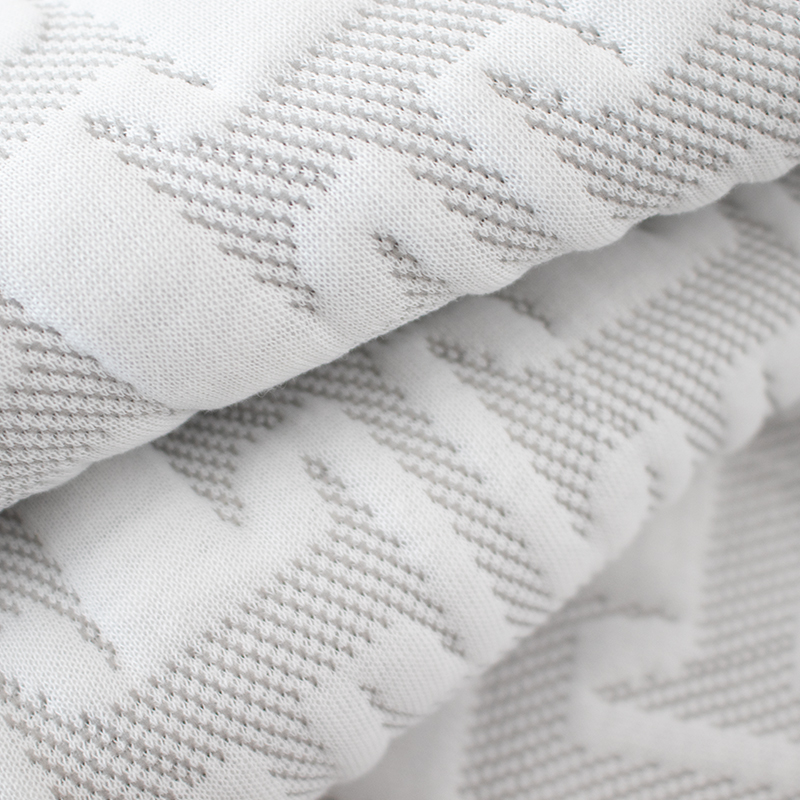
Antibacterial Yarn Sofa Fabric
Product Performance Compared with Conventional Sofa Fabric
Conventional sofa fabric remains a useful and widely available material category. Many standard fabrics provide attractive colors, comfortable surfaces, and sufficient durability for ordinary furniture. However, they may not be developed specifically for hygiene-oriented applications. Antibacterial yarn sofa fabric offers an additional functional dimension for buyers who want to go beyond basic decorative performance.
| Evaluation Area | Conventional Decorative Sofa Fabric | Antibacterial Yarn Sofa Fabric |
|---|---|---|
| Primary design focus | Appearance, texture, and basic upholstery use | Appearance, upholstery use, and antibacterial functionality |
| Functional positioning | May have no specific hygiene-related feature | Developed around an antibacterial yarn or functional textile concept |
| Application suitability | Residential and general decorative projects | Residential, hospitality, commercial, and higher-contact seating environments |
| Maintenance role | Depends primarily on routine cleaning and care | Combines routine care with an additional material performance feature |
| Design flexibility | Varies by collection and manufacturer | Can be evaluated for coordinated functional and decorative customization |
| Specification process | Usually based on appearance and physical performance | Requires appearance, physical performance, and antibacterial test documentation |
The table illustrates a general product distinction rather than a universal performance ranking. Individual fabrics must be compared through actual samples and test reports. A conventional textile may outperform a functional fabric in a particular area, while a functional textile may offer a valuable advantage in hygiene-related design requirements. Professional selection should therefore consider the complete application rather than relying on a single product label.
Advanced Manufacturing Approach
Research and Development Before Production
Reliable functional fabric begins with product development. A manufacturer must consider how yarn selection, weaving parameters, fabric density, finishing, color development, and final use affect the performance of the finished textile. This requires more than simply purchasing a yarn and placing it on a loom. It requires a structured understanding of the relationship between raw material and end-use requirements.
Hangzhou Xinsili Decorative Fabric Weaving Co., Ltd. specializes in the research, development, and precision manufacturing of decorative textiles. Its product direction includes antibacterial, moisture-resistant, flame-retardant, sleep-supporting, and comfort-improving fabrics. This range indicates a manufacturing philosophy centered on functional solutions rather than one-dimensional decorative production.
Research-based development is valuable because furniture applications are highly varied. A fabric for a residential sofa may prioritize softness and visual warmth, while a hotel project may place greater emphasis on durability, cleaning, color consistency, and supply continuity. A capable supplier can help customers identify the appropriate balance before the production stage.
Precision Weaving and Structural Consistency
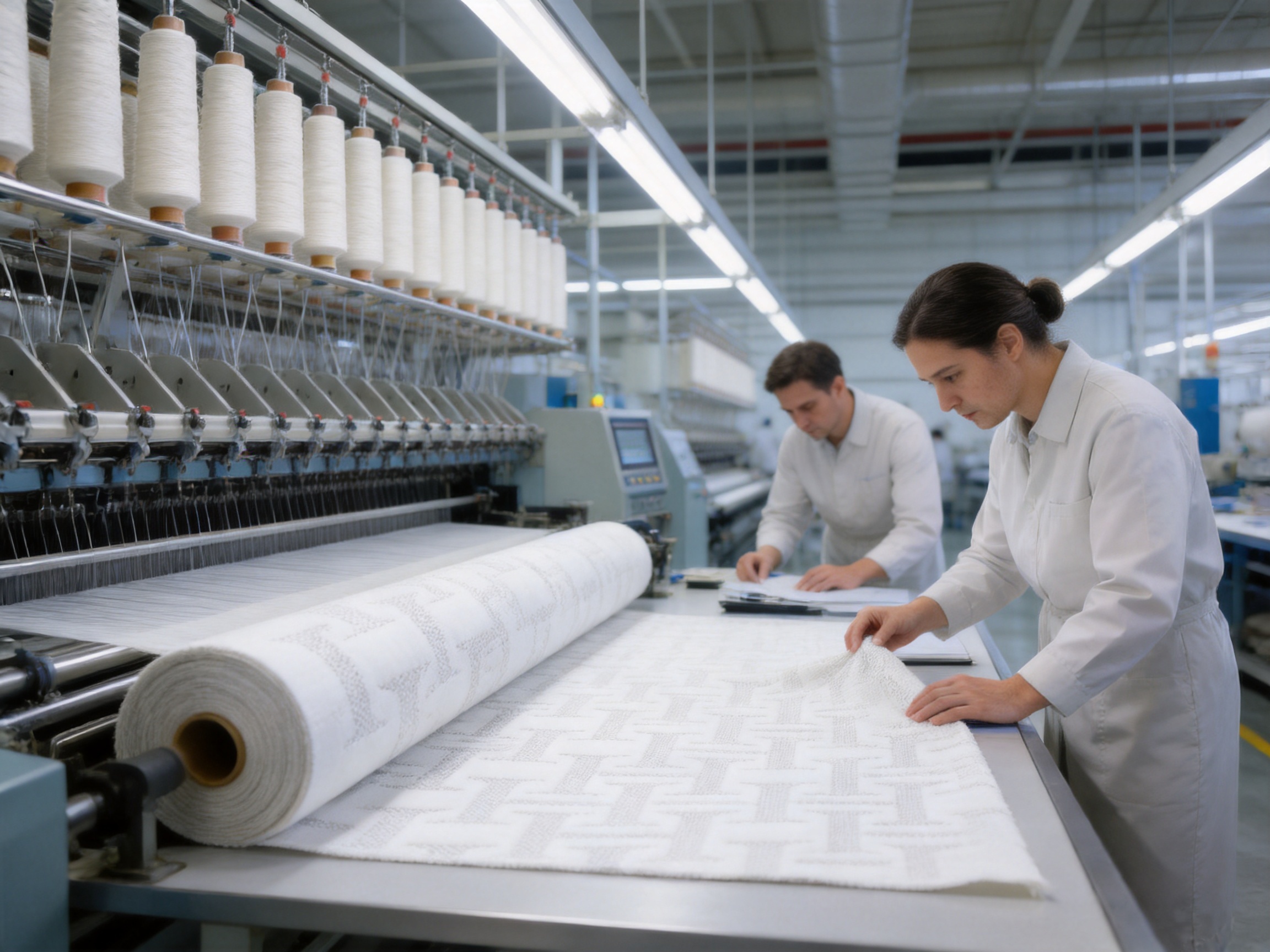
Weaving quality has a direct effect on the appearance and usability of upholstery fabric. Consistent yarn insertion, stable tension, controlled density, and careful handling help create a more uniform surface. Uneven construction can affect texture, shade perception, cutting yield, seam appearance, and the overall quality of finished furniture.
Precision manufacturing is especially important when a textile incorporates functional yarn. The yarn must be processed in a manner that protects its intended characteristics while achieving a stable and attractive fabric structure. Production control should cover the full route from yarn preparation and weaving to inspection, finishing, rolling, and packaging.
A stable weaving process also supports repeat orders. Furniture manufacturers and project contractors often need replacement quantities or additional production several months after the original order. Consistent process documentation and quality management can help reduce variation between batches, although customers should still approve lab dips, samples, and production standards for every major order.
Material and Yarn Management
Yarn is the foundation of this product. Its properties influence touch, strength, visual texture, moisture behavior, color response, and the relationship between the fabric and the antibacterial function. Raw material management must therefore be treated as a critical part of production rather than an administrative step.
Responsible manufacturing includes supplier evaluation, incoming material inspection, lot identification, storage protection, and production traceability. Yarn should be protected against contamination, excessive moisture, and handling damage. Clear material records can help the factory investigate differences in appearance or performance and support more reliable quality assurance.
For buyers, yarn information is important when comparing suppliers. Questions may include whether the antibacterial characteristic is incorporated into the yarn, how the performance is tested, whether the function is expected to remain after cleaning, and which test method applies. Complete technical communication helps ensure that marketing language corresponds to a measurable product specification.
Controlled Finishing and Surface Development
After weaving, a decorative textile may undergo finishing processes that influence softness, appearance, dimensional stability, hand feel, and usability. Finishing should be selected carefully because excessive treatment may affect the natural character of the yarn or alter the balance of properties required for upholstery.
For antibacterial yarn sofa fabric, finishing should support the fabric’s intended function while maintaining an attractive surface. The objective is not simply to make the fabric feel soft or look smooth. It is to create a finished textile that performs consistently and can be cut, sewn, upholstered, and maintained in practical furniture production.
Surface development may also influence how light reflects from the fabric. Small changes in texture can produce different visual effects, from understated uniformity to a more expressive decorative surface. A professional manufacturer should be able to evaluate these details through sample development and controlled production trials.
Inspection and Quality Control
Quality control is essential for functional decorative textiles because customers evaluate both visible and invisible characteristics. Visible inspection may identify weaving defects, stains, holes, broken yarns, color irregularities, edge problems, and inconsistent surface effects. Technical inspection may assess width, weight, shrinkage, strength, abrasion, pilling, colorfastness, and other project-specific requirements.
Antibacterial performance should be supported by appropriate testing. The selected method, microorganism, test conditions, wash protocol, and acceptance criteria should be clearly identified. A claim without a corresponding test basis can create uncertainty for importers, furniture manufacturers, designers, and end users. Strong technical documentation improves confidence and helps customers use the material responsibly.
Inspection should not be limited to the final roll. Quality assurance is more effective when it begins with raw materials and continues through weaving, finishing, and packing. Process checkpoints allow potential problems to be identified earlier, reducing waste and protecting delivery schedules.
Factory Capacity and Manufacturing Experience
Hangzhou Xinsili Decorative Fabric Weaving Co., Ltd. has 19 years of industry experience and operates a factory covering approximately 12,000 square meters. These resources provide a foundation for organized manufacturing, product development, and customer service. Experience is particularly valuable in decorative textiles because many quality issues are connected to process details that are learned through repeated production and continuous improvement.
The company was recognized as a National High-Tech Enterprise in 2023. This recognition supports its positioning as a manufacturer that values technical development and innovation. While formal recognition does not replace product-specific testing, it demonstrates an organizational commitment to research-oriented manufacturing and advancement in textile technology.
A dedicated factory environment can also support better communication between development, production, inspection, and customer service teams. When these functions work together, a buyer’s requirements can be translated more accurately into a workable production specification.
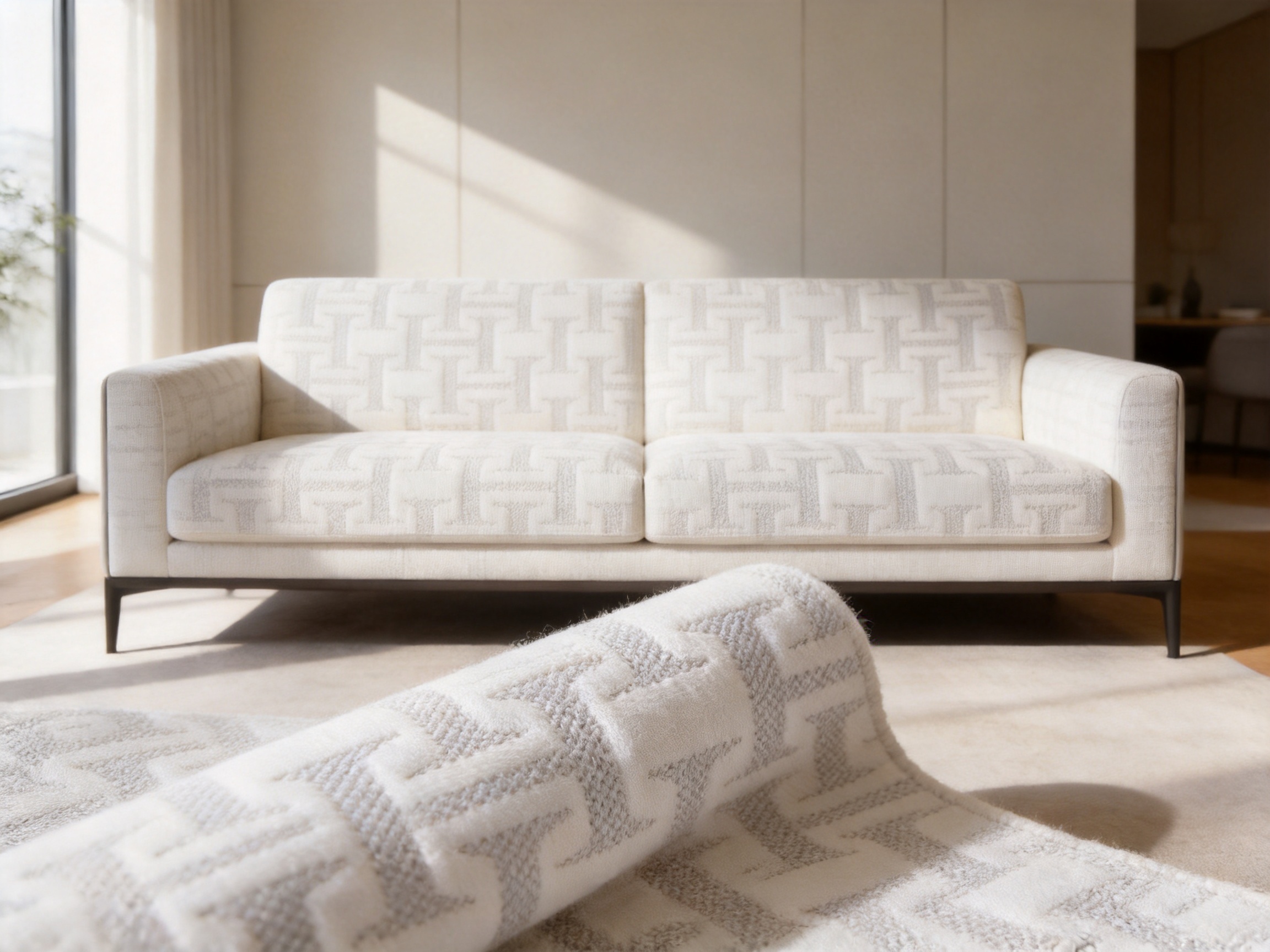
Manufacturing Strengths of the Supplier
Experience in Decorative Textile Manufacturing
Hangzhou Xinsili Decorative Fabric Weaving Co., Ltd. has built its business around decorative fabric development and weaving. This specialization matters because upholstery textiles must combine engineering and design. A supplier may produce a technically strong fabric that lacks visual appeal, or an attractive fabric that does not perform adequately in furniture use. Decorative textile experience helps connect these two sides of product development.
The company’s stated vision, “Weaving Beautiful Spaces,” reflects an emphasis on using textiles to improve interior environments. Its product strategy extends beyond ordinary decoration to include safety, health, comfort, and sustainability-related considerations. This makes the supplier relevant to projects that want material performance to support the overall purpose of a space.
Functional Product Portfolio
The company’s broader product categories include mattress fabric, children’s mattress fabric, pillowcase fabric, pregnancy pillow fabric, cooling mat fabric, bedding fabric, sofa fabric, and pet-friendly fabrics. This portfolio demonstrates familiarity with textiles used in close contact with people, sleeping environments, household products, and furniture.
Such cross-category experience can support practical innovation. A development team working with bedding, mattress, and sofa fabrics may observe shared requirements involving softness, moisture management, comfort, cleanliness, and long-term use. Knowledge from one application can contribute to better problem-solving in another, while the final specification remains tailored to the intended product.
Focus on Sustainable and Responsible Spaces
The company describes its decorative textile solutions as environmentally friendly and aims to support safe, healthy, comfortable, and sustainable living spaces. Responsible textile development should consider material selection, manufacturing efficiency, product longevity, packaging, care requirements, and the environmental implications of replacement cycles.
A durable, well-maintained sofa fabric may reduce the need for frequent furniture refurbishment or replacement. Functional performance can also help extend the usefulness of a product when it remains attractive and suitable for demanding environments. Sustainability should not be reduced to a single label, but should be evaluated across the product life cycle and supported by transparent technical information.
Customer-Oriented Collaboration
Functional upholstery projects often require communication between textile suppliers, furniture manufacturers, architects, interior designers, purchasing teams, and testing organizations. A supplier that understands this chain can provide more useful support than a seller focused only on dispatching rolls of fabric.
Collaboration may begin with application analysis. The customer can explain the furniture type, expected traffic, cleaning frequency, design direction, delivery location, required certifications, and target cost. The manufacturer can then suggest a suitable construction, provide samples, clarify technical limitations, and prepare a production plan.
Win-win cooperation is one of the company’s stated values. In practical terms, this means building a clear relationship around realistic specifications, consistent quality, responsible lead times, and effective communication. These factors are important advantages when a product is intended for a long-term supply program rather than a single small order.
Applications in Residential Interiors
Antibacterial yarn sofa fabric is suitable for living rooms, family rooms, apartment furniture, reading corners, home theaters, and other residential settings where sofas receive regular contact. Its functional positioning can be especially relevant for households seeking materials that combine comfort with additional hygiene-related consideration.
Families with children may value sofa textiles that are designed with frequent contact in mind. Families with pets may also consider the broader suitability of the fabric, including surface structure, snag resistance, cleaning instructions, and compatibility with pet-friendly interior requirements. Antibacterial functionality should be evaluated alongside these factors rather than treated as a substitute for them.
Interior designers can use the fabric to support coordinated residential schemes. A sofa may serve as the visual anchor of a room, while matching or complementary textiles can be applied to cushions, benches, and accent chairs. Color and texture selection should be based on lighting, furniture form, surrounding materials, and the desired mood of the space.
Applications in Hotels and Hospitality
Hotels, serviced apartments, guest lounges, executive clubs, and resort facilities often require furniture that feels welcoming while remaining practical for continuous use. Upholstery contributes to the first impression of a lobby or guestroom. A comfortable, attractive, and functional sofa fabric can support the design concept while addressing operational priorities.
Hospitality purchasers should evaluate colorfastness, abrasion resistance, cleanability, repair options, replacement availability, and batch consistency. They should also request documentation for antibacterial performance and confirm whether the selected textile meets the standards required by the project or local regulations.
The use of functional decorative textiles can be particularly helpful in shared seating areas. Reception sofas, lobby benches, restaurant seating, and conference lounge furniture may be touched by numerous users each day. A textile with an antibacterial yarn concept can become part of the project’s broader material strategy for maintaining a comfortable and hygienically considered environment.
Applications in Commercial and Public Spaces
Offices, coworking centers, educational facilities, showrooms, retail stores, waiting rooms, and club spaces use upholstered furniture to provide comfort and shape movement through the interior. These spaces often need a material that appears refined but can also withstand repeated contact and ongoing maintenance.
Commercial designers may specify different fabric colors for zones such as reception, collaboration, quiet work, and informal meeting areas. Antibacterial yarn sofa fabric can contribute to a coherent material palette while giving the textile a clear functional purpose. Its suitability should be determined through a complete performance review, especially for high-traffic applications.
Public projects may also require documentation related to fire performance, environmental requirements, accessibility, and cleaning chemicals. The antibacterial feature is only one part of the specification. A professional supplier should help customers understand which tests are available for the selected fabric and which requirements must be addressed through the completed furniture assembly.
Specification Guide for Buyers
Confirm the Fabric Construction
Before ordering, buyers should request the basic construction details of the fabric. Important information may include fiber composition, yarn type, fabric width, fabric weight, thickness, weave or knit structure, usable width, and finishing process. These details influence cutting efficiency, upholstery behavior, touch, appearance, and cost.
The construction should be matched to the furniture design. A tightly structured fabric may be appropriate for tailored upholstery, while a softer or more flexible construction may be preferred for rounded forms or loose cushions. The supplier should review the intended furniture pattern and sewing method when offering technical guidance.
Request Antibacterial Test Information
Antibacterial claims should be supported by clear documentation. Buyers should ask which test standard was used, which bacterial species were assessed, whether the test was performed on the yarn or finished fabric, and whether washing or cleaning cycles were included. The report should identify the sample, test date, laboratory, method, and result whenever possible.
Different test methods may measure different aspects of performance. A result from one method should not automatically be interpreted as proof of every possible antibacterial effect. Clear communication protects the supplier and customer while allowing the end user to understand what the fabric can reasonably provide.
Evaluate Upholstery Durability
A sofa textile must be selected according to the expected traffic level. Buyers should review abrasion performance, pilling resistance, tensile strength, tear strength, seam slippage, colorfastness to rubbing, and dimensional stability. The appropriate requirements may differ between a private residence, a hotel lobby, and a public waiting area.
Durability is influenced not only by the fabric but also by foam density, upholstery technique, frame design, seam construction, cushion movement, sunlight exposure, and maintenance. A high-quality fabric cannot compensate for poor furniture construction. Successful projects treat the sofa as a complete system.
Review Cleaning and Care Instructions
Cleaning requirements should be understood before production. Customers should know whether the fabric can be vacuumed, spot-cleaned, steam-cleaned, or professionally cleaned, and which chemicals should be avoided. Aggressive cleaning agents may alter color, hand feel, surface appearance, or functional performance.
Care instructions should be communicated to furniture manufacturers and end users. Prompt treatment of spills, regular dust removal, protection from excessive sunlight, and avoidance of sharp objects can help extend the service life of upholstered furniture. Antibacterial functionality works best when it is integrated into a responsible maintenance program.
Approve Samples and Color Standards
Color can vary according to lighting, viewing angle, dye lot, surface texture, and surrounding materials. Buyers should approve physical samples under representative lighting before placing a large order. If color matching is important, the approved sample should be retained as a reference for production inspection.
Sample approval should also cover hand feel, thickness, surface uniformity, flexibility, and sewing behavior. A fabric that appears attractive in a small swatch may behave differently across a large upholstered panel. Testing a sample on the intended furniture form can reduce risk and help the customer make a more informed decision.
Plan for Supply Continuity
Commercial and hospitality projects may require additional fabric after installation. Buyers should ask about minimum order quantity, standard stock availability, production lead time, color reproducibility, packaging, and the possibility of repeat orders. These details are especially important when a fabric is used across multiple locations or in a phased project.
A stable manufacturing partner can help manage continuity through production records, retained samples, approved standards, and clear communication. Although no textile can guarantee perfect color identity across every future batch, disciplined process control can reduce unnecessary variation.
Quality, Compliance, and Responsible Product Communication
Antibacterial textile products must be described accurately. The word “antibacterial” should be connected to a specific product specification and test basis. It should not be used to suggest that the fabric prevents all infection, eliminates every microorganism, or removes the need for cleaning and hygiene management.
Importers and project purchasers should check the legal and regulatory requirements of the destination market. Some regions may regulate antimicrobial claims, chemical substances, labeling, or environmental statements. The supplier and buyer should agree on which documents are required before shipment.
Quality documentation may include a technical data sheet, material declaration, test reports, colorfastness results, abrasion results, care instructions, packaging information, and inspection records. For larger projects, customers may also request pre-shipment inspection, production samples, or third-party testing.
Transparent communication is a competitive advantage. A supplier that clearly explains what has been tested, what has not been tested, and which conditions influence performance creates stronger long-term relationships. This is especially important for functional products, where vague claims can undermine confidence in the entire product category.
How the Product Supports Interior Design Goals
Interior design increasingly considers health, comfort, maintenance, and material responsibility alongside appearance. Furniture fabrics are an important part of this movement because they cover large visible surfaces and remain in direct contact with users. Antibacterial yarn sofa fabric can support a design approach in which functional performance is integrated without sacrificing decorative quality.
The fabric can be used to create a sense of warmth in modern interiors, add texture to minimalist spaces, or soften the hard surfaces of commercial architecture. Designers may pair it with wood, metal, stone, glass, leather, or other textiles. The appropriate combination depends on the desired atmosphere, but the fabric’s functional positioning adds another reason to include it in the material conversation.
Functional decoration is most effective when it is subtle and practical. Users may not notice the technical feature directly, but they can experience the result through a comfortable, attractive, and well-maintained piece of furniture. This is an important distinction: advanced textile technology should enhance the user experience without making the interior feel overly technical.
Advantages of Working with an Experienced Manufacturer
Experienced textile manufacturing can reduce the distance between an idea and a finished product. A new upholstery concept may begin with a design sample, a target price, or a functional requirement. Turning that concept into a stable fabric requires decisions about yarn, machinery, construction, finishing, inspection, packaging, and delivery. Experience helps the supplier anticipate problems and propose realistic solutions.
Hangzhou Xinsili Decorative Fabric Weaving Co., Ltd. combines 19 years of industry experience with a 12,000-square-meter factory and a focus on functional decorative textiles. Its capabilities are relevant to customers seeking a supplier that can support product development as well as routine production.
The company’s emphasis on craftsmanship-driven manufacturing, design innovation, and win-win collaboration provides a framework for long-term cooperation. Craftsmanship supports process discipline and visible quality. Design innovation helps create fabrics that meet current interior trends. Collaboration makes it easier to align technical requirements with commercial realities.
Its recognition as a National High-Tech Enterprise in 2023 further reflects a commitment to technological progress. Customers should still review product-specific evidence, but the company’s development profile indicates an organization prepared to invest in textile solutions rather than rely only on standard, undifferentiated products.
Recommended Project Workflow
A successful antibacterial sofa fabric project should begin with a clear application brief. The customer should describe the furniture type, target environment, expected traffic, preferred appearance, cleaning method, order quantity, delivery schedule, and required documentation.
The supplier can then recommend suitable samples for evaluation. At this stage, the customer should compare touch, color, texture, flexibility, cutting behavior, sewing behavior, and general appearance. If the project involves commercial or hospitality furniture, performance testing should be reviewed before final approval.
After sample selection, the parties should confirm the technical specification in writing. The document should identify the approved color, width, weight, construction, antibacterial test basis, quality tolerance, packaging method, and inspection requirements. Clear documentation reduces misunderstanding during mass production.
A pilot production or small trial order may be appropriate for complex projects. Upholstery manufacturers can use the trial to assess cutting yield, seam appearance, pattern direction, cushion fitting, and finished-furniture appearance. Feedback from the trial can be used to adjust the production specification if necessary.
During mass production, quality control should monitor raw materials, weaving, finishing, color, roll length, surface defects, and packing. The customer may request inspection reports or production samples according to the agreed quality plan. After shipment, care information should be passed to the furniture manufacturer and final user.
Maintenance Recommendations
Regular vacuuming with a suitable upholstery attachment can help remove loose dust and particles. The surface should be cleaned gently to avoid unnecessary abrasion. Spills should be treated promptly by blotting rather than rubbing, because aggressive rubbing can push liquid deeper into the fabric or distort the surface.
Cleaning chemicals should be tested on an inconspicuous area before wider use. Strong solvents, unapproved bleaching products, and excessive heat may damage color or surface characteristics. Professional cleaning should follow the supplier’s instructions and the requirements of the finished furniture.
Furniture should be positioned with consideration for direct sunlight, heating equipment, humidity, and sharp edges. Even a durable textile can experience premature fading or damage if it is exposed to unsuitable conditions. Proper maintenance protects the visual quality of the sofa and supports the long-term value of the fabric.
Q&A About Antibacterial Yarn Sofa Fabric
What is antibacterial yarn sofa fabric?
It is an upholstery textile developed with an antibacterial yarn or functional textile construction intended to help control selected microorganisms under specified test conditions. It combines a decorative sofa-fabric application with an additional hygiene-oriented material feature.
Is the fabric suitable for residential sofas?
Yes. It can be considered for living rooms, family rooms, apartment furniture, cushions, armchairs, and other residential upholstery applications. Buyers should select the construction and performance level according to household use, pets, children, sunlight, and cleaning expectations.
Can it be used in hotels and commercial spaces?
Yes. The product is positioned for residential, hotel, commercial, and other interior environments. For high-traffic projects, the buyer should confirm abrasion, pilling, colorfastness, cleanability, fire-related requirements, and antibacterial test documentation before approval.
Does antibacterial functionality eliminate the need for cleaning?
No. Antibacterial functionality is an additional textile feature and does not make the furniture sterile. Regular cleaning, prompt spill treatment, ventilation, and responsible hygiene procedures remain necessary.
Is the antibacterial performance applied to the surface?
The product is described as antibacterial yarn sofa fabric, indicating that the yarn is central to its functional concept. However, the exact construction and any additional finishing should be confirmed in the technical data sheet and product-specific test report.
How should buyers compare this fabric with ordinary sofa fabric?
Buyers should compare the complete specification, including appearance, hand feel, composition, width, weight, abrasion resistance, pilling, colorfastness, shrinkage, cleaning requirements, antibacterial test results, price, lead time, and supply continuity. A single performance feature should not be used as the only basis for selection.
Can the fabric be customized?
Customization may be possible depending on the desired color, construction, width, weight, finish, order quantity, and technical requirements. Customers should discuss customization at the sample stage and confirm all approved specifications before mass production.
What information should be requested with a quotation?
A quotation request should include the product name, intended application, approximate quantity, preferred color, required width, target delivery date, destination, packaging needs, and any required test or certification documents. More complete information allows the manufacturer to provide a more accurate proposal.
How does the company support product reliability?
Hangzhou Xinsili Decorative Fabric Weaving Co., Ltd. brings 19 years of industry experience, a factory area of approximately 12,000 square meters, functional decorative textile expertise, and recognition as a National High-Tech Enterprise in 2023. Customers should still approve samples and product-specific documentation for each project.
What other products does the manufacturer produce?
The company’s product categories include mattress fabric, children’s mattress fabric, pillowcase fabric, pregnancy pillow fabric, cooling mat fabric, bedding fabric, sofa fabric, and pet-friendly fabrics. This portfolio reflects a focus on textiles used in home, comfort, furniture, and close-contact applications.
Conclusion
Antibacterial yarn sofa fabric provides a practical way to combine decorative design with functional textile performance. Its value lies not only in the antibacterial concept but also in the balance between comfort, appearance, upholstery suitability, durability, customization potential, and responsible product communication.
Compared with conventional sofa fabric, it offers an additional hygiene-oriented feature that may be valuable in family homes, hotels, commercial interiors, shared seating areas, and other high-contact environments. The fabric should be used as part of a complete maintenance and hygiene strategy, supported by appropriate testing and clear care instructions.
Hangzhou Xinsili Decorative Fabric Weaving Co., Ltd. strengthens the product proposition through 19 years of manufacturing experience, a 12,000-square-meter factory, functional textile research, precision weaving, and a portfolio designed for healthier and more comfortable spaces. Its recognition as a National High-Tech Enterprise in 2023 supports its commitment to innovation, while its focus on craftsmanship, design, and cooperation provides a foundation for dependable customer relationships.
For furniture manufacturers, designers, hospitality purchasers, and interior project teams, the best approach is to evaluate the fabric through samples, technical documentation, application testing, and a clearly defined production specification. When these steps are followed, antibacterial yarn sofa fabric can become more than an upholstery material. It can become a carefully considered component of clean, comfortable, attractive, and durable interior environments.
References
1. International textile testing principles for antibacterial activity evaluation of textile materials.
2. General upholstery fabric specification practices covering abrasion, pilling, colorfastness, dimensional stability, and seam performance.
3. Interior design material selection principles for residential, hospitality, and commercial environments.
4. Textile quality management practices for yarn preparation, weaving, finishing, inspection, and production traceability.
5. Manufacturer-provided company information regarding functional decorative textile development, factory capacity, industry experience, and enterprise recognition.
6. Product-specific technical information and laboratory reports to be supplied and confirmed by the manufacturer for the selected antibacterial yarn sofa fabric specification.
Product: Antibacterial Yarn Sofa Fabric

Our Featured Products
-
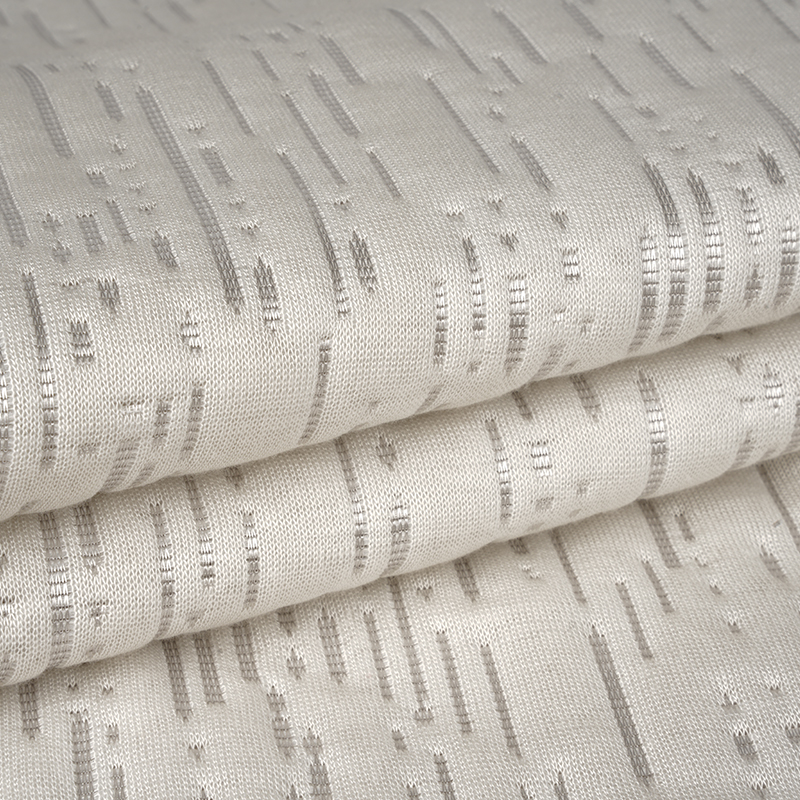
Antibacterial Yarn Children Mattress Fabric
Antibacterial Yarn Children Mattress Fabric
-
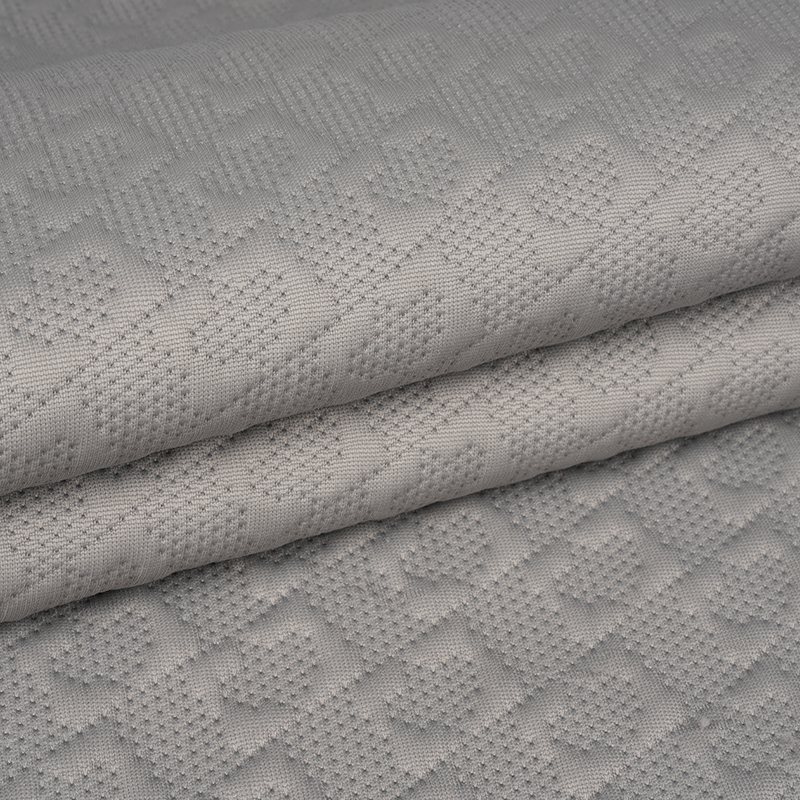
Antibacterial Yarn Children Mattress Fabric
Antibacterial Yarn Children Mattress Fabric
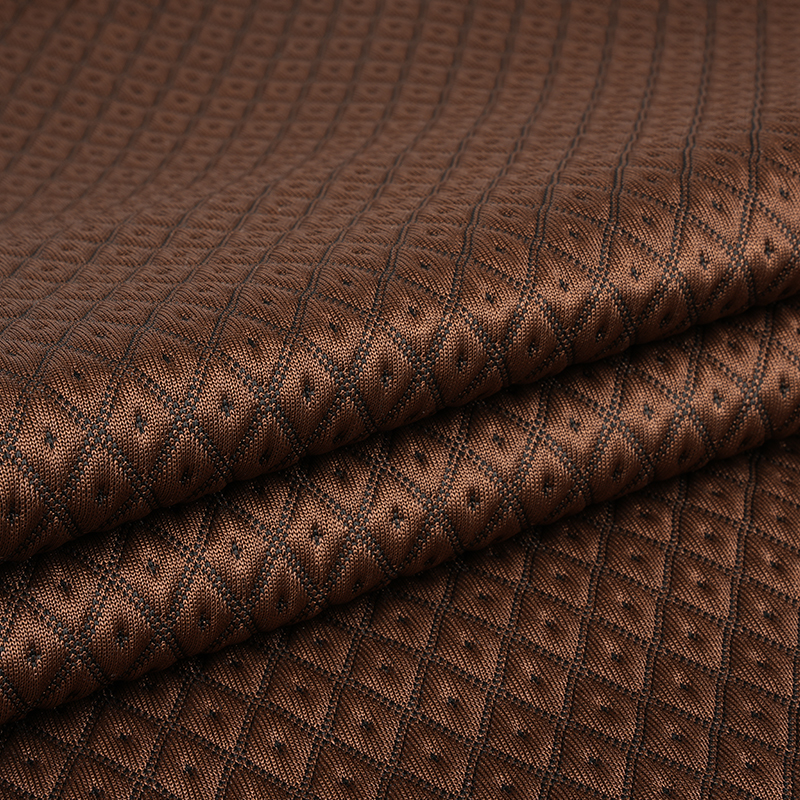
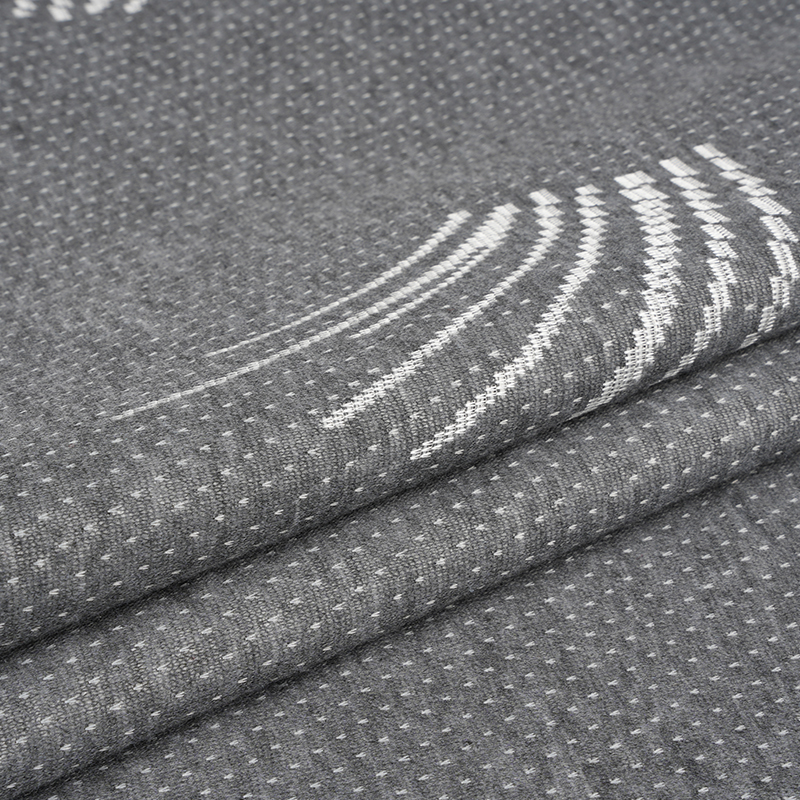
Haven’t Found The Products You Want?
-
-
Shen Jinyan:+86-15158070676
[email protected]
Liang Jinwen:+86-15757186621
[email protected]
Qiu Yingyingn:+86-13819545790
[email protected]
Yi qiao Town, Xiaoshan District, Hangzhou City, Zhejiang Province, China
-
Products
Mattress Fabric Children Mattress Fabric Pillowcase Fabric Pregnancy Pillow Fabric Cooling Mat Fabric Bedding Fabric Sofa Fabric Pet Friendly Fabrics -
Contact Information
About Us Products Strength Sustainability News Contact Us
Copyright © Hangzhou Xinsili Decorative Fabric Weaving Co.,Ltd. All Rights Reserved.
Functional Decorative Textile Manufacturers
