

 English
 中文简体
中文简体 Español
 عربى
عربى русский


Cotton Pet Friendly Fabrics for Comfortable, Durable, and Healthier Living Spaces
Content
- 1 Understanding Cotton Pet Friendly Fabrics
- 2 Why Pet Friendly Performance Matters in Today’s Textile Market
- 3 Core Advantages of Cotton Pet Friendly Fabrics
- 4 Advantages Over Ordinary Decorative Fabrics
- 5 Advantages Over Low-Quality Pet Fabrics
- 6 Product Applications Across Home and Commercial Environments
- 7 Performance Characteristics at a Glance
- 8 Manufacturing Strength Behind Reliable Fabric Performance
- 9 Advanced Weaving and Structure Control
- 10 Functional Finishing for Modern Living
- 11 Quality Control and Testing Considerations
- 12 Design Flexibility for Competitive Product Development
- 13 Environmental and Health-Conscious Value
- 14 How Cotton Pet Friendly Fabrics Support Better End Products
- 15 Customization Possibilities for Buyers
- 16 Company Strengths That Benefit Global Buyers
- 17 Comparison With Competing Fabric Solutions
- 18 Care and Maintenance Considerations
- 19 Buying Considerations for Manufacturers and Distributors
- 20 Q&A: Common Questions About Cotton Pet Friendly Fabrics
- 20.1 What makes cotton pet friendly fabrics different from normal cotton fabrics?
- 20.2 Are these fabrics suitable for sofas?
- 20.3 Can the fabric be used for bedding or pillowcases?
- 20.4 Does pet friendly mean the fabric cannot be damaged by claws?
- 20.5 Can antibacterial or moisture-resistant functions be added?
- 20.6 Is cotton pet friendly fabric comfortable for pets?
- 20.7 Why choose a professional manufacturer for this fabric?
- 20.8 Can the fabric be customized?
- 21 Conclusion
- 22 References
- 23 Product: Cotton Pet Friendly Fabrics
Cotton pet friendly fabrics are becoming an essential material choice for modern homes, hotels, serviced apartments, pet care spaces, and multi-functional interiors where comfort, cleanliness, durability, and visual appeal must work together. As pets increasingly become part of everyday family life, fabric performance requirements have changed. Consumers no longer look only for softness or decoration; they expect textiles that can withstand scratching, rubbing, frequent cleaning, hair contact, odor challenges, and daily use while still feeling natural, breathable, and welcoming.
Cotton Pet Friendly Fabrics are designed to meet this demand by combining the familiar comfort of cotton-based textile structures with enhanced functional performance suitable for households and commercial environments that include cats, dogs, and other companion animals. These fabrics can be used in sofa upholstery, pet cushions, bedding accessories, pillowcases, mattress-related textiles, cooling mats, decorative covers, and other soft furnishing applications. Their value lies not only in their appearance but also in their ability to support a cleaner, more comfortable, and more practical living environment.
For fabric buyers, furniture producers, bedding manufacturers, distributors, and interior product brands, the choice of pet friendly fabric is a strategic decision. A fabric that performs well in a pet environment helps reduce after-sales complaints, improves end-user satisfaction, extends product service life, and strengthens brand competitiveness. Compared with ordinary decorative textiles, cotton pet friendly fabrics must be engineered with more balanced properties: softness without weakness, breathability without easy staining, durability without stiffness, and functionality without sacrificing style.
Hangzhou Xinsili Decorative Fabric Weaving Co., Ltd. manufactures functional decorative textiles with a strong focus on reliable quality, technical innovation, and practical applications for residential, hotel, and commercial spaces. With long-term experience in decorative fabric weaving and functional textile development, the company provides cotton pet friendly fabrics that support comfortable living while addressing the realities of daily pet ownership. The product reflects the company’s broader philosophy of weaving beautiful spaces through craftsmanship, innovation, and consistent manufacturing control.
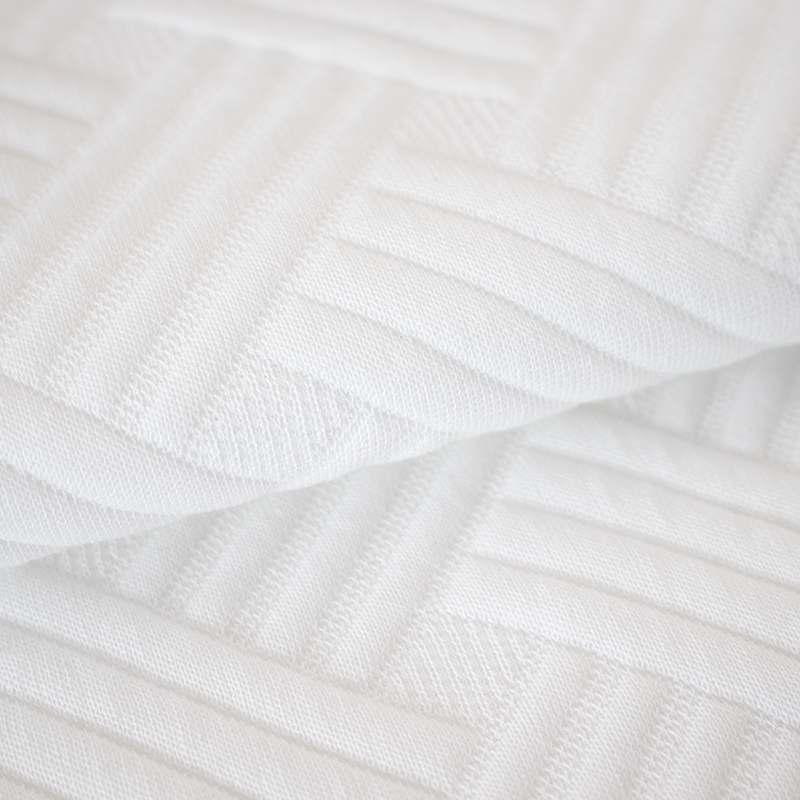
Cotton Pet Friendly Fabrics
Understanding Cotton Pet Friendly Fabrics
Cotton pet friendly fabric is not merely a standard cotton textile marketed for pet owners. It is a purpose-oriented fabric category developed to resist common pet-related stress factors while maintaining the comfort and natural touch associated with cotton. In a typical home with pets, fabric surfaces may face claw friction, repeated sitting and jumping, hair accumulation, drooling, accidental spills, outdoor dust brought in by paws, and more frequent cleaning. A fabric that is not designed for this environment may quickly show pilling, loose threads, discoloration, odor retention, or surface deformation.
Pet friendly cotton fabrics address these problems through careful yarn selection, fabric structure design, finishing technology, and quality inspection. The goal is to create a surface that feels soft to people but remains strong enough for regular use. Depending on customer requirements, the fabric can be developed with tightly woven structures, reinforced backing, brushing control, antibacterial finishing, moisture-resistant treatment, easy-clean properties, flame-retardant performance, or comfort-enhancing features. The result is a textile that fits the needs of modern furniture and bedding markets, where practicality and comfort are equally important.
Cotton as a textile component offers important advantages. It is breathable, skin-friendly, familiar to consumers, and suitable for daily contact. Many buyers associate cotton with comfort, natural softness, and a healthier indoor lifestyle. When cotton is combined with functional weaving and finishing processes, it becomes suitable for more demanding environments. This makes cotton pet friendly fabrics especially attractive for sofas, lounge chairs, mattress covers, pet beds, pillowcases, protective covers, and decorative home textiles that must be both comfortable and resilient.
The term “pet friendly” also includes emotional and lifestyle value. Pet owners want homes that are stylish without being fragile. They do not want to choose between beautiful furniture and a pet-friendly living room. A well-developed cotton pet friendly fabric helps solve this conflict by allowing designers and manufacturers to offer soft furnishings that look refined while coping with real household behavior. This balance is one of the biggest advantages of the product category.
Why Pet Friendly Performance Matters in Today’s Textile Market
The growth of pet ownership has transformed the home textile and furniture industries. In many markets, dogs and cats are treated as family members, and their presence directly affects purchasing decisions. Consumers consider whether a sofa will trap pet hair, whether a cushion cover can be cleaned easily, whether a mattress protector can remain hygienic, and whether fabric will resist claw marks or repeated use. These questions have become central to product development.
Traditional decorative fabrics were often designed mainly for visual effect, color coordination, and general comfort. While these qualities remain important, they are no longer enough. A fabric may look beautiful in a showroom but fail in a pet household if it snags easily, absorbs odor, or loses shape after cleaning. This creates frustration for the consumer and pressure for the manufacturer. Pet friendly textiles reduce this risk by building performance into the fabric from the beginning.
For furniture and bedding manufacturers, choosing pet friendly fabric can improve the marketability of final products. A sofa covered with a durable, easy-care cotton pet friendly fabric can be positioned as suitable for families, apartments, pet owners, hotels, lounges, and multi-purpose living spaces. Bedding accessories made with such fabric can appeal to users who sleep near pets or want cleaner, more comfortable surfaces. Pet cushions and mats can benefit from cotton’s breathable feel while gaining stronger daily-use performance.
Commercial spaces also benefit from pet friendly textile solutions. Pet-friendly hotels, rental apartments, waiting areas, pet stores, grooming spaces, and veterinary comfort zones all need fabrics that are easy to maintain and pleasant to touch. A fabric that can withstand repeated contact and cleaning supports operational efficiency. It also helps maintain a professional, welcoming atmosphere.
As the market continues to evolve, pet friendly textiles are likely to become a standard expectation rather than a niche category. Cotton pet friendly fabrics are well positioned in this shift because they combine a consumer-preferred natural feel with functional improvements that answer practical needs.
Core Advantages of Cotton Pet Friendly Fabrics
The strongest advantage of cotton pet friendly fabrics is their balanced performance. Some synthetic fabrics may offer high abrasion resistance but feel less breathable or less natural. Some soft fabrics may feel luxurious but snag or pill too easily. Some coated fabrics may be easy to wipe but lack comfort for long-term sitting or sleeping. Cotton pet friendly fabrics aim to bring together comfort, durability, breathability, and functionality in one textile solution.
One important benefit is skin comfort. Pet owners often share sofas, beds, cushions, and blankets with their animals. Human skin and pet fur both come into frequent contact with the fabric. Cotton-based fabrics offer a pleasant tactile experience, making them suitable for products where softness matters. When produced with refined weaving and finishing processes, the fabric can feel smooth and cozy without becoming overly delicate.
Another advantage is breathability. In bedding, pillowcase, mattress, and cushion applications, breathability helps reduce stuffiness and supports a fresher surface. For pet mats and pet resting areas, breathable fabric can help improve comfort, especially in warm seasons or indoor spaces with limited ventilation. When used in cooling mat fabric or bedding fabric categories, this feature becomes particularly valuable.
Durability is also a key competitive point. Pet friendly fabrics need to endure rubbing, paw movement, pressure, and frequent contact. Through appropriate yarn density, weave stability, and finishing, cotton pet friendly fabrics can provide better resistance to surface damage than ordinary cotton decorative fabrics. This helps extend the lifespan of furniture covers and textile products.
Ease of maintenance is another major selling point. Pet households often require more frequent cleaning. Fabrics that support easier removal of hair, dust, and light stains reduce user effort. When easy-clean or moisture-resistant finishing is applied, the fabric becomes more convenient for everyday use. This is particularly important for sofa fabric, pet cushions, pillow covers, and removable bedding covers.
Aesthetic flexibility should not be overlooked. Pet friendly does not mean plain or industrial. Cotton decorative fabrics can be produced in a wide range of colors, textures, patterns, and surface effects. They can match minimalist interiors, warm family homes, hotel rooms, children’s spaces, and commercial lounges. This allows manufacturers and designers to develop attractive products without compromising practical performance.
Advantages Over Ordinary Decorative Fabrics
Compared with ordinary decorative fabrics, cotton pet friendly fabrics are designed with more demanding use scenarios in mind. Standard fabrics may be adequate for low-contact decorative panels or occasional-use cushions, but they can fail quickly under pet-related conditions. Pet friendly fabrics address this gap through structural and functional improvements.
One difference lies in surface stability. Ordinary loosely woven fabrics may catch claws easily, creating pulled yarns or visible snags. A pet friendly cotton fabric can be developed with a tighter, more stable structure that reduces the chance of thread displacement. This does not make any textile completely indestructible, but it significantly improves practical resistance to everyday pet interaction.
Another difference is abrasion control. Pets often jump onto sofas, move in circles before lying down, scratch lightly, or rub against surfaces. Repeated friction can weaken standard fabrics. Pet friendly fabrics are tested and selected to better withstand such friction, helping the final product maintain appearance longer.
Cleaning performance is also improved. Ordinary cotton fabrics can absorb spills or hold odors if not properly treated. Functional finishing can help pet friendly fabrics resist moisture penetration, support easier surface cleaning, and reduce conditions that encourage bacterial growth. For homes with pets, this contributes to a healthier and more convenient environment.
In addition, pet friendly fabrics support better product positioning. A furniture company using ordinary decorative fabric can only promise standard comfort and appearance. A company using cotton pet friendly fabric can communicate practical benefits such as durability, family suitability, pet compatibility, and easy care. This creates stronger differentiation in competitive retail and wholesale markets.
Advantages Over Low-Quality Pet Fabrics
Not all fabrics labeled as pet friendly deliver meaningful performance. Some low-quality pet fabrics rely on surface coatings that may feel stiff, reduce breathability, or wear away quickly. Others use synthetic materials that resist stains but lack softness and comfort. Some may perform well in one test but fail in appearance retention, color stability, or long-term hand feel. Cotton pet friendly fabrics produced with careful weaving and finishing offer a more balanced alternative.
One major advantage is comfort that does not feel artificial. Pet owners want practical fabrics, but they also want their homes to feel warm and inviting. A fabric that is too plastic-like may be rejected even if it is easy to wipe. Cotton-based pet friendly fabric retains a textile feel that is suitable for sofas, bedding, and living spaces.
Another advantage is versatility. Low-quality pet fabrics may be suitable only for basic pet mats or utility covers. Cotton pet friendly fabrics can be used across multiple product categories, including sofa fabric, bedding fabric, pillowcase fabric, mattress fabric, children mattress fabric, pregnancy pillow fabric, cooling mat fabric, and pet-friendly decorative surfaces. This versatility simplifies sourcing for manufacturers that produce several product lines.
Long-term appearance is another differentiator. A fabric that pills, fades, stiffens, or loses texture after cleaning can damage the reputation of a finished product. With controlled manufacturing and quality inspection, cotton pet friendly fabrics can better maintain color, hand feel, and structure during regular use. This creates value for both producers and end users.
Reliable production consistency also matters. Buyers need repeatable quality, especially when producing furniture sets, bedding collections, or large commercial orders. A professional manufacturer with advanced weaving and finishing control can supply more consistent fabric batches than small or unstandardized producers. This helps reduce variation in color, width, density, and functional performance.
Product Applications Across Home and Commercial Environments
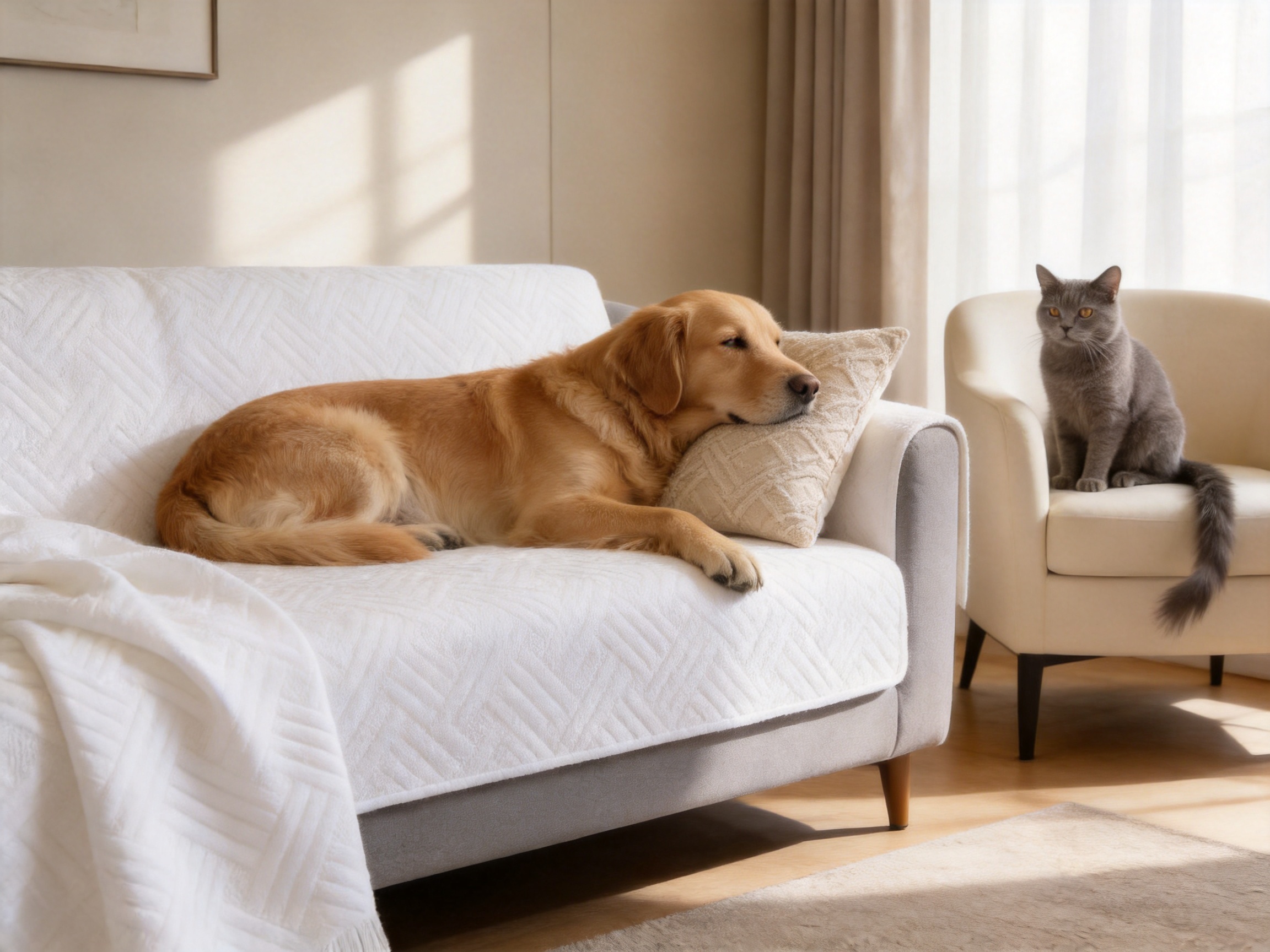
Cotton pet friendly fabrics are suitable for a wide range of soft furnishing and decorative textile applications. Their combination of comfort and durability makes them practical for products that experience frequent contact. One of the most common applications is sofa fabric. Sofas are often the center of family life, and pets naturally use them as resting places. A cotton pet friendly sofa fabric can help maintain a refined appearance while supporting everyday use.
Pet beds and cushions are another natural application. Cotton’s breathable and soft properties are desirable for pet rest surfaces, while functional performance improves hygiene and durability. A pet bed made with suitable fabric can feel comfortable for animals and easier to maintain for owners. The same fabric may also be used for removable covers, making cleaning more convenient.
Bedding fabric is an important category, especially in homes where pets sleep near or on the bed. Cotton pet friendly fabric can be used for protective covers, decorative bedding layers, pillow covers, mattress-related textiles, or pet-accessible bed surfaces. In this context, breathability and skin comfort are highly valuable.
Children mattress fabric is another relevant field. Families with children and pets need textiles that support comfort, cleanliness, and safety-conscious design. A functional cotton-based fabric can help create a softer and more hygienic sleep environment. When paired with antibacterial or moisture-resistant features, it becomes even more useful for family-oriented products.
Pregnancy pillow fabric requires gentle touch, breathability, and comfort during extended body contact. If the household includes pets, fabric durability and easy cleaning become additional benefits. Cotton pet friendly fabric can provide a practical solution for pregnancy pillow covers and related body support products.
Cooling mat fabric can also benefit from cotton pet friendly textile engineering. Breathable, comfortable surfaces are important for summer use and for pets that need cooler resting conditions. Depending on product design, the fabric can be integrated with other functional layers to improve comfort.
In commercial spaces, these fabrics can be used for hotel room sofas, pet-friendly accommodation furniture, lounge chairs, waiting area cushions, rental property furnishings, and decorative panels. Commercial buyers often prioritize both appearance and maintenance efficiency. Cotton pet friendly fabrics help meet these needs by supporting durability, cleanability, and design flexibility.
Performance Characteristics at a Glance
The following table summarizes important performance characteristics of cotton pet friendly fabrics and explains how they benefit different users in practical applications.
| Performance Feature | Practical Meaning | Main Benefit for Buyers | Typical Applications |
|---|---|---|---|
| Soft Cotton-Based Touch | Comfortable hand feel suitable for daily skin and fur contact | Improves user satisfaction and perceived quality | Sofas, pillowcases, bedding, pet cushions |
| Enhanced Surface Stability | More resistant to loose threads and visible surface damage | Helps products maintain appearance in pet households | Sofa covers, chair fabric, pet beds |
| Breathability | Allows better air movement than many heavy coated fabrics | Supports comfort in sleeping and resting products | Mattress fabric, cooling mat fabric, bedding |
| Easy-Care Potential | Can be finished for easier cleaning and hair removal | Reduces maintenance effort for end users | Home textiles, hotel textiles, pet accessories |
| Functional Finishing Options | May include antibacterial, moisture-resistant, flame-retardant, or comfort-enhancing treatments | Allows customized performance for different markets | Residential, hotel, and commercial furnishings |
| Decorative Versatility | Available in multiple textures, colors, and design directions | Supports product differentiation and interior matching | Furniture collections, bedding sets, decorative fabrics |
Manufacturing Strength Behind Reliable Fabric Performance
The performance of a pet friendly fabric depends heavily on manufacturing capability. Good raw materials are important, but they are not enough. The final result is shaped by yarn control, weaving precision, finishing technology, inspection standards, and production consistency. Hangzhou Xinsili Decorative Fabric Weaving Co., Ltd. has developed its strength through years of dedicated work in decorative textile manufacturing and functional fabric innovation.
The company specializes in research, development, and precision manufacturing of decorative textiles. Its production approach focuses on stable, practical, and reliable products rather than short-term appearance alone. This is especially important for pet friendly fabrics because real performance appears during long-term use. A fabric must continue to look and feel good after repeated sitting, rubbing, cleaning, and daily contact.
With 19 years of industry experience, the company understands the requirements of home, hotel, and commercial textile markets. Its 12,000 square meter factory area supports organized production, quality control, sample development, and order fulfillment. Recognition as a National High-Tech Enterprise in 2023 further reflects its commitment to technological advancement and product innovation.
The company’s manufacturing strengths are closely connected to its values: craftsmanship-driven manufacturing, design innovation, and win-win collaboration. Craftsmanship ensures attention to fabric structure, texture, color, and hand feel. Design innovation supports the development of fabrics that match changing market trends. Collaboration helps the company work with customers to create tailored textile solutions for specific applications.
For cotton pet friendly fabrics, manufacturing strength translates into practical advantages: more stable fabric surfaces, better consistency between batches, functional finishing options, more reliable delivery, and product development support. These benefits are especially valuable for buyers who need long-term supply rather than one-time fabric purchases.
Advanced Weaving and Structure Control
Weaving is the foundation of fabric performance. In cotton pet friendly fabrics, the weave structure must balance softness and strength. If the fabric is too loose, it may snag easily. If it is too dense or rigid, it may lose comfort. Advanced weaving control allows the manufacturer to adjust yarn arrangement, density, tension, and texture to achieve the desired balance.
A stable woven structure helps resist daily pet-related friction. When yarns are properly interlaced and tension is controlled, the fabric surface is less likely to deform. This improves appearance retention and supports better abrasion performance. For sofa fabric and pet bedding, this structural stability is essential.
Weaving control also affects breathability. Cotton fabrics can be engineered to allow air movement while maintaining adequate coverage and durability. This is important for bedding, pillowcases, and cooling mat applications where users expect comfort during prolonged contact.
Texture development is another advantage of advanced weaving. Different surface textures can influence hair visibility, tactile comfort, and visual style. A refined texture may create a premium decorative effect, while a more practical texture may help disguise minor daily marks. The ability to design and control texture gives manufacturers and buyers more product development options.
Consistency in fabric width, weight, and density is also critical. Furniture and bedding producers need predictable cutting and sewing behavior. A fabric that varies too much from roll to roll can cause production waste, mismatched panels, or quality disputes. Professional weaving management reduces these risks and supports efficient downstream manufacturing.
Functional Finishing for Modern Living
Functional finishing is one of the key reasons cotton pet friendly fabrics can outperform ordinary textiles. Finishing processes can improve fabric behavior in areas such as antibacterial performance, moisture resistance, flame retardancy, comfort, and easy care. The correct finishing solution depends on the final application and customer requirements.
Antibacterial finishing is useful for fabrics used in pet environments because pets can bring bacteria, dirt, and organic matter onto textile surfaces. While regular cleaning remains necessary, antibacterial treatment can help support a cleaner fabric environment and reduce microbial growth under suitable conditions. This is especially valuable for bedding, pet cushions, children’s spaces, and hotel textiles.
Moisture-resistant finishing can help protect fabric from accidental spills, drool, or damp paw contact. It may reduce quick absorption and give users more time to clean the surface. For pet-friendly furniture and cushion covers, this improves convenience and helps protect internal filling materials.
Flame-retardant finishing may be required for certain commercial, hotel, or regulatory applications. When decorative textiles are used in public or semi-public spaces, safety standards can become an important purchasing factor. The ability to integrate flame-retardant performance expands the market range of cotton pet friendly fabrics.
Comfort-improving finishing can refine hand feel, surface smoothness, and user experience. Since cotton pet friendly fabric must remain comfortable, finishing should not make the textile overly stiff or unpleasant. A skilled manufacturer can balance functional treatment with softness and breathability.
Finishing must be controlled carefully because excessive or unsuitable treatment can damage fabric feel, color, or durability. The company’s experience in functional decorative textiles helps ensure that finishing is integrated into the product rather than added as a superficial feature. This integrated approach gives the fabric stronger practical value.
Quality Control and Testing Considerations
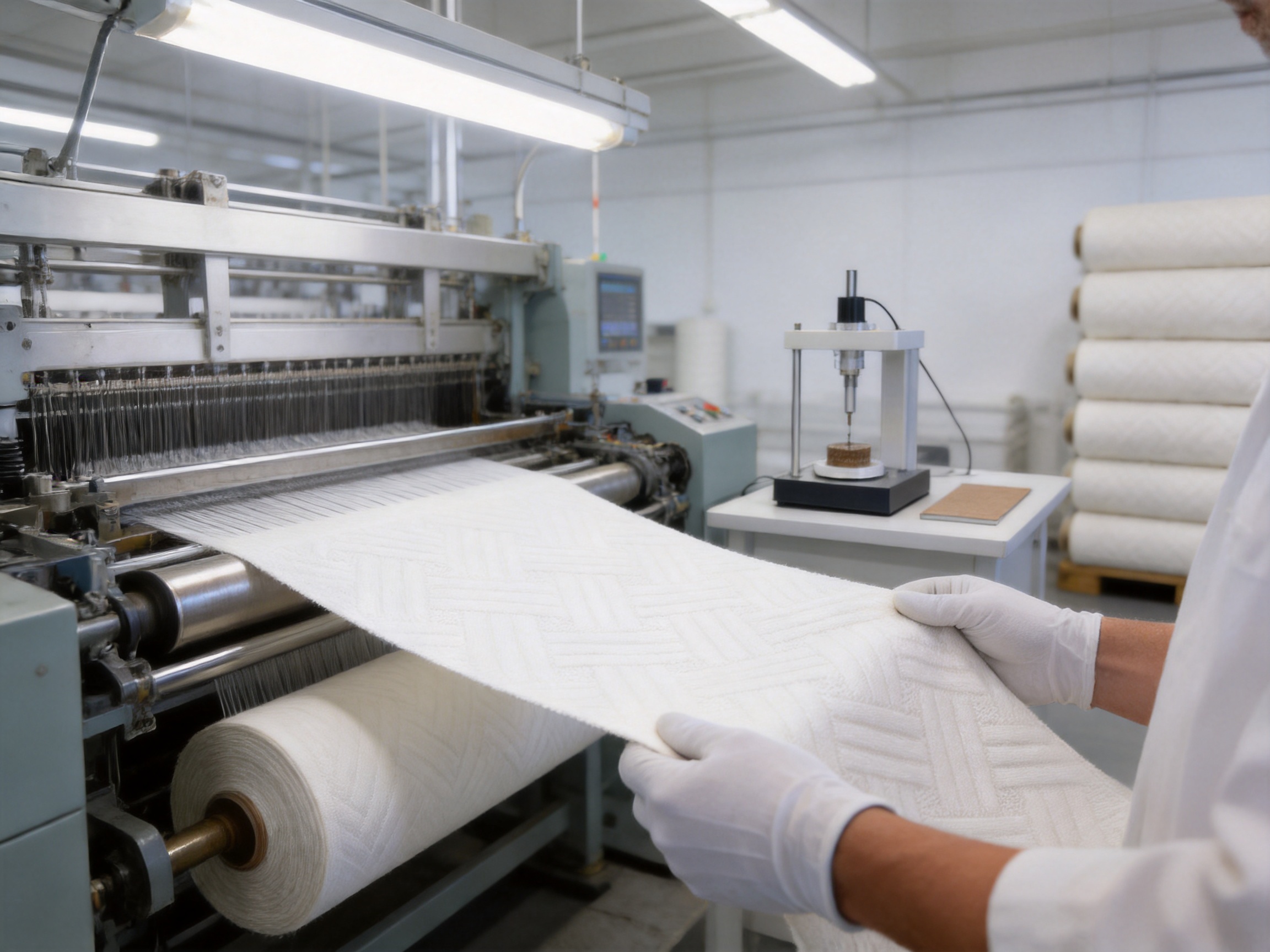
Quality control is essential for pet friendly fabrics because customers expect visible and practical performance. A fabric may appear attractive at first glance, but professional inspection is needed to confirm whether it meets requirements for density, color, width, surface condition, strength, finishing effect, and consistency. Reliable quality control protects both the fabric supplier and the buyer.
Important testing considerations may include abrasion resistance, pilling resistance, color fastness, dimensional stability, tear strength, surface appearance, and functional finishing performance. For pet friendly use, abrasion and snag resistance are particularly relevant. Although no fabric can be guaranteed against all pet damage, higher resistance helps improve daily-use durability.
Color fastness matters because pet friendly fabrics may be cleaned more often than standard decorative textiles. The fabric should maintain its appearance under appropriate cleaning conditions. Poor color fastness can lead to fading, staining, or color transfer, all of which reduce user satisfaction.
Pilling resistance is also important. Pilling can make furniture and bedding look old even when the structure remains intact. By selecting appropriate yarns, controlling weave structure, and applying suitable finishing, manufacturers can reduce the tendency toward pilling.
Dimensional stability affects sewing and long-term use. Fabric that shrinks or stretches excessively can distort finished products. This is especially important for removable covers, mattress fabrics, pillowcases, and fitted textile components. Quality control helps ensure that the fabric performs predictably during cutting, sewing, and use.
Inspection of functional finishing is equally important. If antibacterial, moisture-resistant, or flame-retardant properties are required, the fabric should be evaluated according to relevant standards or customer specifications. Consistent finishing performance builds trust and supports repeat orders.
Design Flexibility for Competitive Product Development
Cotton pet friendly fabrics offer strong design flexibility, which is crucial for modern textile buyers. A fabric must not only perform well; it must also fit the visual language of the final product. Consumers want pet friendly homes that still look elegant, cozy, contemporary, or luxurious. This creates demand for fabrics that combine function with design.
Color selection plays a major role. Neutral shades such as beige, gray, taupe, cream, and warm brown are popular for sofas and bedding because they match many interiors. Darker shades may help hide minor marks, while medium tones can balance practicality and style. Brighter or custom colors may be used for children’s products, pet accessories, or branded collections.
Texture is another design tool. A smooth texture may feel refined and easy to coordinate. A woven texture can add depth and help hide small daily-use marks. A soft brushed surface can create warmth but must be controlled to avoid excessive hair trapping or pilling. The manufacturer’s ability to develop different textures allows buyers to target different markets.
Pattern development can also support product differentiation. Subtle geometric patterns, natural textures, jacquard effects, or decorative woven designs can make pet friendly fabrics suitable for premium furniture and bedding lines. Buyers can develop exclusive collections that stand apart from generic pet fabrics.
Design flexibility also includes compatibility with downstream processing. Fabric may need to be quilted, laminated, sewn into covers, combined with foam, used as upholstery, or integrated into multi-layer bedding products. A professional fabric manufacturer considers these end uses during development, helping customers reduce production difficulties.
Environmental and Health-Conscious Value
Modern consumers increasingly care about healthier and more sustainable living spaces. Cotton pet friendly fabrics align with this trend when produced responsibly and designed for long service life. A durable fabric can reduce replacement frequency, which helps lower material waste over time. Comfort, breathability, and functional cleanliness also support healthier daily living.
Hangzhou Xinsili Decorative Fabric Weaving Co., Ltd. emphasizes high-quality and environmentally friendly decorative fabric solutions. This direction is important because decorative textiles are used in close-contact environments such as bedrooms, living rooms, hotels, and family areas. Fabrics should not only look good but also contribute to safe and comfortable spaces.
Pet households are especially sensitive to health and cleanliness. Pets may spend long hours on cushions or bedding, and family members may have direct contact with the same surfaces. A fabric that supports easier cleaning and optional antibacterial performance can help create a more reassuring environment.
Durability is also part of sustainability. Low-quality fabrics that fail quickly lead to more frequent replacement of covers, cushions, or furniture. A well-made cotton pet friendly fabric can extend product life and reduce unnecessary waste. This practical form of sustainability is often more meaningful to consumers than vague environmental claims.
Manufacturers and buyers can further strengthen environmental value by choosing appropriate specifications, avoiding excessive treatments where unnecessary, and selecting fabrics that match real product needs. A balanced approach delivers performance without over-engineering.
How Cotton Pet Friendly Fabrics Support Better End Products
The fabric chosen for a sofa, cushion, mattress cover, or pillowcase strongly influences the quality perception of the final product. Even if internal materials are good, a poor surface fabric can cause the product to feel cheap or fail early. Cotton pet friendly fabric improves end products in several ways.
First, it improves tactile appeal. Consumers often touch fabric before making a purchase decision. A comfortable cotton-based surface can create a positive first impression. For online sales, product reviews often mention softness, comfort, and ease of care, making fabric choice important for customer satisfaction.
Second, it improves practical confidence. When a product is advertised as pet friendly and uses a fabric designed for pet environments, consumers feel more confident purchasing it. This can increase conversion rates and reduce hesitation among pet owners.
Third, it can reduce after-sales issues. Complaints about snagging, pilling, staining, odor, or difficult cleaning can be costly. While fabric selection cannot eliminate all misuse problems, choosing a stronger pet friendly textile reduces common risks.
Fourth, it supports premium positioning. A product that combines cotton comfort, functional finishing, and attractive design can be marketed at a higher value level than basic pet furniture or ordinary decorative textiles. This is useful for brands competing in mid-range and premium markets.
Finally, it allows broader customer reach. Families with pets, children, guests, and active lifestyles all value durable easy-care fabrics. Even consumers without pets may choose pet friendly products because they associate them with stronger performance.
Customization Possibilities for Buyers
Different markets require different fabric specifications. A pet sofa brand may prioritize abrasion resistance and easy cleaning. A bedding company may prioritize breathability, softness, and antibacterial performance. A hotel supplier may need flame-retardant treatment and color consistency. Cotton pet friendly fabrics can be customized to match these requirements.
Customization may involve fabric weight, width, color, texture, pattern, finishing type, backing treatment, and performance targets. This flexibility allows buyers to develop products that align with their brand positioning and technical needs. For example, a premium sofa collection may use a heavier woven cotton pet friendly fabric with refined texture, while a removable pet bed cover may use a lighter, easy-wash specification.
Color matching is important for furniture and bedding collections. Consistent color control helps brands maintain a unified appearance across product lines. Texture development can create exclusive looks that competitors cannot easily copy.
Functional customization is also valuable. Some customers may need moisture resistance but not flame retardancy. Others may require antibacterial finishing for bedding products. Commercial projects may need specific performance documentation. A capable manufacturer can help buyers choose the right combination instead of applying unnecessary treatments.
Customization should always consider cost-performance balance. The best fabric is not necessarily the one with the most features; it is the one that best fits the final application. Experienced textile engineers and sales teams can guide buyers toward practical specifications that meet performance, budget, and design goals.
Company Strengths That Benefit Global Buyers
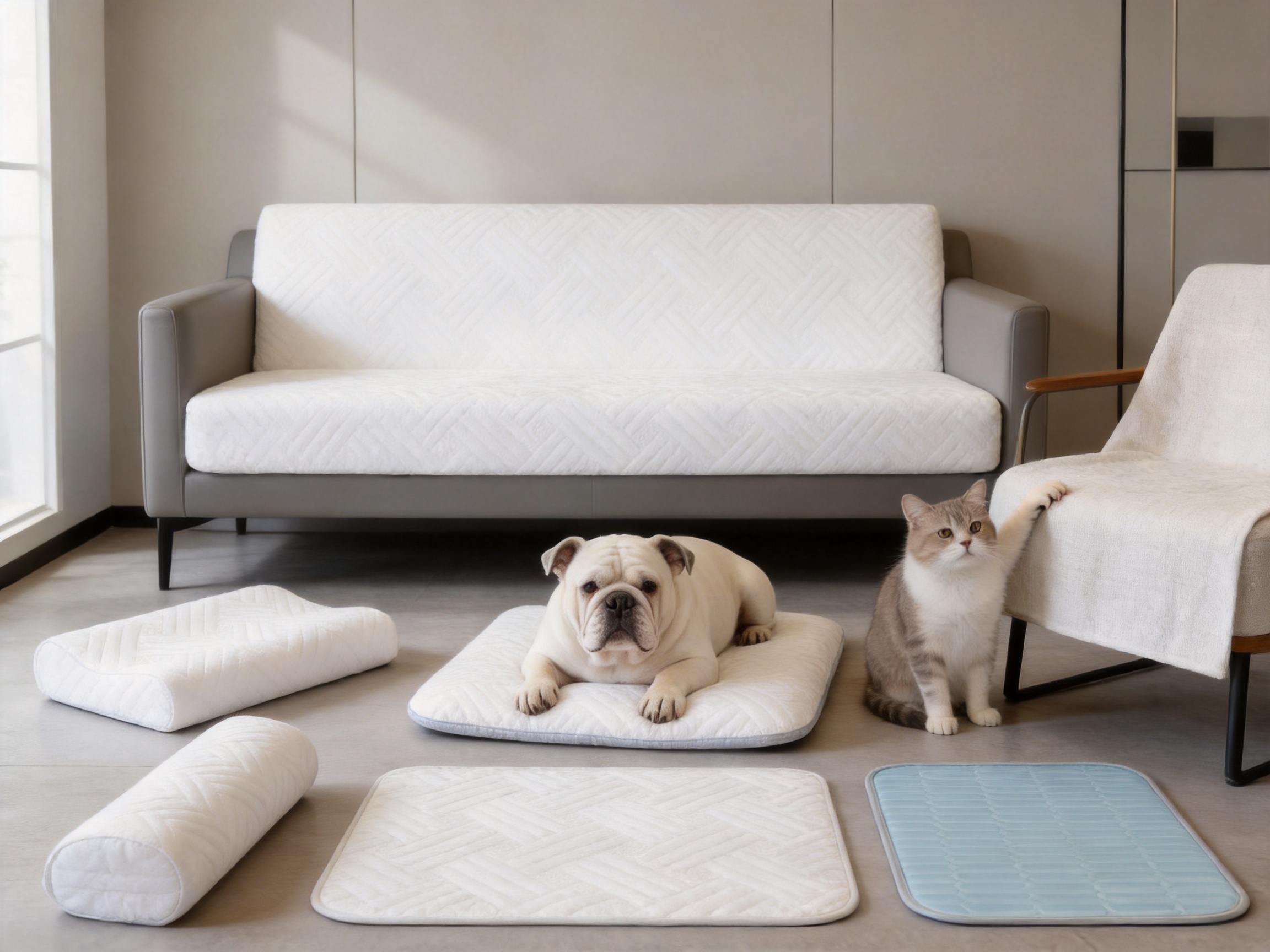
Hangzhou Xinsili Decorative Fabric Weaving Co., Ltd. brings important advantages to buyers seeking dependable cotton pet friendly fabrics. The company’s specialization in decorative textile research, development, and manufacturing allows it to understand both aesthetic and functional requirements. This dual capability is essential in the pet friendly fabric market, where product success depends on performance and appearance together.
The company’s 19 years of industry experience provide a strong foundation for fabric development and production problem solving. Experience matters because textile performance is affected by many details, including fiber selection, yarn quality, weaving tension, finishing chemistry, drying conditions, color control, and inspection procedures. A manufacturer with long-term expertise is better able to manage these variables.
The 12,000 square meter factory area supports stable production capacity and organized manufacturing flow. For buyers, this means better support for sample development, regular orders, and potential volume production. Factory scale also helps support quality control and production scheduling.
Recognition as a National High-Tech Enterprise in 2023 highlights the company’s commitment to technological innovation. In functional decorative textiles, innovation is not optional. Market demands are changing quickly, and customers increasingly request fabrics with antibacterial, moisture-resistant, flame-retardant, sleep-supporting, and comfort-improving functions. The company’s technical orientation helps it respond to these demands.
The company’s guiding vision, “Weaving Beautiful Spaces,” reflects a focus on textiles that improve living environments. Cotton pet friendly fabrics fit naturally within this vision because they help create homes and commercial spaces that are more comfortable, practical, and inclusive for pet owners.
For international buyers, communication, reliability, and customization support are important. A professional manufacturer can help translate product concepts into fabric specifications, provide samples for evaluation, and support consistent supply. This reduces sourcing risk and helps buyers bring products to market more efficiently.
Comparison With Competing Fabric Solutions
In the pet friendly fabric market, buyers may compare cotton pet friendly fabrics with synthetic microfiber, leather-like materials, coated textiles, ordinary upholstery fabrics, and low-cost blended fabrics. Each option has strengths and limitations. Cotton pet friendly fabrics stand out by offering a balanced solution suitable for comfort-oriented living spaces.
Synthetic microfiber can be durable and easy to clean, but some versions may feel less natural or become warm during extended sitting. Leather-like materials may wipe clean easily, but they can scratch visibly, feel cold or sticky, and may not suit bedding applications. Heavily coated fabrics can resist liquid but may sacrifice breathability and softness. Ordinary upholstery fabrics may look attractive but lack pet-specific durability. Low-cost blends may reduce price but often compromise long-term satisfaction.
Cotton pet friendly fabrics occupy a valuable middle ground. They provide a comfortable textile feel, breathable performance, decorative flexibility, and optional functional finishing. For products where users sit, sleep, rest, or have prolonged contact, this comfort advantage is significant.
Another competitive advantage is emotional acceptance. Many consumers trust cotton because it feels familiar and comfortable. When a product combines cotton comfort with pet friendly durability, it becomes easier to communicate value. The fabric does not feel like a compromise; it feels like a better version of a home textile.
From a manufacturer’s perspective, cotton pet friendly fabrics can support multiple product lines. Instead of sourcing separate materials for sofas, pillowcases, pet cushions, and bedding, buyers can work with a supplier to develop coordinated fabric solutions across categories. This improves collection consistency and supply efficiency.
Care and Maintenance Considerations
Proper care helps cotton pet friendly fabrics maintain their appearance and performance. Although these fabrics are designed for practical use, no textile is maintenance-free. End users should follow the care instructions provided for the specific fabric and finished product. Cleaning methods may vary depending on finishing, backing, dyeing, and construction.
Regular vacuuming or gentle brushing can help remove pet hair, dust, and loose particles before they settle into the fabric. This is especially useful for sofa fabric, pet cushions, and bedding covers. Removing debris regularly also reduces abrasion caused by particles rubbing against the surface.
For spills or pet drool, prompt cleaning is recommended. If the fabric has moisture-resistant or easy-clean finishing, users may have more time to blot the surface before liquid penetrates. A clean absorbent cloth should be used to remove moisture gently. Harsh rubbing should be avoided because it can push stains deeper or damage surface fibers.
Removable covers should be washed according to their specific care labels. Some fabrics may be suitable for gentle machine washing, while others may require professional cleaning or spot cleaning. Overwashing, high heat, strong bleach, or unsuitable detergents can reduce fabric life and affect finishing performance.
Pet nail trimming can also help protect fabric surfaces. Even strong pet friendly textiles can be damaged by sharp claws under heavy scratching. Providing pets with scratching posts, blankets, or designated resting areas can further extend furniture life.
Clear care guidance is beneficial for manufacturers and retailers. When end users understand how to maintain pet friendly fabric, satisfaction increases and unnecessary complaints decrease.
Buying Considerations for Manufacturers and Distributors
When selecting cotton pet friendly fabrics, buyers should evaluate both product performance and supplier capability. The fabric should match the intended application, target market, price level, and quality expectations. It is not enough to choose a fabric based only on appearance or basic composition.
Key questions include: What level of abrasion resistance is required? Will the fabric be used for upholstery, bedding, pillowcases, pet cushions, or commercial furniture? Does the product require antibacterial, moisture-resistant, or flame-retardant finishing? Is the fabric washable or intended for spot cleaning? What color and texture will appeal to the target consumer? What roll width and weight are needed for efficient production?
Buyers should request samples and test them under realistic conditions. For pet products, this may include rubbing, cleaning trials, hair removal checks, sewing tests, and user comfort evaluation. For commercial projects, buyers may need formal test reports according to relevant standards.
Supplier stability is also critical. A fabric that looks good in sample form must be reproducible in bulk production. Buyers should consider the manufacturer’s experience, factory capacity, quality control process, and ability to provide consistent color and performance across batches.
Customization support can create additional value. A supplier that can help develop exclusive textures, colors, or finishing combinations allows buyers to differentiate their products. This is especially important in competitive furniture and bedding markets.
Cost should be evaluated in relation to long-term value. A cheaper fabric may reduce initial cost but lead to higher return rates, lower customer satisfaction, or shorter product life. A well-made cotton pet friendly fabric can offer better total value by improving durability, comfort, and brand reputation.
Q&A: Common Questions About Cotton Pet Friendly Fabrics
What makes cotton pet friendly fabrics different from normal cotton fabrics?
Cotton pet friendly fabrics are developed with stronger attention to surface stability, abrasion resistance, easy-care potential, and functional finishing. Normal cotton fabrics may feel comfortable but may not withstand pet-related rubbing, hair contact, cleaning, and daily use as effectively.
Are these fabrics suitable for sofas?
Yes. Cotton pet friendly fabrics are well suited for sofa upholstery and sofa covers, especially in homes where pets frequently sit or lie on furniture. Their comfort, decorative appearance, and enhanced durability make them practical for living room products.
Can the fabric be used for bedding or pillowcases?
Yes. Because cotton is breathable and skin-friendly, these fabrics can be used for bedding fabric, pillowcase fabric, mattress-related textiles, and pregnancy pillow fabric, depending on the exact construction and finishing.
Does pet friendly mean the fabric cannot be damaged by claws?
No fabric is completely immune to pet damage, especially from sharp claws or aggressive scratching. Pet friendly means the fabric is designed to perform better than ordinary textiles under common pet household conditions. Proper pet care and fabric maintenance are still important.
Can antibacterial or moisture-resistant functions be added?
Yes. Functional finishing options may include antibacterial, moisture-resistant, flame-retardant, sleep-supporting, and comfort-improving treatments. The suitable finishing depends on the intended application and buyer requirements.
Is cotton pet friendly fabric comfortable for pets?
Yes. Cotton-based fabrics are generally soft and breathable, making them comfortable for pets to rest on. This makes them suitable for pet cushions, pet beds, sofa surfaces, and home textile products.
Why choose a professional manufacturer for this fabric?
Professional manufacturing ensures better control of weaving structure, finishing quality, color consistency, fabric width, and performance reliability. This is especially important for buyers producing furniture, bedding, or commercial textile products in quantity.
Can the fabric be customized?
Yes. Buyers can discuss customization options such as color, texture, pattern, weight, width, backing, and functional finishing. Customization helps the fabric match specific brand, market, and product requirements.
Conclusion
Cotton Pet Friendly Fabrics provide a practical and attractive solution for today’s pet-inclusive living environments. They combine the familiar softness and breathability of cotton with enhanced durability, surface stability, easy-care potential, and optional functional finishing. This makes them suitable for sofas, pet cushions, bedding, pillowcases, mattress fabrics, pregnancy pillows, cooling mats, children’s textiles, and commercial decorative applications.
Compared with ordinary decorative fabrics, they offer stronger performance in daily pet households. Compared with low-quality pet fabrics or overly synthetic alternatives, they provide better comfort, design flexibility, and consumer appeal. Their balanced nature makes them especially valuable for manufacturers and brands that want to develop products that are both beautiful and practical.
Hangzhou Xinsili Decorative Fabric Weaving Co., Ltd. strengthens this product value through advanced manufacturing, functional textile development, quality control, and long-term industry experience. With a focus on craftsmanship, innovation, and reliable collaboration, the company supports buyers seeking decorative fabric solutions for residential, hotel, and commercial spaces.
As consumer lifestyles continue to evolve, the demand for pet friendly, comfortable, easy-care, and healthier fabrics will continue to grow. Cotton pet friendly fabrics answer this demand by helping people create living spaces where families, guests, and pets can coexist comfortably without sacrificing beauty or quality.
References
American Association of Textile Chemists and Colorists. Textile Testing and Quality Control Guidelines.
Booth, J. E. Principles of Textile Testing: An Introduction to Physical Methods of Testing Textile Fibres, Yarns and Fabrics.
Gohl, E. P. G., and Vilensky, L. D. Textile Science: An Explanation of Fibre Properties.
Horrocks, A. R., and Anand, S. C. Handbook of Technical Textiles.
Kadolph, S. J. Textiles.
Marsh, J. T. An Introduction to Textile Finishing.
Sinclair, R. Textiles and Fashion: Materials, Design and Technology.
Wynne, A. The Motivate Series: Textiles.
Product: Cotton Pet Friendly Fabrics

Our Featured Products
-
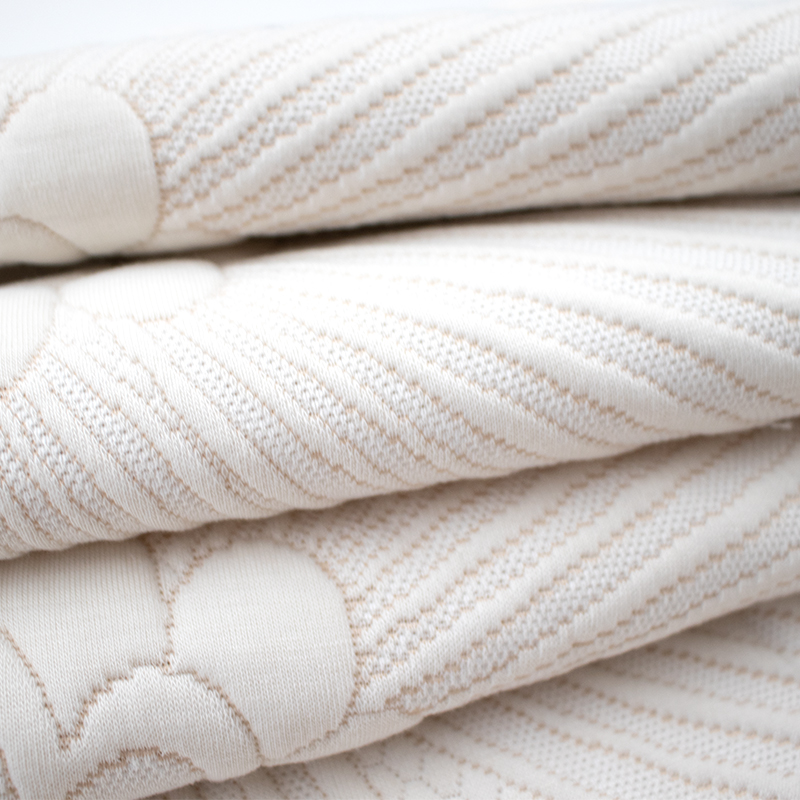
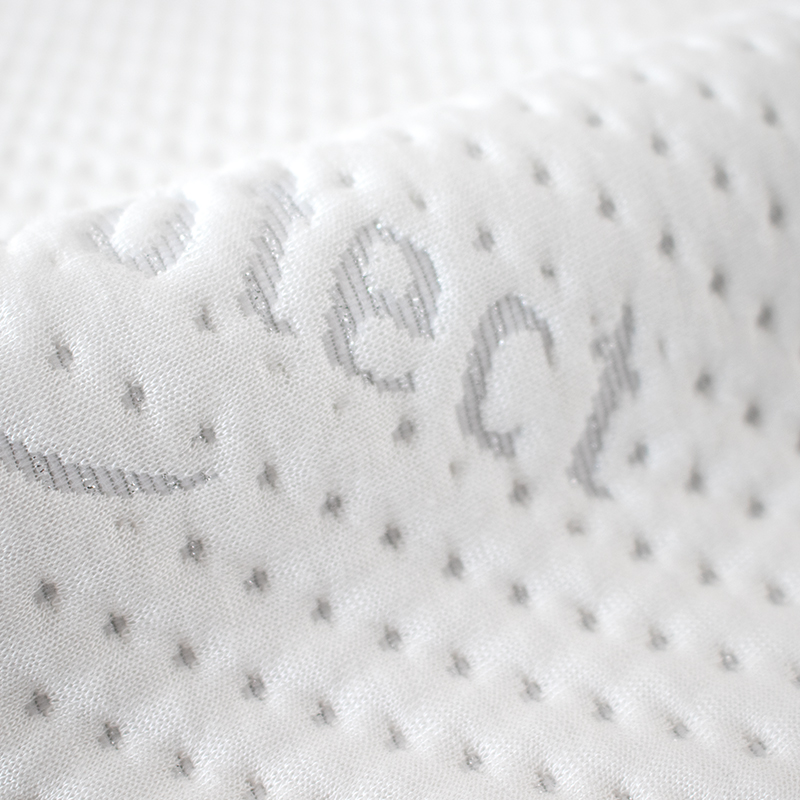
Cotton Pet Friendly Fabrics
Cotton Pet Friendly Fabrics
Haven’t Found The Products You Want?
-
-
Shen Jinyan:+86-15158070676
[email protected]
Liang Jinwen:+86-15757186621
[email protected]
Qiu Yingyingn:+86-13819545790
[email protected]
Yi qiao Town, Xiaoshan District, Hangzhou City, Zhejiang Province, China
-
Products
Mattress Fabric Children Mattress Fabric Pillowcase Fabric Pregnancy Pillow Fabric Cooling Mat Fabric Bedding Fabric Sofa Fabric Pet Friendly Fabrics -
Contact Information
About Us Products Strength Sustainability News Contact Us
Copyright © Hangzhou Xinsili Decorative Fabric Weaving Co.,Ltd. All Rights Reserved.
Functional Decorative Textile Manufacturers
