

 English
 中文简体
中文简体 Español
 عربى
عربى русский


Bamboo Fiber Children Mattress Fabric for Safer, Cooler, and More Comfortable Sleep
Content
- 1 Why Children’s Mattress Fabric Requires Special Attention
- 2 Product Overview: Bamboo Fiber Children Mattress Fabric
- 3 Core Advantages Over Conventional Competitor Fabrics
- 4 Comparison Table: Bamboo Fiber Children Mattress Fabric vs. Common Alternatives
- 5 Material Comfort and Child-Friendly Surface Performance
- 6 Advanced Manufacturing Processes Behind the Fabric
- 7 Company Strengths Supporting Product Reliability
- 8 Application Scenarios for Bamboo Fiber Children Mattress Fabric
- 9 Customization Possibilities for Mattress Brands
- 10 How the Fabric Supports Mattress Production Efficiency
- 11 Comfort, Safety, and Sustainability Considerations
- 12 Quality Evaluation Points for Buyers
- 13 Why This Fabric Helps Brands Compete in the Children’s Mattress Market
- 14 Integration with Other Functional Decorative Textile Categories
- 15 Recommended Buyer Questions Before Placing an Order
- 16 Q&A: Bamboo Fiber Children Mattress Fabric
- 16.1 Q1: What is Bamboo Fiber Children Mattress Fabric used for?
- 16.2 Q2: Why choose bamboo fiber for children’s mattress fabric?
- 16.3 Q3: How does this fabric compare with ordinary polyester mattress fabric?
- 16.4 Q4: Is the fabric breathable?
- 16.5 Q5: Can the fabric be customized?
- 16.6 Q6: Can antibacterial or moisture-resistant functions be added?
- 16.7 Q7: Is this fabric suitable for premium children’s mattresses?
- 16.8 Q8: What should buyers test before bulk production?
- 16.9 Q9: Why is the manufacturer’s experience important?
- 16.10 Q10: Can this fabric be used with other bedding products?
- 17 Conclusion
- 18 References
- 19 Product: Bamboo Fiber Children Mattress Fabric
Children’s sleep environments demand a higher standard than ordinary bedding surfaces. A mattress fabric designed for adults may feel acceptable to the touch, but it may not provide the balanced softness, breathability, moisture management, skin-friendly performance, and practical durability needed for children who sleep, turn, sweat, play, and grow on the same surface every day. Bamboo Fiber Children Mattress Fabric is developed to answer these needs with a material concept that combines natural bamboo-derived comfort with functional decorative textile manufacturing expertise.
This product is intended for children’s mattress applications where comfort, safety, freshness, and long-term usability are equally important. It belongs to the broader category of functional mattress fabrics and children mattress fabrics, while also reflecting the same technical thinking used in pillowcase fabric, pregnancy pillow fabric, cooling mat fabric, bedding fabric, sofa fabric, and pet friendly fabrics. The result is a surface textile that can help mattress producers create children’s sleep products with a soft touch, good air circulation, moisture-friendly behavior, and a more reassuring user experience.
Bamboo fiber is valued in sleep textiles because it offers a naturally smooth hand feel and a comfortable surface sensation. When engineered into children’s mattress fabric through controlled weaving, finishing, inspection, and quality management, it becomes more than a decorative cover. It becomes the first layer of contact between the child and the mattress system. This contact layer affects how the child perceives softness, how heat and humidity are released, and how clean and comfortable the surface feels after repeated use.
The product introduced here is supported by the manufacturing experience of Hangzhou Xinsili Decorative Fabric Weaving Co., Ltd., a company specializing in the research, development, and production of functional decorative textiles. With 19 years of industry experience, a 12,000㎡ factory area, and recognition as a National High-Tech Enterprise in 2023, the company integrates craftsmanship, practical engineering, and design innovation to serve residential, hotel, and commercial textile markets. For children’s mattress fabric, this background is especially relevant because buyers require not only attractive fabric but also stable manufacturing, repeatable quality, and reliable functional performance.
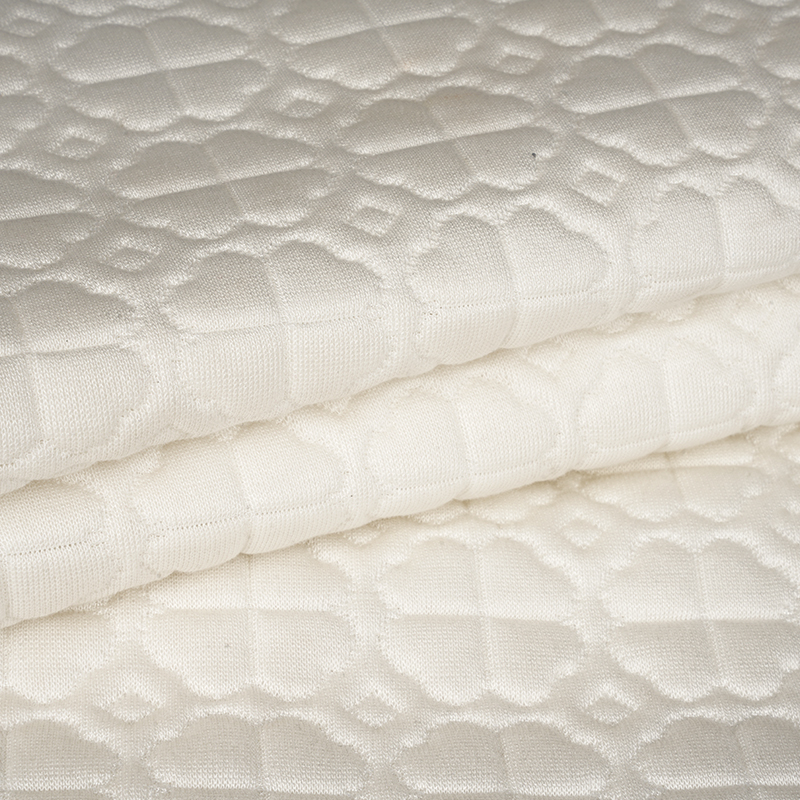
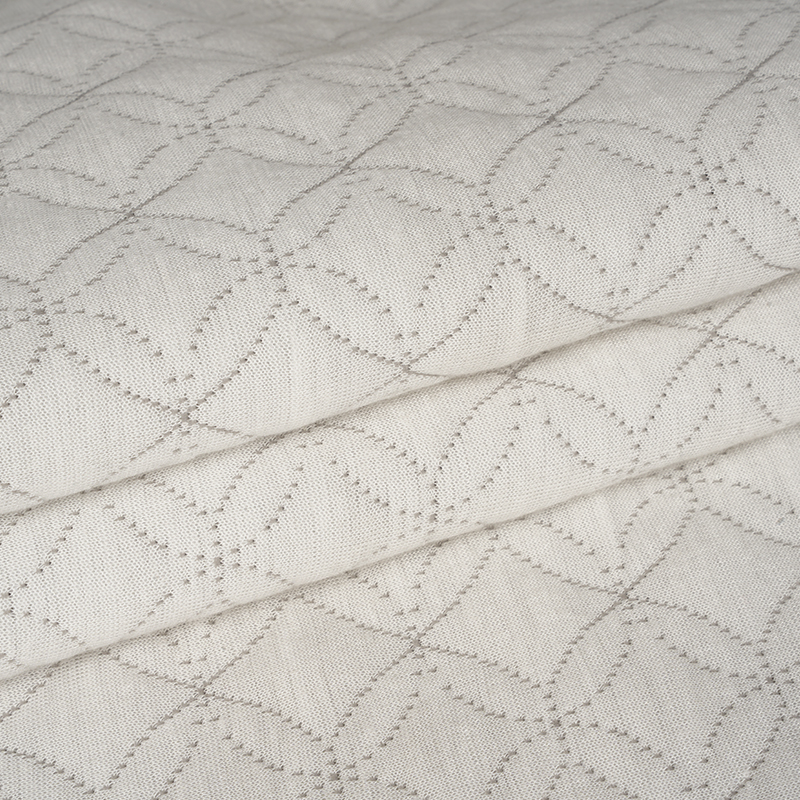
Bamboo Fiber Children Mattress Fabric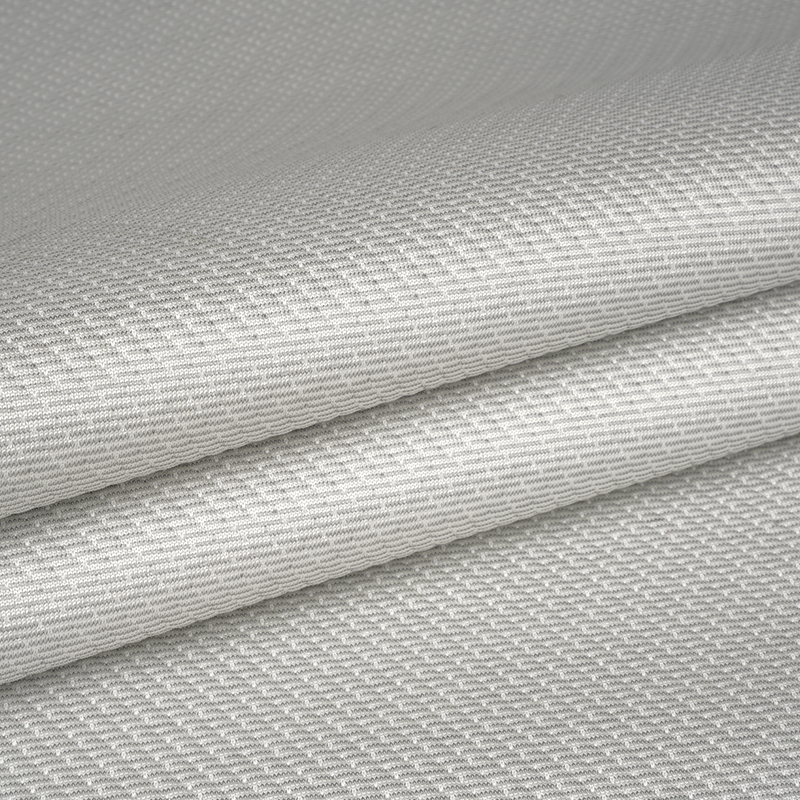
Why Children’s Mattress Fabric Requires Special Attention
A child’s mattress is not simply a smaller version of an adult mattress. Children sleep longer, move more frequently, and may be more sensitive to rough textures, trapped heat, humidity, or unpleasant odors. Their skin is often more delicate, and their sleep quality can be affected by small changes in surface comfort. For this reason, mattress fabric used for children should be designed with a balance of softness, support for ventilation, durability, and easy integration into a finished mattress structure.
The outer fabric of a mattress is the textile that users see and touch first. It communicates product quality before the mattress is even tested. For parents and retailers, the fabric surface can influence confidence in the mattress. A smooth, breathable, and clean-looking fabric suggests that the manufacturer has considered children’s comfort carefully. By contrast, a coarse, overly synthetic, or poorly finished fabric can make even a well-built mattress feel less trustworthy.
Bamboo Fiber Children Mattress Fabric is developed to improve this first-contact experience. Bamboo-derived fiber has a soft, refined feel that is suitable for sensitive applications. When used in a controlled fabric structure, it can contribute to a more pleasant skin-contact surface. This makes it particularly attractive for children’s mattresses, where the fabric must support comfort throughout different seasons and different sleeping habits.
Another reason children’s mattress fabric needs special attention is moisture. Children may sweat during sleep, especially in warm climates or when using thick bedding. A fabric that traps heat and moisture can make the surface feel sticky or uncomfortable. Bamboo fiber fabrics are often selected for their breathable and moisture-friendly characteristics. When combined with a suitable textile structure, they can help support a drier and more comfortable surface sensation.
Durability is also essential. A children’s mattress may be used for sleeping, reading, jumping, playing, or resting during the day. The surface fabric must tolerate friction, repeated compression, and routine handling during mattress production and daily use. For this reason, the advantages of bamboo fiber must be supported by professional weaving and finishing processes. Material choice alone is not enough; manufacturing discipline determines whether the fabric can remain stable and attractive over time.
Product Overview: Bamboo Fiber Children Mattress Fabric
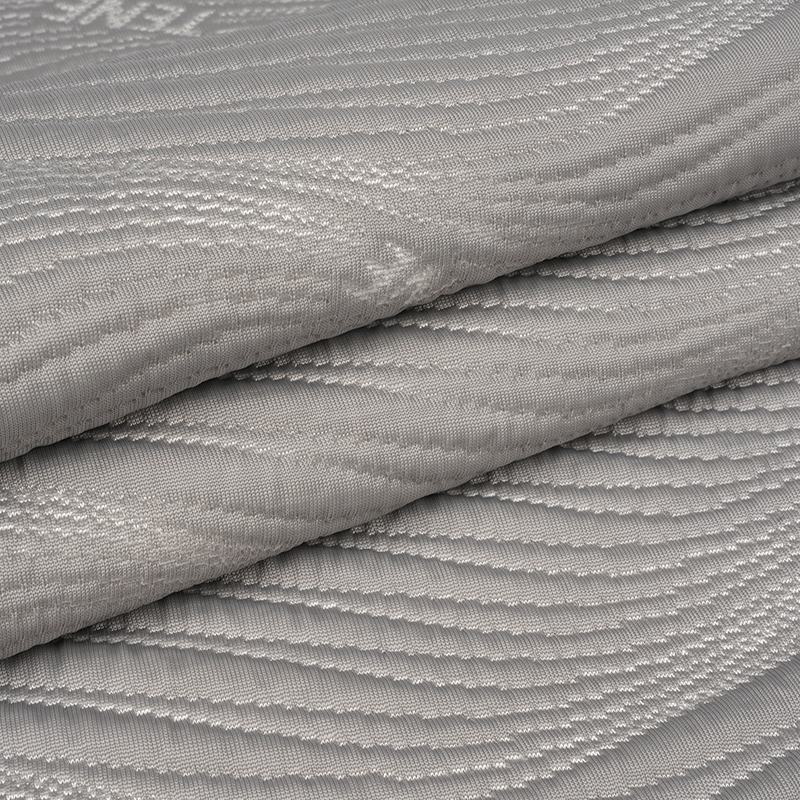
Bamboo Fiber Children Mattress Fabric is a functional decorative textile designed for children’s mattress covers and related bedding surfaces. Its core value lies in combining a comfortable bamboo-derived touch with production methods that focus on consistency, cleanliness, practicality, and visual appeal. The product is suitable for mattress manufacturers, bedding brands, and textile buyers seeking a fabric that can enhance product positioning in the children’s sleep market.
The fabric is created for use as an outer mattress covering material, where softness and function must be delivered together. It can be applied in mattress ticking, quilted panels, removable or fixed mattress covers, and other children’s sleep surface constructions depending on the buyer’s product design. Its appearance can support modern, gentle, and family-oriented bedding aesthetics, while its functional characteristics help meet practical sleep requirements.
A key advantage of this fabric is its suitability for children’s bedding concepts that emphasize health, comfort, and responsible material selection. Bamboo-derived fiber is widely associated with a smooth hand feel and a naturally pleasant surface. In the children’s market, these qualities are important because parents often compare fabrics by touch before making purchasing decisions. A fabric that feels cool, soft, and breathable can help strengthen the perceived value of the finished mattress.
The fabric can also support product differentiation. Many mattresses on the market still use basic polyester surfaces or conventional cotton-blend ticking. These materials may be cost-effective, but they do not always offer the same soft-touch appeal or moisture-comfort identity associated with bamboo fiber. By using Bamboo Fiber Children Mattress Fabric, mattress manufacturers can position their products as more comfort-focused, child-friendly, and functionally upgraded.
Because the fabric is produced by a company with experience in multiple functional textile categories, its development benefits from a wider technology platform. The same knowledge used for moisture-resistant, antibacterial, flame-retardant, sleep-supporting, cooling, and comfort-improving decorative fabrics can inform how children’s mattress fabric is engineered. This does not mean every feature must be added to every fabric; rather, it means the manufacturer understands how to build textile performance according to the customer’s end-use requirements.
Core Advantages Over Conventional Competitor Fabrics
Bamboo Fiber Children Mattress Fabric offers advantages that are especially meaningful when compared with ordinary synthetic mattress ticking, basic cotton fabric, and low-cost blended fabrics. These advantages are not limited to a single characteristic. Instead, they involve a combination of comfort, appearance, functional potential, production consistency, and market positioning.
Softness That Supports Sensitive Sleep Surfaces
Children often react quickly to uncomfortable textures. A fabric that feels rough, stiff, or overly warm may reduce comfort and make the mattress feel less premium. Bamboo-derived fiber is known for a smooth, gentle surface sensation. When properly woven and finished, it can create a soft touch suitable for direct or near-direct skin contact.
Compared with some polyester fabrics, which may feel slick or synthetic, bamboo fiber fabric can offer a more natural and refined hand feel. Compared with basic cotton fabrics, it may provide a smoother and silkier sensation depending on yarn structure and finishing. This gives the mattress manufacturer a strong tactile advantage in showroom comparisons and online product descriptions.
Breathability and Moisture Comfort
Children may experience temperature changes during sleep, and the mattress surface plays an important role in comfort. Bamboo Fiber Children Mattress Fabric is designed to support breathable sleep surfaces. A breathable fabric can help air circulate through the cover layer and reduce the feeling of trapped heat.
Moisture comfort is also important. While no mattress fabric can replace proper mattress ventilation design, the surface textile can influence how dry or damp the user feels. Bamboo-derived fiber is often selected for applications where moisture absorption and release are valued. In children’s mattress fabric, this can help create a more pleasant sleeping surface, especially in warmer seasons.
Better Product Story for Health-Conscious Buyers
Parents increasingly pay attention to the materials used in children’s products. They may ask whether a mattress fabric feels safe, whether it supports breathability, and whether it is suitable for daily use. Bamboo Fiber Children Mattress Fabric gives mattress brands a clearer material story than generic fabric alternatives. It allows finished products to highlight comfort, softness, bamboo-derived fiber, and functional textile engineering.
This is particularly useful for brands competing in the mid-range and premium children’s mattress markets. Low-cost fabrics may reduce initial material expense, but they do not always help a product stand out. A bamboo fiber fabric can support higher perceived value, stronger retail presentation, and more persuasive product communication.
Stable Decorative Appearance
Children’s mattress fabric should not only perform well; it should also look clean, fresh, and suitable for a child’s bedroom. The surface pattern, texture, color stability, and finishing quality all affect the final product. Hangzhou Xinsili Decorative Fabric Weaving Co., Ltd. specializes in decorative fabric weaving, which gives the product an advantage in visual development and fabric hand control.
Compared with competitors that only focus on basic fabric supply, a manufacturer with decorative textile expertise can better support customized appearance requirements. This matters for mattress brands that need distinctive collections, private-label development, or coordinated bedding lines. The fabric can be designed to match soft, calming, playful, or modern children’s room aesthetics.
Manufacturing Consistency
One of the most important but often overlooked advantages is consistency. A fabric may feel excellent in a sample but perform poorly in bulk production if the manufacturer lacks process control. Bamboo Fiber Children Mattress Fabric benefits from a production approach built around stable manufacturing, precision weaving, and practical quality inspection.
For mattress factories, consistency reduces risk. Stable width, uniform surface texture, controlled hand feel, and dependable roll quality can improve cutting, quilting, sewing, and final assembly. Inconsistent fabrics can cause production delays, waste, customer complaints, and visual mismatch across batches. A reliable manufacturer helps protect both production efficiency and brand reputation.
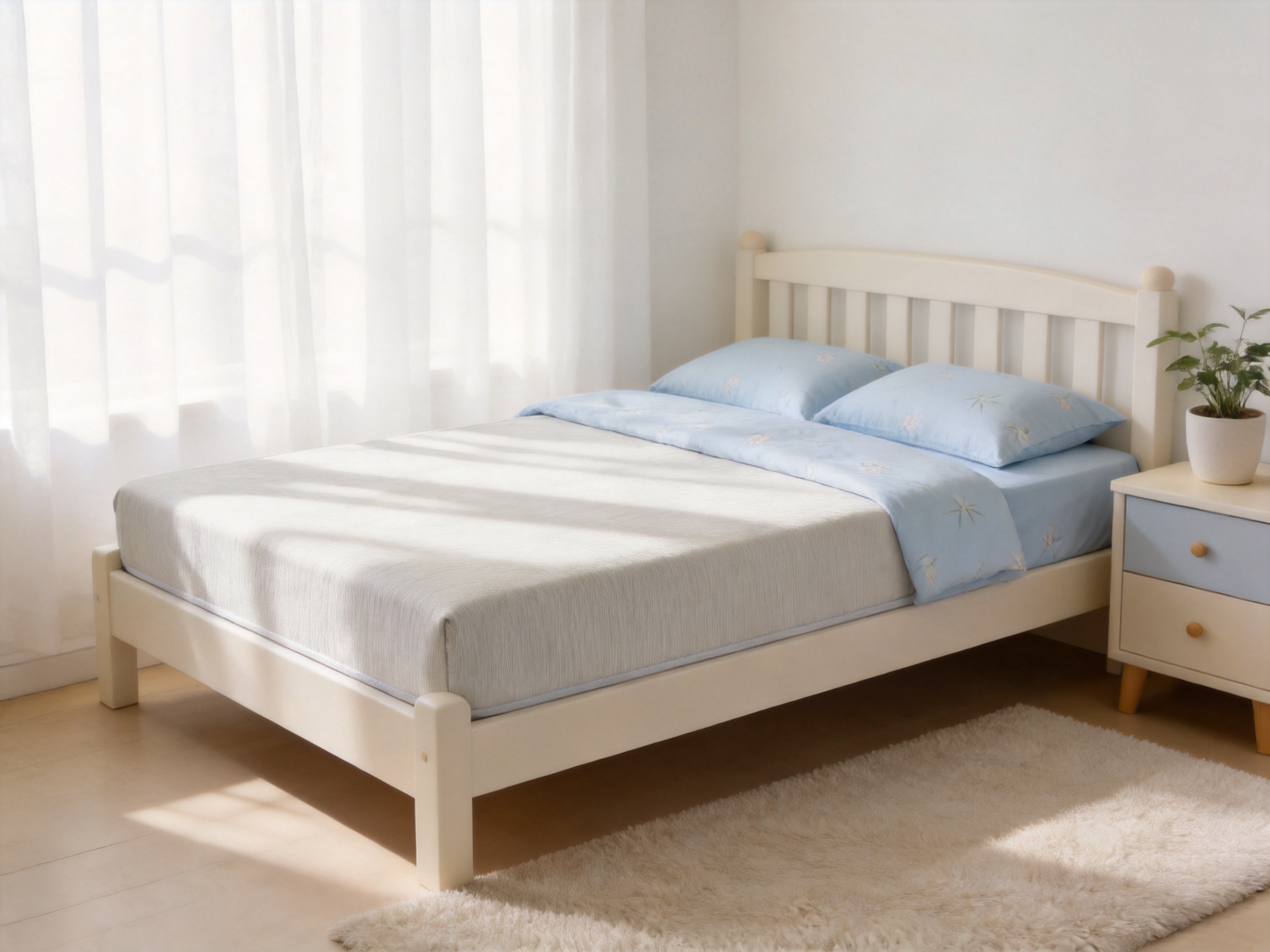
Comparison Table: Bamboo Fiber Children Mattress Fabric vs. Common Alternatives
| Evaluation Factor | Bamboo Fiber Children Mattress Fabric | Basic Polyester Mattress Fabric | Conventional Cotton Fabric | Low-Cost Blended Fabric |
|---|---|---|---|---|
| Touch Comfort | Soft, smooth, and suitable for child-focused sleep surfaces | May feel synthetic or less natural depending on yarn and finish | Often comfortable but may vary in smoothness | Inconsistent; may feel rough or less refined |
| Breathability | Designed to support breathable and moisture-friendly comfort | Can trap heat if structure is dense or finishing is poor | Generally breathable but may retain moisture | Depends heavily on blend ratio and fabric construction |
| Market Positioning | Strong story for children’s comfort, bamboo-derived softness, and functional textile design | Common and less differentiated | Familiar but not always distinctive | Usually focused on price rather than quality identity |
| Decorative Potential | Suitable for customized textures, patterns, and premium mattress surfaces | Can be decorative but may lack natural touch appeal | Can be attractive but may require more finishing control | Often limited by cost-driven production |
| Production Reliability | Supported by experienced functional decorative textile manufacturing | Varies widely by supplier | Varies by yarn quality and finishing process | May face batch inconsistency and higher quality variation |
| Best Use Scenario | Children’s mattresses, child-focused bedding, upgraded sleep products | Entry-level mattress covers or budget products | Traditional bedding and mattress covers | Price-sensitive products with limited performance claims |
Material Comfort and Child-Friendly Surface Performance
The comfort of a children’s mattress begins at the surface. Even if the inner foam, spring, or support system is carefully designed, the child first experiences the fabric. Bamboo Fiber Children Mattress Fabric is built around this reality. Its purpose is to create a surface that feels inviting while supporting the functional requirements of a mattress cover.
The bamboo-derived component contributes a gentle, smooth hand. This is important because children may sleep in different positions and may have direct skin contact with the mattress through thin sheets. A harsh surface can be felt even through bedding, especially when a child moves during sleep. A smoother fabric helps reduce friction sensation and supports a more restful environment.
The surface can also help regulate perceived temperature. While temperature regulation depends on the entire sleep system, the outer fabric influences first contact. Bamboo fiber fabrics are often appreciated for a cooler, more breathable feeling compared with some dense synthetic surfaces. This can be useful in children’s mattresses where overheating may disturb sleep.
Moisture management is another key aspect of comfort. Children may perspire during the night, and fabrics that retain humidity at the surface can feel unpleasant. A fabric with a breathable structure and moisture-friendly fiber characteristics can help reduce the clammy feeling associated with poor ventilation. This is not only a comfort issue; it can also influence the freshness of the sleeping environment.
The fabric’s gentle appearance is also part of its child-friendly performance. A soft-looking mattress surface can make a bedroom feel calmer and more comfortable. Decorative textile design is therefore not merely aesthetic. It contributes to emotional comfort, especially in products intended for families and children.
Advanced Manufacturing Processes Behind the Fabric
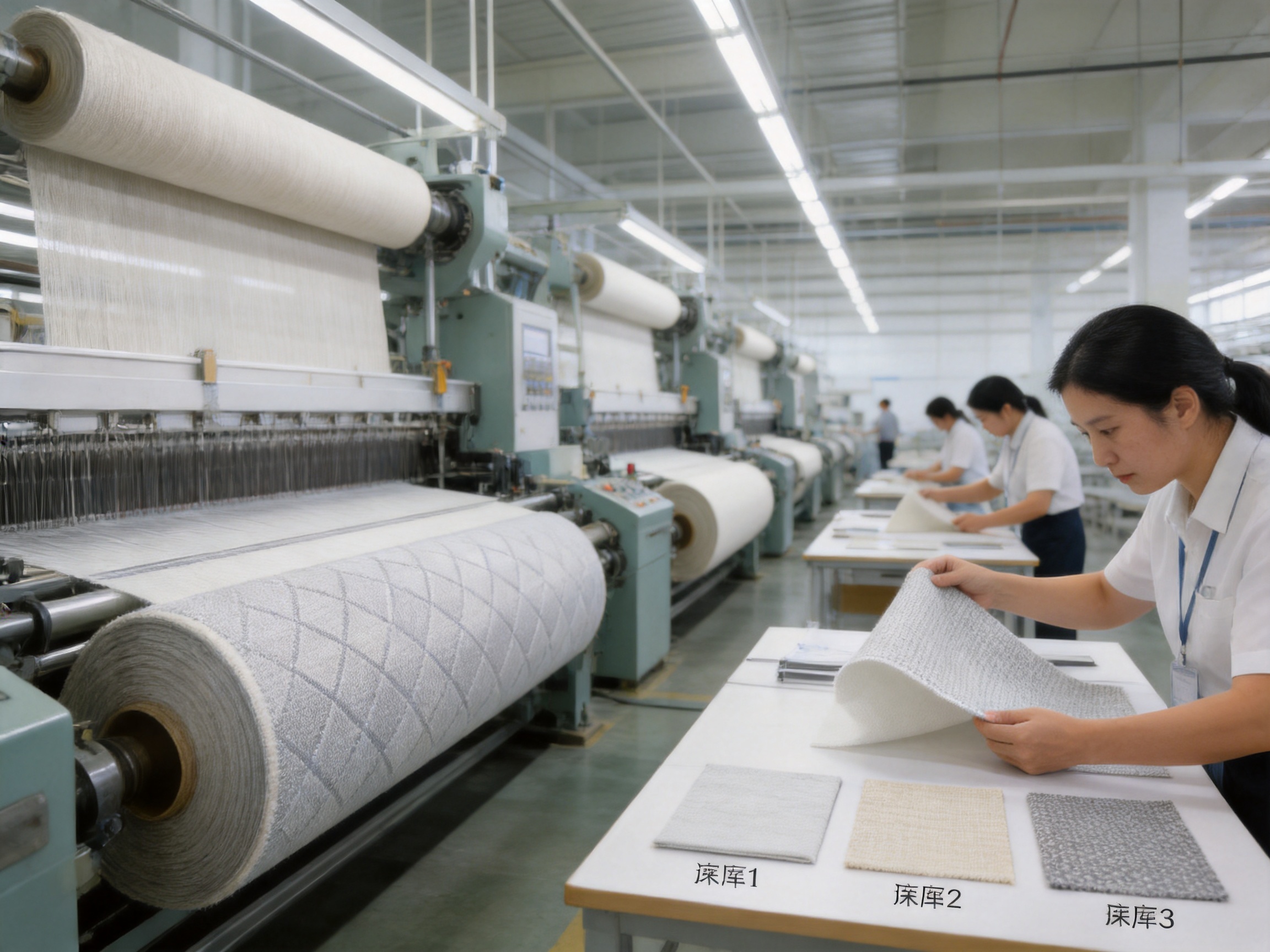
The performance of Bamboo Fiber Children Mattress Fabric depends on much more than selecting bamboo-derived fiber. Advanced manufacturing processes are required to transform yarn into a stable, attractive, and functional mattress textile. Hangzhou Xinsili Decorative Fabric Weaving Co., Ltd. applies its experience in decorative textile weaving and functional fabric production to ensure that each stage supports the final product’s quality.
Fiber and Yarn Selection
The process begins with selecting suitable fiber and yarn specifications. For children’s mattress fabric, the yarn must support softness, surface stability, and processing reliability. The bamboo-derived component is chosen for its comfort identity, while yarn parameters are controlled to achieve the desired hand feel, fabric strength, and appearance.
Yarn selection directly affects fabric uniformity. Uneven yarns can create visible defects, inconsistent texture, or weak points in the finished textile. A professional manufacturer evaluates yarn quality before production to reduce problems during weaving and finishing. This is especially important for mattress fabric, where large panels make defects easy to notice.
Precision Weaving and Structural Control
Weaving or knitting structure determines how the fabric performs in real use. The structure must balance softness with dimensional stability. If the fabric is too loose, it may deform during quilting or sewing. If it is too dense, it may lose breathability and feel stiff. The manufacturer’s role is to control these variables so that the fabric remains suitable for mattress production.
Precision weaving helps create consistent texture across the roll. This benefits mattress manufacturers that cut large panels and require uniform appearance. Structural control also supports functional performance, because air permeability, surface elasticity, and hand feel are all influenced by fabric construction.
Functional Finishing
Functional finishing can be used to adjust the fabric’s comfort, durability, and end-use characteristics. Depending on customer requirements, decorative textiles may incorporate antibacterial, moisture-resistant, flame-retardant, sleep-supporting, cooling, or comfort-improving functions. For children’s mattress fabric, finishing must be selected carefully to match the safety expectations and regulatory needs of the target market.
Finishing is not simply the application of chemicals. It involves process control, temperature management, fabric tension, drying, curing, and final hand-feel adjustment. Poor finishing can make a fabric stiff, uneven, or unstable. Professional finishing aims to enhance performance while preserving softness and appearance.
Color and Pattern Development
Children’s mattress fabric often requires calming, clean, or playful visual design. Color and pattern must be appropriate for the intended brand image. Decorative fabric expertise allows the manufacturer to develop surfaces that meet market preferences while maintaining production efficiency.
Color consistency is particularly important for bulk orders. Different rolls must match closely enough to avoid visible variation in finished mattresses. Pattern alignment and texture consistency also matter during quilting and panel assembly. A manufacturer with strong process discipline can reduce these risks.
Inspection and Quality Control
Quality control is essential for all mattress fabrics, but it is even more important for child-focused products. Inspection may include checking surface defects, width stability, roll length, color consistency, fabric weight, hand feel, and functional finishing effects according to agreed specifications. These checks help ensure that the fabric delivered to mattress factories can be used efficiently.
Inconsistent fabric can cause waste during production. Defects may require cutting around damaged sections, slowing down the mattress assembly line. By emphasizing inspection before shipment, the manufacturer helps customers reduce hidden costs and protect production schedules.
Company Strengths Supporting Product Reliability
Hangzhou Xinsili Decorative Fabric Weaving Co., Ltd. has built its business around innovative research, development, and precision manufacturing of decorative textiles. The company’s vision, “Weaving Beautiful Spaces,” reflects a commitment to making fabrics that improve residential, hotel, and commercial environments. This vision is relevant to Bamboo Fiber Children Mattress Fabric because children’s bedrooms are among the most important living spaces in the home.
With 19 years of industry experience, the company understands how decorative fabrics must perform in real applications. Experience matters because textile manufacturing includes many variables: fiber supply, yarn quality, machine condition, humidity, finishing chemistry, pattern design, customer requirements, and market regulations. Long-term industry participation helps a manufacturer solve problems before they reach the customer.
The company operates a 12,000㎡ factory area, which supports organized production, material handling, inspection, and order management. A dedicated production environment is important for customers who require stable supply. For mattress brands and bedding manufacturers, the ability to receive consistent fabric over time is often as important as the appeal of the initial sample.
Recognition as a National High-Tech Enterprise in 2023 further indicates the company’s emphasis on technology and innovation. Functional textile development requires knowledge of material behavior, process control, and product application. This background supports fabrics designed for antibacterial, moisture-resistant, flame-retardant, sleep-supporting, and comfort-improving performance.
The company’s values include craftsmanship-driven manufacturing, design innovation, and win-win collaboration. For international buyers, these values translate into practical benefits: careful production, responsive customization, and a willingness to develop products according to market needs. Bamboo Fiber Children Mattress Fabric is an example of how these strengths can be applied to a specific, high-value sleep application.
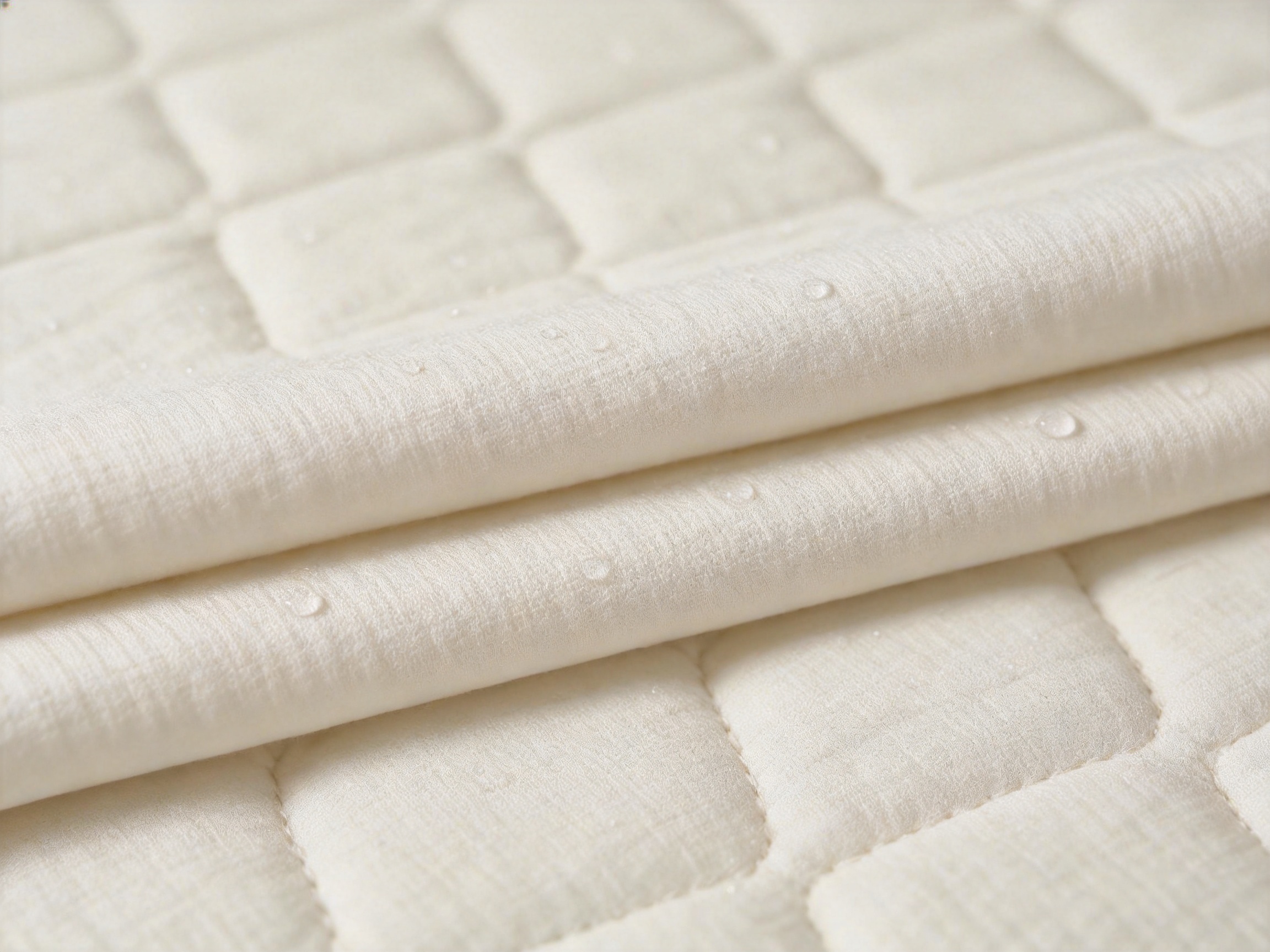
Application Scenarios for Bamboo Fiber Children Mattress Fabric
Bamboo Fiber Children Mattress Fabric can be used in a range of child-focused sleep products. Its primary application is children’s mattress covers, but it can also support related bedding constructions where soft touch and breathable comfort are important. The fabric can be selected for single-sided mattress panels, quilted top layers, full encasement covers, removable covers, or coordinated bedding product lines.
Children’s Mattresses
The most direct use is in children’s mattresses. These products require a comfortable surface that appeals to parents and children alike. Bamboo fiber fabric can help create a mattress that feels soft and fresh at first touch. It can also support an upgraded product identity for brands that want to move beyond basic ticking materials.
In quilted mattress panels, the fabric can be combined with foam, fiberfill, or other comfort layers. The surface textile must remain stable during quilting and sewing. A fabric with controlled structure and consistent quality helps maintain the appearance of the finished mattress.
Kids’ Bedding Collections
Brands may also use bamboo fiber fabric as part of a larger children’s bedding collection. While specifications may differ between mattress fabric and bedding fabric, a coordinated material concept can help create a unified product story. Softness, breathability, and child-friendly comfort can become the shared theme of the collection.
Nursery and Youth Sleep Products
For nursery mattresses, junior beds, and youth sleep products, the fabric surface should communicate cleanliness and comfort. Bamboo Fiber Children Mattress Fabric can support gentle visual designs suitable for both young children and older kids. Its material story also fits the growing demand for thoughtful textile choices in family products.
Private-Label Mattress Programs
Private-label mattress brands often need differentiation without building a full textile development department. A manufacturer with decorative fabric design and functional finishing experience can help private-label customers create unique surfaces. Bamboo fiber fabric provides a strong foundation for this development because it already carries a recognizable comfort identity.
Customization Possibilities for Mattress Brands
Customization is a major advantage when working with an experienced decorative fabric manufacturer. Mattress brands rarely want a one-size-fits-all fabric. They may need different patterns, colors, weights, textures, finishes, or functional combinations for different product lines. Bamboo Fiber Children Mattress Fabric can be developed according to these needs, subject to technical feasibility and order requirements.
Pattern customization can help a brand create a recognizable children’s mattress collection. Gentle geometric patterns, soft wave textures, nature-inspired motifs, or minimal modern designs can be used to match different market segments. For children’s products, the design should be attractive without becoming too visually overwhelming.
Color customization allows the fabric to coordinate with brand identity or bedroom trends. White, cream, light blue, pale green, soft gray, and warm neutral shades are common choices for children’s sleep products because they suggest cleanliness and calm. However, the final selection depends on customer preference and target market.
Functional customization may include comfort-related finishing, moisture-friendly treatment, antibacterial concepts, or other performance requirements. For any child-related product, the selected finish should be evaluated according to relevant safety standards and buyer specifications. A responsible manufacturer will help customers choose practical functions rather than adding unnecessary features.
Physical specifications can also be adjusted. Fabric weight, width, elasticity, surface texture, and backing compatibility may be developed according to the mattress factory’s equipment and product design. This is important because a fabric that looks good in isolation must still perform well in cutting, quilting, sewing, packaging, and transportation.
How the Fabric Supports Mattress Production Efficiency
A high-quality mattress fabric should not only satisfy end users; it should also support efficient manufacturing. Mattress producers need fabrics that can be processed smoothly on production lines. Bamboo Fiber Children Mattress Fabric is valuable because it is developed with practical production needs in mind.
Stable roll quality helps reduce interruptions. When fabric width, surface texture, and tension are consistent, cutting and quilting become more predictable. This helps mattress factories reduce waste and maintain production speed. In high-volume manufacturing, even small improvements in fabric consistency can create meaningful cost savings.
Surface uniformity is also important for quilting. If a fabric has inconsistent stretch or thickness, quilting patterns may distort. A stable fabric structure helps maintain clean lines and attractive panel appearance. This is particularly important for children’s mattresses, where visual neatness contributes to perceived safety and quality.
Reliable finishing can improve handling. Fabrics that are too slippery, too stiff, or too unstable may create sewing difficulties. A well-balanced hand feel helps workers and machines process the fabric more effectively. The goal is to create a textile that is soft for the end user but stable enough for industrial production.
Consistent quality also reduces customer service problems. Finished mattresses with fabric defects can lead to returns, complaints, or reputational damage. By investing in better fabric at the beginning, brands can protect the entire product lifecycle.
Comfort, Safety, and Sustainability Considerations
Modern textile buyers often evaluate products through three connected questions: Is it comfortable? Is it safe for the intended use? Is it responsible in terms of material selection and long-term value? Bamboo Fiber Children Mattress Fabric is well positioned for this discussion because it focuses on child-friendly comfort, practical manufacturing, and bamboo-derived material appeal.
Comfort is the most immediate benefit. The fabric provides a soft surface sensation and supports breathable sleep comfort. For children, this can help create a more pleasant bedtime experience. For parents, the fabric’s touch can provide reassurance that the mattress has been designed with care.
Safety must be addressed through appropriate material selection, finishing control, and compliance with target market requirements. The fabric can be developed according to buyer specifications, including relevant standards for children’s bedding products. Because requirements vary by country and application, mattress brands should confirm testing needs before finalizing production.
Sustainability is increasingly important in the bedding industry. Bamboo-derived fiber is often chosen by brands seeking a more nature-associated textile story. However, responsible sustainability communication should be accurate and based on verified product specifications. The strongest value of this fabric lies in combining a bamboo fiber comfort identity with durable manufacturing, because longer-lasting products can reduce waste over time.
The company’s broader commitment to environmentally friendly decorative fabric solutions also supports this direction. By focusing on stable, practical, and reliable products, the manufacturer helps customers avoid the waste associated with poor-quality materials, failed batches, and short product lifecycles.
Quality Evaluation Points for Buyers
Buyers evaluating Bamboo Fiber Children Mattress Fabric should consider both sensory qualities and technical specifications. A complete evaluation helps ensure that the selected fabric matches the intended mattress design and market requirements.
The first evaluation point is hand feel. The fabric should feel soft, smooth, and suitable for children’s bedding. Buyers should test the fabric by touch and compare it with their target market expectations. If the fabric will be used under sheets, it should still contribute to overall surface comfort.
The second point is breathability and moisture comfort. Buyers may request relevant test data or conduct internal evaluations to determine whether the fabric supports the desired sleep experience. This is especially important for mattresses marketed as cooler, fresher, or more breathable.
The third point is appearance. The fabric should match the mattress brand’s design language. Pattern clarity, color consistency, texture, and overall cleanliness should be reviewed under normal lighting conditions. For bulk production, buyers should define acceptable tolerance levels.
The fourth point is processing performance. Mattress manufacturers should test the fabric in cutting, quilting, sewing, and assembly. A sample that feels good must also run well on factory equipment. Pilot production can help confirm compatibility before large-scale orders.
The fifth point is compliance. Children’s products may require specific testing depending on market destination. Buyers should identify applicable standards early, including chemical safety, flammability, labeling, and durability requirements. The manufacturer can then help develop the fabric according to these needs.
Why This Fabric Helps Brands Compete in the Children’s Mattress Market
The children’s mattress market is becoming more competitive. Parents have access to more information, and they often compare materials, comfort claims, certifications, and brand values before purchasing. A mattress brand needs more than a low price to win trust. It needs a clear reason for customers to believe the product is suitable for children.
Bamboo Fiber Children Mattress Fabric gives brands a strong surface-level advantage. It allows the mattress to communicate softness and comfort immediately. When a customer touches the mattress, the fabric can create a positive first impression. This is especially important in retail environments where many mattresses may have similar internal structures.
The fabric also helps brands tell a better story online. Product pages can explain the use of bamboo-derived fiber, breathable comfort, child-friendly softness, and functional textile manufacturing. These points are more persuasive than simply saying the mattress has a “fabric cover.” A clear material story can improve customer understanding and support premium positioning.
In addition, the manufacturer’s experience provides supply confidence. Mattress brands need partners who can support repeated orders, customization, and quality improvement. Hangzhou Xinsili Decorative Fabric Weaving Co., Ltd. offers the background of a specialized functional decorative textile manufacturer, which can help customers develop fabrics that fit evolving market needs.
Competitor products that rely only on basic polyester or generic ticking may struggle to stand out. They may compete mainly on price, which can reduce margins and brand value. By choosing bamboo fiber children mattress fabric, brands can compete on comfort, design, and perceived quality instead of price alone.
Integration with Other Functional Decorative Textile Categories
Bamboo Fiber Children Mattress Fabric is part of a wider functional textile ecosystem. The same manufacturer works with mattress fabric, children mattress fabric, pillowcase fabric, pregnancy pillow fabric, cooling mat fabric, bedding fabric, sofa fabric, and pet friendly fabrics. This broad category experience can benefit customers who want coordinated textile solutions.
For example, a bedding brand may develop a children’s mattress fabric and then request matching pillowcase fabric or bedding fabric. A sofa or pet-friendly fabric customer may also need functional finishes such as moisture resistance or durability. Knowledge gained across these categories can improve problem-solving and accelerate development.
Pregnancy pillow fabric and children mattress fabric share certain comfort priorities, such as soft touch, breathability, and skin-friendly performance. Cooling mat fabric and bamboo fiber mattress fabric both relate to temperature comfort. Pet friendly fabrics require durability and resistance to daily wear. By working across these categories, the manufacturer can apply a broad understanding of textile behavior to each specific product.
This integrated expertise is valuable for customers building complete home textile collections. Instead of sourcing unrelated fabrics from multiple suppliers, buyers can work with a manufacturer that understands functional decorative textile development across applications. This can improve consistency in quality, design, and supply management.
Recommended Buyer Questions Before Placing an Order
Before placing an order for Bamboo Fiber Children Mattress Fabric, buyers should clarify several important points. These questions help align product expectations, technical specifications, and production requirements.
First, what is the intended mattress type? A fabric for a quilted spring mattress may require different properties from a removable cover for a foam mattress. The manufacturer should understand the final construction to recommend suitable specifications.
Second, what market will the mattress be sold in? Different regions may require different safety tests, labeling rules, or flammability standards. Identifying the market early helps avoid delays later.
Third, what level of softness and breathability is required? Buyers should provide target samples or clear benchmarks if available. This allows the manufacturer to match the desired feel more accurately.
Fourth, what design style is preferred? Children’s mattress fabric can be playful, minimal, natural, or premium. Pattern and color selection should match the brand’s customer base.
Fifth, will the fabric need special finishing? If antibacterial, moisture-resistant, cooling, or flame-retardant performance is required, it should be discussed in detail. The buyer should also confirm relevant testing methods and performance levels.
Sixth, what production equipment will be used by the mattress factory? Fabric behavior during quilting, sewing, and cutting should be considered. A fabric that matches factory equipment can improve production efficiency.
Q&A: Bamboo Fiber Children Mattress Fabric
Q1: What is Bamboo Fiber Children Mattress Fabric used for?
It is mainly used as a surface fabric for children’s mattresses, including quilted panels, mattress covers, and related child-focused sleep products. It can help create a soft, breathable, and visually appealing mattress surface.
Q2: Why choose bamboo fiber for children’s mattress fabric?
Bamboo-derived fiber is valued for its smooth and gentle hand feel. In children’s mattress applications, this softness can improve surface comfort and support a more pleasant sleep environment.
Q3: How does this fabric compare with ordinary polyester mattress fabric?
Ordinary polyester fabric is often cost-effective but may feel more synthetic and less differentiated. Bamboo Fiber Children Mattress Fabric offers a stronger comfort story, a smoother touch, and better premium positioning for child-focused mattress products.
Q4: Is the fabric breathable?
The fabric is designed to support breathable comfort. Its final air permeability depends on yarn selection, structure, fabric weight, and finishing. Buyers can request specifications or testing based on their product requirements.
Q5: Can the fabric be customized?
Yes. Customization may include pattern, color, texture, fabric weight, width, hand feel, and functional finishing according to technical feasibility and order conditions.
Q6: Can antibacterial or moisture-resistant functions be added?
Functional finishing can be discussed according to customer requirements. The manufacturer has experience with antibacterial, moisture-resistant, flame-retardant, sleep-supporting, cooling, and comfort-improving textile technologies. For children’s products, selected finishes should match the safety and compliance requirements of the target market.
Yes. Its bamboo-derived softness, breathable comfort identity, and decorative textile quality make it suitable for upgraded and premium children’s mattress lines.
Q8: What should buyers test before bulk production?
Buyers should evaluate hand feel, appearance, color consistency, fabric weight, width stability, breathability, finishing performance, quilting behavior, sewing performance, and compliance requirements for the intended market.
Q9: Why is the manufacturer’s experience important?
Experienced manufacturing helps ensure consistent bulk quality, stable finishing, reliable appearance, and better support for customization. This reduces production risk for mattress brands.
Q10: Can this fabric be used with other bedding products?
Yes, the material concept may support related bedding applications, although specifications should be adjusted for each product. Mattress fabric, pillowcase fabric, bedding fabric, and cooling mat fabric may require different structures and finishing methods.
Conclusion
Bamboo Fiber Children Mattress Fabric provides a strong solution for mattress brands seeking a softer, more breathable, and more marketable surface textile for children’s sleep products. It addresses the practical concerns of parents and manufacturers by combining child-friendly comfort, decorative appeal, customization potential, and production reliability.
Its advantages over ordinary competitor fabrics are clear. Compared with basic polyester, it offers a more refined comfort identity and a stronger product story. Compared with conventional cotton, it can provide a smoother bamboo-derived touch and distinctive positioning. Compared with low-cost blends, it supports better perceived quality and more reliable brand differentiation.
The product’s value is further strengthened by the manufacturing capabilities of Hangzhou Xinsili Decorative Fabric Weaving Co., Ltd. With 19 years of industry experience, a 12,000㎡ factory area, functional textile development expertise, and recognition as a National High-Tech Enterprise in 2023, the company is well positioned to support buyers who need stable quality and customized decorative textile solutions.
For children’s mattresses, the fabric surface matters. It influences first touch, sleep comfort, retail appeal, and customer trust. Bamboo Fiber Children Mattress Fabric helps transform the mattress cover from a simple outer layer into a meaningful comfort feature. For brands that want to compete through quality, design, and thoughtful material selection, it is a practical and persuasive choice.
References
1. Textile Institute. Textile Terms and Definitions. Textile Institute Publications.
2. Kadolph, S. J. Textiles. Pearson Education.
3. Saville, B. P. Physical Testing of Textiles. Woodhead Publishing.
4. Horrocks, A. R., and Anand, S. C. Handbook of Technical Textiles. Woodhead Publishing.
5. Collier, B. J., and Epps, H. H. Textile Testing and Analysis. Pearson Prentice Hall.
6. Sinclair, R. Textiles and Fashion: Materials, Design and Technology. Woodhead Publishing.
Product: Bamboo Fiber Children Mattress Fabric
Our Featured Products
-
Bamboo Fiber Children Mattress Fabric
Bamboo Fiber Children Mattress Fabric
Haven’t Found The Products You Want?
-
-
Shen Jinyan:+86-15158070676
[email protected]
Liang Jinwen:+86-15757186621
[email protected]
Qiu Yingyingn:+86-13819545790
[email protected]
Yi qiao Town, Xiaoshan District, Hangzhou City, Zhejiang Province, China
-
Products
Mattress Fabric Children Mattress Fabric Pillowcase Fabric Pregnancy Pillow Fabric Cooling Mat Fabric Bedding Fabric Sofa Fabric Pet Friendly Fabrics -
Contact Information
About Us Products Strength Sustainability News Contact Us
Copyright © Hangzhou Xinsili Decorative Fabric Weaving Co.,Ltd. All Rights Reserved.
Functional Decorative Textile Manufacturers
