

 English
 中文简体
中文简体 Español
 عربى
عربى русский


Tencel Pillowcase Fabric for Smooth, Breathable, and Comfort-Focused Bedding
Content
- 1 Understanding Tencel Pillowcase Fabric
- 2 Why Pillowcase Fabric Matters in Modern Bedding
- 3 Key Advantages Over Common Competing Pillowcase Fabrics
- 4 Product Specification Overview
- 5 Composition Options and Their Practical Benefits
- 6 Weave Structures: Plain, Twill, and Sateen
- 7 Grammage Selection from 120gsm to 200gsm
- 8 Manufacturing Strength Behind the Fabric
- 9 Advanced Manufacturing Process
- 10 Quality Control for Consistent Pillowcase Production
- 11 Comfort Benefits for End Users
- 12 Applications in Bedding and Related Textile Products
- 13 Care Instructions for Long-Term Performance
- 14 Storage Conditions Before and After Production
- 15 Why Choose an Experienced Manufacturer
- 16 Customization Possibilities
- 17 Sustainability and Responsible Comfort
- 18 Commercial Value for Bedding Brands and Buyers
- 19 Comparison with Alternative Fabrics
- 20 How to Select the Right Tencel Pillowcase Fabric
- 21 Q&A Section
- 21.1 Q1: What is Tencel Pillowcase Fabric commonly made from?
- 21.2 Q2: What grammage is suitable for pillowcase fabric?
- 21.3 Q3: Which weave structure is best for a smooth and lustrous pillowcase?
- 21.4 Q4: How does this fabric compare with ordinary polyester pillowcase fabric?
- 21.5 Q5: How should Tencel Pillowcase Fabric be washed?
- 21.6 Q6: Why is Hangzhou Xinsili Decorative Fabric Weaving Co., Ltd. a strong supplier for this product?
- 21.7 Q7: Can the fabric be customized for different bedding brands?
- 21.8 Q8: Is the fabric suitable for hotel pillowcases?
- 22 Conclusion
- 23 References
- 24 Product: Tencel Pillowcase Fabric
Tencel Pillowcase Fabric is designed for modern bedding applications where softness, moisture comfort, elegant appearance, and dependable durability must work together. For pillowcase manufacturers, bedding brands, hotel textile buyers, and home textile developers, the fabric offers a refined surface touch and a clean visual effect that can elevate both everyday bedding and premium sleep products. It is especially suitable for pillowcases that require a smooth hand feel, breathable performance, and a skin-friendly sleeping surface.
As consumers become more attentive to sleep quality, temperature comfort, and textile safety, pillowcase fabric is no longer judged only by color or price. Buyers increasingly evaluate fiber content, grammage, weave structure, finishing quality, washing stability, and manufacturing consistency. Tencel Pillowcase Fabric answers these needs through lyocell-based material options, controlled fabric weights, selectable weaving constructions, and practical care performance. It can be produced as 100% lyocell fiber fabric or blended with cotton, Modal, and other fibers to balance softness, cost, dimensional stability, and market positioning.
Hangzhou Xinsili Decorative Fabric Weaving Co., Ltd. manufactures functional decorative textiles for residential, hotel, and commercial environments, applying years of weaving experience and a strong understanding of comfort-oriented fabrics. With 19 years of industry experience, a 12,000㎡ factory area, and recognition as a National High-Tech Enterprise in 2023, the company supports customers with stable production, customized fabric development, and quality-focused manufacturing. Its philosophy of “Weaving Beautiful Spaces” is reflected in fabric solutions that combine design, comfort, safety, and practicality.
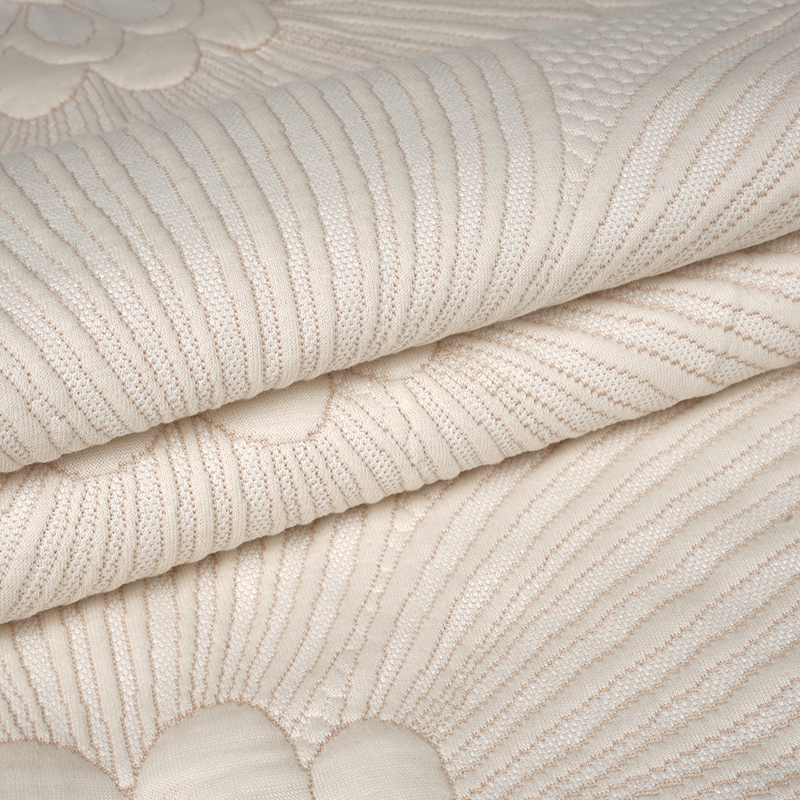
Understanding Tencel Pillowcase Fabric
Tencel Pillowcase Fabric is commonly made from lyocell fiber, a regenerated cellulose fiber known for a smooth surface, graceful drape, moisture absorption, and a cool touch. In pillowcase applications, these characteristics are highly valued because the fabric remains in close contact with the face and hair for many hours each night. A pillowcase must feel pleasant, reduce surface roughness, handle moisture effectively, and maintain an attractive appearance after repeated use.
The common composition of this product includes 100% lyocell fiber, or lyocell blended with cotton, Modal, and other fibers. A 100% lyocell construction emphasizes softness, fluidity, moisture comfort, and a silky hand. Blends can be developed to adjust cost, texture, strength, shrinkage behavior, and fabric body. Cotton can add a familiar natural feel and improved classic bedding appeal, while Modal can contribute additional softness and a flexible drape. This compositional flexibility gives product developers more freedom when designing collections for different price levels and end-user preferences.
For pillowcase use, the common grammage range is typically between 120gsm and 200gsm. Lighter weights around 120gsm to 150gsm are suitable for airy, breathable, and elegant pillowcases that prioritize softness and a cool touch. Medium weights around 150gsm to 180gsm offer a balanced combination of body, durability, and smoothness. Heavier constructions near 180gsm to 200gsm provide a more substantial feel, suitable for premium bedding lines or products that require a richer hand and stronger presence.
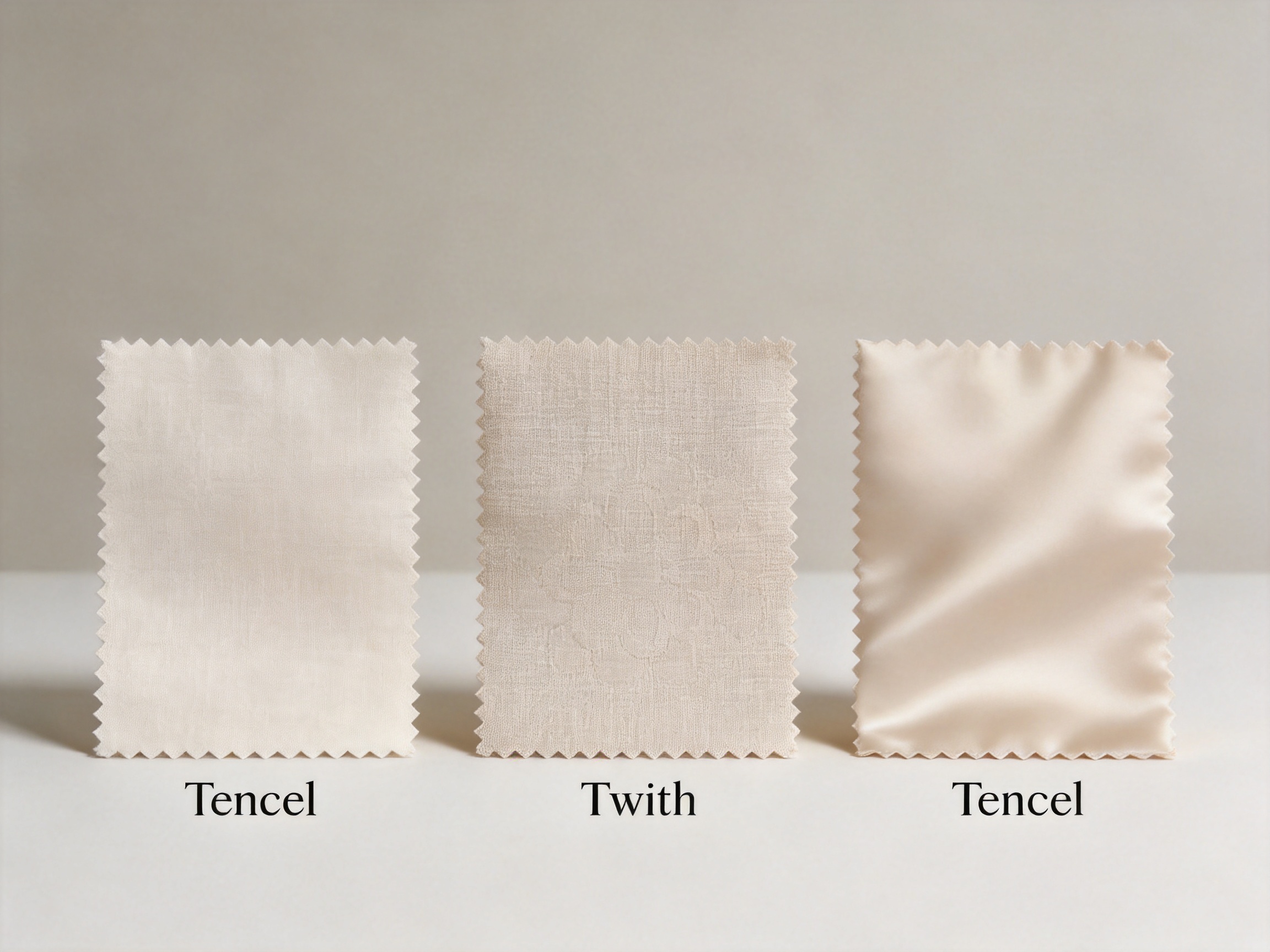
Weave structure is another important factor. Plain weave provides stable construction and a clean appearance. Twill weave can improve drape and add subtle texture. Sateen weave is especially suitable for showcasing the smooth luster associated with lyocell-based pillowcase fabrics. The correct weave selection depends on the target market, preferred sheen, touch expectation, price point, and laundering requirements.
Why Pillowcase Fabric Matters in Modern Bedding
A pillowcase is one of the most intimate bedding components. It touches the face, neck, hair, and scalp throughout the night. Because of this close contact, its fabric quality directly influences perceived sleep comfort. Even when a mattress and pillow are well designed, a rough or poorly breathable pillowcase can reduce the overall sleeping experience. Conversely, a smooth, moisture-managing, and well-made pillowcase can enhance comfort immediately.
Consumers often describe a premium pillowcase with words such as soft, smooth, cool, breathable, gentle, fresh, and elegant. These perceptions are created by fiber fineness, yarn quality, fabric density, weave, finishing, and washing behavior. Tencel Pillowcase Fabric is valued because lyocell fibers can create a soft surface with a naturally refined appearance. When properly woven and finished, the fabric can provide the kind of surface comfort that competitive materials may struggle to maintain consistently.
Compared with many ordinary polyester pillowcase fabrics, lyocell-based pillowcase fabric offers a more moisture-absorbent and naturally breathable sleeping surface. Compared with some standard cotton pillowcase fabrics, it can provide a smoother hand and more lustrous appearance. Compared with low-cost blended fabrics that may feel stiff or synthetic, it delivers a higher-end tactile impression. These advantages make it suitable for brands positioning themselves in comfort bedding, skin-friendly sleep products, eco-conscious home textiles, boutique hotel bedding, and premium pillow accessories.
In hospitality applications, pillowcases must withstand repeated laundering while preserving a clean appearance and comfortable touch. In home bedding, consumers expect softness, easy care, and long-term value. For e-commerce bedding brands, the first touch is often the deciding factor behind customer satisfaction and product reviews. Tencel Pillowcase Fabric helps meet these commercial realities by offering a balance of elegance, comfort, and practical usability.
Key Advantages Over Common Competing Pillowcase Fabrics
Tencel Pillowcase Fabric offers several competitive advantages when compared with conventional pillowcase materials. These advantages are not based on a single feature, but on a combination of fiber properties, fabric engineering, and manufacturing control.
Superior Smoothness and Skin Contact Comfort
Lyocell fibers are known for their smooth fiber surface. When used in pillowcase fabric, this can result in a soft and gentle touch that feels pleasant against the skin. This is particularly important for users who are sensitive to rough surfaces or who prefer a cleaner, more refined bedding experience. While traditional cotton is beloved for natural comfort, it may vary greatly depending on yarn count, cotton grade, and finishing. Low-grade cotton pillowcases can feel dry or rough after washing. Tencel Pillowcase Fabric can provide a consistently smooth feel when produced with proper yarn selection and finishing control.
Moisture Comfort and Breathability
During sleep, the body releases moisture and heat. A pillowcase fabric that cannot manage moisture may feel sticky, damp, or uncomfortable. Lyocell-based fabric can absorb and release moisture efficiently, helping maintain a fresher surface feeling. Compared with many synthetic pillowcase fabrics, it is less likely to create a clammy sensation. This makes it especially suitable for bedding products that emphasize cooling comfort, moisture balance, and year-round usability.
Elegant Luster for Premium Visual Appeal
In sateen weave especially, Tencel Pillowcase Fabric can show a subtle and elegant luster. This refined sheen is different from the artificial shine sometimes found in synthetic fabrics. It gives pillowcases a luxurious look without appearing overly glossy. For bedding brands, this visual quality supports premium product photography, upscale retail display, and hotel room presentation.
Flexible Composition and Cost Control
Unlike single-fiber fabric solutions that limit product development, Tencel Pillowcase Fabric can be produced as 100% lyocell or blended with cotton, Modal, and other fibers. This flexibility allows buyers to develop different collections according to market needs. A premium collection may use 100% lyocell for a smooth and luxurious touch. A mid-range collection may use lyocell-cotton blending to balance comfort and cost. A specialized product may incorporate Modal for added softness. This adaptability gives the fabric an advantage over rigid competitor materials.
Appropriate Grammage Range for Different Product Lines
The 120gsm to 200gsm range provides wide design possibilities. Lightweight versions are suitable for breathable pillowcases and summer bedding. Medium weights are ideal for all-season products. Heavier versions can support premium hotel bedding or retail products with a more substantial hand. Competitor fabrics often have limited weight options or inconsistent thickness, which may restrict product development. Controlled grammage enables buyers to create coherent collections and maintain predictable quality.
Compatibility with Functional Bedding Concepts
Hangzhou Xinsili Decorative Fabric Weaving Co., Ltd. focuses on functional decorative textiles, integrating technologies such as antibacterial, moisture-resistant, flame-retardant, sleep-supporting, and comfort-improving functions across suitable fabric categories. While pillowcase specifications should always be confirmed according to the final order and application, this functional development capability gives customers a broader platform for creating differentiated bedding products. For brands competing in crowded markets, the ability to customize comfort functions, appearance, composition, and weave structure can be a significant advantage.
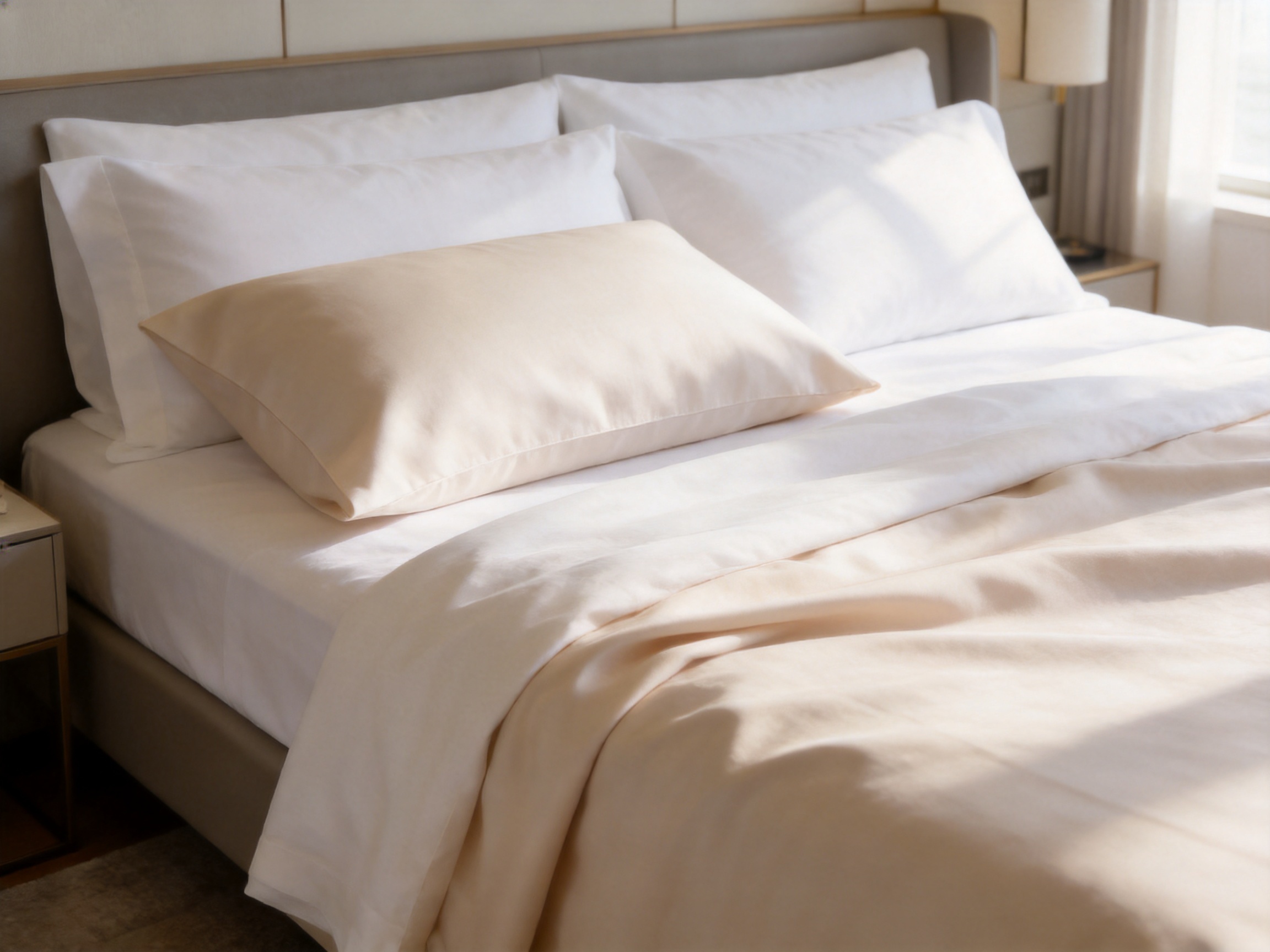
Product Specification Overview
| Item | Typical Option | Product Value |
|---|---|---|
| Product Name | Tencel Pillowcase Fabric | Suitable for smooth, breathable, comfort-focused pillowcase applications |
| Common Composition | 100% lyocell fiber or blended with cotton, Modal, and other fibers | Supports premium softness, cost flexibility, and customized performance |
| Common Grammage | 120gsm to 200gsm | Allows lightweight, all-season, and premium substantial pillowcase designs |
| Weave Structure | Plain, twill, sateen, and other customized weaves | Provides options for stability, drape, texture, and luster |
| Recommended Care | Neutral detergent, cold or warm water, gentle cycle | Helps maintain fiber strength, surface smoothness, and hand feel |
| Drying and Ironing | Lay flat to dry or iron at medium-low temperature | Reduces heat damage and supports long-term appearance retention |
| Storage | Clean, dry, ventilated area away from dampness and prolonged sunlight | Helps preserve fabric quality before cutting, sewing, or final use |
Composition Options and Their Practical Benefits
The composition of pillowcase fabric determines much of its comfort, cost, care behavior, and market positioning. Tencel Pillowcase Fabric can be developed with different fiber combinations to match diverse commercial needs.
100% Lyocell Fiber
A 100% lyocell fabric is ideal for brands that want to emphasize smoothness, breathable comfort, and a premium hand. It offers a cool and refined touch that suits luxury pillowcases, skin-friendly bedding collections, and products marketed toward consumers who prioritize sleep comfort. The fabric can drape elegantly and create a smooth surface, especially when produced in sateen weave.
Lyocell and Cotton Blends
Blending lyocell with cotton can create a fabric that combines the familiar natural appeal of cotton with the smoothness and moisture comfort of lyocell. Cotton can add structure, classic bedding character, and consumer familiarity, while lyocell improves softness and surface refinement. This blend is often useful for brands seeking a balance between premium feel and wider price accessibility.
Lyocell and Modal Blends
Modal is known for softness and drape. When combined with lyocell, it can create an especially gentle and flexible pillowcase fabric. This option is suitable for soft-touch bedding, comfort pillow accessories, pregnancy pillowcases, and other products where a plush and smooth surface is important.
Customized Blends
For buyers with specific requirements, customized fiber blends can be developed. The goal may be to improve strength, reduce cost, adjust shrinkage, change surface texture, or create a unique hand feel. A capable manufacturer can help customers compare trial samples and select the most suitable formula for their market.
Weave Structures: Plain, Twill, and Sateen
Weave structure has a major influence on how a pillowcase fabric feels, looks, and performs. Even with the same fiber composition and grammage, different weaves can produce different results.
Plain Weave
Plain weave is simple, stable, and practical. It creates a balanced surface and good fabric integrity. For pillowcases intended for everyday use, plain weave can provide reliable performance and clean appearance. It is often suitable for cost-conscious programs or products that require consistent structure.
Twill Weave
Twill weave creates diagonal texture and often improves drape. It can give pillowcase fabric a slightly richer touch and visual depth. Twill may be chosen when brands want a fabric that feels more flexible than plain weave while avoiding the higher sheen of sateen.
Sateen Weave
Sateen weave is especially effective for Tencel Pillowcase Fabric because it highlights smoothness and luster. The longer yarn floats in sateen construction create a sleek surface that can feel luxurious against the skin. For high-end pillowcase collections, sateen is often the preferred structure because it communicates softness and elegance immediately.
Choosing the right weave is not only a matter of appearance. It also affects breathability, abrasion behavior, pilling tendency, drape, sewing performance, and laundering response. Hangzhou Xinsili Decorative Fabric Weaving Co., Ltd. can support customers by aligning weave design with final product requirements.
Grammage Selection from 120gsm to 200gsm
Fabric weight is one of the most practical specification decisions in pillowcase development. A suitable grammage helps ensure that the pillowcase feels right, performs well, and meets customer expectations.
Lightweight fabric between approximately 120gsm and 150gsm is suitable for breathable pillowcases with a delicate touch. It is useful for summer bedding, cooling-oriented collections, and products designed for a light and airy feel. These fabrics can pack compactly and drape softly, making them attractive for online bedding brands.
Medium-weight fabric between approximately 150gsm and 180gsm offers a balanced solution. It provides enough body for durability and sewing stability while maintaining softness and breathability. This range is often suitable for general retail pillowcases, hotel bedding, and all-season home textile collections.
Heavier fabric between approximately 180gsm and 200gsm creates a more substantial and premium feel. It can be selected for upscale bedding lines where customers expect a richer hand and stronger presence. However, heavier fabric should still be engineered carefully to avoid reducing breathability or making the pillowcase feel too dense.
Competitor products sometimes fail because weight is selected only for price reasons. Too light, and the fabric may feel flimsy. Too heavy, and it may lose the cool, breathable touch expected from lyocell-based textiles. Proper grammage control is therefore a sign of manufacturing expertise.
Manufacturing Strength Behind the Fabric
The value of Tencel Pillowcase Fabric depends not only on fiber selection but also on manufacturing discipline. Hangzhou Xinsili Decorative Fabric Weaving Co., Ltd. combines experience, facility scale, technical development, and quality control to deliver reliable decorative and bedding fabrics.
With 19 years of industry experience, the company understands the challenges of textile production: yarn quality variation, weaving tension control, shade consistency, finishing stability, dimensional change, hand feel control, and delivery reliability. These factors are especially important in pillowcase fabric because small surface defects or hand feel inconsistencies can be easily noticed by consumers.
The company’s 12,000㎡ factory area provides the production foundation needed for stable manufacturing. A larger and organized production environment supports raw material storage, weaving preparation, production scheduling, inspection, finishing coordination, and shipment management. This helps reduce disorder and improves consistency across repeated orders.
Recognition as a National High-Tech Enterprise in 2023 reflects the company’s commitment to technical progress and innovation. For buyers, this matters because fabric markets are changing rapidly. Customers are not only purchasing fabric; they are looking for development partners who can help create differentiated products. Xinsili’s focus on antibacterial, moisture-resistant, flame-retardant, sleep-supporting, and comfort-improving textile technologies demonstrates a broader capability beyond ordinary fabric supply.
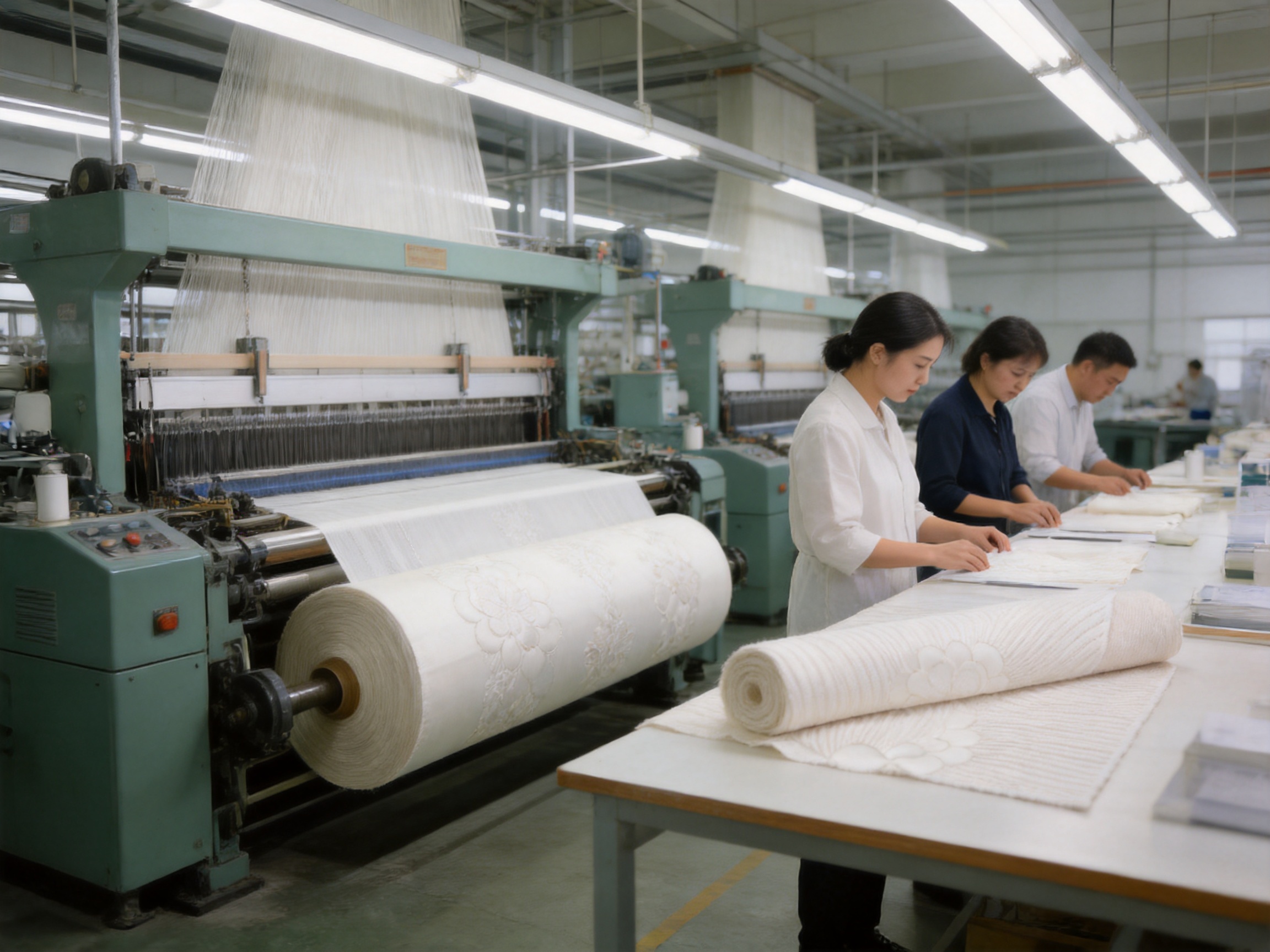
Advanced Manufacturing Process
A high-quality pillowcase fabric requires controlled production from raw material selection to final inspection. The process involves several critical stages.
Fiber and Yarn Selection
The process begins with selecting appropriate fiber and yarn. For lyocell-based pillowcase fabric, yarn quality strongly affects smoothness, strength, and final appearance. Uniform yarn helps reduce weaving defects and improves fabric surface regularity. If a blend is required, the ratio of lyocell, cotton, Modal, or other fibers must be carefully planned to achieve the target hand feel and performance.
Weaving Preparation
Before weaving, yarns must be prepared to maintain proper tension and reduce breakage. Warping and sizing conditions influence weaving efficiency and fabric stability. Pillowcase fabric requires a clean and even surface, so preparation quality is essential. Poor tension control can cause streaks, uneven density, or dimensional instability.
Precision Weaving
During weaving, the selected structure—plain, twill, sateen, or customized construction—is produced according to specification. Machines must be adjusted to maintain fabric density, width, surface evenness, and pattern consistency. Sateen constructions require particular care because surface floats must be smooth and uniform. Any irregularity may affect luster and hand feel.
Finishing and Hand Feel Control
Finishing is where the fabric’s final softness, drape, and surface quality are refined. For Tencel Pillowcase Fabric, finishing should enhance smoothness without damaging fiber strength. Excessive chemical treatment or high-temperature processing may harm hand feel or reduce long-term performance. A controlled finishing process helps achieve the desired comfort while preserving the natural advantages of lyocell fiber.
Inspection and Quality Assurance
Final inspection checks fabric defects, width, weight, color, surface appearance, and hand feel consistency. For pillowcase fabric, quality assurance must be strict because the final product is used close to the face. Surface defects, rough areas, stains, or uneven luster can directly affect customer satisfaction. Reliable inspection reduces risk for downstream cutting, sewing, and retail delivery.
Packaging and Storage
After inspection, fabric should be packaged and stored in clean, dry, ventilated conditions. Dampness and prolonged direct sunlight should be avoided. Proper storage helps preserve fabric quality before it is cut and sewn into pillowcases. For export customers or large production programs, stable packaging and storage practices are important parts of supply chain reliability.
Quality Control for Consistent Pillowcase Production
Consistency is one of the most important advantages a textile manufacturer can provide. A sample may feel excellent, but the real test is whether bulk production matches approved quality. Tencel Pillowcase Fabric must maintain consistent composition, weight, width, color, texture, and hand feel across production lots.
Hangzhou Xinsili Decorative Fabric Weaving Co., Ltd. emphasizes craftsmanship-driven manufacturing and reliable products. This approach is important because pillowcase buyers often run repeat orders. Bedding collections may remain on sale for multiple seasons, and a change in fabric feel can create customer complaints. Stable manufacturing helps brands protect their reputation.
Quality control begins before weaving. Raw materials are checked for suitability. During production, operators monitor fabric formation and machine conditions. After weaving and finishing, inspection teams evaluate fabric according to customer requirements. This layered approach reduces the risk of defects reaching the customer.
For hotel and commercial buyers, consistency also supports operational efficiency. If fabric behaves predictably during cutting and sewing, production waste is reduced. If finished pillowcases maintain their appearance through proper care, replacement cycles can be managed more effectively. In a competitive market, dependable quality can be more valuable than the lowest initial price.
Comfort Benefits for End Users
End users do not usually analyze fabric specifications in technical detail. They judge a pillowcase by how it feels during use. Tencel Pillowcase Fabric offers several comfort benefits that can be clearly communicated in finished product marketing.
The surface feels smooth and refined, which can reduce the scratchy sensation sometimes associated with lower-quality fabrics. The fabric can feel cool to the touch, making it appealing for warm climates, summer bedding, and consumers who prefer a fresh sleeping surface. Its moisture comfort helps the pillowcase feel less damp during the night, supporting a more pleasant sleep environment.
The elegant drape and luster also influence emotional comfort. A beautiful pillowcase makes a bed look cleaner and more inviting. In hotels, this contributes to the impression of cleanliness and luxury. In homes, it helps create a calm and comfortable bedroom atmosphere.
For users with long hair, a smoother pillowcase surface may reduce friction compared with rougher materials. For skincare-focused consumers, smooth pillowcases are often preferred because they feel gentle against the face. While fabric should not be promoted as a medical treatment, its comfort and tactile softness can be an important selling point.
Applications in Bedding and Related Textile Products
Although the product is focused on pillowcase fabric, its design principles can support a wider range of bedding and comfort textile applications. The company’s product categories include mattress fabric, children mattress fabric, pillowcase fabric, pregnancy pillow fabric, cooling mat fabric, bedding fabric, sofa fabric, and pet friendly fabrics. This wide category coverage shows a strong understanding of different textile environments.
For standard pillowcases, Tencel Pillowcase Fabric provides daily comfort and premium appearance. For children’s bedding, soft and breathable fabric can support a gentle sleeping environment, although final specifications should be selected carefully according to safety and care requirements. For pregnancy pillows, smooth and moisture-comfortable fabric is valuable because the user may maintain close body contact with the pillow for extended periods. For cooling bedding concepts, lyocell’s moisture comfort and cool touch can support a refreshing product story.
In hotels, the fabric can be used for pillowcases that combine comfort with a refined room presentation. In boutique bedding brands, it can help create a premium product line without relying only on high thread count claims. In e-commerce, its smooth surface and elegant luster can photograph well, improving perceived product value.
Care Instructions for Long-Term Performance
Proper care is essential to preserve the comfort and appearance of Tencel Pillowcase Fabric. The recommended washing method is to use neutral detergent in cold or warm water on a gentle cycle. Neutral detergent helps protect the fiber and finishing quality. Cold or warm water reduces the risk of excessive shrinkage or fiber stress. A gentle cycle minimizes mechanical abrasion.
Prolonged soaking should be avoided because it may weaken fibers or affect the fabric surface. Chlorine bleach should not be used because it can damage lyocell fibers and reduce fabric life. High-heat drying should also be avoided, as excessive heat may affect strength, shrinkage, and hand feel. Laying flat to dry is preferred. If ironing is needed, medium-low temperature is recommended.
These care instructions are practical for both home and commercial environments. Clear washing guidance helps customers maintain pillowcase quality and reduces complaints caused by improper laundering. For brands, including accurate care labels is an important part of responsible product delivery.
Storage Conditions Before and After Production
Fabric storage is often overlooked, but it can influence final quality. Tencel Pillowcase Fabric should be cleaned and dried before storage when used as a finished pillowcase. It should be stored in a ventilated area, away from dampness and prolonged direct sunlight exposure. Moisture can lead to odor, mildew risk, or packaging problems. Long sunlight exposure may affect color and fiber condition.
For manufacturers and sewing factories, fabric rolls should be stored in clean, dry spaces before cutting. They should be protected from dust, water, oil contamination, and pressure deformation. Proper storage helps ensure that the fabric performs as intended when it reaches the sewing stage.
Why Choose an Experienced Manufacturer
In textile sourcing, choosing the right manufacturer is as important as choosing the right fiber. Many suppliers can describe fabric as soft or breathable, but not all can provide stable quality, development support, and reliable production. Hangzhou Xinsili Decorative Fabric Weaving Co., Ltd. offers several strengths that help customers reduce sourcing risk.
First, the company has long industry experience. Nineteen years in decorative fabric weaving means it has encountered many material types, market requirements, production challenges, and customer standards. This experience supports better problem solving and more realistic product recommendations.
Second, the company has a substantial factory foundation. A 12,000㎡ factory area supports organized manufacturing and production management. For customers placing repeat or customized orders, production capacity and factory discipline are essential.
Third, the company emphasizes innovation. As a National High-Tech Enterprise recognized in 2023, it is positioned not merely as a conventional fabric producer but as a developer of functional textile solutions. This matters for customers seeking antibacterial, moisture-resistant, flame-retardant, sleep-supporting, or comfort-improving functions in suitable product categories.
Fourth, the company serves multiple markets, including residential, hotel, and commercial environments. This broad experience helps it understand different durability, design, and performance expectations. A fabric for home bedding may prioritize softness and style; a hotel fabric may require laundering resilience and consistent appearance; a commercial project may need functional compliance. The ability to address different environments is a competitive advantage.
Customization Possibilities
Tencel Pillowcase Fabric can be customized according to customer needs. Composition can be adjusted through 100% lyocell or blended structures. Grammage can be selected within the common 120gsm to 200gsm range or developed according to project requirements. Weave can be plain, twill, sateen, or another suitable construction. Color, finishing, hand feel, and functional treatments can also be discussed based on final use.
Customization is important because different brands define comfort differently. One customer may want a cool, lightweight pillowcase for summer collections. Another may want a dense, lustrous sateen fabric for luxury bedding. A hotel buyer may require a balance of softness and easy maintenance. A pregnancy pillow brand may need extra gentle touch and stable sewing performance. By adjusting fiber, weight, weave, and finishing, the fabric can be tuned for each market.
This is where Xinsili’s manufacturing strengths become especially valuable. A strong supplier does not simply accept a specification; it helps refine the specification so the final fabric matches real product goals. Technical communication, sampling, testing, and production feedback all help create a more successful fabric.
Sustainability and Responsible Comfort
Modern textile buyers increasingly consider environmental responsibility. Lyocell fiber is widely associated with more responsible regenerated cellulose production compared with some conventional fiber systems, especially when produced through controlled solvent processes. While sustainability claims should always be verified according to fiber source and certification requirements, lyocell-based fabrics are often favored by brands seeking a more environmentally conscious material story.
Hangzhou Xinsili Decorative Fabric Weaving Co., Ltd. is committed to providing high-quality, environmentally friendly decorative fabric solutions. Its focus on safe, healthy, comfortable, and sustainable living spaces aligns with the direction of modern home textiles. For buyers, this means the fabric can support product lines that communicate both comfort and responsible material selection.
Sustainability in fabric is not only about fiber origin. Durability, washing stability, reduced replacement frequency, efficient manufacturing, and correct care instructions also matter. A pillowcase fabric that remains comfortable and attractive for longer can reduce waste and improve consumer value. Therefore, quality manufacturing is part of responsible textile development.
Commercial Value for Bedding Brands and Buyers
For bedding brands, Tencel Pillowcase Fabric can support stronger product differentiation. The pillowcase market includes many ordinary cotton, polyester, and low-cost blended products. To stand out, brands need a clear comfort story, a refined appearance, and reliable quality. Lyocell-based pillowcase fabric provides a compelling combination of smoothness, moisture comfort, cool touch, and elegant sheen.
For wholesalers and importers, the fabric’s composition and grammage flexibility makes it easier to serve multiple customer groups. The same supplier can support lightweight summer pillowcases, mid-weight all-season products, and premium sateen collections. This reduces the complexity of sourcing from many unrelated suppliers.
For hotels, the fabric can elevate guest experience. Pillowcases are one of the first bedding items guests touch. A smooth, fresh, and attractive pillowcase contributes to a positive impression of the room. When combined with proper laundering and care, it can support both comfort and presentation.
For private label brands, working with a manufacturer that understands functional decorative textiles can accelerate product development. Instead of competing only on price, brands can build collections around comfort, cooling sensation, soft touch, natural elegance, and responsible material selection.
Comparison with Alternative Fabrics
Compared with polyester pillowcase fabric, Tencel Pillowcase Fabric generally provides a more natural and moisture-comfortable touch. Polyester can be durable and economical, but it may feel less breathable and more synthetic, especially in warm sleeping conditions. For customers seeking a fresh and skin-friendly sleeping surface, lyocell-based fabric has a strong advantage.
Compared with ordinary cotton pillowcase fabric, Tencel Pillowcase Fabric can offer smoother surface feel and a more lustrous appearance. Cotton remains popular and familiar, but its comfort varies widely by fiber quality, yarn count, and finishing. Lyocell blends can also combine cotton’s classic appeal with improved smoothness.
Compared with silk pillowcase fabric, Tencel Pillowcase Fabric can provide a smooth and luxurious touch at a more accessible cost and with easier practical handling. Silk is premium but often requires delicate care and higher pricing. Lyocell-based pillowcase fabric can be positioned as an elegant and comfortable alternative for consumers who want softness without the same maintenance concerns.
Compared with low-cost viscose blends, lyocell-based fabric often provides better strength and a more refined comfort profile, depending on the exact construction. This makes it suitable for brands seeking a higher-quality regenerated cellulose option.
How to Select the Right Tencel Pillowcase Fabric
Buyers should begin by defining the final product’s target market. Is the pillowcase intended for premium hotel bedding, online retail, children’s bedding, cooling comfort, pregnancy pillow use, or general home bedding? Each use has different priorities.
Next, composition should be selected. For maximum smoothness and premium positioning, 100% lyocell may be preferred. For balanced cost and classic appeal, lyocell-cotton blends can be considered. For extra softness and drape, lyocell-Modal blends may be suitable.
Then, grammage should be chosen. Lightweight fabrics support breathability and delicate touch. Medium-weight fabrics provide everyday balance. Heavier fabrics create a richer premium feel. Buyers should request samples in different weights when possible.
Weave structure should be matched to product identity. Plain weave is practical and stable. Twill adds texture and drape. Sateen provides smooth luster and luxury appeal. For premium pillowcases, sateen is often especially attractive.
Finally, care requirements and production performance should be considered. A beautiful fabric must still be washable, sewable, and stable. Working with an experienced manufacturer helps ensure that the selected specification is practical for bulk production.
Q&A Section
Q1: What is Tencel Pillowcase Fabric commonly made from?
It is commonly made from 100% lyocell fiber or blended with cotton, Modal, and other fibers. The composition can be adjusted to achieve different levels of softness, cost control, drape, and durability.
Q2: What grammage is suitable for pillowcase fabric?
The typical grammage range is 120gsm to 200gsm. Lighter weights are suitable for breathable and airy pillowcases, medium weights are suitable for all-season use, and heavier weights provide a more substantial premium feel.
Q3: Which weave structure is best for a smooth and lustrous pillowcase?
Sateen weave is often preferred when the goal is a smooth surface and elegant luster. Plain weave and twill weave are also available depending on the required texture, stability, and cost positioning.
Q4: How does this fabric compare with ordinary polyester pillowcase fabric?
Compared with many polyester fabrics, lyocell-based pillowcase fabric offers a more breathable, moisture-comfortable, and natural-feeling surface. It is especially suitable for bedding products that emphasize comfort and freshness.
Q5: How should Tencel Pillowcase Fabric be washed?
It should be washed with neutral detergent in cold or warm water on a gentle cycle. Prolonged soaking, chlorine bleach, and high-heat drying should be avoided. Laying flat to dry and ironing at medium-low temperature are recommended.
Q6: Why is Hangzhou Xinsili Decorative Fabric Weaving Co., Ltd. a strong supplier for this product?
The company has 19 years of industry experience, a 12,000㎡ factory area, and recognition as a National High-Tech Enterprise in 2023. It focuses on functional decorative textiles and supports customers with manufacturing stability, customization, and quality-oriented production.
Q7: Can the fabric be customized for different bedding brands?
Yes. Composition, grammage, weave structure, color, hand feel, and certain functional requirements can be discussed according to the customer’s application and market positioning.
Q8: Is the fabric suitable for hotel pillowcases?
Yes, it can be suitable for hotel pillowcases, especially when buyers need a smooth, elegant, and comfortable fabric. Final specifications should be selected according to laundering requirements, durability expectations, and hotel standards.
Conclusion
Tencel Pillowcase Fabric is a strong choice for bedding products that require smooth touch, breathable comfort, refined luster, and flexible product development. Its common composition options, including 100% lyocell and blends with cotton or Modal, allow buyers to design pillowcases for different price levels and comfort expectations. Its 120gsm to 200gsm grammage range supports lightweight, all-season, and premium substantial products. Its weave options, especially sateen, make it possible to create elegant pillowcases with a luxurious visual and tactile impression.
Compared with many competing pillowcase fabrics, it offers a more comfort-focused balance of softness, moisture management, and appearance. Compared with ordinary polyester, it feels more natural and breathable. Compared with basic cotton, it can provide smoother touch and refined luster. Compared with silk, it can offer accessible luxury and practical usability. These advantages make it valuable for home bedding brands, hotel suppliers, e-commerce retailers, pregnancy pillow manufacturers, and comfort textile developers.
Behind the fabric, Hangzhou Xinsili Decorative Fabric Weaving Co., Ltd. provides manufacturing strength built on 19 years of experience, a 12,000㎡ production foundation, high-tech enterprise recognition, and a commitment to functional decorative textile innovation. With careful control of fiber selection, weaving, finishing, inspection, and storage, the company helps customers transform fabric specifications into reliable finished products.
For buyers seeking a pillowcase fabric that combines comfort, beauty, and production reliability, Tencel Pillowcase Fabric offers a practical and premium solution. It reflects the future direction of bedding textiles: softer surfaces, better moisture comfort, responsible material thinking, functional development, and consistent manufacturing quality.
References
1. Textile Institute. Textile Terms and Definitions. Textile Institute Publications.
2. Kadolph, S. J. Textiles. Pearson Education.
3. Collier, B. J., and Epps, H. H. Textile Testing and Analysis. Pearson Prentice Hall.
4. Hearle, J. W. S. Physical Properties of Textile Fibres. Woodhead Publishing.
5. Morton, W. E., and Hearle, J. W. S. Physical Properties of Textile Fibres. Textile Institute.
6. Saville, B. P. Physical Testing of Textiles. Woodhead Publishing.
Product: Tencel Pillowcase Fabric

Our Featured Products
-
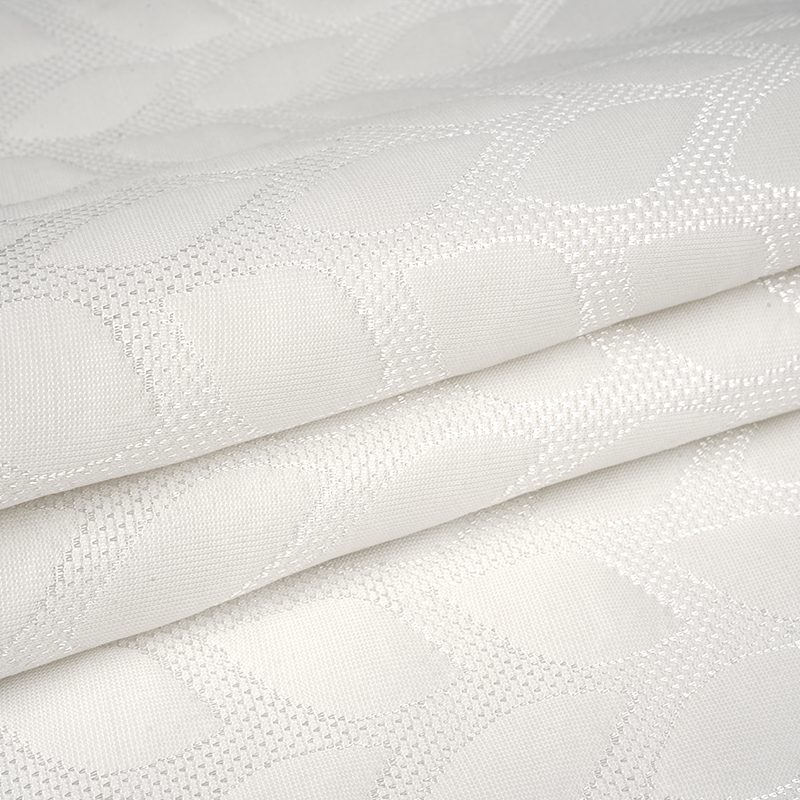
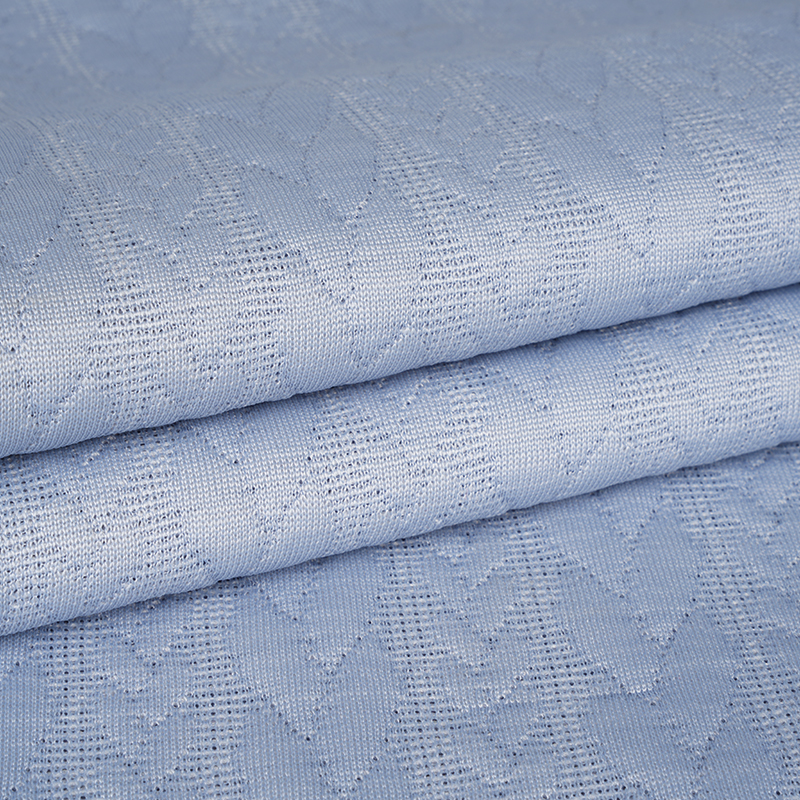
Tencel Pillowcase Fabric
Tencel Pillowcase Fabric
Haven’t Found The Products You Want?
-
-
Shen Jinyan:+86-15158070676
[email protected]
Liang Jinwen:+86-15757186621
[email protected]
Qiu Yingyingn:+86-13819545790
[email protected]
Yi qiao Town, Xiaoshan District, Hangzhou City, Zhejiang Province, China
-
Products
Mattress Fabric Children Mattress Fabric Pillowcase Fabric Pregnancy Pillow Fabric Cooling Mat Fabric Bedding Fabric Sofa Fabric Pet Friendly Fabrics -
Contact Information
About Us Products Strength Sustainability News Contact Us
Copyright © Hangzhou Xinsili Decorative Fabric Weaving Co.,Ltd. All Rights Reserved.
Functional Decorative Textile Manufacturers
