

 English
 中文简体
中文简体 Español
 عربى
عربى русский


Graphene Children’s Mattress Fabric: Advanced Functional Comfort for Safer, Cooler Sleep
Content
- 1 1. The Role of Fabric in a Children’s Mattress
- 2 2. Understanding Graphene Functional Textile Technology
- 3 3. Main Advantages Compared with Conventional Mattress Fabrics
- 4 4. Advanced Manufacturing Strengths
- 5 5. Production Process from Concept to Finished Fabric
- 6 6. Application Opportunities
- 7 7. Quality, Safety, and Responsible Product Claims
- 8 8. Why Choose an Experienced Functional Textile Manufacturer?
- 9 9. Selecting the Right Specification for a Mattress Project
- 10 10. Care and Maintenance Considerations
- 11 11. Frequently Asked Questions
- 11.1 Q1: What is Graphene Children’s Mattress Fabric?
- 11.2 Q2: Does the fabric actively cool a mattress?
- 11.3 Q3: Is the fabric suitable for babies and children?
- 11.4 Q4: Does graphene fabric provide antibacterial performance?
- 11.5 Q5: Can the fabric be used for a removable mattress cover?
- 11.6 Q6: Can the fabric be customized?
- 11.7 Q7: Can the fabric be washed?
- 11.8 Q8: Is the fabric waterproof?
- 11.9 Q9: How does this fabric compare with ordinary mattress fabric?
- 11.10 Q10: What information should be provided when requesting a quotation?
- 11.11 Q11: Can the fabric be used in hotels or childcare facilities?
- 11.12 Q12: What is the manufacturer’s main strength?
- 12 12. Conclusion
- 13 References
- 14 Product: Graphene Children Mattress Fabric
Children spend a significant portion of their early lives sleeping, and the materials surrounding them can influence comfort, temperature regulation, hygiene, and the overall quality of rest. A mattress fabric is not simply an outer decorative layer. It is a functional textile that comes into direct or indirect contact with the child, supports the performance of the mattress core, and contributes to the durability, cleanliness, and visual appeal of the finished bedding product.
Graphene Children’s Mattress Fabric is developed for manufacturers seeking a modern textile solution that combines softness, functional performance, durability, and refined appearance. By integrating graphene-related functional technology into a carefully engineered mattress fabric structure, this material is designed to meet the demanding requirements of children’s bedding, including comfort, breathability, moisture management, temperature balance, and daily-use resilience.
The fabric is manufactured by Hangzhou Xinsili Decorative Fabric Weaving Co., Ltd., an experienced textile producer specializing in functional decorative fabrics for residential, hotel, and commercial environments. With 19 years of industry experience, a 12,000-square-meter factory area, and National High-Tech Enterprise recognition achieved in 2023, the company combines textile expertise with practical product development and precision manufacturing.
For mattress manufacturers, furniture brands, children’s bedding companies, and distributors, this fabric offers an opportunity to create products that are more than visually attractive. It supports the development of mattresses designed around healthy sleep environments, dependable long-term use, and the growing consumer demand for functional, comfortable, and environmentally responsible textiles.
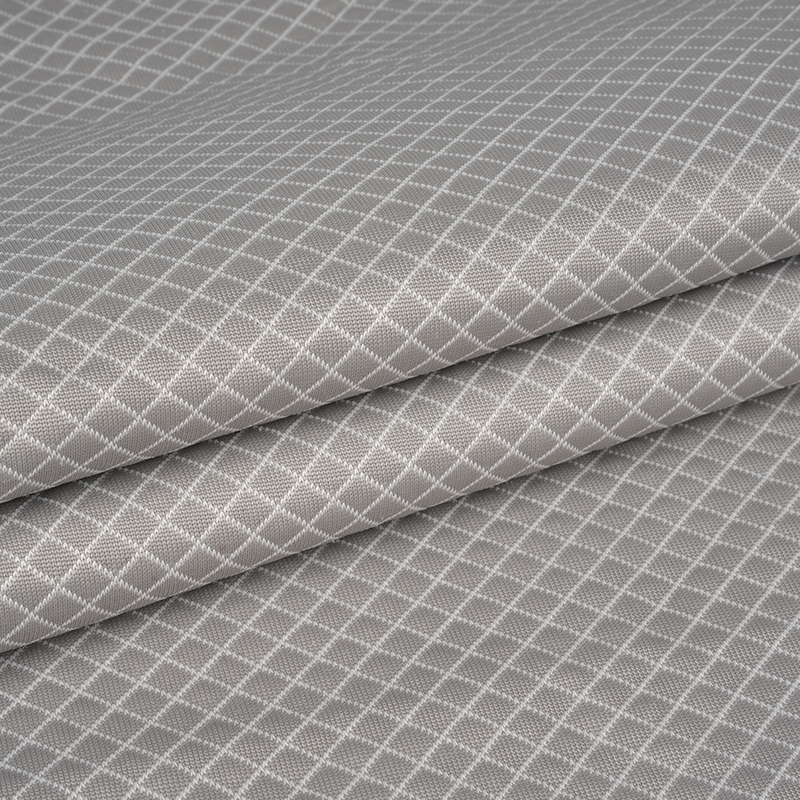
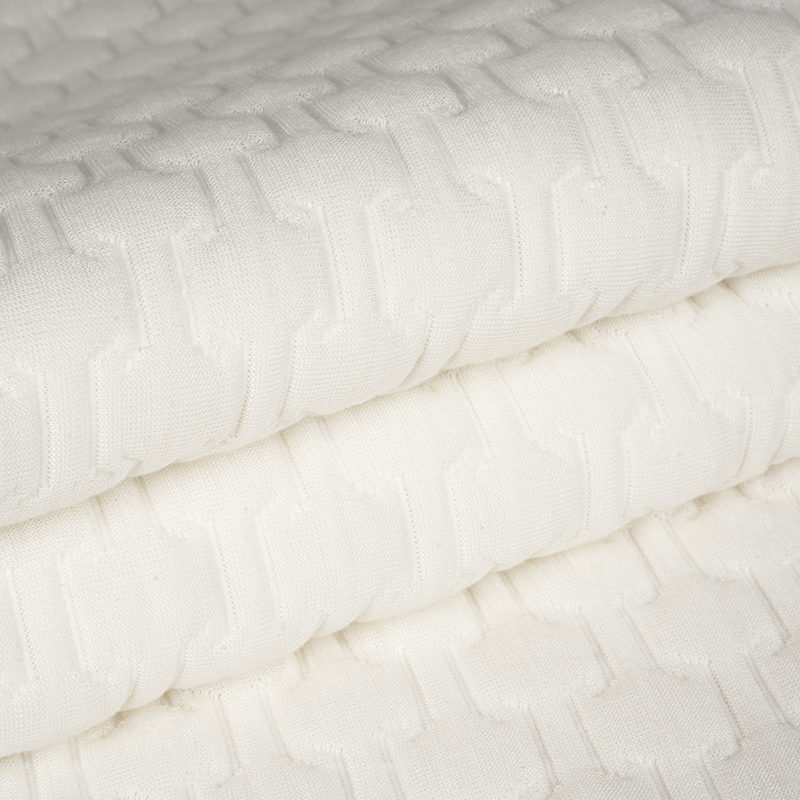
Graphene Children Mattress Fabric
1. The Role of Fabric in a Children’s Mattress
When evaluating a children’s mattress, buyers often focus on the filling, spring system, foam density, or overall thickness. However, the mattress cover and fabric structure are equally important. The fabric is responsible for creating the immediate tactile experience, helping manage heat and moisture, protecting internal materials, and influencing how the mattress performs after repeated washing or extended use.
Children may generate considerable heat while sleeping, especially during active growth stages. They may also perspire more easily, change sleeping positions frequently, spill liquids, or place additional mechanical stress on the mattress surface through jumping and playing. As a result, a children’s mattress fabric must provide a balanced combination of softness, strength, air permeability, dimensional stability, and easy-care performance.
Traditional mattress textiles may deliver acceptable softness and appearance but lack advanced functionality. Some fabrics can feel warm in humid environments, while others may lose their shape after repeated cleaning. Certain decorative materials may also prioritize visual design over comfort or technical reliability. A purpose-developed graphene children’s mattress fabric addresses these challenges by combining a functional textile concept with manufacturing processes focused on consistency and product usability.
The outer fabric should be comfortable against bedding layers and compatible with quilting, sewing, zipper construction, piping, and other mattress-cover processes. It should also maintain an attractive appearance across different mattress designs, including children’s beds, nursery mattresses, portable mattresses, and premium sleep products.
1.1 Comfort as a Design Priority
Children’s products require careful attention to tactile comfort. A fabric that feels rough, stiff, excessively dense, or poorly finished may negatively affect the sleeping experience. Graphene Children’s Mattress Fabric is intended to provide a soft and pleasant textile surface while retaining the structural properties needed for mattress manufacturing.
Softness is influenced by yarn selection, fiber blending, knitting or weaving parameters, finishing methods, fabric weight, and surface treatment. It is not determined by a single component. A reliable manufacturer must control the entire process, from the selection of raw materials to the final inspection, in order to produce a fabric that feels comfortable and performs consistently.
The fabric can be incorporated into quilted mattress panels or used as part of a multilayer cover construction. When matched with suitable filling materials, it may help create a smooth, comfortable sleep surface with a premium appearance. Its textile structure can also be adapted for different design directions, allowing manufacturers to balance softness with support, resilience, and durability.
1.2 Hygiene and Everyday Use
Children’s bedding is exposed to frequent use and often requires more regular maintenance than adult bedding. Food, sweat, dust, skin particles, accidental spills, and household contaminants can all affect the cleanliness of a mattress cover. A functional fabric should therefore support a cleaner and more manageable sleep environment.
Graphene-based textile technology is commonly associated with heat distribution, conductivity, and functional surface performance. In a mattress application, these characteristics can be combined with moisture-resistant, antibacterial, or easy-care textile treatments, depending on the final fabric specification. Such functions are intended to support a fresher and more comfortable sleeping surface, although the exact performance depends on the fabric construction, finishing system, care conditions, and applicable test methods.
For responsible product development, manufacturers should define claims according to laboratory test results and regional regulatory requirements. The fabric provides a strong foundation for functional bedding development, but finished-product performance should always be evaluated as a complete system rather than based on one textile component alone.
2. Understanding Graphene Functional Textile Technology
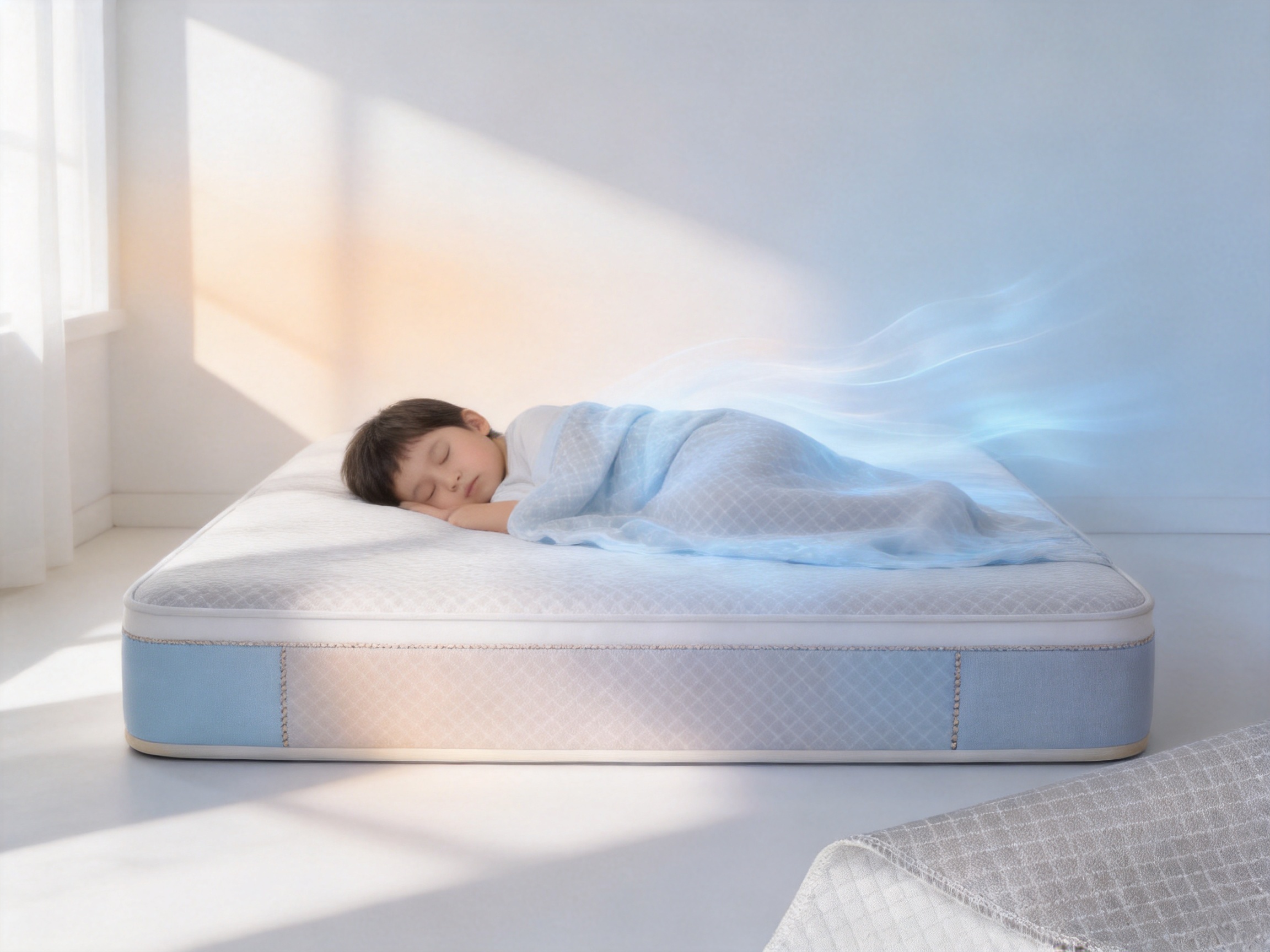
Graphene is a carbon-based material known for its thin structure, high surface area, electrical conductivity, and thermal characteristics. In textile development, graphene or graphene-related additives may be incorporated into fibers, coatings, printing systems, masterbatches, or finishing formulations. The practical purpose is not to create a rigid technical material, but to introduce selected functional properties while preserving the flexibility and comfort expected from a textile.
The way graphene is used in a fabric determines the final performance. A textile may contain graphene-enhanced fibers, a functional coating, a composite yarn, or a treatment applied during finishing. Each approach can influence softness, durability, breathability, thermal behavior, color, and wash resistance. Therefore, the quality of the manufacturing process is essential.
For children’s mattress applications, graphene technology must be integrated carefully. Excessive coating can affect hand feel or air permeability, while insufficient distribution may reduce functional consistency. A professional textile manufacturer must balance the functional material with the base textile structure so that the final fabric remains suitable for sewing, quilting, handling, and everyday sleep use.
2.1 Thermal Balance and Heat Distribution
One of the most attractive reasons to use graphene-related textile technology is its potential contribution to thermal management. A sleep surface that retains excessive heat can feel uncomfortable, particularly during warm weather or in rooms with limited ventilation. A textile designed to support heat distribution may help reduce localized warmth and promote a more balanced surface experience.
Thermal comfort does not mean that the fabric actively cools a child in the same way as a powered cooling device. Instead, the textile may assist with the movement and distribution of heat across the surface, depending on its construction and the surrounding mattress layers. The result can be a more balanced tactile sensation and improved comfort under appropriate conditions.
The final thermal performance is influenced by fabric density, yarn structure, mattress quilting, foam or fiber filling, room temperature, humidity, sleepwear, sheets, and the user’s individual response. For this reason, Graphene Children’s Mattress Fabric should be considered a component within a complete sleep system.
2.2 Moisture Management
Moisture management is important in children’s bedding because perspiration and accidental liquid exposure can affect comfort and hygiene. A fabric designed with moisture-resistant or moisture-managing characteristics may help reduce the amount of liquid absorbed into the surface layers and make routine care more practical.
Moisture resistance should not be confused with complete waterproofing unless the product has been specifically engineered and tested for waterproof performance. In many mattress constructions, a functional textile is combined with a separate waterproof membrane, protective liner, or removable cover. The graphene fabric can serve as a comfortable and attractive outer layer while the complete cover system provides the desired level of liquid protection.
Good moisture management also depends on breathability. A highly sealed surface may prevent liquid penetration but can feel less comfortable if it traps heat and humidity. Advanced fabric development therefore requires a balance between protection, air movement, flexibility, and soft hand feel.
2.3 Potential Antibacterial Support
Graphene-related materials are frequently explored in functional textiles for their potential contribution to antibacterial or hygienic performance. When combined with a suitable textile treatment, the fabric may help create a surface that is more resistant to the conditions associated with odor and microbial growth. However, antibacterial performance must be confirmed through recognized testing rather than assumed solely from the presence of graphene.
For children’s mattress manufacturers, this distinction is important. Product descriptions should accurately reflect verified performance, and any antibacterial claims should be supported by test reports appropriate to the target market. The manufacturer’s technical team can help customers identify suitable specifications and testing requirements for different applications.
Even when a mattress fabric has functional antibacterial properties, regular cleaning, ventilation, proper drying, and the use of a suitable mattress protector remain essential. No fabric can replace responsible hygiene practices, but a well-designed functional textile can contribute to a more manageable and comfortable bedding environment.
3. Main Advantages Compared with Conventional Mattress Fabrics
Graphene Children’s Mattress Fabric is positioned as a higher-value alternative to ordinary mattress textiles because it is designed around multiple performance needs rather than appearance alone. The following advantages can help manufacturers differentiate their products in a competitive bedding market.
3.1 Multifunctional Performance
Conventional mattress fabrics may offer softness, color, and basic durability, but they do not always provide additional functional value. A graphene-enhanced fabric can be developed to combine several features, such as thermal balance, moisture resistance, antibacterial support, comfort improvement, and decorative appeal.
Multifunctionality is especially valuable for children’s products. Parents and caregivers increasingly look for bedding that is comfortable, hygienic, easy to maintain, and suitable for changing seasonal conditions. A fabric that supports several of these expectations can help mattress brands create a stronger product story and improve the perceived value of the finished mattress.
At the same time, multifunctional design should not lead to excessive complexity. The most effective textile solution is one that delivers useful performance while remaining practical for cutting, sewing, quilting, packaging, transportation, and retail presentation.
3.2 Improved Thermal Comfort
Many standard synthetic mattress fabrics can feel warm when used with dense padding or foam. Graphene functional technology provides a pathway toward improved heat distribution and a more balanced contact sensation. This can be particularly useful for children who are sensitive to heat or who sleep in environments with seasonal temperature changes.
Compared with a basic fabric that simply covers the mattress, a thermally functional textile may provide more sophisticated comfort performance without requiring active electronics, batteries, or mechanical cooling systems. This makes it suitable for passive comfort products that remain quiet, lightweight, and easy to manufacture.
3.3 Softness with Structural Reliability
A common challenge in textile development is achieving softness without sacrificing strength. A very soft fabric may be vulnerable to abrasion, stretching, pilling, seam damage, or dimensional change. Conversely, a highly durable fabric may feel stiff or uncomfortable.
Graphene Children’s Mattress Fabric is developed with this balance in mind. Through controlled yarn selection, fabric construction, and finishing, the material can provide a comfortable surface while supporting the mechanical demands of mattress-cover production. Manufacturers can select suitable weights, widths, colors, and finishing options according to the design of the final product.
3.4 Better Product Differentiation
The children’s mattress market includes many products with similar shapes and internal materials. Functional fabric can provide a visible and communicable point of difference. A manufacturer may use the fabric to develop a premium children’s mattress, a cooling mattress, a wellness-oriented sleep product, or a hygiene-focused nursery collection.
Because the fabric is part of the product’s visible exterior, its functional story can be connected with design, labeling, packaging, and retail communication. A carefully documented fabric specification can also support business-to-business sales by giving distributors and mattress brands a clear technical reason to choose one material over another.
3.5 Compatibility with Custom Development
Different mattress brands may require different fabric weights, colors, textures, patterns, widths, and functional combinations. A manufacturer that provides customized development can help customers create a textile that fits their specific production requirements rather than forcing them to select from a limited standard range.
Customization may include color matching, surface appearance, quilting compatibility, fabric width, roll length, treatment selection, and packaging method. It may also involve adapting the fabric for children’s mattresses of different dimensions or for related applications such as pillowcases, sofa cushions, bedding panels, and protective covers.
| Performance Area | Conventional Mattress Fabric | Graphene Children’s Mattress Fabric | Value for Manufacturers |
|---|---|---|---|
| Surface comfort | Basic softness depending on yarn and finish | Soft textile hand feel combined with functional development | Supports a more premium sleeping surface |
| Thermal behavior | May retain localized heat | Designed to support balanced heat distribution | Helps address warm-sleeping comfort concerns |
| Moisture management | Varies widely by construction | Can be developed with moisture-resistant or moisture-managing functions | Supports easier maintenance and improved comfort |
| Hygiene support | Usually depends mainly on cleaning | May be combined with antibacterial functional treatment | Provides an additional product feature when verified by testing |
| Market positioning | Often treated as a basic cover material | Suitable for functional, premium, and wellness-oriented bedding | Creates stronger differentiation and added value |
| Customization | May be limited to color and size | Can be adapted through construction, finishing, color, and functional options | Supports brand-specific product development |
4. Advanced Manufacturing Strengths
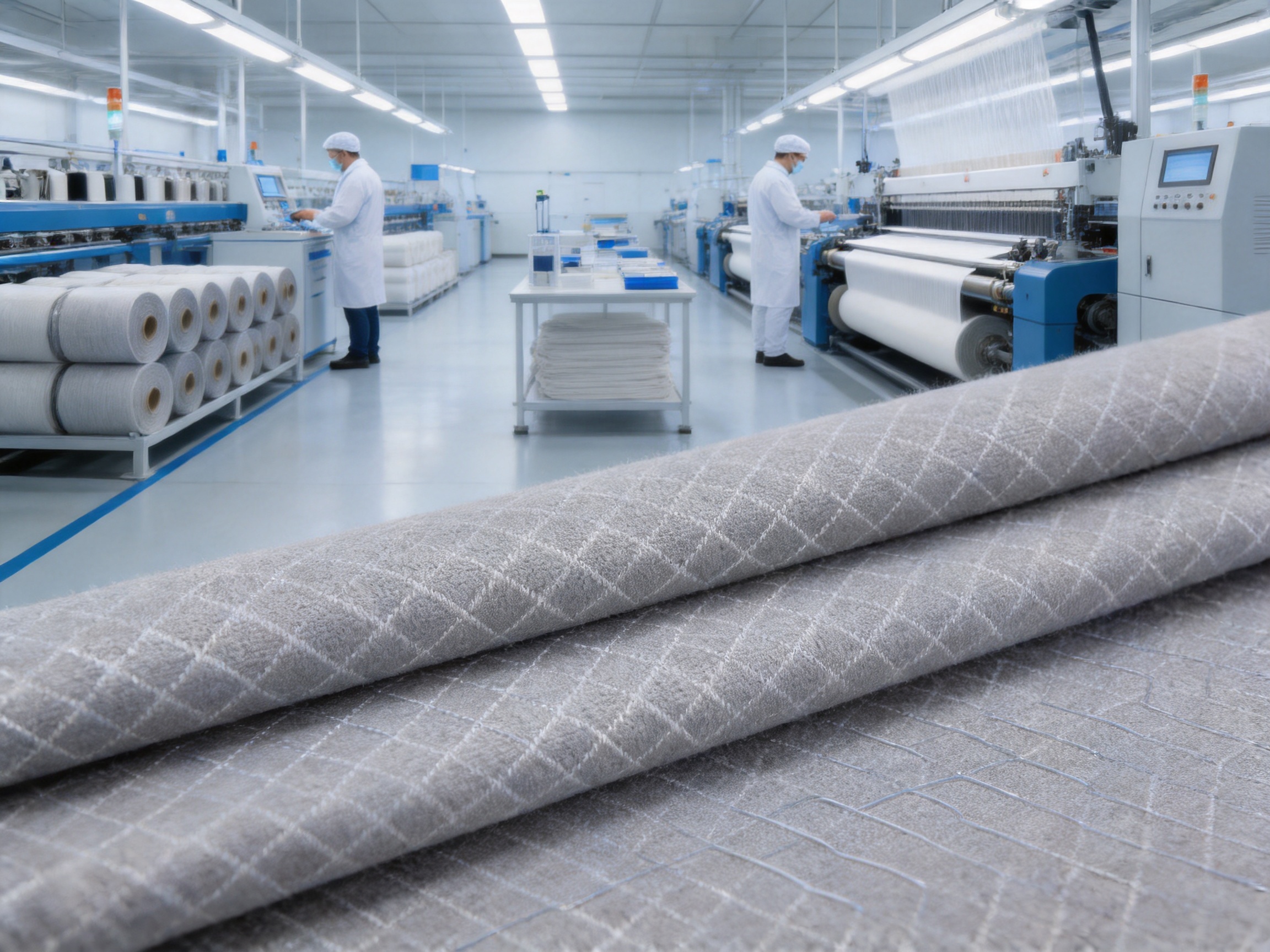
The performance of a functional fabric depends not only on the raw materials but also on how consistently the material is manufactured. Hangzhou Xinsili Decorative Fabric Weaving Co., Ltd. has developed its capabilities around research, development, weaving, finishing, quality control, and customer-specific textile solutions.
4.1 Experience Built Through Long-Term Textile Production
With 19 years of industry experience, the company has accumulated practical knowledge of decorative and functional textile manufacturing. Long-term experience helps a fabric producer understand how different yarns, structures, treatments, machines, and finishing conditions affect final performance.
This knowledge is particularly valuable for products such as children’s mattress fabric, where softness, appearance, strength, dimensional stability, and functional behavior must be considered together. Experience also supports faster communication during product development because technical teams can identify likely production challenges before large-scale manufacturing begins.
4.2 Research and Development Orientation
The company focuses on the innovative research and development of decorative textiles. Its product philosophy is based on combining design value with practical function, allowing fabrics to contribute to healthier, safer, and more comfortable living spaces.
For Graphene Children’s Mattress Fabric, research and development may involve evaluating textile structures, graphene-related functional materials, moisture behavior, surface feel, thermal performance, color stability, and processing compatibility. Each factor matters because a fabric that performs well in one laboratory category may still require adjustment for real mattress production.
Research-driven manufacturing also makes it easier to respond to changing market expectations. As consumers become more aware of indoor comfort, hygiene, sustainability, and material safety, textile suppliers need to develop products that can support these priorities without compromising manufacturability.
4.3 Precision Weaving and Process Control
Fabric consistency is essential for large-scale mattress production. Uneven density, irregular tension, inconsistent color, surface defects, or unstable width can create problems during cutting and sewing. Precision weaving and process control help reduce these risks.
During production, attention may be given to yarn tension, machine settings, fabric width, stitch or weave uniformity, fabric weight, edge stability, and roll formation. Controlled production helps ensure that different batches remain as consistent as possible, which is especially important for brands that need repeat orders over extended periods.
Stable fabric quality also improves production efficiency. When the material behaves predictably, mattress manufacturers can reduce cutting waste, minimize sewing adjustments, maintain more consistent quilting results, and improve finished-product appearance.
4.4 Finishing for Function and Feel
Textile finishing can significantly influence the final characteristics of a mattress fabric. Finishing processes may improve softness, surface smoothness, moisture resistance, appearance, dimensional stability, or resistance to pilling and abrasion. For a functional graphene textile, finishing must be selected carefully so that it supports the intended performance rather than masking or weakening it.
The finishing process may include heat setting, softening, coating, functional treatment, surface adjustment, or other technical operations. The exact combination depends on the base fabric, customer requirements, end use, and target market. The goal is to produce a fabric that remains comfortable and practical while delivering reliable functional value.
4.5 Factory Capacity and Business Reliability
A 12,000-square-meter factory area provides a substantial foundation for production organization, equipment placement, quality inspection, material storage, and order management. Factory scale alone does not guarantee quality, but it can support more systematic workflows and better coordination between development and manufacturing.
For international customers, supply reliability is as important as fabric performance. Consistent production planning, clear communication, appropriate packaging, and dependable order fulfillment help reduce risk throughout the purchasing process. A supplier with established manufacturing infrastructure can be better positioned to support both initial sampling and subsequent volume orders.
4.6 Recognition as a National High-Tech Enterprise
Recognition as a National High-Tech Enterprise in 2023 reflects the company’s emphasis on technology-oriented development and innovation. In the context of functional textiles, this type of recognition is relevant because advanced fabrics require more than conventional production experience. They require knowledge of materials, process control, testing, product design, and technical application.
For customers, the value of a technology-oriented supplier lies in the ability to discuss product requirements in practical terms. Rather than treating graphene as a marketing label, an experienced technical manufacturer can help determine how the material should be integrated into the textile, which performance indicators should be tested, and how the fabric should be applied in the finished mattress.
5. Production Process from Concept to Finished Fabric
Although specific production parameters may vary by order, a professional development process generally includes several coordinated stages. Each stage contributes to the final performance and commercial suitability of Graphene Children’s Mattress Fabric.
5.1 Requirement Analysis
The process begins by understanding the customer’s application. Important questions include whether the fabric will be used for a removable mattress cover, a quilted panel, a fixed mattress shell, a baby mattress, a travel mattress, or a premium children’s mattress. Other considerations include target market, expected order volume, preferred width, color range, washing requirements, and packaging format.
Functional requirements should also be clarified. A customer may prioritize cooling comfort, moisture resistance, antibacterial support, softness, low pilling, fire performance, or a particular visual style. Defining priorities at the beginning helps the manufacturer recommend a suitable construction rather than attempting to maximize every feature at the same time.
5.2 Material and Structure Selection
After requirements are established, the technical team can evaluate suitable yarns, fibers, graphene-related components, fabric constructions, and finishing systems. The base textile must be selected according to the desired combination of softness, strength, elasticity, air permeability, appearance, and cost.
The graphene component must be compatible with the chosen production method. The technical objective is to distribute the functional material as consistently as possible while maintaining the flexibility and hand feel of the fabric. The selection process may include laboratory trials or small-scale sampling before full production.
5.3 Sampling and Performance Evaluation
Samples allow customers to assess the fabric’s appearance, touch, thickness, stretch, sewing behavior, quilting response, and compatibility with other mattress components. Functional testing can also be conducted according to the required standards and intended claims.
Evaluation may include fabric weight, width, color fastness, abrasion resistance, pilling resistance, dimensional stability, moisture behavior, air permeability, thermal characteristics, and antibacterial performance where applicable. The final test program should be selected according to the product specification and destination market.
5.4 Controlled Bulk Production
Once the sample is approved, bulk production can proceed under controlled process conditions. Production personnel monitor the fabric structure, appearance, width, weight, roll length, and surface quality. Materials are handled carefully to reduce contamination, damage, and unnecessary variation.
Batch control is important for customers who need repeatability. A mattress brand may use the same fabric across several product sizes or replenish inventory throughout the year. Consistent technical records and production procedures make it easier to maintain a stable product identity from one order to the next.
5.5 Inspection, Finishing, and Packaging
Before shipment, the fabric is inspected for visible defects and evaluated against the agreed specification. Rolls should be properly formed and packaged to protect the surface during storage and transportation. Packaging must also take into account humidity, dust, handling, and international logistics.
Clear labeling and order documentation support warehouse management and production traceability. For large orders, accurate roll information helps mattress factories plan cutting operations and monitor material consumption.
6. Application Opportunities
Graphene Children’s Mattress Fabric is primarily suited to children’s mattress covers, but its functional and decorative characteristics may support a broader range of bedding and interior textile applications.
6.1 Children’s Mattresses
The most direct application is the cover fabric for children’s mattresses. It can be used in nursery mattresses, toddler mattresses, youth mattresses, bunk-bed mattresses, floor mattresses, foldable mattresses, and other sleep products designed for younger users.
Manufacturers can combine the fabric with breathable foam, natural fiber padding, spring systems, or hybrid constructions. The fabric’s final performance should be evaluated with the selected filling because the inner layers influence air movement, heat retention, firmness, and moisture transfer.
6.2 Removable Mattress Covers
A removable cover allows consumers to clean or replace the outer textile more easily. Graphene Children’s Mattress Fabric can be designed for zipper-based constructions, provided that the selected weight, stretch, seam strength, and dimensional stability are compatible with the cover design.
Removable covers are attractive to parents because they can simplify routine maintenance and extend the usable life of the mattress. The fabric should be tested under the intended washing or cleaning method, including shrinkage, color stability, surface appearance, and functional retention where applicable.
6.3 Pillowcases and Bedding Collections
A coordinated textile collection can extend the graphene functional concept from the mattress to pillowcases, sheets, mattress toppers, and protective bedding accessories. Using related fabrics across a product family can create a unified visual identity and make it easier for brands to communicate a complete sleep solution.
The requirements for pillowcase and sheet applications may differ from those of mattress covers. Direct skin contact, laundering frequency, drape, elasticity, and lightweight comfort may become more important. Product specifications should therefore be adapted rather than copied without evaluation.
6.4 Hospitality and Commercial Children’s Spaces
Hotels, childcare centers, hospitals, family resorts, educational facilities, and serviced apartments may require durable children’s bedding textiles. In these environments, fabrics are often exposed to frequent turnover, cleaning, and intensive handling.
A functional mattress fabric can support the development of bedding products for commercial environments where comfort, appearance, maintenance, and reliable supply are all important. The final product should comply with the relevant safety, flammability, hygiene, and chemical requirements for the intended location.
6.5 Related Furniture and Decorative Products
Because the manufacturer specializes in decorative textiles, customers may also explore related uses such as children’s sofa cushions, playroom seating, padded panels, upholstered nursery furniture, and soft storage products. The suitability of the fabric depends on abrasion requirements, flame performance, cleaning conditions, and the specific construction of the finished item.
7. Quality, Safety, and Responsible Product Claims
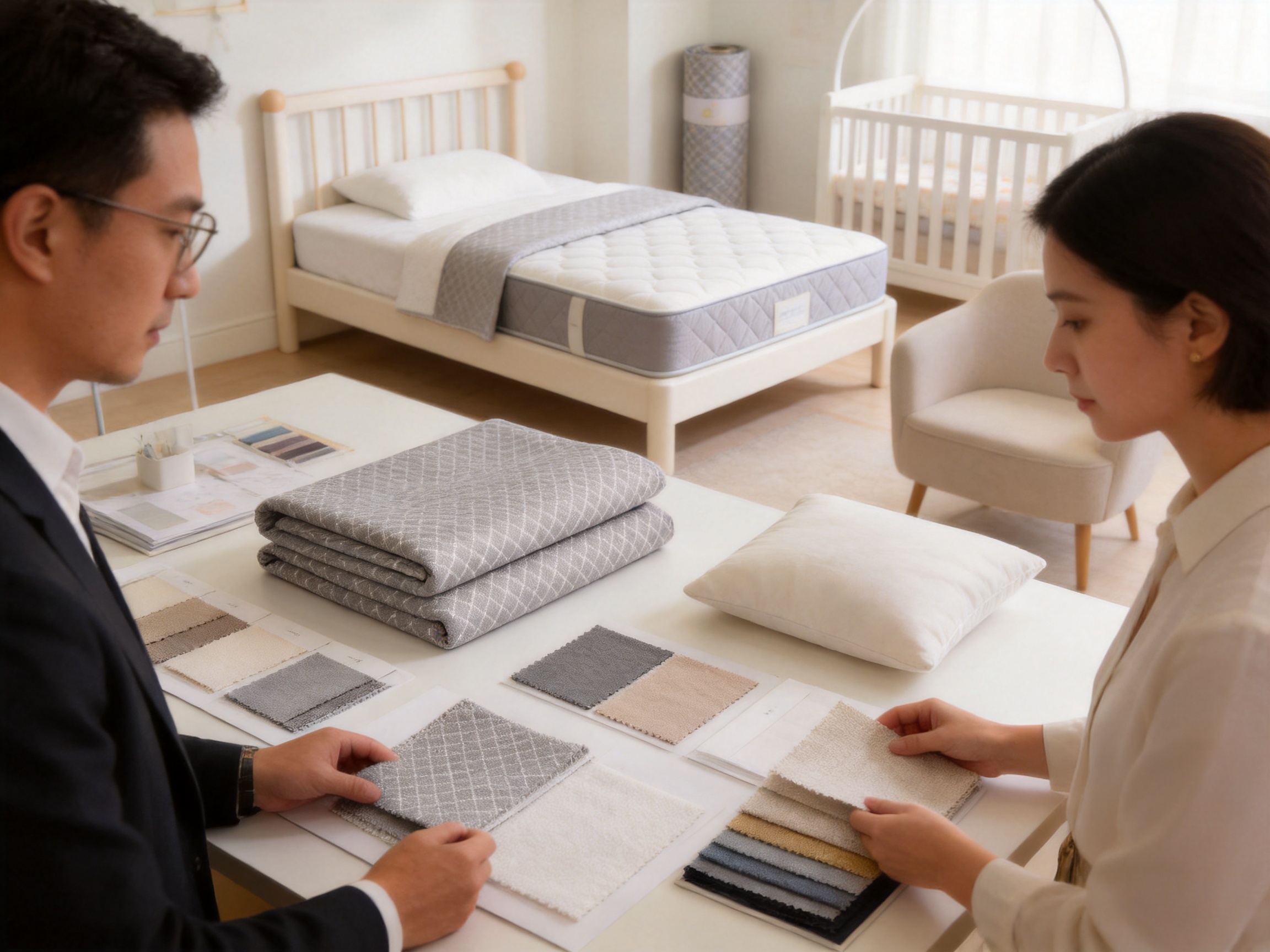
Children’s products require responsible material selection and transparent communication. A functional fabric should be evaluated not only for comfort and appearance but also for chemical safety, color fastness, durability, odor, flammability where required, and compatibility with the intended product design.
7.1 Testing the Complete Product
Fabric testing provides valuable information, but the finished mattress should also be tested as a complete assembly. Quilting, adhesives, foam, protective barriers, zippers, thread, labels, and other components can all affect the final performance.
For example, a breathable fabric may provide limited breathability if it is laminated to an impermeable layer. A moisture-resistant outer surface may not prevent liquid from entering through seams or zippers. A soft fabric may feel different after quilting with a dense filling. Complete-product evaluation helps ensure that the finished mattress performs as expected.
7.2 Transparent Functional Communication
Manufacturers should describe graphene-related performance accurately and avoid vague or exaggerated statements. If a fabric has been tested for thermal regulation, moisture resistance, or antibacterial performance, the claim should correspond to the test method and conditions.
Responsible communication builds trust with parents, retailers, distributors, and regulatory authorities. It also protects the long-term value of the product because customers can understand what the material is designed to do and how it should be cared for.
7.3 Environmental Considerations
Environmental responsibility is increasingly important in textile purchasing. A supplier’s environmental approach may include efficient production, responsible material selection, reduced waste, durable fabric design, and suitable packaging. A longer-lasting mattress cover can help reduce premature replacement, although sustainability should be evaluated across the complete product life cycle.
Customers may request information about fiber composition, restricted substances, production chemicals, recyclability, and packaging materials. These details should be discussed during product development so that the selected fabric aligns with the customer’s sustainability goals and market requirements.
8. Why Choose an Experienced Functional Textile Manufacturer?
Choosing a textile supplier is a strategic decision. The fabric affects production efficiency, customer satisfaction, product differentiation, and brand reputation. An experienced manufacturer can provide value beyond the delivery of rolls of material.
8.1 Technical Consultation
A knowledgeable supplier can help customers identify the most suitable fabric structure for their mattress design. Technical consultation may cover fabric weight, width, stretch, quilting, sewing, cleaning, color, functional treatment, and testing.
This support can reduce development time and avoid costly mistakes. For example, a fabric selected only for appearance may later prove difficult to quilt, while a fabric chosen for high density may reduce breathability. Early technical discussion helps balance the competing requirements.
8.2 Flexible Customization
Customization allows a brand to develop a product that reflects its own market position. A value-oriented mattress may require a practical fabric with selected functional features, while a premium product may require a more refined surface, special color, branded pattern, or higher performance specification.
Customization can also support regional preferences. Different markets may prioritize cooling, moisture management, softness, easy cleaning, or decorative appearance. A flexible manufacturer can adapt the textile development process to these differences.
8.3 Stable Supply and Long-Term Cooperation
Long-term cooperation is easier when the supplier has organized manufacturing capabilities, clear communication, and consistent quality practices. Customers need confidence that approved fabric can be reproduced for future orders and that technical changes will be communicated before implementation.
Hangzhou Xinsili Decorative Fabric Weaving Co., Ltd. emphasizes win-win cooperation and reliable textile solutions. This partnership-oriented approach is valuable for mattress manufacturers that want to develop a product line rather than place a single transaction-based order.
8.4 Integration of Decorative and Functional Design
Many functional textiles focus heavily on technical performance and offer limited visual appeal. A decorative textile manufacturer can approach the product differently by considering both appearance and function. This is useful for children’s products, where colors, textures, patterns, and visual warmth influence purchasing decisions.
Integrating decorative design with functional technology allows brands to create mattresses that fit nursery interiors, children’s bedrooms, family hotels, and modern commercial spaces. The fabric becomes part of the overall design language rather than an invisible technical layer.
9. Selecting the Right Specification for a Mattress Project
Before ordering Graphene Children’s Mattress Fabric, customers should prepare a clear specification sheet. This helps the manufacturer understand the project and provide an appropriate quotation and sample.
| Specification Category | Questions to Consider | Why It Matters |
|---|---|---|
| End use | Will the fabric be used for a removable cover, quilted panel, fixed shell, or topper? | Determines construction, strength, stretch, and sewing requirements |
| Fabric weight | What balance is required between lightness, durability, and premium hand feel? | Affects cost, drape, breathability, and production handling |
| Width | What mattress sizes and cutting layouts will be used? | Influences cutting efficiency and material waste |
| Surface design | Is a plain, jacquard, textured, printed, or quilt-compatible appearance required? | Supports branding and product presentation |
| Functional target | Is the priority thermal balance, moisture resistance, hygiene support, softness, or durability? | Guides material selection and testing |
| Care method | Will the cover be machine washed, professionally cleaned, or spot cleaned? | Determines finishing and durability requirements |
| Compliance | Which safety and chemical standards apply in the destination market? | Ensures the finished product is suitable for sale |
| Order plan | Is the requirement for sampling, a small production run, or long-term volume supply? | Supports production planning and commercial evaluation |
10. Care and Maintenance Considerations
The correct care method depends on the final fabric construction and the mattress-cover design. Customers should obtain a specific care recommendation before production and include accurate instructions with the finished product.
If the cover is removable, washing temperature, detergent selection, drying method, ironing, and tumble-drying conditions should be verified through testing. Excessive heat may affect dimensional stability or functional finishes. Strong chemical cleaners may also reduce color quality or damage surface treatments.
For non-removable mattress covers, regular vacuuming, ventilation, spot cleaning, and the use of a washable protective layer may help maintain the product. A waterproof protector can be especially useful for children’s mattresses because it provides an additional barrier against spills while allowing the decorative fabric to retain its comfort and appearance.
Good maintenance extends the useful life of the fabric and helps preserve the value of the complete mattress. Care instructions should be written clearly and should match the actual tested performance of the product.
11. Frequently Asked Questions
Q1: What is Graphene Children’s Mattress Fabric?
Graphene Children’s Mattress Fabric is a functional textile developed for children’s mattress covers and related bedding applications. It combines a comfortable fabric structure with graphene-related functional technology and may be developed with features such as thermal balance, moisture resistance, antibacterial support, and improved comfort.
Q2: Does the fabric actively cool a mattress?
The fabric is designed to support thermal balance and heat distribution rather than provide active cooling through electricity or refrigeration. The perceived result depends on the fabric construction, mattress filling, bedding layers, room conditions, and the individual sleeper.
Q3: Is the fabric suitable for babies and children?
It can be developed for children’s mattress applications, but the finished product must meet the applicable safety, chemical, labeling, and performance requirements of the target market. Customers should request the relevant material information and test reports before commercial use.
Q4: Does graphene fabric provide antibacterial performance?
Graphene-related materials may contribute to functional antibacterial textile development, especially when combined with an appropriate treatment. However, antibacterial performance should be confirmed through recognized laboratory testing. The exact result depends on the construction, treatment, test method, and care conditions.
Q5: Can the fabric be used for a removable mattress cover?
Yes, the fabric may be suitable for removable covers when its width, stretch, seam strength, dimensional stability, and care performance are compatible with the design. The complete cover, including zippers and seams, should be tested before mass production.
Q6: Can the fabric be customized?
Customization may be available for color, weight, width, texture, surface appearance, finishing, functional requirements, and packaging. The specific options depend on the order quantity, production process, and technical feasibility.
Q7: Can the fabric be washed?
Washability depends on the final construction and finishing system. Customers should confirm the recommended care method through sample testing. A removable cover may be washable, but the temperature, detergent, drying process, and frequency should follow the approved instructions.
Q8: Is the fabric waterproof?
Not necessarily. Moisture resistance and waterproofing are different properties. If complete liquid protection is required, the mattress design may need a waterproof membrane, liner, or protector. The fabric specification should clearly define the required level of protection.
Q9: How does this fabric compare with ordinary mattress fabric?
Ordinary mattress fabric may provide basic softness and appearance. Graphene Children’s Mattress Fabric is developed to offer additional functional value, such as thermal balance, moisture management, hygiene support, and stronger product differentiation, depending on the selected specification and verified testing.
Q10: What information should be provided when requesting a quotation?
Customers should provide the intended application, mattress dimensions, fabric width, desired weight, color, surface design, functional requirements, estimated order quantity, destination market, packaging needs, and testing or compliance requirements. Clear information helps the manufacturer prepare a more accurate proposal.
Q11: Can the fabric be used in hotels or childcare facilities?
It may be suitable for commercial children’s bedding and related applications when the selected specification meets the durability, cleaning, safety, and regulatory requirements of the facility. Commercial use often requires more intensive testing than household use.
Q12: What is the manufacturer’s main strength?
The manufacturer combines 19 years of textile industry experience, a 12,000-square-meter factory area, research and development capability, precision fabric production, functional textile knowledge, and a focus on customized decorative and performance fabrics.
12. Conclusion
Graphene Children’s Mattress Fabric represents a modern approach to children’s bedding design. It responds to the need for materials that are comfortable, attractive, durable, practical, and capable of supporting additional functions. By combining graphene-related textile technology with carefully controlled fabric manufacturing, it can help mattress brands develop products that address thermal comfort, moisture management, hygiene support, and premium market positioning.
The strongest advantage of this fabric is its balance. It is not designed as a purely technical material that sacrifices softness or visual appeal. Instead, it is developed as a functional decorative textile that can become part of a complete children’s sleep solution. Its performance can be adapted through fabric construction, finishing, color, weight, width, and application-specific testing.
Hangzhou Xinsili Decorative Fabric Weaving Co., Ltd. supports this product with long-term textile experience, research and development capabilities, a substantial factory base, and a commitment to practical innovation. Its manufacturing philosophy emphasizes craftsmanship, design improvement, stable quality, environmental responsibility, and cooperation with global customers.
For companies developing children’s mattresses, nursery bedding, hospitality products, or related upholstered goods, the fabric offers a pathway toward higher-value product design. The most successful results will come from close cooperation between the textile supplier, mattress manufacturer, testing laboratory, and product designer. When the fabric is selected and tested as part of a complete mattress system, graphene functional technology can contribute to a more comfortable, hygienic, attractive, and dependable sleep environment for children.
With careful specification and responsible performance communication, Graphene Children’s Mattress Fabric can help manufacturers move beyond conventional bedding materials and create products aligned with the future of functional home textiles.
References
1. Textile Institute, Principles of Textile Materials and Fabric Performance.
2. International Organization for Standardization, General Guidance on Textile Testing and Fiber Identification.
3. International Organization for Standardization, Textiles—Tests for Color Fastness and Dimensional Stability.
4. ASTM International, Standard Methods for Evaluating Textile Abrasion, Pilling, Strength, and Moisture-Related Performance.
5. Research literature on graphene-based materials, thermal conductivity, and functional textile applications.
6. Research literature on moisture management, thermal comfort, and breathability in bedding textiles.
7. Textile finishing references covering softening, heat setting, coating, surface treatment, and functional performance retention.
8. Product development principles for children’s bedding, mattress covers, textile safety, and consumer product quality control.
9. Manufacturer-provided company information regarding functional decorative textile research, production capabilities, factory area, industry experience, and enterprise recognition.
Product: Graphene Children Mattress Fabric

Our Featured Products
-
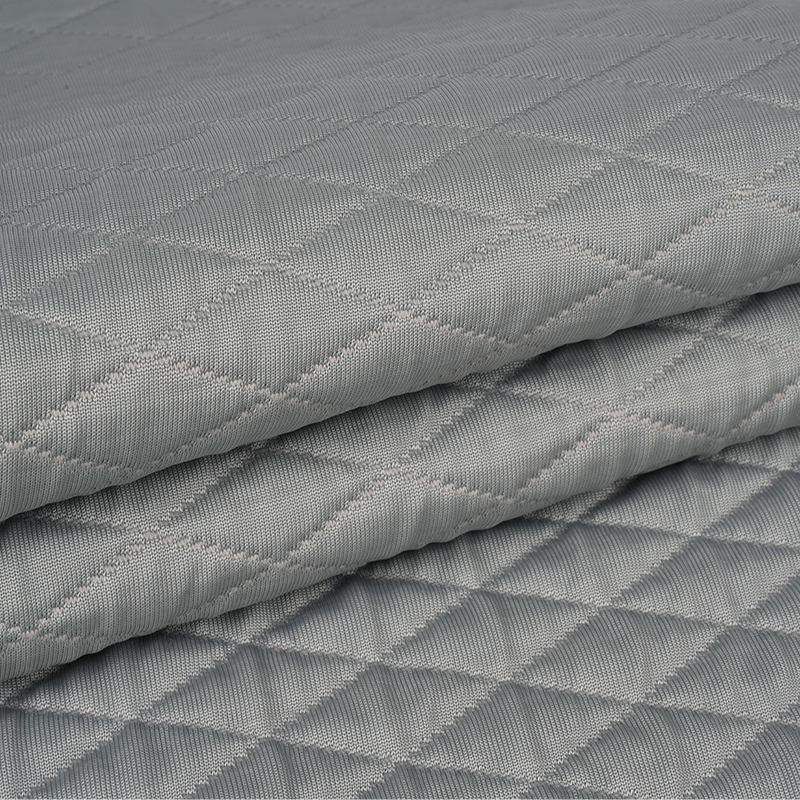
Graphene Children Mattress Fabric
Graphene Children Mattress Fabric
Haven’t Found The Products You Want?
-
-
Shen Jinyan:+86-15158070676
[email protected]
Liang Jinwen:+86-15757186621
[email protected]
Qiu Yingyingn:+86-13819545790
[email protected]
Yi qiao Town, Xiaoshan District, Hangzhou City, Zhejiang Province, China
-
Products
Mattress Fabric Children Mattress Fabric Pillowcase Fabric Pregnancy Pillow Fabric Cooling Mat Fabric Bedding Fabric Sofa Fabric Pet Friendly Fabrics -
Contact Information
About Us Products Strength Sustainability News Contact Us
Copyright © Hangzhou Xinsili Decorative Fabric Weaving Co.,Ltd. All Rights Reserved.
Functional Decorative Textile Manufacturers
