

 English
 中文简体
中文简体 Español
 عربى
عربى русский


Antibacterial Yarn Pregnancy Pillow Fabric: Functional Comfort for Modern Bedding
Content
- 1 1. Understanding the Role of Fabric in Pregnancy Pillows
- 2 2. What Is Antibacterial Yarn Pregnancy Pillow Fabric?
- 3 3. Core Advantages of the Fabric
- 4 4. Advantages Over Ordinary Pregnancy Pillow Fabrics
- 5 5. Manufacturing Expertise Behind the Product
- 6 6. Advanced Production Process
- 7 7. Customization Options for Pillow Manufacturers
- 8 8. Applications Beyond Pregnancy Pillows
- 9 9. Why Manufacturing Quality Matters to Buyers
- 10 10. Sustainability and Responsible Textile Development
- 11 11. Product Development Recommendations
- 12 12. Competitive Value for Global Customers
- 13 13. Quality and Testing Considerations
- 14 14. Maintenance and Consumer Use
- 15 15. Frequently Asked Questions
- 15.1 15.1 What is the main function of Antibacterial Yarn Pregnancy Pillow Fabric?
- 15.2 15.2 Does antibacterial fabric replace washing?
- 15.3 15.3 Can the fabric be used for products other than pregnancy pillows?
- 15.4 15.4 Can the fabric be customized?
- 15.5 15.5 Is the fabric suitable for sensitive users?
- 15.6 15.6 How should antibacterial performance be verified?
- 15.7 15.7 What makes the product different from a surface-treated fabric?
- 15.8 15.8 Is the material suitable for mass production?
- 15.9 15.9 What information should a buyer provide when requesting a quotation?
- 15.10 15.10 Can the fabric support premium bedding positioning?
- 16 16. Conclusion
- 17 References
- 18 Product: Antibacterial Yarn Pregnancy Pillow Fabric
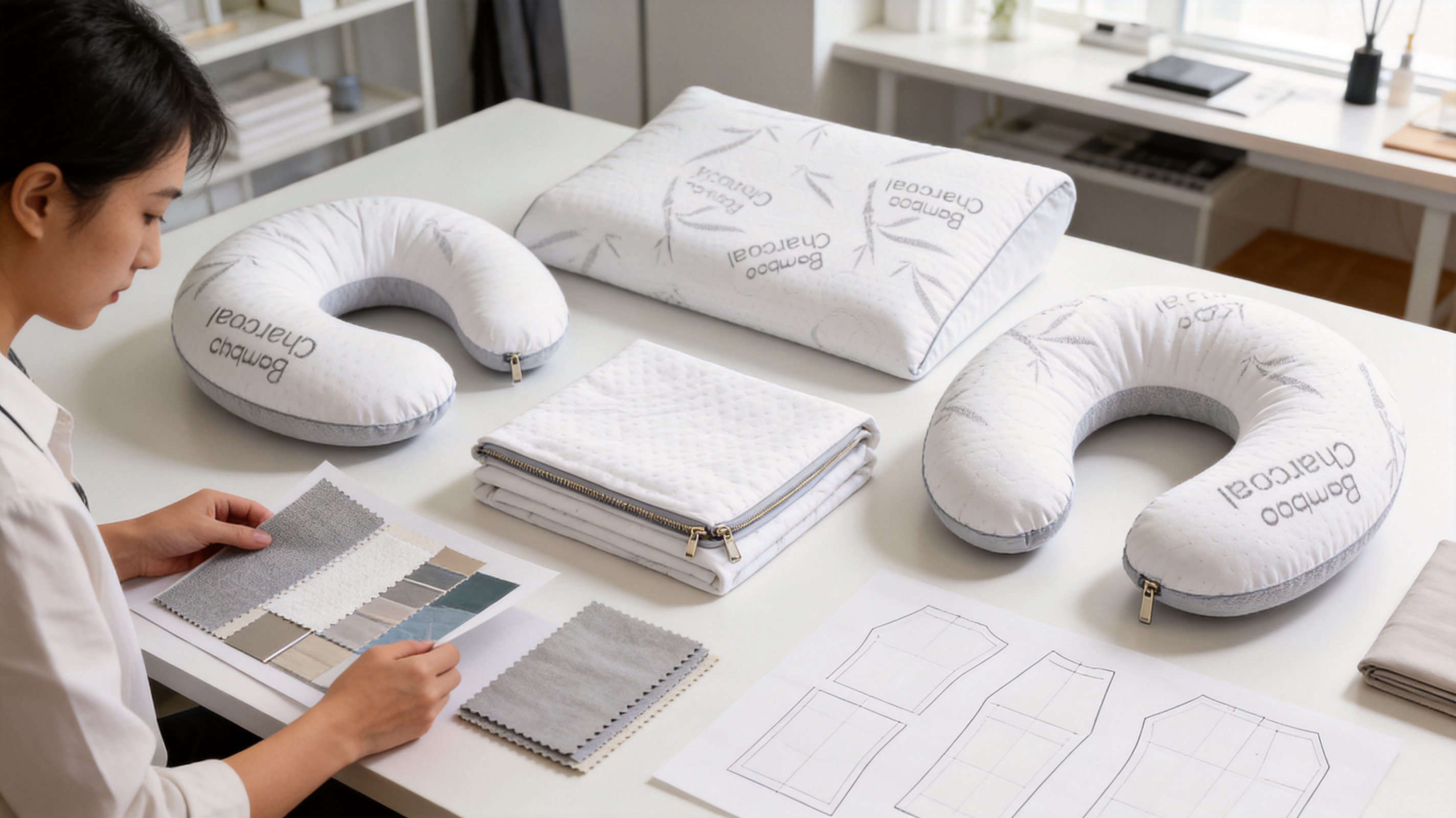
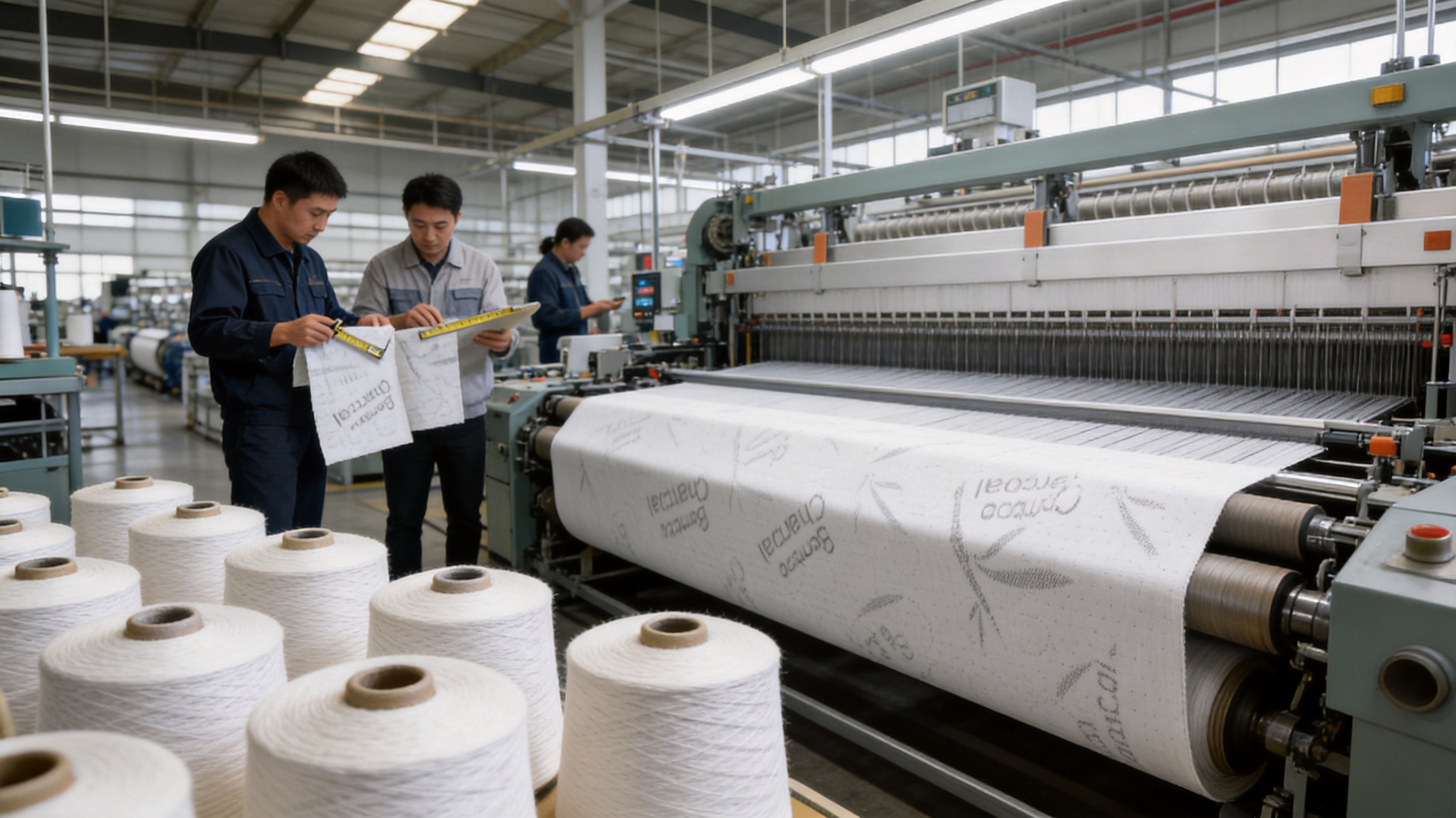
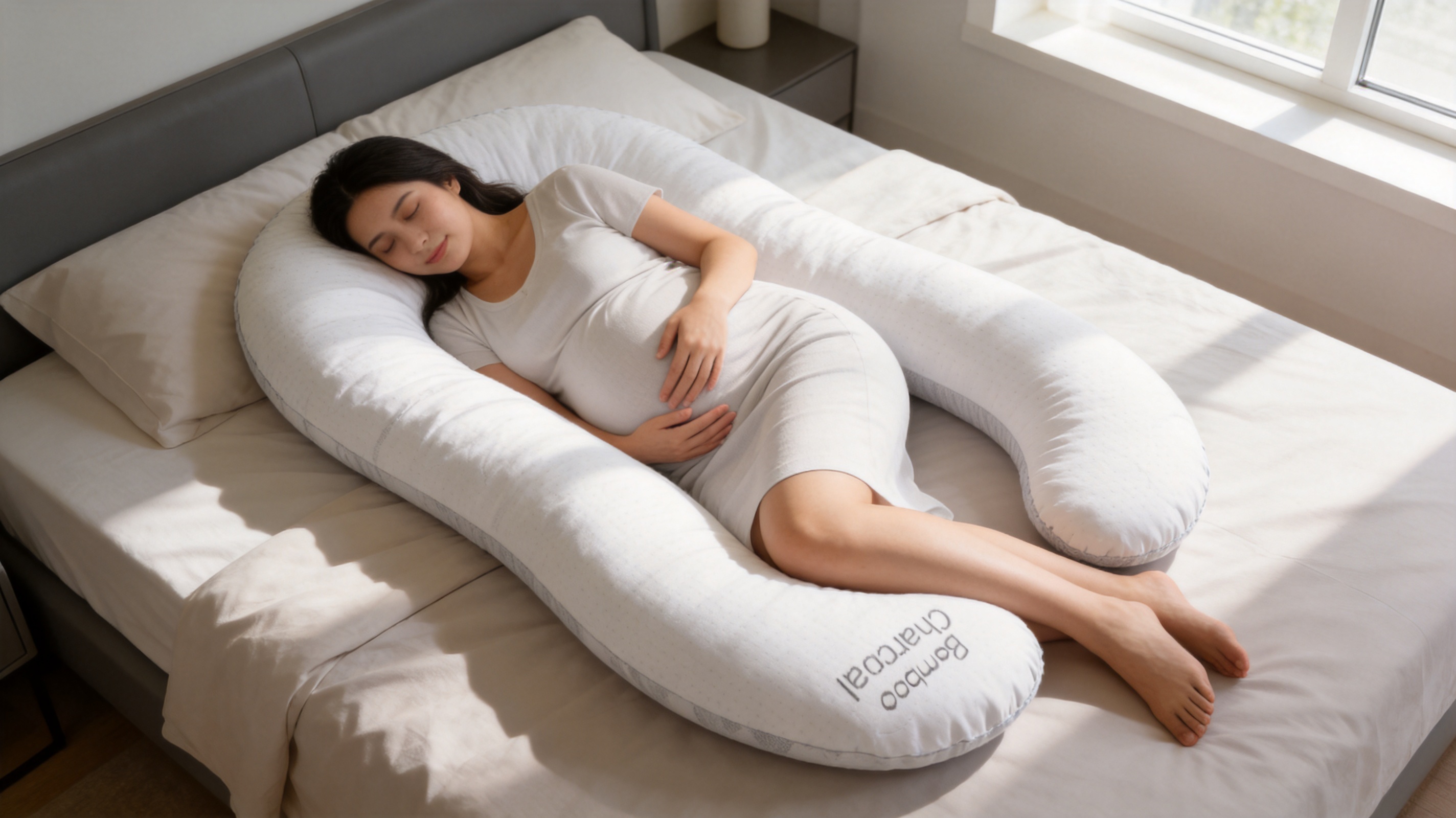
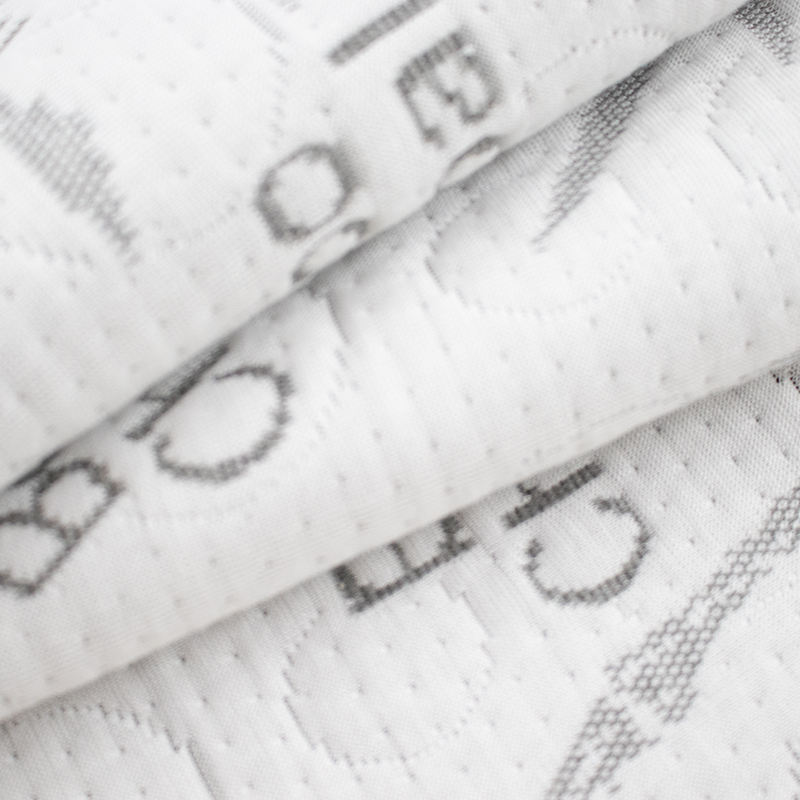
Antibacterial Yarn Pregnancy Pillow Fabric
Pregnancy pillows are designed to provide reliable support during a period when comfort, posture, and sleep quality become especially important. However, the performance of a pregnancy pillow depends on more than its filling shape or internal support. The outer fabric has a direct influence on softness, breathability, moisture management, hygiene, durability, and the overall user experience. Antibacterial Yarn Pregnancy Pillow Fabric is developed to address these requirements through a functional textile structure that combines everyday comfort with a cleaner and more dependable surface.
Designed for pregnancy pillows, maternity cushions, body pillows, and related bedding products, this fabric uses antibacterial yarn as a central functional element. Instead of relying only on a surface coating that may gradually wear away, antibacterial yarn allows the desired hygiene-supporting property to be incorporated into the fabric construction itself. This approach can help manufacturers create pillow covers that remain comfortable, attractive, and practical throughout repeated use and care.
The fabric is supplied by Hangzhou Xinsili Decorative Fabric Weaving Co., Ltd., an experienced textile manufacturer focused on functional decorative fabrics for residential, hotel, commercial, and specialized bedding applications. With 19 years of industry experience, a 12,000 square meter factory area, and recognition as a National High-Tech Enterprise in 2023, the company combines product development, weaving expertise, process control, and application-oriented design.
This article examines the characteristics, advantages, manufacturing considerations, applications, and purchasing value of Antibacterial Yarn Pregnancy Pillow Fabric. It also explains why the material is suitable for manufacturers seeking a practical alternative to ordinary pillowcase fabrics and why its production process can contribute to more consistent finished products.
1. Understanding the Role of Fabric in Pregnancy Pillows
A pregnancy pillow is often used for long periods each day and may remain in close contact with the body for many hours. Its cover must therefore satisfy several requirements at the same time. It should feel soft against sensitive skin, maintain a comfortable temperature, allow air circulation, tolerate repeated washing, and preserve its appearance after extended use.
The fabric also has to support the design purpose of the pillow. A cover that is too rigid can reduce flexibility and make the pillow feel uncomfortable around the neck, shoulders, abdomen, back, or legs. A fabric that is too loose or unstable may cause wrinkling, shifting, or poor fit. If the material absorbs moisture without releasing it efficiently, the pillow can feel damp or warm during use.
For these reasons, fabric selection is a significant part of pregnancy pillow development. The textile influences perceived quality, product positioning, care requirements, production efficiency, and customer satisfaction. A fabric with a functional yarn structure can offer additional value without requiring a complicated change to the pillow’s form.
Antibacterial Yarn Pregnancy Pillow Fabric is created for this specific type of application. It is intended to provide a balanced combination of hygiene-supporting performance, comfort, visual appeal, and manufacturing practicality. The material can be used in removable pillow covers, fitted cases, decorative panels, and other textile components associated with pregnancy and maternity bedding.
2. What Is Antibacterial Yarn Pregnancy Pillow Fabric?
Antibacterial Yarn Pregnancy Pillow Fabric is a functional textile made with yarn engineered to help limit the growth or persistence of certain microorganisms on the fabric surface. The term “antibacterial” describes a performance objective rather than a substitute for regular cleaning. The fabric should still be washed and maintained according to the finished product’s care instructions.
The yarn-based approach distinguishes this material from fabrics that depend exclusively on a topical finish. In a topical treatment, an antibacterial agent is applied to the surface after the fabric has been woven or knitted. In an antibacterial-yarn construction, the functional component is incorporated into the yarn or fiber system before the fabric is formed. Depending on the selected yarn technology and production specification, this can provide a more integrated performance profile.
For pillow manufacturers, an integrated functional structure can offer several practical benefits. The fabric can be developed with a consistent hand feel, the antibacterial function can be considered during yarn selection and weaving, and the final material can be designed around the expected use of the product. It also allows the supplier to coordinate appearance, weight, density, stretch, and functional performance during the same development process.
The final characteristics of the fabric depend on the exact fiber composition, yarn count, weave structure, finishing process, width, weight, color, and performance standard requested by the customer. Therefore, buyers should confirm technical specifications and test results for each production batch or customized order.
3. Core Advantages of the Fabric
3.1 Hygiene-Supporting Performance
The most distinctive advantage of the fabric is its antibacterial yarn structure. Pregnancy pillows are used in close-contact environments where warmth, humidity, and body oils may accumulate over time. By helping inhibit the growth of certain bacteria on the textile surface, the material can support a fresher and more hygienic feeling between regular cleaning cycles.
This property is particularly relevant for pillowcases that are used overnight. A cleaner-feeling cover may contribute to greater user confidence, especially among customers who pay close attention to bedding hygiene, sensitive skin, maternity care, or household cleanliness.
It is important to understand that antibacterial fabric is not intended to replace washing, disinfection, or good product care. Its value lies in adding a functional layer to the textile system. When combined with removable construction and appropriate laundering, the fabric can form part of a more complete hygiene strategy for pregnancy pillows.
3.2 Comfortable Contact Surface
Comfort is essential for maternity bedding. During pregnancy, users may experience increased sensitivity to rough textures, heat, friction, or pressure. A suitable pillowcase fabric should therefore offer a pleasant surface that does not distract from the supportive function of the pillow.
The fabric can be developed with a soft hand feel and a surface suitable for direct or near-direct skin contact. Its comfort can be further adjusted through yarn selection, weave density, finishing, and fabric weight. Depending on the customer’s market positioning, the material may be specified for a smooth, lightly textured, brushed, or decorative appearance.
A comfortable surface also contributes to the perceived value of the finished pillow. Consumers often evaluate bedding through touch before considering technical data. A fabric that feels soft and well made can make the product appear more premium and encourage confidence in its construction.
3.3 Moisture and Breathability Considerations
Temperature regulation is another important factor in pregnancy bedding. Users may feel warmer during sleep, and a pillow that retains excessive heat can become uncomfortable. A suitable cover fabric should support air exchange and help manage the moisture generated during normal use.
Antibacterial Yarn Pregnancy Pillow Fabric can be specified and constructed with attention to breathability and moisture comfort. The exact performance will depend on the fiber blend and fabric architecture, but the material can be integrated into product designs that prioritize a fresher, less stuffy sleeping environment.
Breathability is influenced by yarn size, fabric density, surface structure, finishing, and the presence of any laminated or coated layers. Manufacturers should therefore select the appropriate construction for the intended climate and product category. A lightweight cover for warm-weather use may require a different specification from a thicker decorative cover intended for cooler environments.
3.4 Suitability for Repeated Use
Pregnancy pillows are not occasional decorative products. They are functional bedding articles that may be handled, moved, folded, and washed frequently. The cover fabric must be sufficiently stable for practical use and should maintain its appearance and feel when processed correctly.
Fabric durability is affected by fiber strength, yarn structure, weave construction, finishing, seam design, zipper installation, and laundering conditions. During development, the supplier can help the buyer select an appropriate construction that balances softness with resistance to abrasion, deformation, and surface wear.
For commercial manufacturers, this balance is important because an attractive fabric that cannot withstand normal care may generate customer complaints. Conversely, a highly durable material with an excessively hard hand feel may reduce comfort. Functional textile development is therefore a process of optimization rather than selecting one isolated performance characteristic.
3.5 Attractive Appearance for Multiple Product Lines
A pregnancy pillow cover should perform well, but it must also support the visual identity of the finished product. The fabric can be produced in colors, textures, and patterns suitable for maternity bedding, nursery collections, hotel-style sleep products, and contemporary home textiles.
A clean and coordinated appearance allows manufacturers to create product families rather than a single isolated item. For example, the same functional fabric concept may be used for pregnancy pillowcases, standard pillowcases, mattress accessories, sofa cushions, and selected decorative bedding components.
Color and texture customization can help brands position the finished product at different market levels. Neutral shades may suit minimalist home interiors, while soft colors and gentle textures may be selected for maternity and nursery collections. Decorative structures can also support premium packaging and retail presentation.
4. Advantages Over Ordinary Pregnancy Pillow Fabrics
Ordinary pillowcase fabrics may provide softness and visual appeal, but they do not necessarily offer an additional hygiene-supporting function. Antibacterial Yarn Pregnancy Pillow Fabric is designed to add this value while maintaining the basic requirements of a bedding textile.
The first difference is functional integration. A conventional fabric may rely only on routine washing to maintain cleanliness. A fabric made with antibacterial yarn is developed with an additional performance objective from the beginning of yarn and fabric formation. This can help create a more coherent functional product rather than adding a separate treatment after the main textile has already been manufactured.
The second difference is product differentiation. The pregnancy pillow market includes many similar shapes and filling options. A functional cover fabric gives manufacturers another way to distinguish their products. Antibacterial performance can be communicated as one part of a broader comfort and wellness proposition, particularly when supported by appropriate testing and clear care instructions.
The third difference is application flexibility. The material can be used in products designed for home consumers, maternity care settings, hospitality environments, and specialized comfort applications. This flexibility gives manufacturers an opportunity to serve multiple market segments with related fabric solutions.
The fourth difference is compatibility with modern functional textile trends. Consumers increasingly look for bedding that supports cleanliness, comfort, temperature management, and responsible material selection. A functional yarn fabric aligns with this direction by combining textile performance with the familiar appearance and usability of a conventional cover material.
| Performance Area | Ordinary Pillowcase Fabric | Antibacterial Yarn Pregnancy Pillow Fabric | Potential Product Benefit |
|---|---|---|---|
| Hygiene support | Primarily dependent on cleaning | Designed with antibacterial yarn functionality | Additional hygiene-oriented value for close-contact bedding |
| Comfort | Depends on fiber and finishing | Can be engineered for a soft, bedding-compatible hand feel | Improved user comfort during extended use |
| Moisture comfort | Varies by construction | Can be developed with breathability and moisture-management considerations | A fresher-feeling sleeping environment |
| Market differentiation | Often based on color, pattern, and price | Combines appearance with a functional textile feature | More distinctive product positioning |
| Application range | General bedding and home textiles | Pregnancy pillows, maternity bedding, body pillows, and selected decorative products | Broader specialized product opportunities |
| Development approach | May focus mainly on appearance and basic durability | Coordinates yarn, weaving, finishing, and functional performance | More application-oriented product development |
5. Manufacturing Expertise Behind the Product
The performance of a functional fabric depends on more than the selection of an antibacterial yarn. Manufacturing accuracy is required to convert the yarn into a stable, attractive, and repeatable textile. Hangzhou Xinsili Decorative Fabric Weaving Co., Ltd. focuses on the research, development, and precision manufacturing of decorative and functional fabrics.
The company’s manufacturing strength is supported by 19 years of industry experience. This period of specialization provides practical knowledge in yarn selection, weaving parameters, fabric finishing, quality inspection, customization, and application matching. Experience is especially valuable when a fabric must combine several requirements that can sometimes conflict with each other, such as softness, density, durability, breathability, and appearance.
The company operates within a 12,000 square meter factory area, providing space for organized manufacturing, material handling, inspection, product development, and order coordination. A suitable factory environment supports process consistency by allowing production activities to be arranged systematically and by helping the manufacturer control the movement of yarn, greige fabric, finished fabric, and packaged goods.
Recognition as a National High-Tech Enterprise in 2023 reflects the company’s emphasis on technological development and innovation. For functional textiles, research and development are important because product performance must be connected to real applications. The same fabric concept may require different technical choices depending on whether it is intended for a pregnancy pillow, mattress cover, sofa, pet product, hotel textile, or decorative interior application.
6. Advanced Production Process
6.1 Application Analysis and Product Planning
Production begins with an understanding of the intended application. For a pregnancy pillow fabric, the manufacturer considers the pillow shape, expected contact area, target market, care method, climate, desired appearance, and price positioning.
Application analysis helps identify the appropriate fabric weight, width, stretch level, surface texture, color range, and construction. A cover for a large U-shaped pregnancy pillow may require a different level of flexibility and seam performance from a cover for a compact wedge-shaped cushion. Product planning also considers whether the cover will include a zipper, elastic edge, piping, quilting, embroidery, or other components.
This stage reduces the risk of selecting a material that performs well in isolation but does not suit the final product. By connecting textile development with the finished pillow design, the supplier can help the buyer move toward a more efficient and reliable solution.
6.2 Yarn Selection
Yarn selection is one of the most important steps in the production of antibacterial functional fabric. The yarn influences the fabric’s strength, surface, softness, moisture behavior, appearance, and functional performance.
The antibacterial yarn must be compatible with the selected weaving process and the required finishing route. It should also support the desired balance between comfort and durability. Depending on the specification, the manufacturer may evaluate yarn fineness, uniformity, tensile properties, colorability, blending ratio, and compatibility with other yarn types.
For a pregnancy pillow application, the yarn selection process should place particular emphasis on skin comfort and repeated use. A yarn that provides strong functional performance but creates an unpleasant surface may not be appropriate for a close-contact pillowcase. The best result comes from coordinating functional performance with a comfortable textile experience.
6.3 Weaving and Fabric Formation
During weaving, the selected yarns are converted into a structured textile with a controlled arrangement of warp and weft components. Weaving parameters influence the fabric’s stability, density, drape, surface texture, and resistance to deformation.
Precision is important because variations in tension or density can affect both appearance and performance. Uneven construction may lead to visible defects, inconsistent hand feel, irregular shrinkage, or difficulties during cutting and sewing. Skilled production management helps maintain a consistent structure across the fabric width and throughout the roll.
For functional decorative fabrics, weaving is also a design stage. The structure can be adjusted to create a smooth surface, subtle texture, decorative pattern, or dimensional visual effect. The manufacturer’s experience in decorative fabric weaving allows functional performance to be developed alongside aesthetic requirements.
6.4 Finishing and Surface Optimization
After weaving, the fabric may undergo processes designed to stabilize the structure, improve hand feel, refine appearance, and prepare the textile for cutting and sewing. Finishing parameters must be chosen carefully because excessive treatment can influence softness, breathability, shrinkage, color, and functional properties.
For a pregnancy pillow fabric, the finishing route may be selected to enhance softness and create a pleasant surface without compromising the intended antibacterial yarn performance. The final textile should feel appropriate for bedding and should be easy for manufacturers to convert into a practical removable cover.
Finishing may also help control width, dimensional stability, surface smoothness, and fabric handle. These factors are important for efficient sewing and accurate fit. A stable fabric can reduce production difficulties when forming curved seams around body pillows and maternity cushions.
6.5 Inspection and Quality Control
Quality control is required at multiple stages. Incoming yarns should be checked against the agreed specification, while greige fabric and finished fabric should be inspected for construction, appearance, width, weight, color, and defects.
Typical inspection activities may include checking for broken yarns, weaving marks, holes, stains, uneven density, color variation, width inconsistency, and excessive surface irregularity. The specific inspection standard should be agreed with the customer before mass production.
Functional claims should also be supported by appropriate testing. Antibacterial performance, color fastness, dimensional stability, abrasion resistance, pilling resistance, and laundering behavior may all be relevant depending on the intended market. Test methods and acceptance criteria should be clearly established so that the buyer understands how results are evaluated.
6.6 Packaging and Order Coordination
Finished fabric must be rolled, protected, labeled, and prepared for shipment in a way that minimizes contamination, moisture exposure, crushing, and handling damage. Clear roll identification supports traceability and simplifies cutting-room management for the customer.
Order coordination is equally important for customized textiles. Color approvals, sample confirmation, quantity planning, delivery schedules, packaging requirements, and documentation should be managed in an organized manner. Reliable communication helps reduce misunderstandings and allows the supplier to respond more efficiently when the buyer changes a specification.
7. Customization Options for Pillow Manufacturers
Different pregnancy pillow products require different fabric specifications. A supplier with customization capability can adjust the material to suit the customer’s design and production system.
7.1 Fabric Weight and Thickness
Lightweight fabric may be suitable for breathable summer pillowcases or products designed for easy washing and rapid drying. A heavier fabric may be preferred for premium bedding, colder climates, decorative covers, or products that require a more substantial hand feel.
The appropriate weight should be selected in relation to the pillow filling, cover construction, zipper type, seam allowance, and target retail price. The heaviest fabric is not always the most suitable choice. A balanced specification can offer better comfort and more efficient production.
7.2 Color and Visual Design
Color selection can be matched to maternity collections, nursery interiors, adult bedding, hotel rooms, or private-label product lines. Neutral colors support modern minimalist designs, while gentle pastel tones may be suitable for pregnancy and baby-related collections.
Customers may also request structured textures, woven patterns, or decorative effects. These visual features can increase product recognition and help create a coordinated range of pillowcases and bedding accessories.
7.3 Width and Cutting Efficiency
Fabric width should be considered in relation to the dimensions of the finished pillowcase. A suitable width can improve cutting efficiency and reduce material waste, particularly for large body pillows or U-shaped pregnancy pillows.
Manufacturers should provide the supplier with accurate pattern dimensions and cutting requirements during the development stage. This information helps the fabric producer recommend a practical width and construction.
7.4 Surface Hand Feel
The hand feel may be adjusted according to the intended product level and user expectations. Some buyers may prefer a smooth and cool touch, while others may choose a soft, warm, or subtly textured surface.
Because the pillow is used close to the body, surface comfort should remain a priority. The finished fabric should be evaluated through physical samples rather than technical descriptions alone. Touch evaluation, sewing trials, washing tests, and user feedback can all support a more informed decision.
7.5 Finishing and Care Requirements
Customers should communicate their expected care instructions before production. If the final pillowcase will be machine washed frequently, the fabric should be evaluated for shrinkage, color fastness, pilling, seam behavior, and dimensional stability.
Care instructions should be realistic and consistent with the fabric’s tested performance. Clear labeling helps consumers maintain the product and can reduce premature damage caused by unsuitable washing temperatures, bleaching, drying, or ironing.
8. Applications Beyond Pregnancy Pillows
Although the primary application is pregnancy pillow fabric, the material concept can be adapted to other bedding and decorative textile products. Its functional and comfortable characteristics may be suitable for body pillow covers, nursing pillows, maternity cushions, standard pillowcases, mattress accessories, and selected sleep-support products.
The fabric may also be considered for decorative bedding products where customers value hygiene-supporting features. Depending on the technical specification, it can support product development in home interiors, guest rooms, hotel bedding, healthcare-adjacent comfort products, and commercial environments.
Hangzhou Xinsili Decorative Fabric Weaving Co., Ltd. also focuses on broader functional decorative fabric categories, including moisture-resistant, flame-retardant, sleep-supporting, and comfort-improving textiles. This wider product perspective allows the company to approach fabric development as part of an integrated interior and bedding solution.
Manufacturers can therefore explore related fabric programs instead of sourcing each textile from a completely different supplier. A coordinated product range may simplify color management, quality communication, sampling, and long-term purchasing.
9. Why Manufacturing Quality Matters to Buyers
For buyers, a fabric supplier is not only a source of material but also a production partner. The supplier’s ability to understand product requirements, maintain stable quality, and manage customization can have a direct effect on the customer’s final manufacturing costs.
Inconsistent fabric width can increase cutting waste. Uneven color can complicate panel matching. Excessive shrinkage can cause poor fit after washing. Surface defects can lead to rejected pieces or additional inspection. These issues may not be visible in a small sample but can become significant during mass production.
An experienced manufacturer can help identify these risks earlier. Sample development, technical discussion, production inspection, and post-production evaluation create a process through which the fabric is reviewed before it reaches the final assembly line.
Stable quality is also important for private-label brands. When a successful pregnancy pillow design is reordered, the buyer expects the fabric to retain a similar hand feel, color, weight, and performance. Consistency supports repeat sales and reduces the need for repeated product redevelopment.
10. Sustainability and Responsible Textile Development
Functional textile production should consider not only performance but also responsible resource use. Durable fabrics can contribute to longer product life, reducing the frequency with which pillowcases need to be replaced. A well-designed removable cover can also make it easier to clean the outer textile without replacing the entire pillow.
Environmental considerations may include material selection, production efficiency, water and energy management, waste reduction, packaging, and the expected care life of the product. The most suitable approach depends on the customer’s requirements and the specific fabric specification.
Hangzhou Xinsili Decorative Fabric Weaving Co., Ltd. describes its development direction as combining quality, environmental responsibility, functional innovation, and practical manufacturing. This approach is relevant to modern bedding buyers who want materials that support healthier and more comfortable living spaces without sacrificing design or commercial feasibility.
Buyers seeking specific environmental claims should request the relevant documentation, certifications, fiber information, chemical compliance records, and test reports. Clear verification is preferable to broad sustainability statements that are not connected to a defined standard.
11. Product Development Recommendations
When developing a pregnancy pillow using this fabric, manufacturers should begin by defining the end user and the product’s primary value proposition. A maternity pillow intended for hot climates may prioritize breathability and moisture comfort, while a premium winter product may emphasize softness and warmth.
The pillow’s shape should also be considered. Curved U-shaped and C-shaped designs may require fabrics with good drape and manageable seam behavior. Smaller wedge pillows may allow a more structured textile. If the cover includes a concealed zipper or elastic opening, the fabric should be tested with the selected closure system.
Sample development should include more than a visual review. Buyers should assess the fabric by touch, sewing, washing, drying, abrasion, and dimensional measurement. If antibacterial performance is part of the product claim, the relevant test method and result should be documented.
Packaging and labeling should communicate the material’s function accurately. The word “antibacterial” should not be presented as a medical treatment or as a guarantee that the product never requires washing. Clear language can protect consumer trust and support responsible marketing.
Finally, the buyer should approve a production standard before mass manufacturing. This standard may include color tolerance, weight tolerance, width tolerance, roll length, defect classification, shrinkage limits, fastness requirements, and functional testing arrangements.
12. Competitive Value for Global Customers
The international bedding market is increasingly competitive. Buyers must evaluate not only fabric price but also the total cost of product development, production, inspection, logistics, customer returns, and brand positioning.
A functional fabric can strengthen product value by providing a feature that is easy to understand and relevant to the daily use of a pregnancy pillow. Antibacterial yarn, when properly tested and accurately presented, can help a product stand apart from basic alternatives that compete mainly on shape or appearance.
The supplier’s experience in decorative and functional textile manufacturing can also support customers who require more than a standard catalog fabric. Custom colors, textures, fabric structures, widths, and finishing options can help buyers develop products that are more closely aligned with their brand identity.
In addition, the manufacturer’s focus on home, hotel, and commercial environments indicates experience with different performance expectations. Residential customers may prioritize softness, while hotels may emphasize durability, easy care, and consistent supply. A supplier capable of balancing these requirements can offer greater flexibility during product development.
The combination of product functionality, factory capability, industry experience, and customization support creates a stronger competitive proposition than a fabric selected solely because of its initial purchase price.
13. Quality and Testing Considerations
Before placing a large order, buyers should discuss the testing requirements that apply to their sales market. The most relevant tests will depend on fiber composition, construction, product claims, and local regulations.
For a pregnancy pillow fabric, dimensional stability is important because the cover must continue to fit the pillow after washing. Color fastness is relevant because bedding is frequently laundered and may be exposed to perspiration, water, detergent, and light. Pilling and abrasion resistance can influence long-term appearance.
Seam performance should be reviewed after the fabric is converted into the final cover. A textile that performs well as a flat sample may behave differently when cut on the bias, sewn around curves, or combined with zippers and piping.
Antibacterial testing should be conducted using a recognized test method appropriate to the intended claim. The buyer should ask whether the test evaluates the untreated fabric, laundered fabric, or both. It is also useful to confirm the specific microorganisms evaluated, the test conditions, and the interpretation of the results.
These details help ensure that marketing materials accurately reflect the actual performance of the finished product. They also support regulatory review and quality documentation for international customers.
14. Maintenance and Consumer Use
The final care instructions for a pregnancy pillowcase should be based on the fabric’s tested characteristics and the complete product construction. A removable cover is generally easier to maintain than a permanently enclosed pillow, because it can be washed separately from the filling.
Consumers should follow the recommended washing temperature, detergent type, drying method, and ironing instructions. Excessive heat, strong bleach, unsuitable chemicals, or aggressive mechanical treatment may reduce fabric life or affect appearance.
Regular washing remains important even when antibacterial yarn is used. The functional yarn is intended to support textile hygiene, not to eliminate the need for cleaning. Manufacturers should communicate this point clearly in product packaging and care labels.
Proper maintenance can help preserve softness, color, fit, and overall product performance. It can also extend the useful life of the pillowcase, providing greater value to the consumer and supporting more responsible consumption.
15. Frequently Asked Questions
15.1 What is the main function of Antibacterial Yarn Pregnancy Pillow Fabric?
The fabric is designed to provide a comfortable textile surface for pregnancy pillows while incorporating antibacterial yarn functionality. It can help support a fresher and more hygiene-oriented bedding environment when used together with regular washing and appropriate care.
15.2 Does antibacterial fabric replace washing?
No. Antibacterial fabric is not a replacement for laundering or normal hygiene practices. It provides an additional functional feature, while regular cleaning remains necessary to remove perspiration, skin oils, dust, and other contaminants.
15.3 Can the fabric be used for products other than pregnancy pillows?
Yes. Depending on the final specification, it may be suitable for body pillowcases, nursing pillows, maternity cushions, standard pillowcases, mattress accessories, decorative bedding, and selected home textile products.
15.4 Can the fabric be customized?
Customization may be available for color, fabric weight, width, texture, weave structure, hand feel, and finishing. Buyers should provide information about the intended application, pillow dimensions, care method, target market, and required performance before requesting a final specification.
15.5 Is the fabric suitable for sensitive users?
The material is developed with close-contact comfort in mind, but individual sensitivity varies. Buyers should evaluate physical samples and request applicable safety, chemical compliance, and skin-contact documentation for their market before making a final decision.
15.6 How should antibacterial performance be verified?
Antibacterial performance should be confirmed through testing conducted according to an appropriate recognized method. Buyers should review the test conditions, test organism, performance result, laundering condition, and validity of the report rather than relying only on a general product description.
15.7 What makes the product different from a surface-treated fabric?
The intended antibacterial function is associated with the yarn used in the fabric construction rather than being based only on a treatment applied to the finished surface. The exact durability and performance depend on the yarn technology, textile structure, finishing process, and test conditions.
15.8 Is the material suitable for mass production?
The material is developed for commercial textile applications and can be discussed for bulk production. Before mass manufacturing, buyers should approve samples, specifications, quality standards, color references, test requirements, packaging, and delivery arrangements.
15.9 What information should a buyer provide when requesting a quotation?
A buyer should provide the intended product, required quantity, fabric width, approximate weight, color, desired surface appearance, fiber requirements, antibacterial testing expectations, care method, delivery location, and any applicable certification or compliance needs.
Yes. Its functional yarn construction, comfortable hand feel, application-specific development, and customization potential can support premium positioning. The finished product should combine the fabric with thoughtful pillow design, reliable sewing, attractive packaging, accurate claims, and verified performance documentation.
16. Conclusion
Antibacterial Yarn Pregnancy Pillow Fabric provides a practical way to improve the functional value of maternity and sleep-support products. By combining antibacterial yarn with a bedding-compatible textile structure, it can offer hygiene-supporting performance, comfortable contact, design flexibility, and suitability for repeated use.
Its advantages are particularly relevant to pregnancy pillows, where the cover remains close to the user for extended periods and must support comfort as well as cleanliness. Compared with ordinary pillowcase fabrics, the material offers an additional point of differentiation that can help manufacturers respond to consumer interest in functional, wellness-oriented, and easy-care bedding.
The manufacturing strength behind the product is equally important. With 19 years of experience, a 12,000 square meter factory area, a focus on precision decorative fabric weaving, and recognition as a National High-Tech Enterprise in 2023, Hangzhou Xinsili Decorative Fabric Weaving Co., Ltd. is positioned to support the development of customized functional textiles.
From application analysis and yarn selection to weaving, finishing, inspection, and order coordination, the production process is designed to connect technical performance with real product requirements. This application-oriented approach can help global pillow manufacturers develop fabrics that are comfortable, attractive, practical, and commercially differentiated.
For buyers, the best results will come from treating the fabric as part of a complete product system. Clear specifications, sample approval, testing, care planning, accurate claims, and consistent quality control are all essential. When these elements are managed together, Antibacterial Yarn Pregnancy Pillow Fabric can become a valuable material for modern maternity bedding and a broader range of functional home textile applications.
References
1. Company-provided product information for Antibacterial Yarn Pregnancy Pillow Fabric.
2. Company-provided manufacturing profile for Hangzhou Xinsili Decorative Fabric Weaving Co., Ltd.
3. General principles of textile construction, yarn selection, weaving, finishing, and quality inspection.
4. General industry guidance on antibacterial textile performance evaluation and consumer care.
5. General bedding product development practices for comfort, dimensional stability, laundering, and close-contact applications.
Product: Antibacterial Yarn Pregnancy Pillow Fabric

Our Featured Products
-
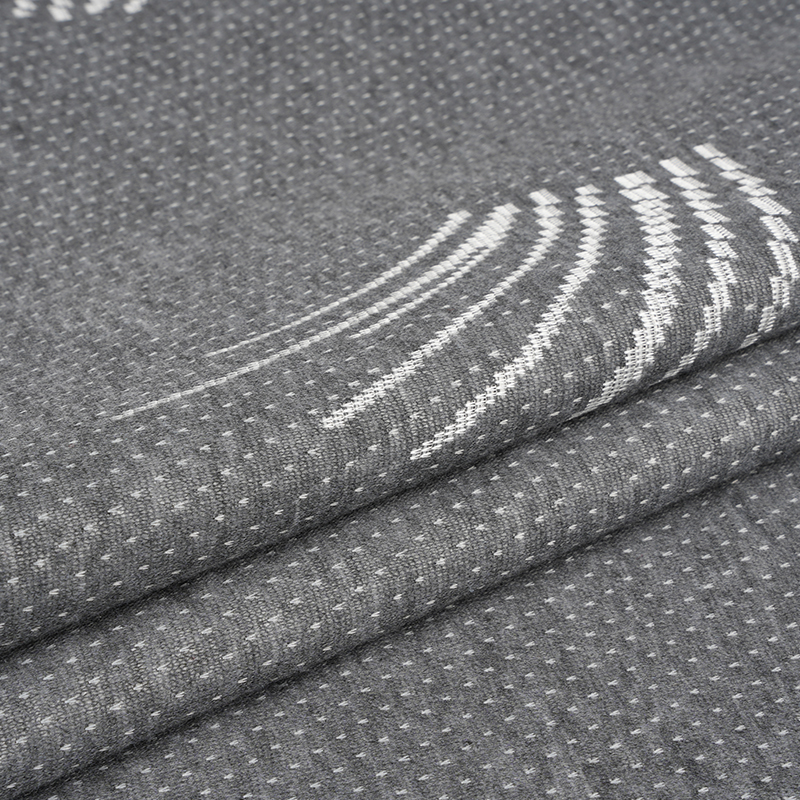
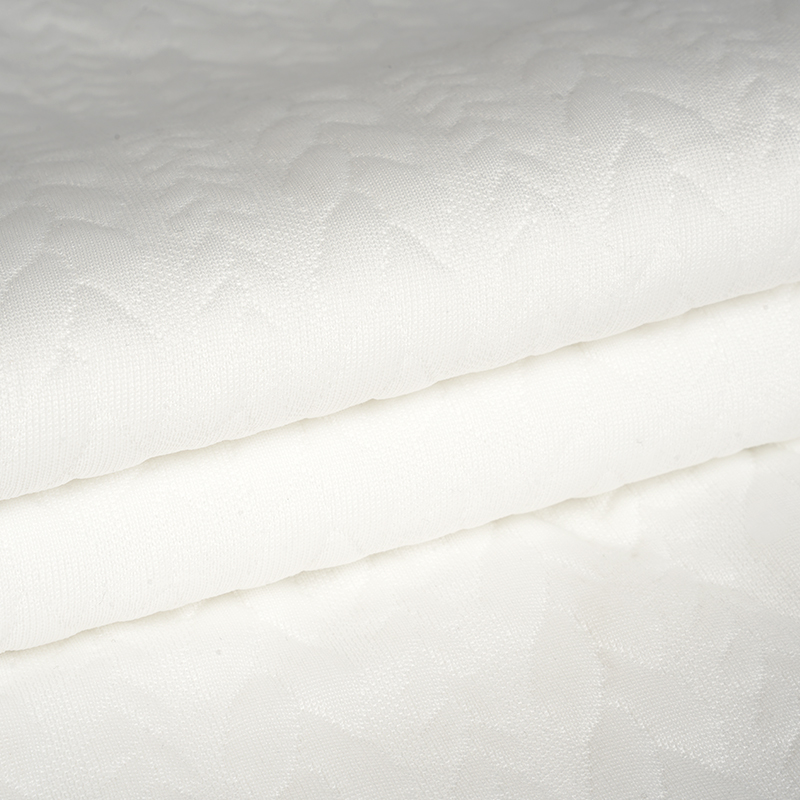
Antibacterial Yarn Pillowcase Fabric
Antibacterial Yarn Pillowcase Fabric
-
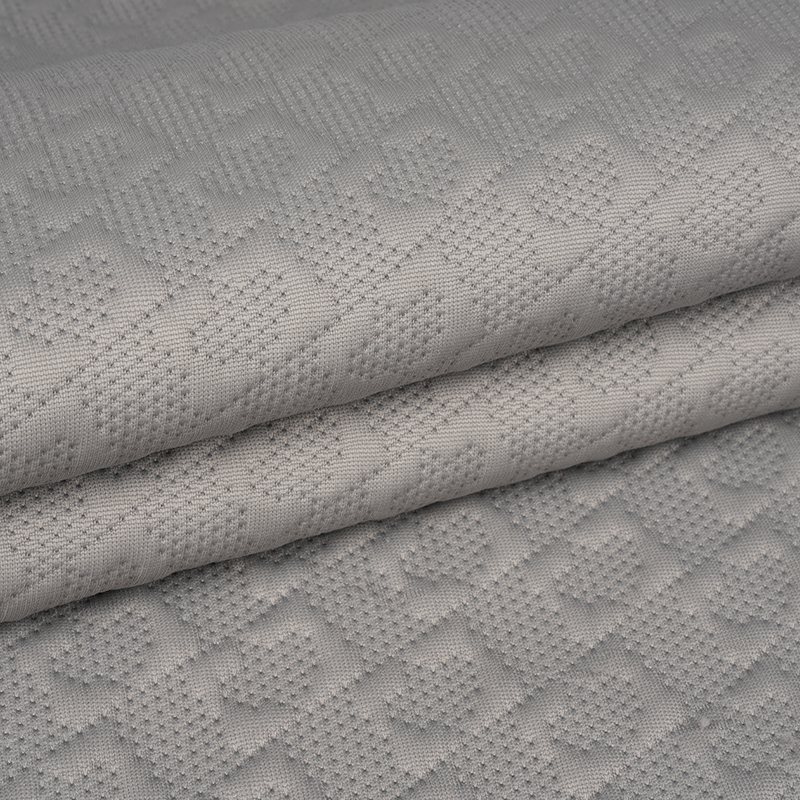
Antibacterial Yarn Children Mattress Fabric
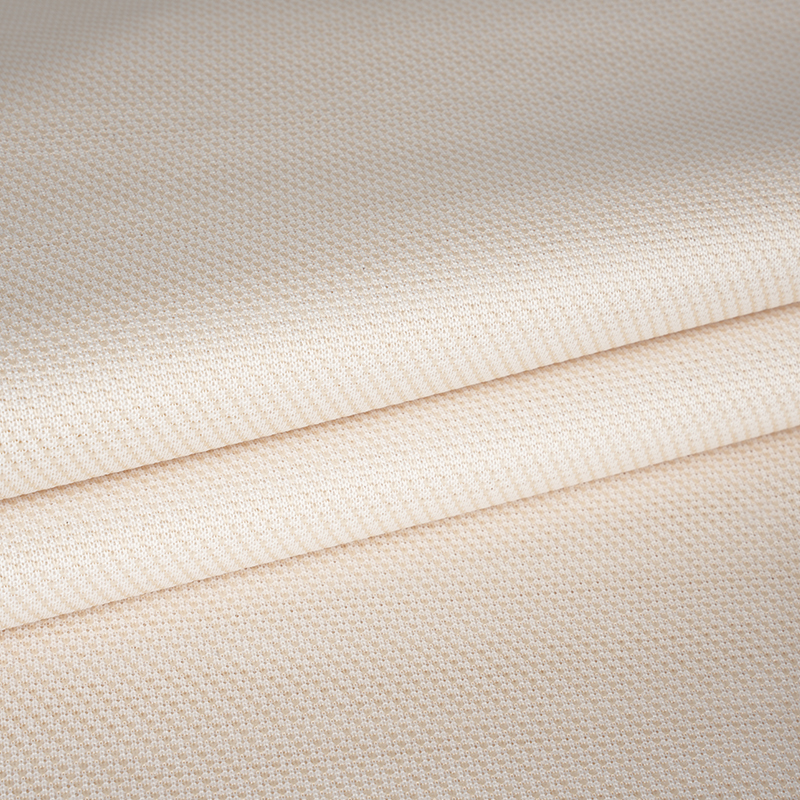
Antibacterial Yarn Children Mattress Fabric
Haven’t Found The Products You Want?
-
-
Shen Jinyan:+86-15158070676
[email protected]
Liang Jinwen:+86-15757186621
[email protected]
Qiu Yingyingn:+86-13819545790
[email protected]
Yi qiao Town, Xiaoshan District, Hangzhou City, Zhejiang Province, China
-
Products
Mattress Fabric Children Mattress Fabric Pillowcase Fabric Pregnancy Pillow Fabric Cooling Mat Fabric Bedding Fabric Sofa Fabric Pet Friendly Fabrics -
Contact Information
About Us Products Strength Sustainability News Contact Us
Copyright © Hangzhou Xinsili Decorative Fabric Weaving Co.,Ltd. All Rights Reserved.
Functional Decorative Textile Manufacturers
