

 English
 中文简体
中文简体 Español
 عربى
عربى русский


Graphene Pet Friendly Fabrics for Cleaner, Safer, and More Comfortable Living Spaces
Content
- 1 Understanding the Need for Pet Friendly Decorative Fabrics
- 2 Core Product Specifications
- 3 The Role of the Polyester Foundation
- 4 Graphene Integration and Functional Value
- 5 Far-Infrared Performance and Comfort-Oriented Design
- 6 Wash Color Fastness for Repeated Maintenance
- 7 Advantages Over Conventional Decorative Fabrics
- 8 Manufacturing Strengths Behind the Product
- 9 Raw-Material and Formulation Control
- 10 Fabric Formation and Structural Consistency
- 11 Dyeing, Finishing, and Surface Quality
- 12 Quality Assurance and Testing
- 13 Environmental and Responsible Manufacturing Considerations
- 14 Applications in Pet-Friendly Homes
- 15 Applications in Hospitality and Commercial Interiors
- 16 Why Manufacturing Experience Matters to Buyers
- 17 Customization Process for Brand and Product Developers
- 18 How the Product Compares with Lower-Specification Alternatives
- 19 Guidelines for Selecting the Right Construction
- 20 Installation, Care, and Product Communication
- 21 Recommended Evaluation Checklist
- 22 Frequently Asked Questions
- 22.1 What are Graphene Pet Friendly Fabrics?
- 22.2 What is the base material?
- 22.3 How much graphene does the fabric contain?
- 22.4 Is the fabric suitable for sofas?
- 22.5 Can the fabric be used for pet beds?
- 22.6 What is the standard fabric width?
- 22.7 What is the available fabric weight?
- 22.8 Does the fabric have good wash color fastness?
- 22.9 What does a far-infrared normal emissivity of at least 0.88 mean?
- 22.10 Can the fabric be customized for a private-label product?
- 22.11 Is the fabric completely resistant to pet claws and stains?
- 22.12 What makes this fabric different from ordinary polyester fabric?
- 22.13 What should buyers test before mass production?
- 23 Conclusion
- 24 References
- 25 Product: Graphene Pet Friendly Fabrics
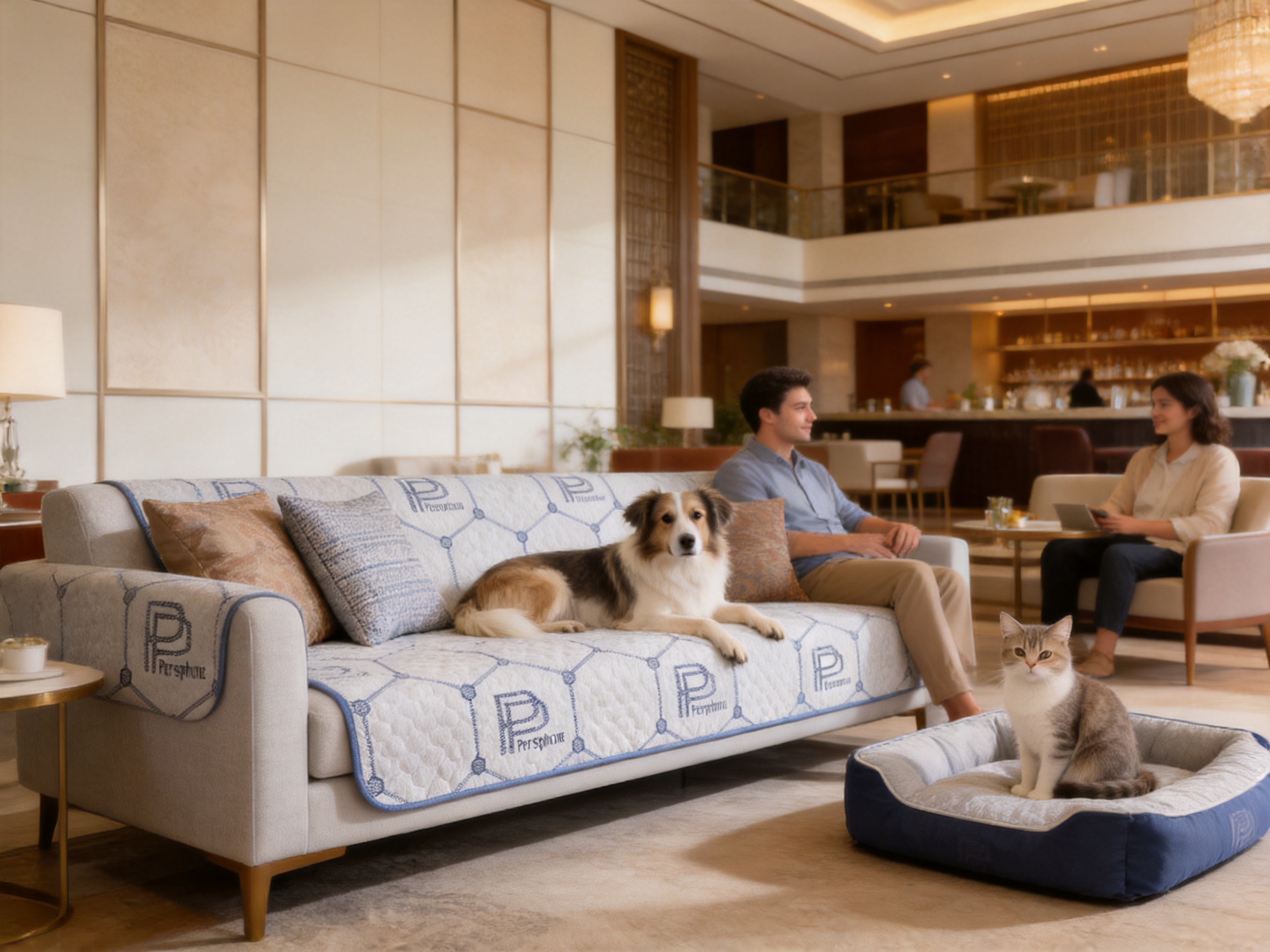
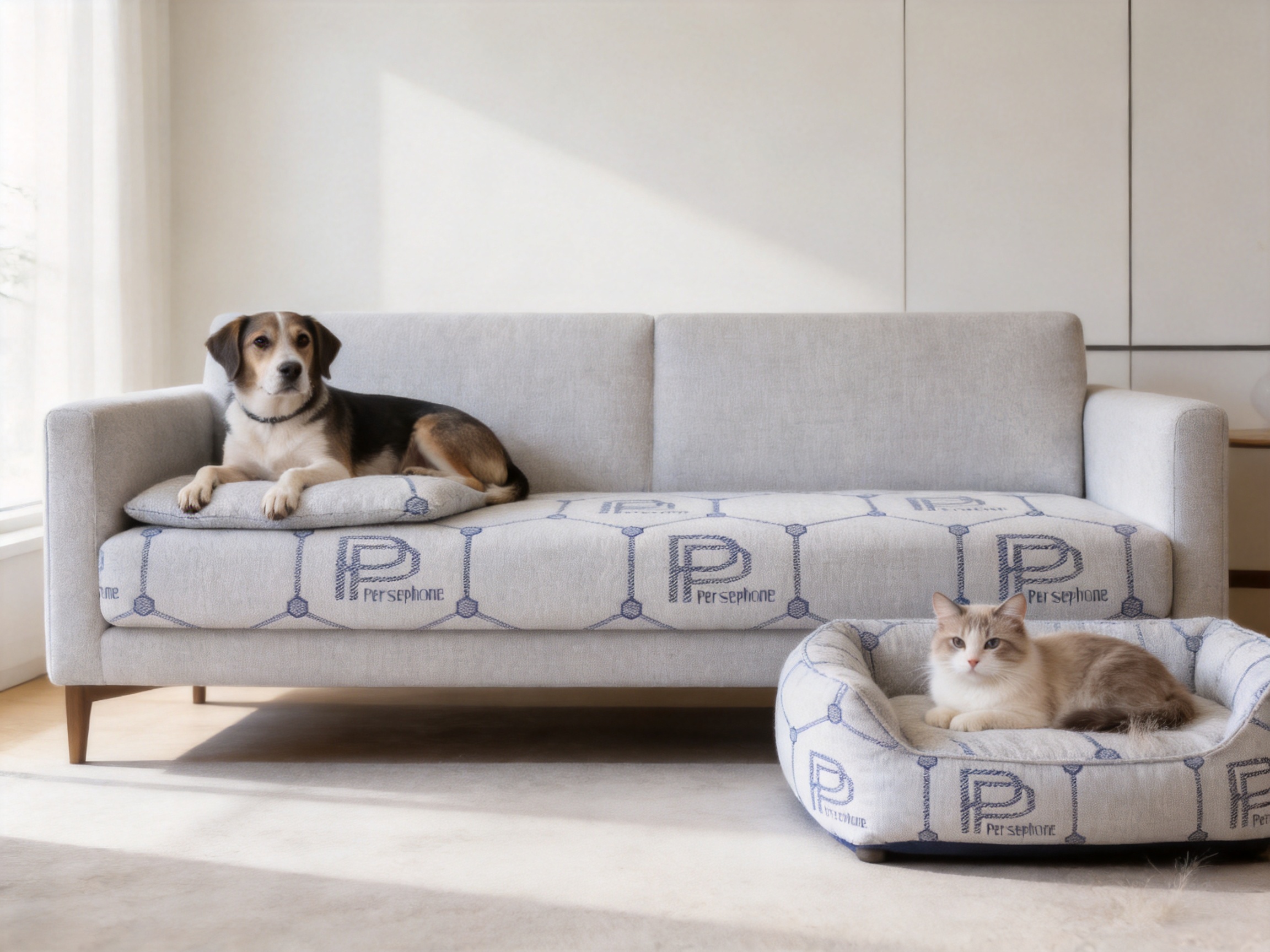
Modern homes are expected to do more than look attractive. They must also support comfort, cleanliness, durability, and the changing needs of the people and animals who live in them. For households with dogs, cats, and other companion animals, the choice of textile is especially important. Pet hair, daily friction, moisture, odors, repeated washing, and accidental stains can quickly expose the weaknesses of conventional decorative fabrics. A material may appear attractive when new, yet lose its color, softness, or structural integrity after regular use.
Graphene Pet Friendly Fabrics are developed for environments where decorative appeal and functional performance must work together. They combine a polyester textile foundation with graphene-based functionality, creating a fabric solution intended for pet-friendly homes, furniture, bedding-related applications, cushions, soft furnishings, and selected commercial interiors. The material is designed to provide a practical balance between appearance, durability, hygiene-conscious design, and thermal comfort.
With a base material of 100% polyester, customizable construction options, a graphene content of at least 0.5% to 3% by finished product weight, a standard weight range of 150 to 300 grams per square meter, and a standard width of 150 centimeters, this fabric can be adapted to different product and design requirements. It also provides a wash color fastness of at least Grade 4 under AATCC-related testing requirements and a far-infrared normal emissivity of at least 0.88 according to the GB/T 30127 testing reference.
These specifications make the fabric suitable for buyers who need more than a basic upholstery or furnishing textile. It is a functional decorative textile designed to help manufacturers, interior designers, furniture brands, bedding companies, and pet-oriented product developers create products that are visually appealing and better suited to demanding daily use.
Understanding the Need for Pet Friendly Decorative Fabrics
Pet ownership has changed the expectations placed on household textiles. A sofa, chair, cushion, pet bed, or decorative panel may be exposed to repeated contact with claws, paws, fur, saliva, food, water, and outdoor particles. Even a well-trained pet can create significant textile stress through jumping, scratching, nesting, and frequent movement. The result is a demanding environment in which textile performance becomes a central part of product quality.
Traditional decorative fabrics are often selected primarily for color, pattern, hand feel, and price. These factors remain important, but they do not always address the specific challenges of pet-friendly use. A fabric that is difficult to maintain may increase cleaning costs. A fabric with weak color fastness may show visible fading after repeated laundering. A fabric with inadequate abrasion resistance may develop a worn appearance sooner than expected. A material that traps hair or moisture may also reduce the comfort and perceived cleanliness of the finished product.
Graphene Pet Friendly Fabrics respond to these needs through a functional textile approach. Instead of treating performance as an afterthought, the fabric is developed around a combination of material engineering and decorative usability. The polyester base offers a stable and versatile platform, while graphene content introduces an additional functional dimension. This allows the textile to be considered for applications where ordinary decorative fabrics may not provide sufficient value.
The goal is not simply to produce a technical fabric. The goal is to create a material that can enter real living spaces without sacrificing design flexibility. Pet-friendly products must still look refined in a home, hotel, showroom, clinic, office, or other interior. A successful fabric therefore needs to support both visual design and long-term practical use.
Core Product Specifications
| Item | Specification | Practical Significance |
|---|---|---|
| Base material | 100% polyester, customizable | Provides a versatile and stable textile foundation for furnishing and decorative applications. |
| Graphene content | At least 0.5% to 3% by finished product weight | Supports the intended functional properties while allowing formulation and product customization. |
| Fabric weight | 150–300 g/m², customizable | Allows selection of lighter or heavier constructions according to application and design requirements. |
| Standard width | 150 cm, negotiable | Supports efficient cutting and production for many upholstery and soft furnishing products. |
| Wash color fastness | At least Grade 4 under AATCC-related testing | Helps the fabric maintain a stable appearance through repeated washing and maintenance cycles. |
| Far-infrared normal emissivity | At least 0.88, referenced to GB/T 30127 | Provides a measurable basis for evaluating far-infrared-related textile performance. |
Product specifications are important because they give buyers a practical basis for comparison. Rather than relying only on broad descriptions such as “comfortable,” “healthy,” or “high performance,” the available data identifies measurable parameters. This is useful for sourcing teams, product engineers, quality departments, and brands that need to create consistent technical files.
The customizable nature of the material also supports different market positions. A lighter construction may be appropriate for cushions, covers, decorative panels, or selected bedding components. A heavier construction may be preferred for upholstery, pet furniture, sofa coverings, or products that require a more substantial hand feel. The final construction can be evaluated according to the intended use, sewing method, backing structure, and target price range.
The Role of the Polyester Foundation
Polyester is widely used in decorative and furnishing textiles because it provides a strong combination of processability, dimensional stability, design adaptability, and cost control. Its broad application history gives manufacturers extensive experience in weaving, knitting, dyeing, finishing, cutting, and sewing. A polyester foundation can therefore be integrated into existing textile production systems without requiring an entirely unfamiliar manufacturing route.
For pet-friendly applications, the stability of polyester is valuable. Finished products may experience repeated bending, rubbing, compression, and handling. The fabric must retain a consistent appearance while being processed into cushions, sofa coverings, pet beds, protective covers, or decorative components. Polyester can support these requirements when the yarn selection, construction, dyeing, finishing, and quality control stages are properly managed.
The 100% polyester specification also simplifies product planning for buyers seeking a consistent fiber composition. It can support a clear material declaration and simplify communication between fabric suppliers, furniture manufacturers, and finished-product brands. At the same time, the material remains customizable, allowing the manufacturer to discuss different weights, structures, finishes, colors, and widths according to the project.
A polyester fabric should not be judged solely by fiber content. Performance depends on the complete textile system, including yarn quality, fabric density, surface treatment, coloration, finishing temperature, tension control, and inspection standards. This is why advanced manufacturing capability is essential. The same nominal fiber composition can produce very different results when made under different process controls.
Graphene Integration and Functional Value
Graphene is a carbon-based material recognized for its distinctive physical characteristics. In textile development, graphene-related components may be incorporated into fibers, coatings, masterbatch systems, printing formulations, or finishing processes, depending on the product design. The purpose is to introduce functional value while preserving the usability of the textile as a flexible, sewable, and decorative material.
In this product, the graphene content is specified at 0.5% to 3% by finished product weight. This range provides a defined basis for formulation and quality management. It also indicates that the fabric is not marketed merely because of a surface name or decorative print. The graphene component is treated as part of the finished textile specification and can be evaluated in relation to the overall construction.
Graphene-related textile functions are often associated with thermal management, energy exchange, conductivity, surface behavior, and far-infrared-related performance. The exact performance depends on the dispersion method, material form, concentration, fabric structure, finishing system, and test conditions. For this reason, responsible product evaluation should rely on laboratory results and application-specific testing rather than broad assumptions.
The value of graphene in a pet-friendly textile is its potential to make the fabric more than a passive surface. A traditional textile primarily covers, separates, cushions, or decorates. A functional graphene textile can also be engineered to contribute to a more considered comfort and maintenance environment. This is particularly relevant in products used close to the body or in spaces where people and pets spend extended periods of time.
Graphene integration also gives product developers a way to differentiate their offerings. In a competitive market, many fabrics can provide a similar color palette or visual texture. A measurable functional component can help a furniture or home-textile brand develop a clearer product story. It may support premium collections, wellness-oriented interiors, technology-inspired designs, or pet-conscious product lines.
Far-Infrared Performance and Comfort-Oriented Design
The declared far-infrared normal emissivity of at least 0.88, referenced to GB/T 30127, is one of the product’s notable technical indicators. Emissivity is a measurable property describing how effectively a surface emits thermal radiation under specified conditions. In textile applications, far-infrared-related performance is often explored as part of broader comfort and thermal-management research.
A high emissivity value does not mean that the fabric should be presented as a medical product or as a substitute for healthcare treatment. Its proper significance is as a material property that may contribute to a comfort-oriented textile design. Finished-product performance can vary according to fabric thickness, body contact, garment or furniture construction, ambient conditions, covering layers, and the presence of foam, batting, lining, or other components.
For pet furniture, cushions, bedding accessories, and upholstered surfaces, comfort is influenced by more than softness alone. Surface temperature, moisture conditions, breathability, pressure distribution, and tactile response all affect how a user experiences a textile. Graphene-based functional design may provide an additional technical feature for brands that want to investigate these factors in a controlled product-development program.
The far-infrared specification can also help buyers build a more transparent technical narrative. Instead of using vague language about advanced comfort, a manufacturer can identify the test reference and the declared value. This creates a clearer starting point for sample approval, third-party verification, and finished-product validation.
Wash Color Fastness for Repeated Maintenance
Pet-friendly textiles must be prepared for frequent maintenance. Although cleaning requirements vary by finished product, the ability to withstand washing or controlled cleaning is an important consideration. A fabric that loses color quickly may appear old even when its structure remains usable. Fading can also create inconsistencies when a product includes removable covers, matching panels, piping, or replacement components.
The fabric is specified with wash color fastness of at least Grade 4 under an AATCC-related standard. This indicates a strong target for color retention during washing evaluation. Buyers should still review the exact test method, washing temperature, detergent, drying process, number of cycles, specimen construction, and rating procedure before making a final decision. Maintenance instructions for the finished product should also be developed according to the complete assembly rather than the fabric alone.
Good wash color fastness offers several commercial benefits. It can support longer visual life, reduce customer complaints related to fading, and make removable or washable product designs more practical. It may also improve the feasibility of rental furniture, hospitality products, pet beds, cushion covers, and other items that undergo regular cleaning.
Color stability is especially important for modern interiors where neutral tones, deep colors, and coordinated textile systems are common. A change in tone can be highly visible when multiple components are placed together. By maintaining a stronger color-fastness target, the fabric can help designers and manufacturers achieve a more reliable appearance throughout the product’s service period.
Advantages Over Conventional Decorative Fabrics
Function Beyond Appearance
Many conventional decorative fabrics are selected mainly for texture, color, pattern, and price. Graphene Pet Friendly Fabrics add a defined functional component to this familiar category. This gives buyers the opportunity to create products positioned around comfort, material innovation, and pet-conscious design rather than appearance alone.
More Suitable for Pet-Oriented Product Development
A pet-friendly fabric must be considered in relation to hair, friction, repeated contact, cleaning, and everyday household activity. The product’s polyester foundation, customizable weight, and wash color-fastness specification offer a more purposeful basis for pet furniture and interior products than an ordinary decorative textile with no defined performance profile.
Measurable Technical Indicators
The declared graphene content, fabric weight, standard width, wash color fastness, and far-infrared emissivity provide buyers with concrete information for technical comparison. These values do not replace application testing, but they help reduce uncertainty during sourcing and product development.
Design and Manufacturing Flexibility
Because the weight and width can be customized, the fabric may be adapted to different products and production methods. This is useful for companies that need one functional textile concept across several product categories, including pet beds, sofas, decorative cushions, soft panels, and bedding-related items.
Potential for Premium Product Positioning
Functional materials can help brands develop higher-value collections. A graphene-based pet-friendly fabric may support product lines focused on advanced comfort, healthy living spaces, technology-enhanced interiors, or premium pet furniture. The final commercial value will depend on design, testing, certifications, and consumer communication, but the material provides a strong foundation for differentiation.
Manufacturing Strengths Behind the Product
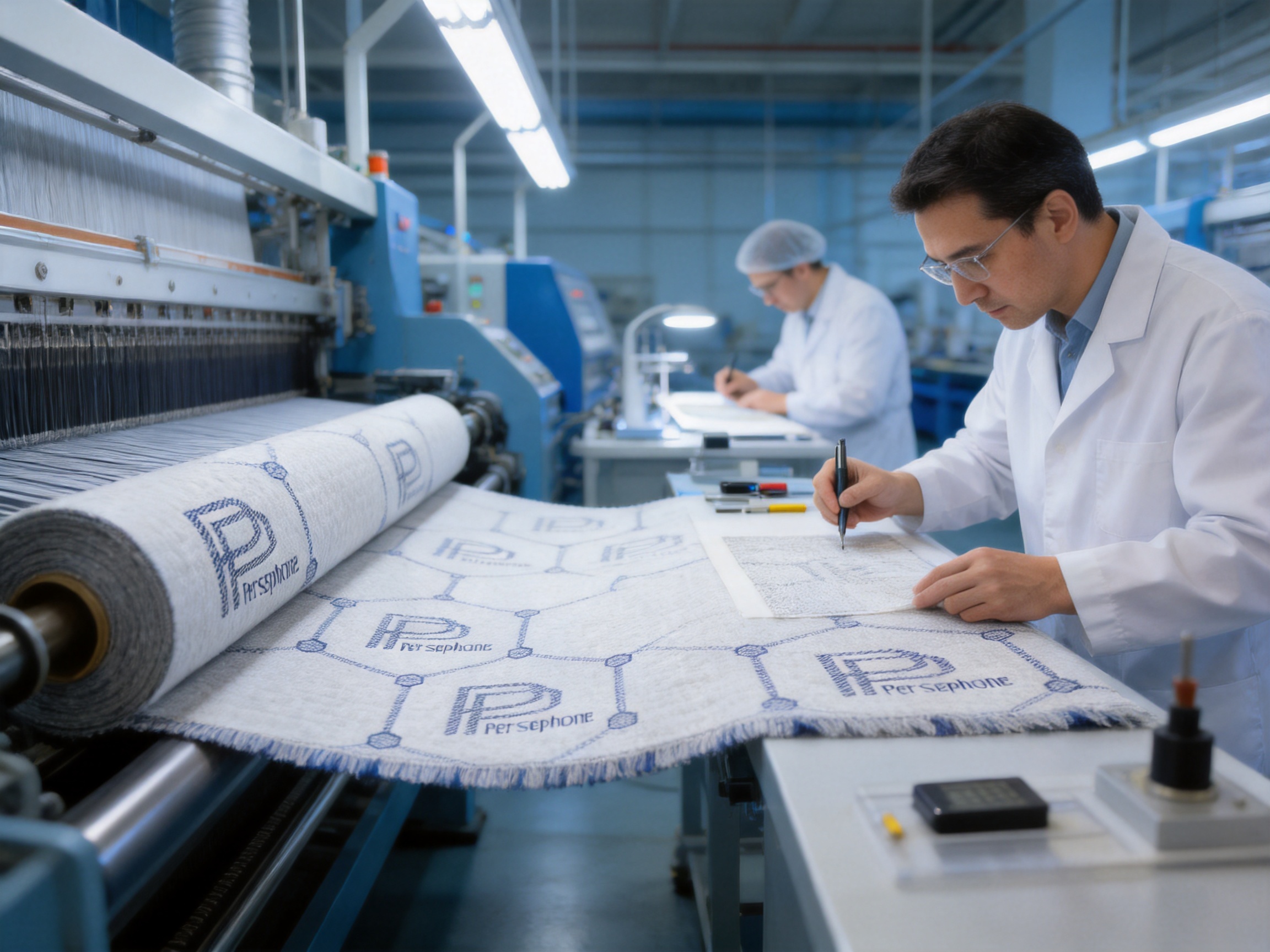
The performance of a functional textile depends heavily on manufacturing discipline. A graphene component must be introduced consistently, the polyester base must remain stable, and the finished fabric must meet the specified appearance and performance requirements. Hangzhou Xinsili Decorative Fabric Weaving Co., Ltd. combines textile development experience with an industrial production structure intended to support these goals.
The company specializes in research, development, and precision manufacturing of decorative textiles. Its stated operating philosophy is based on craftsmanship-driven manufacturing, design innovation, and long-term collaboration. This combination is important because functional fabric development requires both technical control and an understanding of how materials are used in finished interior products.
With 19 years of industry experience and a factory area of approximately 12,000 square meters, the company has developed a production environment capable of supporting multiple stages of textile work. A substantial manufacturing site can help coordinate raw-material management, weaving or fabric formation, dyeing and finishing, inspection, packaging, and order fulfillment. It can also support the development of customized constructions for different clients.
The company was recognized as a National High-Tech Enterprise in 2023. Such recognition is relevant to a buyer evaluating a supplier’s innovation orientation and technical investment. It does not eliminate the need for product-specific testing, but it indicates that the company places emphasis on research capability and technology-based development rather than relying only on conventional decorative textile production.
Raw-Material and Formulation Control
Manufacturing begins with material selection. Polyester yarns, graphene-related components, colorants, auxiliaries, and finishing agents must be evaluated for compatibility and consistency. Variations in raw materials can influence color, hand feel, strength, surface uniformity, functional performance, and production stability.
For graphene-containing textiles, dispersion and distribution are particularly important. If the functional component is not distributed consistently, different areas of the fabric may show variation in performance or appearance. A controlled formulation process can help maintain a more uniform relationship between graphene content and the textile substrate.
Supplier management is another essential part of raw-material control. The manufacturer must identify approved sources, define incoming inspection criteria, maintain traceability, and respond to deviations. Documentation of batch information can support later investigation if a customer observes differences between production lots.
For customized orders, raw-material control also helps ensure that the agreed specification is maintained from sampling through mass production. A buyer may approve a particular color, weight, surface effect, or hand feel during development. The production team must then translate that approval into repeatable process parameters rather than treating the approved sample as an isolated result.
Fabric Formation and Structural Consistency
The fabric construction determines much of its tactile and visual character. Yarn selection, density, weave or knit structure, tension, and machine settings influence thickness, weight, drape, abrasion behavior, and surface texture. Even when the nominal weight is within the same range, two constructions can feel and perform differently.
For pet-friendly applications, structural consistency is important because the fabric may be subjected to localized pressure and friction. Pet claws, collars, paws, and repeated nesting activity can concentrate stress in small areas. A stable structure helps the finished product maintain a more consistent appearance during normal use.
Precise control of fabric width is also valuable. The standard width for this product is 150 centimeters, while alternative widths may be negotiated. Consistent width supports efficient cutting plans, reduces material waste, and helps furniture and soft-goods manufacturers maintain predictable pattern layouts.
Weight customization provides another production advantage. A product developer may require a lighter textile for ease of sewing and improved drape, or a heavier fabric for a more substantial upholstery effect. The ability to discuss weight during development allows the material to be matched to the end use rather than forcing every application into one standard construction.
Dyeing, Finishing, and Surface Quality
Dyeing and finishing are central to the visual and functional quality of decorative textiles. The process must achieve the requested shade while maintaining surface uniformity and preserving the intended technical properties. Temperature, time, chemical concentration, water quality, fabric tension, and drying conditions can all affect the final result.
A functional fabric requires careful coordination between coloration and graphene-related performance. Excessive processing temperatures, unsuitable chemicals, or incompatible finishing agents may alter surface behavior or affect the distribution of functional components. Process development should therefore consider both appearance and performance from the beginning.
Finishing can influence hand feel, friction, drape, softness, surface smoothness, and resistance to handling. For pet-friendly products, the preferred finish may differ according to application. A sofa covering may require a different tactile balance than a cushion cover or pet bed. The manufacturer’s ability to adjust finishing parameters is therefore an important part of customization.
Surface inspection can identify defects such as streaks, uneven dyeing, holes, oil marks, slubs, contamination, or structural irregularities. Early detection helps prevent defective material from moving into cutting and sewing operations, where correction becomes more difficult and costly.
Quality Assurance and Testing
Quality assurance should cover both measurable performance and practical usability. For Graphene Pet Friendly Fabrics, relevant checks may include fiber composition, graphene content, fabric weight, width, color consistency, wash color fastness, far-infrared normal emissivity, appearance, hand feel, and dimensional stability. Additional tests may be agreed upon according to the target application.
Testing should be connected to the finished product. A fabric used on a removable sofa cover may need laundering trials that include seams, zippers, labels, backing, and foam contact. A pet bed may require compression, abrasion, moisture, and cleaning evaluations. A decorative panel may need adhesion or lamination tests. Product-specific validation ensures that the textile performs as part of a complete design rather than only as a laboratory specimen.
The stated wash color-fastness target of at least Grade 4 gives buyers a clear benchmark. The far-infrared normal emissivity target of at least 0.88 provides another measurable benchmark. However, these values should be confirmed through appropriate test reports, especially when the material is used in regulated markets or in products making specific performance claims.
Quality management also includes production consistency. One approved sample is not enough to guarantee every subsequent batch. A reliable manufacturer establishes procedures for sample retention, color approval, batch comparison, inspection records, corrective action, and customer feedback. These systems help maintain trust over long-term supply relationships.
Environmental and Responsible Manufacturing Considerations
Decorative textiles have an important role in the sustainability of interiors because their service life, maintenance requirements, and replacement frequency influence resource consumption. A fabric that remains visually acceptable and functional for longer may help reduce premature replacement. Washable or maintainable product designs can also support longer use when cleaning is managed responsibly.
Environmental performance must be evaluated carefully and in context. Polyester is a synthetic fiber, and graphene-related materials require appropriate evaluation of sourcing, processing, dispersion, and end-of-life considerations. Responsible product communication should be based on verified data rather than broad environmental promises.
Manufacturing efficiency can contribute to better resource management. Accurate fabric-width control, optimized cutting plans, reduced rework, and stable dyeing can help limit material loss and process waste. A factory with coordinated production and inspection systems is better positioned to identify inefficiencies and improve consistency.
The company’s stated commitment to environmentally friendly decorative fabric solutions reflects a direction toward safer and more sustainable living spaces. Buyers should discuss specific requirements such as restricted substances, chemical compliance, recycled-content options, wastewater management, packaging, and relevant environmental certifications when developing a project.
Applications in Pet-Friendly Homes
Sofa and Upholstered Furniture
Sofas are among the most demanding applications for pet-friendly fabrics. They receive daily sitting, lying, climbing, scratching, and cleaning. Graphene Pet Friendly Fabrics can be considered for sofa upholstery, loose covers, cushions, armrest panels, and decorative sections. The weight can be selected according to the desired drape, body, and sewing behavior.
Designers can use the fabric for complete upholstery or combine it with other textiles to create contrast. A functional textile may be particularly effective on high-contact areas where the product story needs to be visible and the material needs to provide additional practical value.
Pet Beds and Resting Products
Pet beds are used for extended periods and are often exposed to fur, moisture, food particles, and repeated washing. A washable outer cover made with a colorfast decorative textile can improve product usability. The far-infrared-related specification may also support a comfort-focused product concept, provided that finished-product testing and responsible claims are completed.
Different weights can be explored for outer covers, bolster sections, mattress-style pet pads, or decorative trim. The ideal construction will depend on whether the product is intended for machine washing, removable-cover design, indoor use, travel, or premium home interiors.
Cushions and Throws
Cushions and throws provide a flexible way to introduce functional materials into a home. They can be coordinated with sofas, beds, chairs, or pet spaces. A 150-centimeter standard width may support efficient production of many cushion-cover formats, while custom width discussions can help reduce waste for specialized dimensions.
Decorative Panels and Soft Accessories
Pet-friendly fabrics can also be used in wall panels, storage elements, ottoman coverings, pet-room accessories, and selected acoustic or decorative applications. The suitability of the material will depend on backing, fire requirements, attachment method, and local regulations. The fabric’s decorative character allows functional design to extend beyond conventional upholstery.
Applications in Hospitality and Commercial Interiors
Pet-friendly hotels, serviced apartments, veterinary clinics, grooming salons, pet cafés, and lifestyle retail spaces require materials that communicate cleanliness and durability. These environments may experience more frequent cleaning and higher visitor traffic than a private home. A functional decorative fabric can help create a consistent visual identity while supporting a more demanding maintenance schedule.
In hospitality settings, fabric selection must be coordinated with contract requirements, fire performance, abrasion testing, stain-management procedures, and cleaning protocols. Graphene content and far-infrared emissivity may be relevant to the product concept, but they should complement—not replace—the basic safety and durability requirements of commercial interiors.
For offices and shared spaces, the material may be considered for lounge furniture, reception seating, meeting-room cushions, or decorative elements in pet-friendly workplaces. The combination of technical positioning and modern appearance can help designers create interiors that feel more advanced without becoming visually industrial.
Why Manufacturing Experience Matters to Buyers
A buyer purchasing a functional textile is not only purchasing fabric. The buyer is also depending on the supplier’s ability to reproduce the same result across development samples, pilot orders, and regular production. Industry experience helps a manufacturer anticipate issues involving color matching, construction changes, finishing behavior, packaging, and application-specific performance.
Hangzhou Xinsili’s 19 years of industry experience provide a foundation for this type of cooperation. Experience is especially valuable when a customer requests a custom weight, width, color, surface texture, or functional target. The manufacturer can draw on previous process knowledge while still adapting the product to the new application.
The company’s specialization in decorative fabrics is another advantage. A technical material must still satisfy the standards of interior design. Decorative textile expertise helps connect laboratory performance with visual language, including color systems, patterns, texture, drape, and coordination with furniture materials.
Its research and development orientation can support ongoing improvement. Functional textile markets continue to evolve, and customers may request improved softness, different weight ranges, new colors, recycled options, stronger cleaning performance, or alternative finishing effects. A supplier with both production capacity and development capability is better prepared to support these changes.
Customization Process for Brand and Product Developers
Customization should begin with a clear understanding of the finished product. Buyers should identify whether the fabric will be used for upholstery, removable covers, bedding-related products, pet beds, cushions, panels, or another application. They should also define expected cleaning methods, contact frequency, target market, color requirements, and performance claims.
The next stage is material and construction selection. The buyer and manufacturer can discuss polyester yarn characteristics, fabric weight, width, surface texture, graphene content, color, finish, backing, and packaging. A sample can then be developed for visual, tactile, and technical evaluation.
During sample approval, it is useful to assess not only the fabric roll but also a prototype of the intended product. This can reveal sewing behavior, edge stability, seam appearance, interaction with foam or filling, and the effect of washing or cleaning on the complete assembly.
After approval, production standards should be documented. These may include the approved color reference, weight tolerance, width tolerance, graphene content range, finishing requirements, inspection method, packing format, and testing schedule. Clear documentation helps both parties avoid misunderstanding when orders are repeated or scaled.
For international buyers, communication should also cover shipping units, labeling, export packaging, documentation, lead times, payment terms, and destination-market compliance. A technically strong fabric becomes commercially valuable when the supply process is equally organized.
How the Product Compares with Lower-Specification Alternatives
Lower-specification decorative fabrics may have an initial price advantage, but the total value of a textile should be considered across its expected use. If a fabric fades quickly, requires difficult maintenance, or lacks a clear technical profile, the finished-product brand may face higher costs through returns, replacement, customer service, or shortened product life.
Graphene Pet Friendly Fabrics offer a more structured specification package. The buyer receives information about the base material, graphene content, weight, width, wash color fastness, and far-infrared emissivity. This makes the material easier to evaluate within a product-development and quality-assurance system.
The comparison should remain application-specific. A basic decorative fabric may be completely adequate for a low-contact display item, while a functional pet-friendly fabric may provide greater value for a frequently used sofa, pet bed, or washable cushion. The correct choice depends on the balance among performance, appearance, cost, and intended service conditions.
The product’s strongest competitive advantage is therefore not a single feature. It is the combination of functional graphene content, measurable far-infrared performance, wash color-fastness, polyester versatility, customizable construction, and manufacturing support from an experienced decorative textile producer.
Guidelines for Selecting the Right Construction
When selecting a construction, buyers should first consider the expected level of friction. High-contact sofa seating and pet furniture may require a more substantial fabric than decorative cushions or occasional-use accessories. The surface texture should also be evaluated for its tendency to collect hair and for how easily it can be cleaned.
Weight is another important factor. A lighter fabric may be easier to handle and may provide better drape, while a heavier fabric can create a richer appearance and stronger visual presence. Weight should be matched with the support structure and sewing equipment used by the customer.
Color selection should reflect both design requirements and maintenance expectations. Medium tones and textured surfaces may help reduce the visibility of minor hair or everyday marks, although no color can eliminate the need for regular cleaning. Colorfastness testing remains important regardless of shade.
Buyers should also consider whether the finished product will be removable and washable. If so, zipper design, seam construction, shrinkage, lining, and drying instructions must be evaluated together with the textile. If the product will be cleaned in place, the selected finish and maintenance protocol may be different.
Installation, Care, and Product Communication
Even a high-quality pet-friendly fabric requires appropriate care. Manufacturers of finished products should provide clear cleaning instructions based on actual testing. These instructions may address vacuuming, spot cleaning, machine washing, water temperature, detergent selection, drying, ironing, and professional cleaning.
Pet hair should be removed regularly before it becomes embedded in the surface. Spills should be treated promptly using a method that does not damage the color or finish. Sharp objects, excessive scratching, and unsuitable chemical cleaners can damage any textile, including functional fabrics.
Product communication should be precise. Brands may describe the material as graphene-based, pet-friendly, washable according to tested conditions, or designed for comfort-oriented interiors. However, claims should correspond to available testing and should not imply medical treatment, guaranteed health outcomes, or unlimited resistance to pet damage.
Clear communication helps protect both the consumer and the manufacturer. It also allows the functional value of the fabric to be understood without exaggeration. A transparent technical story is often more persuasive than a broad promise because professional buyers can connect the claim to an actual specification.
Recommended Evaluation Checklist
Before placing a production order, buyers should request a representative sample and confirm the intended use. The sample should be reviewed for color, hand feel, weight, width, surface appearance, sewing performance, and compatibility with the proposed product construction.
Technical documents should be checked for the declared graphene content, wash color-fastness result, far-infrared normal emissivity result, test standards, sample identification, and testing date. If the material will be used in a regulated commercial environment, additional requirements should be discussed early.
It is also advisable to conduct an application trial. A small sofa panel, pet-bed cover, cushion, or other prototype can reveal practical issues that may not appear in a flat fabric inspection. Testing should include the cleaning method expected during normal use.
Finally, buyers should review production capacity, lead time, quality-control procedures, packaging, and after-sales communication. A reliable sourcing decision considers the entire supply relationship, not only the price per meter.
Frequently Asked Questions
What are Graphene Pet Friendly Fabrics?
Graphene Pet Friendly Fabrics are functional decorative textiles made with a polyester foundation and a specified graphene content. They are designed for pet-oriented homes, furniture, soft furnishings, and selected commercial environments where appearance, maintenance, durability, and comfort-related functions are important.
What is the base material?
The stated base material is 100% polyester. The construction can be customized according to the buyer’s application, weight, width, color, and finishing requirements.
How much graphene does the fabric contain?
The declared graphene content is at least 0.5% to 3% by finished product weight. The exact content should be confirmed in the product specification and verified according to the agreed testing or quality-control procedure.
Is the fabric suitable for sofas?
It can be considered for sofa upholstery, removable covers, cushions, and selected decorative sections. The final suitability depends on the required abrasion performance, cleaning method, backing, fire requirements, and finished-product construction.
Can the fabric be used for pet beds?
Yes, it can be developed for pet-bed covers and related soft products. Buyers should evaluate washing, seam construction, filling interaction, moisture exposure, and the behavior of the complete pet bed rather than relying only on fabric-level data.
What is the standard fabric width?
The standard width is 150 centimeters. Other widths may be negotiable according to the project, production requirements, and order volume.
What is the available fabric weight?
The stated weight range is 150 to 300 grams per square meter. The weight can be customized within the capabilities of the selected construction and intended application.
Does the fabric have good wash color fastness?
The product specification states a wash color fastness of at least Grade 4 under an AATCC-related standard. Exact performance depends on the test conditions, color, finishing system, and care method, so buyers should review the relevant test documentation.
What does a far-infrared normal emissivity of at least 0.88 mean?
It is a measurable thermal-radiation property referenced to GB/T 30127. It supports a comfort-oriented functional textile concept, but it should not be interpreted as a medical claim or a guarantee of a specific health result.
Can the fabric be customized for a private-label product?
Customization may include weight, width, color, construction, finish, and other project-specific requirements. Private-label buyers should discuss minimum order quantities, sampling, testing, packaging, labeling, and production schedules with the manufacturer.
Is the fabric completely resistant to pet claws and stains?
No textile should be described as completely resistant to all pet damage or staining unless that claim is supported by specific testing. The fabric is designed for pet-friendly applications, but normal care and reasonable use remain necessary.
What makes this fabric different from ordinary polyester fabric?
Its differentiation comes from the combination of a polyester foundation with specified graphene content, a declared far-infrared emissivity value, wash color-fastness requirements, and customization support. Ordinary polyester fabrics may not provide the same functional specification package.
What should buyers test before mass production?
Buyers should assess color, weight, width, hand feel, surface appearance, graphene content, wash color fastness, far-infrared performance, dimensional stability, abrasion behavior, sewing performance, and compatibility with the finished product. Additional tests may be needed for commercial or regulated applications.
Conclusion
Graphene Pet Friendly Fabrics provide a practical response to the growing demand for textiles that combine decorative design with functional performance. Their 100% polyester base supports versatility and manufacturing stability, while the 0.5% to 3% graphene content introduces a defined technology-oriented feature. The customizable weight and negotiable width make the fabric adaptable to different products, and the stated wash color-fastness and far-infrared emissivity values provide measurable benchmarks for professional evaluation.
The product is especially relevant to sofas, cushions, pet beds, removable covers, decorative panels, bedding-related products, and selected hospitality or commercial interiors. Its advantages over lower-specification alternatives come from the complete combination of performance indicators, not from one isolated feature. Buyers can use the material to develop products that are more suitable for active households while maintaining an attractive interior appearance.
The manufacturing capabilities of Hangzhou Xinsili Decorative Fabric Weaving Co., Ltd. further support the product’s value. With 19 years of industry experience, a 12,000-square-meter factory area, a focus on research and development, and recognition as a National High-Tech Enterprise in 2023, the company is positioned to provide both decorative textile expertise and technology-oriented production support.
For the best results, customers should define the application clearly, request technical documentation, test representative samples, evaluate finished-product prototypes, and establish clear quality standards before mass production. When these steps are followed, graphene-based pet-friendly textiles can help furniture and home-textile brands offer products that are more comfortable, more maintainable, and more differentiated in a competitive market.
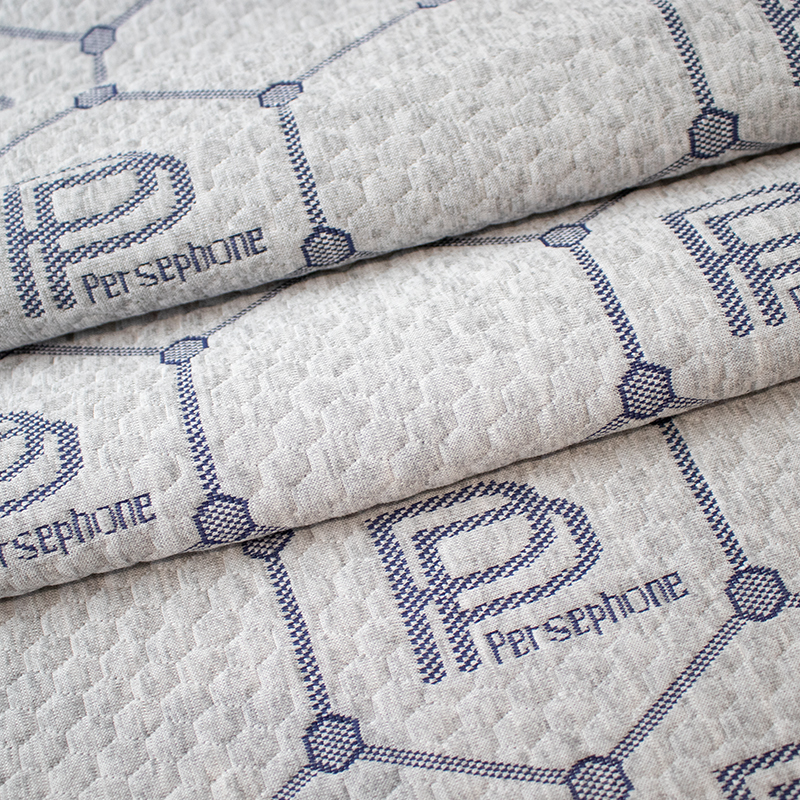
Graphene Pet Friendly Fabrics
References
American Association of Textile Chemists and Colorists. AATCC Colorfastness Evaluation Procedures and Related Textile Testing Principles.
General Administration of Quality Supervision, Inspection and Quarantine of the People’s Republic of China and Standardization Administration. GB/T 30127, Textile Products—Detection and Evaluation of Far-Infrared Performance.
International Organization for Standardization. Textile Testing, Colorfastness, Dimensional Stability, and Performance Evaluation Principles.
Textile Research and Development Literature. Functional Fibers, Graphene-Based Materials, and Thermal-Comfort Applications in Textiles.
Decorative Textile Manufacturing Practice. Principles of Fiber Selection, Fabric Formation, Dyeing, Finishing, Inspection, and Application Testing.
Product: Graphene Pet Friendly Fabrics

Our Featured Products
-
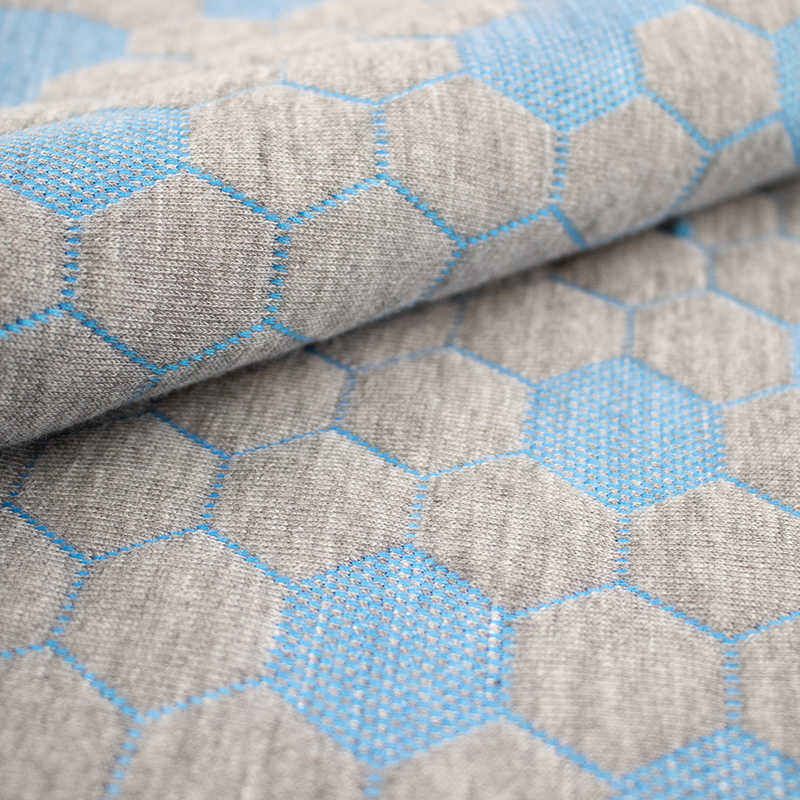
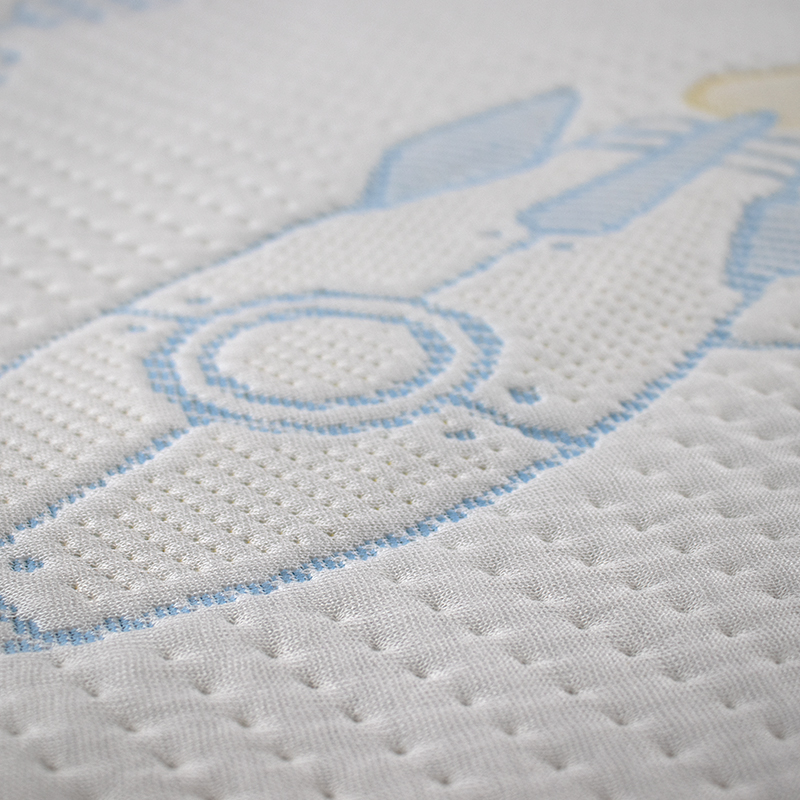
Graphene Pet Friendly Fabrics
Graphene Pet Friendly Fabrics
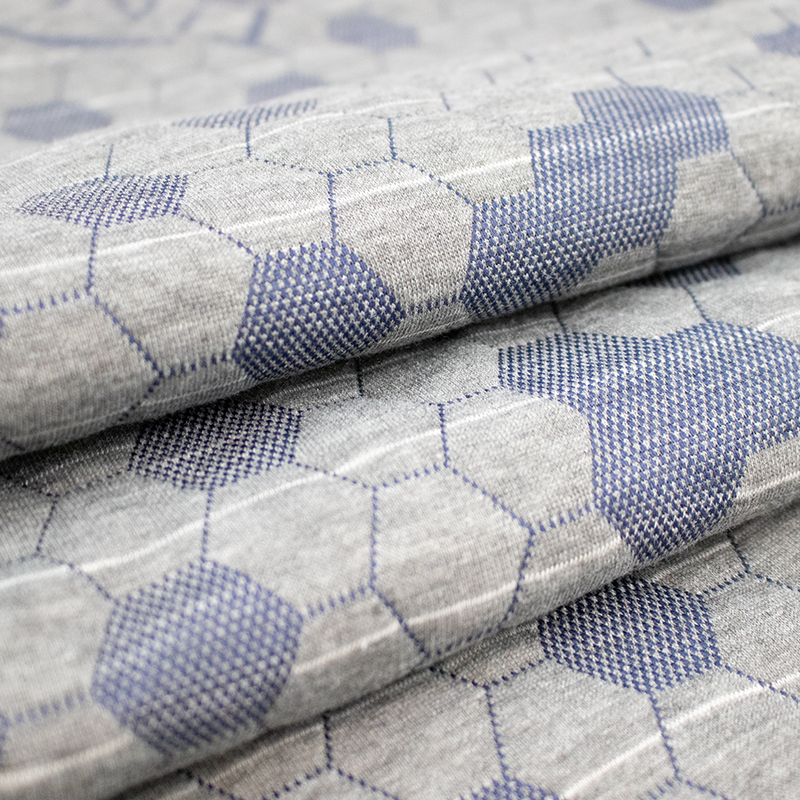
Haven’t Found The Products You Want?
-
-
Shen Jinyan:+86-15158070676
[email protected]
Liang Jinwen:+86-15757186621
[email protected]
Qiu Yingyingn:+86-13819545790
[email protected]
Yi qiao Town, Xiaoshan District, Hangzhou City, Zhejiang Province, China
-
Products
Mattress Fabric Children Mattress Fabric Pillowcase Fabric Pregnancy Pillow Fabric Cooling Mat Fabric Bedding Fabric Sofa Fabric Pet Friendly Fabrics -
Contact Information
About Us Products Strength Sustainability News Contact Us
Copyright © Hangzhou Xinsili Decorative Fabric Weaving Co.,Ltd. All Rights Reserved.
Functional Decorative Textile Manufacturers
