

 English
 中文简体
中文简体 Español
 عربى
عربى русский


Graphene Pillowcase Fabric: Advanced Comfort, Functional Performance, and Reliable Textile Manufacturing
Content
- 1 Understanding Graphene Pillowcase Fabric
- 2 Key Advantages of Graphene Pillowcase Fabric
- 3 Comparison with Conventional Pillowcase Fabrics
- 4 Advanced Manufacturing Process
- 4.1 1. Requirement Analysis and Material Selection
- 4.2 2. Functional Material Preparation
- 4.3 3. Yarn Formation and Fabric Construction
- 4.4 4. Dyeing and Color Development
- 4.5 5. Functional Finishing
- 4.6 6. Heat Setting and Dimensional Stabilization
- 4.7 7. Inspection and Laboratory Testing
- 4.8 8. Roll Packing and Shipment Preparation
- 5 Manufacturing Strengths Supporting Product Reliability
- 6 Customization Options for Buyers
- 7 Applications in Residential and Commercial Bedding
- 8 Quality and Performance Evaluation
- 9 Care, Use, and Product Longevity
- 10 Sustainability and Responsible Textile Development
- 11 Why Choose an Experienced Functional Textile Manufacturer?
- 12 Recommended Procurement Process
- 13 Q&A: Graphene Pillowcase Fabric
- 13.1 What is graphene pillowcase fabric?
- 13.2 Does graphene pillowcase fabric feel like metal or stiff material?
- 13.3 Does the fabric provide guaranteed cooling?
- 13.4 Can the fabric be washed repeatedly?
- 13.5 Can graphene pillowcase fabric be customized?
- 13.6 Is graphene pillowcase fabric suitable for hotels?
- 13.7 Can the fabric be used for pregnancy pillows or body pillows?
- 13.8 Does the fabric have antibacterial properties?
- 13.9 Can the fabric reduce static electricity?
- 13.10 Is the fabric environmentally friendly?
- 13.11 How should buyers compare suppliers?
- 13.12 What information should be included in a quotation request?
- 14 Conclusion
- 15 References
- 16 Product: Graphene Pillowcase Fabric
Graphene pillowcase fabric represents a new direction in bedding textiles, combining the familiar softness and flexibility of modern fabric with the functional potential of graphene-based material technology. Designed for pillowcases, sleep accessories, and selected bedding applications, this fabric can support product developers seeking a more comfortable, hygienic, temperature-aware, and technologically differentiated textile solution.
Unlike ordinary pillowcase materials that focus mainly on appearance, hand feel, and basic durability, graphene pillowcase fabric is developed around a wider performance concept. It can be engineered to contribute to thermal comfort, moisture management, odor control, static reduction, durability, and a more refined sleeping environment. These qualities make it suitable for manufacturers, bedding brands, hospitality suppliers, healthcare-related textile developers, and retailers seeking functional decorative fabrics with a strong balance between comfort and practical performance.
The effectiveness of a graphene pillowcase fabric does not depend on graphene alone. It depends on the complete textile system, including fiber selection, yarn structure, graphene integration method, knitting or weaving technology, finishing treatments, inspection procedures, and final product construction. A well-manufactured fabric must maintain a pleasant touch and stable appearance while ensuring that its functional properties remain consistent throughout production and use.
Hangzhou Xinsili Decorative Fabric Weaving Co., Ltd. develops and manufactures functional decorative textiles for residential, hotel, and commercial environments. With 19 years of industry experience, a 12,000-square-meter factory area, and recognition as a National High-Tech Enterprise in 2023, the company provides a manufacturing foundation for customers seeking specialized mattress, pillowcase, bedding, sofa, and other decorative textile products.
This article examines graphene pillowcase fabric in detail, including its material characteristics, manufacturing advantages, functional performance, product development value, quality considerations, customization possibilities, application scenarios, and frequently asked questions.
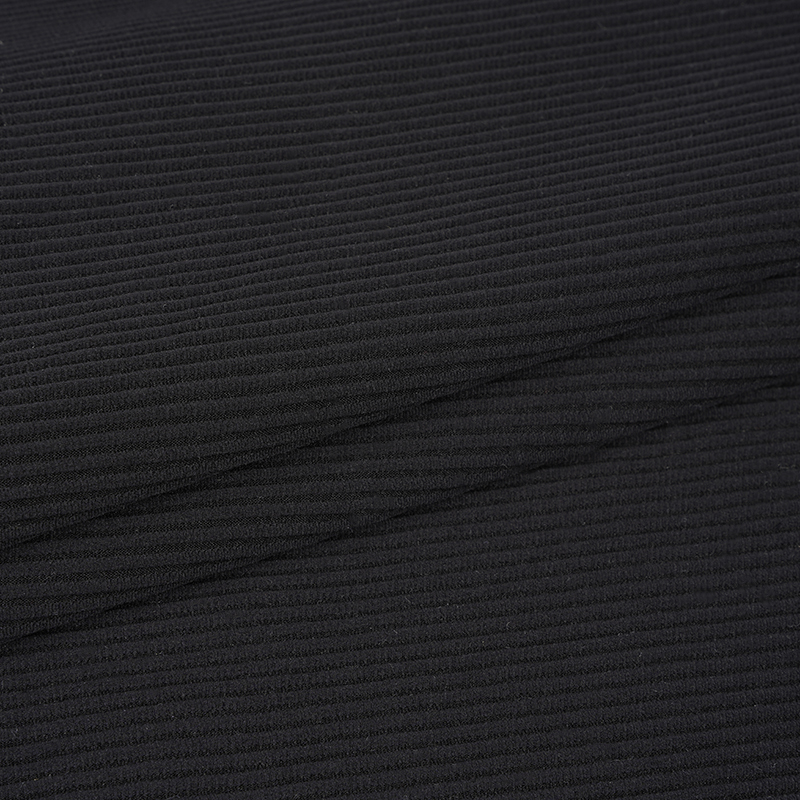
Graphene Pillowcase Fabric
Understanding Graphene Pillowcase Fabric
Graphene pillowcase fabric is a textile material in which graphene or a graphene-related functional additive is incorporated into the fiber, yarn, coating, finishing system, or composite textile structure. The exact integration method may vary according to the intended performance, production equipment, fabric construction, and customer specifications.
Graphene is a carbon-based material known for its thin structure and distinctive physical properties. In textile applications, graphene-related materials are generally used to enhance selected functions rather than to replace the basic textile fibers entirely. The result is a fabric that can retain the softness, flexibility, and processability of conventional textile materials while introducing additional performance potential.
For pillowcase production, the fabric must meet requirements that are more demanding than those of many decorative fabrics. It comes into close and prolonged contact with the face and neck, so softness, breathability, surface smoothness, moisture handling, colorfastness, and skin comfort are all important. At the same time, pillowcases are washed frequently and must resist pilling, deformation, fading, seam stress, and surface wear.
A high-quality graphene pillowcase fabric therefore needs to achieve a careful balance. It should feel comfortable without becoming fragile, remain functional after repeated care, preserve its visual quality, and provide a reliable base for cutting, sewing, printing, quilting, or other downstream processes.
Material Structure and Functional Integration
Graphene may be incorporated through several textile development routes. In one approach, graphene-based particles or masterbatch materials are added during fiber production. This method can create fibers with functional properties distributed within the material rather than applied only to the surface. In another approach, graphene is introduced during yarn preparation or blended with selected fibers before knitting or weaving.
A separate route uses functional finishing. In this case, a graphene-related treatment is applied to the textile surface or embedded within a finishing layer. Finishing-based systems can provide flexibility during product development, although their durability must be evaluated carefully through washing, rubbing, stretching, and aging tests.
The most suitable method depends on the product objective. A pillowcase designed for frequent commercial laundering may require a different construction from a premium retail pillowcase intended for residential use. A hospitality customer may prioritize easy care, consistent color, and bulk delivery stability, while a bedding brand may focus more strongly on softness, appearance, packaging, and unique functional positioning.
Experienced textile manufacturing is essential because functional additives must be coordinated with fiber selection, machine settings, dyeing conditions, finishing temperature, and fabric tension. Poorly controlled integration can affect hand feel, color, uniformity, or dimensional stability. A professional supplier evaluates the entire process rather than treating graphene as an isolated ingredient.
Key Advantages of Graphene Pillowcase Fabric
Graphene pillowcase fabric can offer several advantages over standard pillowcase fabrics when the product is correctly engineered and tested. The following benefits are particularly valuable for functional bedding development.
Thermal Comfort and Heat Distribution
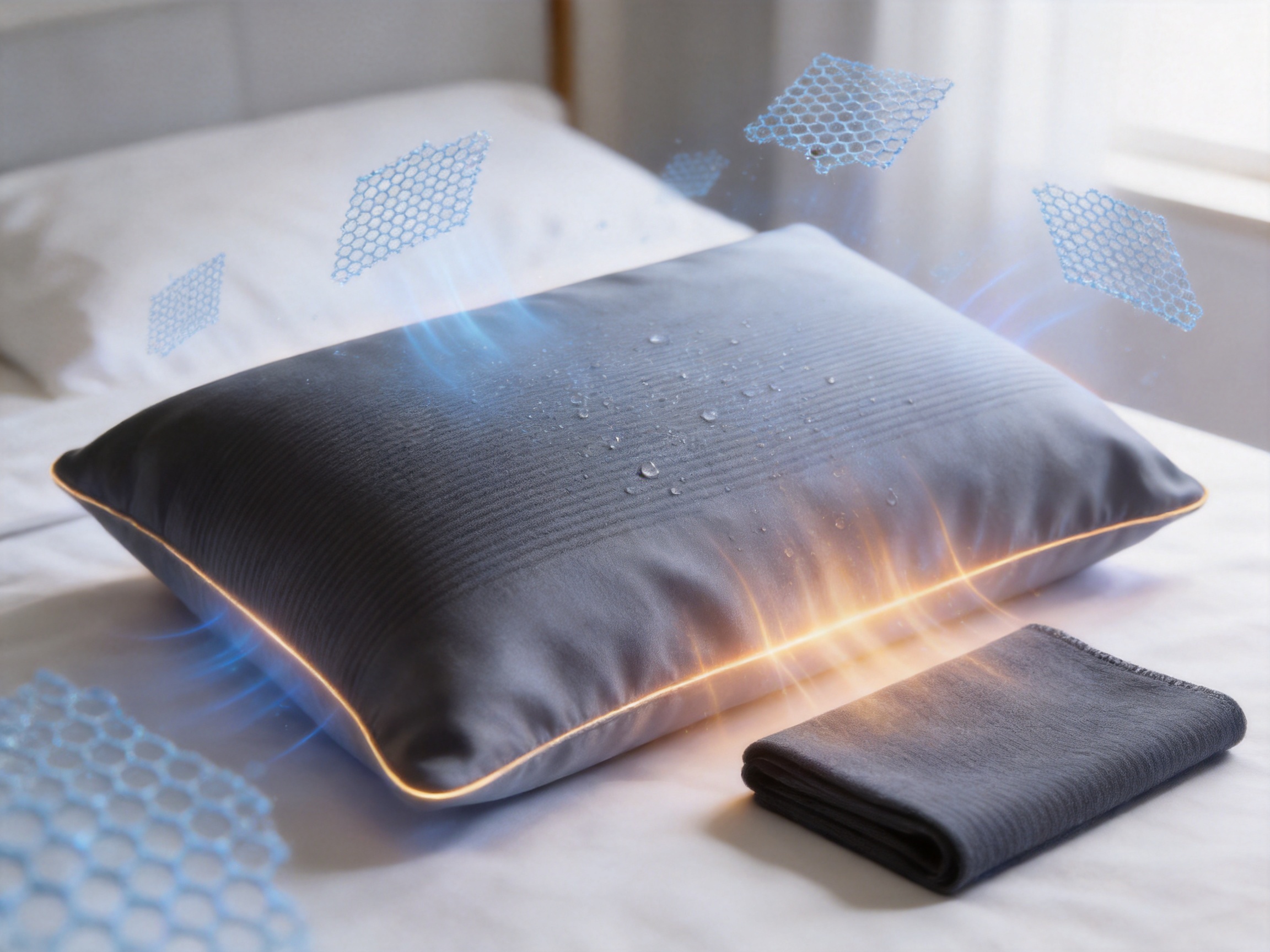
One of the main reasons graphene-related materials attract interest in bedding is their ability to support thermal management. Graphene is associated with efficient heat transfer across its structure. When integrated appropriately into a textile, it may help distribute localized heat across a broader surface area instead of allowing heat to remain concentrated in one small region.
For pillowcases, this characteristic can contribute to a more balanced surface temperature. The fabric does not necessarily create an artificial cooling sensation in every environment, and its performance depends on the complete construction, ambient conditions, moisture level, filling material, and user preferences. However, it can support a more temperature-aware sleeping product than a conventional fabric with no functional thermal design.
This advantage is important for consumers who dislike excessive heat accumulation around the head and neck. It is also useful for bedding manufacturers developing products for warm climates, summer collections, climate-controlled hotels, and consumers who prefer a fresher sleeping surface.
Moisture and Drying Performance
Nighttime perspiration, humidity, and face contact can expose pillowcase fabrics to considerable moisture. A functional pillowcase fabric should absorb or transport moisture appropriately, avoid a heavy wet feel, and dry efficiently during use and laundering.
Graphene pillowcase fabric can be developed alongside moisture-management fibers and suitable fabric structures to support improved moisture distribution. When combined with breathable construction, this can help the surface feel less clammy and more comfortable. The final result depends on yarn composition, fabric density, finishing, and garment or pillowcase design.
Compared with a dense fabric that traps moisture near the surface, a well-designed functional textile can provide a more balanced micro-environment. This is one reason graphene fabric is often considered for products that require a combination of comfort and performance rather than a purely decorative appearance.
Antibacterial and Odor-Control Potential
Functional bedding products are frequently evaluated for freshness and hygiene. Pillowcases are exposed to skin oils, perspiration, cosmetics, dust, and repeated contact. If moisture remains on the surface for extended periods, unwanted odors may develop more easily.
Graphene-based systems may be developed in combination with antibacterial or odor-control technologies. The purpose is to reduce the conditions that support odor formation and improve the hygienic profile of the finished textile. Any antibacterial claim should be supported by appropriate laboratory testing and should be communicated according to applicable regulations in the target market.
This function can provide a competitive advantage over ordinary pillowcase fabrics that offer no special hygiene-related treatment. It may be particularly relevant for hotels, dormitories, serviced apartments, healthcare environments, travel bedding, and consumers who want a fresher-feeling sleep accessory.
Static Reduction and Surface Comfort
Static electricity can be uncomfortable and may cause dust or loose fibers to cling to textile surfaces. Depending on its formulation and textile integration method, graphene-related material can contribute to electrical conductivity or static dissipation within a fabric system.
For pillowcases, reduced static can improve surface comfort and help the material feel cleaner and more controlled. This benefit may be useful in dry climates, air-conditioned rooms, and environments where static is more noticeable. As with other functional properties, performance should be tested on the finished fabric rather than assumed solely from the presence of graphene.
Durability and Functional Value
A pillowcase must withstand repeated washing, drying, folding, and handling. Functional textile development is valuable only if the product remains attractive and usable over its intended service life. Graphene pillowcase fabric can be designed with durable yarns, stable fabric construction, and appropriate finishing to support long-term performance.
The material can be produced in a way that balances a soft surface with resistance to abrasion, pilling, deformation, and color loss. This provides an advantage over low-cost fabrics that may feel pleasant initially but lose their appearance or surface quality quickly.
For commercial users, durability has a direct effect on operating cost. A pillowcase that maintains acceptable quality through more laundering cycles can reduce replacement frequency, improve guest satisfaction, and simplify inventory management. For retail brands, long-term appearance can strengthen customer confidence and reduce complaints associated with premature wear.
Comparison with Conventional Pillowcase Fabrics
Conventional pillowcase fabrics remain widely used because they are familiar, economical, and available in many constructions. Cotton, polyester, viscose, bamboo-derived fibers, blends, and microfiber each provide different combinations of comfort, price, care requirements, and visual appearance. Graphene pillowcase fabric is not intended to eliminate every conventional option. Instead, it offers a functional alternative for applications where standard fabric performance is not sufficient.
| Evaluation Area | Conventional Pillowcase Fabric | Graphene Pillowcase Fabric | Product Development Value |
|---|---|---|---|
| Basic comfort | Depends mainly on fiber, yarn, and finishing | Combines textile comfort with functional material design | Supports premium positioning without abandoning softness |
| Thermal behavior | Varies according to fabric weight and fiber type | Can be engineered for more balanced heat distribution | Useful for cooling-oriented and temperature-aware bedding |
| Moisture handling | Depends on absorbency and fabric structure | Can combine moisture-management fibers with graphene-related functions | Supports a fresher and less clammy surface feel |
| Hygiene positioning | Usually requires separate finishing or treatment | Can integrate antibacterial or odor-control concepts | Creates additional value for homes, hotels, and commercial users |
| Static management | May accumulate static in dry conditions | Can be developed for improved static dissipation | Improves comfort in dry or air-conditioned environments |
| Brand differentiation | Often competes on color, pattern, softness, and price | Combines appearance with visible functional technology | Supports stronger technical and premium product stories |
| Customization | Available in many standard constructions | Can be customized by fiber, structure, weight, color, and finish | Allows performance to match specific market requirements |
The most important competitive advantage is not simply that graphene is included. The advantage comes from integrating functional material technology into a complete, practical pillowcase fabric. A product that is technically advanced but uncomfortable, difficult to sew, unstable after washing, or inconsistent in color will not compete successfully.
Professional manufacturing therefore focuses on both measurable performance and user experience. Hand feel, breathability, surface smoothness, seam behavior, and visual quality must be considered alongside thermal, moisture, hygiene, and static-related functions.
Advanced Manufacturing Process
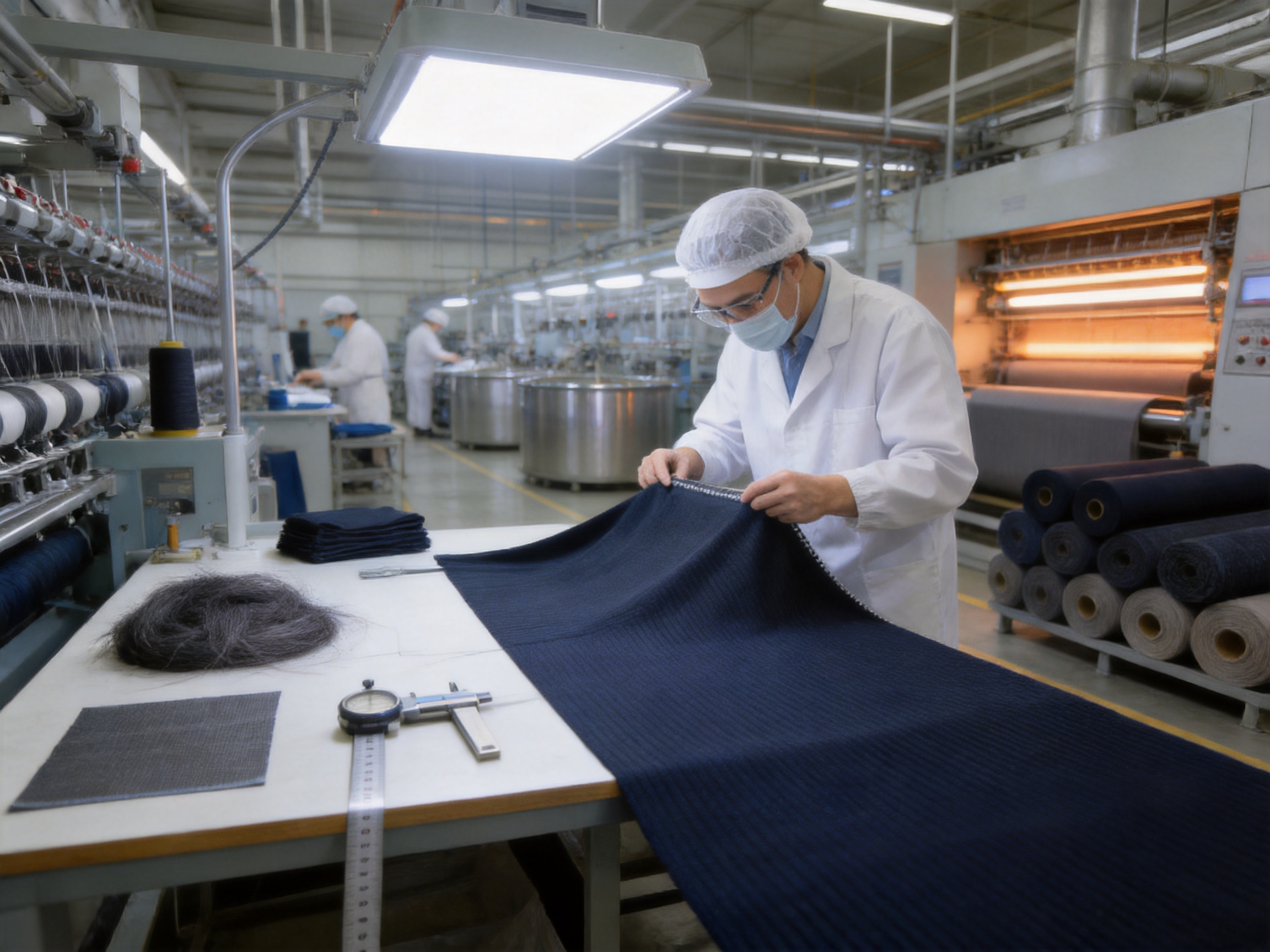
The production of graphene pillowcase fabric requires close coordination between material research, textile engineering, machine operation, finishing, and quality control. While individual production details may vary according to the customer’s specification, a professional manufacturing process generally includes the following stages.
1. Requirement Analysis and Material Selection
Production begins by defining the intended application. A residential luxury pillowcase may require an exceptionally smooth hand feel and refined appearance. A hotel pillowcase may require high laundering durability and easy-care performance. A cooling bedding collection may place greater emphasis on thermal comfort and moisture transport.
Based on these requirements, the manufacturer selects suitable base fibers, yarn counts, graphene-related functional materials, fabric construction, color system, and finishing route. Possible base materials may include polyester, nylon, cotton, viscose, regenerated cellulose, or blended compositions, depending on the desired balance of softness, strength, absorbency, cost, and care performance.
Material selection is a critical stage because the base fiber influences nearly every subsequent property. Functional additives cannot compensate for an unsuitable foundation. The yarn must be compatible with the machinery, the fabric must be suitable for pillowcase construction, and the finishing process must preserve both comfort and performance.
2. Functional Material Preparation
Graphene-related materials must be prepared in a form that can be dispersed or integrated consistently. Uniform dispersion is important because uneven distribution may create differences in color, hand feel, electrical behavior, or functional performance across the fabric width.
In fiber-based systems, a controlled masterbatch or compound may be prepared before extrusion. In yarn-blending systems, the functional component must be combined with other fibers according to a defined ratio. In finishing-based systems, the treatment formulation must be prepared with appropriate auxiliaries to support adhesion, stability, softness, and compatibility with later processing.
Careful preparation reduces the risk of agglomeration, surface defects, uneven treatment, and batch-to-batch variation. It also supports more reliable testing because the sample is more representative of the final production material.
3. Yarn Formation and Fabric Construction
After material preparation, the yarn is formed or selected for knitting or weaving. Yarn structure affects softness, strength, stretch, moisture movement, and surface appearance. Finer yarns may provide a smoother hand feel, while stronger or textured yarns may support durability and visual interest.
The fabric construction is selected according to the final product. Knitted structures can offer flexibility, stretch, and a soft drape. Woven structures can provide dimensional stability, crispness, and a smooth surface. Different constructions may be used for pillowcase shells, decorative panels, mattress covers, or coordinated bedding products.
Machine settings must be controlled carefully. Tension, speed, density, needle or loom condition, and yarn feed all influence the final result. Excessive tension may cause deformation or a harsh hand feel, while insufficient control may lead to uneven loops, loose edges, or unstable dimensions.
4. Dyeing and Color Development
Color is a major part of pillowcase design. Functional fabric must be available in attractive and stable colors that support brand collections, hotel interiors, seasonal lines, and coordinated bedding programs.
Dyeing conditions must be chosen according to the fiber composition and graphene integration method. Temperature, pH, dye concentration, treatment time, and washing conditions require careful adjustment. Some functional additives may influence dye uptake or visual depth, so laboratory color development is important before bulk production.
Color matching should be evaluated under controlled lighting and against approved standards. In addition to visual assessment, the finished fabric may be tested for colorfastness to washing, rubbing, perspiration, light, and water. These tests help ensure that the pillowcase remains attractive during practical use.
5. Functional Finishing
Finishing can be used to improve softness, smoothness, moisture behavior, static control, antibacterial performance, flame resistance for selected applications, or other requested properties. The finishing route must be selected carefully because one treatment can influence another.
For example, a softener may improve hand feel but reduce moisture transport if applied excessively. A surface coating may enhance a particular function but affect breathability or washing durability. A skilled manufacturer balances these factors through laboratory trials and process optimization.
Functional finishing should also consider the pillowcase’s contact with skin. Materials and auxiliaries should be selected with attention to safety, odor, residue, and applicable market requirements. Finished fabric should be evaluated rather than judged only by the formulation specification.
6. Heat Setting and Dimensional Stabilization
Dimensional stability is essential for pillowcase sewing and use. If the fabric shrinks excessively or becomes distorted after washing, the finished pillowcase may no longer fit correctly or may develop unattractive wrinkles and seam stress.
Heat setting, relaxation, compacting, or other stabilization processes may be used according to the fabric type. These processes control width, length, stretch recovery, and surface appearance. The objective is to deliver fabric that can be cut accurately and maintain predictable dimensions during downstream production.
7. Inspection and Laboratory Testing
Quality inspection is conducted throughout production rather than only at the end. Incoming materials, yarns, greige fabric, dyed fabric, finished fabric, and packed rolls can each be checked against established specifications.
Typical inspection areas include fabric width, weight, color, surface defects, holes, stains, unevenness, pilling, shrinkage, tensile strength, tear strength, abrasion resistance, and stretch recovery. Functional testing may include thermal behavior, moisture management, electrical resistance, antibacterial performance, or odor-related evaluations, depending on the product claim.
Inspection equipment and testing methods should be selected according to customer requirements and target-market standards. Clear records help manufacturers identify variation, trace production batches, and improve consistency over time.
8. Roll Packing and Shipment Preparation
After approval, fabric is rolled, labeled, protected, and prepared for shipment. Proper packing prevents moisture, dust, crushing, and handling damage. Roll identification should include relevant information such as color, batch number, width, weight, quantity, and production date where required.
Reliable shipment preparation is particularly important for international customers. Clear documentation and consistent roll presentation help factories and sewing facilities receive, inspect, and process the material efficiently.
Manufacturing Strengths Supporting Product Reliability
The company’s experience in decorative fabric weaving provides a broad foundation for the production of functional pillowcase materials. Nineteen years of industry experience supports practical knowledge in yarn selection, fabric construction, finishing, inspection, and customer-specific textile development.
A 12,000-square-meter factory area provides space for production coordination, material handling, quality inspection, development work, and order preparation. Factory scale alone does not guarantee product quality, but an organized production environment can improve workflow, reduce unnecessary handling, and support better control over manufacturing stages.
Recognition as a National High-Tech Enterprise in 2023 reflects the company’s emphasis on technological development and innovation. For customers purchasing functional textiles, research capability is especially important because performance fabrics often require adjustments to standard textile processes.
The company’s manufacturing philosophy is based on craftsmanship-driven production, design innovation, and win-win collaboration. These principles are relevant to pillowcase fabric development because customers often require more than a standard catalog material. They may need a specific weight, width, color, composition, surface effect, functional treatment, or packaging format.
Research and Development Orientation
Functional decorative fabrics require ongoing research because consumer expectations and application requirements continue to change. Bedding customers are increasingly interested in fabrics that support comfort, freshness, health-conscious lifestyles, and sustainability-oriented product design.
A research-oriented manufacturer can help customers evaluate whether a requested function is technically suitable for a particular construction. For example, a fabric intended for a warm climate may require greater breathability, while a luxury pillowcase may need a finer surface and more elegant drape. The best solution is determined through development trials rather than by applying the same formula to every product.
Research and development also help manufacturers improve process efficiency, reduce defects, optimize raw material use, and maintain stable quality during larger production runs. These improvements can benefit both small trial orders and long-term supply programs.
Integrated Functional Textile Capabilities
The company focuses on functional decorative textiles that can combine visual design with practical performance. Its product direction includes antibacterial, moisture-resistant, flame-retardant, sleep-supporting, and comfort-improving functions.
For graphene pillowcase fabric, this integrated capability is valuable because the product can be developed as part of a broader bedding system. A customer may require matching mattress fabric, pillowcase fabric, pregnancy pillow fabric, cooling mat fabric, or general bedding fabric. Working with one experienced textile partner can simplify coordination across colors, finishes, performance requirements, and delivery schedules.
Integrated development also allows a brand to build a consistent product story. A cooling mattress cover and graphene pillowcase, for example, can share related colors, packaging language, surface effects, and functional positioning while maintaining construction differences appropriate to each application.
Stable and Practical Manufacturing
Technical innovation must be supported by stable production. Customers need fabric that can be supplied repeatedly with consistent width, color, weight, hand feel, and functional behavior. Variation can create problems during cutting, sewing, quality inspection, and retail delivery.
Practical manufacturing means that the fabric is designed not only to perform in a laboratory but also to function within real production conditions. It should be compatible with common sewing operations, manageable during cutting, and sufficiently stable for packaging and transportation.
This practical approach is a key advantage over suppliers that focus heavily on promotional claims without giving equal attention to processing behavior. A successful pillowcase fabric must move smoothly from textile mill to sewing factory to finished product.
Customization Options for Buyers
Graphene pillowcase fabric can be customized to meet the requirements of different brands, distributors, hospitality groups, and project purchasers. Customization should begin with the intended use and target market rather than with appearance alone.
Fiber Composition
Customers may request different base fiber combinations to achieve a particular balance of softness, strength, absorbency, stretch, appearance, price, and care performance. A polyester-based construction may offer durability and easy care, while a cellulose-containing blend may provide a different moisture profile and hand feel.
Blended materials can be developed to combine the advantages of multiple fibers. The selected composition should be assessed for dyeing compatibility, dimensional stability, pilling resistance, and functional integration.
Fabric Weight and Width
Fabric weight affects opacity, drape, warmth, durability, and production cost. Lightweight fabric may be appropriate for summer pillowcases or breathable bedding, while medium-weight fabric may provide a more substantial hand feel and improved durability.
Width should be selected according to the cutting layout and finished pillowcase dimensions. Correct width planning can reduce fabric waste and improve production efficiency for large orders.
Surface and Hand Feel
Different finishing treatments can create smooth, peach-skin, brushed, silky, crisp, or matte surfaces. The best hand feel depends on the product position. A premium home textile may require a smooth and elegant touch, while a children’s or hospitality product may prioritize easy care and durability.
Surface selection should also consider skin contact, pilling, laundering, printing, embroidery, and seam construction. A visually attractive surface is most valuable when it remains stable throughout the product’s service life.
Color and Pattern
Color customization supports brand identity and interior coordination. Customers may select solid colors, melange effects, printed patterns, jacquards, or other decorative treatments according to the capabilities of the chosen fabric construction.
For hotels and commercial environments, neutral colors and coordinated color systems are often important. For retail bedding, seasonal shades, premium neutrals, and distinctive patterns may help a product stand out. Color approval should be completed before bulk production to reduce risk and maintain consistency.
Functional Requirements
Customers may request a combination of thermal comfort, moisture management, antibacterial performance, static reduction, flame retardancy, or other features. Each function should be discussed in relation to the intended market and tested according to the relevant standard.
Combining several treatments may affect cost, hand feel, breathability, color, or durability. A qualified textile manufacturer can help prioritize the most valuable functions and create a more balanced product rather than adding unnecessary treatments.
Brand and Order Support
Commercial customers may require custom labels, packaging, roll identification, sample cards, color standards, inspection reports, or technical data sheets. Clear communication at the beginning of an order helps reduce misunderstandings and supports efficient production.
Sample development is especially valuable for graphene pillowcase fabric. A customer can evaluate hand feel, surface appearance, sewing performance, washing behavior, and functional test results before approving a larger order.
Applications in Residential and Commercial Bedding
Graphene pillowcase fabric is suitable for a wide range of applications where close-contact comfort and functional performance are valuable.
Residential Bedding
In residential use, the fabric can be used for standard pillowcases, decorative pillow covers, sleeping pillows, travel pillows, and coordinated bedding collections. Its functional positioning may appeal to consumers interested in temperature comfort, freshness, easy care, and modern textile technology.
For premium home textile brands, graphene pillowcase fabric can support product differentiation. Instead of competing only on thread count, color, or decorative packaging, a product can communicate a broader value proposition based on comfort engineering and functional design.
Hotel and Hospitality Textiles
Hotels require bedding that combines guest comfort, professional appearance, laundering durability, and operational practicality. Pillowcases are among the most frequently handled and washed textile items in a hotel room, so fabric stability and colorfastness are essential.
A functional pillowcase fabric can support a more comfortable guest experience while helping hospitality operators create a consistent bedding standard. Before adoption, hotel buyers should evaluate washing procedures, detergent compatibility, drying conditions, replacement policies, and required performance certifications.
Healthcare and Care Environments
Selected care environments may benefit from textiles designed with hygiene, moisture control, and frequent laundering in mind. Any use in healthcare or sensitive environments must follow the relevant purchasing, safety, hygiene, and regulatory requirements.
Graphene pillowcase fabric should not be presented as a medical treatment. Its value in these environments is related to textile performance, maintenance, comfort, and product design. Claims should remain accurate and supported by documented testing.
Travel and Portable Bedding
Travel pillows and portable bedding products benefit from fabrics that feel comfortable, pack efficiently, and remain fresh during repeated use. A lightweight graphene fabric may provide a suitable balance of softness and functional positioning for travel accessories, subject to the selected construction and care requirements.
Pregnancy and Specialty Pillows
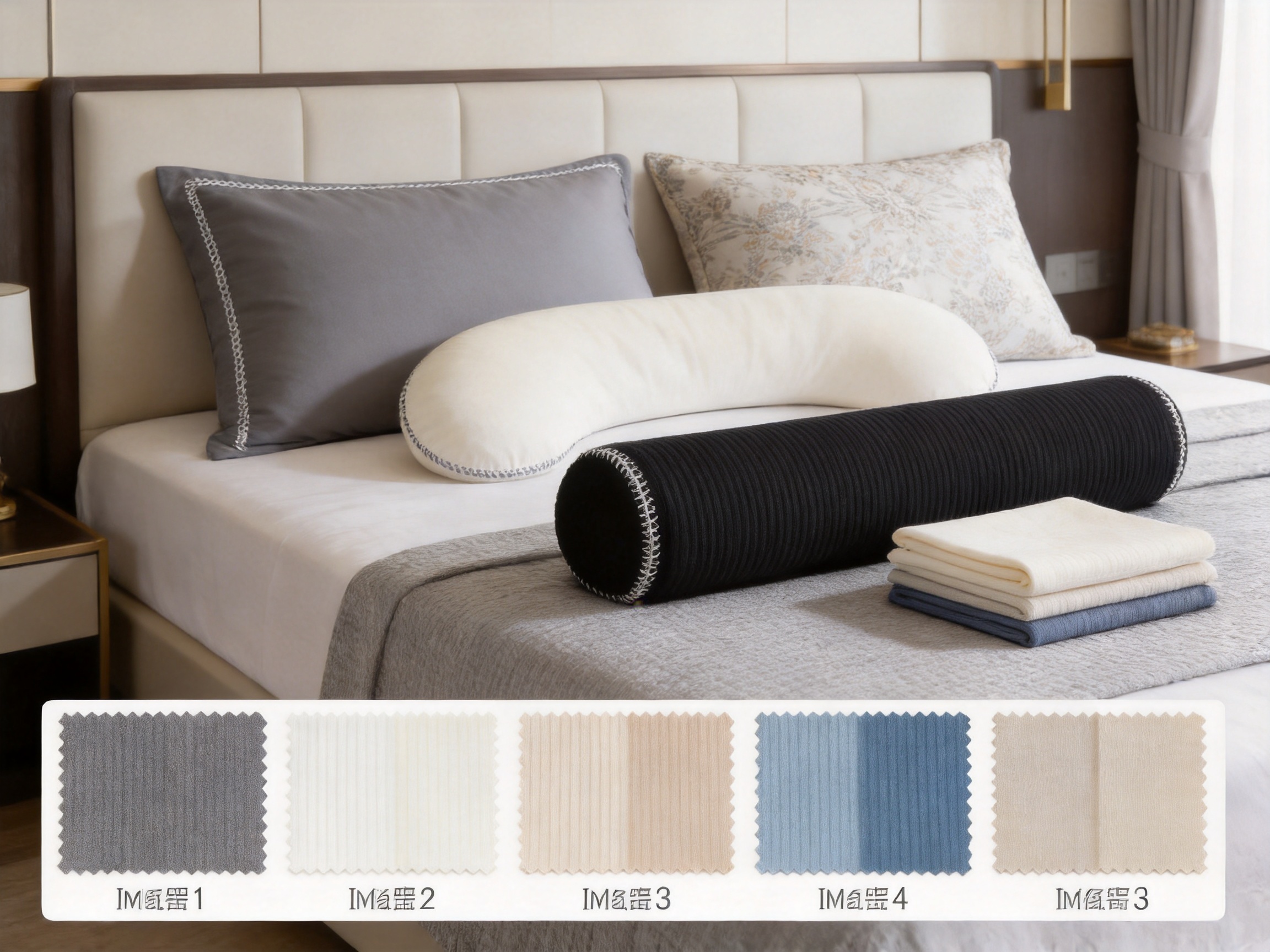
Specialty pillows, including pregnancy pillows and body-support pillows, require fabrics that can manage larger surface areas, repeated movement, and frequent care. Graphene-related functions may complement these products when combined with breathable construction and comfortable surface finishing.
The fabric must be evaluated for stretch, seam strength, zipper compatibility, dimensional stability, and washing performance because specialty pillow covers often experience more mechanical stress than standard pillowcases.
Quality and Performance Evaluation
Buyers should evaluate graphene pillowcase fabric through a combination of laboratory data, physical samples, and practical sewing trials. No single test can describe the complete value of a functional bedding fabric.
Physical Tests
Physical testing may include fabric weight, width, thickness, tensile strength, tear strength, bursting strength, abrasion resistance, pilling, shrinkage, and dimensional stability. These tests help determine whether the fabric is suitable for cutting, sewing, washing, and long-term use.
Colorfastness Tests
Colorfastness to washing, rubbing, perspiration, water, and light should be considered according to the intended application. Hotel and commercial products may require especially strong washing and rubbing performance because of frequent laundering and handling.
Comfort-Related Tests
Comfort can be evaluated through air permeability, moisture management, thermal transfer, softness, surface friction, and subjective hand-feel assessment. Instrumental testing provides measurable information, while human evaluation helps determine whether the fabric feels pleasant in actual use.
Functional Tests
Graphene-related functions should be measured using appropriate test methods. Depending on the specification, this may include thermal conductivity or heat-transfer evaluation, electrical resistance, static dissipation, antibacterial testing, odor-control assessment, and durability after repeated washing.
Functional claims should clearly state the test conditions and product scope. A result obtained on untreated laboratory material may not represent the performance of a finished pillowcase after sewing and laundering. For this reason, testing the final fabric and, where practical, the finished product is beneficial.
Safety and Compliance
Textiles intended for close skin contact should be assessed for applicable chemical, colorant, labeling, and product safety requirements in the target market. Buyers should discuss restricted substances, testing documentation, packaging requirements, and claims language with the manufacturer before production.
Responsible product communication avoids exaggerated promises. Graphene pillowcase fabric can be described as a functional textile designed to support comfort and performance, but it should not be promoted as a cure, medical device, or guaranteed solution for a health condition unless the product has the necessary approvals and evidence.
Care, Use, and Product Longevity
The care instructions for graphene pillowcase fabric depend on fiber composition, dyeing method, finishing system, and final product construction. Customers should follow the supplier’s recommended washing and drying instructions rather than applying a universal rule.
Moderate washing temperatures, suitable detergents, and controlled drying can help preserve color, surface softness, dimensional stability, and functional performance. Excessive heat, harsh chemicals, aggressive bleaching, or prolonged high-temperature drying may reduce the life of some treatments.
For commercial laundering, buyers should conduct a practical wash trial that reflects actual operating conditions. The trial may include detergent concentration, water temperature, mechanical action, drying temperature, ironing, folding, and storage. The purpose is to confirm that the fabric remains suitable throughout the expected service cycle.
Proper pillowcase construction also affects longevity. Strong seams, suitable thread, controlled seam allowance, quality zippers or closures, and accurate cutting reduce the risk of premature failure. A good fabric cannot compensate for poor sewing workmanship, so cooperation between the textile supplier and the finished-product manufacturer is important.
Sustainability and Responsible Textile Development
Functional textile innovation should be considered together with environmental responsibility. A fabric that lasts longer may help reduce replacement frequency, but sustainability also depends on raw materials, energy use, water consumption, chemical management, production efficiency, packaging, and end-of-life options.
Durability is one practical part of responsible textile design. If a pillowcase maintains its appearance and performance through repeated use, the customer may need fewer replacements. This can reduce material consumption over the product’s service life.
Manufacturers can also support sustainability by improving process stability, reducing defective fabric, optimizing cutting width, managing production waste, and selecting finishing systems carefully. Customers should request clear information about material composition and applicable environmental documentation when sustainability is an important part of the product brief.
Environmentally responsible claims should be specific and verifiable. Terms such as sustainable, eco-friendly, green, or non-toxic should not be used broadly without supporting evidence. A reliable textile supplier helps customers communicate material and process information accurately.
Why Choose an Experienced Functional Textile Manufacturer?
Choosing a supplier for graphene pillowcase fabric involves more than comparing price per meter. The supplier should be able to understand the intended product, recommend a suitable construction, provide consistent samples, control bulk production, and support technical questions after delivery.
An experienced manufacturer can identify potential conflicts between softness, durability, moisture performance, thermal behavior, cost, and care requirements. This prevents customers from selecting a fabric that appears attractive in a sample but fails during sewing or laundering.
Manufacturing experience also improves communication. Specifications can be converted into practical production parameters, including yarn composition, fabric weight, width tolerance, finishing route, color standard, inspection level, and packaging requirements.
For global customers, stable cooperation is particularly valuable. Consistent records, repeatable processes, and clear quality standards reduce the risk of variation between orders. This is essential for brands that need to maintain the same product appearance across multiple production seasons.
Hangzhou Xinsili Decorative Fabric Weaving Co., Ltd. combines decorative textile manufacturing with functional fabric development. Its focus on home, hotel, and commercial environments allows the company to approach graphene pillowcase fabric as both a performance product and a design material.
Recommended Procurement Process
Customers considering graphene pillowcase fabric should begin by preparing a detailed product brief. The brief may include the finished product type, target users, climate, washing frequency, desired hand feel, fabric weight, width, color, functional claims, order quantity, and target price.
The next stage is sample development. Buyers should assess the sample under normal lighting, touch and stretch it, test cutting and sewing, and wash it according to the expected care instructions. If the fabric will be used in a hotel or commercial environment, a larger laundering trial is recommended.
Technical documentation should be reviewed before bulk approval. Relevant information may include fiber composition, fabric weight, width, colorfastness, shrinkage, pilling, functional test results, recommended care, and applicable compliance data.
Before mass production, the buyer and supplier should confirm the approved sample, color standard, tolerance range, roll length, packaging, inspection procedure, delivery schedule, and handling of nonconforming goods. Clear approval procedures reduce disputes and improve supply-chain efficiency.
During production, buyers may request progress updates, pre-shipment inspection, or retained samples. These practices are particularly useful for large orders, customized colors, new functional treatments, and products intended for multiple markets.
Q&A: Graphene Pillowcase Fabric
What is graphene pillowcase fabric?
Graphene pillowcase fabric is a textile developed with graphene or a graphene-related functional material integrated into the fiber, yarn, fabric, or finishing system. It is designed to combine normal textile comfort with selected functional properties such as thermal management, moisture handling, static reduction, or hygiene-related performance.
Does graphene pillowcase fabric feel like metal or stiff material?
No. When properly engineered, the fabric is designed to retain the flexible and soft characteristics expected from a pillowcase textile. The final hand feel depends on the base fiber, fabric construction, finishing treatment, and fabric weight.
Does the fabric provide guaranteed cooling?
No textile can guarantee the same cooling result for every person or environment. Graphene-related material can support heat distribution and thermal comfort, but performance also depends on room temperature, humidity, pillow filling, fabric structure, sleep behavior, and garment construction.
Can the fabric be washed repeatedly?
It can be designed for repeated washing, but the precise care performance depends on the integration method and fiber composition. Buyers should follow the supplier’s care instructions and conduct laundering tests that reflect actual residential or commercial use.
Can graphene pillowcase fabric be customized?
Yes. Possible customization areas include fiber composition, fabric construction, weight, width, color, surface finish, functional treatment, pattern, packaging, and order specifications. The available options should be confirmed during product development.
Is graphene pillowcase fabric suitable for hotels?
It can be suitable for hotels when its durability, colorfastness, laundering performance, comfort, and cost meet the hotel’s requirements. A commercial laundering trial and appropriate technical evaluation should be completed before large-scale adoption.
Can the fabric be used for pregnancy pillows or body pillows?
Yes, it may be used for specialty pillow covers, including pregnancy pillows and body-support pillows, provided that the selected construction meets the required stretch, seam, size, and laundering conditions.
Does the fabric have antibacterial properties?
Some graphene-related textile systems can be developed with antibacterial or odor-control functions. However, the specific performance must be confirmed through testing, and any claim should be based on documented results for the actual fabric construction.
Can the fabric reduce static electricity?
Depending on the material formulation and construction, graphene-related components may support static dissipation. The result should be evaluated through appropriate electrical testing because static performance varies according to humidity, fiber composition, finishing, and use conditions.
Is the fabric environmentally friendly?
Environmental performance depends on the complete product life cycle, including raw materials, processing, durability, chemical management, energy use, packaging, and disposal. Graphene content alone does not automatically make a textile environmentally friendly.
How should buyers compare suppliers?
Buyers should compare technical consistency, sample quality, functional test evidence, production capacity, customization capability, communication, quality control, delivery reliability, and total cost. Price should be considered together with service life and product performance.
What information should be included in a quotation request?
A quotation request should include fabric type, intended use, fiber composition, graphene-related function, width, weight, color, finish, quantity, packaging, delivery destination, testing requirements, and any certification or compliance expectations.
Conclusion
Graphene pillowcase fabric offers a technologically advanced option for bedding products that require more than basic softness and appearance. By combining textile comfort with carefully engineered functional properties, it can support thermal comfort, moisture management, hygiene-related positioning, static reduction, durability, and premium product differentiation.
The strongest results come from a complete manufacturing approach. Material selection, graphene integration, yarn preparation, knitting or weaving, dyeing, finishing, dimensional stabilization, inspection, and packing must all be controlled as part of one coordinated process.
Hangzhou Xinsili Decorative Fabric Weaving Co., Ltd. provides experience in decorative and functional textile manufacturing, supported by 19 years of industry knowledge, a 12,000-square-meter factory area, research and development capability, and National High-Tech Enterprise recognition achieved in 2023. Its focus on practical innovation and reliable quality makes it suitable for customers developing residential, hotel, commercial, and specialty bedding products.
For buyers, the most effective path is to define the application clearly, request samples, review technical data, conduct practical washing and sewing trials, and confirm the final specification before bulk production. With proper development and quality control, graphene pillowcase fabric can become a valuable component of modern bedding collections designed around comfort, performance, and long-term product value.
References
1. General textile engineering principles concerning fiber selection, yarn formation, knitting, weaving, dyeing, finishing, and dimensional stabilization.
2. Technical literature on graphene-based materials and their potential applications in thermal management, electrical conductivity, and functional composites.
3. Standard laboratory approaches for evaluating textile tensile strength, tear strength, abrasion resistance, pilling, shrinkage, colorfastness, and moisture management.
4. Textile product development practices for bedding, pillowcase, mattress, upholstery, and other close-contact home textile applications.
5. Quality management principles for textile inspection, production traceability, sample approval, batch consistency, and pre-shipment evaluation.
6. Responsible textile communication principles concerning environmental claims, antibacterial claims, product safety, and performance disclosure.
7. Company-provided information regarding functional decorative textile manufacturing, product development capabilities, factory area, industry experience, and enterprise recognition.
Product: Graphene Pillowcase Fabric

Our Featured Products
-
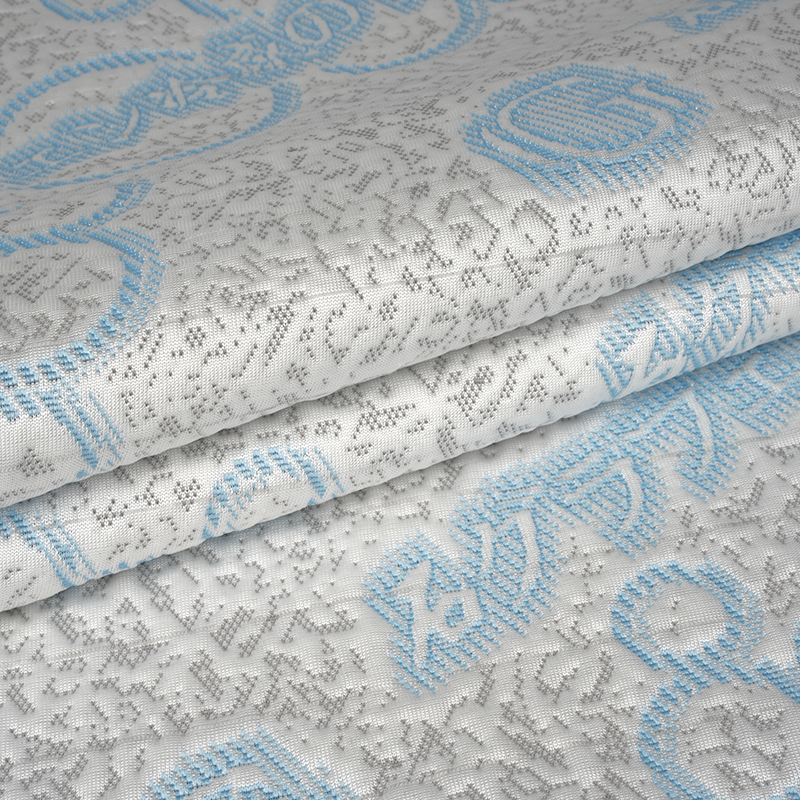
Graphene Pillowcase Fabric
Graphene Pillowcase Fabric
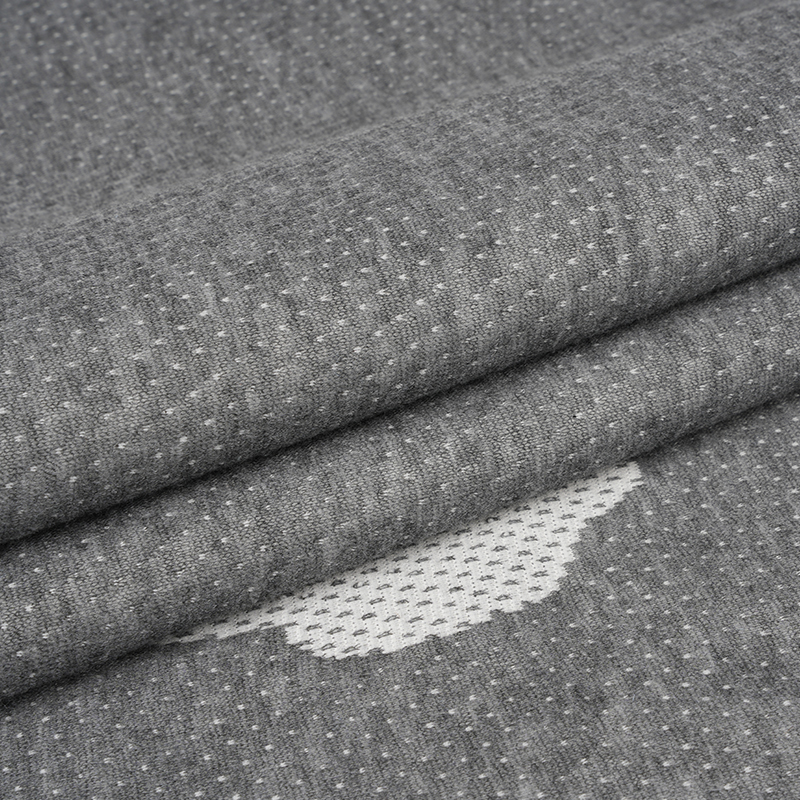
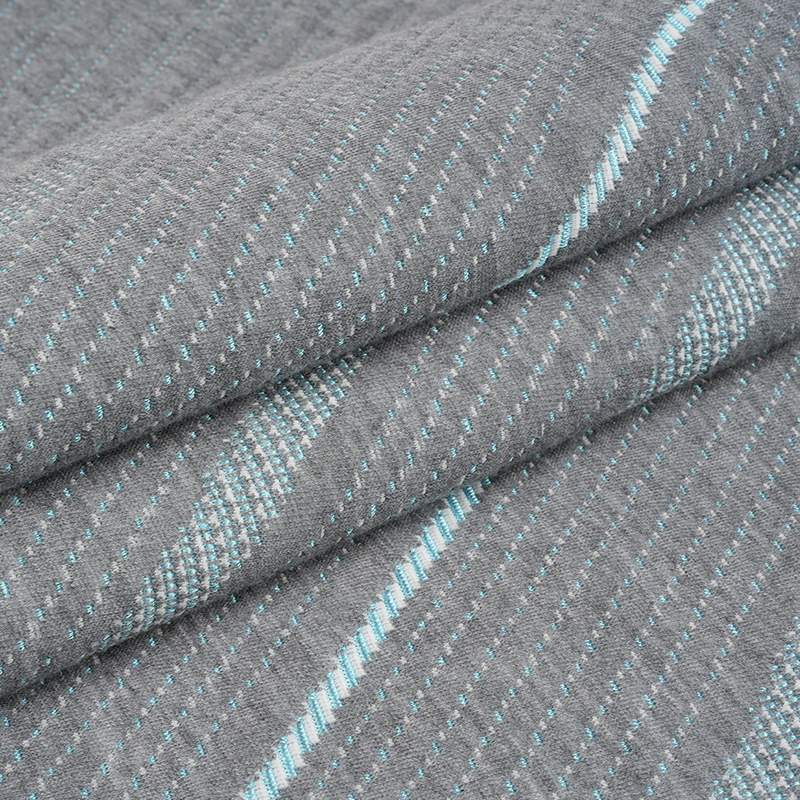
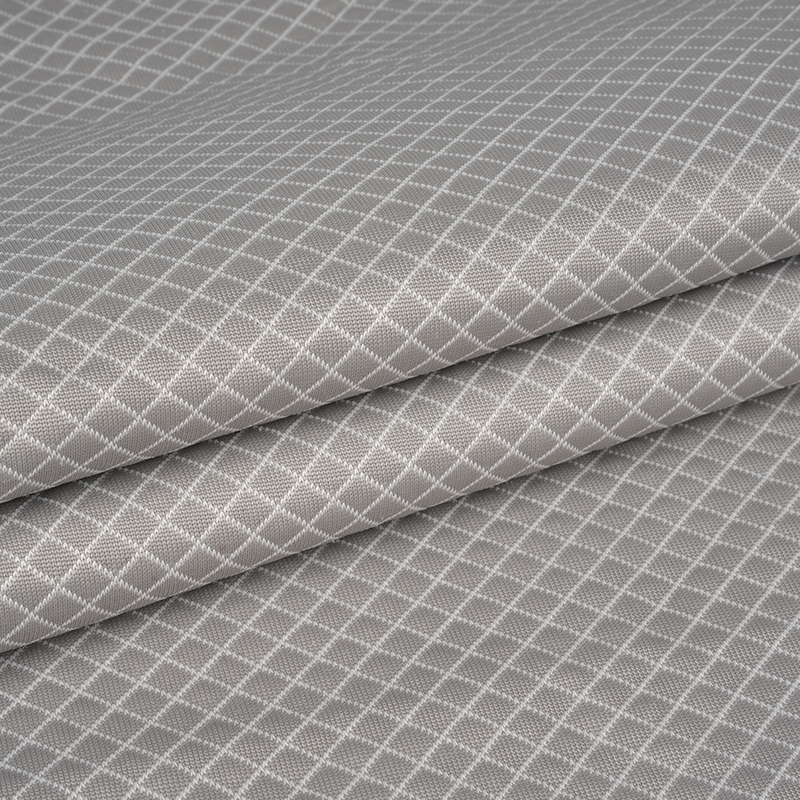
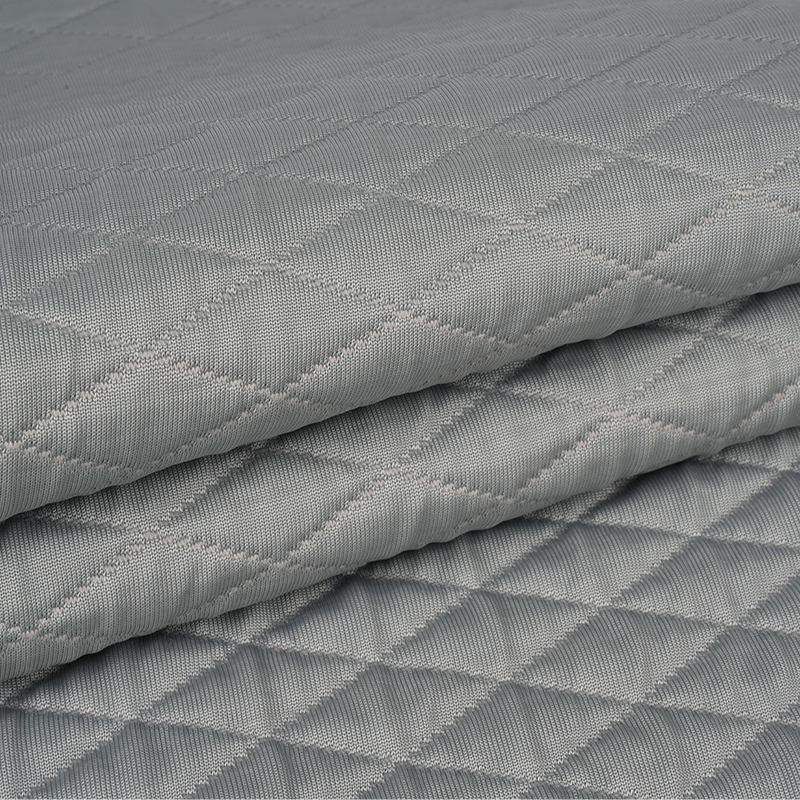
Haven’t Found The Products You Want?
-
-
Shen Jinyan:+86-15158070676
[email protected]
Liang Jinwen:+86-15757186621
[email protected]
Qiu Yingyingn:+86-13819545790
[email protected]
Yi qiao Town, Xiaoshan District, Hangzhou City, Zhejiang Province, China
-
Products
Mattress Fabric Children Mattress Fabric Pillowcase Fabric Pregnancy Pillow Fabric Cooling Mat Fabric Bedding Fabric Sofa Fabric Pet Friendly Fabrics -
Contact Information
About Us Products Strength Sustainability News Contact Us
Copyright © Hangzhou Xinsili Decorative Fabric Weaving Co.,Ltd. All Rights Reserved.
Functional Decorative Textile Manufacturers
