

 English
 中文简体
中文简体 Español
 عربى
عربى русский


Graphene Children’s Mattress Fabric: Advanced Comfort, Hygiene, and Functional Textile Performance
Content
- 1 Understanding Graphene Children’s Mattress Fabric
- 2 Why Children’s Mattress Fabrics Require Specialized Design
- 3 Key Functional Advantages
- 4 Advantages Compared with Conventional Mattress Fabrics
- 5 Advanced Manufacturing Approach
- 6 Company Manufacturing Strengths
- 7 Applications Across Children’s Sleep Products
- 8 Customization and Product Development Services
- 9 Quality, Safety, and Compliance Considerations
- 10 Installation and Care Guidance
- 11 Why Work with a Specialized Functional Textile Manufacturer?
- 12 Purchasing Checklist for Buyers
- 13 Frequently Asked Questions
- 13.1 What is graphene children’s mattress fabric?
- 13.2 Is graphene fabric suitable for direct skin contact?
- 13.3 Does the fabric keep a child completely cool?
- 13.4 Can the fabric be washed?
- 13.5 Can the fabric be customized?
- 13.6 Can it be used for nap mats and portable mattresses?
- 13.7 Is the fabric antibacterial?
- 13.8 What information should be provided for a quotation?
- 13.9 How does this fabric compare with ordinary children’s mattress fabric?
- 13.10 What makes the manufacturer suitable for customized orders?
- 14 Conclusion
- 15 References
- 16 Product: Graphene Children Mattress Fabric
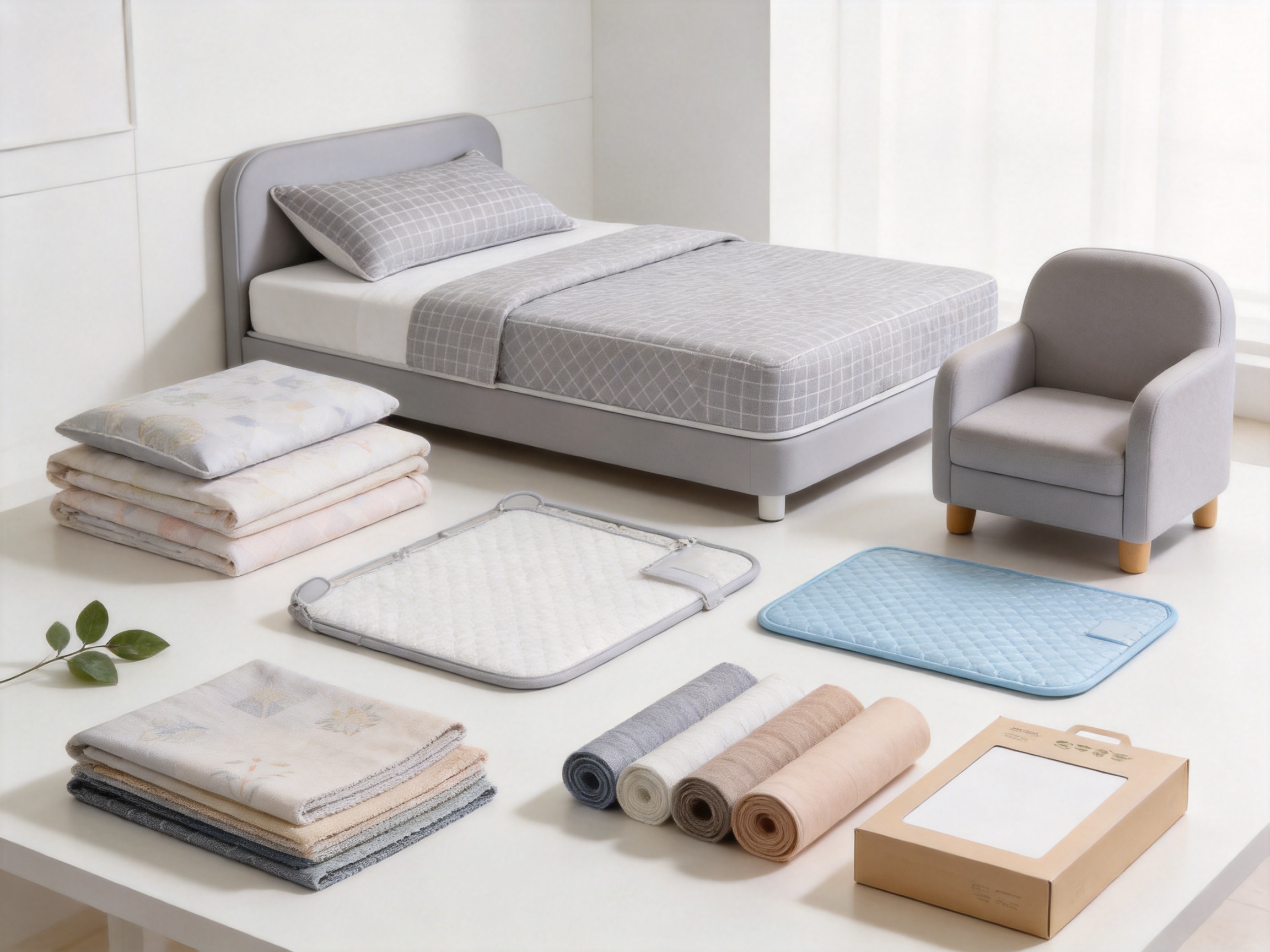
Children spend a significant part of their early lives sleeping, resting, and recovering on mattresses. For that reason, the fabric surrounding a children’s mattress is far more than a decorative surface. It contributes to tactile comfort, moisture management, cleanliness, temperature perception, durability, and the overall user experience of the sleep environment. Graphene children’s mattress fabric is designed to respond to these requirements by combining a soft textile hand with functional performance intended for modern family bedrooms, childcare facilities, hospitality environments, and children’s furniture applications.
This specialized mattress fabric is developed for manufacturers that need more than an attractive knitted or woven cover. It is suitable for product developers seeking a functional decorative textile with a stable appearance, comfortable contact, and adaptable production potential. Its graphene-related functional concept can support heat-management, freshness, and comfort-oriented product design when appropriately incorporated into a mattress construction. At the same time, the textile can be customized for different colors, patterns, weights, finishing requirements, and end-use specifications.
Produced by Hangzhou Xinsili Decorative Fabric Weaving Co., Ltd., the fabric reflects the company’s focus on practical innovation, precision manufacturing, and functional decorative textiles. With nineteen years of industry experience, a 12,000-square-meter factory area, and recognition as a National High-Tech Enterprise in 2023, the manufacturer combines textile production knowledge with a development approach aimed at safer, healthier, more comfortable, and more sustainable living spaces.
The product is positioned within a broad portfolio that includes mattress fabric, children’s mattress fabric, pillowcase fabric, pregnancy pillow fabric, cooling mat fabric, bedding fabric, sofa fabric, and pet-friendly fabrics. This product range enables the manufacturer to understand how textile performance changes across different household applications. Such experience is valuable when developing a children’s mattress cover, because children’s products often require a careful balance between softness, resilience, appearance, hygiene, and ease of maintenance.
Understanding Graphene Children’s Mattress Fabric
Graphene children’s mattress fabric is a functional textile designed for the outer covering or protective upholstery layer of children’s mattresses. The textile may be used as a visible mattress cover, a quilted panel, a removable cover, or part of a multilayer mattress construction. Its purpose is not to replace the mattress filling or structural core. Instead, it adds important performance characteristics to the surface that comes into direct or near-direct contact with the sleeper.
Graphene is a carbon-based material known for its thin structure and noteworthy thermal and electrical properties. In textile applications, graphene-related materials may be introduced through fibers, coatings, masterbatch systems, printing, finishing, or composite constructions. The precise function depends on the formulation, concentration, textile structure, finishing process, and intended use. A responsible product specification should therefore define the performance being offered rather than relying only on the material name.
In a children’s mattress application, the functional purpose may include more even heat distribution, a comfortable thermal feel, support for freshness, and an improved balance between softness and durability. These benefits are most meaningful when the graphene component is integrated with a suitable textile substrate and controlled through a consistent production process. The result is a fabric that can contribute to a more thoughtful sleep product rather than simply adding a fashionable technical label.
For mattress manufacturers, the fabric offers a platform for product differentiation. Conventional mattress fabrics can provide softness and visual appeal, but they may not deliver the same functional story. A graphene-enhanced construction can help brands develop children’s mattresses positioned around comfort, hygiene-conscious design, temperature awareness, and contemporary material technology. The fabric can also be combined with quilting, elastic edging, zipper systems, printed patterns, and other mattress-cover details.
Why Children’s Mattress Fabrics Require Specialized Design
Children’s mattresses are used in a demanding environment. Young sleepers may move frequently during the night, generate perspiration, spill liquids, or expose the fabric to repeated washing and cleaning. The cover must remain comfortable while tolerating abrasion, compression, stretching, and regular handling. It must also maintain a pleasant appearance, because children’s products are often expected to feel friendly and visually reassuring.
Children can be sensitive to rough or poorly finished surfaces. A fabric that feels acceptable in a general upholstery application may not be suitable for a mattress cover that remains in contact with pajamas or skin for many hours. This makes surface smoothness, seam quality, air permeability, moisture behavior, and finishing consistency important factors. The fabric should be evaluated as part of the complete mattress system, including the filling, barrier layers, quilting thread, zipper, and laundering instructions.
Another consideration is the need for practical hygiene management. Children’s bedding is commonly washed or cleaned more frequently than decorative household textiles. A fabric that retains its shape, color, and surface character after repeated care cycles provides a stronger value proposition for parents, childcare operators, and hospitality buyers. Functional finishes must also be selected with attention to durability, safety, regulatory expectations, and compatibility with the cleaning method.
For these reasons, a specialized children’s mattress fabric should not be judged solely by its first impression. A reliable assessment considers how the textile performs over time, how it behaves during fabrication, how it responds to moisture and heat, and whether its specifications remain consistent from one production batch to another.
Key Functional Advantages
Comfortable Surface Contact
Comfort is the first quality most users notice. A children’s mattress cover should feel soft, smooth, and non-irritating under normal sleeping conditions. The textile construction can be selected to create a gentle hand while retaining enough body to support cutting, sewing, quilting, and cover installation. A balanced surface helps reduce the stiff or coarse sensation that can occur with some technical fabrics.
The fabric can be used with suitable inner layers to create a padded or quilted surface. This allows mattress manufacturers to adjust the final touch according to the intended market. A nursery mattress may require a particularly gentle hand, while a hotel or institutional mattress may place greater emphasis on durability and repeated cleaning. A customizable textile platform makes it possible to develop different product levels without abandoning the same functional design direction.
Thermal Comfort and Heat Distribution
Thermal comfort is influenced by many factors, including room temperature, humidity, sleepwear, mattress filling, body movement, and the structure of the cover. A graphene-related textile component can be used as part of a design intended to support more even heat transfer across the fabric surface. This may help reduce the perception of localized warmth when compared with a fabric that traps heat unevenly, although the actual result depends on the complete mattress assembly.
The concept is particularly relevant to children’s sleep products because excessive warmth can affect perceived comfort. A fabric that supports thermal balance may be used in mattresses, nap mats, portable bedding, and other rest products. Manufacturers should verify thermal performance through appropriate testing and should present the benefit accurately. Graphene fabric is not a substitute for good ventilation, suitable mattress construction, or a comfortable bedroom environment.
Moisture-Aware Sleep Design
Moisture can originate from perspiration, accidental spills, cleaning, or humid conditions. The way a fabric absorbs, spreads, transports, or releases moisture affects its comfort and drying behavior. The textile structure and finishing system can be engineered to support a more comfortable surface, while the final moisture performance should be confirmed through laboratory testing.
For mattress manufacturers, moisture-aware design can provide a useful advantage over basic decorative fabrics. It supports product development for warm climates, active sleepers, childcare settings, and families that need practical maintenance. When combined with a removable cover, appropriate inner barriers, and clear care instructions, the fabric can contribute to a more manageable mattress hygiene system.
Freshness and Hygiene-Oriented Positioning
Children’s products are often purchased with a strong focus on cleanliness. A textile with a functional, hygiene-oriented design story can help manufacturers respond to this expectation. Graphene-based textile systems may be developed alongside antibacterial or freshness-supporting finishes, depending on the specification and applicable regulations. Any antibacterial claim should be supported by recognized test methods and should clearly identify whether it refers to bacterial reduction on the textile surface, odor control, or another defined property.
The fabric’s value lies in its ability to combine a modern functional material with the practical needs of mattress construction. It can be positioned as part of a broader hygiene-conscious product, rather than as a replacement for washing, ventilation, or proper household care. This distinction is important for responsible communication and for maintaining customer trust.
Durability for Everyday Use
A children’s mattress cover must withstand repeated contact, movement, friction, stretching, and handling. The fabric should retain a stable appearance and should resist premature pilling, seam distortion, and surface wear when used within its recommended conditions. The actual durability depends on the textile blend, construction, weight, finishing, mattress design, and cleaning process.
Compared with a basic fabric selected only for low initial cost, a functional textile with controlled construction can offer better long-term product value. A durable cover may reduce replacement frequency, support a better user experience, and help mattress brands protect their reputation. Xinsili’s weaving and decorative textile experience provides a manufacturing foundation for balancing functional performance with visual and tactile quality.
Design Flexibility
Children’s products are highly design-sensitive. Parents may prefer calm, neutral colors, while children’s furniture brands may request playful patterns, soft pastels, animal motifs, geometric designs, or coordinated collections. The fabric can be developed in a range of colors, textures, and pattern directions according to the needs of the buyer.
Design flexibility is also useful for private-label and contract manufacturing programs. A mattress producer may require a distinctive surface that separates its products from competitors while preserving a consistent functional story. Custom development can include color matching, pattern selection, fabric weight, width, quilting compatibility, and packaging requirements. These possibilities allow the same underlying product concept to serve multiple market segments.
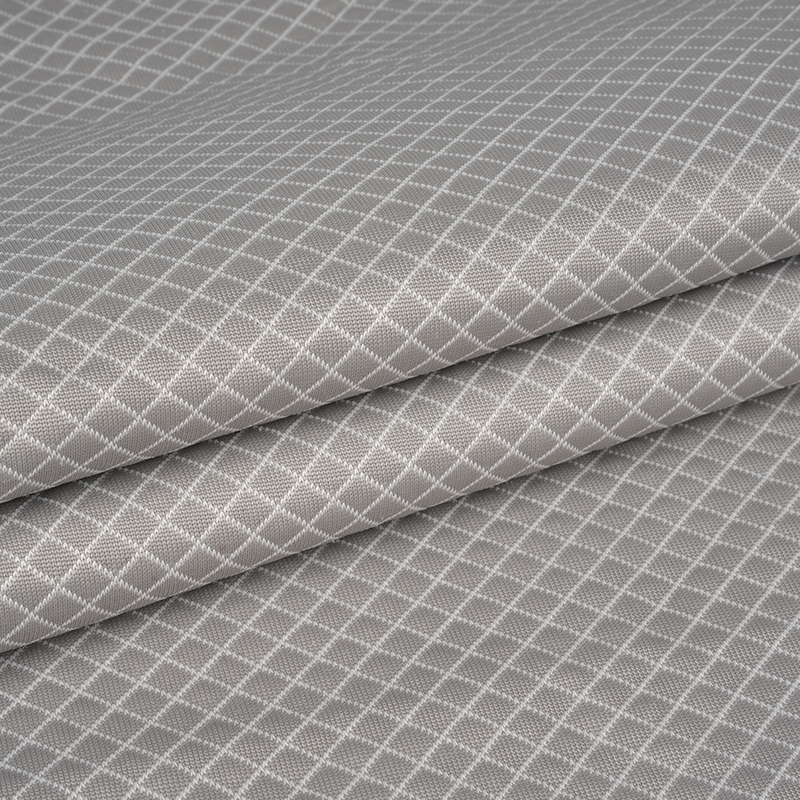
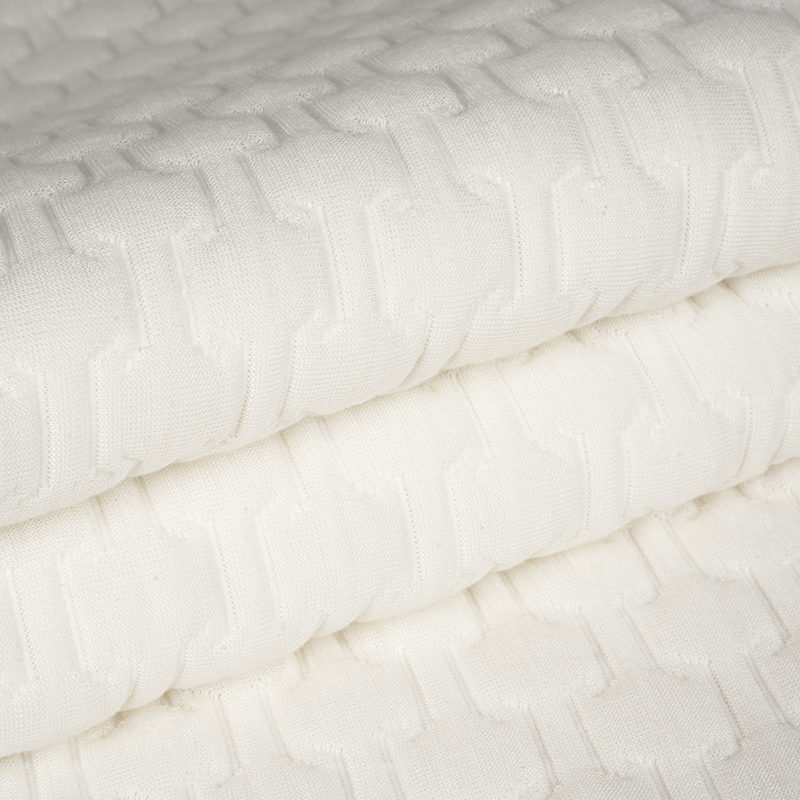
Graphene Children Mattress Fabric
Advantages Compared with Conventional Mattress Fabrics
Conventional mattress fabrics remain widely used because they can be economical, attractive, and easy to process. However, many standard fabrics are designed primarily around appearance and basic comfort. They may not offer a clearly defined functional feature that helps a mattress stand out in a competitive market. Graphene children’s mattress fabric addresses this gap by combining decorative textile performance with a technology-oriented material concept.
The first advantage is differentiation. A mattress using a functional graphene-related textile can be presented as a more advanced product than one using an undifferentiated cover. This does not mean that every graphene fabric will automatically outperform every conventional textile. Performance must be demonstrated through testing. Nevertheless, the technology provides a meaningful development direction for manufacturers seeking to create a premium or specialized children’s sleep product.
The second advantage is the opportunity to integrate several design objectives. The textile can be developed around softness, thermal comfort, moisture awareness, freshness, and visual appeal at the same time. With conventional fabric, these functions may require separate treatments or additional components. A well-designed functional textile can reduce unnecessary complexity, although the final mattress construction must still be reviewed for cost, care, safety, and compatibility.
The third advantage is market communication. Consumers increasingly want household products that are comfortable, healthy, practical, and supported by material innovation. A graphene-related textile gives manufacturers a clear technical narrative. When supported by credible laboratory data, the narrative can help explain why the mattress is different and why it may justify a premium price.
The fourth advantage is product-line expansion. The fabric concept can be adapted for children’s mattresses, pillows, bedding accessories, cooling mats, and related sleep products. A coordinated family of textiles enables manufacturers to build a collection rather than a single isolated item. This can simplify visual merchandising and strengthen brand consistency across the bedroom category.
| Performance Area | Graphene Children’s Mattress Fabric | Basic Decorative Mattress Fabric | Manufacturing Consideration |
|---|---|---|---|
| Material positioning | Functional and technology-oriented | Primarily decorative or comfort-oriented | Define tested functions and intended claims |
| Thermal design | Can be developed for heat distribution and thermal comfort | Depends mainly on ordinary textile structure | Evaluate the complete mattress system |
| Moisture strategy | Can support moisture-aware product development | Varies according to fiber and finishing | Test absorption, drying, and moisture transport |
| Market differentiation | Supports premium and functional product positioning | May require design alone for differentiation | Use accurate, evidence-based communication |
| Design adaptability | Available for customized colors, patterns, and constructions | Also customizable, but may offer fewer functional options | Confirm color, width, weight, and quilting requirements |
| Application range | Suitable for children’s mattresses and related sleep textiles | Commonly limited by its original design purpose | Match fabric specifications to each end use |
The comparison should be understood as a development framework rather than an unconditional performance guarantee. The correct fabric depends on the mattress design, target price, production volume, market regulations, and user expectations. A professional supplier should provide samples, technical information, and test support so that buyers can make an informed decision.
Advanced Manufacturing Approach
Research and Development Integration
Functional textile production begins before the loom or knitting machine is started. It requires material selection, structure design, finishing evaluation, and application testing. Xinsili’s focus on innovative research and development allows the fabric to be approached as an engineered product rather than as a simple surface decoration. The goal is to coordinate appearance, hand feel, durability, and functional performance from the beginning.
Graphene-related materials can behave differently from ordinary textile additives. Their dispersion, bonding, concentration, and interaction with other fibers or coatings must be carefully controlled. A development team needs to evaluate whether the material is better suited to the fiber, yarn, coating, finishing, or composite layer. It must also consider whether the selected method affects softness, color, breathability, washing stability, or sewing performance.
A structured development process may include laboratory formulation, small-scale sampling, fabric construction trials, surface evaluation, washing tests, and final application testing. Each stage helps identify possible problems before mass production. This is especially important for children’s mattress fabric, where the final product must balance a gentle surface with robust everyday performance.
Precision Weaving and Textile Construction
The textile structure directly affects the fabric’s appearance, strength, stretch, breathability, and hand. Precision weaving or other controlled construction methods help maintain consistent density, width, and surface character. For mattress covers, consistency is important because irregular fabric can create difficulties during cutting, quilting, sewing, and fitting.
A controlled manufacturing process also helps minimize variation between production batches. Buyers may require the same fabric for a long-running mattress program, and differences in shade, weight, texture, or stretch can create quality problems on the assembly line. Stable production parameters and inspection procedures help reduce these risks.
Textile construction can be adjusted according to the end use. A removable mattress cover may require a degree of flexibility for installation. A quilted panel may need sufficient stability to avoid distortion. A portable children’s nap mat may require a balance between light weight and resistance to repeated folding. These considerations should be discussed during product development rather than after the fabric has already been ordered.
Functional Material Integration
One of the most important manufacturing strengths is the ability to integrate a functional component without sacrificing the basic qualities expected from a decorative textile. The graphene-related element must remain sufficiently stable within the intended construction and should not create an unpleasant hand, excessive stiffness, unwanted odor, or poor color appearance.
Integration may involve functional fibers, blended yarns, surface treatments, coatings, or multilayer structures. The suitable method depends on the intended performance, product cost, machinery, and care requirements. A manufacturer with experience in several textile applications can compare different methods and recommend a practical route for the buyer.
The final fabric should be assessed for uniformity. If the functional material is unevenly distributed, performance and appearance may vary across the roll. Careful preparation, process control, and inspection are therefore essential. The manufacturer’s ability to manage both material innovation and ordinary textile quality is a significant advantage over suppliers that focus only on one side of the product.
Finishing and Surface Control
Finishing can strongly influence softness, smoothness, color depth, moisture response, and resistance to handling. For a children’s mattress fabric, finishing should create a pleasant surface without compromising breathability or causing unnecessary chemical concerns. The selected treatment should be compatible with the intended use and validated through appropriate testing.
Surface control also affects the visual quality of the mattress. Even a technically advanced fabric may fail commercially if it looks uneven, feels harsh, or loses its appearance after care. Xinsili’s decorative textile orientation supports attention to the aesthetic side of production, including color coordination, surface character, and design appeal.
Quality Inspection and Batch Consistency
Quality inspection is necessary at multiple stages. Incoming yarns, fibers, functional materials, dyes, and finishing agents should be checked against purchasing specifications. During production, fabric width, weight, density, color, surface defects, and other relevant parameters should be monitored. Finished rolls should be inspected before shipment and documented according to the customer’s requirements.
For international buyers, clear communication of quality standards is particularly important. A purchase agreement may specify acceptable shade variation, roll length, packaging, inspection methods, and sampling procedures. Professional suppliers can help establish these requirements before mass production, reducing misunderstandings and protecting both parties.
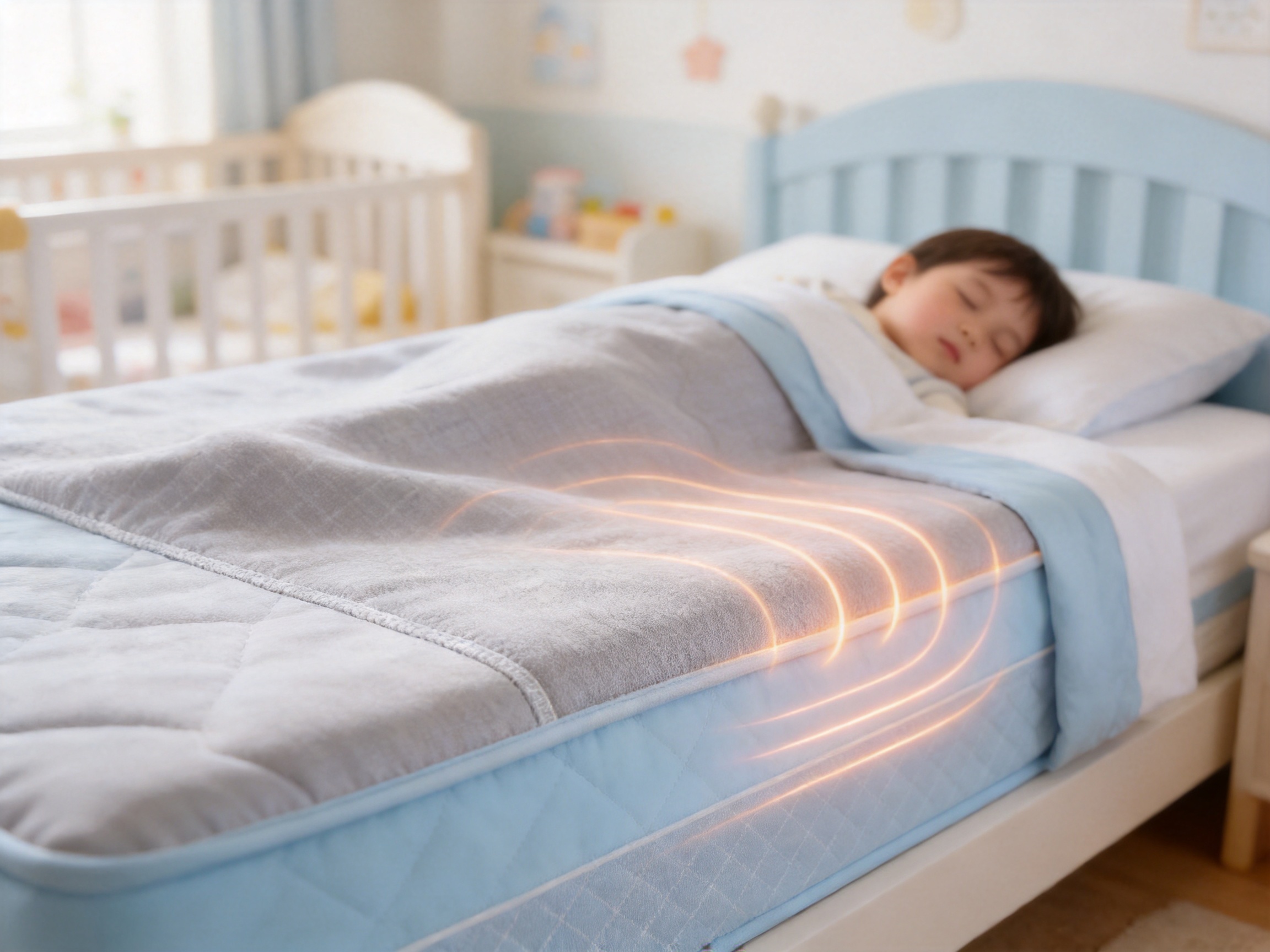
Company Manufacturing Strengths
Hangzhou Xinsili Decorative Fabric Weaving Co., Ltd. specializes in the research, development, and precision manufacturing of decorative textiles. Its stated vision, “Weaving Beautiful Spaces,” reflects an approach that combines visual design with practical household performance. The company’s products are intended for residential, hotel, and commercial environments, where fabrics must perform reliably while contributing to the appearance of an interior.
Nineteen years of industry experience provide a valuable foundation for product development. Long-term textile experience helps a manufacturer understand yarn behavior, fabric construction, finishing, color development, customer quality expectations, and production planning. It also helps the company recognize the difference between a promising laboratory sample and a fabric that can be manufactured consistently at commercial scale.
The company operates from a factory area of approximately 12,000 square meters. A dedicated production base can support better coordination among development, manufacturing, quality control, storage, and order management. For buyers, this may improve communication and make it easier to discuss customized specifications, sample approvals, and repeat orders.
Recognition as a National High-Tech Enterprise in 2023 indicates an emphasis on technological development and innovation. Such recognition should not replace product-specific testing, but it demonstrates that the company is organized around research and technical progress rather than relying only on traditional textile production. This orientation is relevant to graphene children’s mattress fabric, which requires both material understanding and practical manufacturing discipline.
Xinsili’s wider functional textile portfolio includes antibacterial, moisture-resistant, flame-retardant, sleep-supporting, and comfort-improving directions. Each claim must be verified according to its own test method and market requirement. However, experience across several functional categories can help the manufacturer consider how different properties interact. For example, adding a finish for one purpose may affect softness, breathability, color, or washing stability. A coordinated development process can identify these relationships early.
The company also emphasizes environmentally friendly decorative fabric solutions. Environmental performance is a broad subject that includes material selection, resource use, chemical management, production efficiency, product lifespan, packaging, and end-of-life considerations. A longer-lasting mattress cover may reduce replacement frequency, while responsible process management can reduce unnecessary waste. Buyers should request specific environmental data when making sustainability claims.
Applications Across Children’s Sleep Products
Children’s Mattresses
The primary application is children’s mattresses for home bedrooms, nurseries, bunk beds, and transitional sleeping arrangements. The fabric can be used as a full mattress cover or as selected panels. Its functional design can support a product narrative based on comfort, temperature awareness, modern materials, and practical hygiene.
Mattress manufacturers can select different constructions for different age groups and price points. A premium mattress may use a quilted cover with a soft backing and a carefully coordinated pattern. A compact children’s mattress may use a lighter construction that is easy to remove and clean. In each case, the fabric specification should be matched to the mattress dimensions, closure system, and care instructions.
Nap Mats and Childcare Bedding
Nap mats in preschools, childcare centers, and family day-care environments are exposed to frequent folding, carrying, cleaning, and storage. A functional children’s mattress fabric can be considered for these products when the construction is designed for repeated handling. Color coding, child-friendly patterns, and easy-clean cover systems may also be incorporated.
Institutional buyers may place greater importance on abrasion resistance, colorfastness, inspection records, and replacement availability. A supplier that can support repeat production and consistent color matching is valuable in this market.
Portable and Travel Mattresses
Portable mattresses and travel beds need fabrics that can withstand folding, compression, and transportation. Weight and flexibility may be more important than in a stationary home mattress. The fabric can be evaluated for compatibility with folding cores, hook-and-loop systems, elastic bands, and protective carrying cases.
The graphene-related functional concept may help create a premium travel product, but the benefit should be communicated realistically. The cover remains one part of the product, and overall comfort also depends on the filling, thickness, ventilation, and sleeping environment.
Children’s Pillows and Bedding Accessories
Coordinated fabric development can extend from mattresses to children’s pillows, pillow protectors, blankets, and other bedding accessories. A consistent surface design helps brands create a complete collection. The same functional theme can be adapted to products with different requirements for drape, stretch, softness, and washing.
Hotel and Hospitality Products
Hotels, serviced apartments, family resorts, and other hospitality environments may use children’s sleep products in family rooms or dedicated accommodation areas. These buyers often require materials that combine attractive appearance with commercial durability. A functional decorative fabric can help hospitality operators create a differentiated children’s bedding experience while maintaining a professional interior style.
Customization and Product Development Services
Customization is important because mattress manufacturers rarely share identical requirements. One customer may need a knitted fabric with high elasticity, while another may require a stable woven surface for quilting. Some buyers prioritize moisture management, while others emphasize design, colorfastness, or a low minimum order quantity. A flexible supplier should begin with a technical discussion rather than presenting one standard fabric as suitable for every application.
Color customization may include solid shades, melange effects, subtle textures, prints, or coordinated color families. Children’s products often benefit from colors that are attractive without being visually overwhelming. Neutral tones can support minimalist nursery design, while brighter colors can create a playful retail presentation.
Pattern customization can include simple geometric forms, botanical motifs, stars, animals, clouds, or abstract textures. The pattern must be evaluated at the final mattress scale because a design that looks attractive on a small sample may appear too dense or too sparse when used across a full mattress panel.
Construction customization can involve width, weight, yarn selection, stretch, backing, quilting compatibility, and finishing. The buyer should provide mattress dimensions, production equipment information, target performance, expected order volume, and care conditions. This information helps the manufacturer recommend a practical construction and avoid unnecessary trial and error.
Sampling is a critical stage. A professional sample process should allow the buyer to examine hand feel, color, surface appearance, sewing behavior, wash response, and compatibility with the mattress core. If functional claims are important, laboratory test samples should be prepared using the same production route intended for bulk manufacturing.
Once a sample is approved, the reference should be documented. This may include a physical standard, color code, construction specification, test report, packaging instruction, and acceptable tolerance range. Clear records help maintain consistency during repeat orders and support efficient cooperation between the textile supplier and mattress factory.
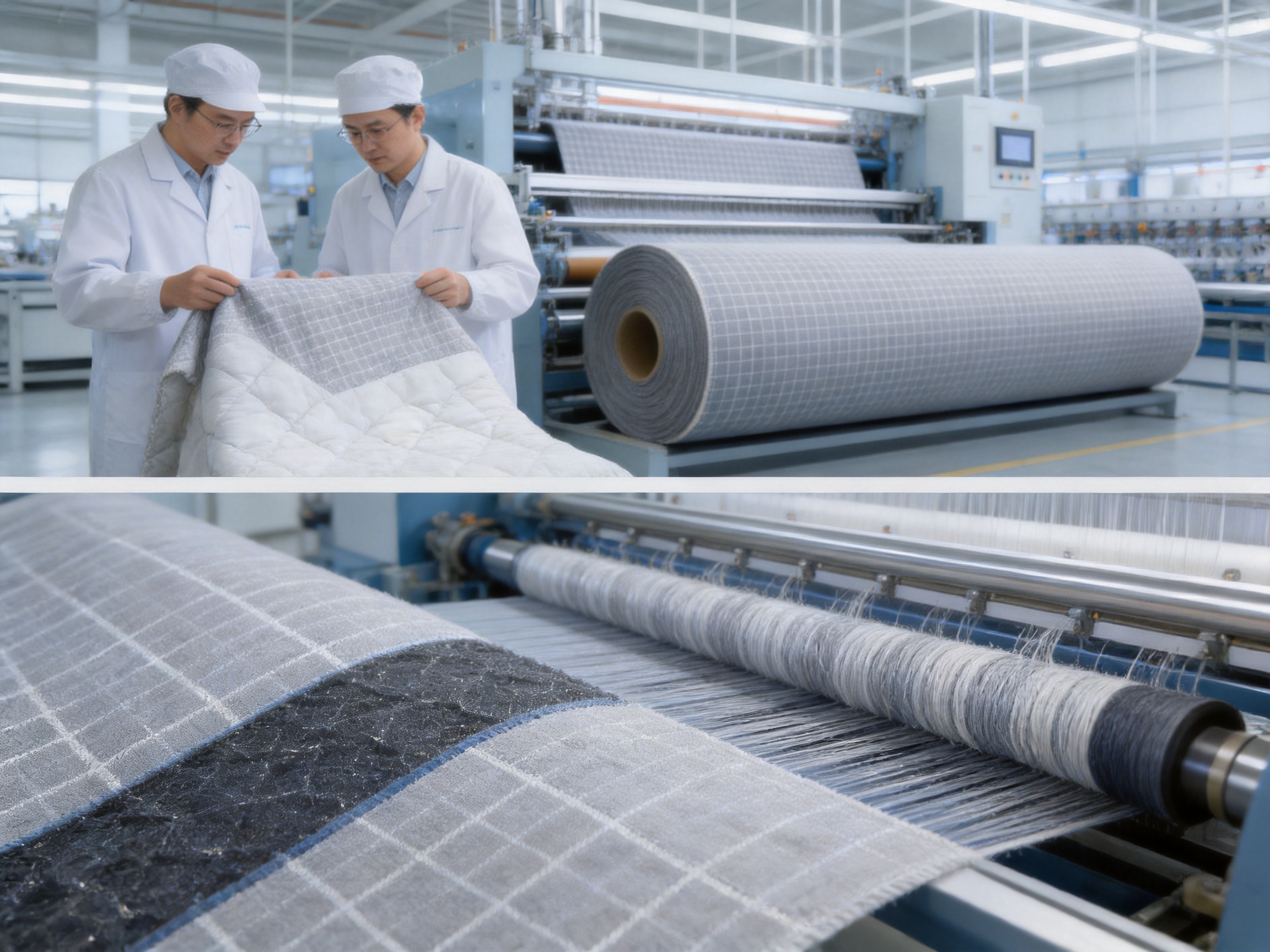
Quality, Safety, and Compliance Considerations
Children’s products require careful attention to safety. The finished mattress should be evaluated under the regulations and standards applicable to its destination market. Requirements may address chemical substances, flammability, colorfastness, mechanical safety, labeling, packaging, and care instructions. The textile supplier should cooperate with the mattress manufacturer so that the fabric is assessed as part of the complete product.
Colorfastness to perspiration, water, rubbing, and washing is important because children’s mattresses may experience repeated contact and cleaning. Dimensional stability should also be checked to reduce cover shrinkage, distortion, or installation problems. Pilling and abrasion tests can provide useful information about expected surface performance.
If the fabric includes graphene, antibacterial treatments, flame-retardant finishes, or other functional systems, buyers should request technical documentation. The documentation may include fiber or material composition, test conditions, performance values, washing durability, restricted-substance information, and recommended care conditions. Claims should be based on the actual tested fabric and should not be generalized beyond the evidence.
Flame resistance, where required, must be considered carefully. A flame-retardant textile may require a specific fiber system, chemical treatment, barrier layer, or complete mattress construction. One fabric layer alone may not determine the behavior of the finished mattress. Testing should therefore be conducted on the final product configuration or according to the relevant standard’s requirements.
Environmental and health considerations should also be part of supplier evaluation. Buyers may ask about wastewater management, chemical control, recycled content, energy efficiency, packaging, and factory environmental practices. These questions are increasingly important for international brands and retailers that have their own responsible sourcing policies.
Installation and Care Guidance
The fabric should be converted according to its construction. Cutting direction, seam allowance, needle selection, thread type, stitch density, and tension can affect the final appearance. Stretch fabrics may require different handling from stable woven fabrics. A trial run is recommended before large-scale production, particularly when the cover includes zipper openings, elastic bands, piping, or complex quilting.
Quilting can improve surface comfort and visual appeal, but it may also influence thermal and moisture behavior. The quilting pattern, batting type, thread density, and backing should be selected as a complete system. Excessive quilting density may reduce flexibility, while insufficient control may allow the cover to shift or wrinkle.
Care instructions should be established through testing rather than assumption. Washing temperature, detergent type, drying method, ironing, and chemical exposure can affect color, shrinkage, softness, and functional performance. If the cover is removable, the zipper and seam construction should be tested alongside the fabric. Buyers should avoid publishing care instructions until the complete cover has been evaluated.
Regular cleaning and adequate drying remain important even when a functional fabric is used. A graphene-related material or freshness-oriented finish does not eliminate the need for normal hygiene practices. Users should follow the manufacturer’s instructions, keep the mattress dry, and replace or repair damaged covers when necessary.
Why Work with a Specialized Functional Textile Manufacturer?
A specialized supplier can contribute more than fabric rolls. It can help translate a product concept into a manufacturable specification. This includes selecting the textile structure, balancing softness and strength, advising on finishing, preparing samples, coordinating tests, and supporting repeat production. Such cooperation reduces the risk of choosing a fabric that looks attractive but fails during sewing, washing, or everyday use.
Specialized manufacturing experience is also useful when buyers require several related products. A mattress brand may want matching pillowcase fabric, bedding fabric, cooling mat fabric, sofa fabric, or pet-friendly material. A supplier with a broad functional decorative textile portfolio can support a more unified sourcing strategy.
Another benefit is communication efficiency. International buyers need clear answers about lead times, sample development, minimum quantities, production tolerances, packaging, documentation, and shipping preparation. A manufacturer accustomed to custom textile programs can establish these details early and help prevent costly delays.
For Hangzhou Xinsili, the combination of decorative textile expertise, functional development, factory capacity, and long-term industry experience creates a strong foundation for supplying customized children’s mattress fabric. The company’s focus on craftsmanship, design innovation, and win-win collaboration supports a partnership model rather than a one-time transaction.
Purchasing Checklist for Buyers
Before placing an order, buyers should define the intended application clearly. Important information includes mattress dimensions, cover construction, target market, expected production volume, color requirements, care method, desired functional properties, applicable regulations, and target cost. The more complete the information, the more accurately the supplier can recommend a suitable fabric.
Buyers should request a physical sample and, when necessary, a larger trial quantity. A small sample is useful for examining color and hand feel, but a production trial reveals more about cutting, sewing, quilting, fitting, and washing. Functional performance should be checked using samples that reflect the proposed bulk-production process.
Documentation should be reviewed before approval. This may include technical data sheets, composition information, test reports, restricted-substance declarations, color standards, inspection procedures, and care recommendations. If a claim is important to the product’s marketing, the buyer should confirm the exact test method and conditions behind that claim.
Repeat-order management should also be discussed. Buyers may need an archived sample, batch tolerance, color approval process, and notification procedure for any change in yarn, finishing agent, machinery, or production location. These controls are especially useful for children’s mattress programs that will be sold for multiple seasons.
Frequently Asked Questions
What is graphene children’s mattress fabric?
It is a functional textile designed for children’s mattress covers or related sleep-product surfaces. It combines a suitable textile construction with a graphene-related material or treatment intended to support functions such as thermal comfort, moisture-aware design, freshness, and modern material differentiation. Exact performance depends on the final composition and should be confirmed through testing.
Is graphene fabric suitable for direct skin contact?
Suitability depends on the specific fiber, finishing system, material concentration, construction, and compliance requirements of the destination market. The finished fabric should be tested according to the relevant safety and chemical standards. Buyers should request composition and testing documentation before approving it for children’s products.
Does the fabric keep a child completely cool?
No textile can guarantee complete cooling under every condition. Thermal comfort depends on the room, sleepwear, mattress filling, body movement, humidity, and cover construction. Graphene-related textile design may support heat distribution or a more balanced thermal feel, but the complete mattress system must be tested to determine the actual result.
Can the fabric be washed?
Many mattress-cover fabrics can be washed or cleaned, but the correct method depends on the construction and finishing. Washing temperature, detergent, drying, and ironing instructions should be established through testing. The zipper, seams, quilting, and backing must also be considered.
Can the fabric be customized?
Yes. Customization may include color, pattern, weight, width, stretch, surface texture, backing, finishing, and packaging. Buyers should provide application details and production requirements so the supplier can develop an appropriate specification.
Can it be used for nap mats and portable mattresses?
It may be suitable for these applications when the selected construction can withstand folding, compression, transport, and repeated cleaning. A trial should be conducted to confirm flexibility, abrasion resistance, seam behavior, and care performance.
Is the fabric antibacterial?
Antibacterial performance should not be assumed solely from the word graphene. If antibacterial treatment or bacterial-reduction performance is required, the buyer should request a product-specific test report that identifies the test method, organisms evaluated, exposure conditions, and washing durability.
What information should be provided for a quotation?
A quotation request should include the desired fabric type, composition, width, weight, color, pattern, functional requirements, estimated quantity, delivery destination, application, and any required compliance documents. A reference sample or product drawing can make the development process more efficient.
How does this fabric compare with ordinary children’s mattress fabric?
Ordinary fabric may provide adequate softness and appearance, but graphene children’s mattress fabric is developed around an additional functional and technology-oriented value proposition. The actual advantage depends on testing and the complete mattress design. Its strongest benefit is the opportunity to combine comfort, design, and functional differentiation in one product platform.
What makes the manufacturer suitable for customized orders?
Hangzhou Xinsili Decorative Fabric Weaving Co., Ltd. combines nineteen years of industry experience, a 12,000-square-meter factory area, functional textile development, decorative fabric expertise, and a broad application portfolio. These strengths support sample development, customized construction, coordinated design, and repeat-order production.
Conclusion
Graphene children’s mattress fabric represents a forward-looking approach to children’s sleep products. It is designed to move beyond basic surface decoration by combining a comfortable textile hand with functional material development. Its potential advantages include thermal-comfort positioning, moisture-aware design, freshness-oriented applications, durable everyday performance, and strong customization possibilities.
The product is most effective when treated as part of a complete mattress system. Its performance depends on the graphene integration method, textile structure, finishing, mattress filling, quilting, cover design, care process, and applicable testing requirements. Clear specifications and evidence-based communication are essential for responsible product development.
Hangzhou Xinsili Decorative Fabric Weaving Co., Ltd. offers a manufacturing platform built around precision textile production, research and development, decorative design, and functional innovation. Its long industry experience, factory resources, high-tech enterprise recognition, and broad portfolio provide useful support for mattress brands, bedding manufacturers, furniture companies, hospitality suppliers, and other buyers seeking customized functional fabrics.
For companies developing safer, healthier, more comfortable, and more distinctive children’s sleep products, this fabric can serve as a practical starting point. With appropriate sampling, testing, customization, and production control, graphene children’s mattress fabric can help transform a basic mattress cover into a more thoughtfully engineered component of the modern sleep environment.
References
1. International Organization for Standardization. Textile Testing Principles for Colorfastness, Dimensional Stability, and Surface Performance.
2. International Organization for Standardization. Guidelines for the Assessment of Textile Materials Intended for Consumer Products.
3. ASTM International. Standard Methods for Evaluating Textile Abrasion, Pilling, Moisture Management, and Thermal Performance.
4. National High-Tech Enterprise Recognition Information, 2023. Company qualification information supplied for manufacturer evaluation.
5. Textile Research and Development Literature. General studies on graphene-based materials, thermal transfer, composite structures, and functional textile applications.
6. Consumer Product Safety and Textile Compliance Guidance. General principles for children’s bedding, chemical safety, labeling, care instructions, and product testing.
Product: Graphene Children Mattress Fabric

Our Featured Products
-
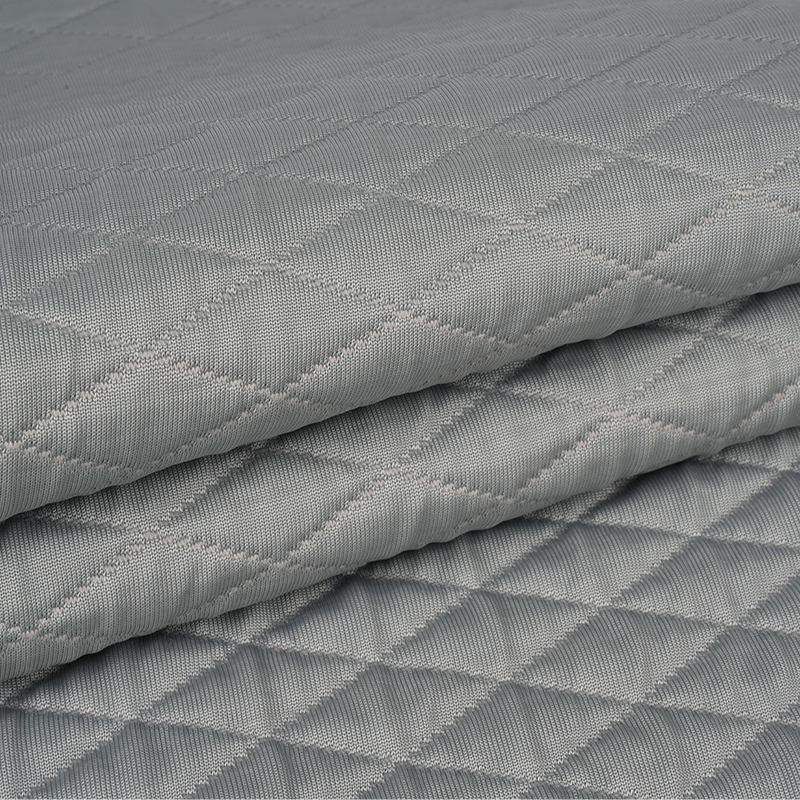
Graphene Children Mattress Fabric
Graphene Children Mattress Fabric
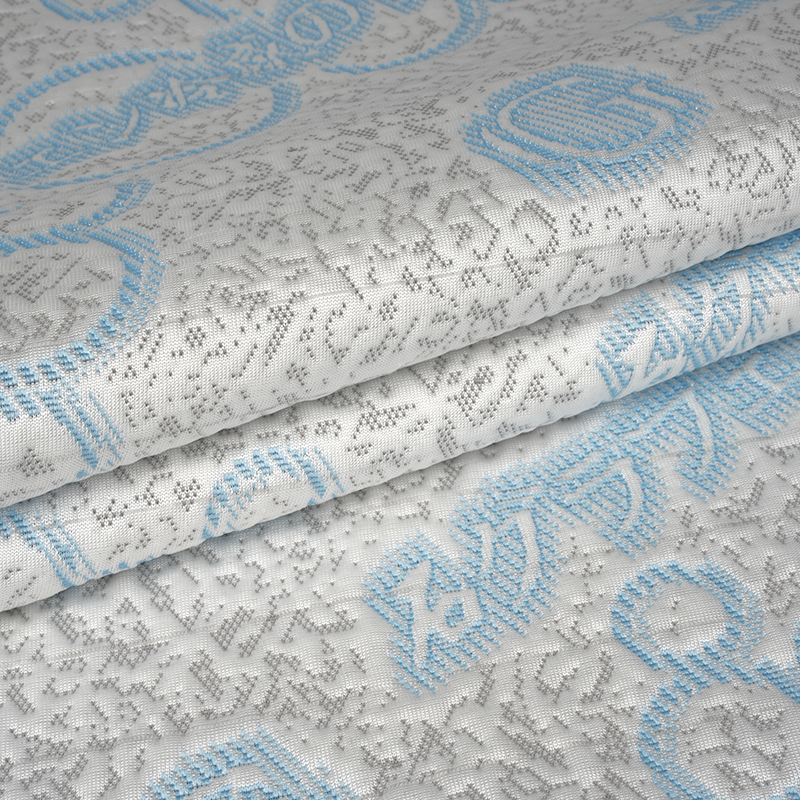
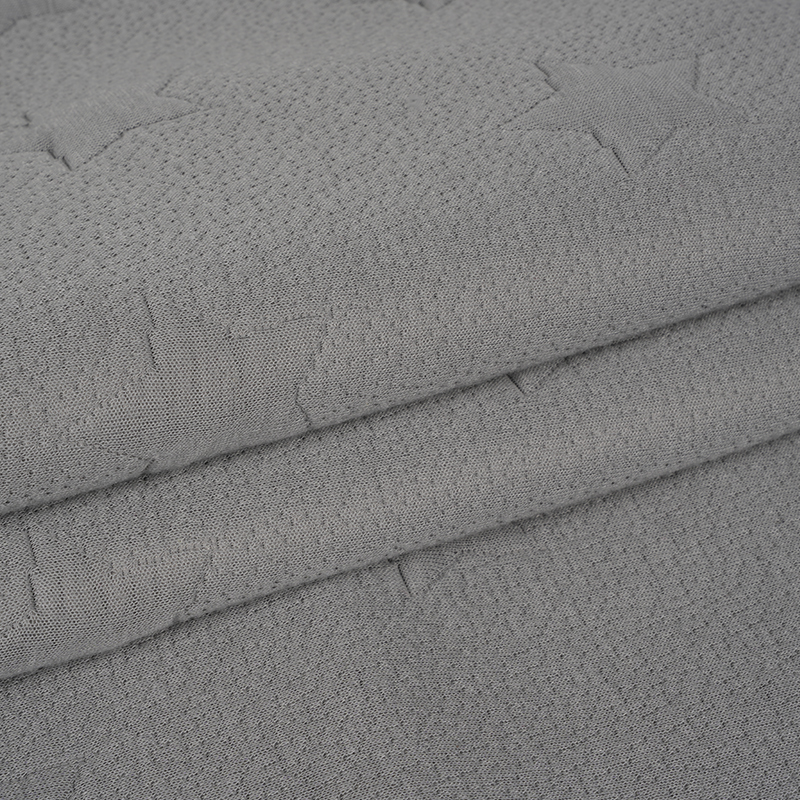
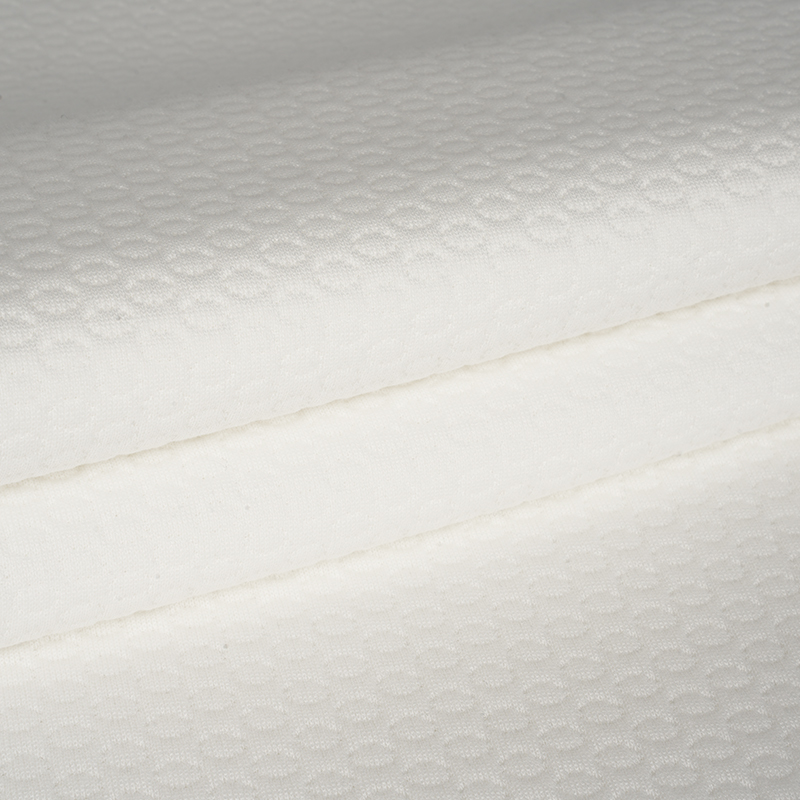
Haven’t Found The Products You Want?
-
-
Shen Jinyan:+86-15158070676
[email protected]
Liang Jinwen:+86-15757186621
[email protected]
Qiu Yingyingn:+86-13819545790
[email protected]
Yi qiao Town, Xiaoshan District, Hangzhou City, Zhejiang Province, China
-
Products
Mattress Fabric Children Mattress Fabric Pillowcase Fabric Pregnancy Pillow Fabric Cooling Mat Fabric Bedding Fabric Sofa Fabric Pet Friendly Fabrics -
Contact Information
About Us Products Strength Sustainability News Contact Us
Copyright © Hangzhou Xinsili Decorative Fabric Weaving Co.,Ltd. All Rights Reserved.
Functional Decorative Textile Manufacturers
