

 English
 中文简体
中文简体 Español
 عربى
عربى русский


Bamboo Fiber Pregnancy Pillow Fabric: Comfort, Performance, and Reliable Textile Manufacturing
Content
- 1 Understanding Bamboo Fiber Pregnancy Pillow Fabric
- 2 Why Fabric Selection Matters in Pregnancy Pillow Design
- 3 Key Advantages of Bamboo Fiber Pregnancy Pillow Fabric
- 4 Advantages Compared with Conventional Pillow Cover Fabrics
- 5 Manufacturing Strengths Behind the Product
- 6 Manufacturing Process Considerations
- 7 Performance in Finished Pregnancy Pillow Covers
- 8 Hygiene, Care, and Durability Considerations
- 9 Applications Beyond Pregnancy Pillows
- 10 Sustainability and Responsible Material Positioning
- 11 Customization and Product Development Support
- 12 Quality Control Checklist for Buyers
- 13 Why Choose a Specialized Manufacturer
- 14 Recommended Product Positioning
- 15 Frequently Asked Questions
- 15.1 What is Bamboo Fiber Pregnancy Pillow Fabric used for?
- 15.2 Why is bamboo fiber suitable for pregnancy pillow covers?
- 15.3 Can the fabric be customized?
- 15.4 Is the fabric suitable for removable pillow covers?
- 15.5 Can the fabric be washed?
- 15.6 Does bamboo fiber automatically mean the product is antibacterial?
- 15.7 Can the fabric be used in hot climates?
- 15.8 How does this fabric compare with ordinary polyester fabric?
- 15.9 What information should buyers provide when requesting a quotation?
- 15.10 Can the fabric be matched with other bedding materials?
- 15.11 What makes the manufacturer suitable for customized textile projects?
- 16 Conclusion
- 17 References
- 18 Product: Bamboo Fiber Pregnancy Pillow Fabric
Pregnancy pillows are designed to support the changing body during pregnancy, improve sleeping posture, and create a more comfortable rest experience. Because these products remain in close contact with the skin for extended periods, the fabric covering them is just as important as the pillow’s internal filling and ergonomic shape. A well-selected cover fabric can influence softness, breathability, moisture management, thermal comfort, durability, appearance, maintenance, and the overall perception of product quality.
Bamboo Fiber Pregnancy Pillow Fabric is developed for manufacturers of maternity pillows, full-body pregnancy pillows, wedge pillows, nursing pillows, side-sleeper cushions, and other comfort-oriented bedding products. It combines a soft hand feel with the practical qualities expected from a modern decorative and functional textile. Its suitability for pregnancy pillows comes from the balance between comfort, surface appeal, usability, and the possibility of customization for different product collections.
Produced by Hangzhou Xinsili Decorative Fabric Weaving Co., Ltd., this fabric reflects a manufacturing philosophy centered on stable quality, technical development, and application-focused design. With 19 years of industry experience, a 12,000-square-meter factory area, and recognition as a National High-Tech Enterprise in 2023, the company supports customers seeking dependable textile materials for home, hotel, commercial, and specialized comfort applications.
For pregnancy pillow manufacturers, the fabric is not simply an outer layer. It is an important part of the user experience and a direct contributor to product differentiation. The right material can help a pillow feel more inviting, perform more consistently in daily use, and communicate a stronger commitment to comfort and responsible product development.
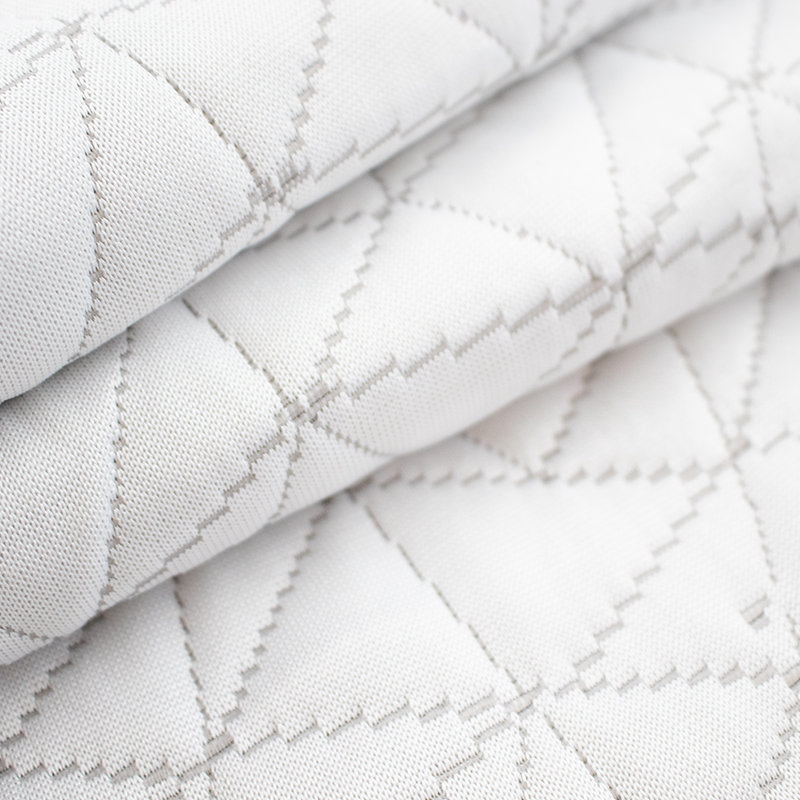
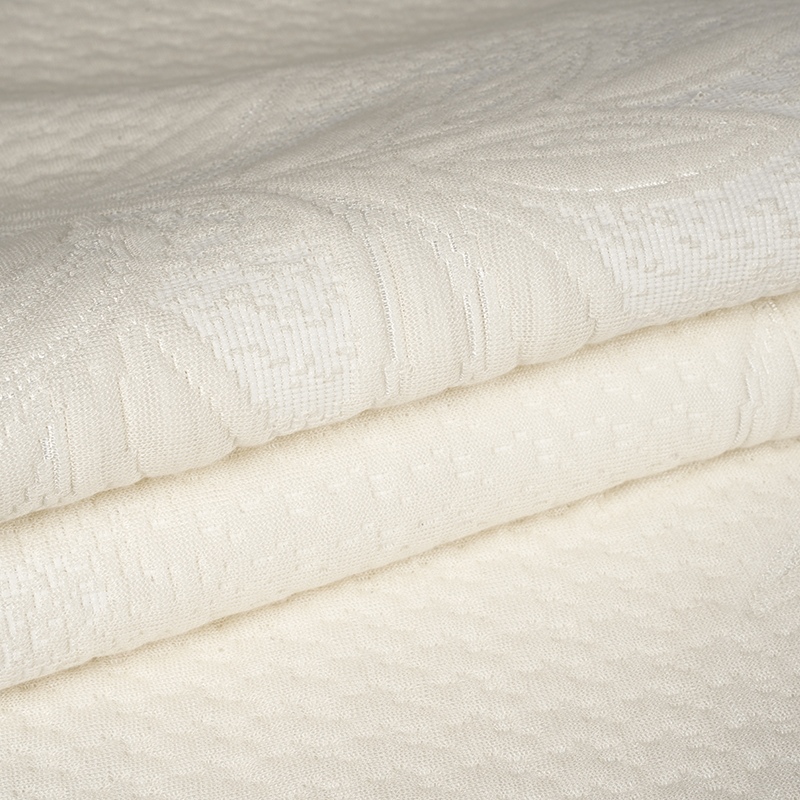
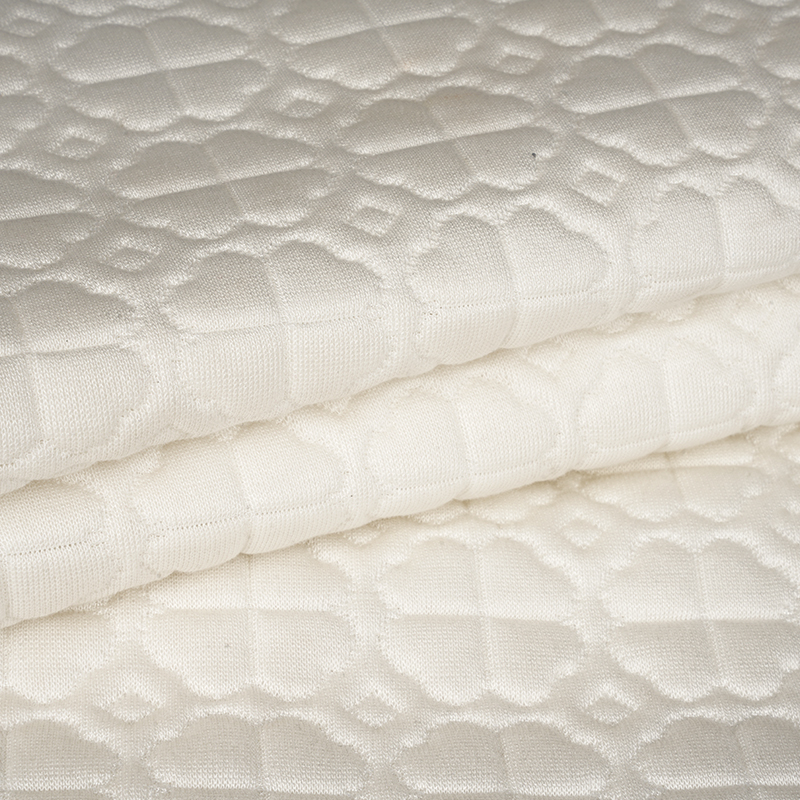
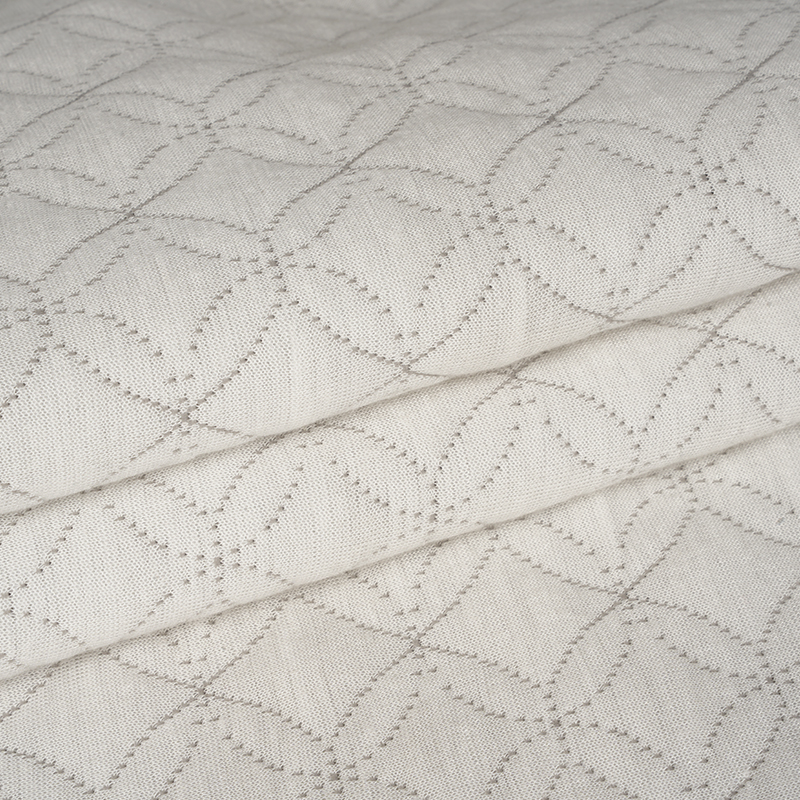
Bamboo Fiber Pregnancy Pillow Fabric
Understanding Bamboo Fiber Pregnancy Pillow Fabric
Bamboo Fiber Pregnancy Pillow Fabric is a textile material intended for use as the external covering of pregnancy pillows and related soft furnishings. Its primary role is to provide a comfortable, attractive, and functional surface around the pillow filling. Depending on the final construction, the fabric can be used for removable pillow covers, sewn-in coverings, decorative panels, coordinated bedding accessories, and customized maternity support products.
The fabric is particularly relevant to pregnancy products because expectant mothers often use support pillows for many hours each day. A pregnancy pillow may remain beneath the abdomen, between the knees, behind the back, or around the upper body throughout the night. Continuous contact makes the fabric’s tactile qualities important. Roughness, excessive heat retention, poor moisture handling, or unstable construction can reduce user satisfaction even if the pillow’s shape is well designed.
Bamboo fiber is commonly selected for products positioned around softness, comfort, and a more natural textile experience. When engineered and woven correctly, it can contribute to a smooth surface, gentle touch, and pleasant drape. These qualities are valuable for pregnancy pillows because the fabric should feel comfortable against sleepwear or exposed skin without creating unnecessary friction.
The material can also support a broader product story. Modern consumers increasingly evaluate bedding through several criteria at once: comfort, appearance, hygiene, maintenance, durability, and environmental awareness. A bamboo fiber-based cover can help manufacturers respond to these expectations while still leaving room for customized colors, patterns, constructions, finishing treatments, and packaging concepts.
Why Fabric Selection Matters in Pregnancy Pillow Design
A pregnancy pillow is a functional support product, but it is also a personal comfort item. The fabric determines how the pillow looks on a bed, how it feels during use, how easily it can be cleaned, and how well it fits the positioning of a particular brand. A low-quality cover can make a well-filled pillow appear ordinary, while a carefully selected fabric can elevate the complete product.
Pregnancy pillows are frequently exposed to body heat, perspiration, skin oils, household dust, and repeated washing. They may also be moved, folded, compressed, or used with additional bedding. These conditions require a fabric that is not only soft at the beginning of its life but also stable enough for practical daily use.
Another consideration is the wide variety of pregnancy pillow formats. U-shaped pillows, C-shaped pillows, J-shaped pillows, full-length body pillows, wedge pillows, and adjustable modular systems all require different panel sizes and sewing methods. A suitable fabric must be adaptable to curves, seams, zippers, piping, quilting, and other construction details without losing its visual consistency.
For manufacturers, fabric selection also affects production efficiency. A stable and predictable material can reduce sewing difficulties, limit panel distortion, support more consistent cutting, and simplify quality inspection. These factors influence not only product quality but also production costs, delivery schedules, and the ability to scale a successful pillow design.
Key Advantages of Bamboo Fiber Pregnancy Pillow Fabric
Softness for Extended Contact
Softness is one of the most important qualities in any pregnancy pillow cover. The user may rest the face, arms, abdomen, legs, or back against the pillow for long periods. A smooth textile surface can make the product feel more welcoming and reduce the sensation of friction during movement.
Bamboo fiber fabrics are often chosen for their comfortable hand feel. When combined with appropriate yarn selection, weaving techniques, and finishing processes, the resulting fabric can provide a refined surface suitable for sleep-support products. The feel can be adjusted according to the intended market, from lightweight and smooth constructions to fuller and more substantial qualities.
This softness gives manufacturers an advantage over basic utility fabrics that may feel stiff, coarse, or overly synthetic. A comfortable surface can improve first impressions when customers open the packaging, touch the product in a retail environment, or begin using the pillow at home.
Breathable Comfort
Thermal comfort is an important issue for pregnant users. Body temperature, seasonal changes, room conditions, sleepwear, and bedding layers can all affect whether a pillow feels comfortable during the night. A fabric that allows a pleasant exchange of air can help create a less oppressive surface experience.
Bamboo fiber-based textiles are associated with a breathable, comfort-oriented positioning. The final performance depends on fiber composition, yarn structure, fabric density, finishing, and product construction. For this reason, professional development and testing remain important. Nevertheless, bamboo fiber gives manufacturers a strong material platform for creating pregnancy pillows intended to feel fresh, soft, and comfortable in daily use.
Compared with dense or poorly engineered fabrics that can feel heavy and warm, a well-developed bamboo fiber construction may offer a more balanced sensation. This can be especially valuable for full-body pillows, which cover a larger portion of the user’s body and can otherwise contribute to heat buildup.
Moisture-Oriented Performance
Pregnancy can be accompanied by changing comfort needs, including increased sensitivity to warmth and perspiration. A pillow cover that supports a dry and pleasant surface can contribute to better perceived comfort. Bamboo fiber fabrics are commonly considered for applications where moisture-related comfort is important.
Moisture performance is influenced by many factors, including fiber blend, fabric thickness, finishing, absorbency, drying conditions, and the pillow’s internal structure. Manufacturers should select the appropriate construction for the target application and validate performance through product testing. Even so, bamboo fiber can provide a useful basis for bedding products that emphasize a more comfortable surface environment.
Gentle Surface for Sensitive Users
Expectant mothers may become more attentive to the materials used around the body. A fabric with a smooth, gentle touch can support a reassuring user experience. It can also be beneficial for consumers who prefer soft bedding materials or who dislike rough textures.
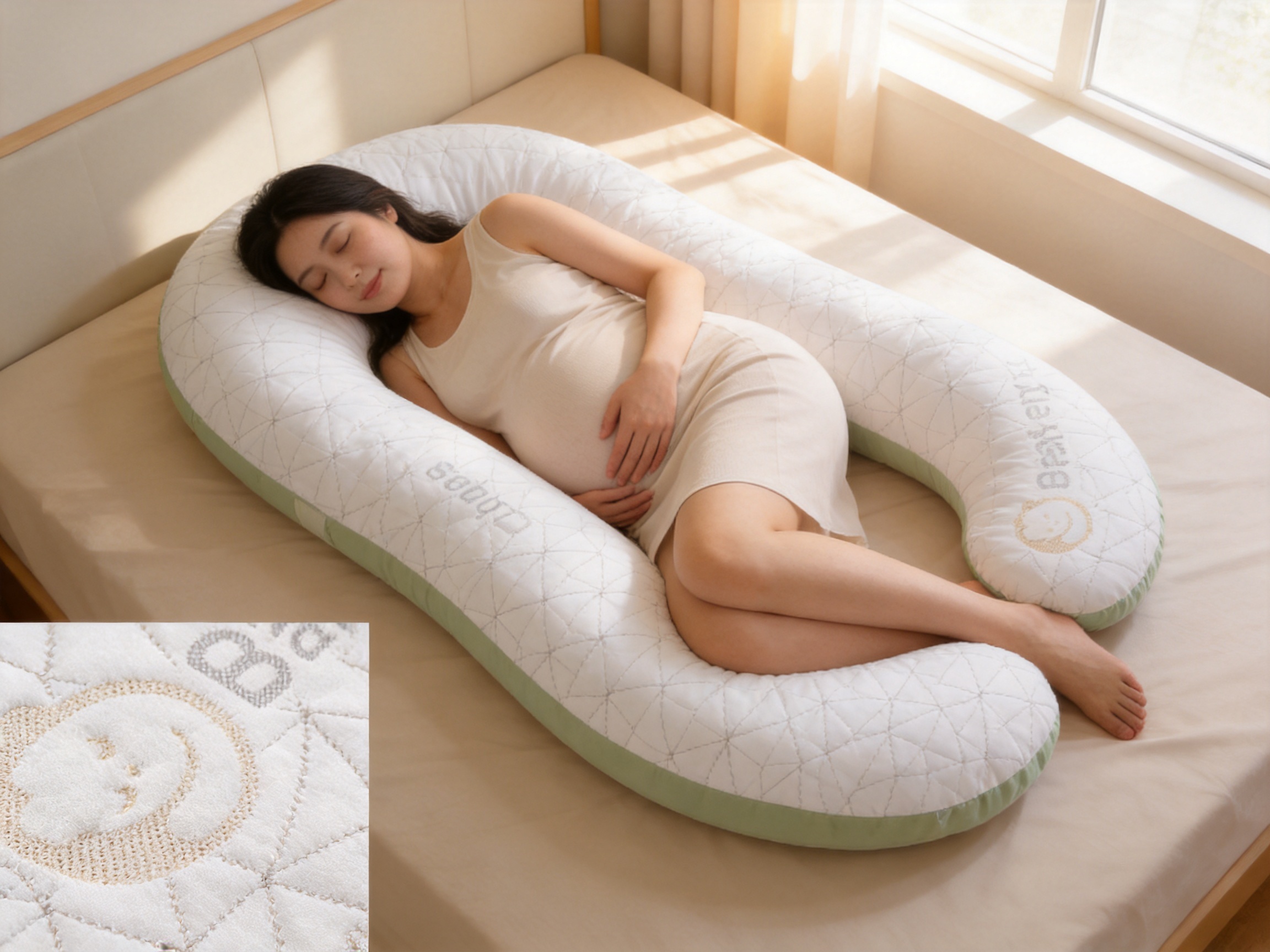
The gentle surface quality of Bamboo Fiber Pregnancy Pillow Fabric can help manufacturers position their products toward comfort-conscious customers. It is suitable for pillow covers intended to feel calm, clean, and inviting, particularly when combined with soft colors, understated patterns, and carefully finished seams.
Visual Appeal and Product Differentiation
Functionality is essential, but appearance also influences purchase decisions. Pregnancy pillows are often kept on beds, sofas, nursing chairs, or guest-room furniture. A cover that looks attractive can make the product easier to integrate into a home environment.
The fabric can support different design directions, including minimalist neutrals, soft pastel shades, natural-inspired palettes, contemporary geometric patterns, and coordinated bedding collections. Manufacturers may use the material to create a more premium appearance than standard plain pillow coverings.
Visual differentiation is particularly valuable in competitive online markets. Product photography often shows the cover before customers can evaluate the internal filling or support structure. A refined surface, consistent coloration, and well-controlled fabric appearance can help a pregnancy pillow communicate quality more effectively.
Suitability for Customized Products
Different markets have different expectations for fabric weight, color, softness, pattern, finishing, and care instructions. A textile supplier with product development capability can help manufacturers adapt the material to specific pillow designs instead of forcing every customer to use the same standard construction.
Customization may include color matching, fabric weight adjustment, surface treatment, width selection, pattern development, functional finishing, and coordination with other bedding fabrics. The exact options depend on technical feasibility, order volume, and customer requirements. This flexibility allows brands to develop collections for maternity retailers, e-commerce platforms, healthcare-oriented suppliers, hospitality projects, and home textile distributors.
Advantages Compared with Conventional Pillow Cover Fabrics
Conventional polyester or basic blended fabrics remain widely used because they can be economical, easy to process, and available in many constructions. However, not every standard fabric provides the same comfort profile or product positioning. A pregnancy pillow requires more than simple coverage; it must support prolonged physical contact and communicate a sense of care.
Compared with rougher utility fabrics, Bamboo Fiber Pregnancy Pillow Fabric can offer a softer and more refined tactile experience. Compared with visually ordinary coverings, it can support a more distinctive natural-material story. Compared with heavy and poorly breathable constructions, it may be better suited to products designed around freshness and sleep comfort.
It can also help manufacturers move beyond price-based competition. When a product includes a thoughtfully selected fabric, carefully controlled construction, and a clear comfort proposition, the brand can compete through quality and user experience rather than relying only on discounts.
At the same time, fabric performance should be evaluated fairly. Bamboo fiber does not automatically guarantee every desired property. The final result depends on the fiber source, blending ratio, fabric structure, dyeing, finishing, sewing, washing, and testing. The competitive advantage comes from combining an appropriate material with controlled manufacturing and application-specific development.
| Evaluation Area | Basic Utility Cover | Bamboo Fiber Pregnancy Pillow Fabric | Value for Manufacturers |
|---|---|---|---|
| Surface Feel | May be functional but less refined | Soft and comfort-oriented when properly engineered | Improves tactile appeal and user perception |
| Thermal Comfort | Depends heavily on density and fiber type | Suitable for breathable, comfort-focused constructions | Supports sleep and maternity comfort positioning |
| Moisture Experience | Varies widely by material and finish | Can support moisture-oriented comfort development | Useful for products used for extended periods |
| Design Positioning | Often limited to basic value products | Supports natural, premium, and wellness-oriented concepts | Creates stronger product differentiation |
| Customization | May be limited by supplier capabilities | Can be developed in various colors, weights, and finishes | Enables market-specific collections |
| Application Range | General pillows and low-cost bedding | Pregnancy pillows, bedding, nursing products, and comfort furnishings | Supports broader product portfolios |
Manufacturing Strengths Behind the Product
Long-Term Textile Experience
Hangzhou Xinsili Decorative Fabric Weaving Co., Ltd. has 19 years of industry experience. Long-term participation in textile manufacturing provides an important foundation for understanding yarn behavior, weaving conditions, finishing requirements, quality control, and customer application needs.
Experience is especially valuable for functional fabrics because performance depends on many connected details. A product may appear attractive but fail to deliver consistent results if the fabric width varies, the surface changes between batches, the color is unstable, or the construction does not respond well to sewing. Established manufacturing knowledge helps reduce these risks through more systematic process management.
Industry experience also supports communication with customers. Pregnancy pillow producers may need advice about fabric selection, cutting direction, seam construction, zipper placement, washing expectations, or coordination with fillings and accessories. A supplier that understands the final product can provide more useful support than a supplier focused only on selling unfinished fabric.
Dedicated Factory Capacity
The company operates a 12,000-square-meter factory area. A dedicated production environment can support organized material handling, weaving, inspection, storage, development, and order management. Factory capacity is important for customers who need stable supply rather than one-time sampling alone.
Reliable capacity helps brands plan product launches, seasonal collections, recurring replenishment, and customized orders. It can also support the transition from sample development to larger-scale production. For pregnancy pillow manufacturers, this continuity is valuable because a successful pillow design often requires repeated fabric orders over an extended product life cycle.
Research and Development Orientation
The company specializes in innovative research, development, and precision manufacturing of decorative textiles. Its product philosophy combines design innovation with practical performance. This orientation is relevant to Bamboo Fiber Pregnancy Pillow Fabric because the material must balance aesthetics, tactile comfort, construction stability, and application requirements.
Research and development may involve evaluating different yarn combinations, surface structures, fabric densities, finishing methods, and functional treatments. The goal is not merely to produce a fabric with a particular fiber label, but to create a material that works effectively in a finished product.
For customers, a development-oriented supplier can be an extension of their own product team. The supplier may help translate a concept such as “cooler,” “softer,” “more natural,” or “more premium” into practical textile characteristics. Final claims should always be supported by appropriate testing, but technical collaboration can make the development process more efficient.
Recognition as a National High-Tech Enterprise
Hangzhou Xinsili Decorative Fabric Weaving Co., Ltd. was recognized as a National High-Tech Enterprise in 2023. This recognition reflects the company’s emphasis on technological development and innovation. For buyers, it provides additional confidence that the company views textile manufacturing as a technical discipline rather than a purely commodity-based activity.
High-tech enterprise recognition does not replace product-specific testing, but it can indicate a broader organizational commitment to research, process improvement, and innovation management. This is particularly relevant for functional decorative textiles, where customers increasingly request materials with comfort, hygiene, moisture, flame-retardant, sleep-supporting, and environmental characteristics.
Functional Textile Expertise
The company’s wider product focus includes functional decorative fabrics for residential, hotel, and commercial spaces. Its stated areas of technology include antibacterial, moisture-resistant, flame-retardant, sleep-supporting, and comfort-improving functions.
Not every treatment applies automatically to every version of Bamboo Fiber Pregnancy Pillow Fabric. Buyers should confirm the exact construction, test results, certification status, care instructions, and permitted claims for the selected product. However, the company’s broader functional textile expertise provides a strong foundation for developing pregnancy pillow fabrics with targeted performance features.
This capability can be valuable when a customer wants more than a standard bamboo surface. For example, a manufacturer may require a fabric with specific moisture management, enhanced durability, a particular hand feel, or compatibility with a removable washable cover. A supplier experienced in functional development is better positioned to discuss these requirements systematically.
Manufacturing Process Considerations
Material Selection
The manufacturing process begins with selecting suitable fibers and yarns. Bamboo fiber may be used alone or combined with other fibers according to the desired balance of softness, strength, dimensional stability, cost, and care performance. The correct blend depends on the final application and the buyer’s specifications.
For pregnancy pillow covers, material selection should consider repeated contact, potential washing, seam behavior, surface appearance, and the physical size of the pillow. A fabric for a compact wedge pillow may not require the same weight or stretch as a fabric for a large U-shaped body pillow. Understanding the application at the beginning helps prevent performance problems later.
Yarn Preparation and Weaving
Yarn preparation affects the consistency of the finished fabric. Important considerations include yarn evenness, strength, twist, hairiness, and compatibility with the selected weaving process. Proper preparation helps create a stable surface and reduces irregularities that may become visible after dyeing or finishing.
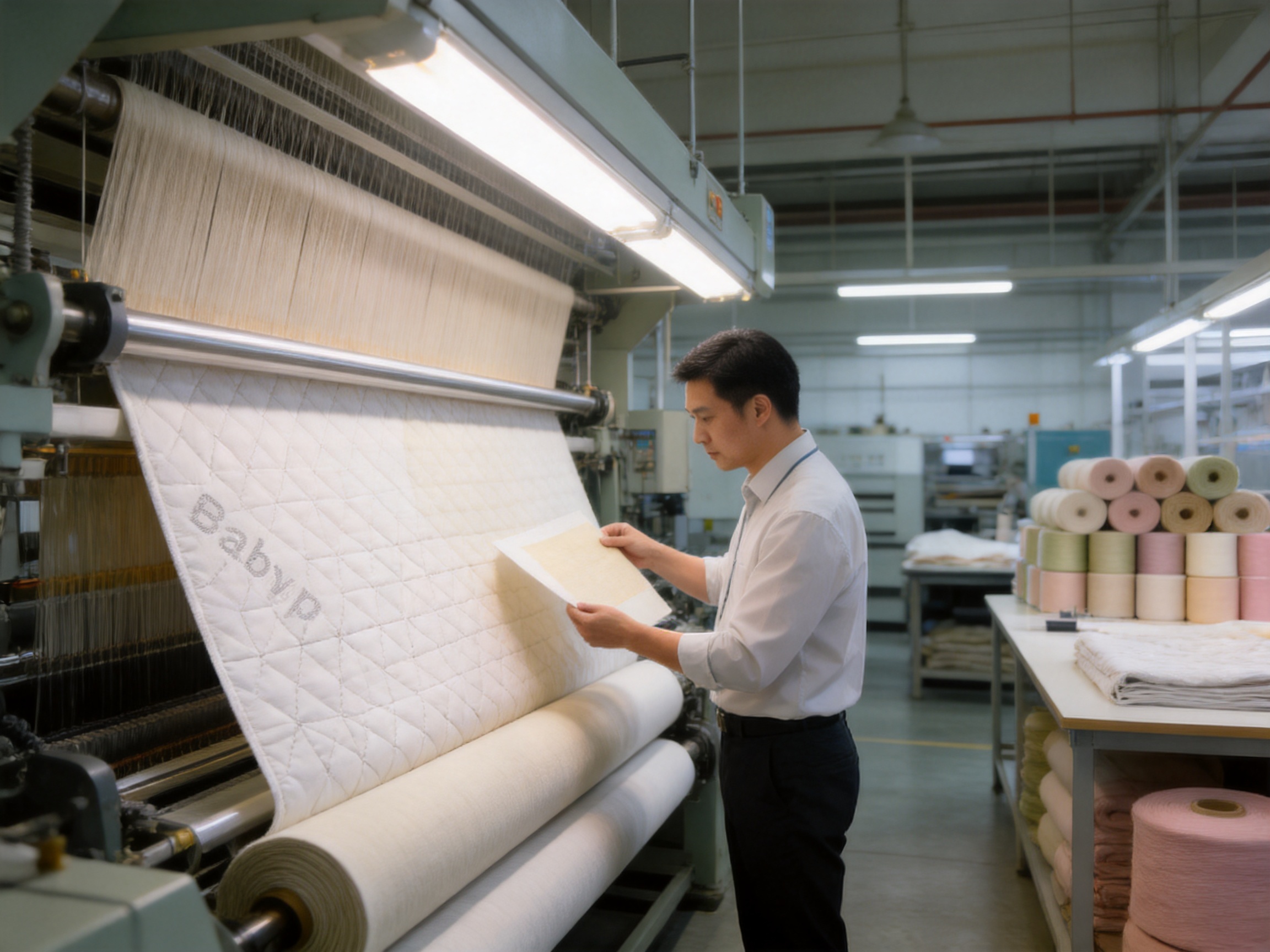
During weaving, production parameters must be managed to achieve the intended density, width, texture, and appearance. Consistent tension is important because pregnancy pillow covers often include large panels and curved sections. Excessive variation can contribute to distortion, mismatched panels, or difficulties during sewing.
Precision weaving also supports the fabric’s visual quality. A clean and uniform structure gives finished pillow covers a more professional appearance. This matters for both direct-to-consumer products and contract manufacturing, where visual consistency affects customer reviews, return rates, and retailer acceptance.
Dyeing and Color Control
Color is a major part of product identity. Pregnancy pillow manufacturers may request calm neutrals, gentle pinks, soft blues, botanical tones, warm earth colors, or custom shades matched to a brand palette. Color control must be managed across sampling, bulk production, and repeat orders.
Good color management includes clear standards, controlled processing, comparison against approved samples, and inspection under appropriate lighting. The supplier and buyer should agree on acceptable tolerances before production. This is particularly important when the pillow fabric is sold as part of a coordinated bedding collection.
Colorfastness is also relevant because pregnancy pillow covers may be washed frequently. The correct care instructions and testing requirements should be established according to the intended market. A fabric’s actual washing performance depends on its fiber composition, dyes, finishing, construction, and laundering conditions.
Finishing and Surface Development
Finishing can influence softness, smoothness, drape, dimensional stability, appearance, and functional performance. For a pregnancy pillow fabric, finishing should preserve the comfortable hand feel while supporting practical use.
Finishing may be adjusted to create a smoother surface, a fuller touch, a more natural appearance, or improved stability. Additional treatments may be considered for moisture management, antibacterial performance, flame retardancy, or other defined requirements. Each treatment should be evaluated for compatibility with the bamboo fiber construction and the intended care process.
Over-finishing can be counterproductive if it makes the fabric stiff, reduces breathability, creates an unpleasant surface, or complicates washing. A balanced process is therefore essential. The goal is to deliver useful performance while retaining the soft and comfortable character expected from a pregnancy pillow cover.
Inspection and Quality Assurance
Fabric inspection should address both appearance and physical performance. Typical areas of attention include width, weight, shade, weaving defects, stains, holes, surface irregularities, skew, shrinkage, pilling tendency, seam performance, and dimensional stability.
Quality assurance is most effective when it takes place at multiple stages rather than only after production is complete. Incoming material checks, process monitoring, finished fabric inspection, and final order review can work together to improve consistency.
For international buyers, clear quality standards are especially important. Purchase specifications should identify the required fabric composition, width, weight, color standard, packaging method, tolerance range, inspection procedure, and testing expectations. Detailed communication helps both parties interpret quality requirements in the same way.
Performance in Finished Pregnancy Pillow Covers
The performance of a fabric cannot be separated entirely from the way it is used. A pregnancy pillow cover may be fitted tightly around a thick filling, sewn loosely for a relaxed shape, quilted for additional structure, or equipped with a concealed zipper for removal. Each construction affects the final feel and durability.
Fabric weight should be selected according to the pillow size and intended support level. A very lightweight fabric may provide a cool and soft feel but require careful sewing and handling. A heavier fabric may offer a fuller appearance and stronger visual presence but could influence breathability and overall product weight.
Stretch and recovery are also important. Some pillow designs benefit from a small amount of flexibility so the cover can follow the filling without excessive tension. Other designs require a more stable woven structure to maintain a precise shape. The appropriate construction depends on the pillow’s design, filling material, and closure system.
Seams should be designed to withstand repeated movement and washing. Reinforcement may be appropriate at zipper ends, corners, handles, or points exposed to pulling. The fabric supplier can provide useful information about cutting and sewing behavior, but final seam performance should be assessed using the completed pillow cover.
When the fabric is used in removable covers, zipper quality and placement should complement the textile. A well-designed opening makes the cover easier to wash and reduces the need to handle the entire pillow during cleaning. A concealed or color-matched zipper can preserve the product’s appearance and improve comfort.
Hygiene, Care, and Durability Considerations
Pregnancy pillow covers should be designed with maintenance in mind. Because the products are used close to the body, customers may want to wash them regularly. Removable covers, practical care instructions, and appropriate fabric durability can increase satisfaction and extend product life.
Buyers should confirm washing recommendations before finalizing a product. Important factors include washing temperature, cycle type, detergent compatibility, drying method, ironing restrictions, shrinkage, colorfastness, and the possible effect of repeated laundering on softness. The final care label should reflect verified test results rather than assumptions based only on fiber identity.
Durability includes more than tear strength. A high-quality cover should maintain an acceptable appearance after normal use, resist excessive pilling, retain its shape, and continue to provide a pleasant hand feel. Performance targets should be established according to the product’s intended price range and use conditions.
If antibacterial or other hygiene-oriented treatment is requested, the buyer should ask for specific technical documentation and test evidence. Functional claims must correspond to the actual supplied fabric and should comply with the regulations of the target market. Responsible communication protects both the consumer and the product brand.
Applications Beyond Pregnancy Pillows
Although the principal application is maternity support, Bamboo Fiber Pregnancy Pillow Fabric can also be considered for related products. These may include nursing pillows, baby positioning cushions, sleep wedges, side-sleeper pillows, lumbar support pillows, neck support products, relaxation cushions, and soft medical comfort accessories.
The fabric may also be coordinated with pillowcase fabric, mattress fabric, bedding fabric, cooling mat fabric, sofa fabric, and pet-friendly fabrics. This broader product compatibility can help manufacturers develop unified textile programs across multiple categories.
For home textile brands, a common fabric family can simplify collection planning. A pregnancy pillow may be offered with matching standard pillowcases, mattress protectors, blankets, nursing accessories, or decorative cushions. Consistent color and surface language can create a stronger brand identity.
Hospitality and healthcare-oriented environments may also consider comfort-focused fabrics for guest rooms, maternity facilities, recovery spaces, and specialized rest areas. Any institutional application should be evaluated against its own hygiene, fire safety, durability, and procurement requirements.
Sustainability and Responsible Material Positioning
Consumers increasingly want to understand how textile products relate to environmental responsibility. Bamboo is often viewed as a renewable plant-based resource, which gives bamboo fiber products a recognizable sustainability narrative. However, responsible communication requires attention to the entire manufacturing chain, including fiber processing, blending, dyeing, finishing, energy use, wastewater management, packaging, and product lifespan.
A bamboo fiber label should not be treated as a complete environmental guarantee. Buyers should request accurate composition information and relevant documentation. If the fabric contains blended fibers or special finishes, these details should be communicated clearly.
Durability is also part of sustainability. A fabric that remains attractive and functional for a longer period may reduce the need for replacement. Washable, removable covers can extend the usable life of a pregnancy pillow by allowing the cover to be cleaned or replaced without discarding the entire product.
Hangzhou Xinsili Decorative Fabric Weaving Co., Ltd. presents its broader company vision around safe, healthy, comfortable, and sustainable living spaces. This direction is aligned with the development of practical home textiles that combine comfort with more thoughtful material selection. Customers should still evaluate specific sustainability requirements through product documentation and supply-chain verification.
Customization and Product Development Support
Successful customization begins with a clear product brief. The buyer should define the pillow shape, dimensions, filling type, intended market, target retail position, cover construction, expected wash performance, preferred hand feel, color direction, and required certifications. These details allow the fabric supplier to recommend a more suitable construction.
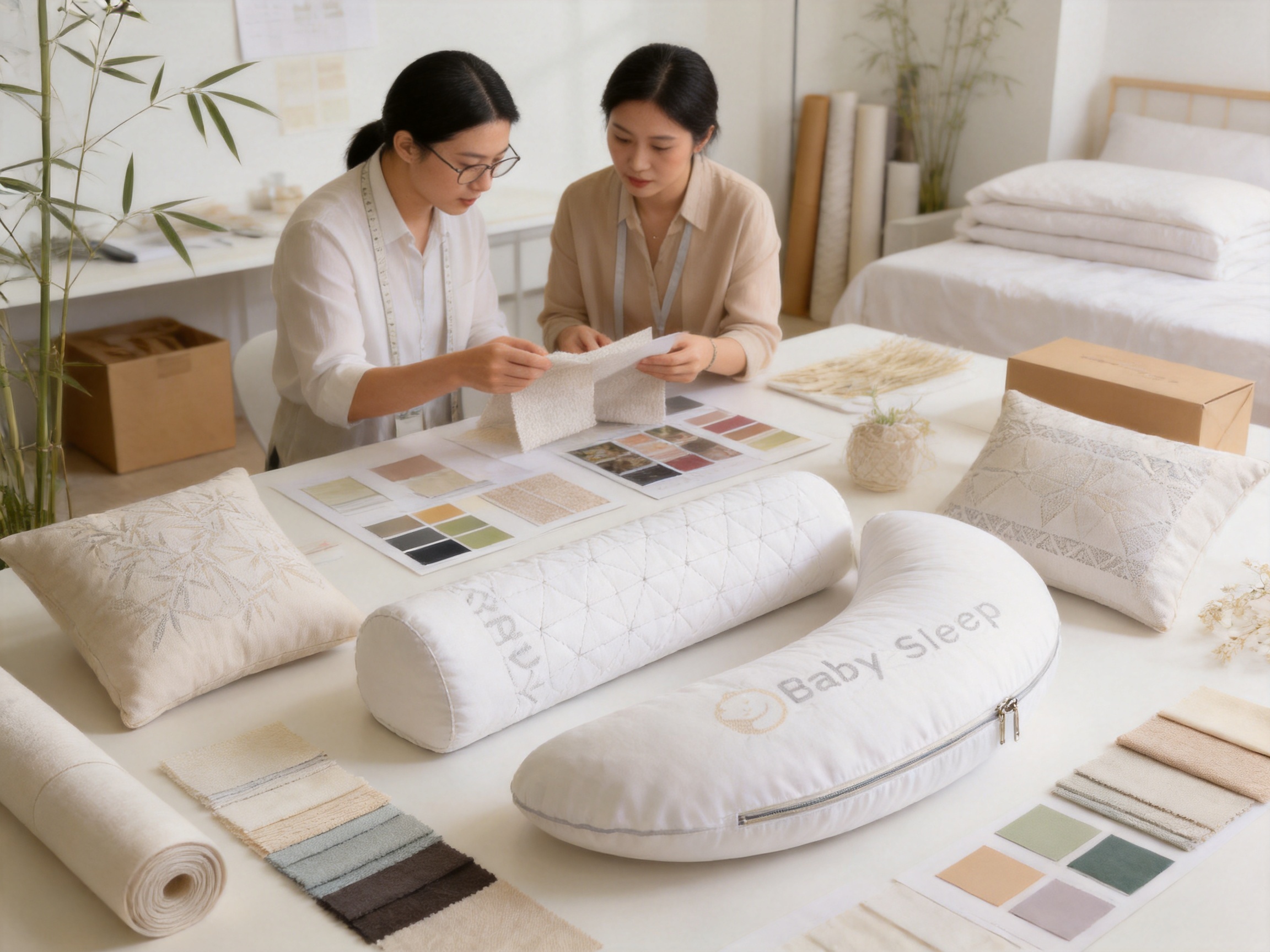
Sampling is an important stage of development. A fabric sample should be evaluated not only as a loose textile but also after it has been cut, sewn, filled, closed, and washed. This reveals how the material behaves in the actual product. It also allows the buyer to assess softness, drape, surface appearance, seam strength, zipper operation, and overall comfort.
Color sampling should be handled carefully. Digital images and screens cannot represent fabric color perfectly. Physical standards, lighting conditions, and approval procedures should be established before bulk production. This is especially important for soft pastel or natural colors, where small differences can be noticeable.
Product development can also include requests for coordinated fabrics. A pregnancy pillow collection may require one material for the main cover, another for piping or panels, and matching fabrics for nursing pillows or bedding. Coordination should consider not only color but also shrinkage, weight, surface texture, and care behavior.
For larger programs, buyers may benefit from discussing production scheduling and repeat-order planning at an early stage. Reserving approved standards, recording technical specifications, and maintaining consistent process controls can help reduce variation between orders.
Quality Control Checklist for Buyers
Before placing a production order, buyers should confirm the fabric composition and whether it meets the requirements of the target market. The composition should be stated accurately on technical documents, packaging, and product labels where applicable.
Buyers should also review the fabric width and weight. These specifications affect material consumption, cutting efficiency, product weight, drape, and cost. The supplier should identify acceptable tolerances and the method used for measurement.
Hand feel should be assessed using an approved physical sample. Words such as soft, smooth, cool, or full can be interpreted differently by different people. A reference sample reduces uncertainty and supports more consistent repeat production.
Color should be approved against a physical standard. The buyer should specify whether the same color will be used across different fabric constructions and whether minor shade variation is acceptable.
Testing requirements should be agreed before production. Depending on the market and application, these may include shrinkage, colorfastness, pilling, abrasion, tensile strength, tear strength, seam slippage, dimensional stability, moisture-related properties, and any functional treatment performance.
Packaging and transportation should also be considered. Fabric rolls must be protected from moisture, contamination, crushing, and excessive exposure to direct sunlight. Proper labeling helps the buyer trace batches and manage inventory.
Why Choose a Specialized Manufacturer
A specialized textile manufacturer can offer more value than a general trading supplier because it understands the relationship between raw materials, weaving, finishing, inspection, and final applications. This knowledge is useful when a customer needs a fabric that performs consistently rather than merely looks acceptable in a sample.
Hangzhou Xinsili Decorative Fabric Weaving Co., Ltd. combines manufacturing experience, factory capacity, functional textile development, and customer-oriented customization. Its focus on decorative and functional textiles allows it to address both the visual and technical requirements of pregnancy pillow fabrics.
The company’s stated values include craftsmanship-driven manufacturing, design innovation, and win-win collaboration. These principles are relevant to buyers seeking long-term supply relationships. A stable partnership can support new product development, repeat orders, material optimization, and faster response to changing market preferences.
The company’s location in Hangzhou, Zhejiang Province, places it within a major Chinese textile manufacturing region with access to established industrial resources, skilled labor, logistics networks, and related supply chains. For international customers, regional manufacturing infrastructure can support efficient sourcing and coordinated production.
Communication remains essential. Buyers should provide complete specifications, ask for relevant test information, confirm lead times, and clarify the scope of customization. A strong manufacturer-supplier relationship is built through transparent requirements and consistent quality expectations.
Recommended Product Positioning
Bamboo Fiber Pregnancy Pillow Fabric can be positioned as a comfort-oriented textile for modern maternity products. Its messaging may focus on softness, pleasant touch, breathable comfort, moisture-oriented performance, natural-inspired material selection, and attractive home compatibility.
Manufacturers should avoid making broad medical or health claims unless those claims are supported by appropriate evidence and permitted in the destination market. The fabric can contribute to a comfortable product experience, but it should not be described as treating medical conditions or guaranteeing improved pregnancy outcomes.
A strong product presentation can combine fabric benefits with the actual design advantages of the pillow. For example, the brand may explain how the cover supports comfortable contact, how the removable construction simplifies care, how the pillow shape supports different sleeping positions, and how the fabric complements the home environment.
Photography should show the fabric surface, finished seams, pillow shape, and realistic bedroom use. Packaging can communicate care instructions, material composition, and responsible product information. Consistency between the physical product and the marketing message is important for building trust.
Frequently Asked Questions
What is Bamboo Fiber Pregnancy Pillow Fabric used for?
It is primarily used to manufacture covers for pregnancy pillows, maternity support pillows, full-body pillows, wedge pillows, nursing pillows, and related comfort products. It may also be developed for selected bedding and soft furnishing applications.
Why is bamboo fiber suitable for pregnancy pillow covers?
Bamboo fiber is commonly selected for its soft, comfortable, and natural-inspired textile characteristics. When properly engineered, it can support a smooth hand feel, breathable comfort, and a pleasant surface for extended contact. The final performance depends on the fabric construction, finishing, blend, and product design.
Can the fabric be customized?
Customization may be available for color, weight, width, surface appearance, construction, and selected functional finishes. Requirements should be discussed with the manufacturer because feasibility depends on the design, order quantity, technical specifications, and testing needs.
Is the fabric suitable for removable pillow covers?
Yes, it can be considered for removable covers with zipper or other closure systems. The final design should account for fabric stability, seam strength, shrinkage, zipper compatibility, and washing requirements.
Can the fabric be washed?
Washability depends on the exact fiber composition, construction, dyeing, finishing, and sewing method. Buyers should obtain approved care instructions and confirm washing performance through testing before commercial production.
Does bamboo fiber automatically mean the product is antibacterial?
No. Antibacterial performance should not be assumed solely from the presence of bamboo fiber. If antibacterial treatment or performance is required, the buyer should request specific technical documentation and test reports for the exact supplied fabric.
Can the fabric be used in hot climates?
It may be suitable for warm-climate comfort products when the construction is selected for appropriate weight, density, and breathability. Climate suitability should be evaluated through fabric testing and finished-product trials.
How does this fabric compare with ordinary polyester fabric?
The main potential differences are surface feel, comfort positioning, material story, and the ability to create a more premium or natural-inspired product image. Polyester may still provide advantages in certain areas, so the best choice depends on the required durability, cost, care performance, and target market.
What information should buyers provide when requesting a quotation?
Buyers should provide the intended application, fabric composition, width, weight, color, estimated quantity, delivery destination, required testing, finishing preferences, packaging expectations, and whether the order is for sampling or bulk production. A drawing or photograph of the finished pillow can also help the supplier make a more accurate recommendation.
Can the fabric be matched with other bedding materials?
Yes, coordinated colors and related textile constructions can be considered for pillowcases, mattress products, bedding accessories, sofa cushions, and other home textile items. Matching should be evaluated through physical samples because different constructions can display color and texture differently.
What makes the manufacturer suitable for customized textile projects?
The manufacturer combines 19 years of textile experience, a 12,000-square-meter factory area, functional fabric development, precision manufacturing, and a stated commitment to design innovation and quality consistency. These capabilities can support customers from sampling through repeat production.
Conclusion
Bamboo Fiber Pregnancy Pillow Fabric offers manufacturers a balanced material platform for developing comfortable, attractive, and application-focused maternity products. Its soft touch, breathable comfort potential, moisture-oriented positioning, and natural-inspired appearance can help pregnancy pillows stand apart from basic utility products.
The fabric’s greatest value appears when material selection is combined with disciplined manufacturing. Fiber and yarn choices, weaving control, dyeing, finishing, inspection, cutting, sewing, and washing performance all contribute to the quality of the finished pillow. A strong textile supplier must therefore provide more than a fabric sample; it must support predictable development and dependable production.
Hangzhou Xinsili Decorative Fabric Weaving Co., Ltd. brings 19 years of industry experience, a 12,000-square-meter factory, high-tech enterprise recognition, and expertise in functional decorative textiles. Its focus on craftsmanship, innovation, practical performance, and long-term cooperation makes it a suitable manufacturing partner for customers developing bamboo fiber pregnancy pillow covers and related comfort products.
For the best results, buyers should define technical requirements clearly, test the fabric in the finished pillow, confirm care and performance information, and establish approved standards before bulk production. With the right construction and quality controls, Bamboo Fiber Pregnancy Pillow Fabric can contribute to products that feel comfortable, look refined, and meet the evolving expectations of modern home textile consumers.
References
1. Textile Exchange. Preferred Fiber and Materials Market Reports and Guidance on Responsible Fiber Selection.
2. International Organization for Standardization. Textile Testing Principles for Colorfastness, Dimensional Stability, Strength, and Surface Performance.
3. International Organization for Standardization. Quality Management Principles for Consistent Manufacturing and Process Control.
4. American Society for Testing and Materials. Standard Methods for Evaluating Textile Physical Properties and Performance.
5. Association for Contract Textiles. General Guidance on Performance Evaluation for Interior and Decorative Fabrics.
6. International Labour Organization. General Principles for Responsible Textile and Garment Manufacturing.
7. Hangzhou Xinsili Decorative Fabric Weaving Co., Ltd. Product and Company Information for Functional Decorative Textiles.
Product: Bamboo Fiber Pregnancy Pillow Fabric
Our Featured Products
-
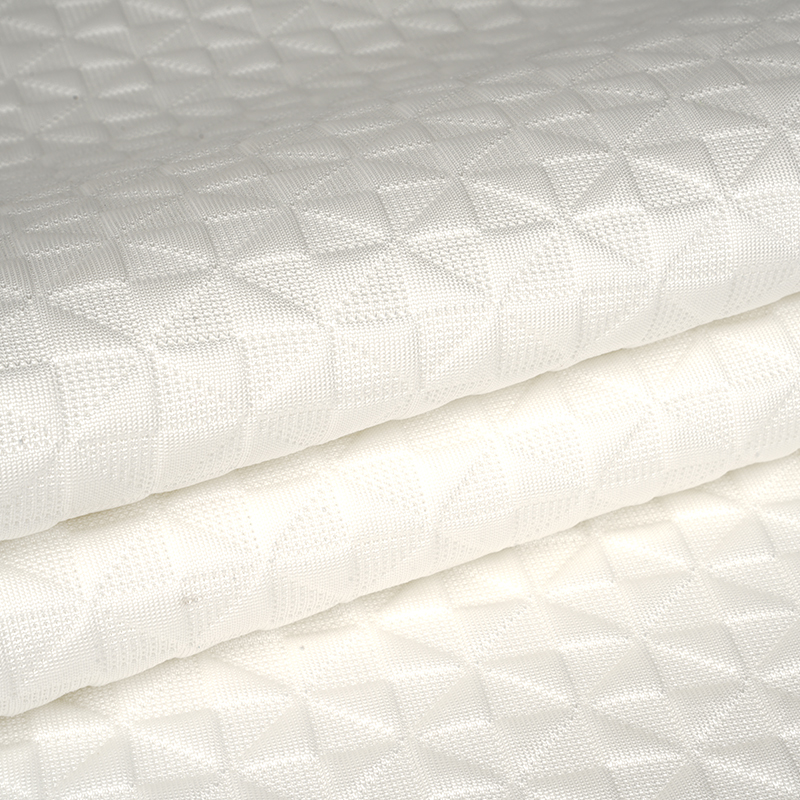
Bamboo Fiber Children Mattress Fabric
Bamboo Fiber Children Mattress Fabric
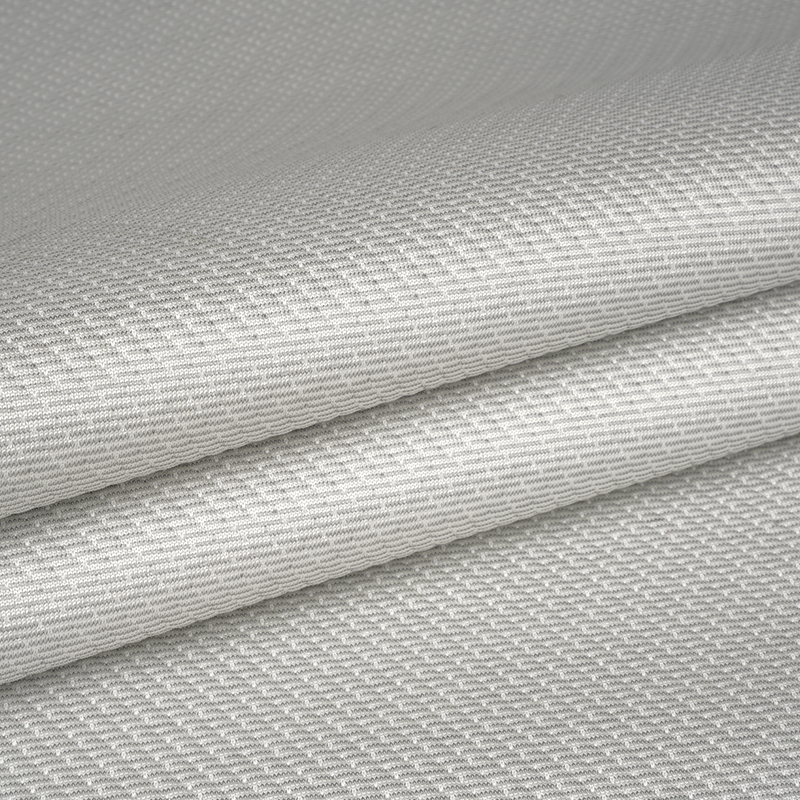
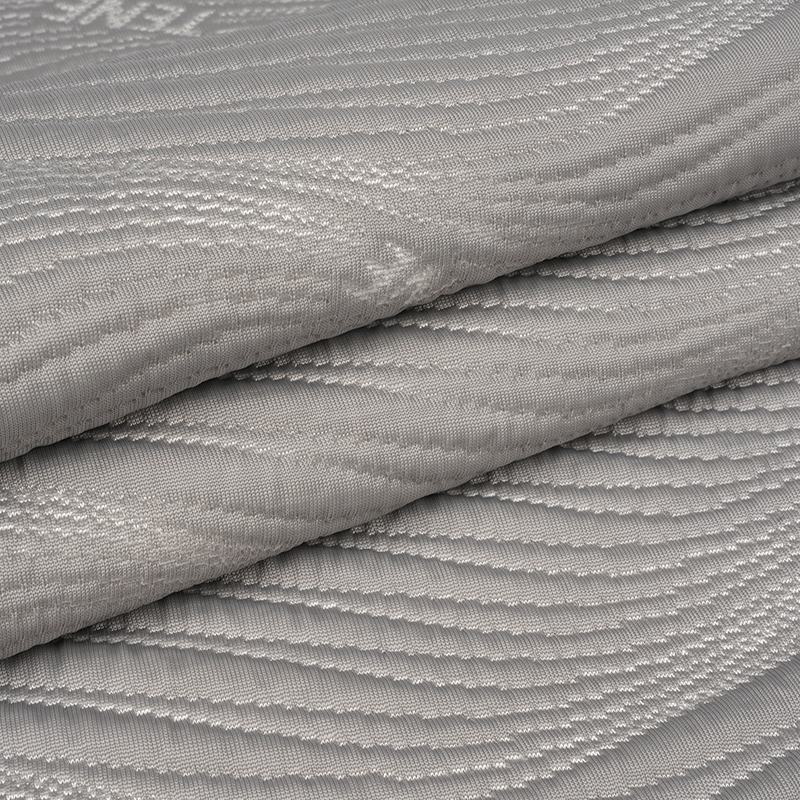
Haven’t Found The Products You Want?
-
-
Shen Jinyan:+86-15158070676
[email protected]
Liang Jinwen:+86-15757186621
[email protected]
Qiu Yingyingn:+86-13819545790
[email protected]
Yi qiao Town, Xiaoshan District, Hangzhou City, Zhejiang Province, China
-
Products
Mattress Fabric Children Mattress Fabric Pillowcase Fabric Pregnancy Pillow Fabric Cooling Mat Fabric Bedding Fabric Sofa Fabric Pet Friendly Fabrics -
Contact Information
About Us Products Strength Sustainability News Contact Us
Copyright © Hangzhou Xinsili Decorative Fabric Weaving Co.,Ltd. All Rights Reserved.
Functional Decorative Textile Manufacturers
