

 English
 中文简体
中文简体 Español
 عربى
عربى русский


Tencel Children Mattress Fabric: A Comfortable, Breathable, and Responsible Textile Solution for Better Sleep
Content
- 1 1. Why Mattress Fabric Matters in Children’s Sleep Products
- 2 2. What Is Tencel Children Mattress Fabric?
- 3 3. Comfort Advantages for Children
- 4 4. Performance Advantages Compared with Conventional Alternatives
- 5 5. Manufacturing Strengths Behind Consistent Quality
- 6 6. Production Process for Tencel Children Mattress Fabric
- 7 7. Quality Control Considerations
- 8 8. Sustainability and Responsible Material Selection
- 9 9. Design and Customization Options
- 10 10. Applications of Tencel Children Mattress Fabric
- 11 11. Installation and Product Development Guidance
- 12 12. Care, Cleaning, and Longevity
- 13 13. Purchasing Considerations for Importers and Product Brands
- 14 14. Why Work with an Experienced Functional Textile Manufacturer?
- 15 15. Competitive Positioning in the Market
- 16 16. Frequently Asked Questions
- 16.1 Q1: Is Tencel Children Mattress Fabric suitable for babies and children?
- 16.2 Q2: Is the fabric made from pure Tencel fiber?
- 16.3 Q3: Does Tencel fabric keep children cool at night?
- 16.4 Q4: Can the fabric be made waterproof?
- 16.5 Q5: Can antibacterial or moisture-resistant functions be added?
- 16.6 Q6: Is Tencel Children Mattress Fabric machine washable?
- 16.7 Q7: Does the fabric shrink after washing?
- 16.8 Q8: Can the fabric be used for quilted mattress covers?
- 16.9 Q9: Can colors and patterns be customized?
- 16.10 Q10: What information should be supplied when requesting a quotation?
- 16.11 Q11: Can this fabric be used for products other than mattresses?
- 16.12 Q12: How should buyers compare this fabric with a lower-cost alternative?
- 17 17. Recommended Development Workflow
- 18 18. Conclusion
- 19 References
- 20 Product: Tencel Children Mattress Fabric
Children spend a substantial part of their early lives sleeping, and the quality of the sleep environment can influence daily comfort, rest, temperature regulation, and overall well-being. Among the many components of a children’s mattress, the outer fabric is especially important because it is the layer that remains closest to the child’s body for extended periods. A well-designed mattress fabric should feel soft, manage moisture, support airflow, maintain a clean appearance, withstand regular use, and remain suitable for repeated care.
Tencel Children Mattress Fabric is developed to meet these requirements through a combination of soft hand feel, moisture management, breathability, attractive appearance, and practical textile engineering. It is intended for children’s mattresses, mattress covers, sleep products, nursery bedding, and related applications where comfort and responsible material selection are important. The fabric can also be considered for premium bedding programs that require a smoother, cooler, and more refined surface than ordinary polyester-based mattress textiles.
Produced by Hangzhou Xinsili Decorative Fabric Weaving Co., Ltd., this functional textile reflects a manufacturing philosophy centered on consistent weaving, application-oriented design, and reliable customization. With 19 years of industry experience, a 12,000-square-meter factory area, and recognition as a National High-Tech Enterprise in 2023, the manufacturer combines production experience with ongoing research and development. Its broader product capabilities include mattress fabrics, children’s mattress fabrics, pillowcase fabrics, pregnancy pillow fabrics, cooling mat fabrics, bedding fabrics, sofa fabrics, and pet-friendly fabrics.
This article examines the characteristics of Tencel Children Mattress Fabric, its practical advantages compared with conventional mattress fabrics, the manufacturing considerations behind dependable quality, possible application scenarios, maintenance guidance, customization options, and questions frequently asked by buyers and product developers.
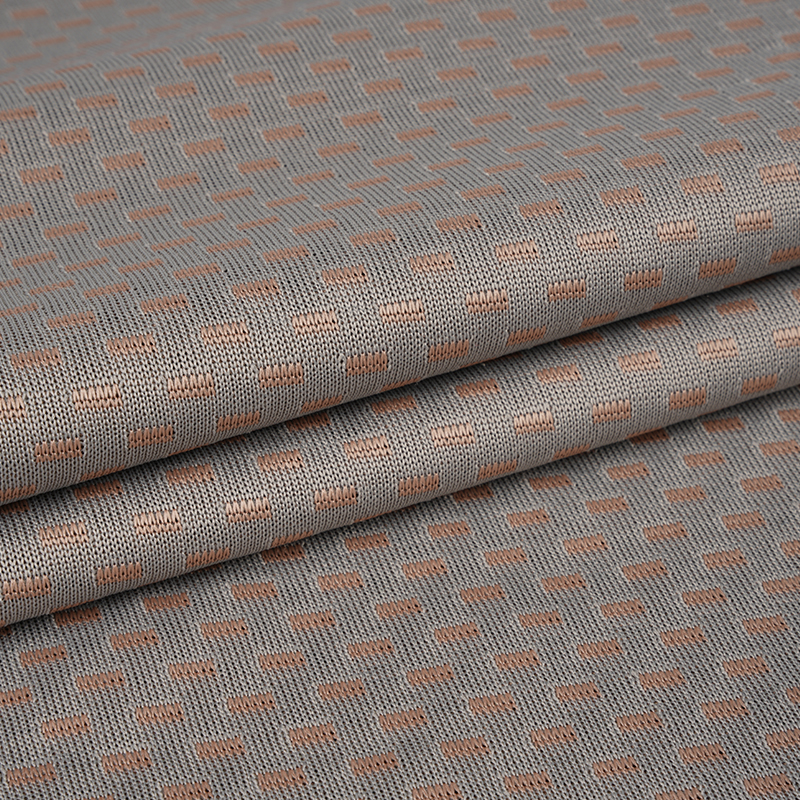
Tencel Children Mattress Fabric
1. Why Mattress Fabric Matters in Children’s Sleep Products
A mattress is a layered product. Its support core, cushioning materials, protective barriers, quilting structure, and outer cover all affect the final sleeping experience. Although the outer fabric may appear to be only a decorative surface, it performs several important technical functions at the same time.
First, the fabric is in direct or near-direct contact with sheets, mattress protectors, and sometimes the child’s skin. Surface smoothness, softness, flexibility, and thermal comfort therefore influence how the mattress feels during rest. A rough, stiff, or poorly finished textile can create unnecessary friction and discomfort, especially for young children with sensitive skin.
Second, children may perspire, spill liquids, or bring moisture into the sleeping environment through normal daily activities. A mattress fabric needs to manage humidity effectively and dry at an appropriate rate. If moisture is trapped at the surface, the sleep environment can feel warm, clammy, or uncomfortable. In a deeper mattress structure, persistent moisture may also complicate cleaning and long-term hygiene management.
Third, children’s products are used actively. Mattresses may be moved, turned, cleaned, fitted with removable covers, or used in nurseries, bedrooms, hotels, childcare facilities, and other settings. The textile must therefore balance softness with dimensional stability, seam performance, abrasion resistance, and appearance retention.
Finally, parents and professional buyers increasingly evaluate the environmental profile of materials. Fiber origin, resource efficiency, manufacturing controls, durability, and product lifespan all influence the total impact of a textile. Tencel-based fabric offers a material story that can appeal to buyers seeking a more responsible alternative to purely conventional synthetic surfaces, subject to the specific fiber composition, finishing process, and certification status of the selected construction.
2. What Is Tencel Children Mattress Fabric?
Tencel Children Mattress Fabric is a mattress textile made with Tencel fibers or a Tencel-containing blend, depending on the selected construction and order specification. Tencel is commonly associated with cellulosic fibers produced from sustainably managed wood sources through a controlled manufacturing process. The resulting fibers are valued in textile applications for their smooth surface, moisture management, soft touch, and comfortable drape.
In a children’s mattress application, the fiber is converted into a woven or knitted textile structure suitable for mattress covering and related bedding products. The final performance does not depend on fiber type alone. It also depends on yarn selection, fabric density, knitting or weaving parameters, finishing treatments, coloration, pattern design, quilting, backing, and how the fabric is integrated into the completed mattress.
For this reason, Tencel Children Mattress Fabric should be evaluated as an engineered textile system rather than simply as a raw material. A successful product must combine the desired tactile properties of Tencel with the structural requirements of mattress production. It should be sufficiently stable for cutting and sewing, visually consistent across production lots, compatible with the intended filling and support materials, and appropriate for the care instructions of the finished product.
The fabric may be developed in different weights, widths, colors, structures, and surface appearances. Buyers may request a plain construction for a clean and minimalist mattress design, a jacquard or patterned surface for a premium visual effect, or a blended construction that combines Tencel with other fibers to achieve a particular balance of cost, resilience, stretch, moisture handling, or recovery.
Core characteristics
The principal characteristics of this product category include a soft surface, a comfortable hand feel, moisture absorption and release, breathable textile construction, refined appearance, compatibility with bedding design, and potential for functional finishing. The exact performance level should always be confirmed through a technical specification and sample evaluation because different constructions can produce different results.
Some versions may be developed with additional properties such as antibacterial treatment, moisture resistance, flame-retardant performance, or sleep-supporting comfort functions. These characteristics are not automatically guaranteed by the word Tencel alone. They depend on the selected treatment, applicable standards, testing method, and final product configuration.
3. Comfort Advantages for Children
Softness and surface smoothness
Children’s skin can be more sensitive to roughness, excessive friction, and uncomfortable surface irregularities. Tencel fibers are known for their smooth surface, which can contribute to a softer and more refined hand feel than many basic mattress fabrics. When the textile is properly woven, knitted, and finished, it can create a comfortable contact layer that feels gentle during sleep.
Softness is not merely a luxury feature. A pleasant surface can reduce the sensation of irritation caused by movement, bedding friction, or changes in sleeping position. It can also help a mattress feel more premium without relying on heavy decoration. For children’s products, a calm and comfortable tactile experience can support the overall impression of safety and care that parents expect.
Moisture management
Children may experience changes in body temperature during the night. They may also sweat more during warm weather, physical activity, illness, or sleep under excessive bedding. A moisture-managing fabric can help move perspiration away from the immediate skin-contact area and support evaporation when environmental conditions permit.
Tencel-based textiles are often selected for their ability to absorb and release moisture in a way that can help reduce a damp surface sensation. Compared with a non-absorbent fabric that may leave moisture sitting on the surface, an appropriate Tencel construction can offer a more balanced microclimate. The actual result depends on fabric structure, blend ratio, finishing, mattress ventilation, room humidity, and the use of sheets or protectors above the mattress.
Breathability and thermal comfort
Breathability influences whether a mattress feels fresh or overly warm. A breathable textile allows air and water vapor to move through the structure more effectively than a dense, impermeable coating. This can be useful in children’s sleep products because thermal discomfort is a common reason for restlessness.
Tencel Children Mattress Fabric can be designed to support airflow while maintaining an attractive and comfortable surface. In a well-engineered mattress system, the outer textile works together with breathable quilting layers, ventilated foam, spring structures, side panels, and an appropriate bed base. Fabric alone cannot control the full thermal performance of a mattress, but it is an important part of the overall design.
Low-friction feel
A smooth textile surface can move more comfortably against pajamas and bedding. This is particularly useful for children who change position frequently during sleep. A low-friction surface may also reduce the harsh, dry sensation sometimes associated with coarser fibers or heavily textured fabrics.
4. Performance Advantages Compared with Conventional Alternatives
Children’s mattress fabrics are available in many fiber types, including polyester, cotton, viscose, nylon, polypropylene, and blends. Each material can be useful in a suitable application. The value of Tencel Children Mattress Fabric lies in the way it combines comfort-oriented characteristics with practical textile performance.
Compared with basic polyester mattress fabric
Polyester is widely used because it offers strength, dimensional stability, color versatility, and cost efficiency. However, standard polyester may feel less naturally soft or less moisture-responsive than a well-finished Tencel-based textile. A Tencel construction can provide a more refined hand feel and a more absorbent surface, which may be appealing in premium children’s mattresses.
Polyester can also create a warmer or less breathable sensation when used in a dense construction or combined with impermeable backing. Tencel does not automatically outperform polyester in every measurable category, particularly where high abrasion resistance, rapid drying, or low purchase price is the primary objective. Nevertheless, for buyers prioritizing tactile comfort, moisture balance, and a more natural-feeling surface, Tencel offers a strong alternative or blend component.
Compared with ordinary cotton fabric
Cotton is familiar to consumers and has a comfortable, absorbent feel. However, cotton may crease more easily, shrink if not stabilized, and dry more slowly under certain conditions. Its final performance also depends heavily on fiber quality, yarn construction, fabric density, and finishing.
Tencel-based fabric may offer a smoother appearance, a more fluid surface, and effective moisture handling with potentially lower tendency toward surface fuzzing when properly processed. A Tencel and cotton blend can combine the familiar comfort of cotton with the smoothness and moisture-management characteristics associated with Tencel. The best choice depends on the intended product positioning, care requirements, and target price.
Compared with ordinary viscose fabric
Conventional viscose can provide softness and a pleasant drape, but some constructions may have lower wet strength, greater dimensional change, or less consistent performance during repeated care. Tencel fibers are engineered cellulosic fibers designed to provide a more stable performance profile in many textile applications.
For mattress production, the final fabric still requires careful process control. A soft fiber is not enough if the finished fabric stretches excessively, develops skew, or loses appearance after laundering. This is why manufacturing expertise, testing, and finishing control are essential to the practical success of a Tencel mattress textile.
Compared with coated or plastic-like surfaces
Waterproof mattress covers can provide strong liquid protection, but some coated textiles feel less breathable and may produce a plastic-like sensation. Tencel Children Mattress Fabric can be used as a comfortable outer layer or integrated with a suitable protective system when liquid resistance is required. Where waterproofing is necessary, the design should balance barrier performance with vapor permeability, softness, noise control, and cleaning requirements.
| Evaluation factor | Tencel children mattress fabric | Basic polyester fabric | Conventional cotton fabric | Coated protective textile |
|---|---|---|---|---|
| Surface softness | Smooth and comfort-oriented when properly finished | Can range from soft to more synthetic in feel | Generally comfortable, depending on yarn and finish | May feel less textile-like because of the coating |
| Moisture behavior | Absorbs and manages moisture through the cellulosic fiber structure | Low inherent absorbency, although engineered structures can improve comfort | Absorbent but may retain moisture longer | Often designed to block liquid, with vapor performance depending on the coating |
| Breathability | Can support a comfortable air and vapor exchange | Highly dependent on fabric density and construction | Usually breathable in an open construction | Dependent on membrane or coating technology |
| Visual appeal | Suitable for refined, premium, and natural-looking designs | Very versatile in color and pattern | Natural appearance with varied texture | May prioritize protection over decorative character |
| Environmental positioning | Can support a responsible material story when sourcing and processing are properly documented | Derived from synthetic polymer production | Natural fiber, with agricultural and processing considerations | Depends on polymer, coating, durability, and end-of-life factors |
| Best design role | Comfort-focused premium mattress covers and bedding surfaces | Cost-effective, durable, and versatile mattress textiles | Natural-feel bedding and blended comfort applications | Liquid protection and specialized barrier applications |
This comparison is general rather than a substitute for testing. A high-quality polyester fabric may outperform a poorly designed Tencel textile in abrasion resistance or drying speed, while a carefully engineered Tencel blend may outperform a basic cotton fabric in dimensional stability. Product developers should compare actual samples under identical testing conditions.
5. Manufacturing Strengths Behind Consistent Quality
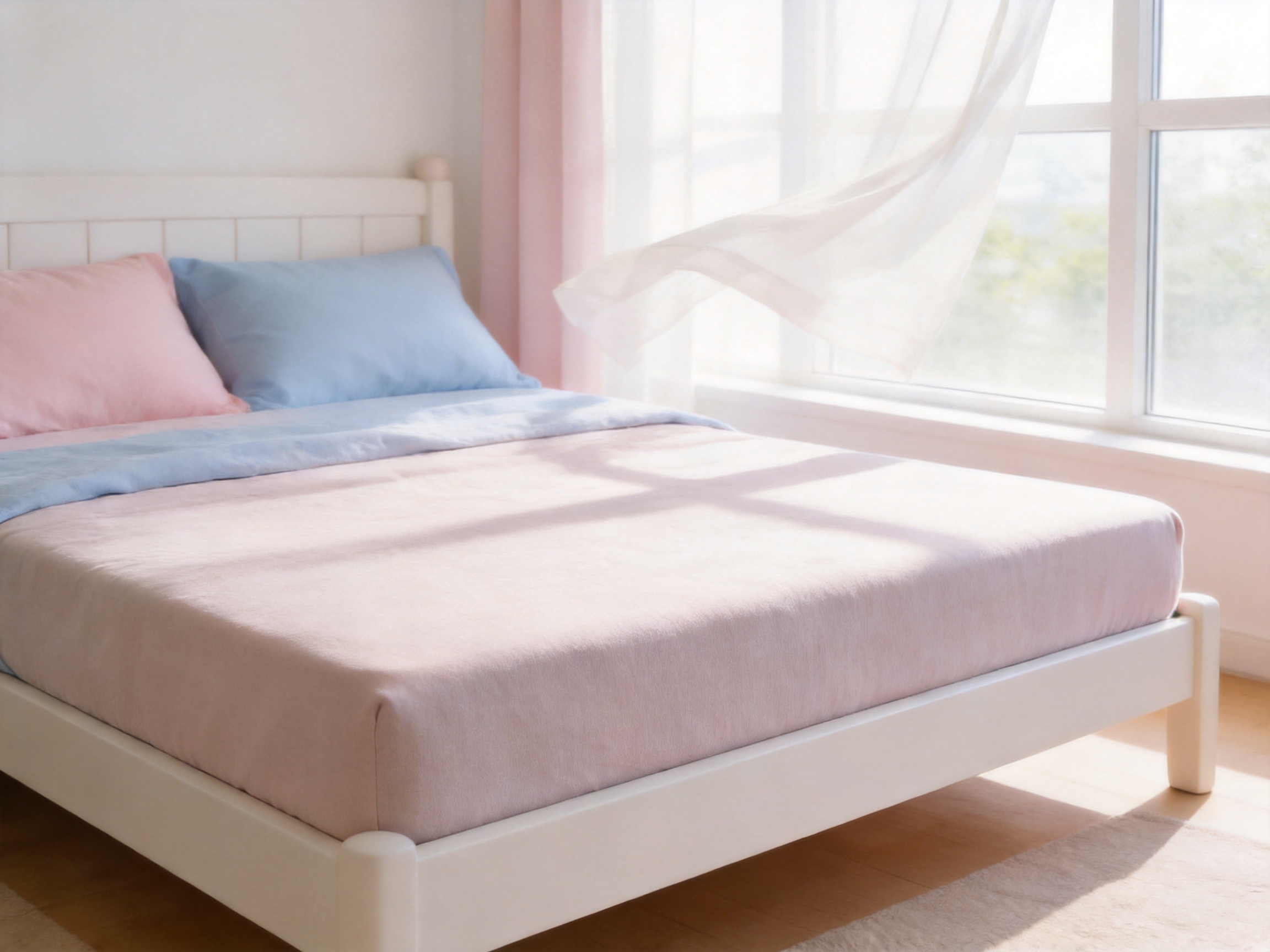
The performance of a mattress textile depends on more than the fiber name displayed on a product sheet. Stable quality requires control from material selection through shipment. Hangzhou Xinsili Decorative Fabric Weaving Co., Ltd. approaches decorative and functional textile production through a combination of industry experience, research and development, weaving capability, and application-focused manufacturing.
Long-term textile experience
With 19 years of industry experience, the company has developed practical knowledge of yarn behavior, fabric construction, finishing, quality inspection, and customer-specific requirements. This experience is valuable for children’s mattress fabrics because the product must satisfy several objectives at once: softness, appearance, dimensional stability, production efficiency, and reliable performance in the finished mattress.
Long-term experience also helps manufacturers identify potential problems before mass production. A fabric that looks attractive in a small sample may behave differently during cutting, quilting, sewing, washing, or compression. Experienced technical teams can evaluate these interactions and adjust the construction before the product reaches large-scale manufacturing.
Factory infrastructure
The company operates within a 12,000-square-meter factory area. A dedicated production environment supports coordinated management of material preparation, weaving, inspection, finishing, warehousing, and order fulfillment. Factory scale does not by itself guarantee quality, but it can provide the organizational foundation for more systematic production planning and customer service.
For international buyers, this type of infrastructure may simplify communication across product development, sampling, production scheduling, quality assurance, and logistics. It also supports the development of related fabrics for coordinated product lines, such as children’s mattresses, pillowcases, bedding sets, pregnancy pillows, cooling mats, sofas, and pet products.
Research and development orientation
The company focuses on innovative research, development, and precision manufacturing of decorative and functional textiles. Its product development direction includes antibacterial, moisture-resistant, flame-retardant, sleep-supporting, and comfort-improving functions. These functions are approached as textile engineering objectives that need to be matched with the application and verified through suitable evaluation.
For a Tencel children’s mattress fabric, research and development may involve studying fiber blends, yarn count, fabric weight, construction density, stretch and recovery, finishing chemistry, color fastness, surface softness, and compatibility with quilting or mattress assembly. A development team can also help buyers select a construction that better matches the intended market, climate, care method, and price level.
Process coordination
Precision manufacturing requires coordination between each stage of production. Yarn quality affects weaving stability. Weaving stability affects fabric appearance and dimensional consistency. Finishing affects softness, color, shrinkage, handle, and functional performance. Inspection helps identify defects before cutting and assembly.
A controlled process can reduce issues such as uneven coloration, broken yarns, needle or weaving marks, excessive skew, inconsistent width, loose edges, surface contamination, and unstable shrinkage. These controls are especially important for mattress fabrics because a visible defect may become more noticeable when the material is stretched over a large mattress surface.
High-tech enterprise recognition
The company was recognized as a National High-Tech Enterprise in 2023. This recognition indicates an emphasis on technical capability and innovation-oriented development. It should not be interpreted as an automatic certification of every individual product, but it does reinforce the company’s stated commitment to research, technological advancement, and functional textile development.
6. Production Process for Tencel Children Mattress Fabric
The precise production route depends on whether the fabric is woven or knitted, whether it is a pure or blended construction, and whether additional finishing is required. The following stages describe a typical controlled development and manufacturing pathway.
6.1 Fiber and yarn selection
The process begins with the selection of appropriate Tencel fibers, blended fibers, or yarns. Important considerations include fiber fineness, staple length, strength, blend ratio, yarn count, twist, color requirements, and end-use expectations. A children’s mattress fabric may require a different yarn configuration from a lightweight bedding fabric because mattress covers must maintain surface integrity under tension, quilting, compression, and repeated handling.
When a blend is requested, the additional fiber should be selected for a clear technical or commercial reason. Cotton may add familiarity and natural texture. Polyester may improve resilience, abrasion resistance, or cost control. Elastane may provide stretch and recovery in a fitted or contour-following construction. The blend ratio should be established according to the desired performance rather than selected solely for marketing language.
6.2 Yarn preparation
Yarn preparation helps ensure that the material runs smoothly through weaving or knitting equipment. Tension, winding quality, moisture conditions, and cleanliness influence production stability. Inconsistent yarn tension can create bars, streaks, loops, or uneven density. Careful preparation is therefore essential for a smooth and uniform mattress surface.
6.3 Weaving or knitting
The textile structure is formed through weaving or knitting. Woven fabrics generally offer a stable, structured surface and can be suitable for mattress panels, decorative covers, and fabrics requiring controlled dimensional behavior. Knitted fabrics can provide softness, elasticity, and conformability, which may be useful for removable covers or products with a flexible fit.
During fabric formation, technicians manage parameters such as density, stitch or weave structure, width, tension, pattern alignment, and edge stability. The selected structure affects air permeability, drape, stretch, abrasion behavior, surface texture, and visual character. A children’s mattress fabric must be attractive while also remaining practical for cutting, sewing, quilting, and final installation.
6.4 Pretreatment and dyeing
Pretreatment prepares the textile for consistent coloration and finishing. Depending on the construction, it may include cleaning, scouring, relaxation, or other steps designed to remove impurities and stabilize the material. Dyeing must be managed carefully to obtain even color penetration and repeatable shade results.
For children’s products, buyers often prefer calm, clean, and reassuring colors, although brighter patterns may also be selected for nursery collections. Color consistency is important when mattress fabrics are produced alongside pillowcases, sheets, or coordinated bedding. Appropriate testing should address color fastness to washing, rubbing, perspiration, and light according to the buyer’s requirements and the intended market.
6.5 Functional finishing
Finishing can adjust the fabric’s softness, smoothness, dimensional stability, surface appearance, moisture behavior, and resistance to specific conditions. If antibacterial, moisture-resistant, flame-retardant, or other functional performance is requested, the relevant finish must be selected for compatibility with the Tencel construction and the intended end use.
Functional treatments should be evaluated carefully. A finish that improves one property may influence softness, breathability, color, odor, wash durability, or environmental profile. The objective is to achieve a balanced result rather than maximize one isolated performance metric.
6.6 Setting and dimensional control
Mattress fabrics need predictable dimensions during cutting and assembly. Dimensional setting, relaxation, and controlled finishing can help reduce excessive shrinkage, skew, and width variation. The correct process depends on fiber content and fabric structure. Tencel-containing textiles should be tested under the actual care conditions expected for the final product because laboratory results and consumer use can differ.
6.7 Inspection and roll preparation
Before shipment, the fabric is inspected for appearance, construction, width, weight, shade, surface defects, and packaging condition. Rolls should be prepared to minimize creasing, contamination, and handling damage. Clear labeling supports traceability and allows buyers to identify production lots during mattress assembly.
7. Quality Control Considerations
Quality control should begin with a clear technical specification. Buyers should define the fiber composition, target width, fabric weight, construction, color, stretch, finish, packaging, tolerance, and intended care method. If the fabric will be quilted, laminated, printed, or sewn into a removable cover, those operations should be considered during development.
Appearance inspection
Visual inspection can identify holes, stains, yarn faults, color variation, marks, pattern irregularity, and edge problems. Mattress panels are often large and exposed, so minor defects may become highly visible after stretching. Inspection under suitable lighting and against agreed standards helps create consistent acceptance criteria.
Dimensional testing
Width, length, shrinkage, skew, and spirality should be evaluated where relevant. Excessive dimensional change can complicate cutting and result in a cover that fits poorly. A stable fabric is particularly valuable for fitted mattress covers, quilted panels, and products that must maintain alignment across multiple components.
Physical performance
Depending on the application, useful tests may include tensile strength, tear strength, seam slippage, abrasion resistance, pilling, bursting strength for knitted structures, stretch and recovery, and surface durability. These tests should reflect how the finished mattress will be handled. A decorative fabric intended for occasional use may require a different performance threshold from a children’s mattress used every night for many years.
Color and care performance
Color fastness and dimensional stability should be checked under the care method stated on the product label. If the cover is removable and washable, laundering tests are particularly important. If the textile is not intended to be washed separately, cleaning resistance and appearance after spot treatment may be more relevant.
Functional verification
Claims relating to moisture resistance, antibacterial properties, flame retardancy, cooling, or other functions should be supported by appropriate test methods. Buyers should request the test conditions, performance values, durability information, and applicable standards rather than relying on a general functional description alone.
8. Sustainability and Responsible Material Selection
Environmental responsibility is increasingly important in children’s product design. Tencel fibers are commonly associated with wood-based cellulosic raw materials and controlled solvent recovery systems. This can support a more responsible fiber narrative than materials selected without consideration of resource use or manufacturing impact.
However, responsible product evaluation should consider the complete textile lifecycle. Fiber sourcing, spinning, weaving or knitting, dyeing, finishing, transportation, product durability, washing frequency, packaging, and end-of-life options all contribute to the overall environmental profile. A fabric with a responsible fiber origin may still require careful management of dyes, finishes, energy, and wastewater.
Durability is also part of sustainability. A longer-lasting mattress cover may reduce the need for replacement and prevent unnecessary material consumption. For this reason, softness should be balanced with adequate strength, color retention, dimensional stability, and resistance to normal use.
Buyers should request relevant documentation where needed, including fiber composition records, supplier declarations, restricted substance information, and certification documents applicable to the specific order. Certification availability can vary by construction and production batch, so it should be confirmed rather than assumed.
9. Design and Customization Options
One of the advantages of working with an experienced textile manufacturer is the ability to develop a fabric around the final application rather than choosing only from a fixed catalog. Tencel Children Mattress Fabric can be discussed in terms of structure, appearance, hand feel, functionality, and production requirements.
Fabric structure
Possible structures include smooth woven surfaces, textured constructions, patterned jacquards, knitted surfaces, quilt-compatible textiles, and blended structures. The choice influences appearance, elasticity, airflow, dimensional stability, and manufacturing efficiency.
Color and pattern
Children’s mattress collections may use soft neutrals, pastel colors, playful graphics, geometric motifs, nature-inspired patterns, or coordinated nursery themes. A restrained design can support premium hotel or residential interiors, while colorful patterns may be suitable for children’s retail products and nursery collections.
Hand feel
The desired hand feel may range from cool and smooth to warm, brushed, silky, or softly textured. Finishing adjustments should be made with attention to breathability and wash performance. Excessive softening can sometimes reduce structural stability or alter the surface after repeated care, so the final effect should be assessed on a finished sample.
Functional requirements
Depending on the project, buyers may ask for moisture management, antibacterial treatment, flame-retardant performance, water resistance, cooling sensation, anti-static behavior, or enhanced durability. Each function should be defined precisely and supported with a test plan. The phrase “functional fabric” should describe a measurable requirement, not only a marketing concept.
Product coordination
Because the manufacturer also works with pillowcase fabrics, bedding fabrics, cooling mat fabrics, pregnancy pillow fabrics, sofa fabrics, and pet-friendly fabrics, buyers may be able to develop coordinated textile programs. This can simplify color matching and create a consistent visual identity across a sleep or home furnishing collection.
10. Applications of Tencel Children Mattress Fabric
Children’s mattresses
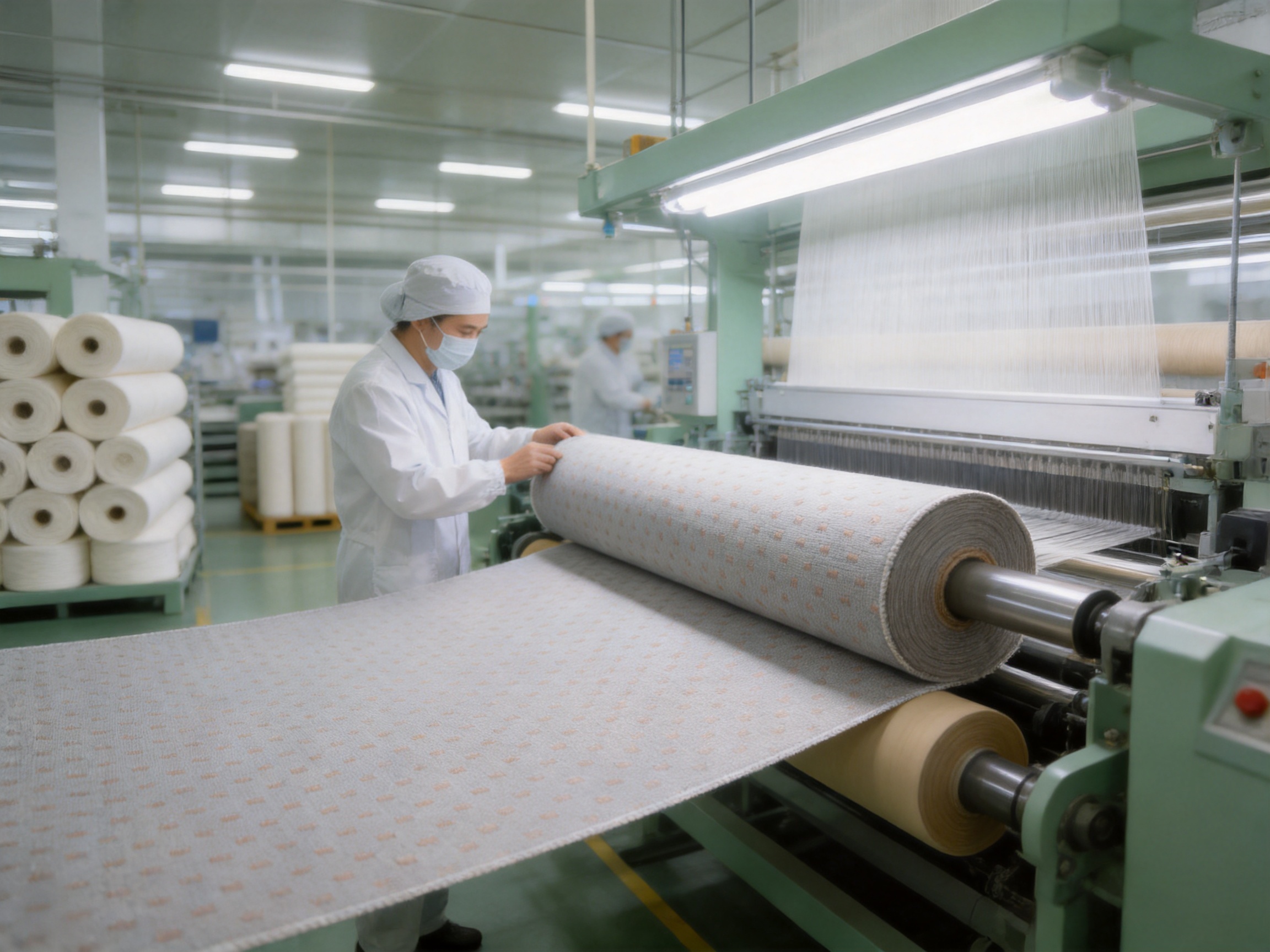
The primary application is the outer cover or panel of children’s mattresses. The fabric can be used in crib mattresses, toddler mattresses, youth mattresses, and other sleep products where softness, breathability, and a clean appearance are priorities. The specific construction should be selected according to mattress size, cover design, expected care, and regulatory requirements in the target market.
Removable mattress covers
A Tencel-based textile can be developed for removable covers that are designed to be taken off for cleaning. In this application, zipper placement, seam construction, stretch, shrinkage, and laundering conditions are particularly important. The cover must maintain a good fit after care and should not become excessively loose, distorted, or difficult to reinstall.
Quilted mattress panels
When used in quilted construction, the fabric may be combined with wadding, foam, or other comfort layers. Quilting can enhance visual appeal and surface cushioning, but the fabric must tolerate needle penetration and remain stable during handling. Pattern alignment and surface tension should be evaluated during sample production.
Nursery bedding systems
The textile may also be incorporated into coordinated nursery products, including mattress toppers, changing mats, pillow covers, portable sleep products, and decorative bedding components. When multiple products are developed together, consistent color, hand feel, and care labeling help create a more complete product experience.
Hospitality and childcare environments
Hotels, childcare facilities, family resorts, and serviced residences may require children’s sleep products that combine comfort with practical maintenance. In these environments, durability, cleaning procedures, color fastness, and replacement availability can be as important as softness. Buyers should select the fabric according to the frequency of use and the cleaning system used by the facility.
11. Installation and Product Development Guidance
Fabric selection should take place before final mattress engineering is completed. The textile’s width, stretch, shrinkage, thickness, and surface behavior influence panel dimensions, seam allowances, quilting settings, zipper design, and cover tension.
Manufacturers should begin with a development sample that represents the intended final structure. If the mattress will include quilting, lamination, printing, waterproof backing, or a special seam, those processes should be included in the trial. Testing only the unprocessed fabric may not reveal how the final cover behaves.
Cutting direction may also matter. Some patterned or knitted fabrics have a visible orientation, while certain constructions show different stretch in the warp and weft or course and wale directions. Consistent orientation helps maintain appearance and fit across mattress panels.
Seam performance should be checked under realistic tension. A soft fabric may require appropriate needle selection, thread type, stitch density, and sewing speed. Overly tight stitching can create puckering, while insufficient reinforcement may lead to seam opening during cover removal or mattress handling.
For removable covers, the zipper, binding, elastic, and backing materials should be evaluated as a complete system. The cover should be easy to remove without damaging the fabric and should return to its original shape after washing or cleaning. A well-designed textile can lose its practical advantage if the construction around it is poorly engineered.
12. Care, Cleaning, and Longevity
Care instructions should be established according to the final fabric composition and finishing treatment. Buyers should not assume that all Tencel mattress fabrics can be washed in the same way. Some may be suitable for machine washing, while others may require gentle cleaning, low-temperature drying, or professional care.
Removable covers should be washed according to the recommended temperature, detergent type, spin speed, and drying method. Excessive heat may cause shrinkage or change the hand feel. Harsh bleaching agents may affect color and functional finishes. Repeated high-temperature drying can also shorten the life of many textile constructions.
For non-removable covers, regular vacuuming, ventilation, and prompt treatment of spills may help preserve freshness. Liquid protection should be handled through a suitable mattress protector when needed, particularly in children’s products exposed to frequent spills or nighttime accidents.
Durability depends on the entire product. The fabric, seams, zipper, quilting, mattress core, cleaning method, and frequency of use all contribute to service life. Clear care labeling helps consumers maintain the product and reduces avoidable damage.
13. Purchasing Considerations for Importers and Product Brands
Professional buyers should evaluate more than the appearance of a sample. The following questions can support a more reliable purchasing decision.
Confirm the composition
Ask whether the fabric is made from pure Tencel fiber or a blend. Confirm the exact percentage of each component, the type of construction, and whether the composition can vary within an agreed tolerance.
Request technical specifications
Useful information may include fabric weight, usable width, construction, thickness, stretch, shrinkage, color fastness, abrasion behavior, pilling performance, and applicable functional test results. These values should correspond to the actual production version rather than a similar reference sample.
Evaluate a finished mattress sample
A fabric roll sample cannot fully demonstrate the final sleeping experience. Whenever possible, the textile should be evaluated after cutting, quilting, sewing, fitting, and cleaning. This allows the buyer to assess softness, noise, surface tension, pattern alignment, zipper behavior, and overall appearance.
Discuss minimum order requirements
Color, pattern, functional finish, and special construction may influence minimum order quantities. Buyers should confirm sampling charges, development time, bulk lead time, color approval procedures, and packaging requirements in advance.
Establish quality acceptance criteria
Both parties should agree on inspection methods, defect classification, shade tolerance, width tolerance, roll length, packaging, and claim procedures. Clear criteria reduce misunderstanding and help maintain consistency across repeat orders.
Review compliance requirements
Children’s products may be subject to specific requirements in the destination market. Depending on the application, buyers may need documentation relating to restricted substances, flammability, mechanical safety, labeling, chemical content, or textile fiber declaration. The fabric supplier can provide product information, but the finished mattress manufacturer remains responsible for confirming the compliance of the complete product.
14. Why Work with an Experienced Functional Textile Manufacturer?
A supplier with experience across several decorative and functional fabric categories can offer a broader perspective on product development. Mattress fabrics often need to coordinate with pillowcase fabrics, bedding, furniture textiles, protective layers, and other components. A manufacturer that understands these related applications may help buyers identify compatible materials and avoid unnecessary development delays.
Hangzhou Xinsili Decorative Fabric Weaving Co., Ltd. positions itself around high-quality, environmentally friendly, stable, practical, and reliable textile solutions. Its stated vision, “Weaving Beautiful Spaces,” reflects a combination of visual design and functional performance. This approach is relevant to children’s mattresses because the product must look attractive in a bedroom or nursery while also supporting everyday comfort and use.
The company’s manufacturing strengths include long-term sector experience, a 12,000-square-meter factory area, functional textile research, and innovation-oriented development. Its product direction includes antibacterial, moisture-resistant, flame-retardant, sleep-supporting, and comfort-improving technologies. These capabilities allow the manufacturer to discuss the fabric in terms of application requirements rather than treating it as a generic decorative material.
For buyers seeking custom development, direct communication with the manufacturer can help clarify the desired fiber blend, surface effect, performance target, color range, production volume, and delivery schedule. A structured development process can reduce the risk of selecting a fabric that looks suitable but performs poorly during mattress assembly or consumer use.
15. Competitive Positioning in the Market
Tencel Children Mattress Fabric is best positioned as a comfort-oriented and design-conscious textile for buyers who want more than basic coverage. It offers a combination of soft touch, moisture management, breathability, and refined appearance that can support a premium children’s mattress proposition.
Its competitive advantage is not based on one universal claim that applies to every construction. Instead, it comes from the ability to develop a balanced textile around specific requirements. A basic polyester fabric may be less expensive, a highly coated fabric may provide stronger liquid protection, and a heavy-duty synthetic textile may offer superior abrasion resistance. Tencel-based fabric becomes particularly compelling when the buyer values a smoother contact surface, a natural-feeling hand, moisture comfort, and a responsible material narrative.
Customization further strengthens its market position. Mattress manufacturers can select colors, patterns, weights, structures, blends, and functional treatments to distinguish their products. A carefully developed fabric can help a mattress brand communicate quality before the customer even tests the comfort of the mattress core.
In a crowded market, differentiation is increasingly created through the complete product experience. Fabric touch, appearance, breathability, maintenance, environmental communication, and manufacturing consistency all influence purchasing decisions. Tencel Children Mattress Fabric contributes to this experience at the visible and tactile surface of the product.
16. Frequently Asked Questions
Q1: Is Tencel Children Mattress Fabric suitable for babies and children?
It can be suitable for children’s sleep products when the selected construction, finishing, and finished mattress comply with the requirements of the intended market. Suitability should be confirmed through composition records, safety evaluation, chemical compliance, care testing, and finished-product assessment. The term Tencel alone does not replace product-specific testing.
Q2: Is the fabric made from pure Tencel fiber?
The composition depends on the order specification. Some versions may use a high proportion of Tencel fiber, while others may be blended with cotton, polyester, elastane, or another compatible fiber. Buyers should request the exact fiber composition before placing an order.
Q3: Does Tencel fabric keep children cool at night?
Tencel-based fabric can contribute to thermal comfort through moisture management and a breathable textile structure. However, the complete mattress system, room temperature, bedding, mattress core, cover construction, and individual sleeping habits also influence whether a child feels cool or warm. It should not be treated as a guarantee of a specific temperature.
Q4: Can the fabric be made waterproof?
The fabric can potentially be combined with a waterproof membrane, coating, backing, or separate mattress protector, depending on the design. Waterproofing may influence breathability, softness, noise, and care requirements. Buyers should evaluate the complete multilayer structure rather than adding a barrier without testing.
Q5: Can antibacterial or moisture-resistant functions be added?
Functional finishes may be available for specific constructions. The requested function, test method, durability, chemical requirements, and target market should be discussed during product development. Any performance claim should be supported by relevant test documentation.
Q6: Is Tencel Children Mattress Fabric machine washable?
Washability depends on the fabric composition, structure, finish, and mattress cover design. A removable cover may be designed for gentle machine washing, while a non-removable cover may require spot cleaning or professional care. The supplier’s care recommendation should be followed.
Q7: Does the fabric shrink after washing?
All textile materials can experience some dimensional change. Proper finishing can help control shrinkage, but the actual result depends on fiber content, construction, washing temperature, agitation, and drying. Buyers should request shrinkage data and conduct testing under the intended care conditions.
Q8: Can the fabric be used for quilted mattress covers?
Yes, suitable woven or knitted constructions can be developed for quilting. The fabric should be tested with the selected wadding, foam, thread, needle, quilting pattern, and sewing equipment. Quilting may affect surface tension, thickness, and dimensional stability.
Q9: Can colors and patterns be customized?
Custom colors, patterns, and surface effects may be developed according to the construction and order requirements. Buyers should confirm color standards, sampling procedures, minimum order quantities, and production lead times before approving the design.
Q10: What information should be supplied when requesting a quotation?
A quotation request should include the intended application, fiber composition, fabric structure, target weight, usable width, color or pattern, functional requirements, order quantity, packaging expectations, destination market, and desired delivery schedule. Providing a reference sample or technical drawing can further improve quotation accuracy.
Q11: Can this fabric be used for products other than mattresses?
The same or related Tencel-based constructions may be considered for pillowcases, bedding, mattress toppers, children’s sleep accessories, and other comfort-oriented home textiles. The fabric should be reviewed separately for each application because the required strength, stretch, care method, and safety performance may differ.
Q12: How should buyers compare this fabric with a lower-cost alternative?
Comparison should include more than purchase price. Buyers should evaluate hand feel, moisture behavior, breathability, dimensional stability, color fastness, durability, care requirements, functional performance, sampling consistency, and the value of the final product. A slightly higher material cost may be justified if it supports premium positioning, customer comfort, and longer service life.
17. Recommended Development Workflow
A practical development workflow begins with a product brief. The buyer should define the target user, mattress type, market positioning, climate, cover design, cleaning method, and desired tactile experience. This prevents the fabric selection process from being driven only by color or price.
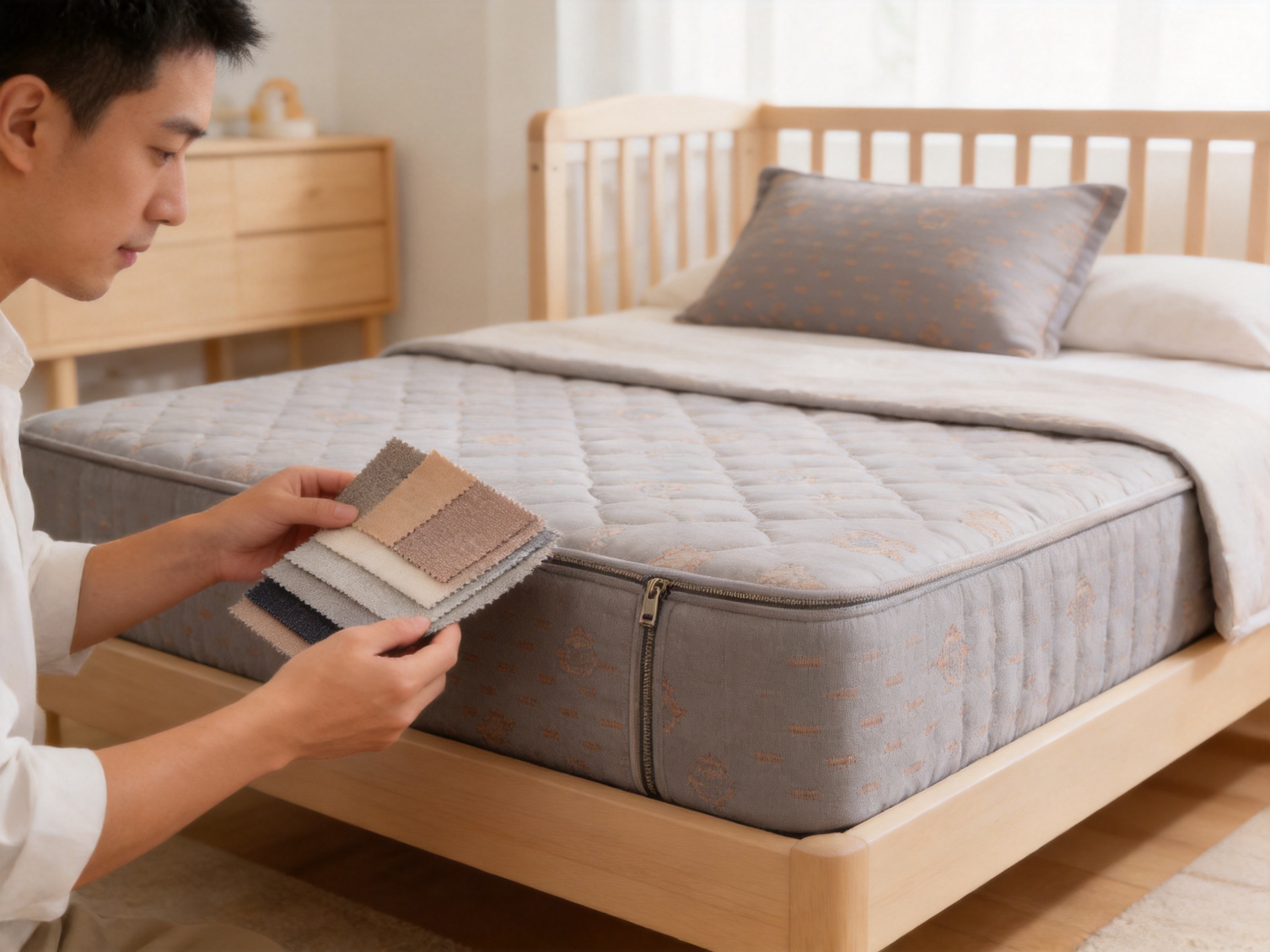
The next stage is sample selection. Several constructions should be reviewed, including different weights, blends, surface textures, and finishing options. The samples should be evaluated by touch, appearance, air permeability, stretch, and compatibility with the mattress structure.
After a preferred fabric is identified, a finished cover sample should be produced. This sample should be tested for fit, sewing performance, quilting behavior, zipper operation, laundering, and appearance retention. Any waterproof backing or functional treatment should be included at this stage.
Once the technical result is approved, the buyer and manufacturer should finalize the specification and quality standard. The approved sample, color standard, test requirements, tolerances, packaging method, and inspection procedure should be recorded for future reference.
Before mass production, a production trial can confirm that the approved result is reproducible at the required volume. Lot-to-lot shade control, roll inspection, and shipment documentation should be managed according to the buyer’s quality system.
18. Conclusion
Tencel Children Mattress Fabric is a sophisticated textile choice for children’s mattresses and related sleep products. Its main strengths include a smooth and soft hand feel, moisture-management potential, breathable comfort, refined appearance, and suitability for responsible material positioning. Compared with basic polyester, ordinary cotton, or coated protective surfaces, it can provide a balanced combination of tactile comfort and functional value when properly engineered.
The final quality of the fabric depends on more than the fiber itself. Yarn selection, weaving or knitting, dyeing, finishing, dimensional control, inspection, and mattress assembly all contribute to the finished result. This makes an experienced manufacturing partner important for buyers who require stable production, custom development, and application-specific support.
Hangzhou Xinsili Decorative Fabric Weaving Co., Ltd. brings 19 years of industry experience, a 12,000-square-meter factory area, functional textile research capabilities, and National High-Tech Enterprise recognition achieved in 2023. Its focus on craftsmanship, design innovation, environmental responsibility, and collaborative development supports the creation of functional decorative textiles for residential, hotel, commercial, and specialized home applications.
For mattress manufacturers, importers, furniture companies, nursery product brands, and hospitality buyers, the best purchasing decision should be based on a complete evaluation of comfort, performance, maintenance, compliance, sustainability, customization, and cost. With the right specification and testing process, Tencel Children Mattress Fabric can help create sleep products that feel softer, look more refined, manage moisture more effectively, and communicate a thoughtful approach to children’s comfort.
References
1. Textile Exchange. Preferred Fiber and Materials Market Information: Cellulosic Fiber Considerations.
2. International Organization for Standardization. Textiles: Care Labeling, Colorfastness, Dimensional Change, and Performance Testing Principles.
3. European Committee for Standardization. Textile and Children’s Product Safety Considerations.
4. United States Consumer Product Safety Commission. General Guidance for Children’s Products and Textile-Related Safety Requirements.
5. Lenzing AG. Technical and Sustainability Information Relating to Tencel Fibers.
6. International Labour Organization. Guidance on Sustainable Textile and Garment Manufacturing Practices.
7. Hangzhou Xinsili Decorative Fabric Weaving Co., Ltd. Product and Company Information for Functional Decorative Textiles.
Product: Tencel Children Mattress Fabric
Our Featured Products
-
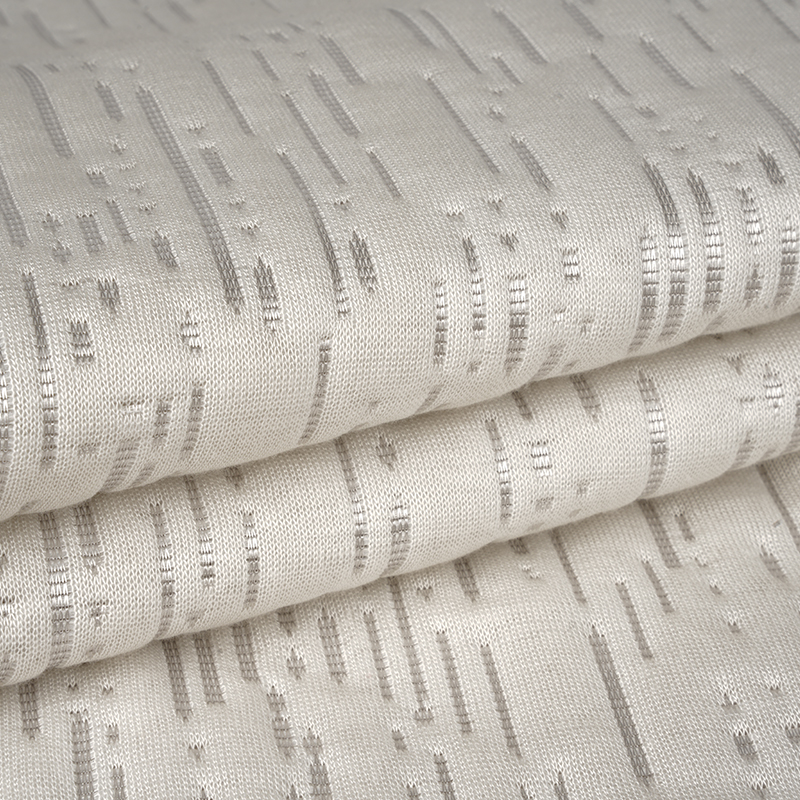
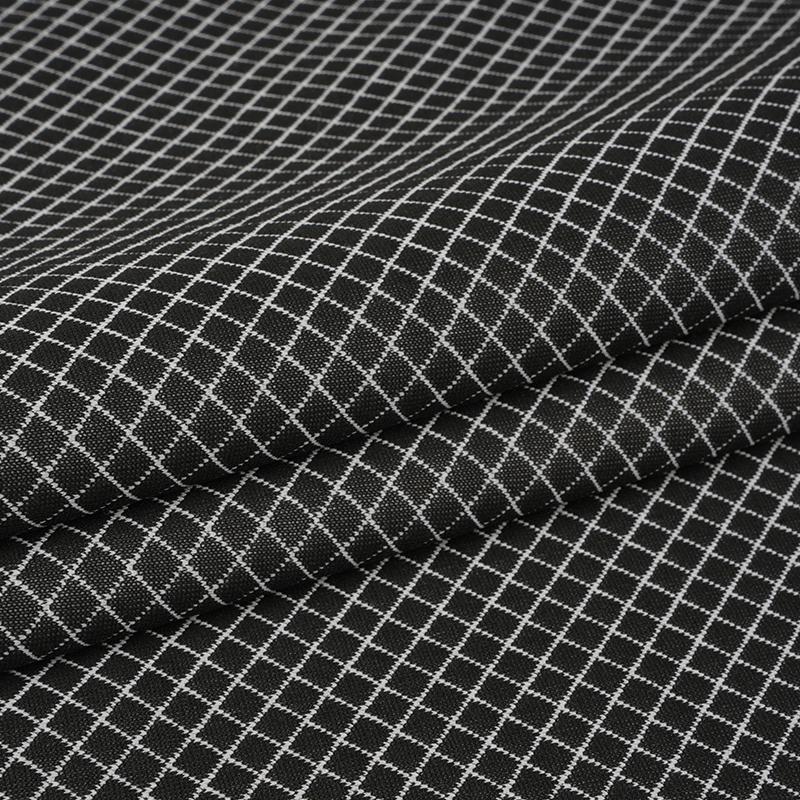
Antibacterial Yarn Children Mattress Fabric
Antibacterial Yarn Children Mattress Fabric
-
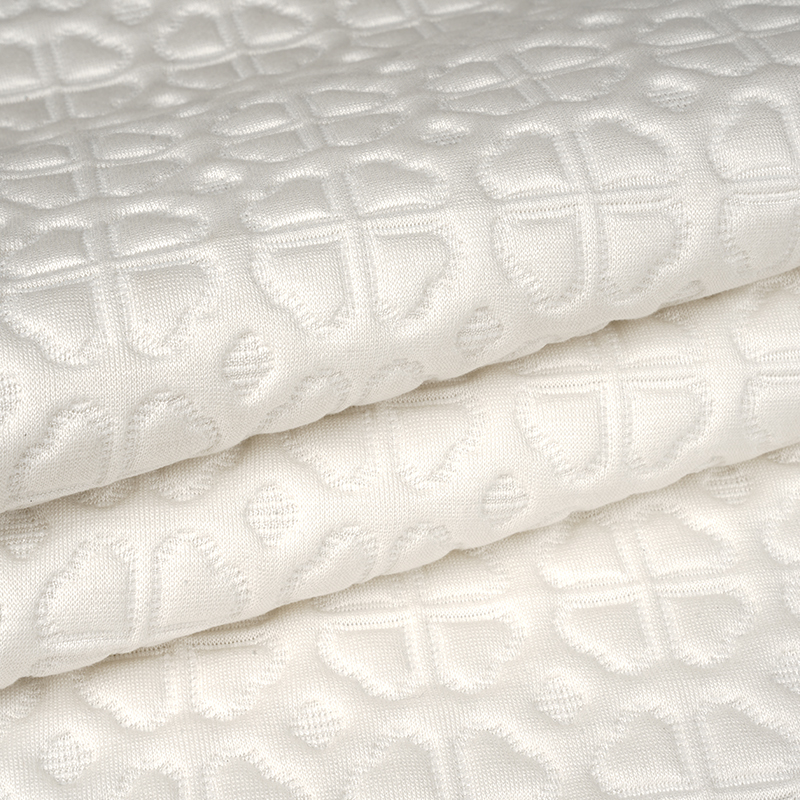
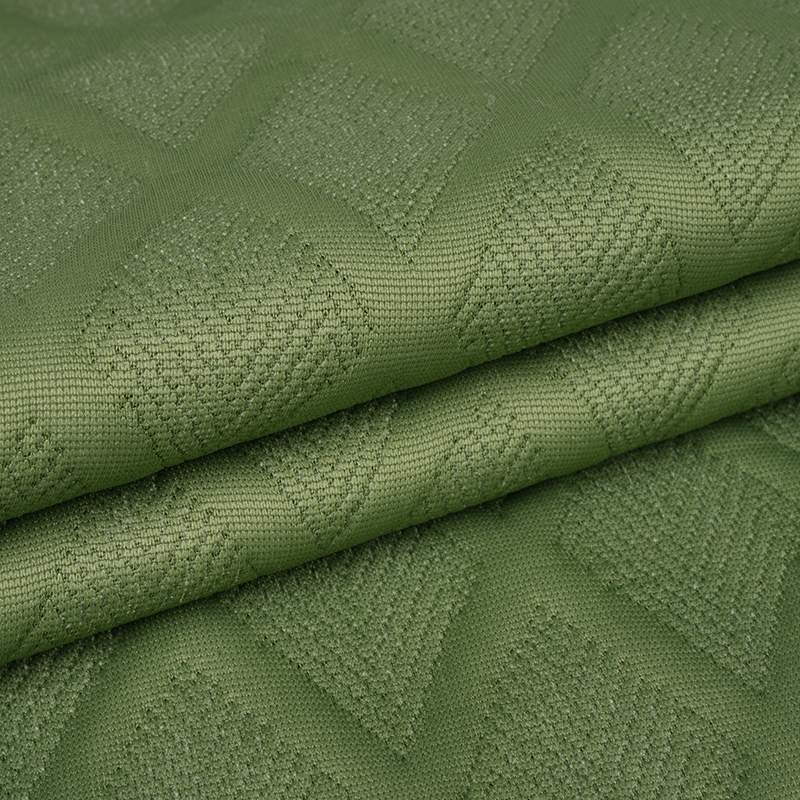
Antibacterial Yarn Children Mattress Fabric
Antibacterial Yarn Children Mattress Fabric
-
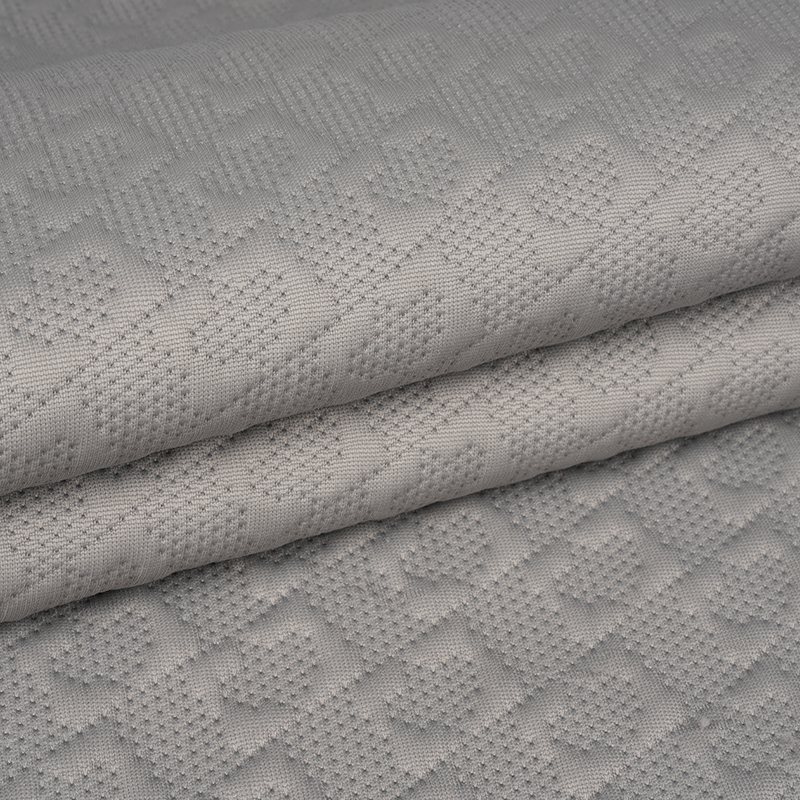
Antibacterial Yarn Children Mattress Fabric
Antibacterial Yarn Children Mattress Fabric
Haven’t Found The Products You Want?
-
-
Shen Jinyan:+86-15158070676
[email protected]
Liang Jinwen:+86-15757186621
[email protected]
Qiu Yingyingn:+86-13819545790
[email protected]
Yi qiao Town, Xiaoshan District, Hangzhou City, Zhejiang Province, China
-
Products
Mattress Fabric Children Mattress Fabric Pillowcase Fabric Pregnancy Pillow Fabric Cooling Mat Fabric Bedding Fabric Sofa Fabric Pet Friendly Fabrics -
Contact Information
About Us Products Strength Sustainability News Contact Us
Copyright © Hangzhou Xinsili Decorative Fabric Weaving Co.,Ltd. All Rights Reserved.
Functional Decorative Textile Manufacturers
