

 English
 中文简体
中文简体 Español
 عربى
عربى русский


Polyester Pillowcase Fabric: Performance, Comfort, and Reliable Custom Textile Manufacturing
Content
- 1 Understanding Polyester Pillowcase Fabric
- 2 Material Composition and Product Flexibility
- 3 Weave Options for Different Design Requirements
- 4 Color Performance and Long-Term Appearance
- 5 Functional Finishing Possibilities
- 6 Advantages Compared with Alternative Pillowcase Materials
- 7 Applications Across Bedding and Interior Textiles
- 8 Advanced Manufacturing Process
- 8.1 1. Requirement Review and Product Definition
- 8.2 2. Yarn and Fiber Preparation
- 8.3 3. Weaving and Fabric Formation
- 8.4 4. Dyeing and Color Development
- 8.5 5. Functional Finishing
- 8.6 6. Setting and Dimensional Control
- 8.7 7. Surface Inspection and Quality Evaluation
- 8.8 8. Rolling, Packaging, and Shipment Preparation
- 9 Manufacturing Strengths of the Supplier
- 10 Quality and Customization Considerations
- 11 Sustainability and Responsible Product Development
- 12 Why Choose Polyester Pillowcase Fabric for Commercial Development?
- 13 Recommended Development Process for Buyers
- 14 Q&A About Polyester Pillowcase Fabric
- 14.1 What is polyester pillowcase fabric made from?
- 14.2 Which weaves are available?
- 14.3 Can the fabric be customized?
- 14.4 Does polyester fabric maintain its color?
- 14.5 Can the fabric receive anti-static treatment?
- 14.6 Can it be made stain release or water repellent?
- 14.7 Is the fabric suitable for hotels?
- 14.8 Is it suitable for children’s pillowcases?
- 14.9 Can it be used for fitted pillow covers?
- 14.10 What information should be provided when requesting a quotation?
- 14.11 How can customers confirm quality before placing a bulk order?
- 14.12 What makes an experienced supplier valuable?
- 15 Conclusion
- 16 References
- 17 Product: Polyester Pillowcase Fabric
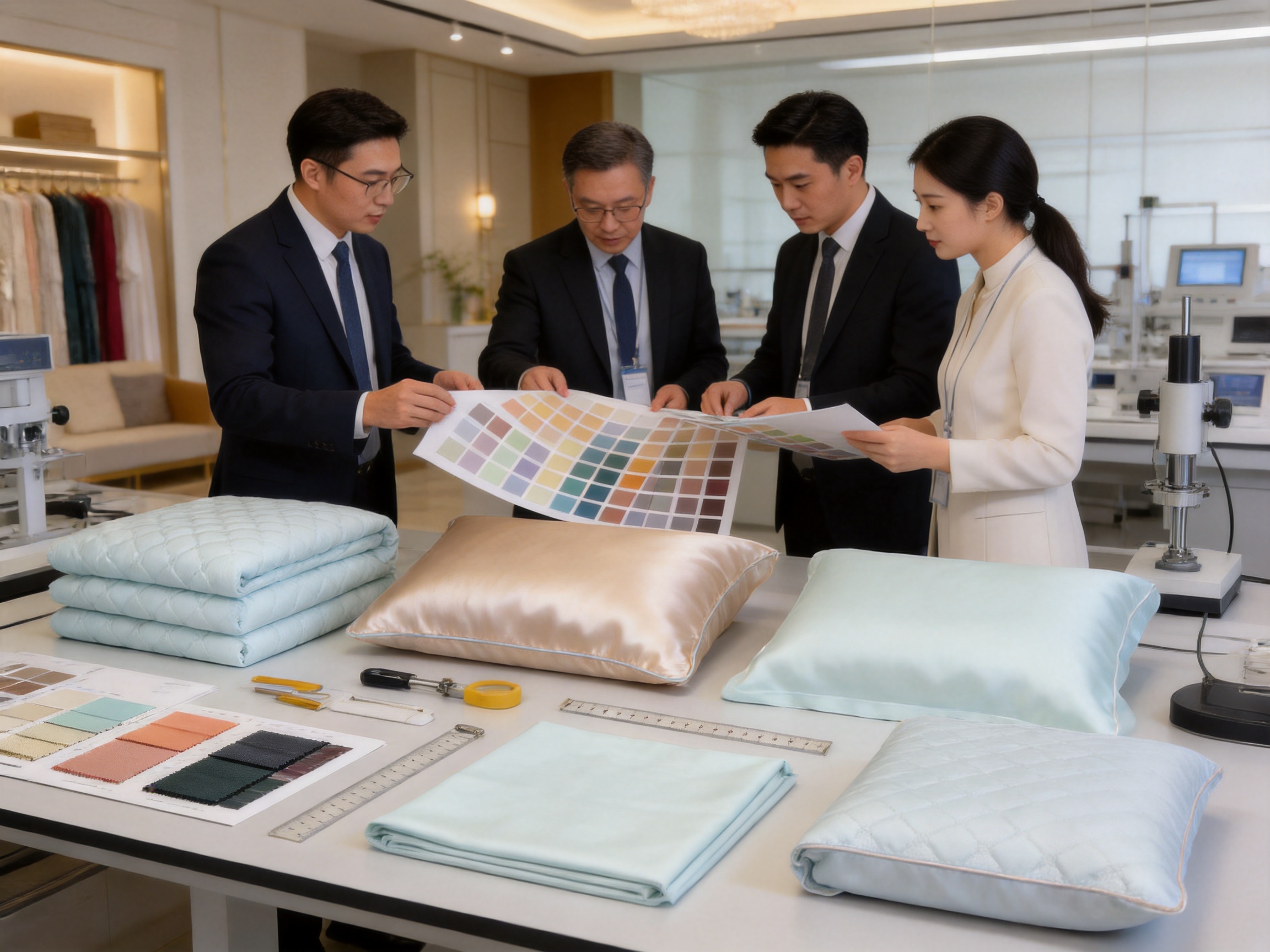
Polyester pillowcase fabric has become an important material choice for bedding manufacturers, hospitality suppliers, home textile brands, and interior textile developers seeking a practical balance of comfort, durability, appearance, and production efficiency. As consumers expect bedding products to remain attractive and comfortable through repeated washing and daily use, fabric selection has become a central part of product development. The right pillowcase fabric must do more than look appealing. It must provide a pleasant hand feel, maintain color, resist everyday wear, support efficient sewing, and remain suitable for different design and finishing requirements.
Made primarily from 100% polyester, polyester pillowcase fabric offers a versatile foundation for a broad range of pillowcase designs. It can be produced in plain, twill, or satin weaves, allowing manufacturers to create different visual effects, surface textures, and levels of softness. It can also receive functional finishes, including anti-static, stain-release, and water-repellent treatments, depending on the intended application. For projects requiring closer fitting or additional stretch, a small percentage of elastic fiber such as spandex may be incorporated upon request.
Hangzhou Xinsili Decorative Fabric Weaving Co., Ltd. develops and manufactures functional decorative textiles for residential, hotel, and commercial environments. With 19 years of industry experience, a 12,000-square-meter factory area, and recognition as a National High-Tech Enterprise in 2023, the company combines textile manufacturing experience with product development and functional finishing capabilities. Its polyester pillowcase fabric is positioned as a dependable material solution for customers seeking repeatable quality, customization, and stable supply.
Understanding Polyester Pillowcase Fabric
Polyester pillowcase fabric is a textile constructed primarily from polyester fibers, commonly identified as PET. These fibers are valued for their strength, dimensional stability, color retention, and adaptability in weaving and finishing. In pillowcase applications, polyester can be engineered to provide a range of surface effects, from a clean and practical plain weave to a more structured twill or a smooth, lustrous satin construction.
The final performance of the fabric depends on more than fiber content alone. Yarn selection, density, weave structure, dyeing conditions, finishing methods, inspection standards, and conversion requirements all influence the quality of the finished textile. A well-developed polyester pillowcase fabric should therefore be viewed as an integrated product rather than simply a synthetic material.
For bedding manufacturers, the material offers several practical benefits. Polyester fibers can support consistent production, retain color effectively, and withstand the repeated handling associated with pillowcase manufacturing and laundering. The fabric can be developed in different weights and appearances, enabling it to serve economical everyday bedding, decorative pillowcases, hospitality products, children’s bedding, and coordinated home textile collections.
Polyester pillowcase fabric may also be specified as part of a wider functional bedding program. It can be combined with requirements such as anti-static performance, stain release, moisture management, or water repellency. These functions should be selected according to the product’s intended environment, care instructions, and testing requirements. A residential pillowcase, a hotel pillow cover, and a decorative cushion cover may each require a different balance of comfort, appearance, and protection.
Material Composition and Product Flexibility
The standard composition of this fabric is 100% polyester. This composition provides a stable and widely applicable base for pillowcase production. Polyester is suitable for high-volume textile manufacturing because its properties can be controlled through yarn engineering, weaving, dyeing, and finishing. It also allows manufacturers to maintain a consistent appearance across repeated production runs when suitable quality controls are in place.
For certain applications, the fabric can be blended with a small percentage of elastic fibers such as spandex. The purpose of this option is to improve fit and recovery. Stretch-enhanced fabric may be useful for fitted pillow covers, shaped pillowcases, specialty bedding products, or designs that require easier installation and a closer fit around the pillow form.
The use of elastic fibers should be determined during product development. Designers and buyers should consider the required stretch direction, recovery, sewing method, washing conditions, and final dimensional stability. A blend can improve flexibility, but the construction must be balanced so that the fabric continues to provide the desired appearance and handling performance.
Because polyester pillowcase fabric can be developed through different construction and finishing routes, buyers can request specifications based on their market positioning. A product intended for value-focused bedding may prioritize efficient production and easy care. A premium decorative pillowcase may emphasize a smooth hand, refined luster, and carefully controlled color. A hotel product may require durability, consistent shade, and suitability for frequent laundering. A fitted or specialty product may require elastic content and additional dimensional control.
Weave Options for Different Design Requirements
Plain Weave
Plain weave is one of the most straightforward and versatile constructions for pillowcase fabric. It creates a balanced surface with a clean appearance and dependable stability. Plain-weave polyester can be used for everyday pillowcases, coordinated bedding collections, children’s products, hotel supply programs, and many private-label applications.
The balanced structure can also support efficient cutting and sewing. It is suitable for customers who require a practical fabric with a simple visual character and reliable production performance. Depending on yarn selection and finishing, plain-weave fabric may be developed with a smooth, soft, crisp, or lightly textured hand.
Twill Weave
Twill construction creates a recognizable diagonal surface effect. It can provide a more structured appearance and may offer a distinctive hand feel compared with plain weave. Twill pillowcase fabric can be considered for products requiring a stronger visual identity, a slightly heavier appearance, or coordination with other twill-based home textile products.
The diagonal pattern can contribute to an attractive surface while allowing designers to create a more substantial impression. Depending on the fabric specification, twill may be appropriate for decorative pillowcases, durable household textiles, and products positioned between basic bedding and premium home décor.
Satin Weave
Satin weave is selected when a smoother surface and more pronounced sheen are desired. Polyester satin pillowcase fabric can create an elegant appearance, making it suitable for decorative bedding, hospitality interiors, gift-oriented products, and premium bedroom collections.
The surface effect of satin weave can enhance color depth and visual richness. However, the fabric should be developed and handled carefully to maintain a consistent surface, avoid unwanted snagging, and preserve the desired appearance during cutting, sewing, packaging, and use. Proper finishing and inspection are particularly important for fabrics where surface luster is a major selling point.
| Fabric Construction | Visual Character | Typical Product Direction | Key Development Consideration |
|---|---|---|---|
| Plain weave | Clean, balanced, and practical | Everyday pillowcases, children’s bedding, hotel basics | Balance hand feel, stability, and production efficiency |
| Twill weave | Structured with a diagonal surface effect | Decorative bedding and durable home textiles | Control weight, drape, and diagonal definition |
| Satin weave | Smooth with enhanced surface sheen | Premium, decorative, and hospitality collections | Protect surface appearance and maintain shade consistency |
| Stretch blend | Flexible and closer fitting | Fitted pillow covers and specialty bedding | Control stretch, recovery, and dimensional stability |
Color Performance and Long-Term Appearance
One of the important advantages of polyester pillowcase fabric is its strong color adhesion and high color fastness. These characteristics help the fabric maintain color vibrancy over extended use when the product is correctly dyed, finished, cared for, and tested. For bedding brands, stable color performance is essential because pillowcases are often sold as part of coordinated collections. A mismatch between pillowcases, sheets, duvet covers, or decorative cushions can affect the perceived quality of the entire product range.
Color consistency is also important for repeat orders. Retailers and hospitality buyers may require the same shade across multiple production batches. Stable manufacturing procedures, controlled dyeing conditions, laboratory color evaluation, and production-stage inspection can help reduce variation. Customers may provide a standard color reference, physical swatch, or approved sample for development and confirmation.
High color fastness is particularly valuable in products that are washed frequently. Pillowcases come into direct contact with skin, hair products, cosmetics, and household laundering processes. A fabric that retains its appearance through repeated care can support stronger customer satisfaction and reduce the likelihood of premature replacement.
Color performance should be assessed according to the intended product requirements. Different colors, weave structures, finishing treatments, and laundering conditions may influence final results. For this reason, buyers should communicate the expected care method, target market, shade range, and testing standards during development.
Functional Finishing Possibilities
Polyester pillowcase fabric can undergo additional functional finishes to support specific product objectives. Finishing is a critical stage because it can influence hand feel, surface behavior, appearance, and practical performance. The selected treatment should be compatible with the fabric construction and should be evaluated for durability under the expected use and care cycle.
Anti-Static Finishing
Static electricity can be noticeable in dry environments or when synthetic fabrics are rubbed against other textiles. An anti-static finish may help reduce the accumulation of static charge and improve the handling experience. This option can be considered for bedding products used in dry climates, heated indoor spaces, hotels, and homes where customers prefer a calmer and more comfortable fabric experience.
Anti-static treatment should be discussed together with laundering expectations and packaging conditions. The desired performance may vary according to humidity, friction, fiber blend, and the presence of other bedding materials.
Stain-Release Finishing
Pillowcases are exposed to oils, cosmetics, dust, and other everyday contaminants. A stain-release finish can be developed to help certain substances detach more easily during cleaning. This feature can be useful for hospitality products, children’s bedding, family households, and pillowcases designed for frequent use.
Stain-release performance does not eliminate the need for proper care. It is a functional aid that may improve cleanability when combined with appropriate washing instructions. Customers should define the types of stains and cleaning conditions that are most relevant to their target market so that the development process can be directed toward realistic performance objectives.
Water-Repellent Finishing
Water-repellent treatment can help liquid droplets remain on the surface for a period of time, potentially reducing immediate penetration. This option may be appropriate for decorative pillowcases, selected hospitality applications, protective home textiles, or products used in environments where accidental spills are a concern.
Water repellency should be distinguished from waterproof construction. The final result depends on fabric structure, treatment chemistry, application level, and testing method. The finish should be evaluated for appearance, hand feel, durability, and compatibility with the product’s care requirements.
Advantages Compared with Alternative Pillowcase Materials
Polyester pillowcase fabric competes with cotton, rayon, linen, blended fabrics, and other synthetic textiles. Each material has its own strengths, but polyester offers a distinctive combination of manufacturing flexibility, color performance, durability, and functional finishing potential.
Compared with many natural fibers, polyester can provide more consistent dimensional behavior and strong resistance to everyday abrasion. This can be valuable for products that must maintain their shape through repeated handling and laundering. Polyester is also available in a broad range of constructions and surface effects, allowing designers to create both practical and decorative pillowcase products.
Compared with some cellulosic fibers, polyester may offer easier control of shrinkage and a strong ability to retain color when properly processed. These characteristics can support repeat production and reduce challenges associated with dimensional variation. The final performance still depends on the complete fabric specification, and each product should be evaluated according to its intended use.
Compared with basic synthetic fabrics that have limited finishing options, a professionally developed polyester fabric can be customized with anti-static, stain-release, or water-repellent treatments. This provides a way to adapt one material platform to several market segments without changing the entire product concept.
Another competitive advantage is design versatility. Plain, twill, and satin weaves can create different positions within a product range. A manufacturer may use plain weave for core products, twill for a more structured collection, and satin for decorative or premium items. This makes polyester suitable for brands that want to build multiple price and design levels around a common fiber platform.
Applications Across Bedding and Interior Textiles
Polyester pillowcase fabric is suitable for more than one market segment. Its construction and finishing can be adjusted to support different commercial applications.
Residential Bedding
For residential bedding, the fabric can be developed in colors and textures that coordinate with bedroom décor. Home users often value easy care, attractive appearance, comfort, and reliable durability. Polyester can meet these expectations through appropriate yarn selection, surface finishing, and color development.
Hotel and Hospitality Products
Hotels and other hospitality environments commonly require fabrics that can withstand repeated laundering, frequent handling, and consistent use across many rooms. Color consistency, dimensional stability, sewing performance, and reliable supply are important purchasing considerations. Polyester pillowcase fabric can be customized for different hospitality programs, from economical basic products to decorative guest-room collections.
Children’s Bedding
Children’s pillowcases may require bright colors, printed designs, easy maintenance, and durable construction. Strong color performance can help maintain the visual appeal of children’s patterns. Buyers should also define applicable safety, chemical, and testing requirements for the destination market when developing children’s products.
Decorative Pillow Covers
Satin and selected twill constructions can be used for decorative pillow covers where surface appearance is especially important. A smooth hand, controlled sheen, and color richness may help create a more refined interior effect. These products may be used in homes, hotels, showrooms, hospitality areas, and commercial interiors.
Specialty Pillow Products
When blended with a small percentage of elastic fiber, the fabric may support specialty pillow covers that require improved fit or recovery. This can be considered for shaped pillows, pregnancy pillows, travel pillows, and other designs where the cover must conform more closely to the filling or inner structure. The exact fiber ratio and construction should be confirmed through sample development.
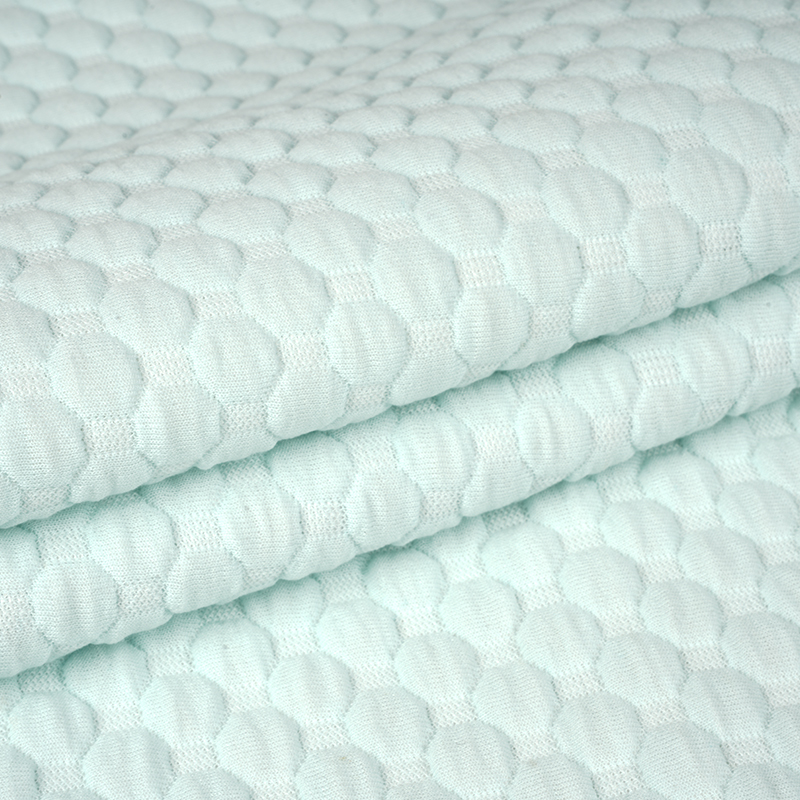
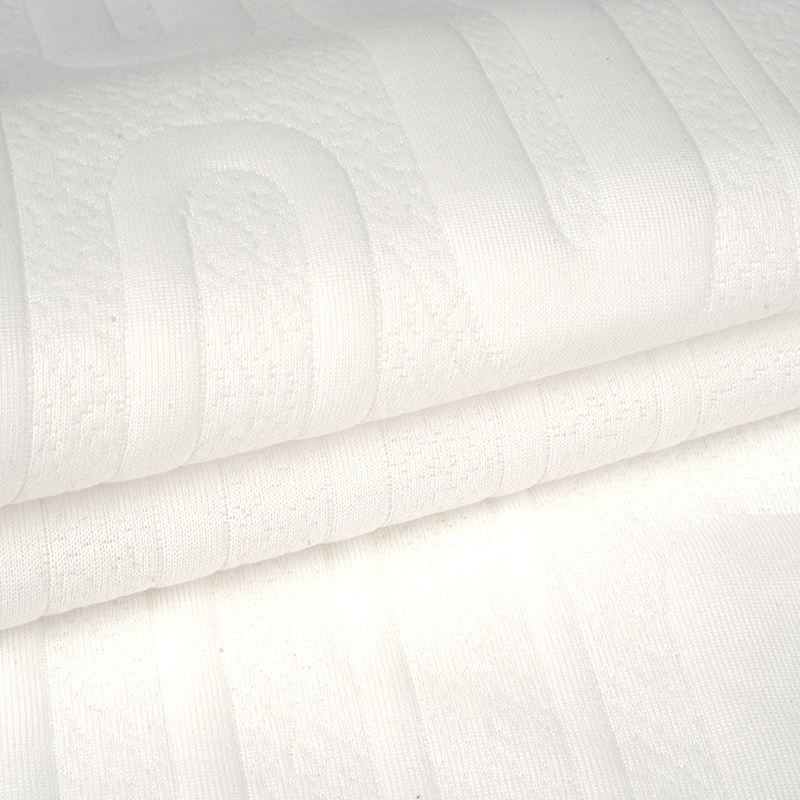
Polyester Pillowcase Fabric
Advanced Manufacturing Process
The quality of polyester pillowcase fabric depends on the coordination of multiple manufacturing stages. An experienced textile manufacturer should be able to manage the process from material selection through finished-fabric inspection. Hangzhou Xinsili Decorative Fabric Weaving Co., Ltd. emphasizes precision manufacturing and functional textile development as part of its approach to serving global customers.
1. Requirement Review and Product Definition
Production begins with a clear understanding of the customer’s requirements. The development team may review fiber composition, weave structure, fabric weight, width, color, hand feel, stretch requirement, finishing treatment, end use, packaging expectations, and testing needs.
This stage is important because the same general product name can represent very different fabric specifications. A pillowcase for everyday home use may require a different construction from a hotel pillowcase or a decorative satin cover. Defining the application at the beginning helps the manufacturer select an appropriate technical route.
2. Yarn and Fiber Preparation
Polyester yarn selection influences the surface, strength, density, drape, and overall hand feel of the fabric. The manufacturer must consider yarn count, filament or spun structure, texture, strength, and compatibility with the selected weave. When elastic fiber is requested, its integration must be planned carefully to support the target stretch and recovery.
Material preparation should focus on consistency. Stable raw materials help reduce variation during weaving and dyeing. For customized programs, approved raw material specifications can be documented so that future production remains aligned with the original sample.
3. Weaving and Fabric Formation
During weaving, the warp and weft yarns are interlaced according to the selected construction. Plain, twill, and satin structures require different settings and produce different surface results. Machine preparation, tension control, density control, and monitoring of weaving conditions all influence fabric quality.
Precision weaving helps reduce defects such as uneven density, broken yarns, holes, streaks, and irregular surface effects. It also supports stable width and construction, which are important for efficient cutting and sewing. For customers purchasing fabric in volume, repeatability from roll to roll is a key indicator of manufacturing capability.
4. Dyeing and Color Development
After weaving, the fabric may proceed through preparation and dyeing according to the required color and finish. Dyeing conditions must be controlled to support even shade distribution, strong color development, and suitable fastness. Laboratory dips and sample approvals can help customers confirm the desired color before bulk production.
Color management is especially important for bedding collections. A controlled process can support the production of coordinated colors across different orders and fabric constructions. When a customer requires a specific shade, the manufacturer should use an agreed reference and maintain records for future repeat orders.
5. Functional Finishing
Functional finishing is selected according to the product’s intended performance. Anti-static, stain-release, and water-repellent treatments can be applied when required. Other finishing adjustments may be used to improve softness, smoothness, surface appearance, dimensional stability, or sewing behavior.
The finishing route should be optimized rather than applied generically. Excessive treatment may change the hand feel or appearance, while insufficient treatment may not meet the desired performance. A technically experienced manufacturer evaluates the interaction between the base fabric, finishing agent, application method, drying conditions, and final inspection criteria.
6. Setting and Dimensional Control
Heat setting or other dimensional-control procedures may be used when appropriate for the fabric construction. The objective is to achieve more stable width, shape, and handling properties. This is particularly relevant for pillowcase fabric because dimensional variation can affect sewing accuracy, fit, seam alignment, and the final appearance of the finished cover.
For stretch-blended fabric, dimensional control becomes even more important. The fabric must retain sufficient elasticity while maintaining acceptable recovery and stability. Development samples should be evaluated after laundering or other simulated use conditions to confirm that the fabric remains suitable for the final product.
7. Surface Inspection and Quality Evaluation
Finished fabric should be inspected for construction, appearance, color consistency, width, surface defects, and other customer-defined criteria. Inspection may identify weaving faults, dyeing irregularities, finishing marks, oil spots, holes, streaks, or unacceptable shade variation.
Quality evaluation should be based on documented standards rather than visual judgment alone. A professional supplier can work with customers to establish inspection points, acceptable tolerance ranges, sample approval procedures, and batch records. This creates a more transparent basis for repeat purchasing and quality communication.
8. Rolling, Packaging, and Shipment Preparation
After inspection, the fabric is rolled and packaged for storage or shipment. Proper rolling helps reduce creasing, edge damage, and handling problems. Packaging should be selected according to the transportation route, order size, storage conditions, and customer requirements.
Stable packaging and accurate labeling support warehouse management and help customers identify color, construction, lot information, and quantity. For international orders, clear documentation is important for efficient receiving and production planning.
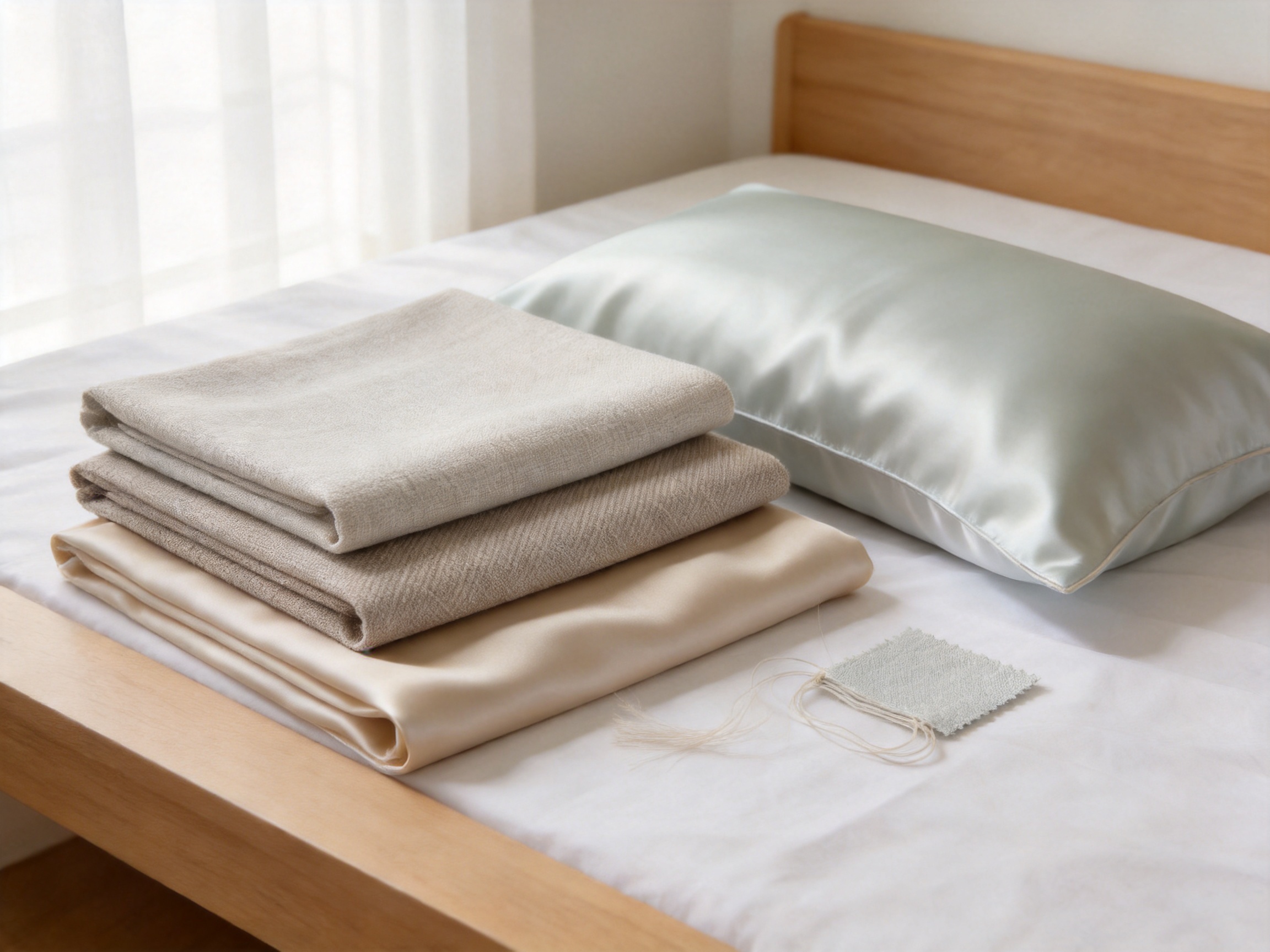
Manufacturing Strengths of the Supplier
Hangzhou Xinsili Decorative Fabric Weaving Co., Ltd. focuses on functional decorative textiles for residential, hotel, and commercial spaces. The company’s experience in decorative fabric development provides a useful foundation for polyester pillowcase fabric, especially where customers require a combination of appearance, comfort, and practical performance.
With 19 years of industry experience, the company has developed knowledge across textile research, weaving, finishing, and product application. Long-term experience can help a supplier identify potential production risks earlier, recommend suitable constructions, and adapt a general fabric concept to a specific end use.
The company operates within a 12,000-square-meter factory area. This production base supports organized manufacturing, material handling, inspection, and order coordination. Factory scale alone does not determine product quality, but an established production environment can provide a stronger foundation for stable processes and planned capacity management.
Recognition as a National High-Tech Enterprise in 2023 reflects the company’s emphasis on technological development and innovation. For customers seeking functional textiles, research and development capability is important because finishing performance, hand feel, durability, and appearance must be balanced rather than treated as separate objectives.
The company’s stated values include craftsmanship-driven manufacturing, design innovation, and win-win collaboration. These principles are relevant to customized textile supply. Buyers often need more than a standard catalog item; they may require a particular color, construction, width, finishing treatment, or performance target. A collaborative development process allows the fabric to be adjusted before bulk production.
Its broader functional textile focus includes antibacterial, moisture-resistant, flame-retardant, sleep-supporting, and comfort-improving directions. Not every function applies to every pillowcase fabric, and specific claims should be confirmed through appropriate testing. However, this range demonstrates an orientation toward textiles that combine decorative value with practical performance.
Quality and Customization Considerations
When purchasing polyester pillowcase fabric, buyers should prepare a detailed specification. Important points include fiber composition, weave, fabric weight, usable width, color, hand feel, stretch, finishing treatment, roll length, packaging, and quality standards.
Sample approval is an effective way to align expectations. A sample can be evaluated for appearance, handle, drape, sewing behavior, color, and compatibility with the selected pillow filling or inner structure. If the product will be washed frequently, laundering tests should be conducted before final approval.
Customers should also distinguish between fabric performance and finished-product performance. A fabric may meet its specifications, while the final pillowcase can still be affected by seam construction, thread selection, zipper or closure design, washing conditions, printing, embroidery, and packaging. Cooperation between the fabric supplier and finished-product manufacturer helps ensure that the material is used correctly.
For large or repeated orders, buyers should establish a reference sample and acceptance criteria. This may include shade tolerance, width tolerance, weight tolerance, appearance standards, and functional performance requirements. Clear documentation reduces misunderstandings and supports more consistent future deliveries.
Sustainability and Responsible Product Development
Responsible textile development involves considering product lifespan, production efficiency, chemical management, packaging, and intended use. Polyester pillowcase fabric can contribute to longer-lasting products when it is designed for suitable durability and maintained correctly. A fabric that retains color, shape, and surface performance may reduce the need for premature replacement.
Manufacturers and buyers should select finishing treatments carefully and request information about the applicable production requirements and testing procedures. Environmental expectations vary by market, so customers should communicate relevant standards at the beginning of development.
Efficient manufacturing also supports responsible production. Accurate weaving, controlled dyeing, minimized defects, and effective inspection can reduce material waste and reprocessing. Developing the correct specification before bulk production can further reduce unnecessary sampling and rejected goods.
For brands seeking more sustainable product positioning, the most appropriate approach may combine durable design, responsible sourcing, suitable care instructions, and transparent performance communication. Claims should be supported by relevant documentation and should accurately reflect the tested characteristics of the final fabric.
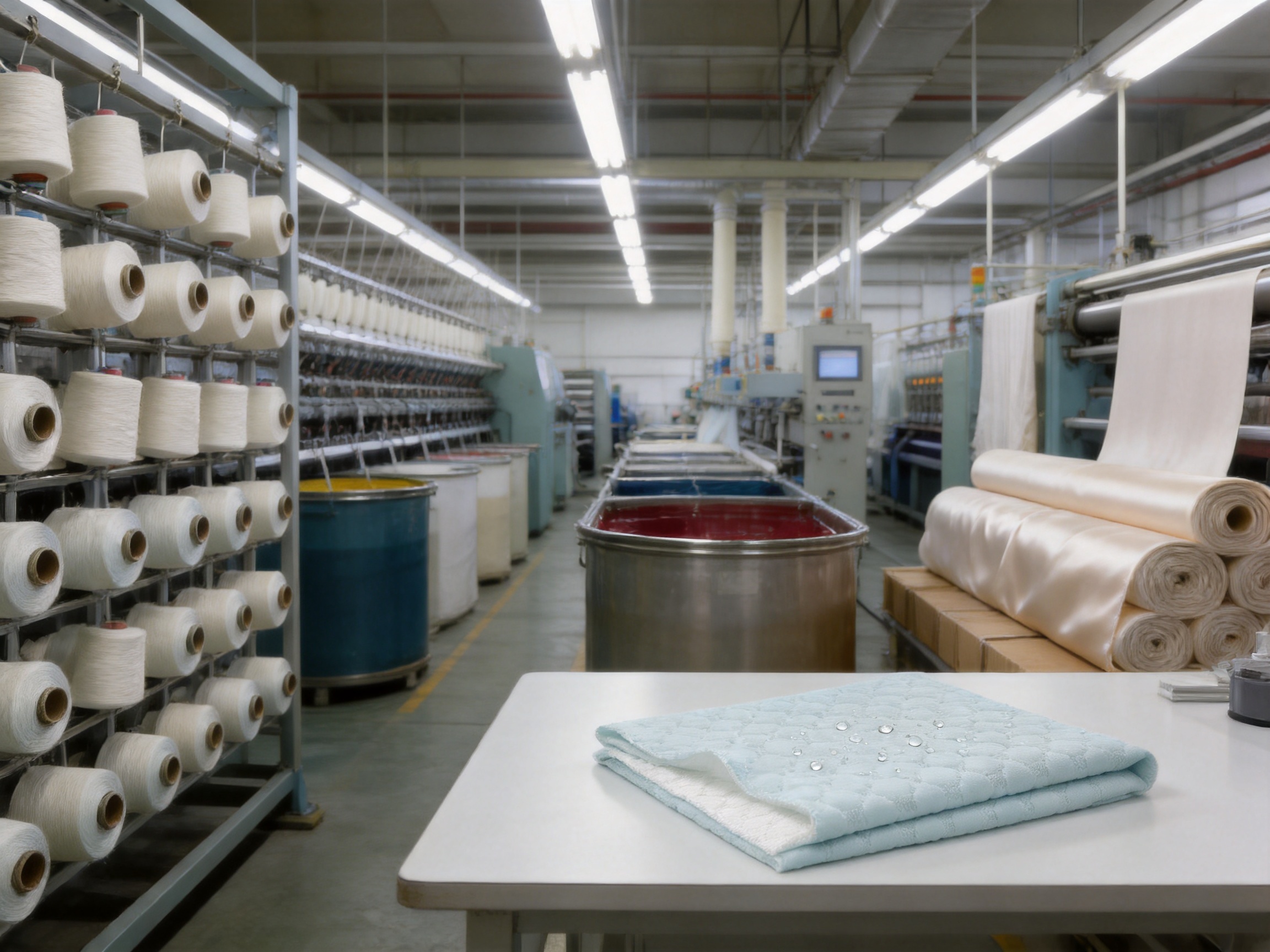
Why Choose Polyester Pillowcase Fabric for Commercial Development?
Commercial buyers require a material that can be produced consistently, adapted to different product concepts, and positioned across multiple price levels. Polyester pillowcase fabric meets these needs through its combination of fiber stability, weave flexibility, color performance, and finishing options.
Its ability to support plain, twill, and satin constructions allows a supplier to serve different design directions without changing the basic material category. This simplifies product planning for brands that offer several bedding collections. The addition of optional elastic fiber creates another route for developing fitted or specialty pillow covers.
The fabric’s strong color adhesion and high color fastness can support coordinated collections and repeat programs. This is important for hotels, retailers, distributors, and private-label customers that need to reorder the same color or maintain a consistent visual identity.
Functional finishing adds further value. Anti-static, stain-release, and water-repellent treatments can be selected according to the target application. Instead of relying on one standard fabric for every market, buyers can create a more focused product range with specifications matched to actual use conditions.
Finally, supplier experience matters. A manufacturer with established textile knowledge can help customers avoid unsuitable combinations of weave, weight, finish, and end use. Hangzhou Xinsili Decorative Fabric Weaving Co., Ltd. offers a manufacturing and development platform for customers seeking functional decorative textiles and customized polyester pillowcase fabric.
Recommended Development Process for Buyers
A successful project should begin with a written product brief. The brief should identify the intended pillowcase type, target market, expected use frequency, desired appearance, color range, construction, estimated order quantity, and delivery schedule.
The next step is fabric selection. Customers can compare plain, twill, and satin samples to determine which construction best matches their design and performance goals. If stretch is required, the customer should request an appropriate elastic-fiber blend and evaluate both stretch and recovery.
Functional finishes should then be selected. Buyers should explain whether the priority is anti-static behavior, stain release, water repellency, softness, smoothness, or another performance characteristic. The supplier can recommend a suitable treatment route and prepare samples for review.
After sample approval, testing should be completed according to the customer’s market and product requirements. Testing may cover color fastness, dimensional change, fabric weight, width, strength, pilling, surface appearance, stretch recovery, or functional treatment performance.
Before bulk production, the buyer and manufacturer should confirm the approved sample, technical specification, tolerance requirements, packaging method, and inspection procedure. This preparation can improve production efficiency and reduce the risk of disagreement after delivery.
Q&A About Polyester Pillowcase Fabric
What is polyester pillowcase fabric made from?
The standard fabric is made from 100% polyester, also known as PET. A small percentage of elastic fiber such as spandex can be added upon request when improved fit, stretch, or recovery is needed.
Which weaves are available?
The fabric can commonly be produced in plain, twill, or satin weaves. Plain weave offers a balanced and practical surface, twill creates a more structured diagonal effect, and satin provides a smoother surface with enhanced sheen.
Can the fabric be customized?
Yes. Customization may include weave, color, weight, width, hand feel, elastic content, and functional finishing. The final options should be confirmed through sample development and technical evaluation.
Does polyester fabric maintain its color?
Polyester pillowcase fabric is designed to provide strong color adhesion and high color fastness. Actual performance depends on dyeing, finishing, color selection, care conditions, and applicable testing requirements.
Can the fabric receive anti-static treatment?
Yes. Anti-static finishing can be considered for products used in dry environments or applications where reducing static charge is important. The treatment should be evaluated according to the intended laundering and use conditions.
Can it be made stain release or water repellent?
Yes. Stain-release and water-repellent treatments can be developed for suitable fabric constructions. These finishes are intended to improve practical performance but should not be confused with complete stain-proof or waterproof protection.
Is the fabric suitable for hotels?
It can be suitable for hotel and hospitality products when the construction, color, durability, care requirements, and testing standards are selected for frequent use and laundering. Hospitality buyers should confirm the required performance before bulk production.
Is it suitable for children’s pillowcases?
Polyester pillowcase fabric can be used for children’s bedding, particularly where bright color, easy maintenance, and durable construction are desired. Buyers should confirm all safety and regulatory requirements applicable to the destination market.
Can it be used for fitted pillow covers?
A small percentage of elastic fiber may be incorporated to improve fit and recovery. The appropriate blend and construction should be tested with the intended pillow shape and after expected care cycles.
What information should be provided when requesting a quotation?
Buyers should provide the desired composition, weave, color, width, weight, finishing treatment, estimated quantity, application, testing requirements, packaging expectations, and delivery destination. More complete information allows the manufacturer to prepare a more accurate proposal.
How can customers confirm quality before placing a bulk order?
Customers can request development samples, review the fabric construction and appearance, conduct relevant performance tests, approve a reference sample, and establish clear inspection criteria before bulk production.
What makes an experienced supplier valuable?
An experienced supplier can help connect fiber selection, weaving, dyeing, finishing, inspection, and final application. This integrated understanding supports more reliable product development and can reduce avoidable production problems.
Conclusion
Polyester pillowcase fabric provides a flexible and commercially practical platform for modern bedding and interior textile products. Its 100% polyester composition offers stable manufacturing potential, strong color adhesion, and high color fastness. Plain, twill, and satin weaves allow designers to create different visual effects and hand feels, while optional elastic fiber can improve fit for specialty pillow covers.
The material can also be enhanced through anti-static, stain-release, and water-repellent finishing. These options make it possible to develop fabrics for residential bedding, hotels, children’s products, decorative pillow covers, and other applications with different performance expectations.
The value of the product depends not only on its fiber content but also on the manufacturing system behind it. Controlled yarn preparation, precision weaving, careful dyeing, functional finishing, dimensional control, inspection, and packaging all contribute to reliable quality. With 19 years of industry experience, a 12,000-square-meter factory area, and a focus on functional decorative textiles, Hangzhou Xinsili Decorative Fabric Weaving Co., Ltd. provides a development and production resource for customers seeking customized textile solutions.
For buyers, the most effective approach is to define the end use clearly, compare construction options, approve samples, confirm performance requirements, and establish quality standards before bulk production. When these steps are combined with appropriate manufacturing expertise, polyester pillowcase fabric can support attractive, durable, comfortable, and commercially competitive bedding products.
References
1. Textile Fiber Properties and Synthetic Fiber Manufacturing Principles, technical textile reference material.
2. Woven Fabric Construction: Plain, Twill, and Satin Structures, textile design and production reference.
3. Textile Dyeing, Color Fastness, and Quality Control Practices, professional textile processing reference.
4. Functional Finishing Technologies for Home and Decorative Textiles, technical finishing reference.
5. Bedding Product Development and Fabric Performance Evaluation, home textile manufacturing reference.
6. Supplier-provided product information for polyester pillowcase fabric and functional decorative textile manufacturing.
Product: Polyester Pillowcase Fabric

Our Featured Products
-
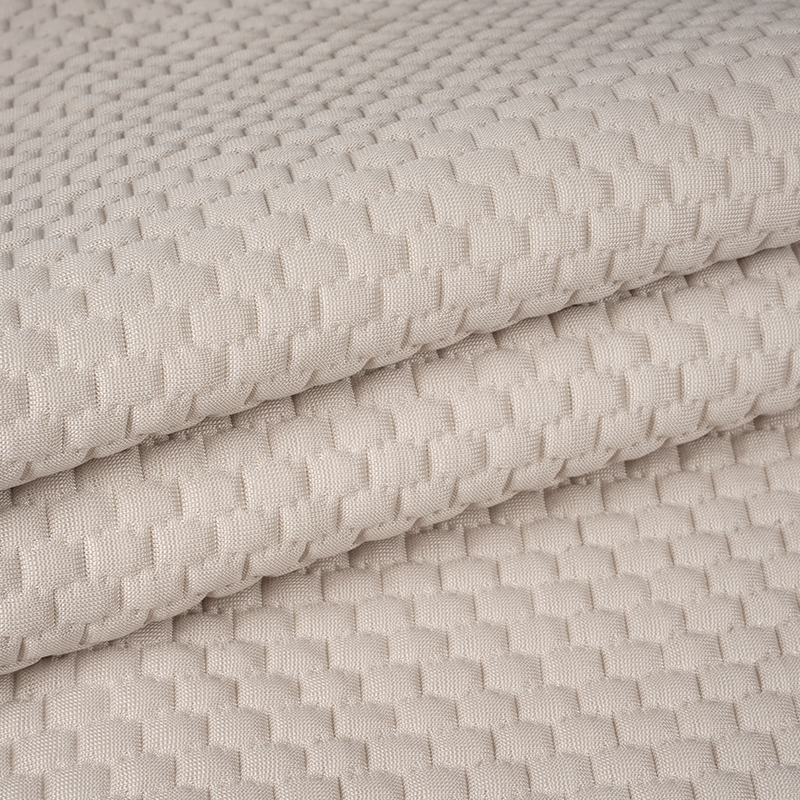
Polyester Pillowcase Fabric
Polyester Pillowcase Fabric
Haven’t Found The Products You Want?
-
-
Shen Jinyan:+86-15158070676
[email protected]
Liang Jinwen:+86-15757186621
[email protected]
Qiu Yingyingn:+86-13819545790
[email protected]
Yi qiao Town, Xiaoshan District, Hangzhou City, Zhejiang Province, China
-
Products
Mattress Fabric Children Mattress Fabric Pillowcase Fabric Pregnancy Pillow Fabric Cooling Mat Fabric Bedding Fabric Sofa Fabric Pet Friendly Fabrics -
Contact Information
About Us Products Strength Sustainability News Contact Us
Copyright © Hangzhou Xinsili Decorative Fabric Weaving Co.,Ltd. All Rights Reserved.
Functional Decorative Textile Manufacturers
