

 English
 中文简体
中文简体 Español
 عربى
عربى русский


Graphene Pet Friendly Fabrics for Cleaner, More Comfortable Living Spaces
Content
- 1 What Are Graphene Pet Friendly Fabrics?
- 2 Why Pet-Friendly Textiles Require a Different Standard
- 3 Functional Value of Graphene Integration
- 4 Advantages Compared with Conventional Pet and Upholstery Fabrics
- 5 Manufacturing Strengths Behind the Product
- 6 Production Process from Concept to Finished Fabric
- 7 Applications in Homes, Hotels, and Commercial Interiors
- 8 Customization Options for Brand and Product Development
- 9 Sustainability and Responsible Textile Selection
- 10 Quality Control Considerations for Buyers
- 11 How the Product Supports Competitive Positioning
- 12 Q&A About Graphene Pet Friendly Fabrics
- 12.1 What is the base material of the fabric?
- 12.2 How much graphene does the fabric contain?
- 12.3 Can the fabric be used for sofa upholstery?
- 12.4 Is the fabric suitable for pet beds?
- 12.5 What is the standard fabric width?
- 12.6 What is the standard fabric weight?
- 12.7 What does the Grade 4 wash color fastness specification mean?
- 12.8 What is the far-infrared normal emissivity value?
- 12.9 Does the fabric provide medical or therapeutic benefits?
- 12.10 Can the fabric be customized in color?
- 12.11 Can the fabric be used in hotels and commercial interiors?
- 12.12 What information should be included in an inquiry?
- 12.13 Who manufactures the fabric?
- 13 Recommended Development Workflow for International Buyers
- 14 Conclusion
- 15 References
- 16 Product: Graphene Pet Friendly Fabrics
Modern households increasingly expect textiles to do more than provide color, softness, and visual appeal. Fabrics used on sofas, cushions, pet beds, mattress covers, decorative panels, and other interior products must support comfort, durability, hygiene, and practical daily care. This demand is especially strong in homes with dogs, cats, and other companion animals, where furniture fabrics are exposed to fur, dander, moisture, scratching, frequent contact, and repeated cleaning. Graphene pet friendly fabrics respond to these needs by combining a polyester textile base with graphene-related functional performance and a structure suitable for residential, hospitality, and commercial applications.
Graphene Pet Friendly Fabrics are developed for manufacturers and buyers seeking a functional decorative textile with a balance of comfort, visual versatility, and measurable technical properties. The standard product uses 100% polyester as its base material, while the graphene content can be customized within a range of at least 0.5% to 3% by finished product weight. The standard weight is approximately 150 to 300 grams per square meter, and the standard width is 150 centimeters, with negotiation available for specific production requirements.
Beyond their functional composition, these fabrics are supported by controlled color fastness and far-infrared emissivity specifications. The wash color fastness target is at least Grade 4 according to the AATCC standard, while the far-infrared normal emissivity is at least 0.88 with reference to GB/T 30127. These values give product developers a practical basis for evaluating the fabric during sampling, product design, and quality approval.
The material is manufactured by Hangzhou Xinsili Decorative Fabric Weaving Co., Ltd., a decorative textile producer with 19 years of industry experience. The company operates from a 12,000-square-meter factory and focuses on functional fabrics for residential, hotel, and commercial interiors. Its capabilities include research and development, textile manufacturing, functional finishing, customization, and quality-focused production management. As a National High-Tech Enterprise recognized in 2023, the company places technological development and stable manufacturing at the center of its business approach.
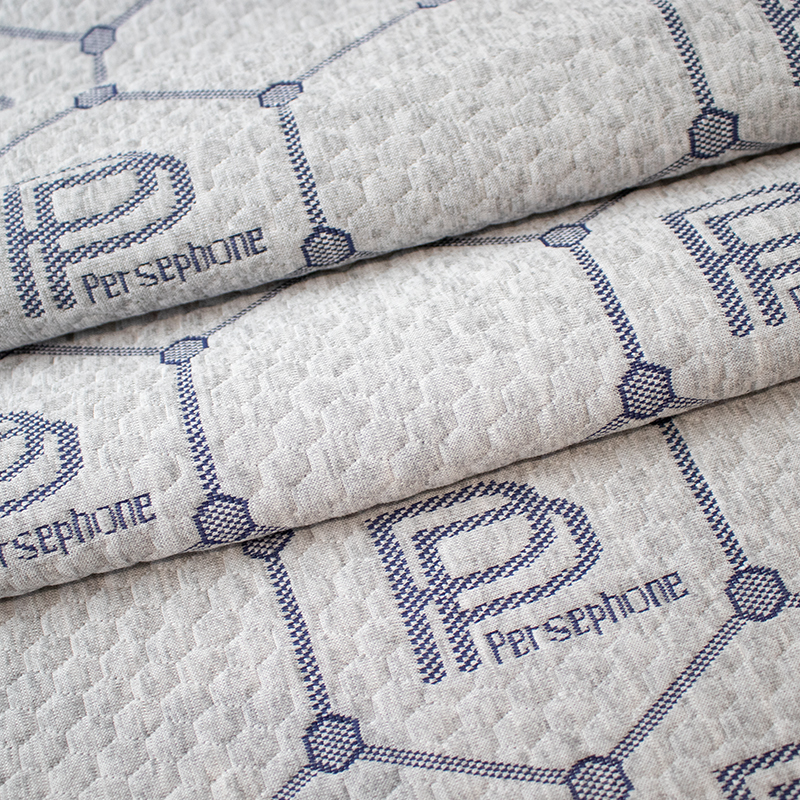
Graphene Pet Friendly Fabrics
What Are Graphene Pet Friendly Fabrics?
Graphene Pet Friendly Fabrics are functional decorative textiles designed to serve environments in which people and pets share furniture, sleeping areas, and living spaces. The fabric is based primarily on polyester, a material widely used in upholstery and home textiles because of its strength, dimensional stability, processing flexibility, and compatibility with different surface treatments. Graphene is incorporated at a controlled content level to introduce an additional functional dimension to the finished textile.
The product is not limited to one type of finished article. It may be developed for sofa upholstery, pet beds, cushions, mattress-related products, decorative covers, bedding components, and other interior applications. Depending on the intended use, the textile can be evaluated for softness, abrasion resistance, appearance retention, cleanability, color performance, hand feel, and compatibility with sewing or lamination processes.
For buyers, the importance of the product lies in its combined profile rather than in one isolated feature. A suitable pet-friendly fabric must remain attractive in a living room, comfortable against the skin, stable during daily use, and practical to maintain. It must also support the product identity of the manufacturer using it. A fabric that offers functional performance but lacks design flexibility may be difficult to commercialize, while a decorative fabric without sufficient durability may create customer dissatisfaction. Graphene Pet Friendly Fabrics are positioned as a solution that connects decorative textile design with measurable functional specifications.
The use of 100% polyester as the standard base offers broad compatibility with established textile manufacturing methods. Polyester fibers and yarns can be woven or processed into fabrics with different surface textures, weights, and appearances. This enables manufacturers to request variations for a particular sofa collection, pet product series, hospitality project, or bedding program. The material can therefore be considered a platform for customized textile development rather than a single fixed fabric construction.
Core Product Specifications
| Property | Standard or Reference Value | Customization Potential |
|---|---|---|
| Base material | 100% polyester | Customizable according to product requirements |
| Graphene content | At least 0.5% to 3% by finished product weight | Content can be discussed for specific applications |
| Fabric weight | 150 to 300 g/m² | Adjustable for different product constructions |
| Standard width | 150 cm | Negotiable for project requirements |
| Wash color fastness | At least Grade 4 | Verified according to the agreed testing method |
| Far-infrared normal emissivity | At least 0.88 | Referenced to GB/T 30127 |
These specifications should be read as a foundation for product development. The final performance of a finished sofa cover, pet bed, mattress cover, or other article will also depend on fabric construction, sewing, padding, backing materials, exposure conditions, cleaning procedures, and the way the textile is used. Professional buyers can work with the manufacturer to define the appropriate test program before mass production.
Why Pet-Friendly Textiles Require a Different Standard
Pet-friendly furniture textiles are exposed to a pattern of use that differs from many decorative applications. Animals may climb onto furniture with claws, shed hair, carry moisture or outdoor dirt onto surfaces, and repeatedly rub against the same areas. Pet beds and cushions may experience concentrated pressure, while sofa fabrics may receive contact from both people and animals throughout the day. A textile selected only for appearance may not be sufficient for these conditions.
Cleanability is one of the main considerations. Pet owners generally prefer fabrics that can tolerate regular maintenance without rapid color loss or an unattractive change in surface appearance. A fabric with a wash color fastness target of at least Grade 4 provides a useful performance benchmark for color retention during washing. Although actual care instructions must be established for the finished product, this specification gives brands and manufacturers a stronger starting point when developing removable covers and washable textile goods.
Surface stability is also important. Loose or unstable fabric structures may catch on claws or lose their appearance after repeated friction. The appropriate weight, weave, finishing process, and construction must therefore be selected together. The available 150 to 300 g/m² range allows product developers to consider lighter decorative constructions as well as denser options for more demanding upholstery or pet-related products.
Comfort should not be overlooked. Pet owners often want a textile that feels pleasant in the home, while animals may rest on the same surface for long periods. A functional fabric should therefore avoid a harsh or excessively technical hand feel wherever possible. The final hand feel can be adjusted through yarn selection, fabric construction, finishing, and surface treatment. This is one reason a manufacturer with in-house development experience is important: performance and comfort must be balanced rather than treated as separate objectives.
Appearance retention is equally valuable. Pet-related products are commonly placed in visible areas such as living rooms, bedrooms, entryways, and hotel spaces. Buyers may seek neutral colors, contemporary textures, coordinated collections, or custom shades. Functional performance should not force the product into a limited visual category. A polyester-based platform offers flexibility for color development and decorative presentation, helping brands maintain their intended design language.
Functional Value of Graphene Integration
Graphene is a carbon-based material recognized for its distinctive physical characteristics and its potential use in advanced textile development. In functional fabrics, the value of graphene depends on how it is incorporated, how uniformly it is distributed, how the textile is constructed, and which performance indicators are tested. For this product, graphene content is specified at a controlled level of at least 0.5% to 3% by finished product weight.
This controlled range is important because functional textile development requires repeatability. An undefined or inconsistent additive level can create variation in color, hand feel, processing behavior, and performance. By establishing a measurable graphene content range, the manufacturer provides a clearer basis for sampling and production discussions. Buyers can also specify the target content according to the intended product positioning, testing plan, and technical requirements.
One of the stated properties of the fabric is a far-infrared normal emissivity of at least 0.88, referenced to GB/T 30127. Far-infrared-related textile performance is often considered in products positioned around warmth, comfort, and advanced material technology. This specification does not mean that the fabric should be represented as a medical treatment or a substitute for healthcare. Instead, it provides a measurable technical characteristic that can be incorporated into responsible product documentation and quality evaluation.
Graphene also contributes to a modern technology narrative for interior textiles. Many consumers and professional buyers are interested in materials that combine familiar comfort with new functional concepts. When supported by appropriate testing and transparent communication, graphene-related performance can help a furniture, bedding, or pet product stand apart from standard decorative fabrics.
However, the most effective product communication should focus on verified characteristics. Claims such as antibacterial, therapeutic, self-cleaning, or health-protective should not be made unless the finished textile has been tested under relevant standards and the claims are legally appropriate for the target market. Graphene Pet Friendly Fabrics can be promoted through their documented composition, far-infrared emissivity, color fastness, customization options, and application suitability without relying on exaggerated promises.
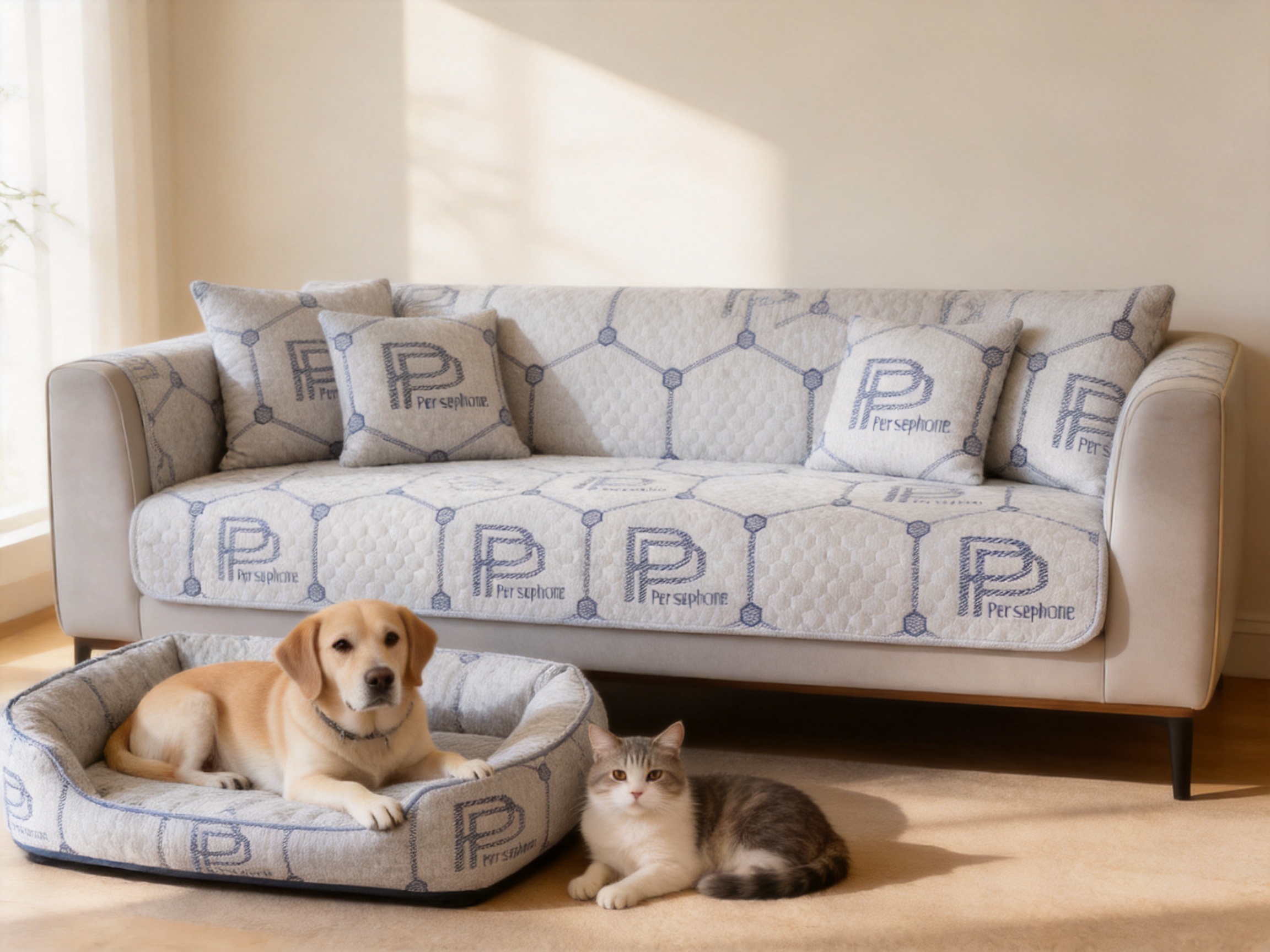
Advantages Compared with Conventional Pet and Upholstery Fabrics
1. A Measurable Functional Composition
Many conventional decorative fabrics are selected primarily according to fiber type, appearance, price, and basic durability. Graphene Pet Friendly Fabrics add a defined graphene content range to the standard polyester foundation. This gives product developers a functional specification that can be included in technical files, sample comparisons, and product development briefs.
The value of a measurable composition is especially clear for brands that need to manage several suppliers or repeat a product collection over time. A defined graphene range helps create a common language between the buyer, textile manufacturer, testing laboratory, and finished-product factory. It also makes it easier to establish incoming inspection requirements and production approval procedures.
2. A Balance Between Decoration and Function
Pet-friendly materials are sometimes associated with highly specialized or visibly technical surfaces. Such materials may be suitable for limited applications but can be difficult to integrate into coordinated interior collections. A polyester decorative textile platform provides greater flexibility for product designers who want functional performance without abandoning the visual character of residential or hospitality interiors.
The fabric can be considered for sofas, cushions, pet beds, bedding products, and other goods that need to look at home in a professionally designed space. This balance is an advantage over materials that focus heavily on one technical feature while offering fewer options for appearance, weight, or finished-product integration.
3. Practical Color Retention for Repeated Care
A wash color fastness target of at least Grade 4 is valuable for products that may be washed or exposed to repeated cleaning. Pet owners frequently prioritize maintenance, and hospitality operators often require textiles that can support established care procedures. Good color fastness helps reduce the risk that a product will appear worn prematurely because of routine washing.
Color fastness should always be evaluated in relation to the complete product and its care label. Different washing temperatures, detergents, mechanical actions, drying methods, and stain-removal practices can affect results. Even so, the stated Grade 4 target gives the fabric a stronger comparative position than untested decorative materials.
4. Flexible Weight and Width Options
The available weight range of 150 to 300 g/m² allows buyers to distinguish between different end uses. A lighter construction may be appropriate for covers or decorative applications where drape and ease of sewing are important. A heavier construction may be preferred for upholstery, pet cushions, or products requiring a more substantial hand and appearance.
The standard width of 150 centimeters supports efficient planning for many finished articles, while the option to negotiate width can help reduce cutting waste or accommodate specific furniture dimensions. Customization of weight and width also allows the textile to be aligned with existing cutting equipment and manufacturing workflows.
5. Compatibility with Diverse Market Segments
A single technical textile can support multiple product categories when its construction and finishing are properly managed. Graphene Pet Friendly Fabrics may be explored for household furniture, animal products, mattresses, pillowcases, pregnancy pillows, cooling-related textile products, bedding, and commercial decorative projects. This broad application potential can help brands build collections around a consistent material concept.
Compared with fabrics designed for only one narrow use, a customizable functional platform may simplify product development and create opportunities for coordinated product lines. A sofa collection, matching pet bed, cushion series, and decorative throw can share a related material story while using different weights, colors, and constructions.
Manufacturing Strengths Behind the Product
The performance of a functional textile depends not only on the selected raw materials but also on the discipline of the manufacturing process. Hangzhou Xinsili Decorative Fabric Weaving Co., Ltd. combines decorative textile development with functional fabric production. The company’s stated experience of 19 years provides a substantial foundation for understanding yarns, weaving, finishing, inspection, and customer-specific requirements.
Research and Development Orientation
Functional textiles require more than routine production. The manufacturer must assess how a new material affects process stability, surface appearance, hand feel, color development, and testing performance. Xinsili’s focus on innovative research and development supports the development of fabrics that integrate technical functions with practical decorative use.
Research and development can involve the selection of polyester specifications, graphene content, fabric weight, textile construction, finishing methods, and color targets. The process may begin with a customer brief and continue through laboratory sampling, trial production, testing, sample approval, and scale-up. This staged approach reduces the risk of discovering major incompatibilities only after mass production has begun.
Controlled Material and Process Coordination
Graphene-containing textiles require attention to material consistency and process coordination. The graphene content must be managed in relation to the total finished-product weight, while the fabric must retain an acceptable appearance and hand feel. The manufacturer’s role is to balance functional material integration with weaving and finishing requirements.
For customers, this means that technical communication should include more than a desired color. A complete development brief can identify the end use, expected cleaning method, target weight, width, hand feel, surface appearance, graphene content range, and required tests. The manufacturer can then recommend a practical construction and provide samples for evaluation.
Factory Scale and Production Organization
A 12,000-square-meter factory area provides room for organized production, material handling, sample development, inspection, and order management. Factory scale alone does not guarantee quality, but it can support more systematic workflows when paired with appropriate management and equipment. It also gives the supplier a stronger foundation for handling repeat orders, development samples, and different customer specifications.
For international customers, production organization is especially important. A reliable supplier should be able to maintain clear records for material specifications, approved samples, color standards, test results, and shipment quantities. Consistency between an approved sample and later production is a central part of supplier performance. Xinsili’s emphasis on stable, practical, and reliable products reflects this requirement.
Experience in Decorative Textiles
Decorative textiles must satisfy both technical and visual expectations. Unlike some industrial fabrics, they are visible and tactile parts of an interior environment. A textile manufacturer with experience in decorative fabrics is familiar with the importance of surface character, color coordination, texture, drape, and visual consistency.
This experience is valuable when developing pet-friendly textiles because the fabric must be integrated into real living spaces. It should not look out of place beside wood, metal, leather, flooring, bedding, or other interior materials. A decorative textile background helps the manufacturer address the complete design context rather than treating the product as a purely technical sheet.
Recognition as a National High-Tech Enterprise
The company’s recognition as a National High-Tech Enterprise in 2023 indicates a formal connection with technology-oriented development and innovation. Such recognition should not replace product-specific testing, but it does provide useful context regarding the company’s investment in research, technical capability, and long-term development.
For buyers comparing suppliers, corporate technical credentials can be considered alongside factory capacity, product documentation, sample quality, response time, testing practices, and after-sales support. The strongest supplier relationship is built from the combination of these factors rather than from one certificate or one marketing statement.
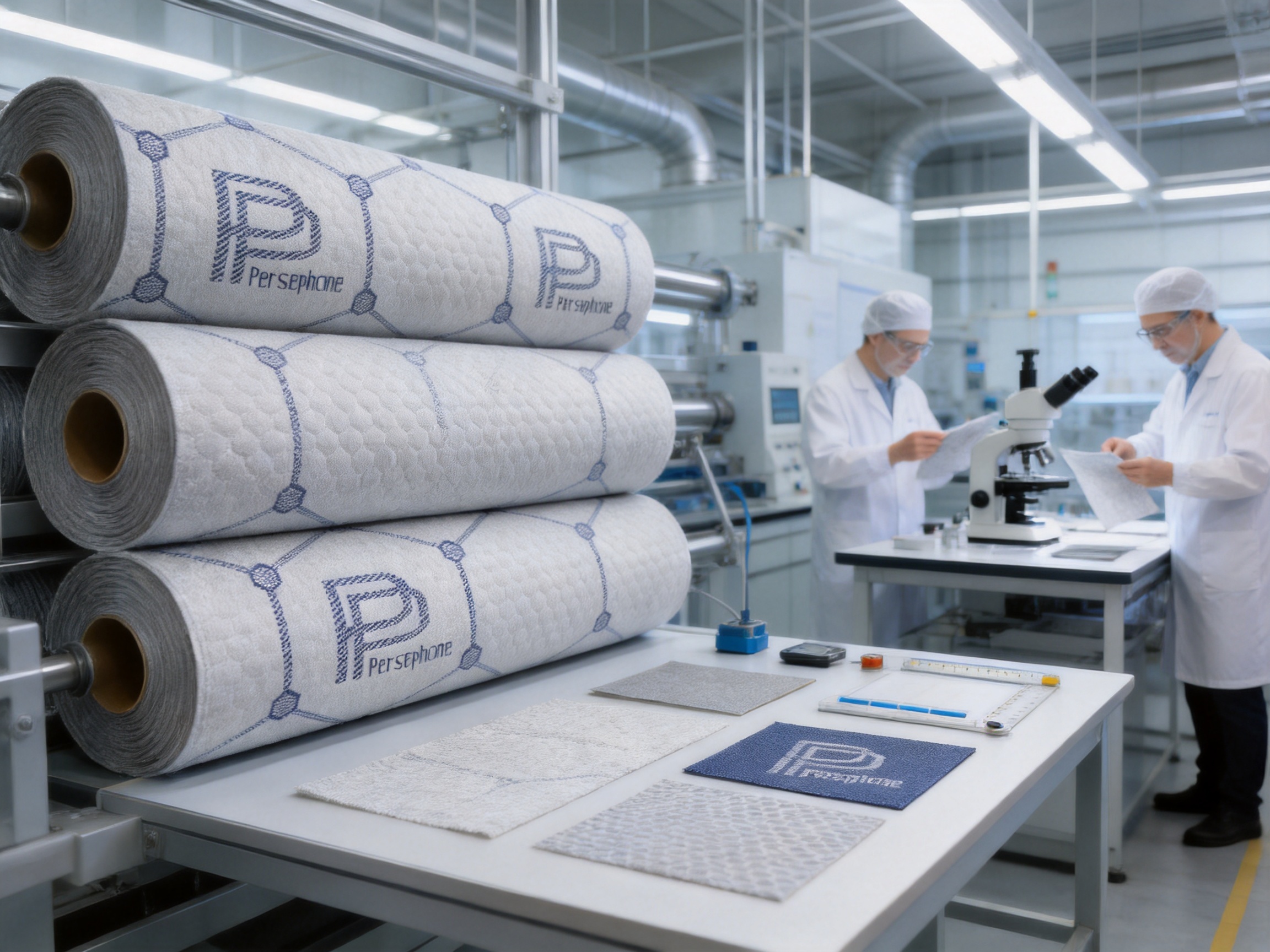
Production Process from Concept to Finished Fabric
Step One: Application Analysis
The process begins by identifying how the finished textile will be used. A sofa fabric may require a different weight, surface structure, and friction performance from a removable pet-bed cover. A bedding fabric may prioritize softness and skin comfort, while a commercial upholstery fabric may emphasize visual consistency and maintenance requirements.
At this stage, the buyer should provide information about the finished product, expected order quantity, target market, cleaning conditions, preferred color range, desired texture, and performance standards. Clear information helps the manufacturer select a construction that is appropriate rather than simply offering a standard fabric without considering the end use.
Step Two: Material and Graphene Content Planning
The standard base is 100% polyester, and the graphene content can be specified within the stated range of at least 0.5% to 3% by finished product weight. The target should be discussed in relation to the intended performance profile, sample appearance, processing requirements, and test plan.
Material planning also includes consideration of yarn characteristics, fabric density, color development, finishing compatibility, and the final weight of the fabric. Since the graphene content is measured by finished product weight, the calculation should be clearly documented for quality control and communication between the parties.
Step Three: Weaving and Fabric Formation
During fabric formation, yarn arrangement and textile construction determine many of the product’s physical characteristics. The construction influences thickness, surface appearance, dimensional behavior, strength, comfort, and the way the fabric responds during sewing or upholstery installation.
A manufacturer with decorative weaving experience can adjust the structure to support different product goals. For example, a buyer may request a smooth appearance for a contemporary sofa, a textured surface for a home collection, or a softer hand for a pet cushion. The final construction must also remain compatible with the planned graphene-related performance and finishing process.
Step Four: Finishing and Surface Development
Finishing can influence hand feel, appearance, color depth, surface smoothness, and practical handling. The appropriate finishing route depends on the textile construction and the final application. Functional finishing should be controlled carefully so that it supports the desired properties without creating excessive stiffness, unwanted odor, unstable color, or a surface that is difficult to maintain.
Because the product is intended for decorative and pet-related applications, the finishing process should be evaluated through both laboratory testing and practical handling. Sample approval should include visual inspection, touch evaluation, sewing trials, cleaning trials where relevant, and comparison against the agreed standard.
Step Five: Testing and Quality Evaluation
The stated wash color fastness target is at least Grade 4 according to the AATCC standard. Far-infrared normal emissivity is specified at a minimum of 0.88 with reference to GB/T 30127. These tests provide objective data for the product file and can support buyer approval.
Additional tests may be appropriate depending on the finished application. Buyers may evaluate dimensional stability, abrasion behavior, pilling, tear strength, seam slippage, surface appearance after cleaning, odor, formaldehyde, restricted substances, and other market-specific requirements. The exact testing program should be agreed before production because different regions and product categories may apply different regulations or buyer standards.
Step Six: Bulk Production and Inspection
After sample confirmation, bulk production should follow the approved construction, color, weight, width, graphene content, and finishing requirements. Inspection procedures may include checking fabric width, weight, color consistency, surface defects, roll length, packaging, and test documentation.
Clear approval records are particularly important for customized functional fabrics. If a buyer develops several related colors or weights, each version should have an identifiable specification. This reduces confusion during repeat orders and helps ensure that the correct textile is allocated to the correct finished product.
Applications in Homes, Hotels, and Commercial Interiors
Sofas and Upholstered Furniture
Sofa upholstery is one of the most natural applications for a pet-friendly decorative textile. The fabric must complement the interior design while handling daily contact from people and animals. Its weight and width can be discussed according to furniture construction, cutting plans, and sewing requirements.
For furniture brands, a graphene-related fabric can become part of a premium or technology-focused upholstery collection. The product story may emphasize functional material innovation, measured color fastness, customizable specifications, and suitability for homes where pets are part of daily life. The fabric can be offered in coordinated colors to support different interior styles.
Pet Beds and Cushions
Pet beds and cushions are frequently placed on floors, beside sofas, in bedrooms, or in dedicated animal areas. They need to feel comfortable while remaining practical for routine care. The fabric can be developed in a weight and hand feel appropriate for removable covers, padded products, or decorative pet furniture.
Product developers should consider zipper construction, seam strength, filling compatibility, and washing instructions in addition to the fabric itself. A high-quality textile cannot compensate for weak seams or unsuitable padding. The best result comes from designing the complete pet product as a coordinated system.
Mattress and Bedding Products
Graphene Pet Friendly Fabrics may also be considered for mattress-related products, bedding components, pillowcases, and other sleep-environment textiles. In these applications, softness, breathability, color stability, skin comfort, and care instructions become especially important.
The far-infrared emissivity specification may support a product concept centered on advanced comfort technology. However, marketing language should remain accurate and supported by product testing. The fabric should be presented as a functional textile component, not as a medical device or therapeutic treatment unless separate regulatory requirements have been satisfied.
Hotels and Hospitality Spaces
Hotels, serviced apartments, and hospitality projects often require materials that combine design consistency with practical maintenance. Pet-friendly accommodation is also becoming a consideration in some hospitality concepts. Functional decorative textiles can be used in selected furniture, cushions, lounge areas, or guest-room accessories where appearance and care performance are both important.
For commercial buyers, order consistency and repeatability are critical. A supplier should be able to maintain approved colors and specifications across project phases. The ability to negotiate width and weight can also help project managers coordinate fabric supply with furniture manufacturing and installation schedules.
Commercial and Public Areas
Offices, lounges, retail environments, wellness spaces, and other commercial interiors may use functional decorative fabrics in seating and soft furnishings. These areas experience frequent contact and require a professional appearance. A textile with a clear technical profile can support procurement documentation and design presentations.
Commercial use may require additional tests beyond the stated product specifications. Buyers should confirm abrasion, flame performance, chemical restrictions, and cleaning requirements for the destination market. The manufacturer can assist with sample development and technical communication, while the finished-product supplier remains responsible for confirming the requirements applicable to the final article.
Customization Options for Brand and Product Development
Customization is one of the principal strengths of this product platform. The standard information provides a starting point, but buyers may discuss the base material, graphene content, weight, width, color, hand feel, surface appearance, and intended application. This creates opportunities for private-label collections, furniture programs, pet product brands, and hospitality projects.
Weight customization allows the same functional concept to be adapted to different product categories. A lightweight fabric may be more suitable for a cover or decorative accessory, while a heavier version may provide a fuller appearance for upholstery. The correct selection should be based on the finished construction and not on weight alone.
Width customization can improve production efficiency. A width that matches the cutting layout may reduce offcuts and simplify fabric placement. For large sofa panels or coordinated furniture programs, width planning can have a measurable effect on material utilization. The buyer should provide cutting dimensions or production information when discussing a non-standard width.
Color development is also important for decorative textiles. Pet-friendly products do not need to be limited to dark or neutral shades, although practical color choices may be preferred for certain households. The manufacturer can work with customers on color standards, sample approvals, and coordinated color families. The wash color fastness specification supports confidence in routine care, but final color evaluation should be conducted under the agreed testing conditions.
Surface texture and hand feel can be adjusted through construction and finishing. Some brands may prefer a clean, smooth appearance, while others may want a woven texture that communicates warmth and natural comfort. The desired result should be described through physical samples, reference fabrics, or clear design briefs wherever possible.
Sustainability and Responsible Textile Selection
Responsible textile sourcing requires attention to material efficiency, product lifespan, maintenance, manufacturing practices, and end-of-life considerations. A fabric that remains attractive and usable for a longer period may help reduce the frequency of replacement, although actual environmental performance depends on the complete product system.
Polyester can offer durability and processing flexibility, but buyers should evaluate the source of the polyester, the availability of recycled content, chemical management, production energy, packaging, and disposal options. The product information provided identifies 100% polyester as the standard base and does not state that the material is recycled. Therefore, recycled content should be requested and verified separately if it is required for a particular project.
Functional textile claims should also be communicated responsibly. The presence of graphene and a far-infrared emissivity value can support a technical product story, but sustainability claims, health claims, and environmental claims must be based on appropriate evidence. Transparent documentation helps buyers make decisions that are both commercially effective and technically credible.
Long-term supplier cooperation can support responsible production by reducing unnecessary sampling, improving forecast accuracy, and stabilizing repeat orders. When a buyer and manufacturer maintain clear specifications, fewer off-specification goods may be produced. Accurate color standards, approved samples, and documented testing therefore support both quality and resource efficiency.
Quality Control Considerations for Buyers
Before placing a production order, buyers should request a complete technical specification and a representative sample. The sample should be evaluated for color, texture, hand feel, width, weight, surface consistency, sewing performance, and compatibility with the intended finished product.
The graphene content should be stated clearly in the technical documentation. Since the product range is expressed as at least 0.5% to 3% by finished product weight, the agreed target should be recorded for each development. If a buyer requires a specific test method or certificate, that requirement should be confirmed before production rather than after shipment.
The wash color fastness result should identify the applicable AATCC method and test conditions. A Grade 4 result is meaningful only when the testing procedure is clearly defined. Buyers may also conduct independent verification, particularly for products marketed with premium functional claims.
The far-infrared normal emissivity result should be connected to the relevant GB/T 30127 reference and test report. The buyer should confirm whether the result applies to the exact production construction, color, finishing, and graphene content being purchased. Testing a laboratory sample and producing a different bulk construction can create a documentation gap.
For pet-related products, practical testing is valuable in addition to laboratory data. A finished sample can be placed through repeated cleaning, rubbing, sewing, filling, and handling simulations. These trials may reveal issues involving zipper areas, seams, surface snagging, lint visibility, or changes in hand feel that are not fully represented by a basic fabric specification.
How the Product Supports Competitive Positioning
In a crowded textile market, a product must provide a clear reason for buyers and end users to select it. Graphene Pet Friendly Fabrics can support differentiation through a combination of functional material content, decorative flexibility, measurable far-infrared emissivity, color fastness, and customization capability.
Compared with ordinary polyester fabrics, the graphene-related specification offers a more advanced material narrative. Compared with highly technical fabrics that may be difficult to integrate into interiors, the decorative textile foundation offers broader design potential. Compared with fabrics that are promoted as pet-friendly without clear technical data, the stated composition and test references provide a more structured basis for evaluation.
The strongest competitive positioning is not based on claiming that the fabric solves every pet-related problem. Instead, it should explain how the product supports a complete design and care strategy. The fabric can contribute to a comfortable, attractive, and maintainable finished product when combined with suitable construction, care instructions, and quality control.
For furniture brands, this may create a premium upholstery story. For pet product manufacturers, it may support a technology-enhanced bedding or cushion collection. For hospitality suppliers, it may provide a functional decorative option for spaces where design and maintenance are equally important. For textile distributors, the customizable specification range can help serve different customer segments without changing the entire material platform.
Q&A About Graphene Pet Friendly Fabrics
What is the base material of the fabric?
The standard base material is 100% polyester. The material can be discussed and customized according to the requirements of the finished product, including the desired weight, width, appearance, and application.
How much graphene does the fabric contain?
The stated graphene content range is at least 0.5% to 3% by finished product weight. The exact target should be agreed during product development and documented in the technical specification.
Can the fabric be used for sofa upholstery?
Yes. The fabric is suitable for consideration in sofa upholstery and other decorative furniture applications. The final selection should be based on the required weight, construction, hand feel, cleaning method, abrasion expectations, and any additional furniture standards.
Is the fabric suitable for pet beds?
It can be developed for pet beds, cushions, and related products. Buyers should evaluate the fabric together with the filling, seams, closures, care instructions, and finished-product construction.
What is the standard fabric width?
The standard width is 150 centimeters. Width can be negotiated for particular production requirements, cutting plans, or finished-product dimensions.
What is the standard fabric weight?
The stated weight range is 150 to 300 grams per square meter. The appropriate weight depends on the intended use and can be discussed during customization.
What does the Grade 4 wash color fastness specification mean?
It means that the stated target for wash color fastness is at least Grade 4 according to the AATCC standard. Buyers should confirm the specific test method, test conditions, and applicability to the approved production sample.
What is the far-infrared normal emissivity value?
The stated far-infrared normal emissivity is at least 0.88, referenced to GB/T 30127. This is a measurable textile characteristic and should be supported by an appropriate test report for the relevant fabric construction.
Does the fabric provide medical or therapeutic benefits?
The available product information does not establish medical or therapeutic benefits. Buyers and sellers should use responsible, test-supported language and avoid medical claims unless the finished product has completed the required evaluation and regulatory review.
Can the fabric be customized in color?
Color development can be discussed as part of a customized textile program. Buyers should provide color references or physical standards and approve laboratory samples before bulk production.
Can the fabric be used in hotels and commercial interiors?
Yes. The product is intended for consideration in residential, hotel, and commercial environments. Commercial buyers should confirm additional requirements such as abrasion, flame performance, cleaning, chemical restrictions, and local regulations.
What information should be included in an inquiry?
A useful inquiry should include the intended application, estimated quantity, desired width, target weight, color requirements, hand feel, graphene content preference, cleaning conditions, delivery location, and required testing or certification. Clear information helps the manufacturer prepare a more accurate development proposal.
Who manufactures the fabric?
The fabric is manufactured by Hangzhou Xinsili Decorative Fabric Weaving Co., Ltd., located in Yi Qiao Town, Xiaoshan District, Hangzhou City, Zhejiang Province, China. The company specializes in functional decorative textiles and has 19 years of industry experience.
Recommended Development Workflow for International Buyers
International buyers can begin by preparing a product brief that explains the intended finished item and the market in which it will be sold. The brief should identify whether the fabric will be used for sofa upholstery, a pet bed, a cushion, bedding, a mattress-related product, or another application. This information allows the manufacturer to recommend a more suitable construction.
The next step is sample review. Buyers should assess the fabric under normal lighting and compare it with their design references. They should also inspect the reverse side, selvage, width, surface consistency, and hand feel. If the fabric will be sewn, upholstered, quilted, laminated, or filled, a trial sample should be made using the intended production method.
After initial approval, the technical specification should be finalized. It should include material composition, graphene content, weight, width, color, construction, finishing, test requirements, packaging, and tolerances. The approved sample should be identified and retained as a reference for future orders.
Testing should be completed before bulk production whenever possible. In addition to the stated wash color fastness and far-infrared emissivity references, the buyer may require application-specific tests. Results should be reviewed by the technical and commercial teams together so that the product claims match the evidence available.
During bulk production, communication should remain structured. Production schedules, inspection points, packing instructions, and shipment documents should be agreed in writing. For repeat orders, the buyer should compare the new production against the approved sample and retain records of any authorized changes.
Conclusion
Graphene Pet Friendly Fabrics offer a practical platform for developing decorative textiles that respond to the changing expectations of pet-owning households, furniture brands, bedding manufacturers, hospitality operators, and commercial interior suppliers. The product combines a 100% polyester base with a controlled graphene content range of at least 0.5% to 3% by finished product weight. It also provides a fabric weight range of 150 to 300 g/m², a standard width of 150 centimeters, a wash color fastness target of at least Grade 4, and a far-infrared normal emissivity specification of at least 0.88 referenced to GB/T 30127.
Its main advantage over conventional decorative fabrics is the combination of measurable functional composition and design-oriented flexibility. Its value compared with narrowly specialized technical textiles lies in its suitability for visible interior applications, including sofas, cushions, pet beds, bedding, mattresses, and commercial furnishings. The product can be customized in important areas such as weight, width, color, hand feel, and application-specific construction.
Manufacturing strength is central to this offering. Hangzhou Xinsili Decorative Fabric Weaving Co., Ltd. brings 19 years of experience, a 12,000-square-meter factory area, a focus on research and development, and recognition as a National High-Tech Enterprise in 2023. These capabilities support a development process that connects material planning, decorative weaving, functional finishing, testing, customization, and production control.
For the best results, buyers should evaluate the fabric as part of a complete finished-product system. They should confirm the intended application, establish a clear specification, conduct relevant testing, review care requirements, and communicate claims responsibly. When these steps are followed, Graphene Pet Friendly Fabrics can help create products that are more comfortable, visually coordinated, technically distinctive, and suitable for the realities of modern shared living spaces.
References
AATCC. Technical procedures and evaluation principles for wash color fastness of textile materials.
GB/T 30127. Textiles—Testing and evaluation reference for far-infrared performance.
International Organization for Standardization. General guidance on textile testing, color fastness, and performance evaluation.
Textile Exchange. Guidance on responsible material selection and textile supply-chain communication.
Company technical information for Graphene Pet Friendly Fabrics, including material composition, graphene content, fabric weight, width, wash color fastness, and far-infrared emissivity specifications.
Manufacturer profile information for Hangzhou Xinsili Decorative Fabric Weaving Co., Ltd., including company history, factory area, functional textile focus, research and development orientation, and enterprise recognition.
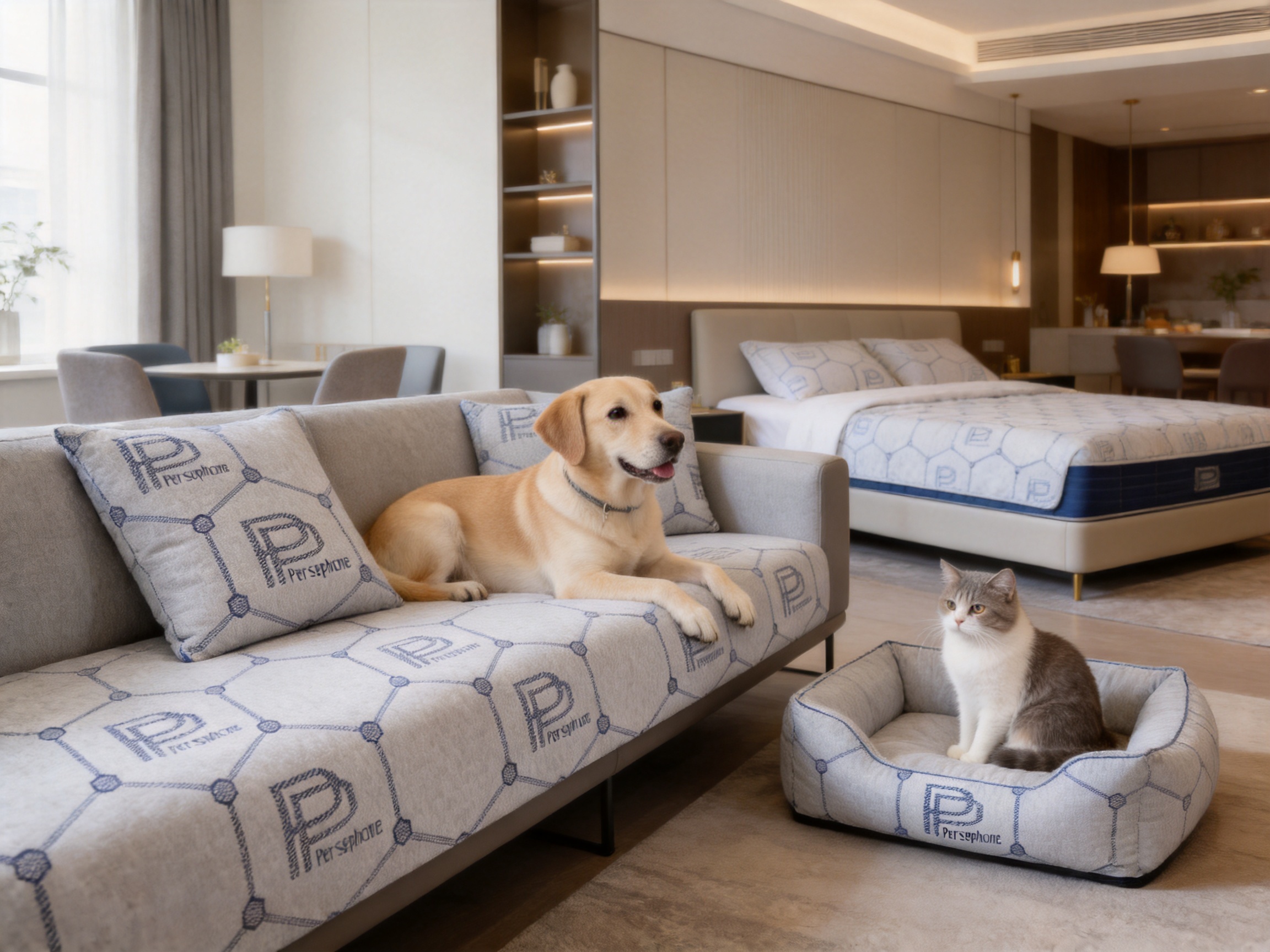
Product: Graphene Pet Friendly Fabrics

Our Featured Products
-
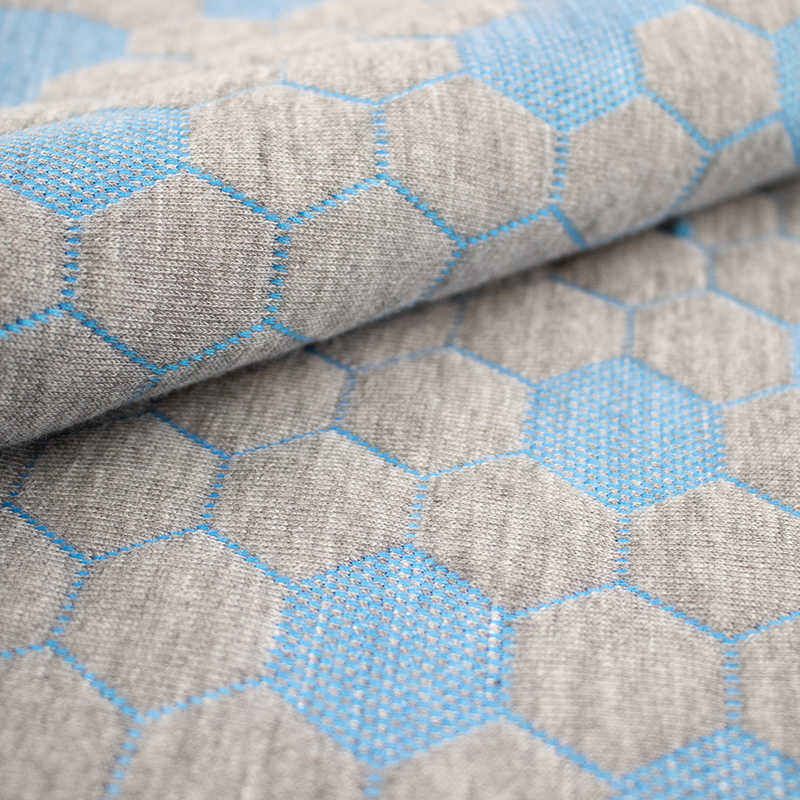
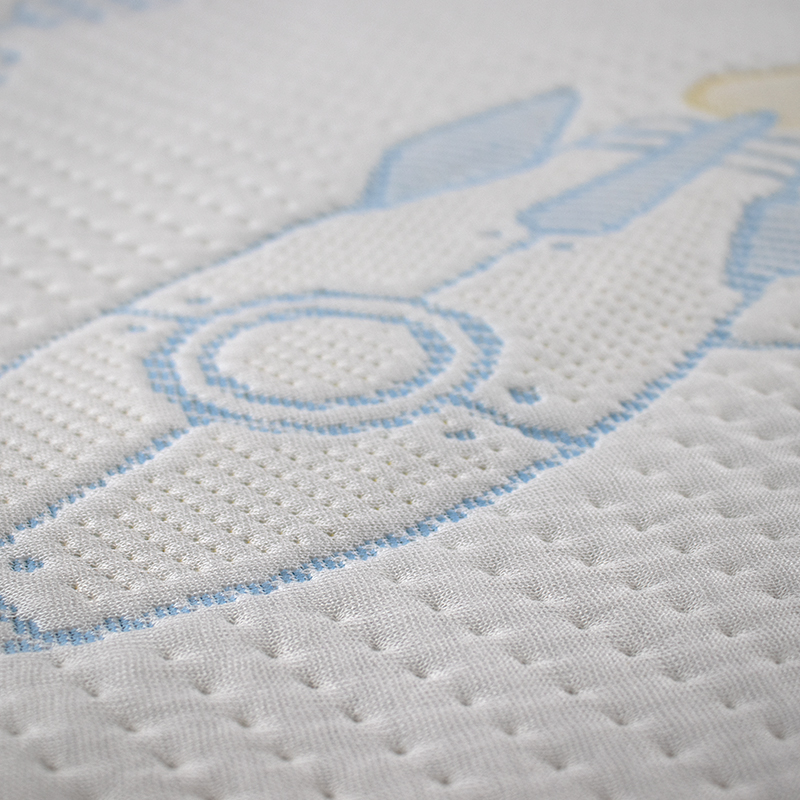
Graphene Pet Friendly Fabrics
Graphene Pet Friendly Fabrics
Haven’t Found The Products You Want?
-
-
Shen Jinyan:+86-15158070676
[email protected]
Liang Jinwen:+86-15757186621
[email protected]
Qiu Yingyingn:+86-13819545790
[email protected]
Yi qiao Town, Xiaoshan District, Hangzhou City, Zhejiang Province, China
-
Products
Mattress Fabric Children Mattress Fabric Pillowcase Fabric Pregnancy Pillow Fabric Cooling Mat Fabric Bedding Fabric Sofa Fabric Pet Friendly Fabrics -
Contact Information
About Us Products Strength Sustainability News Contact Us
Copyright © Hangzhou Xinsili Decorative Fabric Weaving Co.,Ltd. All Rights Reserved.
Functional Decorative Textile Manufacturers
