

 English
 中文简体
中文简体 Español
 عربى
عربى русский


Antibacterial Yarn Sofa Fabric for Healthier High-Performance Interiors
Content
- 1 Product Overview: Functional Upholstery Fabric Designed for Daily Living
- 2 Why Antibacterial Performance Matters in Sofa Fabrics
- 3 Core Specifications and Performance Parameters
- 4 Advantages Over Ordinary Sofa Fabrics
- 5 Advantages Over Surface-Treated Antibacterial Fabrics
- 6 Comfort, Appearance, and Interior Design Value
- 7 Application Scenarios
- 8 Manufacturing Strength: From Concept to Stable Fabric Performance
- 9 Advanced Process Control and Quality Management
- 10 Company Strength Supporting the Product
- 11 Customization Potential for Furniture Brands and Project Buyers
- 12 Performance Comparison: Why This Fabric Is a Competitive Choice
- 13 Sustainability and Responsible Interior Design
- 14 How Furniture Manufacturers Benefit
- 15 How Interior Designers and Project Buyers Benefit
- 16 Care and Maintenance Considerations
- 17 Quality Verification and Testing Standards
- 18 Q&A: Common Questions About Antibacterial Yarn Sofa Fabric
- 18.1 What is Antibacterial Yarn Sofa Fabric?
- 18.2 What makes it different from ordinary sofa fabric?
- 18.3 Is the antibacterial function a replacement for cleaning?
- 18.4 Which standards can be used to test antibacterial performance?
- 18.5 What compositions are available?
- 18.6 What is the typical weight of the fabric?
- 18.7 What is the usual fabric width?
- 18.8 Can the fabric be customized in color and texture?
- 18.9 Is it suitable for hotels and commercial spaces?
- 18.10 Is it suitable for homes with children or pets?
- 18.11 Why choose this manufacturer for antibacterial sofa fabric?
- 19 Purchasing Considerations for Professional Buyers
- 20 Future Trends in Functional Sofa Fabrics
- 21 Conclusion: A Smarter Upholstery Fabric for Healthier Spaces
- 22 References
- 23 Product: Antibacterial Yarn Sofa Fabric
Modern interior textiles are expected to do far more than provide color, softness, and visual appeal. In residential living rooms, hotel lounges, serviced apartments, commercial waiting areas, childcare spaces, and pet-friendly interiors, sofa fabric must withstand daily contact, repeated friction, changing humidity, accidental contamination, and long-term use. Antibacterial Yarn Sofa Fabric is designed for this new generation of interior requirements, combining decorative beauty with practical hygiene performance, durable construction, and reliable comfort.
This product is developed as a functional decorative textile for upholstered furniture, especially sofas, lounge chairs, benches, headboards, and soft seating systems. Unlike ordinary sofa fabrics that rely mainly on surface appearance, Antibacterial Yarn Sofa Fabric integrates antimicrobial performance into the yarn or textile structure, helping reduce the growth of bacteria on the fabric surface when tested according to recognized standards. This makes it a strong option for environments where cleanliness, touch comfort, and long service life are all important.
The fabric is suitable for manufacturers, interior contractors, hospitality buyers, furniture brands, distributors, and private-label textile developers seeking a balance of function and aesthetics. With available compositions such as 100 percent polyester or polyester-cotton blended options, a typical weight range of 300 to 450 g/m2, and a practical width of approximately 140 to 150 cm, it offers flexibility for different furniture designs and production needs.
Hangzhou Xinsili Decorative Fabric Weaving Co., Ltd. supports the product with 19 years of industry experience, a 12,000 square meter factory area, and recognition as a National High-Tech Enterprise in 2023. The company focuses on functional decorative fabrics for home, hotel, and commercial environments, integrating technologies such as antibacterial, moisture-resistant, flame-retardant, sleep-supporting, and comfort-improving functions. This manufacturing background gives the Antibacterial Yarn Sofa Fabric a strong foundation in quality control, process stability, and product innovation.
Antibacterial Yarn Sofa Fabric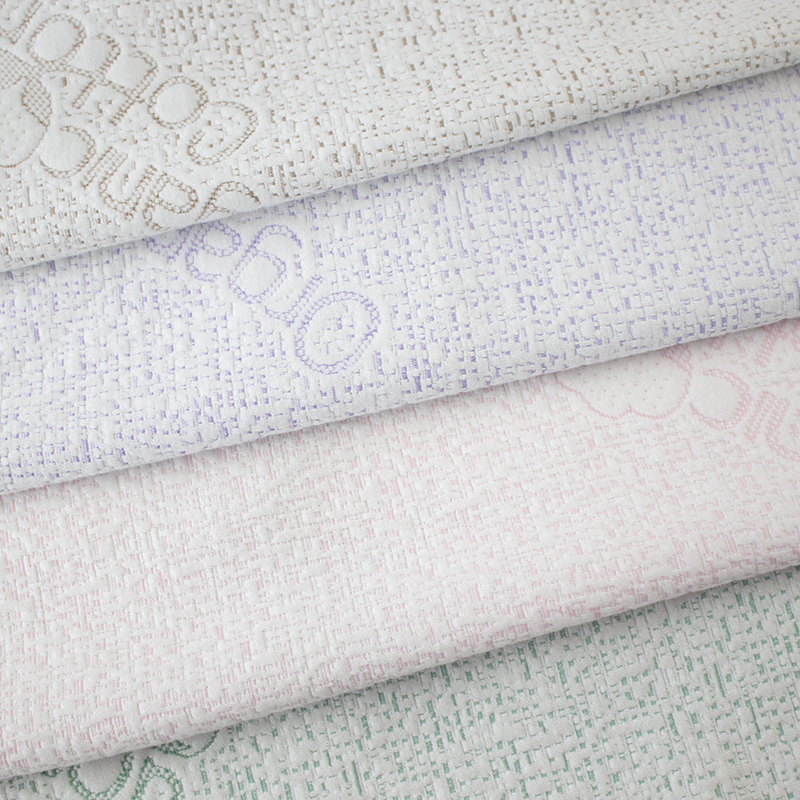
Product Overview: Functional Upholstery Fabric Designed for Daily Living
Antibacterial Yarn Sofa Fabric is an upholstered decorative textile engineered to improve the performance of sofas and soft seating in spaces with frequent human contact. Sofas are among the most used surfaces in any interior. People sit, rest, work, eat, entertain guests, and often allow children or pets to share the same seating area. This continuous contact creates demand for a fabric that is pleasant to touch, visually attractive, durable under abrasion, and capable of supporting a cleaner fabric environment.
The antibacterial function is one of the defining features of this fabric. The product is designed to comply with antimicrobial test standards such as GB/T 20944.3, ISO 20743, or AATCC 100, depending on specific customer requirements and test arrangements. These standards are widely used to evaluate the antibacterial activity of textile materials. For buyers, this provides a clearer basis for product verification compared with vague hygiene claims.
The fabric also provides practical physical performance for upholstery use. With dry rub fastness of at least Level 4, it is designed to resist visible color transfer under normal contact and friction. With indoor light fastness of at least Level 4, it helps maintain appearance in typical indoor lighting conditions. These values are important because decorative furniture is expected to remain attractive after prolonged use, not only perform well when newly installed.
The product can be manufactured in different weights, textures, colors, and surface styles. A 300 to 450 g/m2 range gives customers options from lighter and more flexible fabric constructions to heavier and more substantial upholstery structures. The typical width of 140 to 150 cm works well for furniture cutting, panel matching, and industrial upholstery production.
Why Antibacterial Performance Matters in Sofa Fabrics
Sofas are high-touch surfaces. In family homes, they are used by adults, children, guests, and pets. In hotels, public lounges, and commercial interiors, they may be used by many people each day. In offices and reception areas, soft seating becomes a shared surface for clients, employees, and visitors. Because of this, sofa fabrics are exposed to sweat, skin oils, dust, food particles, humidity, and other everyday contaminants.
Traditional sofa fabrics may be attractive and comfortable, but they may not be designed to actively support hygienic performance. When moisture and organic residue remain on a textile surface, bacteria may multiply under favorable conditions. While proper cleaning is still necessary, an antibacterial yarn fabric adds an extra functional layer by helping inhibit bacterial growth on the textile surface.
This is especially relevant in post-pandemic interior design, where users are more aware of touch surfaces and material hygiene. Hotels, clinics, care facilities, children-oriented spaces, and premium residential interiors increasingly value materials that combine comfort with measurable functional benefits. Antibacterial Yarn Sofa Fabric addresses this need by offering upholstery performance with added microbial control.
The function is not intended to replace cleaning, disinfection, or responsible maintenance. Instead, it complements regular care by improving the fabric’s ability to remain cleaner between cleaning cycles. For furniture manufacturers, this creates a meaningful selling point. For end users, it provides reassurance that the sofa fabric has been selected with health-conscious living in mind.
Core Specifications and Performance Parameters
The product can be customized according to buyer needs, but its general specification range provides a clear picture of its intended applications. The following table summarizes key product information and practical benefits.
| Parameter | Typical Specification | Practical Benefit |
|---|---|---|
| Product Type | Antibacterial yarn upholstery fabric | Supports cleaner, healthier soft seating surfaces |
| Common Composition | 100 percent polyester, or 65 percent polyester plus 35 percent cotton | Allows different balances of durability, softness, cost, and hand feel |
| Weight Range | 300 to 450 g/m2, varying by style | Suitable for various upholstery structures, from flexible to heavier seating fabric |
| Typical Width | 140 to 150 cm | Efficient for sofa manufacturing, furniture panels, and industrial cutting |
| Antimicrobial Testing | GB/T 20944.3, ISO 20743, or AATCC 100 as applicable | Provides recognized testing references for antibacterial performance |
| Dry Rub Fastness | At least Level 4 | Helps reduce color transfer and maintains fabric appearance during use |
| Indoor Light Fastness | At least Level 4 | Supports color stability in residential and commercial indoor spaces |
| Applications | Sofas, lounge chairs, benches, headboards, public seating, pet-friendly interiors | Broad use across home, hotel, office, and commercial furniture markets |
These specifications make the fabric suitable for furniture brands that require a stable upholstery material with measurable functional claims. The product is not positioned as a fragile decorative textile; it is intended for practical seating applications where appearance, hygiene, and durability must work together.
Advantages Over Ordinary Sofa Fabrics
One of the primary advantages of Antibacterial Yarn Sofa Fabric is its functional value beyond decoration. Many conventional upholstery fabrics focus on texture, color, or price. While those elements are important, they do not fully address today’s market demand for healthier, easier-to-maintain interiors. This antibacterial fabric creates a stronger value proposition by combining design appeal with hygiene-related performance.
Compared with non-functional sofa fabrics, it offers a cleaner-use concept for high-contact furniture. When tested according to recognized antimicrobial standards, the fabric can demonstrate antibacterial activity, giving furniture manufacturers and interior buyers a more credible performance story. This is especially useful in competitive markets where brands need differentiation beyond basic fabric appearance.
Another advantage is the combination of antibacterial functionality with practical textile durability. Some functional textiles may perform well in a single category but lack the strength or fastness required for upholstery. This product is designed with rub fastness and light fastness suitable for indoor furniture applications, reducing the risk that function comes at the expense of usability.
The fabric also supports flexible design. Because it can be made in different compositions, weights, colors, and textures, buyers do not have to sacrifice style for performance. It can be adapted for modern minimalist sofas, soft family seating, hospitality lounge furniture, commercial waiting chairs, or coordinated decorative fabric programs.
In addition, the product is supported by an experienced manufacturer with integrated decorative textile expertise. This matters because functional textiles must be controlled through raw material selection, yarn preparation, weaving or knitting stability, finishing consistency, and inspection. A stable production process helps ensure that performance is repeatable across batches, which is essential for furniture brands and large projects.
Advantages Over Surface-Treated Antibacterial Fabrics
Some antibacterial upholstery fabrics rely mainly on surface finishing. Surface treatment can be useful, but it may be more vulnerable to wear, washing, abrasion, or uneven application if not carefully controlled. Antibacterial Yarn Sofa Fabric offers a more integrated concept by emphasizing antibacterial yarn as part of the fabric design. Depending on the exact product structure and customer specification, the antibacterial function can be incorporated more deeply into the textile system rather than existing only as a superficial coating.
This approach can improve performance stability under normal use. Sofas experience repeated sitting, rubbing, stretching, and surface pressure. A fabric with antibacterial properties associated with yarn selection may provide more durable functional reliability than a fabric that depends only on a finish applied after weaving. For commercial buyers and furniture manufacturers, this can reduce concerns about function loss during regular contact.
Integrated functional design can also help preserve hand feel. Heavy surface coatings may alter softness, breathability, or drape. A yarn-based antibacterial solution can maintain a more natural textile touch while still offering hygienic value. This is important because sofa fabric must feel comfortable against the skin, especially in residential living rooms and hotel lounge spaces.
Furthermore, the integrated concept supports better design versatility. Surface coatings can sometimes limit color expression, texture depth, or finishing options. By building function into the yarn or textile structure, the fabric can retain more options for jacquard effects, woven patterns, plain textures, or customized decorative surfaces.
For buyers evaluating competing products, the key advantage is balance. Antibacterial Yarn Sofa Fabric is not only about adding a functional claim; it is about delivering a fabric that still behaves like a high-quality upholstery textile while offering added antibacterial performance.
Comfort, Appearance, and Interior Design Value
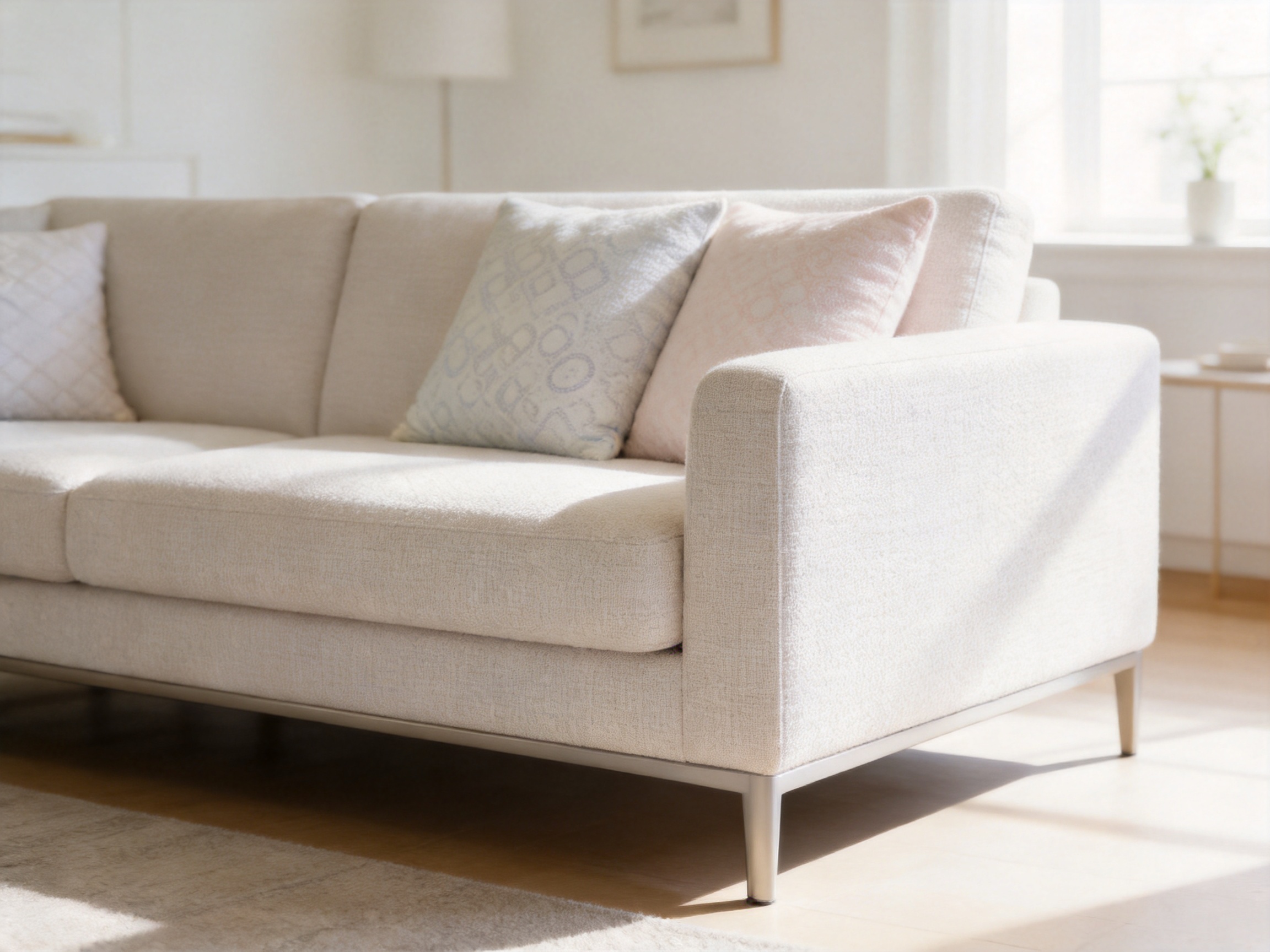
A sofa fabric must be functional, but it must also be beautiful. Interior designers and furniture buyers will not select a material simply because it has a technical feature if it does not fit the visual language of the space. Antibacterial Yarn Sofa Fabric is developed as a decorative textile, meaning its appearance, hand feel, and integration with interior styles are central to its value.
The fabric can be produced in color families suitable for modern interiors, including neutral tones, warm earth shades, deep hospitality colors, and customized brand palettes. It can support simple and elegant surfaces for minimalist furniture, richer textures for luxury lounges, or durable practical looks for commercial seating. The ability to combine color development with functional performance helps furniture brands create differentiated product lines.
Texture is another major design factor. Upholstery surfaces may be smooth, subtly grained, woven, raised, or patterned. The product can be developed to meet different tactile expectations. A soft touch improves the user experience, while a stable structure supports long-term upholstery performance. For sofas, the ideal material should invite people to sit while still resisting deformation and daily abrasion.
The fabric also helps create healthier design narratives. Interior projects increasingly emphasize wellness, sustainability, comfort, and safe materials. Antibacterial yarn upholstery supports these themes by giving designers a practical material that aligns with cleaner living concepts. In residential spaces, this can appeal to families with children or pets. In hospitality settings, it supports guest confidence. In commercial spaces, it helps create more responsible shared interiors.
Application Scenarios
Residential Sofas and Family Living Rooms
In family homes, sofas are used for relaxation, entertainment, work, and social gathering. Children may climb on them, pets may rest on them, and guests may use them frequently. Antibacterial Yarn Sofa Fabric is a suitable option for families that want a cleaner and more comfortable seating surface without choosing overly technical or institutional-looking materials.
The fabric’s dry rub fastness helps maintain color performance during everyday contact with clothing. Its indoor light fastness supports long-term appearance in living rooms exposed to normal daylight and artificial lighting. The antibacterial function provides additional value for families that prioritize hygiene and comfort.
Hotel and Hospitality Furniture
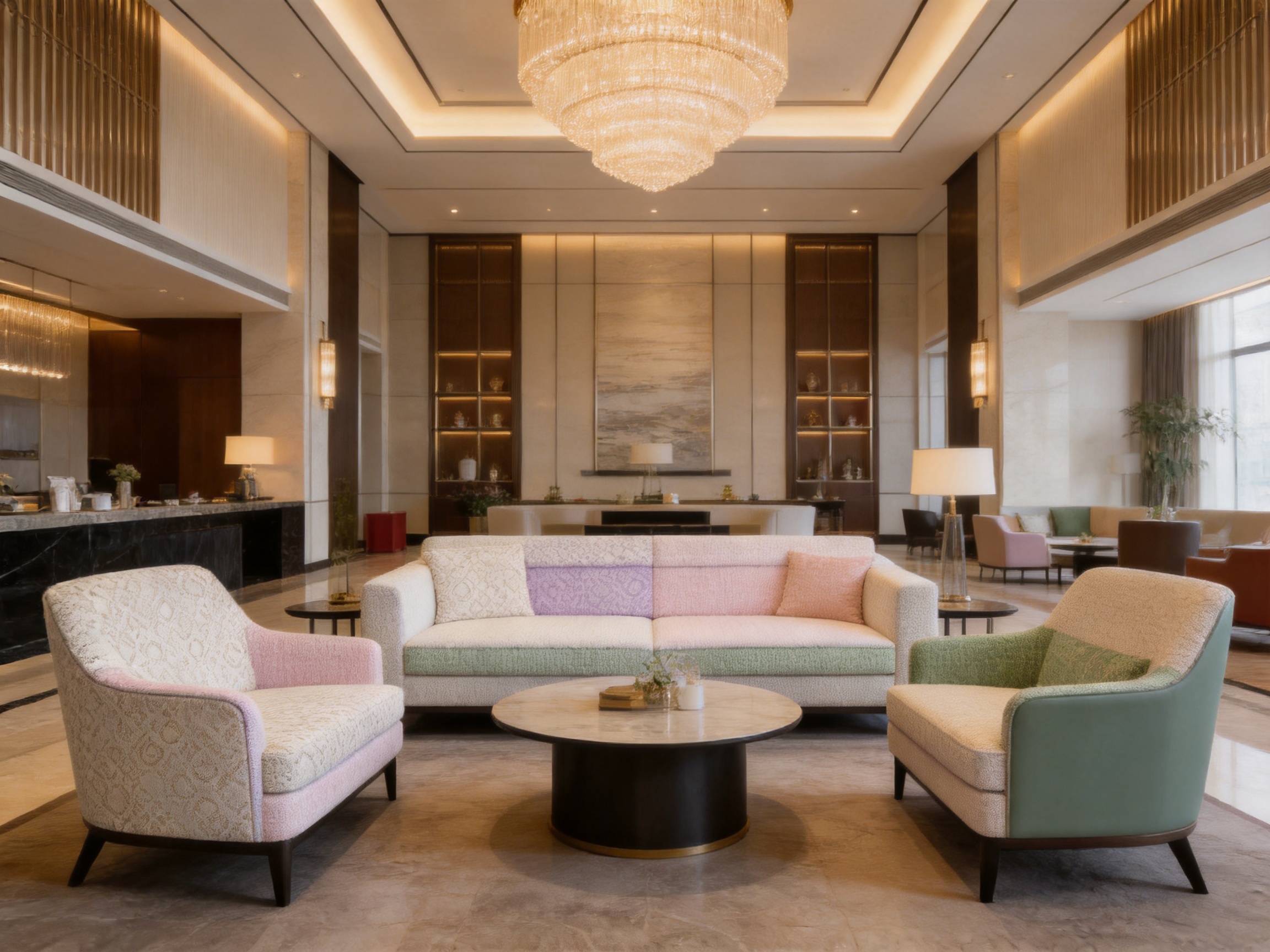
Hotels require decorative textiles that look refined while supporting heavy guest use. Lobby sofas, lounge chairs, guest room seating, and suite furniture must maintain an attractive appearance despite frequent turnover. Antibacterial Yarn Sofa Fabric helps hospitality buyers add a hygiene-oriented feature to soft furnishings, which is increasingly important for guest perception.
Because the fabric can be customized in color and texture, it can fit boutique hotels, business hotels, resorts, serviced apartments, and conference facilities. Its functional benefits can also support brand positioning for properties focused on wellness, cleanliness, and premium comfort.
Commercial and Public Seating
Commercial seating in offices, clinics, salons, educational spaces, and waiting areas is exposed to many users. Ordinary fabric may quickly appear worn or raise hygiene concerns. Antibacterial Yarn Sofa Fabric provides a more suitable option for shared seating because it combines functional antibacterial performance with upholstery durability.
The fabric can be used for reception sofas, meeting area seating, office lounge furniture, and public waiting benches. Its performance standards help procurement teams make decisions based on measurable parameters rather than appearance alone.
Pet-Friendly Interiors
Pet-friendly interiors require fabrics that can handle more complex daily use. While no textile is completely immune to claws, stains, or heavy abuse, a durable antibacterial upholstery fabric can support cleaner seating environments where pets share furniture with people. The fabric is relevant to homes, pet hotels, pet-friendly apartments, and furniture brands developing pet-oriented collections.
For pet-friendly applications, buyers may combine the antibacterial function with additional requirements such as abrasion resistance, easy cleaning, or moisture management depending on the project. Hangzhou Xinsili’s broader experience in functional decorative textiles supports such customization discussions.
Children-Oriented Spaces
Children’s furniture, play areas, family rooms, educational facilities, and pediatric waiting spaces all benefit from fabrics that support hygiene. Children often have closer contact with upholstered surfaces, making cleanability and antibacterial performance especially meaningful. Antibacterial Yarn Sofa Fabric offers a softer and more decorative alternative to hard-surface seating while still addressing practical cleanliness concerns.
Manufacturing Strength: From Concept to Stable Fabric Performance
The quality of an antibacterial sofa fabric depends not only on the yarn or chemical technology used, but also on the complete manufacturing system behind it. Hangzhou Xinsili Decorative Fabric Weaving Co., Ltd. has built its capabilities around decorative textile research, development, and precision manufacturing. With nearly two decades of experience, the company understands that functional fabrics must be engineered from the earliest design stage rather than corrected only at the finishing stage.
The manufacturing process begins with product planning. Engineers and designers evaluate the target application, expected fabric weight, desired composition, texture, pattern, color, and functional requirements. For antibacterial sofa fabric, this planning stage determines how the yarn, structure, and finishing process should work together. A fabric for hotel sofas may require a different hand feel and durability profile than one intended for residential family seating.
Raw material selection is critical. Polyester offers strength, dimensional stability, abrasion resistance, and easy-care properties. Cotton blends can improve natural touch and moisture comfort. By selecting the appropriate fiber composition, the company can balance durability, softness, cost, and function. Antibacterial yarn selection is also carefully considered to support effective performance while maintaining textile quality.
Yarn preparation and weaving control influence the fabric’s surface quality and mechanical behavior. Uniform yarn tension, stable density, accurate pattern control, and proper structural design help create fabrics that are consistent across production batches. In upholstery, even small variations in weight, width, shade, or texture can create problems during furniture manufacturing. A disciplined weaving process reduces these risks.
Finishing is another key step. Finishing can influence hand feel, dimensional stability, surface smoothness, color depth, and additional functional performance. For antibacterial textile products, finishing must be compatible with the antibacterial mechanism and should not damage the intended function. Controlled finishing supports a pleasant touch and stable appearance while maintaining practical use performance.
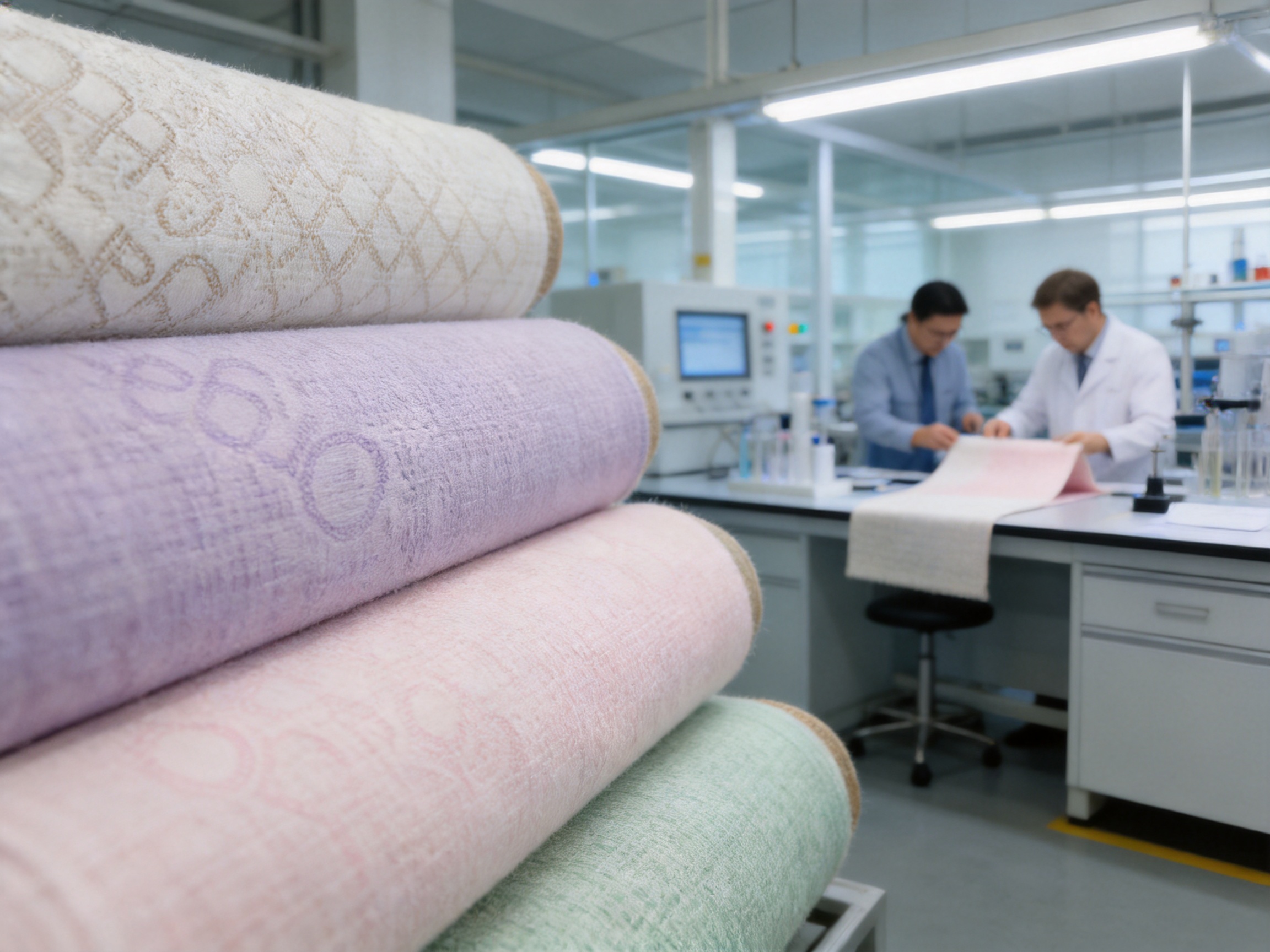
Inspection and testing complete the manufacturing cycle. Fabric width, weight, shade, surface defects, color fastness, rub fastness, and antibacterial performance may be evaluated according to customer requirements and relevant standards. This quality system is essential for customers who need reliable materials for repeated furniture production or large interior projects.
Advanced Process Control and Quality Management
Process control is one of the most important advantages of a professional functional decorative textile manufacturer. Antibacterial Yarn Sofa Fabric is not a simple commodity fabric. It requires coordination between material technology, weaving technique, finishing control, and laboratory verification. Each stage must be controlled so the finished fabric performs as expected.
During production, fabric weight is managed to remain within the target range. Weight affects drape, thickness, upholstery handling, and perceived quality. A fabric that is too light may not provide the desired furniture presence, while one that is too heavy may be difficult to sew, wrap, or apply to curved sofa structures. The 300 to 450 g/m2 range gives flexibility, but each style must be controlled within its own specification.
Width stability is also important. The typical 140 to 150 cm width supports efficient cutting and reduces material waste for furniture manufacturers. Inconsistent width can affect cutting plans and production cost. Professional manufacturing control helps maintain usable width and supports repeat orders.
Color management is vital in decorative fabrics. Upholstery projects often require multiple rolls or repeated shipments. If shade variation is too large, furniture panels may not match. Controlled dyeing and finishing procedures, along with shade inspection, help reduce this issue. This is particularly important for hotel projects, furniture collections, and coordinated interior programs.
Surface inspection identifies weaving defects, stains, uneven texture, and other quality concerns before shipment. For sofa fabric, visible defects can lead to cutting waste and production delays. By detecting problems early, the manufacturer helps customers improve production efficiency.
Testing against antimicrobial standards such as GB/T 20944.3, ISO 20743, or AATCC 100 provides a reference framework for antibacterial claims. These standards differ in method and interpretation, but they all help evaluate antibacterial activity in textiles. Customers can select appropriate testing based on target market, regulatory expectations, and product positioning.
Company Strength Supporting the Product
Hangzhou Xinsili Decorative Fabric Weaving Co., Ltd. is located in Xiaoshan District, Hangzhou City, Zhejiang Province, China, an area with a strong textile and manufacturing background. The company specializes in innovative research, development, and precision manufacturing of decorative textiles. Its operating vision, centered on weaving beautiful spaces, reflects its commitment to fabrics that enhance interiors through both beauty and performance.
The company’s 19 years of industry experience provide practical understanding of yarn behavior, fabric construction, finishing control, customer requirements, and market changes. Experience matters in functional textile manufacturing because performance problems are often solved through accumulated process knowledge, not only equipment investment.
The 12,000 square meter factory area supports production capacity, process organization, material storage, inspection, and development activities. For customers, this means the company can support both product development and stable supply. A factory with adequate space and organized processes is better positioned to manage multiple fabric programs, customized orders, and consistent delivery.
Recognition as a National High-Tech Enterprise in 2023 further reflects the company’s focus on innovation and technical development. Functional decorative textiles require ongoing research because market needs continue to evolve. Antibacterial, moisture-resistant, flame-retardant, sleep-supporting, and comfort-improving textile technologies are all part of the company’s development direction.
The company serves residential, hotel, and commercial environments, which gives it broad application insight. A fabric that works well in a private home may need adjustment for hotel durability. A commercial seating fabric may require different performance priorities than bedding fabric. This cross-category experience helps the company recommend suitable fabric solutions for different customers.
Customization Potential for Furniture Brands and Project Buyers
Antibacterial Yarn Sofa Fabric can be developed according to customer needs in composition, weight, color, texture, surface style, and testing requirements. Customization is valuable because furniture brands often need distinctive materials that match their product identity. Interior projects may also require fabric colors and performance levels that coordinate with design concepts and procurement specifications.
Composition customization allows buyers to choose the right balance between synthetic durability and blended comfort. A 100 percent polyester fabric may be preferred for strength, stability, and easy maintenance. A polyester-cotton blend may be selected when a warmer or more natural touch is desired. Other development directions may be discussed based on production feasibility and performance targets.
Weight customization supports different furniture styles. Lighter weights may be suitable for decorative panels, less bulky upholstery, or flexible designs. Heavier weights may be chosen for sofas requiring a more substantial surface and stronger upholstery presence. The 300 to 450 g/m2 range gives practical options for many sofa categories.
Color customization helps brands build visual consistency. Whether a customer needs soft beige for family furniture, deep gray for business lounges, warm brown for hotel interiors, or custom shades for a branded furniture collection, color development can support market positioning. Coordinated shade control also helps repeat orders remain consistent.
Texture customization is equally important. Some customers prefer smooth, modern surfaces, while others want woven depth, tactile grain, or patterned decorative effects. As a decorative fabric manufacturer, the company can support fabric development that fits different interior styles while maintaining functional objectives.
Testing customization is available according to market needs. Some customers may require ISO 20743 for international textile evaluation, while others may request AATCC 100 or GB/T 20944.3. Additional performance tests may also be considered based on project requirements, such as abrasion resistance, pilling, color fastness, or flame-retardant performance where applicable.
Performance Comparison: Why This Fabric Is a Competitive Choice
When comparing antibacterial yarn sofa fabric with competing upholstery materials, buyers should evaluate more than price per meter. A lower-cost ordinary fabric may seem attractive at first, but if it lacks functional performance, color stability, or process consistency, it may create long-term costs through complaints, replacements, cutting waste, or weak market differentiation.
Antibacterial Yarn Sofa Fabric provides a stronger product story for furniture brands. It allows manufacturers to promote cleaner seating, health-conscious living, and advanced textile technology. These themes are increasingly valuable in retail and project sales. Consumers and professional buyers are willing to consider added value when it is supported by credible specifications.
The fabric also helps reduce the gap between technical textiles and decorative textiles. Some high-function materials look industrial or feel uncomfortable. This product is designed as a decorative upholstery fabric first, with antibacterial functionality integrated into the performance profile. That makes it more suitable for visible furniture in homes, hotels, and commercial interiors.
Compared with many generic sofa fabrics, the stated dry rub fastness of at least Level 4 and indoor light fastness of at least Level 4 provide useful durability indicators. These values help buyers feel more confident about daily use. While full performance should always be confirmed according to the final fabric style and project requirements, these indicators show that the product is designed with practical upholstery conditions in mind.
Another competitive advantage is the manufacturer’s functional textile ecosystem. Because the company also works with mattress fabric, children mattress fabric, pillowcase fabric, pregnancy pillow fabric, cooling mat fabric, bedding fabric, sofa fabric, and pet friendly fabrics, it has knowledge across comfort, hygiene, skin contact, and home textile categories. This broader expertise supports innovation in sofa fabric development.
Sustainability and Responsible Interior Design
Responsible material selection is becoming increasingly important in interior design. Buyers want fabrics that not only look good but also contribute to safer, healthier, and more sustainable living spaces. Antibacterial Yarn Sofa Fabric supports this direction by improving the functional value and potential service life of upholstered furniture.
Durability is a key part of sustainability. A fabric that maintains appearance and performance for longer can reduce premature replacement. When furniture lasts longer, material waste and replacement costs can be reduced. Rub fastness, light fastness, stable weaving, and controlled finishing all contribute to longer usable life.
Hygiene performance can also support responsible use. Fabrics that help inhibit bacterial growth may reduce odor development related to microbial activity and support cleaner seating surfaces. While cleaning remains necessary, antibacterial performance can contribute to a better maintenance experience.
The company’s commitment to environmentally friendly decorative fabric solutions aligns with market demand for healthier interiors. By integrating function into decorative textiles, the company helps customers create spaces that are not only visually appealing but also safer and more comfortable for daily use.
Sustainability also includes production responsibility. Stable process control reduces waste caused by defects, inconsistent shade, incorrect width, or failed performance. A manufacturer that can produce consistently helps customers avoid unnecessary material loss during cutting, sewing, and installation.
How Furniture Manufacturers Benefit
Furniture manufacturers need fabrics that are reliable in production and appealing in the market. Antibacterial Yarn Sofa Fabric supports both needs. In production, the typical width and stable weight range help cutting departments plan efficiently. Consistent surface quality reduces waste. Good rub fastness helps minimize customer complaints related to color transfer.
In marketing, antibacterial performance creates a differentiated product feature. Furniture brands can develop sofa collections for family wellness, hospitality hygiene, pet-friendly living, or premium comfort. These themes help products stand out in competitive retail channels and project bidding.
The fabric also supports product line expansion. A manufacturer may use antibacterial sofa fabric for a flagship collection, then coordinate it with other functional textiles such as bedding fabrics, mattress fabrics, pillowcase fabrics, or pet-friendly fabrics. Since Hangzhou Xinsili has experience across these categories, customers can explore coordinated textile solutions from one development partner.
For export-oriented furniture factories, standards-based antibacterial testing can help communicate product performance to overseas buyers. Different markets may prefer different testing references, so the ability to discuss GB/T, ISO, or AATCC standards is valuable. This improves communication between textile supplier, furniture producer, and final customer.
How Interior Designers and Project Buyers Benefit
Interior designers need materials that satisfy aesthetic goals, user comfort, maintenance expectations, and project budgets. Antibacterial Yarn Sofa Fabric gives designers an additional functional tool without forcing them to compromise on softness or appearance. It can be specified for high-touch seating zones where hygiene is a concern but comfort remains essential.
Project buyers benefit from measurable specifications. Instead of relying only on visual samples, they can evaluate composition, weight, width, rub fastness, light fastness, and antimicrobial testing options. This supports more professional procurement decisions and helps align fabric selection with project risk management.
Hotels, offices, clinics, residential developers, and commercial furniture contractors can use the fabric to enhance the perceived quality of interiors. A sofa upholstered with antibacterial fabric communicates attention to guest welfare, user comfort, and responsible design. This can be especially valuable in premium environments where material details influence brand image.
Care and Maintenance Considerations
Even with antibacterial performance, proper care remains essential. The fabric should be maintained according to the final care instructions provided for the specific style, composition, and finishing process. General upholstery care includes regular vacuuming, prompt removal of surface dust, avoiding excessive moisture, and cleaning spills as soon as possible.
For spot cleaning, users should test cleaning agents in an inconspicuous area before wider application. Harsh chemicals may affect color, texture, finishing, or functional performance. Professional cleaning may be recommended for large furniture pieces, hotel seating, or commercial installations.
Direct and prolonged exposure to strong sunlight should be avoided where possible, even though the fabric is designed with indoor light fastness of at least Level 4. Normal indoor light exposure is expected, but intense sunlight through windows can affect many textiles over time. Curtains, blinds, or careful furniture placement can help preserve color.
Antibacterial performance should be understood as a textile function that supports cleanliness, not a substitute for hygiene management. In commercial and hospitality environments, regular cleaning schedules should still be followed. The fabric’s value lies in adding extra functional protection to a well-maintained interior.
Quality Verification and Testing Standards
Antibacterial textile claims are most credible when supported by recognized testing methods. GB/T 20944.3, ISO 20743, and AATCC 100 are among the standards used to evaluate antimicrobial activity in textiles. Each method has its own testing conditions, microorganisms, and result interpretation, so buyers should select the standard most suitable for their market and application.
ISO 20743 is widely used internationally for antibacterial activity of textile products. AATCC 100 is commonly referenced in markets familiar with American textile testing methods. GB/T 20944.3 is a relevant Chinese national standard method for evaluating antibacterial properties of textiles. The availability of these standards allows customers to align product claims with market expectations.
Rub fastness testing evaluates color transfer during friction. For sofa fabric, this is important because users sit, move, and touch the surface repeatedly. A dry rub fastness of at least Level 4 indicates a strong level of colorfast performance under dry rubbing conditions.
Light fastness testing evaluates resistance to fading under light exposure. For indoor furniture, Level 4 or above is a practical reference for maintaining appearance under normal indoor conditions. This is important for sofas placed in living rooms, hotel lobbies, offices, or public spaces.
Additional tests may be requested depending on the project, such as abrasion resistance, seam slippage, pilling resistance, tensile strength, tear strength, flame retardancy, or water repellency. Because the company specializes in functional decorative textiles, it can discuss customized testing plans based on the final application.
Q&A: Common Questions About Antibacterial Yarn Sofa Fabric
What is Antibacterial Yarn Sofa Fabric?
Antibacterial Yarn Sofa Fabric is a functional upholstery textile designed for sofas and soft seating. It combines decorative appearance, comfortable touch, upholstery durability, and antibacterial performance tested according to recognized textile standards when required.
What makes it different from ordinary sofa fabric?
Ordinary sofa fabric mainly provides color, texture, and basic covering function. Antibacterial Yarn Sofa Fabric adds hygienic value by helping inhibit bacterial growth on the fabric surface. It also offers practical performance indicators such as dry rub fastness of at least Level 4 and indoor light fastness of at least Level 4.
Is the antibacterial function a replacement for cleaning?
No. The antibacterial function supports cleaner fabric performance, but it does not replace regular cleaning or maintenance. Sofas should still be vacuumed, cleaned according to care instructions, and protected from excessive contamination.
Which standards can be used to test antibacterial performance?
The fabric can be evaluated according to standards such as GB/T 20944.3, ISO 20743, or AATCC 100, depending on customer requirements and target market needs.
What compositions are available?
Common options include 100 percent polyester and blends such as 65 percent polyester plus 35 percent cotton. The final composition can be discussed according to desired durability, softness, cost, and design goals.
What is the typical weight of the fabric?
The typical weight range is 300 to 450 g/m2, varying by style. This range is suitable for many upholstery applications, from flexible sofa surfaces to more substantial decorative seating fabrics.
What is the usual fabric width?
The fabric is typically produced at 140 to 150 cm wide, which is practical for furniture manufacturing, cutting plans, and upholstery production.
Can the fabric be customized in color and texture?
Yes. Color, texture, pattern, weight, composition, and performance requirements can be discussed for custom development. This makes the fabric suitable for furniture brands, hotel projects, commercial seating, and private-label textile programs.
Is it suitable for hotels and commercial spaces?
Yes. The fabric is especially relevant for high-touch seating areas in hotels, lounges, offices, waiting rooms, and commercial interiors. Its antibacterial performance and upholstery durability support shared-use environments.
Is it suitable for homes with children or pets?
Yes. The fabric is suitable for family sofas, children-oriented spaces, and pet-friendly interiors. For demanding pet applications, buyers may also request additional performance features depending on the project.
Why choose this manufacturer for antibacterial sofa fabric?
Hangzhou Xinsili Decorative Fabric Weaving Co., Ltd. has 19 years of decorative textile experience, a 12,000 square meter factory area, and recognition as a National High-Tech Enterprise in 2023. The company focuses on functional fabrics for home, hotel, and commercial interiors, providing a strong manufacturing and development foundation.
Purchasing Considerations for Professional Buyers
When selecting antibacterial sofa fabric, buyers should begin by defining the application. A residential sofa, a hotel lobby sofa, and a clinic waiting chair may all require different priorities. Key factors include expected use intensity, desired hand feel, required appearance, cleaning conditions, target market, testing standards, and budget.
Buyers should request representative samples before bulk production. Samples help evaluate touch, color, thickness, surface texture, drape, and compatibility with furniture design. For large projects, trial upholstery may be useful to confirm how the fabric behaves during cutting, sewing, stretching, and installation.
Testing requirements should be clarified early. If antibacterial claims will be used in marketing or project documentation, buyers should determine which standard is most appropriate. They should also confirm whether additional tests such as abrasion, pilling, or flame retardancy are needed.
Color approval should be managed carefully. Decorative fabrics can appear different under daylight, warm artificial light, and cool LED light. Project buyers should approve color under relevant lighting conditions. For repeat orders, shade standards and tolerance expectations should be discussed.
Order quantity, lead time, packaging, roll length, and inspection requirements should also be confirmed. Professional communication helps ensure the final fabric meets both technical and commercial needs.
Future Trends in Functional Sofa Fabrics
The market for sofa fabrics is moving toward multifunctional performance. Buyers increasingly expect textiles to provide comfort, durability, easy maintenance, hygiene support, environmental responsibility, and attractive design at the same time. Antibacterial Yarn Sofa Fabric fits this trend by turning upholstery fabric into a more active contributor to healthy interior spaces.
In the future, antibacterial functionality may be combined with moisture resistance, stain resistance, flame retardancy, cooling comfort, recycled fibers, or improved tactile performance. Furniture brands that adopt functional textiles early can build stronger product identities and respond faster to changing consumer expectations.
Healthcare awareness, pet ownership, hybrid work, and hospitality hygiene will continue to influence textile demand. Sofas are no longer used only for formal seating; they are everyday living platforms. This makes fabric function more important than ever.
Manufacturers with research capability, stable production systems, and cross-category textile experience will be better positioned to lead this shift. Hangzhou Xinsili’s focus on functional decorative textiles places it in a strong position to support future-oriented furniture and interior fabric development.
Conclusion: A Smarter Upholstery Fabric for Healthier Spaces
Antibacterial Yarn Sofa Fabric offers a strong balance of hygiene-oriented function, decorative appeal, comfort, and upholstery practicality. With antibacterial performance that can be evaluated according to GB/T 20944.3, ISO 20743, or AATCC 100, along with dry rub fastness of at least Level 4 and indoor light fastness of at least Level 4, it provides meaningful advantages over ordinary sofa fabrics.
Its value lies not only in one technical feature but in the complete fabric solution. It supports healthier seating surfaces, flexible design customization, stable furniture production, and stronger product differentiation for furniture brands and project buyers. Suitable for homes, hotels, commercial spaces, children-oriented areas, and pet-friendly interiors, it responds to the growing demand for cleaner, safer, and more comfortable living environments.
Behind the product is the manufacturing strength of Hangzhou Xinsili Decorative Fabric Weaving Co., Ltd., a company with 19 years of industry experience, a 12,000 square meter factory area, and high-tech enterprise recognition. Through craftsmanship-driven manufacturing, design innovation, and functional textile development, the company supports customers seeking reliable decorative fabric solutions for modern interiors.
For buyers who want more than a standard upholstery material, Antibacterial Yarn Sofa Fabric provides a competitive choice. It helps furniture become not only more beautiful, but also more practical, healthier, and better prepared for the expectations of contemporary living.
References
International Organization for Standardization. ISO 20743: Textiles: Determination of Antibacterial Activity of Textile Products.
American Association of Textile Chemists and Colorists. AATCC Test Method 100: Antibacterial Finishes on Textile Materials.
Standardization Administration of China. GB/T 20944.3: Textiles: Evaluation for Antibacterial Activity.
American Association of Textile Chemists and Colorists. AATCC Technical Manual: Colorfastness and Textile Performance Testing Methods.
Textile Institute. Textile Terms and Definitions, Textile Institute Publications.
Horrocks, A. R., and Anand, S. C. Handbook of Technical Textiles, Woodhead Publishing.
Product: Antibacterial Yarn Sofa Fabric

Our Featured Products
-
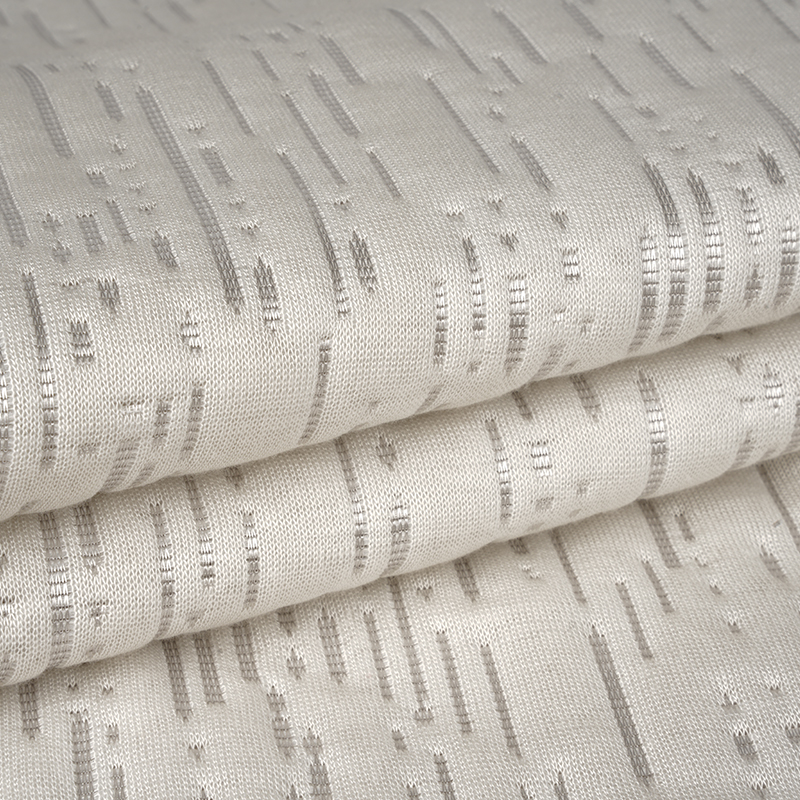
Antibacterial Yarn Children Mattress Fabric
Antibacterial Yarn Children Mattress Fabric
-
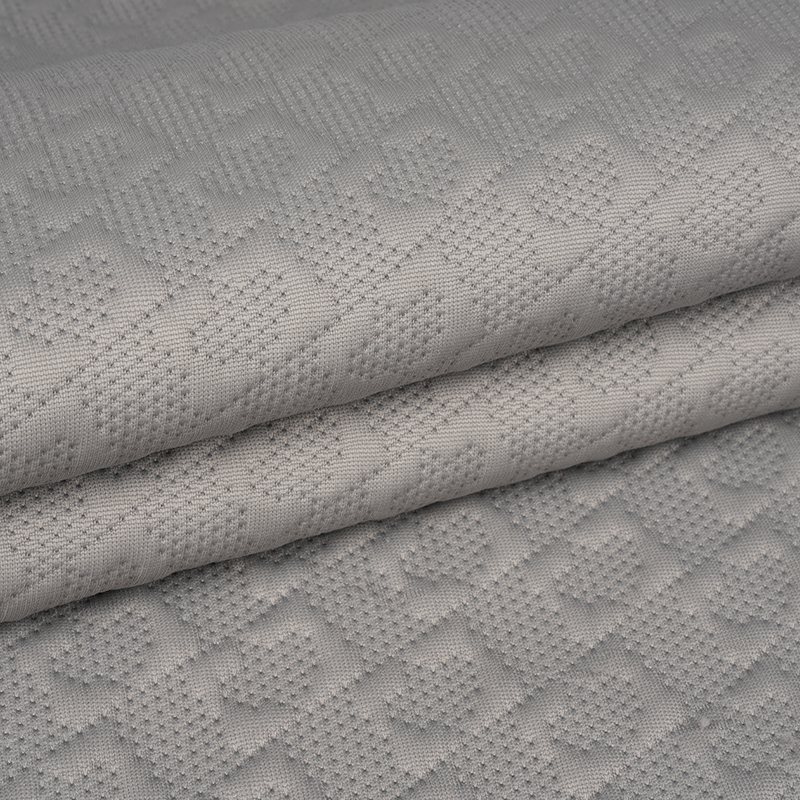
Antibacterial Yarn Children Mattress Fabric
Antibacterial Yarn Children Mattress Fabric
Haven’t Found The Products You Want?
-
-
Shen Jinyan:+86-15158070676
[email protected]
Liang Jinwen:+86-15757186621
[email protected]
Qiu Yingyingn:+86-13819545790
[email protected]
Yi qiao Town, Xiaoshan District, Hangzhou City, Zhejiang Province, China
-
Products
Mattress Fabric Children Mattress Fabric Pillowcase Fabric Pregnancy Pillow Fabric Cooling Mat Fabric Bedding Fabric Sofa Fabric Pet Friendly Fabrics -
Contact Information
About Us Products Strength Sustainability News Contact Us
Copyright © Hangzhou Xinsili Decorative Fabric Weaving Co.,Ltd. All Rights Reserved.
Functional Decorative Textile Manufacturers
