

 English
 中文简体
中文简体 Español
 عربى
عربى русский


Graphene Mattress Fabric for Smarter, Cleaner, and More Comfortable Sleep Surfaces
Content
- 1 Understanding Graphene Mattress Fabric
- 2 Key Product Specifications
- 3 Why Graphene Mattress Fabric Is Different from Conventional Mattress Fabric
- 4 Comfort Advantages for Sleep Products
- 5 Hygiene and Wellness-Oriented Textile Value
- 6 Durability and Long-Term Appearance
- 7 Design Flexibility for Mattress Brands
- 8 Advanced Manufacturing Process
- 9 Manufacturing Strength and Company Capability
- 10 Advantages Over Competitor Fabrics
- 11 Applications in Different Product Categories
- 12 Quality Control from Sample to Bulk Production
- 13 Sustainability and Responsible Textile Development
- 14 How Mattress Manufacturers Can Use Graphene Fabric for Market Positioning
- 15 Procurement Considerations for Buyers
- 16 Q&A Section
- 16.1 Q1: What is Graphene Mattress Fabric?
- 16.2 Q2: What are the main advantages of this fabric compared with ordinary mattress fabric?
- 16.3 Q3: Can the fabric composition be customized?
- 16.4 Q4: What fabric weight is available?
- 16.5 Q5: What widths are available?
- 16.6 Q6: Can customers provide their own color samples?
- 16.7 Q7: What is the washing color fastness level?
- 16.8 Q8: Is the fabric suitable only for mattresses?
- 16.9 Q9: Why is manufacturing experience important for graphene fabric?
- 16.10 Q10: What company produces this fabric?
- 17 Contact and Cooperation Information
- 18 Conclusion
- 19 References
- 20 Product: Graphene Mattress Fabric
Graphene mattress fabric represents a new generation of functional decorative textile designed for sleep products that must combine comfort, durability, hygiene, and refined surface appearance. As consumers become more aware of sleep quality, skin contact safety, temperature balance, and long-term product performance, mattress fabric is no longer treated as a simple outer covering. It has become a performance layer that influences the user’s first impression, daily comfort, and trust in the finished mattress.
Graphene-modified fabric is especially valuable because it allows mattress manufacturers to introduce advanced material functionality into a familiar textile structure. By combining graphene-modified polyester, cotton, or customized blended yarn systems, the fabric can be engineered for stable hand feel, practical strength, clean appearance, and improved comfort-oriented performance. The result is a mattress surface material suitable for modern residential, hotel, commercial, children’s bedding, pillowcase, pregnancy pillow, cooling mat, sofa, and pet-friendly textile applications.
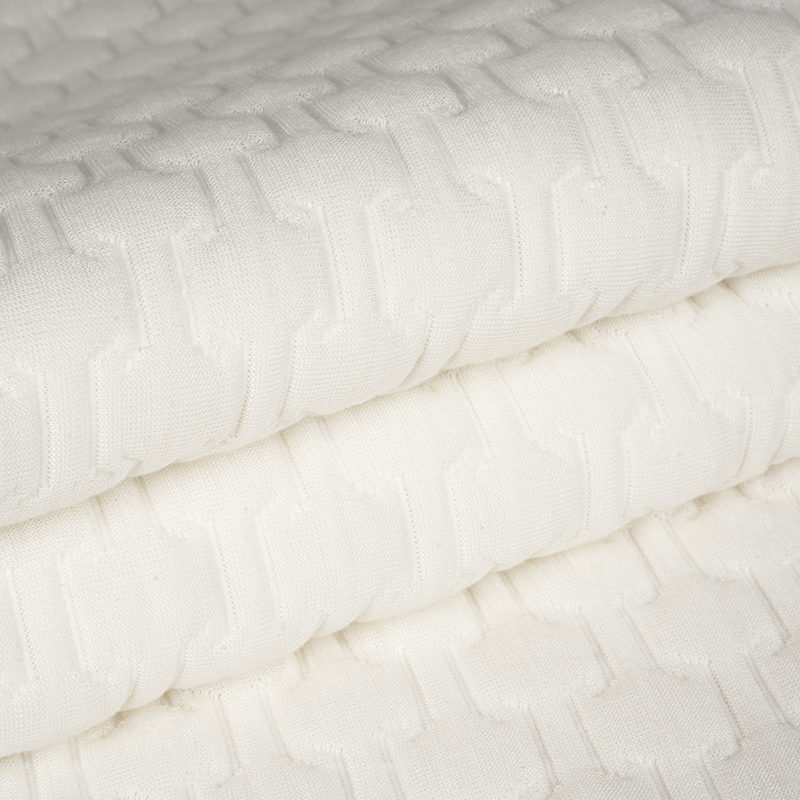
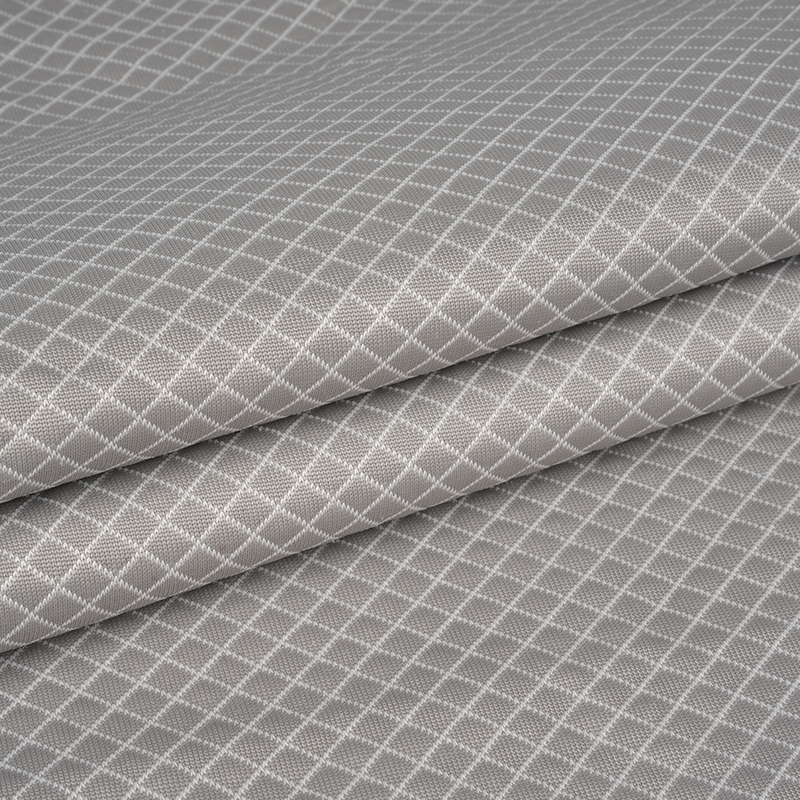
The Graphene Mattress Fabric described here is developed for manufacturers and buyers who require customizable composition, adjustable weight, flexible width, color matching, and reliable washing fastness. Its base composition may be produced as a graphene-modified polyester and cotton blend, with ratios adjusted according to project requirements. Fabric weight may typically range from 200 to 350 g/m², while fabric width can be supplied in standard 150 cm or 220 cm options, with customization available for different production lines and finished product sizes. Color can be produced according to customer-provided samples, and color fastness to washing can reach Grade 4 or above according to Chinese National Standard evaluation.
This article explains the value of graphene mattress fabric from the perspectives of material performance, manufacturing precision, market differentiation, application flexibility, quality control, and company capability. It also explains why this textile can offer a stronger competitive position than conventional mattress fabrics when designed and produced by an experienced functional decorative textile manufacturer.
Understanding Graphene Mattress Fabric
Graphene is a carbon-based material known for its excellent physical characteristics, including high surface area, thermal conductivity, strength potential, and functional adaptability. In textiles, graphene is not used in the same way as a rigid industrial sheet. Instead, graphene-related functional modification is integrated into fibers, yarns, coatings, or finishing systems, depending on the design target. When carefully applied to mattress fabric, graphene can support a more advanced textile surface while preserving softness, flexibility, breathability, and decorative value.
Graphene mattress fabric is not simply a marketing label. Its practical value depends on how the graphene-modified components are incorporated, how consistently the fabric is woven or knitted, how finishing is controlled, and how the final product is tested. A poorly manufactured functional fabric may lose its advantages quickly, while a well-engineered fabric can maintain visual appeal and practical performance through normal use. Therefore, the manufacturer’s process control is as important as the material itself.
The product category focuses on mattress fabric, but its functional concept is also suitable for children mattress fabric, pillowcase fabric, pregnancy pillow fabric, cooling mat fabric, bedding fabric, sofa fabric, and pet-friendly fabrics. These categories share several needs: skin-friendly surface touch, dependable durability, clean visual design, resistance to daily wear, and adaptability to different colors and patterns. Graphene-modified textiles can help answer these needs when engineered with the right base yarns and finishing techniques.
For mattress producers, the fabric covering must perform across multiple stages. It must run smoothly during cutting, quilting, sewing, lamination, packaging, storage, transportation, retail display, and daily consumer use. A fabric that looks attractive but deforms easily can create production waste. A fabric that feels comfortable but fails color fastness expectations may cause after-sales problems. A fabric that claims functionality but lacks stable manufacturing support may expose brands to quality risks. Graphene mattress fabric developed through controlled production addresses these concerns by combining function, appearance, and manufacturability.
Key Product Specifications
The following table summarizes the major specification options for Graphene Mattress Fabric. These values may be adjusted according to customer requirements, end-use applications, and finished product design.
| Specification Item | Available or Typical Option | Practical Value for Mattress Manufacturers |
|---|---|---|
| Base Composition | Graphene-modified polyester/cotton blend, customizable ratios | Balances softness, strength, dimensional stability, and functional textile performance |
| Fabric Weight | Approximately 200–350 g/m², adjustable | Supports different mattress grades, quilting styles, and comfort requirements |
| Fabric Width | Standard 150 cm or 220 cm, customizable | Improves material utilization for different mattress sizes and production lines |
| Color | Available according to customer-provided color samples | Helps brands maintain consistent visual identity across product collections |
| Color Fastness to Washing | Grade 4 or above under Chinese National Standard evaluation | Supports long-lasting appearance and reduces customer complaints related to fading |
| Application Range | Mattress, bedding, pillowcase, children’s mattress, pregnancy pillow, cooling mat, sofa, pet-friendly fabric | Allows one functional fabric platform to serve multiple home and commercial textile products |
The ability to customize composition and weight is especially important. Some mattress producers prefer a softer cotton-rich touch for home bedding lines, while others may prefer higher polyester content for stability, strength, and cost effectiveness. Some hotel and commercial mattress products require better wear resistance and easy maintenance, while premium consumer mattresses may require a more refined tactile impression. By allowing formula adjustments, graphene mattress fabric becomes a flexible platform rather than a fixed single-purpose material.
Width customization is also a practical advantage. Mattress factories operate with different cutting systems and quilting machines. Standard 150 cm width may be suitable for certain components or narrow cutting plans, while 220 cm width is often useful for wider panels and improved efficiency. Custom width support can reduce waste, improve pattern alignment, and help manufacturers optimize production cost.
Why Graphene Mattress Fabric Is Different from Conventional Mattress Fabric
Traditional mattress fabric usually focuses on appearance, hand feel, and basic durability. It may be made from polyester, cotton, viscose, jacquard structures, knitted structures, or blended textile systems. These materials can be attractive and comfortable, but they may not offer the same level of modern functional positioning that today’s mattress brands require. In a competitive marketplace, a mattress surface must communicate not only beauty but also health awareness, comfort science, and technological value.
Graphene mattress fabric creates a stronger story because it integrates advanced material thinking into the textile. For manufacturers, this can support product differentiation. A mattress using graphene-modified fabric can be positioned as a smarter and more functional sleep surface, especially when combined with antibacterial, moisture-resistant, flame-retardant, sleep-supporting, or comfort-improving technologies. The fabric can become a visible and touchable part of the mattress brand’s value proposition.
Compared with ordinary decorative mattress fabrics, graphene-modified fabric can offer several competitive advantages. First, it provides a modern functional material identity that appeals to consumers interested in healthy living and technology-enhanced comfort. Second, it can be engineered for reliable textile strength and color performance, helping the finished mattress maintain its appearance over time. Third, it allows flexible customization, enabling mattress brands to develop different collections without changing suppliers or rebuilding the entire material system. Fourth, when produced by an experienced factory, the fabric can provide stable quality from sample development to bulk delivery.
Another advantage is versatility. Many conventional fabrics are suitable only for one narrow use. Graphene mattress fabric can be designed for mattresses, pillows, bedding, cooling mats, upholstered furniture, children’s products, and pet-friendly surfaces. This versatility is valuable for brands that want a unified material language across multiple product categories. A bedding company can develop a mattress line, pillow line, and accessory line with related functional textile concepts, creating a more coherent market image.
Comfort Advantages for Sleep Products
Comfort is the most immediate factor consumers notice when touching a mattress. A fabric may contain advanced materials, but if it feels rough, stiff, hot, or unstable, it will not succeed in the sleep market. Graphene mattress fabric must therefore be engineered to preserve textile comfort while adding functional value. The softness of the base blend, the smoothness of the yarn, the density of the structure, and the finishing method all affect how the fabric feels on the skin.
The polyester/cotton blend option gives the product a balanced foundation. Polyester contributes strength, abrasion resistance, wrinkle resistance, and dimensional stability. Cotton contributes natural softness, comfort, and a familiar skin-contact feel. By modifying the blend ratio, the fabric can be adjusted toward a warmer, softer, more natural touch or toward a stronger, more stable, easier-care performance. This flexibility helps mattress brands serve different consumer groups without compromising production practicality.
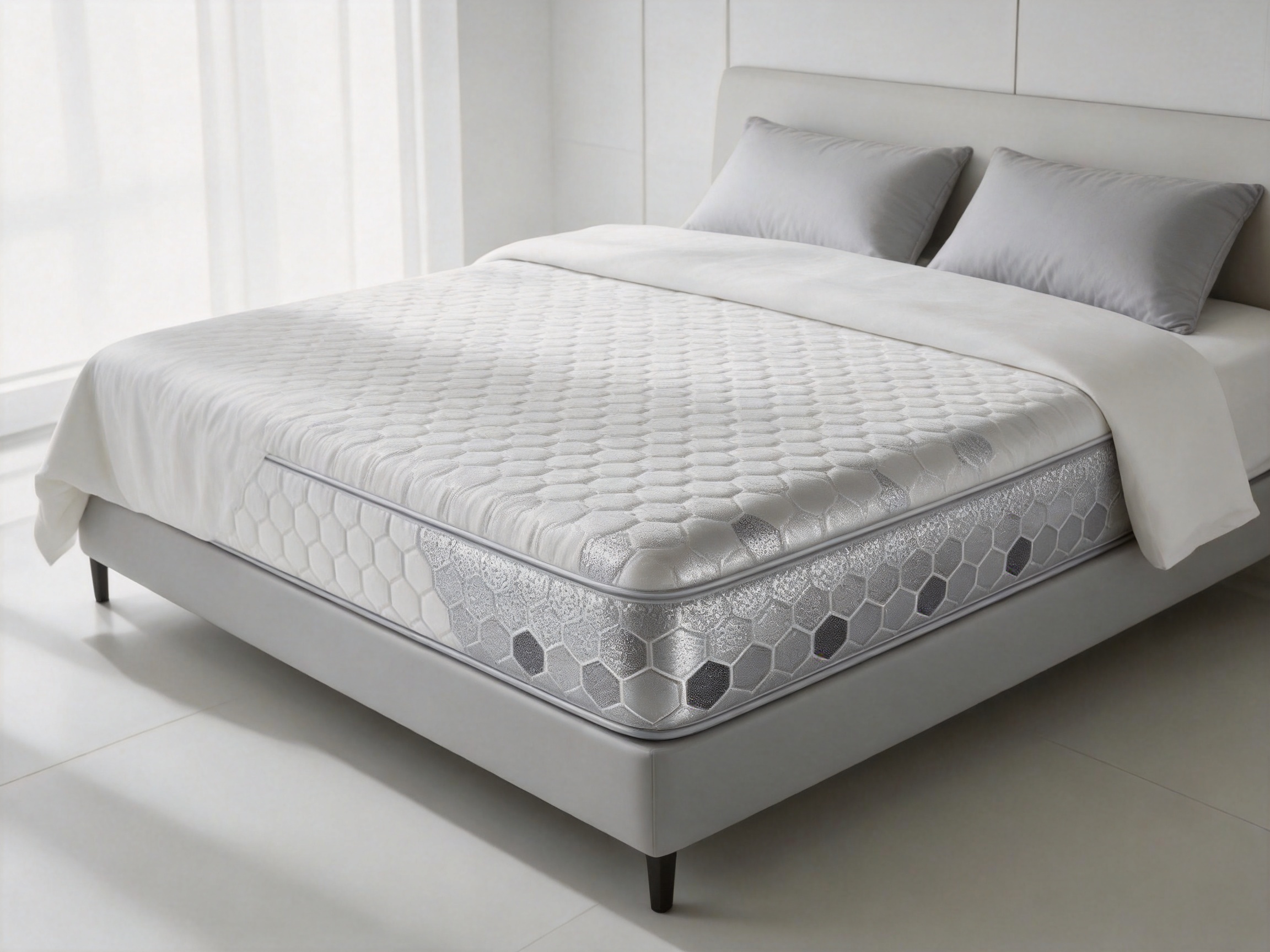
Graphene-related modification may also support temperature-balance concepts in bedding. While performance depends on the exact structure and finishing method, graphene is widely recognized for thermal conductivity. In textile design, this property can be used to support a more comfortable sensation by helping manage heat distribution across the fabric surface. For mattresses, pregnancy pillows, cooling mats, and pillowcase fabrics, temperature comfort is a major selling point because overheating is a common sleep complaint.
Moisture comfort is another important consideration. During sleep, the human body releases moisture and heat. If the fabric surface feels humid or sticky, users may experience discomfort. Mattress fabric must work with quilting layers, foam, fiberfill, and other mattress components to maintain a pleasant microclimate. A well-designed graphene mattress fabric can be combined with moisture-management finishes or breathable structures to improve the user’s comfort experience.
Hygiene and Wellness-Oriented Textile Value
Modern consumers increasingly connect bedding with health and hygiene. A mattress is used for many hours every day and is difficult to wash as a complete product, so the surface fabric must contribute to a cleaner and more reliable sleep environment. Functional decorative textiles can incorporate antibacterial, moisture-resistant, and comfort-improving technologies to answer this demand. Graphene mattress fabric fits naturally into this trend because it is associated with advanced material function and can be combined with other performance finishes.
For children mattress fabric, hygiene-oriented performance is especially important. Children may sweat more during sleep, and their bedding is often exposed to spills, dust, and frequent contact. Parents look for materials that feel safe, clean, and durable. A graphene-modified mattress fabric with stable color fastness and carefully controlled finishing can help mattress brands offer products that appear more trustworthy and modern.
For pregnancy pillow fabric, softness and comfort are critical, but hygiene and breathability are also important. Pregnancy pillows are used close to the body for extended periods. A fabric that combines smooth touch, practical durability, and functional material identity can create higher perceived value. Similarly, pillowcase fabric and bedding fabric benefit from color stability, comfort-oriented finishing, and a clean tactile surface.
Pet-friendly fabrics have another set of requirements. They must resist daily abrasion, maintain appearance, and feel comfortable for both people and animals. Graphene mattress fabric concepts can be adapted into pet-friendly textile applications by selecting suitable yarn strength, fabric density, finishing methods, and color systems. For brands selling home textiles to households with pets, this adaptability is a meaningful advantage.
Durability and Long-Term Appearance
Durability is one of the most important differences between a low-cost fabric and a high-quality functional textile. Mattress fabric must survive manufacturing tension, quilting needles, compression during packaging, friction during use, and visual inspection by consumers. If the surface pills, fades, shrinks, wrinkles, or loses its shape quickly, the entire mattress may be judged as poor quality even when the inner foam or spring system is acceptable.
Graphene mattress fabric is designed with practical performance in mind. The fabric weight range of 200 to 350 g/m² allows brands to choose a suitable structure for their product grade. Lighter weights may be useful for soft, flexible, or cost-sensitive designs, while heavier weights may offer a more substantial hand feel and improved durability perception. The right weight selection depends on quilting pattern, foam thickness, mattress height, packaging method, and brand positioning.
Color fastness to washing at Grade 4 or above is a significant quality indicator. Even though mattress covers are not always washed frequently, many bedding-related products such as pillowcases, pregnancy pillow covers, and removable mattress covers require laundering. Strong color fastness helps preserve the appearance of the finished product and reduces the risk of staining or fading. It also supports consistent customer satisfaction in markets where buyers expect easy-care textile performance.
Stable color matching according to customer-provided samples also supports brand consistency. Mattress collections often include multiple models, panels, borders, pillow accessories, and promotional display samples. If fabric color varies too much between batches, the final product may look inconsistent. Advanced dyeing, finishing, and quality inspection help maintain color control across production orders.
Design Flexibility for Mattress Brands
Graphene mattress fabric is not only a technical material; it is also a decorative surface. A mattress showroom depends heavily on visual appeal. Consumers often judge quality before lying down, based on the fabric pattern, color, texture, brightness, and surface cleanliness. Therefore, functional value must be combined with attractive design.
The fabric can be developed in different colors according to customer samples. This allows brands to create minimal white and gray collections, warm beige and cream collections, modern blue or green wellness collections, or premium dark-tone designs for hotel and commercial environments. The fabric can also be coordinated with quilting lines, edge tapes, labels, handles, and side panels to create a complete mattress identity.
Because the base composition and weight are customizable, the surface effect can also be adjusted. A smoother fabric may be selected for a clean contemporary appearance. A more textured fabric may create a premium tactile impression. A thicker structure may be chosen for luxury mattresses, while a lighter structure may support roll-pack mattresses or economical bedding products. This design freedom helps manufacturers respond quickly to market trends.
Graphene mattress fabric also helps brands communicate innovation without making the mattress look overly technical or industrial. Consumers want comfort, not complexity. A well-designed fabric can present graphene functionality in an elegant and subtle way, giving the product a premium feel while maintaining a soft and inviting sleep surface.
Advanced Manufacturing Process
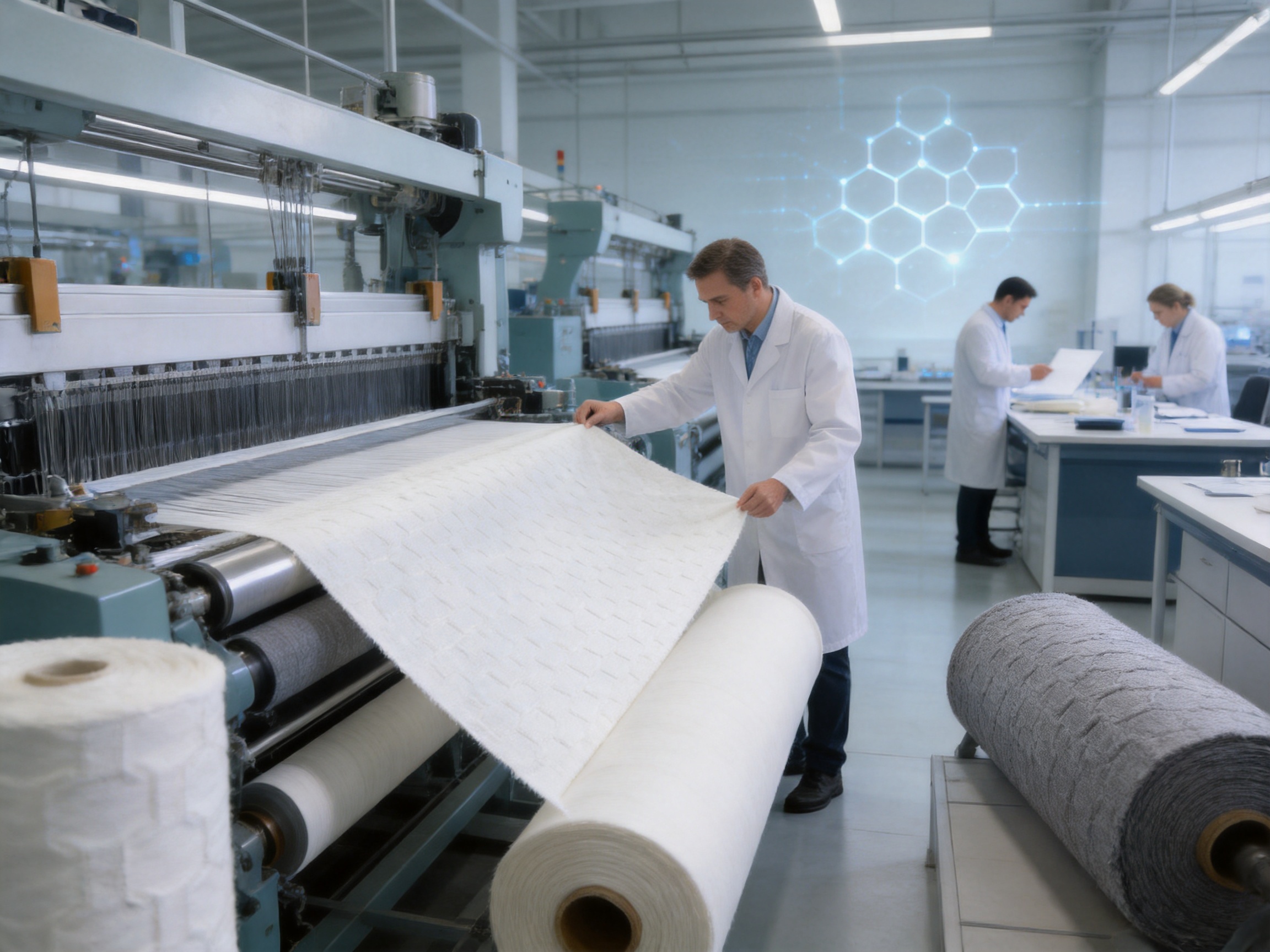
The quality of graphene mattress fabric depends on a complete manufacturing system. Advanced production begins with raw material selection. The manufacturer must choose suitable yarns, graphene-modified components, blending ratios, and auxiliary materials according to the target application. Each decision affects the final fabric’s hand feel, strength, color response, stability, and functionality.
After raw material planning, yarn preparation and fabric formation must be carefully controlled. Whether the fabric is woven, knitted, or produced through another decorative textile method, consistency is essential. Uneven yarn tension, unstable density, or inconsistent structure can lead to defects during dyeing, finishing, cutting, and quilting. Precision weaving and fabric inspection reduce these risks and ensure that bulk production matches approved samples.
Dyeing and color matching are also critical. Customers may provide color samples, and the factory must reproduce these colors accurately on the selected fabric base. Because different fiber blends absorb dye differently, skilled technicians must adjust formulas and process conditions. Color evaluation must consider lighting conditions, batch consistency, washing fastness, and final appearance after finishing.
Finishing is where many functional and tactile properties are refined. The finishing process may influence softness, smoothness, moisture behavior, dimensional stability, antibacterial performance, flame-retardant properties, and comfort features. A strong manufacturer does not simply apply finishing chemicals; it balances performance with fabric hand feel, safety, durability, and customer requirements. The final fabric must be functional but still pleasant to touch and suitable for bedding use.
Inspection is performed at multiple stages. Raw materials, semi-finished fabric, dyed fabric, finished fabric, and packaged rolls may all be checked. Quality teams may inspect color, width, weight, surface defects, fastness, hand feel, and order specifications. This layered inspection system reduces the risk of defective fabric reaching mattress factories.
Manufacturing Strength and Company Capability
Hangzhou Xinsili Decorative Fabric Weaving Co., Ltd. specializes in the innovative research, development, and precision manufacturing of decorative textiles. With the vision of “Weaving Beautiful Spaces,” the company focuses on high-quality, environmentally friendly decorative fabric solutions for global clients. Its product philosophy emphasizes stable, practical, and reliable textile performance, which is essential for manufacturers who cannot afford inconsistent materials in large-scale bedding production.
The company’s values include craftsmanship-driven manufacturing, design innovation, and win-win collaboration. These values are reflected in its ability to support customized fabric development rather than only offering standard stock materials. For Graphene Mattress Fabric, this means customers can discuss composition ratios, fabric weight, width, color samples, and functional requirements according to their product strategy.
With 19 years of industry experience, the company has accumulated practical knowledge in decorative fabric production, customer communication, quality control, and application development. Experience matters because functional textiles require more than laboratory concepts. They must perform in real manufacturing environments, including cutting, quilting, sewing, packaging, shipping, and daily use. A manufacturer with long-term industry involvement is better positioned to predict and solve these challenges.
The company operates a 12,000-square-meter factory area, giving it the production foundation needed for organized manufacturing, sample development, bulk production, inspection, and delivery coordination. Factory scale supports stable capacity, while process management supports quality consistency. For mattress brands and textile buyers, this combination is important because delivery delays and quality variations can disrupt entire product launches.
Recognition as a National High-Tech Enterprise in 2023 further demonstrates the company’s commitment to innovation and technical development. Functional decorative fabrics require ongoing research into antibacterial, moisture-resistant, flame-retardant, sleep-supporting, and comfort-improving technologies. This technical orientation supports the development of graphene-modified fabrics and other advanced textile categories for home, hotel, and commercial environments.
Advantages Over Competitor Fabrics
In the mattress textile market, competitors may offer ordinary polyester fabric, simple jacquard fabric, low-cost knitted fabric, or basic cotton blends. These materials may meet entry-level requirements, but they often lack a strong functional story, customization depth, or advanced manufacturing support. Graphene mattress fabric provides a more differentiated solution for brands seeking to move beyond commodity competition.
One major advantage is the combination of function and decorative appeal. Some technical fabrics feel industrial or unattractive, while some decorative fabrics lack performance. Graphene mattress fabric bridges the two categories. It can be designed to look refined while supporting modern comfort and hygiene concepts. This makes it suitable for premium mattresses, hotel bedding, wellness-oriented products, and innovative home textile collections.
A second advantage is customization. Competitor fabrics may be available only in fixed weights, fixed widths, or limited colors. In contrast, this graphene fabric platform can be adjusted in composition, weight, width, and color. This helps buyers develop exclusive products and avoid direct price comparison with generic market fabrics. Customization also supports regional market preferences, because consumers in different countries may prefer different fabric textures, colors, and comfort levels.
A third advantage is manufacturing reliability. Low-cost suppliers may offer attractive initial pricing but struggle with repeatability, color consistency, fastness, or delivery stability. A fabric manufacturer with 19 years of experience, a 12,000-square-meter production base, and high-tech enterprise recognition provides a stronger foundation for long-term cooperation. For mattress factories, stable supply can be more valuable than a small price difference.
A fourth advantage is multi-application adaptability. Many brands now sell complete sleep environments rather than only mattresses. A material concept that can extend to pillowcases, pregnancy pillows, cooling mats, bedding, sofas, children’s mattresses, and pet-friendly products gives buyers more commercial possibilities. This is especially useful for companies building coordinated collections.
Applications in Different Product Categories
Mattress Fabric
For standard mattresses, graphene fabric can serve as the main sleeping surface or decorative panel. It provides a premium technological identity while maintaining the softness required for direct or near-direct contact. It can be selected in different weights according to mattress type, including spring mattresses, foam mattresses, hybrid mattresses, roll-pack mattresses, and hotel mattresses.
Children Mattress Fabric
Children’s bedding requires careful attention to comfort, durability, and cleanliness. Graphene-modified fabric can support a modern hygiene-oriented product story while offering color customization for child-friendly designs. Stable color fastness is valuable because children’s textile products may require more frequent cleaning or exposure to spills.
Pillowcase Fabric
Pillowcases require soft touch, breathability, and washing durability. A graphene-modified blend can be adapted to pillowcase fabric where comfort and easy-care performance are priorities. Color stability is especially important because pillowcases are washed more frequently than fixed mattress panels.
Pregnancy Pillow Fabric
Pregnancy pillows are used for body support and extended comfort. The fabric should feel smooth, gentle, and dependable. Graphene mattress fabric technology can be adjusted for pregnancy pillow covers, combining comfort-oriented surface design with a modern functional textile identity.
Cooling Mat Fabric
Cooling mats require temperature comfort and surface stability. Graphene’s association with thermal conductivity makes it relevant to cooling-related textile concepts. When combined with breathable structures and suitable finishing, graphene-modified fabric can help create a more advanced cooling mat surface.
Bedding Fabric
Bedding fabric must meet both decorative and practical needs. It should coordinate with interior design while remaining comfortable through daily use. Graphene-modified bedding fabric allows brands to introduce technology-enhanced comfort into sheets, covers, and related bedding accessories.
Sofa Fabric
Sofa fabric must resist abrasion and maintain appearance under frequent sitting, friction, and cleaning. Functional decorative fabric experience is valuable here. Graphene fabric concepts can be adapted for upholstered furniture where durability, comfort, and modern material identity are desired.
Pet-Friendly Fabrics
Pet-friendly fabrics must handle hair, friction, movement, and daily household use. By choosing suitable fabric weight, structure, and finishing, graphene-modified textile concepts can support pet-friendly surfaces that remain attractive and comfortable.
Quality Control from Sample to Bulk Production
Quality control begins before production. The customer’s requirements must be clearly translated into technical specifications, including composition, fabric weight, width, color, finishing, fastness, packaging, and delivery expectations. Accurate communication prevents misunderstandings and helps ensure that samples represent realistic bulk production possibilities.
During sample development, technicians may test different yarn blends, fabric structures, and finishing methods. The customer can evaluate hand feel, color, surface appearance, thickness, and functional positioning. Once a sample is approved, the production team must reproduce it consistently at scale. This is often where inexperienced suppliers fail, because small-batch samples may look good but bulk production may vary.
Bulk production requires controlled equipment settings, stable raw material sourcing, accurate dyeing formulas, and strict finishing parameters. Fabric width and weight must be monitored because deviations can affect cutting plans and finished mattress appearance. Surface inspection identifies stains, broken yarns, uneven texture, color spots, or finishing marks.
Final inspection verifies whether the fabric meets order requirements. Color fastness, especially washing fastness, may be tested according to relevant standards. Rolls are then packaged to protect the fabric during transportation and storage. For export customers, consistent packing and labeling help warehouse teams manage inventory efficiently.
Sustainability and Responsible Textile Development
Consumers and brands increasingly expect textile manufacturers to consider environmental responsibility. Functional fabric development should not only focus on performance but also on practical, durable, and reliable use. A longer-lasting fabric can reduce waste because products maintain value for a longer period. Stable color fastness and durable construction help prevent premature replacement.
The company’s commitment to high-quality, environmentally friendly decorative fabric solutions supports this direction. In practice, responsible textile production may include careful material selection, process optimization, reduced defect rates, improved production efficiency, and development of fabrics that support healthier indoor spaces. Functional textiles such as antibacterial, moisture-resistant, flame-retardant, and comfort-improving fabrics can also contribute to safer and more comfortable living environments when properly designed.
Graphene mattress fabric fits the sustainability conversation because it is designed as a value-added textile rather than a disposable surface. Its customizable structure allows buyers to choose the right specification instead of over-engineering or under-engineering the product. Choosing the correct weight, width, and blend ratio can reduce waste during manufacturing and improve the finished product’s service life.
How Mattress Manufacturers Can Use Graphene Fabric for Market Positioning
Mattress brands need clear differentiation. Many products use similar foam, spring, and packaging concepts, making the outer fabric a key communication point. Graphene mattress fabric allows brands to highlight innovation from the first visual and tactile interaction. Sales teams can explain that the mattress uses an advanced graphene-modified textile surface developed for comfort, cleanliness, and durability.
For premium collections, the fabric can be paired with elegant quilting, refined color palettes, and high-density comfort layers. For children’s collections, it can support a clean, safe, and modern message. For hotel mattresses, it can provide durability and a professional appearance. For cooling products, it can be integrated into a broader temperature-comfort concept. For pet-friendly home products, it can support a durable and practical lifestyle positioning.
Importantly, graphene fabric helps brands avoid competing only on price. When a mattress surface has a clear technology and comfort story, the finished product can achieve higher perceived value. This is especially useful for manufacturers selling through retailers, online platforms, hotels, and custom home furnishing channels.
Procurement Considerations for Buyers
When selecting graphene mattress fabric, buyers should consider both technical specifications and supplier capability. The first question is application. A fixed mattress panel, removable cover, pillowcase, sofa surface, and pet fabric all have different performance requirements. The fabric weight, blend ratio, finishing, and color fastness should be chosen according to the actual end use.
The second question is production compatibility. The fabric should work with the buyer’s cutting, quilting, sewing, lamination, or cover-making equipment. Width selection is especially important because it affects material utilization and production efficiency. Buyers should provide accurate size requirements and discuss roll length, packing method, and tolerance expectations.
The third question is brand identity. Color, texture, and surface design should match the target market. A hotel mattress may require a classic and clean appearance, while a modern wellness mattress may prefer a technical but soft visual style. Customer-provided color samples help achieve accurate color development.
The fourth question is quality testing. Buyers should confirm washing fastness, appearance stability, and any required functional tests before bulk production. A reliable supplier will support sample confirmation and provide production guidance. This reduces the risk of disputes and improves cooperation efficiency.
Q&A Section
Q1: What is Graphene Mattress Fabric?
Graphene Mattress Fabric is a functional decorative textile made with graphene-modified components, commonly using a polyester/cotton blend with customizable ratios. It is designed for mattress surfaces and related bedding products that require comfort, durability, attractive appearance, and modern functional value.
Q2: What are the main advantages of this fabric compared with ordinary mattress fabric?
Its main advantages include advanced material identity, customizable composition, adjustable weight, flexible width, customer-specific color matching, good washing color fastness, and suitability for multiple sleep and home textile applications. It helps mattress brands create stronger product differentiation than conventional decorative fabrics.
Q3: Can the fabric composition be customized?
Yes. The base composition can be customized, such as graphene-modified polyester/cotton blends with different ratios. This allows buyers to balance softness, strength, stability, cost, and comfort according to the intended product.
Q4: What fabric weight is available?
The typical fabric weight range is approximately 200 to 350 g/m², and it can be adjusted based on customer requirements. Lighter or heavier specifications may be selected depending on mattress grade, quilting style, and product application.
Q5: What widths are available?
Standard widths include 150 cm and 220 cm, with customization available. Width selection helps improve cutting efficiency and material utilization for different mattress sizes and production lines.
Q6: Can customers provide their own color samples?
Yes. Colors can be produced according to customer-provided samples. This supports brand consistency and customized product collections.
Q7: What is the washing color fastness level?
The fabric can achieve color fastness to washing of Grade 4 or above according to Chinese National Standard evaluation, helping the textile maintain its appearance through appropriate care and use.
Q8: Is the fabric suitable only for mattresses?
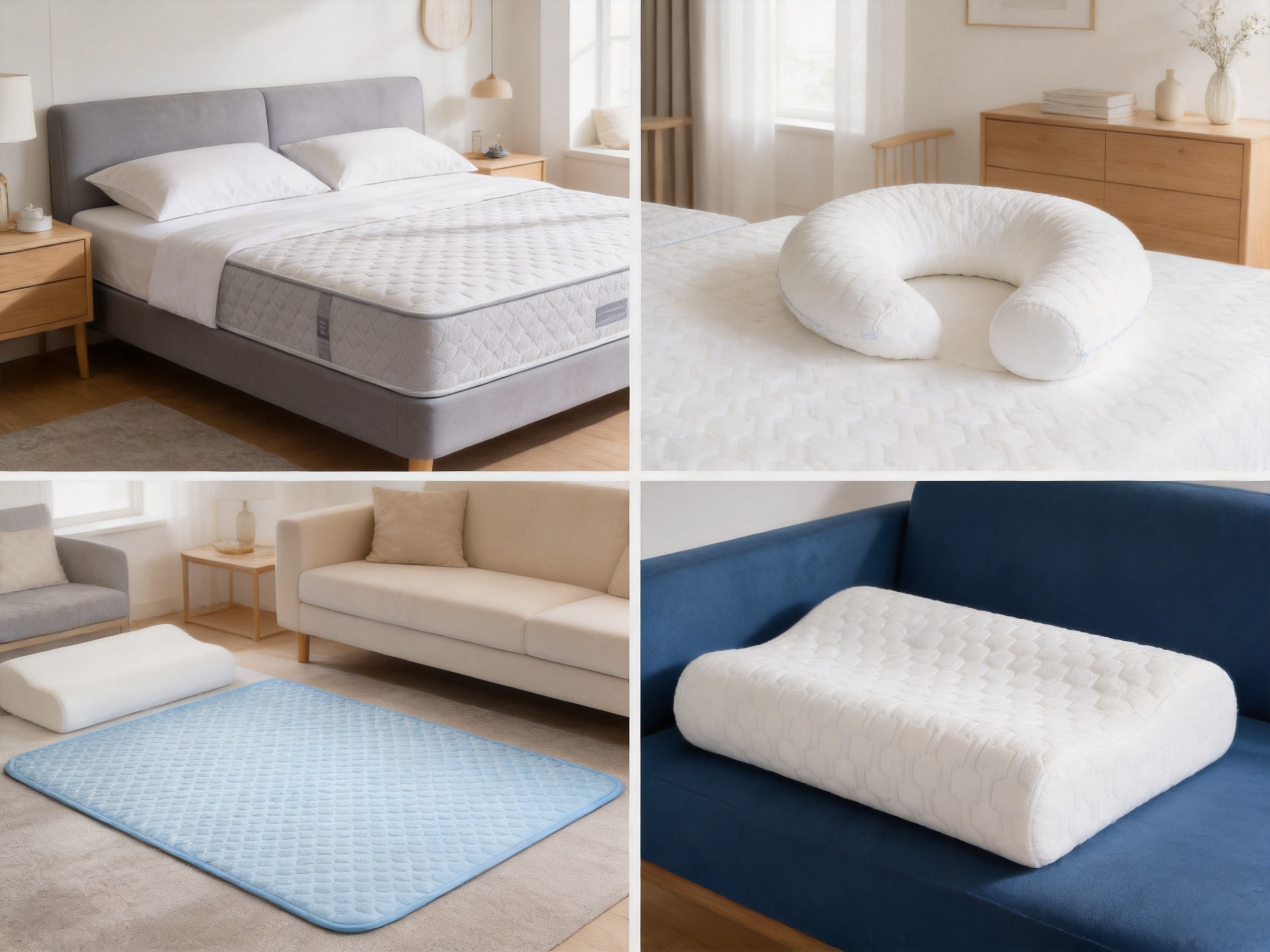
No. Although it is designed as mattress fabric, the same textile concept can be adapted for children mattress fabric, pillowcase fabric, pregnancy pillow fabric, cooling mat fabric, bedding fabric, sofa fabric, and pet-friendly fabrics.
Q9: Why is manufacturing experience important for graphene fabric?
Graphene-modified textile performance depends on stable raw materials, controlled fabric formation, accurate dyeing, proper finishing, and strict inspection. Experienced manufacturing helps ensure that the approved sample can be reproduced consistently in bulk production.
Q10: What company produces this fabric?
Hangzhou Xinsili Decorative Fabric Weaving Co., Ltd. produces functional decorative textiles, including graphene mattress fabric. The company has 19 years of industry experience, a 12,000-square-meter factory area, and recognition as a National High-Tech Enterprise in 2023.
Contact and Cooperation Information
For buyers seeking custom graphene mattress fabric and related functional decorative textiles, Hangzhou Xinsili Decorative Fabric Weaving Co., Ltd. provides product development and manufacturing support. The company is located in Yi qiao Town, Xiaoshan District, Hangzhou City, Zhejiang Province, China.
Telephone: +86-15158070676
Additional telephone: +86-15757186621
Additional telephone: +86-13819545790
Email: [email protected]
Additional email: [email protected]
Additional email: [email protected]
Conclusion
Graphene Mattress Fabric is a practical and market-ready solution for brands that want to upgrade the value of mattress surfaces and related home textile products. It combines advanced graphene-modified material concepts with the comfort, flexibility, and decorative appeal required in modern bedding. With customizable composition, adjustable weight, standard or customized widths, sample-based color development, and reliable washing color fastness, the fabric gives manufacturers the tools to create differentiated products for residential, hotel, commercial, children’s, cooling, pillow, sofa, and pet-friendly applications.
Its advantages over conventional competitor fabrics are clear. It offers a stronger functional identity, broader customization, better potential for coordinated product collections, and a more premium consumer story. At the same time, its success depends on manufacturing precision. Raw material selection, controlled weaving, accurate dyeing, functional finishing, and careful inspection all determine whether the final fabric can meet professional expectations.
Supported by 19 years of industry experience, a 12,000-square-meter factory, high-tech enterprise recognition, and a focus on functional decorative textiles, Hangzhou Xinsili Decorative Fabric Weaving Co., Ltd. is positioned to provide reliable graphene mattress fabric solutions for global buyers. For mattress manufacturers seeking a fabric that is comfortable, durable, customizable, and technologically meaningful, graphene mattress fabric is a strong choice for the next generation of sleep surfaces.
References
1. Novoselov, K. S., Geim, A. K., Morozov, S. V., Jiang, D., Zhang, Y., Dubonos, S. V., Grigorieva, I. V., and Firsov, A. A. “Electric Field Effect in Atomically Thin Carbon Films.” Science, 2004.
2. Hu, X., and Sun, G. “Textile Applications of Graphene-Based Materials.” Journal of Materials Science and Chemical Engineering, 2019.
3. Chinese National Standard. Textiles: Tests for Colour Fastness to Washing. Relevant GB/T Testing Methods.
4. Horrocks, A. R., and Anand, S. C. Handbook of Technical Textiles. Woodhead Publishing.
5. Saville, B. P. Physical Testing of Textiles. Woodhead Publishing.
6. Kadolph, S. J. Textiles. Pearson Education.
Product: Graphene Mattress Fabric

Our Featured Products
-
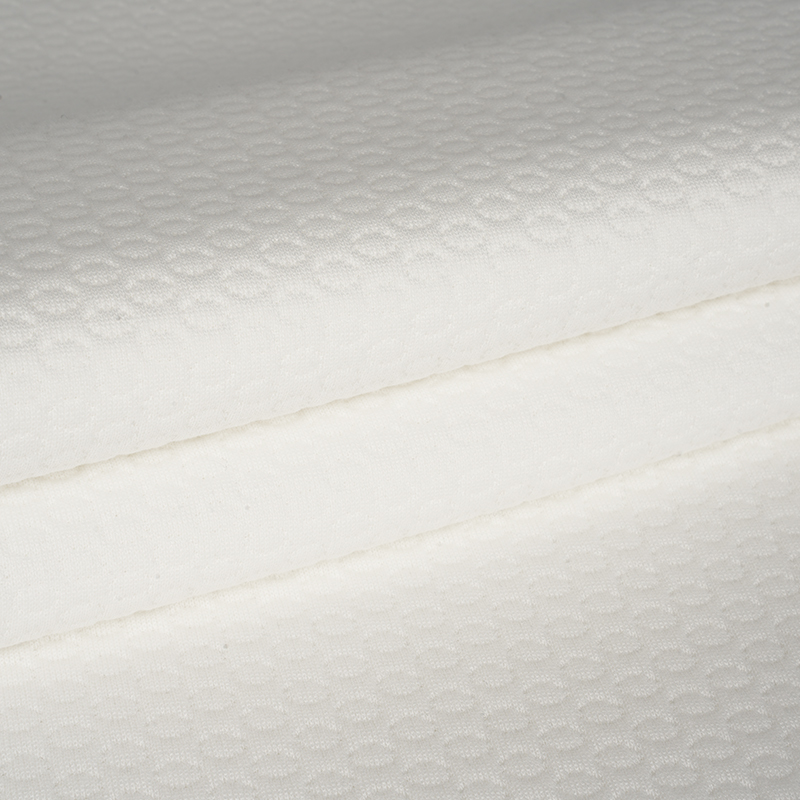
Graphene Mattress Fabric
Graphene Mattress Fabric
Haven’t Found The Products You Want?
-
-
Shen Jinyan:+86-15158070676
[email protected]
Liang Jinwen:+86-15757186621
[email protected]
Qiu Yingyingn:+86-13819545790
[email protected]
Yi qiao Town, Xiaoshan District, Hangzhou City, Zhejiang Province, China
-
Products
Mattress Fabric Children Mattress Fabric Pillowcase Fabric Pregnancy Pillow Fabric Cooling Mat Fabric Bedding Fabric Sofa Fabric Pet Friendly Fabrics -
Contact Information
About Us Products Strength Sustainability News Contact Us
Copyright © Hangzhou Xinsili Decorative Fabric Weaving Co.,Ltd. All Rights Reserved.
Functional Decorative Textile Manufacturers
