

 English
 中文简体
中文简体 Español
 عربى
عربى русский


Bamboo Fiber Pregnancy Pillow Fabric for Cooler, Cleaner, and More Supportive Sleep
Content
- 1 Understanding the Role of Fabric in Pregnancy Pillow Performance
- 2 What Makes Bamboo Fiber Suitable for Pregnancy Pillow Fabric
- 3 Key Advantages Over Conventional Pregnancy Pillow Fabrics
- 4 Product Application Scenarios
- 5 How the Fabric Supports Better Sleep During Pregnancy
- 6 Manufacturing Strength Behind Stable Fabric Quality
- 7 Advanced Process Control From Yarn to Finished Fabric
- 8 Design Innovation for Modern Bedding Markets
- 9 Comfort Engineering: Softness, Breathability, and Support Interaction
- 10 Why Bamboo Fiber Fabric Can Improve Brand Competitiveness
- 11 Functional Textile Development for Healthier Living Spaces
- 12 Quality Priorities for Pregnancy Pillow Fabric Buyers
- 13 Customization Possibilities for Different Market Needs
- 14 Sustainability and Responsible Material Perception
- 15 Comparison With Common Alternative Fabrics
- 16 Production Reliability for Private Label and OEM Projects
- 17 Care, Maintenance, and End-User Experience
- 18 Designing a Premium Pregnancy Pillow With Bamboo Fiber Fabric
- 19 Company Strengths Supporting Global Fabric Buyers
- 20 Frequently Asked Questions
- 20.1 Q1: What is Bamboo Fiber Pregnancy Pillow Fabric?
- 20.2 Q2: Why is bamboo fiber a good choice for pregnancy pillows?
- 20.3 Q3: How does this fabric compare with ordinary polyester pillow fabric?
- 20.4 Q4: Can the fabric be customized?
- 20.5 Q5: Is the fabric suitable only for pregnancy pillows?
- 20.6 Q6: What should buyers test before ordering bulk fabric?
- 20.7 Q7: How does the manufacturer ensure stable quality?
- 20.8 Q8: Is Bamboo Fiber Pregnancy Pillow Fabric suitable for premium maternity brands?
- 21 Conclusion
- 22 References
- 23 Product: Bamboo Fiber Pregnancy Pillow Fabric
Pregnancy pillow fabric is more than an outer covering. It is the surface that touches the skin through long nights, changing sleep positions, fluctuating body temperature, and months of increasing sensitivity. Bamboo Fiber Pregnancy Pillow Fabric is designed for this demanding environment, combining a soft hand feel, breathable comfort, moisture management, and reliable durability for pillow products used during pregnancy and beyond.
For manufacturers of maternity pillows, body pillows, side-sleeping support pillows, nursing pillows, and wellness bedding products, fabric selection directly affects the perceived value of the finished product. A pregnancy pillow may have an ergonomic shape and high-quality filling, but if the surface fabric feels hot, rough, sticky, or easily deforms, the user experience is reduced. Bamboo fiber-based fabric helps solve these issues by offering a naturally comfortable touch, a cool sleeping sensation, and a refined appearance suitable for modern bedding markets.
This article explores the practical advantages of Bamboo Fiber Pregnancy Pillow Fabric, its role in maternity comfort, its competitive differences compared with conventional pillow fabrics, and the manufacturing strengths behind a stable, market-ready textile solution. It also introduces the production philosophy and capabilities of Hangzhou Xinsili Decorative Fabric Weaving Co., Ltd., a functional decorative textile manufacturer with long-term experience in developing fabrics for home, hotel, commercial, bedding, mattress, pillowcase, sofa, pet-friendly, and cooling mat applications.
Bamboo Fiber Pregnancy Pillow Fabric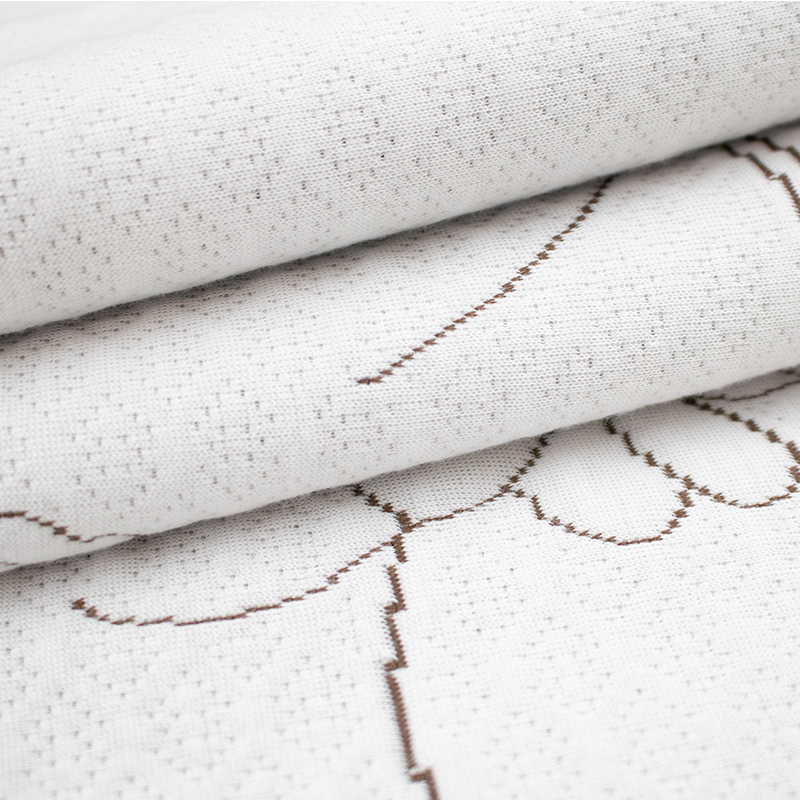
Understanding the Role of Fabric in Pregnancy Pillow Performance
Pregnancy pillows are designed to reduce pressure, improve spinal alignment, support the abdomen, cushion the knees, and help the user maintain a safer and more comfortable side-sleeping position. The filling and shape provide structural support, but the fabric creates the first and most continuous sensory contact. For pregnant users, this contact is especially important because the body may become more sensitive to heat, friction, odor, and texture.
A high-quality pregnancy pillow fabric must perform across several dimensions at the same time. It should feel soft enough for direct skin contact, remain breathable during extended use, allow moisture vapor to move away from the body, resist pilling and deformation, and maintain an attractive look after repeated handling. It should also be practical for manufacturers, meaning it needs stable production quality, consistent color and texture, good cutting and sewing performance, and compatibility with different pillow shapes.
Bamboo Fiber Pregnancy Pillow Fabric responds to these requirements by combining comfort-focused fiber characteristics with engineered textile construction. Bamboo-derived fibers are appreciated for their smooth surface, gentle touch, and moisture absorption behavior. When developed into a pregnancy pillow fabric, these properties can help create a surface that feels cooler, cleaner, and more pleasant than many ordinary synthetic or low-grade cotton blends.
The fabric also supports modern consumer expectations. Many maternity consumers today look for products that feel healthy, breathable, and skin-friendly. They may compare pillow fabrics not only by price, but also by claims such as cooling comfort, eco-conscious material selection, hypoallergenic design, and easy-care performance. A well-developed bamboo fiber fabric can help pillow brands communicate these values more convincingly.
What Makes Bamboo Fiber Suitable for Pregnancy Pillow Fabric
Bamboo fiber is widely used in bedding and comfort textiles because it offers a balance of softness, breathability, moisture management, and smoothness. While the final performance depends on the specific yarn, construction, finishing, and quality control process, bamboo-derived textile surfaces are often associated with a gentle and comfortable hand feel that suits sensitive skin applications.
Pregnancy often changes how users experience sleep. Many pregnant people feel warmer at night, wake more frequently, and become more aware of pressure points or irritating textures. A fabric that feels smooth and breathable can therefore improve the overall experience of the pillow. Bamboo fiber fabric can help reduce the heavy, clammy feeling associated with poorly ventilated surfaces.
Another advantage is moisture comfort. During pregnancy, night sweating or heat fluctuation may become more common. A fabric surface with good moisture absorption and release behavior can help the pillow feel drier and more balanced. This does not replace proper washing and care, but it helps create a more comfortable microclimate between the body and pillow.
Bamboo fiber also contributes to a premium tactile impression. Maternity products are often purchased with high expectations because they are connected to rest, care, and physical relief. A pillow fabric that feels silky, smooth, and refined can create an immediate sense of quality when customers touch the product in a store, showroom, or online unboxing experience.
In addition, bamboo fiber can be blended or structured with other textile components to improve strength, elasticity, durability, and shape recovery. This flexibility allows manufacturers to develop fabrics for different market levels, from soft everyday pregnancy pillows to higher-end cooling and wellness pillow products.
Key Advantages Over Conventional Pregnancy Pillow Fabrics
Bamboo Fiber Pregnancy Pillow Fabric offers meaningful competitive advantages when compared with many conventional polyester, basic cotton, or low-density blended fabrics. These advantages are not limited to a single feature; they appear across comfort, appearance, production stability, and end-user satisfaction.
Cooler Touch and Better Thermal Comfort
Many basic synthetic pillow fabrics can feel warm because they trap heat close to the body. For pregnant users, excessive warmth can interrupt sleep and increase discomfort. Bamboo fiber fabric is valued for its breathable and cool-feeling qualities, helping create a lighter sleeping surface. When combined with an appropriate weave or knit structure, it supports airflow and reduces the sensation of stuffiness.
This advantage is especially important for full-body pregnancy pillows, U-shaped pillows, C-shaped pillows, and long side-support pillows. These products have a large contact area, so fabric temperature has a noticeable effect on comfort. A cooler surface can help differentiate a product from ordinary maternity pillows that may feel bulky or hot.
Softer Hand Feel for Sensitive Skin
Pregnancy can make the skin more sensitive to roughness and friction. A pillow surface that feels acceptable to one user may feel irritating to another. Bamboo fiber fabric is often selected because it offers a smooth, soft touch suitable for direct body contact. This is particularly valuable for pillowcases and removable covers that touch the face, arms, abdomen, knees, and legs.
Compared with coarse cotton fabrics or low-quality polyester coverings, bamboo fiber fabric can provide a more luxurious touch. This softness supports product positioning in premium maternity bedding, mother-and-baby comfort products, and sleep-support systems.
Moisture Management for a Drier Feeling
Nighttime sweating and humidity can make pregnancy pillows uncomfortable if the fabric holds moisture at the surface or dries slowly. Bamboo fiber fabric can absorb and help distribute moisture, reducing the sticky feeling that often occurs with less breathable textiles. When the fabric is engineered with a comfort-oriented structure, it helps maintain a more balanced surface condition.
This is a strong selling point against fabrics that are only selected for low cost. A cheaper fabric may look acceptable at first, but after long contact it may feel damp, warm, or unpleasant. Bamboo Fiber Pregnancy Pillow Fabric gives product developers a way to improve comfort without changing the pillow’s shape or filling system.
Refined Appearance and Premium Product Value
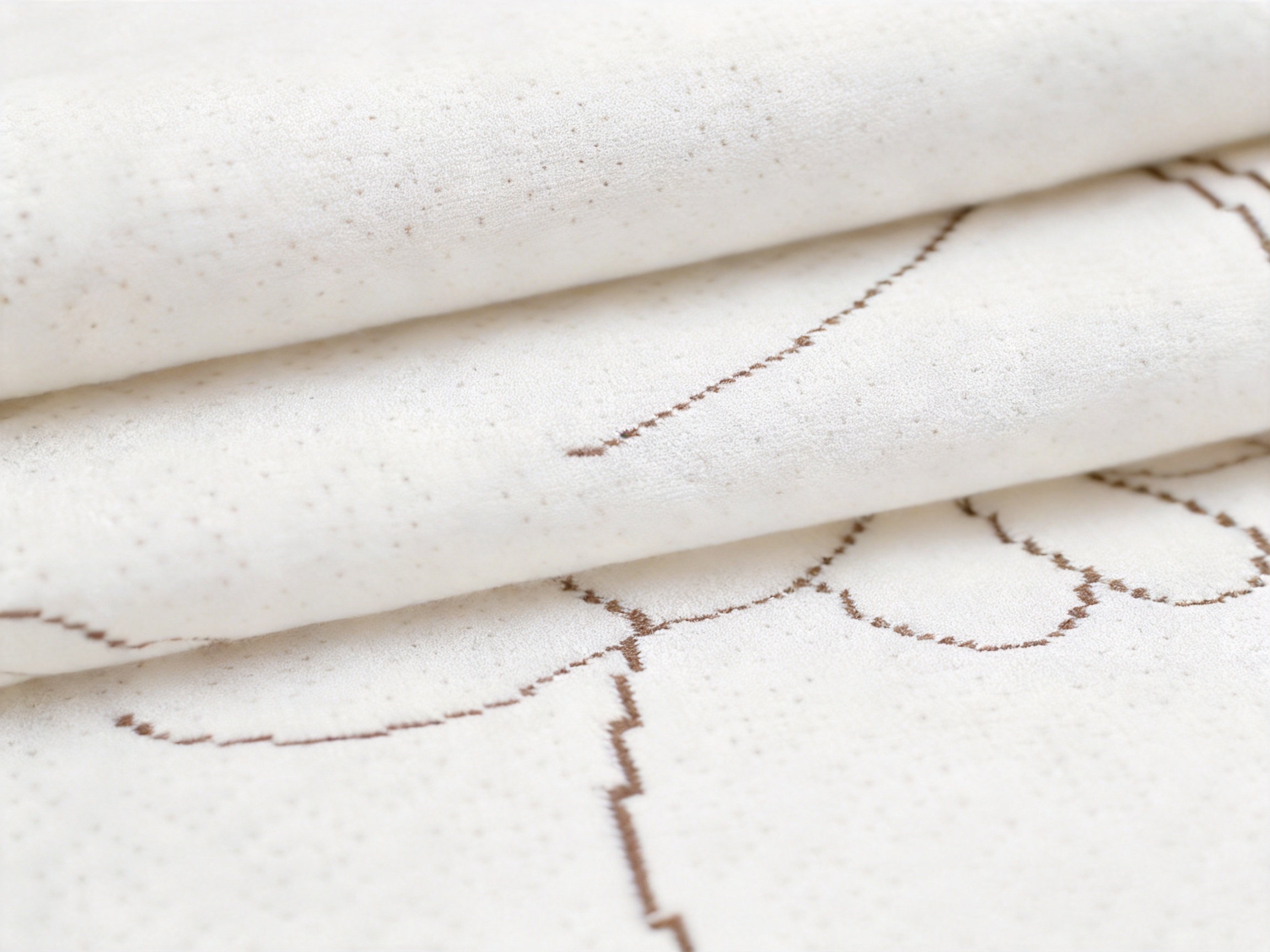
Consumers often judge bedding products by visual and tactile cues. A fabric with a clean surface, elegant texture, stable color, and smooth drape makes the finished pillow look more professional. Bamboo fiber fabric can be developed with subtle patterns, soft luster, and decorative effects that suit modern interiors.
For brands that sell pregnancy pillows online, product images and close-up fabric details matter. A refined textile surface helps create trust and supports higher perceived value. For offline retail, the fabric’s hand feel can influence immediate purchasing decisions.
Comfort Beyond Pregnancy
A pregnancy pillow is often used after birth as a nursing pillow, recovery pillow, reading support, or general body pillow. Bamboo Fiber Pregnancy Pillow Fabric supports this extended use because it is comfortable for everyday contact. This makes the final pillow more versatile and increases customer satisfaction after the pregnancy period.
Ordinary pillow fabrics may be chosen only for basic covering purposes, but bamboo fiber fabric helps transform the product into a long-term comfort item. This extended value can be emphasized in product marketing and packaging.
Compatibility With Functional Finishing
Modern textile development often includes additional functional treatments. Depending on customer requirements, fabric may be engineered toward antibacterial performance, moisture resistance, flame-retardant behavior, sleep-supporting comfort, or improved durability. Bamboo fiber fabric provides a suitable base for functional development when processed through a professional manufacturing system.
This gives pregnancy pillow brands more flexibility. A fabric can be positioned as cooling, comfort-enhancing, skin-friendly, decorative, or wellness-oriented depending on the target market and regulatory requirements.
Product Application Scenarios
Bamboo Fiber Pregnancy Pillow Fabric is suitable for a broad range of maternity and bedding products. Its soft and breathable characteristics make it ideal for pillow covers where comfort and close skin contact are essential. At the same time, its decorative and functional potential allows it to support multiple product categories.
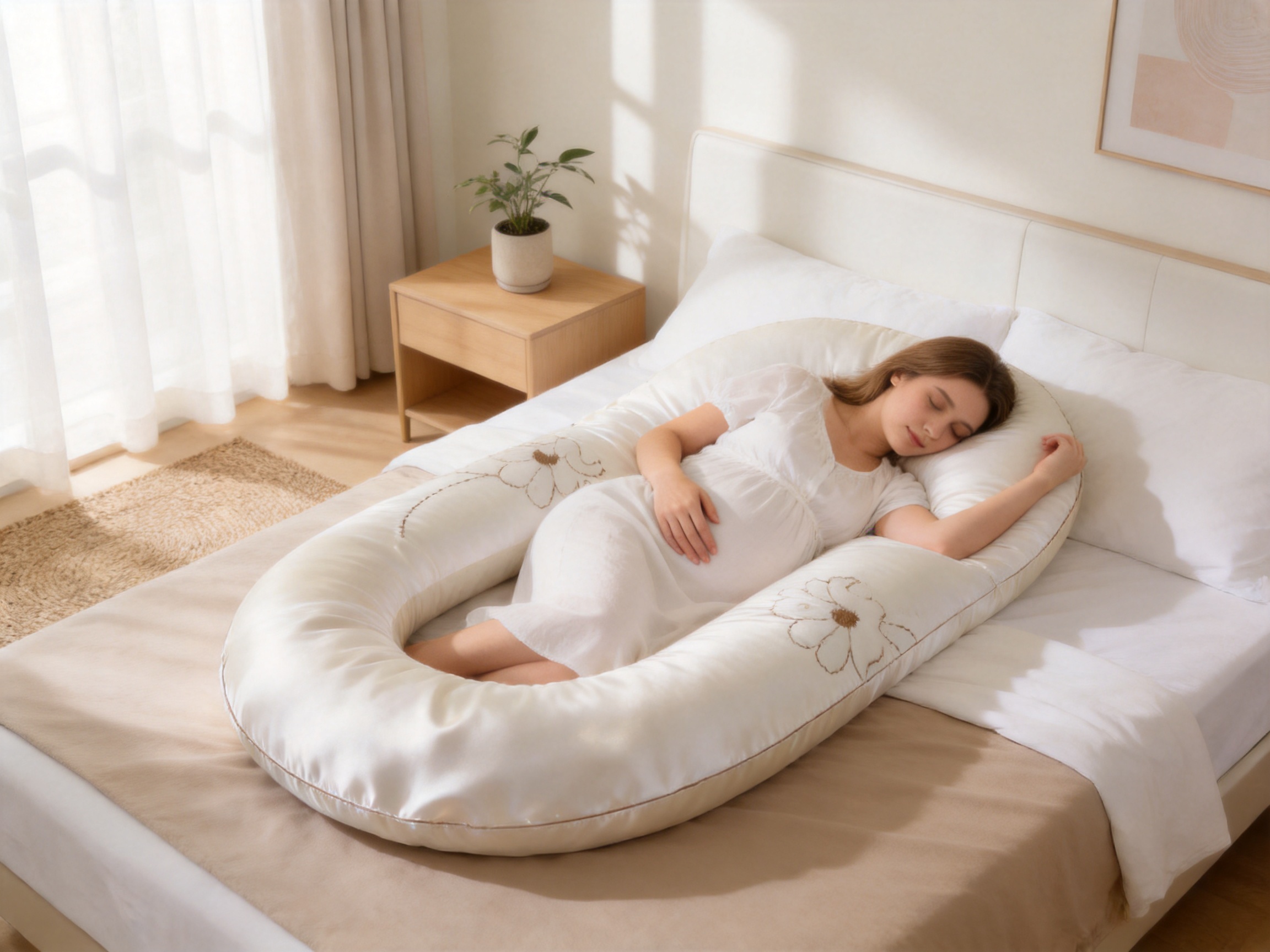
In pregnancy pillows, it can be used for removable outer pillowcases, fixed sewn covers, replaceable covers, and premium surface panels. For nursing pillows, it provides a gentle touch for both mother and baby contact areas. For body pillows, it helps manage the heat accumulation that often occurs with long pillows. For side-sleeping support pillows, it improves the sensation around knees, hips, and abdomen.
The same textile knowledge can extend to pillowcase fabric, bedding fabric, cooling mat fabric, children’s mattress fabric, mattress fabric, sofa fabric, and pet-friendly fabrics. This cross-category capability is important because many bedding brands want consistent fabric quality across multiple product lines. A manufacturer with experience in different decorative and functional fabric categories can better support coordinated development.
| Application | Fabric Requirement | Bamboo Fiber Fabric Benefit |
|---|---|---|
| Pregnancy Pillow Cover | Softness, breathability, moisture comfort, shape compatibility | Gentle touch, cooler feel, smooth fit for curved pillow forms |
| Nursing Pillow | Skin-friendly surface and easy-care practicality | Comfortable contact for mother and baby with refined hand feel |
| Body Pillow | Large-area comfort and reduced heat buildup | Breathable surface that helps prevent stuffiness |
| Pillowcase Fabric | Face-contact softness and stable appearance | Smooth texture with premium visual quality |
| Cooling Bedding Product | Thermal comfort and moisture movement | Supports a cooler, drier sleeping microclimate |
How the Fabric Supports Better Sleep During Pregnancy
Pregnancy sleep quality is affected by physical pressure, body temperature, hormonal changes, and difficulty finding a comfortable position. A pregnancy pillow provides ergonomic support, but the fabric helps determine whether the user can relax against the pillow for many hours. Bamboo Fiber Pregnancy Pillow Fabric contributes to a more restful experience in several ways.
First, the smooth hand feel reduces tactile irritation. When users shift positions at night, rough fabric can drag against the skin or sleepwear. A softer bamboo fiber surface allows easier movement and feels more soothing during close contact.
Second, the breathable structure helps control the microclimate. The space between the user and the pillow can quickly become warm if the textile traps heat. Bamboo fiber fabric, especially when designed with ventilation-conscious construction, helps the surface feel more open and comfortable.
Third, moisture comfort supports uninterrupted rest. A fabric that feels damp or sticky may cause the user to wake and adjust the pillow. A bamboo fiber fabric with good moisture handling reduces this problem and helps the user remain comfortable for longer periods.
Fourth, the fabric’s premium touch can create psychological comfort. Sleep products are not only functional; they also communicate care. A pregnancy pillow with a soft, fresh, and elegant fabric can make the user feel supported and valued.
Manufacturing Strength Behind Stable Fabric Quality
A good material concept is only valuable when it can be manufactured consistently. Pregnancy pillow brands require fabrics that perform reliably from batch to batch, because inconsistencies can create sewing problems, shade variation, customer complaints, and product returns. Hangzhou Xinsili Decorative Fabric Weaving Co., Ltd. focuses on functional decorative fabrics and has built manufacturing capabilities around stable, practical, and reliable textile solutions.
With 19 years of industry experience, the company understands how fabric decisions affect finished product performance. This experience supports better yarn selection, structure planning, production control, finishing optimization, and quality inspection. The company operates from a 12,000 square meter factory area in Hangzhou, Zhejiang Province, China, providing a production base for decorative and functional textile development.
The company was recognized as a National High-Tech Enterprise in 2023, reflecting its commitment to innovation and advanced textile technology. Its development direction includes antibacterial, moisture-resistant, flame-retardant, sleep-supporting, and comfort-improving functions. These capabilities are highly relevant to pregnancy pillow fabric because maternity bedding requires both comfort and confidence.
Unlike suppliers that only provide ordinary fabric rolls, a functional textile manufacturer can work with customers to define performance targets. For example, a customer may need a softer fabric for premium maternity pillows, a stronger fabric for removable covers, a cooler fabric for summer bedding, or a decorative pattern that matches a broader bedroom collection. Manufacturing strength allows these needs to be translated into textile specifications.
Advanced Process Control From Yarn to Finished Fabric
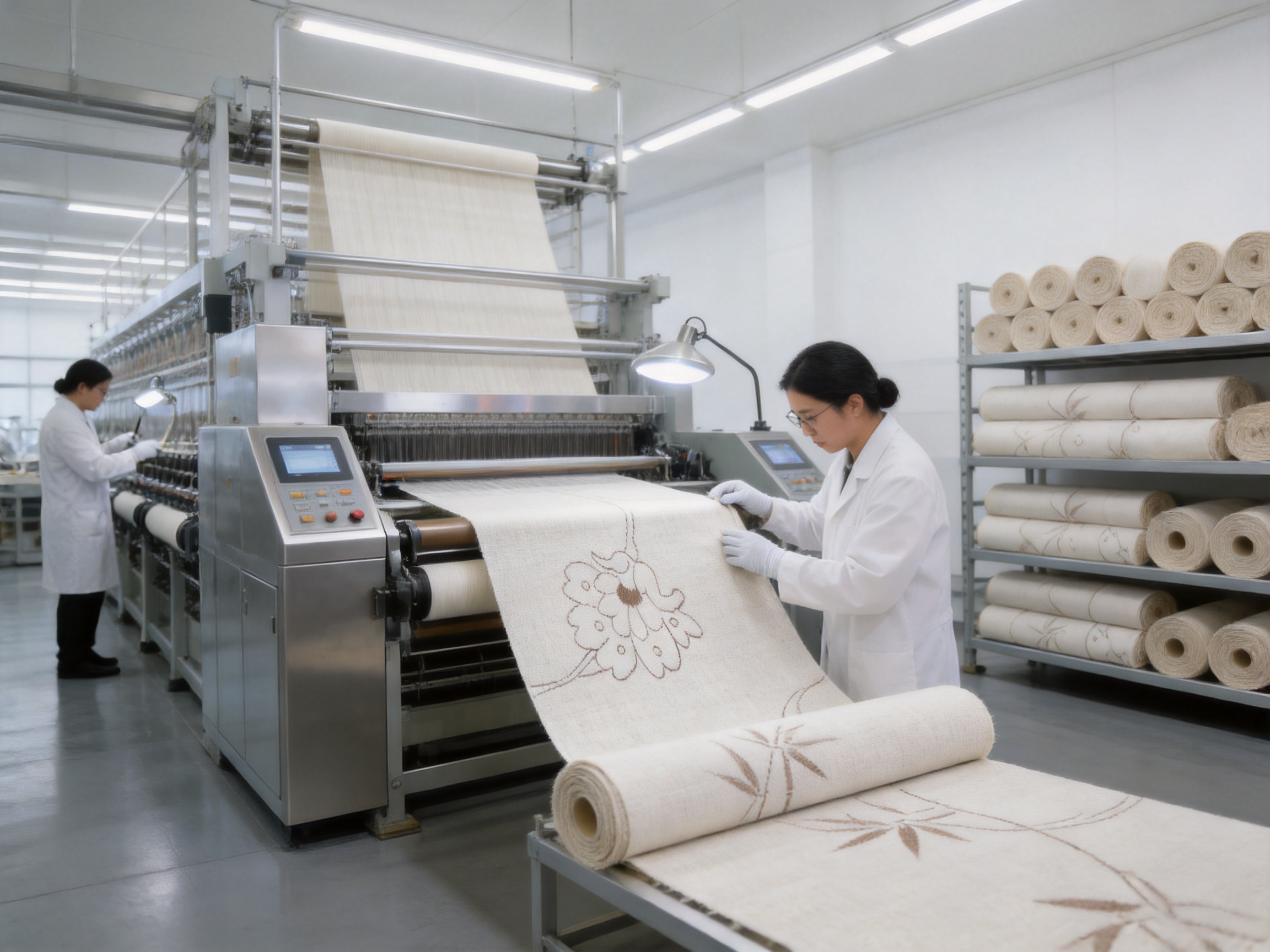
The quality of Bamboo Fiber Pregnancy Pillow Fabric begins with raw material control. Yarn selection affects softness, strength, absorbency, surface smoothness, and dyeing stability. A professional manufacturer evaluates yarn quality before production to reduce defects such as uneven texture, weak points, excessive hairiness, or inconsistent color absorption.
After yarn preparation, fabric structure is designed according to the target application. A pregnancy pillow cover may require flexibility around curved shapes, comfort for long contact, and sufficient durability for repeated use. The structure must balance softness with stability. If the fabric is too loose, it may deform or snag easily. If it is too tight or heavy, it may feel less breathable. Process experience helps find the right balance.
Weaving or knitting parameters are then controlled to maintain uniform density, width, pattern clarity, and surface consistency. This is especially important for decorative pillow fabrics, where visual irregularity can reduce product value. Stable machine settings and trained production staff help ensure that fabric rolls are suitable for efficient cutting and sewing.
Finishing is another critical stage. The fabric may be treated to improve softness, dimensional stability, hand feel, moisture performance, or functional characteristics. Finishing must be carefully controlled because excessive treatment can reduce breathability or create an artificial surface feel. The goal is to enhance comfort while preserving the natural advantages associated with bamboo fiber.
Quality inspection completes the process. Fabric is checked for surface defects, color consistency, width, weight, hand feel, and customer-specified performance requirements. For pillow manufacturers, this reduces waste during production and helps maintain consistent finished product quality.
Design Innovation for Modern Bedding Markets
Bamboo Fiber Pregnancy Pillow Fabric is not only a technical material; it is also part of product design. Modern consumers expect maternity products to look clean, warm, elegant, and compatible with home décor. A pregnancy pillow often stays on the bed, sofa, or nursery chair, so its appearance matters.
Decorative textile expertise allows the fabric to be developed with attractive textures, soft visual effects, and customized patterns. Subtle jacquard-like surfaces, smooth plain styles, refined geometric textures, or calming natural color palettes can help brands create a unique identity. The fabric can be designed for minimalist, modern, soft luxury, natural wellness, or mother-and-baby aesthetics.
This design flexibility gives bamboo fiber fabric an advantage over basic stock fabrics. A low-cost fabric may cover the pillow, but it rarely strengthens brand identity. A carefully developed decorative fabric makes the pillow more recognizable and more suitable for premium sales channels.
Design innovation also supports packaging and merchandising. When a fabric looks and feels premium, brands can present the pregnancy pillow as a comfort solution rather than a simple accessory. This helps justify better pricing and improves customer perception.
Comfort Engineering: Softness, Breathability, and Support Interaction
Although the fabric does not create the pillow’s main support structure, it interacts with the filling and shape. A fabric that is too stiff may prevent the pillow from adapting smoothly to the body. A fabric that is too slippery may shift too much during use. A fabric that lacks recovery may wrinkle or stretch out over time. Bamboo Fiber Pregnancy Pillow Fabric can be engineered to support the right interaction between cover and filling.
Softness helps the pillow surface conform gently to body contours. Breathability helps reduce heat buildup where the body presses against the pillow. Moderate stability helps maintain a neat fit, especially on curved pregnancy pillow shapes. A well-balanced fabric allows the pillow to feel supportive without becoming rigid or uncomfortable.
For removable pillowcases, sewing performance is also important. The fabric should cut cleanly, stitch reliably, and hold zippers or seams without excessive distortion. Consistent width and stable shrinkage behavior help factories reduce production waste. These practical details may not be visible to the end user, but they strongly affect manufacturing efficiency and finished quality.
Why Bamboo Fiber Fabric Can Improve Brand Competitiveness
The maternity pillow market is competitive. Many products have similar shapes, such as U-shaped, C-shaped, J-shaped, wedge, and full-body designs. When structure alone is not enough to differentiate a product, fabric becomes a major selling point. Bamboo Fiber Pregnancy Pillow Fabric allows brands to compete through comfort, quality perception, and functional value.
Compared with basic polyester fabric, bamboo fiber fabric offers a softer and more breathable story. Compared with ordinary cotton fabric, it can provide a smoother hand feel and a more refined surface. Compared with low-grade blended fabric, it can help communicate a healthier and more premium product image. Compared with generic cooling fabrics, it can combine cool comfort with natural softness and decorative appeal.
This competitive advantage is useful across different sales channels. In e-commerce, product descriptions can emphasize breathable bamboo fiber comfort, soft skin contact, moisture management, and maternity-friendly sleep support. In retail, customers can feel the difference directly. In wholesale or private-label development, fabric quality becomes a reason for buyers to select one supplier over another.
For brands targeting higher-end consumers, the fabric can support premium pricing. For brands targeting practical family buyers, it can improve satisfaction and reduce negative reviews related to heat, roughness, or discomfort. For mother-and-baby retailers, it can align with the expectation of gentle and carefully selected materials.
Functional Textile Development for Healthier Living Spaces
Hangzhou Xinsili Decorative Fabric Weaving Co., Ltd. is guided by the vision of weaving beautiful spaces. In practical terms, this means developing fabrics that are not only decorative but also useful, comfortable, and reliable in everyday environments. The company focuses on residential, hotel, and commercial applications, with technologies that support safer, healthier, and more sustainable living spaces.
This background is relevant to Bamboo Fiber Pregnancy Pillow Fabric because maternity products exist within the broader home environment. A pregnancy pillow may be used in the bedroom, living room, nursery, or recovery area. It should match modern standards for comfort and cleanliness. Functional decorative textile development helps integrate appearance with performance.
Antibacterial textile development may be considered for products where hygiene is a priority, subject to customer specifications and applicable standards. Moisture-resistant knowledge can support fabrics used in humid environments or products requiring better comfort stability. Flame-retardant technology may be relevant for markets with special safety requirements. Sleep-supporting and comfort-improving functions align directly with maternity bedding needs.
The company’s philosophy combines craftsmanship-driven manufacturing, design innovation, and win-win collaboration. For buyers, this means the supplier can participate in product development rather than simply providing a commodity fabric. The result is a fabric solution better matched to the final product’s purpose.
Quality Priorities for Pregnancy Pillow Fabric Buyers
When selecting Bamboo Fiber Pregnancy Pillow Fabric, buyers should evaluate more than basic appearance. A pregnancy pillow is a long-contact product, and its fabric must satisfy both end-user comfort and production requirements. Several quality priorities deserve attention.
Hand feel should be tested under realistic conditions. The fabric should feel smooth, soft, and pleasant against the face and arms. It should not feel harsh after finishing or become overly slick in a way that reduces comfort.
Breathability and moisture comfort should be considered because pregnancy pillows often wrap around the body. A fabric that feels breathable in a small sample may behave differently when used on a large pillow surface. Structure, weight, and finishing all influence this performance.
Dimensional stability is important for removable covers. If the fabric shrinks too much after washing or deforms during sewing, the finished pillowcase may not fit properly. Stable production control helps reduce this risk.
Pilling resistance and abrasion performance should be evaluated because pregnancy pillows experience frequent friction from bedding, clothing, skin, and repeated repositioning. A fabric that pills quickly can make the product look old and reduce customer satisfaction.
Color fastness and shade consistency matter for both consumer use and mass production. Pillow covers may be washed, exposed to light, and handled frequently. Stable dyeing and finishing support long-term appearance.
Finally, supply reliability should be assessed. A fabric may perform well in a sample, but brands need consistency in bulk orders. A manufacturer with experience, factory scale, and quality systems is better positioned to deliver repeatable results.
Customization Possibilities for Different Market Needs
Bamboo Fiber Pregnancy Pillow Fabric can be customized according to brand positioning, application requirements, and consumer preferences. The material can be developed in different weights, textures, colors, patterns, and functional directions. This allows one fabric concept to serve multiple product lines.
For premium maternity pillows, the focus may be on exceptional softness, elegant appearance, and cooling comfort. For everyday family products, the focus may be durability, easy care, and balanced cost. For mother-and-baby specialty products, the focus may be skin-friendly touch and gentle colors. For hotel or wellness bedding extensions, the focus may be appearance consistency, comfort, and performance standards.
Color customization can support brand identity. Soft neutrals, natural greens, warm beige tones, calming blues, and clean whites are common choices for maternity bedding. Pattern customization can create differentiation without overwhelming the product design. Texture customization can increase tactile appeal and improve visual depth.
Functional customization may include comfort-oriented finishing, moisture management enhancement, antibacterial treatment, or other properties depending on market requirements. Professional consultation is important because each function must be compatible with fabric softness, breathability, safety expectations, and regulatory compliance.
Sustainability and Responsible Material Perception
Consumers increasingly care about the materials used in bedding and maternity products. Bamboo fiber is often associated with natural origin and eco-conscious product storytelling. While sustainability claims must always be accurate and supported by proper documentation, bamboo fiber fabric can help brands communicate a softer and more responsible material direction compared with purely petroleum-based options.
Responsible textile development also includes manufacturing efficiency, quality stability, reduced defect rates, and durable product performance. A fabric that lasts longer and maintains comfort can reduce waste caused by early replacement. Stable production reduces rejected material and improves resource utilization.
Hangzhou Xinsili Decorative Fabric Weaving Co., Ltd. emphasizes environmentally friendly decorative fabric solutions and sustainable living spaces. This approach fits the expectations of modern bedding buyers who want comfort, function, and responsibility to work together.
Comparison With Common Alternative Fabrics
To understand the value of Bamboo Fiber Pregnancy Pillow Fabric, it is useful to compare it with several common alternatives used in maternity pillow covers.
Basic polyester fabric is often economical and durable, but it may feel warmer and less breathable if not carefully engineered. It can also lack the premium softness expected in maternity bedding. Bamboo fiber fabric provides a more comfort-oriented surface with stronger appeal for sensitive skin and cooling comfort claims.
Ordinary cotton fabric is familiar and breathable, but quality varies widely. Some cotton fabrics may wrinkle easily, feel less smooth, or become rough after washing. Bamboo fiber fabric can offer a silkier touch and a more refined drape, making it suitable for premium pregnancy pillow covers.
Low-cost blended fabrics may be attractive for price-sensitive production, but they often compromise hand feel, surface stability, and long-term appearance. Bamboo fiber fabric gives brands a stronger quality story and can reduce the risk of poor user experience.
Special synthetic cooling fabrics may offer a cold touch, but some users may find them slippery or artificial. Bamboo fiber fabric can provide a more balanced comfort profile by combining coolness, softness, and a natural-feeling touch.
In this sense, Bamboo Fiber Pregnancy Pillow Fabric occupies a valuable middle ground: it is functional enough for performance bedding, soft enough for maternity comfort, attractive enough for decorative products, and flexible enough for customization.
Production Reliability for Private Label and OEM Projects
Many maternity pillow brands operate through private label, OEM, or customized product development models. In these projects, fabric reliability is essential. A brand may need consistent supply for seasonal launches, online campaigns, retail programs, or international orders. Fabric delays or inconsistencies can affect the entire product schedule.
A manufacturer with a dedicated production base, industry experience, and functional fabric expertise can support these needs more effectively. Hangzhou Xinsili Decorative Fabric Weaving Co., Ltd. combines research, development, and precision manufacturing, helping customers move from concept to finished fabric solution.
For OEM buyers, communication during development is important. Fabric samples should be evaluated for touch, color, weight, stretch, sewing behavior, and compatibility with pillow filling. Bulk production should follow confirmed standards. Quality inspection should identify defects before fabric reaches the sewing line. These steps help reduce risk and improve delivery confidence.
The company’s experience across mattress fabric, children mattress fabric, pillowcase fabric, pregnancy pillow fabric, cooling mat fabric, bedding fabric, sofa fabric, and pet-friendly fabrics also provides broader insight. A supplier familiar with multiple fabric categories can recommend suitable structures and finishes based on real application conditions.
Care, Maintenance, and End-User Experience
Pregnancy pillow covers are often washed more frequently than ordinary decorative pillows because they are used for long body contact. Therefore, care performance affects customer satisfaction. The exact care instructions depend on the final fabric construction and finishing, but buyers should design products with practical household maintenance in mind.
A good pregnancy pillow fabric should remain pleasant after washing, maintain shape, and resist excessive pilling. It should also dry reasonably well and keep its surface appearance. Bamboo fiber fabric can support these goals when engineered and finished properly.
End users appreciate pillow covers that are easy to remove, soft after washing, and comfortable in different seasons. If the fabric maintains a cool and smooth feel over time, the pillow becomes part of the user’s daily routine rather than a temporary pregnancy accessory. This long-term comfort can lead to positive reviews and repeat purchases of related bedding products.
Designing a Premium Pregnancy Pillow With Bamboo Fiber Fabric
To build a successful pregnancy pillow product, fabric selection should be integrated with the entire design. The pillow shape, filling density, zipper placement, seam design, packaging, and fabric all need to work together. Bamboo Fiber Pregnancy Pillow Fabric provides a strong foundation for a premium surface, but the final result depends on thoughtful product engineering.
For a U-shaped pregnancy pillow, the fabric should fit smoothly around curves and maintain comfort on both sides of the body. For a C-shaped pillow, the fabric should allow easy repositioning while remaining soft against the abdomen and legs. For a wedge pillow, the fabric should be stable and neat because the product may be used under the belly or behind the back. For a nursing pillow, softness and cleanliness perception become especially important.
Brands can strengthen the product by pairing bamboo fiber fabric with high-quality filling, ergonomic shaping, removable washable covers, and calm visual design. Marketing can then focus on complete comfort: cooling surface, gentle touch, supportive shape, and practical care.
Company Strengths Supporting Global Fabric Buyers
Hangzhou Xinsili Decorative Fabric Weaving Co., Ltd. is located in Yi qiao Town, Xiaoshan District, Hangzhou City, Zhejiang Province, China. The company specializes in innovative research, development, and precision manufacturing of decorative textiles. Its products are designed for residential, hotel, and commercial environments, with a strong focus on functional decorative fabric solutions.
The company’s 19 years of industry experience provide a practical foundation for serving different customers. In textile manufacturing, experience matters because small changes in yarn, structure, finishing, or process control can significantly affect fabric quality. Long-term production knowledge helps identify risks early and improve consistency.
The 12,000 square meter factory area supports organized production, development, and inspection. Factory scale allows the company to manage multiple fabric categories while maintaining attention to quality. Its recognition as a National High-Tech Enterprise in 2023 demonstrates an innovation-oriented path and commitment to advanced textile development.
The company’s values include craftsmanship-driven manufacturing, design innovation, and win-win collaboration. These values align with the needs of bedding and maternity product brands that require reliable supply, practical customization, and performance-focused fabric development. By empowering design through technology and building trust through consistent quality, the company supports buyers seeking differentiated textile solutions.
Frequently Asked Questions
Q1: What is Bamboo Fiber Pregnancy Pillow Fabric?
Bamboo Fiber Pregnancy Pillow Fabric is a comfort-focused textile designed for pregnancy pillow covers and related bedding products. It uses bamboo-derived fiber characteristics to provide a soft touch, breathable surface, moisture comfort, and a premium appearance suitable for maternity sleep support products.
Q2: Why is bamboo fiber a good choice for pregnancy pillows?
Bamboo fiber is valued for softness, smoothness, breathability, and moisture absorption behavior. These qualities are helpful during pregnancy because users may experience increased heat sensitivity, skin sensitivity, and sleep discomfort. A bamboo fiber fabric can make the pillow feel cooler, gentler, and more comfortable during long contact.
Q3: How does this fabric compare with ordinary polyester pillow fabric?
Ordinary polyester fabric can be durable and economical, but it may feel warmer or less skin-friendly if not specially engineered. Bamboo Fiber Pregnancy Pillow Fabric offers a softer and more breathable comfort profile, making it better suited for maternity products where touch and temperature comfort are important selling points.
Q4: Can the fabric be customized?
Yes. The fabric can be customized in texture, color, pattern, weight, hand feel, and functional direction according to customer requirements. Possible development goals include cooling comfort, antibacterial performance, moisture management, decorative appearance, or improved durability, depending on the target market and applicable standards.
Q5: Is the fabric suitable only for pregnancy pillows?
No. Although it is especially suitable for pregnancy pillow covers, it can also be used for nursing pillows, body pillows, pillowcases, bedding products, cooling comfort products, and other soft home textile applications. The same comfort advantages can benefit many close-contact textile products.
Q6: What should buyers test before ordering bulk fabric?
Buyers should evaluate hand feel, breathability, moisture comfort, color fastness, pilling resistance, dimensional stability, sewing performance, and compatibility with the final pillow design. Bulk production standards should be confirmed through samples and clear specifications.
Q7: How does the manufacturer ensure stable quality?
Stable quality depends on raw material control, fabric structure design, controlled weaving or knitting parameters, appropriate finishing, and systematic inspection. Hangzhou Xinsili Decorative Fabric Weaving Co., Ltd. applies years of textile manufacturing experience and functional fabric development knowledge to support consistent production.
Yes. Its soft touch, breathable comfort, refined appearance, and customization potential make it well suited for premium maternity pillow brands. It can help brands stand out in a competitive market where many pillow shapes look similar but fabric comfort differs greatly.
Conclusion
Bamboo Fiber Pregnancy Pillow Fabric is a practical and market-relevant solution for maternity comfort products. It improves the user experience through softness, breathability, moisture comfort, and a cooler sleeping sensation. It also supports premium product positioning through refined appearance, customization potential, and compatibility with functional textile development.
For pregnancy pillow manufacturers, the fabric offers advantages over many ordinary polyester, cotton, and low-grade blended alternatives. It helps reduce common user complaints related to heat, roughness, stickiness, and low perceived quality. It also supports product differentiation in competitive maternity bedding markets.
The value of this fabric is strengthened by advanced manufacturing capability. Hangzhou Xinsili Decorative Fabric Weaving Co., Ltd. brings 19 years of experience, a 12,000 square meter factory base, functional textile expertise, and National High-Tech Enterprise recognition. Its focus on craftsmanship, design innovation, and reliable quality makes it a strong partner for buyers seeking decorative and functional fabric solutions.
As consumers continue to demand healthier, more comfortable, and more attractive sleep products, Bamboo Fiber Pregnancy Pillow Fabric provides a meaningful path forward. It supports the physical needs of pregnancy, the emotional desire for comfort, and the commercial need for differentiated, high-quality bedding products.
References
1. Saville, B. P. Physical Testing of Textiles. Woodhead Publishing.
2. Sinclair, R. Textiles and Fashion: Materials, Design and Technology. Woodhead Publishing.
3. Kadolph, S. J. Textiles. Pearson Education.
4. Collier, B. J., and Epps, H. H. Textile Testing and Analysis. Pearson.
5. Horrocks, A. R., and Anand, S. C. Handbook of Technical Textiles. Woodhead Publishing.
6. Fan, J., and Hunter, L. Engineering Apparel Fabrics and Garments. Woodhead Publishing.
Product: Bamboo Fiber Pregnancy Pillow Fabric
Our Featured Products
-
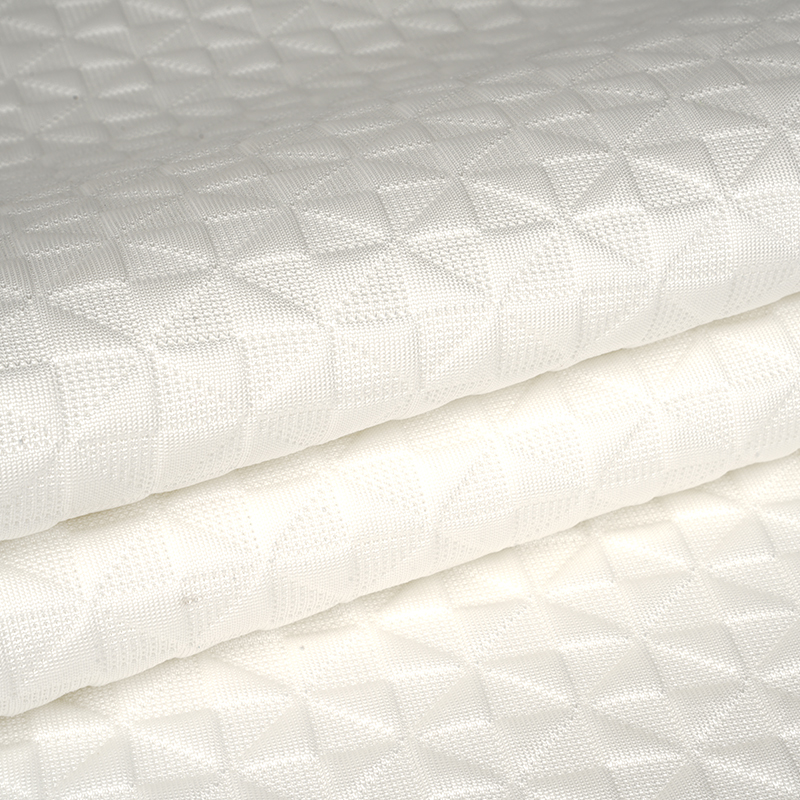
Bamboo Fiber Children Mattress Fabric
Bamboo Fiber Children Mattress Fabric
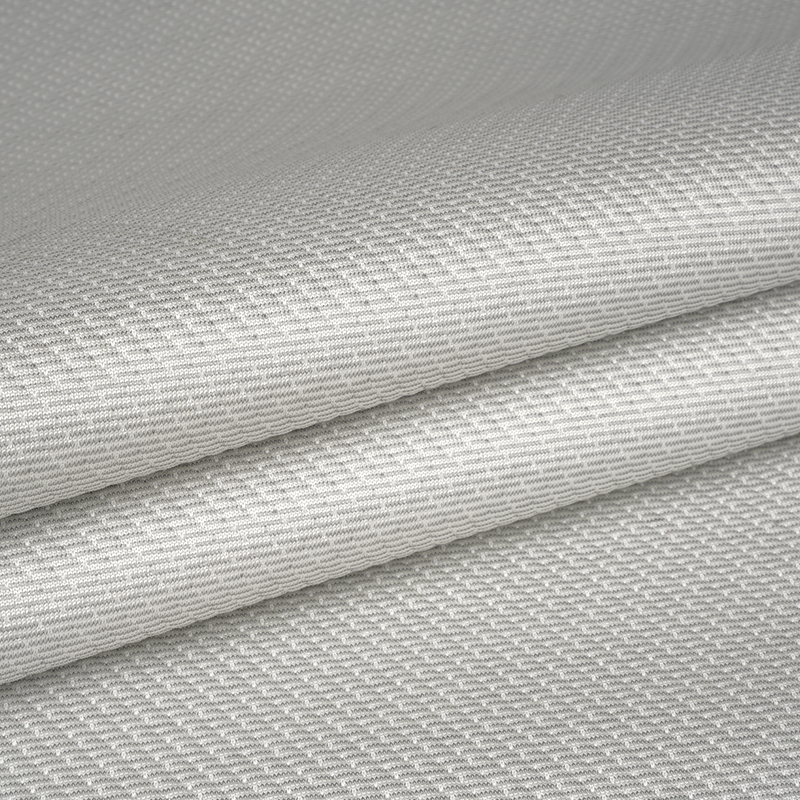
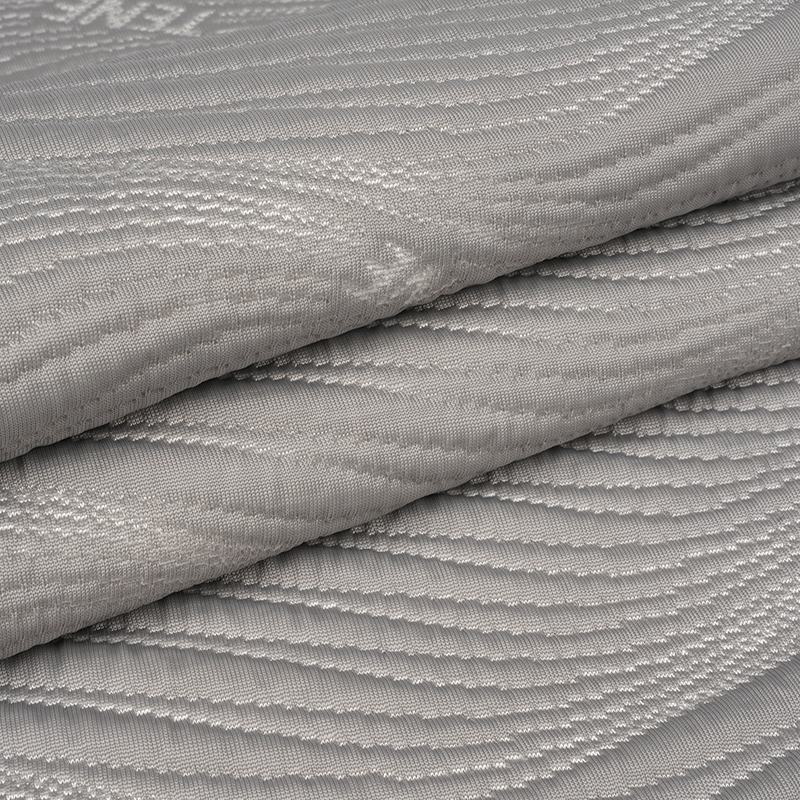
Haven’t Found The Products You Want?
-
-
Shen Jinyan:+86-15158070676
[email protected]
Liang Jinwen:+86-15757186621
[email protected]
Qiu Yingyingn:+86-13819545790
[email protected]
Yi qiao Town, Xiaoshan District, Hangzhou City, Zhejiang Province, China
-
Products
Mattress Fabric Children Mattress Fabric Pillowcase Fabric Pregnancy Pillow Fabric Cooling Mat Fabric Bedding Fabric Sofa Fabric Pet Friendly Fabrics -
Contact Information
About Us Products Strength Sustainability News Contact Us
Copyright © Hangzhou Xinsili Decorative Fabric Weaving Co.,Ltd. All Rights Reserved.
Functional Decorative Textile Manufacturers
