

 English
 中文简体
中文简体 Español
 عربى
عربى русский


Bamboo Fiber Pet Friendly Fabrics for Comfortable, Durable, and Hygienic Interiors
Content
- 1 Understanding Bamboo Fiber Pet Friendly Fabrics
- 2 Why Bamboo Fiber Is an Advantage in Pet Friendly Textile Design
- 3 Key Product Advantages Over Conventional Pet Friendly Fabrics
- 4 Performance Comparison Table
- 5 Applications in Home, Bedding, and Commercial Spaces
- 6 Advanced Manufacturing Processes Behind Reliable Fabric Performance
- 7 Company Strengths Supporting Product Quality
- 8 Comfort, Hygiene, and Everyday Maintenance
- 9 Design Flexibility for Manufacturers and Interior Projects
- 10 Why This Fabric Is Suitable for Pet Friendly Furniture
- 11 Importance for Mattress, Pillowcase, and Bedding Products
- 12 Sustainability and Responsible Material Direction
- 13 Quality Control and Testing Priorities
- 14 How Buyers Can Select the Right Specification
- 15 Competitive Value for Brands and Manufacturers
- 16 Q&A Section
- 16.1 What makes Bamboo Fiber Pet Friendly Fabrics different from ordinary pet fabrics?
- 16.2 Can this fabric be used for sofas and furniture?
- 16.3 Is the fabric suitable for bedding products?
- 16.4 Does bamboo fiber help with comfort in warm conditions?
- 16.5 Is the fabric easy to clean?
- 16.6 Can functional finishes be added?
- 16.7 Why is manufacturing process control important?
- 16.8 Is this fabric only for pet products?
- 16.9 How does the product support sustainable textile choices?
- 16.10 Who can benefit from using Bamboo Fiber Pet Friendly Fabrics?
- 17 Conclusion
- 18 References
- 19 Product: Bamboo Fiber Pet Friendly Fabrics
Bamboo Fiber Pet Friendly Fabrics are designed for modern living spaces where comfort, cleanliness, durability, and aesthetic value must work together. In homes, hotels, commercial lounges, pet care spaces, and bedding environments, fabrics are expected to do more than simply cover a surface. They must resist daily wear, feel pleasant against the skin, support a healthier indoor environment, and remain easy to maintain even when pets are part of everyday life. This product category answers that demand by combining the natural comfort characteristics of bamboo fiber with functional textile engineering suitable for decorative and bedding applications.
As a fabric solution, Bamboo Fiber Pet Friendly Fabrics are especially valuable for households and commercial environments that need soft-touch materials without sacrificing practical performance. Many conventional decorative fabrics are either comfortable but difficult to maintain, or strong but stiff and less inviting. Bamboo fiber offers a balanced foundation: it is smooth, breathable, moisture-managing, and naturally associated with a gentle hand feel. When processed through advanced weaving, finishing, and quality-control systems, it can become a reliable material for sofas, pet-friendly furniture, mattress surfaces, pillowcases, cooling mats, and decorative textile applications.
Hangzhou Xinsili Decorative Fabric Weaving Co., Ltd. focuses on functional decorative textiles for residential, hotel, and commercial spaces. With long-term experience in fabric development and manufacturing, the company applies practical textile technologies to create materials that support comfort, safety, health, and sustainability. Bamboo Fiber Pet Friendly Fabrics reflect this direction: they are not only decorative, but also engineered to meet the needs of daily use, pet interaction, and modern interior design.
Bamboo Fiber Pet Friendly Fabrics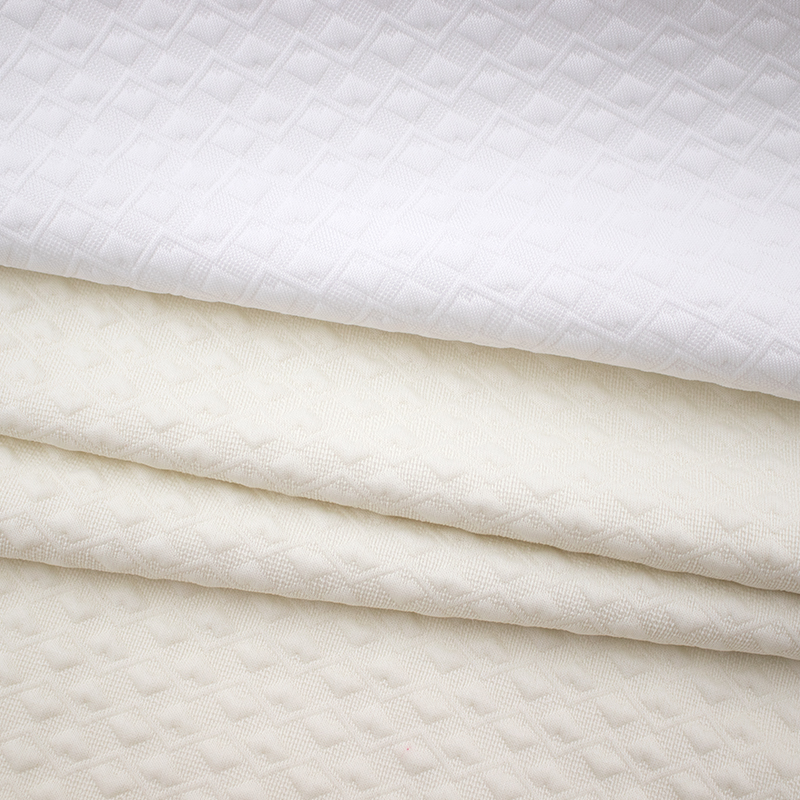
Understanding Bamboo Fiber Pet Friendly Fabrics
Bamboo Fiber Pet Friendly Fabrics are textile materials made with bamboo-derived fibers and engineered for environments shared by people and pets. The phrase “pet friendly” does not refer to a single feature. Instead, it describes a group of performance expectations: resistance to abrasion, comfort for skin contact, ease of cleaning, reduced odor retention, breathability, dimensional stability, and a surface that helps minimize the inconvenience caused by pet hair, claws, and frequent contact.
Bamboo fiber is valued in textile production because of its soft hand, moisture absorption, smooth surface, and breathable structure. In fabric applications, these characteristics help create a cooler, more comfortable feel compared with many rougher synthetic textiles. For pet owners, this matters because the same surface that contacts humans also contacts animals. A sofa fabric, pet bed cover, mattress fabric, or pillowcase material must feel pleasant to both. Harsh textures may irritate skin or reduce the appeal of furniture, while overly delicate fabrics may quickly show damage. Bamboo fiber helps bridge that gap by contributing comfort while allowing technical construction to improve durability.
The product is relevant to many fabric categories, including mattress fabric, children mattress fabric, pillowcase fabric, pregnancy pillow fabric, cooling mat fabric, bedding fabric, sofa fabric, and pet-friendly decorative fabrics. These categories share a common requirement: the textile must remain pleasant in prolonged contact with the body. Unlike purely ornamental fabrics, these materials are often used in places where users sit, sleep, rest, or lean for long periods. Therefore, breathability, tactile comfort, and hygiene-related performance become key selection criteria.
A pet-friendly bamboo fabric must also fit interior design needs. Consumers do not want functional fabrics that look industrial or unattractive. They expect clean patterns, stable color, good drape, a refined touch, and compatibility with different furniture styles. Through careful weaving and finishing, Bamboo Fiber Pet Friendly Fabrics can achieve a decorative appearance while maintaining practical value. This makes them suitable for home furniture, hotel rooms, serviced apartments, lounges, pet-friendly hospitality spaces, healthcare-adjacent resting areas, and modern bedding systems.
Why Bamboo Fiber Is an Advantage in Pet Friendly Textile Design
The choice of fiber strongly influences the performance of a finished fabric. Bamboo fiber has gained attention because it can support comfort, moisture management, and a soft natural feel. When compared with many ordinary synthetic fabrics, bamboo-based fabrics often feel smoother and more breathable. When compared with conventional cotton fabrics, bamboo fiber may offer improved moisture transfer and a silkier touch, depending on yarn structure and finishing. These qualities are important in pet-friendly and bedding-related applications, where repeated contact is unavoidable.
One major advantage is comfort in warm or humid conditions. Pets and people both generate heat while resting on furniture or bedding. A fabric that traps heat can become uncomfortable, especially in sofa coverings, mattress surfaces, pillowcases, cooling mats, and pregnancy pillow fabrics. Bamboo fiber’s moisture-handling capability supports a fresher contact experience. It can absorb and distribute moisture, helping reduce the sticky feeling associated with some less breathable materials.
Another advantage is softness. Pet-friendly textiles must be strong, but strength should not come at the expense of comfort. Some high-abrasion upholstery fabrics rely on stiff yarns or coarse surfaces that may be functional but not suitable for intimate contact. Bamboo fiber helps create a gentle texture, making the fabric more suitable for bedding, pillowcases, children’s mattresses, and close-contact furniture. This soft touch is also beneficial for pets that frequently rest on sofas, mats, beds, or cushions.
Bamboo fiber also supports hygiene-oriented design. In modern interiors, fabric cleanliness is a major concern. Pet owners often worry about odor, hair, dander, and repeated surface contact. While no fabric eliminates the need for cleaning, a breathable and well-finished bamboo fabric can help reduce discomfort caused by trapped moisture and stale odor. When combined with antibacterial or moisture-resistant finishing technologies, the fabric becomes even better suited for active living environments.
In addition, bamboo fiber fits the increasing demand for materials associated with sustainability and comfort. Many buyers are moving away from fabrics that feel overly synthetic or chemically treated. Bamboo-derived fibers offer a more natural textile identity while still allowing performance engineering. This combination makes the product attractive for brands, furniture manufacturers, bedding producers, and textile distributors seeking a balance of eco-conscious appeal and reliable functionality.
Key Product Advantages Over Conventional Pet Friendly Fabrics
Bamboo Fiber Pet Friendly Fabrics offer several advantages when compared with ordinary upholstery fabrics, basic polyester textiles, untreated cotton fabrics, and low-grade pet covers. These advantages are not based on one single property, but on the integration of material selection, structural design, finishing technology, and quality consistency.
First, the fabric provides a softer hand feel than many conventional pet-resistant fabrics. Pet-friendly fabrics are often designed primarily around resistance to claws and hair. As a result, some competing materials can feel rigid, plastic-like, or uncomfortable for long periods of sitting or sleeping. Bamboo fiber gives the fabric a smoother surface and more skin-friendly touch, which is especially important for bedding, mattress fabric, pillowcase fabric, and family furniture.
Second, the fabric supports better breathability. Many low-cost pet fabrics are dense synthetic textiles that limit airflow. They may be easy to wipe, but they can feel hot and uncomfortable. Bamboo Fiber Pet Friendly Fabrics are more appropriate for comfort-focused applications because they help manage heat and moisture. This is valuable for mattresses, cooling mats, pregnancy pillows, and sofas used in warm climates or enclosed indoor environments.
Third, the fabric can be engineered for improved durability without becoming harsh. Through optimized yarn selection, weaving density, and finishing processes, the textile can resist repeated friction caused by people sitting, pets moving, cushions shifting, and bedding being washed or handled. Durability is not only about resisting visible tearing; it also includes maintaining surface smoothness, reducing pilling, preserving color stability, and keeping a refined appearance after repeated use.
Fourth, the fabric is easier to incorporate into attractive interior designs. Some competitor products prioritize utility but lack decorative appeal. Bamboo Fiber Pet Friendly Fabrics can be developed in different textures, colors, and surface styles, making them suitable for modern home decoration, hotel interiors, commercial furniture, and customized textile projects. The fabric can support both understated elegance and functional performance.
Fifth, the fabric answers the needs of pet owners without limiting its use only to pet products. This is an important competitive advantage. A material that is only suitable for pet beds has limited market value. Bamboo Fiber Pet Friendly Fabrics can be used in sofas, bedding, mattresses, pillowcases, cooling mats, and decorative panels, giving manufacturers greater flexibility. This multi-application potential helps reduce sourcing complexity for buyers who need consistent fabric performance across product lines.
Finally, the fabric benefits from advanced manufacturing and stable production management. A good textile is not created only by choosing a fashionable fiber. Consistent yarn quality, controlled weaving tension, careful finishing, inspection, and packaging are all necessary to achieve stable performance. Hangzhou Xinsili Decorative Fabric Weaving Co., Ltd. has experience in functional decorative fabrics and applies systematic production processes to ensure that product quality is practical, reliable, and suitable for commercial supply.
Performance Comparison Table
| Evaluation Area | Bamboo Fiber Pet Friendly Fabrics | Conventional Polyester Pet Fabric | Untreated Cotton Decorative Fabric | Low-Grade Upholstery Fabric |
|---|---|---|---|---|
| Touch and Comfort | Soft, smooth, and suitable for prolonged skin contact | Can be smooth but may feel synthetic or warm | Natural touch but may lack performance stability | Often rough or stiff |
| Breathability | Good airflow and moisture management | Moderate to low depending on density | Good breathability but may retain moisture | Usually limited |
| Pet-Friendly Use | Designed for comfort, durability, and easier maintenance | Often durable but less comfortable | Comfortable but more vulnerable to staining and wear | May wear quickly or trap hair |
| Application Range | Sofas, bedding, mattresses, pillowcases, pet products, cooling mats | Mainly covers, upholstery, and utility products | Bedding and light decorative use | Basic furniture covering |
| Moisture Handling | Supports a fresher and drier contact feel | May trap heat and moisture | Absorbs moisture but dries more slowly | Depends on construction, often inconsistent |
| Decorative Value | Can be developed in refined textures and colors | Functional appearance may dominate | Good natural appearance but limited functional finishing | Basic appearance |
| Manufacturing Reliability | Supported by functional textile production and quality control | Varies widely by supplier | Varies by yarn and finishing quality | Often inconsistent |
Applications in Home, Bedding, and Commercial Spaces
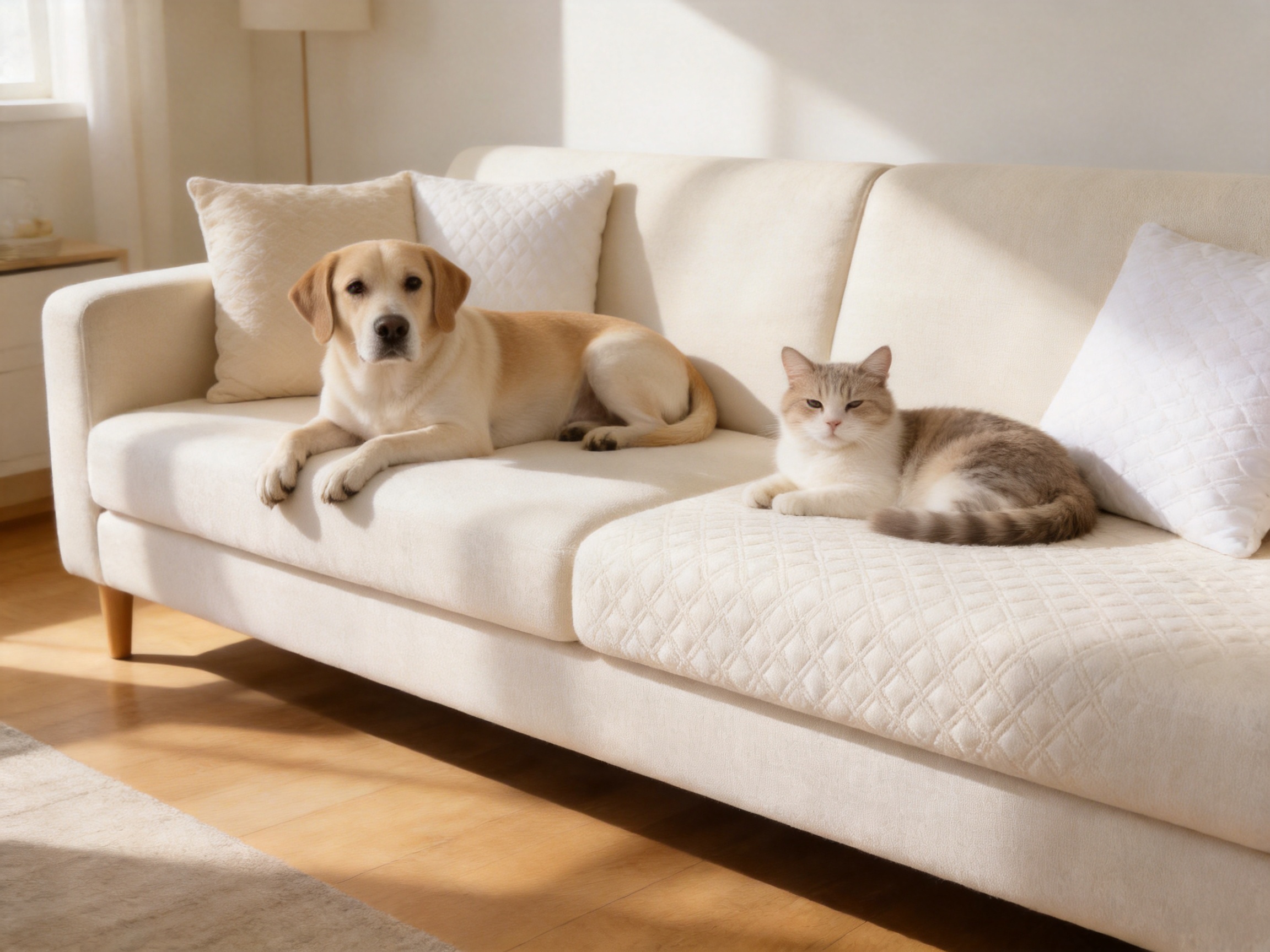
Bamboo Fiber Pet Friendly Fabrics are suitable for a broad range of applications because they combine comfort and durability. In home interiors, the most obvious use is sofa fabric. Sofas are among the most heavily used surfaces in a household, especially in pet-owning families. Dogs may jump on cushions, cats may rest along armrests, and people may sit for hours while working, reading, or relaxing. A fabric for this setting must resist daily friction while remaining attractive and comfortable. Bamboo-based pet-friendly fabric offers the softness required for a welcoming sofa and the functional potential needed for frequent use.
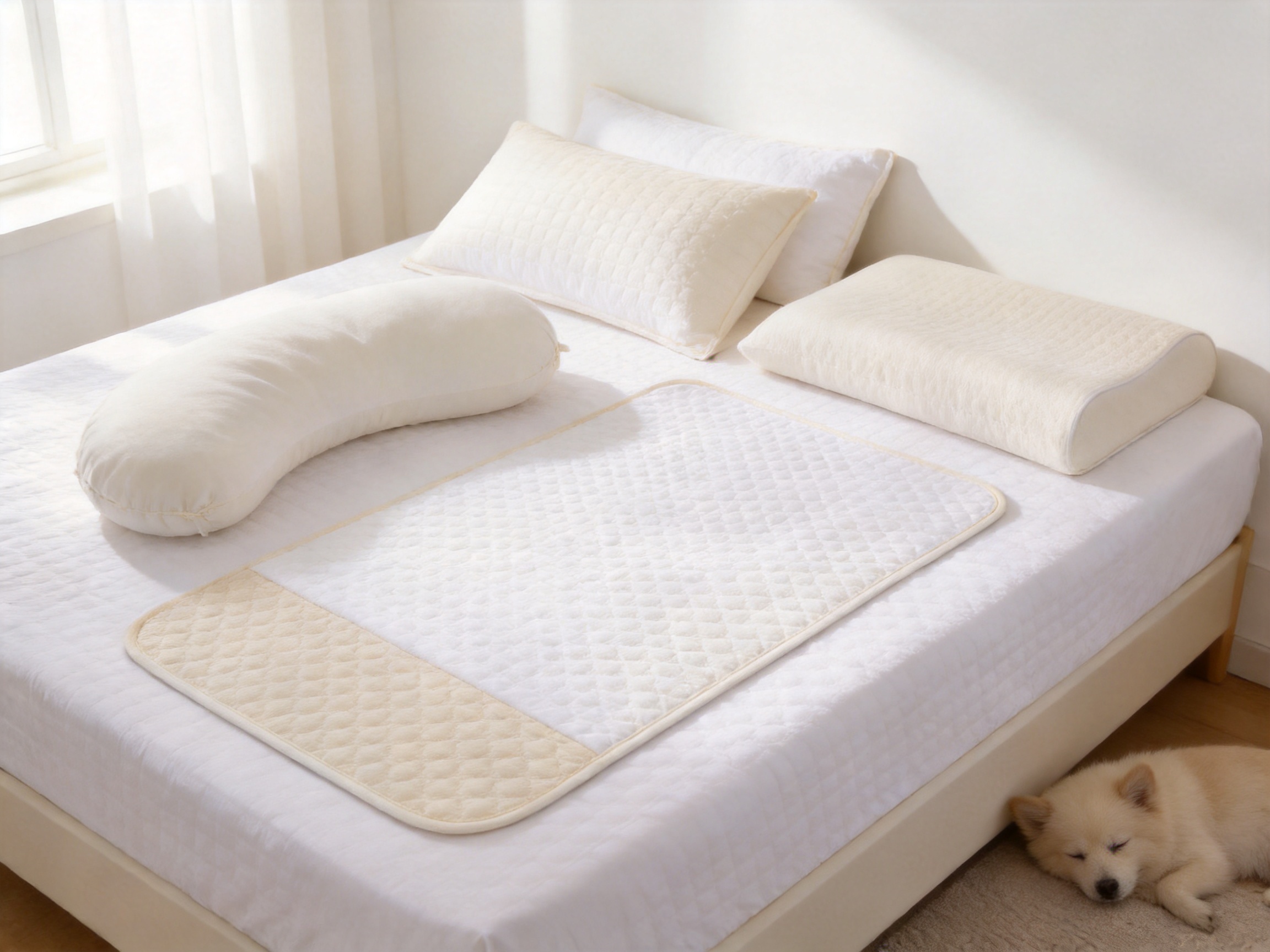
In bedding applications, the fabric’s advantages are equally important. Mattress fabric must be breathable, gentle, and stable. It must support comfort across long periods of sleep and withstand repeated pressure. Children mattress fabric requires even more careful consideration because children’s skin can be sensitive, and hygiene is a priority. Bamboo fiber’s smooth touch and moisture-handling properties make it a strong candidate for children’s mattress surfaces, especially when combined with responsible finishing and strict quality inspection.
Pillowcase fabric and pregnancy pillow fabric require close-contact softness. Pregnancy pillows are used for support and comfort during extended rest, so the fabric must avoid roughness and overheating. Bamboo Fiber Pet Friendly Fabrics can provide a cooler, smoother contact surface that enhances user comfort. In pet-friendly households, pillow covers and cushion covers may also come into contact with animals, making maintenance and odor control important.
Cooling mat fabric is another relevant field. A cooling mat must feel fresh and comfortable while allowing heat and moisture to move away from the body. Bamboo fiber supports this direction because it can contribute to a breathable, comfortable surface. When combined with appropriate structural design, the resulting fabric can be suitable for summer bedding, pet cooling mats, chair pads, and rest cushions.
Commercial environments also benefit from this fabric. Hotels, serviced apartments, lounges, pet-friendly cafes, waiting areas, and office rest spaces need materials that look refined and perform reliably. A hotel that welcomes pets must select fabrics that help maintain a clean and comfortable room environment. Commercial furniture must resist repeated use by many guests, not just one household. Bamboo Fiber Pet Friendly Fabrics offer a balanced solution for these settings by combining decorative value, user comfort, and functional durability.
Advanced Manufacturing Processes Behind Reliable Fabric Performance
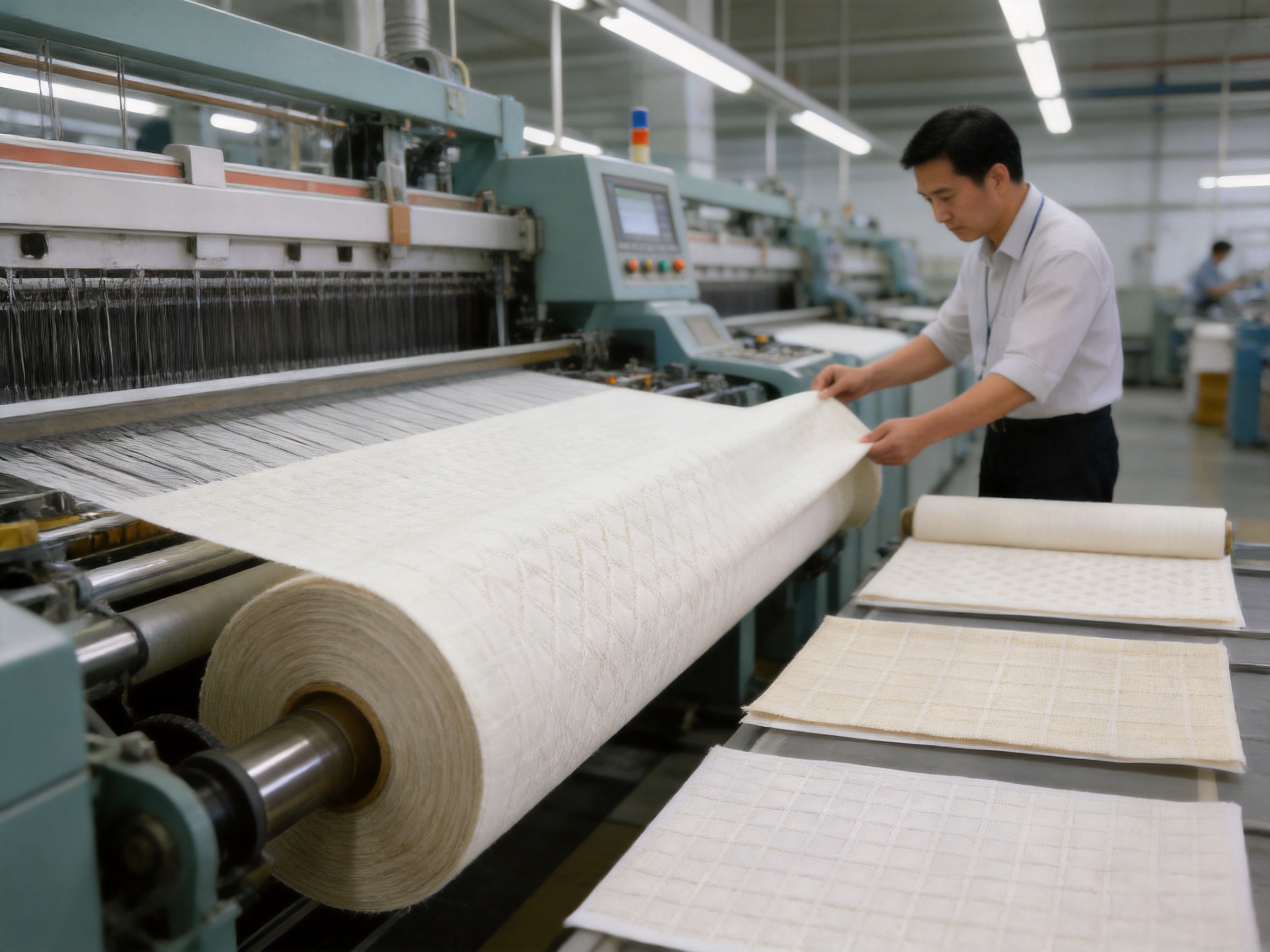
The performance of Bamboo Fiber Pet Friendly Fabrics depends on a complete manufacturing system. Fiber selection is only the beginning. To create stable, attractive, and functional fabric, every stage must be controlled, from raw material inspection to weaving, finishing, testing, and packaging. Hangzhou Xinsili Decorative Fabric Weaving Co., Ltd. has built its strength around functional decorative textile manufacturing, using experience and process control to deliver reliable products.
The first stage is material selection. Bamboo-derived yarns must be evaluated for fineness, strength, uniformity, and suitability for the intended fabric structure. If yarns are inconsistent, the fabric may show defects such as uneven texture, weak areas, color inconsistency, or unstable shrinkage. Careful selection helps ensure that the final product has a smooth surface, consistent weight, and predictable performance.
The second stage is yarn preparation. Before weaving, yarns may need conditioning, winding, or tension control. Proper preparation reduces weaving defects and improves surface uniformity. In pet-friendly fabrics, surface quality is especially important because loose fibers, weak yarns, or uneven textures can increase pilling, snagging, or hair retention. A well-prepared yarn foundation supports better long-term performance.
The third stage is fabric structure design. Weaving is not only a production step; it is a design decision. The density, pattern, interlacing method, and yarn arrangement all influence durability, breathability, elasticity, and appearance. For pet-friendly use, the structure should be stable enough to resist friction while smooth enough to feel comfortable. If the fabric is too loose, claws and repeated movement may cause snagging. If it is too dense, breathability and softness may suffer. Advanced weaving balances these competing needs.
The fourth stage is controlled weaving. Modern textile manufacturing requires stable machine settings, accurate tension, and continuous monitoring. Variations during weaving can lead to streaks, broken yarns, inconsistent width, or surface imperfections. Experienced technicians and disciplined production management help reduce these problems. For decorative fabrics, appearance consistency is just as important as mechanical performance because visible defects directly affect customer satisfaction.
The fifth stage is functional finishing. Depending on the target application, Bamboo Fiber Pet Friendly Fabrics can be finished for improved moisture resistance, antibacterial performance, flame-retardant properties, comfort improvement, or enhanced surface stability. Finishing must be carefully controlled because excessive treatment may reduce softness or breathability, while insufficient treatment may fail to achieve the desired function. The goal is to improve performance while preserving the natural comfort advantages of bamboo fiber.
The sixth stage is color and appearance control. Decorative textiles must meet design expectations, whether they are used in furniture, bedding, hotel rooms, or commercial interiors. Color consistency across batches is essential for manufacturers who produce large quantities of sofas, mattresses, or pillow products. Controlled dyeing and finishing procedures help ensure that the fabric maintains visual harmony and professional appearance.
The seventh stage is inspection and testing. Quality control may include checks for width, weight, color difference, surface defects, tensile strength, abrasion resistance, pilling tendency, shrinkage, and functional performance. For pet-friendly fabrics, abrasion and surface durability are especially important. For bedding and pillow applications, softness, breathability, and skin-contact comfort are also critical. Reliable inspection helps prevent defective fabric from reaching customers and supports long-term trust.
The final stage is packaging and delivery management. Fabrics must be rolled, protected, labeled, and stored properly to prevent contamination, creasing, moisture damage, or deformation. For international buyers and industrial customers, consistent packaging and documentation improve production efficiency after the fabric arrives. Good manufacturing does not end at the loom; it continues until the product is ready for customer use.
Company Strengths Supporting Product Quality
Hangzhou Xinsili Decorative Fabric Weaving Co., Ltd. specializes in innovative research, development, and precision manufacturing of decorative textiles. The company’s vision of creating beautiful spaces is supported by a practical focus on stable, reliable, and environmentally conscious fabric solutions. This background is important because Bamboo Fiber Pet Friendly Fabrics require both design sensitivity and technical manufacturing ability.
With 19 years of industry experience, the company understands the expectations of textile buyers, furniture manufacturers, bedding producers, and commercial project clients. Experience matters in fabric production because many performance issues are not visible at first glance. A fabric may look attractive when new but fail after repeated use if its structure, yarn, or finishing is poorly controlled. Long-term industry knowledge helps the manufacturer anticipate these issues and design more reliable solutions.
The company operates with a 12,000 square meter factory area, supporting stable production capacity and organized manufacturing flow. A dedicated production environment allows better coordination of weaving, inspection, finishing cooperation, storage, and shipment. For buyers, this means improved consistency, stronger supply capability, and better responsiveness for customized orders.
Recognition as a National High-Tech Enterprise in 2023 reflects the company’s commitment to technological improvement and functional textile development. This is particularly relevant to Bamboo Fiber Pet Friendly Fabrics because the market increasingly demands fabrics with added functions, such as antibacterial protection, moisture resistance, flame-retardant performance, sleep-supporting comfort, and enhanced durability. Technical capability allows the company to move beyond basic decorative fabric and provide materials aligned with modern health, safety, and comfort expectations.
The company’s values include craftsmanship-driven manufacturing, design innovation, and win-win collaboration. Craftsmanship is essential in decorative textiles because small differences in texture, color, and finishing can affect the user experience. Design innovation allows the fabric to remain relevant to current interior trends. Collaboration is important for custom projects, where clients may need specific colors, weights, patterns, widths, or performance characteristics.
Another strength is the company’s focus on multiple application environments: residential, hotel, and commercial spaces. This broad perspective improves product development because each environment has different requirements. Homes require comfort and beauty. Hotels require durability, clean appearance, and guest satisfaction. Commercial spaces require long service life and consistent performance. Bamboo Fiber Pet Friendly Fabrics benefit from this multi-environment understanding.
Comfort, Hygiene, and Everyday Maintenance
Pet-friendly fabrics must make daily life easier. A beautiful fabric that requires difficult maintenance may not satisfy pet owners. Bamboo Fiber Pet Friendly Fabrics are designed to support a cleaner and more comfortable environment through breathable structure, smoother surface design, and functional finishing options. While regular cleaning is still necessary, the right fabric can reduce the burden of maintenance.
One important aspect is pet hair management. Hair often becomes embedded in loose or rough textile structures. A smoother and more stable fabric surface can make hair easier to remove by brushing, vacuuming, or light cleaning. This does not mean the fabric repels all hair, but it can help reduce the frustration associated with deeply trapped fibers.
Another aspect is odor management. Odor often develops when moisture, dander, and organic residue remain trapped in fabric. Bamboo fiber’s moisture-handling properties can contribute to a fresher feel, while optional antibacterial or moisture-resistant finishing may further support hygiene. For sofas, pet beds, mattresses, and cushions, this can improve the comfort of shared living spaces.
Stain response is also important. Pet-friendly homes may experience accidental spills, paw marks, or contact with outdoor dust. Depending on the finishing selected, Bamboo Fiber Pet Friendly Fabrics can be made easier to clean and more resistant to moisture penetration. The exact care method should be based on the final fabric specification, but the product concept supports practical maintenance for real-life use.
For bedding and pillow applications, hygiene has another dimension: prolonged skin contact. A fabric used in mattress covers, children’s bedding, pregnancy pillows, and pillowcases should remain gentle, breathable, and comfortable. Bamboo fiber contributes to these qualities, while careful manufacturing reduces the risk of roughness or surface irritation caused by poor yarn quality or finishing imbalance.
Design Flexibility for Manufacturers and Interior Projects
Bamboo Fiber Pet Friendly Fabrics are not limited to one visual style. Through weaving design, yarn selection, color development, and finishing, the fabric can be adapted to different interior concepts. This flexibility is valuable for manufacturers that serve multiple product lines and for project designers who need materials that match specific design themes.
For modern minimalist interiors, the fabric can be developed in calm neutral tones, smooth textures, and understated patterns. For warm residential settings, it can be produced with softer color palettes and tactile surfaces that create a cozy atmosphere. For hotels and commercial spaces, it can be designed with refined textures and stable color performance to support a professional appearance.
In furniture manufacturing, design flexibility allows the same fabric concept to be used across sofas, chairs, cushions, and pet-friendly accessories. In bedding manufacturing, it can support mattress surfaces, pillowcases, pillow covers, pregnancy pillows, and cooling mat covers. This compatibility helps brands create unified product collections with consistent comfort and performance.
Customization can also include functional requirements. Some clients may prioritize abrasion resistance for sofa fabric, while others may need breathable softness for pillowcase fabric. Some may require flame-retardant performance for hospitality or commercial projects. Others may focus on moisture resistance or antibacterial finishing. A manufacturer with functional textile expertise can adjust specifications according to application needs.
Why This Fabric Is Suitable for Pet Friendly Furniture
Pet-friendly furniture fabric faces unique challenges. Pets do not use furniture in the same way people do. They may scratch lightly while climbing, knead surfaces before resting, shed hair, bring dust from outdoors, or repeatedly occupy the same area. Therefore, the fabric must handle friction, contact, and cleaning more effectively than ordinary decorative textiles.
Bamboo Fiber Pet Friendly Fabrics are suitable for this role because they combine a comfortable touch with engineered stability. The fabric can be woven to create a compact surface that reduces snagging risk while remaining breathable. This balance is important because a very loose fabric may catch claws, while a heavily coated fabric may feel uncomfortable and hot. Bamboo fiber helps maintain comfort, and technical weaving supports durability.
The fabric also helps furniture remain inviting. Some pet-resistant materials look and feel like protective covers rather than premium upholstery. They may solve a maintenance problem but reduce the beauty of the room. Bamboo Fiber Pet Friendly Fabrics can be designed with a decorative textile appearance, allowing pet owners to maintain an elegant living space without choosing between style and practicality.
For manufacturers, the fabric can improve product positioning. A sofa or cushion made with bamboo fiber pet-friendly fabric can be marketed not only as durable, but also as comfortable, breathable, and suitable for modern healthy living. This broader value proposition gives the final product an advantage over furniture made with ordinary synthetic covers.
Importance for Mattress, Pillowcase, and Bedding Products
In bedding, the fabric surface strongly influences perceived comfort. Even when the internal structure of a mattress or pillow is advanced, the outer textile is the first layer users touch. If the fabric feels rough, hot, or damp, the entire product experience is affected. Bamboo Fiber Pet Friendly Fabrics help improve this contact layer through softness, breathability, and moisture management.
For mattress fabric, the material must support long-term use under pressure. The sleeper’s body creates friction and compression every night. In pet-owning households, pets may also rest on the bed, increasing wear and cleaning needs. A pet-friendly bamboo fabric can help the mattress surface remain more comfortable and presentable.
For children mattress fabric, safety and comfort are major concerns. Children may spend many hours sleeping and playing on mattresses. A soft, breathable, and carefully manufactured fabric helps create a more comfortable environment. Functional finishing options may further support hygiene, depending on customer requirements.
For pillowcase fabric, smoothness matters because the fabric contacts the face and neck. Bamboo fiber is appreciated for its gentle hand feel, making it suitable for pillowcase applications. If the household includes pets, pillowcases and cushion covers may require more frequent washing or cleaning, so fabric stability becomes important.
Pregnancy pillow fabric must provide supportive comfort during rest. Pregnant users may be more sensitive to heat, texture, and pressure. A breathable and soft bamboo-based fabric can improve the comfort of pregnancy pillows, especially when used for extended periods.
Sustainability and Responsible Material Direction
The modern textile market increasingly values sustainability, not only as a marketing point but as a product development direction. Bamboo-derived fibers are widely associated with renewable material thinking because bamboo grows quickly and can be used as a source for textile fiber production. While sustainability depends on the full processing route and manufacturing controls, bamboo fiber provides a strong foundation for brands seeking a more environmentally conscious textile identity.
Hangzhou Xinsili Decorative Fabric Weaving Co., Ltd. emphasizes high-quality and environmentally friendly decorative fabric solutions. This aligns with the broader movement toward safe, healthy, comfortable, and sustainable living spaces. For buyers, choosing Bamboo Fiber Pet Friendly Fabrics can support product lines that appeal to consumers who care about comfort, family health, pet companionship, and responsible material choices.
Sustainability also includes durability. A fabric that lasts longer can reduce replacement frequency and material waste. If a decorative fabric quickly pills, tears, fades, or becomes uncomfortable, it must be replaced sooner. By improving fabric construction and functional performance, Bamboo Fiber Pet Friendly Fabrics contribute to longer service life, which is an important part of responsible product design.
Another sustainability-related advantage is multi-application use. A fabric that can serve bedding, furniture, pet-friendly interiors, and commercial spaces can simplify sourcing and reduce the need for multiple low-performance materials. Manufacturers can build more coherent product systems with fewer compromises.
Quality Control and Testing Priorities
Quality control is essential for Bamboo Fiber Pet Friendly Fabrics because buyers rely on consistent performance across rolls and batches. A fabric may be used in mass-produced sofas, mattress covers, pillowcases, or commercial furniture. If one batch differs in color, width, weight, or surface texture, it can disrupt production and affect final product quality.
Key inspection priorities include fabric width and weight. Width consistency ensures efficient cutting and reduces waste. Weight consistency affects hand feel, durability, and product performance. Surface inspection is also important because decorative fabrics must be visually clean. Defects such as broken yarns, stains, streaks, uneven density, or finishing marks can reduce product value.
Abrasion resistance is especially important for pet-friendly and sofa applications. The fabric should withstand repeated rubbing from sitting, movement, cushions, and pet activity. Pilling resistance is also important because pilling can make a fabric look old even when it remains structurally intact. A smooth bamboo-based surface supported by proper finishing can help improve visual durability.
Colorfastness matters for bedding and furniture. Fabrics may be exposed to rubbing, cleaning, light, and moisture. Poor colorfastness can lead to fading or staining of adjacent materials. Careful dyeing and finishing control help maintain reliable appearance.
Shrinkage and dimensional stability are critical for mattress covers, pillowcases, and removable sofa covers. If a fabric shrinks excessively after cleaning or finishing, it may no longer fit the product properly. Testing and process control reduce this risk.
Functional finishing performance should also be verified when applicable. If the fabric is sold with moisture-resistant, antibacterial, flame-retardant, or comfort-improving properties, these should be supported by suitable testing methods and production records. Reliable functional textiles require measurable performance, not only descriptive claims.
How Buyers Can Select the Right Specification
Choosing the right Bamboo Fiber Pet Friendly Fabric specification depends on the end use. A sofa manufacturer may prioritize abrasion resistance, surface stability, color options, and upholstery appearance. A mattress manufacturer may prioritize breathability, softness, stretch compatibility, and comfort. A pillowcase producer may focus on smoothness, skin contact, wash stability, and moisture management. A pet product brand may emphasize easy cleaning, odor control, and durability.
Buyers should begin by defining the application environment. Is the fabric intended for home furniture, hotel furniture, mattress covers, children’s bedding, pet beds, cooling mats, or decorative panels? Each application has different stress points. For example, sofa fabric experiences frequent friction and visible wear, while pillowcase fabric requires maximum softness and facial comfort.
The next consideration is performance priority. Some projects require flame-retardant properties, especially in commercial or hospitality spaces. Others need antibacterial finishing for hygiene-focused bedding. Some may require moisture resistance for pet-friendly furniture. The selected specification should match the actual use rather than simply adding unnecessary features.
Design requirements should also be clarified early. Color, texture, thickness, pattern, and surface effect influence the final product’s market appeal. Because Bamboo Fiber Pet Friendly Fabrics can be developed for both decorative and functional purposes, early communication between buyer and manufacturer helps achieve the best balance.
Testing standards and sample evaluation are also recommended. Buyers can request sample rolls or swatches to evaluate hand feel, appearance, cutting behavior, sewing performance, and cleaning response. For large production orders, confirmed samples help ensure consistency between expectation and delivery.
Competitive Value for Brands and Manufacturers
Bamboo Fiber Pet Friendly Fabrics offer strong competitive value because they respond to several market trends at once. Consumers want pet-friendly homes, healthier sleep environments, softer fabrics, sustainable material stories, and furniture that remains attractive despite daily use. A fabric that satisfies all these concerns gives brands a stronger selling point.
For furniture brands, using bamboo fiber pet-friendly fabric can upgrade product positioning from basic pet resistance to comfort-oriented premium living. The final furniture can appeal to customers who want stylish interiors without excluding pets from family spaces. This emotional value is powerful because pets are increasingly treated as family members.
For bedding brands, the fabric supports a message of breathable comfort and gentle contact. Mattress and pillow buyers often compare materials based on softness, cooling feel, and hygiene-related claims. Bamboo fiber helps create a natural and comfortable product identity.
For commercial project suppliers, the fabric provides a practical balance. Hotels, apartments, lounges, and pet-friendly venues need materials that look good, feel good, and withstand use. A decorative fabric with functional performance reduces the conflict between design and maintenance.
For distributors and importers, multi-category application improves business flexibility. The same fabric family can serve customers in upholstery, bedding, pet products, and interior decoration. This makes inventory planning and market development more efficient.
Q&A Section
What makes Bamboo Fiber Pet Friendly Fabrics different from ordinary pet fabrics?
Bamboo Fiber Pet Friendly Fabrics combine soft bamboo-derived fiber characteristics with functional textile engineering. Ordinary pet fabrics may focus mainly on toughness, but they can feel stiff or hot. Bamboo-based pet-friendly fabrics provide a smoother touch, better breathability, and a more comfortable surface while still supporting durability and easier maintenance.
Can this fabric be used for sofas and furniture?
Yes. The fabric is suitable for sofa fabric and pet-friendly furniture applications. Its structure can be designed for abrasion resistance, surface stability, and decorative appearance, making it useful for homes, hotels, lounges, and commercial interiors where pets and people share furniture.
Is the fabric suitable for bedding products?
Yes. Bamboo Fiber Pet Friendly Fabrics can be used for mattress fabric, children mattress fabric, pillowcase fabric, pregnancy pillow fabric, cooling mat fabric, and other bedding-related products. Its soft touch and breathability make it appropriate for close-contact comfort applications.
Does bamboo fiber help with comfort in warm conditions?
Bamboo fiber is known for moisture management and breathability. In fabric form, it can help create a fresher and less sticky contact feel compared with many dense synthetic fabrics. This is useful for mattresses, pillows, cooling mats, sofas, and pet rest areas.
Is the fabric easy to clean?
The fabric can be engineered for easier maintenance through surface design and functional finishing. A smoother, stable textile surface can help with pet hair removal and general cleaning. Specific cleaning methods depend on the final fabric construction and finishing specification.
Can functional finishes be added?
Yes. Depending on customer requirements, functional finishes may include moisture-resistant, antibacterial, flame-retardant, sleep-supporting, or comfort-enhancing treatments. The correct finish should be selected according to the intended application and performance target.
Why is manufacturing process control important?
Process control ensures consistent fabric width, weight, color, texture, durability, and functional performance. Without stable manufacturing, even a good fiber can result in poor fabric quality. Controlled weaving, finishing, and inspection help produce reliable materials for industrial and commercial use.
Is this fabric only for pet products?
No. Although it is pet friendly, it is not limited to pet beds or pet accessories. It can be used in sofas, bedding, mattresses, pillowcases, pregnancy pillows, cooling mats, hotel furnishings, and decorative textile projects.
How does the product support sustainable textile choices?
Bamboo-derived fiber is associated with renewable material direction, and durable fabric construction can reduce replacement frequency. The product supports sustainable design by combining comfort, long service life, and environmentally conscious material selection.
Who can benefit from using Bamboo Fiber Pet Friendly Fabrics?
Furniture manufacturers, bedding brands, mattress producers, pillow manufacturers, pet product companies, hotel suppliers, interior designers, textile distributors, and commercial project contractors can all benefit from the fabric’s combination of comfort, durability, and decorative value.
Conclusion
Bamboo Fiber Pet Friendly Fabrics represent a modern approach to functional decorative textiles. They are designed for real living environments where people want beauty, softness, cleanliness, and durability while sharing spaces with pets. By combining bamboo fiber’s natural comfort advantages with advanced weaving, finishing, and quality-control processes, the fabric offers a strong alternative to conventional pet-friendly materials that may be durable but uncomfortable, or soft but difficult to maintain.
The product’s value extends across many categories, including sofa fabric, mattress fabric, children mattress fabric, pillowcase fabric, pregnancy pillow fabric, cooling mat fabric, bedding fabric, and pet-friendly decorative textiles. This broad application potential makes it attractive to manufacturers, designers, brands, and commercial buyers seeking reliable and versatile fabric solutions.
Hangzhou Xinsili Decorative Fabric Weaving Co., Ltd. supports this product with 19 years of industry experience, a 12,000 square meter factory area, functional textile expertise, and recognition as a National High-Tech Enterprise. Its focus on craftsmanship, design innovation, and practical manufacturing reliability helps ensure that Bamboo Fiber Pet Friendly Fabrics are not only attractive in concept, but also dependable in use.
For buyers looking to upgrade pet-friendly furniture, improve bedding comfort, or develop functional decorative textile collections, Bamboo Fiber Pet Friendly Fabrics provide a balanced solution: soft yet stable, breathable yet durable, decorative yet practical, and suitable for the evolving expectations of healthy, comfortable, and sustainable interiors.
References
Textile Institute. Textile Terms and Definitions. Manchester: The Textile Institute.
Horrocks, A. R., and Anand, S. C. Handbook of Technical Textiles. Woodhead Publishing.
Kadolph, Sara J. Textiles. Pearson Education.
Cook, J. Gordon. Handbook of Textile Fibres: Natural Fibres. Woodhead Publishing.
Gohl, E. P. G., and Vilensky, L. D. Textile Science. CBS Publishers.
Marsh, J. T. An Introduction to Textile Finishing. Chapman and Hall.
Sinclair, Rose. Textiles and Fashion: Materials, Design and Technology. Woodhead Publishing.
Product: Bamboo Fiber Pet Friendly Fabrics

Our Featured Products
-
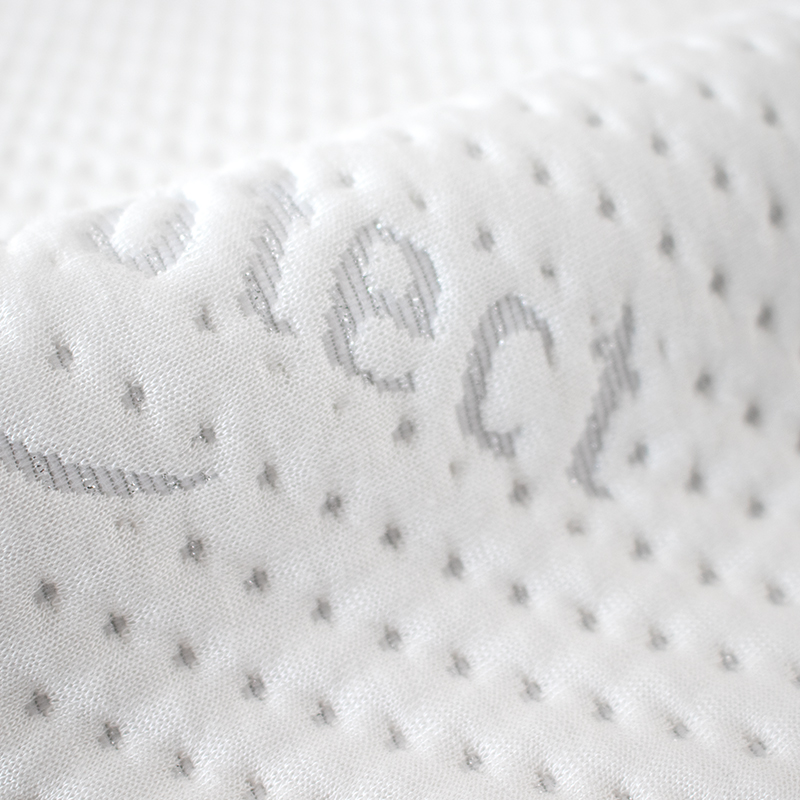
Bamboo Fiber Pet Friendly Fabrics
Bamboo Fiber Pet Friendly Fabrics
Haven’t Found The Products You Want?
-
-
Shen Jinyan:+86-15158070676
[email protected]
Liang Jinwen:+86-15757186621
[email protected]
Qiu Yingyingn:+86-13819545790
[email protected]
Yi qiao Town, Xiaoshan District, Hangzhou City, Zhejiang Province, China
-
Products
Mattress Fabric Children Mattress Fabric Pillowcase Fabric Pregnancy Pillow Fabric Cooling Mat Fabric Bedding Fabric Sofa Fabric Pet Friendly Fabrics -
Contact Information
About Us Products Strength Sustainability News Contact Us
Copyright © Hangzhou Xinsili Decorative Fabric Weaving Co.,Ltd. All Rights Reserved.
Functional Decorative Textile Manufacturers
