

 English
 中文简体
中文简体 Español
 عربى
عربى русский


Bamboo Fiber Mattress Fabric for Breathable, Comfortable, and Functional Sleep Surfaces
Content
- 1 The Role of Bamboo Fiber Mattress Fabric in Modern Sleep Products
- 2 Core Product Specifications
- 3 Why Bamboo Fiber Matters for Mattress Surfaces
- 4 Advantages Over Conventional Mattress Fabrics
- 5 Comfort Performance: Breathability, Touch, and Moisture Sensation
- 6 Dimensional Stability and Production Reliability
- 7 Design Flexibility: Plain, Twill, and Jacquard Options
- 8 Manufacturing Strength Behind the Fabric
- 9 Advanced Process Control from Yarn to Finished Fabric
- 10 Application in Children’s Mattresses
- 11 Application in Hotel and Commercial Bedding
- 12 Application in Pregnancy Pillows, Pillowcases, and Cooling Mats
- 13 Application in Sofa and Pet-Friendly Fabrics
- 14 Sustainability and Responsible Material Direction
- 15 Quality Assurance and Compliance Value
- 16 Customization for Mattress Brands and OEM Projects
- 17 How This Fabric Helps Mattress Brands Compete
- 18 Company Strengths Supporting Long-Term Cooperation
- 19 Selection Guidance for Buyers
- 20 Q&A: Common Questions About Bamboo Fiber Mattress Fabric
- 20.1 Q1: What makes Bamboo Fiber Mattress Fabric different from ordinary mattress ticking?
- 20.2 Q2: Is the fabric suitable for children’s mattresses?
- 20.3 Q3: Can the fabric be customized for different mattress brands?
- 20.4 Q4: Why is air permeability important for mattress fabric?
- 20.5 Q5: What does dimensional change after washing within ±5% mean?
- 20.6 Q6: Can this fabric be used for pillowcases or pregnancy pillows?
- 20.7 Q7: What advantages does jacquard weave offer?
- 20.8 Q8: How does the manufacturer support quality consistency?
- 21 Conclusion
- 22 References
- 23 Product: Bamboo Fiber Mattress Fabric
In modern bedding design, the outer fabric of a mattress is no longer treated as a simple covering. It is a performance layer that influences touch, air circulation, moisture management, hygiene, appearance, durability, and the overall experience of rest. Bamboo Fiber Mattress Fabric is designed for this demanding role. With a soft natural hand feel, reliable dimensional stability, strong air permeability, and customizable construction, it supports the development of mattresses that feel comfortable, look refined, and perform consistently in residential, hotel, children’s, and specialty bedding applications.
This fabric is developed for manufacturers and brands that need a practical balance of comfort, functionality, production flexibility, and visual appeal. Its basis weight can be customized from 140 to 220 g/m², allowing mattress producers to select a lighter, more breathable version for soft comfort layers or a more substantial specification for enhanced coverage and durability. Standard fabric widths of 150 cm and 220 cm support efficient cutting and manufacturing for different mattress sizes, while yarn counts from 40s to 60s provide options for fine texture, smoothness, and fabric density.
Compared with many conventional synthetic mattress ticking fabrics, bamboo fiber-based fabric offers a more skin-friendly touch and a comfort-oriented surface character. Compared with heavier cotton-rich alternatives, it can provide excellent breathability and a smoother, more flexible hand under appropriate construction. Compared with low-cost generic fabrics, it offers measurable performance parameters, including air permeability of at least 800 mm/s under GB/T 5453, dimensional change after washing within ±5% under standard washing conditions, pH value from 6.0 to 7.5 in compliance with GB 18401, and color fastness values suitable for repeated handling and use.
Hangzhou Xinsili Decorative Fabric Weaving Co., Ltd. manufactures this product as part of its broader focus on functional decorative textiles. The company combines 19 years of industry experience, a 12,000-square-meter factory area, and recognition as a National High-Tech Enterprise in 2023. Its approach is not limited to weaving cloth; it includes functional development, process control, fabric customization, and stable supply for residential, hotel, commercial, and specialized comfort environments. Through antibacterial, moisture-resistant, flame-retardant, sleep-supporting, and comfort-improving textile technologies, the company supports customers who need fabrics that are not only attractive but also practical and reliable.
The Role of Bamboo Fiber Mattress Fabric in Modern Sleep Products
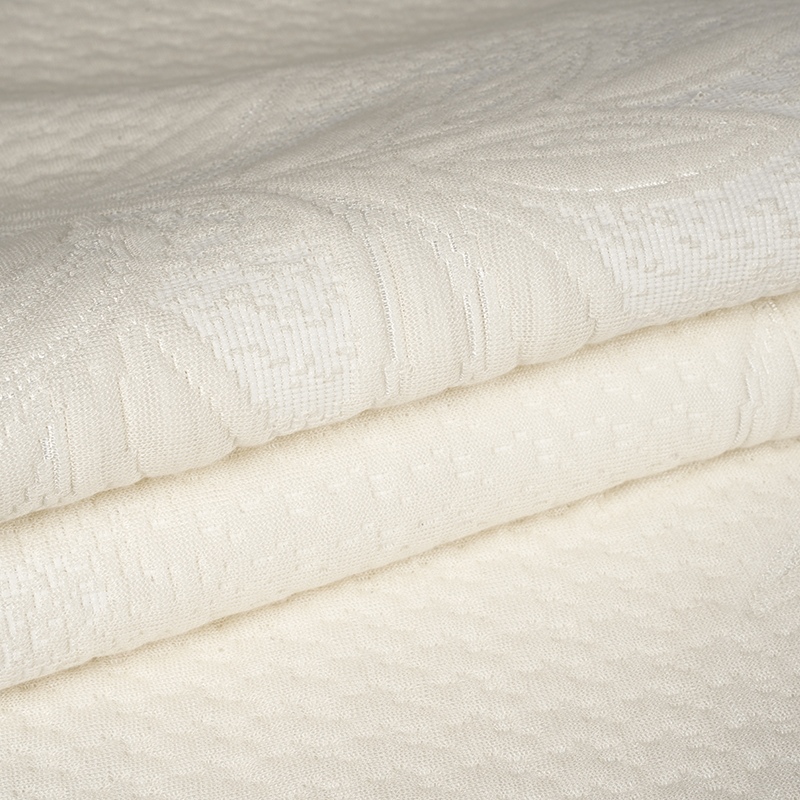
A mattress is a layered system. Foam, spring structures, latex, padding, quilting, adhesives, and support materials all contribute to performance. However, the sleeper’s first physical contact is often the outer fabric. This surface layer influences immediate comfort before the inner structure is even noticed. If the fabric feels coarse, traps heat, absorbs humidity poorly, or loses shape quickly, the perceived value of the mattress declines regardless of the quality of the core.
Bamboo Fiber Mattress Fabric answers this challenge by providing a refined surface that can be engineered for multiple bedding categories. It is suitable for standard mattress panels, side borders, children’s mattress surfaces, pillowcases, pregnancy pillows, cooling mats, bedding accessories, sofa-related textile products, and even pet-friendly fabric applications when designed with the proper finishing requirements. The ability to adapt one core textile technology across related comfort products helps brands create consistent tactile identity and visual harmony across a full bedding collection.
The fabric is particularly relevant in markets where customers are paying closer attention to breathability and comfort. Many sleepers experience discomfort when mattress surfaces trap warmth and moisture. A fabric with air permeability of at least 800 mm/s supports ventilation at the surface level. While the full temperature experience depends on the entire mattress construction, a breathable ticking fabric can help avoid the stuffy feeling often associated with dense, poorly ventilated covers.
The pH value range of 6.0 to 7.5 is also important because mattress fabric is used close to the body. A textile surface should be developed with attention to skin contact and regulatory compliance. By aligning with GB 18401 requirements, the fabric supports responsible product development for manufacturers serving quality-conscious markets. In addition, rubbing and perspiration color fastness of at least grade 3-4 help maintain appearance during production, handling, packaging, transport, retail display, and everyday use.
Core Product Specifications
The following table summarizes the main technical characteristics of Bamboo Fiber Mattress Fabric and explains their practical value for mattress and bedding manufacturers.
| Specification | Available Standard or Range | Practical Meaning for Bedding Applications |
|---|---|---|
| Product Type | Bamboo Fiber Mattress Fabric | Designed as a comfort-oriented textile surface for mattresses and related bedding products. |
| Basis Weight | 140-220 g/m², customizable | Allows lighter or heavier constructions depending on softness, durability, quilting, and cost targets. |
| Fabric Width | 150 cm and 220 cm standard | Supports efficient cutting for different mattress sizes and reduces production waste. |
| Yarn Count | 40s-60s | Provides options for fine texture, smooth surface quality, and fabric density control. |
| Weave Type | Plain, twill, or jacquard | Enables simple, structured, or decorative surface designs according to brand positioning. |
| Air Permeability | ≥800 mm/s, GB/T 5453 | Helps the mattress surface remain breathable and comfortable. |
| Dimensional Change After Washing | ≤±5% under standard washing conditions | Supports shape stability and predictable manufacturing performance. |
| pH Value | 6.0-7.5, compliant with GB 18401 | Indicates attention to textile safety and suitability for close-contact use. |
| Color Fastness | Rubbing fastness ≥3-4 grade; perspiration fastness ≥3-4 grade | Helps maintain appearance during handling and use. |
Why Bamboo Fiber Matters for Mattress Surfaces
Bamboo fiber is widely valued in bedding because it can be processed into fabrics with a smooth, gentle, and pleasant hand feel. For mattress ticking, this matters because the fabric must communicate comfort instantly. Even when a sheet is placed over the mattress, consumers frequently touch and inspect the mattress surface in showrooms, hotels, and retail environments. A smooth bamboo fiber fabric can elevate the perceived grade of the mattress and help it stand apart from ordinary coverings.
Another important characteristic is breathability. Bamboo Fiber Mattress Fabric is specified with air permeability of at least 800 mm/s according to GB/T 5453. This measurement gives manufacturers a more concrete basis for product comparison. Many competitors describe their fabrics as breathable without providing test values. A measurable performance indicator helps buyers, engineers, and product managers make decisions based on function rather than only marketing language.
The fabric’s customizable weight range also creates practical value. A 140 g/m² version may be selected for products where softness, flexibility, and cost efficiency are priorities. A mid-range specification can be developed for balanced mattress models. A heavier 220 g/m² version can be used where greater coverage, premium hand feel, or enhanced surface presence is desired. This flexibility is especially useful for brands that offer good-better-best mattress collections and need fabric differentiation across price levels.
Yarn count options from 40s to 60s allow further control over the fabric’s surface character. Finer yarns can support smoother textures and more delicate designs, while different yarn combinations can be selected to optimize durability, tactile performance, and production behavior. This degree of adjustability gives product developers a useful toolkit when designing mattresses for different markets, including family homes, children’s rooms, hotels, serviced apartments, healthcare-related spaces, and comfort-focused retail collections.
Advantages Over Conventional Mattress Fabrics
One of the key advantages of Bamboo Fiber Mattress Fabric is its balance between comfort and measurable performance. Many conventional mattress fabrics tend to emphasize only one side of the equation. Some are soft but lack stability. Some are durable but feel stiff or synthetic. Some are decorative but not breathable enough. This bamboo fiber option is designed to integrate softness, air permeability, dimensional control, color fastness, and visual flexibility in one product platform.
Compared with low-grade polyester ticking, bamboo fiber fabric can provide a more natural and refined touch. Low-cost polyester fabrics often feel slick, dry, or overly artificial. They may be acceptable for budget products, but they are less suitable for brands seeking a comfort-driven identity. Bamboo fiber fabric helps create a more premium tactile impression while still allowing practical industrial production.
Compared with heavy cotton fabrics, Bamboo Fiber Mattress Fabric can offer strong breathability and a smoother surface under the right construction. Cotton is familiar and comfortable, but it can become heavy, wrinkle-prone, or less dimensionally predictable depending on construction and finishing. Bamboo fiber-based fabric, supported by controlled manufacturing and standard testing, gives bedding producers another path to comfort without sacrificing production efficiency.
Compared with generic knitted or woven mattress covers without specification control, this fabric gives buyers clearer technical expectations. The basis weight range, yarn count, weave type options, air permeability, pH range, dimensional change, and color fastness levels all provide a practical framework for quality assurance. This is especially important for mattress manufacturers that need repeat orders to match earlier batches. Consistency is not only a technical requirement; it is a commercial requirement because inconsistent fabric can cause claims, rework, cutting loss, and customer dissatisfaction.
Another competitive strength is aesthetic adaptability. Plain weave can create a clean, simple, and versatile surface. Twill can provide diagonal texture, a slightly richer visual structure, and enhanced drape. Jacquard can create patterned designs directly through weaving, supporting premium decorative effects without relying only on printing. This gives customers the ability to create minimalist, contemporary, classic, or brand-specific mattress surfaces.
Comfort Performance: Breathability, Touch, and Moisture Sensation
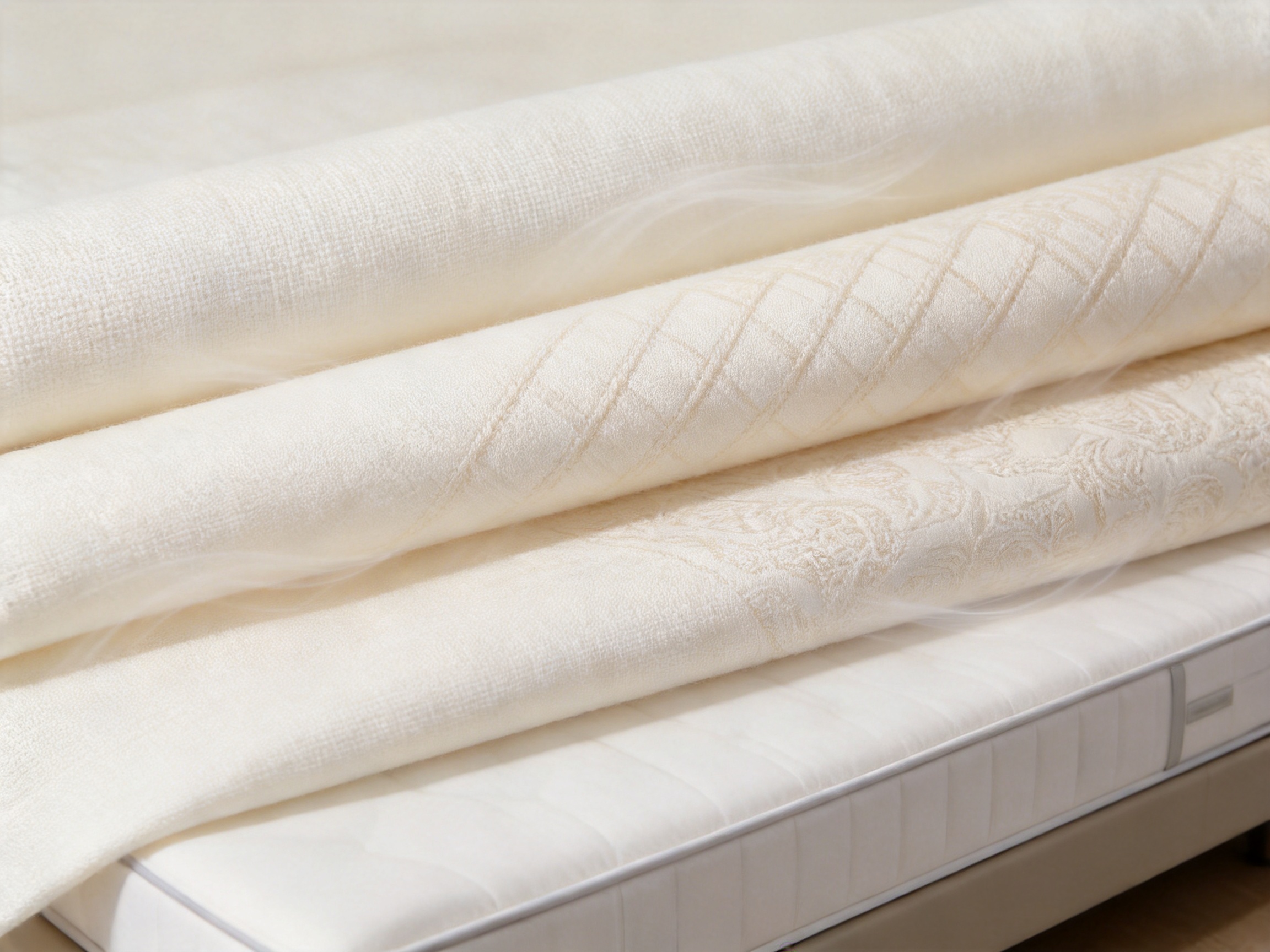
Comfort is not a single property. It is the result of multiple interactions between the human body and the sleep surface. The softness of the fabric, the way it handles air, the speed at which it releases humidity, and the way it responds to movement all contribute to the user experience. Bamboo Fiber Mattress Fabric is designed to support these comfort factors through its fiber selection, yarn count, weave structure, and finishing control.
Air permeability of at least 800 mm/s is a significant feature. In mattress surfaces, airflow helps prevent the feeling of trapped heat and stagnant moisture. Although the fabric alone cannot determine the thermal behavior of the entire mattress, it is the first layer involved in air exchange. A breathable cover is especially useful in foam mattresses, pillow-top mattresses, children’s mattresses, and layered sleep systems where heat buildup can affect comfort.
The fabric’s smooth hand feel also supports perceived comfort. A mattress may be firm or soft depending on its core, but the outer textile should not create irritation. Bamboo fiber fabric can provide a gentle contact sensation suitable for bedding products intended for frequent and prolonged contact. For children’s mattresses, this is particularly important because parents often evaluate surface softness and safety-related details before purchase. For pregnancy pillows and pillowcase fabrics, touch comfort is even more direct because the user may hold or rest against the textile for long periods.
Moisture sensation is another practical issue. During sleep, the human body naturally releases moisture through perspiration and respiration. If the textile surface feels damp, sticky, or poorly ventilated, sleep quality may suffer. Bamboo fiber fabric, with appropriate weave and finishing, can help create a drier and more comfortable surface impression. Its performance can also be combined with cooling mat fabric systems or moisture-management bedding designs for enhanced comfort positioning.
Dimensional Stability and Production Reliability
For mattress manufacturers, fabric quality is not judged only by how it feels. It must also perform reliably in cutting, quilting, sewing, lamination, packaging, and long-distance shipping. Dimensional change after washing within ±5% under standard washing conditions helps indicate that the fabric has been developed with attention to stability. This matters because unstable fabric can cause panel distortion, uneven quilting, misalignment, seam tension, and size inconsistency.
Stable dimensions help improve cutting yield. When fabric rolls behave predictably, manufacturers can plan layouts more accurately and reduce waste. This is especially valuable for wide-width fabric such as 220 cm, where a single cutting error can represent significant material loss. Consistent width, controlled shrinkage, and reliable surface quality all contribute to better productivity.
Mattress production often involves quilting the outer fabric with foam, nonwoven materials, or fiberfill. A fabric that stretches or shrinks unpredictably can cause wrinkles or puckering after quilting. Bamboo Fiber Mattress Fabric can be selected and customized to suit different quilting styles, from simple panel quilting to more complex decorative patterns. When combined with controlled weaving and finishing, the fabric supports clean sewing lines and a more professional finished appearance.
Reliable color fastness also matters in production. Mattress fabrics may be rubbed during roll handling, spreading, cutting, sewing, inspection, packaging, and installation. Rubbing fastness of at least grade 3-4 helps maintain surface appearance during these processes. Perspiration fastness of at least grade 3-4 is relevant because bedding textiles are used close to the body and must resist discoloration or staining caused by human contact. These values support better long-term appearance and reduce the risk of customer complaints.
Design Flexibility: Plain, Twill, and Jacquard Options
Different mattress brands require different visual languages. Some prefer clean, understated surfaces for minimalist bedrooms. Some require textured fabrics for premium collections. Others need distinctive patterns that help products stand out in retail display. Bamboo Fiber Mattress Fabric can be produced in plain, twill, or jacquard weave structures, giving buyers flexibility in both function and appearance.
Plain weave is suitable for simple and practical mattress designs. It offers a balanced structure, good versatility, and a neat surface. It can be used for children’s mattresses, hotel mattresses, private-label bedding, and cost-efficient models where a clean appearance is desired.
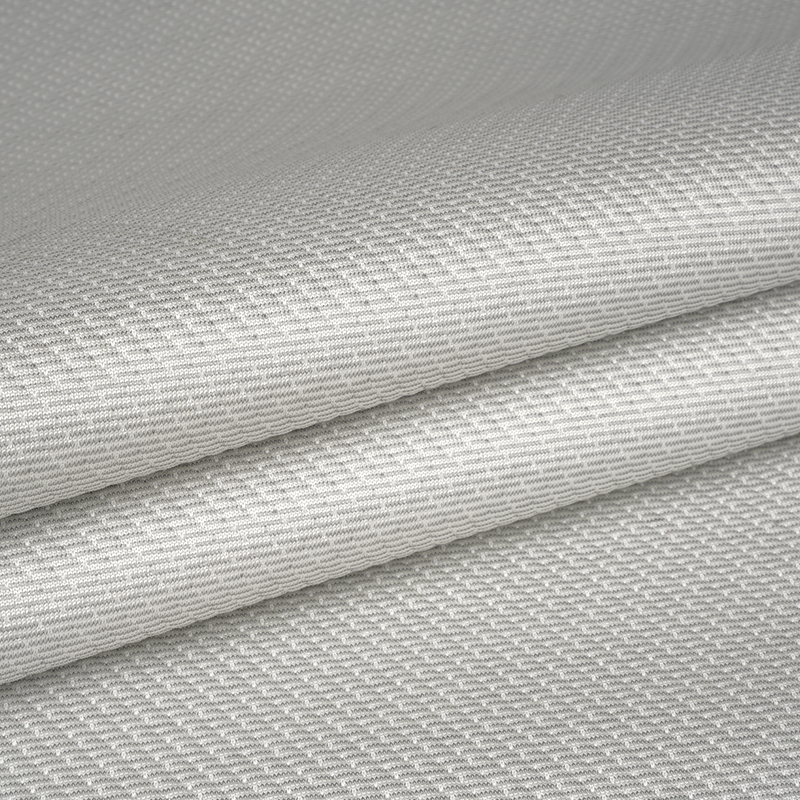
Twill weave provides a more visible texture and can create a softer drape or richer hand depending on yarn and finishing. The diagonal effect of twill can add depth to the fabric surface without making it overly decorative. It is suitable for mid-range to premium mattress lines where subtle texture helps communicate quality.
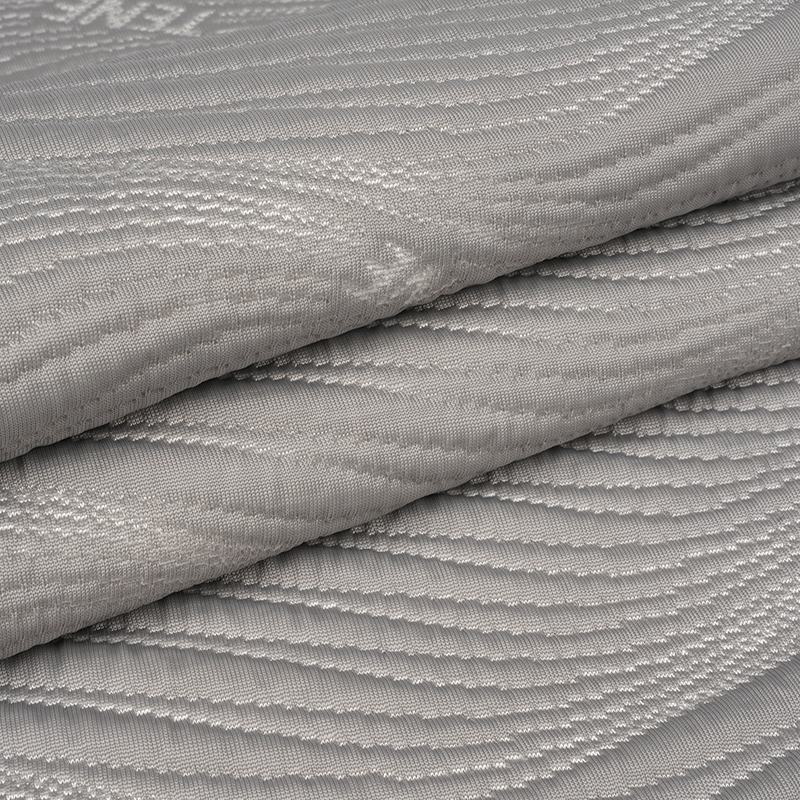
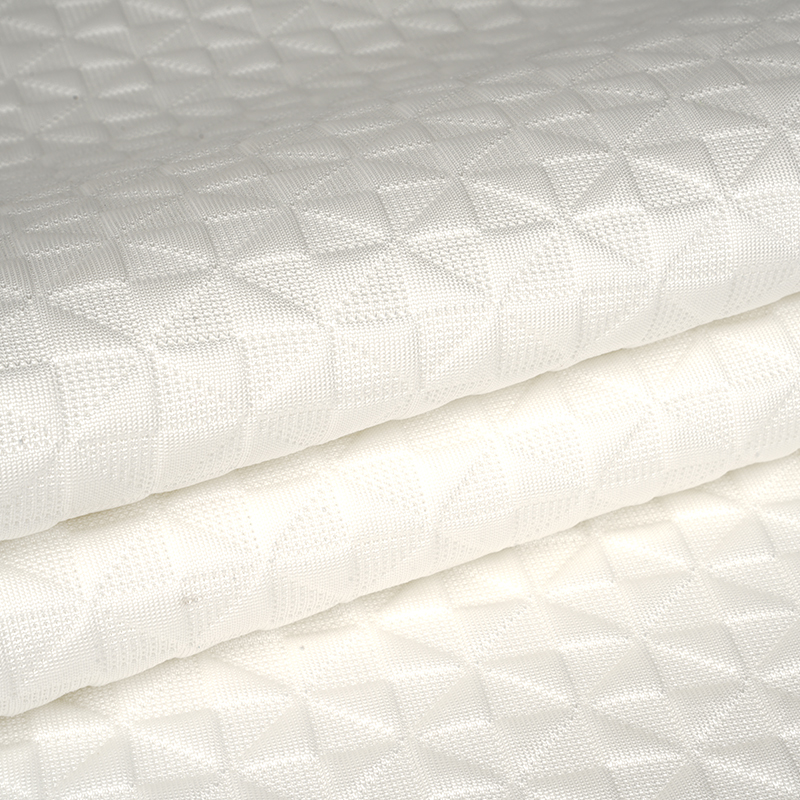
Jacquard weave allows more complex patterns to be created directly in the fabric structure. This is useful for premium mattress panels, decorative bedding fabrics, sofa fabrics, and coordinated interior textile collections. Jacquard designs can include geometric patterns, organic motifs, wave effects, brand-inspired textures, or elegant hotel-style surfaces. Because the pattern is woven rather than simply printed, it can provide a more integrated and durable visual effect.
This range of weave choices allows customers to differentiate products without changing the entire supply chain. A mattress brand can use the same general bamboo fiber platform across multiple collections while changing weight, width, yarn count, and weave style to create distinct market positions.
Manufacturing Strength Behind the Fabric
The quality of functional fabric depends heavily on manufacturing discipline. Hangzhou Xinsili Decorative Fabric Weaving Co., Ltd. has built its capabilities around decorative textile research, development, and precision manufacturing. With 19 years of industry experience, the company understands that textile performance is created through the entire process, not only through raw material selection.
The company’s 12,000-square-meter factory area provides the production foundation for stable weaving, finishing, inspection, and order fulfillment. Factory scale matters because bedding and furniture customers often require repeatable volume supply. A fabric may perform well in a sample, but commercial value depends on the ability to reproduce that performance across bulk orders. Process control, equipment management, trained operators, and quality inspection are essential to maintaining consistency.
Recognition as a National High-Tech Enterprise in 2023 reflects the company’s continued investment in innovation and technical development. Functional decorative textiles increasingly require more than basic weaving. Customers ask for antibacterial characteristics, moisture resistance, flame-retardant performance, sleep-supporting comfort, cooling effects, and environmentally responsible options. The company’s development direction aligns with these needs by integrating function, aesthetics, and practical manufacturing.
The company’s guiding vision, “Weaving Beautiful Spaces,” is reflected in the way it approaches fabric development. Decorative textiles must support both visual experience and everyday use. In a bedroom, fabric contributes to emotional comfort, cleanliness, warmth, and trust. In hotels, it must support brand image while enduring repeated use. In commercial settings, it must meet higher expectations for durability, safety, and maintenance. Bamboo Fiber Mattress Fabric fits within this broader philosophy by offering a soft, functional, and customizable surface for sleep environments.
Advanced Process Control from Yarn to Finished Fabric
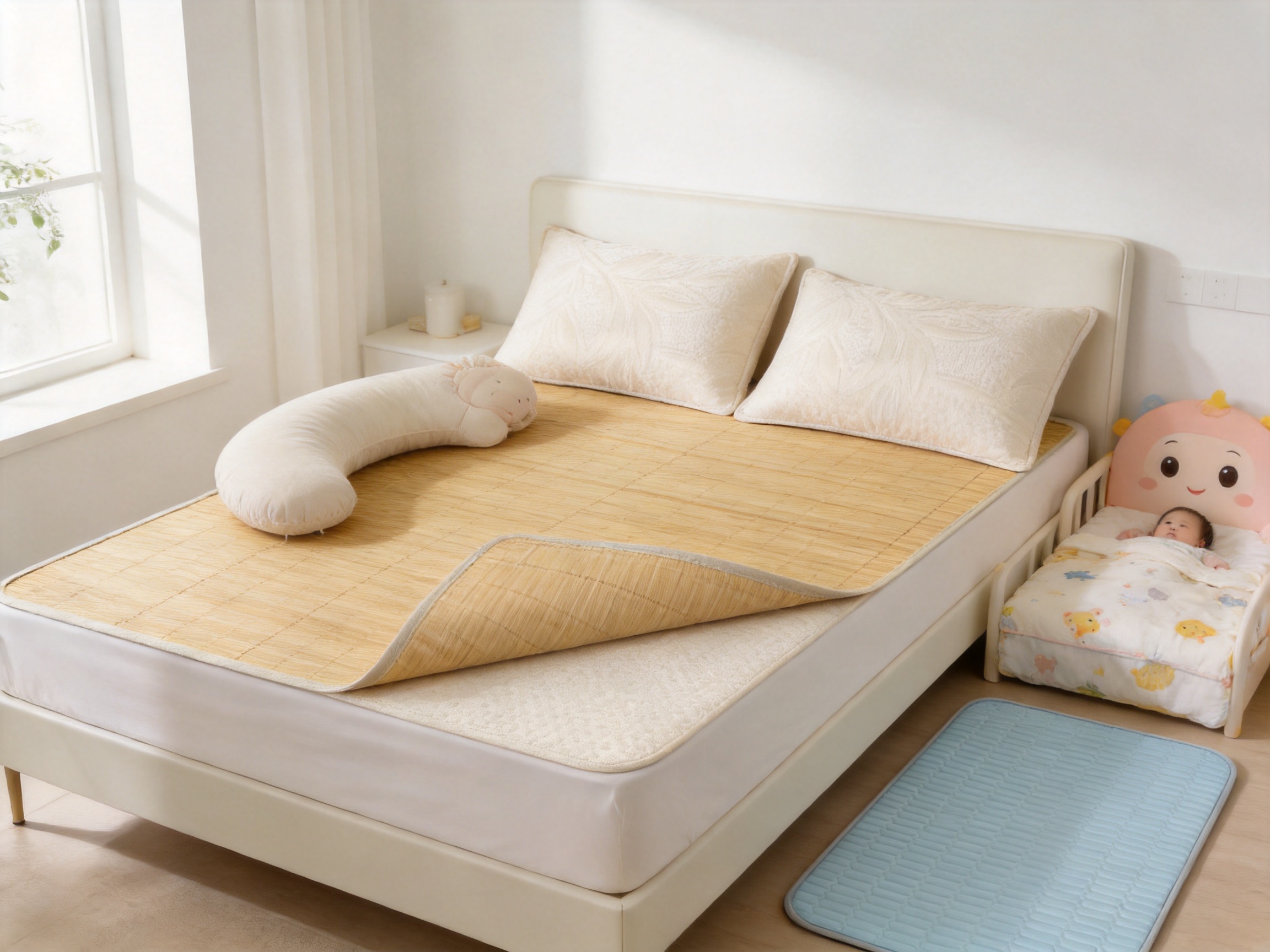
Producing a dependable Bamboo Fiber Mattress Fabric requires careful coordination from yarn selection to final inspection. The process begins with choosing yarn counts in the 40s to 60s range according to the target hand feel, weight, density, and design. Yarn quality affects evenness, strength, surface smoothness, and weaving performance. Poor yarn selection can cause broken ends, uneven texture, weak areas, and inconsistent dyeing or finishing results.
During weaving, the selected structure determines the surface behavior. Plain, twill, and jacquard options require different machine settings, tension control, and pattern management. Consistent yarn tension is essential for stable width and balanced density. The factory’s weaving experience helps control these variables so that the finished fabric meets functional and aesthetic expectations.
After weaving, finishing processes are used to adjust hand feel, stability, appearance, and functional properties. For mattress fabric, finishing must be carefully balanced. A surface that is too heavily treated may lose breathability or natural softness. A surface that is under-finished may lack stability or refined touch. The target is to create a fabric that remains comfortable while meeting measurable standards for pH value, dimensional change, air permeability, and fastness.
Inspection is also a critical stage. Fabric used for mattress panels must meet visual standards because defects are highly visible on large surfaces. Color variation, weaving flaws, stains, holes, tension marks, and inconsistent pattern alignment can reduce the value of finished mattresses. A disciplined inspection system helps detect defects before fabric reaches the customer’s cutting floor. This reduces production risk and supports stronger trust between supplier and manufacturer.
Customization is another advanced capability. Customers may request different weights, widths, weave effects, color directions, pattern styles, or functional finishes. A capable manufacturer must translate these requirements into production specifications. This includes trial development, sampling, parameter confirmation, bulk production, and final quality verification. By combining experience with technical process control, the company can support customers from concept to industrial supply.
Application in Children’s Mattresses
Children’s mattress fabric must satisfy a sensitive combination of requirements. It should feel soft, remain breathable, support hygienic use, and maintain stable appearance. Parents are highly attentive to materials used near children, and mattress brands must present fabrics that look and feel trustworthy. Bamboo Fiber Mattress Fabric is well suited to this category because of its gentle surface character, pH control, and breathable performance.
The pH range of 6.0 to 7.5 and compliance with GB 18401 are particularly relevant for children’s bedding products. While every final product should be tested according to its own market requirements, using fabric developed with textile safety standards in mind helps manufacturers build a stronger foundation. Good rubbing and perspiration fastness also help preserve appearance even when the mattress is handled frequently.
For children’s mattresses, lighter or medium basis weights can be selected to keep the surface soft and flexible. Plain weave may be preferred for simple designs, while jacquard patterns can create friendly and attractive surfaces. The fabric can also be coordinated with pillowcase fabric, bedding fabric, and other textile accessories to create a complete children’s sleep product line.
Application in Hotel and Commercial Bedding
Hotel bedding must communicate cleanliness, comfort, and durability. Guests may not know the technical structure of a mattress, but they immediately notice whether the bed feels fresh, breathable, and premium. Bamboo Fiber Mattress Fabric can help hotels and mattress suppliers create a high-quality surface experience while maintaining practical manufacturing performance.
For hotels, dimensional stability and color fastness are essential. Mattresses are moved, rotated, cleaned, protected, and inspected more frequently than in many residential settings. Fabrics that lose shape, discolor, or show surface wear quickly can damage the hotel’s image. The specified dimensional change and fastness values of this bamboo fiber fabric help support a more dependable product life cycle.
Jacquard versions may be especially suitable for hotel mattresses because they add visual sophistication. A subtle woven pattern can make a mattress look more refined even before sheets are added. For premium hotel suppliers, fabric appearance can influence purchasing decisions during product evaluation. The combination of soft touch, breathability, and decorative options makes this fabric suitable for hospitality-focused mattress collections.
Application in Pregnancy Pillows, Pillowcases, and Cooling Mats
Bamboo Fiber Mattress Fabric technology can also support related sleep and comfort products, including pregnancy pillow fabric, pillowcase fabric, and cooling mat fabric. These applications require close-contact comfort, softness, and breathability. In pregnancy pillows, users often hold the pillow for long periods and place it against sensitive areas of the body. A gentle, smooth fabric surface can improve the overall user experience.
For pillowcases, tactile comfort is even more direct because the face and neck contact the fabric throughout sleep. A bamboo fiber fabric with fine yarn count and suitable finishing can provide the smoothness and breathability required for premium pillowcase products. It can also be matched with mattress fabric to create coordinated bedding sets.
Cooling mat fabric applications benefit from breathable surfaces that do not block the function of inner cooling layers. When a surface fabric is too dense or poorly ventilated, it can reduce the perceived cooling effect. Bamboo Fiber Mattress Fabric, with air permeability of at least 800 mm/s, can help maintain airflow and comfort in cooling-oriented products when properly integrated into the full product design.
Application in Sofa and Pet-Friendly Fabrics
Although developed for mattress surfaces, the fabric platform is also relevant to sofa fabric and pet-friendly fabric categories when adjusted according to end-use demands. Sofa surfaces require comfort, appearance, and resistance to daily contact. Pet-friendly fabrics require additional attention to durability, cleanability, snag resistance, and maintenance. With suitable construction and finishing, bamboo fiber-based decorative textiles can contribute to soft and comfortable living spaces beyond the bedroom.
The company’s broader focus on functional decorative fabrics supports these cross-category applications. Home environments increasingly require coordinated textile solutions. A customer may want mattress fabric, bedding fabric, sofa fabric, and pet-friendly fabric that share a consistent design direction. A manufacturer with experience across these categories can help create unified collections for residential, hotel, and commercial spaces.
This is an advantage over suppliers that specialize only in one narrow product type. By understanding decorative textiles as a system, the company can support customers who want to extend fabric concepts across multiple product lines. This can reduce development time and improve brand consistency.
Sustainability and Responsible Material Direction
Modern customers are increasingly interested in environmentally friendly textile solutions. Bamboo fiber is often associated with comfort and responsible material direction, especially when combined with controlled manufacturing and quality management. While sustainability claims should always be supported by specific certifications and supply-chain documentation for the target market, the use of bamboo fiber helps brands develop products aligned with consumer interest in softer, more natural-feeling textile choices.
Hangzhou Xinsili Decorative Fabric Weaving Co., Ltd. emphasizes high-quality and environmentally friendly decorative fabric solutions. This direction is important because the textile industry faces growing pressure to reduce waste, improve durability, and develop safer materials. A fabric that performs consistently can also support sustainability indirectly by reducing production defects, rework, rejected goods, and premature product replacement.
Customizable weight and width further contribute to responsible production. When fabric width matches the customer’s cutting requirements, waste can be reduced. When basis weight is optimized, manufacturers avoid using more material than necessary. When dimensional stability is controlled, the risk of unusable panels decreases. These practical details matter in real manufacturing environments and can be as important as material selection itself.
Quality Assurance and Compliance Value
Quality assurance is central to the value of Bamboo Fiber Mattress Fabric. The stated technical indicators provide a framework for evaluating product reliability. Air permeability is tested according to GB/T 5453. pH value complies with GB 18401. Dimensional change after washing and fastness values are controlled to support practical use. These indicators help buyers compare the fabric with alternatives in a more transparent way.
For mattress manufacturers, quality assurance reduces risk. Fabric problems can be expensive because they often appear after cutting or quilting, when labor and additional materials have already been invested. A fabric defect discovered at the finished mattress stage is much more costly than one detected before shipment. Therefore, working with a manufacturer that understands inspection and process control is a major advantage.
Compliance also supports brand reputation. Bedding products are used for long periods and close to the body. Customers expect them to be safe, comfortable, and dependable. By using fabric developed with pH control and fastness requirements, brands can build stronger trust with distributors, retailers, hotels, and end users.
Customization for Mattress Brands and OEM Projects
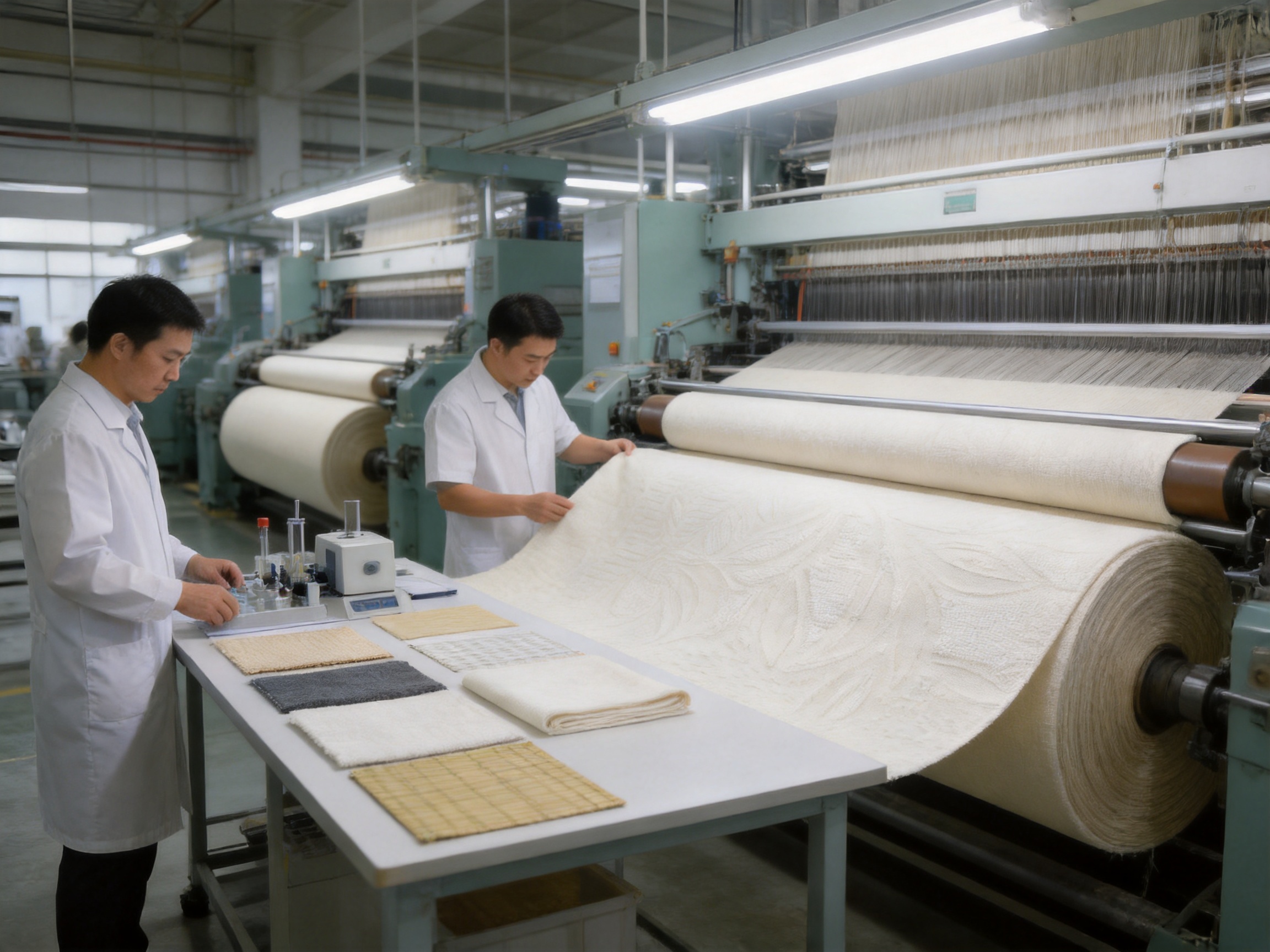
One of the most important strengths of this Bamboo Fiber Mattress Fabric is customization. Mattress brands do not all need the same fabric. A children’s mattress line may require a soft, light, breathable fabric with a friendly pattern. A luxury hotel mattress may require a heavier jacquard fabric with a refined surface. A cooling mattress may require maximum airflow and a clean modern design. A private-label retailer may require cost control, consistent supply, and dependable appearance.
The available basis weight range of 140 to 220 g/m² allows the fabric to be adapted to these different needs. The standard widths of 150 cm and 220 cm support multiple product sizes and production layouts. Yarn counts from 40s to 60s provide additional control over touch and texture. Plain, twill, and jacquard weave options allow visual differentiation. Together, these variables create a flexible product platform for OEM and ODM development.
Customization is not only about changing specifications. It is also about communication and technical translation. A customer may describe a desired feeling as “soft but not loose,” “breathable but not thin,” or “premium but cost controlled.” An experienced textile manufacturer must convert these descriptions into yarn, weave, weight, finishing, and inspection standards. This is where long industry experience becomes valuable. With 19 years in decorative fabric manufacturing, the company can support practical development discussions and help customers avoid common mistakes.
How This Fabric Helps Mattress Brands Compete
Mattress markets are highly competitive. Many products look similar from a distance, and customers often struggle to understand the differences between models. Fabric is one of the most visible ways to communicate quality. A mattress with a refined bamboo fiber surface can appear more comfortable, more premium, and more thoughtfully designed than one with a generic cover.
Breathability is also a strong selling point. Consumers increasingly ask whether mattresses sleep hot. While the full answer depends on foam, springs, ventilation layers, and bedding accessories, a breathable cover fabric strengthens the product story. Being able to reference air permeability of at least 800 mm/s under GB/T 5453 gives sales teams a more credible technical message.
Softness and skin-friendly touch support showroom appeal. When customers press a mattress, sit on it, or run their hand across the surface, the fabric affects their first impression. Bamboo fiber fabric can help create a pleasant initial response, making it easier for the inner comfort layers to be appreciated.
Design flexibility supports brand segmentation. A company can use plain fabric for entry models, twill for mid-range models, and jacquard for premium models. It can adjust weight and yarn count to match different price points. This allows brands to build a coherent product ladder without changing suppliers for every model.
Production reliability also improves competitiveness. Stable fabric reduces waste, rework, and delivery delays. Mattress brands that deliver consistent quality are more likely to retain retailers, hotel clients, and distributors. A fabric supplier with advanced manufacturing processes and stable quality control becomes part of the brand’s competitive advantage.
Company Strengths Supporting Long-Term Cooperation
Hangzhou Xinsili Decorative Fabric Weaving Co., Ltd. is positioned as a functional decorative textile manufacturer and supplier with a strong focus on practical innovation. Its products are suitable for residential, hotel, and commercial environments. The company’s experience in mattress fabric, children mattress fabric, pillowcase fabric, pregnancy pillow fabric, cooling mat fabric, bedding fabric, sofa fabric, and pet-friendly fabrics allows it to serve customers with diverse textile needs.
The company’s values include craftsmanship-driven manufacturing, design innovation, and win-win collaboration. These values are important in textile supply because customers need more than a one-time transaction. They need a partner who can respond to development requests, maintain quality, support repeat orders, and solve technical challenges. The ability to combine craftsmanship and technology is especially relevant in functional fabrics, where small process changes can affect comfort, shrinkage, breathability, and appearance.
As a National High-Tech Enterprise recognized in 2023, the company demonstrates a commitment to innovation. This is valuable for customers who want to develop future-oriented bedding products. Market demand is moving toward safer, healthier, more comfortable, and more sustainable living spaces. Functional fabrics that support antibacterial, moisture-resistant, flame-retardant, sleep-supporting, and comfort-improving properties are increasingly important. A supplier with development capability can help customers respond to these trends more quickly.
The factory’s location in Hangzhou City, Zhejiang Province, China, also places it within a region known for textile and manufacturing resources. Access to skilled labor, supplier networks, logistics channels, and industry knowledge supports stable production and export-oriented service. For international buyers, this can mean more efficient communication, product development, and supply coordination.
Selection Guidance for Buyers
When selecting Bamboo Fiber Mattress Fabric, buyers should begin by defining the final product category. A mattress panel, side border, pillowcase, pregnancy pillow, cooling mat, sofa surface, and pet-friendly textile do not all require the same structure. The intended use determines weight, width, weave, finishing, and performance priorities.
For premium mattress panels, a medium to heavy weight may be selected for a fuller appearance. Jacquard weave can strengthen decorative value. For breathable comfort mattresses, airflow and softness should be prioritized, and a lighter or medium weight may be appropriate. For children’s mattresses, gentle touch, pH control, and easy visual appeal are important. For hotel mattresses, durability, dimensional stability, and refined appearance are key considerations.
Buyers should also consider production equipment. If the fabric will be quilted with foam or fiberfill, the supplier should understand the required tension behavior and thickness compatibility. If the fabric will be laminated, breathability and bonding behavior should be evaluated. If the product will be compressed and rolled, wrinkle recovery and surface stability may become important.
Color and pattern selection should reflect market positioning. Light colors can communicate cleanliness and freshness, while deeper tones may be used for borders or decorative panels. Woven patterns can improve perceived value, but overly complex designs may increase cost. A reliable supplier can help balance visual impact with manufacturing practicality.
Q&A: Common Questions About Bamboo Fiber Mattress Fabric
Q1: What makes Bamboo Fiber Mattress Fabric different from ordinary mattress ticking?
It combines a soft bamboo fiber surface character with measurable technical performance, including air permeability of at least 800 mm/s, controlled dimensional change, pH value from 6.0 to 7.5, and rubbing and perspiration fastness of at least grade 3-4. It also offers customization in weight, width, yarn count, and weave type.
Q2: Is the fabric suitable for children’s mattresses?
Yes. Its soft touch, breathable construction, and pH control make it suitable for children’s mattress applications when the final product is developed and tested according to the target market’s requirements. Manufacturers can choose lighter or medium weights and friendly woven designs for children’s bedding lines.
Q3: Can the fabric be customized for different mattress brands?
Yes. The fabric can be customized in basis weight from 140 to 220 g/m², standard widths of 150 cm or 220 cm, yarn counts from 40s to 60s, and weave types including plain, twill, and jacquard. These options allow brands to create different product levels and visual styles.
Q4: Why is air permeability important for mattress fabric?
Air permeability helps the mattress surface feel less stuffy by supporting airflow. Since sleepers often experience discomfort from heat and moisture buildup, a breathable fabric surface can improve the overall comfort impression of the mattress.
Q5: What does dimensional change after washing within ±5% mean?
It means the fabric is designed to maintain relatively stable dimensions under standard washing conditions. This helps manufacturers reduce problems such as distortion, uneven quilting, and cutting inconsistency.
Q6: Can this fabric be used for pillowcases or pregnancy pillows?
Yes. The bamboo fiber fabric platform is suitable for pillowcase fabric and pregnancy pillow fabric because these products require softness, breathability, and close-contact comfort. Specifications can be adjusted according to the product design.
Q7: What advantages does jacquard weave offer?
Jacquard weave allows patterns to be created directly in the fabric structure. This provides a refined decorative appearance and is suitable for premium mattress panels, hotel bedding, and coordinated decorative textile collections.
Q8: How does the manufacturer support quality consistency?
The manufacturer supports consistency through yarn selection, weaving control, finishing adjustment, inspection, and technical customization. With 19 years of experience, a 12,000-square-meter factory area, and high-tech enterprise recognition, it has the foundation to support stable production and repeat orders.
Conclusion
Bamboo Fiber Mattress Fabric is a high-value textile solution for bedding manufacturers that want to combine comfort, breathability, design flexibility, and production reliability. Its customizable basis weight of 140 to 220 g/m², standard widths of 150 cm and 220 cm, yarn counts from 40s to 60s, and weave options including plain, twill, and jacquard make it suitable for a wide range of mattress and bedding applications.
Its performance indicators provide clear practical advantages. Air permeability of at least 800 mm/s supports breathable comfort. Dimensional change within ±5% helps production stability. A pH value of 6.0 to 7.5 and compliance with GB 18401 support close-contact textile use. Rubbing and perspiration fastness of at least grade 3-4 help preserve appearance during handling and use.
Beyond the fabric itself, the manufacturing strength behind the product is a major advantage. Hangzhou Xinsili Decorative Fabric Weaving Co., Ltd. brings 19 years of experience, a 12,000-square-meter factory, high-tech enterprise recognition, and a focus on functional decorative textiles. Its capabilities in antibacterial, moisture-resistant, flame-retardant, sleep-supporting, and comfort-improving textile technologies make it a strong partner for brands developing modern bedding, hotel, residential, commercial, and specialty comfort products.
For mattress brands competing in a crowded market, the surface fabric can be a decisive detail. Bamboo Fiber Mattress Fabric helps improve first-touch comfort, strengthen breathable product positioning, support refined visual design, and improve manufacturing predictability. It is not merely a cover; it is a functional and decorative layer that helps transform a mattress into a more comfortable, trustworthy, and market-ready sleep product.
References
GB/T 5453, Textiles: Determination of the Permeability of Fabrics to Air.
GB 18401, National General Safety Technical Code for Textile Products.
Textile Institute. Textile Terms and Definitions.
Collier, B. J., and Epps, H. H. Textile Testing and Analysis.
Kadolph, S. J. Textiles.
Saville, B. P. Physical Testing of Textiles.
Product: Bamboo Fiber Mattress Fabric
Our Featured Products
-
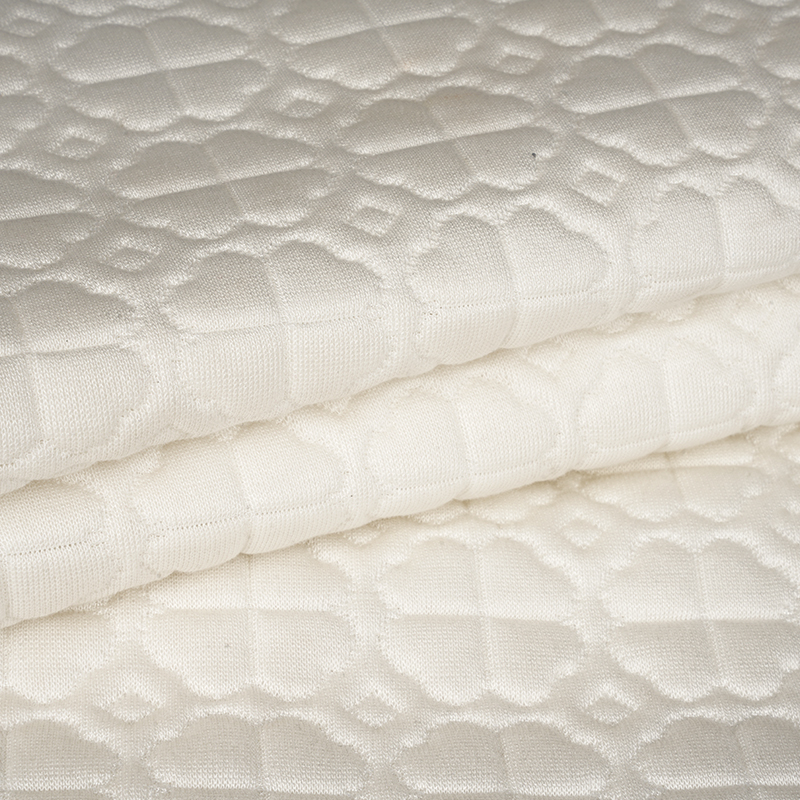
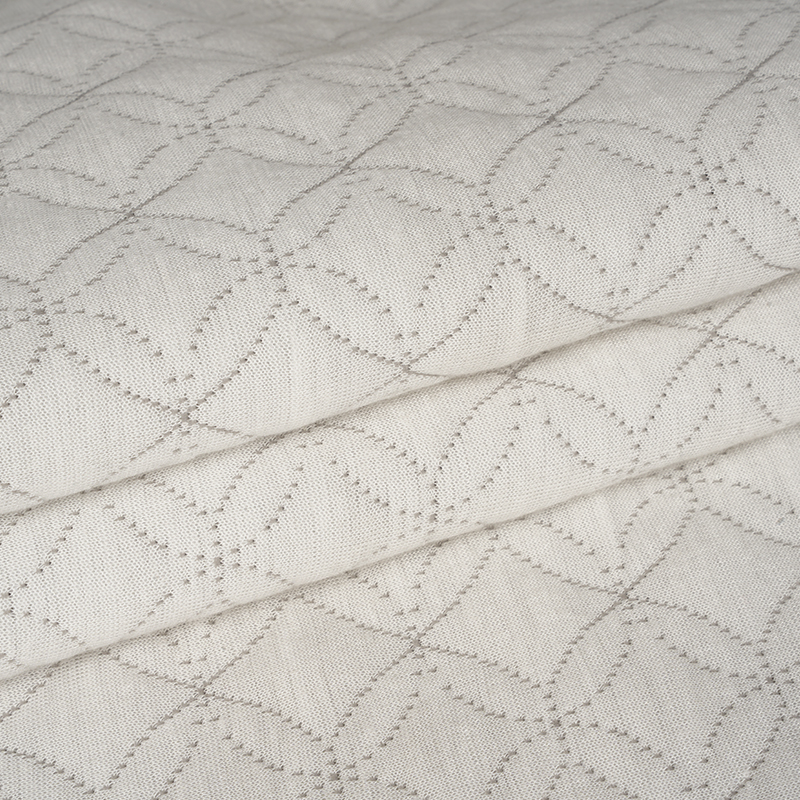
Bamboo Fiber Children Mattress Fabric
Bamboo Fiber Children Mattress Fabric
Haven’t Found The Products You Want?
-
-
Shen Jinyan:+86-15158070676
[email protected]
Liang Jinwen:+86-15757186621
[email protected]
Qiu Yingyingn:+86-13819545790
[email protected]
Yi qiao Town, Xiaoshan District, Hangzhou City, Zhejiang Province, China
-
Products
Mattress Fabric Children Mattress Fabric Pillowcase Fabric Pregnancy Pillow Fabric Cooling Mat Fabric Bedding Fabric Sofa Fabric Pet Friendly Fabrics -
Contact Information
About Us Products Strength Sustainability News Contact Us
Copyright © Hangzhou Xinsili Decorative Fabric Weaving Co.,Ltd. All Rights Reserved.
Functional Decorative Textile Manufacturers
