

 English
 中文简体
中文简体 Español
 عربى
عربى русский


Cotton Sofa Fabric for Durable, Comfortable, and Sustainable Upholstery
Content
- 1 Understanding Cotton Sofa Fabric
- 2 Why Cotton Is an Excellent Choice for Sofa Upholstery
- 3 Product Advantages Over Common Competitor Fabrics
- 4 Key Performance Features of High-Quality Cotton Sofa Fabric
- 5 Manufacturing Strength Behind the Fabric
- 6 Advanced Weaving and Structural Design
- 7 Functional Finishing for Modern Living Spaces
- 8 Quality Control from Raw Material to Finished Roll
- 9 Applications in Residential Interiors
- 10 Applications in Hotels and Commercial Spaces
- 11 Design Possibilities and Aesthetic Value
- 12 Comparison Table: Cotton Sofa Fabric and Other Upholstery Options
- 13 Sustainability and Responsible Textile Development
- 14 Customization for Furniture Brands and Project Buyers
- 15 Comfort as a Competitive Advantage
- 16 Pet-Friendly and Family-Friendly Potential
- 17 How Cotton Sofa Fabric Supports Furniture Manufacturing Efficiency
- 18 Long-Term Value for Buyers
- 19 Company Strength and Market Reliability
- 20 Selection Guidance for Cotton Sofa Fabric Buyers
- 21 Care and Maintenance Considerations
- 22 Future Trends in Cotton Sofa Fabric
- 23 Q&A Section
- 23.1 What makes cotton sofa fabric suitable for upholstery?
- 23.2 How does cotton sofa fabric compare with polyester sofa fabric?
- 23.3 Can cotton sofa fabric be used in hotels and commercial projects?
- 23.4 Is cotton sofa fabric customizable?
- 23.5 What manufacturing factors affect cotton sofa fabric quality?
- 23.6 Why is functional finishing important for cotton sofa fabric?
- 23.7 Is cotton sofa fabric a good choice for family homes?
- 23.8 How should buyers choose the right cotton sofa fabric?
- 24 Conclusion
- 25 References
- 26 Product: Cotton Sofa Fabric
Cotton sofa fabric is a practical and refined upholstery material designed for residential, hotel, and commercial seating environments where comfort, durability, and visual appeal must work together. As sofas increasingly serve as the center of modern living spaces, the fabric covering them must meet higher expectations: it should feel pleasant against the skin, withstand daily use, support decorative design, and maintain a clean, dependable appearance over time. Cotton sofa fabric answers these needs with a natural touch, breathable structure, versatile styling potential, and strong compatibility with advanced textile finishing technologies.
For buyers, furniture manufacturers, interior designers, and procurement teams, selecting the right sofa fabric is not only a matter of color or texture. It is a decision that affects user experience, product lifespan, maintenance convenience, brand value, and long-term customer satisfaction. A well-developed cotton sofa fabric can elevate an ordinary sofa into a comfortable and reliable furnishing solution. It can be used in family living rooms, apartments, lounges, boutique hotels, reception areas, serviced residences, leisure clubs, and commercial relaxation spaces where aesthetics and performance are equally important.
Hangzhou Xinsili Decorative Fabric Weaving Co., Ltd. focuses on functional decorative textiles and has developed manufacturing capabilities that support stable quality, practical performance, and environmentally conscious fabric solutions. With experience in decorative fabric weaving, product development, and functional textile innovation, the company provides cotton sofa fabric that reflects both craftsmanship and industrial precision. Its product philosophy emphasizes safe, healthy, comfortable, and sustainable living spaces, making cotton sofa fabric a natural fit for modern upholstery applications.
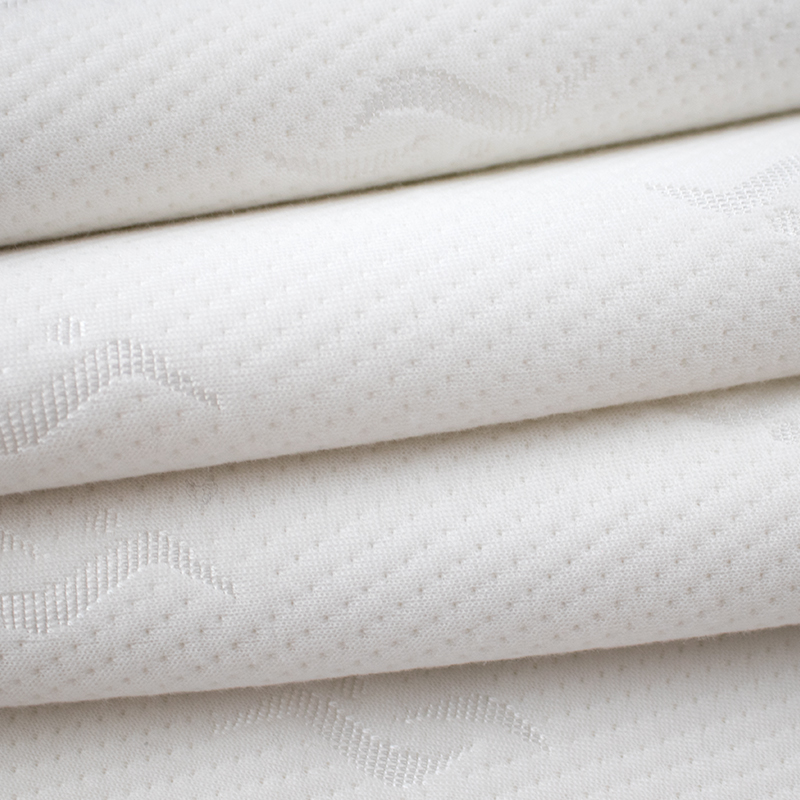
Cotton Sofa Fabric
Understanding Cotton Sofa Fabric
Cotton sofa fabric is an upholstery textile made with cotton fibers or cotton-rich yarn systems. Cotton is valued for its softness, breathability, moisture absorption, and natural appearance. In sofa applications, cotton can be woven into different structures, weights, textures, and surface effects to create fabrics suitable for many furniture styles. It can appear casual and warm, clean and modern, natural and minimalist, or elegant and decorative depending on yarn selection, weave design, dyeing method, and finishing process.
Compared with many purely synthetic upholstery materials, cotton offers a more skin-friendly and breathable feel. This is important because sofas are frequently used for long sitting periods, family gatherings, reading, watching television, resting, and social interaction. A fabric that feels natural and comfortable can improve the user’s impression of the entire furniture piece. Cotton sofa fabric also offers good dye affinity, allowing manufacturers to create rich colors, soft neutrals, deep tones, and coordinated interior palettes.
At the same time, modern cotton sofa fabric is not limited to traditional natural-fiber performance. Through advanced weaving, finishing, and functional treatment, it can be improved in abrasion resistance, dimensional stability, wrinkle recovery, anti-pilling properties, stain management, moisture resistance, and flame-retardant performance when required by market or project standards. This combination of natural comfort and technical enhancement is one of the main reasons cotton sofa fabric remains highly competitive in decorative textile markets.
Why Cotton Is an Excellent Choice for Sofa Upholstery
The first major advantage of cotton sofa fabric is comfort. Cotton fibers have a soft hand feel and breathable character, which helps prevent the overly hot or sticky sensation sometimes associated with less breathable materials. In home and hospitality environments, this natural comfort creates a welcoming seating experience. Consumers often associate cotton with cleanliness, familiarity, and everyday ease, which can help furniture products feel more approachable and user-friendly.
The second advantage is design flexibility. Cotton yarns can be woven into plain weaves, twills, jacquards, textured fabrics, dobby patterns, and mixed-yarn structures. Designers can create simple solid-color upholstery, subtle woven textures, natural linen-like effects, vintage-inspired surfaces, or more decorative patterns. This versatility allows cotton sofa fabric to serve a wide range of furniture categories, from compact apartment sofas to large sectional sofas, from soft family-style seating to refined commercial lounge furniture.
The third advantage is sustainability potential. Cotton is a natural fiber and can be part of environmentally conscious product development when responsibly sourced and manufactured. In an era when consumers and commercial buyers increasingly evaluate materials by their ecological impact, cotton-rich upholstery fabrics can support a softer and more responsible product image. When combined with efficient production, controlled finishing, and durable construction, cotton sofa fabric can contribute to longer-lasting furniture and reduced replacement frequency.
The fourth advantage is process compatibility. Cotton accepts dyes and finishing agents effectively, enabling precise color development and functional upgrades. It can be treated for improved shrinkage control, enhanced hand feel, antibacterial performance, moisture resistance, and flame-retardant properties where needed. This makes cotton sofa fabric suitable not only for household sofas but also for demanding project environments where specifications must balance comfort and compliance.
Product Advantages Over Common Competitor Fabrics
In the upholstery market, cotton sofa fabric competes with polyester fabric, linen fabric, leather, faux leather, velvet, chenille, and blended materials. Each option has its own strengths, but cotton sofa fabric provides a distinctive balance that makes it especially attractive for customers seeking comfort, beauty, practicality, and a more natural touch.
Compared with basic polyester sofa fabric, cotton sofa fabric generally offers a warmer and more natural hand feel. Polyester can be durable and cost-effective, but it may feel less breathable or less organic in appearance. Cotton, by contrast, provides a soft, familiar surface that can make furniture feel more comfortable in daily use. When enhanced through weaving density and finishing processes, cotton sofa fabric can achieve reliable durability while preserving its natural character.
Compared with linen upholstery, cotton sofa fabric often provides better softness and easier daily acceptance. Linen has a crisp, textured feel and a premium natural look, but it can wrinkle more easily and may feel rougher depending on quality. Cotton can deliver a natural aesthetic with a smoother touch, making it suitable for families, hospitality spaces, and users who want comfort without sacrificing style. Cotton can also be blended or woven creatively to simulate linen-like textures while improving tactile comfort.
Compared with leather and faux leather, cotton sofa fabric creates a softer and less temperature-sensitive seating surface. Leather may feel cold in winter and warm in summer, while faux leather can sometimes have limited breathability. Cotton sofa fabric provides air permeability and a fabric-like softness that many users prefer for relaxed home environments. It also supports a wider range of woven patterns and colors, giving designers more decorative freedom.
Compared with some pile fabrics such as velvet, cotton sofa fabric can offer a more casual, breathable, and low-glare appearance. Velvet is luxurious but may show pressure marks, directional shading, or maintenance concerns in some settings. Cotton sofa fabric is often easier to integrate into everyday interiors because it can be understated, practical, and naturally elegant. It can deliver texture without excessive shine, making it useful for both modern and classic sofa designs.
Key Performance Features of High-Quality Cotton Sofa Fabric
A high-quality cotton sofa fabric should not be judged by fiber content alone. Its real performance depends on yarn quality, weaving structure, density, finishing stability, color fastness, and quality control. When these factors are managed carefully, the fabric can provide a dependable upholstery solution for furniture manufacturers and project buyers.
Abrasion resistance is one of the most important performance indicators for sofa fabric. Sofas experience repeated friction from sitting, movement, clothing, cushions, and daily contact. A strong cotton sofa fabric requires a stable weave and appropriate yarn strength to resist surface wear. Through proper construction and finishing, cotton upholstery can achieve a durable surface suitable for frequent use.
Color fastness is another essential factor. Sofa fabric must resist fading or color transfer caused by rubbing, cleaning, light exposure, and regular use. Cotton has good dyeing capability, but dye selection and process control are critical. Professional dyeing and finishing help maintain consistent color depth and reduce the risk of uneven shade or poor rubbing performance.
Dimensional stability affects how the fabric behaves during cutting, sewing, upholstering, and long-term use. Fabric that shrinks, stretches, or distorts can create wrinkles, seam tension, and quality issues in finished sofas. Controlled weaving, pre-treatment, and finishing can help cotton sofa fabric maintain stable dimensions and improve furniture manufacturing efficiency.
Hand feel is also important because consumers directly touch the fabric. A fabric may be strong, but if it feels harsh, stiff, or uncomfortable, it will not support a premium sofa experience. High-quality cotton sofa fabric should balance body and softness, offering enough structure for upholstery while remaining pleasant to the skin.
Manufacturing Strength Behind the Fabric
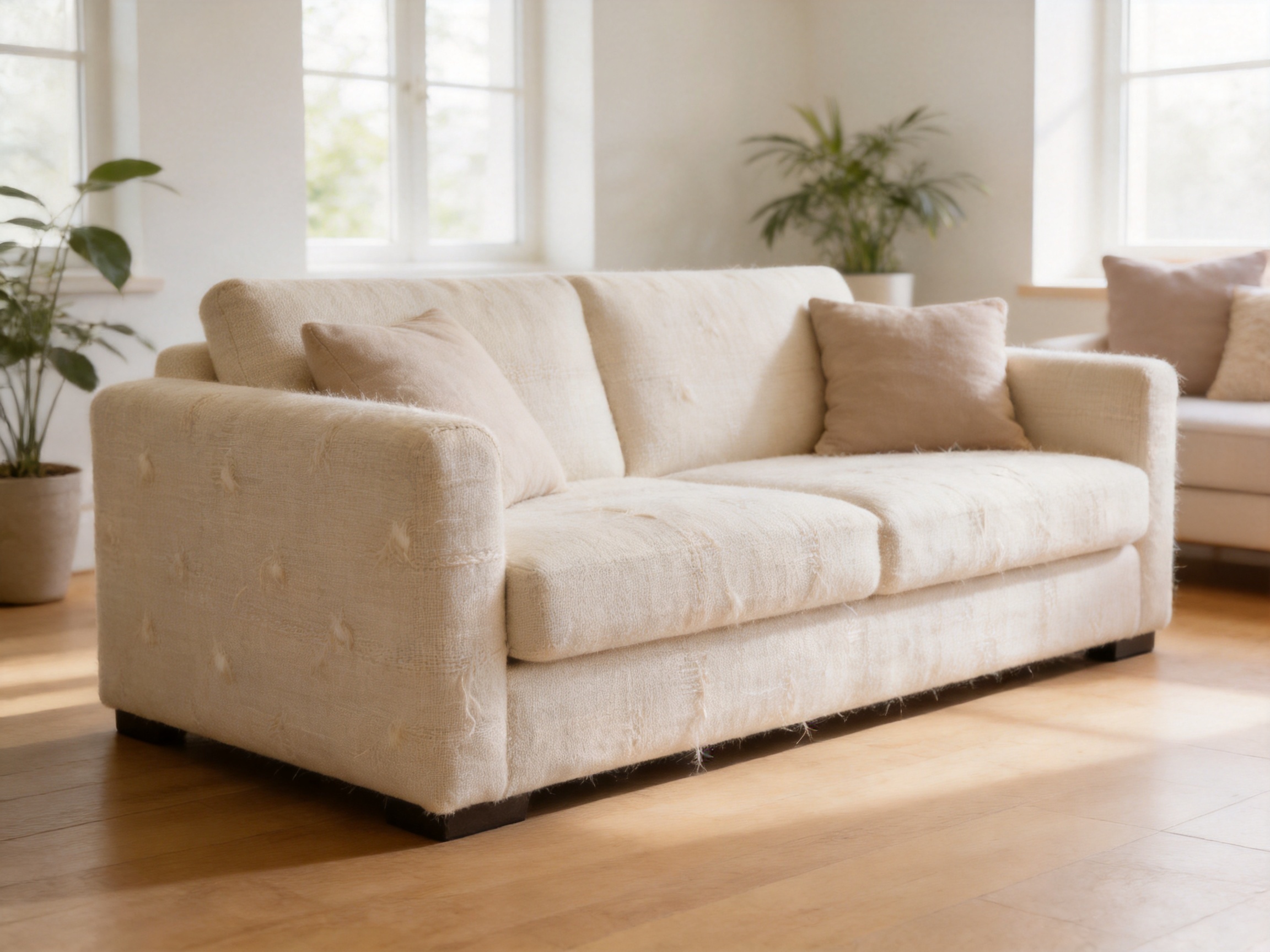
The performance of cotton sofa fabric begins long before the finished roll reaches a furniture factory. It starts with material planning, yarn selection, weave development, machine setup, quality testing, and controlled finishing. Hangzhou Xinsili Decorative Fabric Weaving Co., Ltd. has built its capabilities around decorative textile innovation and precision manufacturing, allowing the company to produce fabrics that serve modern living spaces with stability and reliability.
With 19 years of industry experience, the company has accumulated practical knowledge of fabric behavior, decorative trends, customer requirements, and functional textile development. This experience is valuable because upholstery fabric must satisfy both technical and aesthetic standards. It must be attractive enough for interior design and strong enough for long-term use. A manufacturer with deep experience can identify potential issues early, optimize structures, and create fabrics that perform consistently in real applications.
The company operates with a 12,000 square meter factory area, supporting systematic production, storage, inspection, and development activities. A modern factory environment helps ensure that processes are organized and traceable. For international buyers and furniture producers, this stability is important because reliable supply depends on more than one successful sample. It requires repeatable production, consistent shade control, stable fabric width, and timely delivery.
Recognition as a National High-Tech Enterprise in 2023 reflects the company’s commitment to technological advancement. For cotton sofa fabric, this means the product can benefit from research-oriented thinking, improved finishing solutions, functional textile integration, and process optimization. High-tech capability is not only about advanced equipment; it is also about a culture of improvement, testing, and solving customer problems through material innovation.
Advanced Weaving and Structural Design
Weaving structure is the foundation of cotton sofa fabric quality. The same fiber can perform very differently depending on yarn count, twist, density, weave pattern, and fabric weight. A loose and unstable fabric may deform easily, while an overly rigid fabric may lack comfort. The ideal structure balances strength, texture, flexibility, and upholstering performance.
In cotton sofa fabric development, weaving engineers consider the intended application. A family sofa may require softness, comfort, and easy maintenance. A hotel lounge sofa may require stronger abrasion resistance and more formal aesthetics. A commercial waiting-area sofa may require higher durability and functional finishing. By adjusting weave density, yarn arrangement, and surface texture, the fabric can be tailored to different project needs.
Decorative weaving also allows the fabric to become part of the furniture’s visual identity. Subtle textures can add depth to solid colors, while patterned weaves can create a premium impression without relying only on printing. Woven design is especially valuable for upholstery because patterns formed by yarn interlacing can maintain a refined appearance even after extended use.
Strong weaving control also improves cutting and sewing performance. Furniture factories require fabrics that lay flat, cut cleanly, and behave predictably during upholstery. If the fabric skews, stretches unevenly, or frays excessively, production efficiency decreases. A well-engineered cotton sofa fabric supports smoother downstream processing, helping furniture manufacturers reduce waste and maintain consistent finished product quality.
Functional Finishing for Modern Living Spaces
Modern decorative textiles increasingly require functional performance. Consumers and project buyers expect fabrics to do more than cover furniture. They want materials that support comfort, cleanliness, safety, and long service life. Hangzhou Xinsili Decorative Fabric Weaving Co., Ltd. focuses on functional decorative fabrics and integrates technologies such as antibacterial, moisture-resistant, flame-retardant, sleep-supporting, and comfort-improving functions across its textile development.
For cotton sofa fabric, antibacterial finishing can be valuable in shared spaces, family homes, pet-friendly interiors, and hospitality environments. Sofas are touched frequently and may be used by many people. An antibacterial function can help support a cleaner textile surface and align with growing interest in healthier interiors.
Moisture-resistant finishing can improve daily practicality. While cotton naturally absorbs moisture, controlled finishing can help reduce the impact of spills, humidity, and environmental moisture. This can make the fabric more suitable for active households, hotel rooms, lounge areas, and public-use seating.
Flame-retardant treatment may be required for certain commercial, hospitality, and project applications. Safety standards differ by market and use environment, but the ability to develop flame-retardant upholstery fabrics gives buyers more options. A fabric manufacturer with functional finishing capability can work with project requirements and help customers select appropriate solutions.
Comfort-improving finishing is also important. Finishing can influence softness, smoothness, body, drape, and surface feel. For sofa fabric, the finishing goal is not simply to make the fabric soft; it must preserve structure and durability while improving tactile experience. This balance requires technical understanding and process control.
Quality Control from Raw Material to Finished Roll
Reliable cotton sofa fabric requires quality control at every stage. Raw yarn inspection helps confirm count, strength, uniformity, and suitability for weaving. During weaving, monitoring helps detect defects such as broken yarns, uneven tension, skipped threads, and pattern inconsistencies. After weaving, greige fabric inspection identifies issues before finishing, reducing the risk of defects continuing into final product.
Dyeing and finishing require careful control of temperature, time, chemical concentration, washing, drying, and setting. Small process variations can affect color, hand feel, shrinkage, and performance. Professional production management helps maintain repeatability from batch to batch. This is especially important for furniture manufacturers that may need additional fabric orders after initial production; shade consistency and specification stability are essential.
Finished fabric inspection checks width, weight, appearance, color, surface defects, and packaging condition. Depending on customer requirements, performance testing may include abrasion resistance, color fastness to rubbing, color fastness to light, shrinkage, pilling resistance, tensile strength, tear strength, and functional performance verification. Through systematic inspection, the manufacturer can provide buyers with greater confidence and reduce quality risks in furniture production.
Traceable quality control also supports long-term collaboration. When a customer develops a sofa collection, the fabric may become a key part of the product identity. Stable fabric quality enables repeat orders, consistent furniture appearance, and fewer after-sales issues. This is a major advantage over suppliers that may offer low-cost fabric but cannot guarantee consistency.
Applications in Residential Interiors
In residential interiors, cotton sofa fabric provides comfort and warmth. It is suitable for living room sofas, family room sectionals, reading chairs, accent chairs, daybeds, and soft seating combinations. The breathable feel of cotton is particularly appealing in spaces where people relax for long periods. A cotton-covered sofa can feel inviting and familiar, making it a strong choice for homes that prioritize comfort and natural aesthetics.
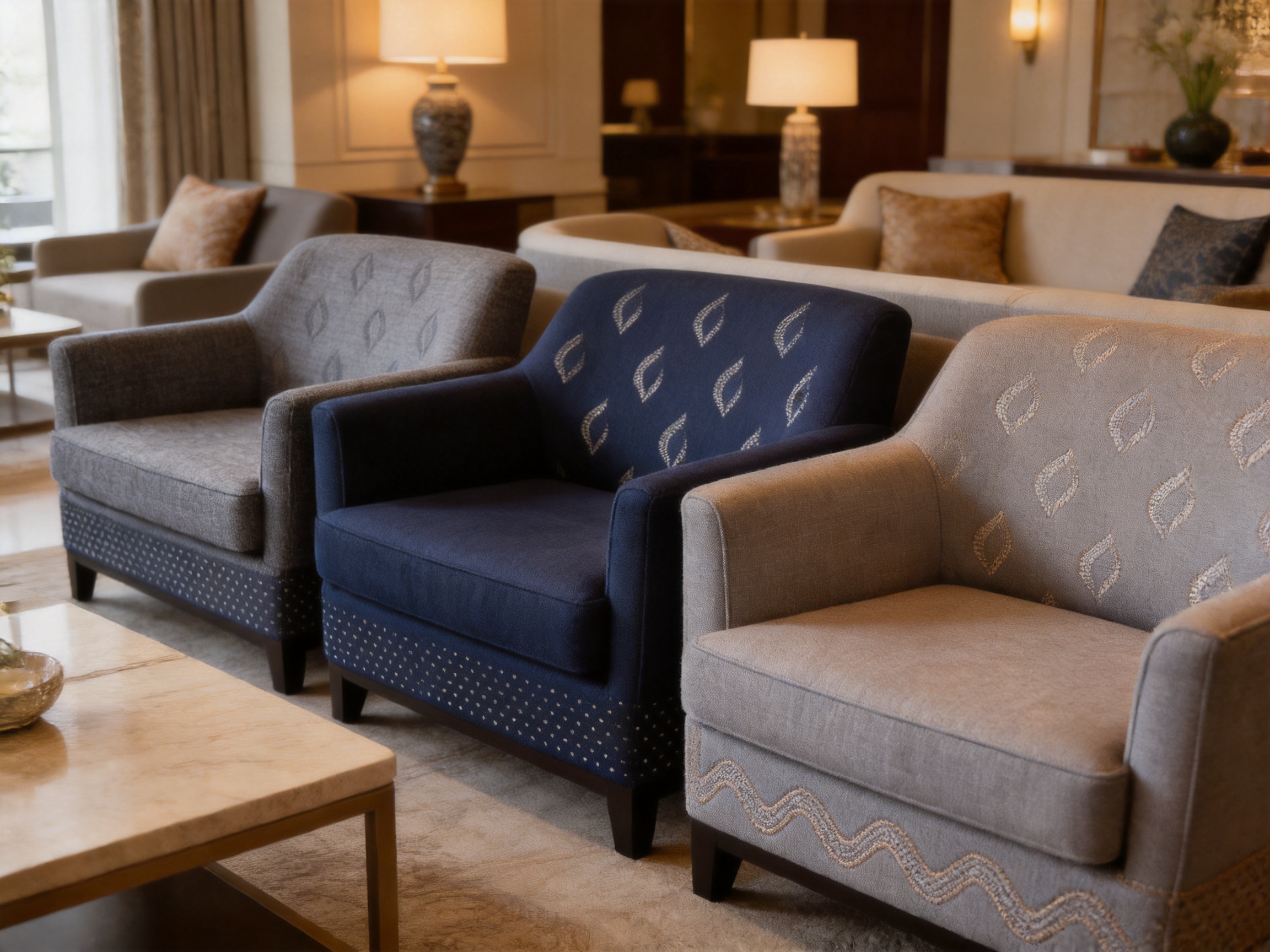
Color options can be designed to match different home styles. Soft beige, warm gray, ivory, taupe, and light brown can create calm and natural interiors. Deeper colors such as navy, charcoal, forest green, and terracotta can provide visual weight and sophistication. Textured cotton sofa fabric can enhance minimalist rooms by adding tactile richness without overwhelming the design.
For families, durability and maintenance matter. Children, guests, pets, and daily routines place demands on upholstery. A carefully constructed cotton sofa fabric with practical finishing can support normal household use while maintaining a comfortable surface. When paired with appropriate cleaning guidance and furniture design, it can provide a balanced solution for style and function.
Applications in Hotels and Commercial Spaces
Hotel and commercial interiors require fabrics that look attractive and perform reliably under heavier use. Cotton sofa fabric can be used in hotel guest rooms, lobby lounges, waiting areas, serviced apartment seating, boutique hotel furniture, meeting room sofas, and leisure space upholstery. Its natural comfort helps create a welcoming atmosphere for guests, while advanced finishing can improve its suitability for demanding environments.
In hotel spaces, the tactile impression of furniture contributes to guest satisfaction. A sofa that feels comfortable and clean can influence the perceived quality of the room or lounge. Cotton sofa fabric supports this sensory experience through softness and breathability. It also allows designers to create coordinated textile schemes with bedding fabric, pillowcase fabric, mattress fabric, and decorative cushions, supporting a unified interior concept.
Commercial projects often need consistent supply and repeatable specifications. A capable manufacturer can support project-based procurement by developing fabric according to required color, texture, width, performance, and finishing needs. This is where manufacturing strength becomes an advantage over generic fabric traders. Buyers benefit from direct production knowledge, quality control, and the ability to align fabric development with project goals.
Design Possibilities and Aesthetic Value
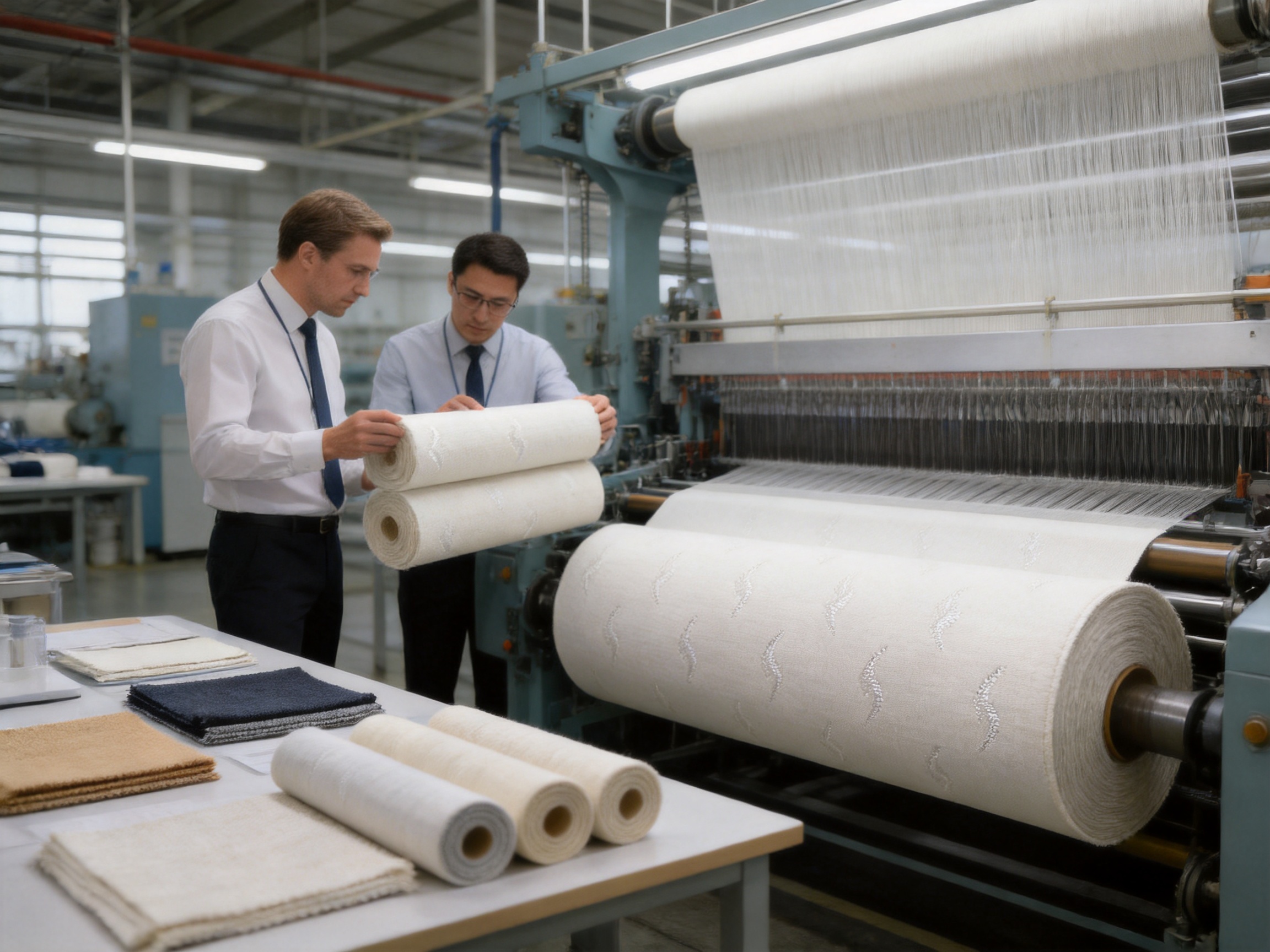
Cotton sofa fabric is highly adaptable in design. It can create a relaxed natural style, a sophisticated contemporary look, or a classic decorative atmosphere. Texture plays a major role. A fine plain weave may appear clean and modern, while a heavier basket weave may feel casual and substantial. A twill structure can add diagonal movement, and jacquard weaving can introduce patterns with depth and elegance.
Because cotton accepts dye well, color development can be precise and expressive. Interior designers can use cotton sofa fabric to support current color trends or create timeless palettes. Neutral colors remain popular because they allow furniture to fit many spaces, but customized colors can help furniture brands differentiate their collections. The ability to combine color with texture gives cotton upholstery a strong decorative advantage.
Surface character can also be adjusted through finishing. A brushed or softened surface may create a cozy hand feel. A cleaner finish may support modern furniture shapes. A slightly textured surface can hide minor signs of use better than a flat, smooth fabric. The design process should consider not only showroom appearance but also real-life usage. A good cotton sofa fabric maintains its beauty through daily contact, light changes, and repeated sitting.
For furniture brands, fabric is one of the most visible elements of product identity. A sofa frame may be similar to competing products, but fabric texture, color, and touch can create differentiation. Cotton sofa fabric offers a strong platform for building collections that feel authentic, comfortable, and marketable.
Comparison Table: Cotton Sofa Fabric and Other Upholstery Options
| Material Type | Main Strengths | Common Limitations | Why Cotton Sofa Fabric Stands Out |
|---|---|---|---|
| Cotton Sofa Fabric | Soft touch, breathable comfort, natural appearance, good dyeability, versatile weaving options | Requires proper finishing for enhanced stain resistance and dimensional stability | Balances comfort, design flexibility, and functional upgrade potential |
| Basic Polyester Fabric | Durable, economical, easy to produce in large quantities | May feel less natural and less breathable | Cotton offers a warmer, more skin-friendly seating experience |
| Linen Upholstery | Natural texture, premium look, breathable feel | Can wrinkle easily and may feel rough depending on quality | Cotton provides natural style with softer everyday comfort |
| Leather | Luxury image, strong surface, easy wiping for some spills | Temperature-sensitive, higher cost, limited textile pattern options | Cotton creates a softer, more breathable, and more decorative surface |
| Faux Leather | Affordable leather-like appearance, easy surface cleaning | May have lower breathability and potential cracking over time | Cotton supports long sitting comfort and a more natural fabric texture |
| Velvet | Luxurious appearance, rich color depth, soft pile | May show pressure marks and directional shading | Cotton offers practical elegance with lower visual maintenance concerns |
Sustainability and Responsible Textile Development
Sustainability in upholstery is not only about fiber origin. It also involves durability, production efficiency, finishing responsibility, waste reduction, and product longevity. Cotton sofa fabric can support sustainable interior design when manufactured with quality, stability, and practical performance in mind. A durable sofa fabric helps extend furniture life, reducing the need for frequent replacement and lowering material waste over time.
Hangzhou Xinsili Decorative Fabric Weaving Co., Ltd. emphasizes high-quality and environmentally friendly decorative fabric solutions. This approach aligns with global demand for healthier and more responsible living spaces. In textile manufacturing, environmental awareness can include careful material selection, process optimization, controlled finishing, quality consistency, and development of fabrics that meet real user needs rather than disposable trends.
Natural-looking interiors are increasingly popular because they create a sense of calm and comfort. Cotton sofa fabric supports this movement with its organic touch and soft visual character. When combined with functional finishing, it can offer both natural appeal and practical use. This makes it valuable for designers who want to create sustainable-looking spaces without sacrificing performance.
Long-term sustainability also depends on trust. A fabric that fails quickly, fades unevenly, pills badly, or deforms during use is not sustainable, even if it appears environmentally friendly at first. Stable manufacturing, testing, and quality control are essential. By focusing on reliability, the manufacturer supports a more responsible product lifecycle.
Customization for Furniture Brands and Project Buyers
Different customers require different fabric solutions. A furniture brand may need a signature texture for a new sofa series. A hotel project may need a specific color and flame-retardant performance. A commercial interior contractor may require abrasion resistance, stable delivery, and batch consistency. Cotton sofa fabric can be customized across multiple dimensions to meet these needs.
Customization may include color matching, weave pattern development, fabric weight adjustment, width selection, hand-feel modification, functional finishing, and packaging requirements. The manufacturer’s decorative textile experience allows it to communicate with customers about both design intention and technical feasibility. This reduces the gap between creative concepts and production reality.
For furniture manufacturers, customized cotton sofa fabric can help create market differentiation. Instead of using widely available generic fabric, brands can develop exclusive textures and colors that support their identity. This can improve product value and reduce direct price comparison with competitors. A sofa with a carefully selected fabric can communicate quality before the customer even sits down.
For project buyers, customization helps meet functional standards and design schemes. Hotels, offices, and public spaces often require specific tones and performance criteria. A manufacturer with functional textile capability can help buyers balance appearance, cost, comfort, and compliance. This consultative approach is a major advantage over suppliers that only offer stock fabrics.
Comfort as a Competitive Advantage
Comfort is one of the most persuasive selling points of cotton sofa fabric. While durability and price are important, the final user judges a sofa largely by how it feels. Cotton’s natural softness and breathability contribute to a pleasant sitting experience. This is especially relevant in warm climates or indoor spaces where users want a fabric surface that does not feel overly synthetic.
Comfort also includes psychological perception. Many consumers associate cotton with bedding, pillows, and clothing, all of which are close-contact products. This familiarity creates trust. A cotton sofa fabric can make a living room feel more relaxed and human-centered. In commercial hospitality spaces, it can help guests feel at ease.
The company’s broader expertise in mattress fabric, children mattress fabric, pillowcase fabric, pregnancy pillow fabric, cooling mat fabric, bedding fabric, sofa fabric, and pet friendly fabrics supports a deep understanding of comfort textiles. Knowledge from sleep-related and bedding-related fabric development can inform upholstery fabric design, especially in areas such as touch, breathability, moisture management, and skin-friendly performance.
This cross-category expertise is a strength because the boundaries between home textile categories are increasingly connected. Consumers expect sofas, beds, pillows, and decorative fabrics to contribute to the same overall feeling of comfort and wellness. A manufacturer experienced in multiple textile categories can better develop fabrics that fit modern lifestyle needs.
Pet-Friendly and Family-Friendly Potential
Many modern households include pets, children, and active daily routines. Sofa fabric must handle real life, not just showroom display. Cotton sofa fabric can be developed with practical characteristics that support family-friendly and pet-friendly interiors. While no fabric is completely immune to damage, careful construction and finishing can improve resistance to common household challenges.
A textured cotton fabric can help mask minor marks better than extremely smooth fabrics. Strong weaving can reduce snagging risk, while appropriate finishing can support easier maintenance. For homes with pets, fabric selection should consider weave tightness, color, texture, and cleaning method. Cotton sofa fabric offers enough design flexibility to create options that are both attractive and practical.
Family-friendly upholstery also benefits from breathable comfort. Children often sit, lie, play, and rest on sofas. A natural-feeling fabric can make the furniture more inviting. For shared family areas, cotton sofa fabric can contribute to a warm and relaxed atmosphere without appearing overly formal or delicate.
How Cotton Sofa Fabric Supports Furniture Manufacturing Efficiency
Furniture manufacturers need upholstery fabrics that perform well during production. Fabric that is difficult to cut, unstable under tension, inconsistent in width, or prone to defects can increase labor time and material waste. A well-produced cotton sofa fabric supports efficient manufacturing by offering stable structure, predictable handling, and consistent roll quality.
Cutting efficiency depends on fabric flatness and dimensional control. If the fabric shifts or distorts during cutting, pattern pieces may not align properly. This can lead to seam problems or visual mismatches. Stable cotton sofa fabric helps maintain cutting accuracy and supports consistent sofa appearance.
Sewing performance depends on fabric thickness, yarn behavior, seam strength, and fraying tendency. A properly engineered upholstery fabric should allow smooth sewing without excessive needle damage, puckering, or edge instability. This is especially important for sofas with visible seams, piping, tufting, or detailed upholstery work.
Upholstering performance depends on controlled flexibility. The fabric must stretch enough to fit furniture contours but not so much that it becomes loose or distorted. Cotton sofa fabric can be designed with the right balance of body and pliability, helping workers achieve clean upholstery results.
Long-Term Value for Buyers
The value of cotton sofa fabric should be measured across the entire product lifecycle. A cheaper fabric may reduce initial cost but cause problems through defects, poor hand feel, color inconsistency, lower durability, or customer dissatisfaction. A better fabric can improve the perceived value of the sofa, reduce complaints, and support repeat purchasing.
For furniture brands, cotton sofa fabric can help position products as comfortable, natural, and reliable. These qualities are appealing to consumers who want furniture that looks good and feels good in daily life. The fabric can become part of a brand story centered on comfort, quality, and livable design.
For hotels and commercial spaces, long-term value includes appearance retention, guest comfort, maintenance practicality, and supplier reliability. A sofa fabric that maintains its texture and color contributes to the overall quality image of the space. Reliable supply also matters for replacements, renovations, and future projects.
For distributors and textile buyers, working with a manufacturer that has advanced production capability and functional development strength reduces sourcing risk. Instead of purchasing only a commodity, buyers gain access to technical support, customization, and quality control.
Company Strength and Market Reliability
Hangzhou Xinsili Decorative Fabric Weaving Co., Ltd. is located in Yi Qiao Town, Xiaoshan District, Hangzhou City, Zhejiang Province, China, a region with strong textile manufacturing resources and industrial support. The company specializes in innovative research, development, and precision manufacturing of decorative textiles. Its vision of creating beautiful spaces is reflected in fabrics designed for homes, hotels, and commercial environments.
The company’s values include craftsmanship-driven manufacturing, design innovation, and win-win collaboration. These values are important in the decorative textile industry because customers need more than fabric rolls; they need dependable solutions. Craftsmanship ensures attention to detail. Design innovation supports changing interior trends. Collaboration helps align products with customer needs.
As a supplier of functional decorative textiles, the company works to empower design through technological advancement and build trust through consistent quality. For cotton sofa fabric, this means customers can expect a product developed with consideration for both beauty and use performance. The fabric is not merely decorative; it is part of a broader system of comfortable and reliable living spaces.
The company’s experience in functional technologies such as antibacterial, moisture-resistant, flame-retardant, sleep-supporting, and comfort-improving functions gives it a competitive edge. Many competitors may offer fabric with attractive appearance, but fewer can combine decorative design with functional performance and stable production. This integrated capability is especially valuable for buyers seeking long-term partners.
Selection Guidance for Cotton Sofa Fabric Buyers
When choosing cotton sofa fabric, buyers should begin by defining the application. A sofa for a private living room may have different requirements from a sofa for a hotel lobby or commercial lounge. Expected usage frequency, cleaning conditions, design style, safety requirements, and budget should all be considered.
Next, buyers should evaluate fabric construction. Weight, thickness, weave density, and surface texture affect durability and appearance. A heavier fabric may feel substantial, but it must still be flexible enough for upholstery. A textured fabric may hide minor wear, while a smoother fabric may support a clean modern look.
Color selection should consider both design and practicality. Light colors create openness and elegance but may require more careful maintenance. Medium tones often provide a good balance for daily use. Dark tones can appear sophisticated but may show lint or dust depending on texture. Cotton’s dyeability allows wide color choices, making it suitable for customized interior schemes.
Functional finishing should be selected based on real needs. Antibacterial treatment may be useful in shared spaces. Moisture resistance can help in active households or hospitality settings. Flame-retardant finishing may be necessary for certain projects. Comfort finishing can improve the tactile experience. Buyers should communicate performance expectations clearly to ensure proper product development.
Finally, buyers should consider supplier capability. A strong supplier should provide stable production, quality inspection, customization support, and technical communication. Working with a manufacturer that understands both decorative design and functional textile performance can significantly improve sourcing outcomes.
Care and Maintenance Considerations
Proper care helps extend the life of cotton sofa fabric. Maintenance recommendations may vary depending on fabric construction and finishing, so buyers and end users should follow the specific guidance provided for the finished upholstery product. However, several general principles are useful.
Regular vacuuming helps remove dust, lint, and particles before they become embedded in the fabric. Prompt attention to spills can reduce staining risk. Gentle blotting is usually preferable to rubbing, because rubbing may spread liquid or disturb the fabric surface. For removable covers, cleaning instructions should be followed carefully to avoid shrinkage or color change.
Protecting sofas from excessive direct sunlight can help preserve color over time. Rotating cushions, where possible, can distribute wear more evenly. In commercial spaces, scheduled maintenance can keep furniture looking fresh and reduce long-term replacement costs.
Finishing technologies can improve maintenance performance, but they do not eliminate the need for reasonable care. The best results come from combining high-quality fabric, appropriate furniture design, suitable finishing, and proper use habits.
Future Trends in Cotton Sofa Fabric
The future of cotton sofa fabric will likely be shaped by several trends: healthier interiors, sustainable material choices, functional finishing, tactile design, and customization. Consumers want spaces that feel comfortable and safe. Hotels and commercial environments want materials that support wellness and durability. Furniture brands want fabrics that differentiate products while meeting practical standards.
Natural textures will remain important. As digital life becomes more intense, people increasingly value interiors with warmth, softness, and tactile authenticity. Cotton sofa fabric supports this emotional need by offering a natural fiber experience. At the same time, technology will continue to improve cotton upholstery performance through better finishing, hybrid structures, and more precise weaving.
Functional decorative textiles will become more common. Antibacterial, moisture-resistant, flame-retardant, and comfort-enhancing properties will not be limited to specialized markets. They will increasingly become expected features in home and commercial fabrics. Manufacturers with research and development capability will be better positioned to meet this demand.
Customization will also grow. Furniture brands and interior projects want distinctive materials that reflect their identity. Cotton sofa fabric is well suited for customization because it can be adapted in weave, texture, color, and finish. This makes it a strong material for the next generation of upholstery design.
Q&A Section
What makes cotton sofa fabric suitable for upholstery?
Cotton sofa fabric is suitable for upholstery because it combines breathable comfort, soft touch, attractive natural appearance, and strong design flexibility. When properly woven and finished, it can provide the durability, stability, and tactile quality needed for sofas in homes, hotels, and commercial spaces.
How does cotton sofa fabric compare with polyester sofa fabric?
Polyester fabric is often durable and economical, but cotton sofa fabric generally offers a more natural, breathable, and skin-friendly feel. Cotton also provides excellent dyeability and a warm visual character. With advanced finishing, cotton sofa fabric can achieve improved durability and functional performance while maintaining comfort.
Can cotton sofa fabric be used in hotels and commercial projects?
Yes. Cotton sofa fabric can be developed for hotel and commercial applications, especially when enhanced with suitable weaving structures and finishing technologies. Depending on project requirements, it may be treated for antibacterial performance, moisture resistance, flame retardancy, or improved comfort.
Is cotton sofa fabric customizable?
Yes. Cotton sofa fabric can be customized in color, texture, weave pattern, fabric weight, width, hand feel, and functional finishing. This makes it suitable for furniture brands, interior designers, and project buyers who need distinctive and practical upholstery materials.
What manufacturing factors affect cotton sofa fabric quality?
Important factors include yarn selection, weave density, fabric structure, dyeing control, finishing technology, inspection standards, dimensional stability, color fastness, abrasion resistance, and batch consistency. A professional manufacturer manages all of these factors to ensure stable product quality.
Why is functional finishing important for cotton sofa fabric?
Functional finishing expands the performance of cotton sofa fabric. It can improve antibacterial properties, moisture resistance, flame-retardant performance, comfort, hand feel, and maintenance convenience. This allows cotton sofa fabric to serve more demanding modern living and commercial environments.
Is cotton sofa fabric a good choice for family homes?
Yes. Cotton sofa fabric is comfortable, breathable, and visually warm, making it suitable for family living spaces. With proper construction and practical finishing, it can support daily use while creating a relaxed and welcoming interior atmosphere.
How should buyers choose the right cotton sofa fabric?
Buyers should consider the intended use, expected traffic level, design style, color, fabric weight, weave texture, functional requirements, cleaning needs, and supplier capability. Communicating these requirements clearly helps the manufacturer recommend or develop the most suitable fabric.
Conclusion
Cotton sofa fabric offers a valuable combination of natural comfort, decorative flexibility, and functional development potential. It stands out in the upholstery market because it can provide a soft and breathable seating surface while supporting diverse colors, textures, and performance enhancements. Compared with many competing materials, cotton sofa fabric delivers a more natural user experience and a versatile aesthetic that suits both residential and commercial interiors.
The advantages of cotton sofa fabric are strongest when the product is supported by advanced manufacturing. Hangzhou Xinsili Decorative Fabric Weaving Co., Ltd. brings experience, factory scale, functional textile research, and quality-focused production to the development of decorative fabrics. Its capabilities in weaving, finishing, customization, and quality control help transform cotton sofa fabric from a simple textile into a dependable upholstery solution.
For furniture manufacturers, interior designers, hotel project buyers, and textile distributors, cotton sofa fabric represents more than a covering material. It is a key element of comfort, style, durability, and brand value. With the right manufacturing partner, cotton sofa fabric can support beautiful spaces, healthier interiors, and long-lasting furniture products that meet the expectations of modern users.
References
Textile Institute. Textile Terms and Definitions. Textile Institute Publishing.
Collier, B. J., and Tortora, P. G. Understanding Textiles. Pearson Education.
Kadolph, S. J. Textiles. Pearson Education.
Goswami, B. C., Anandjiwala, R. D., and Hall, D. M. Textile Sizing. Marcel Dekker.
Horrocks, A. R., and Anand, S. C. Handbook of Technical Textiles. Woodhead Publishing.
Saville, B. P. Physical Testing of Textiles. Woodhead Publishing.
Marsh, J. T. An Introduction to Textile Finishing. Chapman and Hall.
Product: Cotton Sofa Fabric

Our Featured Products
-
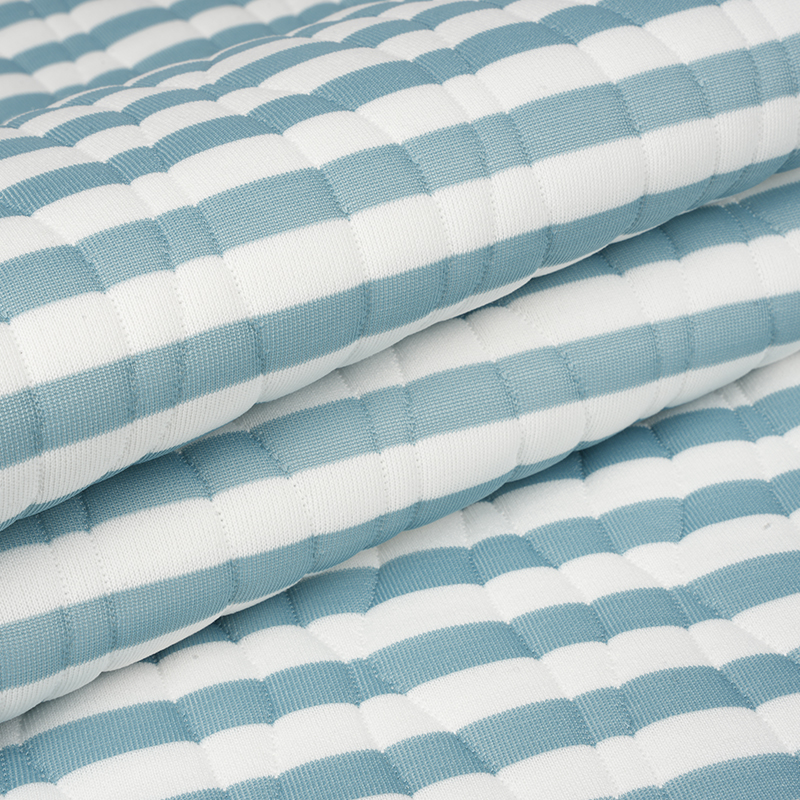
Cotton Pillowcase Fabric
Cotton Pillowcase Fabric
Haven’t Found The Products You Want?
-
-
Shen Jinyan:+86-15158070676
[email protected]
Liang Jinwen:+86-15757186621
[email protected]
Qiu Yingyingn:+86-13819545790
[email protected]
Yi qiao Town, Xiaoshan District, Hangzhou City, Zhejiang Province, China
-
Products
Mattress Fabric Children Mattress Fabric Pillowcase Fabric Pregnancy Pillow Fabric Cooling Mat Fabric Bedding Fabric Sofa Fabric Pet Friendly Fabrics -
Contact Information
About Us Products Strength Sustainability News Contact Us
Copyright © Hangzhou Xinsili Decorative Fabric Weaving Co.,Ltd. All Rights Reserved.
Functional Decorative Textile Manufacturers
