

 English
 中文简体
中文简体 Español
 عربى
عربى русский


Bamboo Fiber Bedding Fabric for Healthier, Cooler, and More Comfortable Sleep Spaces
Content
- 1 Understanding Bamboo Fiber Bedding Fabric
- 2 Why Bamboo Fiber Is Valuable for Bedding Applications
- 3 Product Applications Across Modern Home and Commercial Spaces
- 4 Competitive Advantages Over Ordinary Bedding Fabrics
- 5 Advanced Manufacturing Strength Behind the Fabric
- 6 From Fiber Selection to Finished Fabric
- 7 Functional Technologies for Modern Bedding
- 8 Design Flexibility and Decorative Value
- 9 Quality Stability for Professional Buyers
- 10 Sustainability and Health-Conscious Textile Direction
- 11 Benefits for Mattress Manufacturers
- 12 Benefits for Pillowcase and Pregnancy Pillow Producers
- 13 Benefits for Cooling Mat and Seasonal Bedding Products
- 14 Benefits for Sofa and Pet-Friendly Fabric Applications
- 15 Customization for Global Bedding and Textile Brands
- 16 Why Manufacturing Expertise Matters More Than Material Claims
- 17 How Bamboo Fiber Bedding Fabric Supports Brand Differentiation
- 18 Procurement Considerations for Buyers
- 19 Frequently Asked Questions
- 19.1 What is Bamboo Fiber Bedding Fabric used for?
- 19.2 Why is bamboo fiber fabric comfortable for bedding?
- 19.3 How does this fabric compare with ordinary polyester bedding fabric?
- 19.4 Is Bamboo Fiber Bedding Fabric suitable for children’s mattresses?
- 19.5 Can the fabric be customized?
- 19.6 Can antibacterial or flame-retardant functions be added?
- 19.7 Why is supplier experience important when buying bamboo bedding fabric?
- 19.8 Is the fabric suitable for hotel and commercial environments?
- 19.9 Can this fabric be used for cooling mat products?
- 19.10 What makes the manufacturer’s production strength valuable?
- 20 Conclusion
- 21 References
- 22 Product: Bamboo Fiber Bedding Fabric
Bamboo Fiber Bedding Fabric is designed for modern sleep environments that demand softness, breathability, durability, and functional comfort in one textile solution. As bedding buyers, mattress manufacturers, pillow producers, hospitality suppliers, and home textile brands seek fabrics that can improve the user experience while supporting sustainable and health-conscious living, bamboo fiber fabric has become a highly attractive choice. It combines a naturally smooth hand feel with moisture management, comfort-enhancing breathability, and a refined surface suitable for premium bedding products.
Unlike ordinary bedding textiles that may focus on only one attribute, such as appearance or low cost, Bamboo Fiber Bedding Fabric addresses multiple performance needs at the same time. It is suitable for mattress fabric, children mattress fabric, pillowcase fabric, pregnancy pillow fabric, cooling mat fabric, bedding fabric, sofa fabric, and pet friendly fabrics. Its versatility allows manufacturers to standardize quality across several product categories while offering consumers a more comfortable and healthier textile experience.
Hangzhou Xinsili Decorative Fabric Weaving Co., Ltd. develops and manufactures functional decorative textiles with a strong focus on home, hotel, and commercial applications. With 19 years of industry experience, a 12,000 square meter factory area, and recognition as a National High-Tech Enterprise in 2023, the company has built a manufacturing foundation that supports stable quality, practical innovation, and scalable production. Its philosophy of “Weaving Beautiful Spaces” is reflected in the way it combines design, textile engineering, and functional finishing technologies to create fabrics that serve real living needs.
Understanding Bamboo Fiber Bedding Fabric
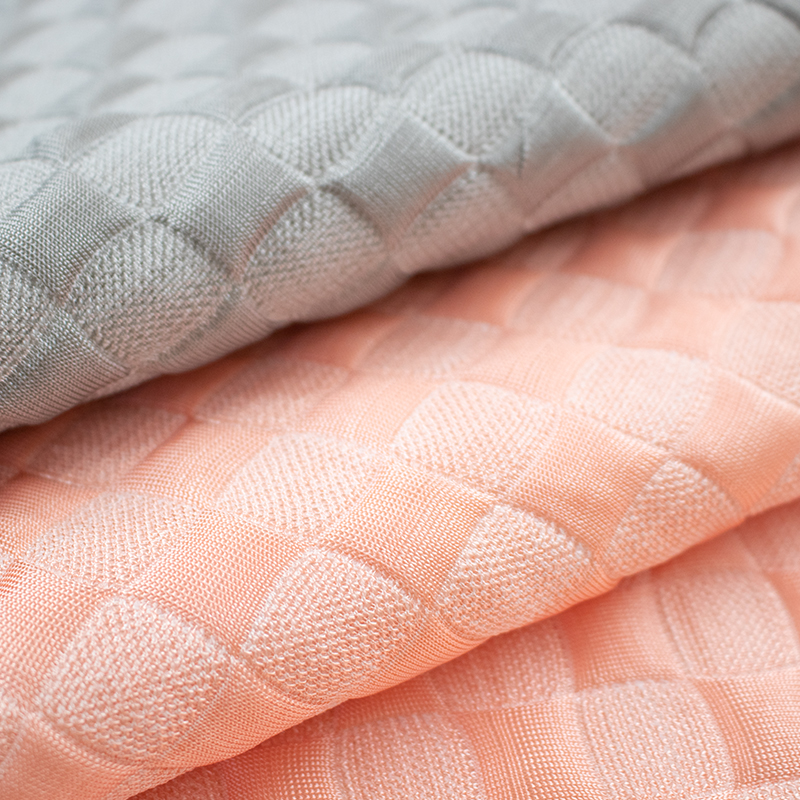
Bamboo Fiber Bedding Fabric is a textile material made with bamboo-derived fiber content, engineered for bedding and comfort-related applications. Bamboo fiber is widely appreciated for its soft texture, smooth touch, and moisture-absorbing character. When processed into bedding fabric through controlled weaving, finishing, inspection, and functional enhancement, it becomes a practical textile for mattresses, pillows, pillowcases, bedding covers, maternity support products, cooling mats, sofa surfaces, and pet-friendly home accessories.
The appeal of bamboo fiber fabric begins with its comfort. Many users immediately notice that bamboo-based fabric feels smoother and more skin-friendly than standard coarse fabrics. For bedding, this tactile quality is crucial because fabric remains in close contact with the skin for long hours. A fabric that feels gentle, breathable, and cool can contribute to a more relaxing sleep environment. This is especially valuable for children, pregnant users, elderly users, and people who prefer bedding that does not feel heavy or stuffy.
Another important characteristic is breathability. Bedding fabric needs to help reduce heat buildup and moisture discomfort during sleep. A fabric with good air permeability and moisture movement can make the bedding surface feel fresher. Bamboo Fiber Bedding Fabric offers a balanced structure that supports air circulation while retaining a soft and elegant appearance. For mattress panels, pillowcases, and cooling mat covers, this balance helps improve the perceived comfort of the finished product.
Modern bedding markets are increasingly focused on functional textiles. Consumers no longer evaluate bedding only by color, pattern, and price. They also ask whether the fabric is comfortable in different seasons, whether it feels clean, whether it supports better rest, and whether it is suitable for sensitive household members. Bamboo Fiber Bedding Fabric responds to these expectations by offering a fabric platform that can be developed with antibacterial, moisture-resistant, flame-retardant, sleep-supporting, and comfort-improving functions depending on customer requirements.
Why Bamboo Fiber Is Valuable for Bedding Applications
Bedding fabric must satisfy a demanding combination of requirements. It should be soft enough for direct skin contact, strong enough for long-term use, stable enough for manufacturing, attractive enough for retail presentation, and functional enough to satisfy modern consumer expectations. Bamboo fiber contributes to these requirements through its natural textile advantages and its suitability for advanced fabric processing.
Softness is one of the most recognized benefits. Bamboo fiber can produce a smooth and gentle textile surface that enhances the sensation of comfort. This is important for pillowcase fabric, children mattress fabric, pregnancy pillow fabric, and bedding fabric because these products are often used by people who are especially sensitive to roughness or irritation. A soft fabric can make a mattress or pillow feel more premium even before the internal filling or foam is evaluated.
Moisture absorption and release are also important. During sleep, the body naturally produces heat and moisture. If bedding fabric traps moisture against the skin, users may feel sticky, overheated, or uncomfortable. Bamboo Fiber Bedding Fabric helps manage moisture more effectively than many conventional low-performance fabrics. This improves the sleep microclimate and helps the bedding surface feel drier and more pleasant.
Temperature comfort is closely related to moisture control and air circulation. Bamboo fiber fabric can be engineered into breathable constructions that help reduce stuffiness. This is particularly important for cooling mat fabric and summer bedding products. In warmer climates or hotel environments where bedding is used by many different guests, a cooler surface feel can create a better sleeping experience and increase product satisfaction.
Bamboo fiber also supports a cleaner and healthier textile concept. When combined with advanced finishing technologies, Bamboo Fiber Bedding Fabric can be developed for antibacterial performance and improved hygiene. For children’s mattresses, pet-friendly fabrics, pillowcases, and hotel bedding, this functional direction is highly valuable. It helps respond to consumer concerns about cleanliness, odor, and long-term freshness.
Product Applications Across Modern Home and Commercial Spaces
Bamboo Fiber Bedding Fabric is not limited to one product form. Its structure, hand feel, and functional potential make it suitable for a wide range of bedding and decorative textile categories. This versatility gives manufacturers more flexibility in product development and helps create consistent quality across related product lines.
For mattress fabric, bamboo fiber fabric can be used as a surface textile that improves softness, breathability, and visual quality. A mattress is judged first by touch and appearance, and the surface fabric plays a decisive role in forming that first impression. A bamboo-based mattress panel can make the mattress feel more refined and comfortable, supporting both retail display and long-term user satisfaction.
For children mattress fabric, safety, softness, and comfort are especially important. Children may have more sensitive skin and may spend many hours sleeping or resting on the mattress surface. A gentle, breathable bamboo fabric helps create a softer environment. When paired with appropriate functional finishing, it can support a cleaner and more practical sleep surface for children’s bedding products.
For pillowcase fabric, the fabric’s direct contact with the face and neck makes smoothness and moisture control essential. Bamboo Fiber Bedding Fabric can deliver a silky touch while helping reduce dampness and heat buildup. This makes it useful for pillowcases designed for daily home use, hotel bedding, and specialty sleep products.
For pregnancy pillow fabric, comfort and skin friendliness are key requirements. Pregnant users often rely on support pillows for extended rest, and a fabric that feels cool, breathable, and gentle can improve the experience. Bamboo fiber fabric is well suited to this category because it can combine softness with functional durability.
For cooling mat fabric, bamboo fiber fabric offers an excellent surface option. Cooling mats require a cover fabric that does not block the cooling effect of the internal structure. A breathable, moisture-managing bamboo surface helps maintain comfort while presenting a soft and premium finish.
For sofa fabric and pet-friendly fabrics, durability and easy comfort matter. While bamboo bedding fabric is often associated with sleep products, it can also support decorative textile applications where comfort and touch are important. In pet-friendly home environments, fabric should feel pleasant while maintaining practical performance. With suitable construction and finishing, bamboo fiber fabric can contribute to comfortable, livable interiors.
Competitive Advantages Over Ordinary Bedding Fabrics
Bamboo Fiber Bedding Fabric offers several advantages over conventional competitors, including basic polyester fabric, ordinary cotton blends, and low-cost decorative textiles that lack functional engineering. These advantages are not limited to a single specification; they appear across comfort, usability, perceived value, and product development potential.
First, bamboo fiber fabric provides a more refined touch. Many ordinary synthetic fabrics can feel hot, slippery, or less breathable, while some cotton fabrics may wrinkle easily or lack functional durability. Bamboo Fiber Bedding Fabric provides a soft and smooth surface that enhances perceived quality. For bedding products, this tactile advantage can directly influence purchasing decisions.
Second, bamboo fiber fabric offers improved comfort through breathability and moisture movement. Low-cost fabrics may look acceptable in pictures but fail during real use because they trap heat or moisture. Bamboo Fiber Bedding Fabric is better aligned with the actual sleep environment, where comfort over several hours is more important than appearance alone.
Third, it supports functional finishing and textile innovation. Hangzhou Xinsili Decorative Fabric Weaving Co., Ltd. focuses on technologies such as antibacterial, moisture-resistant, flame-retardant, sleep-supporting, and comfort-improving textile functions. This gives Bamboo Fiber Bedding Fabric a competitive edge because it can be customized for different markets, regulations, and product concepts.
Fourth, bamboo fiber fabric has strong marketing value. Consumers are increasingly interested in fabrics that feel more natural, comfortable, and environmentally conscious. Bamboo-derived fiber content can help bedding brands communicate softness, comfort, and sustainable direction more clearly than many ordinary fabric materials.
Fifth, the fabric can be used across multiple product categories. Instead of sourcing separate fabrics for mattress panels, pillowcases, pregnancy pillows, cooling mats, sofa covers, and pet-friendly products, manufacturers can work with a textile supplier capable of developing coordinated bamboo fabric solutions. This helps improve consistency, simplify procurement, and strengthen brand identity.
| Evaluation Area | Bamboo Fiber Bedding Fabric | Ordinary Low-Cost Bedding Fabric | Commercial Advantage |
|---|---|---|---|
| Touch and Skin Comfort | Smooth, soft, and suitable for close skin contact | May feel rough, hot, or less refined | Improves user satisfaction and premium perception |
| Breathability | Supports air movement and comfort during sleep | May trap heat and reduce comfort | Better for mattresses, pillows, and cooling products |
| Moisture Management | Helps reduce damp and sticky surface feeling | Often limited in moisture handling | Supports fresher and more comfortable bedding |
| Functional Development | Can be enhanced with antibacterial, flame-retardant, moisture-resistant, and comfort functions | Often limited to basic appearance | Suitable for differentiated product lines |
| Application Range | Mattress, pillowcase, pregnancy pillow, cooling mat, sofa, pet-friendly textiles | Usually focused on simple bedding or decorative use | Supports flexible production and broader markets |
| Market Positioning | Premium, comfort-oriented, and health-conscious | Price-driven and less differentiated | Helps brands build higher-value products |
Advanced Manufacturing Strength Behind the Fabric
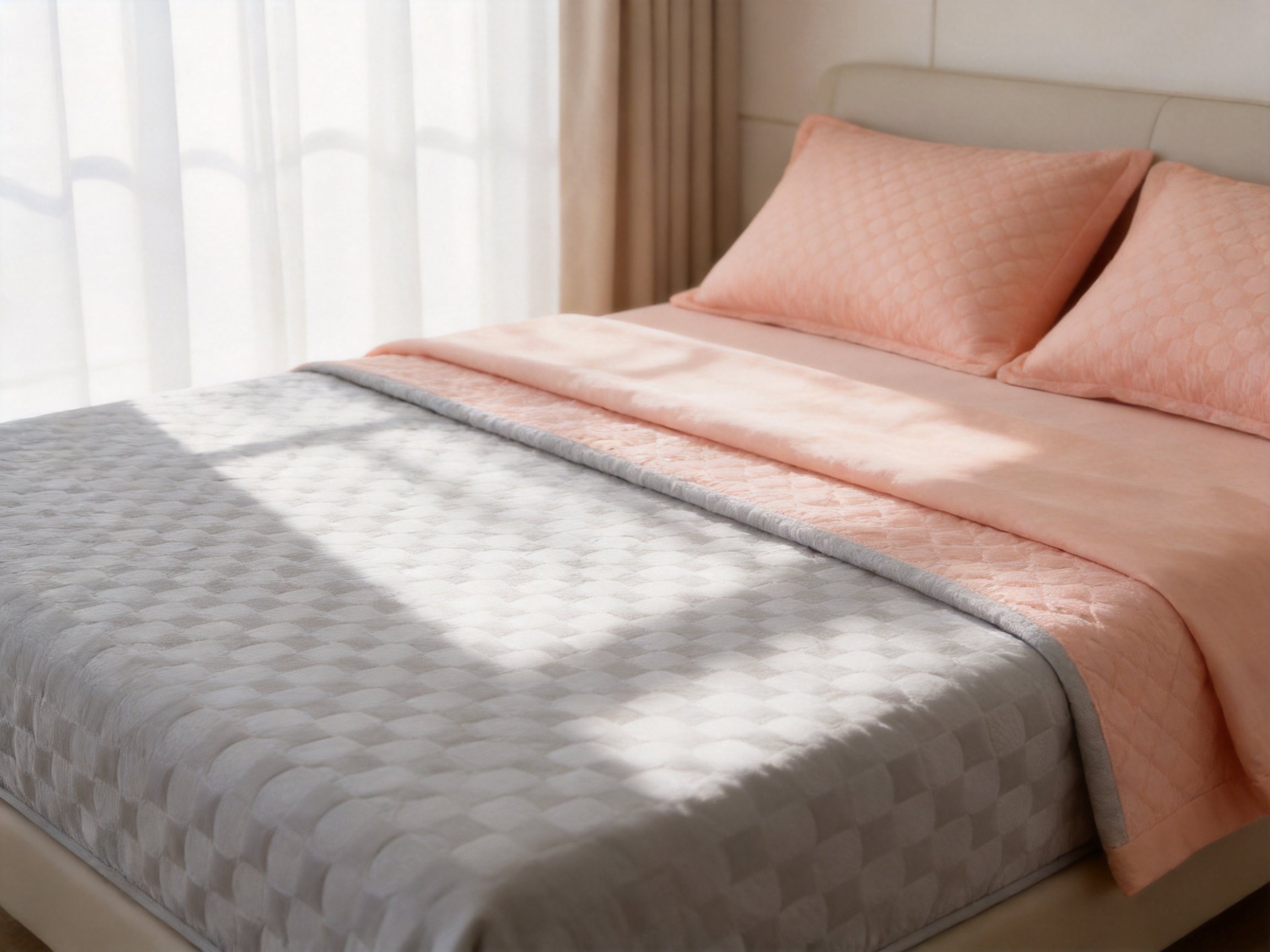
The value of Bamboo Fiber Bedding Fabric depends not only on the fiber itself but also on the manufacturer’s ability to transform fiber into stable, functional, and attractive textile products. Hangzhou Xinsili Decorative Fabric Weaving Co., Ltd. specializes in the innovative research, development, and precision manufacturing of decorative textiles. This manufacturing foundation is a key reason the fabric can serve demanding customers in home, hotel, and commercial environments.
With 19 years of industry experience, the company understands the practical challenges of textile production. Bedding and decorative fabrics must meet expectations for width stability, texture consistency, color control, surface quality, hand feel, and functional performance. Small inconsistencies can affect quilting, cutting, sewing, packaging, and final product appearance. Experienced manufacturing helps reduce these risks and provides customers with more dependable supply.
The company’s 12,000 square meter factory area supports organized production, inspection, and development activities. A larger production base allows better workflow planning, material handling, equipment arrangement, and quality management. For customers requiring repeated orders, customized specifications, or coordinated fabric series, this production scale provides an important advantage.
Recognition as a National High-Tech Enterprise in 2023 further reflects the company’s commitment to technological development. Functional decorative textiles require more than traditional weaving knowledge. They require material selection, fabric structure engineering, finishing technology, testing awareness, and continuous improvement. By integrating these elements, the company can develop fabrics that are not only decorative but also practical, comfortable, and performance-oriented.
The company’s values of craftsmanship-driven manufacturing, design innovation, and win-win collaboration are highly relevant to Bamboo Fiber Bedding Fabric. Craftsmanship ensures that the fabric is produced with attention to detail. Design innovation allows texture, pattern, and hand feel to be adjusted for different product concepts. Collaboration helps customers develop textile solutions that fit their market requirements rather than accepting only standard fabric options.
From Fiber Selection to Finished Fabric
The manufacturing process for Bamboo Fiber Bedding Fabric begins with material planning. The correct fiber composition, yarn specification, and fabric structure must be chosen according to the final application. A mattress fabric may require different thickness, resilience, and surface texture than a pillowcase fabric or cooling mat fabric. A pregnancy pillow cover may prioritize softness and stretch comfort, while pet-friendly decorative textiles may require practical durability.
After material planning, yarn preparation and quality control become essential. Yarn uniformity influences fabric smoothness, strength, and surface consistency. If yarn quality is unstable, the finished fabric may show uneven texture, weak points, or inconsistent dyeing effects. Careful yarn selection helps create a stable foundation for weaving and finishing.
Weaving is the core process that gives the fabric its structure. The company’s decorative textile expertise allows different fabric constructions to be developed for different uses. For bedding, the weave must support softness and air permeability while maintaining enough strength for production and daily use. For mattress ticking or pillow applications, surface stability and dimensional control are also important.
During weaving, process control affects the fabric’s final appearance and performance. Tension control, density management, machine settings, and monitoring all influence fabric quality. Advanced weaving experience helps reduce defects such as uneven surfaces, broken yarns, inconsistent patterns, or unstable edges. These details matter because bedding fabric is often displayed over large surfaces where imperfections are easy to notice.
After weaving, finishing processes refine the fabric’s hand feel, performance, and appearance. Finishing may include softening, heat setting, moisture-related treatment, antibacterial treatment, flame-retardant treatment, or other functional adjustments depending on customer requirements. The finishing stage is where Bamboo Fiber Bedding Fabric can be transformed from a comfortable base fabric into a specialized functional textile.
Inspection is another critical stage. Fabric must be checked for surface defects, color consistency, width, weight, hand feel, and functional performance where applicable. For export-oriented customers or professional bedding manufacturers, consistent inspection reduces production waste and helps ensure that every roll performs reliably during cutting and sewing.
Functional Technologies for Modern Bedding
Modern bedding is no longer only about softness. Consumers now expect bedding products to support health, hygiene, temperature comfort, and long-term usability. Bamboo Fiber Bedding Fabric can be developed with multiple functional technologies to address these expectations.
Antibacterial functionality is useful for bedding, pillowcases, children’s mattresses, pet-friendly textiles, and hotel applications. Because bedding is used for long periods and exposed to moisture, body oils, and environmental particles, hygiene-related functions can add practical value. Antibacterial finishing can help support freshness and reduce the concerns associated with repeated use.
Moisture-resistant or moisture-management treatment improves the fabric’s ability to handle humid conditions. This is important for mattresses, sofa fabrics, and commercial spaces where textiles must remain comfortable and presentable. A fabric that manages moisture well can feel more pleasant and may contribute to longer product usability.
Flame-retardant functionality is important in certain markets, especially for hotels, commercial projects, public accommodation, and institutional applications. While requirements vary by region and product type, the ability to develop flame-retardant decorative textiles gives customers more options when safety standards are part of the purchasing criteria.
Sleep-supporting and comfort-improving functions represent a broader category of textile innovation. These may include enhanced softness, cooling sensation, breathability optimization, stretch comfort, or tactile surface engineering. The goal is to create fabrics that contribute to a more restful sleep environment. Bamboo Fiber Bedding Fabric is well suited to this direction because its natural comfort characteristics can be strengthened through thoughtful fabric engineering.
For children’s bedding and pregnancy pillows, functional comfort is especially important. Users in these categories may be more sensitive to heat, skin irritation, or discomfort caused by rough textile surfaces. Bamboo Fiber Bedding Fabric can help manufacturers offer products that feel more supportive and thoughtful.
Design Flexibility and Decorative Value
Bedding fabric must perform well, but it must also look attractive. Visual design remains a major factor in consumer purchasing decisions, especially for mattresses, pillowcases, bedding sets, sofa fabrics, and decorative textile products. Bamboo Fiber Bedding Fabric offers a refined surface that can support different design directions, from clean and minimal to textured and decorative.
Hangzhou Xinsili Decorative Fabric Weaving Co., Ltd. has a strong background in decorative fabric weaving. This background supports the development of patterns, textures, and surface effects that enhance product identity. A fabric may be designed to look calm and elegant for hotel bedding, bright and friendly for children’s mattresses, soft and comforting for pregnancy pillows, or refined and durable for sofa applications.
Design flexibility is important for brand differentiation. In crowded bedding markets, many products may use similar foam, filling, or structure. Fabric becomes a visible and touchable point of distinction. A well-designed bamboo fiber fabric can help a product stand out on showroom floors, e-commerce images, and consumer unboxing experiences.
Color and texture also influence how customers perceive cleanliness and comfort. Lighter tones may communicate freshness, while soft neutral tones may communicate calmness and luxury. Textured patterns can add depth and hide minor use marks, while smoother surfaces may emphasize softness and elegance. Through controlled weaving and finishing, Bamboo Fiber Bedding Fabric can be adapted to different market aesthetics.
For hotel and commercial projects, design consistency is especially important. Hotels need textiles that maintain a coordinated visual identity across rooms, suites, lounges, and guest service areas. A manufacturer with decorative textile expertise can provide fabrics that align with interior design requirements while still delivering practical comfort.
Quality Stability for Professional Buyers
Professional buyers require more than a good sample. They need consistent bulk production, reliable delivery, and fabric that performs predictably in downstream manufacturing. Bamboo Fiber Bedding Fabric from an experienced manufacturer provides advantages in these areas because the company controls important stages of textile development and production.
Consistency begins with specifications. Weight, width, texture, color, and finishing requirements must be clearly defined. Once a fabric is approved, repeat orders should remain as close as possible to the approved standard. This is essential for mattress manufacturers and bedding brands that need products to remain consistent across batches and seasons.
Fabric stability affects cutting and sewing efficiency. If fabric width varies too much, cutting plans may become less efficient. If the fabric stretches or shrinks unpredictably, finished product dimensions may be affected. If the surface has defects, manufacturers may experience waste and delays. Careful manufacturing and inspection help reduce these problems.
Color consistency is also important. Bedding fabrics often cover large visible areas, and slight shade differences can be noticeable. For pillowcases, mattress panels, and bedding sets, color matching affects the final product’s professional appearance. Experienced dyeing and finishing control help maintain a more stable visual result.
Hand feel consistency is another important factor. A fabric sample may feel soft, but bulk production must maintain the same comfort level. Because touch is one of the strongest selling points of Bamboo Fiber Bedding Fabric, consistent soft finishing is critical. Professional buyers benefit from working with a manufacturer that understands how to control hand feel through production variables.
Functional performance must also be consistent. If a fabric is specified with antibacterial, flame-retardant, moisture-resistant, or cooling-related properties, these functions should be supported by appropriate process control. This gives customers greater confidence when positioning their products in functional bedding markets.
Sustainability and Health-Conscious Textile Direction
Consumers around the world are paying more attention to sustainability, comfort, and healthier living spaces. Bamboo Fiber Bedding Fabric fits this direction because bamboo-derived materials are commonly associated with renewable resource concepts, softness, and natural comfort. While every fabric’s environmental profile depends on sourcing, processing, and manufacturing practices, bamboo fiber textiles can support a more conscious product narrative compared with many purely conventional materials.
For bedding brands, sustainability is not only an environmental message; it is also a market expectation. Many consumers prefer products that feel responsible and thoughtfully made. A bamboo fiber bedding surface can communicate softness, freshness, and a more natural material direction, helping brands respond to this demand.
Health-conscious textile design is also becoming more important. People spend a large part of their lives sleeping, so bedding materials influence daily comfort. Fabrics that feel breathable, gentle, and clean can support a better home environment. Bamboo Fiber Bedding Fabric aligns with this trend by combining comfort with functional textile development.
Hangzhou Xinsili Decorative Fabric Weaving Co., Ltd. emphasizes high-quality and environmentally friendly decorative fabric solutions. This approach matches the needs of clients seeking practical and reliable textile products that also support safer, healthier, and more sustainable living spaces. Through innovation and stable quality, the company helps customers create bedding and decorative textiles that meet current and future market expectations.
In hotel and commercial environments, sustainability and comfort can also influence purchasing decisions. Hotels increasingly seek textiles that improve guest comfort while supporting responsible procurement strategies. Bamboo Fiber Bedding Fabric can be positioned as a comfort-focused and modern textile option for hospitality bedding and decorative applications.
Benefits for Mattress Manufacturers
Mattress manufacturers operate in a competitive market where fabric quality strongly affects consumer perception. The top fabric layer is one of the first details customers see and touch. A mattress may contain advanced foam, springs, or support systems, but if the surface fabric feels ordinary, the product may not communicate its true value. Bamboo Fiber Bedding Fabric helps mattress manufacturers create a stronger first impression.
The fabric’s softness contributes to immediate comfort. When customers press or lie on a mattress, the surface hand feel influences their first judgment. A smooth bamboo-based textile can make the mattress feel more luxurious and comfortable, supporting higher-value positioning.
Breathability is also important for mattresses. A mattress surface that feels hot or airless can reduce satisfaction, especially in warm climates or for users who sleep hot. Bamboo Fiber Bedding Fabric helps support a fresher sleep surface by allowing better comfort interaction between the user and mattress structure.
For children’s mattresses, bamboo fabric can provide an appealing balance of softness and hygiene-oriented potential. Parents often pay attention to whether a mattress surface feels gentle and suitable for daily use. A fabric that can support antibacterial or moisture-management concepts can improve product appeal in this segment.
Manufacturing compatibility is another advantage. Mattress producers need fabric that can be quilted, cut, sewn, and assembled efficiently. Stable fabric structure, consistent width, and reliable finishing help reduce production problems. By working with an experienced textile manufacturer, mattress companies can improve both product quality and manufacturing efficiency.
Benefits for Pillowcase and Pregnancy Pillow Producers
Pillowcase fabric must satisfy some of the highest comfort requirements because it touches the face, neck, and hair throughout the night. Bamboo Fiber Bedding Fabric is well suited to pillowcase applications due to its soft and smooth feel. It can help create a surface that feels gentle and breathable, supporting better sleep comfort.
Moisture control is especially valuable for pillowcases. Facial contact, warm room conditions, and overnight perspiration can make ordinary fabrics feel damp or uncomfortable. Bamboo fiber fabric helps improve the user experience by supporting a fresher surface feel. This can be a strong selling point for premium pillowcase lines.
Pregnancy pillows require additional comfort considerations. Pregnant users often need body support while resting on the side or changing positions during sleep. The cover fabric must feel soft enough for extended contact while remaining durable enough for repeated use. Bamboo Fiber Bedding Fabric can provide the tactile comfort needed for this category.
Pregnancy pillow brands can also benefit from the fabric’s health-conscious positioning. A breathable, gentle, and comfort-oriented textile aligns well with the needs of maternity products. When combined with suitable functional finishing, the fabric can help create a product that feels more carefully designed for sensitive users.
For both pillowcases and pregnancy pillows, design is also important. Consumers often want products that look clean, calming, and premium. Bamboo Fiber Bedding Fabric can be developed in attractive textures and colors that support this visual identity.
Benefits for Cooling Mat and Seasonal Bedding Products
Cooling mat fabric requires careful textile selection because the cover must not reduce the cooling effect of the product. A fabric that is too dense, heavy, or moisture-trapping may make the cooling mat feel less effective. Bamboo Fiber Bedding Fabric provides a soft, breathable option that supports comfort while allowing the cooling concept to remain noticeable.
Seasonal bedding products also benefit from bamboo fabric’s comfort balance. In summer bedding, users want a fabric that feels light, smooth, and fresh. In transitional seasons, they still want softness without excessive heat retention. Bamboo Fiber Bedding Fabric can be designed to satisfy these expectations through appropriate weave structure and finishing.
For consumers who sleep hot, fabric selection can be as important as mattress or pillow construction. Even a well-designed cooling product may disappoint if the surface textile traps heat. A breathable bamboo fiber fabric helps reduce this risk and improves the overall product experience.
Cooling mat brands can also use bamboo fabric to improve perceived quality. Some cooling products focus only on function and overlook softness or design. By using Bamboo Fiber Bedding Fabric, manufacturers can combine cooling performance with a more premium touch and appearance.
Benefits for Sofa and Pet-Friendly Fabric Applications
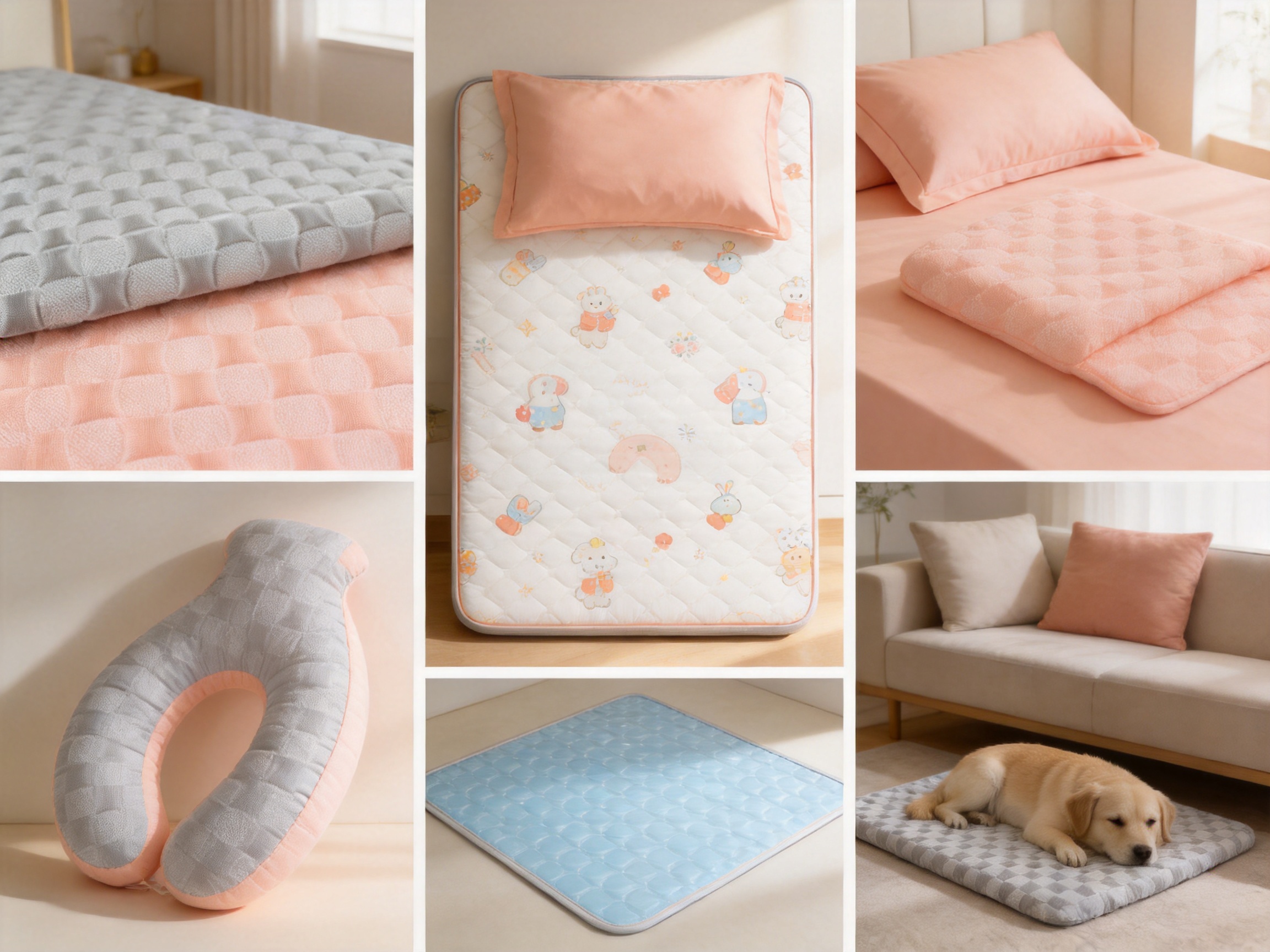
Although Bamboo Fiber Bedding Fabric is primarily associated with sleep products, its comfort qualities also make it relevant to sofa fabric and pet-friendly fabrics. Modern homes increasingly combine comfort, practicality, and style. Textiles used in living spaces must feel pleasant while supporting everyday use.
For sofa fabric, bamboo fiber can provide a softer and more comfortable sitting surface. This is especially useful for sofas designed for relaxation, family rooms, guest rooms, or hospitality lounges. Decorative weaving experience allows the fabric to be developed with attractive patterns and textures suitable for furniture applications.
Pet-friendly fabrics require a practical balance. They should be comfortable for people and pets while maintaining a manageable surface for daily living. Depending on the fabric construction and finishing, bamboo fiber fabric can be used in home textile products that support comfort and a cleaner interior environment.
In homes where pets share sofas, cushions, or bedding areas, consumers often care about odor, freshness, and skin comfort. Functional finishing options such as antibacterial treatment or moisture-management treatment can improve the fabric’s practical value. This creates opportunities for differentiated pet-friendly textile products.
For decorative textile brands, the ability to use one fabric platform across bedding, pillows, sofa surfaces, and pet-friendly accessories creates a coordinated home collection. This is valuable for brands that want consistent color, texture, and comfort identity across multiple product categories.
Customization for Global Bedding and Textile Brands
Different markets have different requirements. Some customers prioritize cooling comfort, while others focus on antibacterial performance, flame-retardant standards, luxurious softness, child-friendly materials, or decorative design. Bamboo Fiber Bedding Fabric can be customized to meet these diverse needs.
Customization may include fiber blend adjustment, fabric weight selection, weave pattern development, texture modification, color matching, finishing function, width specification, and packaging requirements. This flexibility is important for brands that want a fabric tailored to their exact product positioning rather than a generic option.
For mattress brands, customization might involve creating a quilted surface fabric with a specific pattern and soft hand feel. For pillowcase brands, it may involve a smoother surface and lighter fabric weight. For pregnancy pillow brands, the focus may be stretch comfort and skin friendliness. For hotel projects, flame-retardant or easy-care finishing may be more important.
Hangzhou Xinsili Decorative Fabric Weaving Co., Ltd. supports win-win collaboration, which means working with customers to understand the final product application. This approach is important because successful textile development requires communication between fabric engineers, product designers, production teams, and market planners.
Custom functional decorative textiles can help brands avoid direct price competition. Instead of selling a basic product, they can offer bedding or home textile items with specific comfort, health, design, and performance advantages. Bamboo Fiber Bedding Fabric provides a strong foundation for this kind of value-added development.
Why Manufacturing Expertise Matters More Than Material Claims
Many suppliers may describe fabrics as soft, breathable, or comfortable, but professional buyers know that claims must be supported by manufacturing capability. The same fiber can produce very different results depending on yarn quality, weaving structure, finishing process, and inspection standards. This is why the manufacturer’s expertise is as important as the material itself.
A poorly manufactured bamboo fabric may have uneven texture, unstable shrinkage, weak strength, or inconsistent finishing. These problems can affect the final bedding product and damage brand reputation. In contrast, a carefully manufactured Bamboo Fiber Bedding Fabric can deliver reliable comfort and stable appearance across repeated production batches.
The company’s 19 years of experience helps it understand how to avoid common textile problems. Experience supports better process decisions, faster troubleshooting, and more accurate customization. A 12,000 square meter production base also provides the physical capacity needed to manage orders professionally.
Advanced manufacturing also supports innovation. Functional textile development often requires testing and process adjustment. Antibacterial, moisture-resistant, flame-retardant, and comfort-improving finishes must be compatible with the fabric structure and customer requirements. A high-tech enterprise with textile R&D capability is better positioned to develop these solutions than a supplier focused only on basic production.
For global buyers, supplier reliability reduces risk. Stable quality, clear communication, and practical product development support help customers build long-term product lines. Bamboo Fiber Bedding Fabric becomes more valuable when it is backed by a manufacturer capable of delivering consistency and technical support.
How Bamboo Fiber Bedding Fabric Supports Brand Differentiation
Brand differentiation is essential in bedding and home textiles. Consumers compare many similar products, often with limited technical knowledge. Fabric can become a powerful way to communicate quality because customers can see and feel it immediately. Bamboo Fiber Bedding Fabric helps brands create a clear difference in comfort and material story.
A mattress with bamboo fiber fabric can be positioned as softer, cooler, and more breathable than ordinary models. A pillowcase can be promoted for smooth skin comfort and moisture management. A pregnancy pillow can be presented as gentle and supportive for sensitive users. A cooling mat can be described as combining refreshing comfort with a premium textile surface.
Functional finishing adds another layer of differentiation. Antibacterial bedding fabric can appeal to health-conscious households. Flame-retardant decorative fabric can serve hotel or commercial markets. Moisture-management textile can target warm climates or active lifestyles. Pet-friendly fabrics can address the growing market of households with companion animals.
Design differentiation is equally important. Through decorative weaving and customized textures, brands can create product lines that look unique rather than generic. The fabric surface can reinforce the brand’s identity, whether that identity is luxury, natural comfort, family safety, hotel elegance, or modern wellness.
Bamboo Fiber Bedding Fabric also helps brands support a sustainability-oriented message. While sustainability claims should always be accurate and responsibly communicated, bamboo-derived textile content gives brands a more meaningful material story than many conventional alternatives.
Procurement Considerations for Buyers
When selecting Bamboo Fiber Bedding Fabric, buyers should consider the final product application first. A fabric intended for mattress panels may require different specifications than one used for pillowcases or cooling mats. Buyers should communicate whether the fabric will be quilted, laminated, sewn into covers, used for direct skin contact, or applied to furniture surfaces.
Weight and thickness should match the intended use. A heavier fabric may provide a more substantial feel for mattresses or sofas, while a lighter fabric may be preferred for pillowcases and summer bedding. The correct balance depends on comfort expectations, production method, and target market.
Breathability and moisture performance should also be evaluated. Buyers serving hot climates or cooling product categories may need fabrics with stronger air permeability and moisture movement. For children’s bedding or hotel applications, hygiene-related finishing may be more important.
Functional requirements should be confirmed early. If antibacterial, flame-retardant, moisture-resistant, or special comfort treatments are needed, they should be discussed during the sampling stage. This allows the manufacturer to recommend suitable fabric structures and finishing processes.
Color, texture, and pattern should align with brand positioning. A luxury bedding brand may prefer refined neutral tones and elegant textures, while children’s bedding may require softer colors and a friendly appearance. Hotel customers may prioritize clean, timeless designs that coordinate with interior decoration.
Finally, buyers should evaluate supplier capability. Production experience, factory scale, quality control, customization ability, and communication all influence procurement success. Working with an experienced manufacturer helps ensure that the approved fabric can be produced consistently in bulk.
Frequently Asked Questions
What is Bamboo Fiber Bedding Fabric used for?
Bamboo Fiber Bedding Fabric is used for mattresses, children’s mattresses, pillowcases, pregnancy pillows, cooling mats, bedding products, sofa fabrics, and pet-friendly fabrics. Its softness, breathability, and functional development potential make it suitable for both sleep products and decorative textile applications.
Why is bamboo fiber fabric comfortable for bedding?
Bamboo fiber fabric is valued for its smooth touch, soft surface, breathability, and moisture-management character. These qualities help reduce stuffiness and improve the comfort of bedding that remains in contact with the skin for long periods.
How does this fabric compare with ordinary polyester bedding fabric?
Compared with many ordinary polyester fabrics, Bamboo Fiber Bedding Fabric can offer a softer and more breathable feel. It also supports value-added functions such as antibacterial, moisture-resistant, flame-retardant, and comfort-improving treatments, making it more suitable for premium bedding and functional textile products.
Is Bamboo Fiber Bedding Fabric suitable for children’s mattresses?
Yes. Its gentle touch and breathable comfort make it suitable for children’s mattress fabric. When combined with appropriate functional finishing, it can also support cleaner and more practical bedding products for family use.
Can the fabric be customized?
Yes. The fabric can be customized by weight, width, texture, pattern, color, composition, hand feel, and functional finishing. Customization allows manufacturers to develop bedding, pillow, cooling mat, sofa, or pet-friendly textile products that match their brand and market needs.
Can antibacterial or flame-retardant functions be added?
Yes. Hangzhou Xinsili Decorative Fabric Weaving Co., Ltd. focuses on functional decorative textiles and can integrate technologies such as antibacterial, moisture-resistant, flame-retardant, sleep-supporting, and comfort-improving functions according to customer requirements.
Why is supplier experience important when buying bamboo bedding fabric?
Supplier experience affects fabric consistency, surface quality, finishing performance, delivery reliability, and customization success. A fabric may look good as a sample, but professional manufacturing is needed to maintain stable quality in bulk production.
Is the fabric suitable for hotel and commercial environments?
Yes. Bamboo Fiber Bedding Fabric can be developed for hotel and commercial environments where comfort, durability, appearance, and functional performance are important. Depending on project requirements, flame-retardant, moisture-resistant, or antibacterial functions may be considered.
Can this fabric be used for cooling mat products?
Yes. Its breathable and moisture-managing qualities make it suitable for cooling mat fabric. It can help maintain a comfortable surface while supporting a softer and more premium user experience.
What makes the manufacturer’s production strength valuable?
The manufacturer has 19 years of industry experience, a 12,000 square meter factory area, and recognition as a National High-Tech Enterprise in 2023. These strengths support advanced textile development, stable manufacturing, functional finishing, and professional quality control.
Conclusion
Bamboo Fiber Bedding Fabric is a strong material choice for modern bedding and decorative textile products because it combines comfort, softness, breathability, moisture management, design flexibility, and functional development potential. It is suitable for mattress fabric, children mattress fabric, pillowcase fabric, pregnancy pillow fabric, cooling mat fabric, bedding fabric, sofa fabric, and pet friendly fabrics, giving manufacturers a versatile textile platform for multiple product categories.
Compared with ordinary low-cost bedding fabrics, Bamboo Fiber Bedding Fabric offers a more premium touch, better comfort potential, stronger market differentiation, and greater compatibility with advanced functional finishing. For brands seeking to create healthier, cooler, softer, and more attractive sleep products, it provides practical advantages that consumers can feel directly.
Hangzhou Xinsili Decorative Fabric Weaving Co., Ltd. strengthens the value of this fabric through its manufacturing experience, 12,000 square meter production base, high-tech enterprise recognition, and focus on functional decorative textiles. By integrating craftsmanship, design innovation, and technologies such as antibacterial, moisture-resistant, flame-retardant, sleep-supporting, and comfort-improving functions, the company helps customers develop reliable fabrics for residential, hotel, and commercial environments.
As global consumers continue to demand better comfort, cleaner living spaces, and more sustainable textile choices, Bamboo Fiber Bedding Fabric offers a meaningful solution. It is not only a bedding surface; it is a functional textile foundation for better sleep products, more comfortable interiors, and stronger brand differentiation.
References
1. Textile Institute. Textile Terms and Definitions, latest reviewed edition.
2. Saville, B. P. Physical Testing of Textiles. Woodhead Publishing.
3. Kadolph, S. J. Textiles. Pearson Education.
4. Sinclair, R. Textiles and Fashion: Materials, Design and Technology. Woodhead Publishing.
5. Horrocks, A. R., and Anand, S. C. Handbook of Technical Textiles. Woodhead Publishing.
6. Collier, B. J., and Epps, H. H. Textile Testing and Analysis. Pearson.
7. Cook, J. G. Handbook of Textile Fibres: Natural Fibres and Man-Made Fibres. Woodhead Publishing.
Product: Bamboo Fiber Bedding Fabric
Our Featured Products
-
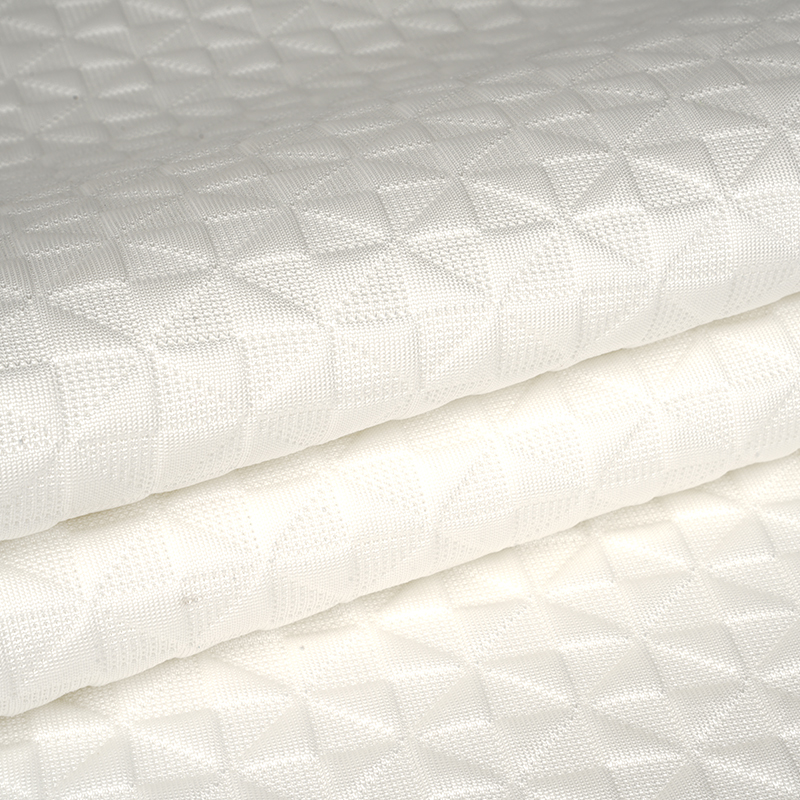
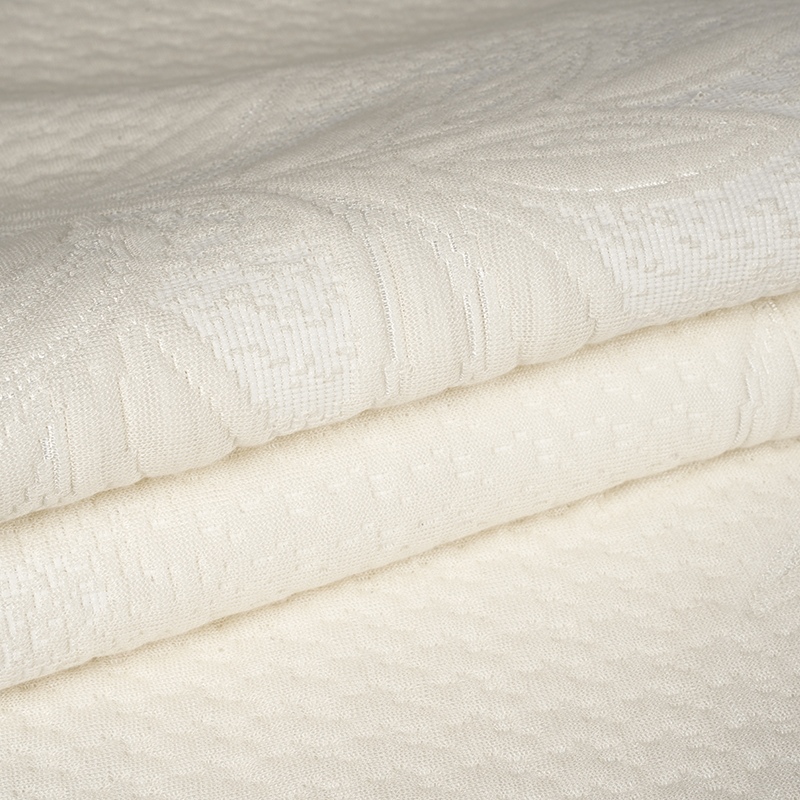
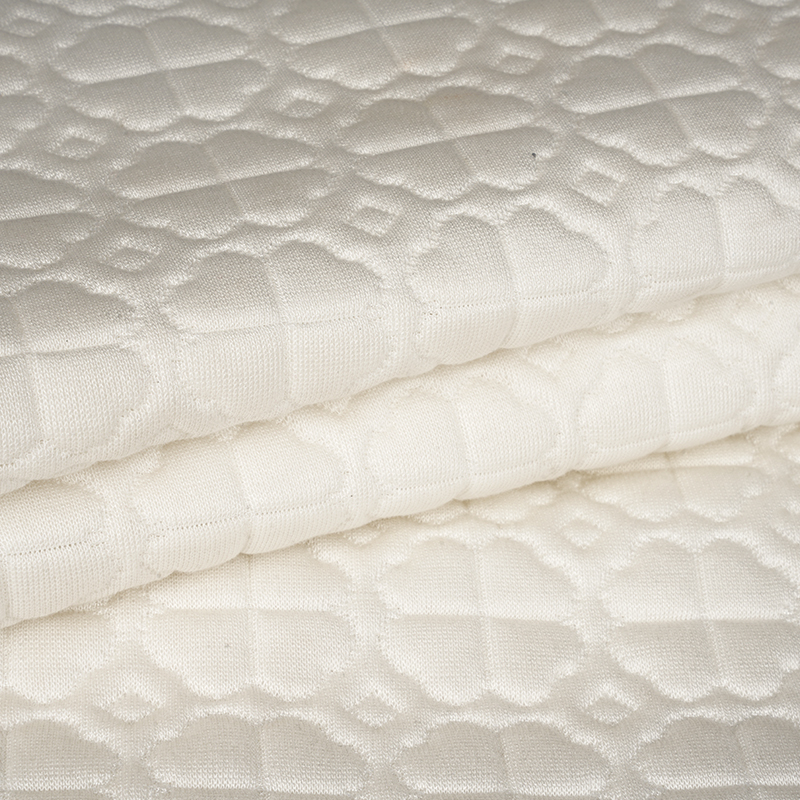
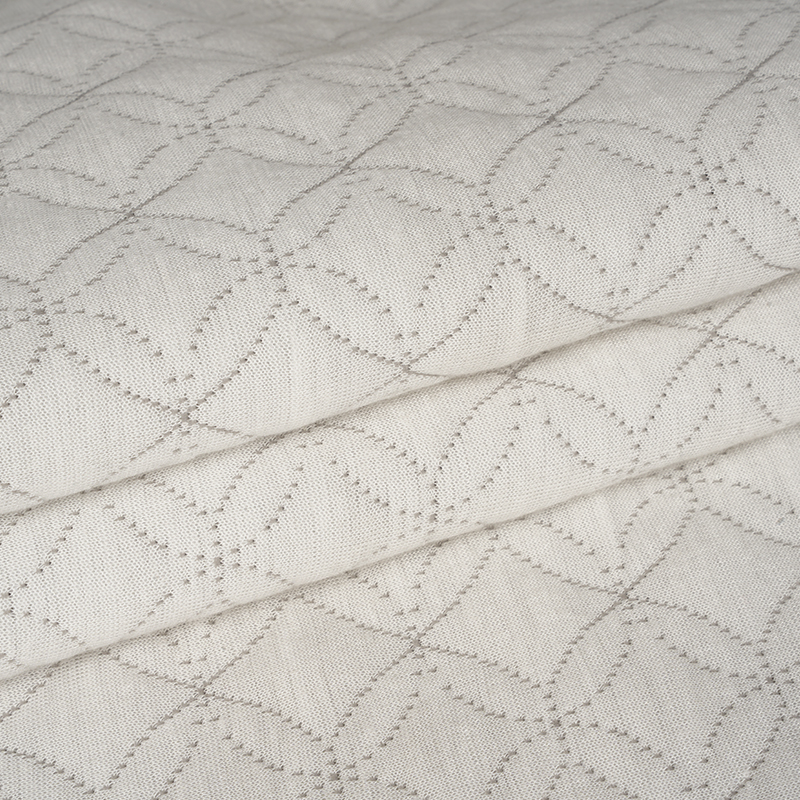
Bamboo Fiber Children Mattress Fabric
Bamboo Fiber Children Mattress Fabric
Haven’t Found The Products You Want?
-
-
Shen Jinyan:+86-15158070676
[email protected]
Liang Jinwen:+86-15757186621
[email protected]
Qiu Yingyingn:+86-13819545790
[email protected]
Yi qiao Town, Xiaoshan District, Hangzhou City, Zhejiang Province, China
-
Products
Mattress Fabric Children Mattress Fabric Pillowcase Fabric Pregnancy Pillow Fabric Cooling Mat Fabric Bedding Fabric Sofa Fabric Pet Friendly Fabrics -
Contact Information
About Us Products Strength Sustainability News Contact Us
Copyright © Hangzhou Xinsili Decorative Fabric Weaving Co.,Ltd. All Rights Reserved.
Functional Decorative Textile Manufacturers
