

 English
 中文简体
中文简体 Español
 عربى
عربى русский


Antibacterial Yarn Mattress Fabric for Healthier, Cleaner, and More Comfortable Sleep Surfaces
Content
- 1 Product Overview
- 2 Why Antibacterial Yarn Technology Matters in Mattress Fabric
- 3 Core Product Specifications
- 4 Competitive Advantages Over Ordinary Mattress Fabrics
- 5 Application Fields
- 6 Company Manufacturing Strength
- 7 Advanced Manufacturing Process
- 8 Performance Value for Mattress Brands
- 9 Comfort, Breathability, and Skin Contact Experience
- 10 Advantages in Hospitality and Commercial Environments
- 11 Advantages for Children’s and Family Bedding
- 12 Design Potential and Decorative Textile Expertise
- 13 Quality Assurance and Testing Support
- 14 Sustainability and Responsible Use
- 15 Why Choose This Manufacturer for Antibacterial Yarn Mattress Fabric
- 16 Comparison with Conventional Competitor Fabrics
- 17 Storage, Handling, and Care Guidance
- 18 Product Development Recommendations
- 19 Frequently Asked Questions
- 19.1 Q1: What is Antibacterial Yarn Mattress Fabric?
- 19.2 Q2: What is the typical weight range of the fabric?
- 19.3 Q3: What widths are available?
- 19.4 Q4: How is the antibacterial performance tested?
- 19.5 Q5: Is the fabric suitable for children’s mattresses?
- 19.6 Q6: Can the fabric be used for products other than mattresses?
- 19.7 Q7: Does antibacterial function replace cleaning?
- 19.8 Q8: Can strong bleach be used for cleaning?
- 19.9 Q9: Why is yarn-based antibacterial design valuable?
- 19.10 Q10: What makes the manufacturer a strong supplier for this fabric?
- 20 Conclusion
- 21 References
- 22 Product: Antibacterial Yarn Mattress Fabric
Modern bedding is expected to do more than look attractive. Consumers, mattress brands, hotel operators, healthcare buyers, and home furnishing retailers increasingly require fabrics that support hygiene, comfort, durability, and responsible performance over long periods of use. Antibacterial Yarn Mattress Fabric is designed for this new generation of sleep environments. It combines decorative textile expertise with functional yarn technology to create a mattress surface fabric that helps inhibit microbial growth while maintaining a soft hand feel, stable structure, practical care performance, and visual appeal.
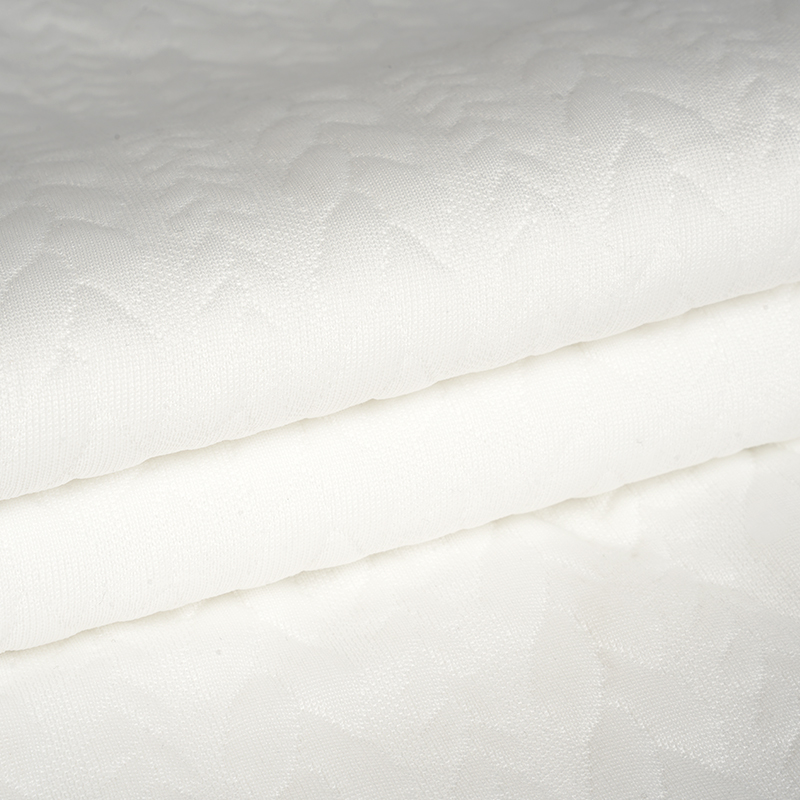
Antibacterial Yarn Mattress Fabric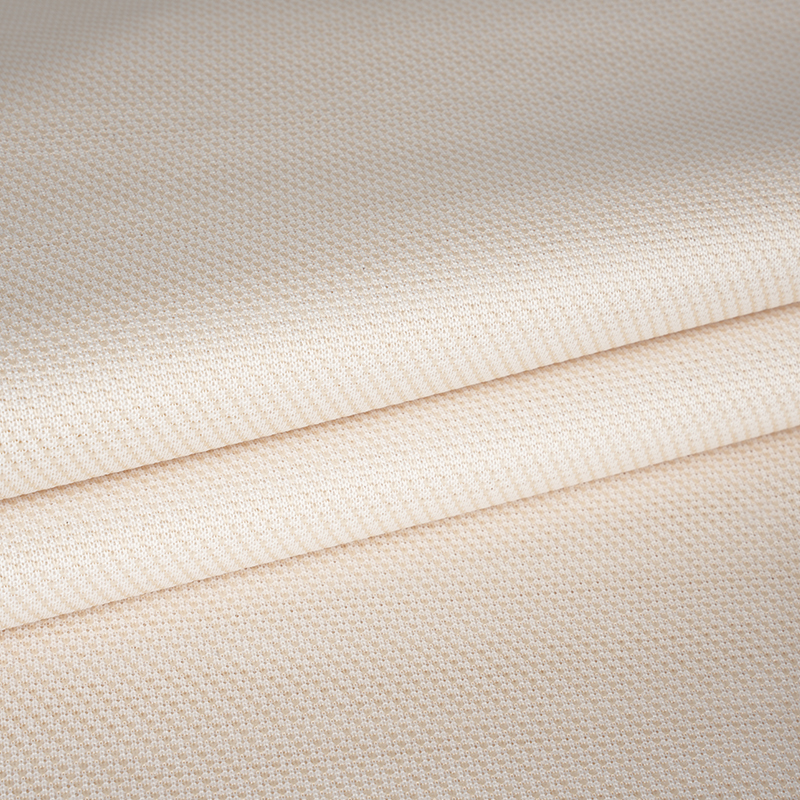
This article introduces the characteristics, advantages, manufacturing logic, quality control principles, application value, and competitive strengths of Antibacterial Yarn Mattress Fabric. It also explains how an experienced decorative textile manufacturer can turn advanced yarn selection, precision weaving, functional finishing, testing, and customized production into a dependable solution for mattress brands and related bedding product developers.
Product Overview
Antibacterial Yarn Mattress Fabric is a functional textile developed for mattress ticking and related bedding surface applications. Its key feature is the use of antibacterial yarn technology, which helps reduce the growth of bacteria on the fabric surface. This is especially valuable for products that remain in close contact with the human body for long periods, such as mattresses, children’s mattresses, pregnancy pillows, pillowcases, cooling mats, and other bedding products.
The fabric is typically supplied in a weight range of 180 to 300 gsm, allowing buyers to select the level of thickness, hand feel, and structural support required for different product lines. Lighter weights can be suitable for soft, breathable, and flexible mattress surfaces, while heavier weights may be selected for a more substantial touch, enhanced appearance, and stronger dimensional stability. Standard widths include 150 cm and 220 cm, and custom widths can be arranged to support different cutting plans, mattress sizes, quilting processes, and production layouts.
The antimicrobial performance can be tested according to recognized standards such as ISO 20743 or AATCC 100. These standards are commonly used to evaluate antibacterial activity in textile materials and help buyers verify that the functional claim is not only a marketing statement but also a measurable property. For mattress manufacturers, this type of testing support can be important when developing product specifications, communicating with retailers, or entering markets with stricter quality documentation requirements.
In daily use, the fabric is suitable for routine washing or wipe cleaning, depending on the final mattress or bedding product design. Care label instructions should always be followed, and strong bleach should be avoided in order to help preserve the fabric’s long-lasting antibacterial functionality and appearance. Storage should take place in a dry, ventilated, and dark warehouse environment away from chemical agents, which helps maintain fabric stability before cutting, sewing, quilting, or lamination.
Why Antibacterial Yarn Technology Matters in Mattress Fabric
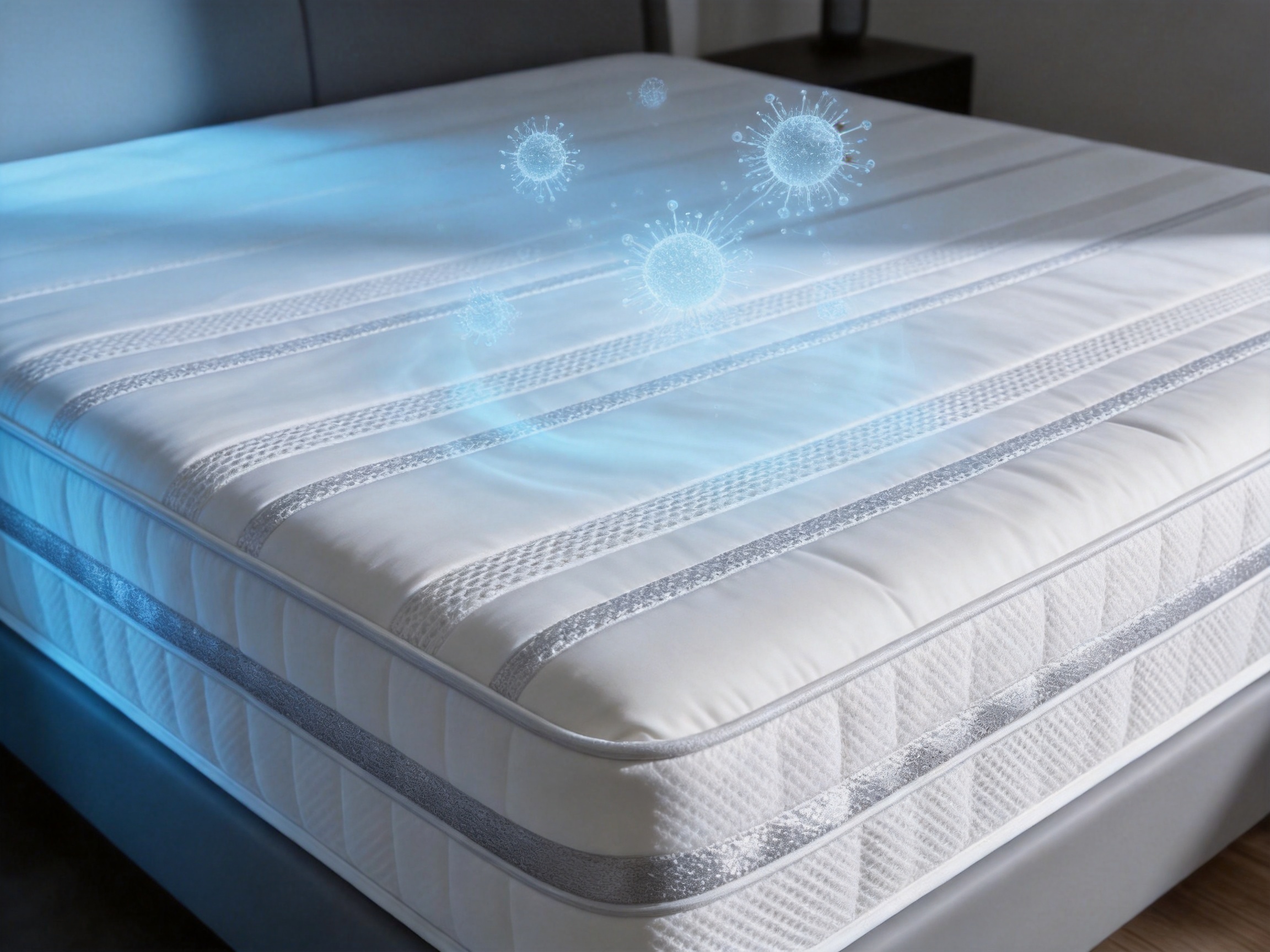
Mattress fabric is different from ordinary decorative fabric. It is not only seen; it is touched, pressed, rubbed, warmed by the body, exposed to humidity, and used for many hours every day. A mattress surface can accumulate sweat, skin particles, moisture, and environmental dust. These conditions may create an environment where unwanted microorganisms can multiply if the material lacks functional protection. Antibacterial yarn technology addresses this concern at the textile design level.
Unlike ordinary fabrics that provide only color, pattern, and surface texture, antibacterial yarn mattress fabric introduces a hygiene-supporting function into the fabric system. The antibacterial effect is associated with the yarn or fiber structure, depending on the technical design selected. This can provide better durability than simple surface-only treatments that may lose effectiveness quickly after abrasion, cleaning, or extended use. For brands that need functional credibility, yarn-based antibacterial design is a more convincing solution than short-term topical claims.
Consumers are also becoming more aware of sleep hygiene. They understand that a clean bedroom environment contributes to comfort and peace of mind. While no mattress fabric can replace proper cleaning, ventilation, and responsible product care, antibacterial yarn fabric can become one important part of a healthier sleep system. It supports the development of mattresses that are easier to promote as clean, practical, family-oriented, and suitable for modern lifestyles.
Core Product Specifications
Item |
Specification |
Product Value |
|---|---|---|
Product Type |
Antibacterial Yarn Mattress Fabric |
Designed for hygienic mattress and bedding surfaces |
Typical Weight Range |
180 to 300 gsm |
Selectable for different comfort, support, and appearance requirements |
Standard Widths |
150 cm or 220 cm |
Compatible with common mattress and bedding production processes |
Custom Width |
Available upon request |
Supports efficient cutting, reduced waste, and special product designs |
Antimicrobial Testing |
ISO 20743 or AATCC 100 |
Provides measurable performance verification for international buyers |
Care Method |
Routine washing or wipe cleaning according to care label |
Practical for home, hotel, and commercial bedding applications |
Storage Advice |
Dry, ventilated, dark warehouse; away from chemical agents |
Helps maintain fabric quality before manufacturing use |
Recommended Use |
Mattresses, pillowcases, pregnancy pillows, cooling mats, bedding, children’s mattresses |
Flexible application potential across sleep and comfort products |
Competitive Advantages Over Ordinary Mattress Fabrics
Built-In Hygiene Support
The most important advantage of Antibacterial Yarn Mattress Fabric is its ability to support a cleaner sleeping surface. Ordinary mattress ticking may provide attractive patterns and acceptable strength, but it often lacks functional antimicrobial performance. This fabric is designed with antibacterial yarn technology, allowing mattress manufacturers to offer a product with additional hygiene value. In competitive bedding markets, this can become a meaningful selling point.
Durability of Function
Many antibacterial fabrics rely only on a surface coating. While coatings can be useful, they may be more vulnerable to friction, cleaning, or long-term use. Antibacterial yarn technology offers a more integrated approach. Because the functional concept is connected to the yarn system, the fabric can better support longer-lasting performance when properly cared for. This difference is important for mattresses, which are expected to remain in use for years rather than months.
Comfort Balanced with Performance
Functional textiles sometimes create concern because buyers worry that performance may come at the cost of softness, breathability, or flexibility. This fabric is designed to balance antibacterial function with sleeping comfort. The selectable weight range of 180 to 300 gsm allows product developers to adjust the surface feel according to target markets. A children’s mattress may require a soft and gentle surface, while a premium adult mattress may require a richer texture and more substantial fabric hand. The fabric can support both design directions.
Professional Appearance for Premium Bedding
Mattress fabric is a visible part of the final product. Before consumers lie on a mattress, they see its surface design, texture, and finishing quality. A clean, stable, and well-constructed fabric communicates reliability. Antibacterial Yarn Mattress Fabric can be developed with decorative textile aesthetics suitable for residential, hotel, and commercial environments. This means the fabric can help mattress brands combine health-oriented performance with a premium visual identity.
Flexible Customization
Competitor products are often limited to fixed specifications, which can create production inefficiencies for mattress brands. Antibacterial Yarn Mattress Fabric can be supplied in standard widths such as 150 cm and 220 cm, with custom widths available. Weight, texture, color direction, and pattern development can also be discussed according to project needs. This supports more efficient manufacturing, better material utilization, and product differentiation.
International Testing Compatibility
The availability of antimicrobial performance testing according to ISO 20743 or AATCC 100 gives this fabric an advantage over products with unsupported claims. International buyers often require documentation and traceable quality procedures. Testing compatibility helps support procurement decisions, retailer communication, and product compliance planning.
Application Fields
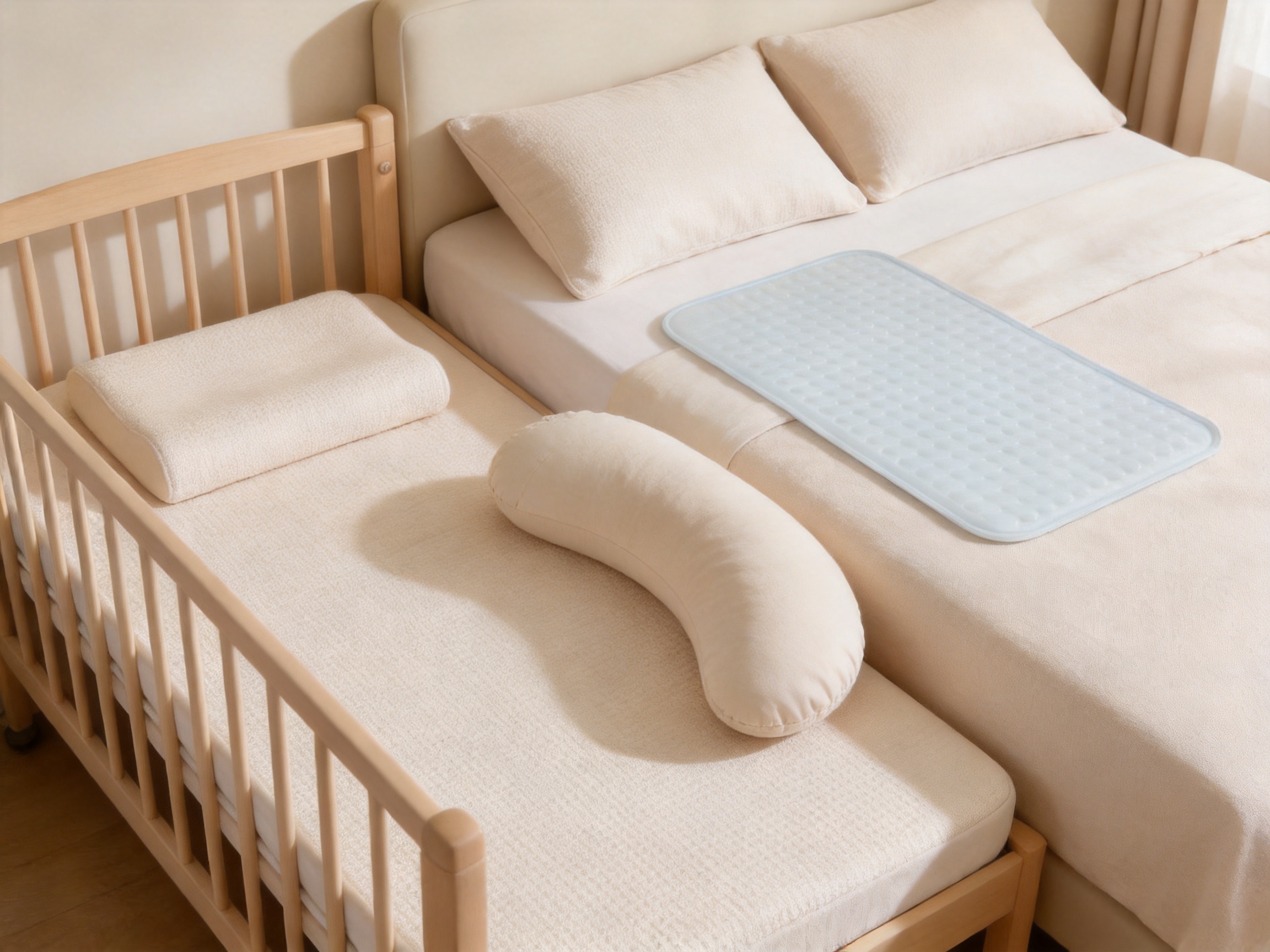
Although the product is primarily designed as mattress fabric, its value extends to a wide range of sleep and comfort textile categories. It can be used in children’s mattress fabric, pillowcase fabric, pregnancy pillow fabric, cooling mat fabric, bedding fabric, sofa fabric, and pet-friendly fabrics, depending on final design and technical requirements. These related categories share similar consumer needs: cleanliness, comfort, softness, durability, and reliable function.
For children’s mattresses, antibacterial yarn fabric can help parents feel more confident about the sleep environment. Children may sweat, spill liquids, or spend long hours on bedding surfaces. A fabric that supports hygiene can provide an added layer of reassurance. For pregnancy pillows, the material can improve comfort during extended contact with the body and support a cleaner surface for sensitive users. For pillowcases and bedding, antibacterial performance can add value in both home and hospitality markets.
Cooling mats and comfort pads may also benefit from hygienic fabric surfaces because they are often used during warm seasons when sweat and humidity are more common. Sofa and pet-friendly fabric applications can be considered when the textile structure and finishing plan are matched to abrasion, cleaning, and end-use requirements. In all cases, the fabric’s advantage is not limited to one narrow product; it is part of a broader functional decorative textile concept.
Company Manufacturing Strength
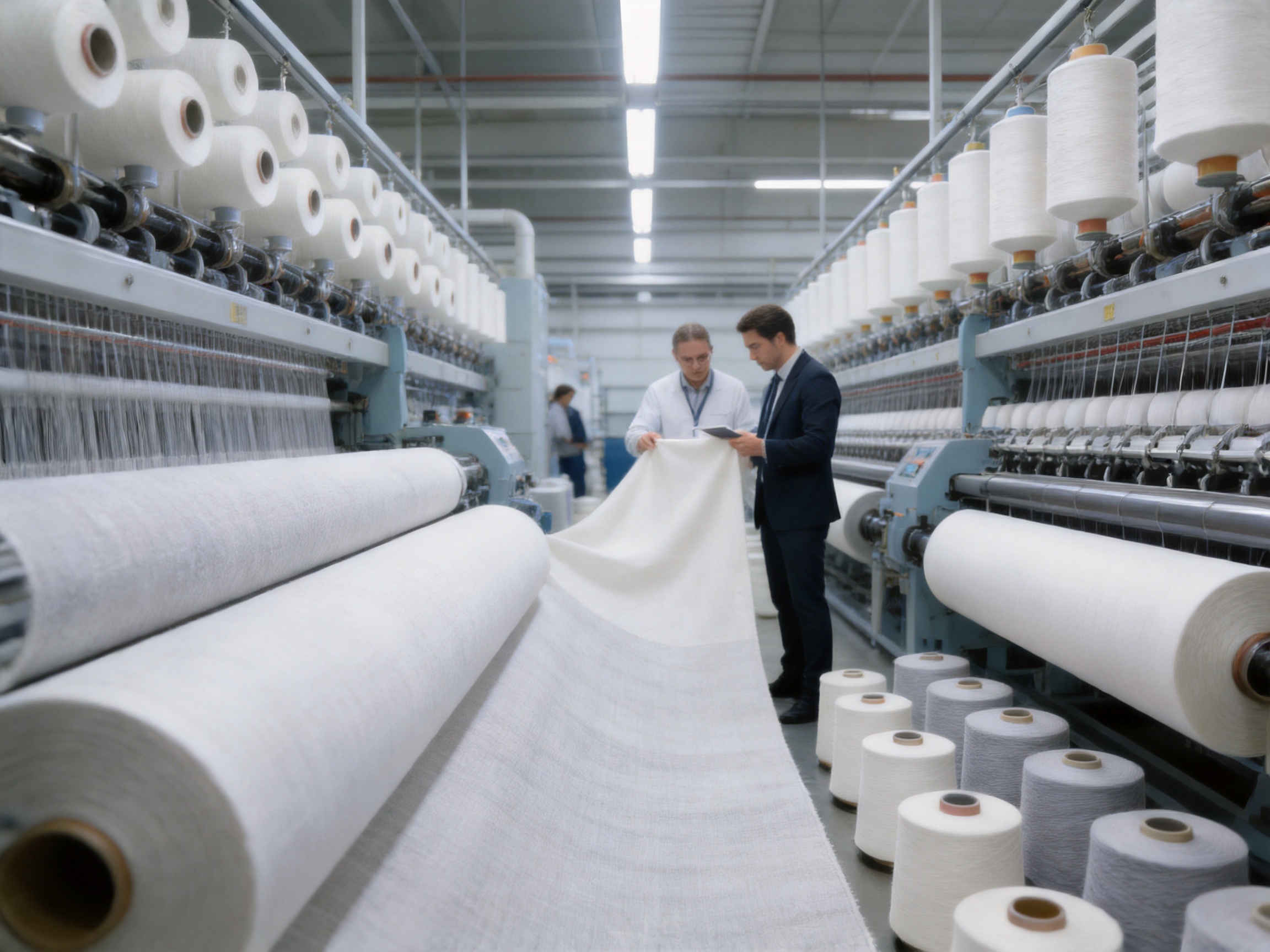
Hangzhou Xinsili Decorative Fabric Weaving Co.,Ltd. specializes in the research, development, and precision manufacturing of decorative textiles. With 19 years of industry experience, a 12,000 square meter factory area, and recognition as a National High-Tech Enterprise in 2023, the company has developed a strong foundation for producing functional fabrics that combine design, comfort, and performance. Its manufacturing philosophy is guided by craftsmanship-driven production, design innovation, and practical reliability.
The company focuses on decorative fabrics for home, hotel, and commercial spaces, integrating technologies such as antibacterial, moisture-resistant, flame-retardant, sleep-supporting, and comfort-improving functions. This broad technical background is important because mattress fabric is not an isolated product. It requires knowledge of yarn behavior, fabric structure, surface design, finishing chemistry, dimensional stability, testing, packaging, and large-scale production consistency. A manufacturer with experience across functional decorative textiles can better anticipate the requirements of different markets and product categories.
The company’s vision of creating beautiful spaces is reflected not only in appearance but also in the functional value of the fabric. In modern interior and bedding markets, beauty must work together with safety, cleanliness, comfort, and sustainability. Antibacterial Yarn Mattress Fabric represents this integrated approach. It is a practical product for mattress brands that want to upgrade from ordinary ticking to a functional surface material with measurable performance.
Advanced Manufacturing Process
1. Technical Requirement Analysis
The manufacturing process begins with understanding the customer’s product goals. A mattress fabric for a high-end hotel mattress may require a different weight, pattern, and hand feel than a fabric for a children’s mattress or a compact roll-packed mattress. The manufacturer evaluates the desired gsm range, width, surface texture, stretch behavior, color direction, antibacterial performance requirements, cleaning expectations, and downstream processing methods such as quilting, sewing, lamination, or border panel assembly.
This early analysis helps avoid common problems such as excessive shrinkage, poor cutting efficiency, unstable edges, incompatible surface finishing, or insufficient fabric strength. By clarifying the end use before production, the company can recommend a more accurate fabric structure and reduce trial-and-error costs for the buyer.
2. Functional Yarn Selection
Yarn selection is central to the performance of Antibacterial Yarn Mattress Fabric. The yarn must support antibacterial functionality while also meeting textile requirements such as softness, tenacity, elasticity, dyeing behavior, and compatibility with weaving or knitting equipment. The manufacturer evaluates yarn quality carefully because inconsistent yarn can cause fabric defects, uneven texture, weak points, or unstable performance.
Compared with manufacturers that use generic yarn without technical screening, a functional textile producer pays closer attention to yarn specifications and supplier consistency. This provides a stronger foundation for stable mass production. When antibacterial function is integrated into the yarn strategy, the fabric can deliver a more durable value proposition than ordinary fabric with only a decorative purpose.
3. Warping and Preparation
Before weaving or knitting, yarns must be prepared with controlled tension and alignment. Warping quality affects fabric stability, surface uniformity, and production efficiency. Uneven tension can lead to streaks, distorted patterns, or mechanical interruptions. Professional preparation helps ensure that the fabric surface remains smooth and consistent across the full width, whether the fabric is produced in 150 cm, 220 cm, or customized width.
This stage is especially important for mattress fabric because final products often require large continuous panels. Visible defects can reduce the value of an entire roll. Careful preparation helps reduce waste and ensures that buyers receive material suitable for efficient cutting and sewing.
4. Precision Fabric Formation
The fabric formation process determines texture, structure, strength, flexibility, and visual character. Advanced equipment and experienced technicians are needed to maintain uniform density, balanced tension, and consistent pattern expression. For mattress fabric, the structure must be comfortable against the body while strong enough to withstand handling, quilting, compression, packaging, and long-term use.
The advantage of a professional decorative fabric manufacturer lies in the ability to combine performance with design. A technically functional fabric must still look attractive. Surface patterns, tactile texture, and fabric drape all influence consumer perception. Through controlled fabric formation, Antibacterial Yarn Mattress Fabric can provide both hygiene-supporting performance and refined decorative appeal.
5. Functional Finishing and Stabilization
After fabric formation, finishing processes may be used to improve hand feel, dimensional stability, surface cleanliness, and overall performance. Heat setting, softening, and other controlled finishing steps can help the fabric achieve the desired touch and stability. The finishing process must be carefully managed so it does not negatively affect antibacterial performance or create unwanted changes in color, strength, or elasticity.
For functional fabrics, finishing is not simply an appearance treatment. It is a technical stage that influences final usability. Proper stabilization helps the fabric perform more predictably during mattress manufacturing, especially during quilting and sewing. Stable fabric can reduce production issues such as curling, puckering, uneven tension, or mismatched panels.
6. Inspection and Quality Control
Quality control is essential in mattress fabric production. Inspection may include visual defect checking, width measurement, weight verification, color consistency review, fabric surface evaluation, tensile or structural assessment, and functional testing coordination. Antibacterial performance can be tested according to ISO 20743 or AATCC 100, depending on buyer requirements. These procedures help ensure that fabric supplied to customers matches agreed specifications.
A manufacturer with mature quality systems can provide greater confidence than suppliers that rely only on low price. Mattress brands must protect their reputation. A defect in fabric can affect final product appearance, production efficiency, and customer satisfaction. Reliable quality control reduces risk throughout the supply chain.
7. Rolling, Packaging, and Storage
After inspection, the fabric is rolled and packaged to protect it during storage and transportation. Proper packaging helps prevent contamination, moisture exposure, crushing, and surface damage. Storage in a dry, ventilated, and dark warehouse environment away from chemical agents is recommended. These conditions help maintain fabric quality before the customer uses it in production.
Packaging and storage may seem simple, but they are important for functional textiles. A high-performance fabric can lose value if it is mishandled before reaching the cutting table. Professional manufacturers treat this final stage as part of the quality chain, not as an afterthought.
Performance Value for Mattress Brands
For mattress manufacturers, fabric selection affects product positioning. A mattress can contain advanced foam, springs, or comfort layers, but the outer fabric is the first surface the customer sees and touches. Antibacterial Yarn Mattress Fabric allows brands to communicate hygiene, comfort, and technical value immediately. It can support premium storytelling, product differentiation, and stronger consumer trust.
In competitive retail environments, many mattresses look similar. Claims such as softness, support, and durability are common. Antibacterial performance gives brands an additional functional message. It can be especially attractive for families, health-conscious consumers, hospitality buyers, and anyone seeking a cleaner sleep experience. When supported by recognized testing methods, this claim becomes more credible.
The fabric also helps brands build product series. A basic model may use a lighter gsm for affordability, while a premium model may use a heavier gsm, richer texture, and more complex design. Custom width options can improve material efficiency for different mattress dimensions. This flexibility helps brands manage cost while maintaining product identity.
Comfort, Breathability, and Skin Contact Experience
A good mattress fabric should feel pleasant from the first touch. Antibacterial function is important, but comfort remains essential. The fabric’s weight range allows developers to select the right balance of softness, thickness, and support. A breathable and comfortable surface can help reduce the feeling of stuffiness and improve the overall sleep experience.
For bedding products in close skin contact, the tactile quality matters greatly. Rough or overly rigid fabric can reduce perceived product quality even if the inner mattress structure is excellent. Antibacterial Yarn Mattress Fabric is designed for a practical and comfortable surface experience. Depending on final specifications, it can deliver a smooth, soft, or textured hand feel suitable for different market segments.
The fabric is also suitable for routine washing or wipe cleaning when used in appropriate product constructions. This practical care property supports everyday use. Consumers do not want complicated maintenance instructions. They want products that are comfortable, cleanable, and reliable. By avoiding strong bleach and following care label directions, users can help preserve the long-lasting functionality of the fabric.
Advantages in Hospitality and Commercial Environments
Hotels, serviced apartments, dormitories, and other commercial accommodation providers must manage large numbers of mattresses and bedding products. Cleanliness is central to guest satisfaction. Antibacterial Yarn Mattress Fabric can add value in these environments by supporting a cleaner surface and reducing concerns related to microbial growth on textile surfaces.
Hospitality buyers also require durability and consistent supply. A fabric that looks attractive but fails quickly is not suitable for commercial use. The combination of functional yarn, stable construction, professional finishing, and quality control helps the fabric meet more demanding expectations. Custom specifications can also support hotel brand identity, color schemes, and mattress comfort categories.
In commercial purchasing, documentation matters. Antimicrobial testing according to ISO 20743 or AATCC 100 can help procurement teams evaluate product claims. A supplier with manufacturing experience and technical communication ability can support smoother project development, from sampling to bulk production.
Advantages for Children’s and Family Bedding
Parents often prioritize safety, cleanliness, and comfort when selecting bedding for children. Children’s mattresses are exposed to frequent movement, sweat, occasional spills, and close daily contact. Antibacterial Yarn Mattress Fabric provides a functional surface option for children’s mattress brands that want to offer added hygiene value without sacrificing softness or visual appeal.
The fabric can be adjusted in weight and texture to meet children’s bedding requirements. Softer touch, breathable construction, and gentle surface design can help improve product acceptance. Because the fabric can be tested according to recognized antimicrobial standards, brands can present performance information with greater confidence.
Family bedding products also benefit from practical cleaning. When used according to care instructions, the fabric can support routine maintenance. Avoiding strong bleach is recommended to protect the fabric’s function and appearance. This care guidance is simple enough for household users and practical enough for commercial maintenance teams.
Design Potential and Decorative Textile Expertise
Antibacterial function does not mean the fabric must look clinical or plain. One of the product’s strengths is that it comes from a decorative textile manufacturing background. The surface can be developed to match modern mattress aesthetics, including clean geometric patterns, soft textures, premium quilted effects, or subtle visual depth. This is important because consumers often connect appearance with quality.
A beautiful mattress fabric can elevate the perceived value of the entire product. When a consumer enters a showroom or views a product online, the surface fabric creates the first impression. A stable, elegant, and comfortable-looking fabric can help the mattress stand apart from lower-cost competitors. When this appearance is combined with antibacterial functionality, the product message becomes stronger: clean, comfortable, attractive, and technically advanced.
The company’s experience in home, hotel, and commercial decorative textiles allows it to understand design trends across multiple markets. This helps customers develop fabrics that are not only technically suitable but also visually relevant. In a market where many products compete on price, design differentiation can protect brand value and improve customer recognition.
Quality Assurance and Testing Support
Quality assurance is a complete system rather than a single inspection step. For Antibacterial Yarn Mattress Fabric, quality begins with yarn selection and continues through preparation, fabric formation, finishing, inspection, packaging, and storage. Each stage must be controlled to ensure that the final roll of fabric meets the expected weight, width, appearance, and function.
Antimicrobial performance testing according to ISO 20743 or AATCC 100 provides a recognized way to evaluate antibacterial activity. ISO 20743 is commonly used to determine antibacterial activity of textile products, while AATCC 100 is widely used for quantitative assessment of antibacterial finishes on textile materials. By aligning with these standards, the fabric can support international quality communication.
Weight verification is also important. A fabric specified at 180 gsm will behave differently from a fabric specified at 300 gsm. Accurate gsm control supports predictable comfort, cost calculation, and downstream processing. Width control is equally important because mattress manufacturers plan cutting layouts based on fabric width. Inconsistent width can increase waste and disrupt production efficiency.
Visual inspection protects brand image. Mattress fabric defects may be highly visible on finished products, especially on large panels. Professional inspection helps reduce the risk of sending defective material into final production. This is one reason why experienced manufacturers can provide more value than suppliers that compete only on low prices.
Sustainability and Responsible Use
Modern textile buyers increasingly consider sustainability, durability, and responsible material use. A durable functional fabric can contribute to sustainability by extending product value and reducing premature replacement. When a mattress fabric maintains appearance and performance for longer, the final product can offer better life-cycle value.
Customization can also support responsible production. By selecting appropriate widths and weights, customers can reduce cutting waste and avoid over-engineering. A fabric that is too heavy for its application may increase material consumption unnecessarily, while a fabric that is too light may fail to meet durability expectations. Professional guidance helps buyers choose the right specification rather than simply selecting the cheapest option.
Storage and care recommendations also support responsible use. Keeping the fabric in a dry, ventilated, dark warehouse environment away from chemical agents helps prevent avoidable damage. Following care label instructions and avoiding strong bleach help maintain functionality and appearance. Good material management is part of sustainable textile practice.
Why Choose This Manufacturer for Antibacterial Yarn Mattress Fabric
Choosing a supplier is not only about selecting a fabric sample. It is about selecting a long-term manufacturing partner. Hangzhou Xinsili Decorative Fabric Weaving Co.,Ltd. offers several strengths that are valuable for buyers of Antibacterial Yarn Mattress Fabric. The company has 19 years of industry experience, which means it understands the practical realities of textile production and customer requirements. Its 12,000 square meter factory area supports organized manufacturing capacity. Its recognition as a National High-Tech Enterprise in 2023 reflects commitment to technical development and innovation.
The company’s focus on functional decorative textiles gives it an advantage over suppliers that produce only basic fabrics. Antibacterial, moisture-resistant, flame-retardant, sleep-supporting, and comfort-improving technologies require a more advanced understanding of material science and production control. This knowledge supports better product development and more reliable performance.
Another strength is the ability to serve different environments, including residential, hotel, and commercial markets. Each environment has different requirements. Residential buyers may prioritize comfort and appearance. Hotels may emphasize durability and hygiene. Commercial buyers may require documentation, repeatability, and cost control. A manufacturer with experience across these markets can better adapt fabric solutions to customer needs.
The company’s values of craftsmanship-driven manufacturing, design innovation, and win-win collaboration are reflected in the product development process. Craftsmanship supports quality, innovation supports differentiation, and collaboration supports customization. For mattress brands, this combination can reduce development risk and create stronger final products.
Comparison with Conventional Competitor Fabrics
Comparison Point |
Antibacterial Yarn Mattress Fabric |
Conventional Mattress Fabric |
|---|---|---|
Functional Hygiene |
Designed with antibacterial yarn technology and can be tested by recognized standards |
Often decorative only, with limited or no antimicrobial function |
Performance Durability |
Function is integrated into the yarn strategy for more reliable long-term value |
May rely on temporary surface treatment or have no functional design |
Customization |
Available in standard and custom widths, with selectable gsm range |
Often limited to fixed stock specifications |
Quality Control |
Supported by experienced manufacturing, inspection, and testing coordination |
Quality may vary significantly by supplier |
Market Positioning |
Suitable for premium, health-conscious, family, hotel, and commercial product lines |
May compete mainly on price and basic appearance |
Design Value |
Combines decorative textile aesthetics with functional performance |
May offer appearance without added technical benefit |
Storage, Handling, and Care Guidance
Proper storage and care help preserve the quality of Antibacterial Yarn Mattress Fabric. Before production, fabric rolls should be stored in a dry, ventilated, and dark warehouse environment. They should be kept away from chemical agents that may affect color, hand feel, or functionality. Rolls should be protected from moisture, heavy pressure, and direct contamination.
During cutting and sewing, operators should handle the fabric with clean equipment and avoid unnecessary friction or contact with oils and chemicals. If the fabric is used in quilted mattress panels, tension should be controlled to maintain pattern alignment and surface smoothness. If lamination or additional finishing is required by the customer, compatibility should be tested before mass production.
For end users, routine washing or wipe cleaning may be suitable depending on the final product construction. The care label should always be followed. Strong bleach should be avoided because harsh chemicals may damage fibers, affect color, and reduce long-lasting functionality. Responsible care helps maintain both the antibacterial performance and the attractive appearance of the fabric.
Product Development Recommendations
For brands developing a new mattress series, the first step is to define the target customer. A family hygiene mattress, a hotel mattress, a premium comfort mattress, and a children’s mattress may all require different fabric specifications. After the target market is clear, the gsm, width, color, texture, and antibacterial testing requirements can be selected more accurately.
Sampling is highly recommended before bulk production. Samples allow brands to evaluate hand feel, appearance, quilting behavior, sewing performance, and compatibility with other mattress layers. If the final mattress will be compressed and roll-packed, fabric recovery and surface stability should also be reviewed. Professional communication with the manufacturer during sampling can prevent costly changes later.
Brands should also consider how they will communicate antibacterial performance to consumers. Claims should be accurate, responsible, and supported by testing where applicable. The fabric helps inhibit bacterial growth on the textile surface, but it should not be presented as a substitute for regular cleaning or healthy sleep habits. Clear communication builds trust and reduces misunderstanding.
Frequently Asked Questions
Q1: What is Antibacterial Yarn Mattress Fabric?
Antibacterial Yarn Mattress Fabric is a functional mattress surface textile designed with antibacterial yarn technology. It helps inhibit bacterial growth on the fabric surface while providing comfort, durability, and decorative appeal for mattresses and related bedding products.
Q2: What is the typical weight range of the fabric?
The typical weight range is 180 to 300 gsm. Buyers can select a lighter or heavier specification depending on the desired hand feel, surface thickness, support, cost target, and final product positioning.
Q3: What widths are available?
Standard widths are 150 cm and 220 cm. Custom widths are also available to support special mattress sizes, efficient cutting layouts, and unique production requirements.
Q4: How is the antibacterial performance tested?
The antibacterial efficacy can be tested according to international standards such as ISO 20743 or AATCC 100. These standards provide recognized methods for evaluating antibacterial activity in textile materials.
Q5: Is the fabric suitable for children’s mattresses?
Yes, the fabric can be suitable for children’s mattress applications when the selected specification meets the required softness, breathability, safety, and product design needs. Its hygiene-supporting function is especially attractive for family bedding products.
Q6: Can the fabric be used for products other than mattresses?
Yes, depending on the final specification, it can be considered for pillowcases, pregnancy pillows, cooling mats, bedding products, sofa fabrics, and pet-friendly fabric applications. Testing and sampling are recommended for each new end use.
Q7: Does antibacterial function replace cleaning?
No. Antibacterial function supports a cleaner textile surface, but it does not replace routine cleaning, ventilation, or proper product care. Users should follow the care label and maintain normal hygiene practices.
Q8: Can strong bleach be used for cleaning?
Strong bleach is not recommended. Harsh bleaching agents may damage the fabric, affect color, and reduce long-lasting functionality. Routine washing or wipe cleaning should follow the specific care instructions of the final product.
Q9: Why is yarn-based antibacterial design valuable?
Yarn-based antibacterial design can provide a more integrated and durable approach than simple surface-only treatments. This is important for mattresses because the fabric is expected to perform over long periods of use.
Q10: What makes the manufacturer a strong supplier for this fabric?
The manufacturer has 19 years of textile experience, a 12,000 square meter factory area, recognition as a National High-Tech Enterprise in 2023, and expertise in functional decorative fabrics. These strengths support stable production, customization, quality control, and product innovation.
Conclusion
Antibacterial Yarn Mattress Fabric is a practical and advanced material for modern mattress and bedding applications. It responds to growing consumer demand for cleaner, more comfortable, and more reliable sleep surfaces. With antibacterial yarn technology, selectable weight from 180 to 300 gsm, standard widths of 150 cm and 220 cm, custom width availability, and testing support according to ISO 20743 or AATCC 100, the fabric offers clear advantages over ordinary mattress ticking.
Its value is not limited to antibacterial performance. The fabric also supports attractive design, comfortable touch, production flexibility, quality consistency, and market differentiation. It can be used in mattresses, children’s mattresses, pillowcases, pregnancy pillows, cooling mats, bedding products, and other comfort-focused textile applications. For mattress brands, it provides a stronger product story and a more competitive surface material.
Behind the product is a manufacturer with extensive experience in functional decorative textiles. Hangzhou Xinsili Decorative Fabric Weaving Co.,Ltd. combines craftsmanship, design innovation, technical development, and quality control to create reliable fabric solutions for residential, hotel, and commercial environments. Its manufacturing strengths help transform antibacterial yarn technology into a fabric that is not only functional but also beautiful, comfortable, and suitable for scalable production.
As the bedding market continues to move toward healthier and more performance-oriented products, Antibacterial Yarn Mattress Fabric offers a meaningful path forward. It helps brands deliver cleaner sleep experiences, supports consumer confidence, and reflects the future of decorative textiles: fabrics that look good, feel good, and do more.
References
International Organization for Standardization. ISO 20743: Textiles: Determination of Antibacterial Activity of Textile Products.
AATCC. Test Method 100: Antibacterial Finishes on Textile Materials: Assessment of Antibacterial Activity.
Textile Institute. Textile Terms and Definitions.
Horrocks, A. R., and Anand, S. C. Handbook of Technical Textiles.
Gao, Y., and Cranston, R. Recent Advances in Antimicrobial Treatments of Textiles.
Kadolph, S. J. Textiles.
Product: Antibacterial Yarn Mattress Fabric

Our Featured Products
-
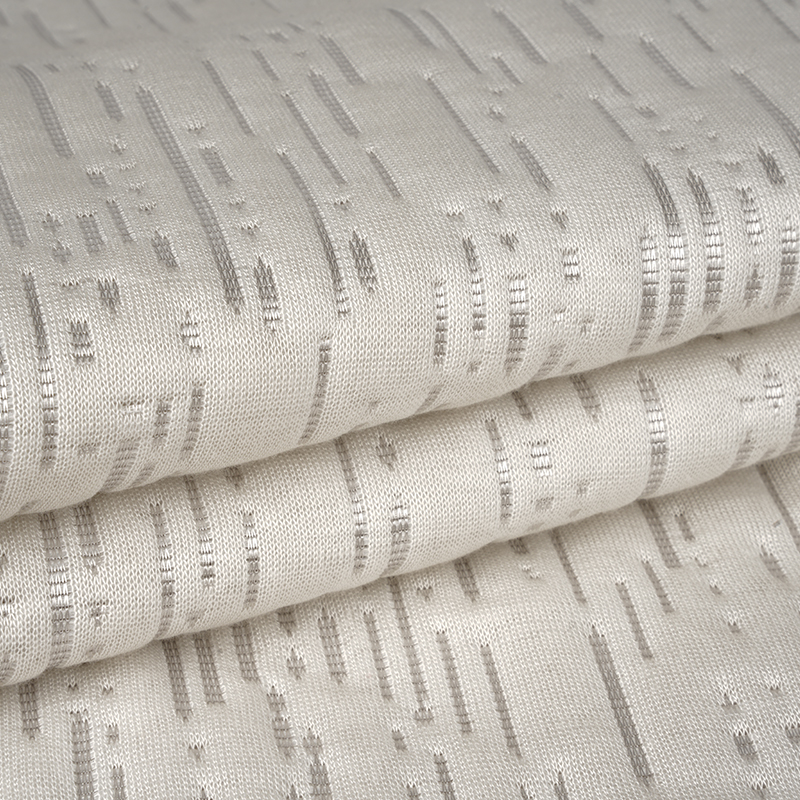
Antibacterial Yarn Children Mattress Fabric
Antibacterial Yarn Children Mattress Fabric
-
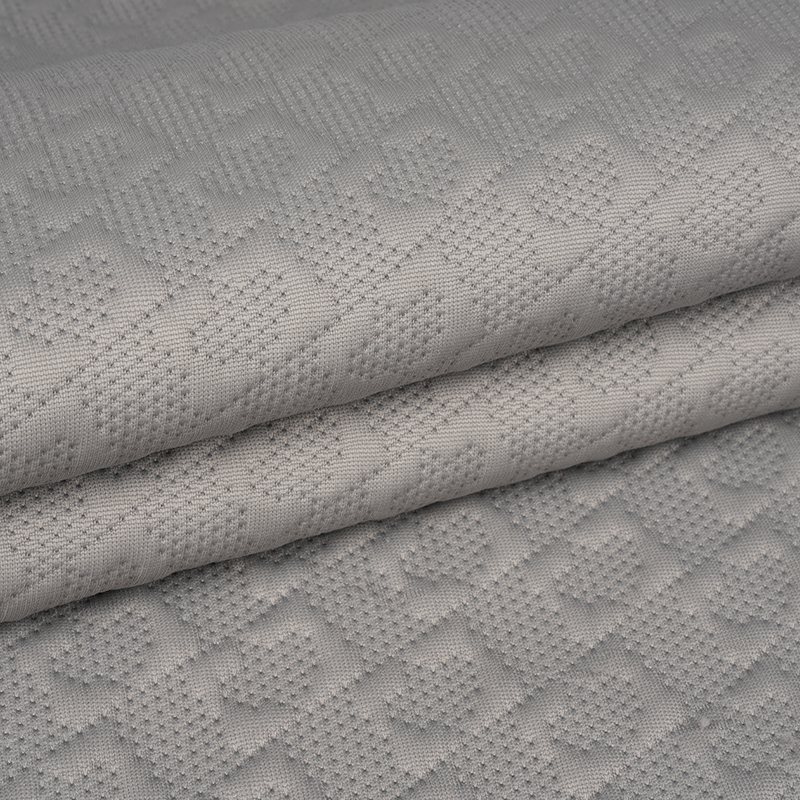
Antibacterial Yarn Children Mattress Fabric
Antibacterial Yarn Children Mattress Fabric
-
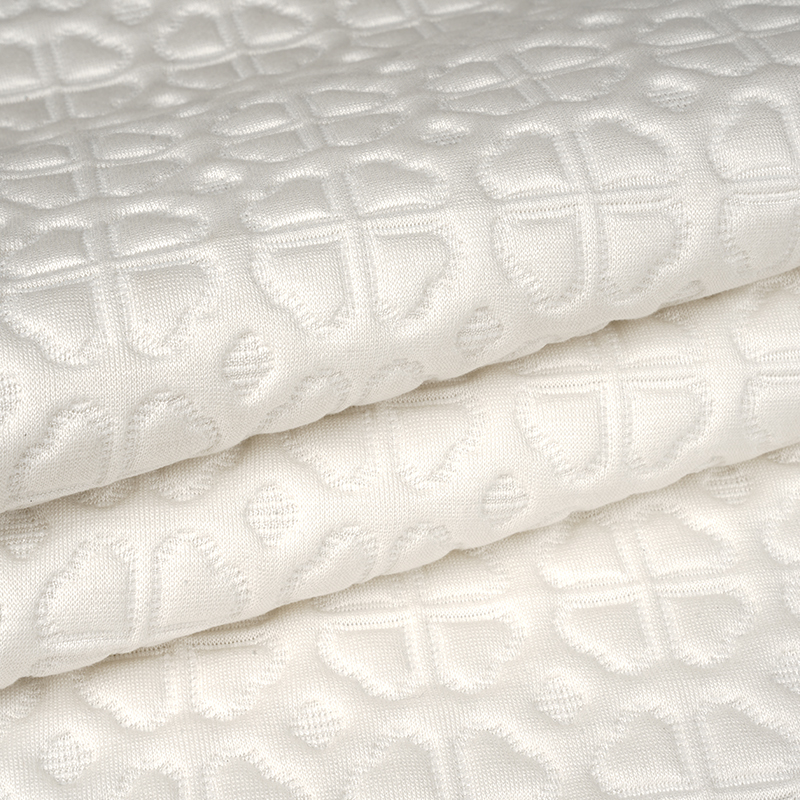
Antibacterial Yarn Children Mattress Fabric
Antibacterial Yarn Children Mattress Fabric
Haven’t Found The Products You Want?
-
-
Shen Jinyan:+86-15158070676
[email protected]
Liang Jinwen:+86-15757186621
[email protected]
Qiu Yingyingn:+86-13819545790
[email protected]
Yi qiao Town, Xiaoshan District, Hangzhou City, Zhejiang Province, China
-
Products
Mattress Fabric Children Mattress Fabric Pillowcase Fabric Pregnancy Pillow Fabric Cooling Mat Fabric Bedding Fabric Sofa Fabric Pet Friendly Fabrics -
Contact Information
About Us Products Strength Sustainability News Contact Us
Copyright © Hangzhou Xinsili Decorative Fabric Weaving Co.,Ltd. All Rights Reserved.
Functional Decorative Textile Manufacturers
