

 English
 中文简体
中文简体 Español
 عربى
عربى русский


Graphene Pillowcase Fabric for Cooler, Cleaner, More Comfortable Sleep Surfaces
Content
- 1 Why Graphene Pillowcase Fabric Is Becoming a Preferred Functional Textile
- 2 Product Composition and Material Logic
- 3 Recommended Grammage and Seasonal Adaptability
- 4 Comfort Advantages Over Conventional Pillowcase Fabrics
- 5 Thermal Comfort and Cooling-Style Contact Experience
- 6 Softness, Elasticity, and Skin-Contact Performance
- 7 Washability and Daily Care
- 8 Advanced Manufacturing Strength Behind the Fabric
- 9 Competitive Advantages for Bedding Brands and Manufacturers
- 10 Applications in Pillowcases and Related Bedding Products
- 11 Design and Customization Possibilities
- 12 Responsible Product Communication and Claim Control
- 13 Quality Control from Development to Bulk Production
- 14 Why Manufacturing Experience Matters
- 15 Sustainability and Practical Durability
- 16 Buyer Considerations Before Ordering
- 17 Q&A: Common Questions About Graphene Pillowcase Fabric
- 17.1 What is Graphene Pillowcase Fabric?
- 17.2 What is the common composition?
- 17.3 What is the typical fabric weight?
- 17.4 Does the fabric treat diseases or provide medical effects?
- 17.5 How should the fabric be washed?
- 17.6 Can the fabric be customized?
- 17.7 Is it suitable for hotel pillowcases?
- 17.8 Can it be used for children’s pillowcases or pregnancy pillows?
- 17.9 What makes it different from ordinary pillowcase fabric?
- 17.10 Why choose an experienced manufacturer for this fabric?
- 18 Conclusion
- 19 References
- 20 Product: Graphene Pillowcase Fabric
Modern bedding is no longer judged only by color, pattern, and softness. For pillowcase manufacturers, bedding brands, hotel textile buyers, and home-furnishing distributors, the fabric must also support comfort, durability, hygiene awareness, and stable performance through repeated daily use. Graphene Pillowcase Fabric is developed for this new generation of sleep-contact textiles, combining a refined hand feel with functional fiber technology designed to improve the user’s contact experience during rest.
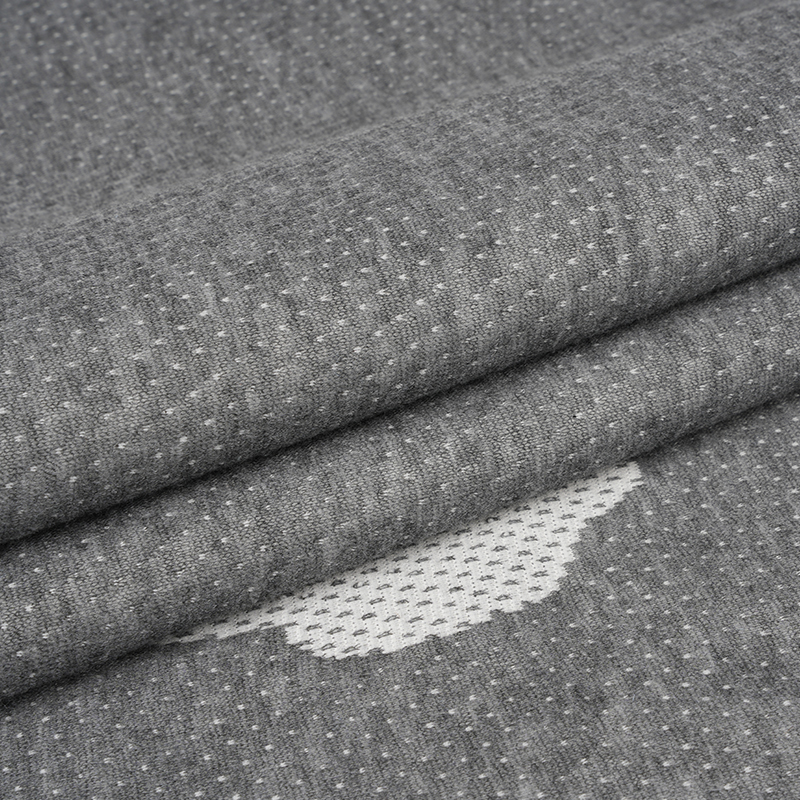
This fabric is typically produced with graphene-composite fibers blended with other comfort fibers, such as polyester, viscose, cotton, Modal, or elastic components. A common and practical composition is 92% polyester containing graphene masterbatch and 8% spandex, creating a fabric that is smooth, flexible, resilient, and suitable for pillowcase applications that require both comfort and shape recovery. With a common grammage range of 120–200 GSM, it can be used for year-round pillowcase products, from lightweight everyday bedding to more premium functional pillowcase collections.
Unlike ordinary pillowcase fabrics that depend mainly on surface finishing, graphene pillowcase fabric introduces functional characteristics through the fiber system itself. This makes it suitable for brands seeking a more stable and value-added textile solution. It is designed as a physical functional fabric for improving sleep contact comfort. It is not a medical product, does not treat disease, and should not be presented as a substitute for professional healthcare products. Its value lies in comfort enhancement, textile performance, and a more pleasant sleeping surface.
Why Graphene Pillowcase Fabric Is Becoming a Preferred Functional Textile
The pillow is one of the bedding items with the closest and longest contact with the human body. During sleep, the face, neck, hair, and skin remain in contact with the pillowcase for several hours. Because of this continuous contact, the fabric must be soft enough for sensitive skin areas, breathable enough for warm conditions, durable enough for frequent washing, and stable enough to maintain its appearance. Graphene Pillowcase Fabric is created to answer these requirements with a balanced combination of functional fibers and practical textile engineering.
Graphene is widely discussed in advanced material industries because of its special physical properties. In textile use, graphene is often incorporated into fibers through graphene masterbatch or composite fiber technology. When applied properly, this can help create fabric with improved thermal comfort, smoother contact, and enhanced functional positioning compared with conventional pillowcase textiles. The aim is not to turn bedding into a medical device, but to create a more advanced sleep-contact surface.
Many competitor fabrics in the pillowcase market are still based on single-function concepts. Some focus only on softness, while others focus only on price. Some fabrics are finished with coatings that may gradually reduce after repeated washing. Graphene Pillowcase Fabric provides a more comprehensive direction: it combines softness, elasticity, moisture-management potential, smooth touch, functional appeal, and practical washability. For brands, this means the fabric can be positioned in the functional bedding, comfort bedding, premium pillowcase, wellness-inspired home textile, and hotel bedding markets.
Another reason for its popularity is the growing consumer interest in healthier and more comfortable living spaces. Consumers are increasingly aware of fabric composition, washing convenience, skin contact, heat accumulation, and long-term usability. A pillowcase fabric that offers both a pleasant touch and advanced material identity gives bedding brands a strong selling point. The graphene concept also makes the product easier to distinguish from standard polyester, cotton, or blended pillowcase fabrics.
Product Composition and Material Logic
Graphene Pillowcase Fabric is commonly made from graphene-composite fibers blended with additional fibers to balance comfort, stretch, strength, and surface texture. A typical composition is 92% polyester containing graphene masterbatch and 8% spandex. This combination is practical for pillowcases because polyester offers durability, dimensional stability, wrinkle resistance, and fast drying, while spandex contributes elasticity and recovery. The graphene masterbatch element adds the functional material identity and supports the development of a more advanced contact surface.
Polyester-based graphene composite fiber is especially useful for commercial pillowcase fabrics because it can be engineered for consistent quality. Compared with natural fibers that may vary from batch to batch, polyester composite systems can provide better production stability and repeatability. This is important for customers who require large-scale orders, consistent color matching, and reliable fabric specifications.
The spandex content is also important. Pillowcases must fit pillow cores smoothly and maintain their shape after use. A small percentage of spandex helps the fabric adapt to the pillow surface without excessive deformation. It also improves comfort when the user moves during sleep, because the pillowcase fabric can respond gently to pressure and movement.
In addition to the common polyester-spandex blend, other versions may include cotton, Modal, viscose, or other fibers depending on the target market. Cotton can improve natural hand feel and moisture absorption. Modal can enhance smoothness and drape. Viscose can add softness and a comfortable touch. The final composition can be adjusted according to customer requirements, product grade, price position, and design goals.
Recommended Grammage and Seasonal Adaptability
The common grammage range of Graphene Pillowcase Fabric is 120–200 GSM. This range is suitable for pillowcases because it provides enough fabric body without becoming heavy or stiff. A fabric below this range may feel too thin for premium bedding, while a much heavier fabric may reduce breathability and softness. The 120–200 GSM range creates a practical balance for year-round use.
Lighter versions, around 120–150 GSM, are suitable for breathable pillowcase products, summer bedding collections, travel pillowcases, and cost-effective functional bedding. Medium-weight versions, around 150–180 GSM, are appropriate for daily household pillowcases and mid-to-high-end retail bedding. Heavier versions, around 180–200 GSM, may be used for premium pillowcases where a fuller hand feel and stronger fabric presence are desired.
This flexibility allows bedding brands to create different product lines from the same functional concept. For example, a brand can develop a lightweight cooling-style pillowcase for summer, a medium-weight everyday comfort pillowcase for all seasons, and a premium hotel-grade pillowcase with a denser texture. Such range development is useful for distributors and retailers because it creates a clear product ladder for different consumer groups.
| Specification Element | Typical Range or Option | Practical Benefit |
|---|---|---|
| Common Composition | 92% polyester with graphene masterbatch + 8% spandex | Durability, elasticity, smooth hand feel, and functional textile identity |
| Alternative Blend Options | Cotton, Modal, viscose, or other comfort fibers | Adjustable softness, moisture feel, drape, and market positioning |
| Grammage Range | 120–200 GSM | Suitable for year-round pillowcase use and multiple product grades |
| Recommended Washing | Below 40°C with mild detergent and gentle cycle | Helps preserve fabric structure, elasticity, color, and comfort |
| Storage Conditions | Cool, dry place away from prolonged direct sunlight | Supports long-term fabric stability before cutting, sewing, or retail use |
| Product Positioning | Physical functional sleep-contact fabric | Improves contact comfort without medical treatment claims |
Comfort Advantages Over Conventional Pillowcase Fabrics
Ordinary pillowcase fabrics often compete on basic softness, thread count, print design, or low price. These features are still important, but they do not fully meet the expectations of modern bedding consumers. Graphene Pillowcase Fabric offers a more functional and differentiated option because it combines tactile comfort with advanced material engineering.
One major advantage is the smooth and refined surface feel. The polyester-based structure can be engineered to provide a soft, even, and clean fabric surface. When blended with spandex, the fabric gains gentle elasticity, helping it remain smooth on the pillow rather than wrinkling excessively. This is beneficial for users who prefer a neat pillow surface and a pleasant facial contact experience.
Another advantage is durability. Pillowcases are washed more frequently than many other bedding products because they are in close contact with skin and hair. A fabric used for pillowcases must resist repeated laundering, maintain shape, and preserve surface quality. Polyester composite fiber is well known for strength and dimensional stability, while proper knitting or weaving technology can further improve long-term performance.
Graphene Pillowcase Fabric also gives brands a stronger premium story. While many pillowcase fabrics look similar on the shelf, a graphene-composite textile can be marketed as a functional sleep-contact material. This creates greater product differentiation in competitive retail environments. For e-commerce, the fabric’s functional identity also supports more detailed product descriptions and clearer value communication.
Compared with simple surface-coated fabrics, graphene-composite fiber fabrics may offer better long-term functional positioning because the functional element is associated with the fiber system rather than only the surface. Surface finishes can be useful, but they may be more vulnerable to washing and abrasion. A composite-fiber approach can help improve stability when supported by correct production methods and care instructions.
Thermal Comfort and Cooling-Style Contact Experience
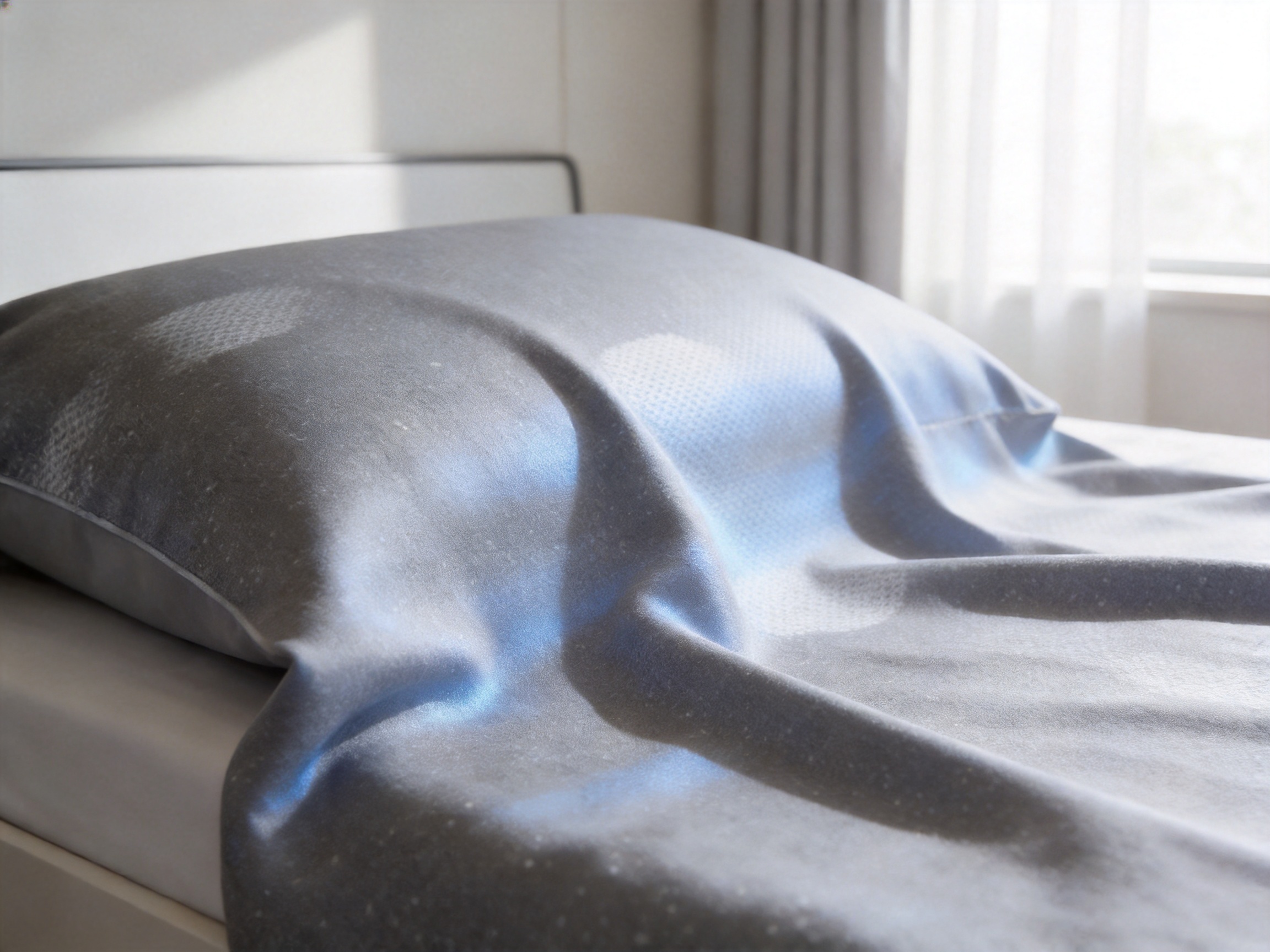
Many consumers complain that pillow surfaces become warm during sleep, especially in summer, in humid climates, or for people who naturally prefer a cooler sleeping environment. Graphene Pillowcase Fabric can be positioned as part of a cooling-style bedding solution because graphene-related textile technology is often associated with thermal conductivity and improved heat-transfer perception. In practical bedding use, this may contribute to a more comfortable surface feel when compared with ordinary fabrics that trap heat more easily.
It is important to describe this benefit responsibly. The fabric should not be promoted as a medical cooling therapy or a guaranteed body-temperature control product. Instead, it can be introduced as a physical functional textile designed to improve the sleep-contact experience and support a fresher, more comfortable pillow surface. This language is accurate, professional, and suitable for global markets where compliance and claim control are important.
The fabric’s grammage also influences thermal comfort. A 120–150 GSM version may feel lighter and more breathable, while a 180–200 GSM version provides more body and premium touch. Customers can select the most suitable fabric weight according to climate, season, and product positioning. For summer bedding collections, a lighter construction may be more suitable. For luxury bedding, a medium or heavier construction may be preferred.
The combination of material selection, yarn engineering, fabric construction, and finishing process determines the final user experience. A high-quality manufacturer must control each step carefully. The graphene component alone is not enough; it must be integrated into a well-designed textile system. This is where manufacturing experience and process control become essential.
Softness, Elasticity, and Skin-Contact Performance
A pillowcase fabric must be comfortable for the face and neck. Even if a fabric has functional material features, it will not succeed in the bedding market if it feels rough, stiff, or unstable. Graphene Pillowcase Fabric is designed to provide a soft and smooth surface suitable for close skin contact. When spandex is included, the fabric gains flexible recovery, allowing it to adapt to pillow movement without feeling tight or loose.
Elasticity is especially valuable for fitted pillowcase designs, envelope pillowcases, and modern bedding styles that require a clean appearance. The fabric can stretch gently during use and recover after pressure is released. This helps maintain a better surface appearance and reduces the feeling of fabric pulling or bunching.
Softness can be adjusted through fiber choice and finishing. A polyester-spandex graphene fabric can be made smooth and modern, while cotton-blended or Modal-blended versions can create a warmer, softer, or more natural hand feel. This customization makes the fabric suitable for different customer groups, including home textile brands, hotel suppliers, children’s bedding producers, pregnancy pillow manufacturers, and specialty pillowcase companies.
For children’s pillowcases and pregnancy pillowcases, comfort and fabric stability are especially important. Buyers in these categories often seek fabrics that are gentle, washable, and reliable. Graphene Pillowcase Fabric can be adapted for such uses, provided that all specifications, testing requirements, and compliance standards are confirmed according to the target market.
Washability and Daily Care
Good pillowcase fabric must be easy to care for. Consumers expect bedding to survive regular washing without losing its shape, softness, or appearance too quickly. Graphene Pillowcase Fabric is recommended to be washed at temperatures below 40°C with mild detergent, using a gentle machine cycle. Prolonged soaking should be avoided, and bleaching is not recommended. Medium-temperature ironing may be used when necessary.
These care instructions are practical for both household and commercial use. Washing below 40°C helps protect elasticity, color, and fabric surface. Mild detergent reduces the risk of harsh chemical damage. A gentle cycle helps minimize mechanical stress, which is especially important for fabrics containing spandex. Avoiding bleach helps preserve color and fiber quality.
For hotels, serviced apartments, and institutional bedding users, washing conditions may differ from home use. In such cases, fabric testing should be conducted under the intended laundry process before bulk adoption. This ensures that the fabric matches the required cleaning procedures and service life expectations.
Proper storage is also important. The fabric should be kept in a cool, dry place away from prolonged direct sunlight. This helps reduce the risk of color change, fiber aging, or moisture-related issues before cutting and sewing. For factories and distributors, controlled storage conditions support stable quality from warehouse to final product assembly.
Advanced Manufacturing Strength Behind the Fabric
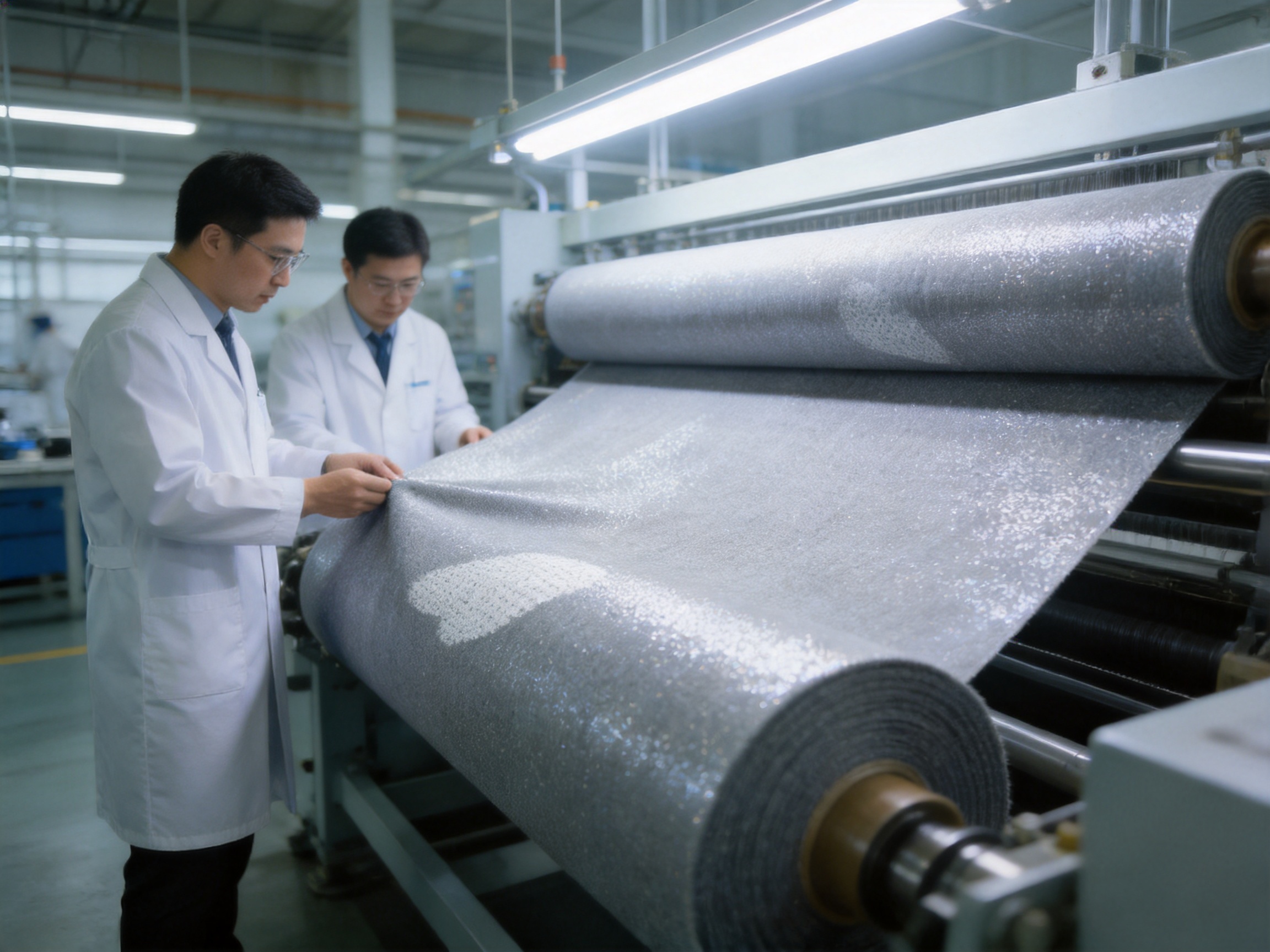
High-performance fabric depends not only on raw materials, but also on manufacturing discipline. Hangzhou Xinsili Decorative Fabric Weaving Co., Ltd. specializes in the research, development, and precision manufacturing of decorative textiles, with a focus on functional fabrics for home, hotel, and commercial environments. With 19 years of industry experience, a 12,000-square-meter factory area, and recognition as a National High-Tech Enterprise in 2023, the company has built a strong foundation for producing reliable functional textiles.
The company’s manufacturing philosophy is based on craftsmanship-driven production, design innovation, and win-win collaboration. For Graphene Pillowcase Fabric, this means that the production process must combine material selection, fabric structure design, color control, finishing technology, inspection, and packaging into one coherent quality system. Each stage affects the final fabric performance.
Advanced manufacturing begins with raw material evaluation. Graphene-composite yarns or masterbatch-based fibers must be selected according to stability, compatibility, and target performance. The supporting fibers, such as polyester, spandex, cotton, Modal, or viscose, must also meet the required standards for strength, evenness, color response, and hand feel. If raw material quality is unstable, the final fabric cannot be stable.
During weaving or knitting preparation, yarn tension, machine settings, density, and structural design must be controlled carefully. Pillowcase fabric requires a balance between softness and durability. If the structure is too loose, the fabric may lack strength or shape stability. If it is too tight, the fabric may feel stiff or reduce breathability. Experienced technicians are needed to achieve the correct balance.
Finishing is another critical stage. The finishing process can improve softness, smoothness, dimensional stability, and surface appearance. However, over-finishing can damage elasticity or reduce long-term performance. A professional manufacturer uses controlled finishing parameters to enhance comfort while preserving the fabric’s functional and structural properties.
Quality inspection ensures that the delivered fabric matches customer requirements. This may include checking width, weight, color consistency, surface defects, elasticity, shrinkage, hand feel, and packaging condition. For export-oriented customers, consistency across batches is especially important because international buyers often require repeat orders over long periods. A stable production system reduces risk and supports long-term cooperation.
Competitive Advantages for Bedding Brands and Manufacturers
For bedding brands, choosing Graphene Pillowcase Fabric can create several advantages over standard fabric options. First, it provides functional differentiation. In a crowded market, many pillowcases are described as soft, breathable, or comfortable. A graphene-composite pillowcase fabric gives the product a more advanced material identity and allows brands to communicate innovation more clearly.
Second, it supports premium pricing. Consumers are often willing to consider higher-value bedding when the product offers credible material benefits and a better sleep-contact experience. The fabric can be used in premium pillowcase sets, wellness-inspired bedding collections, cooling-style bedding lines, and gift-oriented home textile products.
Third, it offers design flexibility. The fabric can be adjusted in weight, composition, color, texture, and finishing according to the product concept. This flexibility is useful for OEM and customized orders. A customer may request a lightweight summer pillowcase fabric, a smooth hotel pillowcase fabric, or a soft blended pillowcase fabric with a more natural touch.
Fourth, it provides practical durability. A pillowcase must handle daily friction and regular washing. The polyester-spandex graphene blend is suitable for products requiring shape stability and easy care. Compared with delicate fabrics that may wrinkle, shrink, or lose appearance quickly, this fabric can offer a better balance of comfort and maintenance convenience.
Fifth, it helps create a consistent product story across multiple categories. The same functional fabric concept can extend into mattress fabric, children’s mattress fabric, pregnancy pillow fabric, cooling mat fabric, bedding fabric, sofa fabric, and even pet-friendly fabric developments. This allows brands to build a broader functional textile collection rather than a single isolated product.
Applications in Pillowcases and Related Bedding Products
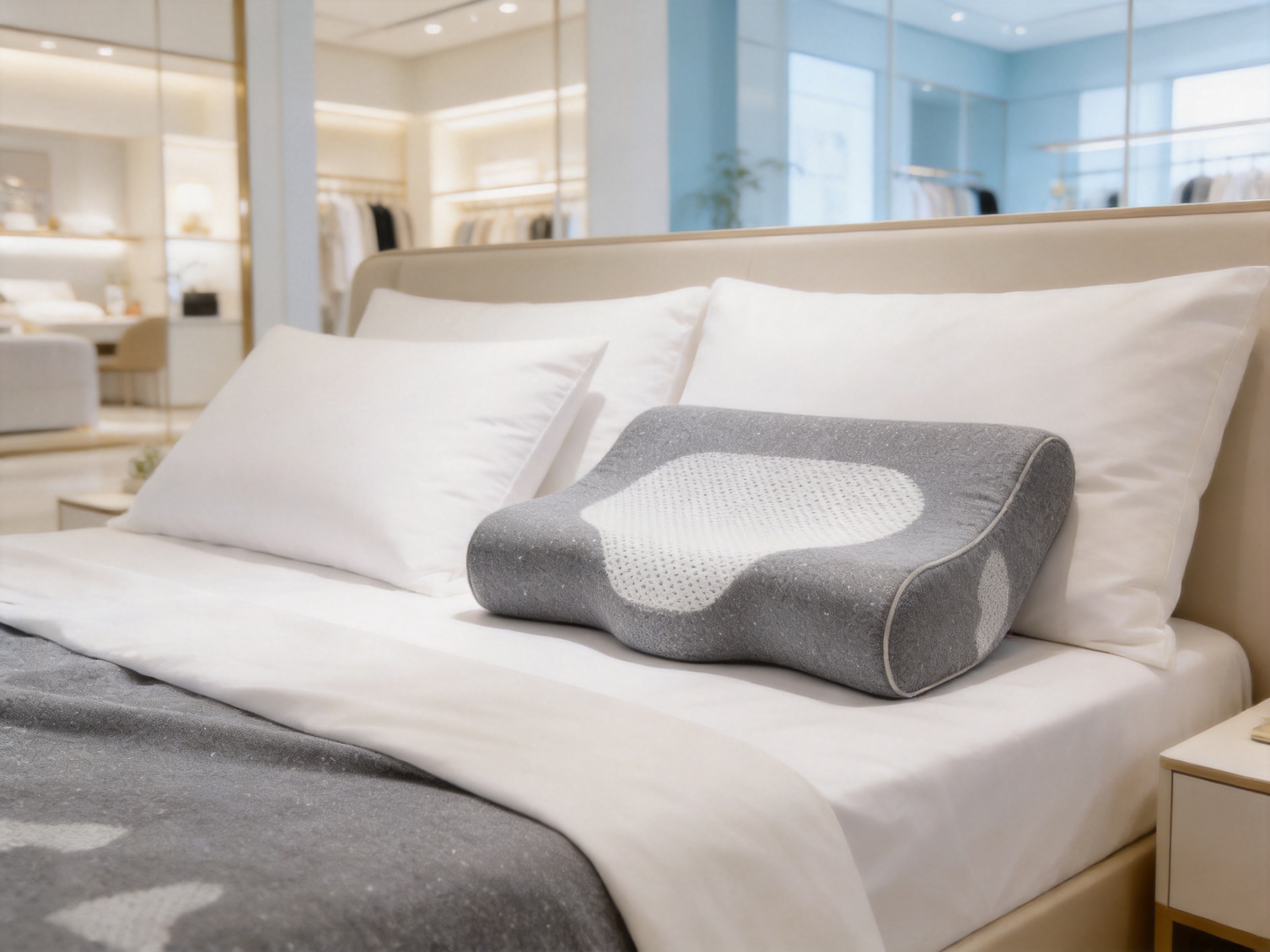
The primary application of Graphene Pillowcase Fabric is pillowcase manufacturing. It can be used for standard sleeping pillowcases, hotel pillowcases, premium pillowcase sets, ergonomic pillow covers, pregnancy pillow covers, children’s pillowcases, and specialty pillow products. Its smooth surface, flexible structure, and functional material identity make it suitable for both retail and contract markets.
For home bedding, the fabric can be used in pillowcases sold as individual items or as part of sheet sets. It is especially attractive for consumers who seek comfort upgrades without changing their entire bedding system. A functional pillowcase is an accessible product because it is smaller and more affordable than a full mattress or duvet set.
For hotels, the fabric can support a premium guest experience. Hotel guests often notice pillow comfort immediately. A smooth, fresh-feeling, and well-fitted pillowcase can improve the perceived quality of the room. However, hotel use requires testing for industrial laundering, color stability, and service life, so specifications should be confirmed based on the buyer’s laundry standards.
For pregnancy pillows, fabric comfort is essential because these pillows often have extended body contact. A soft, elastic, and washable fabric can improve usability and customer satisfaction. Graphene Pillowcase Fabric can be adapted for pregnancy pillow covers where smoothness and repeated washing performance are required.
For children’s bedding, the fabric can be developed with suitable specifications and testing according to the target market. Children’s pillowcases require comfort, washability, and responsible product claims. The fabric should be presented as a comfortable physical textile rather than a medical or therapeutic product.
For cooling mat fabric and related sleep accessories, graphene-composite fabric can contribute to a product line focused on comfort and freshness. When combined with proper inner materials and product design, it can strengthen the overall functional bedding concept.
Design and Customization Possibilities
Graphene Pillowcase Fabric does not have to be limited to one appearance. It can be developed in multiple colors, textures, and surface styles according to customer needs. For retail bedding, soft neutral colors such as white, beige, gray, light blue, and champagne are often popular because they match modern bedroom designs. For children’s bedding, brighter colors or printed designs may be requested. For hotel use, classic white or subtle woven textures are common.
Customization can include grammage, width, color, pattern, surface hand feel, elasticity, and blend ratio. Some customers may prioritize softness, while others may prioritize durability, cooling-style perception, or cost control. A capable manufacturer can help translate the customer’s market goal into a practical fabric specification.
Color control is particularly important. Pillowcases are often sold in pairs or sets, and visible color variation can create quality complaints. Professional dyeing and finishing management help maintain consistent shade across production lots. For large orders, lab dips, pre-production samples, and batch approval processes are valuable tools.
Texture design also influences product positioning. A smooth texture may suit modern functional bedding, while a slightly brushed or softer surface may appeal to customers seeking warmth and coziness. The correct surface treatment depends on the target season, market, and price level.
Packaging requirements can also be coordinated for wholesale customers. Fabric rolls should be protected against moisture, dust, and deformation during storage and transportation. Clear labeling helps downstream cutting and sewing factories manage production efficiently.
Responsible Product Communication and Claim Control
Because graphene is a high-profile material, it is important to communicate product benefits responsibly. Graphene Pillowcase Fabric should be described as a physical functional fabric intended to improve the sleep contact experience. It should not be described as a disease-treatment product, medical device, or substitute for medical products.
This distinction protects both manufacturers and buyers. In many markets, medical claims require strict regulatory approval. Bedding products can discuss comfort, softness, durability, thermal contact experience, and functional textile design, but they should avoid unsupported health claims. Responsible communication builds trust with distributors, retailers, and end consumers.
Suggested wording includes phrases such as “designed to support a more comfortable sleep-contact surface,” “developed with graphene-composite fiber technology,” “suitable for functional pillowcase applications,” and “intended for comfort-focused bedding products.” These phrases accurately reflect the fabric’s purpose without making exaggerated promises.
For buyers who need specific performance claims, testing is recommended. Depending on the target claim, tests may include fabric composition, color fastness, dimensional stability, pilling resistance, thermal contact evaluation, antibacterial performance if applicable, and wash durability. Test methods should be selected according to the destination market and product category.
Quality Control from Development to Bulk Production
Successful functional fabric production requires a disciplined quality-control system. The process usually begins with customer requirement analysis. The manufacturer must understand the intended application, target price, desired hand feel, color, weight, width, washing requirements, and market positioning. Without clear requirements, the final fabric may not match expectations.
After requirement confirmation, sample development begins. This may include yarn selection, trial weaving or knitting, dyeing, finishing, and performance evaluation. Samples allow the customer to check touch, appearance, elasticity, thickness, and color before bulk production. Adjustments can then be made to improve the specification.
Pre-production confirmation is an important step for custom orders. A pre-production sample helps align both parties before large-scale manufacturing begins. This reduces risk and prevents misunderstanding. For functional fabrics, it is especially important to confirm whether the fabric meets the intended comfort and care requirements.
During bulk production, process control must remain consistent. Machine settings, dyeing recipes, finishing conditions, and inspection standards must be documented and followed. Skilled technicians monitor production to reduce defects such as uneven texture, shade variation, stains, holes, creases, or inconsistent elasticity.
Final inspection ensures that the fabric is ready for delivery. Roll-by-roll inspection can identify surface defects and confirm usable length. Weight and width checks verify specification compliance. Packaging inspection ensures the fabric is protected for shipment. This systematic approach supports stable supply for bedding manufacturers and textile distributors.
Why Manufacturing Experience Matters
Functional textile manufacturing is more complex than producing ordinary fabric. It requires knowledge of fibers, yarn behavior, machine performance, finishing chemistry, testing standards, and customer applications. Hangzhou Xinsili Decorative Fabric Weaving Co., Ltd. has accumulated 19 years of experience in decorative and functional fabrics, making it capable of supporting customers from concept development to bulk supply.
The company’s factory area of 12,000 square meters provides a production foundation for stable output and order management. Its recognition as a National High-Tech Enterprise in 2023 reflects a commitment to innovation, technology development, and industrial upgrading. These strengths are especially relevant for functional fabrics such as graphene pillowcase fabric, where quality consistency and technical understanding are essential.
The company focuses on decorative fabrics suitable for residential, hotel, and commercial environments. This broad application experience helps it understand different market requirements. A fabric for home bedding may prioritize softness and appearance. A hotel fabric may prioritize durability and maintenance. A commercial product may require stability and repeatability. This application knowledge helps guide better fabric development.
In addition to graphene-related fabrics, the company’s functional textile direction includes antibacterial, moisture-resistant, flame-retardant, sleep-supporting, and comfort-improving technologies. This wider functional background supports innovation across multiple categories and allows customers to develop coordinated fabric collections.
Sustainability and Practical Durability
Sustainability in textiles is not only about raw material selection. It also includes durability, reduced waste, efficient production, responsible care instructions, and longer product service life. A pillowcase fabric that maintains its appearance and comfort after repeated use can help reduce premature replacement. This practical durability is an important part of sustainable product thinking.
Graphene Pillowcase Fabric can contribute to sustainability through long-term usability and easy-care performance. Polyester-based fabrics can dry relatively quickly, which may reduce drying time compared with heavier absorbent textiles. Proper washing below 40°C can also support lower-temperature care habits. However, sustainability claims should always be made carefully and supported by relevant evidence where required.
Manufacturing efficiency also matters. Stable production reduces waste caused by defects, rework, and inconsistent quality. Professional quality control helps ensure that more fabric becomes usable finished product. For large-scale buyers, this can improve supply chain efficiency and reduce unnecessary losses.
Customers who require specific environmental standards can request testing, documentation, or material adjustments according to their market needs. The fabric can be developed with different fiber blends or finishing processes to align with customer sustainability strategies where technically feasible.
Buyer Considerations Before Ordering
Before placing an order for Graphene Pillowcase Fabric, buyers should clarify the intended product type. A pillowcase for retail home use may require a different specification from a hotel pillowcase or pregnancy pillow cover. The end use determines the most suitable weight, width, elasticity, and finishing style.
Buyers should also decide the desired hand feel. Some markets prefer a silky smooth touch, while others prefer a softer cotton-like feel. The composition and finishing process can be adjusted accordingly. Providing a reference sample can help the manufacturer understand the target more accurately.
Color requirements should be confirmed through lab dips or sample approval. For bedding sets, color consistency is critical. If the pillowcase fabric must match other fabrics such as sheets, mattress covers, or duvet covers, coordinated color development is recommended.
Care requirements should be considered early. If the finished product will be sold for household use, standard gentle washing may be enough. If it will be used in hotels or commercial settings, more demanding laundering tests may be necessary. Testing before bulk production helps reduce risk.
Buyers should also confirm packaging, roll length, delivery schedule, and inspection standards. Clear communication at the beginning of cooperation leads to smoother production and fewer disputes.
Q&A: Common Questions About Graphene Pillowcase Fabric
What is Graphene Pillowcase Fabric?
Graphene Pillowcase Fabric is a functional sleep-contact textile made with graphene-composite fibers, often blended with polyester, spandex, cotton, Modal, viscose, or other fibers. It is designed for pillowcases and related bedding products that require comfort, durability, and advanced material positioning.
What is the common composition?
A common composition is 92% polyester containing graphene masterbatch and 8% spandex. This blend provides strength, smoothness, elasticity, and practical washability. Other blends can be customized according to customer needs.
What is the typical fabric weight?
The common grammage range is 120–200 GSM. Lighter weights are suitable for breathable and summer-style pillowcases, while medium and heavier weights are suitable for everyday or premium pillowcase products.
Does the fabric treat diseases or provide medical effects?
No. This fabric is a physical functional textile intended to improve sleep contact comfort. It is not designed to treat diseases and should not be used as a substitute for medical products.
How should the fabric be washed?
It is recommended to wash the fabric below 40°C with mild detergent on a gentle machine cycle. Avoid prolonged soaking and bleaching. Medium-temperature ironing may be used if needed.
Can the fabric be customized?
Yes. Customization may include composition, weight, width, color, texture, hand feel, elasticity, and finishing style. The final specification should be developed according to the target product and market.
Is it suitable for hotel pillowcases?
Yes, it can be suitable for hotel pillowcases, especially premium guest bedding. However, hotel buyers should test the fabric under their actual laundry conditions before bulk use.
Can it be used for children’s pillowcases or pregnancy pillows?
Yes, the fabric can be adapted for children’s pillowcases and pregnancy pillow covers. Buyers should confirm the required safety, comfort, and testing standards for their target market.
What makes it different from ordinary pillowcase fabric?
Compared with ordinary fabrics, Graphene Pillowcase Fabric offers a functional material identity, smooth contact comfort, elastic recovery, practical durability, and stronger product differentiation for bedding brands.
Why choose an experienced manufacturer for this fabric?
Functional fabrics require careful control of raw materials, fabric structure, finishing, and inspection. An experienced manufacturer can provide more stable quality, better customization support, and reliable bulk production.
Conclusion
Graphene Pillowcase Fabric represents a practical and forward-looking direction in modern bedding textiles. It combines the comfort requirements of pillowcase fabric with the value-added identity of graphene-composite fiber technology. With a common composition such as 92% polyester containing graphene masterbatch and 8% spandex, and a typical weight range of 120–200 GSM, it offers softness, elasticity, durability, and year-round usability.
For bedding brands and manufacturers, the fabric provides clear advantages over many conventional competitors. It supports premium product positioning, functional storytelling, customization, and practical daily care. It can be used for home pillowcases, hotel bedding, children’s bedding, pregnancy pillow covers, cooling-style bedding products, and related sleep accessories.
The strength of the fabric depends not only on graphene-related material technology, but also on professional manufacturing. Hangzhou Xinsili Decorative Fabric Weaving Co., Ltd. brings 19 years of textile experience, a 12,000-square-meter factory area, and advanced functional fabric development capabilities. Its focus on craftsmanship, design innovation, quality stability, and customer collaboration makes it a strong partner for buyers seeking reliable functional decorative textiles.
As consumers continue to demand bedding that feels better, performs better, and fits modern comfort expectations, Graphene Pillowcase Fabric offers a strong solution. It is not a medical product, but it is a valuable physical functional fabric for improving the sleep-contact experience. Through responsible product development, precise manufacturing, and clear communication, it can help bedding brands create more competitive and comfortable pillowcase products for global markets.
References
1. Textile Institute. Textile Terms and Definitions. The Textile Institute, latest edition.
2. Horrocks, A. R., and Anand, S. C. Handbook of Technical Textiles. Woodhead Publishing.
3. Saville, B. P. Physical Testing of Textiles. Woodhead Publishing.
4. Sinclair, R. Textiles and Fashion: Materials, Design and Technology. Woodhead Publishing.
5. Gao, W. Graphene and Related Materials in Textile Applications. Materials Science and Textile Engineering Review.
6. ASTM International. Standard Test Methods for Textile Fabrics, relevant textile performance testing standards.
7. ISO Textile Standards Collection. Methods for textile composition, color fastness, dimensional stability, and fabric performance evaluation.
Product: Graphene Pillowcase Fabric

Our Featured Products
-
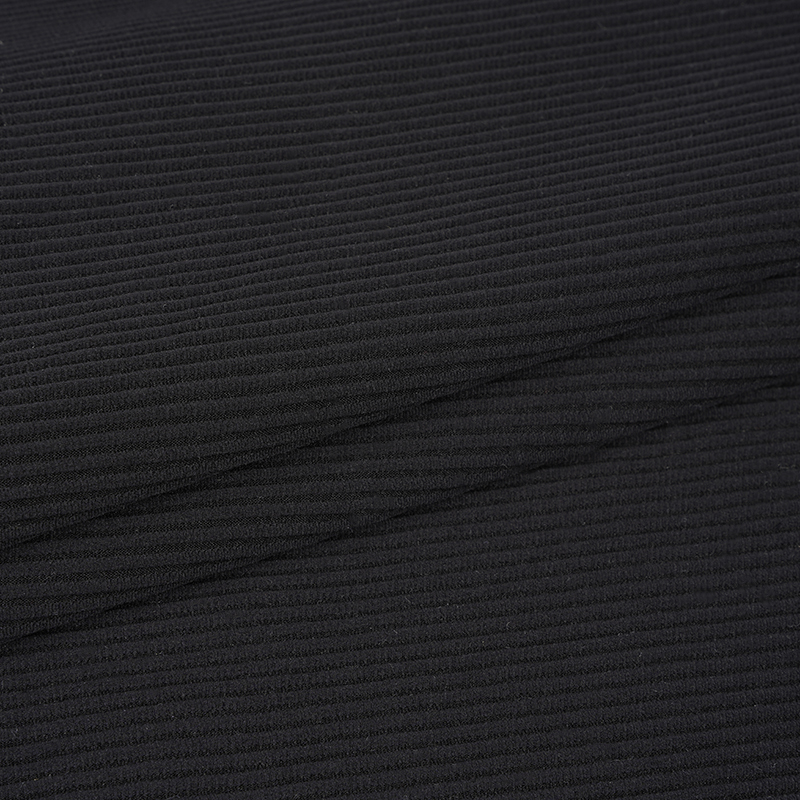
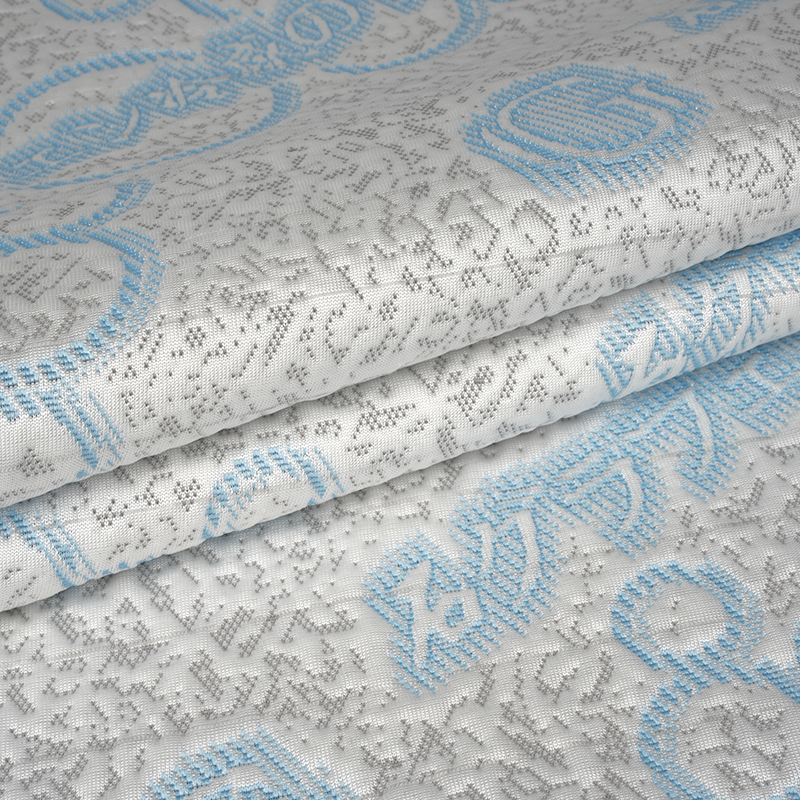
Graphene Pillowcase Fabric
Graphene Pillowcase Fabric
Haven’t Found The Products You Want?
-
-
Shen Jinyan:+86-15158070676
[email protected]
Liang Jinwen:+86-15757186621
[email protected]
Qiu Yingyingn:+86-13819545790
[email protected]
Yi qiao Town, Xiaoshan District, Hangzhou City, Zhejiang Province, China
-
Products
Mattress Fabric Children Mattress Fabric Pillowcase Fabric Pregnancy Pillow Fabric Cooling Mat Fabric Bedding Fabric Sofa Fabric Pet Friendly Fabrics -
Contact Information
About Us Products Strength Sustainability News Contact Us
Copyright © Hangzhou Xinsili Decorative Fabric Weaving Co.,Ltd. All Rights Reserved.
Functional Decorative Textile Manufacturers
