

 English
 中文简体
中文简体 Español
 عربى
عربى русский


Bamboo Fiber Mattress Fabric for Comfortable, Healthy, and Sustainable Sleep Surfaces
Content
- 1 The Growing Importance of Mattress Fabric in Sleep Quality
- 2 What Makes Bamboo Fiber Valuable for Mattress Applications
- 3 Advantages Over Conventional Mattress Fabrics
- 4 Comfort Benefits for Different Product Categories
- 5 Manufacturing Strengths Behind Reliable Fabric Quality
- 6 Raw Material Selection and Yarn Preparation
- 7 Fabric Design, Weaving, and Structural Engineering
- 8 Functional Finishing for Modern Mattress Requirements
- 9 Quality Control and Consistency
- 10 Design Innovation for Residential, Hotel, and Commercial Spaces
- 11 Sustainability and Responsible Comfort
- 12 Applications in Mattresses and Bedding Products
- 13 Why Mattress Manufacturers Should Consider Bamboo Fiber Mattress Fabric
- 14 Customization Possibilities
- 15 Advanced Manufacturing as a Competitive Advantage
- 16 Performance Considerations for Buyers
- 17 Care, Handling, and Production Recommendations
- 18 Q&A: Common Questions About Bamboo Fiber Mattress Fabric
- 18.1 What is Bamboo Fiber Mattress Fabric?
- 18.2 Why is bamboo fiber suitable for mattress fabric?
- 18.3 How does it compare with ordinary polyester mattress fabric?
- 18.4 Can it be used for children’s mattresses?
- 18.5 Is it useful for cooling bedding products?
- 18.6 Can the fabric be customized?
- 18.7 What functional finishes can be considered?
- 18.8 Why choose an experienced manufacturer for bamboo fiber mattress fabric?
- 19 Conclusion
- 20 References
- 21 Product: Bamboo Fiber Mattress Fabric
Bamboo fiber mattress fabric has become one of the most promising textile solutions for modern sleep products because it combines softness, breathability, moisture management, and a naturally comfortable hand feel. As consumers increasingly seek healthier bedrooms, cooler sleeping experiences, and more responsible material choices, bamboo-based fabric offers mattress manufacturers a distinctive way to upgrade product value. It is suitable for mattress ticking, children’s mattresses, pillowcases, pregnancy pillows, cooling mats, bedding products, sofas, and pet-friendly home textiles, making it a versatile functional decorative textile for residential, hotel, and commercial environments.
The product discussed here is Bamboo Fiber Mattress Fabric, a textile designed for mattress surfaces and related bedding applications. Its key appeal comes from the combination of bamboo fiber characteristics and professional fabric manufacturing. Compared with many conventional mattress fabrics, it provides a softer touch, improved comfort during long contact with the skin, good moisture absorption, better air permeability, and a fresh sleeping sensation. For mattress brands, wholesalers, furniture producers, and bedding factories, this type of fabric helps create products that look refined, feel pleasant, and support modern consumer expectations for healthy and comfortable living.
Hangzhou Xinsili Decorative Fabric Weaving Co., Ltd. specializes in decorative textile research, development, and manufacturing. With 19 years of industry experience, a 12,000-square-meter factory area, and recognition as a National High-Tech Enterprise in 2023, the company integrates design innovation with reliable production. Its vision of “Weaving Beautiful Spaces” reflects a practical commitment to stable quality, environmental responsibility, and functional textile solutions. By combining craftsmanship-driven manufacturing with advanced textile technology, the company provides fabrics that serve home, hotel, and commercial spaces with comfort, durability, and design value.
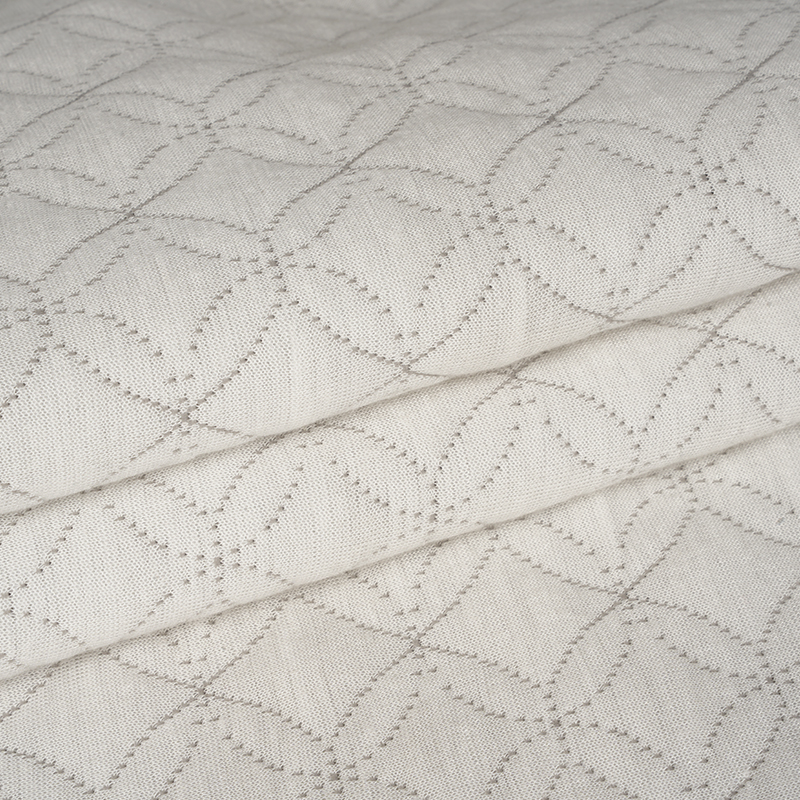
Bamboo Fiber Mattress Fabric
The Growing Importance of Mattress Fabric in Sleep Quality
Many consumers evaluate mattresses primarily by foam density, spring structure, firmness, or ergonomic support. However, the fabric layer is the first surface the body touches and therefore has a direct effect on the initial comfort experience. A mattress fabric influences skin feel, breathability, heat distribution, moisture balance, appearance, durability, and hygiene. Even a high-quality mattress core can feel less comfortable if its surface fabric traps heat, feels rough, pills easily, or fails to manage humidity.
Bamboo fiber mattress fabric addresses these concerns by offering a smooth and breathable textile surface. It is especially valuable in sleep products because people remain in contact with mattress and pillow surfaces for several hours each night. During sleep, the body releases moisture and heat. A fabric that absorbs and transfers moisture efficiently can contribute to a drier and more comfortable microclimate. A breathable fabric can also reduce the stuffy sensation associated with poorly ventilated bedding. For people who are sensitive to sleeping temperature, surface comfort can strongly influence perceived sleep quality.
In competitive mattress markets, fabric has become an important differentiator. Manufacturers need materials that not only perform well but also communicate quality visually and tactually. Bamboo fiber fabric offers a premium impression: it can appear clean, elegant, and refined while delivering a soft, skin-friendly feel. This balance of function and presentation helps brands position mattresses and bedding products toward comfort-focused, wellness-oriented, and sustainability-aware consumers.
What Makes Bamboo Fiber Valuable for Mattress Applications
Bamboo fiber is valued in textiles because it can be processed into yarns and fabrics with a soft hand, smooth texture, moisture absorption, and good drape. In mattress applications, these characteristics translate into a surface that feels comfortable over extended use. Unlike some synthetic fabrics that may feel hot or slick, bamboo fiber fabric typically provides a more natural and breathable touch. This is particularly beneficial for mattresses, pillowcases, pregnancy pillows, cooling mats, and bedding products where prolonged skin contact is common.
One of the strongest advantages of bamboo fiber mattress fabric is its moisture management. During the night, the human body naturally releases perspiration and moisture vapor. If the fabric surface holds heat and moisture near the skin, the sleeper may feel uncomfortable. Bamboo fiber fabric can help absorb and disperse moisture, supporting a fresher sleeping environment. When combined with appropriate fabric structure and finishing technology, it can contribute to a comfortable dry-touch sensation.
Another advantage is softness. Mattress fabrics must be durable, but durability should not come at the cost of comfort. Bamboo fiber fabric can provide a smooth and gentle hand feel, making it suitable for products designed for families, children, pregnant users, and hospitality settings. In children’s mattress fabric, softness and comfort are especially important because young users may be more sensitive to rough or irritating surfaces. In pregnancy pillow fabric, gentle touch and breathability support long-term comfort for users who need additional body support during rest.
Bamboo fiber also supports the modern preference for materials with environmental appeal. While manufacturing methods and certifications should always be evaluated carefully, bamboo as a raw material is widely associated with fast growth and renewable sourcing. For brands that want to communicate comfort and responsibility, bamboo fiber mattress fabric can be an effective choice when paired with responsible processing, quality control, and transparent material specifications.
Advantages Over Conventional Mattress Fabrics
Compared with basic polyester mattress fabric, bamboo fiber mattress fabric often provides a softer and more skin-friendly surface. Polyester is widely used because it is strong, affordable, and easy to process, but standard polyester ticking may not always deliver the moisture absorption or natural-feel comfort that consumers increasingly prefer. Bamboo fiber fabric can offer a more refined tactile experience, helping mattresses feel more comfortable as soon as the consumer touches the surface.
Compared with ordinary cotton fabrics, bamboo fiber mattress fabric can deliver a different balance of softness, moisture behavior, and smoothness. Cotton is comfortable and familiar, but it can sometimes retain moisture longer depending on construction and finishing. Bamboo fiber fabric, when engineered properly, can support efficient moisture absorption and evaporation, making it suitable for sleepers who want a fresher surface. It can also be blended or structured to improve dimensional stability and durability for mattress production.
Compared with low-cost knitted mattress fabrics, a professionally developed bamboo fiber mattress fabric offers stronger brand value. In many entry-level fabrics, comfort may decline after repeated compression, stretching, and friction. Quality bamboo fiber mattress fabric from an experienced manufacturer is designed with production stability, consistent yarn performance, surface regularity, and finishing control. This helps mattress producers reduce variation and improve the final appearance of each mattress.
Compared with purely decorative fabrics that focus only on visual design, bamboo fiber mattress fabric combines decoration with function. The mattress surface must look attractive in showrooms, online product images, and retail displays, but it must also perform during daily use. This product supports both needs. It can be designed with elegant textures and patterns while maintaining breathability, softness, and user comfort. For hotels and commercial settings, where fabrics must withstand frequent use and deliver a consistent guest experience, this balance is especially important.
| Comparison Factor | Bamboo Fiber Mattress Fabric | Basic Polyester Mattress Fabric | Ordinary Cotton Mattress Fabric |
|---|---|---|---|
| Touch Comfort | Soft, smooth, skin-friendly, premium hand feel | Durable but may feel warmer or less natural | Natural touch, but texture varies by yarn and weave |
| Moisture Management | Good moisture absorption and comfort regulation | Lower absorption unless specially treated | Absorbs moisture but may dry more slowly |
| Breathability | Supports fresh and comfortable sleep surfaces | Depends heavily on structure and finishing | Generally breathable, but performance varies |
| Product Positioning | Suitable for wellness, comfort, and premium bedding | Common for economy and mass-market products | Suitable for natural-fiber positioning |
| Application Range | Mattresses, pillows, cooling mats, bedding, children’s products, sofas, pet-friendly textiles | Mattresses and general bedding | Bedding and general home textiles |
Comfort Benefits for Different Product Categories
Bamboo fiber mattress fabric is not limited to standard adult mattresses. Its comfort profile makes it useful across multiple product categories. In children’s mattress fabric, the soft and breathable surface can help create a gentle sleeping environment. Parents often look for materials that feel pleasant and support everyday hygiene. While final product safety depends on complete mattress design and relevant testing, the choice of fabric is an important part of creating a child-friendly sleep surface.
For pillowcase fabric, bamboo fiber offers a smooth touch against the face and neck. Pillowcases are among the most intimate bedding products because they remain in contact with sensitive skin throughout the night. A softer and more breathable fabric can improve comfort for users who dislike rough or overly warm pillow covers. For pregnancy pillow fabric, comfort is even more important because pregnancy pillows are used for body support, side sleeping, leg support, and relaxation. Bamboo fiber fabric can help reduce discomfort caused by heat buildup and surface friction.
For cooling mat fabric, bamboo fiber can complement temperature-management designs. Cooling products often rely on gels, special fibers, breathable structures, or heat-dissipation layers. A pleasant surface fabric is essential because it determines the user’s first impression. Bamboo fiber fabric can provide a naturally cool and smooth hand feel, making it suitable for products marketed toward warm sleepers or summer bedding collections.
For bedding fabric, the material supports coordinated comfort across sheets, covers, mattress toppers, and accessories. For sofa fabric and pet-friendly fabrics, bamboo fiber blends and engineered textile structures may offer a comfortable decorative surface while meeting the appearance requirements of home interiors. In pet-friendly applications, the fabric design must consider abrasion, cleaning, and durability. With appropriate construction and finishing, bamboo-based decorative fabric can contribute to a warmer, softer, and more welcoming home environment.
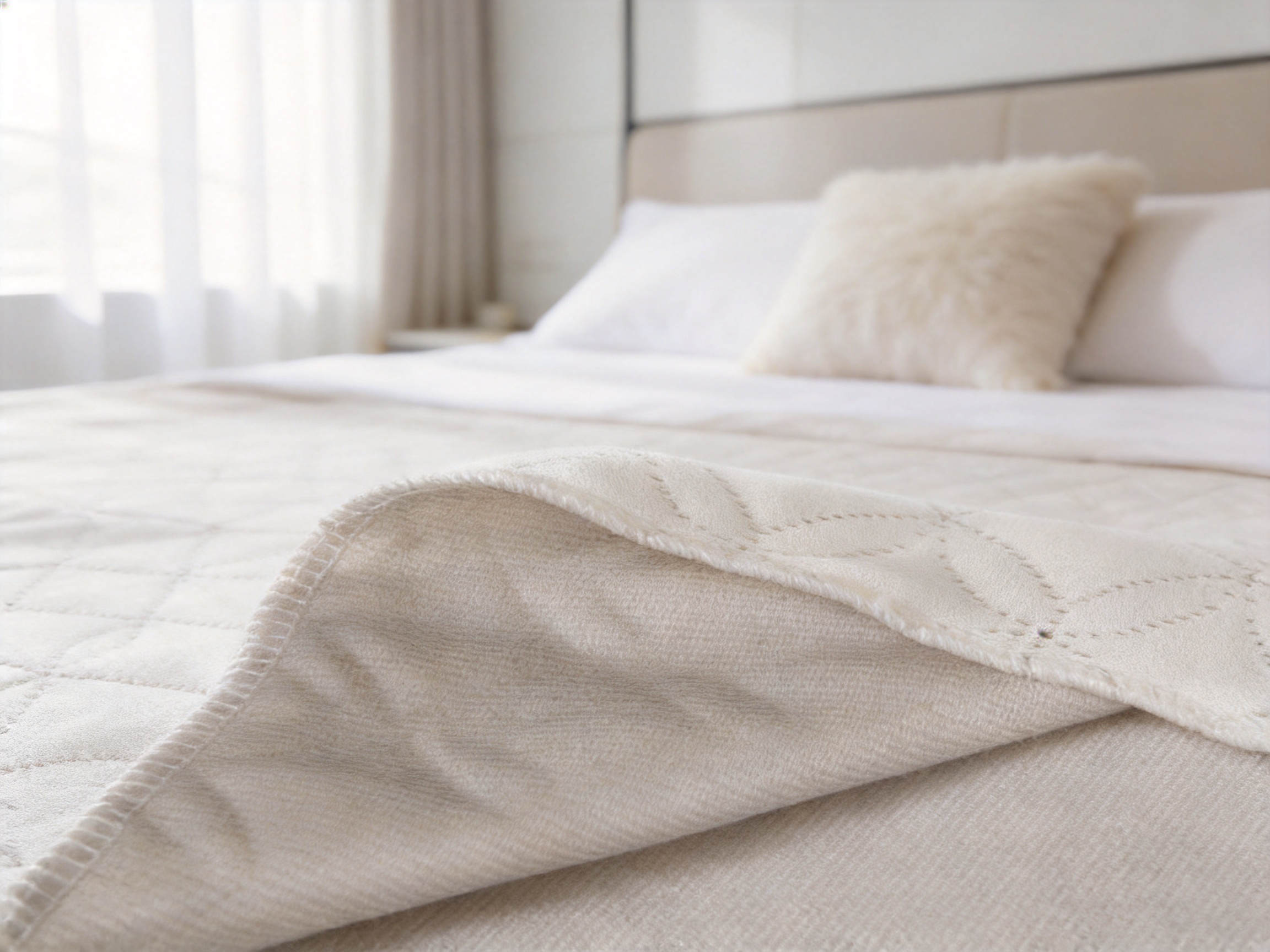
Manufacturing Strengths Behind Reliable Fabric Quality
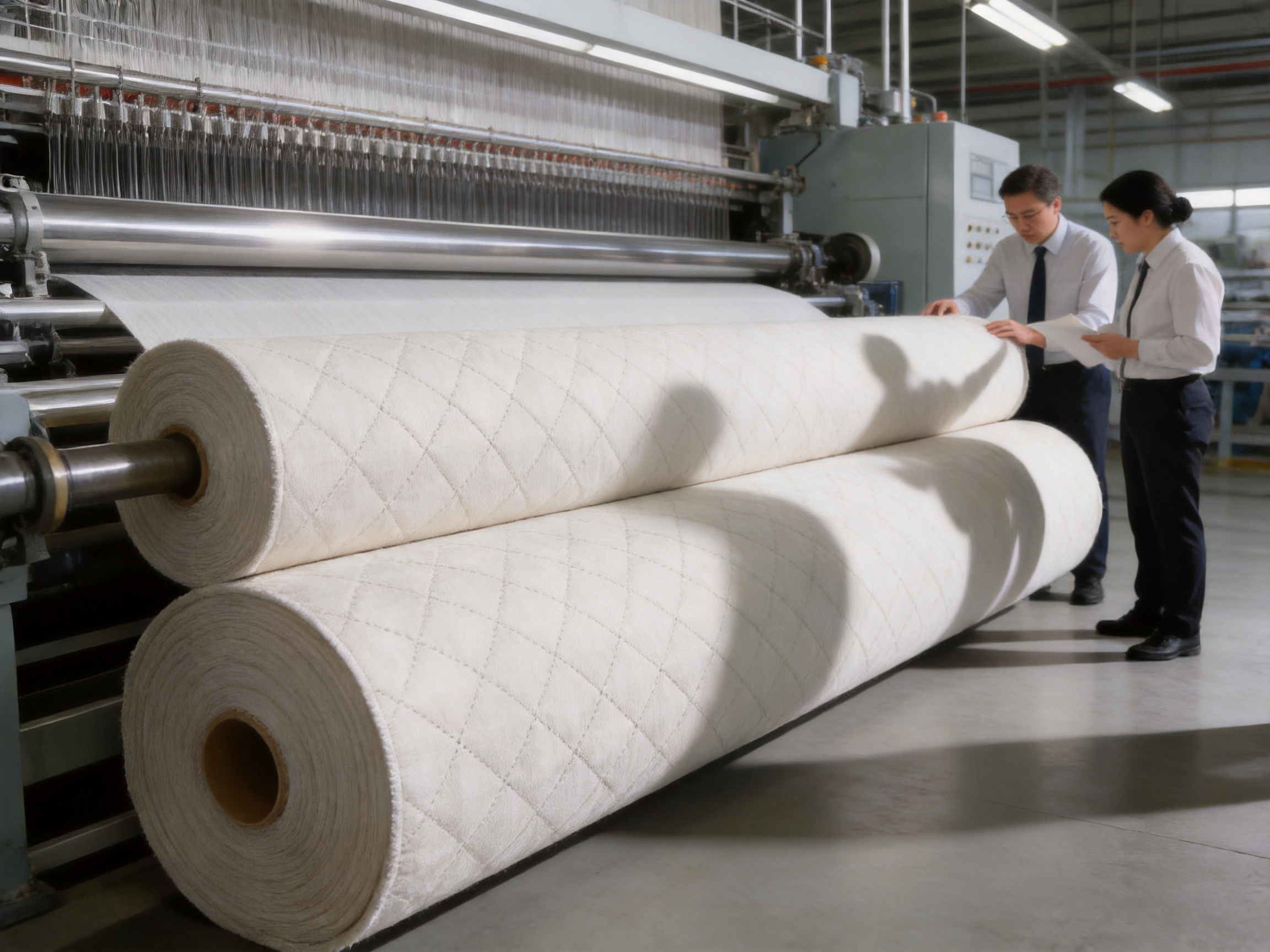
High-quality bamboo fiber mattress fabric depends not only on raw material selection but also on manufacturing control. Hangzhou Xinsili Decorative Fabric Weaving Co., Ltd. brings together research, development, weaving expertise, finishing knowledge, and inspection discipline. The company’s long experience in decorative textiles allows it to understand both the technical requirements of manufacturers and the comfort expectations of end users. This combination is valuable because mattress fabric must satisfy production efficiency, appearance standards, and long-term user satisfaction.
The company’s 12,000-square-meter factory area supports organized production flow, from material preparation to weaving, finishing, inspection, and packing. A controlled factory environment helps improve consistency and traceability. In textile manufacturing, even small variations in yarn tension, fabric density, finishing temperature, or pattern alignment can affect final performance. Experienced production teams help reduce these risks by applying standardized processes and continuous monitoring.
As a National High-Tech Enterprise recognized in 2023, the company emphasizes innovation in functional decorative fabrics. Its product development direction includes antibacterial, moisture-resistant, flame-retardant, sleep-supporting, and comfort-improving textile technologies. These functions are highly relevant for mattress and bedding applications. Modern customers expect fabrics to go beyond appearance; they want textiles that contribute to healthier, safer, more comfortable living spaces. By integrating functional finishes and advanced structures, the company can help customers develop differentiated products for competitive markets.
Craftsmanship-driven manufacturing remains central to the company’s strength. Advanced equipment can improve efficiency, but textile quality also depends on technical judgment. Skilled teams understand how yarn behavior, fabric construction, and finishing conditions interact. For bamboo fiber mattress fabric, this knowledge is essential because the fabric must remain soft while achieving sufficient strength, dimensional stability, and surface uniformity. The company’s manufacturing approach aims to balance tactile comfort with practical durability.
Raw Material Selection and Yarn Preparation
The first stage of creating reliable bamboo fiber mattress fabric is selecting suitable fiber and yarn. Yarn quality affects fabric smoothness, strength, pilling resistance, color performance, and overall appearance. Consistent yarn count and twist help produce a uniform textile surface. For mattress fabrics, yarn must also support stable production during weaving or knitting because broken yarns, uneven tension, or excessive hairiness can cause surface defects.
Bamboo fiber yarn may be used alone or in combination with other fibers depending on customer requirements. Blending can enhance strength, elasticity, cost efficiency, durability, or special performance. For example, a bamboo-rich fabric can emphasize softness and moisture comfort, while a blended structure can improve resilience and manufacturing stability. The ideal composition depends on the target mattress segment, price level, finishing requirements, and performance standards.
Yarn preparation includes checking yarn uniformity, controlling humidity, managing tension, and preparing beams or packages for production. Proper preparation reduces defects and improves production efficiency. When yarn is handled carefully, the final fabric is more likely to show even texture, accurate pattern formation, and smooth tactile quality. This is particularly important for mattress fabric because the surface is highly visible and often used as a selling point in retail displays.
For customers developing custom products, material selection can be aligned with brand positioning. A premium mattress line may require a bamboo fiber fabric with an especially smooth hand feel and elegant jacquard texture. A children’s mattress line may prioritize gentle touch and breathable comfort. A hotel mattress line may require balanced softness, durability, and easy-care characteristics. By adjusting raw material and fabric engineering, the manufacturer can support different market needs.
Fabric Design, Weaving, and Structural Engineering
Fabric structure determines how bamboo fiber properties are expressed in the final product. A breathable structure can enhance airflow, while a denser structure may improve durability and visual richness. Mattress fabrics often use knitted or woven constructions depending on stretch requirements, pattern design, and production method. Decorative fabric expertise is important because mattress ticking must be both functional and visually attractive.
Pattern design can help a mattress stand out in a competitive market. Subtle geometric textures, elegant waves, refined floral motifs, and modern minimalist designs can all be created to match different brand identities. Bamboo fiber mattress fabric can be developed in styles suitable for luxury mattresses, children’s bedding, eco-oriented collections, hospitality use, or functional cooling products. The fabric surface can communicate softness and quality even before the consumer lies down.
Structural engineering also influences compression behavior. Mattress fabric must perform under repeated body movement, packaging pressure, edge sewing, quilting, and stretching over the mattress core. A poorly constructed fabric may distort, wrinkle, or lose appearance after processing. A well-engineered bamboo fiber mattress fabric maintains better surface stability and supports smoother mattress assembly. This reduces waste and helps manufacturers achieve consistent finished products.
Weaving and knitting control includes tension management, density regulation, machine calibration, and defect prevention. Advanced manufacturing processes allow the company to maintain stable fabric dimensions and surface quality. Continuous inspection during production can identify issues early, preventing larger batches of defective fabric. This is a key advantage over suppliers that rely mainly on final inspection and do not control quality throughout the process.
Functional Finishing for Modern Mattress Requirements
Finishing is where fabric performance can be significantly enhanced. For bamboo fiber mattress fabric, finishing may be used to improve softness, dimensional stability, moisture behavior, antibacterial properties, flame resistance, or comfort performance. The company’s focus on functional decorative fabrics makes finishing technology a major strength. Instead of treating fabric as a simple covering material, the company develops textiles that can support specific living-space functions.
Moisture-resistant finishing can help fabrics maintain a fresher feel in humid conditions. Antibacterial technologies can be relevant for bedding applications where hygiene is a concern, though performance should be verified through appropriate testing according to customer market requirements. Flame-retardant finishing may be important for hotel, commercial, and regulated markets. Sleep-supporting and comfort-improving functions can include softness enhancement, temperature comfort, breathability optimization, and tactile refinement.
A responsible finishing process must balance performance with comfort. Excessive chemical treatment can make fabric stiff or unpleasant, while insufficient treatment may fail to meet functional expectations. Experienced finishing control helps maintain the natural softness of bamboo fiber while adding practical benefits. The manufacturer’s technical knowledge allows customers to discuss target standards, usage conditions, and market positioning before selecting suitable finishing options.
Color and appearance finishing also matter. Mattress fabric must remain attractive under showroom lighting and during product photography. Color consistency between batches is important for brands that produce mattresses continuously. Surface finishing can reduce excessive fuzziness, improve smoothness, and enhance pattern clarity. These details contribute to a polished finished mattress and help brands maintain a professional image.
Quality Control and Consistency
In the mattress and bedding industry, consistency is just as important as innovation. A fabric may perform well in a sample, but if bulk production varies significantly, manufacturers face problems in cutting, sewing, quilting, packaging, and customer satisfaction. Hangzhou Xinsili Decorative Fabric Weaving Co., Ltd. focuses on stable, practical, and reliable products, which is essential for long-term business cooperation.
Quality control may include inspection of yarn, fabric weight, width, density, surface defects, color consistency, pattern accuracy, tensile performance, dimensional stability, and finishing effects. For bamboo fiber mattress fabric, hand feel and appearance should also be evaluated carefully. Since comfort is a major selling point, the fabric must remain pleasant across production batches. Skilled inspectors and standardized procedures help maintain this consistency.
Another important aspect is communication with customers. Different markets may require different quality standards. A hotel project may require enhanced durability and flame-retardant performance. A children’s mattress project may require particular attention to softness and safety-related documentation. A cooling mat producer may need fabric that works with the product’s thermal management structure. A pet-friendly textile customer may focus on abrasion resistance and cleaning performance. The company’s experience across multiple decorative textile categories allows it to adapt to these requirements.
Reliable quality control reduces hidden costs. When fabric defects appear during mattress assembly, the manufacturer may lose labor time, materials, and delivery efficiency. When surface problems appear after sale, the brand may face returns or reputation damage. Choosing a supplier with strong process management helps reduce these risks. Bamboo fiber mattress fabric produced under stable conditions supports smoother manufacturing and more predictable final product quality.
Design Innovation for Residential, Hotel, and Commercial Spaces
The company’s decorative textile background is highly relevant because mattresses and bedding are not only functional products but also part of interior design. In residential environments, consumers want fabrics that create a sense of comfort, cleanliness, and personal style. In hotels, fabrics must support a premium guest experience while fitting the design language of rooms and suites. In commercial environments, textiles may need to balance durability, safety, and visual consistency.
Bamboo fiber mattress fabric can be adapted for different visual directions. A luxury mattress may use a refined jacquard pattern with subtle sheen and soft texture. A children’s mattress may use a lighter, friendlier design that communicates gentleness and safety. A cooling mattress may use a clean, modern pattern that suggests freshness. A sustainable bedding collection may use natural colors and understated textures. Design flexibility gives manufacturers more opportunities to build distinctive product lines.
Design innovation also includes functional integration. For example, a fabric can be engineered to support breathability through structure while using finishing methods to improve hygiene or moisture performance. The combination of visual design and practical function is a major advantage in modern decorative textiles. Customers do not want to choose between beauty and usefulness; they expect both. Bamboo fiber mattress fabric supports this expectation by offering a comfortable material foundation that can be enhanced through professional textile engineering.
For international customers, customization is often important. Mattress sizes, fabric widths, pattern repeat, color preferences, functional standards, and packaging methods may vary by market. An experienced manufacturer can help customers translate product concepts into manufacturable fabrics. This development capability helps brands reduce time from idea to market and improves the chance of successful product launches.
Sustainability and Responsible Comfort
Sustainability has become a central topic in bedding and home textile markets. Consumers increasingly ask where materials come from, how products are made, and whether textiles contribute to healthier indoor environments. Bamboo fiber mattress fabric responds to this trend because bamboo is widely recognized as a rapidly renewable plant resource. When processed and manufactured responsibly, bamboo-based textiles can support eco-conscious product positioning.
However, sustainability should be understood realistically. The environmental profile of any fabric depends on raw material sourcing, fiber processing, dyeing, finishing, energy use, water management, logistics, product durability, and end-of-life considerations. A responsible supplier does not rely only on marketing language; it improves manufacturing stability, reduces waste, and supports long-lasting product performance. Durable fabric can contribute to sustainability because products that last longer reduce replacement frequency.
The company’s focus on environmentally friendly decorative fabric solutions reflects the direction of modern textile manufacturing. Stable production, careful quality control, and functional performance all support responsible value. A fabric that is soft but weak may fail quickly. A fabric that is durable but uncomfortable may not satisfy users. A fabric that is beautiful but inconsistent may create production waste. Bamboo fiber mattress fabric aims to balance these priorities: comfort, appearance, function, durability, and responsible material appeal.
For brands, sustainability-oriented fabric can strengthen market storytelling. A mattress surface made with bamboo fiber can communicate freshness, softness, and nature-inspired comfort. When supported by reliable specifications and appropriate certifications where required, it can become part of a broader product message about healthier sleep and better living spaces.
Applications in Mattresses and Bedding Products
The primary application of bamboo fiber mattress fabric is mattress ticking. It can be used on the top panel, side panel, quilting layer, or decorative cover depending on product design. The fabric can be quilted with foam, fiberfill, or other comfort layers to create a plush sleep surface. Its soft hand feel makes it suitable for premium mattress tops, while its breathability supports comfort-focused product claims.
In children’s mattresses, bamboo fiber fabric can help create a gentle surface that feels comfortable for everyday use. Children may move frequently during sleep, so the fabric should withstand friction while remaining soft. A breathable surface can also help reduce discomfort in warmer seasons. For brands serving family markets, bamboo fiber fabric adds a desirable comfort feature.
In pillowcases and pregnancy pillows, the fabric’s smoothness and moisture absorption are important. Pregnancy pillows are often used for long periods, sometimes during daytime rest as well as sleep. A fabric that feels gentle and breathable can improve user satisfaction. For pillowcases, bamboo fiber fabric may appeal to consumers who want a cool, soft, and skin-friendly surface near the face.
Cooling mat fabric requires a surface that does not block the cooling effect of inner materials. Bamboo fiber mattress fabric can be structured to support breathability and comfort, making it compatible with cooling product concepts. In bedding fabric, it can be used for coordinated collections that include mattress covers, pillow covers, protective layers, and decorative sleep accessories.
For sofa fabric and pet-friendly fabrics, bamboo fiber textiles may be developed with blends and finishes that support upholstery comfort and daily use. Pet-friendly products require special attention to abrasion, snag resistance, cleaning, and odor management. The company’s broader decorative textile expertise can support the development of fabrics suited to different home environments.
Why Mattress Manufacturers Should Consider Bamboo Fiber Mattress Fabric
Mattress manufacturers face intense competition. Many products use similar foam, spring, or packaging technologies, making surface fabric an important way to stand out. Bamboo fiber mattress fabric can improve both product performance and consumer perception. A buyer touching the mattress in a showroom may immediately notice the soft and smooth surface. An online buyer reading product specifications may respond positively to bamboo fiber, breathability, moisture comfort, and sustainable material appeal.
The fabric also supports multiple price segments. For premium mattresses, it can be positioned as a comfort-enhancing and wellness-oriented textile. For mid-range mattresses, it can offer a clear upgrade over ordinary polyester ticking. For children’s and family mattresses, it can support a gentle comfort message. For hotel mattresses, it can help create a refined guest experience. This flexibility makes bamboo fiber mattress fabric useful for brands that manage several product lines.
From a production perspective, working with a manufacturer experienced in functional decorative textiles helps reduce risk. Fabric must not only look good in sample books; it must perform during cutting, sewing, quilting, compression packing, shipping, and everyday use. The company’s 19 years of experience and advanced manufacturing capabilities support stable supply and product development. Customers can benefit from technical discussions about composition, texture, finishing, and application needs.
Another reason to consider bamboo fiber mattress fabric is consumer education. The bedding market increasingly uses terms such as breathable, skin-friendly, cooling, antibacterial, sustainable, and sleep-supporting. Fabric plays a key role in making these claims credible. While all claims should be supported by accurate testing and documentation, bamboo fiber fabric provides a strong foundation for meaningful product differentiation.
Customization Possibilities
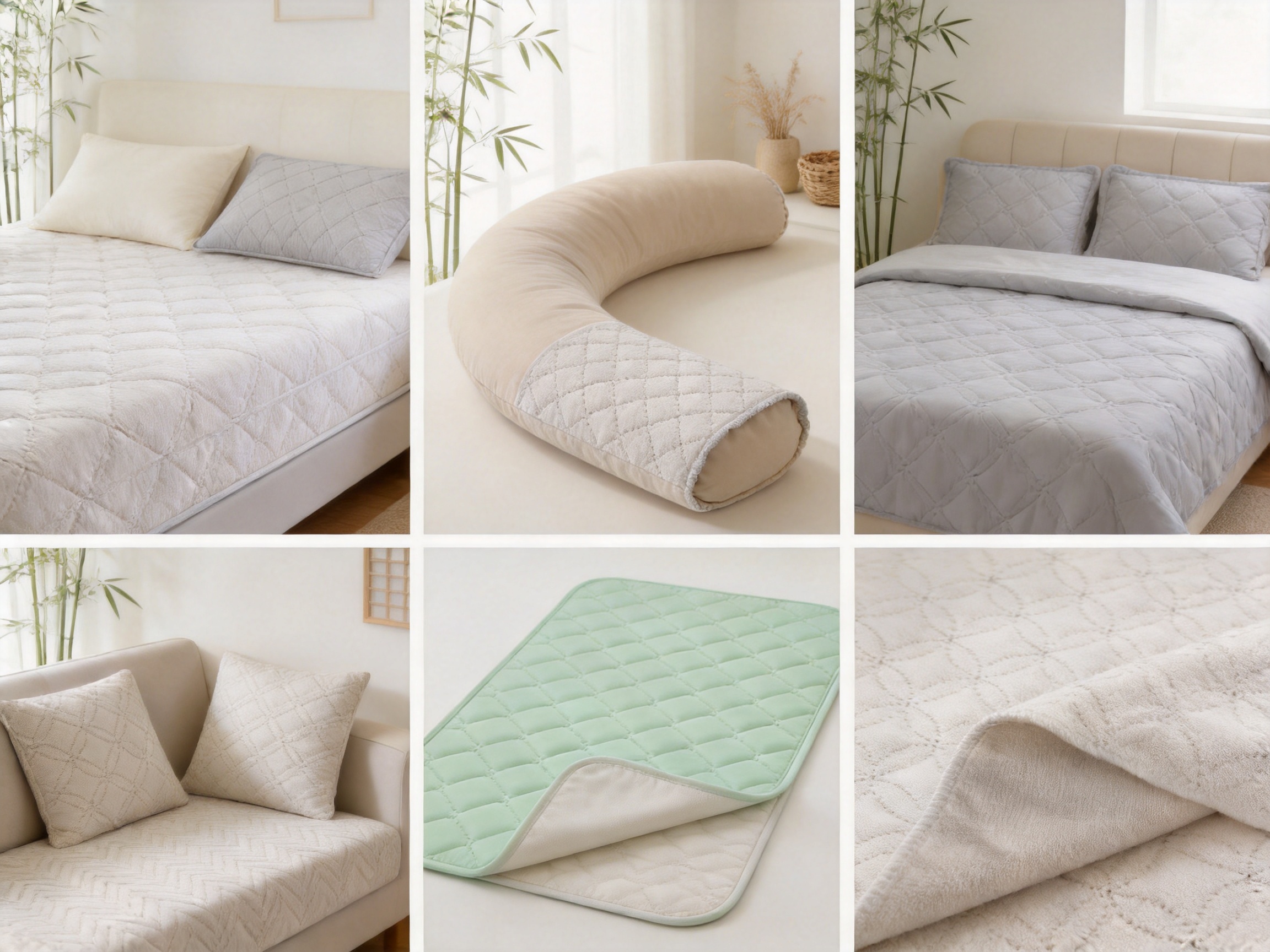
Customization is one of the most valuable services in decorative textile manufacturing. Bamboo fiber mattress fabric can be customized by fiber composition, fabric weight, width, texture, color, pattern, finishing, hand feel, and functional performance. This allows mattress and bedding brands to create fabrics that match their market strategy rather than relying on generic materials.
For a luxury mattress collection, customers may request a sophisticated surface with a soft, substantial touch and elegant pattern depth. For a children’s mattress collection, the request may emphasize soft hand feel, breathable construction, and a bright or gentle visual style. For a hotel mattress project, customers may prioritize durability, flame-retardant performance, and consistent color. For a cooling mat, the fabric may need a lighter structure and smooth cool-touch finish. For pet-friendly fabrics, abrasion resistance and cleanability may be emphasized.
Customization also supports brand identity. A unique mattress fabric pattern can become recognizable across a product series. Special textures can communicate technological comfort, natural softness, or premium luxury. Coordinated fabrics can be developed for mattresses, pillows, bedding accessories, and sofa products, helping brands create a unified home textile collection.
The company’s research and development capability supports these customized projects. By integrating material knowledge, design innovation, production experience, and functional finishing, it can help customers move from concept to sample and then to bulk production. This is an advantage over suppliers that only offer standard fabrics without technical development support.
Advanced Manufacturing as a Competitive Advantage
In the textile industry, advanced manufacturing is not only about equipment; it is about the complete system of development, process control, inspection, and customer service. Bamboo fiber mattress fabric requires careful attention at each stage. If raw material quality is unstable, the fabric surface may be uneven. If weaving tension is poorly controlled, the fabric may distort. If finishing is excessive, the fabric may lose softness. If inspection is weak, defects may reach the customer. Strong manufacturing capability prevents these problems.
Hangzhou Xinsili Decorative Fabric Weaving Co., Ltd. has built its strength on craftsmanship-driven manufacturing, design innovation, and win-win collaboration. These values are practical. Craftsmanship ensures attention to detail. Design innovation keeps products relevant to changing market needs. Collaboration helps customers solve problems and create commercially successful fabrics. For bamboo fiber mattress fabric, all three values are important.
The company’s experience in functional decorative fabrics also creates cross-category advantages. Knowledge gained from sofa fabric, bedding fabric, pet-friendly fabrics, pillow fabrics, and commercial textiles can inform mattress fabric development. For example, abrasion knowledge from upholstery can help improve durability. Comfort knowledge from bedding can improve hand feel. Functional finishing knowledge from commercial projects can support flame-retardant or moisture-resistant requirements. This broad expertise helps create better fabric solutions.
Recognition as a National High-Tech Enterprise indicates a commitment to technological advancement. In a market where many suppliers compete mainly on price, technology and reliability become important differentiators. Customers looking for long-term cooperation often need more than cheap fabric; they need a partner capable of consistent quality, new product development, and responsive technical support.
Performance Considerations for Buyers
When selecting bamboo fiber mattress fabric, buyers should consider the complete product requirement rather than focusing on one feature. Important factors include softness, fabric weight, breathability, moisture absorption, tensile strength, pilling resistance, abrasion resistance, dimensional stability, colorfastness, finishing safety, quilting behavior, and compatibility with mattress production methods. The ideal specification depends on the final application.
For roll-packed mattresses, fabric stretch and recovery may be important because the mattress is compressed during packaging and expands after opening. For quilted mattresses, the fabric must work well with sewing needles, threads, foam layers, and quilting patterns. For hotel mattresses, durability and cleaning conditions may be more important. For children’s mattresses, comfort and relevant safety documentation may be prioritized. For cooling mats, fabric structure must support the cooling system rather than block it.
Buyers should also clarify target market standards. Different regions may have different expectations for flame resistance, chemical compliance, labeling, and performance testing. The fabric supplier can support product development, but final compliance should be confirmed according to the finished product and destination market. Clear communication at the beginning of a project helps avoid delays and ensures the selected fabric meets practical requirements.
Another consideration is batch consistency. Buyers should ask about production tolerance, color management, inspection methods, and sample approval procedures. For branded mattress production, consistency matters because consumers expect the same appearance and feel across units. A stable manufacturing partner can help maintain this consistency over time.
Care, Handling, and Production Recommendations
Bamboo fiber mattress fabric should be handled carefully during transportation, storage, cutting, and sewing to preserve its surface quality. Rolls should be stored in a clean, dry environment away from direct sunlight, excessive humidity, and contamination. Before production, fabric should be inspected and conditioned according to factory procedures. This helps identify any transport-related issues and allows the fabric to stabilize before cutting or quilting.
During cutting, sharp tools and clean tables help prevent edge damage and contamination. During sewing or quilting, needle size, thread type, stitch density, and machine tension should be selected according to fabric structure. Testing before mass production is recommended, especially for new fabric specifications. This allows manufacturers to adjust equipment settings and prevent puckering, skipped stitches, or fabric distortion.
Cleaning and care instructions depend on the final product and finishing. Mattress fabrics are often not washed separately by consumers because they are sewn into the mattress structure. However, removable covers, pillowcases, pregnancy pillow covers, and bedding items may require specific washing guidance. Buyers should confirm care requirements based on fabric composition, color, finishing, and construction. Clear care instructions improve consumer satisfaction and reduce misuse.
For functional finishes such as antibacterial or flame-retardant treatment, care conditions may influence performance durability. If the fabric is used in removable covers or bedding accessories, washing tests may be needed to determine how performance changes after repeated laundering. Professional testing supports accurate claims and helps brands communicate responsibly.
Q&A: Common Questions About Bamboo Fiber Mattress Fabric
What is Bamboo Fiber Mattress Fabric?
Bamboo Fiber Mattress Fabric is a textile developed for mattress surfaces and related bedding products using bamboo fiber or bamboo fiber blends. It is designed to provide a soft hand feel, breathable comfort, moisture absorption, and an attractive decorative appearance for sleep products.
Why is bamboo fiber suitable for mattress fabric?
Bamboo fiber is suitable because it can create a smooth, comfortable, and breathable textile surface. It helps manage moisture and provides a gentle touch, which is important for products that remain in contact with the body for many hours.
How does it compare with ordinary polyester mattress fabric?
Compared with ordinary polyester fabric, bamboo fiber mattress fabric usually offers a softer and more natural-feeling surface. It can also provide better moisture absorption and a fresher sleeping sensation, depending on construction and finishing.
Can it be used for children’s mattresses?
Yes. Its soft and breathable characteristics make it suitable for children’s mattress fabric. For children’s products, buyers should also confirm all relevant safety, performance, and market compliance requirements for the finished mattress.
Is it useful for cooling bedding products?
Yes. Bamboo fiber fabric can support a cool and smooth hand feel and can be engineered for breathability. It is suitable for cooling mat fabric and other bedding products where surface comfort and heat management are important.
Can the fabric be customized?
Yes. It can be customized by composition, weight, width, texture, pattern, color, hand feel, and functional finishing. Customization allows mattress and bedding brands to create differentiated products for specific market segments.
What functional finishes can be considered?
Depending on requirements, finishes may include antibacterial, moisture-resistant, flame-retardant, softness-enhancing, comfort-improving, or sleep-supporting functions. The appropriate finish should be selected according to the product application and target market standards.
Why choose an experienced manufacturer for bamboo fiber mattress fabric?
An experienced manufacturer can control raw materials, fabric structure, finishing, inspection, and production consistency. This reduces quality risks and helps customers develop fabrics that are attractive, comfortable, functional, and suitable for mass production.
Conclusion
Bamboo Fiber Mattress Fabric is a strong choice for modern sleep and home textile products because it combines comfort, breathability, softness, moisture management, and natural material appeal. It helps mattress and bedding manufacturers create products that feel better, look more refined, and respond to consumer interest in healthier and more sustainable living spaces. Compared with many conventional mattress fabrics, it offers a more premium tactile experience and supports differentiated product positioning.
The strength of this fabric is enhanced by professional manufacturing. Hangzhou Xinsili Decorative Fabric Weaving Co., Ltd. brings 19 years of textile experience, a 12,000-square-meter factory area, advanced functional fabric development, and recognition as a National High-Tech Enterprise. Its expertise in decorative textiles, functional finishing, quality control, and customized development makes it a capable partner for mattress, bedding, sofa, cooling mat, pillow, children’s product, pregnancy pillow, and pet-friendly textile applications.
For buyers seeking fabric that supports comfort, reliability, and market differentiation, bamboo fiber mattress fabric offers a compelling solution. It is not merely a surface covering; it is a functional textile layer that influences sleep comfort, product appearance, and brand value. With the right manufacturing partner and carefully defined specifications, it can help create better mattresses, better bedding, and more beautiful living spaces.
References
Textile Institute. Textile Terms and Definitions. Textile Institute Publications.
Horrocks, A. R., and Anand, S. C. Handbook of Technical Textiles. Woodhead Publishing.
Sinclair, R. Textiles and Fashion: Materials, Design and Technology. Woodhead Publishing.
Gohl, E. P. G., and Vilensky, L. D. Textile Science. CBS Publishers.
Kadolph, S. J. Textiles. Pearson Education.
Fan, J., and Hunter, L. Engineering Apparel Fabrics and Garments. Woodhead Publishing.
Product: Bamboo Fiber Mattress Fabric
Our Featured Products
-
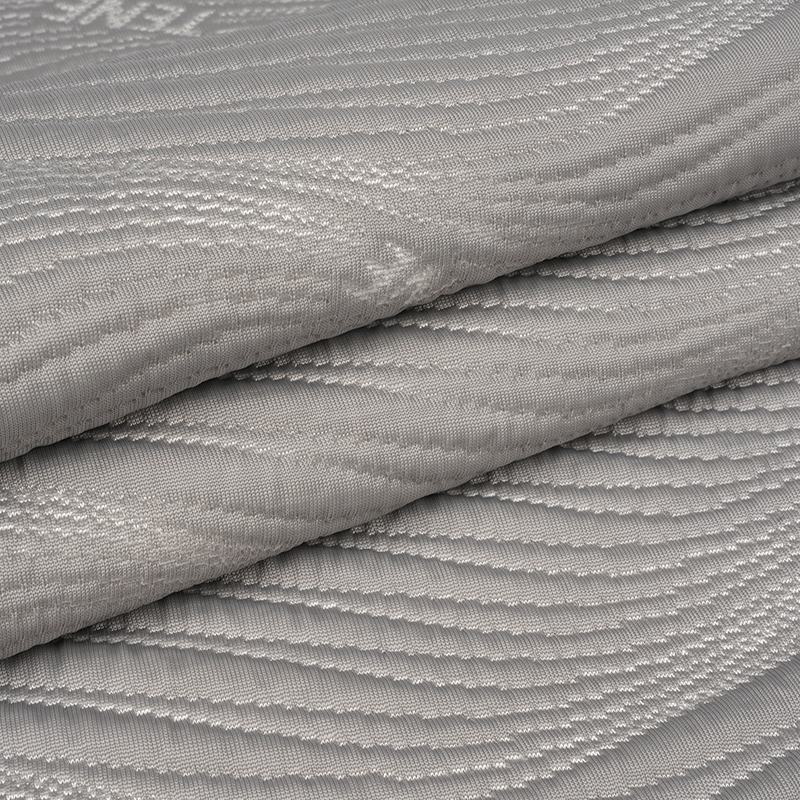
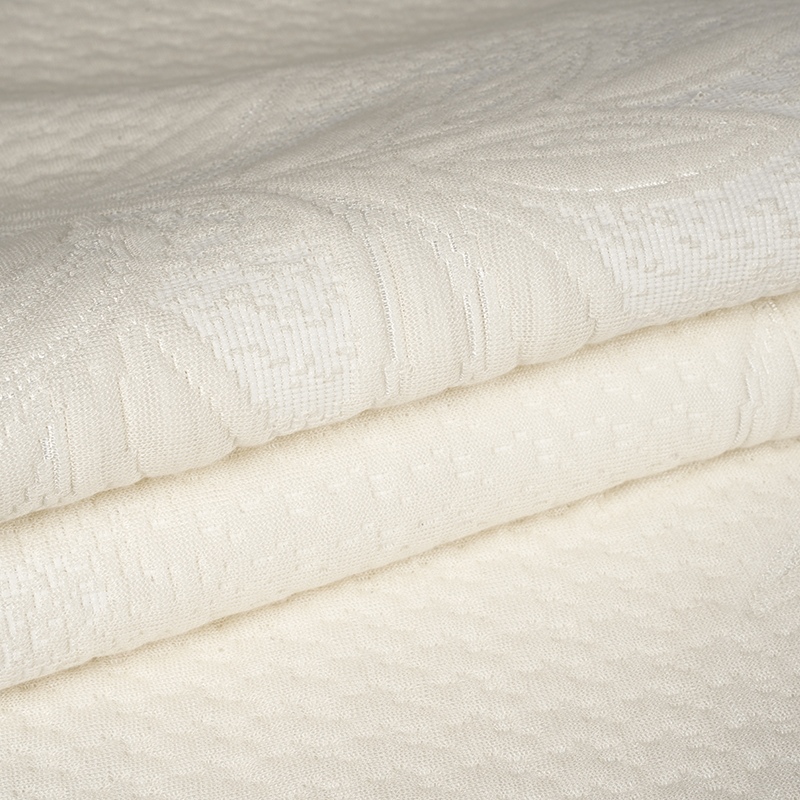
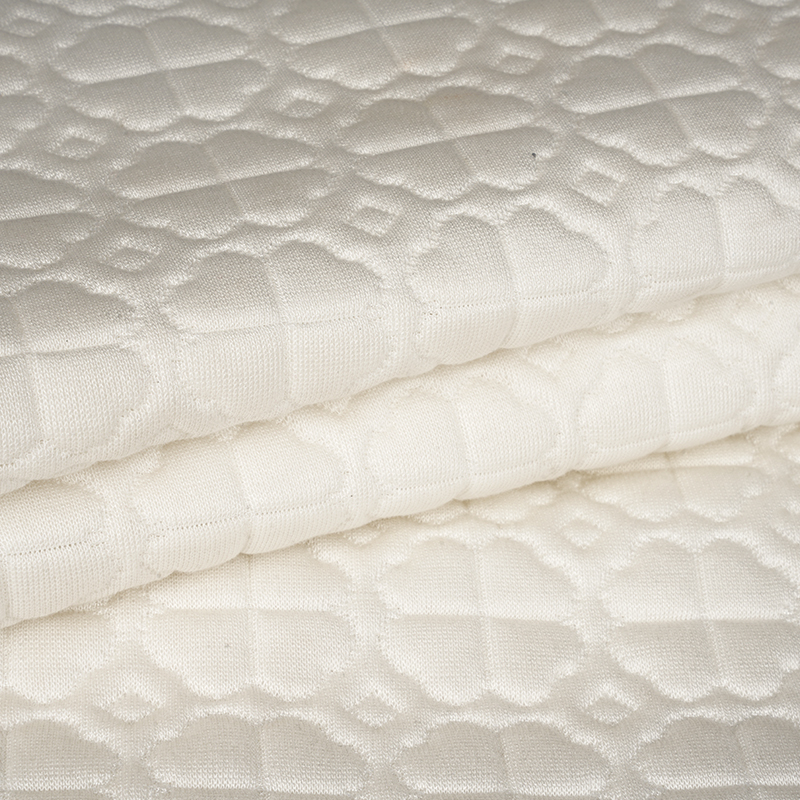
Bamboo Fiber Children Mattress Fabric
Bamboo Fiber Children Mattress Fabric
Haven’t Found The Products You Want?
-
-
Shen Jinyan:+86-15158070676
[email protected]
Liang Jinwen:+86-15757186621
[email protected]
Qiu Yingyingn:+86-13819545790
[email protected]
Yi qiao Town, Xiaoshan District, Hangzhou City, Zhejiang Province, China
-
Products
Mattress Fabric Children Mattress Fabric Pillowcase Fabric Pregnancy Pillow Fabric Cooling Mat Fabric Bedding Fabric Sofa Fabric Pet Friendly Fabrics -
Contact Information
About Us Products Strength Sustainability News Contact Us
Copyright © Hangzhou Xinsili Decorative Fabric Weaving Co.,Ltd. All Rights Reserved.
Functional Decorative Textile Manufacturers
