

 English
 中文简体
中文简体 Español
 عربى
عربى русский


Advanced Lyocell Mattress Fabric for Healthier Sleep Systems
Content
- 1 Product Overview: A Premium Mattress Surface Fabric for Modern Bedding
- 2 Why Mattress Fabric Matters More Than Ever
- 3 Core Advantages of Lyocell-Based Mattress Fabric
- 4 Advantages Over Common Competing Mattress Fabrics
- 5 Manufacturing Strength Behind the Fabric
- 6 Applications Across Bedding and Decorative Textile Categories
- 7 Design Value for Mattress Brands and Bedding Producers
- 8 Sustainability and Responsible Material Direction
- 9 Comfort Engineering: The Sleep Microclimate
- 10 Durability and Practical Performance
- 11 Customization for Different Market Needs
- 12 Advanced Manufacturing Processes That Support Competitive Quality
- 13 Quality Considerations for Buyers
- 14 Company Strength and Service Reliability
- 15 How This Fabric Helps Mattress Manufacturers Compete
- 16 Recommended Use Scenarios
- 17 Q&A: Common Questions About Lyocell-Based Mattress Fabric
- 17.1 What is the main benefit of this mattress fabric?
- 17.2 Is this fabric suitable for premium mattresses?
- 17.3 How does it compare with ordinary polyester mattress fabric?
- 17.4 Can it be used for children’s mattresses?
- 17.5 Can the fabric support cooling mattress concepts?
- 17.6 Can functional finishes be added?
- 17.7 Why is supplier experience important?
- 17.8 What should buyers provide when requesting a quote?
- 18 Conclusion
- 19 References
- 20 Product: Tencel Mattress Fabric
Mattress fabric is the surface that sleepers touch first and remember most. It is not only a decorative cover; it is a functional textile layer that influences comfort, moisture management, softness, durability, hygiene, and the perceived value of the entire mattress. In modern bedding manufacturing, the demand for premium surface materials continues to rise as consumers look for healthier sleep, better temperature balance, smoother hand feel, and more sustainable textile choices. Among these high-performance options, lyocell-based mattress fabric has become a preferred solution for mattress brands, bedding producers, hospitality suppliers, and comfort-focused home textile projects.
This article focuses on Tencel Mattress Fabric supplied by Hangzhou Xinsili Decorative Fabric Weaving Co., Ltd., a manufacturer specializing in functional decorative textiles for residential, hotel, and commercial spaces. The product belongs to the wider field of mattress fabrics and related bedding textiles, including children mattress fabric, pillowcase fabric, pregnancy pillow fabric, cooling mat fabric, bedding fabric, sofa fabric, and pet-friendly fabrics. The featured fabric is designed for mattress ticking and sleep-surface applications where softness, breathability, moisture regulation, skin comfort, and reliable manufacturing consistency are critical.
Unlike ordinary knitted or woven mattress coverings that focus mainly on appearance, this lyocell-based mattress fabric is developed to deliver a balanced combination of touch, function, and processing stability. It can help mattress manufacturers improve product differentiation in a competitive market where end users increasingly compare fabrics by how they feel, how they perform through seasons, and how well they support clean and comfortable sleep.
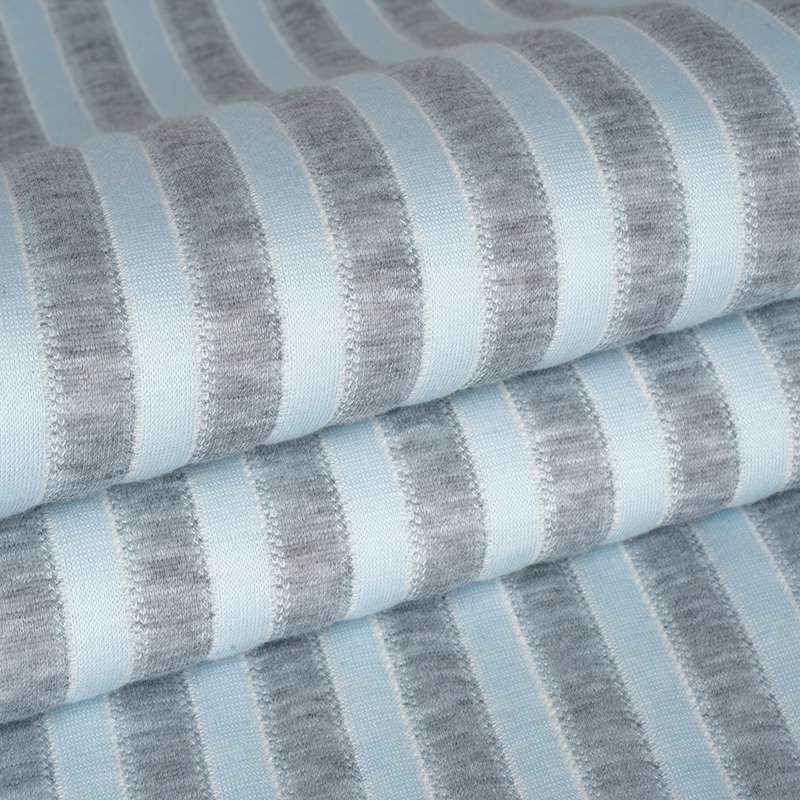
Product Overview: A Premium Mattress Surface Fabric for Modern Bedding
Tencel Mattress Fabric is a mattress-cover textile developed for use in high-quality sleep products. It is suitable for mattress panels, quilted covers, removable covers, comfort-layer encasements, and other bedding applications where a smooth, breathable, and refined surface is required. The fabric reflects the growing trend toward functional textiles that do more than decorate. It is designed to contribute directly to the sleeping experience.
The defining advantage of lyocell-based fabric is its naturally smooth fiber structure. Lyocell fibers are known for a soft hand feel, moisture absorption, and good breathability. When engineered into mattress fabric through controlled weaving or knitting, finishing, and inspection, the result is a textile that feels gentle against the skin while offering the resilience needed for repeated use. For mattress producers, this means the fabric can support both comfort claims and long-term product quality.
The product also fits well into the premium bedding category because it combines a clean surface appearance with functional performance. A mattress surface needs to look attractive in a showroom, perform reliably during quilting and sewing, resist excessive deformation, and remain comfortable over years of use. A fabric that fails in any one of these areas can reduce the perceived quality of the final mattress. This is why material selection is a strategic decision for bedding brands.
Compared with many conventional synthetic mattress fabrics, lyocell-based mattress fabric provides a more skin-friendly and moisture-responsive touch. Compared with many basic cotton blends, it can offer smoother surface comfort and more consistent engineered performance. Compared with low-cost ticking options, it can help a mattress product stand out through softness, breathable comfort, and a more premium tactile impression.
Why Mattress Fabric Matters More Than Ever
The mattress market has changed significantly. Consumers no longer judge a mattress only by spring systems or foam density. They increasingly ask about cooling, pressure relief, hygiene, eco-conscious materials, skin sensitivity, and long-term comfort. The outer textile layer has therefore become a major selling point. It is the part customers touch in stores, see in product photos, and experience every night.
A good mattress fabric must perform several roles at the same time. It must present an attractive design, allow air and moisture movement, remain stable during quilting, resist pilling and surface damage, support clean manufacturing, and maintain compatibility with foam, fiberfill, adhesive, sewing, zipper, and packaging processes. It must also support brand positioning. A premium mattress needs a fabric that feels premium from the first touch.
In children’s mattresses, the fabric should be gentle, breathable, and suitable for sensitive users. In pregnancy pillow and pillowcase applications, softness and moisture management are important because the fabric stays close to the skin for long periods. In cooling mat and comfort bedding products, breathability and heat-dissipation support are essential. In hotel and commercial environments, durability and stable quality become especially important because products face frequent use and stricter replacement standards.
This is where advanced functional mattress fabric demonstrates value. The product is not merely a cover; it is an engineered textile component. Its performance contributes to comfort, market appeal, and manufacturing efficiency. For bedding producers, using a high-quality fabric can reduce production complaints, improve finished-product consistency, and support stronger product storytelling.
Core Advantages of Lyocell-Based Mattress Fabric
Soft and Smooth Hand Feel
The first advantage is touch. Lyocell fibers are associated with a smooth surface and a gentle hand. When transformed into mattress fabric with proper yarn selection and textile construction, the finished material offers a soft, refined, and comfortable feeling. This is particularly valuable for mattresses marketed toward premium sleep, sensitive skin, family bedding, and wellness-oriented users.
Many ordinary mattress fabrics can feel rough, overly synthetic, or stiff after finishing. A premium lyocell-based textile helps avoid that problem. It delivers a smoother sensory impression, which can improve the user’s first response when touching the mattress in a retail setting. For brands, this immediate tactile advantage can influence purchasing decisions.
Moisture Management for Comfortable Sleep
Sleep comfort is strongly affected by moisture. When humidity builds near the body, sleepers may feel sticky, overheated, or uncomfortable. Lyocell-based fabric is valued for its ability to absorb and release moisture effectively. This helps create a drier and more balanced sleeping microclimate.
While no surface fabric alone can solve all temperature issues in a mattress, a breathable and moisture-responsive textile can support better overall comfort. It works together with foam, quilting layers, spacer structures, and ventilation design. For bedding manufacturers, the fabric can become part of a larger sleep-comfort system.
Breathable Surface Performance
Breathability is one of the key requirements for mattress ticking. A fabric that traps heat and moisture can make even a well-designed mattress feel less comfortable. The featured mattress fabric is suitable for sleep products that require air movement and a fresh surface feel. Its comfort characteristics help align with modern consumer interest in breathable bedding.
Breathable fabrics are also useful in children mattress fabric, pillowcase fabric, pregnancy pillow fabric, and cooling mat fabric. These applications often require comfort over long contact periods. A fabric with a soft and breathable surface can support a more pleasant user experience across multiple bedding categories.
Premium Appearance and Product Differentiation
Mattress fabric must also communicate value visually. A refined textile surface can make the finished mattress look more sophisticated and trustworthy. For bedding brands, fabric appearance influences catalog photography, online product listings, retail display, and perceived quality.
The fabric can be developed with different patterns, textures, surface effects, or finishing choices depending on customer requirements. This helps manufacturers create distinctive mattress lines rather than relying on generic ticking. In a crowded market, differentiation matters. The right fabric can turn a standard mattress into a more appealing product.
Compatibility with Functional Finishes
Hangzhou Xinsili focuses on functional decorative fabrics integrating technologies such as antibacterial, moisture-resistant, flame-retardant, sleep-supporting, and comfort-improving functions. This background is highly relevant to mattress fabric development. Depending on customer requirements and applicable standards, fabric solutions can be designed to support additional functional performance.
Functional finishing must be controlled carefully. A poor finish can reduce softness, create uneven hand feel, or affect fabric stability. Advanced textile manufacturing requires balancing function with comfort. The company’s experience in decorative and bedding-related textiles helps it produce fabrics that are practical for real manufacturing rather than merely attractive in samples.
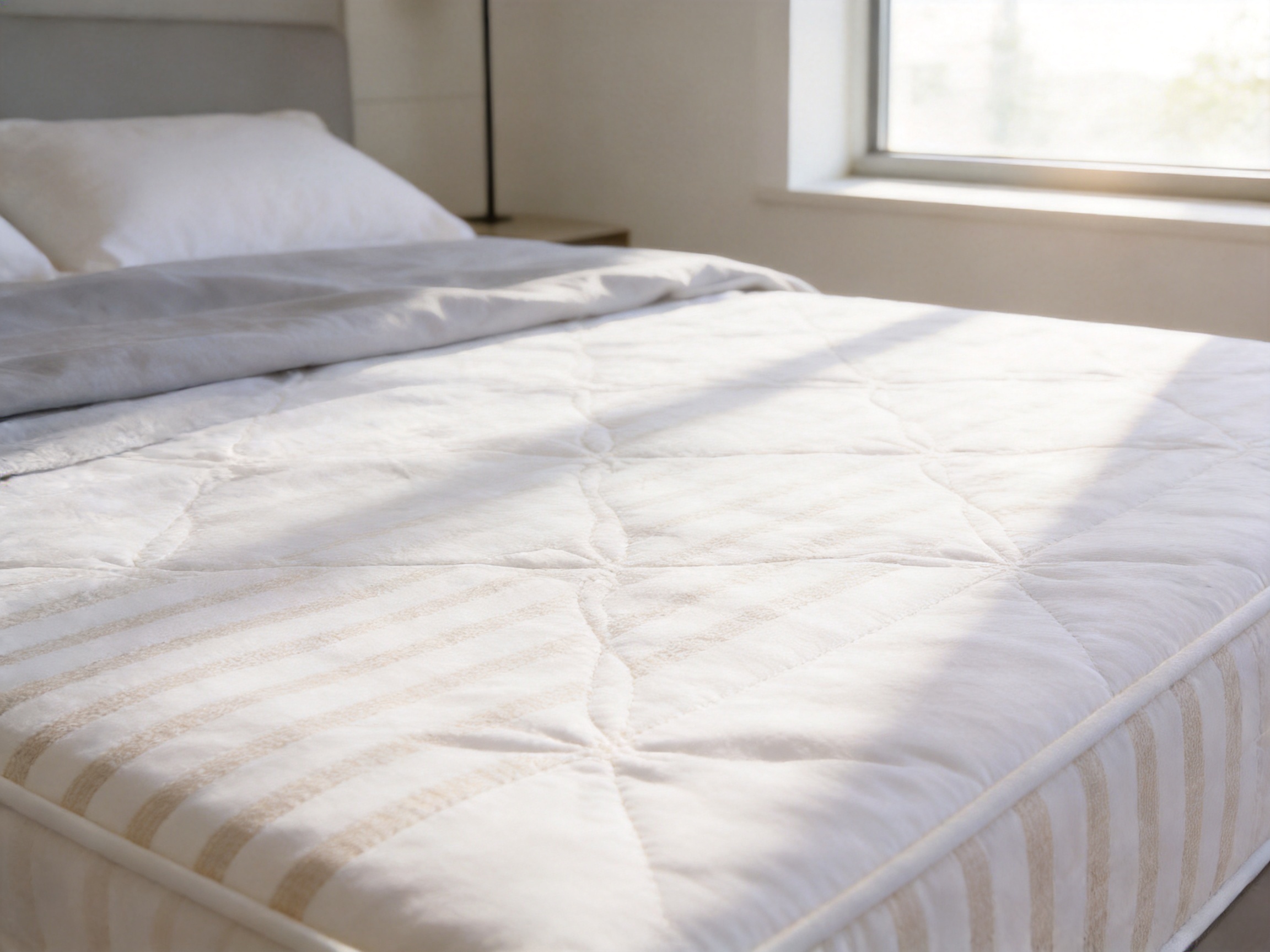
Advantages Over Common Competing Mattress Fabrics
Mattress manufacturers often compare lyocell-based fabric with polyester, cotton, bamboo viscose, rayon blends, and various knitted ticking options. Each material has advantages, but the featured fabric offers a balanced performance profile that helps it compete effectively in premium bedding markets.
Compared with basic polyester mattress fabric, lyocell-based fabric generally provides a more natural and comfortable hand feel. Polyester can be strong and cost-effective, but some low-grade polyester fabrics may feel hot, slippery, or less breathable. The lyocell surface offers a softer and more moisture-responsive touch, making it suitable for mattresses positioned around health, comfort, and premium sleep.
Compared with standard cotton fabric, lyocell-based mattress fabric may provide a smoother surface and a more engineered performance consistency. Cotton is familiar and breathable, but its performance depends heavily on fiber grade, yarn quality, finishing, and construction. Lyocell offers a refined touch that can feel luxurious while still supporting moisture management.
Compared with low-cost viscose or rayon blends, high-quality lyocell-based fabric can offer better premium positioning and a more controlled quality impression. Not all regenerated cellulose fabrics perform the same. Manufacturing discipline, yarn selection, finishing, and inspection determine whether the final fabric is suitable for mattress use. The featured product is designed for practical bedding production where stability and reliability matter.
Compared with ordinary knitted ticking without functional development, this product can support more advanced mattress concepts. It is not limited to decorative use; it can be integrated into product lines emphasizing comfort, moisture balance, skin-friendly feel, and optional functional finishing. This gives bedding manufacturers a stronger foundation for product development and marketing.
| Comparison Factor | Lyocell-Based Mattress Fabric | Basic Polyester Fabric | Standard Cotton Fabric | Low-Cost Generic Ticking |
|---|---|---|---|---|
| Touch Comfort | Soft, smooth, premium hand feel | Can feel synthetic or less breathable | Comfortable but varies by grade | Often inconsistent |
| Moisture Management | Strong moisture absorption and release potential | Usually lower absorbency | Good absorbency but may dry slowly | Depends on blend and finish |
| Breathability | Suitable for breathable sleep surfaces | Varies widely | Generally breathable | May be limited |
| Premium Positioning | Excellent for high-value mattresses | Often used in economical products | Good but familiar | Weak differentiation |
| Functional Development | Compatible with comfort and hygiene-oriented solutions | Compatible but may lack natural feel | Possible but requires careful control | Limited by cost and stability |
| Manufacturing Appeal | Stable appearance and strong product story | Cost-effective | Traditional appeal | Price-driven |
Manufacturing Strength Behind the Fabric
The performance of mattress fabric depends not only on fiber type but also on manufacturing expertise. Hangzhou Xinsili Decorative Fabric Weaving Co., Ltd. has 19 years of industry experience and operates from a 12,000 square meter factory area in Yi qiao Town, Xiaoshan District, Hangzhou City, Zhejiang Province, China. The company specializes in the research, development, and manufacturing of decorative textiles, especially functional decorative fabrics for home, hotel, and commercial environments.
In 2023, the company was recognized as a National High-Tech Enterprise, reflecting its commitment to innovation and technical development. This background is important because bedding fabric manufacturing requires repeatability, process control, and the ability to translate market needs into textile solutions. A fabric may look good in a sample, but true manufacturing strength is shown when a supplier can provide stable color, texture, width, weight, hand feel, and functional performance across production batches.
The company’s guiding vision is centered on weaving beautiful spaces. In practical terms, this means providing high-quality, environmentally friendly decorative fabric solutions through stable, practical, and reliable products. Its values include craftsmanship-driven manufacturing, design innovation, and win-win collaboration. For mattress fabric customers, these strengths can reduce risk in sourcing and support smoother product development.
Research and Development Focus
Advanced mattress fabric begins with research. A manufacturer must understand fiber behavior, yarn structure, fabric construction, finishing chemistry, shrinkage control, surface texture, and end-use requirements. The company’s R&D approach supports the development of fabrics for sleep comfort, moisture resistance, antibacterial performance, flame-retardant requirements, and general comfort improvement.
For a product such as Tencel Mattress Fabric, research may involve evaluating hand feel, breathability, moisture behavior, surface smoothness, tensile strength, dimensional stability, pilling resistance, and compatibility with quilting. The goal is to create a fabric that looks attractive and performs reliably in mattress production.
Controlled Weaving and Textile Construction
Fabric construction determines how the material behaves. Yarn count, density, pattern, elasticity, surface texture, and structural balance all affect comfort and processing performance. A mattress fabric must have enough stability to be cut, quilted, sewn, and assembled without distortion. It must also remain soft enough to support a comfortable sleep surface.
With long-term experience in decorative fabric weaving, the manufacturer is positioned to control textile structure carefully. This is especially important for customers who need custom fabric solutions. Different mattress lines may require different weights, textures, and finishing effects. A supplier with strong weaving capability can help adapt the fabric to various market segments, from family mattresses to hotel bedding products.
Functional Finishing Capabilities
Finishing is where many fabrics gain their final performance. It can affect softness, moisture handling, antibacterial properties, flame retardancy, wrinkle recovery, surface smoothness, and appearance. However, finishing must be applied responsibly and consistently. Over-finishing can make a fabric stiff or reduce breathability, while under-controlled finishing may lead to uneven performance.
The company’s work with functional decorative textiles supports a balanced finishing philosophy. Mattress fabrics can be designed to combine beauty and practical function. Customers may request specific comfort or protection features depending on the target market and applicable regulations. The ability to integrate functions such as moisture-resistant or antibacterial performance helps the product compete in modern bedding categories.
Quality Inspection and Batch Consistency
Quality consistency is essential for mattress manufacturers. A mattress factory may use hundreds or thousands of meters of fabric in one production run. If the fabric varies in color, width, weight, or stretch, the finished mattresses may look inconsistent. This can create production waste, delivery delays, and customer complaints.
A mature textile supplier uses inspection procedures to monitor fabric quality before shipment. Important checks may include surface defect inspection, color consistency, width measurement, weight verification, hand-feel assessment, pattern alignment, tensile strength, abrasion performance, and packaging quality. Reliable inspection supports stable downstream production and helps buyers manage risk.
Applications Across Bedding and Decorative Textile Categories
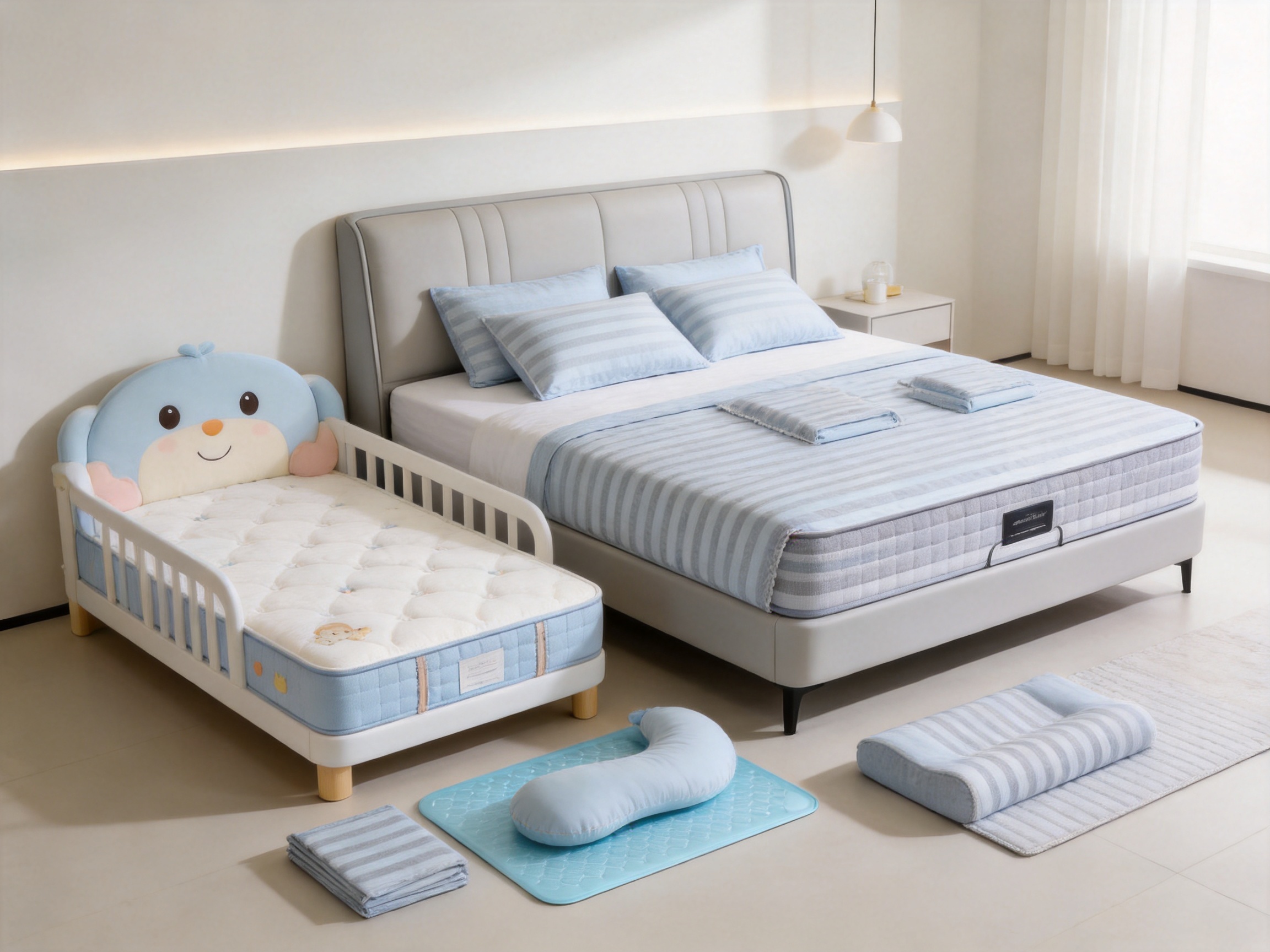
Although the featured product is categorized as Tencel Mattress Fabric, its technology and comfort concept connect naturally with several related textile applications. The company’s product category range includes mattress fabric, children mattress fabric, pillowcase fabric, pregnancy pillow fabric, cooling mat fabric, bedding fabric, sofa fabric, and pet-friendly fabrics. These categories share common requirements: comfort, durability, safety, appearance, and reliable performance.
Mattress Fabric
The primary application is mattress ticking or mattress panel fabric. A lyocell-based surface can help premium mattresses communicate softness, breathability, and modern comfort. It is suitable for mattresses targeting home users, hotels, sleep wellness brands, and bedding retailers.
Children Mattress Fabric
Children’s bedding requires special attention to comfort and skin contact. Softness, breathability, and clean surface quality are important. A gentle fabric can support a comfortable sleep environment for young users, while stable manufacturing helps ensure product reliability.
Pillowcase and Pregnancy Pillow Fabric
Pillowcases and pregnancy pillows remain close to the face, neck, shoulders, and body for long periods. Fabrics used in these products should feel smooth and avoid irritating the skin. Moisture management is also useful because pillows can accumulate warmth and humidity during sleep.
Cooling Mat Fabric
Cooling products depend on a combination of materials. Surface fabric plays a major role in how cool and fresh the product feels at first contact. A breathable and moisture-responsive textile can help support a cooler, more comfortable user experience when paired with suitable inner materials.
Bedding Fabric
Broader bedding fabric applications include covers, pads, protectors, and comfort accessories. A premium lyocell-based textile supports product lines that emphasize wellness, softness, and refined daily comfort.
Sofa Fabric and Pet-Friendly Fabrics
The company also serves decorative applications such as sofa fabric and pet-friendly fabrics. While these are different from mattress ticking, they reflect the company’s broader expertise in functional textiles for living spaces. Durability, appearance, and comfort are central in both furniture and bedding fabric development.
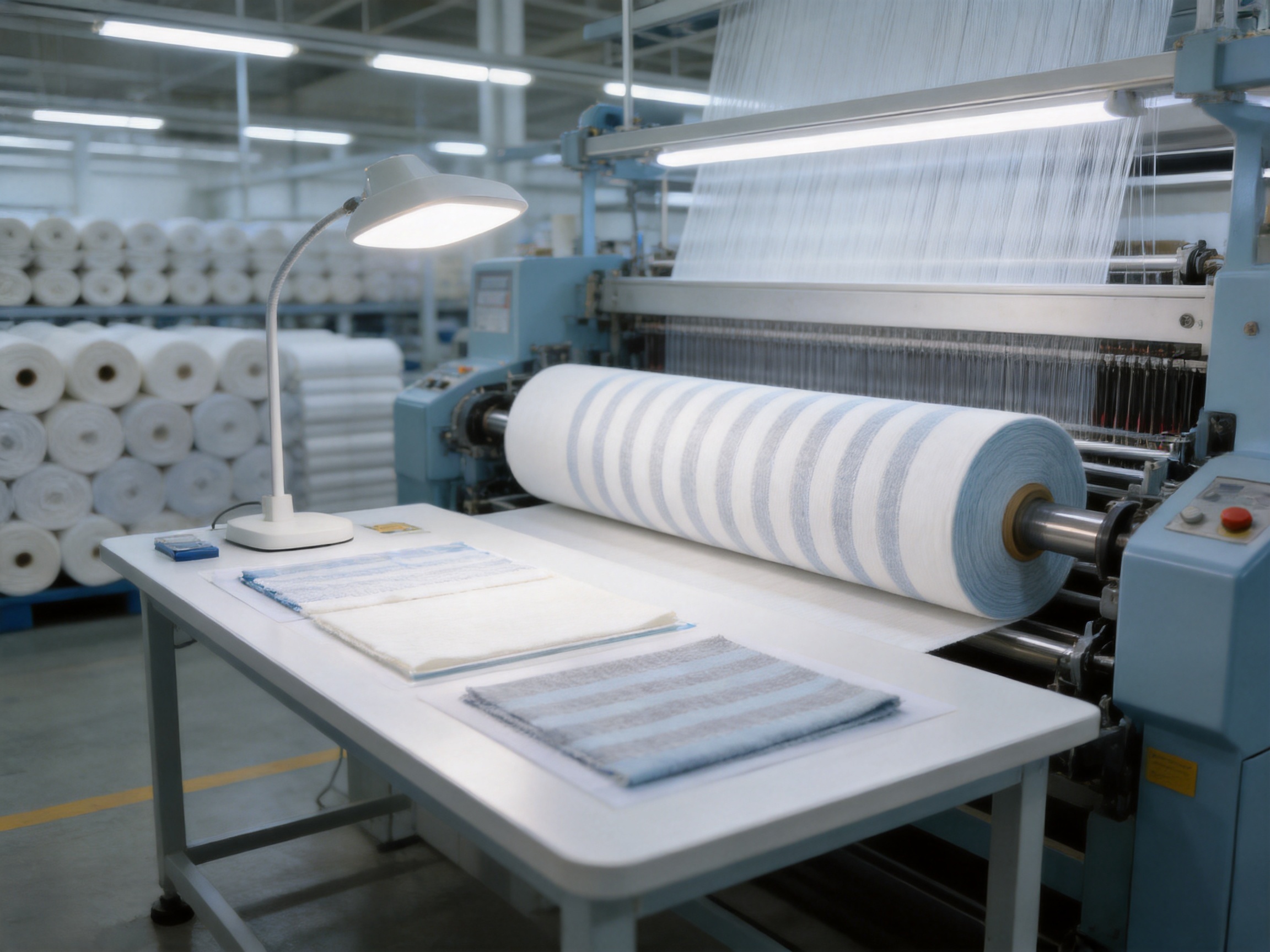
Design Value for Mattress Brands and Bedding Producers
For mattress brands, fabric selection is a branding decision. The surface fabric must support the story the brand wants to tell. If a mattress is marketed as breathable, natural-feeling, premium, comfortable, or wellness-oriented, the fabric should reinforce those claims through touch and performance.
Lyocell-based mattress fabric gives product developers a strong foundation for premium storytelling. It can be positioned around softness, moisture management, breathable comfort, and refined sleep-surface quality. It also supports visual customization, allowing brands to create unique mattress appearances for different collections.
A fabric with a strong sensory profile can also improve retail conversion. Customers often touch the mattress before asking technical questions. If the fabric feels smooth, cool, and high-quality, it creates a positive first impression. This can be especially important for showroom mattresses, hotel sample programs, and online brands that rely on close-up product images and customer reviews.
For OEM and ODM bedding manufacturers, stable fabric supply improves production planning. A reliable supplier can help maintain consistent product quality across repeated orders. This is crucial when producing private-label mattresses or multi-market bedding collections where consistency affects brand trust.
Sustainability and Responsible Material Direction
Modern consumers increasingly care about environmentally conscious products. While sustainability must always be discussed accurately and based on verified material and process information, lyocell fibers are widely recognized in the textile industry for their association with responsible cellulose-based material development. Many buyers choose lyocell-based fabrics because they combine comfort with a more modern sustainability image than many purely petrochemical textile options.
Hangzhou Xinsili’s company mission includes providing high-quality and environmentally friendly decorative fabric solutions. This aligns with the market direction toward safer, healthier, and more sustainable living spaces. For bedding customers, this orientation can be helpful when developing product lines for wellness hotels, family homes, eco-conscious consumers, and premium mattress collections.
Responsible textile development also includes reducing waste through stable production. A fabric that performs consistently can reduce cutting losses, rework, rejected goods, and customer returns. Sustainability is not only about raw materials; it is also about efficient manufacturing, durable products, and quality that lasts.
Comfort Engineering: The Sleep Microclimate
The sleep microclimate is the small environment between the sleeper’s body and the mattress surface. It includes temperature, humidity, airflow, and tactile sensation. Mattress fabric plays a direct role in this microclimate. If the surface becomes humid, rough, or hot, the sleeper may experience discomfort even if the internal mattress structure is well designed.
A lyocell-based mattress fabric can support a more pleasant sleep microclimate through smooth contact and moisture management. Its breathable properties help the surface feel fresher. In combination with suitable quilting layers, foam ventilation, and mattress design, it can contribute to more balanced comfort through the night.
Comfort engineering is especially important for people who sleep warm, for humid climates, and for hotel environments where bedding must satisfy many different users. A premium mattress fabric can reduce the risk of surface discomfort and strengthen the overall performance of the sleep system.
Durability and Practical Performance
Softness alone is not enough. Mattress fabric must withstand real use. It may be compressed, stretched, quilted, folded during packaging, rubbed by sheets, exposed to body moisture, and cleaned according to product instructions. A high-quality fabric must retain its structure and appearance under normal conditions.
The featured fabric is designed for practical mattress manufacturing. Important durability considerations include resistance to pilling, seam performance, dimensional stability, abrasion resistance, tearing strength, and surface recovery. These properties help maintain a clean appearance over time and support customer satisfaction.
Durability also affects commercial buyers. Hotels, serviced apartments, and institutional bedding projects require fabrics that can support frequent use and maintain a premium look. A fabric that quickly loses its surface quality can reduce the perceived cleanliness and comfort of the entire bed.
Customization for Different Market Needs
Different customers require different fabric solutions. A children’s mattress brand may focus on softness and gentle touch. A hotel mattress supplier may prioritize durability and stable appearance. A premium home mattress company may want a distinctive pattern with breathable comfort. A cooling product producer may seek a fabric that supports fresh contact and moisture movement.
Customization may include fabric weight, width, color, pattern, texture, finishing function, hand feel, and packaging requirements. The manufacturer’s experience in functional decorative textiles makes it possible to work with customers on tailored specifications. This is a major advantage over suppliers that only offer generic stock fabrics.
Custom fabric development should involve clear communication about application, target price, performance needs, testing standards, and manufacturing process. When the supplier and customer collaborate early, the final fabric is more likely to meet both comfort and production requirements.
Advanced Manufacturing Processes That Support Competitive Quality
Manufacturing quality is built step by step. A successful mattress fabric program typically begins with material selection, then moves through yarn preparation, weaving or knitting, fabric stabilization, dyeing or finishing, functional treatment, inspection, rolling, packaging, and shipment. Each stage affects the final result.
Material Selection
The process starts with suitable fiber and yarn choices. For lyocell-based mattress fabric, the raw material must support softness, moisture management, and textile stability. Yarn quality influences surface smoothness, strength, and consistency. Poor yarn can cause defects, uneven appearance, and weak durability.
Fabric Formation
Fabric formation requires precise machine control. Whether the construction is woven or knitted, the machine settings must maintain density, pattern, width, and tension. Advanced production management helps prevent distortion, streaks, holes, and uneven texture. This is especially important for decorative mattress fabrics where surface appearance is highly visible.
Dyeing and Finishing
Dyeing and finishing bring the fabric to its final color, hand feel, and performance level. Controlled finishing can improve softness, dimensional stability, moisture behavior, and functional characteristics. For mattress applications, finishing must be skin-conscious and compatible with bedding use.
Functional Enhancement
Depending on customer requirements, fabrics can be developed with comfort-improving, antibacterial, moisture-resistant, flame-retardant, or other functional directions. These enhancements must be aligned with market standards and confirmed through appropriate testing when required. The company’s functional textile background supports such development.
Inspection and Packaging
Final inspection helps ensure the fabric is suitable for customer production. Rolls should be checked for surface defects, shade consistency, width, length, and packaging condition. Good packaging protects the fabric during transportation and storage, helping customers receive material ready for use.
Quality Considerations for Buyers
When sourcing mattress fabric, buyers should consider more than price per meter. The lowest-cost fabric may cause higher total costs if it leads to waste, customer complaints, or weak product positioning. Important evaluation points include hand feel, breathability, fabric weight, width stability, shrinkage, pilling resistance, colorfastness, finishing quality, and supplier reliability.
Buyers should also request samples and conduct trial production before large orders. Trial quilting and sewing can reveal whether the fabric performs well in actual mattress manufacturing. A fabric may feel good as a hand sample but behave differently under machine tension or quilting pressure.
Communication with the supplier is essential. Customers should provide details about intended use, mattress type, production equipment, target market, and required standards. This allows the manufacturer to recommend suitable specifications and avoid mismatches.
Company Strength and Service Reliability
Hangzhou Xinsili Decorative Fabric Weaving Co., Ltd. is based in Hangzhou, Zhejiang Province, China, and serves global clients with decorative and functional textile solutions. The company’s location in a developed textile manufacturing region supports access to industry resources, skilled labor, and supply-chain experience.
With 19 years of industry experience, the company understands the practical challenges of textile production and customer requirements. Its 12,000 square meter factory area supports manufacturing capacity, process organization, and quality management. The recognition as a National High-Tech Enterprise in 2023 further reflects its emphasis on innovation and technical advancement.
The company’s values include craftsmanship-driven manufacturing, design innovation, and win-win collaboration. These values are relevant to mattress fabric buyers because they indicate a willingness to support both product quality and customer development. In competitive markets, buyers need suppliers that can respond to changing trends and provide stable long-term cooperation.
Contact channels include telephone and email communication for product inquiries, sample requests, and custom development discussions. Customers can communicate specifications and target applications directly to explore suitable fabric solutions.
How This Fabric Helps Mattress Manufacturers Compete
Competition in the mattress market is intense. Many brands offer similar foam layers, spring systems, and thickness options. Fabric is one of the most visible ways to create differentiation. A premium lyocell-based mattress fabric helps manufacturers compete in several ways.
First, it improves first-touch appeal. When customers touch the mattress, the surface feels soft and refined. Second, it supports comfort claims related to breathability and moisture management. Third, it gives the product a more premium visual identity. Fourth, it supports expanded product storytelling around wellness, skin comfort, and better sleep environments. Fifth, it can help reduce production risk when supplied by an experienced manufacturer with stable quality control.
For retailers, a better fabric can support higher product value. For hotel suppliers, it can enhance guest comfort. For online mattress brands, it can improve unboxing impressions and customer reviews. For OEM producers, it can help secure repeat orders from brands that need consistent quality.
Recommended Use Scenarios
This mattress fabric is suitable for premium home mattresses, hotel mattresses, children’s bedding products, pillow and cushion covers, pregnancy support pillows, cooling bedding systems, and comfort-focused textile products. It is especially suitable where the user expects softness, breathability, and a clean premium appearance.
It can be used in new mattress collections, upgraded product lines, private-label bedding programs, and customized textile projects. It is also suitable for companies seeking a fabric supplier with broader functional textile experience across bedding, sofa, and pet-friendly fabric categories.
Q&A: Common Questions About Lyocell-Based Mattress Fabric
What is the main benefit of this mattress fabric?
The main benefit is the combination of soft touch, breathable comfort, moisture management, premium appearance, and practical manufacturing stability. It helps improve both the user experience and the market value of the finished mattress.
Yes. Its smooth hand feel and refined surface make it suitable for premium mattress collections, hotel bedding, wellness-oriented sleep products, and higher-value home mattresses.
How does it compare with ordinary polyester mattress fabric?
Ordinary polyester fabric can be durable and economical, but it may feel more synthetic and less moisture-responsive. Lyocell-based mattress fabric offers a softer and more skin-friendly surface impression, making it better suited for comfort-focused products.
Can it be used for children’s mattresses?
Yes, it can be considered for children mattress fabric applications where softness, breathability, and surface comfort are important. Buyers should confirm all required safety and performance standards for their market.
Can the fabric support cooling mattress concepts?
It can support cooling-oriented product design by providing a breathable and moisture-responsive surface. For best results, it should be combined with suitable inner materials and mattress structures designed for temperature regulation.
Can functional finishes be added?
Depending on customer requirements and applicable standards, functional directions such as antibacterial, moisture-resistant, flame-retardant, sleep-supporting, or comfort-improving treatments may be discussed. Final specifications should be confirmed through sample testing.
Why is supplier experience important?
Supplier experience affects consistency, finishing quality, defect control, customization ability, and delivery reliability. A fabric used in mattress production must perform well not only as a sample but also across batch production.
What should buyers provide when requesting a quote?
Buyers should provide intended application, fabric width, weight preference, color or pattern requirements, functional needs, testing standards, order quantity, and target market. This helps the supplier recommend the most suitable solution.
Conclusion
Tencel Mattress Fabric represents a high-value direction in modern bedding textiles. By combining a smooth and comfortable hand feel with breathable moisture management and premium visual appeal, it helps mattress manufacturers create products that meet current consumer expectations for healthier and more comfortable sleep. It is not just a decorative cover; it is a performance textile that supports comfort, differentiation, and brand value.
Compared with many conventional mattress fabrics, this lyocell-based solution offers stronger premium positioning, better skin-contact comfort, and a more compelling product story. Its advantages are especially important in mattresses, children’s bedding, pillowcases, pregnancy pillows, cooling mats, and other comfort-focused textile applications.
Behind the product is the manufacturing strength of Hangzhou Xinsili Decorative Fabric Weaving Co., Ltd., a company with 19 years of experience, a 12,000 square meter factory area, and recognition as a National High-Tech Enterprise. Its focus on functional decorative textiles, craftsmanship-driven manufacturing, design innovation, and reliable quality makes it a strong partner for bedding brands and textile buyers seeking custom functional fabric solutions.
For companies developing premium sleep products, choosing the right mattress fabric can improve customer perception, comfort performance, and market competitiveness. A well-engineered lyocell-based mattress fabric provides the surface quality needed to transform a mattress from a simple sleep product into a refined comfort experience.
References
1. Textile Institute. Textile Terms and Definitions. Textile Institute Publications.
2. Kadolph, S. J. Textiles. Pearson Education.
3. Saville, B. P. Physical Testing of Textiles. Woodhead Publishing.
4. Horrocks, A. R., and Anand, S. C. Handbook of Technical Textiles. Woodhead Publishing.
5. Sinclair, R. Textiles and Fashion: Materials, Design and Technology. Woodhead Publishing.
6. Collier, B. J., and Epps, H. H. Textile Testing and Analysis. Pearson.
Product: Tencel Mattress Fabric
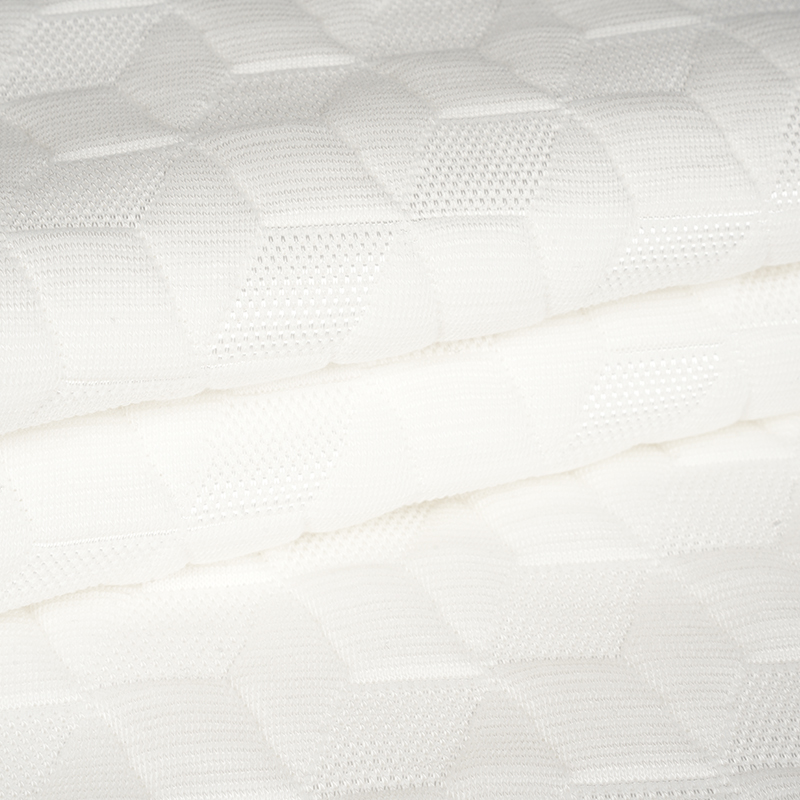
Our Featured Products
-
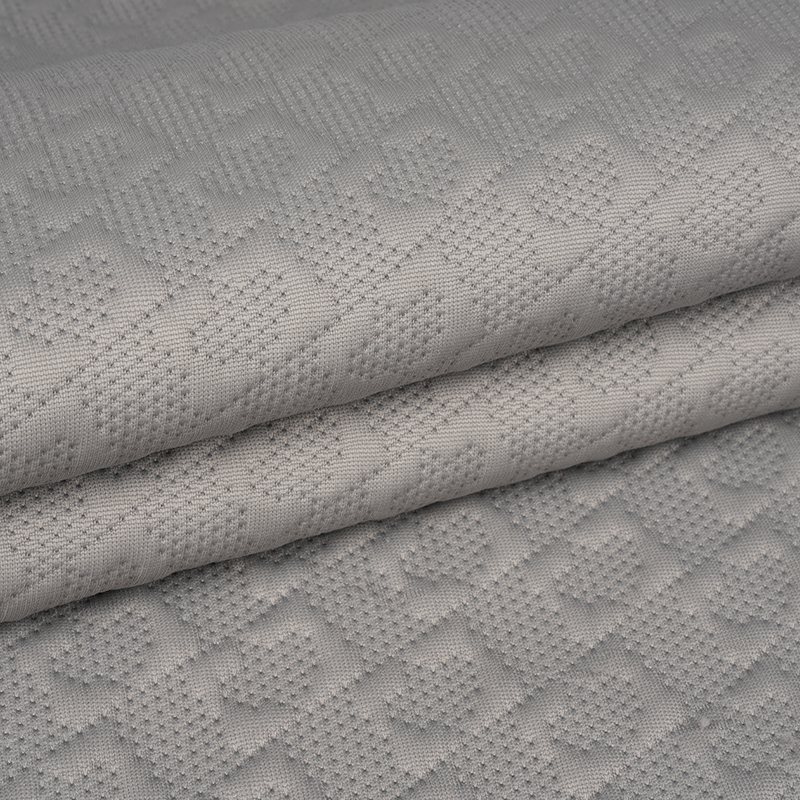
Polyester Mattress Fabric
Polyester Mattress Fabric
-
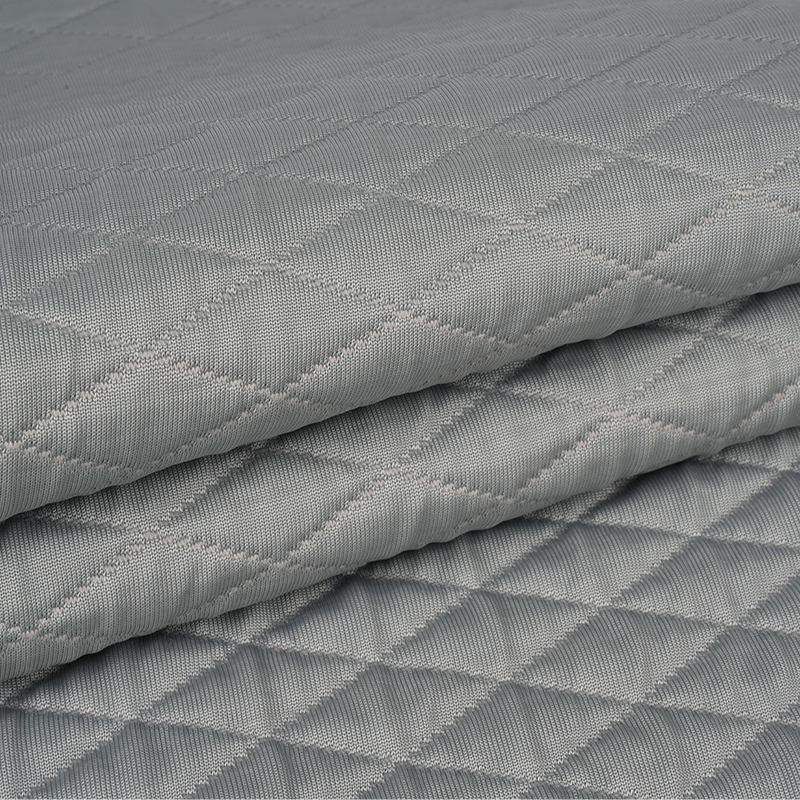
Antibacterial Yarn Children Mattress Fabric
Antibacterial Yarn Children Mattress Fabric
Haven’t Found The Products You Want?
-
-
Shen Jinyan:+86-15158070676
[email protected]
Liang Jinwen:+86-15757186621
[email protected]
Qiu Yingyingn:+86-13819545790
[email protected]
Yi qiao Town, Xiaoshan District, Hangzhou City, Zhejiang Province, China
-
Products
Mattress Fabric Children Mattress Fabric Pillowcase Fabric Pregnancy Pillow Fabric Cooling Mat Fabric Bedding Fabric Sofa Fabric Pet Friendly Fabrics -
Contact Information
About Us Products Strength Sustainability News Contact Us
Copyright © Hangzhou Xinsili Decorative Fabric Weaving Co.,Ltd. All Rights Reserved.
Functional Decorative Textile Manufacturers
