

 English
 中文简体
中文简体 Español
 عربى
عربى русский


Antibacterial Yarn Sofa Fabric for Healthier, Longer-Lasting Upholstery
Content
- 1 Why Antibacterial Yarn Sofa Fabric Matters in Today’s Interiors
- 2 Product Overview
- 3 Core Advantages Over Ordinary Sofa Fabrics
- 4 Comparison Table: Antibacterial Yarn Sofa Fabric vs. Conventional Sofa Fabric
- 5 Antibacterial Yarn Technology and Its Upholstery Value
- 6 Comfort and Aesthetic Performance
- 7 Durability for High-Contact Furniture
- 8 Manufacturing Strength Behind the Fabric
- 9 Advanced Process Control from Yarn to Finished Fabric
- 10 Customization for Furniture Brands and Projects
- 11 Applications in Residential Interiors
- 12 Applications in Hotels and Commercial Spaces
- 13 Pet-Friendly and Family-Friendly Value
- 14 Design Flexibility and Interior Coordination
- 15 Quality Control and Reliability
- 16 Sustainability Through Practical Longevity
- 17 How the Fabric Supports Better Business for Buyers
- 18 Care and Maintenance Considerations
- 19 Frequently Asked Questions
- 19.1 What is Antibacterial Yarn Sofa Fabric?
- 19.2 How is it different from ordinary sofa fabric?
- 19.3 Can the fabric be used for residential sofas?
- 19.4 Is the fabric suitable for hotels and commercial projects?
- 19.5 Does antibacterial fabric still need cleaning?
- 19.6 Can the fabric be customized?
- 19.7 Why choose an experienced manufacturer for this fabric?
- 19.8 Is the fabric comfortable?
- 20 Why This Fabric Is a Strong Choice for the Future of Upholstery
- 21 Conclusion
- 22 References
- 23 Product: Antibacterial Yarn Sofa Fabric
Modern upholstery is expected to do more than cover a frame. It must help create spaces that feel clean, comfortable, durable, and visually refined. Antibacterial Yarn Sofa Fabric is developed for this new standard of living, where residential interiors, hotels, commercial lounges, care environments, family rooms, and pet-friendly spaces all demand decorative textiles that combine beauty with practical performance.
This fabric category is designed around the concept of functional decoration. It provides the soft appearance and tactile comfort expected from sofa fabric while integrating antibacterial yarn technology to support a cleaner fabric surface in daily use. Instead of relying only on ordinary finishing concepts, the antibacterial function is associated with the yarn structure, giving the material a practical advantage for upholstery applications that are touched frequently and used for long periods.
Hangzhou Xinsili Decorative Fabric Weaving Co., Ltd. specializes in the research, development, and manufacturing of decorative textiles for home, hotel, and commercial spaces. With 19 years of industry experience, a 12,000 square meter factory area, and recognition as a National High-Tech Enterprise in 2023, the company focuses on stable, practical, and reliable fabric solutions. Its product direction includes antibacterial, moisture-resistant, flame-retardant, sleep-supporting, and comfort-improving textile functions.
Antibacterial Yarn Sofa Fabric represents this manufacturing philosophy clearly. It is not only an upholstery material; it is a response to the market’s need for decorative fabrics that look elegant, perform consistently, and support healthier everyday environments.
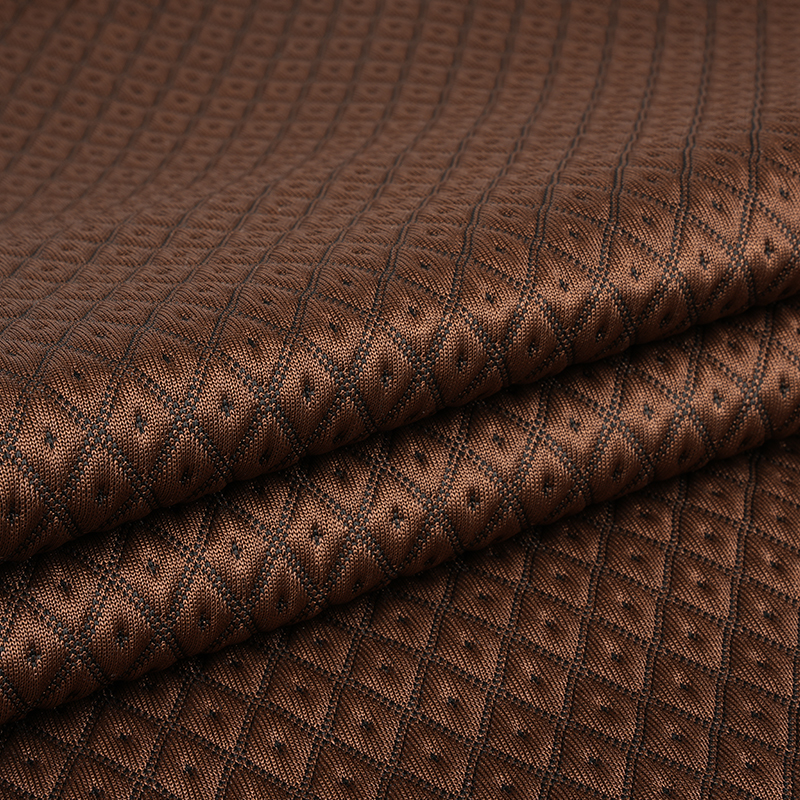
Antibacterial Yarn Sofa Fabric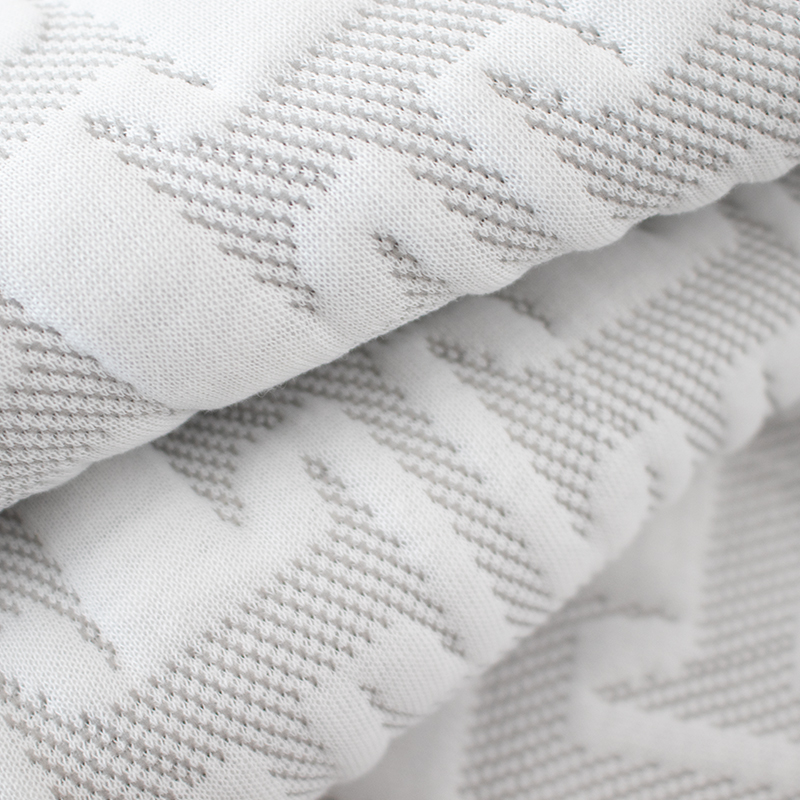
Why Antibacterial Yarn Sofa Fabric Matters in Today’s Interiors
Sofas are among the most used pieces of furniture in any interior. They are touched by hands, clothes, pets, children, cushions, blankets, and daily household items. In hotels and commercial areas, a sofa may be used by dozens or even hundreds of people in a short time. This high-contact nature makes the upholstery surface especially important.
Traditional sofa fabrics often focus on color, pattern, softness, or abrasion resistance. These properties remain important, but today’s buyers increasingly ask for additional functional value. They want a fabric that can contribute to cleaner living, better comfort, easier maintenance, and longer use. Antibacterial Yarn Sofa Fabric meets this need by integrating antibacterial characteristics into the yarn design, helping reduce the conditions that allow odor and microbial growth to become a concern on heavily used textile surfaces.
For families, the benefit is peace of mind. Parents want sofa fabrics that are suitable for children and everyday activity. Pet owners want surfaces that feel comfortable while remaining practical. Hotels need upholstery that can maintain a fresh feel between cleaning cycles. Commercial interiors require materials that can withstand frequent contact without quickly losing their appearance. In each of these scenarios, antibacterial yarn technology adds an extra performance layer beyond basic decoration.
The market is also moving toward more sustainable product thinking. A fabric that remains usable and attractive for a longer period can reduce replacement frequency. Durable functional textiles can support lower waste and better long-term value. When antibacterial properties are combined with good weaving quality, stable construction, and dependable surface appearance, the result is a fabric that serves both the designer’s vision and the user’s daily needs.
Product Overview
Antibacterial Yarn Sofa Fabric is a decorative upholstery textile engineered for sofas, lounge chairs, cushions, sectional seating, hotel furniture, reception seating, commercial waiting areas, and other upholstered products. Its key feature is the use of antibacterial yarn, which is intended to provide a cleaner textile experience compared with ordinary fabric made from standard yarns without antibacterial function.
The fabric can be developed in different textures, weights, colors, and patterns depending on customer requirements. It is suitable for modern, minimalist, classic, warm, casual, and commercial design styles. Because sofa fabric must balance appearance and performance, the product is designed to support both decorative value and functional reliability.
In practical terms, the fabric offers several important advantages. It helps improve hygiene perception, supports odor-control objectives, provides a comfortable hand feel, and can be manufactured with stable dimensional and visual quality. The surface can be designed to coordinate with other bedding, mattress, pillowcase, cooling mat, pregnancy pillow, pet-friendly, and decorative fabric collections, making it suitable for integrated interior textile programs.
For manufacturers, importers, furniture brands, and project contractors, the fabric can become a valuable material option because it answers multiple buyer concerns at once. It can enhance the selling point of a sofa, strengthen brand differentiation, and meet the increasing demand for healthier home and commercial environments.
Core Advantages Over Ordinary Sofa Fabrics
The strongest advantage of Antibacterial Yarn Sofa Fabric is that it offers functionality without sacrificing the decorative qualities expected in premium upholstery. Many standard sofa fabrics are selected mainly for price or appearance, but they may not address hygiene-related concerns. This fabric is designed to provide an added functional layer while still maintaining softness, texture, color expression, and upholstery suitability.
Compared with ordinary sofa fabric, antibacterial yarn fabric can better support high-contact use. In busy spaces, fabric surfaces may be exposed to sweat, skin oils, moisture, food particles, pet contact, and environmental dust. While proper cleaning remains essential, an antibacterial yarn structure helps the material perform better as part of a cleaner interior strategy.
Another advantage is product differentiation. Furniture brands and wholesalers operate in competitive markets where many sofas look similar. By choosing a functional upholstery fabric, they can create a stronger product story. A sofa covered with antibacterial yarn fabric can be positioned as more suitable for family living, hospitality use, health-conscious consumers, and modern commercial interiors.
The fabric also supports longer perceived freshness. Odor often becomes a problem when textiles are used frequently and moisture or organic residues remain on the surface. Antibacterial performance can help reduce the conditions that contribute to unpleasant odor development, making the sofa feel fresher over time when combined with proper care.
In addition, the fabric’s manufacturing quality gives it an advantage over low-cost competitors. Stable weaving, controlled yarn selection, and careful inspection help reduce issues such as uneven texture, unstable width, shade variation, weak surface structure, and inconsistent hand feel. For professional upholstery production, consistency is essential because fabric defects can increase cutting waste, production delays, and quality complaints.
Comparison Table: Antibacterial Yarn Sofa Fabric vs. Conventional Sofa Fabric
| Evaluation Item | Antibacterial Yarn Sofa Fabric | Conventional Sofa Fabric | Practical Benefit |
|---|---|---|---|
| Functional Value | Uses antibacterial yarn to support cleaner upholstery surfaces | Usually focuses mainly on appearance and basic durability | Creates a stronger selling point for health-conscious markets |
| Daily Freshness | Helps reduce conditions related to microbial growth and odor | May require more frequent deep cleaning to maintain freshness | Improves comfort in high-contact areas |
| Market Positioning | Suitable for premium, family, hospitality, and commercial furniture | Often positioned as general-purpose upholstery | Helps furniture brands differentiate products |
| Manufacturing Focus | Produced with functional textile development and controlled weaving | May vary widely in consistency depending on supplier | Supports stable bulk production and upholstery efficiency |
| User Experience | Combines comfort, texture, and practical hygiene support | May provide comfort but limited functional protection | Enhances long-term satisfaction |
| Application Range | Homes, hotels, commercial spaces, pet-friendly areas, lounges | General sofa and chair use | Suitable for broader project needs |
Antibacterial Yarn Technology and Its Upholstery Value
The term antibacterial yarn refers to yarn that is designed to carry antibacterial performance as part of the textile material system. In upholstery applications, this approach is particularly valuable because the yarn forms the structural basis of the fabric. When function is connected to yarn selection and fabric engineering, the fabric can deliver more dependable performance than materials that rely only on surface appearance.
For sofa fabric, antibacterial yarn should be considered within a complete textile design. Yarn type, spinning quality, weaving density, finishing process, color treatment, and final inspection all affect performance. A good antibacterial sofa fabric must not feel harsh, weak, or overly technical. It must still look and feel like attractive decorative upholstery.
One of the major challenges in functional upholstery is maintaining balance. If a fabric is too rigid, it may not upholster smoothly around curves and corners. If it is too loose, it may not provide long-term stability. If the surface is too delicate, it may not withstand daily contact. If the color is unstable, it may fail in commercial projects. Antibacterial Yarn Sofa Fabric is developed to avoid these compromises by combining functional yarn selection with experienced decorative fabric manufacturing.
In high-use sofa environments, the antibacterial function is not a replacement for cleaning. Rather, it is a supportive feature that works alongside normal care routines. Users should still vacuum, clean spills promptly, and follow recommended care instructions. However, the antibacterial property gives the fabric an additional advantage, especially where freshness, hygiene perception, and repeated contact are important.
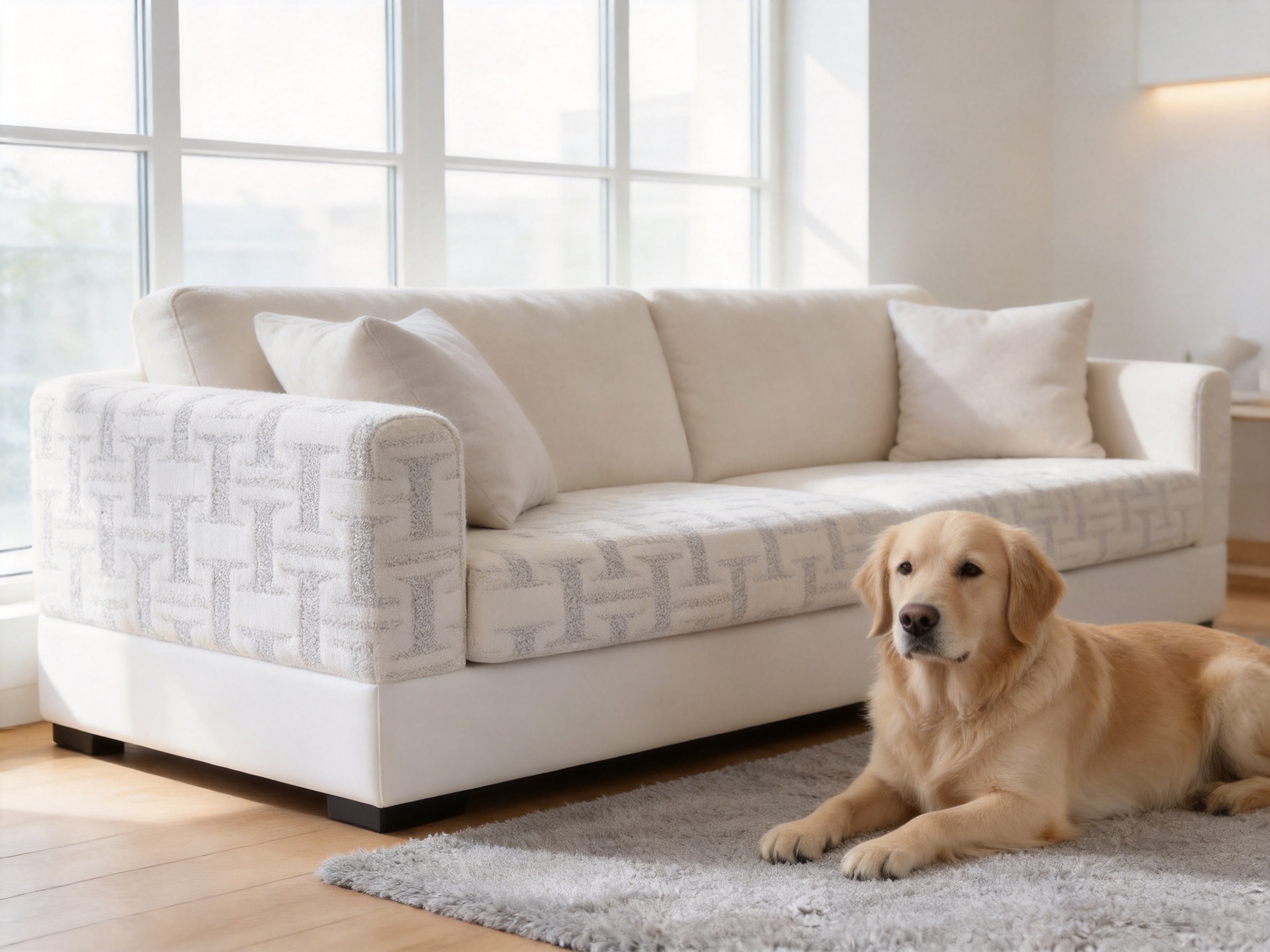
Comfort and Aesthetic Performance
A sofa is not judged by technical function alone. It is seen, touched, sat on, and lived with every day. Therefore, Antibacterial Yarn Sofa Fabric is created to deliver a pleasant hand feel and refined appearance. The fabric can be developed in textures that match different furniture concepts, from soft and warm home sofas to clean and professional hotel seating.
Color expression is another important part of the product’s value. Upholstery fabric must coordinate with interior palettes, wall materials, flooring, curtains, cushions, and decorative accessories. Through controlled production, the fabric can support consistent color presentation for bulk orders and repeat programs. This is important for furniture manufacturers and project contractors who need reliable matching across multiple production batches.
The tactile quality of the fabric also helps distinguish it from ordinary technical textiles. Some functional fabrics in the market feel synthetic, stiff, or uncomfortable. Antibacterial Yarn Sofa Fabric is intended to preserve the inviting quality of decorative textiles. It can provide a surface that feels suitable for relaxation while still delivering functional benefits.
For residential interiors, this means the sofa can remain warm and welcoming. For hotel lobbies, it means guests experience comfort without the fabric appearing overly industrial. For commercial offices, it means seating can look professional while supporting cleanliness goals. For pet-friendly environments, it offers a practical surface that feels comfortable and useful in daily life.
Durability for High-Contact Furniture
Durability is one of the most important requirements for sofa fabric. A beautiful fabric that wears quickly will disappoint users and increase replacement costs. Antibacterial Yarn Sofa Fabric is designed with durability as a key performance objective, because functional value must be supported by a reliable fabric structure.
In upholstery production, fabric durability includes several aspects. Abrasion resistance affects how well the surface withstands rubbing from clothing and body movement. Tear strength affects how well the fabric handles tension during upholstery and daily use. Seam stability affects how well sewn areas remain intact. Pilling resistance affects the appearance after repeated contact. Dimensional stability affects how well the fabric maintains its shape.
Advanced weaving control helps improve these properties. When yarn tension, density, loom settings, and finishing conditions are managed carefully, the fabric can achieve a more stable structure. This reduces the risk of surface distortion, loose threads, and uneven appearance. For sofa manufacturers, such stability improves cutting efficiency and lowers the risk of production defects.
Durability also enhances sustainability. A sofa fabric that remains attractive and functional for longer helps extend the service life of furniture. Consumers increasingly value long-lasting products, and businesses want materials that reduce maintenance and replacement frequency. By combining antibacterial function with robust construction, the fabric offers practical long-term value.
Manufacturing Strength Behind the Fabric
Hangzhou Xinsili Decorative Fabric Weaving Co., Ltd. brings 19 years of experience to the development of functional decorative textiles. The company’s manufacturing approach is based on craftsmanship-driven production, design innovation, and consistent quality control. These strengths are important because antibacterial sofa fabric requires both technical understanding and textile artistry.
The company operates with a 12,000 square meter factory area, allowing it to support research, weaving, processing coordination, inspection, storage, and order fulfillment. A strong production foundation helps ensure that customized orders can be handled with greater stability. For international buyers, this is especially important because fabric supply must be dependable, repeatable, and aligned with delivery schedules.
Recognition as a National High-Tech Enterprise in 2023 reflects the company’s commitment to innovation. Functional fabrics are not simple commodity products. They require ongoing development in yarn selection, fabric construction, finishing compatibility, and application testing. The company’s focus on antibacterial, moisture-resistant, flame-retardant, sleep-supporting, and comfort-improving fabrics shows a broad understanding of how textile function can support healthier and more comfortable living spaces.
The company’s guiding vision, “Weaving Beautiful Spaces,” is reflected in the Antibacterial Yarn Sofa Fabric product. The fabric is designed not only for technical performance but also for interior beauty. This combination allows the product to serve furniture manufacturers, interior designers, project contractors, wholesalers, and brands looking for decorative textiles with added value.
Advanced Process Control from Yarn to Finished Fabric
High-quality antibacterial sofa fabric begins with appropriate yarn selection. The yarn must support the desired antibacterial function while meeting requirements for strength, appearance, texture, and processing compatibility. Selecting the wrong yarn may result in poor hand feel, unstable weaving, weak color effect, or inconsistent performance. Therefore, the first manufacturing advantage lies in careful raw material evaluation.
After yarn preparation, weaving design determines the fabric’s structure and surface effect. The weave must match the intended upholstery application. A fabric for a soft family sofa may require a different construction from a fabric for hotel seating or commercial lounge furniture. By adjusting texture, density, thickness, and surface pattern, the manufacturer can create fabrics that satisfy both performance and design requirements.
During weaving, stable machine settings and tension control are essential. Uneven tension can cause defects such as streaks, width variation, loose edges, or surface irregularities. Experienced operators and quality management procedures help keep the production process controlled. This is one area where a specialized decorative fabric manufacturer can outperform general textile suppliers.
Finishing is another key stage. Upholstery fabric must achieve the proper touch, appearance, and functional balance. Finishing may influence softness, stability, color depth, wrinkle performance, and surface smoothness. For functional fabrics, finishing must be compatible with antibacterial yarn performance and should not damage the fabric’s intended properties.
Final inspection completes the process. Fabric rolls are checked for visible defects, consistency, width, color, and overall quality. For export and bulk furniture production, inspection is essential because fabric problems can create significant downstream costs. A defect discovered after cutting or upholstery is far more expensive than a defect prevented before shipment.
Customization for Furniture Brands and Projects
One of the important advantages of working with an experienced manufacturer is the ability to customize. Antibacterial Yarn Sofa Fabric can be developed according to different customer needs, including color direction, surface texture, weight, hand feel, pattern style, and performance orientation. This allows furniture companies to create unique product lines rather than relying only on standard market fabrics.
Customization is especially valuable for brands that want to build a clear identity. A sofa collection may need warm neutral tones for home use, darker durable colors for commercial settings, or fashionable seasonal colors for retail markets. The fabric can be adjusted to support these goals while keeping antibacterial yarn as the functional core.
Project buyers also benefit from customization. Hotels, serviced apartments, senior living spaces, healthcare-adjacent waiting areas, and public lounges often have specific performance and design requirements. They may need fabrics that match interior design schemes while offering enhanced cleanliness and durability. A manufacturer with strong development ability can help translate these requirements into practical textile solutions.
For wholesalers and importers, customized antibacterial sofa fabric provides competitive advantage. Instead of selling only standard upholstery textiles, they can offer functional decorative fabrics suitable for modern consumer trends. This helps improve product margins and customer loyalty.
Applications in Residential Interiors
In homes, the sofa is a central gathering place. Family members relax, watch television, read, entertain guests, care for children, and spend quiet time on it. Because of this frequent use, upholstery fabric must handle many different daily situations. Antibacterial Yarn Sofa Fabric is well suited to residential sofas because it combines comfort and practical hygiene support.
For families with children, sofa fabric can be exposed to snacks, toys, spills, and frequent touch. While no fabric eliminates the need for cleaning, antibacterial yarn adds reassurance by supporting a cleaner surface environment. Parents looking for healthier home materials may find this feature particularly appealing.
For pet owners, upholstery faces additional challenges such as fur, paws, body contact, and odor concerns. A fabric with antibacterial properties can be part of a more practical pet-friendly living solution. When combined with suitable fabric construction and normal maintenance, it can help the sofa remain fresher and more comfortable.
For design-conscious homeowners, the fabric’s decorative character remains important. It can be used in modern apartments, family houses, villas, and open living spaces. The ability to create attractive colors and textures means the fabric does not force users to choose between performance and beauty.
Applications in Hotels and Commercial Spaces
Hotels and commercial interiors require upholstery materials that can withstand repeated public use. Lobby sofas, guestroom seating, lounge chairs, restaurant waiting areas, conference spaces, and office reception furniture all experience high contact. In these environments, a fabric that supports cleaner and fresher seating can improve the user experience.
Antibacterial Yarn Sofa Fabric is valuable for hospitality because it aligns with guest expectations for comfort and cleanliness. Guests may not always know the technical details of the fabric, but they notice whether seating feels fresh, comfortable, and well maintained. Functional upholstery helps hotel operators create a stronger impression of care and quality.
Commercial spaces also benefit from the fabric’s durability and professional appearance. Offices, coworking lounges, retail stores, and public waiting rooms need furniture that looks good under frequent use. Ordinary low-grade fabrics may show wear quickly, creating a poor impression. A carefully manufactured antibacterial sofa fabric can support longer-lasting appearance and better daily performance.
For project contractors, fabric consistency is critical. Large commercial projects may require many meters of fabric across multiple furniture pieces. Color consistency, stable width, reliable hand feel, and controlled quality all influence installation success. The manufacturer’s experience and production capacity help support these project requirements.
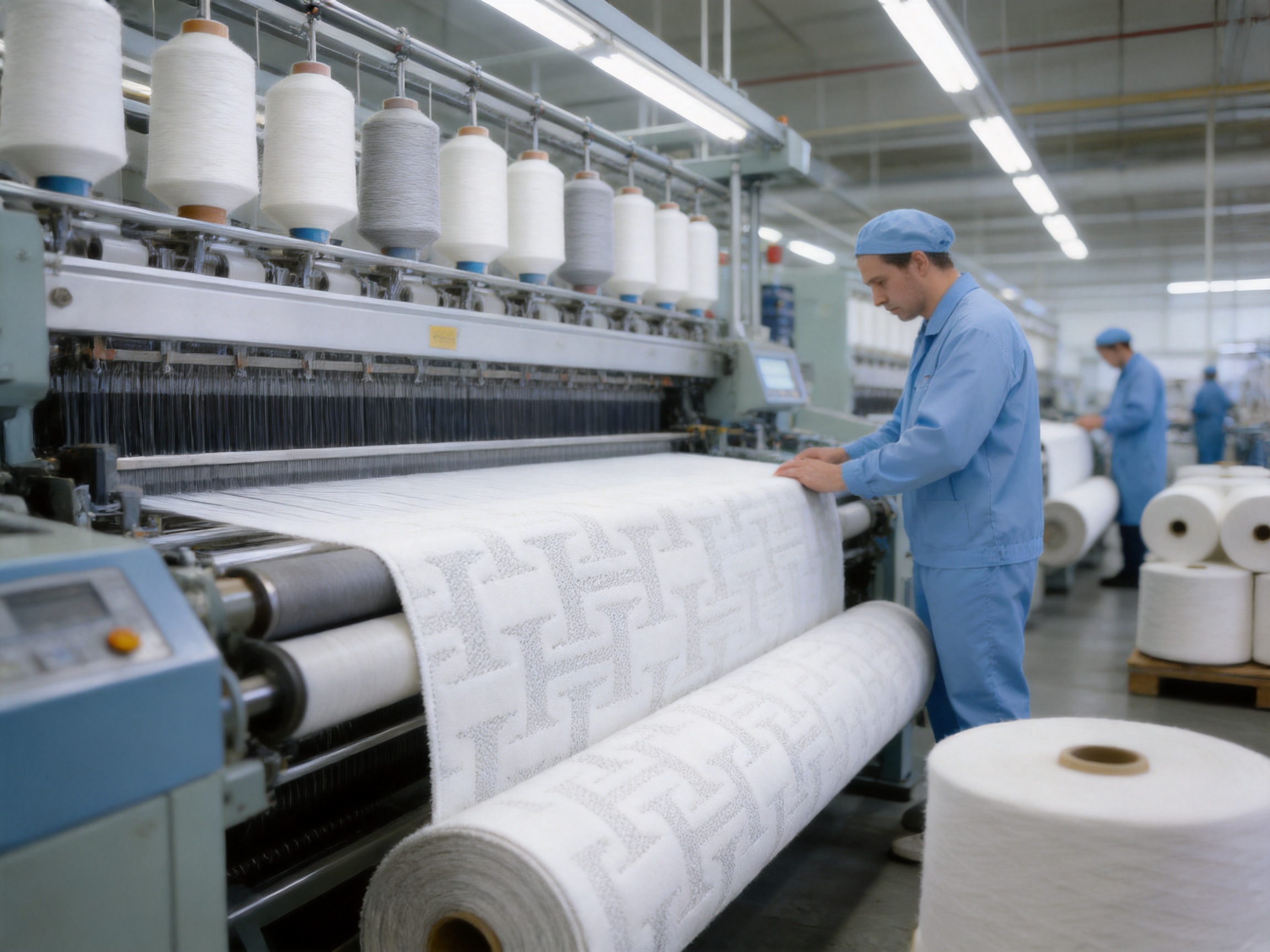
Pet-Friendly and Family-Friendly Value
Pet-friendly living has become a major trend in the upholstery market. Many households consider pets part of the family, and furniture must adapt to this reality. Sofa fabric used in pet-friendly spaces should be comfortable, durable, and easier to keep fresh. Antibacterial Yarn Sofa Fabric supports these needs by offering functional value for high-contact environments.
Pets often bring outdoor particles, moisture, and body contact onto furniture. While regular cleaning remains necessary, antibacterial yarn can help reduce freshness concerns associated with repeated use. This makes the fabric suitable for sofas, pet beds, lounge cushions, and other soft furnishing products where comfort and cleanliness are both important.
Family-friendly value goes beyond pet use. In busy households, a sofa may be used from morning to night. Children may sit, nap, play, or spill small items on it. Guests may gather around it during social occasions. The fabric must withstand varied daily activity while maintaining a pleasant appearance. Antibacterial Yarn Sofa Fabric offers a practical solution for these real-life situations.
For retailers, positioning a sofa as family-friendly and pet-friendly can increase appeal. Consumers are more likely to invest in furniture when they understand how the material supports their lifestyle. Functional fabric creates a clear and understandable benefit.
Design Flexibility and Interior Coordination
A functional fabric must still satisfy design requirements. Antibacterial Yarn Sofa Fabric can be developed with different surface styles to coordinate with a broad range of interiors. Texture can be subtle and smooth for contemporary spaces, warmer and richer for cozy home designs, or more structured for commercial furniture.
Neutral colors such as beige, gray, cream, taupe, and charcoal are commonly used in sofa design because they coordinate easily with other materials. However, richer tones such as blue, green, brown, or warm earth colors can also be used to create distinctive furniture collections. The fabric can be adapted to different market preferences and seasonal design trends.
Interior coordination is especially important for companies offering multiple textile products. Because the manufacturer also works with mattress fabric, children mattress fabric, pillowcase fabric, pregnancy pillow fabric, cooling mat fabric, bedding fabric, sofa fabric, and pet-friendly fabrics, there is potential to develop coordinated textile concepts across home and hospitality categories. This can help brands create unified collections that share comfort, function, and design language.
For designers, the fabric provides a useful combination: it looks decorative, feels comfortable, and supports performance needs. This makes it easier to specify for projects where both aesthetics and practical requirements matter.
Quality Control and Reliability
Reliable quality is one of the most important factors in fabric purchasing. A low-cost fabric may appear attractive at first, but inconsistent quality can create hidden expenses. Problems such as uneven color, fabric defects, unstable width, poor strength, and rough hand feel can damage furniture production efficiency and customer satisfaction.
Antibacterial Yarn Sofa Fabric benefits from a manufacturing approach focused on stable, practical, and reliable products. Quality control begins with raw material selection and continues through weaving, finishing, inspection, and packaging. Each stage affects the final fabric result.
For furniture manufacturers, stable fabric quality improves production planning. Cutting patterns can be arranged more efficiently when width and structure are consistent. Upholstery workers can achieve better results when fabric tension and flexibility are predictable. Finished sofas look more professional when color and texture are uniform.
For international buyers, supplier reliability matters as much as product performance. Communication, sampling, customization, production consistency, and shipment preparation all influence successful cooperation. A manufacturer with long industry experience and a specialized focus on decorative textiles is better positioned to support long-term partnerships.
Sustainability Through Practical Longevity
Sustainability in textiles is not only about raw materials; it is also about product life. A fabric that fails quickly leads to more replacement, more waste, and more resource consumption. Antibacterial Yarn Sofa Fabric supports sustainability by helping furniture remain fresh, attractive, and useful for longer periods.
Durable upholstery can reduce the need for early sofa replacement or re-covering. In commercial spaces, longer-lasting fabric can lower maintenance budgets and reduce disruption. In homes, it helps consumers enjoy furniture for more years. When function, durability, and aesthetics are combined, the fabric contributes to a more responsible consumption model.
The company’s focus on environmentally friendly decorative fabric solutions also supports this direction. Functional textiles should not be developed only for short-term marketing. They should provide real practical value, consistent quality, and long-term usefulness. This is the kind of sustainable thinking that aligns with modern interior design and responsible manufacturing.
How the Fabric Supports Better Business for Buyers
For furniture manufacturers, Antibacterial Yarn Sofa Fabric can improve product competitiveness. Sofas made with functional fabric can be marketed as cleaner, fresher, more suitable for family life, and more appropriate for modern interiors. This creates a clear product story that sales teams and retailers can explain easily.
For wholesalers, the fabric expands the product portfolio into higher-value categories. Instead of competing only on low price, wholesalers can offer fabrics with technical and lifestyle benefits. This can help build stronger relationships with furniture factories, designers, and project buyers.
For interior project companies, the fabric provides a solution for spaces where hygiene perception and durability matter. Hotels, apartments, offices, lounges, and public seating areas all need materials that perform under pressure. Antibacterial yarn fabric helps meet these expectations while preserving decorative style.
For brand owners, the fabric supports differentiation. A sofa brand can use antibacterial upholstery as part of a broader message about comfort, care, and quality. In a crowded market, this added value can influence customer decisions.
Care and Maintenance Considerations
Proper care is important for any upholstery fabric, including antibacterial fabric. The antibacterial yarn function supports freshness, but users should still maintain the sofa regularly. General care may include vacuuming to remove dust, cleaning spills promptly, avoiding long-term moisture exposure, and following the recommended cleaning method for the specific fabric specification.
In commercial spaces, scheduled maintenance is especially useful. Regular cleaning helps preserve the appearance and performance of upholstery. Antibacterial function should be viewed as an added protective feature, not a substitute for responsible maintenance.
Furniture manufacturers and sellers should provide clear care instructions to end users. This helps customers understand how to protect the fabric and extend the life of the sofa. Clear instructions also reduce misuse and unnecessary complaints.
Frequently Asked Questions
What is Antibacterial Yarn Sofa Fabric?
Antibacterial Yarn Sofa Fabric is an upholstery textile made with antibacterial yarn technology. It is designed for sofas and other seating products where comfort, decorative appearance, and cleaner surface performance are important.
How is it different from ordinary sofa fabric?
Ordinary sofa fabric usually focuses on appearance, texture, and basic durability. Antibacterial Yarn Sofa Fabric adds functional value by using antibacterial yarn to help support freshness and reduce hygiene-related concerns in high-contact environments.
Can the fabric be used for residential sofas?
Yes. It is suitable for family sofas, apartment seating, lounge chairs, sectional sofas, cushions, and other upholstered home furniture. It is especially useful for homes with children, pets, or frequent guests.
Is the fabric suitable for hotels and commercial projects?
Yes. The fabric is suitable for hotel lobbies, guestroom seating, reception areas, office lounges, waiting rooms, serviced apartments, and commercial furniture projects. Its functional value and durability make it appropriate for high-use spaces.
Does antibacterial fabric still need cleaning?
Yes. Antibacterial function supports cleaner and fresher use, but it does not replace normal cleaning. Users should still vacuum regularly, clean spills quickly, and follow the recommended care instructions.
Can the fabric be customized?
Yes. Depending on project and order requirements, the fabric can be customized in color, texture, hand feel, weight, surface style, and performance direction. Customization helps furniture brands and project buyers create differentiated products.
Why choose an experienced manufacturer for this fabric?
Functional upholstery fabric requires careful control from yarn selection to weaving, finishing, and inspection. An experienced manufacturer can provide more stable quality, better customization support, and more reliable bulk production.
Is the fabric comfortable?
Yes. The fabric is developed to combine antibacterial function with the softness and decorative appearance expected from sofa upholstery. It is intended to feel suitable for everyday seating and relaxation.
Why This Fabric Is a Strong Choice for the Future of Upholstery
The upholstery market is evolving. Consumers and professional buyers no longer want fabric that only looks attractive at the time of purchase. They want materials that improve daily life, support cleaner spaces, last longer, and provide better value. Antibacterial Yarn Sofa Fabric answers this shift by combining decorative textile craftsmanship with functional yarn technology.
Its advantages are clear. It provides antibacterial value for high-contact seating, supports freshness, offers design flexibility, suits residential and commercial environments, and helps furniture brands stand out. It is also backed by a manufacturer with deep experience in decorative textile weaving, a strong factory foundation, and a commitment to functional innovation.
For buyers comparing this fabric with conventional sofa materials, the difference lies in total value. A lower-cost ordinary fabric may meet basic requirements, but it cannot provide the same functional story or hygiene-supporting advantage. Antibacterial Yarn Sofa Fabric creates a stronger connection between comfort, health-conscious living, and long-term performance.
As homes, hotels, and commercial spaces continue to prioritize safety, comfort, cleanliness, and sustainability, functional decorative textiles will become increasingly important. Antibacterial Yarn Sofa Fabric is positioned as a practical and attractive solution for this future.
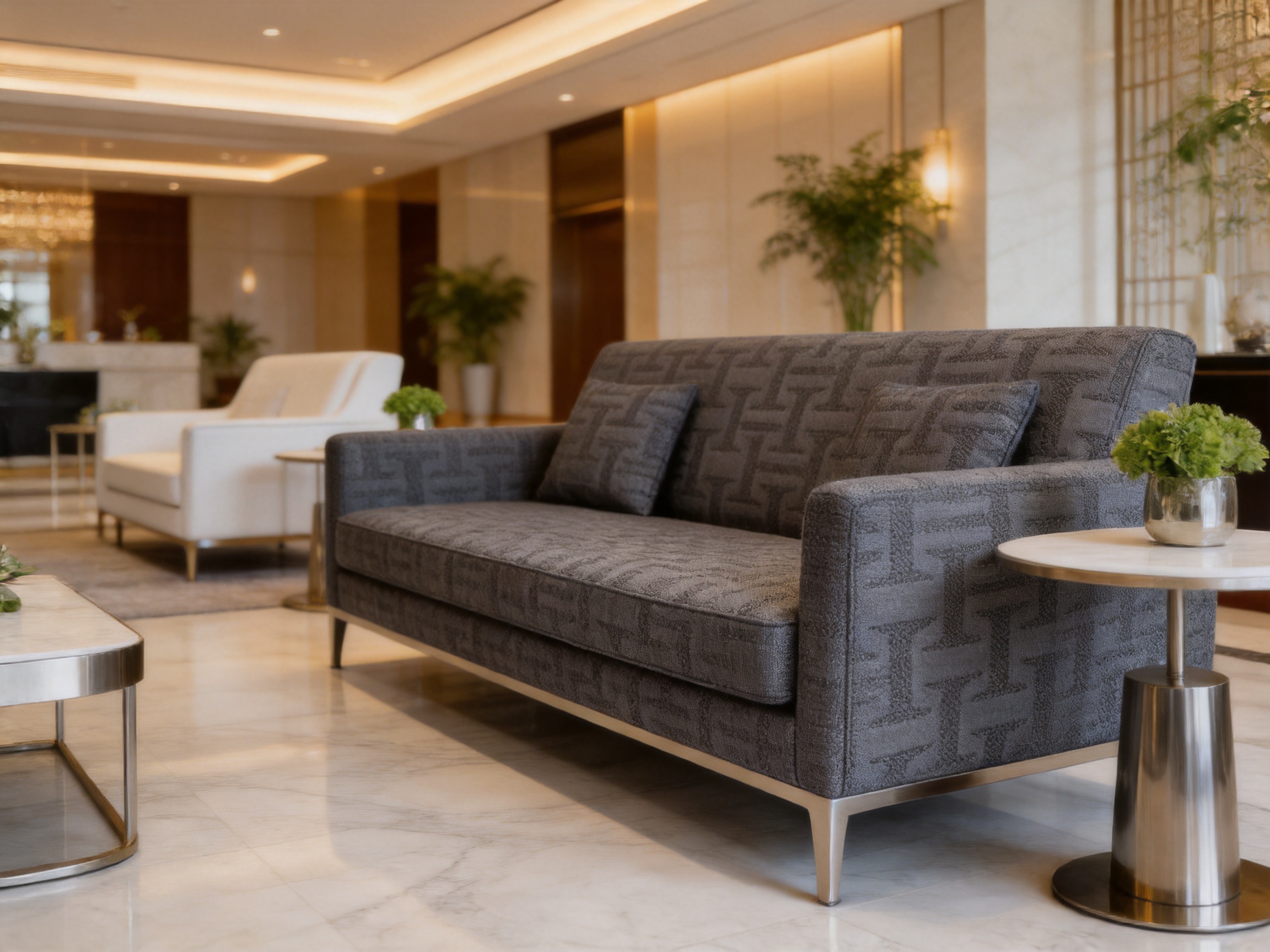
Conclusion
Antibacterial Yarn Sofa Fabric is a high-value upholstery solution for modern living and commercial environments. It combines antibacterial yarn technology, comfortable texture, decorative flexibility, and reliable manufacturing quality. Its purpose is not only to cover furniture but to improve the way furniture performs in daily life.
Through experienced textile development, controlled weaving, careful finishing, and quality inspection, Hangzhou Xinsili Decorative Fabric Weaving Co., Ltd. provides a fabric solution suited to residential sofas, hotel furniture, commercial seating, family spaces, and pet-friendly interiors. The company’s 19 years of experience, 12,000 square meter factory area, and high-tech enterprise recognition strengthen its ability to deliver functional decorative textiles for global customers.
For manufacturers, wholesalers, designers, and project buyers, this fabric offers a competitive advantage. It helps create furniture that feels cleaner, looks refined, supports long-term use, and responds to the needs of modern consumers. In a market where comfort and functionality increasingly define value, Antibacterial Yarn Sofa Fabric is a smart choice for healthier, more durable, and more beautiful upholstered spaces.
References
Textile Institute. Textile Terms and Definitions. The Textile Institute, latest edition.
Horrocks, A. R., and Anand, S. C. Handbook of Technical Textiles. Woodhead Publishing.
Kadolph, S. J. Textiles. Pearson Education.
Gulrajani, M. L. Advances in the Dyeing and Finishing of Technical Textiles. Woodhead Publishing.
McIntyre, J. E. Synthetic Fibres: Nylon, Polyester, Acrylic, Polyolefin. Woodhead Publishing.
American Association of Textile Chemists and Colorists. AATCC Technical Manual. AATCC.
International Organization for Standardization. ISO Textile Testing Standards Collection. ISO.
Product: Antibacterial Yarn Sofa Fabric

Our Featured Products
-
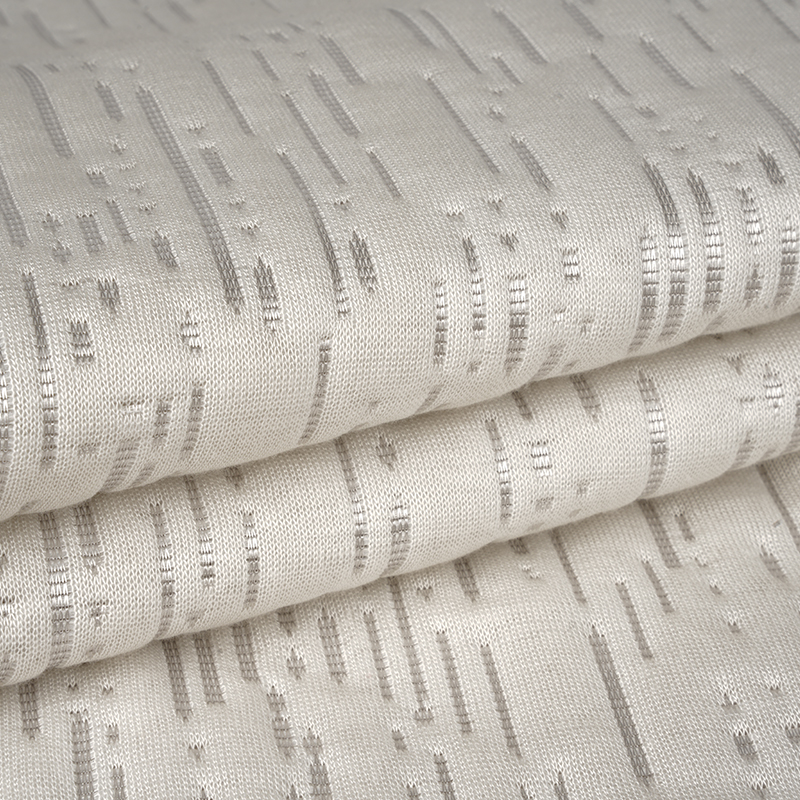
Antibacterial Yarn Children Mattress Fabric
Antibacterial Yarn Children Mattress Fabric
-
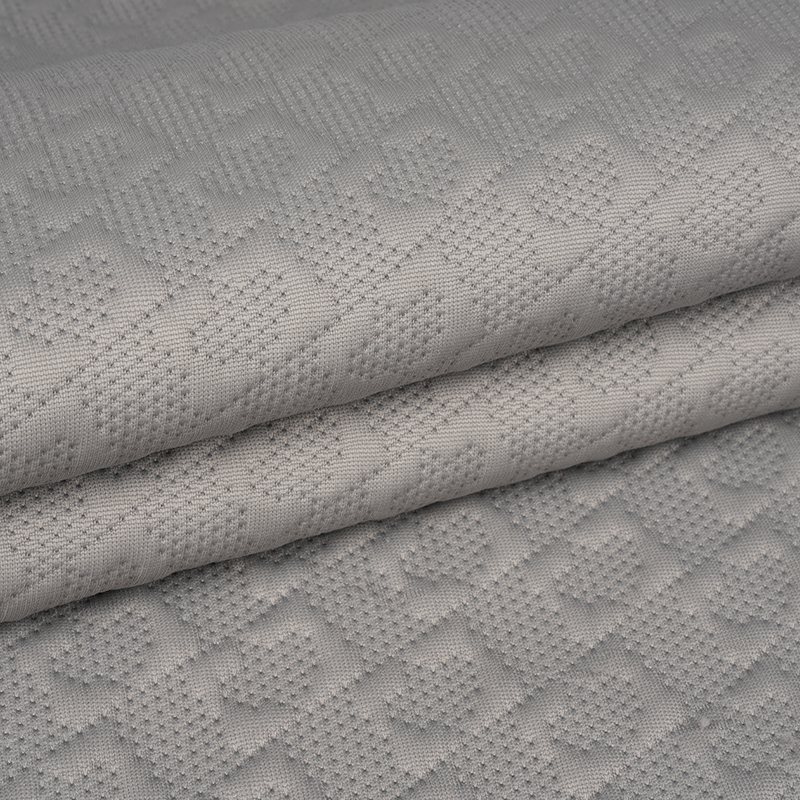
Antibacterial Yarn Children Mattress Fabric
Antibacterial Yarn Children Mattress Fabric
Haven’t Found The Products You Want?
-
-
Shen Jinyan:+86-15158070676
[email protected]
Liang Jinwen:+86-15757186621
[email protected]
Qiu Yingyingn:+86-13819545790
[email protected]
Yi qiao Town, Xiaoshan District, Hangzhou City, Zhejiang Province, China
-
Products
Mattress Fabric Children Mattress Fabric Pillowcase Fabric Pregnancy Pillow Fabric Cooling Mat Fabric Bedding Fabric Sofa Fabric Pet Friendly Fabrics -
Contact Information
About Us Products Strength Sustainability News Contact Us
Copyright © Hangzhou Xinsili Decorative Fabric Weaving Co.,Ltd. All Rights Reserved.
Functional Decorative Textile Manufacturers
