

 English
 中文简体
 Español
 عربى
 русский



Tencel Pillowcase Fabric: A High-Performance Textile for Comfortable, Sustainable Bedding
Content
- 1 What Is Tencel Pillowcase Fabric?
- 2 Why Tencel Is Suitable for Pillowcases
- 3 Key Advantages Compared with Conventional Pillowcase Fabrics
- 4 Material Composition and Product Specifications
- 5 Advanced Manufacturing Process
- 6 Quality Control Advantages
- 7 Customization Capabilities for Different Markets
- 8 Applications of Tencel Pillowcase Fabric
- 9 Manufacturing Strengths of Hangzhou Xinsili
- 10 Comparing Tencel Pillowcase Fabric with Other Common Materials
- 11 Care and Maintenance Recommendations
- 12 How Buyers Should Evaluate Samples
- 13 Sustainability and Responsible Product Development
- 14 Why Professional Textile Partnership Matters
- 15 Frequently Asked Questions
- 15.1 What is the common composition of Tencel pillowcase fabric?
- 15.2 What is the typical weight range?
- 15.3 Which weave is best for Tencel pillowcases?
- 15.4 Is 100% Lyocell better than a blend?
- 15.5 Does Tencel pillowcase fabric help manage moisture?
- 15.6 Can Tencel pillowcase fabric be used in hotels?
- 15.7 How should Tencel pillowcase fabric be washed?
- 15.8 Can the fabric be customized in color?
- 15.9 Can the fabric be customized in weight and weave?
- 15.10 What should be checked before placing a bulk order?
- 15.11 What makes Hangzhou Xinsili suitable for this product?
- 16 Conclusion
- 17 References
- 18 Product: Tencel Pillowcase Fabric
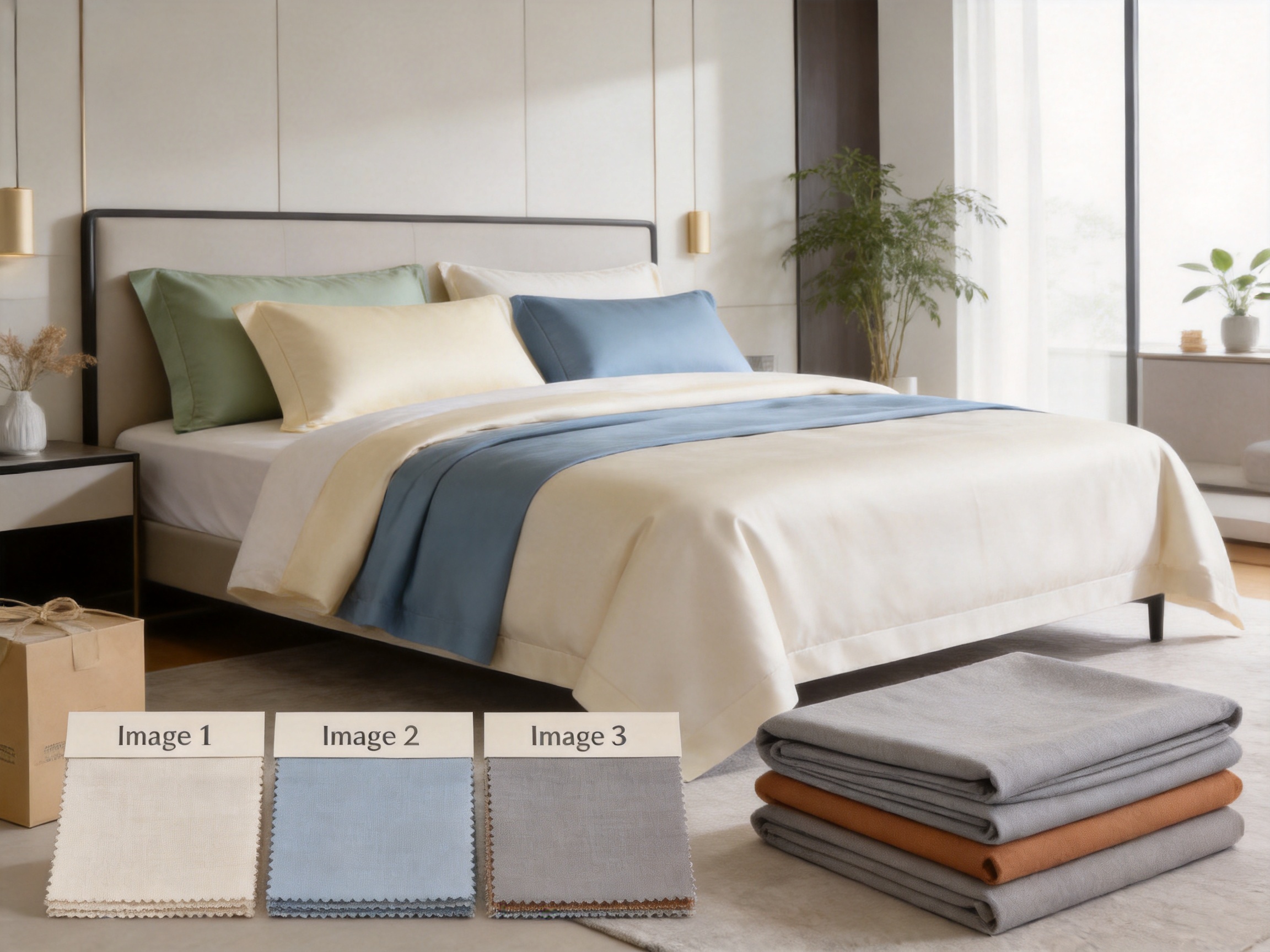
Tencel pillowcase fabric has become an increasingly important choice for bedding manufacturers, home textile brands, hospitality projects, and consumers seeking a smoother and more comfortable sleeping environment. Made primarily from Lyocell fiber, this fabric combines a soft hand feel, moisture management, breathability, and an elegant appearance. It is particularly suitable for pillowcases because the material remains in close contact with the face and hair for many hours each night.
As bedding expectations continue to evolve, buyers are looking beyond basic cotton pillowcase materials. They want fabrics that feel refined, support a comfortable sleep climate, maintain their appearance after repeated washing, and align with more responsible textile production. Tencel pillowcase fabric responds to these demands through a combination of fiber performance, adaptable construction, and careful manufacturing control.
Hangzhou Xinsili Decorative Fabric Weaving Co., Ltd. specializes in functional decorative textiles and advanced fabric manufacturing. With 19 years of industry experience, a 12,000-square-meter factory area, and recognition as a National High-Tech Enterprise in 2023, the company develops practical textile solutions for residential, hotel, and commercial applications. Its Tencel pillowcase fabric reflects a manufacturing philosophy centered on reliable quality, design flexibility, comfort, and continuous improvement.
This article explains the characteristics, performance advantages, construction options, manufacturing process, quality controls, customization possibilities, care requirements, and commercial applications of Tencel pillowcase fabric.
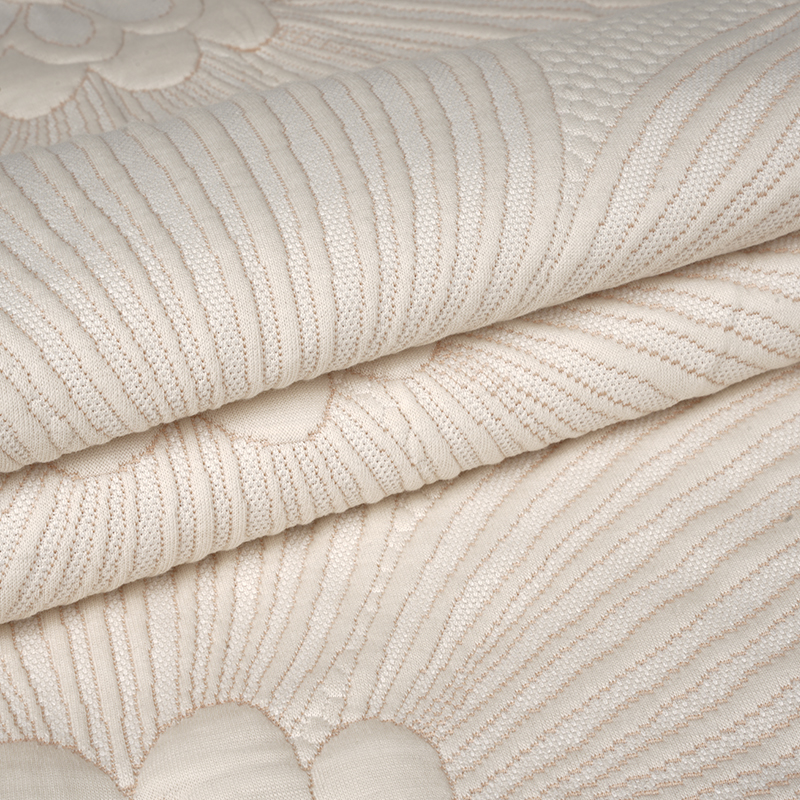
Tencel Pillowcase Fabric
What Is Tencel Pillowcase Fabric?
Tencel pillowcase fabric is a bedding textile made from Tencel Lyocell fiber or a Lyocell-based blend. Lyocell is a regenerated cellulosic fiber produced from wood-based cellulose. It is designed to provide a smooth, soft, and comfortable surface while retaining useful strength and moisture-management properties.
In pillowcase production, Tencel fabric is commonly manufactured in weights between approximately 120 and 200 grams per square meter. The selected grammage affects the final product’s thickness, drape, opacity, durability, and perceived quality. Lighter fabrics may provide a cool and fluid feel, while heavier fabrics can offer greater body, coverage, and resistance to wear.
Tencel pillowcase fabric can be produced in several weave structures, including plain weave, twill, and sateen. Each structure creates a different balance of appearance, texture, durability, and cost. Plain weave is practical and stable. Twill provides a distinctive diagonal texture and can deliver additional durability. Sateen emphasizes smoothness, softness, and subtle luster, making it especially attractive for premium pillowcase collections.
The fabric may be supplied as 100% Lyocell or blended with cotton, Modal, and other fibers. Blending allows manufacturers to adjust the material’s hand feel, strength, dimensional stability, visual effect, and price point. This flexibility makes Tencel pillowcase fabric suitable for different product strategies, from luxury bedding to everyday home textile collections.
Why Tencel Is Suitable for Pillowcases
A pillowcase has unique performance requirements because it touches sensitive facial skin and hair directly. It must feel smooth, remain comfortable through the night, help manage humidity, and withstand frequent laundering. It also needs to maintain a clean appearance and a stable shape after repeated use.
Tencel Lyocell fibers are known for their smooth surface and soft touch. Compared with some rougher or less refined textile surfaces, a well-finished Lyocell fabric can create a gentle contact experience. This characteristic is valuable for pillowcases, where surface comfort is often more noticeable than in products that are not directly against the skin.
The fiber also supports effective moisture management. During sleep, the body naturally releases heat and moisture. A fabric that can absorb and distribute moisture across its surface may help reduce the unpleasant damp feeling associated with poor-quality bedding. Tencel fabric can contribute to a more balanced microclimate around the head and neck when combined with appropriate construction and finishing.
Breathability is another important factor. A pillowcase should not feel excessively heavy or sealed against the skin. Tencel fabric can be engineered to provide a comfortable exchange of air and moisture, which is particularly useful in warm climates, heated bedrooms, and hospitality environments where guests expect reliable comfort throughout the year.
The fabric’s smooth appearance also supports modern bedding design. It can be dyed in a broad range of colors and produced with a refined surface suitable for minimalist, natural, luxury, and contemporary collections. This allows brands to use one functional material across multiple visual directions.
Key Advantages Compared with Conventional Pillowcase Fabrics
Smooth and Skin-Friendly Hand Feel
One of the most recognizable advantages of Tencel pillowcase fabric is its smooth hand feel. The surface can be developed to feel soft and fluid without appearing weak or excessively thin. This balance is important because a pillowcase must combine comfort with practical durability.
For consumers, the tactile quality of the fabric is often the first indication of product value. A smooth pillowcase can feel more refined immediately after purchase and may continue to provide a pleasant experience when properly washed and cared for. For manufacturers, this tactile advantage can support premium positioning and differentiate a product from ordinary low-cost bedding fabrics.
Moisture Management and Sleep Comfort
Lyocell fibers are widely selected for applications where moisture absorption and comfortable moisture release are important. In a pillowcase, this property may help manage perspiration and humidity around the face, neck, and hair. The result can be a drier-feeling surface and a more comfortable sleep environment.
Moisture performance depends on the fiber content, weave, finishing, fabric weight, and environmental conditions. Nevertheless, a well-designed Tencel pillowcase fabric offers a strong foundation for bedding products intended to support comfortable sleep in different seasons.
Breathable Construction
Tencel pillowcase fabric can be woven with a structure that allows the textile to remain comfortable without becoming overly dense. Plain, twill, and sateen constructions each provide different airflow and surface characteristics. Product developers can select a construction according to the intended climate, price range, and design objective.
For warm-weather bedding, a lighter construction may provide a cool and breathable sensation. For year-round or hotel bedding, a medium-weight fabric can offer a more balanced combination of coverage, durability, and comfort.
Elegant Surface Appearance
Sateen Tencel fabric is especially valued for its gentle luster and smooth visual effect. Unlike an excessively shiny synthetic surface, a well-finished sateen may create a more natural and sophisticated appearance. This makes it suitable for premium bedroom collections, boutique hotels, and decorative bedding lines.
Plain and twill structures are also useful when a more understated or textured appearance is desired. This variety gives buyers greater freedom to create coordinated bedding programs with different price levels and visual identities.
Flexible Fiber Blending
Although 100% Lyocell is a popular option, blends can provide additional flexibility. A Tencel and cotton blend may combine the recognizable comfort of Lyocell with the familiar feel and structural qualities of cotton. A blend with Modal may create an especially soft and fluid surface while allowing the manufacturer to adjust cost and performance.
Blending is not simply a cost-reduction strategy. It can be used to optimize durability, shrinkage control, dye response, surface texture, production efficiency, and consumer preference. The most suitable composition depends on the required product specifications and target market.
Potentially Lower Environmental Impact
Lyocell is a regenerated cellulosic fiber made from wood-based cellulose. Its production is often associated with solvent recovery and resource-efficiency principles. When sourced and processed under responsible systems, Lyocell can support a more sustainability-oriented textile offering.
Environmental performance should always be evaluated across the entire supply chain, including fiber sourcing, dyeing, finishing, energy use, packaging, transportation, and product lifespan. A durable pillowcase that remains attractive and functional over many washing cycles may also help reduce replacement frequency.
Material Composition and Product Specifications
The composition of Tencel pillowcase fabric can be selected according to the buyer’s required performance, price, and market positioning. The following table summarizes common options and their typical uses.
| Composition or Construction | Primary Characteristics | Typical Application |
|---|---|---|
| 100% Lyocell | Soft, smooth, breathable, moisture-managing, premium hand feel | Luxury bedding, skin-comfort products, premium retail collections |
| Lyocell and cotton blend | Balanced softness, familiar cotton touch, practical durability | Everyday bedding, hotel supply, mid-to-premium collections |
| Lyocell and Modal blend | Fluid drape, soft surface, comfortable touch | High-comfort pillowcases and fashion-oriented bedding |
| Plain weave | Stable, practical, clean appearance | Basic and versatile pillowcase products |
| Twill weave | Diagonal texture, good structure, distinctive appearance | Decorative or durable bedding collections |
| Sateen weave | Smooth surface, soft luster, refined appearance | Premium and hospitality bedding |
Common pillowcase weights range from 120 to 200 grams per square meter. A specification near the lower end of this range may be chosen for a lightweight, breathable product. A higher weight may be preferred when the buyer wants stronger coverage, a more substantial touch, or a more luxurious drape.
Other technical specifications may include fabric width, color fastness, dimensional stability, pilling resistance, tensile strength, tear strength, seam performance, shrinkage, and finishing requirements. These details should be confirmed during product development and sampling because the final performance depends on the complete fabric system rather than fiber composition alone.
Advanced Manufacturing Process
Product Planning and Fiber Selection
The manufacturing process begins with product planning. The fabric developer evaluates the intended use, target market, design direction, required hand feel, expected washing conditions, and price range. This stage determines whether the product should use 100% Lyocell or a blended composition.
Fiber selection also considers staple length, fineness, uniformity, moisture characteristics, and compatibility with the selected spinning and weaving process. Consistent raw materials help improve yarn quality and reduce variation during production.
Yarn Preparation
After fiber selection, the material is processed into yarn suitable for the chosen fabric construction. Spinning parameters influence the yarn’s strength, evenness, hairiness, and surface behavior. These characteristics directly affect the pillowcase fabric’s smoothness, appearance, durability, and resistance to pilling.
Careful yarn preparation is especially important for sateen products. A smooth and consistent yarn helps create a clean surface and supports the subtle luster that customers expect from a refined pillowcase fabric. For plain and twill constructions, yarn uniformity also contributes to a regular visual texture.
Warping and Weaving
During warping, yarns are arranged in a controlled parallel formation before entering the loom. Proper tension management is essential. Excessive or uneven tension may cause defects, irregular density, or dimensional instability. Advanced production management helps maintain consistent fabric formation across the full width of the textile.
Weaving then combines warp and weft yarns according to the selected structure. Plain weave offers a balanced interlacing pattern. Twill creates a diagonal line through a specific interlacing sequence. Sateen places more floating yarns on the surface, producing a smoother touch and greater visual luster.
Manufacturing expertise is required to control the trade-off between surface softness and practical durability. A very smooth surface may be more sensitive to abrasion if not properly engineered. For this reason, the weave, yarn, finishing process, and quality inspection must be considered together.
Scouring and Preparation
After weaving, the greige fabric contains natural impurities, processing residues, and substances that may affect dye absorption and finishing. Scouring and preparation processes help clean the fabric and create a more uniform base for coloration and functional treatment.
Process conditions must be carefully controlled to protect the fiber and preserve the desired hand feel. Excessive treatment can reduce strength or create unnecessary surface roughness, while insufficient preparation can lead to uneven dyeing and inconsistent finishing.
Dyeing and Color Management
Color is a major commercial factor in pillowcase production. Tencel fabric can be developed in neutral, pastel, deep, and fashion-oriented colors, depending on the collection. Accurate dyeing requires control of temperature, chemical dosage, liquor ratio, processing time, and fabric movement.
Color matching is normally confirmed through laboratory dips and approval samples before bulk production. Manufacturers must also consider color fastness to washing, rubbing, perspiration, and light. Strong color management helps ensure that pillowcases remain coordinated with sheets, duvet covers, mattress fabrics, and other bedding components.
Finishing and Surface Enhancement
Finishing is used to refine the fabric’s touch, appearance, dimensional stability, and functional performance. Depending on the product objective, finishing may include softening, compacting, calendaring, brushing, or other controlled treatments.
For Tencel pillowcase fabric, the finishing process must preserve its natural softness while improving practical performance. A suitable finish can help produce a smoother surface, more stable dimensions, improved drape, or a more consistent visual effect. Finishing recipes should be selected according to the fabric composition and intended end use rather than applied as a standard formula to every product.
Inspection and Packing
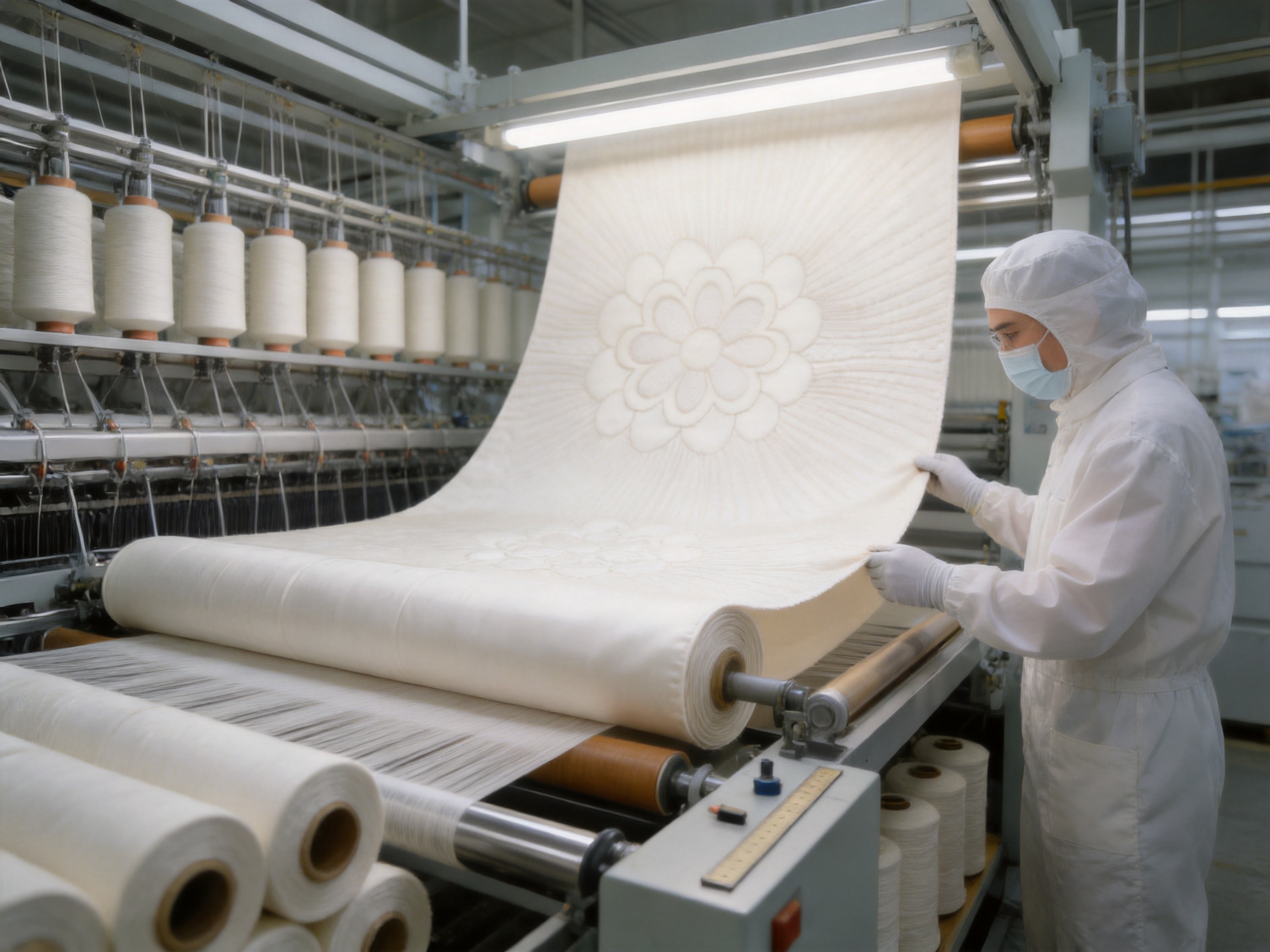
Before shipment, the finished fabric is inspected for appearance, width, weight, color, weaving defects, stains, holes, uneven texture, and other potential problems. Roll inspection enables the manufacturer to identify defects and maintain consistent quality across an order.
After inspection, fabric is carefully rolled, labeled, protected from moisture, and prepared for transportation. Appropriate packing helps prevent contamination, crushing, and exposure to unfavorable storage conditions during logistics.

Quality Control Advantages
Quality control is one of the most important differences between a dependable fabric supplier and an inconsistent source. Tencel pillowcase fabric must satisfy both aesthetic and functional expectations. A fabric may appear attractive in a sample but fail commercially if its width, weight, shade, shrinkage, or hand feel changes substantially between batches.
A systematic quality program begins with incoming raw material checks. Fiber and yarn consistency influence all later processes. Production teams should monitor yarn evenness, weaving tension, fabric density, and machine conditions to reduce variation.
In-process inspection can identify problems before a large quantity is completed. Examples include broken yarns, skipped picks, oil marks, reed marks, color irregularities, and width deviations. Early correction reduces waste and protects delivery schedules.
Finished fabric inspection may include visual grading and laboratory testing. Depending on the buyer’s requirements, tests may evaluate grammage, width, tensile strength, tear strength, color fastness, pilling, shrinkage, moisture behavior, and surface appearance.
For bedding buyers, dimensional stability is particularly important. A pillowcase that shrinks excessively may become difficult to fit over a pillow. Proper process control, fabric relaxation, finishing, and final testing help reduce this risk.
Customization Capabilities for Different Markets
One of the main advantages of working with an experienced textile manufacturer is the ability to customize the fabric rather than purchase a single standard product. Tencel pillowcase fabric can be adjusted in composition, weight, weave, color, finish, width, and packaging format.
Composition Customization
Buyers can select 100% Lyocell when the main priority is a premium natural-feeling surface and strong moisture-management positioning. A Lyocell and cotton blend may be more appropriate when the buyer wants a balanced product with broad consumer familiarity. A Lyocell and Modal blend may suit products that emphasize fluid drape and exceptional softness.
Weight Customization
The common range of 120 to 200 grams per square meter provides multiple product directions. Lightweight grades are suitable for summer bedding and breathable sleep products. Medium-weight grades are useful for standard retail and hotel programs. Higher-weight fabrics can provide a more substantial touch for luxury or decorative bedding.
Weave Customization
Plain weave is suitable for clean, versatile, and cost-conscious pillowcases. Twill adds visual character and a more structured feel. Sateen creates an elegant surface that can elevate the perceived value of the finished bedding set.
Weave selection may also be coordinated with the design language of the wider bedding collection. For example, plain weave can support natural and minimalist themes, while sateen may be selected for refined hotel rooms or premium home interiors.
Color and Finish Customization
Color matching allows pillowcase fabric to coordinate with mattress covers, sheets, duvet covers, curtains, and decorative cushions. Custom color development is especially useful for hotel groups, private-label brands, and interior design projects that require a consistent visual identity.
Finishing can also be adapted to the intended market. One buyer may prefer a dry and natural touch, while another may request a silkier surface and stronger drape. The final finish should always remain compatible with laundering, durability, and the intended performance claims.
Applications of Tencel Pillowcase Fabric
Residential Bedding
For home bedding, Tencel pillowcase fabric supports products positioned around softness, comfort, breathability, and modern sustainable living. It can be used in standard pillowcases, envelope pillowcases, decorative pillow covers, and coordinated bedding sets.
The fabric is particularly suitable for consumers who are sensitive to surface texture or who prefer a cooler and smoother sleeping environment. Its elegant appearance also complements bedrooms designed in natural, contemporary, Scandinavian, minimalist, or luxury styles.
Hotel and Hospitality Bedding
Hotels require bedding that balances guest comfort, visual quality, laundering performance, and supply reliability. Tencel pillowcase fabric can support a premium guest experience through its soft surface and refined appearance.
For hospitality use, buyers should select a composition and weight that can tolerate frequent laundering. Testing should address dimensional stability, color fastness, seam performance, and resistance to repeated washing. Clear care recommendations and stable bulk production are essential for long-term hotel programs.
Private-Label Bedding Brands
Private-label brands can use customized Tencel pillowcase fabric to create a distinctive product story. Fiber composition, weave structure, color palette, packaging, and finishing can be developed around a particular brand position.
A premium brand may select 100% Lyocell sateen in subdued colors. A family-oriented brand may prefer a Lyocell and cotton blend with practical durability. A sustainability-focused brand may emphasize responsible fiber sourcing, long product life, and low-impact packaging, provided that all claims are supported by appropriate documentation.
Seasonal and Cooling Bedding Collections
Tencel pillowcase fabric is also relevant to bedding products marketed for warm-weather comfort. Its smooth touch, moisture-management potential, and breathable construction can contribute to a cooler-feeling surface.
Although no fabric can eliminate heat generated by the body or surrounding environment, the correct combination of fiber, weave, fabric weight, and finishing can help improve perceived comfort. Lighter grades and breathable structures may be particularly suitable for summer collections.
Health-Conscious and Comfort-Oriented Products
Consumers increasingly consider the materials that remain in close contact with their skin during sleep. A smooth and comfortable Lyocell pillowcase can be included in product ranges focused on wellness, relaxation, sleep quality, and everyday comfort.
Manufacturers should distinguish between comfort-oriented product descriptions and medical claims. Tencel pillowcase fabric can support a pleasant sleep environment, but it should not be marketed as treating a medical condition unless the product has undergone the required testing and regulatory assessment.
Manufacturing Strengths of Hangzhou Xinsili
Hangzhou Xinsili Decorative Fabric Weaving Co., Ltd. combines textile manufacturing experience with a focus on functional and decorative fabric development. Its stated mission is to weave beautiful spaces through products that unite quality, practical performance, design, and environmental responsibility.
The company has 19 years of industry experience, providing a substantial foundation for understanding yarns, weaving structures, finishing requirements, quality control, and customer-specific development. Long-term experience is valuable because fabric performance is influenced by many interconnected variables that cannot always be solved through a single production adjustment.
Its 12,000-square-meter factory area supports organized production, inspection, development, and order management. A structured manufacturing environment can improve process coordination and help maintain stable quality from sampling through bulk delivery.
Recognition as a National High-Tech Enterprise in 2023 reflects the company’s emphasis on technical development and innovation. In the functional textile sector, innovation may involve improved surface comfort, moisture resistance, antibacterial functions, flame-retardant performance, sleep-supporting materials, or other solutions tailored to specific applications.
Although Tencel pillowcase fabric is primarily valued for its fiber and construction, the company’s broader functional textile expertise can help buyers develop coordinated bedding solutions. This may include mattress fabrics, children’s mattress fabrics, cooling mat fabrics, bedding fabrics, sofa fabrics, and pet-friendly fabrics.
The company also focuses on residential, hotel, and commercial environments. This range of applications encourages a practical understanding of different performance requirements. Residential buyers may prioritize softness and appearance. Hotels may emphasize durability and laundering. Commercial projects may require specific colors, widths, technical documentation, and delivery consistency.
By combining design innovation with production discipline, the company aims to provide more than a basic fabric supply service. Its role can include material selection, structure development, sample adjustment, color coordination, quality control, and production support.
Comparing Tencel Pillowcase Fabric with Other Common Materials
Cotton remains one of the most widely used pillowcase materials because it is familiar, versatile, and available in many qualities. However, the experience of cotton varies significantly according to fiber length, yarn quality, weave, finishing, and weight. Tencel fabric may offer a smoother and more fluid touch, especially in well-developed sateen constructions.
Polyester pillowcase fabric is often selected for affordability, strength, quick drying, and easy-care performance. However, some consumers may prefer the more natural-feeling surface and moisture behavior associated with Lyocell. Product developers must balance cost, durability, comfort, sustainability objectives, and target consumer expectations.
Silk offers a luxurious surface and is widely associated with premium pillowcases. Tencel can provide an attractive alternative for buyers who want a smooth, refined touch with easier routine care and a more practical price position. It should not be presented as identical to silk, because the fibers and performance characteristics are different.
Modal can also provide a soft and comfortable surface. Tencel and Modal may be blended when the manufacturer wants to combine their respective characteristics. The final result depends on the selected proportions, yarn technology, weave, and finishing process.
The correct choice is not determined by fiber name alone. A high-quality cotton, polyester, silk, Modal, or Lyocell fabric can outperform a poorly manufactured alternative. Reliable product development therefore requires evaluation of the entire construction and supply chain.
Care and Maintenance Recommendations
Proper care helps maintain the strength, appearance, and hand feel of Tencel pillowcase fabric. The recommended approach is to wash the fabric or finished pillowcase with a neutral detergent in cold or warm water using a gentle cycle.
Prolonged soaking should be avoided because extended exposure to water and detergent may affect color, dimensional stability, or fiber strength. Chlorine bleach is also not recommended. Harsh bleaching agents can damage the fiber and reduce the softness and appearance that make the fabric attractive.
High-heat drying should be avoided whenever possible. Excessive heat may increase shrinkage, affect the surface finish, and reduce long-term fabric performance. Lay-flat drying or controlled air drying is generally preferable. If ironing is required, use a medium-low temperature and avoid prolonged contact in one area.
Finished pillowcases should be cleaned and completely dried before storage. They should be kept in a ventilated area away from dampness and prolonged direct sunlight. Excessive humidity may encourage odor and mildew, while direct sunlight over a long period may contribute to fading.
Commercial users such as hotels should develop a laundering protocol based on the final fabric specification. Industrial washing conditions may differ from domestic washing, so bulk fabric should be tested under the intended laundering process before large-scale adoption.
How Buyers Should Evaluate Samples
When reviewing Tencel pillowcase fabric samples, buyers should evaluate more than appearance. The sample should be handled, measured, washed, and compared under realistic conditions.
First, assess the surface touch. Check whether the fabric feels smooth, soft, dry, silky, fluid, or structured according to the target product. Compare the hand feel before and after washing because some finishes change during laundering.
Second, inspect the fabric under different lighting conditions. Look for shade consistency, weaving irregularities, streaks, marks, and unwanted luster. If the fabric will be used in a coordinated bedding set, compare it with related materials to confirm color compatibility.
Third, measure the fabric weight and width. Even small deviations may affect cutting efficiency, product costing, and finished dimensions. Confirm whether the sample represents the same construction and finishing planned for bulk production.
Fourth, conduct washing tests. Observe shrinkage, twisting, pilling, color change, surface roughness, and overall hand feel. A pillowcase is a frequently washed product, so laundering performance is critical.
Finally, confirm technical documentation, testing standards, packaging requirements, minimum order quantities, delivery schedules, and after-sales procedures. Clear communication at the sampling stage reduces misunderstandings during bulk production.
Sustainability and Responsible Product Development
Tencel pillowcase fabric can support sustainability-oriented product strategies, but responsible development requires a complete perspective. Fiber selection is only one part of environmental performance. Designers and manufacturers should also consider durability, washing requirements, production efficiency, packaging, shipping, and end-of-life options.
A durable fabric that remains attractive through repeated use may reduce the need for frequent replacement. Appropriate fabric weight can reduce unnecessary material consumption while still meeting performance requirements. Efficient cutting and responsible production planning can further reduce waste.
Care instructions also influence environmental impact. Washing with moderate water temperatures, avoiding excessive drying heat, and following appropriate detergent recommendations may help extend product life and reduce energy use.
Brands should communicate sustainability claims accurately and transparently. Statements about environmental benefits should be supported by relevant fiber, process, or certification documentation. Honest communication protects consumer trust and strengthens long-term brand value.
Why Professional Textile Partnership Matters
Developing a successful pillowcase fabric is not simply a matter of choosing Lyocell yarn. The commercial result depends on how the fiber is spun, woven, dyed, finished, inspected, packed, and delivered. A professional manufacturing partner can help coordinate each of these stages.
Experienced suppliers can identify potential problems early. They may recommend a different weave for improved durability, adjust the grammage to achieve better drape, modify the finishing process to preserve softness after washing, or suggest a blend that meets the target cost without sacrificing the essential product benefits.
Manufacturing partnership is also valuable for product consistency. Retailers and hospitality customers need repeatable color, width, weight, and hand feel across multiple orders. Stable process management reduces the risk of customer complaints, production delays, and inconsistent finished goods.
For Hangzhou Xinsili, the combination of textile experience, functional fabric development, manufacturing capacity, and design-oriented service creates a foundation for long-term cooperation. Buyers can explore Tencel pillowcase fabric as an individual product or as part of a broader functional bedding program.
Frequently Asked Questions
What is the common composition of Tencel pillowcase fabric?
The most common composition is 100% Lyocell fiber. Depending on the required hand feel, durability, appearance, and cost, the fabric may also be blended with cotton, Modal, or other compatible fibers.
What is the typical weight range?
The common grammage range for pillowcase fabric is approximately 120 to 200 grams per square meter. The best weight depends on whether the product is designed to be lightweight, breathable, durable, substantial, or luxurious.
Which weave is best for Tencel pillowcases?
There is no single best weave for every application. Plain weave is practical and stable, twill provides texture and structure, and sateen offers a smoother surface with a subtle luster. The choice should reflect the target market and performance requirements.
Is 100% Lyocell better than a blend?
100% Lyocell is suitable when the product emphasizes a pure Lyocell experience and premium softness. A blend may be preferable when the buyer wants to adjust durability, price, texture, dimensional stability, or other performance characteristics. The better option depends on the intended use.
Does Tencel pillowcase fabric help manage moisture?
Lyocell fibers are known for moisture-management potential, and a properly constructed fabric may help create a drier and more comfortable surface. Actual performance depends on fiber content, weave, weight, finishing, and environmental conditions.
Can Tencel pillowcase fabric be used in hotels?
Yes. It can be used for hotel bedding when the selected specification has been tested for frequent laundering, dimensional stability, color fastness, durability, and overall service requirements. A medium-weight or blended construction may be considered for demanding commercial use.
How should Tencel pillowcase fabric be washed?
Use a neutral detergent and cold or warm water on a gentle cycle. Avoid prolonged soaking, chlorine bleach, and high-heat drying. Lay flat or air dry when practical, and use medium-low heat if ironing is necessary.
Can the fabric be customized in color?
Yes. Buyers can generally request custom colors according to approved laboratory dips or standards. Color matching should be confirmed before bulk production, especially when the fabric will be coordinated with other bedding materials.
Can the fabric be customized in weight and weave?
Yes. Common options include different grammages within the normal pillowcase range, as well as plain, twill, and sateen structures. Custom development should be confirmed through sampling and technical review.
What should be checked before placing a bulk order?
Buyers should confirm composition, width, weight, weave, color, finishing, shrinkage, color fastness, pilling performance, packaging, minimum order quantity, lead time, inspection standards, and care instructions. A washing trial is strongly recommended before bulk approval.
What makes Hangzhou Xinsili suitable for this product?
Hangzhou Xinsili brings 19 years of textile industry experience, a 12,000-square-meter factory area, functional textile development capabilities, and recognition as a National High-Tech Enterprise in 2023. Its manufacturing focus includes decorative and functional fabrics for residential, hotel, and commercial applications.
Conclusion
Tencel pillowcase fabric offers a strong combination of smooth comfort, breathable construction, moisture-management potential, refined appearance, and flexible product development. Its suitability for direct skin contact makes it particularly valuable in modern bedding collections, while its adaptable compositions and weave structures allow manufacturers to serve different price levels and market requirements.
The fabric’s advantages become more meaningful when supported by careful manufacturing. Fiber selection, yarn preparation, weaving, dyeing, finishing, inspection, and packaging must all be controlled to produce a stable commercial textile. For this reason, buyers should evaluate not only the material name but also the supplier’s technical knowledge, production capacity, quality system, and ability to customize.
With 19 years of industry experience, a 12,000-square-meter manufacturing base, and expertise in functional decorative textiles, Hangzhou Xinsili Decorative Fabric Weaving Co., Ltd. provides a practical foundation for developing Tencel pillowcase fabric and related bedding materials. Its emphasis on craftsmanship, innovation, quality, and collaboration supports customers seeking reliable solutions for home, hospitality, and commercial environments.
For brands and product developers, the next step is to define the intended use, target price, preferred composition, grammage, weave, color, finishing, and laundering conditions. With these requirements clearly established, Tencel pillowcase fabric can be developed into a comfortable, attractive, durable, and commercially competitive bedding product.
References
1. General textile engineering principles for regenerated cellulosic fibers, yarn preparation, weaving, dyeing, and finishing.
2. Technical guidance for bedding fabric performance, dimensional stability, color fastness, and laundering evaluation.
3. Product development practices for Lyocell, cotton, Modal, and blended home textile fabrics.
4. Textile sustainability principles covering fiber sourcing, production efficiency, product durability, care, and end-of-life considerations.
5. Manufacturer-provided product information for Tencel pillowcase fabric, including composition, grammage, weave options, care instructions, and storage recommendations.
Product: Tencel Pillowcase Fabric

Our Featured Products
-
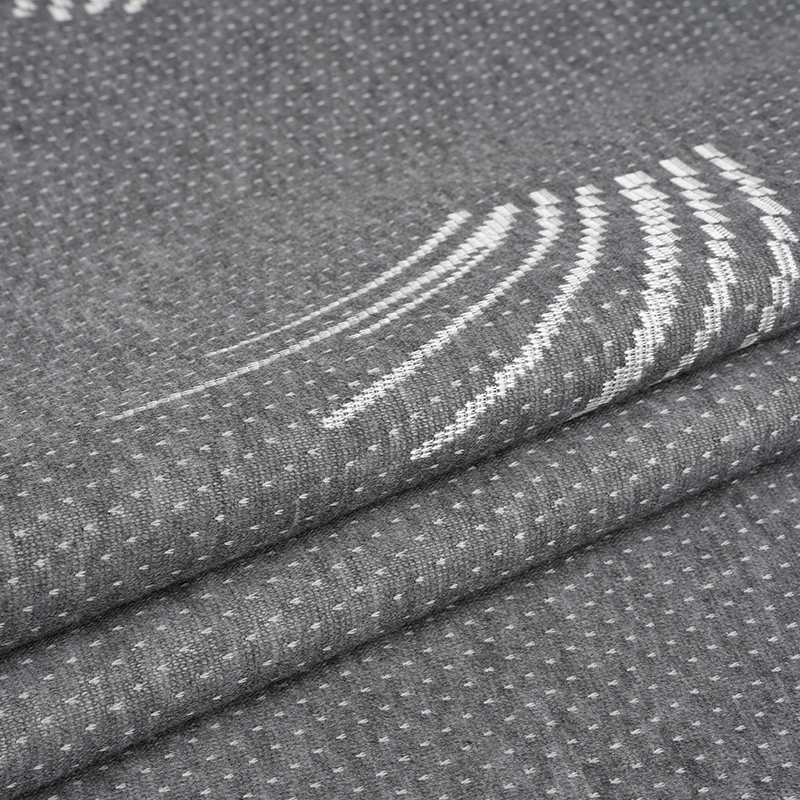
Antibacterial Yarn Pillowcase Fabric
Antibacterial Yarn Pillowcase Fabric
Haven’t Found The Products You Want?
-
-
Shen Jinyan:+86-15158070676
[email protected]
Liang Jinwen:+86-15757186621
[email protected]
Qiu Yingyingn:+86-13819545790
[email protected]
Yi qiao Town, Xiaoshan District, Hangzhou City, Zhejiang Province, China
-
Products
Mattress Fabric Children Mattress Fabric Pillowcase Fabric Pregnancy Pillow Fabric Cooling Mat Fabric Bedding Fabric Sofa Fabric Pet Friendly Fabrics -
Contact Information
About Us Products Strength Sustainability News Contact Us
Copyright © Hangzhou Xinsili Decorative Fabric Weaving Co.,Ltd. All Rights Reserved.
Functional Decorative Textile Manufacturers
