

 English
 中文简体
 Español
 عربى
 русский



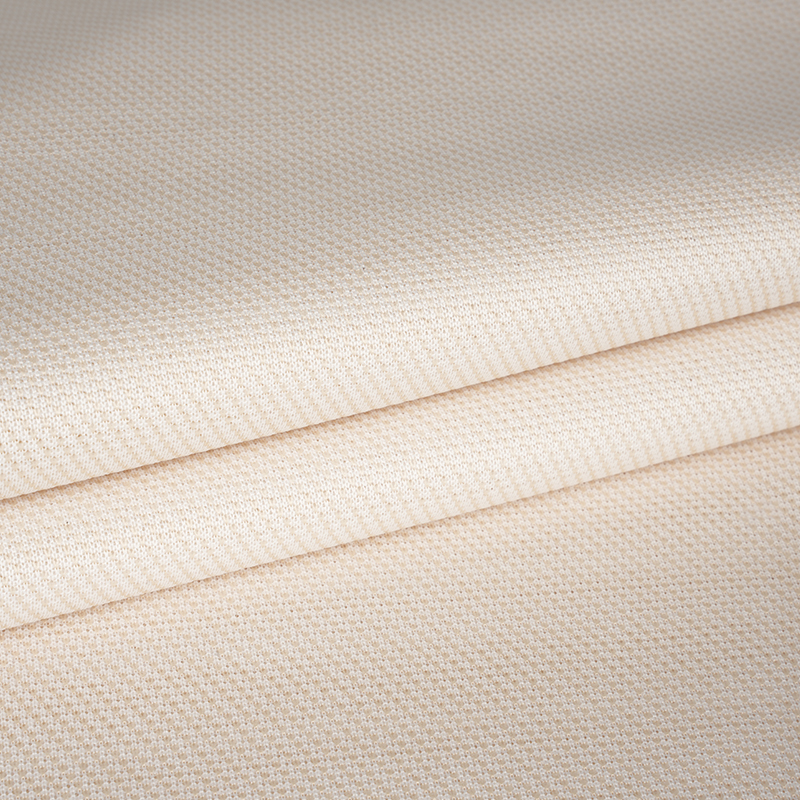
Antibacterial Yarn Pillowcase Fabric: Advanced Comfort, Hygiene, and Functional Textile Performance
Content
- 1 Understanding Antibacterial Yarn Pillowcase Fabric
- 2 Why Pillowcase Fabric Requires Specialized Performance
- 3 Core Advantages of Antibacterial Yarn Technology
- 4 Advantages Compared with Conventional Pillowcase Fabrics
- 5 Fabric Construction and Design Flexibility
- 6 Manufacturing Strengths and Process Control
- 7 Environmental and Responsible Manufacturing Considerations
- 8 Applications Across Different Markets
- 9 How Buyers Should Evaluate the Fabric
- 10 Customization and Private-Label Development
- 11 Product Positioning and Competitive Value
- 12 Care and Use Recommendations
- 13 Frequently Asked Questions
- 13.1 What is antibacterial yarn pillowcase fabric?
- 13.2 Is antibacterial fabric a replacement for washing?
- 13.3 Is the fabric suitable for direct skin contact?
- 13.4 Can the fabric be customized?
- 13.5 Can it be used in hotels?
- 13.6 How long does the antibacterial function last?
- 13.7 Does antibacterial functionality make the fabric less soft?
- 13.8 What should be included in a purchasing specification?
- 13.9 Can the material be coordinated with other bedding fabrics?
- 13.10 Why is manufacturer experience important?
- 14 Recommended Cooperation Process
- 15 Conclusion
- 16 References
- 17 Product: Antibacterial Yarn Pillowcase Fabric
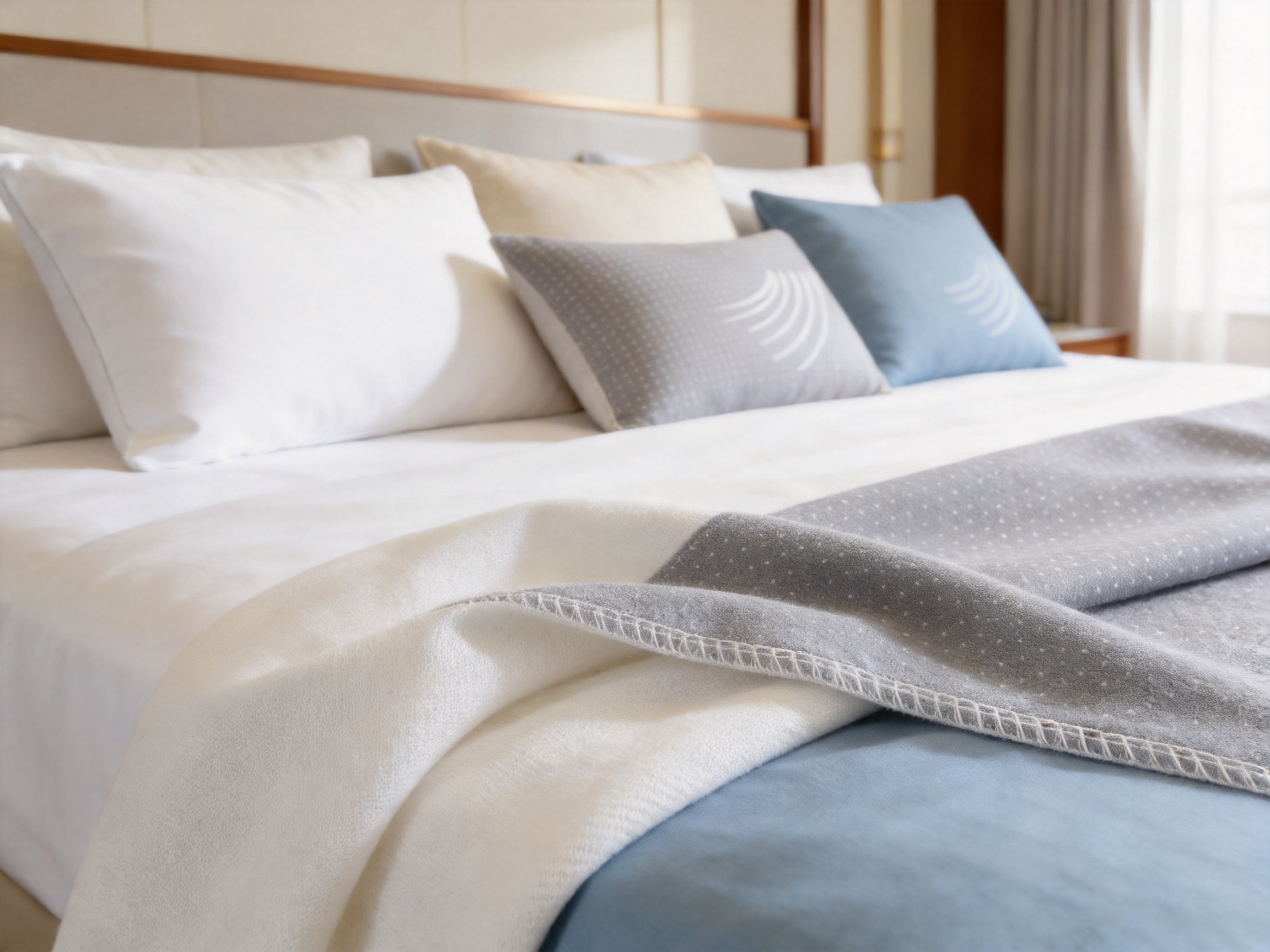
Modern bedding products are expected to do more than provide a soft surface for sleeping. Consumers increasingly look for fabrics that combine comfort, durability, hygiene, responsible production, and practical performance. Pillowcases are especially important because they remain in direct contact with the face, hair, and skin for many hours every night. For this reason, the selection of pillowcase fabric can influence the perceived cleanliness, sleeping comfort, maintenance requirements, and overall value of a bedding product.
Antibacterial yarn pillowcase fabric is designed to respond to these changing expectations. By incorporating antibacterial performance into the yarn or fiber system, this fabric offers a functional approach to controlling the growth of unwanted microorganisms on the textile surface. At the same time, it can be engineered for softness, breathability, dimensional stability, color retention, and compatibility with different pillowcase designs.
This article examines the characteristics, advantages, applications, manufacturing considerations, and quality factors associated with antibacterial yarn pillowcase fabric. It also explains why a specialized decorative textile manufacturer with long-term industry experience, an established production facility, and a research-oriented approach can provide meaningful advantages to bedding brands, hotel suppliers, furniture manufacturers, and distributors.
Understanding Antibacterial Yarn Pillowcase Fabric
Antibacterial yarn pillowcase fabric is a textile material intended for pillowcase production in which antibacterial functionality is introduced through the yarn structure, fiber composition, or a combination of textile technologies. Unlike a conventional fabric that depends only on a later surface treatment, antibacterial yarn can provide a more integrated performance foundation throughout the textile construction.
The term “antibacterial” generally refers to the ability of a textile system to inhibit or reduce the growth of certain bacteria under specified test conditions. Actual performance depends on the yarn composition, knitting or weaving construction, finishing method, test standard, laundering conditions, moisture level, and the type of microorganism evaluated. Therefore, product specifications should always be confirmed through appropriate laboratory testing and application-specific validation.
In pillowcase production, antibacterial functionality is valuable because bedding fabrics are exposed to perspiration, skin oils, hair products, cosmetics, environmental dust, and repeated contact with the face. These conditions can create a warm and humid microenvironment in which microorganisms may multiply if the textile is not regularly cleaned. Antibacterial yarn technology does not replace washing or proper hygiene, but it can provide an additional functional layer that supports cleaner-feeling and more hygienic bedding products.
The fabric can be developed for residential bedding, hospitality projects, healthcare-adjacent accommodation, student housing, childcare environments, premium home textiles, and other applications where comfort and hygiene are important. Depending on the construction, it may also be suitable for pillow protectors, decorative cushions, mattress accessories, and coordinated bedding collections.
Why Pillowcase Fabric Requires Specialized Performance
A pillowcase is a comparatively small textile product, but it is subject to demanding conditions. It must feel comfortable against sensitive facial skin, tolerate frequent washing, maintain an attractive appearance, and fit securely over a pillow insert. In commercial environments, it may need to withstand industrial laundering, repeated folding, storage, and high turnover.
Many low-performance fabrics can feel acceptable when new but lose softness, shape, or appearance after repeated washing. Other fabrics may offer a smooth hand but provide limited moisture management or poor dimensional stability. A pillowcase fabric that focuses on only one property may fail to deliver a satisfactory overall product.
Antibacterial yarn pillowcase fabric is therefore most effective when it is developed as a balanced system. The antibacterial feature should work together with yarn quality, fabric construction, finishing control, color development, and inspection procedures. This balanced approach helps manufacturers avoid the common problem of adding a single performance claim without ensuring that the complete textile remains comfortable, durable, and manufacturable.
For private-label bedding companies and original equipment manufacturers, fabric consistency is equally important. Products often need to be reproduced across multiple production batches and colorways. Consistent yarn feeding, stable finishing conditions, accurate width control, and systematic quality inspection help ensure that finished pillowcases maintain a recognizable hand feel and appearance from one order to the next.
Core Advantages of Antibacterial Yarn Technology
Integrated Functional Performance
One of the main advantages of antibacterial yarn pillowcase fabric is that the functional element can be integrated into the yarn or fiber system rather than applied only as a temporary coating. A surface finish may gradually diminish through abrasion, washing, chemical exposure, or extended use. When antibacterial performance is incorporated more deeply into the yarn structure, the fabric may offer improved functional persistence, subject to the specific material design and test results.
Integrated functionality can also support a more uniform distribution of the antibacterial feature across the fabric. This is especially relevant for pillowcases, which experience movement, friction, folding, and repeated contact. A textile manufacturer can select a suitable yarn system and construction method to create a consistent fabric surface while maintaining the required softness and flexibility.
Support for Cleaner Bedding Products
Antibacterial pillowcase fabric can help reduce the conditions that allow certain bacteria to grow on the textile. This may contribute to a cleaner-feeling sleeping environment between washing cycles. For consumers, the benefit is associated with confidence and daily comfort. For hotels, serviced apartments, dormitories, and other accommodation providers, the functionality can support a broader bedding hygiene strategy.
It is important to present this benefit accurately. Antibacterial fabric is not a substitute for laundering, detergent, ventilation, or responsible bedding management. Instead, it acts as a supplementary textile function. Clear technical documentation should identify the test method, microorganism evaluated, laundering conditions, and any limitations of the performance claim.
Comfort for Direct Skin Contact
Because pillowcases are placed against the face and neck, softness is a central product requirement. A functional fabric that feels rough, stiff, or excessively heavy may be rejected by end users even if it has an attractive technical specification. Antibacterial yarn pillowcase fabric can be engineered with a smooth surface, balanced elasticity, controlled weight, and appropriate moisture management.
Comfort is influenced by more than fiber content. Yarn fineness, twist, loop or weave construction, finishing tension, washing treatment, and fabric density all affect the final hand feel. Advanced textile development therefore requires an understanding of how antibacterial functionality interacts with softness and drape. This is where experienced manufacturing support can make a substantial difference.
Moisture and Freshness Considerations
During sleep, the human body naturally releases heat and moisture. If a pillowcase holds moisture for too long, it may feel clammy and become less comfortable. Fabric design can support a more pleasant sleeping environment through breathable construction, moisture-spreading behavior, and suitable drying characteristics.
Antibacterial yarn fabric is particularly relevant in this context because microorganisms generally grow more easily in warm, damp environments. A fabric that combines moisture-conscious construction with antibacterial functionality can provide a more comprehensive performance profile than a material that focuses on antibacterial treatment alone.
Potential for Frequent-Wash Applications
Pillowcases are washed more frequently than many other decorative textiles. The fabric must tolerate laundering without excessive shrinkage, distortion, pilling, color loss, or deterioration of the hand feel. When the yarn system and finishing process are selected correctly, antibacterial pillowcase fabric can be developed for regular domestic washing or more demanding commercial cleaning routines.
Performance after laundering should be evaluated rather than assumed. Testing may include dimensional change, colorfastness, appearance retention, pilling, tensile strength, bursting strength, and antibacterial performance after repeated washing. These results help buyers select the right fabric for their intended market and care instructions.
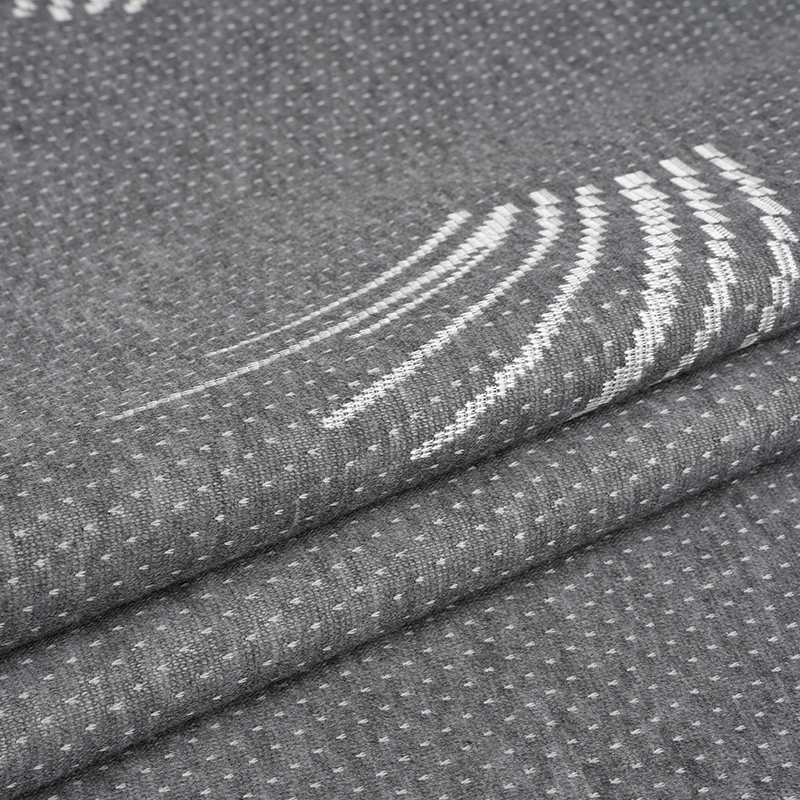
Antibacterial Yarn Pillowcase Fabric
Advantages Compared with Conventional Pillowcase Fabrics
Conventional pillowcase fabrics can offer attractive softness and appearance, but they may not include any specific hygiene-related function. Antibacterial yarn pillowcase fabric differentiates itself by combining a familiar bedding application with an added performance feature. This creates opportunities for product segmentation in competitive markets.
| Performance Area | Conventional Pillowcase Fabric | Antibacterial Yarn Pillowcase Fabric | Potential Buyer Benefit |
|---|---|---|---|
| Hygiene support | Usually depends on washing and general fabric cleanliness | Designed to inhibit the growth of certain bacteria under defined test conditions | Additional functional value for bedding products |
| Product positioning | Often positioned mainly around color, price, or basic comfort | Can be positioned around comfort, hygiene, and functional innovation | More opportunities for differentiated collections |
| Direct-contact comfort | Depends on fiber, yarn, and finishing quality | Can be engineered for softness while adding antibacterial functionality | Better alignment with premium pillowcase requirements |
| Commercial application | Suitable for general bedding use | Can be developed for residential, hospitality, and high-turnover bedding programs | Broader application potential |
| Technical development | May use standard production specifications | Requires coordination of yarn, construction, finishing, and performance testing | More comprehensive product support |
| Brand storytelling | May emphasize basic textile quality | Can communicate a combination of comfort, hygiene awareness, and textile technology | Stronger value proposition when claims are properly verified |
The comparison does not mean that every conventional fabric is low quality or that every antibacterial fabric automatically performs better in every category. Fiber quality, production control, testing, and intended use remain decisive. The important distinction is that antibacterial yarn fabric gives buyers a pathway to develop a more function-oriented pillowcase product.
Fabric Construction and Design Flexibility
A professional fabric supplier should be able to discuss more than a single sample. Buyers often need different weights, colors, widths, surface textures, and finishing effects for separate product lines. Antibacterial yarn pillowcase fabric can be adapted to different design requirements, provided that the selected construction remains compatible with the desired technical performance.
Yarn Selection
Yarn selection influences softness, strength, moisture behavior, visual texture, and production stability. The yarn may be selected according to the target price range, end-use requirements, washing conditions, and required hand feel. Finer yarns can contribute to a smoother surface, while appropriately engineered blended or specialty yarns may support durability and moisture management.
For antibacterial applications, the source and method of the antibacterial functionality should be documented. Buyers may request information about the antibacterial agent, incorporation process, applicable test standards, chemical compliance, and washing durability. Transparent technical communication is essential for building trust and supporting product certification or customer approval processes.
Woven or Knitted Structures
Woven constructions can offer a clean surface, stable dimensions, and a structured appearance. Knitted constructions may provide stretch, flexibility, and a softer, more adaptable hand. The appropriate choice depends on the pillowcase design, closure method, desired fit, and washing requirements.
Fabric density and construction must be balanced carefully. A fabric that is too open may show poor coverage or reduced durability, while a fabric that is too dense may feel heavy or restrict breathability. The best specification is usually the one that meets the application rather than simply maximizing one numerical property.
Color and Surface Appearance
Pillowcases are often sold as part of coordinated bedding sets, so color consistency and visual compatibility are important. A manufacturer with controlled dyeing, finishing, and inspection procedures can help buyers maintain consistency across multiple lots. Neutral colors such as white, ivory, gray, beige, and blue are common in bedding, but custom shades can support private-label collections and hospitality interiors.
Surface effects may include smooth, brushed, textured, jacquard-inspired, embossed, or decorative appearances. Any surface treatment should be evaluated for its effect on softness, wash durability, lint behavior, and antibacterial performance. Decorative appeal should complement, rather than compromise, the functional purpose of the fabric.
Manufacturing Strengths and Process Control
Hangzhou Xinsili Decorative Fabric Weaving Co., Ltd. specializes in the research, development, and manufacturing of decorative textiles. Its stated focus includes functional decorative fabrics for residential, hotel, and commercial environments. This positioning is relevant to antibacterial yarn pillowcase fabric because the product requires both technical functionality and a refined textile appearance.
The company reports 19 years of industry experience and operates a 12,000-square-meter factory area. It was recognized as a National High-Tech Enterprise in 2023. These details indicate a manufacturing organization with an established industrial foundation and an emphasis on technical development. For buyers, experience and infrastructure can reduce the risks associated with unstable quality, unclear production procedures, and limited customization capability.
Research and Development Orientation
Functional fabrics cannot be developed effectively through appearance sampling alone. Research and development must consider raw material selection, yarn behavior, production settings, finishing compatibility, testing, and end-use feedback. An R&D-oriented manufacturer can help convert a general product idea, such as “a soft antibacterial pillowcase fabric,” into a measurable specification.
Development work may include comparing yarn types, adjusting fabric density, testing finishing recipes, assessing color compatibility, and evaluating the effect of repeated laundering. The goal is to establish a reliable balance between functionality, comfort, appearance, cost, and manufacturing feasibility.
Precision Weaving and Production Stability
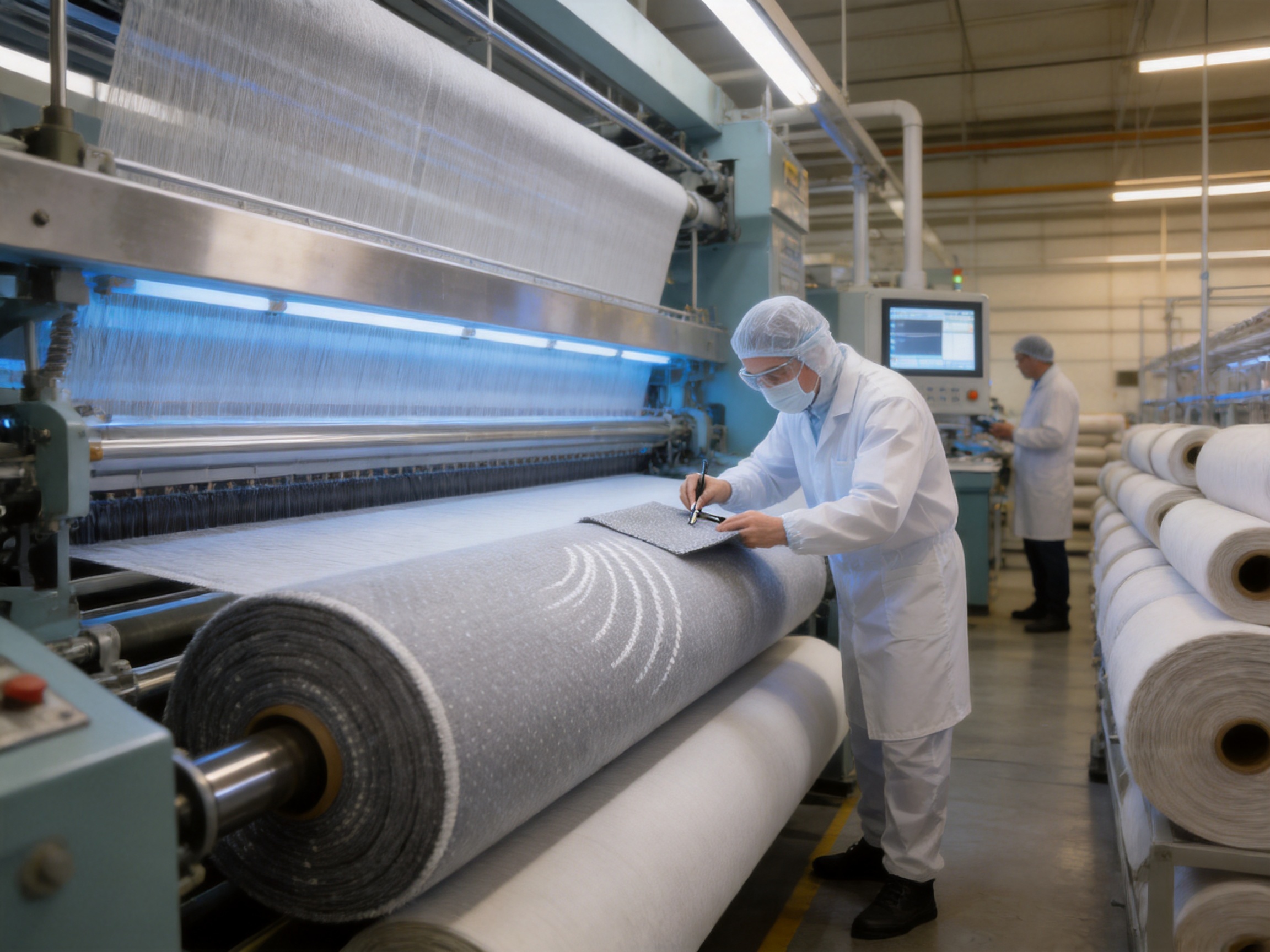
Fabric quality depends heavily on production stability. Variations in yarn tension, machine settings, speed, humidity, finishing temperature, or take-up control can lead to differences in width, weight, density, surface appearance, and hand feel. Precision manufacturing aims to reduce these variations through standardized processes and consistent operating controls.
For pillowcase manufacturers, dimensional stability is particularly important. Fabric that changes significantly during cutting, sewing, or washing can create fit problems and increased material waste. Controlled production helps the fabric perform more predictably throughout the downstream manufacturing process.
Finishing Management
Finishing can significantly influence the final performance of pillowcase fabric. Softening, heat setting, washing, drying, calendaring, brushing, or other processes may be used depending on the desired result. Each treatment must be assessed for its effect on antibacterial functionality, surface smoothness, color, shrinkage, pilling, and laundering behavior.
Excessive finishing can create an attractive initial hand feel while reducing long-term performance. Insufficient finishing may leave the fabric harsh or unstable. A controlled finishing program should therefore be developed in relation to the intended use and verified through testing rather than selected only by visual inspection.
Quality Inspection
Quality control should begin with incoming raw materials and continue through production, finishing, packing, and shipment. Inspection points may include yarn appearance, fabric width, weight, color, defects, stains, holes, distortion, surface consistency, and roll length. Functional testing should be carried out according to the buyer’s technical requirements.
For antibacterial products, documentation is especially important. Test reports should specify the test method, laboratory or testing body where applicable, sample condition, microorganisms evaluated, and results. Buyers should also review whether the test represents untreated fabric, after washing, or another defined condition. Precise documentation prevents vague claims and supports responsible marketing.
Environmental and Responsible Manufacturing Considerations
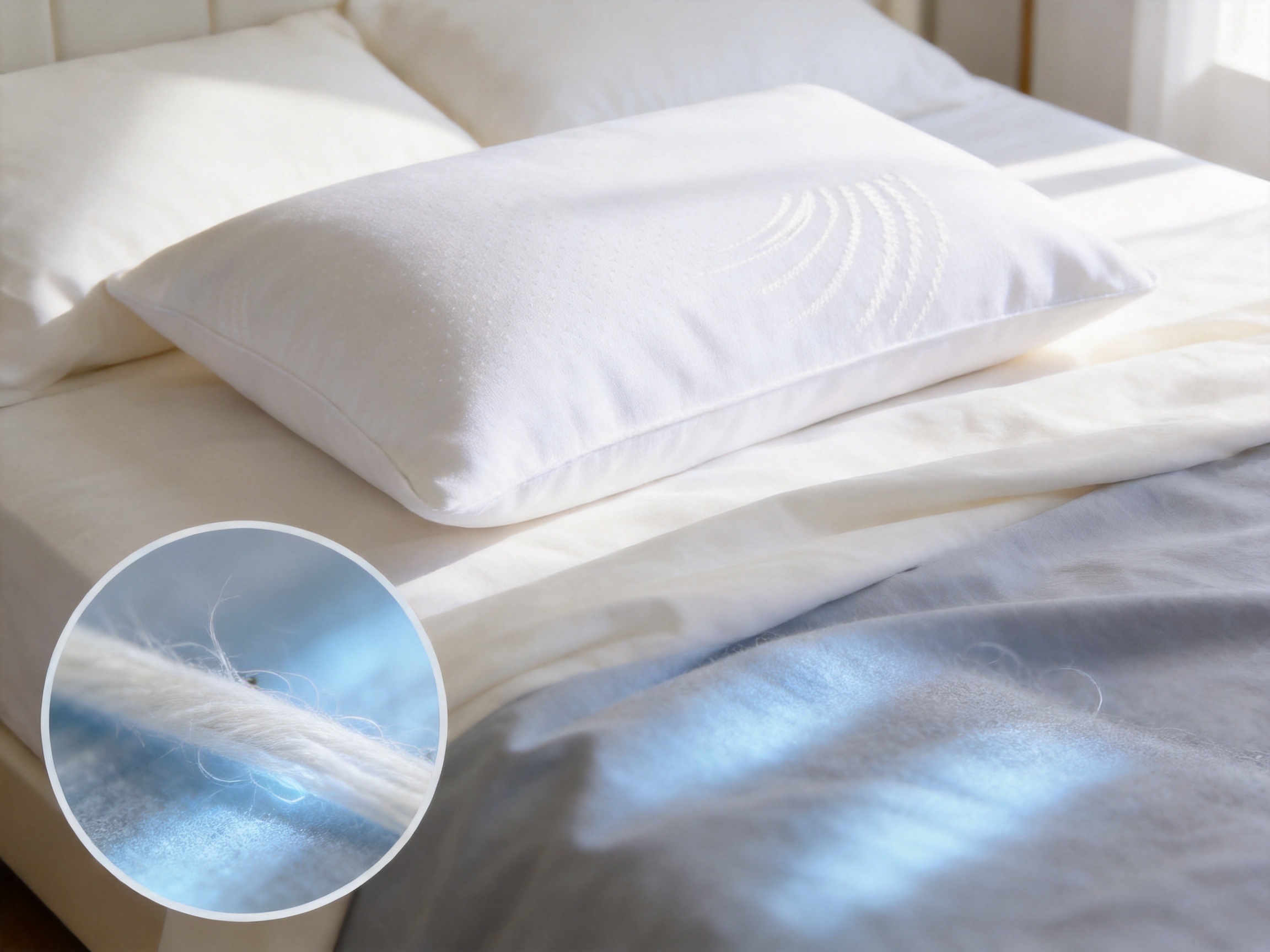
Modern textile buyers increasingly evaluate environmental responsibility alongside technical performance. A functional textile should be considered across its full product life cycle, including raw material selection, energy and water use, dyeing, finishing, packaging, transportation, care requirements, and end-of-life options.
Antibacterial yarn pillowcase fabric may support product longevity when it is engineered to retain appearance and performance through repeated use. A durable pillowcase may need to be replaced less frequently, which can help reduce material consumption over time. However, longevity depends on actual product quality and appropriate care, not on antibacterial functionality alone.
Responsible manufacturing also requires attention to chemical management. Any antibacterial additive, dye, softener, or finishing agent should be selected with consideration for applicable safety and compliance requirements. Buyers may request restricted-substance information, testing records, declarations of conformity, or other documentation relevant to their target market.
Environmental claims should be specific and evidence-based. Terms such as “eco-friendly,” “green,” or “sustainable” should not be used without defining the basis of the claim. A transparent manufacturer can instead provide practical information about production controls, material selection, waste reduction, process efficiency, and available compliance documentation.
Applications Across Different Markets
Residential Bedding
In the residential market, antibacterial yarn pillowcase fabric can be used for everyday pillowcases, premium bedding sets, guest room products, children’s bedding, and wellness-oriented sleep collections. Consumers may value the combination of soft touch, attractive appearance, easy care, and hygiene-conscious design.
For home textile brands, the fabric can support product differentiation without requiring a completely unfamiliar product format. A pillowcase remains easy for consumers to understand, while the antibacterial yarn provides a clearly communicated functional improvement.
Hotels and Serviced Accommodation
Hotels and serviced apartments manage bedding under frequent laundering and high-use conditions. Pillowcases must maintain a clean appearance, comfortable hand feel, and reliable dimensions across repeated service cycles. Antibacterial yarn fabric may be considered as part of a broader hospitality textile program.
Commercial buyers typically require dependable supply, consistent color, clear care instructions, suitable roll widths, and documentation. They may also prioritize white or light-colored fabrics, stain visibility, easy replacement, and compatibility with existing laundry systems. A manufacturer capable of discussing these requirements can provide more useful support than a supplier focused only on sample appearance.
Children’s and Family Bedding
Children’s bedding requires careful consideration of softness, washability, color safety, and material compliance. Antibacterial functionality may be attractive to parents and childcare facilities, but product claims should remain accurate and supported by testing. The fabric should also be evaluated for seam strength, pilling, colorfastness, and comfort after washing.
Design flexibility can be valuable in this segment. The same functional fabric platform may be developed in different colors, patterns, weights, or surface effects to meet age-specific or brand-specific requirements.
Wellness and Sleep-Related Products
Sleep-focused product lines often combine temperature comfort, moisture management, softness, and hygienic design. Antibacterial yarn pillowcase fabric can complement these themes when its performance is communicated responsibly. It may be coordinated with mattress fabric, cooling textile, pregnancy pillow fabric, or other bedding accessories to create a broader functional collection.
Commercial and Institutional Bedding
Training centers, dormitories, rental accommodation, and other institutional environments may require bedding that is durable, easy to maintain, and suitable for repeated turnover. The fabric specification should be adjusted to the level of use, laundering conditions, and procurement budget. Antibacterial performance can be considered as one part of a total textile solution rather than the only selection criterion.
How Buyers Should Evaluate the Fabric
A fabric sample is useful, but it is not sufficient for a complete purchasing decision. Buyers should evaluate the material using a combination of tactile inspection, laboratory data, production information, and application testing.
Check the Technical Specification
Important specification items may include fiber or yarn composition, fabric construction, finished width, weight, thickness, color options, roll length, shrinkage, colorfastness, pilling resistance, tensile or bursting strength, and recommended care instructions. If antibacterial performance is part of the product identity, the relevant test method and result should also be provided.
Request After-Washing Samples
A new fabric may feel very different from the same fabric after several washing cycles. Buyers should request laundered samples or conduct internal laundering tests. Examine softness, surface appearance, shrinkage, twisting, pilling, color change, and seam behavior after the selected number of cycles.
Evaluate Sewing Performance
The fabric should be tested in the actual pillowcase construction. Cutting, overlocking, hemming, zipper insertion, envelope closure, and label attachment can reveal issues that are not visible in a loose fabric swatch. Stretch, fraying, needle damage, seam slippage, and edge curling should be considered where relevant.
Confirm Supply Capability
For commercial orders, buyers should discuss minimum order quantities, lead times, sample approval procedures, color development, production capacity, packaging, inspection arrangements, and repeat-order consistency. A technically strong fabric is only valuable if it can be supplied reliably at the required scale.
Customization and Private-Label Development
Different bedding brands have different requirements. Some may need a soft, lightweight fabric for premium home bedding, while others may need a durable material for hospitality use. Customization may include color, width, weight, construction, surface texture, finishing, roll format, and packaging.
Customization should begin with a clear product brief. The brief may identify the target market, pillowcase dimensions, expected washing frequency, preferred hand feel, desired price range, antibacterial performance target, color palette, and compliance requirements. This information enables the manufacturer to propose a more suitable construction rather than relying on a generic sample.
Development typically proceeds through sample review, technical discussion, adjustment, testing, approval, and production. The more clearly the approval standard is defined, the easier it becomes to control bulk production. Approved standards may include a physical reference sample, color standard, hand-feel description, measurement tolerances, and test requirements.
For brands developing coordinated product families, the manufacturer may help create related fabrics for mattress covers, cushions, pillows, sofa applications, or other decorative textile products. A coordinated approach can make it easier to maintain consistent visual identity while assigning different functions to different textile constructions.
Product Positioning and Competitive Value
Antibacterial yarn pillowcase fabric creates value in several ways. First, it offers a functional feature that can distinguish a product from basic pillowcases. Second, it can support premium positioning when combined with refined softness, attractive design, and reliable wash performance. Third, it provides a platform for brands to communicate a more complete approach to sleep comfort and bedding hygiene.
Competitive value should not be based on technical claims alone. Buyers and end users ultimately judge a pillowcase by how it feels, fits, looks, washes, and performs over time. The strongest product combines measurable antibacterial performance with practical textile qualities.
Manufacturing capability is also part of competitive value. A supplier with experience in decorative and functional fabrics can potentially provide better support in color development, surface design, quality consistency, and application adaptation. The reported factory area, long industry experience, and high-tech enterprise recognition of Hangzhou Xinsili Decorative Fabric Weaving Co., Ltd. provide a foundation for serving buyers who need more than a standard commodity fabric.
The company’s stated philosophy of combining craftsmanship, design innovation, technological progress, and collaborative development is relevant to customers seeking long-term supply relationships. In international textile procurement, stable communication and repeatable quality are often as important as the initial sample.
Care and Use Recommendations
The correct care method depends on the specific fiber and finishing system. Buyers should follow the manufacturer’s recommended washing temperature, detergent guidance, drying method, ironing limitations, and bleaching restrictions. Overly aggressive washing may reduce fabric life, change the hand feel, or affect certain functional finishes.
Pillowcases should be washed regularly, especially in warm or humid climates and in applications involving intensive use. They should be dried thoroughly before storage or reuse. Good ventilation and proper storage help reduce excessive moisture accumulation and support general bedding hygiene.
Antibacterial performance should be described as a supplementary textile property. It should not be presented as a guarantee against all microorganisms, skin conditions, allergies, or illness. Responsible communication protects consumers and helps brands maintain credibility.
Frequently Asked Questions
What is antibacterial yarn pillowcase fabric?
It is a pillowcase textile made with yarn or fiber technology designed to inhibit the growth of certain bacteria under specified test conditions. The exact performance depends on the material, construction, treatment, test standard, and laundering conditions.
Is antibacterial fabric a replacement for washing?
No. Antibacterial fabric is an additional functional feature and does not replace regular washing, drying, ventilation, or proper bedding hygiene. Pillowcases should still be cleaned according to the recommended care instructions.
Is the fabric suitable for direct skin contact?
It can be developed for direct-contact applications such as pillowcases, but buyers should confirm the fiber composition, chemical compliance, softness, colorfastness, and relevant safety documentation for their target market.
Can the fabric be customized?
Customization may be available for color, width, weight, texture, construction, finishing, and packaging. The practical range depends on the production process, order quantity, and technical requirements.
Can it be used in hotels?
Yes, the fabric may be considered for hotels, serviced apartments, and other hospitality environments. Commercial buyers should evaluate laundering durability, dimensional stability, colorfastness, supply consistency, and compatibility with their laundry procedures.
How long does the antibacterial function last?
Durability varies according to the yarn system, treatment method, washing conditions, abrasion, and testing protocol. Buyers should request test results that specify whether the performance was measured before washing, after washing, or under another defined condition.
Does antibacterial functionality make the fabric less soft?
Not necessarily. Softness depends on the yarn, fabric construction, finishing, and process control. A properly developed product can combine antibacterial functionality with a smooth and comfortable hand feel, although samples should always be evaluated directly.
What should be included in a purchasing specification?
A specification should identify composition, construction, width, weight, color, tolerance, performance requirements, antibacterial test method, washing conditions, packaging, inspection standards, and approval procedures. Clear specifications help reduce variation during bulk production.
Can the material be coordinated with other bedding fabrics?
Yes. A functional fabric program may be coordinated with mattress fabric, pillow fabric, cooling textile, pregnancy pillow fabric, or other bedding materials. Visual coordination and performance requirements should be reviewed separately for each application.
Why is manufacturer experience important?
Experience can support more reliable yarn selection, process control, finishing adjustment, quality inspection, troubleshooting, and repeat-order management. Functional textiles require coordination between technical performance and practical manufacturing, so supplier capability is an important purchasing consideration.
Recommended Cooperation Process
A productive cooperation process begins with application analysis. The buyer should explain the intended pillowcase design, market, expected washing frequency, desired hand feel, target performance, color requirements, and order expectations. The manufacturer can then recommend a suitable construction and provide initial samples.
After sample review, the buyer should conduct physical and application testing. This may include making prototype pillowcases, laundering them, checking fit, evaluating comfort, and reviewing the technical documentation. If changes are needed, the manufacturer can adjust yarn selection, density, finishing, weight, or color.
Once the specification is approved, both parties should confirm the bulk production standard. The approval package may include a signed sample, color reference, test reports, measurement tolerances, packaging instructions, and acceptable defect criteria. This documentation helps establish a common quality reference for future orders.
For repeat production, communication should continue through production planning, inspection, shipment, and customer feedback. Long-term cooperation allows the supplier to understand the buyer’s preferences and may improve efficiency in future development projects.
Conclusion
Antibacterial yarn pillowcase fabric represents a practical development in functional bedding textiles. It responds to the growing demand for products that combine softness, comfort, hygiene support, durability, and attractive appearance. Its value is strongest when antibacterial functionality is integrated into a carefully designed textile system rather than treated as an isolated marketing feature.
For buyers, the most important considerations include verified antibacterial performance, direct-contact comfort, laundering durability, dimensional stability, color consistency, manufacturing reliability, and clear technical communication. A successful pillowcase fabric must perform both in the laboratory and in everyday use.
Hangzhou Xinsili Decorative Fabric Weaving Co., Ltd. brings a stated combination of 19 years of industry experience, a 12,000-square-meter factory area, functional textile development, and recognition as a National High-Tech Enterprise in 2023. Its focus on research, precision manufacturing, design innovation, and practical decorative textile solutions provides a suitable foundation for customers seeking customized antibacterial yarn pillowcase fabric.
When supported by appropriate testing, responsible claims, controlled manufacturing, and application-specific customization, this fabric can help bedding brands and commercial textile buyers develop products with stronger functional differentiation. It offers a pathway toward cleaner-feeling, more comfortable, and more technically advanced pillowcase solutions for residential, hospitality, and commercial environments.
References
International Organization for Standardization. Textile Testing Principles and General Textile Performance Evaluation.
International Organization for Standardization. Antibacterial Activity Assessment Methods for Textile Materials.
Association for Contract Textiles. Recommended Practices for Evaluating Textile Durability, Appearance, and Care Performance.
Textile Institute. Fundamentals of Yarn Engineering, Fabric Construction, and Textile Finishing.
American Association of Textile Chemists and Colorists. Technical Guidance for Colorfastness, Laundering, and Textile Evaluation.
World Health Organization. General Principles of Environmental Hygiene and Cleaning Practices.
Technical product information supplied for antibacterial yarn pillowcase fabric and functional decorative textile manufacturing.
Product: Antibacterial Yarn Pillowcase Fabric

Our Featured Products
-
Antibacterial Yarn Pillowcase Fabric
Antibacterial Yarn Pillowcase Fabric
-
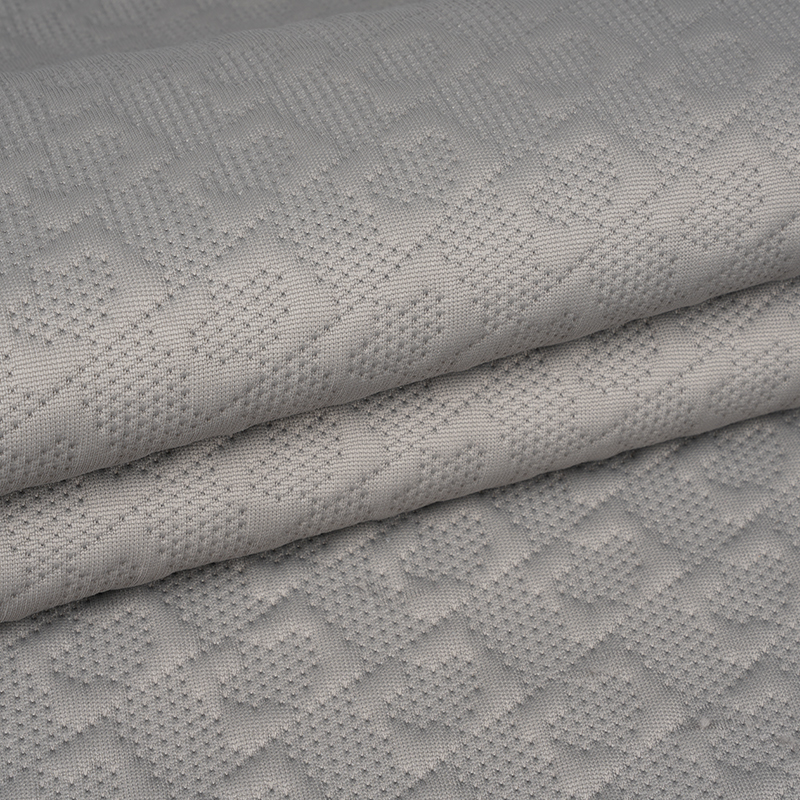
Antibacterial Yarn Children Mattress Fabric
Antibacterial Yarn Children Mattress Fabric
Haven’t Found The Products You Want?
-
-
Shen Jinyan:+86-15158070676
[email protected]
Liang Jinwen:+86-15757186621
[email protected]
Qiu Yingyingn:+86-13819545790
[email protected]
Yi qiao Town, Xiaoshan District, Hangzhou City, Zhejiang Province, China
-
Products
Mattress Fabric Children Mattress Fabric Pillowcase Fabric Pregnancy Pillow Fabric Cooling Mat Fabric Bedding Fabric Sofa Fabric Pet Friendly Fabrics -
Contact Information
About Us Products Strength Sustainability News Contact Us
Copyright © Hangzhou Xinsili Decorative Fabric Weaving Co.,Ltd. All Rights Reserved.
Functional Decorative Textile Manufacturers
