

 English
 中文简体
 Español
 عربى
 русский



Antibacterial Yarn Children’s Mattress Fabric: A Safer, More Comfortable Textile Solution
Content
- 1 Why Children’s Mattress Fabric Requires Specialized Performance
- 2 Understanding Antibacterial Yarn Technology
- 3 Key Advantages for Children’s Mattress Manufacturers
- 4 Manufacturing Strengths Behind the Product
- 5 How the Fabric Can Improve the Competitive Position of a Mattress Product
- 6 Advanced Production Process from Yarn to Finished Fabric
- 7 Quality Control Considerations for Buyers
- 8 Applications Beyond Children’s Mattresses
- 9 Customization Options for Different Market Requirements
- 10 Sustainability and Responsible Textile Development
- 11 Why Supplier Cooperation Matters
- 12 Recommended Product Development Workflow
- 13 Q&A: Antibacterial Yarn Children’s Mattress Fabric
- 13.1 What is Antibacterial Yarn Children’s Mattress Fabric?
- 13.2 Does antibacterial fabric eliminate the need for cleaning?
- 13.3 Is the fabric suitable for all children’s mattresses?
- 13.4 Can the fabric be customized?
- 13.5 Can it be used for pillowcases and bedding?
- 13.6 How should antibacterial performance be verified?
- 13.7 What manufacturing strengths support this product?
- 13.8 How can buyers begin a project?
- 13.9 What should be included in a purchase specification?
- 13.10 Can this fabric support premium product positioning?
- 14 Conclusion
- 15 References
- 16 Product: Antibacterial Yarn Children Mattress Fabric
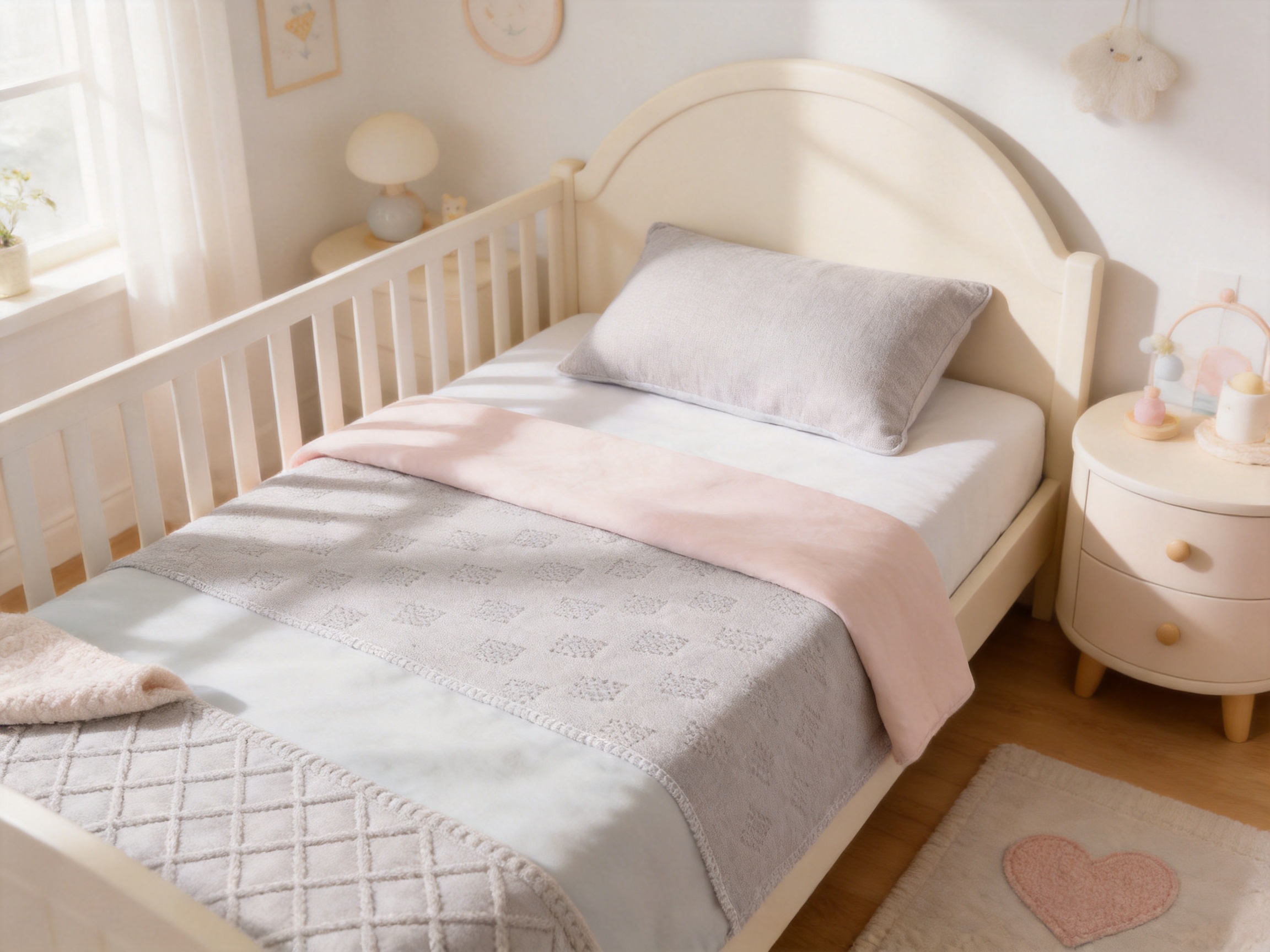
Children’s mattresses require more than attractive color and a soft hand feel. They support sleep, rest, play, and daily development, while remaining in close contact with delicate skin for many hours. For manufacturers of children’s mattresses, bedding products, pillowcases, and related sleep accessories, the fabric selected for the cover is therefore a key part of product performance. Antibacterial Yarn Children’s Mattress Fabric is designed to help manufacturers create a cleaner, more comfortable, and more dependable sleeping environment through the use of functional yarn technology and precision textile manufacturing.
This specialized mattress fabric combines the practical requirements of children’s bedding with the advantages of antibacterial textile development. It can be used as a cover material for children’s mattresses and may also be considered for mattress pads, pillow covers, bedding components, nursery furniture, and other soft-surface applications where hygiene, comfort, and durability are important. Its value is not limited to one functional feature. A well-developed children’s mattress fabric should also provide a pleasant touch, stable construction, reliable appearance, processing flexibility, and compatibility with modern manufacturing requirements.
Hangzhou Xinsili Decorative Fabric Weaving Co., Ltd. develops and manufactures functional decorative textiles for residential, hotel, and commercial environments. With 19 years of industry experience, a 12,000-square-meter factory area, and recognition as a National High-Tech Enterprise in 2023, the company combines textile manufacturing experience with a research-oriented approach to functional fabrics. Its product development philosophy centers on craftsmanship-driven manufacturing, design innovation, practical performance, and long-term cooperation.
For children’s mattress manufacturers, the most important benefit of this product is the opportunity to integrate functional performance into the textile itself. Instead of relying only on surface treatments applied after weaving, antibacterial yarn technology can support the creation of a fabric in which the functional characteristic is considered from the yarn and construction stages. This approach can contribute to more consistent product design and provide manufacturers with a stronger foundation for developing dependable children’s sleep products.
Why Children’s Mattress Fabric Requires Specialized Performance
Children’s bedding is exposed to a demanding combination of conditions. It may come into contact with perspiration, skin oils, food particles, household dust, moisture, and frequent handling. Young children can also be more sensitive to uncomfortable textures, excessive heat, and unpleasant odors. As a result, a mattress cover must balance cleanliness, comfort, breathability, appearance, and maintenance requirements.
A fabric intended for adult bedding is not automatically suitable for children’s mattresses. Children’s products often require a softer and more reassuring tactile experience. They may also need brighter or more playful colors, stable dimensions, smooth seams, and dependable resistance to everyday use. When the fabric is used in a nursery, family bedroom, childcare environment, or children’s furniture collection, the product must fit both the expectations of caregivers and the comfort needs of children.
Antibacterial Yarn Children’s Mattress Fabric is developed for this particular application context. Its purpose is to provide a textile foundation that supports hygiene-conscious product design without sacrificing the visual and tactile qualities expected from modern bedding. The fabric can be incorporated into mattress covers and other sleep-related products where close contact and repeated use make material selection especially important.
Functional fabric performance should always be evaluated together with the final product construction. The mattress core, inner barrier, zipper, stitching, washing instructions, ventilation system, packaging, and storage conditions all influence the overall result. The fabric is an important component, but it works as part of a complete mattress system. For this reason, manufacturers should assess fabric compatibility with their own construction methods and conduct product-specific testing before mass production.
Understanding Antibacterial Yarn Technology
Antibacterial yarn refers to yarn developed with an antibacterial function incorporated into or associated with the fiber or yarn structure. Depending on the selected technology and production specification, the functional component may be integrated during fiber or yarn preparation rather than being applied only as a temporary finish to the finished fabric. The precise technology, dosage, test method, and performance level should be confirmed with the supplier according to the intended application.
The main advantage of yarn-based functional development is that the antibacterial feature can be considered at an earlier stage of textile production. This gives the manufacturer greater control over the relationship between yarn selection, fabric construction, appearance, and final use. It may also help reduce dependence on a purely surface-level treatment, although the long-term performance of any textile must be verified through appropriate laboratory testing and care-condition evaluation.
For children’s mattress applications, the purpose of antibacterial functionality is to help control the growth of certain microorganisms under tested conditions. It should not be described as a substitute for regular cleaning, ventilation, or responsible household hygiene. Instead, it is a supportive performance feature that can complement good mattress design and proper care.
Functional yarn selection must be coordinated with the intended fabric structure. Yarn fineness, twist, strength, surface characteristics, color compatibility, and weaving parameters can all influence the final result. A fabric manufacturer with experience in functional textiles can adjust the production process to maintain a balance between antibacterial performance, softness, dimensional stability, and visual consistency.
Because antibacterial claims can vary significantly according to test methods, manufacturers and buyers should request clear technical documentation. Important information may include the relevant test standard, tested microorganisms, sample preparation, washing conditions, test results, and product limitations. Transparent technical communication helps mattress brands make responsible claims and supports consistent quality control.
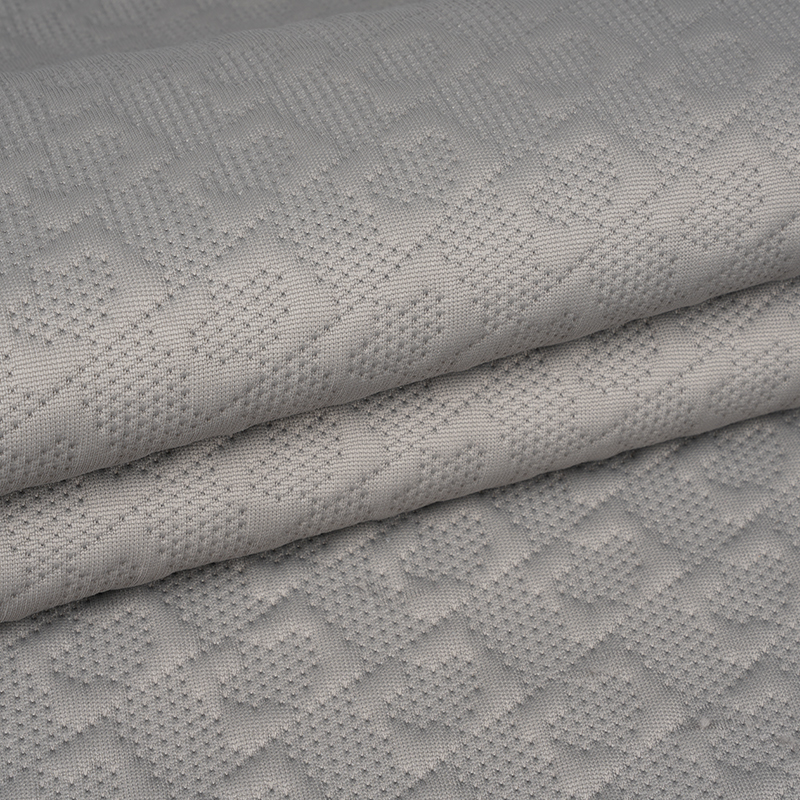
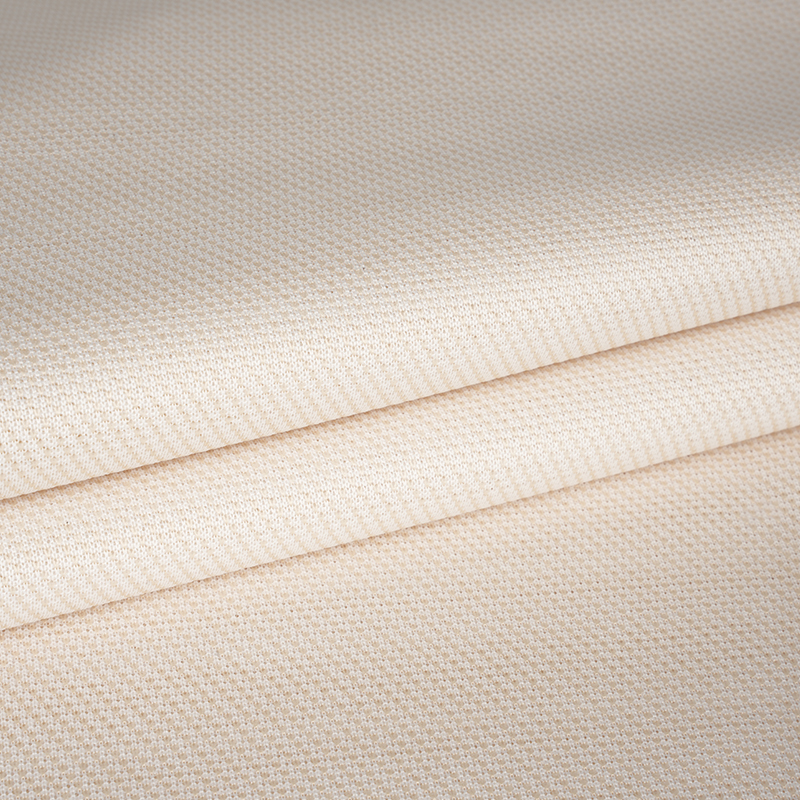
Antibacterial Yarn Children Mattress Fabric
Key Advantages for Children’s Mattress Manufacturers
Hygiene-Oriented Product Development
The most direct advantage of Antibacterial Yarn Children’s Mattress Fabric is its alignment with hygiene-oriented product design. Parents and caregivers increasingly look for bedding materials that support a clean and healthy sleep environment. By selecting a fabric with antibacterial yarn technology, manufacturers can respond to this concern at the material level.
The fabric may be used to create mattress covers that are positioned as part of a broader hygiene strategy. When combined with suitable mattress construction, removable covers, responsible washing instructions, and good room ventilation, the textile can contribute to a more thoughtful sleep product. This can help manufacturers differentiate their children’s mattress collections in a competitive market.
Comfort for Close Contact
Children spend many hours in bed, so the surface fabric must feel comfortable during extended contact. A mattress fabric that is too rough, stiff, sticky, or poorly finished can reduce sleep comfort and create dissatisfaction. Antibacterial functionality is valuable only when it is combined with an acceptable tactile experience.
Functional decorative textile manufacturing requires attention to both performance and feel. Through careful yarn selection, weaving control, finishing, and inspection, manufacturers can work toward a surface that feels appropriate for children’s bedding. The exact hand feel can be adjusted according to the final application, fabric weight, construction, finishing route, and customer requirements.
Support for Brand Differentiation
Many mattress products compete in a crowded market where basic comfort claims are no longer sufficient. Functional fabric features can provide a meaningful point of differentiation. A children’s mattress incorporating antibacterial yarn fabric can be positioned around cleanliness, thoughtful design, comfort, and modern textile technology.
This advantage is especially relevant for product lines designed for families who value functional home textiles. It may also support the development of coordinated collections, including children’s mattresses, pillowcases, mattress protectors, bedding, and nursery upholstery. A common functional textile concept across several products can help create a more recognizable and consistent collection.
Design Flexibility
Children’s products often require a wide range of colors, patterns, textures, and visual styles. A functional fabric should not force every product into the same appearance. Manufacturers may require gentle neutral shades for minimalist nurseries, brighter colors for playful children’s rooms, or refined patterns for premium bedding collections.
Decorative textile experience is important because visual quality has a direct influence on product appeal. A fabric supplier capable of combining function with design can help customers explore different constructions and appearance options while maintaining a consistent technical direction. Custom development may include color matching, pattern coordination, construction adjustments, and application-specific sampling.
Compatibility with Multiple Product Formats
Although the primary application is children’s mattress fabric, the material concept can support related products. Possible applications include mattress covers, mattress toppers, children’s bedding, pillowcase fabric, nursery cushions, sleeping mats, and selected upholstered furniture components. The suitability of each application should be confirmed through testing, particularly when the product will experience different levels of friction, washing, moisture, or compression.
This versatility can help manufacturers simplify sourcing and develop coordinated product families. A single supplier with experience in functional fabrics may support several categories, reducing the need to manage unrelated material sources for every product type.
Manufacturing Strengths Behind the Product
Experience in Functional Decorative Textiles
Hangzhou Xinsili Decorative Fabric Weaving Co., Ltd. specializes in the research, development, and precision manufacturing of decorative textiles. Its product scope includes mattress fabric, children’s mattress fabric, pillowcase fabric, pregnancy pillow fabric, cooling mat fabric, bedding fabric, sofa fabric, and pet-friendly fabrics.
This broad product experience is valuable because textile performance is rarely isolated to one category. Knowledge developed in bedding fabrics may support mattress development, while experience with sofa or pet-friendly fabrics can contribute to improved understanding of abrasion, appearance retention, and practical use conditions. A diversified functional textile portfolio encourages cross-application learning and more flexible product development.
Precision Weaving and Process Control
Textile quality begins with stable preparation and continues through every production stage. Yarn selection, warping, weaving, inspection, finishing, cutting, packaging, and storage must be coordinated. Variations in tension, density, width, color, or surface finish can affect the final mattress cover and create difficulties during sewing and assembly.
Precision manufacturing helps reduce these risks. Consistent weaving parameters can support uniform fabric construction, while careful inspection can identify defects before the material reaches the mattress production line. For mattress manufacturers, this may improve cutting efficiency, reduce sewing interruptions, and help maintain a more consistent appearance across finished products.
Process control is particularly important for fabrics with functional yarns. The technical team must consider whether the selected yarn can operate reliably within the required weaving conditions. Excessive tension, unsuitable machine settings, or inappropriate finishing may influence the surface, dimensional stability, and final functional performance. A capable manufacturer therefore treats yarn, machinery, and finishing as an integrated system.
Research and Development Capability
Functional fabrics require continuous development because customer expectations, application conditions, and textile technologies continue to change. A research-oriented manufacturer can evaluate new yarns, structures, finishes, colors, and performance targets according to market demand.
Xinsili’s development philosophy combines design innovation with technological advancement. This creates an environment in which antibacterial, moisture-resistant, flame-retardant, sleep-supporting, and comfort-improving fabric concepts can be studied as part of a larger functional textile program. Not every function belongs in every product, so the value of research lies in selecting suitable combinations rather than adding unnecessary features.
For children’s mattress fabric, research may focus on the relationship between antibacterial yarn, softness, air permeability, color stability, wash behavior, and manufacturing efficiency. The final specification should be built around the customer’s intended product, target market, care method, and performance expectations.
Large-Scale Factory Foundation
A 12,000-square-meter factory area provides a substantial production foundation for an established textile manufacturer. Factory capacity alone does not guarantee product quality, but it can support organized production, equipment placement, process management, inspection areas, sampling, and order coordination.
For buyers, a structured manufacturing base can be useful when moving from development samples to repeat orders. Stable production planning and clear communication are important when mattress brands require regular deliveries, multiple colors, coordinated fabric collections, or customized constructions.
High-Tech Enterprise Recognition
Recognition as a National High-Tech Enterprise in 2023 reflects the company’s emphasis on technology, innovation, and organized development. Such recognition should be understood as part of the company’s broader manufacturing profile rather than as a replacement for product-specific documentation. Buyers should still evaluate samples, test results, production records, and application performance for each project.
The combination of industry experience and technology-oriented development can nevertheless provide a strong basis for functional textile cooperation. Customers can work with a supplier that understands both the practical demands of weaving and the growing need for performance-based material solutions.
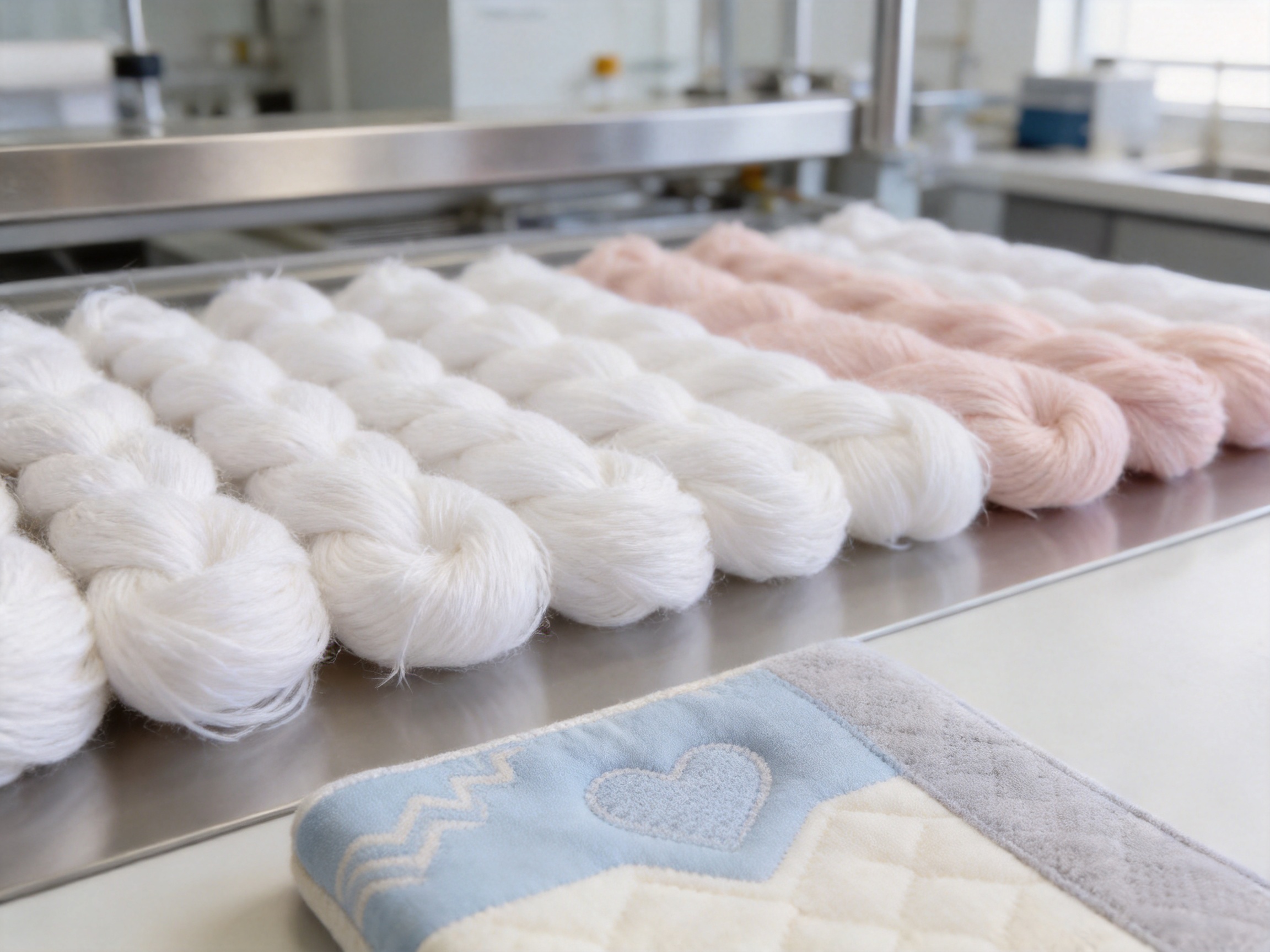
How the Fabric Can Improve the Competitive Position of a Mattress Product
Competition in children’s bedding is influenced by safety expectations, material transparency, comfort, appearance, price, and brand trust. A mattress fabric cannot solve every market challenge, but it can strengthen the product story when its properties are real, documented, and integrated into the complete design.
Compared with a conventional decorative mattress fabric that offers no specifically developed antibacterial function, antibacterial yarn fabric provides an additional performance feature for hygiene-conscious product development. This distinction can help manufacturers create more meaningful product tiers. For example, a standard collection may focus on comfort and appearance, while a premium collection may combine those qualities with functional yarn technology and enhanced documentation.
Compared with a fabric that depends only on a temporary surface treatment, yarn-based functional development may offer a different approach to durability and process integration. The actual advantage depends on the technology, test results, washing conditions, and final construction. Manufacturers should avoid making universal claims and instead compare products using the same test method and care cycle.
Compared with materials selected only for low initial cost, a more carefully engineered functional fabric may provide better long-term value. A stable fabric can support smoother production, better appearance, fewer cutting problems, and a more reliable customer experience. The total cost of a textile should therefore include quality consistency, production efficiency, return risk, brand reputation, and development support—not just the purchase price per meter.
| Evaluation Area | Conventional Decorative Fabric | Antibacterial Yarn Children’s Mattress Fabric | Value for Manufacturers |
|---|---|---|---|
| Functional positioning | Primarily focused on appearance and basic comfort | Combines decorative use with an antibacterial yarn concept | Supports differentiated product positioning |
| Application focus | May be suitable for general soft furnishings | Developed with children’s mattress and bedding applications in mind | Improves alignment between fabric and end use |
| Development approach | May use standard constructions | Can be customized through yarn, weaving, color, and finishing discussions | Helps meet project-specific requirements |
| Product story | Usually centered on color, pattern, and texture | Can include hygiene-oriented textile technology alongside design | Creates additional communication value for brands |
| Supplier capability | May be limited to one fabric category | Supported by experience across mattress, bedding, pillowcase, sofa, and other functional fabrics | Facilitates coordinated product sourcing |
The table illustrates the strategic difference between a basic decorative material and a purpose-oriented functional textile. It does not replace product testing, and it should not be interpreted as a guarantee of a specific performance level. The final advantage depends on the agreed specification and the manufacturer’s quality-control system.
Advanced Production Process from Yarn to Finished Fabric
1. Application and Specification Analysis
Every successful fabric project begins with a clear understanding of the end use. The supplier and buyer should discuss whether the fabric will be used for a removable mattress cover, a fixed cover, a mattress pad, a pillowcase, or another product. Important factors include expected contact, washing frequency, abrasion, stretch, color requirements, seam construction, and target price.
For children’s mattresses, the team should also discuss the desired hand feel, appearance, breathability, fabric weight, width, and packaging requirements. If the fabric will be combined with waterproof layers, foam, quilting, or elastic components, these details may influence the appropriate construction.
2. Yarn Selection
The yarn is the foundation of the textile. Antibacterial yarn must be selected according to the required functional objective, weaving performance, appearance, strength, and tactile characteristics. A suitable yarn should be compatible with the intended fabric construction and should perform reliably during processing.
At this stage, the manufacturer may review yarn fineness, color, twist, tensile behavior, moisture interaction, and compatibility with other yarns. A balance is needed: a yarn that offers a functional feature but creates an unsuitable surface or unstable fabric may not be appropriate for children’s mattress use.
3. Warping and Preparation
Warping prepares the yarns for weaving by arranging them under controlled tension. Proper preparation is essential for fabric uniformity. Uneven tension can contribute to streaks, density variation, width instability, or weaving defects.
For functional children’s mattress fabric, careful preparation helps maintain a consistent distribution of the selected yarn throughout the construction. It also supports smoother operation during weaving and reduces avoidable quality variation.
4. Weaving
During weaving, warp and weft yarns are interlaced to form the fabric structure. Construction details influence the surface appearance, strength, flexibility, air movement, thickness, and drape. The selected structure must support the mattress application while preserving the desired decorative effect.
Machine settings, yarn tension, density, speed, and pattern control all require attention. A specialized fabric manufacturer can adjust these variables according to the project specification. For children’s bedding, the objective is generally to create a balanced textile that looks attractive, feels comfortable, and performs consistently during cutting and sewing.
5. Inspection of Greige Fabric
After weaving, the greige fabric is inspected for defects and construction consistency. Typical inspection considerations may include broken yarns, missing threads, oil marks, holes, uneven density, width variation, color issues, and surface irregularities.
Early inspection is important because it allows problems to be identified before finishing and final shipment. Corrective action at this stage can protect production efficiency and reduce the risk of defective fabric entering mattress assembly.
6. Finishing and Surface Development
Finishing can influence softness, appearance, dimensional stability, smoothness, and handling. The appropriate finishing route depends on the yarn, construction, intended use, and customer requirements. For children’s mattress fabric, finishing should support a comfortable surface without compromising the functional design of the textile.
Finishing must be controlled carefully because excessive heat, tension, chemicals, or mechanical action may alter the fabric. The supplier should evaluate the finished material through physical and functional testing to confirm that it meets the agreed specification.
7. Functional Performance Testing
Antibacterial performance should be assessed using an appropriate recognized test method. The test should identify the microorganisms evaluated, the sample condition, the procedure, and the resulting performance. If wash durability is important, the fabric should be tested after representative laundering cycles.
Other useful evaluations may include dimensional change, color fastness, abrasion resistance, pilling, tensile strength, tear strength, air permeability, moisture behavior, and surface feel. The relevant test list depends on the final product and the customer’s market requirements.
8. Final Inspection and Packaging
Before shipment, the fabric should undergo final inspection for appearance, width, roll length, defects, labeling, and packaging condition. Proper packaging protects the textile during transport and storage. The fabric should be stored in a clean, dry environment away from excessive moisture, heat, direct sunlight, and contamination.
Clear lot identification is also important. Batch information can support traceability, quality analysis, and repeat-order consistency. For mattress brands, organized documentation can make it easier to investigate production concerns and maintain stable specifications over time.
Quality Control Considerations for Buyers
Buyers should evaluate Antibacterial Yarn Children’s Mattress Fabric through a structured approval process. A sample should first be reviewed for color, texture, appearance, width, thickness, and sewing behavior. If the fabric will be quilted or laminated, it should be tested in the intended assembly rather than only as a loose textile.
Laboratory testing should be matched to the product’s claims. If the mattress will be marketed as antibacterial, the brand should have documentation that supports the wording used in advertising and packaging. Statements should be precise and should not imply that the mattress sterilizes a room, prevents all infection, or eliminates the need for cleaning.
Washing and maintenance are especially important. A removable cover may be exposed to repeated laundering, while a fixed cover may be cleaned less frequently or through a different method. The selected fabric should be evaluated under the actual or anticipated care process. Changes in color, shrinkage, hand feel, pilling, and antibacterial performance should be considered.
Manufacturers should also inspect compatibility with zippers, elastic edging, binding, quilting threads, labels, and mattress cores. A high-quality textile can still create problems if it is not compatible with the sewing equipment or assembly process. Practical production trials are therefore as important as laboratory reports.
Applications Beyond Children’s Mattresses
Children’s Bedding
The fabric can support coordinated children’s bedding products where a comfortable and hygiene-oriented textile is desired. Bedding designers may use it for selected cover components, pillowcases, or matching accessories, subject to application-specific testing.
Pillowcase Fabric
Pillowcases remain in close contact with the face and head, making surface comfort and cleanliness important. A functional yarn fabric may provide an option for brands developing children’s or family sleep collections. The final construction should consider laundering, seam comfort, color retention, and skin contact requirements.
Nursery and Children’s Furniture
Selected nursery cushions, upholstered panels, and soft furniture may benefit from a decorative fabric with functional positioning. However, furniture applications can involve different abrasion, compression, and cleaning conditions. Each use should be evaluated independently.
Pet-Friendly Household Fabrics
Functional textile manufacturing experience may also support products used in homes with pets. Pet-friendly fabrics may require resistance to hair, scratching, odor, abrasion, or frequent cleaning. The children’s mattress fabric itself should not automatically be marketed for pet applications without suitable testing, but cross-category manufacturing knowledge can support future product development.
Hotels and Commercial Environments
Hotels, childcare facilities, hospitals, and other commercial environments may seek functional bedding materials for specific room or service applications. These environments often place greater demands on washing frequency, replacement cycles, color consistency, and documentation. A supplier with experience in functional decorative textiles can help develop materials according to the operational requirements of the customer.
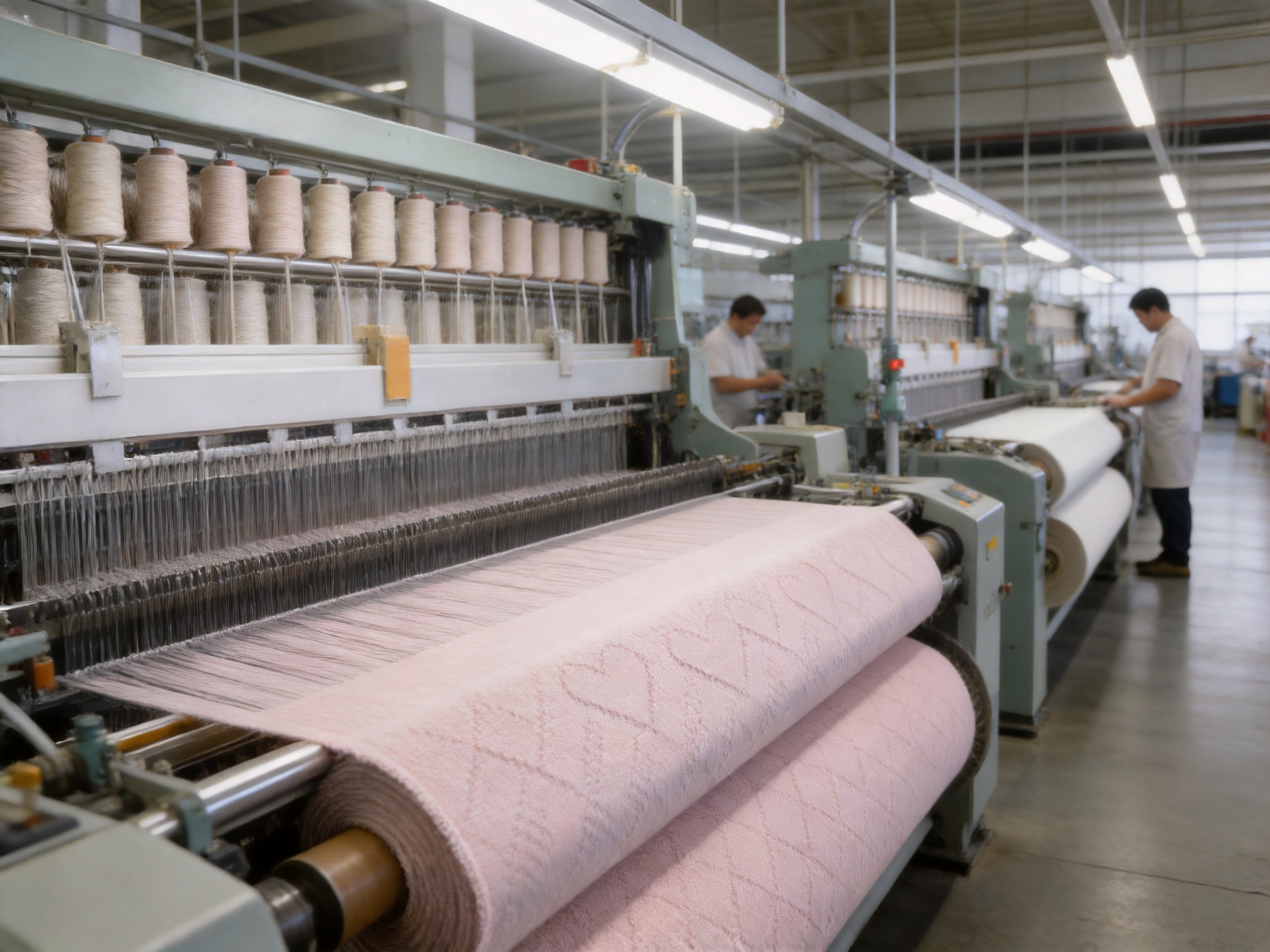
Customization Options for Different Market Requirements
Customization is important because children’s mattress brands operate in different markets and product segments. A value-oriented mattress may require an economical construction with dependable basic performance, while a premium product may prioritize refined softness, advanced appearance, and extensive testing.
Potential customization areas include color, pattern, fabric width, construction, weight, surface texture, finishing, packaging, and performance targets. The supplier and buyer may also discuss whether the antibacterial function should be combined with moisture resistance, flame-retardant development, cooling comfort, or other functional objectives.
Functions should be selected carefully. Adding several performance features may affect cost, hand feel, breathability, color, or processing. The best fabric is not necessarily the one with the longest list of claims. It is the one that provides a balanced performance profile for the intended product and consumer.
Color development is another important area. Children’s products may require soft pastel shades, energetic primary colors, nature-inspired tones, or gender-neutral palettes. Color matching should be confirmed through approved laboratory dips or production samples. The buyer should define acceptable tolerances before mass production to reduce disagreement between batches.
Pattern and texture can also support product differentiation. Subtle geometric structures may suit modern nursery collections, while playful designs may be more appropriate for children’s character-themed or educational products. The final pattern should remain compatible with mattress cutting, sewing, quilting, and panel matching requirements.
Sustainability and Responsible Textile Development
Modern textile buyers increasingly consider environmental responsibility alongside product performance. A responsible approach includes efficient material use, stable production, appropriate packaging, reduced waste, and transparent communication about fabric characteristics.
Longer product life can also contribute to more responsible consumption. A fabric that maintains its appearance and construction through expected use may reduce premature replacement. However, durability must be evaluated honestly through suitable testing rather than assumed from the product category.
Manufacturers should also consider whether the selected functional technology is compatible with the intended disposal or recycling pathway. Different fiber types, finishes, coatings, and blended constructions can affect end-of-life handling. Buyers may request information about material composition, processing chemicals, packaging, and applicable environmental management practices.
Environmental claims should be specific and supported by evidence. Terms such as “eco-friendly,” “green,” or “sustainable” should not be used broadly without explaining the basis for the claim. A clear and accurate product description helps build trust with distributors, retailers, and consumers.
Why Supplier Cooperation Matters
Textile sourcing is not only a transaction involving meters and prices. For functional mattress fabrics, cooperation between the supplier and customer influences the final result. Early communication can prevent misunderstandings about antibacterial claims, color tolerance, washing conditions, width, packaging, and delivery schedules.
A capable supplier can help customers identify the most important technical priorities. For example, a brand may initially request maximum softness, but the intended mattress construction may require greater abrasion resistance or dimensional stability. Through sampling and technical discussion, the fabric specification can be refined to achieve a better overall balance.
Long-term cooperation also supports repeatability. Once a fabric has been approved, future production should follow the same key parameters as closely as possible. Batch records, approved samples, inspection procedures, and clear communication help maintain consistency.
Hangzhou Xinsili Decorative Fabric Weaving Co., Ltd. emphasizes stable, practical, and reliable products, supported by design innovation and technological development. Its vision of “Weaving Beautiful Spaces” reflects an approach in which decorative appeal and functional performance are developed together. For mattress and bedding companies, this can create a useful foundation for product development, private-label sourcing, and customized textile programs.
Recommended Product Development Workflow
The first step is to define the final application. The buyer should identify whether the fabric is intended for a children’s mattress cover, mattress pad, pillowcase, bedding set, or another product. The expected contact, cleaning method, usage intensity, and market requirements should be recorded.
The second step is to establish a preliminary specification. This may include target color, fabric width, weight, construction, hand feel, antibacterial performance, durability expectations, and packaging format. If the buyer has a reference fabric, it can be provided for comparison, but the reference should be evaluated objectively rather than copied without testing.
The third step is sample development. The supplier can recommend a suitable yarn and construction, then provide samples for tactile, visual, and production evaluation. The buyer should review the fabric under realistic lighting and, where possible, test it through cutting and sewing.
The fourth step is laboratory and application testing. The fabric should be evaluated for the performance claims and physical requirements relevant to the final product. If the fabric will be washed, quilted, laminated, or exposed to high friction, those conditions should be included in the testing plan.
The fifth step is approval and documentation. The approved sample, color standard, technical specification, test reports, packaging instructions, and inspection criteria should be documented. This helps both parties manage repeat orders and quality discussions.
The final step is mass production and ongoing review. Production should be monitored according to the agreed controls. Feedback from mattress assembly, retailers, and end users can support future improvements in comfort, appearance, functionality, and efficiency.
Q&A: Antibacterial Yarn Children’s Mattress Fabric
What is Antibacterial Yarn Children’s Mattress Fabric?
It is a functional textile developed for children’s mattress and related bedding applications. The fabric uses antibacterial yarn technology as part of its material concept and is designed to combine hygiene-oriented performance with comfort, appearance, and practical manufacturing characteristics.
Does antibacterial fabric eliminate the need for cleaning?
No. Antibacterial functionality is a supportive textile feature, not a replacement for regular cleaning, laundering, ventilation, or responsible household hygiene. The mattress and cover should be maintained according to the care instructions and the requirements of the final product.
Is the fabric suitable for all children’s mattresses?
Suitability depends on the mattress construction, intended market, washing method, contact conditions, and required performance. Buyers should conduct application-specific sampling and testing before approving the material for mass production.
Can the fabric be customized?
Customization may be available for color, pattern, construction, width, weight, surface feel, finishing, and selected functional targets. The final options should be discussed according to the customer’s equipment, product design, order quantity, and performance requirements.
Can it be used for pillowcases and bedding?
The fabric may be considered for pillowcases, bedding, mattress pads, and related products, but each application should be evaluated independently. Different products experience different levels of washing, friction, moisture, and skin contact.
How should antibacterial performance be verified?
Performance should be verified through a recognized test method that identifies the tested microorganisms, sample preparation, procedures, and results. If wash durability is important, testing should include representative laundering cycles. Claims should reflect the actual documentation.
What manufacturing strengths support this product?
The product is supported by experience in functional decorative textile research, development, and manufacturing. The company has 19 years of industry experience, a 12,000-square-meter factory area, and National High-Tech Enterprise recognition received in 2023. Its product experience covers mattress, bedding, pillowcase, cooling, sofa, and pet-friendly fabrics.
How can buyers begin a project?
Buyers can begin by providing the intended application, desired appearance, target performance, estimated quantity, fabric dimensions, and care conditions. The supplier can then recommend a preliminary construction, develop samples, and coordinate testing and production approval.
What should be included in a purchase specification?
A specification may include fiber or yarn information, construction, width, weight, color standard, acceptable tolerances, antibacterial test requirements, washing expectations, inspection rules, roll length, packaging, labeling, and delivery requirements.
It can support premium positioning when the antibacterial function is combined with high-quality appearance, comfortable hand feel, stable construction, clear documentation, and reliable production. Premium positioning should be based on verified product value rather than a functional claim alone.
Conclusion
Antibacterial Yarn Children’s Mattress Fabric offers manufacturers a practical way to combine decorative textile design with hygiene-oriented functional development. Its strongest value lies in the integration of antibacterial yarn technology, comfortable surface requirements, application-specific construction, and reliable manufacturing support.
For children’s mattress brands, the fabric can help strengthen product differentiation, support a more thoughtful sleep environment, and create opportunities for coordinated bedding collections. Compared with a purely decorative fabric, it offers an additional performance direction. Compared with an unverified surface treatment, yarn-based development provides a material-centered approach that should be assessed through appropriate testing and care simulation.
The final product quality depends on more than the antibacterial feature. Yarn selection, weaving stability, finishing, inspection, mattress construction, cleaning instructions, and supplier cooperation all contribute to the finished result. Manufacturers should therefore evaluate the complete performance profile and ensure that all product claims are accurate and supported by documentation.
With 19 years of textile industry experience, a 12,000-square-meter factory, research and development capabilities, and a broad functional fabric portfolio, Hangzhou Xinsili Decorative Fabric Weaving Co., Ltd. provides a strong manufacturing foundation for customized children’s mattress textile projects. Its focus on craftsmanship, design innovation, functional development, and stable cooperation makes it a suitable partner for companies seeking dependable and differentiated mattress fabric solutions.
For product developers, importers, bedding brands, hotel suppliers, and children’s furniture manufacturers, the next step is to define the application clearly, request samples, confirm performance requirements, and conduct realistic testing. When the textile is selected and manufactured with care, Antibacterial Yarn Children’s Mattress Fabric can become more than a cover material. It can become an important part of a safer-feeling, more comfortable, and more competitive children’s sleep product.
References
1. Textile fiber and yarn engineering principles, including yarn preparation, weaving construction, and fabric finishing practices.
2. Standard laboratory methods for evaluating antibacterial activity on textile materials.
3. General quality-control procedures for woven fabrics, including dimensional stability, color fastness, abrasion resistance, pilling, tensile strength, and tear strength.
4. Best-practice guidance for textile care labeling, laundering evaluation, and consumer product maintenance.
5. Principles of responsible functional textile communication and evidence-based product claims.
6. Company-provided information regarding functional decorative textile research, manufacturing experience, factory area, product categories, and National High-Tech Enterprise recognition.
7. Product development practices for children’s mattresses, bedding, pillowcases, nursery furniture, and related soft-surface applications.
Product: Antibacterial Yarn Children Mattress Fabric

Our Featured Products
-
Antibacterial Yarn Children Mattress Fabric
Antibacterial Yarn Children Mattress Fabric
-
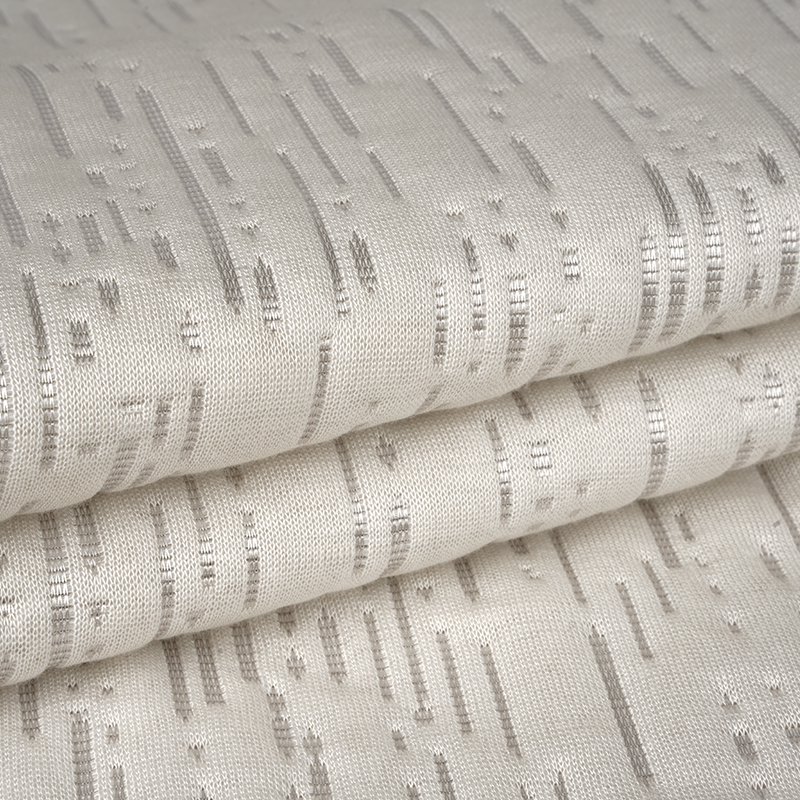
Antibacterial Yarn Children Mattress Fabric
Antibacterial Yarn Children Mattress Fabric
-
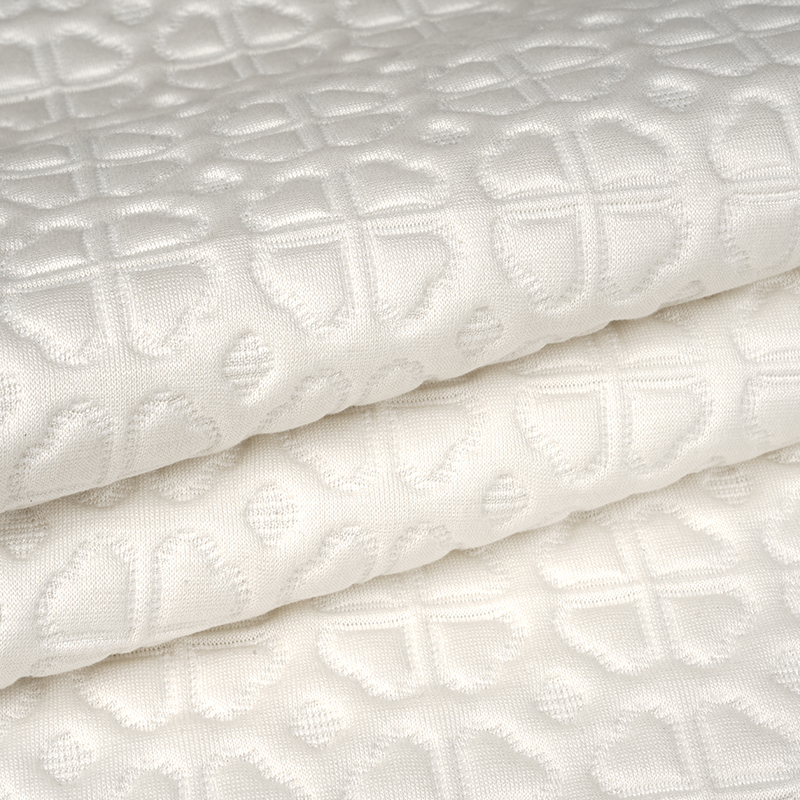
Antibacterial Yarn Children Mattress Fabric
Antibacterial Yarn Children Mattress Fabric
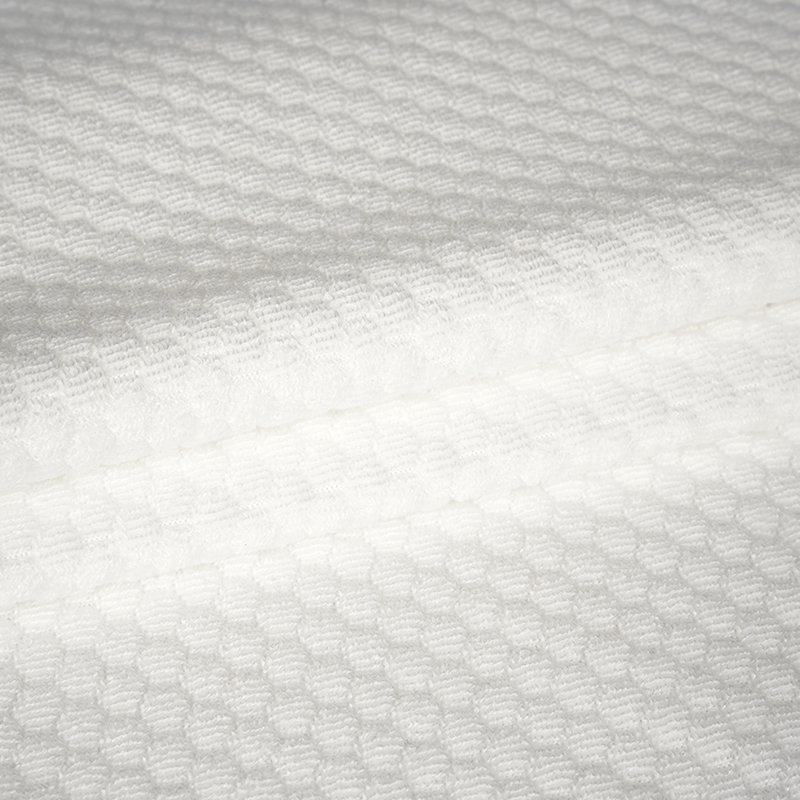
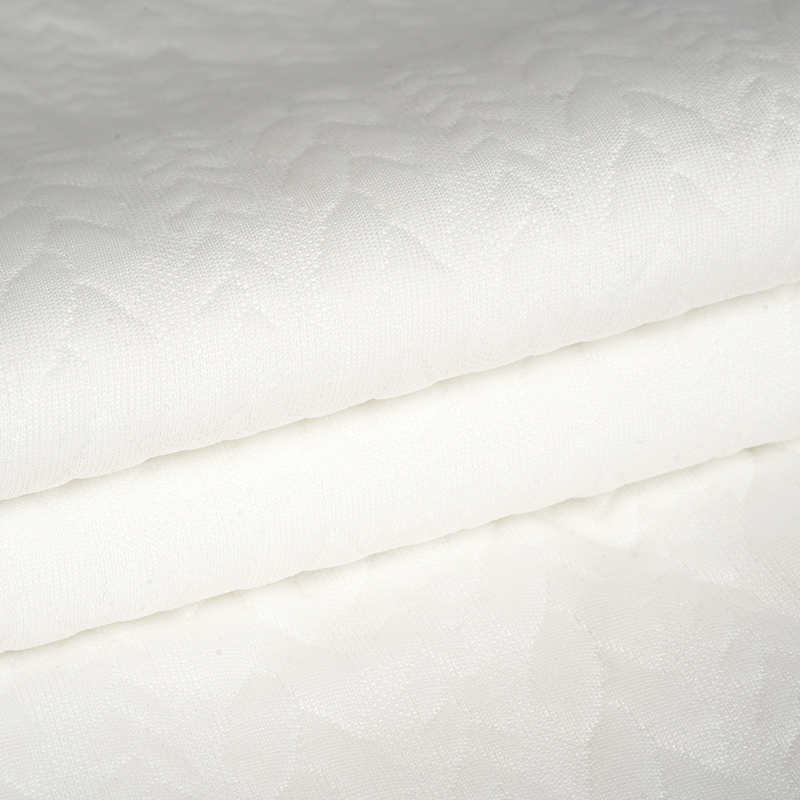
Haven’t Found The Products You Want?
-
-
Shen Jinyan:+86-15158070676
[email protected]
Liang Jinwen:+86-15757186621
[email protected]
Qiu Yingyingn:+86-13819545790
[email protected]
Yi qiao Town, Xiaoshan District, Hangzhou City, Zhejiang Province, China
-
Products
Mattress Fabric Children Mattress Fabric Pillowcase Fabric Pregnancy Pillow Fabric Cooling Mat Fabric Bedding Fabric Sofa Fabric Pet Friendly Fabrics -
Contact Information
About Us Products Strength Sustainability News Contact Us
Copyright © Hangzhou Xinsili Decorative Fabric Weaving Co.,Ltd. All Rights Reserved.
Functional Decorative Textile Manufacturers
