

 English
 中文简体
 Español
 عربى
 русский



Polyester Bedding Fabric for Comfortable, Functional, and Durable Sleep Environments
Content
- 1 Understanding Polyester Bedding Fabric
- 2 Why Polyester Is Widely Used in Bedding Products
- 3 Key Advantages of Polyester Bedding Fabric
- 4 Applications of Polyester Bedding Fabric
- 5 Advanced Manufacturing Process
- 6 Manufacturing Strengths Behind a Reliable Supply
- 7 Competitive Advantages Compared with Generic Bedding Fabric
- 8 Customization Options
- 9 Quality and Testing Considerations
- 10 Care, Storage, and Product Longevity
- 11 How to Choose the Right Polyester Bedding Fabric Supplier
- 12 Recommended Purchasing Workflow
- 13 Q&A About Polyester Bedding Fabric
- 13.1 What is polyester bedding fabric used for?
- 13.2 Is polyester bedding fabric durable?
- 13.3 Can polyester bedding fabric be soft?
- 13.4 Can the fabric be customized?
- 13.5 Can polyester fabric be used for children’s bedding?
- 13.6 Can polyester bedding fabric provide a cooling effect?
- 13.7 Is polyester bedding fabric suitable for hotels?
- 13.8 What functional treatments are available?
- 13.9 How should buyers compare suppliers?
- 13.10 Why is fabric construction important?
- 13.11 What information should be provided when requesting a quotation?
- 14 Conclusion
- 15 References
- 16 Product: Polyester Bedding Fabric

Polyester bedding fabric is a versatile textile solution for modern mattresses, pillows, bedding sets, mattress covers, sofa cushions, and other soft furnishing applications. Its balanced combination of durability, design flexibility, easy care, and production adaptability makes it one of the most widely used textile materials in the bedding industry. When engineered and woven correctly, polyester fabric can deliver a smooth hand feel, stable dimensions, attractive appearance, and reliable performance during repeated daily use.
Today’s bedding market is no longer focused only on color and price. Manufacturers, distributors, furniture brands, hotels, healthcare facilities, and interior designers increasingly require fabrics that contribute to comfort, hygiene, appearance retention, and efficient production. A suitable bedding fabric must support these demands while remaining practical for large-scale manufacturing. Polyester bedding fabric provides a strong foundation for achieving this balance.
Hangzhou Xinsili Decorative Fabric Weaving Co., Ltd. specializes in the research, development, and precision manufacturing of decorative and functional textiles. With 19 years of industry experience, a 12,000-square-meter factory area, and recognition as a National High-Tech Enterprise in 2023, the company develops fabric solutions for residential, hotel, commercial, and specialized soft furnishing applications. Its manufacturing approach combines material selection, weaving expertise, functional technology, quality control, and flexible customer service.
This article examines the characteristics, applications, manufacturing processes, performance advantages, customization opportunities, and purchasing considerations associated with polyester bedding fabric. It also explains how an experienced textile manufacturer can help buyers obtain a more stable and suitable fabric solution than a generic, price-based product.
Understanding Polyester Bedding Fabric
Polyester bedding fabric is a textile produced primarily from polyester fibers and designed for use in sleep-related and home furnishing products. Polyester fibers are formed from polymer materials and can be processed into filament yarns, spun yarns, textured yarns, or blended constructions. Each yarn format affects the fabric’s touch, visual effect, strength, breathability, stretch, and surface appearance.
For bedding applications, polyester may be woven or knitted depending on the required performance. Woven structures generally provide a stable and neat surface, making them suitable for mattress covers, mattress side panels, bed bases, pillowcases, decorative bedding panels, and protective outer layers. Knitted structures can provide greater flexibility and softness, which may be useful for fitted sheets, stretch covers, or products that must conform closely to a mattress or cushion.
The term “polyester bedding fabric” covers a broad range of textile constructions rather than one single specification. The final fabric can vary in weight, width, texture, pattern, color, softness, stretch, finishing treatment, and functional performance. A buyer should therefore select the fabric according to the intended product instead of evaluating polyester as a uniform material.
For example, a mattress border may require dimensional stability, abrasion resistance, and an attractive decorative appearance. A pillowcase may place greater emphasis on softness, smoothness, skin contact, and color fastness. A hotel bedding application may require easy maintenance, repeatable quality, and efficient replacement. A children’s mattress product may need a visually appealing design and a carefully considered comfort and safety profile.
Experienced fabric development allows the base polyester material to be adjusted for each of these requirements. Through yarn selection, weaving design, finishing, and quality inspection, the manufacturer can create a fabric that is more closely matched to its final use.
Why Polyester Is Widely Used in Bedding Products
Polyester offers several practical advantages for bedding manufacturers. First, it provides good tensile strength and resistance to everyday wear. Bedding textiles are exposed to pulling, folding, friction, washing, compression, and repeated handling. A suitable polyester construction can maintain its appearance and structure through these conditions more effectively than a fragile fabric.
Second, polyester generally offers good dimensional stability. Bedding products must retain their size and shape to fit mattresses, pillows, cushions, and covers correctly. Excessive shrinkage or distortion can cause uneven seams, poor fitting, wrinkling, and reduced product value. With appropriate yarn and finishing control, polyester bedding fabric can help manufacturers maintain consistent dimensions.
Third, polyester is compatible with a wide variety of colors, patterns, textures, and surface effects. This supports the development of coordinated bedding collections, hotel room designs, children’s products, seasonal series, and decorative home textiles. The fabric can be designed with simple solid colors, jacquard structures, embossed effects, geometric motifs, or other visual treatments according to market requirements.
Fourth, polyester is often easier to care for than many delicate natural fibers. It can be developed for regular cleaning and routine maintenance, which is important for household bedding, rental accommodation, hotels, dormitories, and other environments where textiles are frequently used. The actual care performance depends on the fabric structure, finishing process, dyeing method, and laundering conditions, so testing and care instructions remain important.
Fifth, polyester allows manufacturers to combine aesthetic and functional objectives. The same material platform can be developed for decorative upholstery-like surfaces, smooth bedding layers, breathable structures, moisture-management finishes, antibacterial treatments, and other specialized applications. This versatility enables a textile supplier to support multiple product categories with coordinated development capabilities.
Key Advantages of Polyester Bedding Fabric
Durability for Repeated Use
Durability is one of the most important advantages of polyester bedding fabric. Mattress covers, pillowcases, and bedding panels are repeatedly exposed to movement and friction. During production, the fabric must also withstand cutting, sewing, folding, and handling. A well-designed polyester fabric can provide the strength and abrasion resistance required for these operations.
For commercial bedding, durability becomes even more important. Hotels, serviced apartments, dormitories, healthcare facilities, and rental properties often require textiles that can tolerate frequent cleaning and replacement cycles. A fabric that retains its visual quality and structural integrity for longer can help reduce premature replacement and support more consistent room presentation.
Durability does not mean that every polyester fabric is automatically suitable for every application. Fabric weight, weave density, yarn type, finishing, and end-use conditions all influence service life. Professional development is therefore necessary to create a suitable balance between strength, softness, flexibility, and appearance.
Dimensional Stability
Mattresses and pillows are manufactured to specific dimensions. Their covers must fit accurately and remain stable after production and cleaning. Polyester fibers are useful in this context because they can be engineered to control shrinkage and deformation.
Dimensional stability supports efficient cutting and sewing. It helps manufacturers achieve cleaner seams, consistent panel sizes, and fewer production adjustments. For fitted products, stable fabric dimensions can also improve the final fit and reduce the risk of looseness or excessive tension.
Manufacturers should still evaluate dimensional change under the intended washing, drying, and use conditions. A reliable textile supplier can assist with testing and help identify the most appropriate finishing and construction for the buyer’s product.
Design Flexibility
Polyester bedding fabric supports a broad design vocabulary. It can be developed in a wide range of colors, textures, patterns, and visual effects. This is valuable for brands that need multiple collections or for hotels that require fabric coordination across mattresses, cushions, curtains, upholstery, and decorative accessories.
Design flexibility also makes polyester useful for children’s bedding, pregnancy pillows, cooling mats, pet-friendly products, and other specialized textile categories. Different surfaces can be created to communicate softness, freshness, warmth, cleanliness, or decorative luxury.
When the fabric is developed by an experienced weaving manufacturer, design decisions can be considered alongside production stability. This reduces the risk of selecting a visually attractive pattern that is difficult to reproduce consistently or unsuitable for the intended finishing process.
Easy-Care Potential
Many bedding buyers value simple maintenance. Fabrics that can be cleaned, dried, folded, and returned to service efficiently are particularly useful in commercial and institutional environments. Polyester bedding fabric can be designed with easy-care characteristics that support routine household and professional maintenance.
Care performance depends on more than fiber content. The dyeing process, finishing treatment, fabric construction, color selection, and laundering temperature all influence the final result. Buyers should request care recommendations and conduct tests based on actual use conditions rather than relying only on the word “polyester.”
Compatibility with Functional Finishes
Modern bedding products increasingly incorporate functional features. Depending on the product concept and technical requirements, polyester fabric may be developed with antibacterial, moisture-resistant, flame-retardant, sleep-supporting, or comfort-improving functions.
These functions are not automatically present in every polyester fabric. They must be achieved through appropriate material selection, finishing technology, process control, and performance testing. A manufacturer with experience in functional decorative textiles can help buyers determine which functions are relevant and how they should be validated.
Functional development should also consider hand feel and appearance. A treatment that improves one property but creates excessive stiffness, odor, discoloration, or reduced comfort may not be suitable for bedding. The best result is achieved when performance and user experience are developed together.
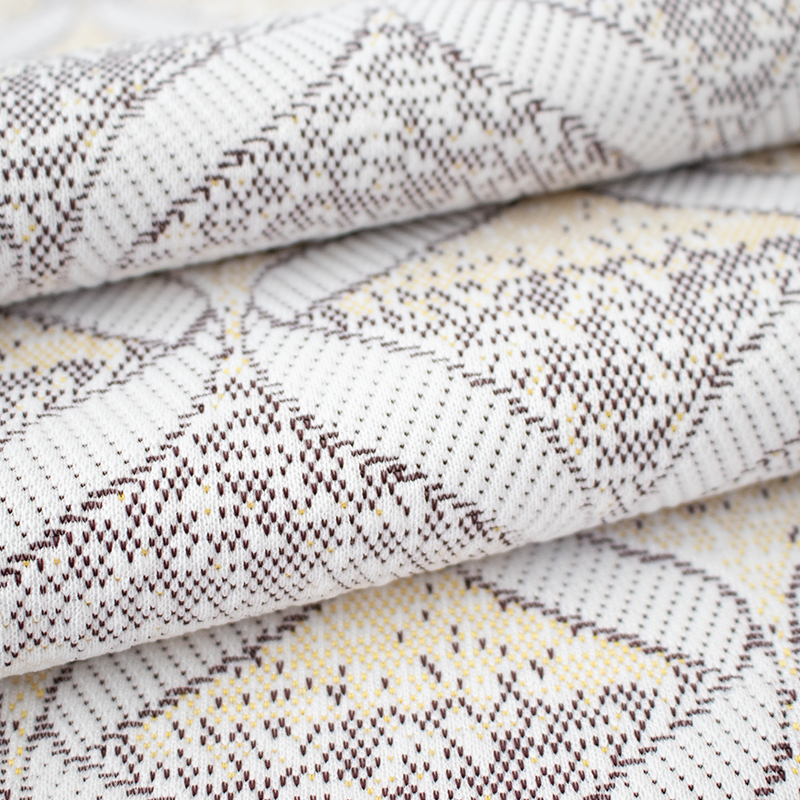
Polyester Bedding Fabric
Applications of Polyester Bedding Fabric
Mattress Covers and Mattress Panels
Mattress products often combine several fabric components. The top panel may require a soft and attractive surface, while the side panel may need additional structural support and abrasion resistance. Polyester bedding fabric can be adapted for both decorative and functional mattress components.
For mattress covers, the fabric may be used as an outer layer, quilted panel, side border, zipper cover, or protective section. Its appearance can be coordinated with the mattress brand, room style, or retail packaging. Its stable dimensions can support accurate sewing and consistent production.
In mattress manufacturing, fabric compatibility with quilting, piping, binding, zipper installation, and elastic attachment is important. A fabric that performs well in a sample but behaves unpredictably during mass production may create operational difficulties. Practical manufacturing experience helps ensure that the selected fabric is suitable for downstream processing.
Pillowcases and Pillow Covers
Pillowcase fabric is closely associated with comfort because it may come into direct contact with the face and neck. The surface should therefore be selected with attention to smoothness, softness, breathability, color, and care requirements.
Polyester can be developed in smooth, brushed, textured, or blended-feel constructions. A pillow cover may also require a concealed zipper, envelope closure, decorative edge, quilting, or printed design. The fabric must remain compatible with these details while retaining a comfortable hand feel.
For hospitality applications, pillowcase fabrics must also support frequent washing and efficient replacement. Consistent color and repeatable fabric width are important when large quantities of matching products are produced.
Pregnancy Pillows and Support Cushions
Pregnancy pillows and support cushions require fabrics that combine comfort, flexibility, appearance, and practical maintenance. Their shapes are often larger or more complex than standard pillows, which places additional demands on fabric cutting and sewing.
Polyester bedding fabric can be developed for removable covers, decorative outer shells, or supportive cushion components. Stretchable or flexible structures may be selected where the fabric must follow curved forms. Stable woven structures may be preferred where shape retention and a neat appearance are more important.
Because pregnancy pillows are used for extended periods, hand feel and cleaning convenience are especially relevant. The fabric should support a comfortable user experience without creating unnecessary maintenance difficulty.
Children’s Mattress and Bedding Products
Children’s bedding requires careful attention to visual design, comfort, durability, and appropriate product safety considerations. Bright colors, friendly patterns, and tactile surfaces can contribute to an attractive product, while a durable fabric construction helps the bedding withstand active use.
Polyester bedding fabric can be developed in playful patterns, coordinated color series, and easy-care constructions. When used for children’s products, buyers should establish their own applicable safety, chemical, flammability, and performance requirements and request appropriate testing documentation from the supplier.
A responsible development process should avoid treating decorative appearance as the only priority. The fabric should be evaluated for its intended contact, cleaning conditions, seam performance, and overall product construction.
Cooling Mat and Seasonal Bedding Products
Cooling mats and seasonal bedding products often require a fabric surface that feels comfortable during warm conditions. Polyester can be used as an outer textile layer or decorative cover, depending on the internal material and product design.
The fabric itself does not automatically create a cooling effect. Cooling performance may depend on the combination of surface texture, moisture management, thermal properties, internal filling, coating, or specialized finishing. A textile manufacturer can assist in selecting a fabric that supports the product’s intended cooling concept while maintaining durability and visual quality.
Hotel and Commercial Bedding
Hotels and commercial facilities usually seek bedding fabrics that combine a professional appearance with reliable service performance. Fabrics used in these environments may need to tolerate frequent cleaning, repeated room turnover, intensive handling, and strict consistency requirements.
Polyester bedding fabric can offer practical advantages in this setting through its durability, color flexibility, dimensional stability, and easy-care potential. It can also be coordinated with sofa fabrics, decorative panels, mattress borders, and other soft furnishing products to create a unified interior style.
Sofa and Decorative Upholstery Applications
Although polyester bedding fabric is primarily associated with sleep products, its decorative and functional properties may also be useful for sofa panels, cushion covers, headboards, and other interior textile components. This cross-category flexibility can help buyers source related fabric products from one experienced manufacturer.
For sofa applications, abrasion resistance, seam strength, texture, color fastness, and surface appearance may receive greater emphasis. The final specification should be chosen according to the expected frequency of use and the relevant furniture testing requirements.
Advanced Manufacturing Process
1. Application and Requirement Analysis
The manufacturing process begins with understanding the buyer’s product and performance expectations. A mattress manufacturer may require one fabric construction, while a pillowcase supplier or hotel project may need another. The intended use, product dimensions, contact area, washing method, visual style, target market, and order volume all influence material selection.
At this stage, the manufacturer can discuss fabric width, weight range, yarn type, color, surface effect, functional treatment, finishing requirements, packaging, and delivery expectations. Clear communication at the beginning helps prevent unsuitable sampling and reduces later changes.
2. Fiber and Yarn Selection
Polyester bedding fabric begins with the selection of suitable fibers and yarns. Filament yarns can provide a smooth and uniform surface, while spun yarns may create a more cotton-like visual effect. Textured yarns can contribute volume, softness, elasticity, or a distinctive surface appearance.
Yarn selection also affects fabric strength, hairiness, luster, moisture behavior, and processing stability. The best choice depends on the desired hand feel and final use. A manufacturer with technical experience can compare alternatives rather than applying one standard yarn to every order.
3. Weaving and Fabric Construction
Weaving determines the fundamental structure of the textile. Plain, twill, jacquard, dobby, and other constructions can produce different levels of stability, texture, density, and visual interest. The selection should match the functional requirements of the bedding product.
Precise weaving control is important because irregular tension, inconsistent density, or defects in the fabric structure may become visible after cutting and sewing. Stable production conditions support uniform appearance across the full roll and from one production batch to the next.
For decorative bedding fabrics, the weaving structure may be used to create patterns directly within the fabric rather than applying a separate print. This can give the surface a more integrated appearance and may support premium design positioning.
4. Dyeing and Color Development
Color is a central part of bedding design. The selected shade must communicate the intended market position and remain consistent across production. Neutral colors may be preferred for hotels and minimalist interiors, while brighter shades and coordinated patterns may be used for children’s products or lifestyle collections.
Color development requires attention to the fiber type, dyeing method, fabric construction, finishing treatment, and lighting conditions used for inspection. A professional supplier should maintain color standards and compare production lots against approved samples.
Buyers should discuss color fastness requirements according to the intended washing and exposure conditions. Testing may include resistance to washing, rubbing, perspiration, light, or other relevant conditions.
5. Functional Finishing
Functional finishing is used to improve selected characteristics of the fabric. Depending on the product concept, the finishing process may target softness, moisture resistance, antibacterial performance, flame retardancy, surface smoothness, dimensional stability, or other properties.
The finishing formula and process conditions must be controlled carefully. Excessive treatment may affect hand feel, color, breathability, or sewing performance. Insufficient treatment may fail to deliver the desired result. For this reason, functional finishing should be developed through samples and performance testing rather than assumed from a product name.
6. Surface Treatment and Mechanical Finishing
Mechanical finishing can influence the touch, luster, smoothness, fullness, and visual character of polyester bedding fabric. Brushing, calendering, embossing, coating, heat setting, and other processes may be used according to the design and performance objectives.
Heat setting is particularly relevant to synthetic textiles because it can help control width, shape, and dimensional stability. The correct process must be selected according to the yarn and fabric construction. Surface treatments should be balanced so that the fabric remains suitable for cutting, stitching, quilting, and final use.
7. Inspection and Quality Control
Quality inspection is essential for identifying defects before the fabric reaches the customer. Inspection may address color consistency, width, weight, weave uniformity, surface appearance, stains, holes, broken yarns, edge quality, and roll length.
Additional testing may be conducted for dimensional change, color fastness, tensile strength, tear strength, abrasion resistance, pilling, seam performance, moisture behavior, or functional properties. The appropriate tests depend on the buyer’s product and market requirements.
Consistent inspection supports both product quality and production efficiency. Detecting an issue early is generally more effective than discovering it after the fabric has been cut into mattress panels or sewn into finished bedding.
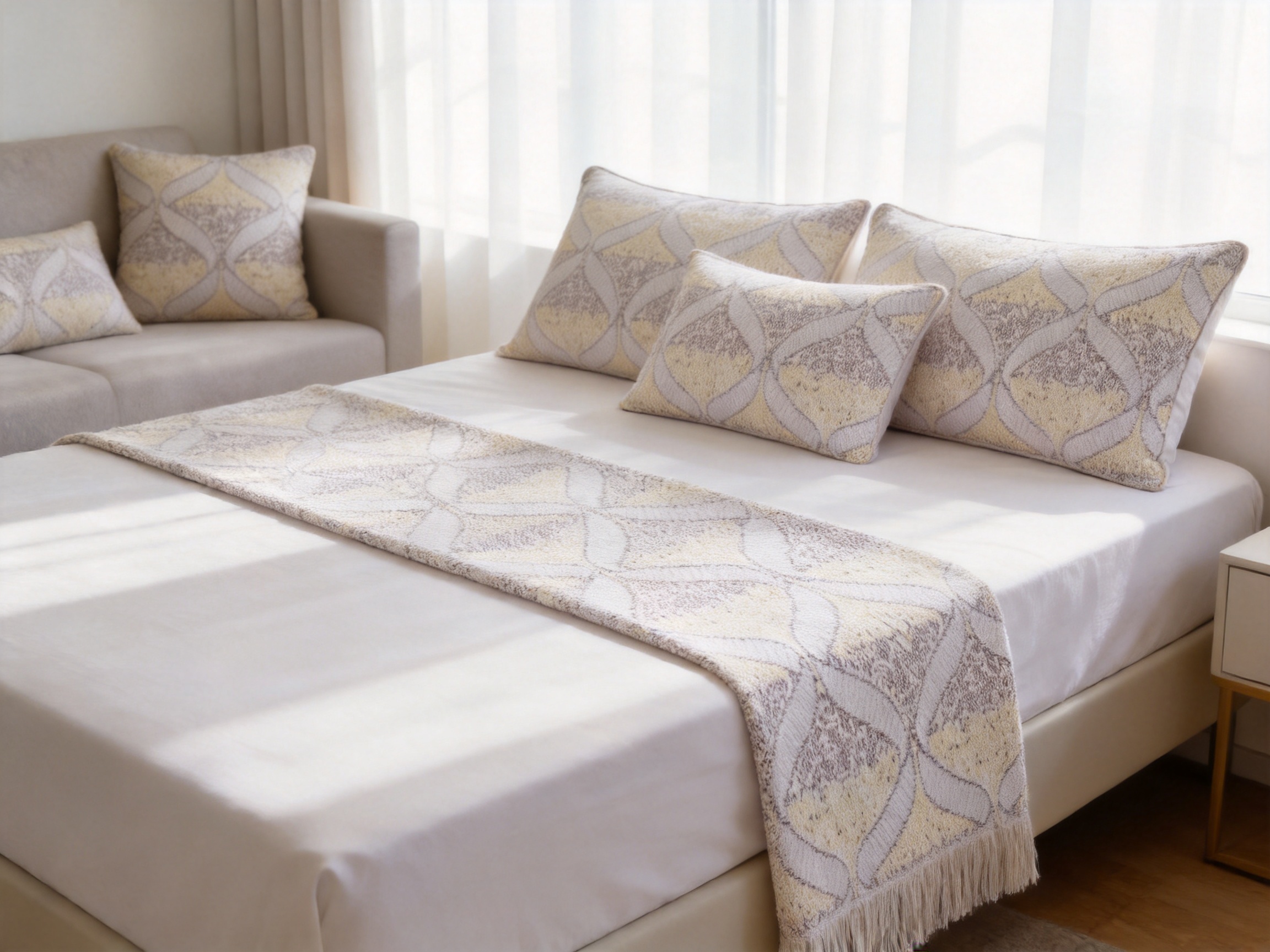
Manufacturing Strengths Behind a Reliable Supply
Long-Term Industry Experience
Hangzhou Xinsili Decorative Fabric Weaving Co., Ltd. has 19 years of industry experience. Long-term participation in textile manufacturing provides practical knowledge of yarns, weaving, finishing, customer requirements, production planning, and quality management.
Experience is especially valuable when a product requires customization. Buyers may know the desired appearance but need guidance on how to achieve it efficiently. An experienced manufacturer can identify potential problems involving shrinkage, surface feel, color matching, fabric width, seam behavior, or finishing compatibility before mass production begins.
Dedicated Factory Area
The company operates within a 12,000-square-meter factory area. A dedicated production site supports the organization of development, manufacturing, inspection, storage, and shipment activities. It also provides a foundation for managing different fabric categories and customer projects.
Factory capacity should not be evaluated only by physical size. Effective production also depends on equipment condition, process control, workforce experience, planning, and communication. The combination of facility resources and textile specialization helps support stable order execution.
National High-Tech Enterprise Recognition
Recognition as a National High-Tech Enterprise in 2023 reflects the company’s focus on technological development and innovation. In decorative and functional textiles, innovation may involve new fabric constructions, improved finishing processes, functional treatments, design development, and production optimization.
For buyers, this type of innovation can be important when standard fabrics do not meet a product’s requirements. Instead of choosing between limited existing options, customers may be able to discuss a more suitable construction or functional direction with the manufacturer.
Focus on Functional Decorative Textiles
The company’s core focus is functional decorative textile development. This positioning is relevant to bedding because modern sleep products must often combine visual appeal with performance. A mattress fabric may need to look refined while supporting durability and easy maintenance. A pillow fabric may require a soft surface and a specialized treatment. A hotel fabric may need to coordinate with interior design while remaining practical for repeated cleaning.
Functional decorative textile expertise allows these objectives to be considered together. Rather than treating decoration and function as separate areas, the manufacturer can develop fabrics that are visually appropriate and technically aligned with the intended product.
Commitment to Environmentally Considered Solutions
The company describes its development direction as providing high-quality and environmentally friendly decorative fabric solutions. Environmental responsibility in textiles may involve material efficiency, responsible process management, durable product design, reduced waste, and careful selection of treatments.
A longer-lasting fabric can help reduce replacement frequency, while accurate production can reduce cutting waste and defective output. Buyers should discuss the specific environmental objectives and request relevant documentation where sustainability claims are part of the purchasing decision.
Competitive Advantages Compared with Generic Bedding Fabric
The main advantage of a specialized polyester bedding fabric is that it is developed for a defined application rather than sold as a general-purpose textile. Generic fabric may appear suitable at first glance, but it can create difficulties when exposed to actual cutting, sewing, washing, friction, or long-term use.
A specialized product can provide better alignment between the fabric structure and the final bedding design. This may improve sewing efficiency, visual consistency, fitting, comfort, and production yield. The benefit is not necessarily a single dramatic feature; it is the combined result of appropriate material selection, controlled production, and application-specific development.
| Evaluation Area | Generic Fabric Purchasing | Application-Focused Polyester Bedding Fabric |
|---|---|---|
| Material Selection | Often based mainly on price or availability | Selected according to comfort, durability, appearance, and end use |
| Fabric Construction | Standard construction may be used for multiple products | Construction can be adjusted for mattresses, pillows, cushions, or bedding panels |
| Design Options | Limited to existing colors and patterns | Supports coordinated colors, textures, patterns, and custom development |
| Functional Features | May not include verified functional treatment | Can be developed toward antibacterial, moisture-resistant, flame-retardant, or comfort-related objectives |
| Production Compatibility | May require changes during cutting or sewing | Can be evaluated for quilting, stitching, piping, zippers, and other processes |
| Quality Consistency | May vary between suppliers or batches | Supported by structured production and inspection procedures |
| Technical Support | Limited application guidance | Technical discussion can cover yarn, weaving, finishing, testing, and care |
| Product Development | Usually focused on immediate supply | Can support new collections and long-term product improvement |
Another competitive advantage is the ability to coordinate multiple fabric categories. A buyer developing mattresses, pillowcases, sofa fabrics, cooling mats, or pet-friendly products may benefit from working with a supplier that understands related decorative textile applications. This can simplify communication and help maintain consistent quality and design language across a product range.
Supply stability is also a competitive consideration. A low-cost fabric may not provide reliable batch consistency, technical support, or problem-solving capability. A manufacturer with established processes and long-term experience can contribute more value over the entire purchasing cycle, from sampling to repeat orders.
Customization Options
Color and Pattern
Customers may request custom colors based on brand identity, interior design, seasonal collections, or customer preferences. Patterns can be developed for minimalist, luxury, natural, contemporary, playful, or commercial styles. When a collection includes several products, coordinated color and pattern development can create a more unified market presentation.
Texture and Hand Feel
The surface may be developed to feel smooth, soft, full, dry, brushed, textured, or slightly structured. Hand feel should be selected according to the contact area and product use. A pillowcase may require a different surface from a mattress side panel or sofa cushion.
Width and Weight
Fabric width influences cutting efficiency and seam planning. The appropriate weight depends on the desired durability, drape, breathability, opacity, and hand feel. Buyers should provide finished product drawings or sample panels where possible so the manufacturer can recommend a suitable construction.
Functional Treatment
Functional requirements may include moisture resistance, antibacterial performance, flame retardancy, sleep-supporting concepts, or comfort enhancement. The buyer should define the intended claim carefully and identify the testing standards required in the target market.
Packaging and Delivery
Roll length, roll weight, labeling, packaging, and shipment protection can also be customized. Correct packaging helps reduce creasing, moisture exposure, contamination, and handling damage during transportation and storage.
Quality and Testing Considerations
Before purchasing polyester bedding fabric in large quantities, buyers should request a sample and evaluate it under realistic conditions. The sample should be cut, sewn, washed, dried, and handled in a manner similar to the final product wherever possible.
Important evaluation areas may include fabric width, weight, color, surface appearance, hand feel, shrinkage, pilling, abrasion, seam behavior, color fastness, and compatibility with quilting or other production processes. For functional products, the relevant performance must be verified through suitable testing rather than inferred from marketing language.
Buyers should also clarify whether the fabric is intended for direct skin contact, use beneath another layer, decorative display, commercial laundering, or occasional household washing. These differences can influence the appropriate specification and testing program.
Production approval should be based on an agreed reference sample or standard. The approved sample should be stored properly and used for comparison during future orders. This practice helps reduce misunderstandings related to color, texture, weight, and finishing.
Care, Storage, and Product Longevity
Polyester bedding fabric should be cared for according to its construction and finishing. Washing temperature, detergent type, drying method, ironing, and exposure to chemicals can influence appearance and service life. The correct care label should be confirmed through testing before the finished bedding product is placed on the market.
Proper storage is also important. Fabric rolls should be protected from moisture, excessive heat, direct sunlight, dust, and sharp handling. Finished bedding should be stored in a clean, dry environment and should not be compressed in a way that permanently damages the fabric surface.
Product longevity depends on the entire bedding system, including fabric, thread, filling, zipper, seams, quilting, and cleaning practices. Polyester bedding fabric can provide a durable outer layer, but the final product must be designed and manufactured as a complete system.
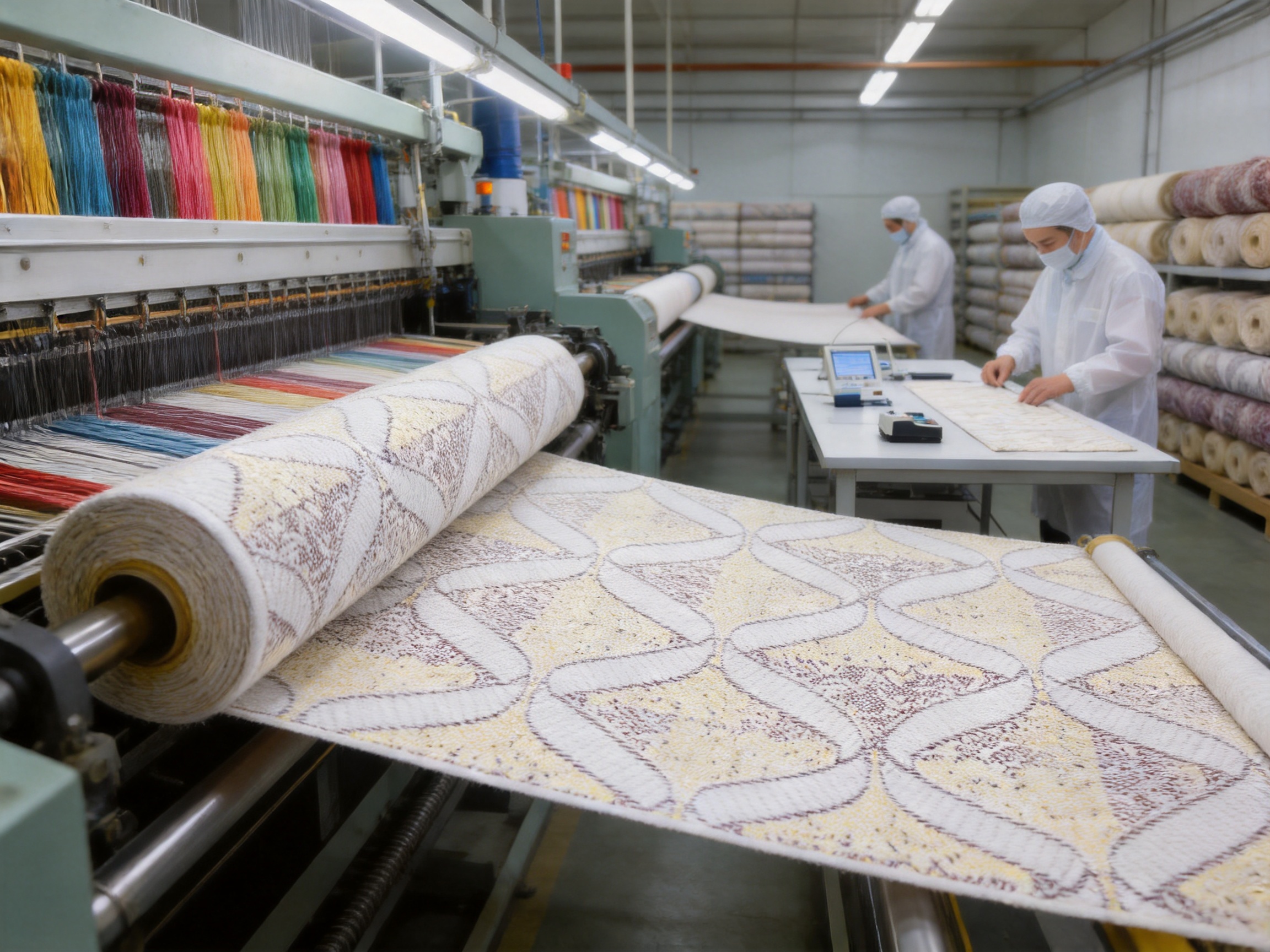
How to Choose the Right Polyester Bedding Fabric Supplier
A suitable supplier should be able to explain the fabric’s construction, intended applications, available customization, production process, inspection methods, and testing options. If a supplier can only provide a price without discussing performance or application, the buyer may face avoidable problems later.
Manufacturing experience is another important factor. A supplier with a long history in decorative and functional textiles is more likely to understand the relationship between design, weaving, finishing, and final product performance. Experience can also support faster troubleshooting when a customer encounters a sewing, washing, or appearance issue.
Production capability should be considered alongside communication. Clear responses, accurate samples, documented specifications, and timely feedback help create a more reliable purchasing process. The supplier should be willing to discuss both the advantages and the limitations of a proposed fabric.
Buyers should also ask about minimum order quantities, sample development, repeat-order consistency, lead time, packaging, quality inspection, and after-sales support. These practical details directly influence the total value of the supply relationship.
Hangzhou Xinsili Decorative Fabric Weaving Co., Ltd. offers a combination of long-term industry experience, a dedicated factory area, functional textile development, decorative fabric expertise, and customer-oriented cooperation. Its location in Hangzhou, Zhejiang Province, provides access to one of China’s important textile manufacturing regions and supports communication with domestic and international customers.
Recommended Purchasing Workflow
Step One: Define the End Product
State whether the fabric will be used for a mattress cover, mattress border, pillowcase, pregnancy pillow, children’s bedding, cooling mat, hotel bedding, sofa cushion, or another application. Include information about contact areas, expected use frequency, and cleaning conditions.
Step Two: Establish Performance Priorities
Identify the most important properties, such as softness, strength, abrasion resistance, dimensional stability, moisture resistance, color fastness, flame retardancy, antibacterial performance, or easy care. Ranking these priorities helps the manufacturer recommend a more appropriate construction.
Step Three: Review Samples
Evaluate several fabric options rather than selecting a product from an image alone. Compare touch, color, texture, thickness, flexibility, sewing behavior, and appearance under different lighting conditions.
Step Four: Confirm Testing
Discuss the tests required for the target market and final product. Test requirements may differ between household bedding, hotel bedding, children’s products, and specialized support cushions.
Step Five: Approve the Specification
Confirm the fiber composition, construction, width, weight, color, finishing, functional treatment, packaging, inspection standard, and delivery requirements in writing. A clear specification reduces the risk of misunderstanding during mass production.
Step Six: Monitor Production and Repeat Orders
For large or recurring orders, maintain a reference sample and review production consistency. Regular communication helps identify opportunities for improvement and supports stable supply over time.
Q&A About Polyester Bedding Fabric
What is polyester bedding fabric used for?
Polyester bedding fabric can be used for mattress covers, mattress side panels, pillowcases, pregnancy pillow covers, children’s bedding, cooling mat covers, hotel bedding, sofa cushions, decorative panels, and other soft furnishing products. The exact use depends on the fabric construction, finish, and performance requirements.
Is polyester bedding fabric durable?
Polyester is generally recognized for good strength and resistance to everyday wear. A properly designed polyester bedding fabric can tolerate repeated handling, sewing, cleaning, and use. Actual durability depends on yarn, weave, weight, finishing, and the conditions of the final product.
Can polyester bedding fabric be soft?
Yes. Polyester can be engineered with different yarns, structures, and finishing processes to create smooth, soft, brushed, full, or textured surfaces. The desired hand feel should be confirmed through physical samples because the word “polyester” alone does not describe the final touch.
Can the fabric be customized?
Customization may include color, pattern, texture, width, weight, yarn type, surface appearance, functional finishing, packaging, and roll format. The available options depend on order quantity, production feasibility, and technical requirements.
Can polyester fabric be used for children’s bedding?
It can be used for children’s bedding when the selected construction and finished product meet the applicable safety and performance requirements. Buyers should identify the standards required in their market and arrange suitable testing for chemical safety, color fastness, flammability, and other relevant properties.
Can polyester bedding fabric provide a cooling effect?
Polyester fabric can support a cooling product concept through suitable surface design, moisture management, thermal treatment, or combination with cooling materials. However, the fabric alone does not automatically guarantee cooling performance. The complete product should be tested under representative conditions.
Is polyester bedding fabric suitable for hotels?
It can be suitable for hotels because it may offer durability, design flexibility, dimensional stability, and easy-care potential. The fabric should be selected according to the hotel’s laundering process, appearance requirements, service conditions, and relevant performance tests.
What functional treatments are available?
Depending on the product and technical feasibility, fabric may be developed toward antibacterial, moisture-resistant, flame-retardant, sleep-supporting, and comfort-improving functions. Each function should be confirmed through appropriate testing and documentation.
How should buyers compare suppliers?
Buyers should compare more than price. Important factors include manufacturing experience, product development ability, quality consistency, customization support, production capacity, testing, communication, delivery reliability, and after-sales service.
Why is fabric construction important?
Fabric construction influences strength, flexibility, softness, breathability, appearance, dimensional stability, and sewing performance. Two polyester fabrics can have very different results because they use different yarns, densities, weave structures, and finishes.
What information should be provided when requesting a quotation?
A quotation request should include the intended application, approximate quantity, desired width, color or pattern, target weight if known, functional requirements, sample needs, packaging preferences, destination, and expected delivery schedule. More information usually leads to a more accurate recommendation.
Conclusion
Polyester bedding fabric is a practical and adaptable material for the evolving bedding and home textile market. Its durability, dimensional stability, design flexibility, easy-care potential, and compatibility with functional finishing make it suitable for mattresses, pillowcases, support cushions, children’s products, hotel bedding, cooling products, sofa fabrics, and other decorative applications.
The strongest results come from application-focused development. Yarn selection, weaving structure, color, finishing, functional treatment, inspection, and downstream sewing performance should be considered as one connected process. This approach helps buyers avoid the limitations of generic fabric and creates a more reliable foundation for finished bedding products.
Hangzhou Xinsili Decorative Fabric Weaving Co., Ltd. brings 19 years of industry experience, a 12,000-square-meter factory area, functional decorative textile expertise, and National High-Tech Enterprise recognition achieved in 2023. Its focus on craftsmanship, design innovation, technological progress, environmental consideration, and long-term cooperation supports the development of stable and practical textile solutions.
For buyers seeking polyester bedding fabric, the most effective purchasing strategy is to define the final application clearly, evaluate samples under realistic conditions, confirm technical requirements, and work with a manufacturer capable of supporting both design and production. With the right construction and manufacturing process, polyester bedding fabric can help create sleep products that are attractive, comfortable, durable, and suitable for modern residential, hotel, and commercial environments.
References
1. Textile Institute. Textile Terms and Definitions. Professional textile terminology and material reference.
2. Textile Testing Technology. General Principles of Fabric Strength, Color Fastness, Dimensional Stability, and Abrasion Evaluation.
3. International Organization for Standardization. Textile Test Methods for Color Fastness, Fabric Performance, and Dimensional Change.
4. American Society for Testing and Materials. Standard Practices for the Testing and Evaluation of Textile Materials.
5. Technical literature on polyester fiber formation, yarn engineering, weaving structures, and textile finishing processes.
6. Industry guidance on functional decorative textiles for residential, hospitality, commercial, and soft furnishing applications.
Product: Polyester Bedding Fabric

Our Featured Products
-
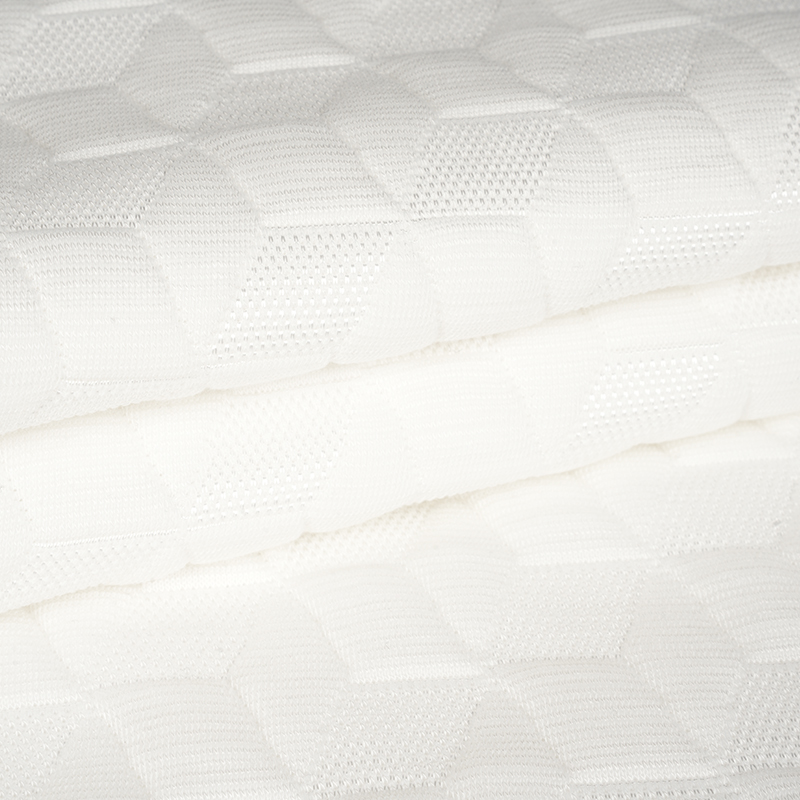
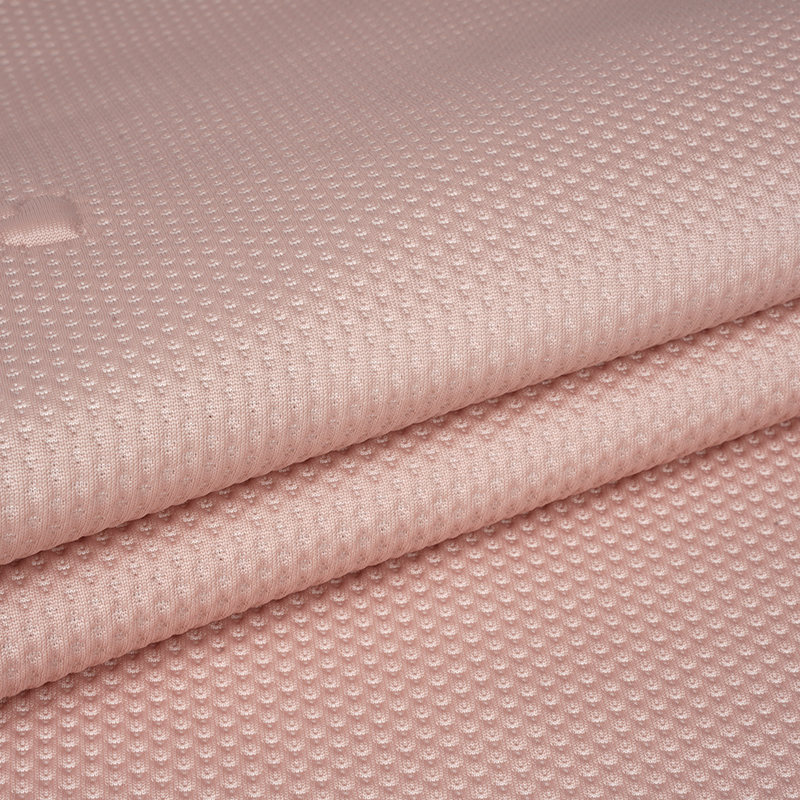
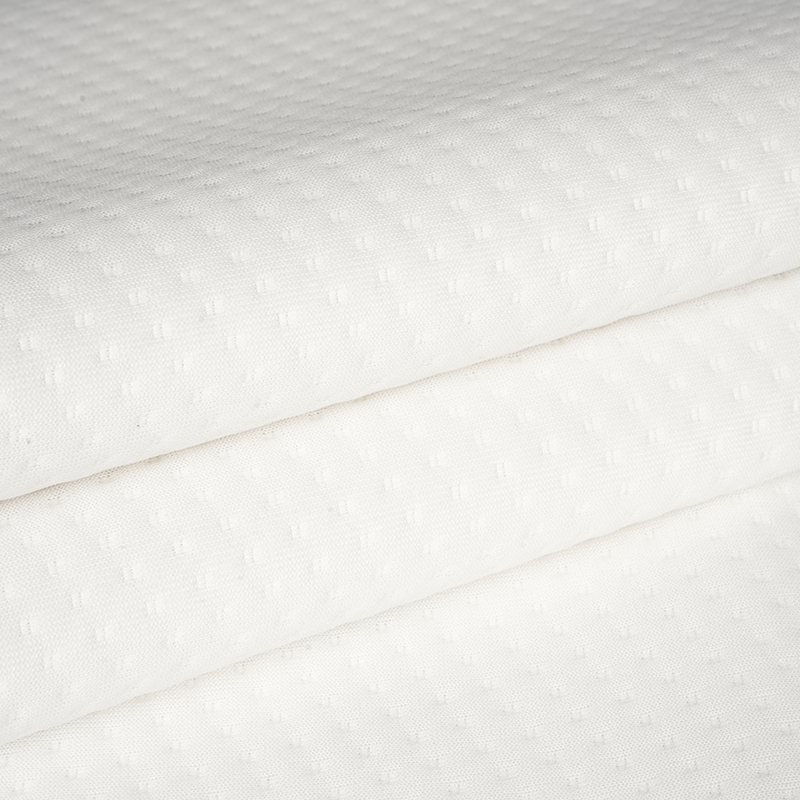
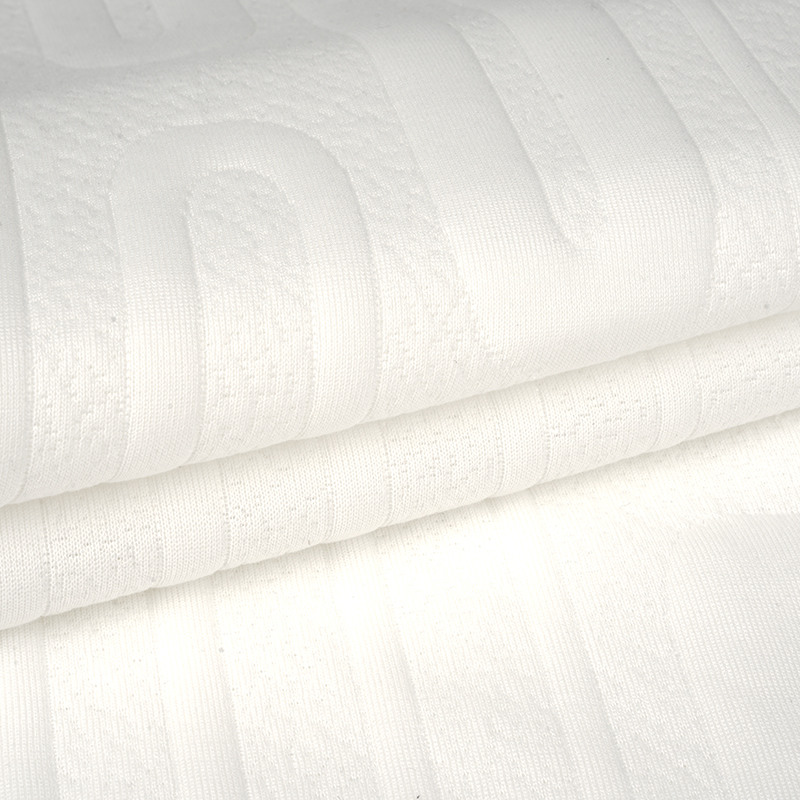
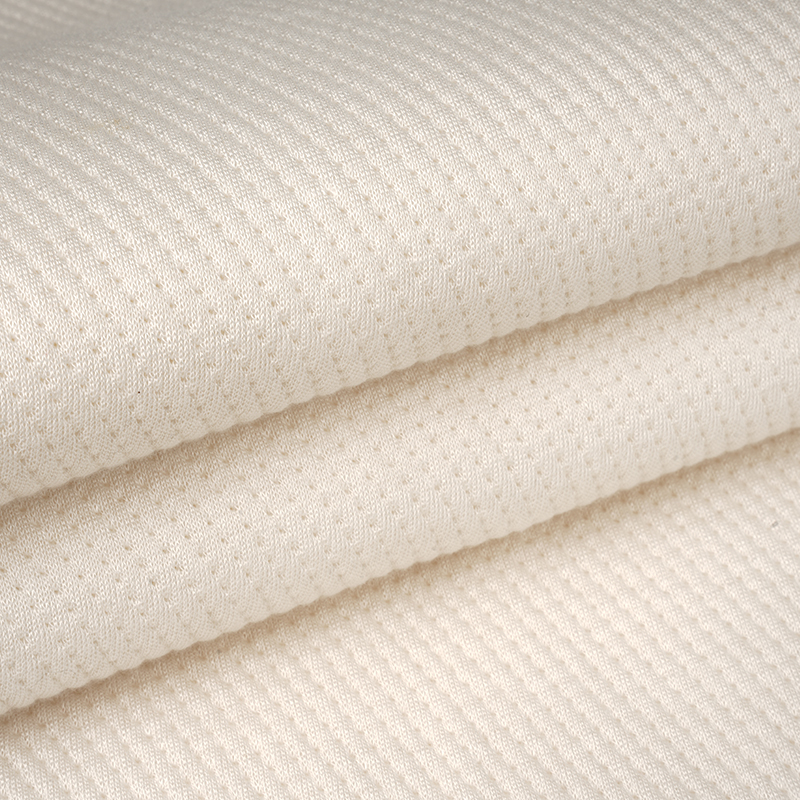
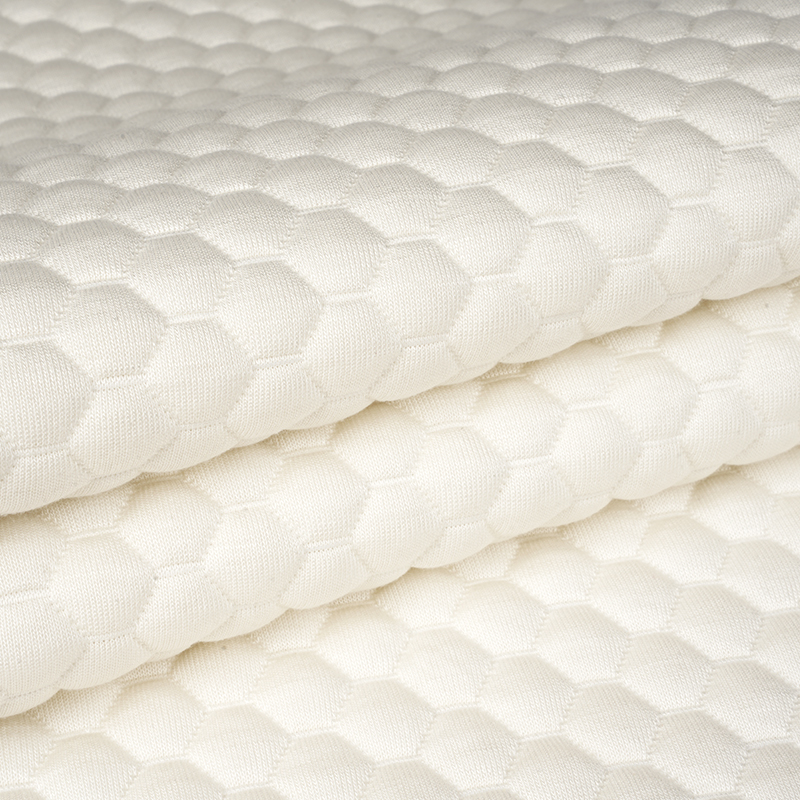
Polyester Mattress Fabric
Polyester Mattress Fabric
Haven’t Found The Products You Want?
-
-
Shen Jinyan:+86-15158070676
[email protected]
Liang Jinwen:+86-15757186621
[email protected]
Qiu Yingyingn:+86-13819545790
[email protected]
Yi qiao Town, Xiaoshan District, Hangzhou City, Zhejiang Province, China
-
Products
Mattress Fabric Children Mattress Fabric Pillowcase Fabric Pregnancy Pillow Fabric Cooling Mat Fabric Bedding Fabric Sofa Fabric Pet Friendly Fabrics -
Contact Information
About Us Products Strength Sustainability News Contact Us
Copyright © Hangzhou Xinsili Decorative Fabric Weaving Co.,Ltd. All Rights Reserved.
Functional Decorative Textile Manufacturers
