

 English
 中文简体
 Español
 عربى
 русский



Bamboo Fiber Pregnancy Pillow Fabric: Advanced Comfort, Hygiene, and Functional Textile Performance
Content
- 1 Understanding Bamboo Fiber Pregnancy Pillow Fabric
- 2 Why Pregnancy Pillow Covers Require Specialized Fabrics
- 3 Key Advantages of Bamboo Fiber
- 4 Advantages Compared with Conventional Pregnancy Pillow Fabrics
- 5 Textile Construction and Application Performance
- 6 Advanced Manufacturing Approach
- 7 Manufacturing Strengths of Hangzhou Xinsili Decorative Fabric Weaving Co., Ltd.
- 8 Customization Options for Pregnancy Pillow Manufacturers
- 9 Application Areas Beyond Pregnancy Pillows
- 10 How to Evaluate a Supplier and Fabric Sample
- 11 Recommended Quality Checklist
- 12 Sustainability and Responsible Product Communication
- 13 Why Specialized Manufacturing Matters
- 14 Conclusion
- 15 Questions and Answers
- 15.1 What is Bamboo Fiber Pregnancy Pillow Fabric?
- 15.2 Is bamboo fiber fabric suitable for direct skin contact?
- 15.3 Does bamboo fiber fabric automatically provide antibacterial performance?
- 15.4 Can the fabric be used for U-shaped and C-shaped pregnancy pillows?
- 15.5 Can buyers request custom colors and weights?
- 15.6 How should the fabric be tested before ordering?
- 15.7 What makes a specialized manufacturer more valuable than a basic fabric trader?
- 15.8 Can the same fabric be used for other bedding products?
- 15.9 What information should be included in an inquiry?
- 15.10 How can buyers communicate sustainability responsibly?
- 16 References
- 17 Product: Bamboo Fiber Pregnancy Pillow Fabric
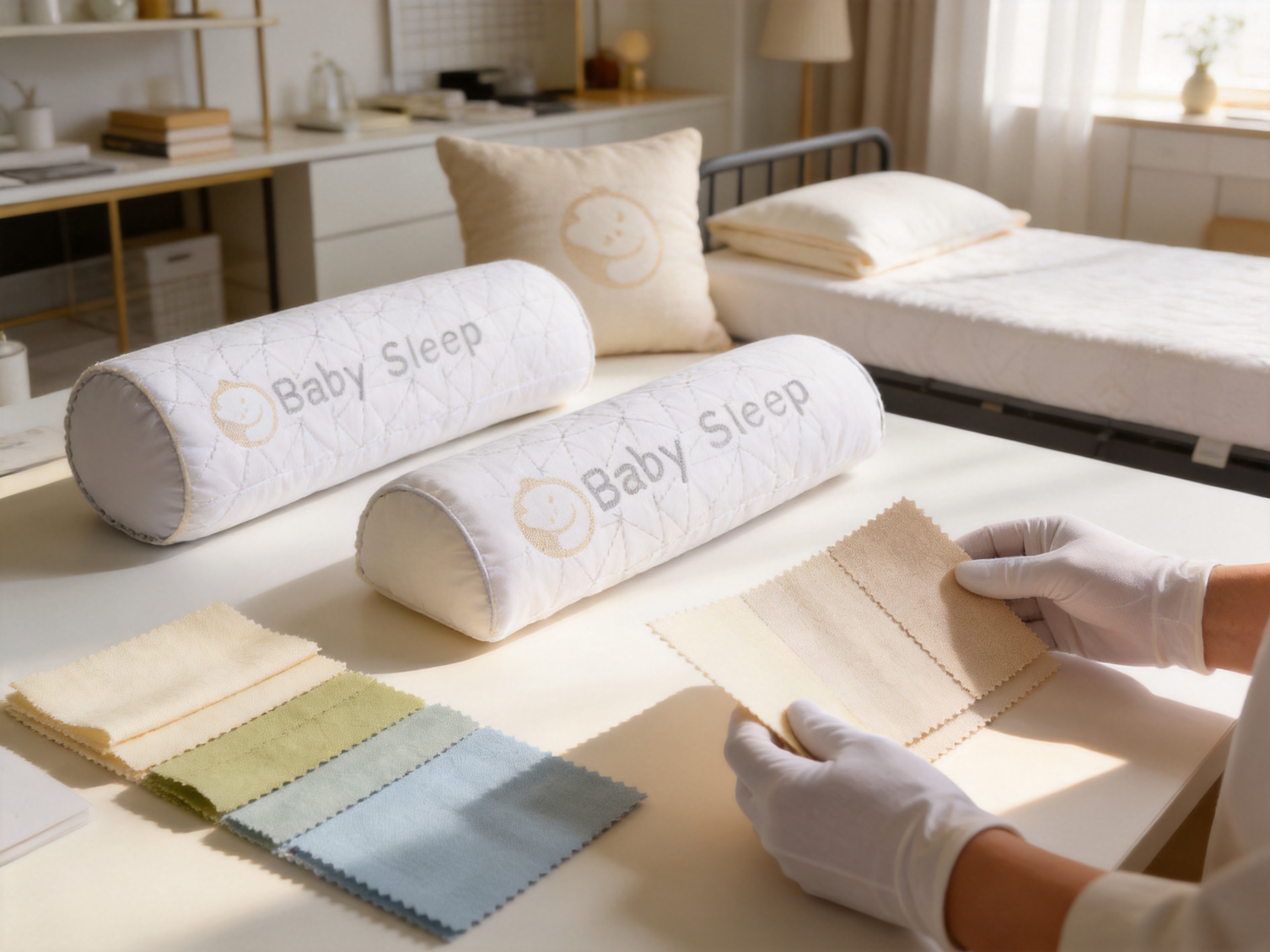
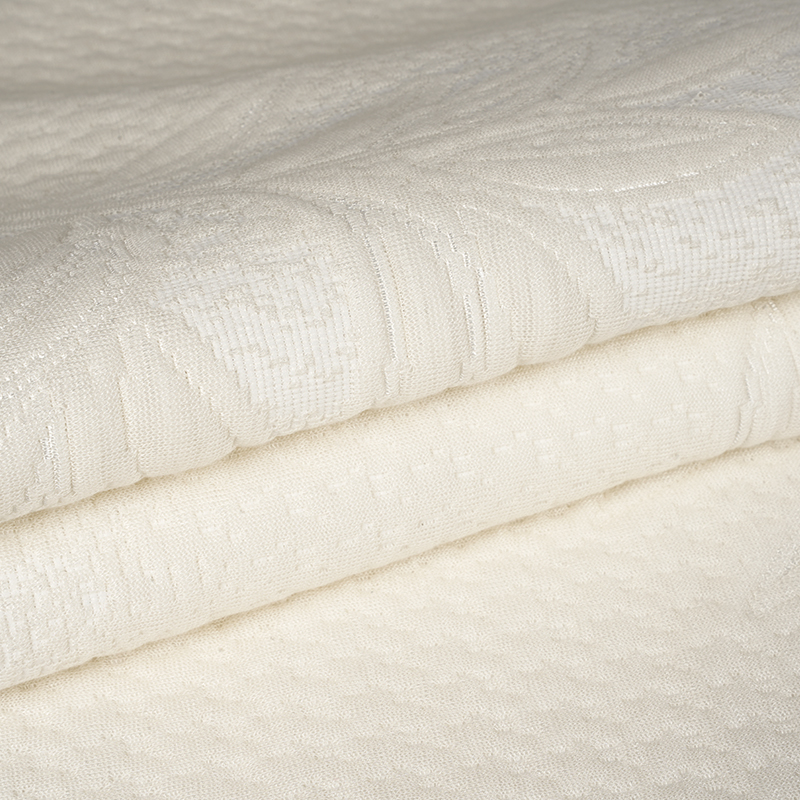
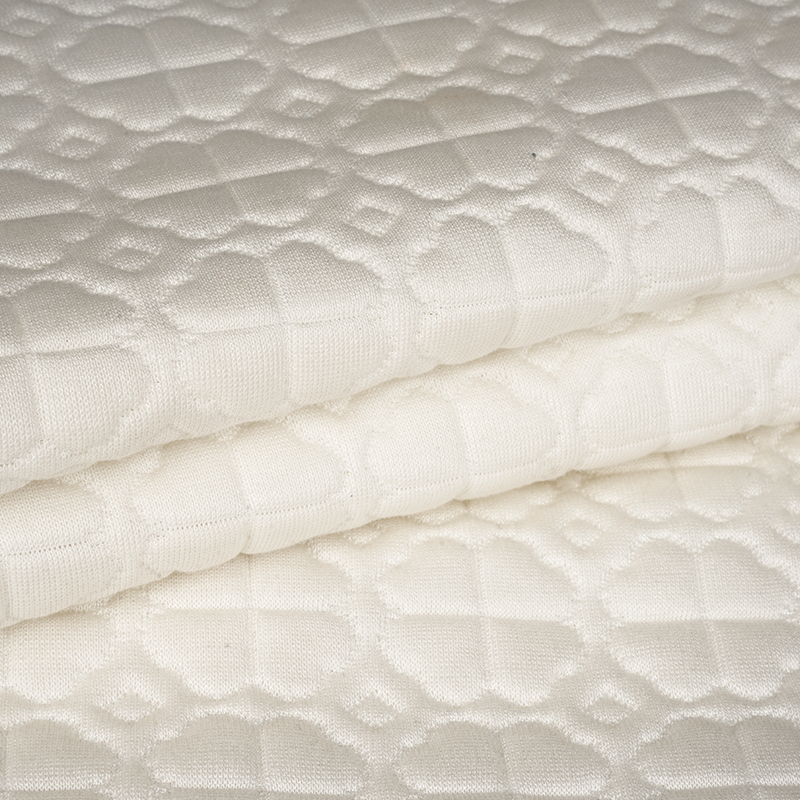
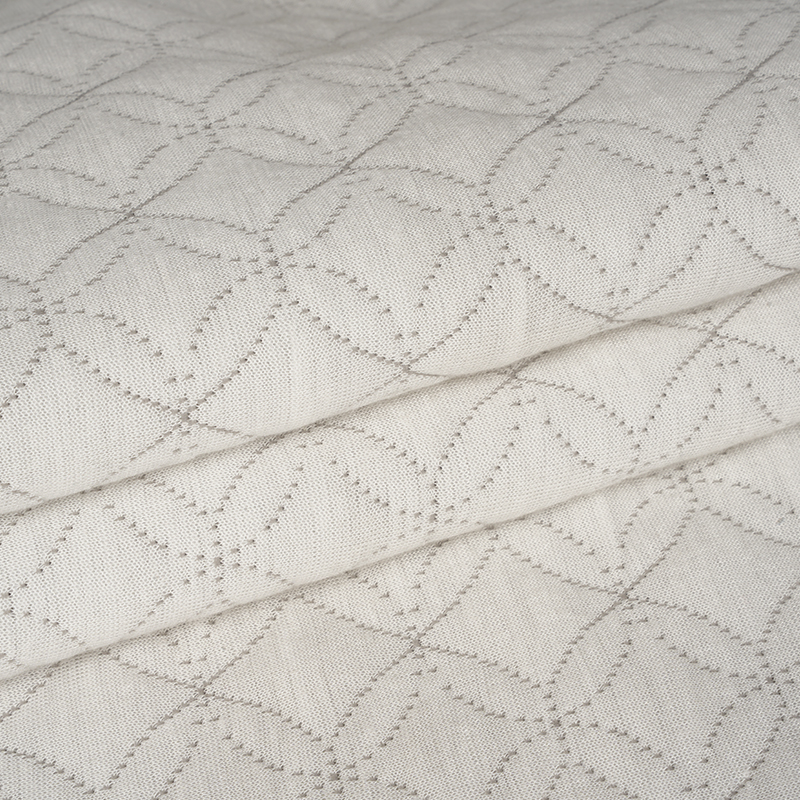
Bamboo Fiber Pregnancy Pillow Fabric is designed for one of the most demanding applications in the bedding and home textile sector: pregnancy support products that must combine softness, breathability, comfort, durability, and dependable daily performance. A pregnancy pillow is used for extended periods, often directly against the body, and its fabric cover plays an important role in the user’s overall sleeping experience. The right textile can influence touch comfort, moisture management, surface temperature, cleanliness, appearance, and product service life.
As consumers become more attentive to sleep quality, material safety, environmental responsibility, and product functionality, fabric suppliers are expected to provide more than attractive colors and a pleasant hand feel. Manufacturers must understand the relationship between fiber selection, yarn construction, knitting or weaving, finishing, inspection, and final application. Bamboo Fiber Pregnancy Pillow Fabric responds to this market direction by combining the comfort-oriented characteristics associated with bamboo-based fibers with the manufacturing flexibility required for pregnancy pillows and related bedding products.
Hangzhou Xinsili Decorative Fabric Weaving Co., Ltd. develops and manufactures functional decorative textiles for residential, hotel, and commercial environments. With 19 years of industry experience, a 12,000-square-meter factory area, and recognition as a National High-Tech Enterprise in 2023, the company has built a production approach centered on practical innovation, stable quality, and long-term cooperation. Its experience in functional fabrics provides a strong foundation for developing textile solutions intended for bedding, pregnancy pillows, mattress products, pillowcases, cooling products, sofas, and other comfort-focused applications.
This article examines the construction value, application benefits, manufacturing process, quality considerations, customization potential, and purchasing advantages of Bamboo Fiber Pregnancy Pillow Fabric. It also explains why a specialized functional textile manufacturer can offer greater value than a supplier focused only on basic fabric production.
Understanding Bamboo Fiber Pregnancy Pillow Fabric
Bamboo Fiber Pregnancy Pillow Fabric is a textile material developed for the outer cover, inner cover, or related soft components of pregnancy pillows. Depending on the required product structure, the fabric may be engineered for stretch, recovery, softness, breathability, moisture handling, abrasion resistance, color stability, or a balanced combination of these properties.
Pregnancy pillows are commonly produced in C-shaped, U-shaped, J-shaped, wedge, bolster, and full-body support designs. Their shapes create different demands for fabric. A large U-shaped pregnancy pillow may require a textile that can follow curved seams without excessive distortion. A compact wedge pillow may prioritize a smooth, stable cover structure. A removable cover may require reliable zipper performance, wash durability, and resistance to pilling. A pillow intended for warm climates may require enhanced air permeability and moisture comfort.
For these reasons, the phrase “bamboo fiber fabric” does not describe only a raw material. It represents a broader product development process that includes fiber selection, yarn planning, textile construction, dyeing, finishing, inspection, and application testing. A successful fabric must perform as part of a complete pillow system rather than as an isolated textile sample.
The final composition and performance values should be confirmed according to the buyer’s specification, production batch, and intended market. Bamboo-based fibers may be used independently or combined with other fibers to achieve particular levels of elasticity, durability, softness, dimensional stability, or cost efficiency. A professional supplier can help determine whether the project requires a bamboo-focused composition, a blended construction, a knitted surface, or a woven structure.
Why Pregnancy Pillow Covers Require Specialized Fabrics
Pregnancy pillows are different from ordinary decorative cushions. They are designed to support the abdomen, back, hips, legs, neck, and shoulders while the user rests or sleeps. As a result, their covers are exposed to extended contact, body heat, friction, pressure, bending, movement, and repeated laundering. A fabric that looks attractive on a sample card may not perform adequately after months of use.
First, the surface must feel comfortable. Pregnancy can increase sensitivity to heat, pressure, and rough textures. A soft and smooth fabric can reduce irritation and make the pillow more pleasant to use. Surface comfort is affected by fiber fineness, yarn construction, fabric density, finishing treatment, and the cleanliness of the production process.
Second, the cover should support a comfortable microclimate. Users may keep pregnancy pillows close to the torso and legs for many hours. A fabric that allows suitable air movement and helps manage moisture can contribute to a less stuffy sleeping environment. Bamboo-based textile solutions are often selected because they are associated with a soft, breathable, and moisture-comfortable hand feel.
Third, the fabric must remain practical after washing. Pregnancy pillow covers are commonly removable and washable, especially when used in warm environments or by consumers who place high value on hygiene. The textile should be selected and finished with attention to shrinkage, colorfastness, seam behavior, surface change, and recovery after care.
Fourth, the textile must support manufacturing efficiency. A cover fabric should run reliably through cutting, sewing, piping, zipper installation, binding, and inspection. Excessive curling, unstable width, inconsistent stretch, or weak seam performance can increase production waste and create customer complaints.
Finally, appearance remains important. Pregnancy products are increasingly positioned as part of the bedroom environment rather than as purely medical or utilitarian accessories. A fabric with a refined surface, consistent color, and coordinated design can help pillow manufacturers create products suitable for modern bedrooms, maternity collections, wellness brands, hotels, and premium home textile ranges.
Key Advantages of Bamboo Fiber
Soft Hand Feel for Extended Contact
One of the most important advantages of bamboo-oriented textile development is the opportunity to create a soft, comfortable surface. Pregnancy pillow covers come into contact with the face, arms, abdomen, knees, and legs. A gentle hand feel can improve perceived product quality and reduce the unpleasant sensation sometimes associated with coarse or overly stiff fabrics.
Softness is not determined by bamboo content alone. It is influenced by the complete textile structure, including fiber quality, yarn selection, fabric density, finishing, and post-treatment. This is why manufacturing expertise is essential. A supplier with experience in comfort-focused fabrics can balance softness with stability rather than pursuing a soft hand feel that compromises durability.
Breathability and Moisture Comfort
A pregnancy pillow can surround a significant portion of the user’s body. In warm conditions, poor air circulation may make the product feel uncomfortable. A bamboo fiber fabric can be developed to provide a breathable surface and a moisture-comfortable touch, depending on its construction and finishing method.
Breathability helps the cover feel less heavy and less closed during use. Moisture comfort refers to the textile’s ability to interact with perspiration and humidity in a way that supports a more pleasant surface sensation. These qualities are especially relevant for consumers in humid climates, for summer bedding collections, and for users who prefer natural-feeling textiles.
Actual performance depends on fabric weight, knit or weave structure, fiber blend, finishing, pillow filling, cover design, and environmental conditions. Therefore, buyers should request application-oriented testing rather than relying only on generic claims.
Comfort-Oriented Temperature Experience
Bamboo-based fabrics are often selected for bedding because they can provide a comfortable, less oppressive surface sensation. When combined with a suitable construction, the fabric may help create a cooler-feeling contact surface compared with dense or heavily coated alternatives.
This benefit should be understood as a comfort attribute rather than a guarantee that the pillow itself will actively reduce body temperature. A fabric’s thermal experience depends on air permeability, moisture behavior, fabric thickness, surface finish, garment or cover design, and surrounding temperature. Xinsili’s focus on functional decorative textiles makes it possible to consider these factors during product development and customization.
Suitability for Hygiene-Focused Product Design
Pregnancy pillow covers are often designed to be removable and washable. Bamboo fiber fabrics can support this type of hygiene-oriented product concept when the fabric construction, dyeing, finishing, and care instructions are properly matched.
Hygiene performance should not be confused with automatic sterilization or unlimited antibacterial activity. If antibacterial or odor-control functionality is required, it should be achieved through an appropriate verified treatment or material system and supported by relevant testing. The product’s final claim should reflect the actual fabric specification and applicable market regulations.
For buyers, a responsible supplier is valuable because it can distinguish between the natural comfort characteristics of a fiber and the additional functional performance created by a specific finishing technology. This clarity helps avoid exaggerated claims and supports more reliable product marketing.
Advantages Compared with Conventional Pregnancy Pillow Fabrics
Conventional polyester, cotton, and blended fabrics can all be effective in pregnancy pillow applications. The most suitable choice depends on the product’s target price, required performance, brand positioning, care instructions, and market. Bamboo Fiber Pregnancy Pillow Fabric is not necessarily a replacement for every alternative; its advantage is that it offers a different balance of comfort, sustainability-oriented positioning, and functional potential.
| Evaluation Area | Bamboo Fiber Pregnancy Pillow Fabric | Basic Conventional Fabric | Value for Pillow Manufacturers |
|---|---|---|---|
| Surface comfort | Can provide a soft, smooth, comfort-focused hand feel | May range from soft to firm depending on fiber and finishing | Supports premium user perception |
| Moisture comfort | Can be engineered for a breathable and moisture-comfortable surface | Depends strongly on structure and finishing | Useful for warm climates and extended contact |
| Design positioning | Suitable for natural-feeling, wellness, and sustainable product concepts | Often positioned around basic practicality or low cost | Helps brands differentiate their collections |
| Functional development | Can be combined with selected treatments and textile structures | Functionality may be more limited in entry-level constructions | Enables antibacterial, moisture-resistant, or comfort-oriented options when validated |
| Customization | Can be adjusted through composition, weight, color, construction, and finishing | Customization depends on the supplier’s technical capability | Supports different pillow shapes and sales channels |
| Consumer experience | Designed around softness, comfort, and responsible material communication | May meet basic requirements without a distinctive experience | Improves the opportunity for premium positioning |
The comparison should always be based on tested samples. A low-quality bamboo textile may not outperform a well-made cotton or polyester textile in every category. The competitive advantage comes from combining appropriate bamboo-based material selection with controlled production and application-specific engineering.
Compared with ordinary polyester fabric, a bamboo-oriented fabric may provide a more natural-feeling touch and a different moisture experience. Polyester remains valuable for strength, rapid drying, cost control, and easy-care applications, but it may not provide the same material story or surface sensation that wellness-oriented consumers expect.
Compared with basic cotton fabric, bamboo fiber fabric may offer an alternative comfort profile and a distinctive product narrative. Cotton is widely recognized for its familiar touch and broad availability. However, bamboo-focused textiles can help brands create a differentiated collection, particularly when combined with modern design, responsible sourcing communication, and functional finishing.
Compared with low-grade blended fabrics, a professionally developed bamboo textile can offer better consistency. Consistency is critical because pregnancy pillows are often manufactured in large volumes, and differences in width, shade, weight, elasticity, or surface appearance can affect the final product. A stable supply chain reduces rework and improves customer satisfaction.
Textile Construction and Application Performance
Knitted Structures
Knitted constructions are often considered for pregnancy pillow covers because they can provide flexibility and a comfortable surface. Depending on the knitting structure, the fabric may conform to curved pillow shapes and reduce the risk of a rigid appearance around corners and seams.
However, stretch must be controlled. Excessive stretch can cause poor fit, seam distortion, zipper stress, or a loose appearance after use. Insufficient recovery may lead to permanent deformation. For this reason, knitting parameters, yarn selection, finishing, and inspection must be coordinated.
Woven Structures
Woven bamboo fiber fabrics can provide a more stable structure and a clean, tailored appearance. They may be suitable for pillow covers that require controlled dimensions, decorative details, piping, embroidery, or a more structured visual effect.
Woven structures can also be combined with finishing treatments designed to improve softness or moisture comfort. Buyers should evaluate the balance between flexibility and stability according to the shape of the pregnancy pillow and the preferred manufacturing method.
Weight and Thickness
Fabric weight and thickness affect hand feel, breathability, opacity, durability, sewing behavior, and perceived quality. A lightweight textile may offer a more breathable and flexible surface, while a heavier textile may provide greater body and coverage. The correct value depends on the pillow filling, cover design, climate, target price, and washing expectations.
Using a heavier fabric does not automatically create a better product. A dense material may feel less breathable or may increase production costs. Conversely, an overly light fabric may be more vulnerable to abrasion, seam stress, or transparency. A professional supplier should help the buyer choose a balanced construction rather than simply offering the thickest available option.
Surface Appearance
The fabric surface may be smooth, brushed, textured, ribbed, jacquard-patterned, or otherwise developed to support a particular product identity. A smooth surface can emphasize cleanliness and simplicity. A subtle texture can add visual depth and help hide minor handling marks. A brushed surface may increase warmth and softness but should be evaluated for pilling, lint, and care behavior.
For pregnancy products, understated designs are often effective because they fit bedrooms and can appeal to a wide range of consumers. At the same time, customized colors and patterns allow brands to create collections for maternity stores, e-commerce channels, hotel projects, and specialized wellness markets.
Advanced Manufacturing Approach
The performance of Bamboo Fiber Pregnancy Pillow Fabric depends not only on the selected fiber but also on how the material is manufactured. Hangzhou Xinsili Decorative Fabric Weaving Co., Ltd. emphasizes precision manufacturing, functional development, and stable production. Its manufacturing approach can be understood as a sequence of controlled stages.
Material Planning and Fiber Selection
Product development begins with the intended use. The supplier must understand whether the fabric will be used as a removable cover, a permanent inner layer, a decorative exterior, or a component in a broader bedding system. Important questions include the pillow shape, expected washing frequency, target market, required softness, need for stretch, desired weight, and target price.
Based on these requirements, the fiber composition and yarn structure can be planned. Bamboo-based fibers may be used with other fibers when the project requires improved elasticity, enhanced dimensional stability, stronger abrasion resistance, easier care, or cost optimization. The objective is not to maximize one material component without considering the finished application. The objective is to create a reliable textile that performs well in the complete product.
Yarn and Construction Control
Yarn quality influences surface smoothness, strength, evenness, hairiness, and the final appearance of the fabric. Inconsistent yarn can create streaks, irregular texture, weak areas, or dyeing variation. Construction parameters must also be controlled to maintain stable width, weight, density, and stretch.
For pregnancy pillow applications, construction control is especially important because the cover may include long curved seams and areas of concentrated tension. A fabric that appears acceptable in a small flat sample may behave differently when cut into a large U-shaped or C-shaped cover. Application-oriented sampling helps identify these issues before bulk production.
Weaving, Knitting, and Process Stability
During weaving or knitting, production stability affects the uniformity of the finished roll. Operators and quality personnel must monitor the fabric structure, surface defects, width, weight, tension, and machine conditions. Small process variations can become visible when multiple panels are sewn together or when a large cover is placed under strong lighting.
Stable production also reduces waste. Material efficiency matters to both manufacturers and buyers because fabric defects can lead to rejected panels, additional cutting losses, delayed delivery, and higher total cost. A factory with established procedures and experienced personnel is better positioned to identify problems early.
Dyeing and Color Management
Color consistency is essential for bedding and home textile products. A pregnancy pillow may be sold as part of a coordinated collection with sheets, mattress protectors, blankets, or pillowcases. Even a small shade difference can affect the appearance of the complete set.
Color development should therefore include sample approval, light source assessment, batch comparison, and inspection under suitable conditions. Buyers should define acceptable shade tolerance before bulk production. Colorfastness to washing, rubbing, perspiration, and light should also be evaluated according to the product’s intended market and use.
Functional Finishing
Finishing can influence softness, smoothness, moisture behavior, dimensional stability, surface appearance, and care performance. Depending on the project, the fabric may be developed with treatments related to antibacterial performance, moisture resistance, flame retardancy, comfort improvement, or sleep-supporting product concepts.
Every treatment must be selected carefully. A finish that improves one property may affect another. For example, a coating may influence breathability or hand feel, while an intensive softening process may change dimensional stability or durability. Functional claims should be supported by appropriate testing, and care instructions should reflect the final finished textile.
Inspection and Quality Assurance
Quality inspection should occur throughout production rather than only at the end. Typical control points include incoming material evaluation, in-process monitoring, finished roll inspection, laboratory testing, and final packing checks.
Relevant evaluation areas may include:
• Fabric width and weight consistency.
• Surface cleanliness and appearance.
• Color consistency between rolls and batches.
• Dimensional stability after washing.
• Colorfastness to washing, rubbing, and perspiration.
• Pilling and abrasion resistance.
• Tensile and tear performance where required.
• Stretch and recovery for elastic constructions.
• Seam behavior during pillow-cover assembly.
• Compliance with applicable chemical and safety requirements.
The exact test list should be agreed with the buyer because different markets and applications may require different standards. The important point is that product quality should be demonstrated through repeatable procedures rather than through visual inspection alone.
Manufacturing Strengths of Hangzhou Xinsili Decorative Fabric Weaving Co., Ltd.
Hangzhou Xinsili Decorative Fabric Weaving Co., Ltd. presents itself as a functional decorative textile manufacturer focused on innovative research, development, and precision manufacturing. Its product direction covers decorative and performance-oriented fabrics for residential, hotel, and commercial environments. This broader experience is relevant to pregnancy pillow fabric because the product requires both comfort and appearance.
The company’s 19 years of industry experience indicate long-term exposure to textile development, production management, customer requirements, and quality consistency. Experience does not replace testing, but it can improve the ability to identify practical production risks and recommend appropriate constructions.
The 12,000-square-meter factory area provides a substantial foundation for organized production, material handling, inspection, and order management. Factory scale alone does not guarantee quality, yet a properly managed facility can support more systematic workflows, better equipment coordination, and improved capacity planning.
Recognition as a National High-Tech Enterprise in 2023 reflects the company’s emphasis on technological development and innovation. For buyers seeking functional decorative textiles, this orientation is significant because modern fabric projects often require more than standard construction. They may involve antibacterial functions, moisture resistance, flame retardancy, sleep-supporting characteristics, or specialized comfort performance.
The company’s stated values include craftsmanship-driven manufacturing, design innovation, and win-win collaboration. These values align with the needs of international buyers who require technical communication, stable sampling, production transparency, and dependable after-sales support. A supplier should be able to discuss not only what a fabric looks like but also how it is manufactured, tested, packed, and adapted to the buyer’s final product.
Xinsili’s focus on environmentally friendly decorative fabric solutions also supports the growing market interest in responsible materials. Environmental positioning must be communicated accurately and should be connected to measurable information about fiber content, processing, chemical management, production efficiency, packaging, and product life. Nevertheless, the company’s emphasis on sustainable living spaces provides a suitable development direction for bamboo-based bedding textiles.
Customization Options for Pregnancy Pillow Manufacturers
One of the main advantages of working with a specialized fabric manufacturer is the ability to customize the textile according to the final product. Bamboo Fiber Pregnancy Pillow Fabric can be developed in different directions depending on the brand’s market positioning and technical requirements.
Fiber Composition
Buyers may request different bamboo-based compositions or blended constructions. The best choice depends on the required hand feel, stretch, recovery, durability, washing performance, price, and sustainability communication. The composition should be clearly documented so that labels, certifications, and product descriptions remain accurate.
Fabric Width and Weight
Fabric width affects cutting efficiency and material waste. A width that matches the pattern layout can reduce unnecessary offcuts, particularly for large U-shaped and full-body pillow covers. Weight influences product appearance and user comfort. Custom width and weight planning can therefore improve both manufacturing efficiency and final product performance.
Color Development
Pregnancy products may be offered in neutral, pastel, natural, or seasonal colors. Custom dyeing allows brands to coordinate pillow covers with bedding collections and interior design trends. Buyers should provide color standards or physical references and should approve laboratory dips or sample yardage before bulk production.
Pattern and Surface Design
Subtle textures, jacquard effects, stripes, checks, botanical patterns, and other designs can help differentiate a product range. Surface design should be considered together with seam construction and washing behavior. A pattern that looks attractive on a small sample may require careful alignment when used on large curved pillow panels.
Functional Treatments
Depending on the market and product claim, buyers may explore moisture-resistant, antibacterial, flame-retardant, easy-care, odor-control, or comfort-enhancing treatments. Each function should be technically defined and validated. The treatment must also be compatible with the fabric’s softness, breathability, appearance, and washing requirements.
Packaging and Order Support
Fabric may be supplied in rolls, folded packages, or other formats depending on the buyer’s cutting and storage process. Clear labeling of composition, color, batch number, roll length, and inspection status helps improve traceability. For international orders, packaging must also protect the fabric from moisture, dust, compression damage, and handling contamination.
Application Areas Beyond Pregnancy Pillows
Although the primary focus is pregnancy pillow fabric, the same textile development capabilities may support several related products. Bamboo Fiber Pregnancy Pillow Fabric can be evaluated for nursing pillows, body pillows, pillowcases, mattress covers, children’s bedding, cooling mats, decorative cushions, and selected sofa or soft-furnishing applications.
For pillowcases, softness and moisture comfort are particularly important because of direct facial contact. For children’s mattress products, buyers may prioritize safety documentation, wash durability, and gentle surface performance. For cooling mats, fabric construction must be considered alongside the cooling filling or gel system. For sofa applications, abrasion, colorfastness, and dimensional stability may become more important than ultra-softness.
This cross-application capability can benefit buyers who want to develop a coordinated home textile collection. A supplier familiar with multiple textile categories may help maintain a consistent visual language while adjusting performance for each product.
How to Evaluate a Supplier and Fabric Sample
Buyers should evaluate Bamboo Fiber Pregnancy Pillow Fabric through a structured sampling process. Visual appearance and hand feel are useful first impressions, but they do not provide enough information for a commercial decision.
The first step is to define the finished product. The buyer should specify pillow shape, cover construction, zipper or closure type, expected washing process, target climate, product price range, and intended sales market. The fabric cannot be evaluated correctly without understanding how it will be used.
The second step is to request complete technical information. This may include fiber composition, fabric width, weight, construction type, available colors, finishing details, tolerances, packing method, minimum order quantity, and lead time. If a functional treatment is included, the buyer should ask for the testing method and performance retention after washing.
The third step is to perform sample sewing. A small sewn cover can reveal stretch behavior, curling, seam slippage, zipper compatibility, surface distortion, and pattern alignment problems. Sewing tests are especially important for large curved pregnancy pillow designs.
The fourth step is to conduct care testing. The sample should be washed according to the proposed care instructions and then evaluated for shrinkage, color change, pilling, hand-feel change, seam stability, and appearance. Repeated washing is more informative than a single quick rinse.
The fifth step is to compare suppliers based on total value rather than initial fabric price. A lower-priced textile may create higher costs through cutting waste, sewing problems, claims, inconsistent batches, or premature product deterioration. Reliable communication, stable quality, technical support, and traceability should be included in the purchasing decision.
Recommended Quality Checklist
A practical purchasing checklist for Bamboo Fiber Pregnancy Pillow Fabric may include the following categories:
Material identity: Confirm the fiber composition and ensure that product labels and marketing materials match the actual textile.
Surface comfort: Assess softness, smoothness, lint, roughness, and any sensitivity to finishing chemicals or odors.
Construction: Check width, weight, density, stretch, recovery, thickness, and visual uniformity.
Color: Confirm shade approval procedures, batch tolerance, and colorfastness requirements.
Durability: Evaluate pilling, abrasion, tensile performance, tear strength, and seam behavior where relevant.
Care performance: Test shrinkage, deformation, surface change, and color after the intended washing method.
Functional claims: Request suitable reports or test results for antibacterial, moisture-resistant, flame-retardant, or other claimed functions.
Safety and compliance: Confirm that the fabric meets the applicable chemical, labeling, and consumer safety requirements of the target market.
Production reliability: Review sample-to-bulk consistency, inspection procedures, batch identification, and corrective-action processes.
Commercial support: Clarify minimum order quantities, sampling costs, production lead time, payment conditions, packaging, shipment terms, and communication channels.
Sustainability and Responsible Product Communication
Bamboo-based textiles are often associated with environmental responsibility, but sustainability communication must remain precise. A responsible product description should identify the actual fiber type, manufacturing process, blend ratio, finishing treatments, and available certification or testing documentation.
Environmental performance can involve several factors, including raw material sourcing, chemical management, energy use, water use, waste reduction, durability, product life, and end-of-life options. A durable textile that remains attractive and functional for a longer period may reduce replacement frequency. Efficient cutting and stable manufacturing can also reduce waste.
Buyers should avoid presenting bamboo fiber as automatically superior in every environmental category. Instead, they should work with the supplier to gather accurate information and use claims that can be supported. This approach protects the brand and gives consumers a clearer understanding of the product.
Xinsili’s stated commitment to environmentally friendly decorative fabric solutions and sustainable living spaces creates a useful framework for responsible product development. Its focus on practical and reliable products is particularly relevant because sustainability should be connected to real service life, consistent quality, and appropriate application performance.
Why Specialized Manufacturing Matters
Many suppliers can offer a soft fabric sample, but fewer can support the entire path from concept to stable commercial production. Specialized manufacturing matters because pregnancy pillow textiles must satisfy several requirements at the same time. They must be comfortable but not too fragile, flexible but not unstable, attractive but not difficult to sew, and functional without compromising hand feel.
A specialized manufacturer understands that the final result depends on interaction among fiber, yarn, construction, finishing, cutting, sewing, filling, packaging, and care. This integrated view helps reduce the risk of selecting a fabric that performs well in one test but fails in actual production.
Advanced manufacturing also improves communication. Buyers can discuss their application with technical personnel who understand fabric behavior, rather than relying only on sales descriptions. Technical discussions can cover the reasons for choosing a particular structure, the expected result of a finishing treatment, or the trade-off between softness and abrasion resistance.
For international customers, production transparency is equally important. Clear documentation, sample approval, quality inspection, batch traceability, and responsive communication help make long-distance cooperation more dependable. These factors are especially valuable when the buyer is developing a new pregnancy pillow collection or entering a new market.
Conclusion
Bamboo Fiber Pregnancy Pillow Fabric offers a strong material direction for manufacturers seeking to combine softness, moisture comfort, breathable design, wellness-oriented positioning, and functional textile development. Its value is not based solely on the presence of bamboo fiber. The real advantage comes from matching the material to the pillow design, controlling the textile construction, applying suitable finishing, verifying performance, and maintaining consistent production.
Compared with basic conventional fabrics, a professionally developed bamboo-oriented textile can provide a more distinctive user experience and a stronger product story. It may support premium bedding collections, natural-feeling home textiles, and comfort-focused maternity products. At the same time, buyers should evaluate all claims through samples, testing, and technical documentation.
Hangzhou Xinsili Decorative Fabric Weaving Co., Ltd. brings relevant strengths to this product category through 19 years of industry experience, a 12,000-square-meter factory area, functional textile development, precision manufacturing, and recognition as a National High-Tech Enterprise in 2023. Its capabilities in antibacterial, moisture-resistant, flame-retardant, sleep-supporting, and comfort-improving textile concepts provide a foundation for customized pregnancy pillow fabric solutions.
For brands, wholesalers, bedding manufacturers, and home textile distributors, the most effective purchasing strategy is to define the application clearly, test the fabric in a sewn product, confirm care and functional performance, and select a supplier capable of stable long-term cooperation. When these steps are followed, Bamboo Fiber Pregnancy Pillow Fabric can become more than a soft cover material. It can serve as an important part of a safe, comfortable, attractive, and thoughtfully engineered pregnancy support product.
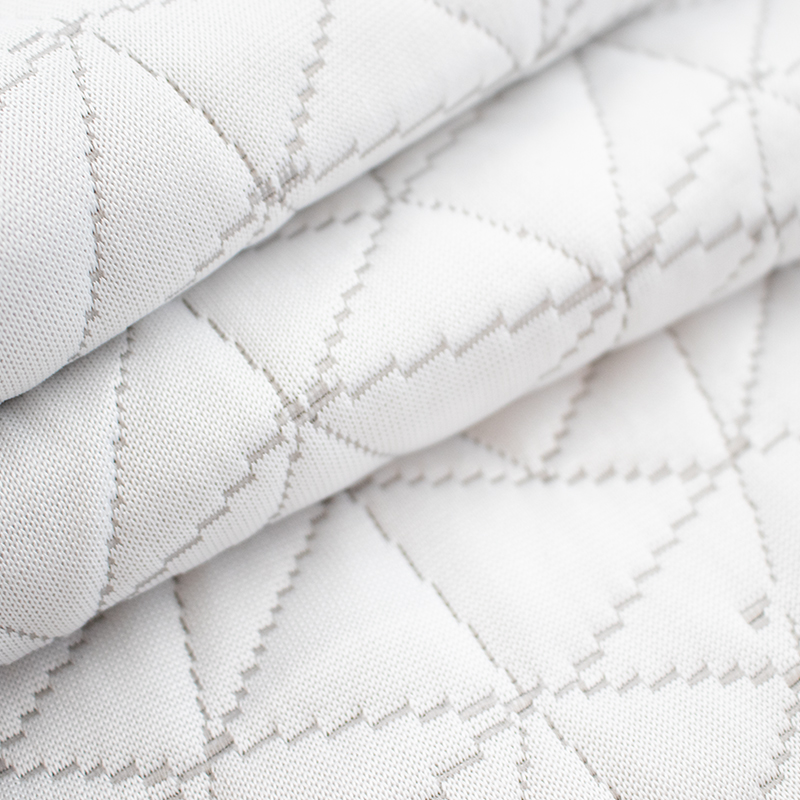
Bamboo Fiber Pregnancy Pillow Fabric
Questions and Answers
What is Bamboo Fiber Pregnancy Pillow Fabric?
Bamboo Fiber Pregnancy Pillow Fabric is a textile developed for pregnancy pillow covers or related pillow components. It uses bamboo-based fibers in a construction selected for comfort, appearance, breathability, moisture comfort, durability, and sewing performance. The final composition and technical specifications should be confirmed with the manufacturer.
Is bamboo fiber fabric suitable for direct skin contact?
It can be suitable for direct skin contact when the textile is manufactured, finished, and tested for the intended application. Buyers should evaluate softness, surface cleanliness, chemical safety, colorfastness, and care performance before commercial use.
Does bamboo fiber fabric automatically provide antibacterial performance?
No. Bamboo-based material may support a natural-feeling and hygiene-oriented product concept, but a specific antibacterial claim should be supported by an appropriate verified treatment and test report. Marketing language should reflect the actual specification.
Can the fabric be used for U-shaped and C-shaped pregnancy pillows?
Yes, it can be developed for different pillow shapes. The key considerations are fabric stretch, recovery, width, dimensional stability, seam behavior, and pattern layout. A sewn sample should be tested before bulk production.
Can buyers request custom colors and weights?
Custom colors, fabric weights, widths, constructions, patterns, and finishing options may be available depending on the project and order quantity. Color standards and technical requirements should be confirmed during the sampling stage.
How should the fabric be tested before ordering?
Buyers should inspect the surface, measure width and weight, sew a representative cover, test washing, and evaluate shrinkage, colorfastness, pilling, seam behavior, stretch recovery, and overall appearance. Any functional claim should be supported by a suitable test method.
What makes a specialized manufacturer more valuable than a basic fabric trader?
A specialized manufacturer can provide greater control over material planning, textile construction, finishing, inspection, customization, production consistency, and technical communication. This can reduce the risks associated with sewing problems, batch variation, unverified claims, and inconsistent delivery.
Can the same fabric be used for other bedding products?
Depending on its construction and performance, the fabric may also be considered for pillowcases, mattress covers, nursing pillows, body pillows, children’s bedding, cooling products, and selected decorative textile applications. Each use should be evaluated separately.
What information should be included in an inquiry?
An inquiry should include the intended product, pillow shape, fabric composition preference, width, weight, color, stretch requirement, washing method, target market, estimated quantity, packaging needs, and any desired antibacterial, moisture-resistant, flame-retardant, or other functional performance.
How can buyers communicate sustainability responsibly?
Buyers should use accurate descriptions based on verified fiber content, manufacturing information, testing, certifications, and product life. They should avoid broad environmental claims that cannot be supported by documentation.
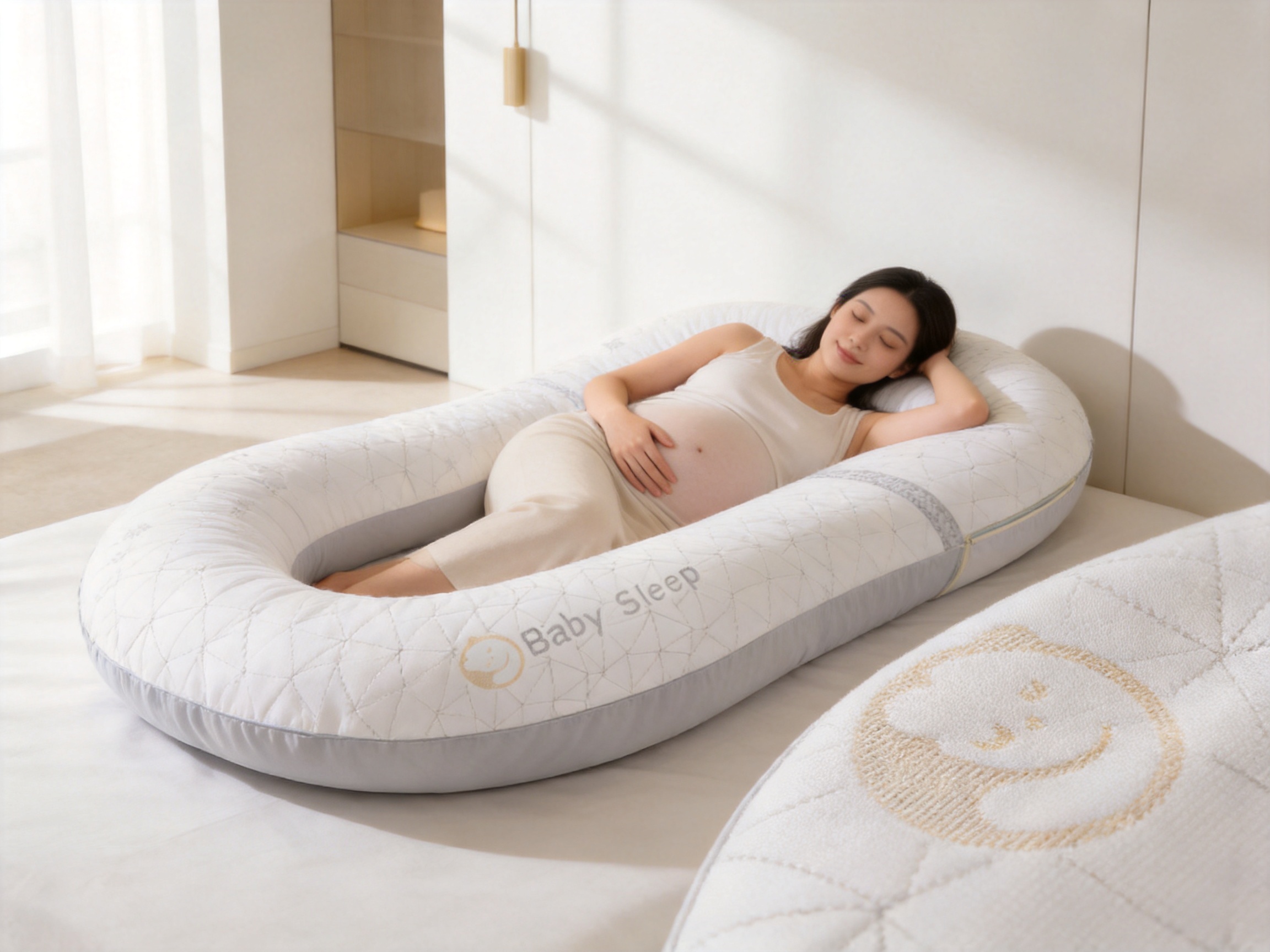
References
1. International Organization for Standardization. Textile Testing Principles for Colorfastness, Dimensional Stability, and Surface Performance.
2. American Association of Textile Chemists and Colorists. Guidelines for Evaluating Textile Colorfastness and Care Performance.
3. ASTM International. Standard Practices for Textile Fiber Identification, Fabric Testing, and Performance Evaluation.
4. Textile Exchange. Material Sustainability Considerations for Cellulosic and Blended Fibers.
5. International Labour Organization. Guidance on Responsible Textile and Garment Manufacturing.
6. Technical literature on bamboo-based cellulosic fibers, textile comfort, moisture management, and fabric construction.
7. Industry guidance on home textile product development, pregnancy pillow construction, and consumer product safety.
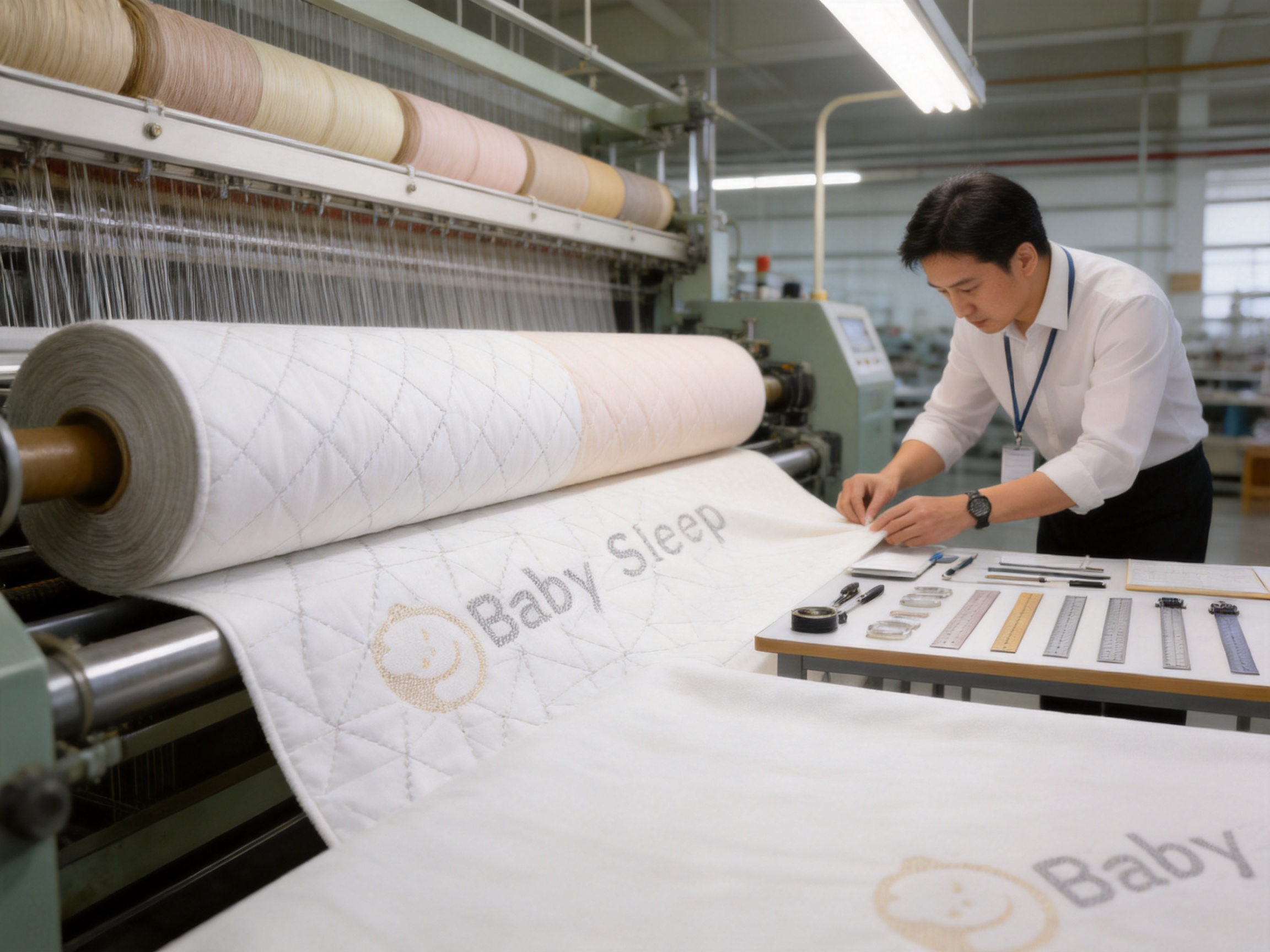
Product: Bamboo Fiber Pregnancy Pillow Fabric
Our Featured Products
-
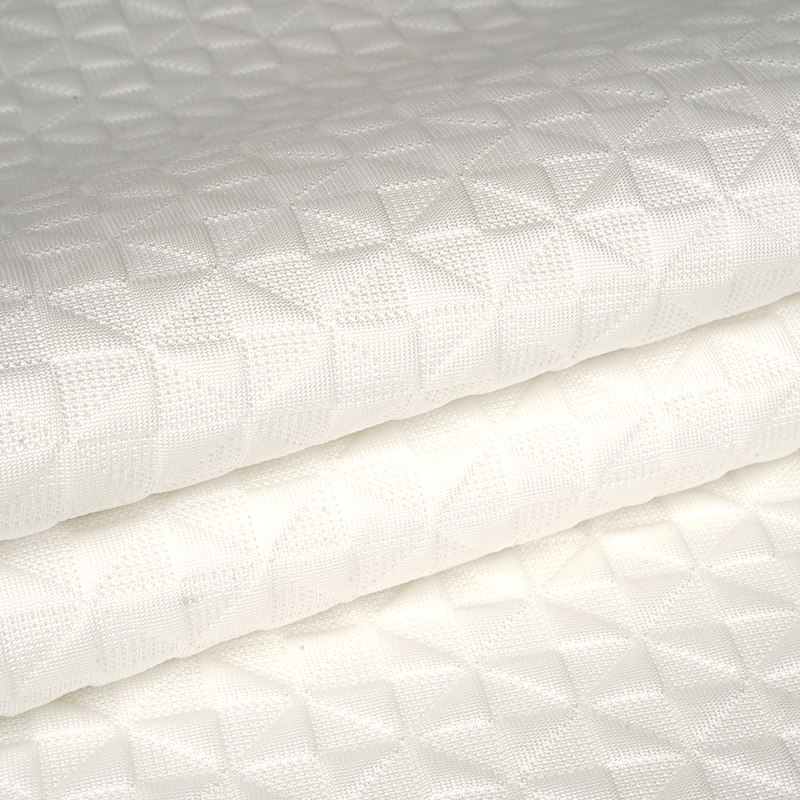
Bamboo Fiber Children Mattress Fabric
Bamboo Fiber Children Mattress Fabric
Haven’t Found The Products You Want?
-
-
Shen Jinyan:+86-15158070676
[email protected]
Liang Jinwen:+86-15757186621
[email protected]
Qiu Yingyingn:+86-13819545790
[email protected]
Yi qiao Town, Xiaoshan District, Hangzhou City, Zhejiang Province, China
-
Products
Mattress Fabric Children Mattress Fabric Pillowcase Fabric Pregnancy Pillow Fabric Cooling Mat Fabric Bedding Fabric Sofa Fabric Pet Friendly Fabrics -
Contact Information
About Us Products Strength Sustainability News Contact Us
Copyright © Hangzhou Xinsili Decorative Fabric Weaving Co.,Ltd. All Rights Reserved.
Functional Decorative Textile Manufacturers
