

 English
 中文简体
 Español
 عربى
 русский



Tencel Children’s Mattress Fabric: A Soft, Hygienic, and Sustainable Textile Solution for Better Sleep
Content
- 1 What Is Tencel Children’s Mattress Fabric?
- 2 Why Fabric Selection Matters in Children’s Bedding
- 3 Core Advantages of Tencel Children’s Mattress Fabric
- 4 Advantages Compared with Conventional Mattress Fabrics
- 5 Manufacturing Process for Tencel Children’s Mattress Fabric
- 6 Advanced Manufacturing Strengths
- 7 Customization Options for Buyers
- 8 Quality Control and Testing Considerations
- 9 Care, Durability, and Product Design
- 10 Applications Across the Bedding and Home Textile Market
- 11 Why Choose a Specialized Textile Supplier?
- 12 How Tencel Fabric Supports Product Differentiation
- 13 Recommended Development Process for New Buyers
- 14 Frequently Asked Questions
- 14.1 What makes Tencel suitable for children’s mattress fabric?
- 14.2 Is Tencel fabric waterproof?
- 14.3 Can Tencel be blended with other fibers?
- 14.4 Can the fabric be customized in color and pattern?
- 14.5 Can antibacterial or cooling functions be added?
- 14.6 Is Tencel children’s mattress fabric easy to wash?
- 14.7 What quality tests should buyers request?
- 14.8 Can the material be used for baby mattresses?
- 14.9 What is the minimum order quantity?
- 14.10 Why work with an experienced manufacturer?
- 15 Conclusion
- 16 References
- 17 Product: Tencel Children Mattress Fabric
Children’s sleep environments require more than attractive colors and pleasant textures. A mattress cover must support comfort, cleanliness, durability, safety, and reliable daily performance. Because children spend many hours in bed and may be more sensitive to heat, moisture, rough surfaces, and irritating materials, the selection of mattress fabric is especially important. Tencel children’s mattress fabric offers a balanced solution by combining a soft hand feel, moisture management, breathability, modern textile engineering, and an environmentally considerate fiber profile.
Designed for children’s mattresses, mattress toppers, portable beds, nursery bedding, and related sleep products, Tencel fabric can help manufacturers create products that feel comfortable while meeting the practical requirements of modern families. It can also be developed with additional functions, including antibacterial treatment, moisture resistance, cooling performance, stain resistance, stretch, flame-retardant properties, or enhanced recovery, depending on the intended application and technical specifications.
For manufacturers, importers, furniture brands, hotel suppliers, children’s product companies, and professional bedding distributors, the value of this fabric extends beyond softness. A well-engineered Tencel mattress textile can contribute to improved product positioning, lower perceived heat during sleep, better moisture control, a refined appearance, and a more responsible material story. These advantages are particularly relevant in a competitive market where parents increasingly evaluate both the comfort and the material credentials of children’s bedding.
Hangzhou Xinsili Decorative Fabric Weaving Co., Ltd. develops and manufactures functional decorative textiles for residential, hotel, commercial, and specialized bedding environments. With experience in fabric research, weaving, finishing, and functional textile development, the company provides customizable solutions for clients seeking dependable children’s mattress fabric with consistent quality and practical performance.
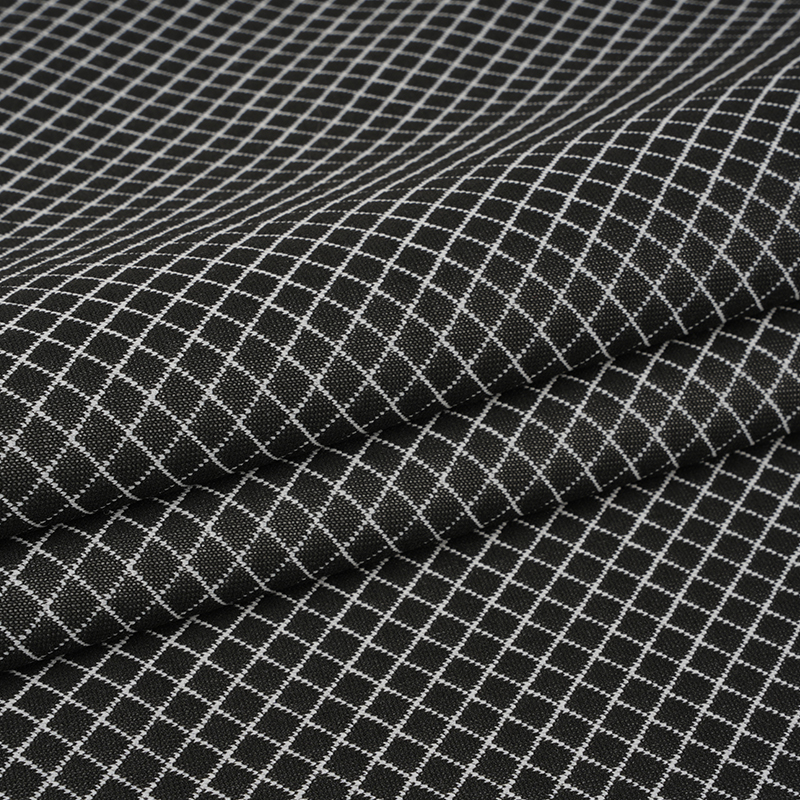
Tencel Children Mattress Fabric
What Is Tencel Children’s Mattress Fabric?
Tencel children’s mattress fabric is a mattress-cover textile made with Tencel fibers or Tencel-blended yarns. Tencel is a widely recognized branded fiber family based on regenerated cellulose, commonly associated with lyocell and modal technologies. The fibers are known for their smooth surface, soft touch, moisture-absorbing properties, and comfortable drape. When woven or knitted for mattress applications, Tencel can be engineered to create a fabric that is gentle against the skin while maintaining the strength required for repeated use.
The term “children’s mattress fabric” describes the intended end use rather than a single fixed construction. Depending on the customer’s requirements, the textile may be produced in different weights, widths, structures, colors, patterns, and finishing systems. It can be made for removable mattress covers, quilted mattress panels, fitted mattress shells, baby mattress cases, children’s sleeping mats, or other products where a soft and functional surface is needed.
In practical product development, Tencel may be used alone or combined with other fibers. Blending it with polyester can improve dimensional stability, abrasion resistance, and production efficiency. Combining it with cotton can create a familiar natural hand feel and balanced breathability. Adding elastane can help the cover fit around curved mattress corners or adapt to a stretch-knit construction. The most suitable blend depends on the product’s target price, performance expectations, care instructions, and market positioning.
A children’s mattress fabric must be evaluated as a complete system. Fiber content is important, but it is only one part of performance. Yarn quality, fabric structure, dyeing, finishing, sewing, quilting, washing, packaging, and quality control all influence the final result. This is why working with an experienced textile manufacturer is essential when developing a reliable Tencel mattress product.
Why Fabric Selection Matters in Children’s Bedding
Children’s bedding is exposed to frequent movement, perspiration, spills, washing, friction, and regular handling. A mattress cover that looks attractive when new may not perform well after repeated use if it lacks sufficient strength, recovery, dimensional stability, or colorfastness. Parents and caregivers also expect children’s bedding to feel comfortable and remain clean with reasonable maintenance.
Unlike decorative textiles used only for visual effect, mattress fabric has close and prolonged contact with the sleeper. The surface may remain against the child’s skin for several hours each night. If the fabric traps heat, retains moisture, feels rough, or develops pilling, the sleeping experience can become less comfortable. For this reason, textile manufacturers increasingly focus on fabrics that combine tactile softness with breathability and moisture management.
Children’s products are also subject to heightened expectations regarding material safety. Customers may ask about restricted substances, colorfastness, odor, chemical treatments, formaldehyde, heavy metals, and other factors. A professional manufacturer should be able to discuss applicable standards, provide test documentation when available, and recommend suitable production and finishing methods for the target market.
Tencel is well positioned for this category because its smooth fiber surface and moisture-related comfort characteristics align with the needs of sleep products. However, every finished fabric should still be tested according to the intended use. Fiber selection creates a strong foundation, while responsible manufacturing and quality assurance complete the product solution.
Core Advantages of Tencel Children’s Mattress Fabric
Softness Suitable for Sensitive Skin
One of the most noticeable benefits of Tencel fabric is its smooth and pleasant hand feel. The fiber surface is generally more uniform than many conventional fibers, which can reduce the perception of roughness when the fabric is used close to the body. For children’s mattress covers, this softness helps create a more comfortable sleep surface and supports a premium product impression.
Softness is especially valuable for products designed for infants, toddlers, and young children, although the exact suitability depends on the complete mattress construction and applicable safety requirements. Tencel can be used in a smooth woven structure, a soft knitted structure, or a blended construction designed to balance softness and durability.
A comfortable hand feel can also strengthen a product’s market appeal. When customers touch a mattress cover in a showroom or examine it after delivery, the fabric surface becomes part of their quality judgment. A soft, refined textile can communicate care, comfort, and product value more effectively than a coarse or overly stiff material.
Moisture Management and Comfortable Dryness
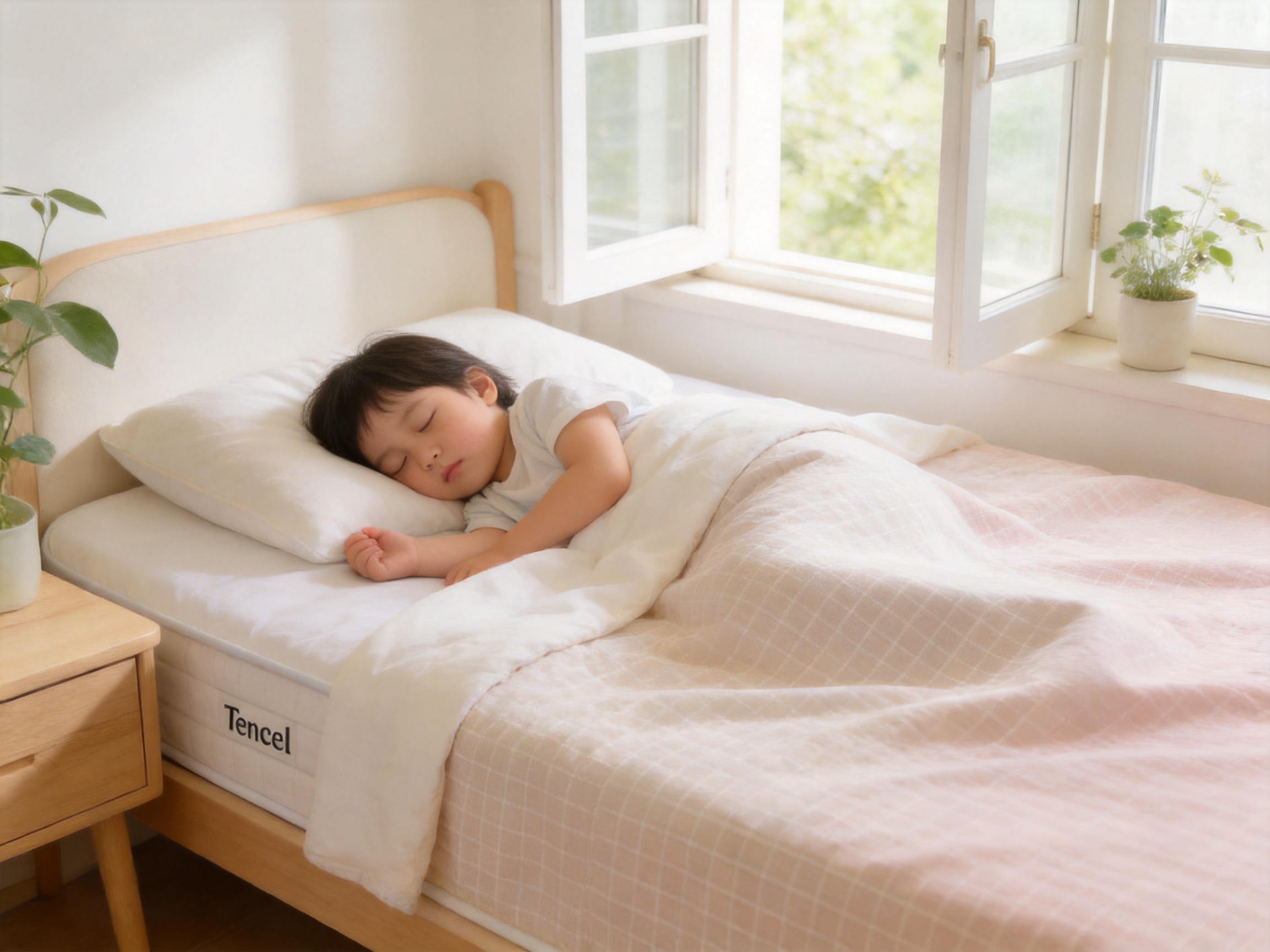
Children may perspire during sleep, especially in warm rooms, under heavy bedding, or during seasonal temperature changes. A mattress fabric that helps absorb and manage moisture can make the sleep environment feel more comfortable. Tencel fibers are known for their ability to absorb moisture within the fiber structure, helping reduce the sensation of a damp surface when the fabric is properly engineered.
Moisture management does not mean that the fabric is waterproof. A Tencel mattress textile can absorb and transport moisture, while a waterproof mattress protector uses a separate barrier layer to prevent liquid penetration. These functions can be combined in a multilayer mattress product, but they should not be confused. For applications requiring liquid protection, manufacturers can integrate Tencel surface fabric with a suitable waterproof membrane or backing.
Moisture-related comfort is particularly useful in children’s bedding because it supports a fresher sleeping surface between cleaning cycles. The final level of performance depends on fabric weight, structure, blend ratio, finishing, garment or mattress construction, and surrounding materials. Laboratory testing can help verify moisture absorption, drying behavior, air permeability, and water resistance where required.
Breathability and Reduced Heat Retention
Breathability affects how air and vapor move through the mattress cover. A fabric with an appropriate structure can support the release of heat and humidity, helping the sleeping surface feel less stuffy. Tencel-based textiles can be developed with breathable woven or knitted constructions that complement the ventilation properties of the mattress core.
For children who sleep warm or move frequently during the night, a breathable cover can improve perceived comfort. This does not mean that Tencel fabric automatically provides a fixed cooling temperature. Instead, its moisture and airflow characteristics may contribute to a cooler-feeling, more comfortable sleep environment when combined with suitable mattress materials and room conditions.
Manufacturers can adjust air permeability through yarn selection, fabric density, construction, finishing, and weight. A loosely structured fabric may improve airflow but may not provide the abrasion resistance or dimensional stability required for a particular product. An experienced textile developer can help establish a practical balance between breathability, strength, coverage, and appearance.
Smooth Surface and Clean Appearance
The surface quality of mattress fabric influences both comfort and visual presentation. Tencel fabric can provide a smooth, elegant appearance suitable for premium children’s mattresses, nursery products, and hospitality bedding. It can be dyed in soft neutrals, bright children’s colors, pastel shades, or custom brand colors, subject to production feasibility and color approval.
A clean and refined surface can also support printing, quilting, embroidery, or jacquard effects. Depending on the selected construction, the fabric may be suitable for simple solid colors or more expressive designs featuring stars, animals, botanical motifs, geometric patterns, or educational themes. Design flexibility allows manufacturers to create different collections for infants, children, teenagers, hotels, and family-oriented furniture products.
Comfort-Oriented Functional Development
Tencel fabric provides a useful base for additional functional development. Manufacturers may request antibacterial finishing, odor-control treatment, moisture-resistant treatment, cooling finishing, flame-retardant performance, anti-static properties, or enhanced stain resistance. Each function should be selected according to the product’s actual needs and verified through appropriate testing.
Functional finishing should not be treated as a substitute for good hygiene, regular cleaning, or responsible product design. Instead, it should complement a well-designed fabric construction. For example, a mattress cover can combine Tencel’s smooth comfort with a washable structure and a treatment intended to reduce odor-causing microorganisms. A cooling mattress can use Tencel fabric as a breathable contact layer alongside cooling fibers, phase-change materials, or a ventilated mattress core.
Potential Environmental Advantages
Tencel fibers are often selected by brands seeking a more responsible alternative to conventional textile materials. The fibers are derived from cellulose, and their production is associated with solvent recovery and resource-efficiency considerations in the manufacturing process. As with any textile, environmental performance depends on the specific fiber supplier, blend, dyeing process, finishing, transportation, packaging, and product lifespan.
For responsible marketing, manufacturers should make claims that can be supported by supplier documentation and recognized certifications. Words such as sustainable, biodegradable, renewable, or environmentally friendly should be used carefully and in accordance with applicable regulations. A professional supply chain can provide fiber composition details, production records, and testing or certification documents when available.
Durability also contributes to sustainability. A mattress cover that remains attractive, comfortable, and functional for a longer period may reduce replacement frequency. Therefore, the best product is not simply the one with the most environmentally appealing fiber description. It is the one that combines responsible material selection with good performance, efficient production, appropriate care, and a useful service life.
Advantages Compared with Conventional Mattress Fabrics
Traditional polyester mattress fabric is widely used because it offers good strength, stable supply, color flexibility, and competitive cost. However, some polyester constructions may feel less breathable or less naturally soft than Tencel-based alternatives. Tencel can provide a more refined touch and a stronger comfort-oriented product story, especially in premium children’s bedding.
Cotton is valued for its familiar natural hand feel and breathability, but untreated cotton may wrinkle, absorb moisture slowly, or require careful management of shrinkage and color stability. Tencel can offer a smoother surface and more efficient moisture handling in certain constructions. A Tencel-cotton blend may combine the strengths of both fibers.
Viscose fabrics can provide softness and drape, but the performance of different regenerated cellulose fibers varies according to fiber type, yarn quality, fabric construction, and finishing. Tencel is often chosen when manufacturers want a more controlled technical profile, including smoothness, moisture comfort, and a premium sustainability narrative.
Wool and other animal fibers can provide warmth and natural performance, yet they may not be suitable for every child’s bedding product because of price, care requirements, texture, or allergy concerns. Tencel offers a lightweight and smooth alternative for products designed to feel cool, soft, and easy to maintain.
The principal competitive advantage of Tencel children’s mattress fabric is therefore not one isolated feature. It is the combination of comfort, moisture management, smoothness, design adaptability, and the ability to support a modern material story. When manufactured with appropriate technical controls, it can occupy the space between basic mass-market textile and highly specialized performance fabric.
Manufacturing Process for Tencel Children’s Mattress Fabric
Consistent fabric quality begins with controlled raw material selection. The manufacturer evaluates the required Tencel fiber type, yarn count, blend ratio, color requirements, target weight, width, fabric construction, and final application. For children’s mattress fabric, the raw materials should be selected with attention to softness, strength, dimensional stability, pilling resistance, and compatibility with the intended finishing process.
Fiber and Yarn Preparation
Tencel staple fibers are processed into yarn through spinning systems appropriate for the desired fabric construction. During this stage, fiber length, fineness, strength, moisture content, and blend uniformity influence the final yarn quality. If Tencel is blended with polyester, cotton, elastane, or another fiber, accurate proportioning is required to maintain stable performance across the fabric width and production batch.
Yarn inspection may include checking linear density, twist, strength, elongation, hairiness, evenness, and visible defects. High-quality yarn preparation reduces problems during weaving or knitting and helps create a more uniform fabric surface. For premium children’s mattress products, yarn regularity is particularly important because uneven texture can affect both appearance and skin comfort.
Weaving or Knitting
The fabric structure is selected according to the required stretch, drape, strength, breathability, and surface appearance. Woven fabric may be preferred when dimensional stability, structured appearance, and abrasion resistance are priorities. Knitted fabric may be selected when softness, flexibility, and close fitting around a mattress are more important.
During weaving, warp preparation, sizing, loom settings, yarn tension, and fabric density must be controlled carefully. During knitting, machine gauge, loop formation, yarn tension, stitch density, and take-up settings influence the finished fabric. In both methods, stable production conditions help reduce streaks, holes, uneven density, distortion, and other defects.
A mattress cover often needs to withstand stretching during installation and repeated movement during sleep. The fabric should therefore be designed with the final sewing pattern and mattress geometry in mind. Corners, elastic edges, zipper areas, handles, and quilted zones may require different construction decisions from the central sleeping surface.
Dyeing and Color Development
After fabric formation, the textile may be prepared, dyed, printed, or left in a natural or undyed state depending on the product concept. Color development usually begins with a customer-approved sample or laboratory dip. The production team must consider the fiber composition because different fibers absorb dyes differently and may require separate dye classes or process conditions.
Colorfastness is important for children’s mattress fabric because the cover may be exposed to washing, perspiration, rubbing, light, and cleaning agents. Testing can include colorfastness to washing, water, perspiration, dry rubbing, wet rubbing, and light, depending on the application and customer requirements. Proper washing-off after dyeing helps reduce unfixed dye and improve the cleanliness of the finished textile.
For children’s products, appearance should be paired with chemical responsibility. The selection of dyes, auxiliaries, softeners, and other process chemicals should take account of restricted substance requirements in the intended sales market. Documentation and testing should be maintained to support customer audits and product compliance reviews.
Functional Finishing
Finishing gives the fabric its final hand feel, appearance, dimensional behavior, and optional performance properties. Common steps may include washing, drying, stentering, compacting, calendaring, brushing, raising, softening, coating, lamination, or specialized functional treatment.
For Tencel children’s mattress fabric, softening must be carefully controlled. Excessive softener can affect absorbency, breathability, color appearance, or later coating adhesion. Insufficient softening may leave the fabric less pleasant to touch. The correct finishing recipe depends on the fiber blend, fabric structure, target hand feel, washing requirements, and intended end use.
Dimensional stability is another major concern. Regenerated cellulose fibers can respond to moisture and heat, so the fabric may require controlled washing, drying, and setting processes. Appropriate finishing can reduce shrinkage and skew while maintaining softness. Finished fabric should be tested after laundering or simulated care conditions rather than judged only in its unwashed state.
When antibacterial, flame-retardant, cooling, or moisture-resistant functions are requested, the treatment must be compatible with the fiber and end-use construction. Functional performance should be tested before mass production and monitored during production. The treatment should also be evaluated for durability after the number of washing cycles specified by the customer.
Inspection and Roll Formation
After finishing, the fabric is inspected under controlled lighting and measured for width, weight, color, surface defects, holes, stains, bowing, skew, shrinkage, and other relevant properties. Defect mapping helps the manufacturer identify recurring process problems and improves cutting efficiency for customers.
Fabric is then rolled, labeled, packed, and stored under suitable conditions. Accurate roll identification supports traceability from raw material to finished goods. Packaging should protect the textile from dust, moisture, compression damage, and contamination during storage and transportation.
Advanced Manufacturing Strengths
Hangzhou Xinsili Decorative Fabric Weaving Co., Ltd. focuses on the research, development, and manufacturing of decorative and functional textiles. Its product range includes mattress fabric, children’s mattress fabric, pillowcase fabric, pregnancy pillow fabric, cooling mat fabric, bedding fabric, sofa fabric, and pet-friendly fabrics. This broad application experience allows the company to understand the different performance needs of sleep products, furniture textiles, and home comfort materials.
The company operates with a reported factory area of approximately 12,000 square meters and has around 19 years of industry experience. This background supports practical knowledge in fabric construction, product development, production coordination, and quality management. In 2023, the company was recognized as a National High-Tech Enterprise, reflecting its focus on technical improvement and innovation-oriented manufacturing.
Its manufacturing philosophy combines craftsmanship-driven production with design innovation and long-term cooperation. For customers developing Tencel children’s mattress fabric, this approach can be valuable because product success often depends on communication between material development, production engineering, finishing, inspection, and final assembly.
A capable supplier should be able to discuss more than a fabric sample. It should help the customer evaluate fabric weight, width, blend ratio, elasticity, construction, finishing, color, washing behavior, and functional targets. It should also be prepared to develop samples, compare alternatives, adjust the process, and provide production feedback before bulk manufacturing.
Functional decorative textiles require stable manufacturing because visual quality and technical performance must work together. A fabric may be soft but too weak, breathable but unstable, attractive but prone to pilling, or functional but unpleasant to touch. Xinsili’s focus on both decorative and functional textile applications supports a more integrated development process for customers seeking a balanced final product.
Customization Options for Buyers
One of the principal advantages of working with a specialized textile manufacturer is the ability to customize the material around a specific mattress design. Customers can discuss the target market, mattress size, cover structure, expected retail price, care method, climate, and required certifications before confirming the final construction.
Fiber Composition
Customers may request 100% Tencel where a pure fiber story and soft hand feel are priorities. They may also select blends to improve strength, stretch, drying speed, cost control, or dimensional stability. Common development directions include Tencel with polyester, cotton, recycled polyester, or elastane. The optimal blend should be determined through sample testing rather than assumed only from the fiber names.
Fabric Structure and Weight
Lightweight constructions may be suitable for breathable mattress covers or summer products. Heavier constructions may provide a more substantial hand feel and better coverage for premium mattresses. Woven, knitted, jacquard, brushed, quilted, and laminated structures can be considered according to the required performance.
Color and Pattern
Children’s products can use colors and patterns that create a calm, playful, educational, or premium visual identity. Soft pastel shades may suit nursery products, while brighter colors may appeal to older children. Custom printing and jacquard development can help brands distinguish their products, provided that the design remains appropriate for the intended product and market.
Functional Treatments
Optional functions may include antibacterial performance, moisture management, cooling sensation, odor control, flame retardancy, anti-static behavior, stain resistance, water resistance, and enhanced easy-care properties. The manufacturer should clarify whether a function is created through fiber selection, yarn engineering, finishing, coating, lamination, or a combination of methods.
Size, Width, and Packaging
Fabric width affects cutting efficiency and material waste. Customers should provide mattress dimensions, seam allowances, quilting plans, and cutting direction requirements during development. Roll length, labeling, packing method, and shipping marks can also be customized to support factory handling and warehouse management.
Quality Control and Testing Considerations
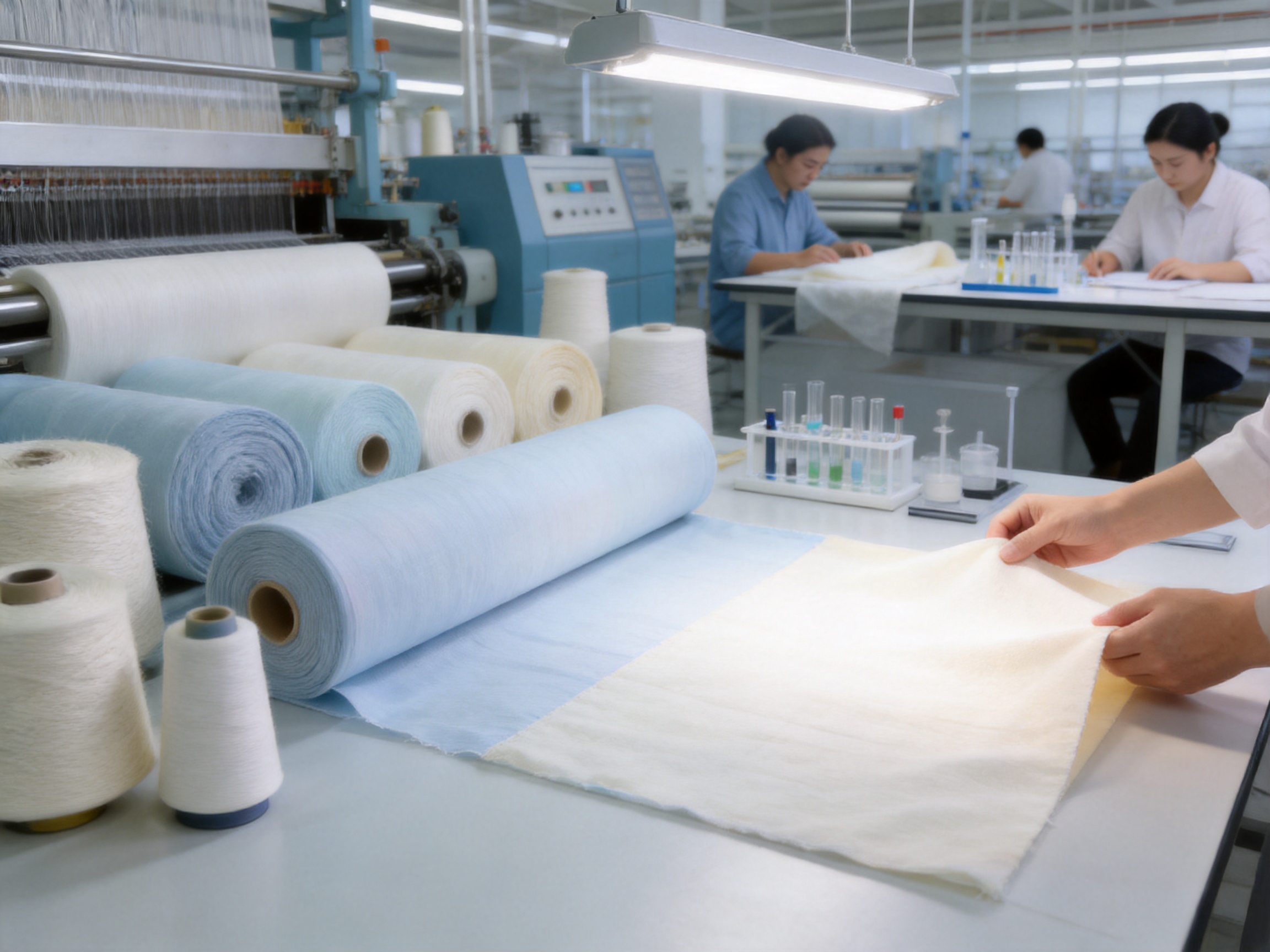
A professional quality-control program should begin before fabric production. Raw yarns and fibers need to be verified against the agreed specification. During weaving or knitting, production staff should monitor machine conditions and identify defects early. During dyeing and finishing, process records help maintain repeatability between lots.
Finished Tencel children’s mattress fabric may be assessed for composition, weight, width, thickness, tensile strength, tear strength, bursting strength, abrasion resistance, pilling, air permeability, moisture management, dimensional stability, and colorfastness. Not every test is required for every product, but the test plan should reflect the intended use and customer expectations.
For a removable mattress cover, shrinkage and zipper-area stability may be critical. For a fitted cover, stretch recovery and seam performance may be more important. For a baby mattress, surface smoothness, chemical safety, colorfastness, and wash durability may receive greater attention. For a hotel mattress product, abrasion resistance, industrial laundering, and long-term color retention may dominate the specification.
Testing should ideally include the complete finished product where possible. Fabric performance can change after quilting, lamination, sewing, washing, or attachment to a mattress core. A fabric that performs well alone may behave differently when incorporated into a finished cover. Product-level evaluation creates a more accurate understanding of actual customer experience.
Quality assurance also includes visual inspection. Common defects may include yarn knots, slubs, holes, oil marks, dye streaks, color variation, uneven softening, creases, contamination, bowing, skew, and edge damage. Clear inspection standards and agreed defect tolerances help prevent misunderstandings between manufacturers and buyers.
Care, Durability, and Product Design
The care instructions for a Tencel children’s mattress cover should be determined through testing. Excessive heat, harsh detergents, aggressive bleaching, or unsuitable tumble-drying conditions may affect softness, color, shrinkage, and functional treatments. Manufacturers should recommend a care method that matches the fabric construction and the expected consumer routine.
Washability is often a decisive feature in children’s bedding. A removable cover with a reliable zipper and a carefully stabilized fabric can be easier to maintain than a fixed cover. However, repeated washing may gradually change the hand feel or reduce the performance of certain surface treatments. Durability claims should therefore be based on realistic laundering tests rather than general assumptions.
Construction details are equally important. Seams should be designed to avoid uncomfortable ridges. Zippers should be protected from direct skin contact where appropriate. Elastic sections should have sufficient recovery. Quilting should not create excessive pressure points or restrict the fabric’s natural flexibility. The cover, filling, barrier layer, and mattress core should be developed as a coordinated system.
For children’s products, safety considerations should remain central. The finished mattress must be appropriate for its age group and intended use. Fabric softness alone does not determine product safety. Mattress firmness, ventilation, dimensions, fit, flammability requirements, and the absence of loose or detachable hazards must also be evaluated according to applicable regulations and standards.
Applications Across the Bedding and Home Textile Market
Tencel children’s mattress fabric can be used in standard children’s mattresses, toddler mattresses, nursery mattresses, portable sleeping mats, foldable mattresses, crib mattress covers, nap mats, mattress toppers, and premium family bedding. It can also be incorporated into pillowcases, quilted protectors, and coordinating bedding collections.
Hotels and resorts with family rooms may use this material for children’s sleep products, extra beds, sofa beds, or specialty bedding. Healthcare and care-related environments may consider it for products where softness, moisture management, and easy-care properties are important, subject to the relevant institutional requirements.
Furniture manufacturers can use related Tencel-based textiles for children’s sofas, cushions, daybeds, and playroom furniture. Coordinated fabrics can help create a consistent interior collection across mattresses, pillows, seating, and decorative panels.
Pet-friendly fabric manufacturers may also draw on similar functional textile technologies, although children’s mattress fabric and pet upholstery have different performance requirements. Pet products often prioritize claw resistance, stain resistance, and abrasion performance, while children’s mattresses place stronger emphasis on skin comfort, breathability, and sleep quality.
Why Choose a Specialized Textile Supplier?
Buying fabric from a specialized supplier provides access to technical knowledge that may not be available from a general trading company. A specialist can explain how the yarn, construction, dyeing, finishing, and end-use assembly interact. This reduces the risk of selecting a fabric based only on a sample’s appearance.
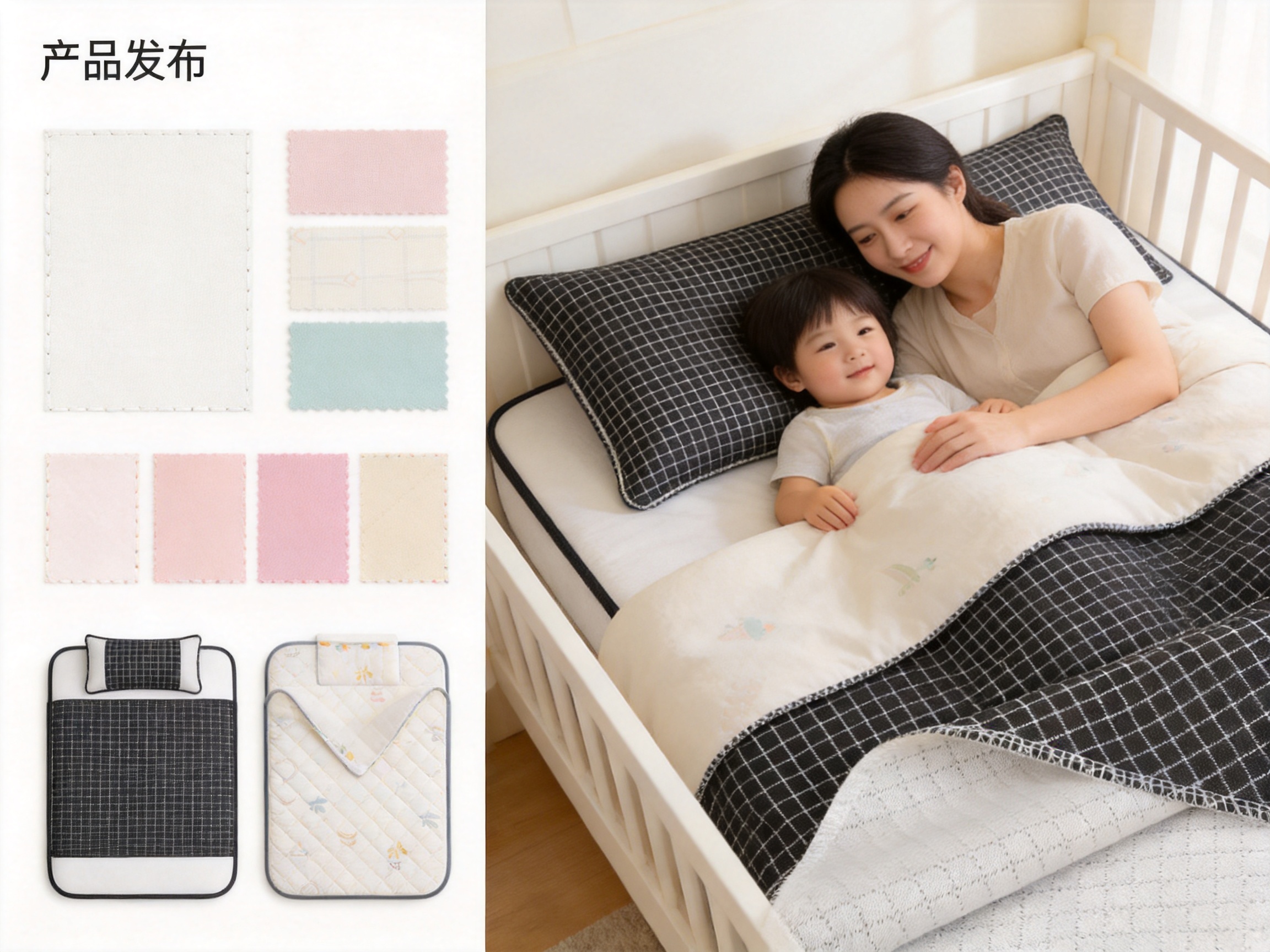
A specialized manufacturer can also support staged development. The process may begin with a base fabric, followed by color samples, functional treatment samples, washing tests, mattress-cover prototypes, and a final production approval. Each stage creates an opportunity to identify problems before large quantities are manufactured.
Supply stability is another important consideration. A dependable supplier should maintain production records, communicate lead times, provide consistent batch information, and respond quickly when adjustments are required. For international customers, clear communication regarding packaging, shipping, documentation, inspection, and payment terms is also essential.
Hangzhou Xinsili’s experience across multiple functional and decorative textile categories enables it to support customers with different product objectives. Whether the priority is soft Tencel fabric for a premium nursery mattress, breathable fabric for a cooling children’s sleep product, or a customized textile for a furniture collection, the development process can be adapted to the application.
How Tencel Fabric Supports Product Differentiation
In a crowded bedding market, a children’s mattress needs a clear and credible point of difference. Tencel fabric can support differentiation through several connected benefits: a soft surface, a comfortable moisture profile, an attractive appearance, functional finishing options, and a material narrative associated with modern responsible textile development.
These benefits can be communicated through product descriptions, packaging, showroom samples, e-commerce content, and retailer training. However, marketing language should remain accurate. Claims should describe tested performance and verified material information rather than promise medical benefits or guaranteed sleep outcomes.
The fabric can also help create a premium tactile experience. Parents often compare products through touch, appearance, care instructions, and perceived quality. A mattress cover that feels smooth, looks refined, and remains comfortable after washing can strengthen customer confidence and support repeat purchase.
For brands, customization creates another level of differentiation. A unique color palette, jacquard pattern, quilting design, label system, or functional combination can make the product more recognizable. A manufacturer with in-house or coordinated development capabilities can help turn an initial concept into a repeatable commercial textile.
Recommended Development Process for New Buyers
The first step is to define the intended product. Buyers should provide the mattress type, target age group, mattress dimensions, cover construction, expected sales market, desired hand feel, color direction, care requirements, and required functional properties.
The second step is to review fabric options. The supplier may recommend different Tencel percentages, woven or knitted constructions, fabric weights, widths, finishing systems, and treatments. Buyers should compare not only appearance but also strength, shrinkage, pilling, breathability, moisture performance, and cost.
The third step is sample approval. Color samples, hand-feel samples, printed designs, and finished mattress-cover prototypes should be reviewed under realistic conditions. If the fabric will be quilted, laminated, or washed frequently, those processes should be included in the evaluation.
The fourth step is testing and specification confirmation. The buyer and manufacturer should agree on fiber content, weight tolerance, width tolerance, color standard, defect allowance, performance targets, packaging, and inspection requirements. Any claims intended for marketing should be supported by appropriate documentation.
The final step is controlled bulk production. A pre-production sample or approved bulk standard can be retained for comparison. During production, quality records and roll inspection results should be maintained. Clear communication helps ensure that the delivered fabric matches the approved reference.
Frequently Asked Questions
What makes Tencel suitable for children’s mattress fabric?
Tencel is valued for its smooth hand feel, moisture-related comfort, breathability potential, and compatibility with premium textile development. When properly engineered, it can create a soft and comfortable mattress surface suitable for children’s bedding. The finished product should still be tested for safety, durability, care performance, and regulatory compliance.
Is Tencel fabric waterproof?
No. Tencel fabric can help manage moisture, but it is not automatically waterproof. If liquid protection is required, the mattress cover may need a waterproof membrane, coating, or separate protector layer. The surface fabric and waterproof barrier should be developed together to preserve comfort and breathability.
Can Tencel be blended with other fibers?
Yes. Tencel may be blended with polyester, cotton, elastane, recycled fibers, or other suitable materials. Blending can improve dimensional stability, elasticity, durability, drying speed, or cost efficiency. The exact blend should be selected according to the product’s performance and market requirements.
Can the fabric be customized in color and pattern?
Yes. Customers may request custom solid colors, printed patterns, jacquard effects, or coordinated designs. Color approval should be completed before bulk production, and colorfastness should be tested according to the intended care and use conditions.
Can antibacterial or cooling functions be added?
Additional functions may be developed through fiber selection, yarn engineering, finishing, coating, or lamination. Antibacterial and cooling claims should be supported by suitable test methods and should not replace regular cleaning or responsible product care.
Is Tencel children’s mattress fabric easy to wash?
Washability depends on the fabric structure, blend, finishing, color, sewing construction, and care method. Many Tencel fabrics can be developed for washable mattress covers, but the correct temperature, detergent, drying method, and ironing conditions should be established through testing.
What quality tests should buyers request?
Common evaluations include fiber composition, fabric weight, width, colorfastness, dimensional stability, tensile strength, tear strength, pilling, abrasion resistance, air permeability, moisture management, and surface appearance. The appropriate test package depends on the final mattress design and sales market.
Can the material be used for baby mattresses?
It may be considered for baby and nursery mattress products when the complete product meets the applicable safety and performance requirements. Fabric softness is only one factor. The mattress core, cover fit, ventilation, firmness, flame performance, chemical safety, and intended age range must all be reviewed.
What is the minimum order quantity?
Minimum order quantities depend on the fabric construction, color, blend, finishing process, and production plan. Buyers should confirm sampling requirements, color development costs, bulk order quantities, and lead times directly with the manufacturer.
Why work with an experienced manufacturer?
An experienced manufacturer can help coordinate fiber selection, weaving or knitting, dyeing, finishing, functional treatment, testing, inspection, and packaging. This integrated knowledge reduces development risk and improves the likelihood of achieving stable quality in bulk production.
Conclusion
Tencel children’s mattress fabric is a versatile textile solution for manufacturers seeking to combine softness, moisture comfort, breathability, visual refinement, and responsible material development. Its advantages are particularly relevant to children’s bedding, where the fabric must support a comfortable sleep environment while withstanding frequent use, cleaning, and handling.
The strongest results come from treating the fabric as part of a complete product system. Fiber content, yarn quality, fabric construction, finishing, functional treatments, mattress assembly, washing performance, and quality control must all be considered together. A soft fiber cannot compensate for poor dimensional stability, weak seams, unsuitable finishing, or inadequate testing.
Hangzhou Xinsili Decorative Fabric Weaving Co., Ltd. brings nearly two decades of textile experience, a substantial manufacturing site, functional fabric development capabilities, and a product portfolio covering bedding, mattress, furniture, and specialized home textiles. Its focus on craftsmanship, innovation, environmental awareness, and stable cooperation makes it a suitable development partner for buyers seeking customized Tencel children’s mattress fabric.
By combining carefully selected Tencel materials with controlled manufacturing processes and application-specific testing, brands can create children’s mattresses that offer a more comfortable touch, a more refined appearance, and a stronger value proposition in the modern bedding market.
References
1. Textile Exchange. Preferred Fiber and Materials Market Reports. Industry information on cellulosic fibers, responsible sourcing, and textile material development.
2. International Organization for Standardization. ISO 6330, Textiles—Domestic Washing and Dry-Cleaning Procedures for Textile Testing.
3. International Organization for Standardization. ISO 12947, Textiles—Determination of the Abrasion Resistance of Fabrics by the Martindale Method.
4. International Organization for Standardization. ISO 12945, Textiles—Determination of Fabric Propensity to Surface Fuzzing and to Pilling.
5. International Organization for Standardization. ISO 105 series, Textiles—Tests for Colour Fastness.
6. International Organization for Standardization. ISO 139, Textiles—Standard Atmospheres for Conditioning and Testing.
7. International Organization for Standardization. ISO 3071, Textiles—Determination of pH of Aqueous Extract.
8. International Organization for Standardization. ISO 811, Textiles—Determination of Resistance to Water Penetration.
9. OEKO-TEX Association. Standard 100 and related textile product safety guidance.
10. ASTM International. Standard methods for evaluating textile strength, air permeability, moisture management, colorfastness, and dimensional change.
11. Technical literature on regenerated cellulose fibers, lyocell production, moisture management, textile finishing, and bedding comfort performance.
Product: Tencel Children Mattress Fabric
Our Featured Products
-
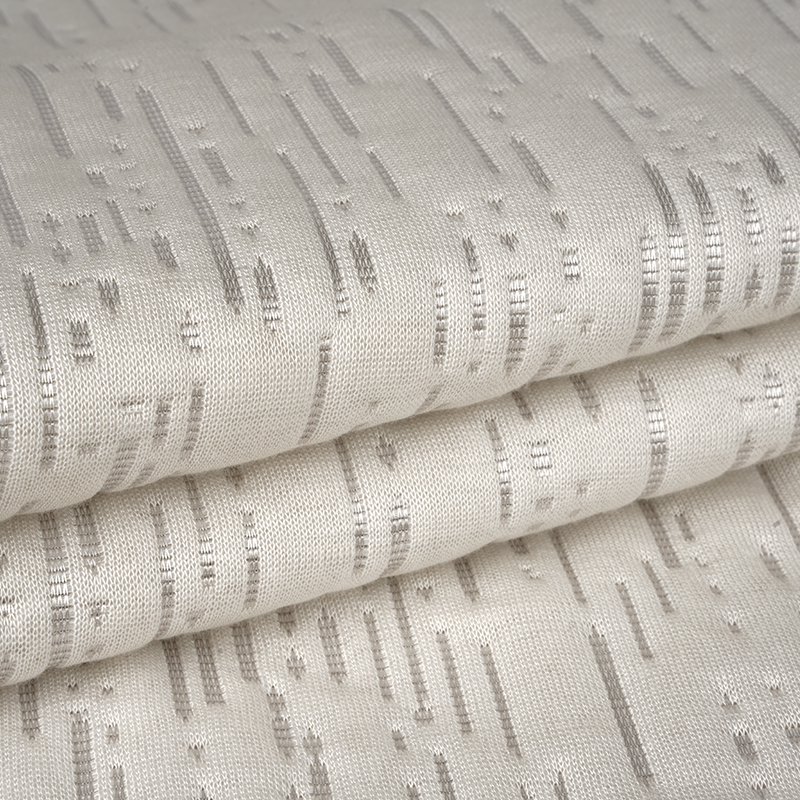
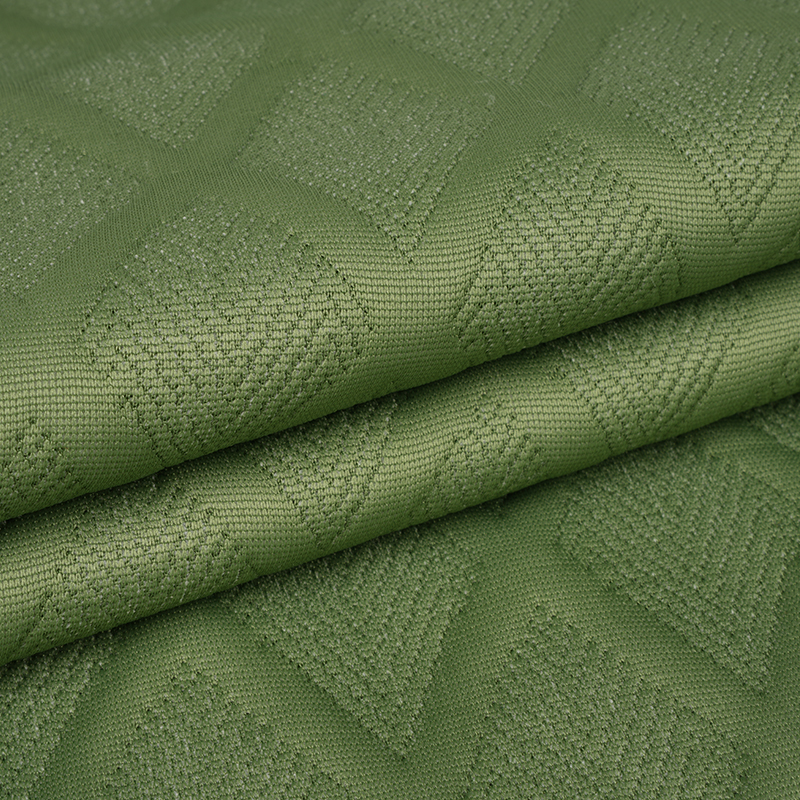
Antibacterial Yarn Children Mattress Fabric
Antibacterial Yarn Children Mattress Fabric
-
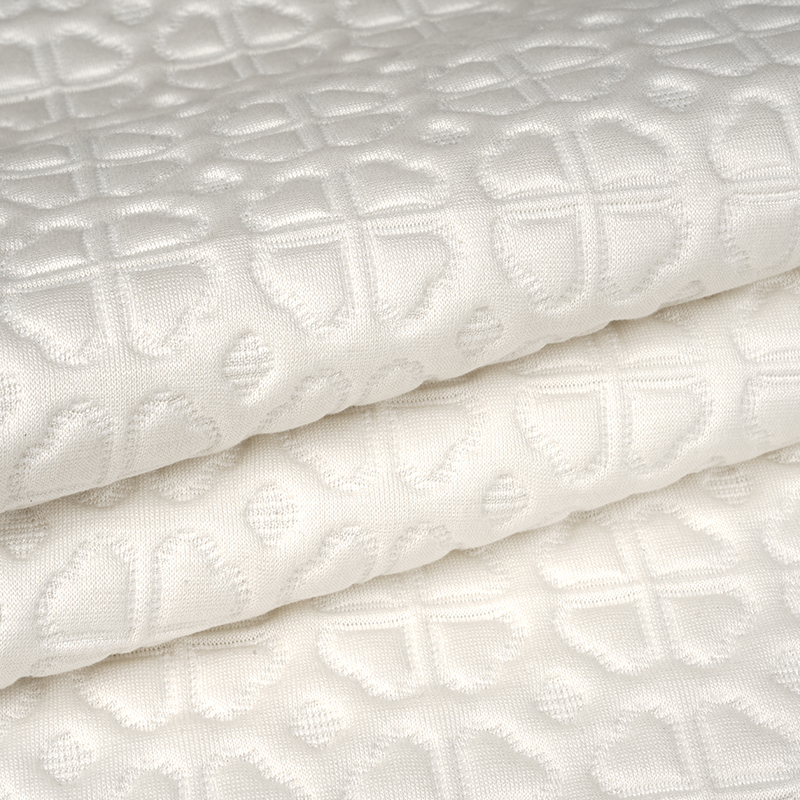
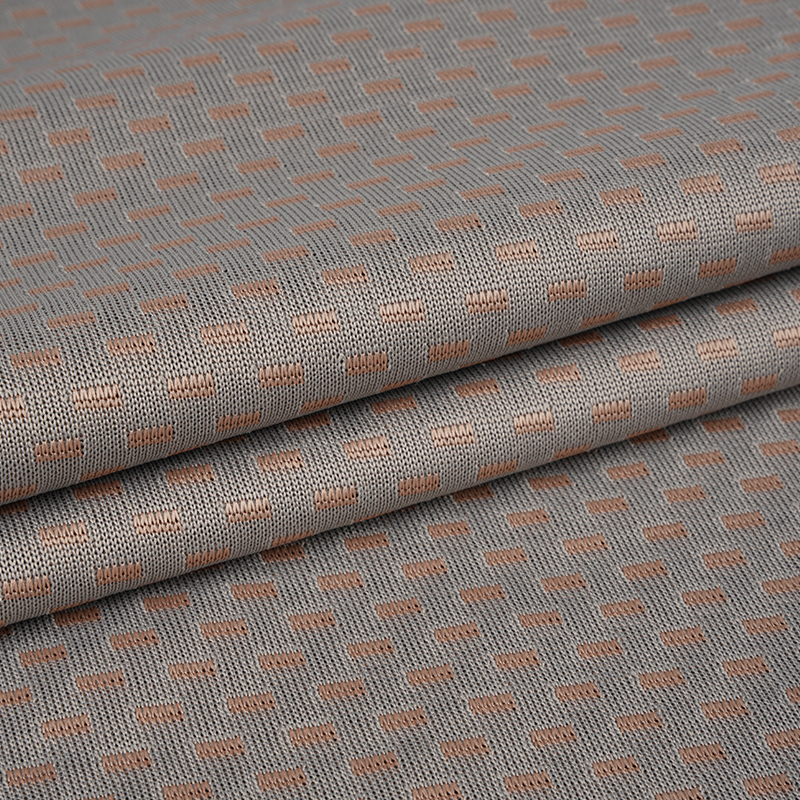
Antibacterial Yarn Children Mattress Fabric
Antibacterial Yarn Children Mattress Fabric
-
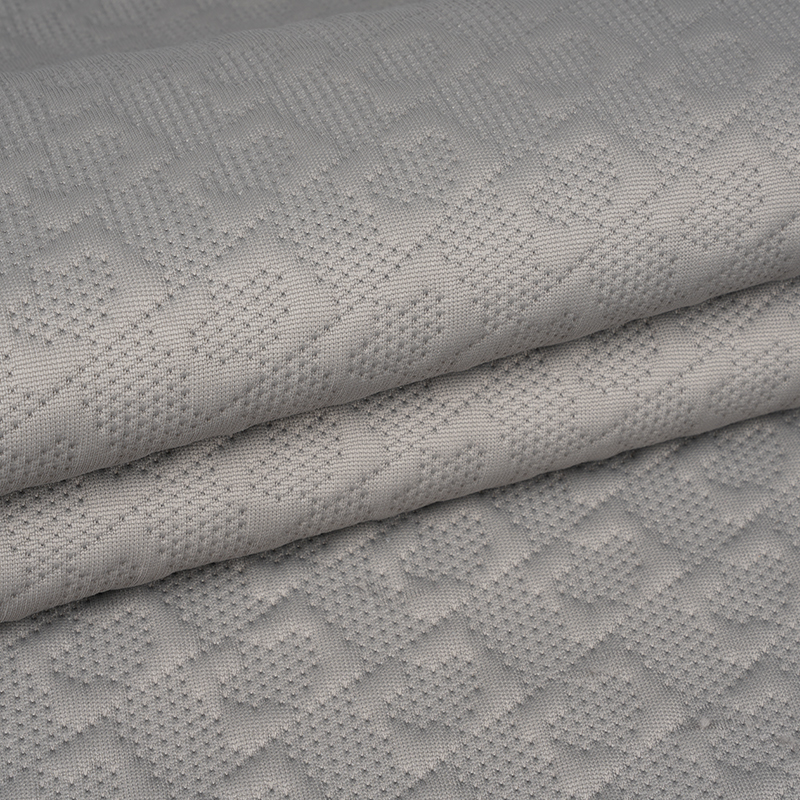
Antibacterial Yarn Children Mattress Fabric
Antibacterial Yarn Children Mattress Fabric
Haven’t Found The Products You Want?
-
-
Shen Jinyan:+86-15158070676
[email protected]
Liang Jinwen:+86-15757186621
[email protected]
Qiu Yingyingn:+86-13819545790
[email protected]
Yi qiao Town, Xiaoshan District, Hangzhou City, Zhejiang Province, China
-
Products
Mattress Fabric Children Mattress Fabric Pillowcase Fabric Pregnancy Pillow Fabric Cooling Mat Fabric Bedding Fabric Sofa Fabric Pet Friendly Fabrics -
Contact Information
About Us Products Strength Sustainability News Contact Us
Copyright © Hangzhou Xinsili Decorative Fabric Weaving Co.,Ltd. All Rights Reserved.
Functional Decorative Textile Manufacturers
