

 English
 中文简体
 Español
 عربى
 русский



Why Tencel Children Mattress Fabric Is a Smarter Choice for Healthy Sleep Products
Content
- 1 Understanding Tencel Children Mattress Fabric
- 2 Why Children’s Mattress Products Need Specialized Fabric
- 3 Key Advantages of Tencel Children Mattress Fabric
- 4 How It Compares with Conventional Mattress Fabrics
- 5 Advanced Manufacturing Process
- 6 Manufacturing Strengths of Hangzhou Xinsili Decorative Fabric Weaving Co., Ltd.
- 7 Customization Options for Mattress Manufacturers
- 8 Applications Beyond Children’s Mattresses
- 9 Quality, Safety, and Responsible Product Development
- 10 How to Select the Right Specification
- 11 Advantages for Different Buyers
- 12 Q&A: Tencel Children Mattress Fabric
- 12.1 Q1: What is Tencel Children Mattress Fabric used for?
- 12.2 Q2: Is Tencel fabric suitable for sensitive skin?
- 12.3 Q3: Does the fabric provide waterproof protection?
- 12.4 Q4: Can the fabric be customized in color?
- 12.5 Q5: Can the fabric be used in a removable and washable mattress cover?
- 12.6 Q6: Can functional treatments be added?
- 12.7 Q7: How does it compare with ordinary polyester mattress fabric?
- 12.8 Q8: How does it compare with cotton fabric?
- 12.9 Q9: Can the fabric be coordinated with pillowcase and bedding fabrics?
- 12.10 Q10: What information should be provided for a quotation?
- 12.11 Q11: Can the company support product development?
- 12.12 Q12: What is the most important benefit for children’s mattress brands?
- 13 Conclusion
- 14 References
- 15 Product: Tencel Children Mattress Fabric
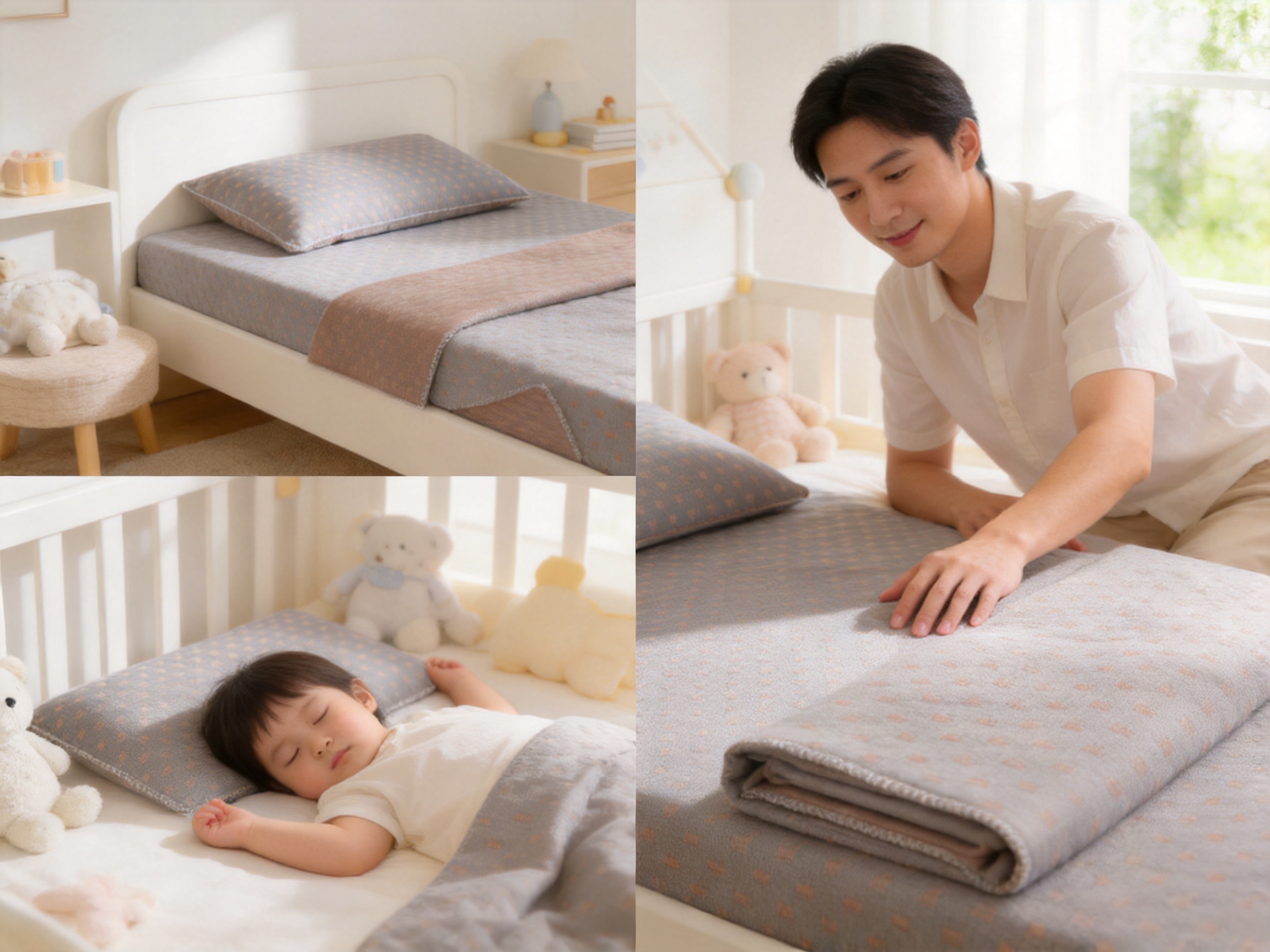
Children’s bedding requires a higher level of material consideration than many ordinary home-textile applications. A mattress fabric used for children must support softness, breathability, moisture management, durability, hygiene, visual appeal, and dependable manufacturing consistency. Parents, retailers, hospitality operators, and mattress manufacturers increasingly expect fabrics to provide more than a pleasant surface. They want materials that contribute to a cleaner, cooler, more comfortable, and more reassuring sleeping environment.
Tencel Children Mattress Fabric is designed for this changing market. Combining the comfort characteristics associated with Tencel fibers and the specialized performance requirements of mattress textiles, it offers a strong solution for children’s mattresses, mattress covers, toppers, bedding components, and related sleep products. Its smooth hand feel, moisture-management potential, breathable structure, and suitability for refined textile finishing make it especially attractive for products intended for sensitive users.
Produced by Hangzhou Xinsili Decorative Fabric Weaving Co., Ltd., this fabric reflects an approach that combines functional textile development with precision weaving and application-focused customization. The company has 19 years of industry experience, a 12,000-square-meter factory area, and recognition as a National High-Tech Enterprise in 2023. Its manufacturing philosophy focuses on stable quality, practical innovation, environmental responsibility, and long-term cooperation with global customers.
For manufacturers comparing conventional polyester mattress fabric, basic knitted covers, cotton-blend textiles, and higher-performance functional materials, Tencel Children Mattress Fabric provides a balanced option. It supports the creation of premium children’s sleep products without relying solely on visual decoration. Instead, the fabric can become an important part of the product’s comfort story, hygiene strategy, and overall market positioning.
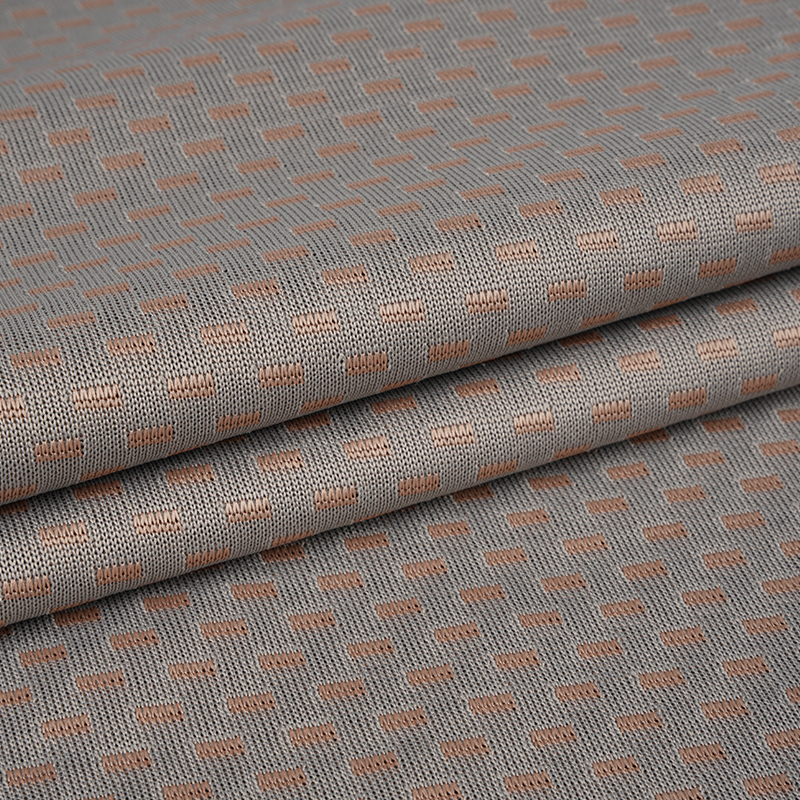
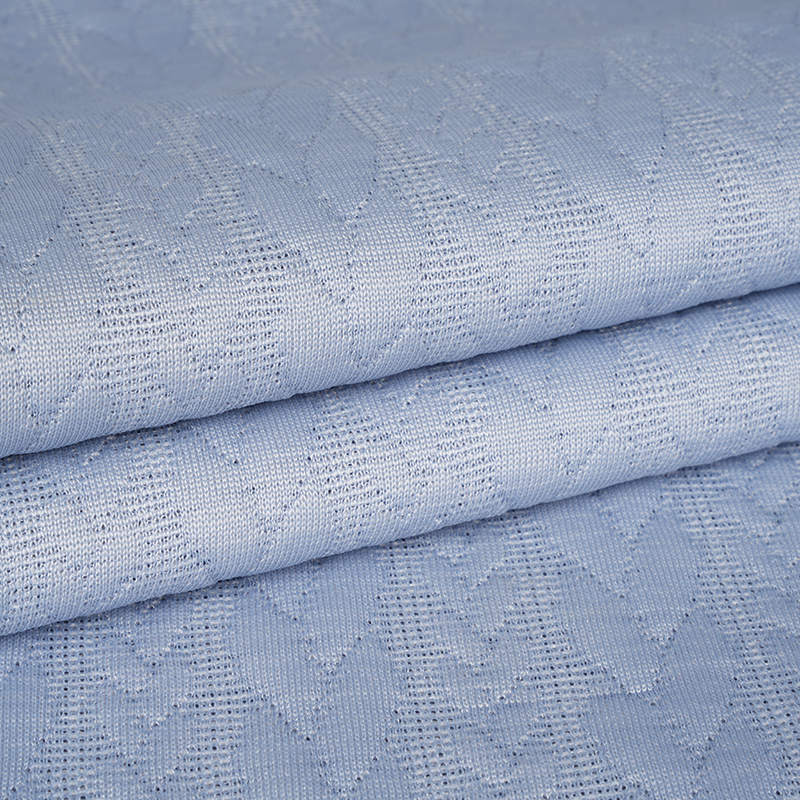
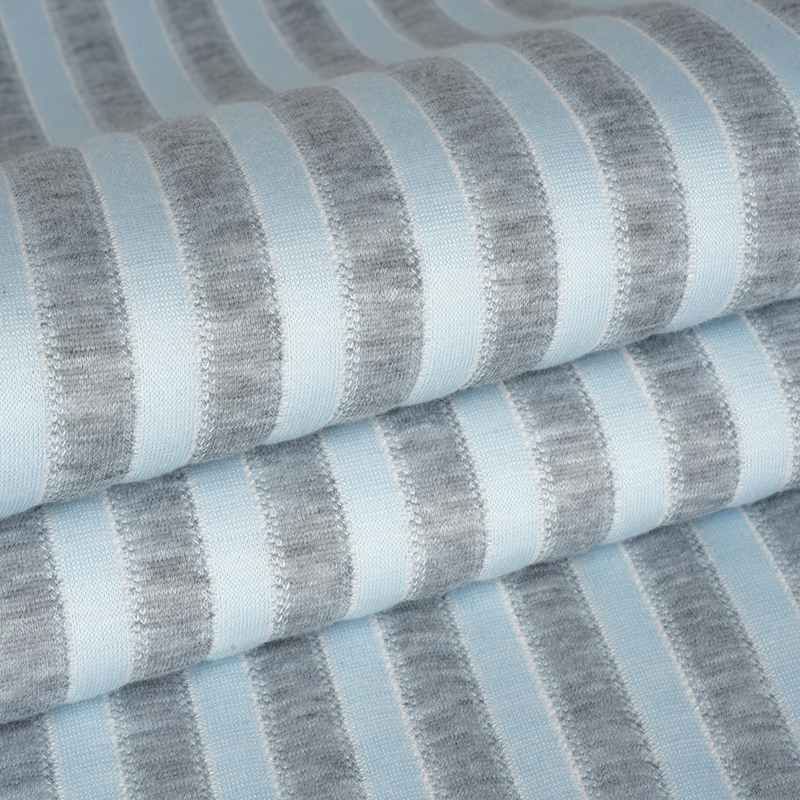
Tencel Children Mattress Fabric
Understanding Tencel Children Mattress Fabric
Tencel Children Mattress Fabric is a mattress textile developed for children’s sleep applications. The product category can include woven or knitted constructions, depending on the required surface appearance, elasticity, thickness, hand feel, and application. Its central value lies in the combination of a soft Tencel-based textile experience with a structure suitable for mattress manufacturing.
Children spend a considerable amount of time in bed, and their sleeping environments are often subject to frequent washing, accidental spills, perspiration, friction, and changing room temperatures. A mattress fabric must therefore perform reliably under daily use. It should not only look attractive when first installed but also retain a comfortable feel and orderly appearance over time.
Tencel fibers are widely recognized in the textile industry for their smooth surface, comfortable touch, and ability to support moisture management when incorporated into a suitable fabric construction. These properties are valuable in children’s mattress products because the sleeping surface should feel gentle against pajamas, sheets, mattress protectors, or other bedding layers.
The final performance of a Tencel mattress fabric depends on more than the fiber name alone. Yarn selection, fiber blending, weaving or knitting parameters, fabric density, finishing chemistry, dyeing control, drying conditions, dimensional stability, and inspection standards all influence the finished product. This is why an experienced manufacturer is essential. A high-quality fiber requires a well-controlled manufacturing process to become a dependable commercial textile.
Why Children’s Mattress Products Need Specialized Fabric
Children’s mattresses are not simply smaller versions of adult mattresses. They are used in nurseries, bedrooms, childcare centers, schools, hotels, healthcare environments, travel products, and family spaces. These settings have different expectations, but they share several important needs.
Softness and Surface Comfort
Children are often sensitive to rough, stiff, or scratchy surfaces. A mattress fabric with a smoother touch can improve the perceived comfort of the entire product. Tencel-based fibers are valued for their refined surface and soft hand feel, making them suitable for mattress covers and sleep products where tactile comfort is an important selling point.
Surface comfort also affects the perception of product quality. When a parent touches a mattress cover and immediately feels a smooth, pleasant textile, the product communicates care and premium construction. This first impression can influence purchasing decisions in retail stores, online product reviews, and professional procurement environments.
Moisture and Breathability
Children may experience changes in body temperature during sleep, particularly in warm rooms or during active periods of growth. A fabric that supports moisture transfer and air circulation can help create a more comfortable microclimate between the body and the mattress surface.
Compared with some basic synthetic fabrics that may feel less breathable or become clammy under certain conditions, a well-designed Tencel fabric can provide a more comfortable surface experience. The actual result depends on the complete mattress construction, including padding, foam, quilting, backing layers, and cover design. Nevertheless, the outer textile remains an important contributor to perceived comfort.
Hygiene and Easy Care
Children’s bedding can require frequent cleaning. A practical mattress fabric must be compatible with the customer’s care system and should be developed with washing, drying, and repeated handling in mind. Functional finishing options may be considered to support antibacterial, moisture-resistant, or odor-management objectives, subject to the selected specification and applicable testing requirements.
A cleanable and durable outer fabric can help manufacturers develop products that are easier for families and institutions to maintain. It can also support a stronger product message for parents who prioritize healthy and orderly bedrooms.
Durability in Daily Use
Children’s products experience considerable movement. Jumping, turning, kneeling, playing, and repeated contact with bedding can place stress on the fabric. The mattress textile must therefore balance softness with tensile strength, abrasion resistance, seam performance, and dimensional stability.
Durability is not only a technical advantage. It also reduces replacement frequency and helps preserve the visual quality of the mattress. A cover that maintains its shape and surface appearance for longer can contribute to lower lifecycle costs and improved customer satisfaction.
Key Advantages of Tencel Children Mattress Fabric
A Smooth and Gentle Hand Feel
One of the most important advantages of Tencel Children Mattress Fabric is its soft and smooth surface character. The fabric is suitable for products where a gentle touch is essential, including children’s mattresses, mattress pads, quilted covers, pillow products, and nursery bedding.
The smoother surface can help reduce the perception of friction against clothing and bedding layers. It also provides a premium tactile identity that differentiates the mattress from products covered with ordinary low-cost textiles. For manufacturers, this gives the finished product a clear comfort-oriented feature that can be communicated to distributors and consumers.
Moisture-Management Potential
Tencel-based materials are commonly selected for their ability to support moisture management when engineered into an appropriate textile construction. In a children’s mattress application, this can be valuable because it may help the surface feel drier and more comfortable during sleep.
Moisture management should not be confused with complete waterproofing. A Tencel mattress fabric is generally selected for comfort, breathability, and surface performance, while waterproof protection may require an additional membrane, coating, or barrier layer. This makes the fabric versatile: it can function as a comfortable face textile within a larger protective mattress system.
Breathable Comfort
A breathable mattress cover can contribute to a more pleasant sleeping environment. The fabric construction, yarn arrangement, and finishing method influence how air and moisture move through the textile. When matched with suitable foam and padding materials, Tencel fabric can support a mattress design that feels less stuffy and more comfortable.
This advantage is particularly relevant for warm climates, heated bedrooms, summer bedding collections, and children who tend to sleep hot. It can also support a premium product position in markets where consumers actively compare cooling and comfort features.
Suitable for Sensitive-Use Applications
Children’s skin and comfort expectations make material selection especially important. A smooth textile with a clean finish and controlled manufacturing process can be appropriate for products marketed toward nurseries, young children, and family bedrooms.
Manufacturers should still complete their own safety, skin-contact, chemical, and regulatory evaluations for the intended market. The fabric’s suitability depends on the full supply chain, including dyes, finishing agents, backing materials, adhesives, labels, thread, and packaging. However, the Tencel fiber platform gives product developers a strong starting point for sensitive-use sleep products.
Premium Visual and Design Compatibility
Children’s products often require attractive colors, patterns, and storytelling. Tencel Children Mattress Fabric can be developed in different colors, textures, constructions, and design directions, subject to the manufacturer’s capabilities and minimum order requirements.
The fabric can support calm neutral collections, pastel nursery themes, playful children’s patterns, natural lifestyle designs, and premium hotel or childcare interiors. It can also be coordinated with pillowcase fabric, bedding fabric, pregnancy pillow fabric, sofa fabric, and other textile categories to create a consistent product family.
Functional Finishing Opportunities
Hangzhou Xinsili Decorative Fabric Weaving Co., Ltd. focuses on functional decorative textiles and integrates technologies associated with antibacterial, moisture-resistant, flame-retardant, sleep-supporting, and comfort-improving functions. Depending on the customer’s technical requirements, Tencel Children Mattress Fabric may be evaluated for suitable functional finishing or combined with other performance layers.
Each function should be defined precisely. For example, antibacterial performance requires a recognized testing method and a stated performance level. Flame-retardant performance depends on the fabric construction, finishing system, and target standard. Moisture resistance may refer to liquid repellency, moisture transport, or barrier protection, which are not identical. Professional specification and verification are therefore essential.
How It Compares with Conventional Mattress Fabrics
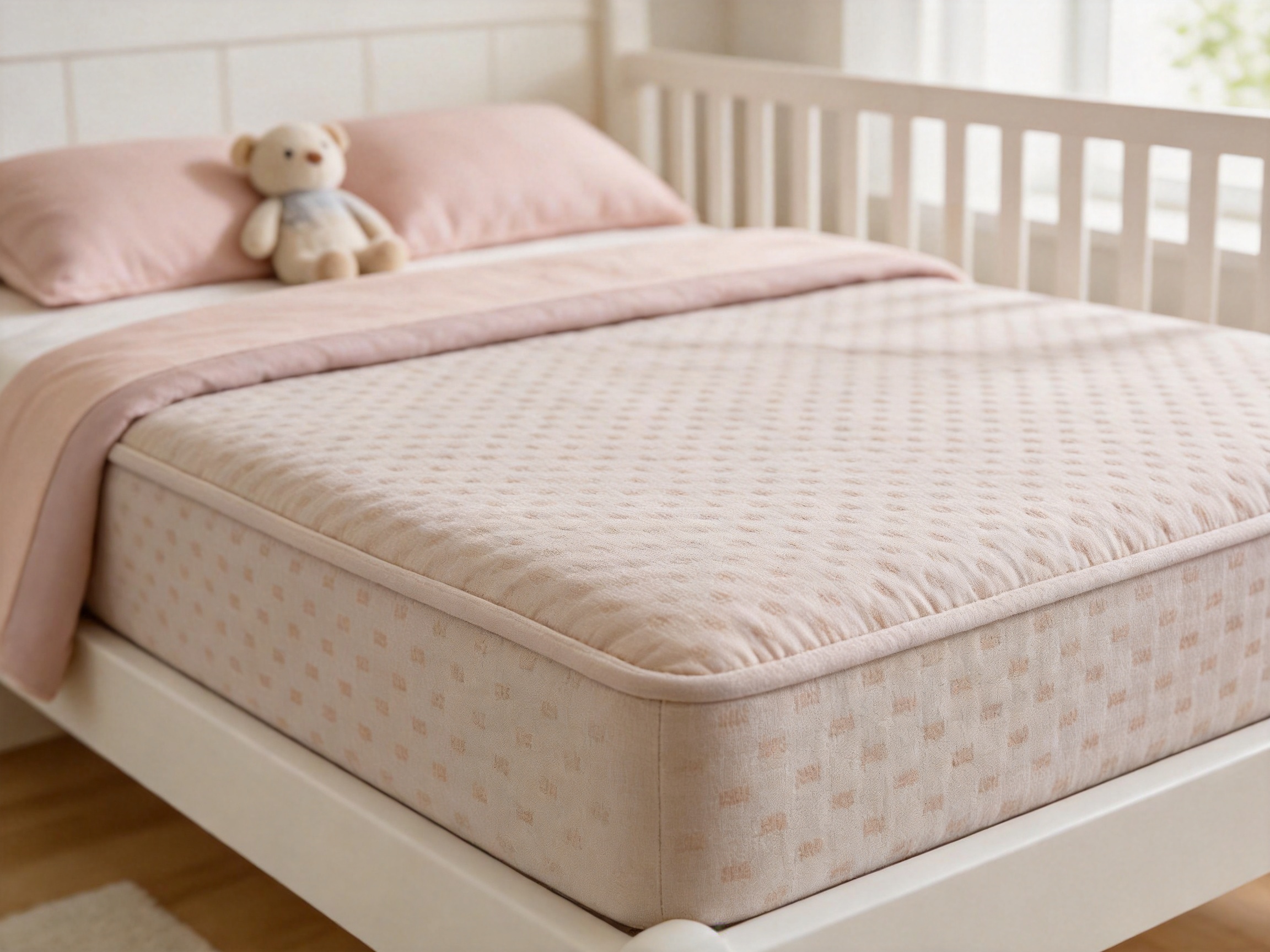
The mattress textile market includes polyester, cotton, rayon, blended fibers, knitted fabrics, woven fabrics, laminated materials, and specialty technical textiles. Each material has advantages. The right choice depends on cost, end use, performance targets, sustainability expectations, and the desired consumer experience.
| Comparison Area | Tencel Children Mattress Fabric | Basic Polyester Fabric | Basic Cotton Fabric | Low-Specification Blended Fabric |
|---|---|---|---|---|
| Surface feel | Smooth, soft, and suitable for comfort-focused products | Can be durable but may feel less refined depending on construction | Comfortable, with hand feel influenced by yarn and finishing | Varies significantly according to fiber ratio and quality |
| Moisture comfort | Can support moisture management when properly engineered | May require specialized construction or finishing | Can absorb moisture but may dry more slowly | Performance depends on the blend and finishing process |
| Design positioning | Suitable for premium, natural-comfort, and child-focused collections | Often associated with economical or performance-oriented products | Suitable for classic and natural textile positioning | Flexible but may have a less distinctive market identity |
| Functional development | Can be combined with selected comfort and protective finishes | Often supports broad finishing options | Can support finishing but may require careful dimensional control | Depends on the compatibility of the different fibers |
| Application value | Strong fit for children’s mattresses and premium bedding | Suitable for cost-sensitive and highly durable applications | Suitable for breathable and familiar textile products | Suitable when balanced cost and general performance are required |
The comparison does not mean that Tencel fabric is the best choice for every mattress. Instead, it demonstrates why it is attractive for manufacturers that want to combine comfort, functionality, and a stronger premium identity. A low-cost polyester fabric may be appropriate for a basic institutional product, while a cotton fabric may be preferred for a traditional natural-textile collection. Tencel Children Mattress Fabric becomes especially competitive when softness, moisture comfort, design quality, and advanced textile positioning are important.
Advanced Manufacturing Process
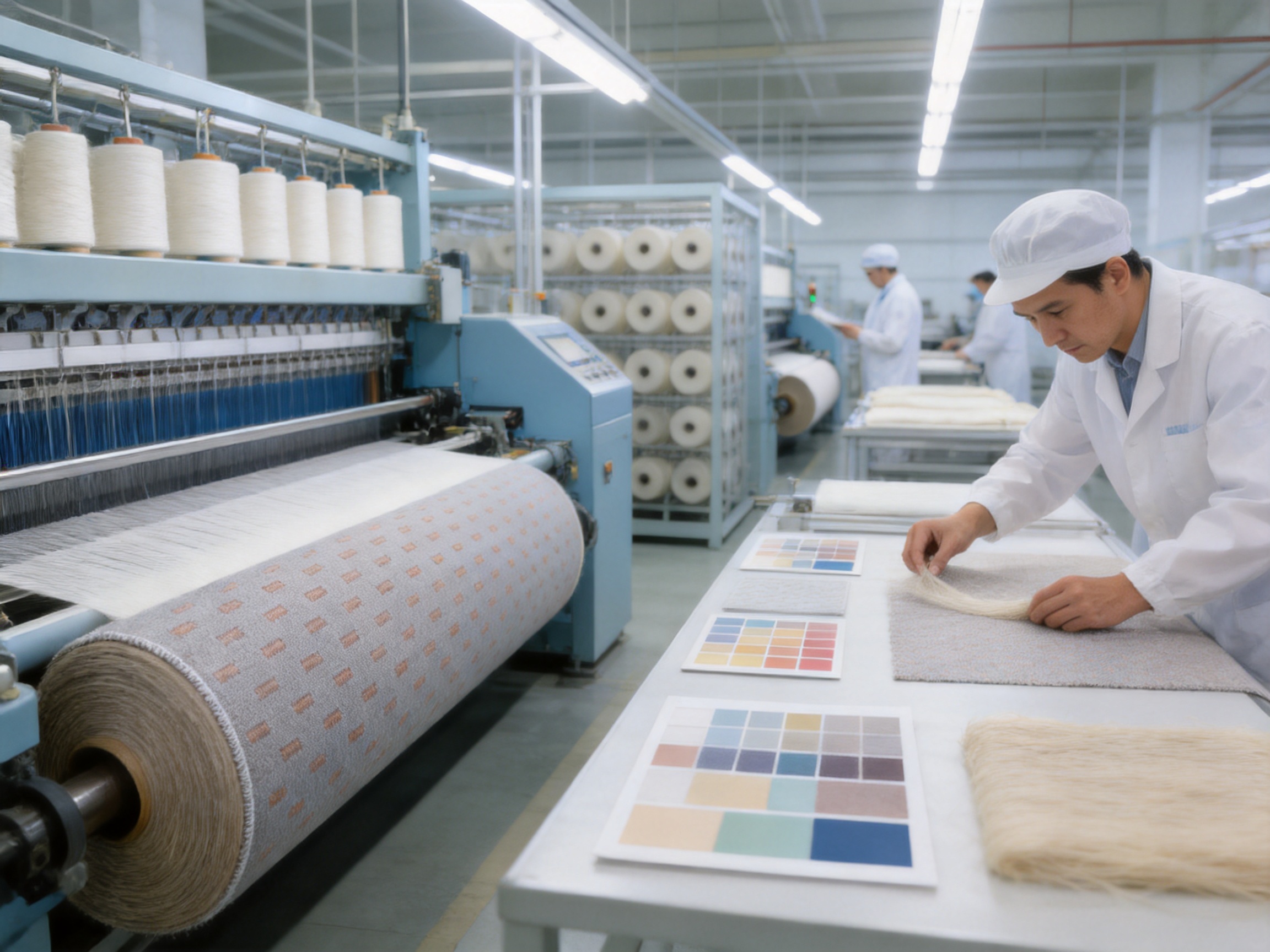
The quality of a finished mattress fabric is created through a sequence of controlled decisions. A professional manufacturer does not treat weaving, finishing, inspection, and delivery as isolated activities. Each stage affects the next one. The following process illustrates how an experienced textile supplier can develop a dependable Tencel children’s mattress fabric.
1. Application and Specification Analysis
Production begins with understanding the intended use. A mattress manufacturer may require a lightweight cover fabric, a quilted outer layer, a high-density woven surface, a stretchable knitted cover, or a fabric compatible with a waterproof membrane. Children’s products may also require specific color standards, wash durability, pilling control, seam performance, or safety documentation.
At this stage, the supplier evaluates the desired hand feel, appearance, weight, width, construction, fiber composition, color range, finishing requirements, packaging, and delivery schedule. This application-first approach helps prevent the common mistake of selecting a fabric based only on appearance.
2. Fiber and Yarn Selection
Tencel fiber may be used alone or combined with other fibers to achieve a particular balance of softness, strength, stretch, drying behavior, cost, and appearance. Yarn count and yarn structure influence fabric density, drape, surface smoothness, and durability.
For children’s mattress applications, yarn selection should be aligned with the product’s expected wear level and care method. A luxury nursery mattress may prioritize a very smooth hand feel, while a childcare mattress may require greater abrasion resistance and repeated-wash stability. Blending and yarn engineering can be considered when the customer requires a more specific performance balance.
3. Precision Weaving or Knitting
The fabric construction determines much of its physical behavior. Weaving can provide an orderly surface, dimensional control, and a broad range of pattern possibilities. Knitting can provide softness, stretch, and flexibility, which may be useful for fitted mattress covers and removable constructions.
During production, machine settings, yarn tension, density, speed, and pattern control must be managed carefully. Inconsistent tension can result in uneven surfaces, distortion, width variation, or problems during sewing and quilting. Precision manufacturing helps ensure that fabric rolls are more uniform from beginning to end.
4. Dyeing and Color Management
Children’s textile products often depend on attractive and consistent colors. Color management begins with approved standards and continues through laboratory sampling, dye selection, production dyeing, washing, drying, and final inspection.
Stable color is important when the fabric is combined with other components. A mattress cover may need to match a pillowcase, bed skirt, fitted sheet, or decorative panel. Color variation between production lots can create difficulties for brands and retailers, so a controlled approval and batch-recording process adds significant value.
5. Functional Finishing
Finishing can modify the hand feel, appearance, moisture behavior, dimensional stability, and protective properties of the fabric. Depending on the application, possible finishing objectives may include softness enhancement, moisture resistance, antibacterial performance, flame-retardant performance, easy care, reduced pilling, or improved surface smoothness.
Finishing must be carefully matched to the fiber and construction. Excessive chemical treatment may affect softness, breathability, color, or durability. An experienced manufacturer evaluates the balance between performance and comfort rather than pursuing a single feature at the expense of the complete user experience.
6. Shrinkage and Dimensional Control
Mattress fabrics must maintain an appropriate shape during cutting, sewing, quilting, washing, and use. Dimensional variation can lead to loose covers, wrinkling, seam stress, or difficulty fitting the fabric over the mattress core.
Controlled washing, drying, setting, and finishing conditions help reduce avoidable variation. The final dimensional stability target should be agreed with the customer because a removable washable cover may require different specifications from a permanently quilted mattress panel.
7. Inspection and Quality Assurance
Quality assurance should cover both visible and measurable characteristics. Fabric inspection may include checks for width, weight, color consistency, surface defects, holes, stains, broken yarns, weaving faults, pilling risk, edge quality, and roll length accuracy.
Performance testing can include tensile strength, tear strength, abrasion resistance, dimensional change, colorfastness, moisture behavior, and specific functional claims. The exact test program should be based on the target market, end use, and customer specification.
8. Roll Preparation and Packaging
Proper roll preparation helps protect the fabric during storage and transportation. Rolls should be identified with batch information and packed in a manner that reduces contamination, moisture exposure, compression damage, and handling problems.
Reliable packaging is particularly important for overseas customers. A well-organized roll system supports warehouse management, production planning, lot traceability, and future reordering.
Manufacturing Strengths of Hangzhou Xinsili Decorative Fabric Weaving Co., Ltd.
Hangzhou Xinsili Decorative Fabric Weaving Co., Ltd. brings several strengths to the development and supply of functional mattress fabrics. Its business is centered on decorative and functional textiles for home, hotel, and commercial environments. This broad application experience helps the company understand that textile performance must be connected with design, comfort, durability, and practical installation.
Long-Term Industry Experience
With 19 years of industry experience, the company has had extensive time to develop production knowledge, supplier relationships, quality procedures, and application understanding. Long-term experience is especially valuable when customers require customized constructions or need assistance solving problems related to hand feel, shrinkage, color, finishing, or production stability.
Experience also supports better communication. A mature textile manufacturer can ask more relevant questions before production begins, identify potential risks earlier, and recommend a more suitable construction when the customer’s initial concept requires adjustment.
Dedicated Factory Capacity
The company operates within a 12,000-square-meter factory area. Factory scale alone does not guarantee quality, but it can provide the space needed for organized production, material storage, sample development, inspection, packing, and process management.
A properly managed facility helps separate different production activities and supports more efficient workflow. It can also provide greater flexibility when customers require sampling, multiple colors, repeat orders, or coordinated textile collections.
Research and Development Orientation
Functional textiles must evolve with market expectations. Parents seek softer and healthier bedding. Hotels want comfortable and durable room products. Commercial buyers often require performance documentation, dependable supply, and consistent appearance. Research and development allow a fabric supplier to respond to these expectations with new constructions and finishing systems.
As a company focused on innovative research, development, and precision manufacturing, Xinsili can approach mattress fabric as a product engineering challenge rather than a simple commodity transaction. This is important when a customer wants a distinctive textile that supports a specific brand or application strategy.
Recognition as a National High-Tech Enterprise
The company was recognized as a National High-Tech Enterprise in 2023. This recognition supports its positioning as an organization committed to technological development and innovation. For customers, it offers an additional indication that the company is investing in structured research and technical capability rather than relying only on traditional production methods.
High-tech enterprise recognition should not replace product-level testing or customer audits, but it can be part of a broader assessment of supplier capability. Buyers should still confirm the exact production site, quality system, test documentation, and specifications for each order.
Integrated Functional Textile Philosophy
Xinsili’s product direction includes antibacterial, moisture-resistant, flame-retardant, sleep-supporting, and comfort-improving functions. These capabilities are relevant to children’s mattress fabric because the mattress sector increasingly values health, comfort, safety, and usability as connected product benefits.
The company’s “Weaving Beautiful Spaces” vision also reflects the importance of appearance. Children’s mattresses must be comfortable, but they are also part of an interior environment. A successful textile should help create a welcoming bedroom, nursery, hotel room, or childcare space.
Customization Options for Mattress Manufacturers
Different customers require different mattress textiles. A furniture manufacturer, children’s mattress brand, hotel supplier, e-commerce seller, and institutional buyer may all request different specifications. Customization allows Tencel Children Mattress Fabric to be adapted to the actual product rather than forcing every application into a standard construction.
Fabric Construction
Customers may discuss woven or knitted structures, surface texture, elasticity, weight, thickness, width, and density. The appropriate structure depends on whether the fabric will be used as a removable cover, quilted panel, fitted cover, decorative side panel, or integrated bedding component.
Color and Pattern
Color options may include soft nursery shades, natural neutrals, modern monochromes, gentle pastels, or brighter children’s colors. Pattern development can be used to create animal themes, geometric designs, clouds, stars, botanical motifs, or quiet textures. The final choice should consider colorfastness, printing method, production quantity, and the target market’s safety requirements.
Hand Feel and Surface Finish
Some customers prefer a cool, smooth surface, while others want a warmer, brushed, peach-like, or more substantial touch. Finishing can be adjusted to create different tactile impressions, but changes must be evaluated for their effects on breathability, pilling, washing, and long-term durability.
Functional Requirements
Customers may request a particular combination of moisture management, antibacterial treatment, flame-retardant performance, easy care, stain resistance, or sleep comfort. These requirements should be translated into measurable standards rather than general promotional language.
For example, “antibacterial” should be connected to a recognized test method and target reduction level. “Moisture-resistant” should clarify whether the requirement involves liquid repellency, absorbency, moisture vapor transmission, or a waterproof barrier. Clear definitions create better communication between the textile supplier, mattress manufacturer, testing laboratory, and end customer.
Packaging and Delivery
Roll length, roll weight, inner core size, labeling, protective wrapping, palletization, and shipping documentation can be discussed according to the customer’s warehouse and production system. Consistent packaging makes it easier to receive, inspect, store, and issue fabric during mattress assembly.
Applications Beyond Children’s Mattresses
Although the primary focus is children’s mattress fabric, the same material development capabilities can support related textile products. Tencel Children Mattress Fabric may be considered for mattress toppers, crib mattresses, quilted bedding, mattress pads, pillow covers, sleep mats, sofa cushions, and selected hospitality products.
The company’s wider product categories include mattress fabric, pillowcase fabric, pregnancy pillow fabric, cooling mat fabric, bedding fabric, sofa fabric, and pet-friendly fabrics. This range allows customers to explore coordinated product programs instead of sourcing every textile from a separate supplier.
For example, a children’s bedding brand may require a mattress cover, pillowcase textile, quilted blanket fabric, and decorative cushion material with compatible colors and hand feels. A coordinated development process can improve visual consistency and simplify supply-chain management.
Quality, Safety, and Responsible Product Development
Children’s textile products require careful evaluation. Manufacturers and importers should identify the regulations and voluntary standards applicable to the destination market. These may address restricted substances, colorfastness, flammability, mechanical safety, labeling, wash care, and skin-contact considerations.
Material selection is only one part of product safety. The completed mattress must also be evaluated as a system. Foam, adhesives, zippers, elastic, thread, prints, coatings, labels, and packaging may all influence the final compliance profile. A responsible supplier should provide accurate technical information and cooperate with customer testing requirements.
Environmental considerations are also becoming more important. Tencel fibers are often selected by brands seeking a more responsible material story, but sustainability claims should be specific and supported by appropriate documentation. Buyers should evaluate fiber origin, processing, dyeing, finishing, wastewater management, packaging, transportation, product lifespan, and end-of-life considerations.
Durability is itself an important part of responsible textile development. A mattress cover that remains attractive and functional for a longer period may reduce replacement demand. The best sustainability strategy is usually a combination of suitable fiber selection, efficient manufacturing, safe chemistry, long service life, and responsible care guidance.
How to Select the Right Specification
Before placing an order, customers should prepare a clear technical brief. The brief should identify the mattress type, end-user age range, cover construction, expected care method, target market, desired color, estimated annual volume, required width, target weight, and performance expectations.
It is also useful to provide physical samples or reference fabrics. Words such as “soft,” “breathable,” “thick,” or “premium” can mean different things to different people. A reference sample gives the textile development team a clearer understanding of the desired hand feel and appearance.
Customers should request sample yardage before mass production. Sample testing can reveal how the fabric behaves during cutting, quilting, sewing, zipper installation, washing, drying, and final mattress assembly. Testing at the complete-product level is especially important because the interaction between fabric and mattress filling may affect the final user experience.
Order continuity should also be considered. If a product is expected to remain on sale for several years, the customer should discuss color records, construction records, raw-material availability, batch control, and repeat-order procedures. Stable documentation helps reduce variation between the original order and later replenishment.
Advantages for Different Buyers
For Children’s Mattress Brands
The fabric helps brands build a product story around softness, breathable comfort, refined design, and functional textile development. It can support premium positioning and create opportunities for coordinated bedding collections.
For Mattress Factories
A well-specified fabric can improve production consistency, reduce fitting problems, and provide a reliable input for quilting and cover assembly. Technical consultation can also help factories choose a construction that matches their existing equipment.
For Retailers and E-Commerce Sellers
The fabric’s comfort and material characteristics provide useful selling points. Retailers can present the mattress as more than a basic sleeping surface by explaining its touch, moisture comfort, design quality, and application-specific construction.
For Hotels and Childcare Environments
Hotels, nurseries, childcare centers, and other commercial environments may value a balance between comfort, appearance, maintenance, and durability. Customized functional finishing and coordinated textile programs can help create a consistent environment.
For Distributors
Distributors can offer a differentiated material rather than competing only on price. A supplier with broad functional textile experience may also support additional product categories, making it easier to build a larger customer solution.
Q&A: Tencel Children Mattress Fabric
Q1: What is Tencel Children Mattress Fabric used for?
It is primarily used for children’s mattress covers and related sleep products. It may also be considered for mattress toppers, quilted mattress panels, pillow covers, bedding components, sleep mats, and other comfort-focused textile applications, depending on the final construction.
Q2: Is Tencel fabric suitable for sensitive skin?
Tencel-based fabrics are commonly selected for their smooth and soft surface. However, skin suitability must be evaluated for the complete finished product, including dyes, finishing agents, coatings, backing layers, and adhesives. Customers should request appropriate test documentation for their target market.
Q3: Does the fabric provide waterproof protection?
Not necessarily. Tencel Children Mattress Fabric is primarily associated with comfort, softness, breathability, and moisture-management potential. If waterproof protection is required, the fabric may need to be combined with a suitable membrane, coating, or barrier layer.
Q4: Can the fabric be customized in color?
Color customization can generally be discussed according to the customer’s design requirements, production volume, and color standard. Customers should approve laboratory samples and confirm colorfastness requirements before bulk production.
Q5: Can the fabric be used in a removable and washable mattress cover?
It may be suitable for removable covers, but the fabric construction and finishing must be selected according to the required washing and drying conditions. Dimensional stability, seam performance, zipper installation, and repeated-wash testing should be evaluated before production.
Q6: Can functional treatments be added?
Functional options may include antibacterial, moisture-resistant, flame-retardant, comfort-enhancing, or other application-specific treatments. The exact treatment depends on fiber content, fabric construction, target standard, and required performance level. Every claim should be supported by appropriate testing.
Q7: How does it compare with ordinary polyester mattress fabric?
Tencel Children Mattress Fabric is often selected for a softer, smoother, and more premium comfort experience, while ordinary polyester may be chosen for low cost, durability, or broad availability. The better option depends on the product’s target price, performance requirements, and consumer positioning.
Q8: How does it compare with cotton fabric?
Cotton is a familiar and widely used natural textile fiber. Tencel-based fabric can offer a different balance of smoothness, moisture comfort, drape, and modern premium positioning. The final comparison depends on yarn, construction, finishing, and care requirements rather than fiber name alone.
Q9: Can the fabric be coordinated with pillowcase and bedding fabrics?
Yes. Because Hangzhou Xinsili Decorative Fabric Weaving Co., Ltd. supplies several functional and decorative textile categories, customers can discuss coordinated colors, textures, and performance directions for mattress fabric, pillowcase fabric, bedding fabric, and related products.
Q10: What information should be provided for a quotation?
Useful information includes the intended application, fabric construction, fiber composition, width, weight, color, finish, estimated order quantity, testing requirements, packaging preference, destination market, and delivery schedule. A reference sample or product drawing can make the quotation and development process more accurate.
Q11: Can the company support product development?
The company’s research and development orientation, industry experience, and functional textile focus allow it to support product discussions beyond basic fabric supply. Customers can communicate their desired hand feel, appearance, performance, and manufacturing process so that a more suitable textile specification can be developed.
Q12: What is the most important benefit for children’s mattress brands?
The main benefit is the ability to combine a soft and comfortable user experience with a more advanced functional textile position. This helps brands develop mattresses that appeal to parents seeking comfort, breathability, quality, attractive design, and dependable manufacturing.
Conclusion
Tencel Children Mattress Fabric offers a compelling material direction for manufacturers that want to create more comfortable, refined, and functionally considered children’s sleep products. Its smooth hand feel, moisture-management potential, breathable comfort, design flexibility, and compatibility with selected functional finishing make it more than a decorative outer layer.
Its strongest advantage appears when the fabric is developed as part of a complete product system. Fiber selection, yarn engineering, weaving or knitting, dyeing, finishing, dimensional control, inspection, and packaging must work together. A professional supplier can help transform a promising fiber into a stable commercial textile that performs during mattress assembly and daily use.
Hangzhou Xinsili Decorative Fabric Weaving Co., Ltd. supports this approach through 19 years of industry experience, a 12,000-square-meter factory area, a research and development orientation, and recognition as a National High-Tech Enterprise in 2023. Its focus on functional decorative textiles, precision manufacturing, and collaborative development makes it a suitable partner for customers seeking customized mattress fabric solutions.
For children’s mattress brands, bedding manufacturers, hospitality suppliers, distributors, and commercial buyers, the product provides an opportunity to compete through comfort, material quality, responsible development, and application-specific performance. When supported by accurate specifications and appropriate testing, Tencel Children Mattress Fabric can help build sleep products that are softer to touch, more attractive to consumers, and better aligned with the evolving expectations of modern families.
References
1. Textile fiber and fabric engineering principles for mattress, bedding, and home-textile applications.
2. General technical literature on regenerated cellulosic fibers, moisture management, softness, and textile comfort.
3. Standard textile testing practices for colorfastness, dimensional stability, tensile strength, tear strength, abrasion resistance, and pilling.
4. Product development guidance for children’s bedding, mattress covers, and skin-contact textile products.
5. Functional textile research covering antibacterial, moisture-resistant, flame-retardant, and comfort-enhancing finishing technologies.
6. Sustainable textile manufacturing principles covering material selection, dyeing, finishing, durability, packaging, and product lifecycle considerations.
Product: Tencel Children Mattress Fabric
Our Featured Products
-
Tencel Children Mattress Fabric
Tencel Children Mattress Fabric
Haven’t Found The Products You Want?
-
-
Shen Jinyan:+86-15158070676
[email protected]
Liang Jinwen:+86-15757186621
[email protected]
Qiu Yingyingn:+86-13819545790
[email protected]
Yi qiao Town, Xiaoshan District, Hangzhou City, Zhejiang Province, China
-
Products
Mattress Fabric Children Mattress Fabric Pillowcase Fabric Pregnancy Pillow Fabric Cooling Mat Fabric Bedding Fabric Sofa Fabric Pet Friendly Fabrics -
Contact Information
About Us Products Strength Sustainability News Contact Us
Copyright © Hangzhou Xinsili Decorative Fabric Weaving Co.,Ltd. All Rights Reserved.
Functional Decorative Textile Manufacturers
