

 English
 中文简体
 Español
 عربى
 русский



Tencel Sofa Fabric: A Sustainable, Comfortable, and High-Performance Choice for Modern Interiors
Content
- 1 Introduction
- 2 What Is Tencel Sofa Fabric?
- 3 Key Product Specifications
- 4 Advantages of Tencel Sofa Fabric
- 5 Comparison with Common Sofa Fabric Alternatives
- 6 Manufacturing Process and Quality Control
- 7 Manufacturing Strengths of the Supplier
- 8 Applications in Residential Interiors
- 9 Applications in Hotels and Commercial Spaces
- 10 Care, Cleaning, and Storage Guidance
- 11 Durability and Responsible Use
- 12 How to Select the Right Tencel Sofa Fabric
- 13 Benefits for Furniture Manufacturers and Designers
- 14 Quality and Sustainability Considerations
- 15 Why Work with an Experienced Decorative Textile Manufacturer?
- 16 Frequently Asked Questions
- 16.1 What is Tencel sofa fabric used for?
- 16.2 What is the typical weight of this fabric?
- 16.3 What is the typical width?
- 16.4 Is Tencel sofa fabric more sustainable than all other upholstery fabrics?
- 16.5 Can the fabric be machine washed?
- 16.6 How should spills be handled?
- 16.7 Is this fabric suitable for homes with pets?
- 16.8 Can the fabric be customized?
- 16.9 Is the fabric suitable for hotels and commercial projects?
- 16.10 How should fabric rolls be stored?
- 16.11 What makes this product different from a basic polyester sofa fabric?
- 16.12 What information should be requested before ordering?
- 17 Conclusion
- 18 References
- 19 Product: Tencel Sofa Fabric
Introduction
Sofa fabric is more than a surface covering. It influences the visual character of a room, the tactile experience of daily use, the maintenance requirements of furniture, and the long-term value of an interior project. As residential, hospitality, and commercial spaces increasingly demand materials that combine comfort, appearance, sustainability, and practical performance, Tencel sofa fabric has become an important option for furniture manufacturers, interior designers, retailers, and project buyers.
Tencel sofa fabric is developed from Tencel fibers, a regenerated cellulosic material known for its smooth hand feel, moisture management, and refined appearance. When woven into upholstery constructions, the fiber can create a surface that feels soft and comfortable while supporting the visual requirements of contemporary furniture. Depending on the blend, weave density, finishing method, and color treatment, the fabric can be adapted for sofas, lounge chairs, accent furniture, hotel seating, reception areas, and selected commercial interiors.
Hangzhou Xinsili Decorative Fabric Weaving Co., Ltd. supplies functional decorative textiles for residential, hotel, and commercial applications. Its Tencel sofa fabric is positioned as part of a broader product portfolio that includes mattress fabric, children’s mattress fabric, pillowcase fabric, pregnancy pillow fabric, cooling mat fabric, bedding fabric, sofa fabric, and pet-friendly fabrics. This product range gives the company a practical understanding of the relationship between textile construction, skin contact, comfort, durability, cleaning, and interior design.
The Tencel sofa fabric described in this article commonly weighs approximately 280–400 GSM and is generally available in widths of about 140–150 cm. These specifications may vary according to weave density, style, blend composition, finishing treatment, and customer requirements. The fabric is designed to offer a balance between an attractive appearance and practical usability, making it suitable for furniture projects that require a soft, modern, and environmentally considered textile solution.
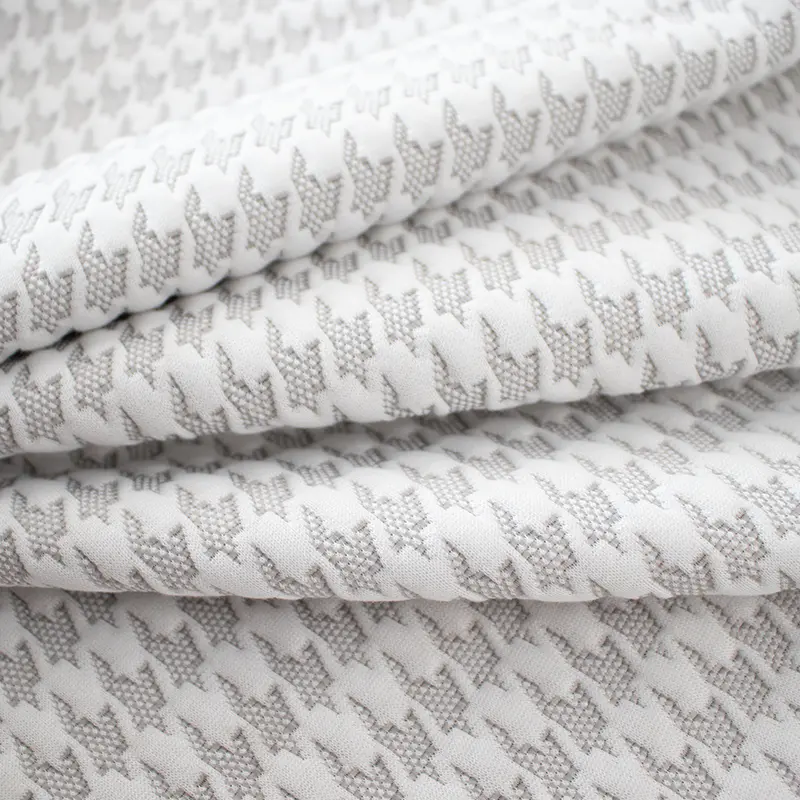
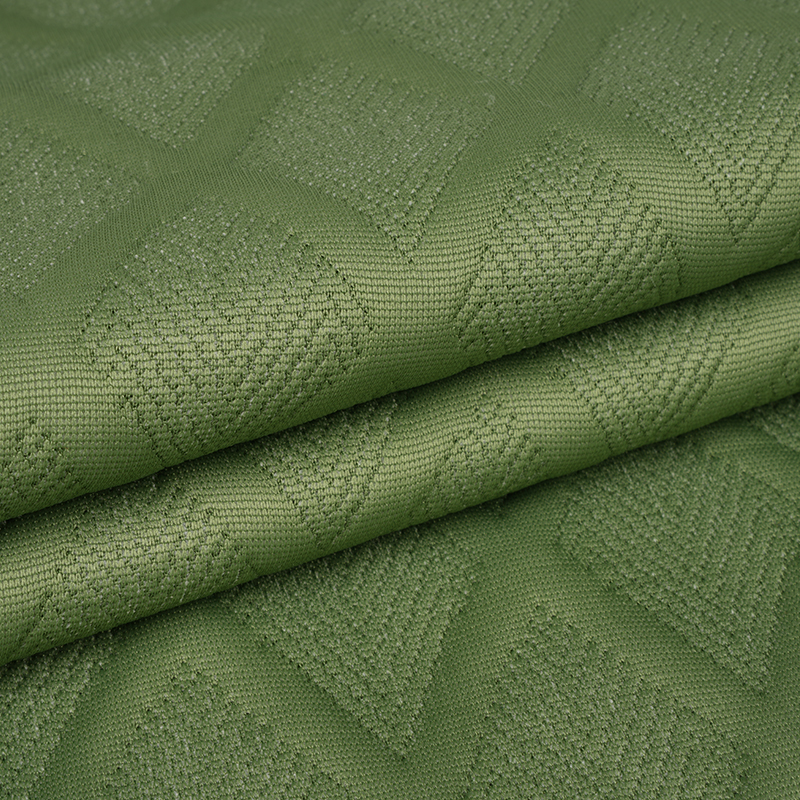
Tencel Sofa Fabric
What Is Tencel Sofa Fabric?
Tencel sofa fabric is an upholstery textile that uses Tencel fiber as a primary or significant component of its construction. Tencel is a branded form of regenerated cellulose fiber produced from wood-based pulp. Through a controlled manufacturing process, the cellulose is transformed into a spinnable fiber that can be woven or knitted into fabric. The resulting textile is different from conventional natural fibers such as cotton and linen, while also offering characteristics that distinguish it from many petroleum-based synthetic fabrics.
In sofa applications, Tencel fiber is selected for its smooth surface, pleasant touch, and ability to support an elegant drape and refined visual effect. The final fabric does not depend on the fiber alone. Upholstery performance is also determined by yarn specifications, weave structure, construction density, blending materials, coloration, surface finishing, backing, and quality control. For this reason, a professional sofa fabric manufacturer must manage the complete process rather than treating the raw fiber as the only source of product performance.
The term “Tencel sofa fabric” can describe several possible constructions. Some fabrics may use a high proportion of Tencel for a particularly smooth and soft hand feel. Others may combine Tencel with polyester, nylon, cotton, linen, or other fibers to improve dimensional stability, abrasion resistance, color performance, or cost efficiency. The appropriate composition depends on the intended application, design objectives, furniture structure, expected traffic level, and required care method.
The fabric supplied by Hangzhou Xinsili Decorative Fabric Weaving Co., Ltd. is presented as a functional decorative textile for furniture and interior environments. Its common weight range of 280–400 GSM provides a substantial textile presence without making the material unnecessarily heavy. The common width of 140–150 cm is compatible with many upholstery cutting and sewing requirements, although exact production specifications should be confirmed for each order.
Key Product Specifications
| Item | Typical Information | Application Significance |
|---|---|---|
| Product type | Tencel sofa fabric | Suitable for sofas, lounge seating, accent furniture, and decorative upholstery |
| Common weight | Approximately 280–400 GSM | Provides a balanced combination of coverage, handle, and visual body |
| Common width | Approximately 140–150 cm | Supports efficient cutting for many furniture upholstery projects |
| Fiber character | Smooth, soft, and moisture-managing regenerated cellulose fiber | Improves tactile comfort and supports a refined furniture appearance |
| Care approach | Follow the specific care label; gentle handling is recommended | Helps protect color, surface texture, and dimensional stability |
| Storage approach | Dry, ventilated, and protected from damp conditions | Reduces the risk of mildew and moisture-related damage |
| Typical market use | Residential, hotel, commercial, and decorative interior projects | Offers flexibility for different furniture and space-planning concepts |
Advantages of Tencel Sofa Fabric
Smooth and Comfortable Hand Feel
One of the strongest advantages of Tencel fiber is its smooth surface. Compared with many rougher or more heavily textured upholstery materials, Tencel-based fabric can provide a softer and more refined touch. This is especially valuable for sofas and lounge furniture because users often come into direct contact with the fabric through their hands, arms, legs, and clothing.
A comfortable hand feel can improve the perceived quality of a sofa even before a customer evaluates its frame, cushion filling, or mechanical construction. The surface may feel cool and smooth at first contact, while the woven structure gives the furniture a visually substantial appearance. For residential furniture, this supports everyday relaxation. For hotel lounges and reception areas, it contributes to a welcoming first impression. For commercial interiors, it can make seating areas feel more considered and comfortable.
Moisture Management and Breathability
Tencel fiber is known for its ability to manage moisture. It can absorb and release moisture more effectively than many conventional synthetic fibers, helping the textile feel more comfortable during extended contact. In a sofa environment, this characteristic can be helpful in warm climates, air-conditioned interiors, and spaces where occupants remain seated for long periods.
Moisture management does not mean that the sofa fabric is waterproof or impervious to spills. Liquid stains should still be treated promptly and according to the care instructions. However, the fiber’s moisture-related characteristics can support a more comfortable seating experience and reduce the clammy sensation that may occur with some tightly coated or less breathable materials.
Refined Appearance
Tencel sofa fabric can create an elegant, smooth, and contemporary visual effect. Its surface may be used in minimalist interiors, modern residential spaces, boutique hotels, high-end apartments, and commercial environments that require a balanced combination of comfort and sophistication. The appearance can change according to yarn fineness, weave density, coloration, and finishing treatment.
The fabric can support neutral palettes, warm earth tones, muted colors, and carefully selected accent shades. This makes it suitable for furniture collections intended to remain visually relevant across changing interior trends. Its refined surface may also complement wood, metal, stone, glass, leather details, and other decorative materials commonly used in contemporary furniture design.
Potentially Lower Environmental Impact
Tencel fibers are wood-based regenerated cellulose fibers. Their environmental profile is influenced by the source of the wood pulp, forestry management, chemical recovery systems, energy use, water use, dyeing, finishing, transportation, and the overall product life cycle. When responsibly produced and appropriately certified, Tencel materials can provide an alternative to some conventional fiber options.
For buyers seeking more environmentally considered textiles, a Tencel sofa fabric can support sustainability goals as part of a wider responsible sourcing strategy. It should not be treated as an automatic guarantee of sustainability. Buyers should review the exact fiber composition, available certifications, dyeing standards, chemical compliance information, packaging practices, and manufacturing documentation for the specific product ordered.
Hangzhou Xinsili Decorative Fabric Weaving Co., Ltd. positions its decorative textile business around environmentally friendly and practical fabric solutions. The company’s product development approach combines design, functionality, and manufacturing control, allowing customers to evaluate Tencel sofa fabric not only as a fashionable material but also as part of a broader interior textile program.
Suitable Weight for Furniture Applications
The common weight range of 280–400 GSM gives the fabric a useful balance between softness and body. A very light fabric may lack the visual fullness and covering power required for some upholstered furniture, while a very heavy fabric may increase handling, cutting, and sewing demands. The stated weight range is suitable for many sofa and decorative upholstery projects, subject to the furniture design and performance requirements.
Weight also affects how a fabric behaves during sewing and installation. A fabric with sufficient body may be easier to position over cushions and furniture panels, while the final result depends on the pattern, seam design, backing, foam geometry, and upholsterer’s skill. Professional sampling is recommended before large-scale production because the same nominal GSM can feel different when produced with different yarns and weave structures.
Practical Upholstery Width
The common width of 140–150 cm supports efficient fabric planning for many sofas, chairs, cushions, and decorative panels. Width is an important purchasing factor because it influences cutting waste, seam placement, pattern matching, and total material consumption. A suitable width can help furniture manufacturers organize production more efficiently.
Actual usable width may vary depending on selvage condition, finishing, shrinkage, pattern repeat, and customer specifications. Therefore, buyers should confirm the exact finished width, roll length, allowable tolerance, and any pattern repeat before preparing cutting layouts. A supplier that communicates these details clearly can help reduce production uncertainty.
Comparison with Common Sofa Fabric Alternatives
No upholstery fabric is ideal for every furniture project. The correct selection depends on budget, design, expected traffic, cleaning requirements, durability targets, climate, and customer expectations. Tencel sofa fabric competes with cotton, linen, polyester, microfiber, velvet, leather, faux leather, and blended upholstery materials. Its main advantage is its balanced combination of softness, refined appearance, moisture management, and sustainability potential.
Compared with Cotton Upholstery Fabric
Cotton is familiar, comfortable, and widely available. It can offer good breathability and a natural touch. However, cotton upholstery may be more sensitive to staining, shrinkage, wrinkling, and color change depending on construction and finishing. Tencel sofa fabric can provide a similarly comfortable hand feel while offering a smoother surface and different moisture-management characteristics.
Neither material should be judged only by fiber name. A dense cotton upholstery fabric may outperform a loosely constructed Tencel fabric in a specific abrasion test, while a well-engineered Tencel blend may provide better dimensional stability than a basic cotton construction. Product-level testing and application-specific evaluation remain essential.
Compared with Linen Upholstery Fabric
Linen is valued for its natural texture, breathability, and relaxed visual character. It is often selected for coastal, rustic, Scandinavian, and natural interior styles. However, linen may crease easily and can require careful handling. Tencel sofa fabric generally offers a smoother and more uniform surface, which may be preferred for contemporary furniture and hospitality projects requiring a polished appearance.
For designers seeking visible slubs and an intentionally casual texture, linen may remain the better choice. For projects emphasizing smoothness, soft touch, and a more controlled surface, Tencel can offer a strong alternative.
Compared with Polyester Upholstery Fabric
Polyester is widely used because it can provide good strength, color stability, dimensional stability, and cost efficiency. It is also available in many textures and finishes. However, some polyester fabrics may feel less breathable or less natural than cellulosic textiles. Tencel sofa fabric can appeal to customers who want a softer, more natural-feeling surface and a material story connected to wood-based fibers.
Blended constructions can combine the benefits of both materials. A Tencel-polyester blend may improve stability and practical performance while retaining some of the softness and moisture comfort associated with Tencel. The ideal ratio should be selected according to testing results, use conditions, and customer priorities.
Compared with Velvet
Velvet provides a rich pile, strong color depth, and a luxurious visual effect. It is popular for statement furniture and decorative interiors. Tencel sofa fabric generally presents a flatter, smoother surface and may be easier to integrate into understated, modern, or minimalist designs. Velvet can show shading and pressure marks because of its pile direction, while Tencel woven fabric creates a different visual response.
The choice between the two depends primarily on design intent. Tencel is advantageous when the project requires soft elegance without a pronounced raised pile.
Compared with Leather and Faux Leather
Leather offers a distinctive appearance, strong association with premium furniture, and a surface that can be wiped in many cases. Faux leather can provide a similar visual direction at a lower cost. However, both materials may feel cold or warm depending on ambient conditions, and some customers prefer the textile comfort of woven fabric. Tencel sofa fabric provides a breathable, soft, and tactile alternative for those who want a textile-covered sofa rather than a coated surface.
Fabric may require more careful stain management than a wipe-clean coated surface, so project users should consider maintenance expectations before making a final decision.
Manufacturing Process and Quality Control
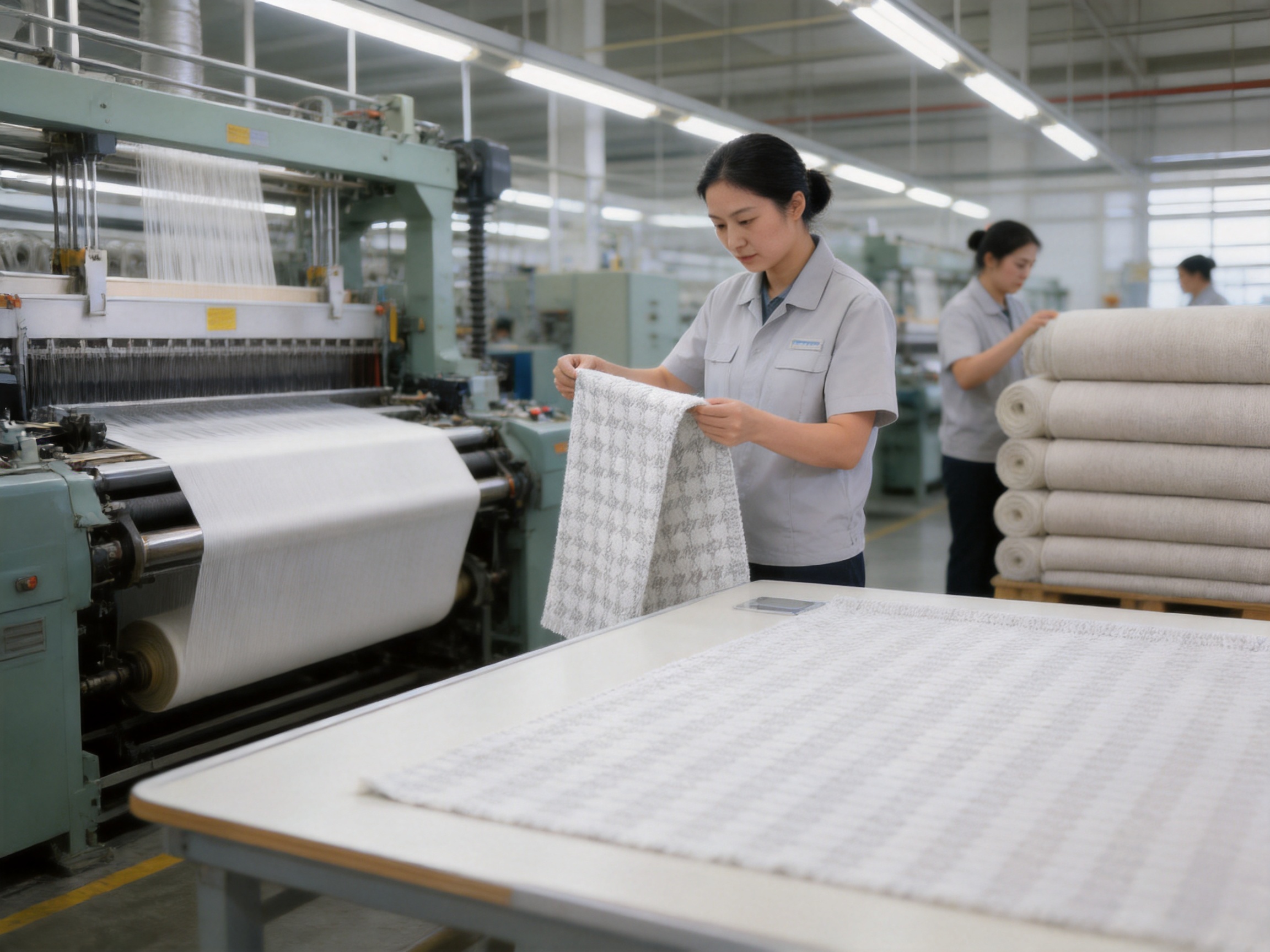
The quality of Tencel sofa fabric depends on a controlled sequence of material selection, yarn preparation, weaving, finishing, inspection, packing, and delivery. A professional manufacturer must control both the aesthetic and physical properties of the fabric. This is particularly important for sofa applications, where uneven construction, excessive shrinkage, poor color consistency, or unstable width can create visible problems during upholstery.
Material Selection and Product Planning
Manufacturing begins with product planning. The supplier evaluates the desired appearance, hand feel, weight, width, blend ratio, color range, use environment, and expected production quantity. For a sofa fabric, the manufacturer must consider not only how the material looks on a sample card but also how it behaves when stretched over foam, folded around corners, stitched at seams, and exposed to routine contact.
Fiber selection and yarn planning are matched to the intended fabric structure. A softer yarn may improve hand feel, while a stronger yarn or blended yarn may support better resistance to mechanical stress. The final product must balance comfort with adequate stability and practical handling.
Yarn Preparation
Yarn preparation affects the uniformity of the final textile. Processes may include winding, clearing, joining, sizing, and other preparatory steps depending on the yarn type and loom requirements. Consistent yarn tension supports a more even woven structure, while proper preparation helps reduce defects such as broken ends, slubs, loose picks, or irregular density.
For decorative fabrics, visual consistency is especially important. Small irregularities may become obvious when a large sofa is covered with a single color or when several furniture pieces are placed next to each other. Quality-focused preparation helps maintain a stable appearance from one roll to another.
Weaving and Construction Control
During weaving, warp and weft yarns are interlaced according to the chosen construction. The weave can influence strength, drape, surface texture, thickness, dimensional stability, and visual character. A dense weave may provide better coverage and a more structured appearance, while a lighter construction may feel softer and more flexible.
Weaving parameters must be controlled to maintain the target width and weight. Operators and quality personnel monitor fabric tension, density, alignment, and surface defects. If the product includes a pattern or special texture, repeat accuracy is also important because inconsistent repeats can complicate upholstery cutting and matching.
Dyeing and Color Management
Color is a major factor in furniture textiles. A fabric may be technically sound but unsuitable for a project if the shade differs from the approved sample. Professional color management therefore includes laboratory dips, sample approval, batch control, lighting evaluation, and inspection under appropriate conditions.
Color fastness should be evaluated according to the intended environment and applicable testing requirements. Residential furniture, hotel seating, and commercial interiors may have different exposure levels. Buyers should request relevant test information when color performance is critical, particularly for dark shades, bright colors, and large-volume projects.
Finishing and Surface Development
Finishing can influence softness, smoothness, drape, appearance, dimensional stability, and handling. A controlled finishing process can help the fabric achieve a more consistent hand feel and finished width. However, excessive chemical or mechanical treatment may affect the original advantages of the fiber, so finishing should be selected with care.
The appropriate finish depends on the customer’s needs. Some projects may prioritize a soft touch, while others may require stronger surface stability or easier cutting. A responsible manufacturer should explain the available options and identify any trade-offs rather than presenting one finish as suitable for every application.
Inspection and Packing
Finished fabric should be inspected for width, weight, color consistency, weaving defects, stains, holes, edge conditions, roll length, and packaging quality. Inspection may be conducted continuously during production and again before shipment. A clear inspection process supports reliable delivery and helps identify issues before the fabric reaches the furniture manufacturer.
Proper packing protects the rolls from dust, moisture, compression damage, and handling problems. Because Tencel fabric should be stored in a dry and ventilated place, packaging and warehouse conditions are important parts of product quality. The supplier should use suitable protective materials and maintain clear roll identification for production traceability.
Manufacturing Strengths of the Supplier
Hangzhou Xinsili Decorative Fabric Weaving Co., Ltd. has approximately 19 years of industry experience and operates a factory area of about 12,000 square meters. The company was recognized as a National High-Tech Enterprise in 2023. These facts indicate an established manufacturing base and a focus on technical development, although customers should still evaluate the specific quality documentation and testing records for each product order.
The company’s business is centered on decorative fabrics for home, hotel, and commercial environments. This market focus is relevant to Tencel sofa fabric because upholstery projects require more than attractive color. They require attention to surface behavior, comfort, construction, practical care, cutting efficiency, and coordination with broader interior textile programs.
The company describes its development philosophy as “Weaving Beautiful Spaces,” combining craftsmanship-driven manufacturing, design innovation, and cooperative customer relationships. Its product development includes functional directions such as antibacterial, moisture-resistant, flame-retardant, sleep-supporting, and comfort-improving textiles. Not every function necessarily applies to every Tencel sofa fabric, so project buyers should confirm the specifications of the exact construction rather than assuming that all listed technologies are included in one product.
A broad manufacturing portfolio can provide useful advantages. Experience with mattress, bedding, pillowcase, cooling mat, pet-friendly, and sofa fabrics allows the supplier to understand different levels of skin contact, friction, cleaning, moisture exposure, and comfort requirements. This cross-category knowledge can support more thoughtful development of upholstery fabrics for furniture manufacturers and interior brands.
Research and Development Orientation
Functional textile development requires continuous evaluation of fiber combinations, fabric constructions, finishing techniques, and customer feedback. A company with an innovation-oriented approach can modify the product according to market needs, provided it has the necessary technical resources and production discipline.
For Tencel sofa fabric, research and development may focus on improving softness, reducing surface irregularities, optimizing weight, strengthening dimensional stability, improving color consistency, or developing blends for specific performance requirements. It may also include adapting the fabric to different furniture styles, such as loose-cover sofas, structured modern sofas, modular seating, or hospitality benches.
Customization Capability
Furniture manufacturers often require customized colors, weights, widths, patterns, finishes, and fiber compositions. A supplier with experience in decorative textile production may be able to support product customization more efficiently than a general fabric distributor. Customers should discuss minimum order quantities, development charges, sampling time, production lead time, shade approval, and repeat-order consistency at the beginning of the project.
Customization should be supported by a formal approval process. A sample should be evaluated under the expected lighting conditions and, where possible, on the actual furniture form. The hand feel of a small swatch may differ from the appearance of a large upholstered surface, so full-scale trial production is valuable for important projects.
Stable Supply and Project Coordination
Large furniture orders depend on stable supply. Variations in fiber availability, dye lots, width, weight, and finish can create problems when multiple production batches are required. A manufacturer with a structured production system can help coordinate sampling, bulk production, inspection, packaging, and shipment.
Customers should request clear technical documents, including fiber composition, finished width, weight tolerance, care recommendations, available colors, testing information, and packing details. Good communication reduces the risk of misunderstanding and makes it easier to compare the fabric with competing products.
Applications in Residential Interiors
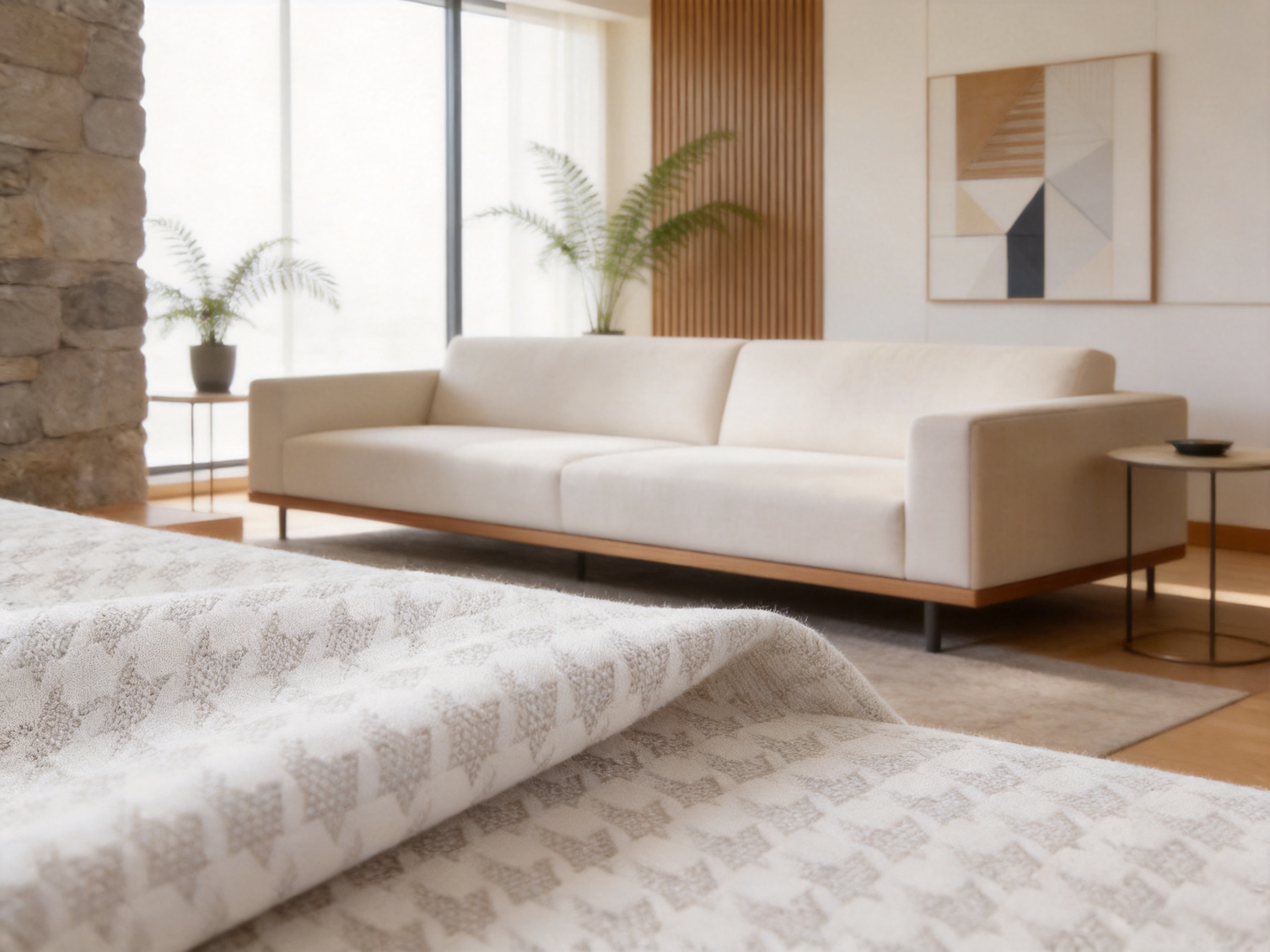
Tencel sofa fabric is well suited to residential furniture where comfort and appearance are equally important. It can be used for family-room sofas, apartment seating, reading chairs, window seats, modular furniture, ottomans, and decorative cushions. Its smooth touch supports daily use, while its refined surface can complement a wide range of interior styles.
For modern homes, neutral Tencel fabrics can create a quiet and sophisticated base. Beige, gray, cream, taupe, muted green, and soft blue can coordinate with natural wood, stone, and light-colored flooring. Deeper colors can provide contrast and visual focus, particularly on accent chairs or compact sofas.
Families should understand the difference between comfort and stain resistance. Tencel fabric can feel pleasant and manage moisture, but spills should still be removed quickly. Households with children or pets may need a specially treated construction or a complementary protective strategy. The company’s wider portfolio includes pet-friendly fabrics, so buyers with demanding home environments may ask whether a particular Tencel blend or alternative construction is more appropriate.
Applications in Hotels and Commercial Spaces
Hotels, serviced apartments, offices, showrooms, restaurants, and reception areas often require fabrics that communicate quality while supporting repeated use. Tencel sofa fabric can contribute to a welcoming and comfortable atmosphere in lobbies, guest lounges, suites, meeting areas, and executive seating.
In hospitality interiors, the fabric selection should be based on the expected traffic level, cleaning program, fire-safety requirements, colorfastness needs, and local regulations. A fabric suitable for a private apartment may not automatically be suitable for a busy public lounge. Buyers should request application-specific testing and certification where required.
The visual consistency of multiple furniture pieces is also important in commercial projects. A professional production process can help maintain similar color and surface appearance across large quantities. Project managers should approve a production lot before full installation and retain reference samples for future replacement or expansion orders.
Care, Cleaning, and Storage Guidance
Care instructions should always follow the product label and the confirmed fiber composition. Pure Tencel fabrics are generally recommended for dry cleaning or gentle hand washing in cold water with a neutral detergent when washing is approved. Upholstery fabric may have additional backing, coatings, blends, or structural treatments, so the care method for a finished sofa should not be assumed solely from the fiber name.
Prolonged soaking should be avoided because excess moisture may affect dimensional stability, color appearance, backing materials, seams, or cushion components. Wringing and aggressive rubbing can distort the surface and create visible marks. Direct sunlight should also be limited because prolonged ultraviolet exposure may contribute to color fading over time.
For routine care, loose dust can be removed using a suitable upholstery vacuum attachment at a gentle setting. Small spills should be blotted rather than rubbed. A clean, absorbent cloth can be used to lift moisture from the surface, followed by the care procedure recommended for the specific fabric. Strong bleach, harsh solvents, abrasive brushes, and unapproved stain removers should be avoided.
Storage is equally important. Fabric rolls should be kept in a dry, ventilated area away from damp floors, leaking pipes, direct sunlight, and large temperature fluctuations. Damp environments can encourage mildew, particularly when fabric is tightly wrapped or stored for long periods. Rolls should be protected from dust while allowing adequate ventilation and should be clearly labeled for stock rotation.
Durability and Responsible Use
Tencel sofa fabric offers good strength, but all upholstery textiles have practical limits. Frequent and severe friction against rough objects can damage the surface, and sharp pet claws may pull or break yarns. Furniture should therefore be positioned and used in a way that reduces unnecessary abrasion. Sharp accessories, rough wall edges, exposed fasteners, and unprotected metal components should not contact the fabric.
Durability depends on the complete fabric construction and the usage environment. A dense commercial upholstery construction may be suitable for higher traffic than a delicate decorative style. Buyers should request abrasion, pilling, seam slippage, tensile strength, tear strength, colorfastness, and dimensional stability data where those properties are important.
Durability is also influenced by furniture design. Tight corners, severe stretching, narrow seams, and incorrect pattern direction can place additional stress on the textile. An experienced upholsterer can reduce these risks through correct cutting, seam allowance, tension control, and installation technique.
How to Select the Right Tencel Sofa Fabric
Define the Use Environment
Start by identifying whether the fabric will be used in a private residence, a luxury hotel, a public lounge, a restaurant, an office, or a showroom. Consider the number of users, expected daily contact, cleaning frequency, exposure to food and beverages, sunlight, pets, children, and rolling or movable furniture.
Confirm the Fiber Composition
Ask whether the fabric is pure Tencel or a blend. A blend may provide advantages in stability, durability, cost, or care, but the fiber ratio should be clearly stated. The composition should be consistent with labeling, regulatory requirements, and the customer’s sustainability claims.
Evaluate the Weight and Width
Confirm the actual GSM, width, tolerance, usable width, and roll length. The common reference range of 280–400 GSM and 140–150 cm width provides a starting point, but each project may require a more specific target. Check whether a pattern repeat, selvage, or finish changes the effective cutting width.
Request Samples and Test Upholstery
A small swatch is useful for checking color and hand feel, but a trial panel or sample cushion provides more information. It shows how the fabric behaves around corners, seams, piping, curves, and foam. Trial upholstery can reveal stretching, shading, wrinkling, pattern alignment, and installation challenges before bulk production begins.
Review Technical and Compliance Documents
For commercial and hospitality projects, request available test reports and compliance documents. Depending on the market, these may include colorfastness, abrasion, pilling, flammability, restricted substances, formaldehyde, antibacterial performance, or other relevant evaluations. Claims should be supported by documentation for the exact product construction and production batch whenever possible.

Benefits for Furniture Manufacturers and Designers
Tencel sofa fabric gives furniture manufacturers an opportunity to differentiate their products through a combination of tactile comfort, contemporary appearance, and environmental messaging. It can help create a product story that is more distinctive than a basic synthetic upholstery fabric while remaining practical for modern furniture collections.
Designers can use the fabric to support hospitality concepts centered on wellness, natural materials, calm interiors, and user comfort. The material can coordinate with bedding, curtains, cushions, and other decorative textiles, allowing a project to maintain a consistent material language across different furniture and interior elements.
Retailers may also benefit from offering Tencel sofa fabric as part of a premium or environmentally considered collection. Customers increasingly ask where materials come from, how they feel, and how they should be maintained. Clear information about fiber composition, care, expected use, and manufacturing can improve customer confidence.
Quality and Sustainability Considerations
Sustainability should be evaluated across the complete product life cycle rather than through one fiber label. Important questions include the origin of the cellulose, responsible forestry practices, chemical recovery, energy consumption, water use, dyeing, finishing, packaging, shipping, product longevity, cleaning requirements, and disposal options.
A fabric that lasts longer and remains attractive may reduce the need for early replacement. Appropriate weight, stable construction, careful upholstery, correct cleaning, and responsible use can all contribute to longer service life. For this reason, durability and sustainability should be considered together rather than treated as competing objectives.
Manufacturers should communicate sustainability information accurately and avoid unsupported environmental claims. Buyers can request certificates, chain-of-custody records, chemical compliance statements, and production information where relevant. The specific documentation available will depend on the fiber supplier, product construction, target market, and order requirements.
Why Work with an Experienced Decorative Textile Manufacturer?
An experienced decorative textile manufacturer can contribute more than fabric supply. It can help customers select an appropriate construction, identify potential application risks, organize color approvals, adjust the product for different furniture styles, and coordinate bulk production. This support is valuable when a project requires consistent appearance across many units or multiple locations.
Hangzhou Xinsili Decorative Fabric Weaving Co., Ltd. combines approximately 19 years of industry experience with a 12,000-square-meter factory area and a broad decorative textile portfolio. Its focus on functional textiles, including antibacterial, moisture-resistant, flame-retardant, sleep-supporting, and comfort-improving directions, reflects an effort to connect fabric design with real user needs.
The company’s manufacturing philosophy emphasizes craftsmanship, design innovation, and long-term cooperation. For buyers of Tencel sofa fabric, the practical value of this approach lies in the possibility of discussing product details directly with a specialized supplier rather than selecting a generic fabric without technical support.
Customers can contact the company to confirm current specifications, available colors, customization options, sampling arrangements, testing documentation, minimum order quantities, production schedules, and delivery terms. The product alias associated with this item is “tencel-sofa-fabric-206,” which may assist with internal product communication when requesting additional information.
Frequently Asked Questions
What is Tencel sofa fabric used for?
Tencel sofa fabric is used for sofas, lounge chairs, accent seating, cushions, hotel furniture, reception seating, commercial interiors, and other decorative upholstery applications. The exact suitability depends on the fabric construction and the performance requirements of the project.
What is the typical weight of this fabric?
The common weight is approximately 280–400 GSM. The actual weight can vary according to weave density, style, fiber blend, finishing, and customer specifications. The confirmed production specification should be requested before placing an order.
What is the typical width?
The common width is approximately 140–150 cm. Usable width may vary because of selvage, pattern repeat, finishing, and production tolerance. Buyers should confirm the finished and usable width for cutting calculations.
Is Tencel sofa fabric more sustainable than all other upholstery fabrics?
Not automatically. Tencel is a wood-based regenerated cellulose fiber with sustainability potential, but the overall environmental impact depends on raw material sourcing, manufacturing, dyeing, finishing, transportation, product life, and disposal. Specific certifications and documentation should be reviewed for the exact fabric.
Can the fabric be machine washed?
Do not assume that machine washing is suitable. Follow the care label and product-specific instructions. Pure Tencel fabrics are commonly recommended for dry cleaning or gentle hand washing in cold water with neutral detergent when washing is permitted. Upholstery construction, backing, and fiber blends may require different care.
How should spills be handled?
Spills should generally be blotted promptly with a clean absorbent cloth rather than rubbed. Strong chemicals, bleach, abrasive tools, and unapproved stain removers should be avoided. The specific care label and professional cleaning advice should take priority.
Is this fabric suitable for homes with pets?
It may be suitable for some homes, but severe friction and sharp pet claws can damage the surface or pull yarns. Customers with pets should discuss a pet-friendly construction or alternative product with the supplier and test the fabric under realistic conditions.
Can the fabric be customized?
Customization may be possible for color, weight, width, blend, weave, and finishing, subject to production capability, minimum order quantity, and development requirements. Customers should confirm all customization details during the sampling stage.
Is the fabric suitable for hotels and commercial projects?
It can be considered for hotel and commercial furniture, but suitability depends on traffic, cleaning, fire-safety, abrasion, colorfastness, and local regulatory requirements. Commercial buyers should request relevant test information before approval.
How should fabric rolls be stored?
Store rolls in a dry, ventilated place away from damp floors, direct sunlight, heat sources, and contamination. Avoid prolonged exposure to humid conditions because moisture can increase the risk of mildew and affect fabric quality.
What makes this product different from a basic polyester sofa fabric?
The main points of differentiation are the smooth and comfortable hand feel associated with Tencel fiber, moisture-management potential, refined appearance, and a wood-based fiber story. A polyester fabric may offer different advantages, such as cost efficiency or high stability. The best choice depends on the application and verified performance data.
What information should be requested before ordering?
Buyers should request fiber composition, GSM, finished width, usable width, color options, care instructions, test reports, certifications if available, sample approval procedures, minimum order quantity, lead time, packaging details, and production tolerances. These details help prevent misunderstandings during bulk production.
Conclusion
Tencel sofa fabric offers a balanced solution for furniture projects that require softness, visual refinement, practical comfort, and a more environmentally considered material direction. With a common weight of approximately 280–400 GSM and a common width of approximately 140–150 cm, it can support a wide range of residential, hotel, and commercial upholstery applications.
Its advantages over many competing fabrics include a smooth touch, pleasant seating comfort, moisture-management potential, contemporary appearance, and compatibility with sustainability-focused product development. At the same time, responsible buyers should recognize that performance depends on the complete construction, blend, finishing, upholstery method, and use environment.
Hangzhou Xinsili Decorative Fabric Weaving Co., Ltd. supports this product with nearly two decades of textile experience, a 12,000-square-meter factory area, a broad functional decorative fabric portfolio, and an innovation-oriented manufacturing approach. Its capabilities in research, weaving, finishing, quality management, and customization provide a foundation for serving furniture manufacturers, designers, hotel projects, and commercial interior suppliers.
For the best result, customers should request samples, verify the exact specifications, test the fabric on representative furniture, review care and compliance information, and confirm the requirements of the intended market. When properly selected and maintained, Tencel sofa fabric can help create furniture that feels comfortable, looks sophisticated, and supports the growing demand for responsible decorative textiles.
References
1. Tencel Fiber Technical Information, General Properties of Regenerated Cellulosic Fibers.
2. Textile Exchange, Preferred Fiber and Materials Market Information.
3. International Organization for Standardization, Textile Testing and Fiber Composition Guidance.
4. ASTM International, Standard Methods for Evaluating Textile Abrasion, Pilling, Colorfastness, and Dimensional Stability.
5. General Upholstery Practice, Fabric Selection, Cutting, Sewing, Installation, and Maintenance Principles.
6. Hangzhou Xinsili Decorative Fabric Weaving Co., Ltd., Product and Company Information for Functional Decorative Textiles.
Product: Tencel Sofa Fabric

Our Featured Products
-
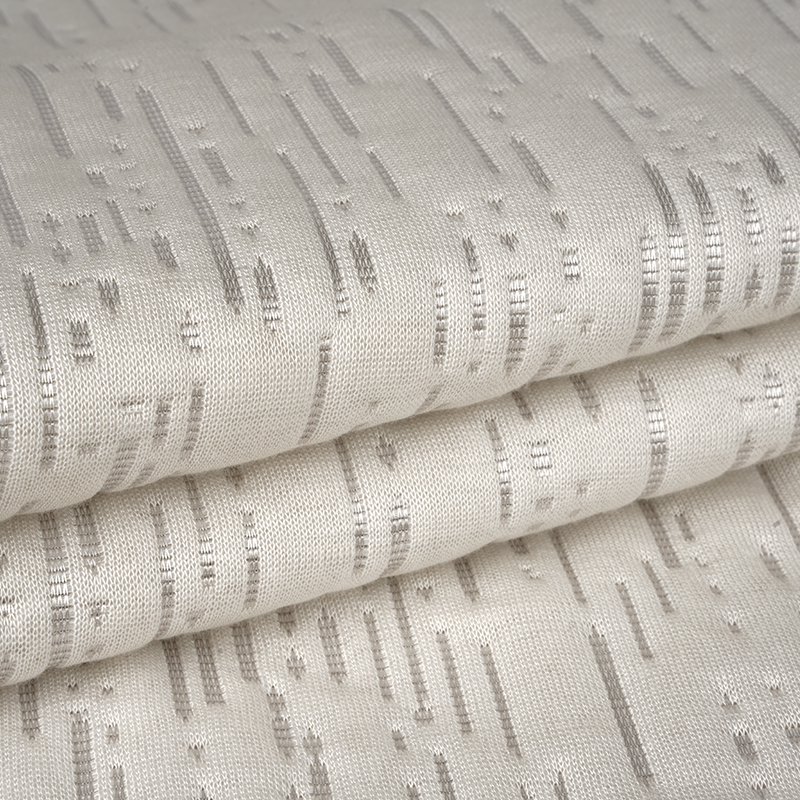
Antibacterial Yarn Children Mattress Fabric
Antibacterial Yarn Children Mattress Fabric
-
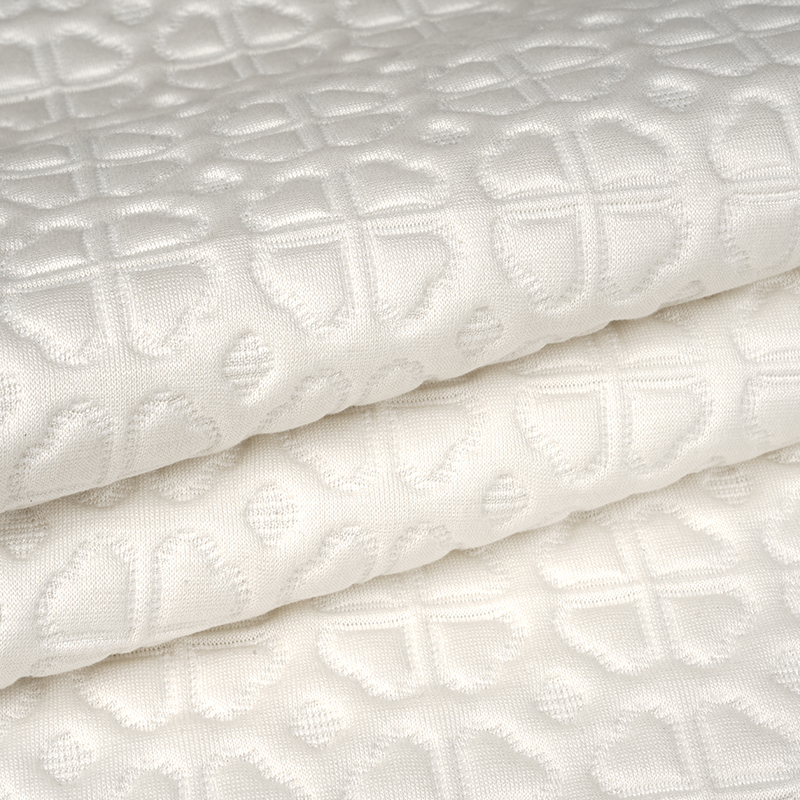
Antibacterial Yarn Children Mattress Fabric
Antibacterial Yarn Children Mattress Fabric
-
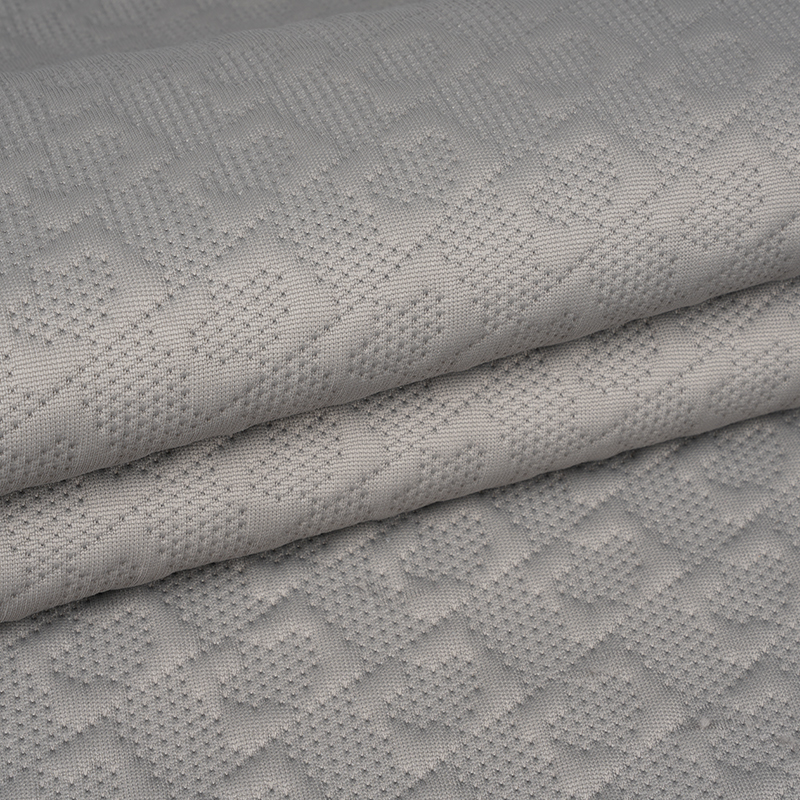
Antibacterial Yarn Children Mattress Fabric
Antibacterial Yarn Children Mattress Fabric
Haven’t Found The Products You Want?
-
-
Shen Jinyan:+86-15158070676
[email protected]
Liang Jinwen:+86-15757186621
[email protected]
Qiu Yingyingn:+86-13819545790
[email protected]
Yi qiao Town, Xiaoshan District, Hangzhou City, Zhejiang Province, China
-
Products
Mattress Fabric Children Mattress Fabric Pillowcase Fabric Pregnancy Pillow Fabric Cooling Mat Fabric Bedding Fabric Sofa Fabric Pet Friendly Fabrics -
Contact Information
About Us Products Strength Sustainability News Contact Us
Copyright © Hangzhou Xinsili Decorative Fabric Weaving Co.,Ltd. All Rights Reserved.
Functional Decorative Textile Manufacturers
