

 English
 中文简体
 Español
 عربى
 русский



Tencel Pet Friendly Fabrics: Sustainable Comfort, Durable Performance, and Smarter Textile Design
Content
- 1 What Are Tencel Pet Friendly Fabrics?
- 2 Why Pet-Friendly Textile Selection Matters
- 3 Core Advantages of Tencel Pet Friendly Fabrics
- 4 Advantages Compared with Conventional Decorative Fabrics
- 5 Manufacturing Approach and Process Strengths
- 6 Why Work with Hangzhou Xinsili Decorative Fabric Weaving Co., Ltd.?
- 7 Applications of Tencel Pet Friendly Fabrics
- 8 How Tencel Pet Friendly Fabrics Support Better Interior Design
- 9 Care and Maintenance Considerations
- 10 Important Specification Questions for Buyers
- 11 Quality and Performance Testing
- 12 Custom Development and Cooperation Support
- 13 Frequently Asked Questions
- 13.1 What makes Tencel fabric suitable for pet-friendly interiors?
- 13.2 Is Tencel pet friendly fabric scratch-proof?
- 13.3 Does Tencel fabric repel pet hair?
- 13.4 Can Tencel pet friendly fabrics be used for sofas?
- 13.5 Can these fabrics be used for bedding and pillowcases?
- 13.6 Are Tencel pet friendly fabrics environmentally responsible?
- 13.7 Can the fabric include antibacterial or moisture-resistant functions?
- 13.8 What information should be provided when requesting a quotation?
- 13.9 How can buyers confirm whether a fabric is appropriate for their project?
- 13.10 Why is manufacturer experience important for functional fabrics?
- 14 Conclusion
- 15 References
- 16 Product: Tencel Pet Friendly Fabrics
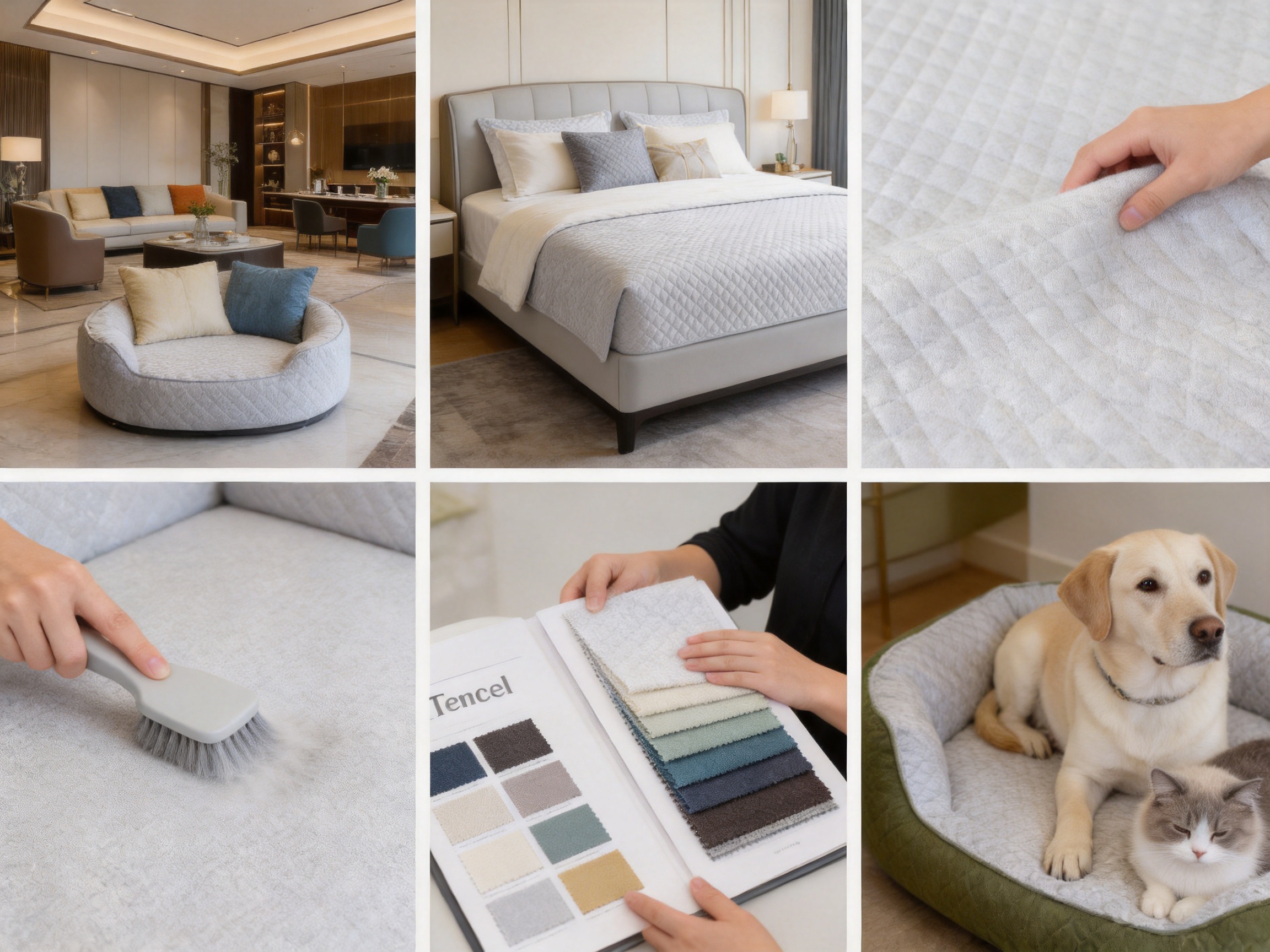
Modern homes are expected to do more than look attractive. They must support rest, comfort, hygiene, durability, and the everyday realities of family life. For households that include dogs, cats, or other companion animals, upholstery and bedding fabrics must also withstand hair, paw contact, occasional spills, repeated cleaning, and constant use. Tencel pet friendly fabrics respond to these demands by combining a refined hand feel with a practical performance profile suitable for contemporary residential, hospitality, and commercial interiors.
Tencel pet friendly fabrics are designed for applications in which softness, breathability, visual appeal, and maintenance convenience are equally important. They can be used in selected mattress constructions, pillowcase products, pet-friendly upholstery, decorative cushions, sofa coverings, bedding components, and other interior textile applications. Compared with ordinary decorative fabrics, they are developed with a stronger focus on comfort, surface smoothness, moisture management, responsible material selection, and long-term usability.
Hangzhou Xinsili Decorative Fabric Weaving Co., Ltd. manufactures and develops functional decorative textiles for residential, hotel, and commercial environments. With 19 years of industry experience, a 12,000-square-meter factory area, and recognition as a National High-Tech Enterprise in 2023, the company combines textile development with practical manufacturing expertise. Its product direction includes antibacterial, moisture-resistant, flame-retardant, sleep-supporting, and comfort-improving textile functions.
For buyers searching for a fabric that can help create beautiful spaces without ignoring real-life pet ownership, Tencel pet friendly fabrics offer a balanced solution. Their value is not based on appearance alone. It comes from the coordination of fiber selection, yarn preparation, weaving precision, finishing control, inspection procedures, and application-oriented design.
What Are Tencel Pet Friendly Fabrics?
Tencel is a widely recognized fiber family associated with regenerated cellulose materials, particularly lyocell and related fibers. These fibers are produced from cellulose-based raw materials and are valued for their smooth touch, comfortable moisture behavior, and elegant appearance. When woven or knitted into a suitable textile structure, Tencel fibers can create fabrics that feel soft against the skin while remaining appropriate for demanding interior applications.
The phrase “pet friendly” describes the way the fabric is selected and developed for environments in which companion animals are present. It does not mean that a fabric is completely immune to scratching, chewing, staining, or damage. Instead, it indicates that the material is intended to provide practical advantages for pet-owning households, such as a smooth surface, comfortable contact, convenient routine care, attractive appearance, and compatibility with furniture or bedding products that experience frequent use.
Pet friendly fabric design requires a broader perspective than simply choosing a soft textile. A fabric may look attractive in a showroom but perform poorly when exposed to pet hair, claws, moisture, friction, and repeated cleaning. Tencel pet friendly fabrics are therefore evaluated as part of a complete product system. Fiber characteristics, fabric construction, surface finish, color selection, backing materials, seam design, and end-use requirements all influence the final result.
For example, a tightly controlled textile structure can help limit excessive surface looseness, while a smooth surface may make routine hair removal easier than with a heavily napped or highly textured fabric. A breathable construction can improve comfort in bedding or upholstered products, while a carefully selected finish can help support stain management or moisture control. These details allow manufacturers to adapt the fabric to specific applications rather than treating one construction as suitable for every project.
Why Pet-Friendly Textile Selection Matters
Pets change the way an interior is used. A sofa may become a sleeping area, a play space, and a daily resting surface. A mattress cover may come into contact with pet hair and household moisture. Decorative cushions may be moved repeatedly, while bedding may require more frequent washing or replacement than textiles in a pet-free environment.
These conditions place several demands on a textile:
• The surface should provide a pleasant touch for people and animals.
• The fabric should maintain a presentable appearance under regular use.
• The construction should be suitable for the intended level of friction.
• The fabric should support practical cleaning and maintenance procedures.
• The textile should contribute to a healthy and comfortable indoor environment.
• The material should offer design flexibility for different furniture and bedding styles.
• The product should be supported by stable manufacturing and quality control.
Traditional fabrics may address one or two of these needs but fail to provide a balanced combination. A very soft fabric may be delicate. A highly durable fabric may feel coarse. A stain-resistant material may have an overly synthetic hand feel. A heavy fabric may be difficult to handle in bedding products. Tencel pet friendly fabrics seek to reduce these compromises by combining natural-feeling comfort with engineered textile performance.
Core Advantages of Tencel Pet Friendly Fabrics
Softness for Human and Pet Comfort
One of the most immediate benefits of Tencel-based textiles is their smooth, comfortable hand. The surface can feel gentle against skin, making the material suitable for products that involve direct contact, including pillowcases, bedding layers, mattress covers, cushions, and upholstered resting areas.
In homes with pets, comfort has a double meaning. The textile must be comfortable for the people who use the furniture, but it should also be inviting for animals that spend long periods lying, sitting, or sleeping on the surface. A soft fabric can help create a more pleasant resting environment without relying entirely on bulky padding or thick surface treatments.
The smooth hand of Tencel fabric can also contribute to a refined visual impression. It may be used in modern interiors where designers want a clean, understated, and premium appearance rather than an obviously industrial textile surface.
Moisture Management and Breathability
Moisture control is important in bedding, upholstery, and pet-use areas. People and animals both generate heat and moisture during rest. In addition, household accidents, damp paws, cleaning processes, and humid conditions can expose the fabric to moisture from outside sources.
Tencel fibers are widely valued for their ability to support comfortable moisture behavior. When combined with an appropriate textile structure, they can help manage the interaction between the fabric and humidity. This may contribute to a fresher and more comfortable surface, particularly in bedding and sleep-related products.
Breathability is also relevant to thermal comfort. A fabric that allows air exchange through its construction can reduce the heavy or stuffy feeling sometimes associated with dense upholstery materials. For pet-friendly sofas, cushions, and mattress-related applications, this can improve the perceived comfort of the finished product.
Performance will always depend on the full construction, including fiber blend, yarn count, fabric density, finishing treatment, backing, and product assembly. Nevertheless, the use of Tencel fibers provides a strong foundation for developing comfortable and moisture-aware textiles.
Smooth Surface and Practical Hair Management
Pet hair is one of the most visible maintenance issues in animal-friendly interiors. Deep piles, open loops, and complicated raised textures may trap hair and make daily cleaning more time-consuming. A relatively smooth and well-controlled surface can provide a more practical alternative for products that need frequent hair removal.
Tencel pet friendly fabrics can be developed with surface structures that balance softness and manageability. The goal is not to create a completely hair-proof surface, since hair behavior depends on the animal, color, static conditions, weave structure, and environmental humidity. Instead, the objective is to make routine maintenance more manageable and help the surface retain a neat appearance between deeper cleaning cycles.
Color selection can reinforce this benefit. Mid-tone colors, heathered effects, subtle melanges, and carefully designed patterns may help reduce the visual prominence of isolated hairs or small marks. This gives designers greater freedom to create attractive products that remain practical in active homes.
Suitable for Frequent-Use Furniture and Bedding
Pet-friendly interiors often require textiles that can withstand more frequent use than decorative materials in low-traffic spaces. A sofa may be occupied throughout the day, while cushions may be moved, compressed, and exposed to friction. Bedding and mattress fabrics may also experience repeated contact and regular laundering.
Fabric performance depends on measurable factors such as abrasion resistance, seam strength, dimensional stability, color fastness, pilling resistance, and recovery after use. These characteristics are influenced by yarn selection, weave structure, fabric weight, finishing, and manufacturing precision.
Xinsili’s focus on precision manufacturing and functional decorative textiles supports the development of fabrics for practical environments. Rather than viewing decoration and performance as separate objectives, the company integrates both in the design and production process. This approach is particularly valuable for customers who need an attractive textile that can perform in everyday residential, hotel, or commercial settings.
Design Flexibility for Different Interior Styles
A pet-friendly fabric should not force a space into a limited visual style. Designers may require soft neutral tones for bedrooms, sophisticated colors for hotels, contemporary textures for sofas, or coordinated materials for complete bedding collections. Tencel-based fabrics can support a wide range of design directions when the yarn, color, weave, and finishing process are properly controlled.
The material can be developed for clean contemporary interiors, warm residential spaces, boutique hospitality projects, and commercial environments that require both visual consistency and practical serviceability. Its refined appearance makes it suitable for projects in which the fabric must communicate quality before a customer even touches it.
Potential design options include solid shades, tonal structures, subtle patterns, textured surfaces, coordinated collections, and custom-developed constructions. The final choice should be based on the product category, expected traffic, cleaning method, lighting conditions, and desired tactile experience.
Compatibility with Functional Finishes
Tencel pet friendly fabrics can serve as a platform for additional textile functions. Depending on the construction and intended application, manufacturers may develop fabrics that support moisture resistance, antibacterial performance, flame-retardant requirements, or enhanced comfort.
These functions must be selected carefully. A finish should support the intended use without damaging the fabric’s softness, breathability, color, or drape. The correct solution may involve fiber selection, yarn engineering, fabric density, mechanical finishing, chemical treatment, or a combination of several methods.
Xinsili’s stated product direction includes antibacterial, moisture-resistant, flame-retardant, sleep-supporting, and comfort-improving technologies. This broad technical focus allows customers to discuss the fabric as part of a functional product rather than as an isolated decorative surface.
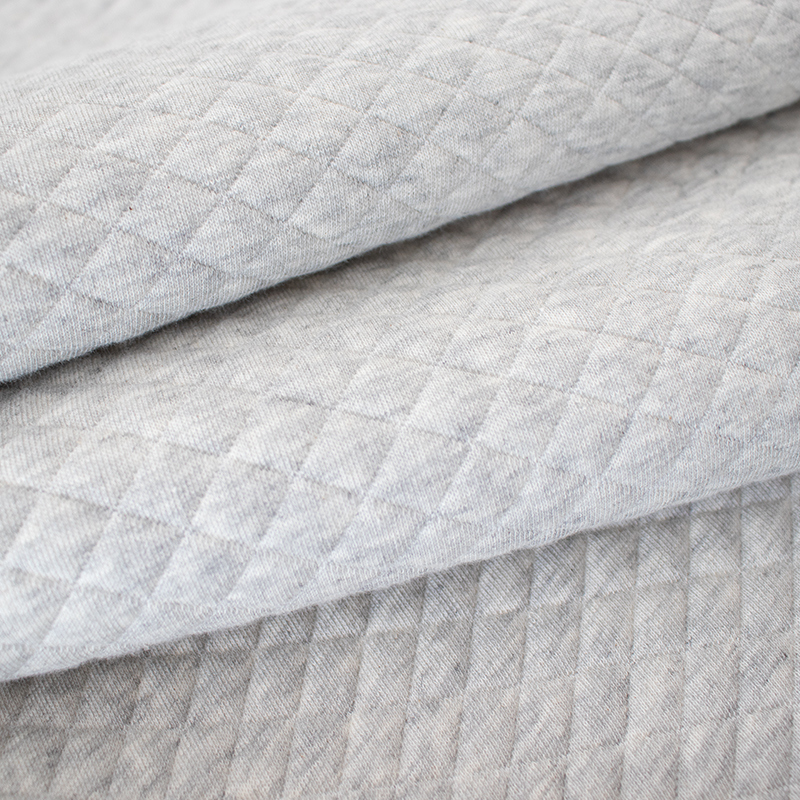
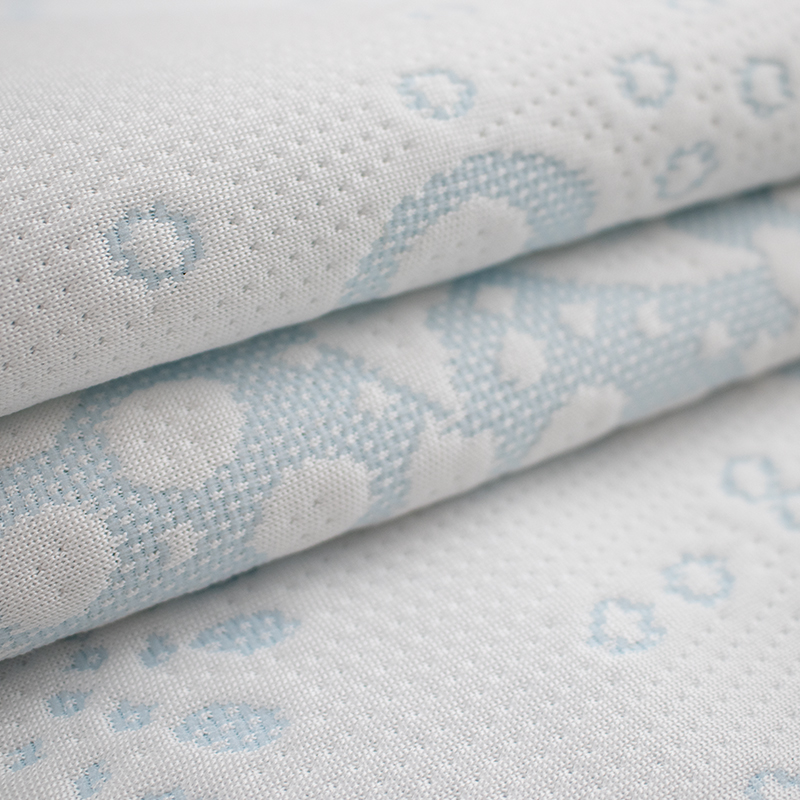
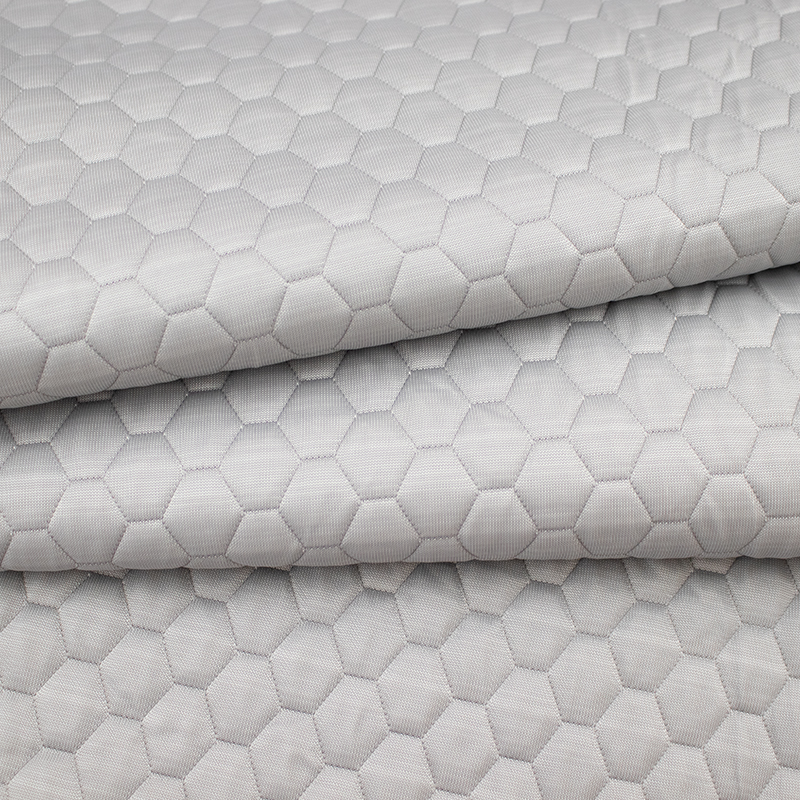
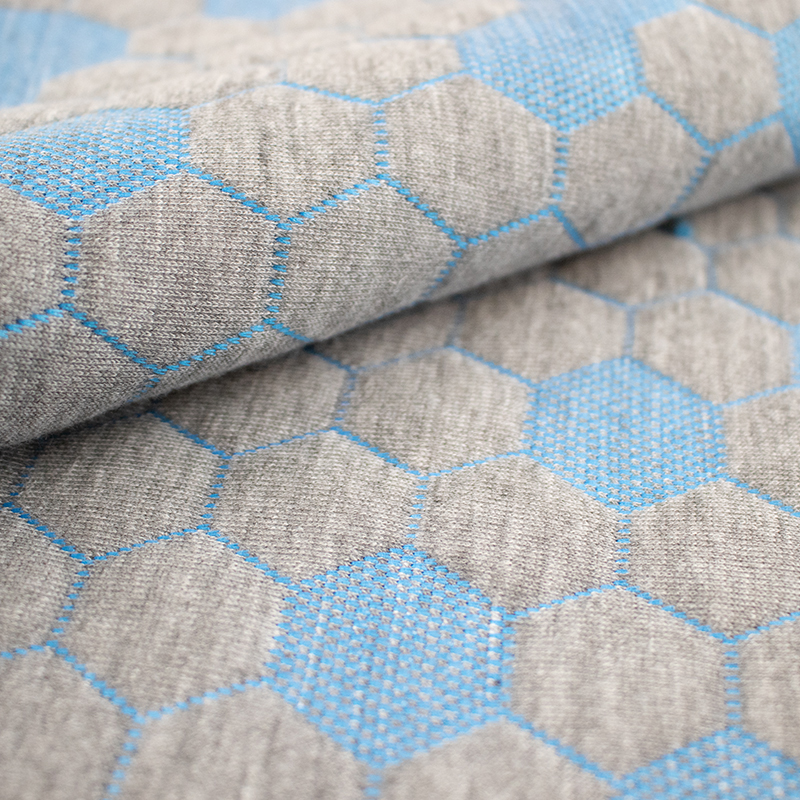
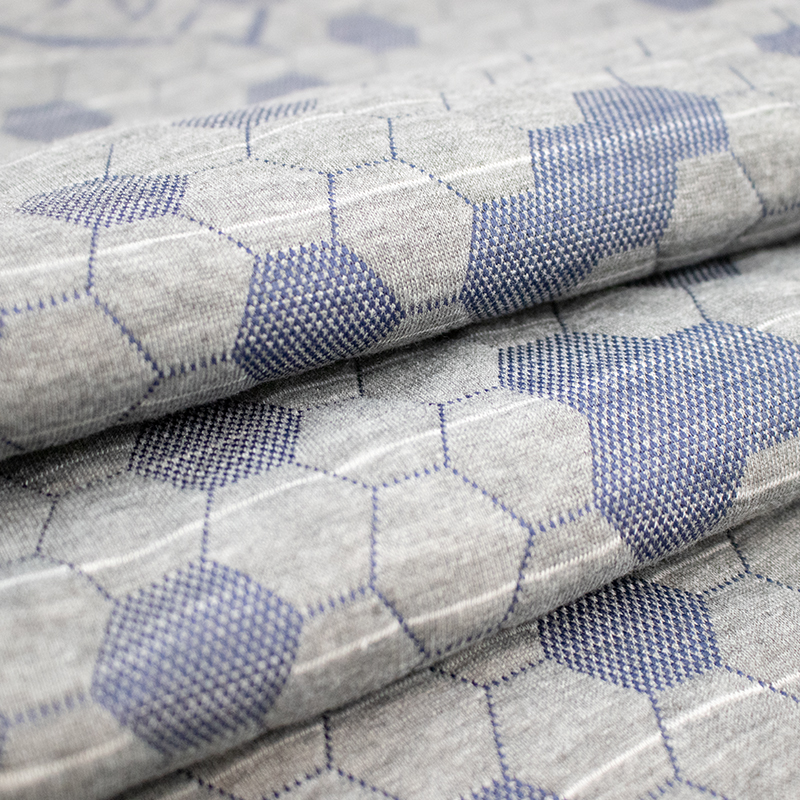
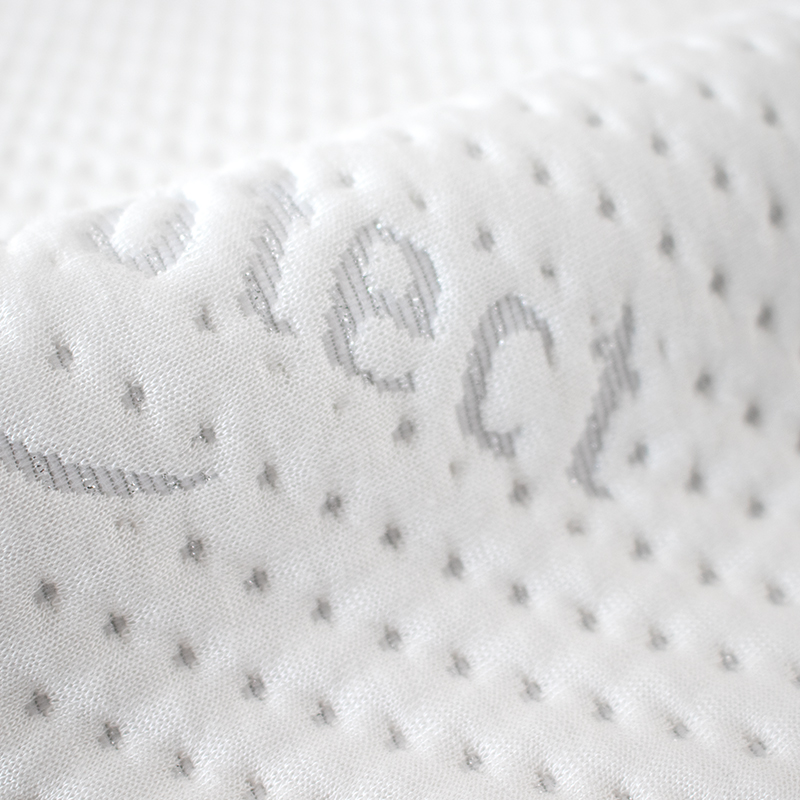
Tencel Pet Friendly Fabrics
Advantages Compared with Conventional Decorative Fabrics
Conventional decorative fabrics can be attractive and useful, but they are not always optimized for households with pets. Some materials have rough surfaces that collect hair. Others may be difficult to clean or may lose their appearance after repeated friction. Certain synthetic constructions can feel warm, static-prone, or less comfortable during extended contact.
Tencel pet friendly fabrics offer several potential advantages when compared with ordinary decorative options.
| Performance Consideration | Conventional Decorative Fabric Challenge | Potential Tencel Pet Friendly Fabric Advantage |
|---|---|---|
| Surface comfort | Some fabrics feel rough, stiff, or overly coarse | Smooth, soft hand suitable for direct contact and resting areas |
| Moisture behavior | Dense or poorly breathable constructions may feel warm or humid | Moisture-aware fiber characteristics and breathable fabric development |
| Pet hair maintenance | Loose piles and complex textures may trap hair | Controlled surfaces can support easier routine hair removal |
| Interior appearance | Highly technical fabrics may look utilitarian | Refined visual quality suitable for residential and hospitality design |
| Functional development | Limited ability to combine comfort with added functions | Can be developed with selected moisture, antibacterial, or comfort-related functions |
| Application range | Often designed for one narrow product category | Adaptable to bedding, sofa, cushion, mattress, and decorative applications |
| Sustainability expectations | Material origin may not meet modern responsible-design goals | Cellulose-based Tencel fiber direction aligns with sustainability-conscious development |
These advantages should be verified according to the exact fabric specification and application. No single fabric is automatically suitable for every sofa, mattress, pet bed, or commercial project. Buyers should confirm the construction, test results, care instructions, and performance requirements before final selection.
Manufacturing Approach and Process Strengths
Material and Yarn Planning
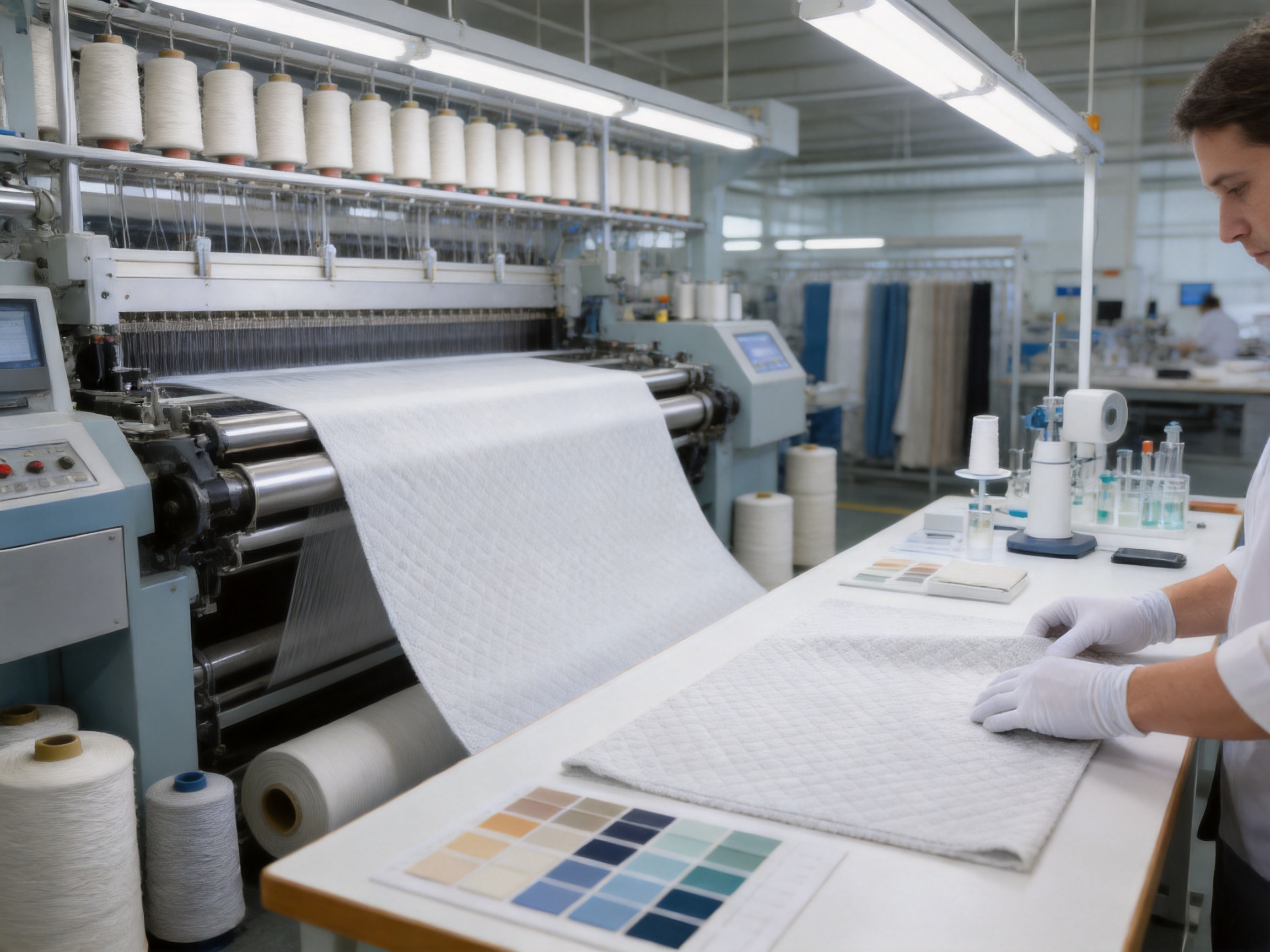
The manufacturing process begins with material planning. Fiber selection, fiber length, blend ratio, yarn type, and yarn count influence the fabric’s touch, strength, absorbency, appearance, and stability. For pet-friendly applications, the manufacturer must consider not only softness but also the expected friction, cleaning frequency, and product structure.
Tencel fibers can be combined with other fibers when the application requires additional strength, elasticity, cost control, recovery, or visual effects. The correct blend depends on the end product. A pillowcase may require a different construction from a sofa cover, while a mattress fabric may require different dimensional stability and abrasion performance.
Careful yarn planning helps ensure that the finished fabric delivers a balanced performance profile. It also helps maintain batch-to-batch consistency, which is essential for furniture manufacturers, bedding brands, hospitality projects, and distributors.
Precision Weaving and Fabric Construction
Weaving precision affects the appearance and behavior of the finished textile. Important factors include warp and weft tension, yarn alignment, fabric density, repeat accuracy, edge quality, and structural uniformity. Variations in these areas can produce unwanted streaks, uneven hand feel, dimensional changes, or inconsistent color absorption.
For Tencel pet friendly fabrics, fabric construction must balance several objectives. A denser structure may support durability and surface stability, but it must not make the material uncomfortably heavy or reduce breathability. A lighter structure may improve softness and drape, but it must still meet the requirements of the intended product.
Precision weaving allows manufacturers to create controlled surfaces that look attractive while supporting daily use. It also enables the development of different textures and patterns without losing sight of comfort or practical maintenance.
Surface Treatment and Functional Finishing
Finishing is one of the most important stages in textile development. It can influence softness, smoothness, luster, dimensional stability, moisture behavior, color appearance, and resistance to surface problems. Mechanical processes may be used to adjust the hand feel and appearance, while carefully selected chemical finishes may add specific functions.
For pet-friendly fabrics, finishing should be evaluated with special attention to touch, cleanability, hair behavior, static tendency, and resistance to repeated use. A finish that improves one characteristic may negatively affect another if it is not properly controlled. For this reason, finishing development should be connected to laboratory testing and end-use simulations.
Functional finishing is also application-specific. A fabric intended for a hotel sofa may require a different performance balance from a fabric used in a home pillowcase. Xinsili’s experience across mattress fabric, children’s mattress fabric, pillowcase fabric, pregnancy pillow fabric, cooling mat fabric, bedding fabric, sofa fabric, and pet-friendly fabrics provides a foundation for considering these differences during product development.
Inspection and Quality Control
Quality control protects both the manufacturer and the customer. Textile defects can appear as broken yarns, weaving marks, color variation, stains, holes, uneven density, incorrect patterns, or unstable dimensions. A professional inspection system helps identify these problems before the fabric reaches the customer’s production line.
Quality inspection may include visual examination, width measurement, weight measurement, color comparison, dimensional stability checks, surface assessment, and selected physical performance tests. The exact inspection plan depends on the product specification and buyer requirements.
Consistent quality is especially important for pet-friendly fabrics because the customer’s use conditions are often demanding and highly visible. A sofa cover with uneven color or a mattress fabric with poor dimensional stability can affect the appearance and perceived value of the complete product. Stable production processes help reduce these risks.
Application-Oriented Product Development
A strong textile manufacturer does not simply produce fabric according to a generic catalog. It studies how the fabric will be cut, sewn, upholstered, washed, packaged, transported, and used. Application-oriented development helps avoid mismatches between the fabric and the final product.
For example, a furniture manufacturer may require a fabric that can be smoothly wrapped around corners without excessive wrinkling. A bedding producer may prioritize softness, breathability, and dimensional stability. A pet product brand may need a balance of hair management, abrasion performance, washable construction, and attractive color options.
By discussing the final application at an early stage, the manufacturer can recommend an appropriate weight, width, construction, finish, and testing program. This reduces trial-and-error during production and supports more efficient product development.
Why Work with Hangzhou Xinsili Decorative Fabric Weaving Co., Ltd.?
Hangzhou Xinsili Decorative Fabric Weaving Co., Ltd. is positioned as a functional decorative textile manufacturer and supplier serving global customers. The company’s manufacturing identity is built around the combination of design innovation, production experience, quality consistency, and practical cooperation.
Its stated vision, “Weaving Beautiful Spaces,” reflects a product philosophy in which textiles contribute to the comfort and visual quality of interiors. The company does not treat fabric as a secondary component. Instead, it views fabric as an important part of the user experience in homes, hotels, and commercial environments.
Nineteen Years of Industry Experience
Experience matters in textile manufacturing because many production problems are solved through accumulated process knowledge. Fiber behavior, yarn performance, finishing response, color matching, and fabric stability can vary substantially between materials and constructions. Long-term industry experience helps a manufacturer recognize these variables and respond more efficiently.
With 19 years of industry experience, Xinsili has developed knowledge across several fabric categories. This background supports the development of specialized materials such as Tencel pet friendly fabrics, where comfort, appearance, and function must be considered together.
A 12,000-Square-Meter Factory Area
A 12,000-square-meter factory area provides a substantial base for textile operations, production organization, material handling, inspection, and related manufacturing activities. Factory scale alone does not guarantee quality, but it can support better process coordination and production capacity when combined with effective management.
For international buyers, production capacity is important because a fabric that performs well in a sample must also be available in stable quantities for commercial orders. Organized factory operations can help support sampling, repeat production, order scheduling, and quality continuity.
National High-Tech Enterprise Recognition
Xinsili was recognized as a National High-Tech Enterprise in 2023. This recognition reflects the company’s emphasis on technical development and innovation. In the functional textile sector, research and development are essential because performance improvements often require the coordination of material science, weaving, finishing, testing, and application knowledge.
For customers, a technology-oriented manufacturing partner can provide more than standard fabric supply. It can participate in product improvement, functional specification, custom development, and problem-solving. This is particularly valuable when a buyer needs a pet-friendly fabric that must meet specific comfort, appearance, or performance requirements.
Functional Textile Capability
The company’s product direction includes antibacterial, moisture-resistant, flame-retardant, sleep-supporting, and comfort-improving functions. These capabilities are relevant to modern interiors, where textile products are increasingly expected to support health, safety, and well-being in addition to decoration.
Functional capability also allows the company to address different levels of product positioning. A basic decorative fabric may be sufficient for one application, while a premium mattress cover, hospitality sofa, or wellness-oriented bedding product may require a more complex performance profile.
Commitment to Sustainable and Healthy Spaces
Responsible material selection and healthier interior environments have become important considerations for buyers and end users. Tencel fiber development aligns with the growing interest in cellulose-based materials and comfort-oriented textile design. When combined with responsible production management and appropriate finishing choices, such fabrics can support sustainability-conscious product development.
Sustainability should be evaluated across the complete life cycle, including raw materials, manufacturing, finishing chemistry, product durability, care requirements, packaging, and end-of-life considerations. A durable fabric that remains attractive and functional for a longer period may reduce replacement frequency, while a comfortable fabric may support better product acceptance and use.
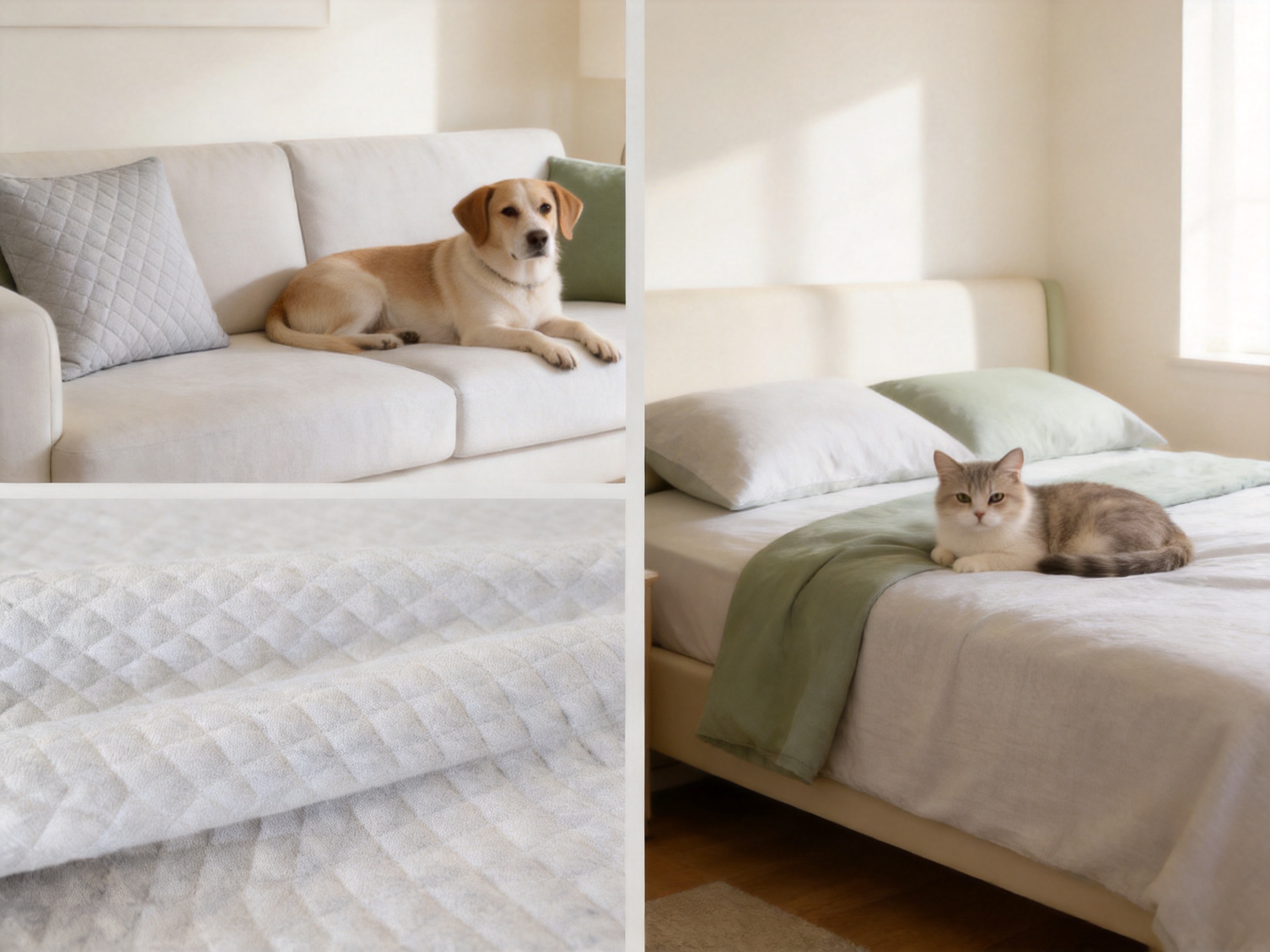
Applications of Tencel Pet Friendly Fabrics
Pet-Friendly Sofa Upholstery
Sofas are among the most demanding applications for pet-friendly fabric. They experience repeated sitting, lying, rubbing, movement, and cleaning. A suitable material should provide a pleasant hand, attractive appearance, manageable hair behavior, and sufficient resistance to daily friction.
Tencel pet friendly fabrics can be used for selected sofa upholstery constructions, accent chairs, ottomans, cushions, and removable covers. The exact specification should be chosen according to the expected traffic level and cleaning method. For high-use commercial seating, buyers should request appropriate abrasion and color fastness testing.
Mattress and Bedding Products
In mattress and bedding products, direct skin contact and thermal comfort are central concerns. A soft, breathable fabric can contribute to a more pleasant sleeping environment, while moisture-aware behavior may help support freshness during overnight use.
Pet owners may also allow animals to sleep on or near the bed, increasing the need for practical cleaning and surface maintenance. Tencel-based mattress fabric, bedding fabric, and pillowcase fabric can be considered for products designed around comfort, hygiene, and refined appearance.
Pillowcases and Decorative Cushions
Pillowcases and decorative cushions combine tactile expectations with visual design. They should feel comfortable, coordinate with the interior, and retain their appearance after repeated use. Pet-friendly versions may benefit from surfaces that are easier to maintain and less likely to look untidy after contact with animal hair.
For decorative cushions, color, pattern, and texture can be used to create a coordinated collection. Tencel fabric may provide a more sophisticated hand and appearance than basic utility textiles, supporting premium residential and hospitality product lines.
Pet Beds and Resting Accessories
Pet beds require a combination of softness, durability, cleanability, and visual appeal. The fabric should be comfortable for the animal while remaining acceptable as part of the home interior. Tencel pet friendly fabric can be used as an outer cover or as part of a layered construction, depending on the desired performance and care instructions.
Designers should consider removable covers, seam reinforcement, zipper placement, filling compatibility, and washing requirements. Fabric selection should be coordinated with the complete pet bed design rather than evaluated separately.
Hotels and Commercial Interiors
Hotels, serviced apartments, offices, lounges, and other commercial environments increasingly require textiles that feel residential while meeting professional standards. Pet-friendly accommodation and animal-inclusive commercial spaces also create demand for fabrics that can support frequent maintenance and attractive presentation.
Tencel pet friendly fabrics can be considered for upholstered seating, guestroom cushions, decorative panels, bedding products, and selected public-area applications. Commercial buyers should define cleaning cycles, expected traffic, fire requirements, and replacement planning before confirming a specification.
How Tencel Pet Friendly Fabrics Support Better Interior Design
Textiles influence how a room feels, not only how it looks. Softness can make a space appear more welcoming. Breathability can improve perceived comfort. A refined surface can raise the perceived quality of furniture. A carefully selected color can coordinate multiple interior elements.
Pet-friendly design should not require homeowners or hospitality operators to sacrifice style. The best materials allow practical needs and visual goals to work together. Tencel pet friendly fabrics can support this balance through their soft hand, adaptable appearance, and potential for functional development.
Designers can use the material to create calm bedroom environments, comfortable living rooms, sophisticated hotel interiors, and coordinated pet-accessory collections. Neutral shades may communicate simplicity and cleanliness, while deeper colors can add richness and help reduce the visual prominence of everyday marks. Textured but controlled constructions can add depth without creating excessive hair-trapping surfaces.
Because fabric performance depends on the complete construction, designers should work with the supplier during the early development stage. This allows the color, weave, finish, and product assembly to be considered as one integrated system.
Care and Maintenance Considerations
Even a high-quality pet-friendly fabric requires appropriate care. Regular vacuuming or brushing can remove loose hair before it becomes embedded. Small spills should be addressed according to the manufacturer’s care instructions rather than being rubbed aggressively into the surface.
For removable covers, washing temperature, detergent choice, drying method, and shrinkage control are important. Improper washing can affect color, hand feel, dimensional stability, or surface appearance. For upholstered furniture, professional cleaning may be preferable when the fabric is not designed for machine washing.
Pet owners should also manage the source of wear. Keeping animal nails trimmed, providing separate pet beds, and using washable throws in high-contact areas can reduce stress on the primary fabric. These practices help extend the service life of sofas, cushions, mattresses, and decorative products.
Manufacturers and buyers should clearly communicate care instructions to end users. A fabric’s real-world performance is influenced by the way it is installed, used, cleaned, and maintained.
Important Specification Questions for Buyers
Before purchasing Tencel pet friendly fabrics, buyers should clarify the final application. Is the fabric intended for upholstery, bedding, a mattress cover, a pillowcase, a pet bed, or a decorative accessory? What level of abrasion will it experience? Will it be removable and washable? Does it require flame-retardant performance? Is antibacterial or moisture-resistant treatment necessary?
Buyers should also request information about fabric width, weight, composition, available colors, minimum order quantity, sample availability, lead time, packaging, and inspection standards. For large projects, sample approval should include both visual review and practical testing.
The following questions can help guide the sourcing process:
• What is the exact fiber composition and fabric construction?
• What are the recommended end uses?
• Which cleaning methods are permitted?
• Has the fabric been tested for abrasion, pilling, color fastness, and dimensional stability?
• Is the surface suitable for frequent pet hair removal?
• Can the fabric be customized in color, weight, texture, or finishing?
• What functional treatments are available?
• How will production consistency be maintained for repeat orders?
• Can the manufacturer provide technical support during product development?
Clear communication at this stage can prevent costly changes later in the production process.
Quality and Performance Testing
Testing provides objective information about whether a fabric is suitable for its intended use. The most relevant tests depend on the final product, but common evaluation areas include abrasion resistance, pilling, tensile strength, tear strength, seam slippage, color fastness to rubbing, color fastness to washing, dimensional stability, water behavior, and surface appearance after repeated use.
For pet-friendly applications, buyers may also conduct practical in-house trials. These may include hair removal tests, simulated paw contact, repeated sitting, exposure to household moisture, cleaning trials, and visual evaluation under different lighting conditions.
Laboratory results should be interpreted alongside the product design. A fabric used on a decorative cushion may not require the same abrasion level as fabric used on a heavily occupied sofa. Similarly, a mattress fabric may prioritize softness and moisture behavior, while a commercial chair cover may prioritize abrasion resistance and cleanability.
Working with a manufacturer that understands these distinctions helps buyers select the right balance rather than simply choosing the highest value in one test category.
Custom Development and Cooperation Support
Custom textile development is valuable when standard fabrics do not fully meet a product’s requirements. A customer may need a particular color, width, weight, texture, fiber blend, functional treatment, or performance target. The development process typically begins with a technical brief describing the end use, design direction, expected performance, order volume, and target market.
Xinsili can support discussions around functional decorative textiles for residential, hotel, and commercial applications. Its experience across multiple fabric categories creates opportunities for cross-category development. A customer developing a pet-friendly sofa collection, for example, may also require coordinated cushion or bedding fabrics. A bedding brand may seek matching pillowcase, mattress, and decorative fabrics with a consistent visual identity.
Successful customization depends on realistic communication. Buyers should provide clear information about performance expectations and intended use, while manufacturers should explain what can be achieved with available materials, equipment, and finishing methods. Sampling, testing, revision, and approval are normal parts of the process.
A reliable supplier should also maintain communication after sample approval. Production follow-up, inspection, packaging, and repeat-order management are essential to achieving consistent results over time.
Frequently Asked Questions
What makes Tencel fabric suitable for pet-friendly interiors?
Tencel fabric is valued for its smooth hand, comfortable moisture behavior, breathability, and refined appearance. When developed with a suitable construction and finish, it can provide a practical surface for homes and commercial interiors where pets are present. Its suitability depends on the exact specification and application.
Is Tencel pet friendly fabric scratch-proof?
No fabric should be described as completely scratch-proof unless it has been specifically tested and the claim is technically justified. Tencel pet friendly fabrics are designed to improve comfort, appearance, and practical use in pet-owning environments, but sharp claws, chewing, and severe mechanical damage can affect any textile.
Does Tencel fabric repel pet hair?
Tencel fabric does not automatically repel all pet hair. However, a smooth and well-controlled surface may make routine hair removal easier than a deep pile or loose textured construction. Hair behavior also depends on the pet, color, static conditions, weave, and humidity.
Can Tencel pet friendly fabrics be used for sofas?
Yes, selected constructions can be used for sofa upholstery, cushions, ottomans, and removable covers. The fabric should be chosen according to the sofa’s traffic level, cleaning method, abrasion requirements, and design structure. Commercial upholstery may require additional performance testing.
Can these fabrics be used for bedding and pillowcases?
Yes. Tencel’s soft hand and moisture-aware characteristics make it suitable for consideration in bedding-related products, including mattress fabrics, pillowcases, and selected comfort layers. Buyers should confirm washing instructions, dimensional stability, and required certifications for the intended market.
Are Tencel pet friendly fabrics environmentally responsible?
Tencel is associated with cellulose-based fiber development and is often selected by brands seeking more responsible material options. Environmental performance depends on the complete supply chain, including raw material sourcing, fiber production, dyeing, finishing, energy use, durability, and care requirements. Buyers should request relevant documentation when environmental claims are important.
Can the fabric include antibacterial or moisture-resistant functions?
Functional treatments may be available depending on the construction and application. Xinsili’s product direction includes antibacterial and moisture-resistant textile functions, along with flame-retardant, sleep-supporting, and comfort-improving development. The exact performance should be confirmed through a technical specification and appropriate testing.
What information should be provided when requesting a quotation?
Buyers should provide the intended application, desired composition, color, width, weight, quantity, performance requirements, finishing preferences, packaging needs, delivery location, and target delivery schedule. Images, physical samples, or technical drawings can also help the manufacturer understand the project.
How can buyers confirm whether a fabric is appropriate for their project?
Buyers should request samples, technical data, care instructions, and relevant test reports. They should also conduct practical evaluations that reflect real use, such as abrasion, cleaning, hair removal, color comparison, and dimensional checks. Final approval should be based on both laboratory information and application-specific trials.
Why is manufacturer experience important for functional fabrics?
Functional fabrics require coordination among fibers, yarns, weaving, finishing, inspection, and end-use design. An experienced manufacturer can identify potential compatibility problems earlier, recommend practical specifications, and support consistency during repeat production. This reduces development risk and helps customers obtain a fabric that performs as intended.
Conclusion
Tencel pet friendly fabrics provide a thoughtful response to the changing needs of modern interiors. They combine a soft, refined hand with moisture-aware comfort, design flexibility, and the potential for practical surface management in homes and commercial environments with pets. When properly developed, they can support sofas, bedding, mattress products, pillowcases, cushions, pet beds, and other decorative applications.
The strongest advantage of this textile category is its balance. It does not treat comfort, appearance, sustainability, and function as unrelated goals. Instead, it creates an opportunity to develop products that feel pleasant, look sophisticated, and respond more effectively to daily use.
Hangzhou Xinsili Decorative Fabric Weaving Co., Ltd. strengthens this opportunity through 19 years of industry experience, a 12,000-square-meter factory area, recognition as a National High-Tech Enterprise in 2023, and a focus on functional decorative textile development. Its capabilities in antibacterial, moisture-resistant, flame-retardant, sleep-supporting, and comfort-improving fabric technologies provide a foundation for customized solutions.
For buyers, designers, bedding brands, furniture manufacturers, hospitality operators, and pet product companies, the best results come from defining the application clearly and working with the manufacturer during material selection, sampling, testing, and production. With the correct construction and quality controls, Tencel pet friendly fabrics can help create interiors that are comfortable for people, practical for pet owners, and attractive for modern living.
References
1. Manufacturer-provided company information for Hangzhou Xinsili Decorative Fabric Weaving Co., Ltd., including company history, factory area, product direction, and enterprise recognition.
2. Manufacturer-provided product information for Tencel Pet Friendly Fabrics, including product category and application orientation.
3. General textile engineering principles concerning fiber selection, yarn preparation, weaving, finishing, quality inspection, and application-specific performance evaluation.
4. General interior textile design principles concerning comfort, moisture management, abrasion, cleaning, color selection, and pet-friendly furniture applications.
5. General sustainable textile development principles concerning cellulose-based fibers, product durability, responsible processing, and life-cycle considerations.
Product: Tencel Pet Friendly Fabrics

Our Featured Products
-
Tencel Pet Friendly Fabrics
Tencel Pet Friendly Fabrics
Haven’t Found The Products You Want?
-
-
Shen Jinyan:+86-15158070676
[email protected]
Liang Jinwen:+86-15757186621
[email protected]
Qiu Yingyingn:+86-13819545790
[email protected]
Yi qiao Town, Xiaoshan District, Hangzhou City, Zhejiang Province, China
-
Products
Mattress Fabric Children Mattress Fabric Pillowcase Fabric Pregnancy Pillow Fabric Cooling Mat Fabric Bedding Fabric Sofa Fabric Pet Friendly Fabrics -
Contact Information
About Us Products Strength Sustainability News Contact Us
Copyright © Hangzhou Xinsili Decorative Fabric Weaving Co.,Ltd. All Rights Reserved.
Functional Decorative Textile Manufacturers
