

 English
 中文简体
 Español
 عربى
 русский



Polyester Bedding Fabric: Functional Comfort, Reliable Performance, and Scalable Textile Manufacturing
Content
- 1 Understanding Polyester Bedding Fabric
- 2 Key Advantages of Polyester Bedding Fabric
- 3 Product Applications
- 4 How Polyester Bedding Fabric Compares with Competing Materials
- 5 Advanced Manufacturing Process
- 6 Manufacturing Strengths and Company Capabilities
- 7 Advantages over Basic Commodity Fabric Suppliers
- 8 Quality Control Priorities for Buyers
- 9 Customization Options
- 10 Sustainability and Responsible Textile Development
- 11 Why Partner Selection Matters
- 12 Recommended Development Workflow
- 13 Frequently Asked Questions
- 13.1 What is polyester bedding fabric used for?
- 13.2 Is polyester bedding fabric comfortable for sleeping?
- 13.3 Can polyester bedding fabric be customized?
- 13.4 How does polyester compare with cotton for bedding?
- 13.5 Can polyester fabric be used for hotel bedding?
- 13.6 Can polyester bedding fabric provide moisture resistance?
- 13.7 What functional treatments are available?
- 13.8 How should buyers evaluate fabric quality?
- 13.9 What information should be provided when requesting a quotation?
- 13.10 Why work with an experienced decorative textile manufacturer?
- 14 Conclusion
- 15 References
- 16 Product: Polyester Bedding Fabric
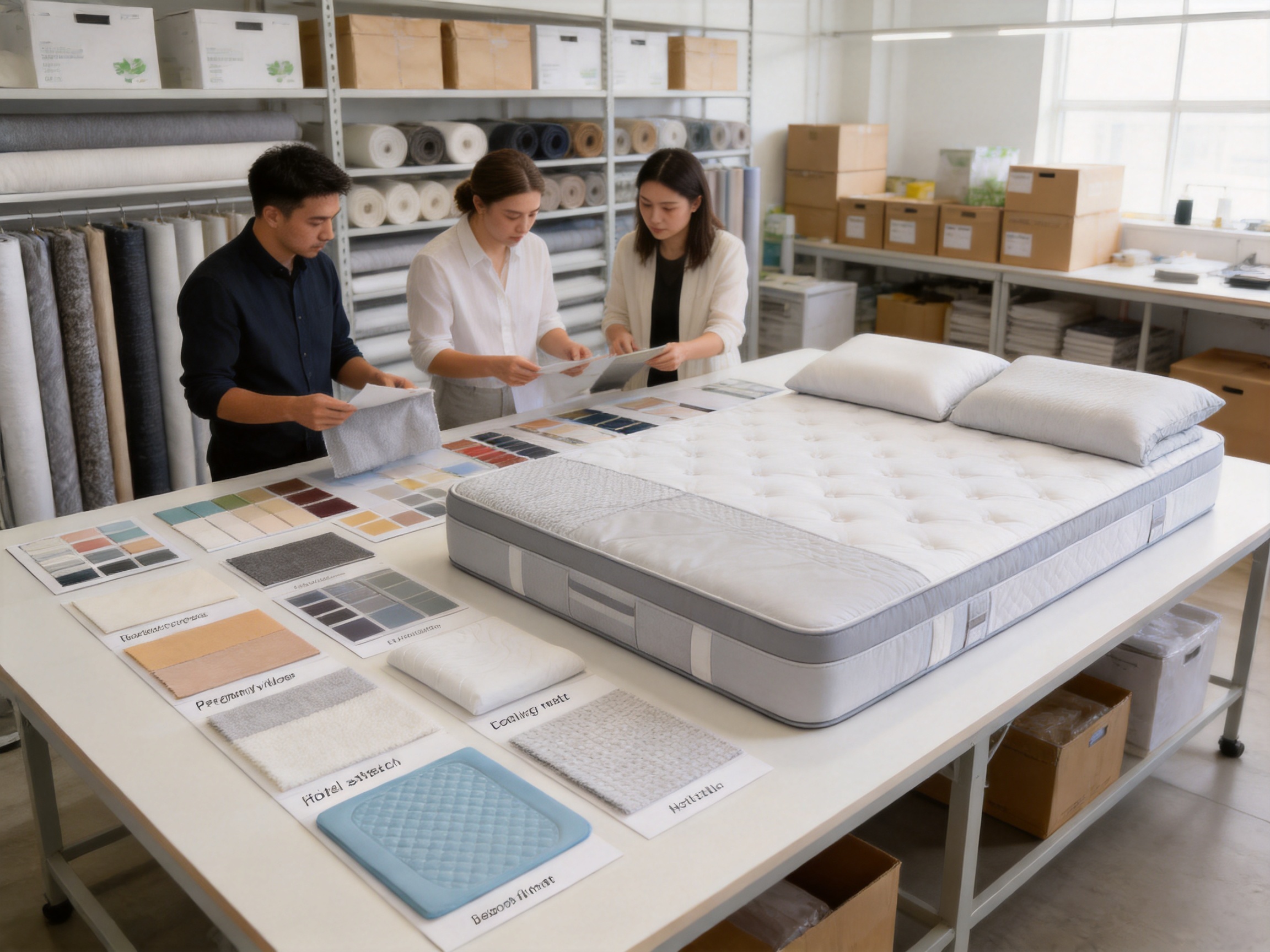
Polyester bedding fabric has become an important material for modern sleep products, household textiles, hospitality bedding, and multifunctional soft furnishings. Its popularity comes from a practical combination of durability, design flexibility, efficient processing, color stability, easy care, and cost control. When developed with appropriate yarn selection, fabric construction, finishing technology, and quality management, polyester bedding fabric can provide a comfortable and dependable surface for sheets, mattress covers, duvet covers, pillowcases, mattress protectors, blankets, and related bedding applications.
For buyers, the value of a bedding textile is not determined by fiber content alone. The real performance of a fabric depends on how the fiber is engineered into a finished textile. Yarn characteristics, knitting or weaving structure, fabric weight, stretch behavior, surface treatment, dimensional stability, moisture management, abrasion resistance, and inspection standards all influence the final user experience. A well-developed polyester bedding fabric can therefore compete successfully with other commonly used bedding materials when it is manufactured with careful attention to comfort, appearance, functionality, and long-term reliability.
Hangzhou Xinsili Decorative Fabric Weaving Co., Ltd. specializes in the research, development, and precision manufacturing of decorative and functional textiles. With 19 years of industry experience, a 12,000-square-meter factory area, and recognition as a National High-Tech Enterprise in 2023, the company provides fabric solutions for residential, hotel, and commercial environments. Its product development philosophy combines practical manufacturing, design innovation, environmental awareness, and long-term cooperation with customers.
This article examines the characteristics and advantages of polyester bedding fabric, explains the manufacturing processes that influence quality, and shows why an experienced textile producer can provide greater value than a supplier focused only on basic fabric output.
Understanding Polyester Bedding Fabric
Polyester bedding fabric is a textile made primarily from polyester fibers and designed for use in sleeping and bedroom-related products. Polyester is a synthetic polymer fiber known for strength, resilience, dimensional stability, and resistance to many everyday stresses. It can be processed into woven, knitted, brushed, embossed, laminated, or specially finished fabrics, allowing manufacturers to develop different hand feels and functional properties.
In bedding applications, polyester may be used as a standalone material or combined with other fibers. A pure polyester construction can provide strong color performance, easy washing, rapid drying, and consistent production efficiency. Blended constructions can be developed when a buyer wants to balance polyester’s durability with the softness, absorbency, or natural appearance of another fiber. The final fabric selection depends on the product category, target market, care instructions, price position, and required performance.
The term “bedding fabric” covers a broad range of products. A fabric selected for a mattress cover may need stretch recovery, abrasion resistance, and a smooth surface. A pillowcase fabric may prioritize softness, skin comfort, color appearance, and low pilling. A duvet cover may require balanced drape, easy care, and attractive printing or dyeing results. A hotel bedding fabric may need frequent-wash durability and stable appearance. These different requirements make customization and technical consultation essential.
Modern polyester bedding fabric is not limited to a basic, low-cost material. Through construction control and functional finishing, it can be designed for comfort improvement, moisture resistance, antibacterial performance, flame-retardant requirements, sleep-supporting applications, and decorative coordination. The appropriate function must be selected according to the intended use and verified through relevant testing.
Key Advantages of Polyester Bedding Fabric
Durability for Everyday Use
One of the strongest advantages of polyester bedding fabric is its resistance to everyday wear. Bedding products are repeatedly exposed to friction, body movement, washing, drying, folding, storage, and contact with mattress structures. Polyester fibers offer good tensile strength and resilience, helping the fabric maintain its integrity during regular use.
This durability is especially valuable for mattress covers, fitted sheets, mattress protectors, hotel bedding, and other products that are laundered frequently. A fabric that can withstand repeated use can help reduce replacement frequency and support a more stable product lifecycle. For commercial customers, this may contribute to improved operating efficiency because bedding products can remain serviceable for longer periods when the fabric is correctly selected and properly maintained.
Dimensional Stability
Dimensional stability is critical in bedding. Excessive shrinkage, stretching, or distortion can affect the fit of a fitted sheet, mattress cover, pillowcase, or removable cover. Polyester has a relatively stable structure, and suitable heat-setting and finishing processes can further improve the fabric’s dimensional consistency.
Stable dimensions support smoother cutting and sewing during product manufacturing. They also help finished bedding maintain its intended appearance after washing. For buyers handling large-volume orders, consistent width and shrinkage performance can reduce production waste, sewing adjustments, and quality complaints.
Easy-Care Performance
Polyester bedding fabric is generally easy to care for. It dries relatively quickly, resists excessive wrinkling, and can be manufactured for repeated laundering. These characteristics are useful for homes, hotels, dormitories, healthcare-related environments, rental bedding services, and other settings where practical maintenance is important.
Easy-care performance does not mean that all polyester fabrics have identical washing behavior. Fabric construction, dye selection, finishing chemistry, temperature, mechanical action, and drying conditions all influence the result. A responsible supplier should therefore evaluate the complete textile rather than relying only on the general reputation of polyester fiber.
Color and Design Flexibility
Polyester accepts a wide range of colors and surface effects. Depending on the selected dyeing, printing, yarn, and finishing methods, polyester bedding fabric can be developed in solid colors, melange effects, jacquards, printed patterns, embossed textures, brushed surfaces, or coordinated decorative collections.
This flexibility helps bedding brands create product lines for different customer groups. Neutral colors may be used for minimalist bedroom collections, while brighter tones can support children’s products or seasonal designs. Textured surfaces can add visual depth to mattress covers and decorative bedding. Pattern coordination can also help manufacturers create matching bedding, pillowcase, sofa, and home textile collections.
Softness and Surface Comfort
Although polyester is often associated with strength and practicality, modern textile processing can significantly improve its hand feel. Fine-denier yarns, microfiber constructions, brushing, peach finishing, softening, compact knitting, and controlled surface treatment can all influence touch comfort.
For bedding, softness must be balanced with durability and appearance retention. A fabric that feels soft at first but pills quickly or loses its surface character after washing may not provide good long-term value. The most suitable product is one in which the surface feel, abrasion resistance, pilling resistance, and care performance are developed together.
Moisture-Resistant and Functional Options
Functional polyester bedding fabric can be developed with moisture-resistant or moisture-management properties. These functions may be achieved through fiber selection, fabric structure, coating, finishing, or a combination of technologies. The intended performance should be clearly defined because moisture resistance, water repellency, breathability, and moisture transport are different characteristics.
For mattress covers and protective bedding, moisture-resistant performance may help limit the penetration of accidental spills. For sleep-related products, moisture-management construction may help improve the perceived comfort of the fabric. The correct design depends on whether the buyer needs a protective barrier, quicker drying, improved breathability, or a balance of several functions.
Compatibility with Decorative Applications
Polyester bedding fabric can be designed to coordinate with decorative textiles used in bedrooms, living rooms, hotels, and commercial interiors. This is particularly beneficial for projects requiring a unified interior appearance. A textile manufacturer with experience in decorative fabric can understand both the visual and functional requirements of a bedding product.
For example, a project may require a mattress fabric that matches sofa fabric, pillow fabric, curtains, or other soft furnishings. Coordinated color development, texture selection, and finishing standards can help create a consistent design language throughout a space.

Polyester Bedding Fabric
Product Applications
Mattress Covers and Mattress Panels
Mattress covers require fabrics that can withstand friction, stretching, handling, and repeated contact with the user. Polyester bedding fabric can be engineered for smoothness, resilience, and dimensional stability. Stretch constructions may be considered where the cover must fit around shaped mattresses or accommodate elasticated designs.
Depending on the product concept, mattress fabric may also include moisture-resistant, antibacterial, cooling, flame-retardant, or sleep-supporting functions. Each function should be specified according to the mattress structure and end-market requirements. A surface fabric used over foam, springs, latex, or other internal materials may need different levels of stretch and breathability.
Pillowcases and Pillow Covers
Pillowcase fabrics are in direct and prolonged contact with the face, neck, and hair. Surface smoothness, softness, color stability, and low pilling are therefore important. Polyester can be processed into fine, smooth, lightweight, or brushed constructions for different user preferences.
For decorative pillow covers, visual effects may be equally important. Jacquard patterns, printed designs, textured surfaces, and coordinated colors can help a product stand out in retail or hospitality environments. For functional pillow products, the fabric may be developed with moisture management, easy-care performance, or other application-specific features.
Pregnancy Pillow Fabrics
Pregnancy pillows are shaped for prolonged use and often require a cover that is soft, durable, removable, and easy to clean. Polyester bedding fabric can support these requirements through a balance of surface comfort, dimensional stability, and practical care performance.
The fabric construction should also be compatible with the pillow’s shape. Curved seams, zippers, elastic sections, and repeated cover removal can place stress on the textile. A fabric with suitable strength and recovery can help the finished product retain its appearance and fit.
Cooling Mat and Temperature-Comfort Products
Cooling mat fabric may be designed for products intended to provide a cooler touch or improve perceived thermal comfort. Polyester can be used as an outer textile in combination with specially engineered structures, coatings, fillings, or internal cooling materials.
For such applications, it is important to distinguish between cool-touch sensation, heat transfer, moisture management, breathability, and long-term cooling performance. The fabric should be developed according to the complete product system rather than evaluated in isolation. A textile producer with experience in functional decorative fabrics can help coordinate appearance, touch, durability, and finishing requirements.
Home Bedding
Sheets, duvet covers, bed runners, blankets, and decorative bedding all require different fabric characteristics. Polyester bedding fabric can support a broad range of styles, from lightweight everyday products to heavier decorative designs.
For household bedding, easy care and color retention are often major selling points. For premium collections, the buyer may place greater emphasis on softness, drape, texture, and refined appearance. The same basic fiber can therefore be converted into very different market products through changes in yarn fineness, density, construction, dyeing, and finishing.
Hotel and Commercial Bedding
Hotels and commercial accommodation providers often require fabrics that combine comfort with operational practicality. Bedding may be washed frequently, handled by multiple users, stored in large quantities, and expected to maintain a consistent appearance across many rooms.
Polyester bedding fabric can be considered for these environments because of its durability, fast-drying characteristics, and potential for stable color performance. Product development should include laundering simulations and quality checks appropriate to the customer’s operating conditions. A fabric that performs well in household use may require additional validation before being used in intensive commercial laundering.
How Polyester Bedding Fabric Compares with Competing Materials
Polyester bedding fabric competes with cotton, viscose, nylon, polypropylene, and blended textiles. Each material has its own advantages, and the most appropriate choice depends on the product’s objectives. Polyester’s strength is its balanced performance and manufacturing flexibility rather than a single isolated feature.
| Evaluation Factor | Polyester Bedding Fabric | Common Alternative Materials | Practical Buyer Consideration |
|---|---|---|---|
| Durability | Good resistance to wear and repeated handling when properly constructed | Varies according to fiber and fabric structure | Useful for bedding exposed to frequent use and laundering |
| Drying Performance | Generally dries quickly | Some natural or regenerated fibers may retain more moisture | Helpful for homes, hotels, and high-turnover laundry systems |
| Wrinkle Resistance | Generally favorable | Some alternatives may require more ironing or finishing | Supports neat appearance with simpler care |
| Color Flexibility | Suitable for broad color and decorative development | Performance depends on fiber and dye system | Supports coordinated collections and customized designs |
| Dimensional Stability | Can be highly stable with suitable heat-setting and finishing | May vary more depending on fiber behavior | Important for fitted products and removable covers |
| Functional Finishing | Can support multiple technical treatments | Compatibility varies by fiber type | Allows development of application-specific bedding products |
| Cost Management | Often supports efficient, scalable production | Material and processing costs vary widely | Suitable for different market levels when engineered correctly |
Cotton is valued for its natural hand feel and moisture absorbency, while polyester is often selected for strength, easy care, quick drying, and dimensional stability. Viscose can provide a smooth, soft hand feel, but its wet strength and dimensional behavior must be carefully considered. Nylon offers high strength, but it may be selected for different applications because of its distinct hand feel and thermal characteristics.
Blended fabrics can combine the advantages of multiple fibers, but blends also require careful control of dyeing, finishing, shrinkage, and performance consistency. The right decision should be based on the finished product’s needs rather than on a simple comparison of fiber labels.
Advanced Manufacturing Process
Material and Yarn Selection
Quality begins with the selection of suitable raw materials. Polyester yarn can vary in fineness, cross-section, luster, strength, texturing, and surface character. These variables influence the final fabric’s touch, appearance, drape, resilience, and performance.
For bedding applications, yarn selection should reflect the intended product. Fine yarns may support a smoother and softer surface. Textured yarns may add bulk, elasticity, or a more dimensional appearance. Specialized cross-sections may influence moisture movement or light reflection. The correct choice depends on the required balance between comfort, visual effect, production efficiency, and durability.
Experienced manufacturing teams evaluate material compatibility with the planned construction and finishing process. This early decision-making helps reduce problems later in dyeing, heat-setting, sewing, and finished-product testing.
Fabric Construction
Fabric construction determines how yarns are arranged and how the textile responds to use. Woven structures can provide stable surfaces and clear patterns, while knitted structures can offer softness, flexibility, and stretch. The choice may also influence air permeability, thickness, drape, abrasion resistance, and dimensional recovery.
For bedding, construction should match the product form. A mattress cover may require stretch and recovery around corners. A pillowcase may need a smoother surface and comfortable drape. A decorative bedspread may benefit from a heavier structure or patterned texture. A functional protective fabric may require a denser construction to support a coating or barrier layer.
Production control at this stage includes monitoring fabric width, weight, density, tension, loop or yarn consistency, and surface defects. Stable machine settings help reduce variation between production lots.
Grey Fabric Inspection
Grey fabric inspection provides an opportunity to identify problems before dyeing or finishing. Common inspection points include broken yarns, holes, uneven density, oil marks, streaks, width variation, and structural irregularities.
Early inspection is important because defects may become more visible after dyeing or finishing. A disciplined inspection procedure can prevent unsuitable material from moving into later stages, reducing waste and improving production efficiency.
Dyeing and Color Development
Color is a major part of bedding design. It affects the perceived quality, market positioning, and coordination of a product collection. Polyester bedding fabric can be developed in a broad range of colors, but reliable results require careful control of dye selection, temperature, time, pH, liquor ratio, and machine operation.
Color development should include approval standards for shade, depth, brightness, and visual consistency. For large orders, laboratory dips and production samples can help establish a reference before bulk manufacturing. Colorfastness testing should be selected according to the intended application and customer requirements.
Consistent color is especially important when bedding is produced in sets or when a fabric must coordinate with other decorative textiles. Small shade differences can become noticeable when pillowcases, mattress covers, sheets, and bed runners are displayed together.
Printing and Surface Design
Printed polyester bedding fabric can support patterns ranging from simple geometric designs to detailed decorative graphics. Printing requires attention to image clarity, registration, color separation, penetration, surface handle, and washing performance.
The selected printing method should match the fabric construction and the design objective. A smooth surface may support precise visual details, while a textured or brushed fabric may create a softer, more tactile appearance. The final printed textile should be evaluated for colorfastness, rubbing resistance, and appearance after care.
Heat-Setting and Dimensional Control
Heat-setting is an important process for polyester textiles because it can help stabilize fabric dimensions and influence width, stretch, recovery, and surface character. The process must be carefully controlled because excessive heat or incorrect tension can affect hand feel, luster, shrinkage, and performance.
For fitted bedding products, dimensional control is particularly important. The finished fabric should be compatible with cutting, sewing, elastic insertion, and final product washing. Consistent processing helps reduce distortion and supports repeatable production.
Functional Finishing
Functional finishing allows manufacturers to tailor polyester bedding fabric for specific market needs. Depending on the application, available development directions may include antibacterial treatment, moisture resistance, flame-retardant treatment, sleep-supporting features, comfort improvement, softening, anti-pilling treatment, or surface modification.
Each treatment should be selected based on a clear performance objective. Antibacterial properties should be evaluated using an appropriate test method. Flame-retardant performance should be matched to the applicable market standard. Moisture-related claims should distinguish between repellency, resistance, transport, and breathability. A supplier should avoid vague claims and provide technical documentation that corresponds to the actual product.
Finishing chemistry must also be considered in relation to hand feel, color, odor, environmental requirements, washing durability, and skin contact. The best result is not simply the strongest treatment, but a balanced finish that remains suitable for the product’s full lifecycle.
Softening, Brushing, and Surface Enhancement
Surface enhancement processes can significantly affect how a bedding fabric feels and looks. Softening may improve tactile comfort, while brushing or peach finishing can create a warmer and smoother surface. Embossing can add texture and visual interest. Compacting may help control dimensions and improve surface uniformity.
These processes should be managed carefully. Excessive mechanical action can weaken the surface, increase pilling, or alter the fabric’s dimensional behavior. A skilled manufacturer evaluates the relationship between surface effect, durability, care performance, and production repeatability.
Final Inspection and Packing
Before shipment, finished polyester bedding fabric should be inspected for appearance, width, weight, shade, hand feel, defects, and packaging condition. Depending on the customer’s requirements, testing may include shrinkage, colorfastness, pilling, abrasion, tensile strength, tear strength, air permeability, water resistance, and other performance indicators.
Roll length and packaging should be controlled to support efficient downstream production. Proper wrapping helps protect the fabric from moisture, contamination, deformation, and handling damage during storage and transport. Clear labeling can assist customers with lot identification, color tracking, and production planning.
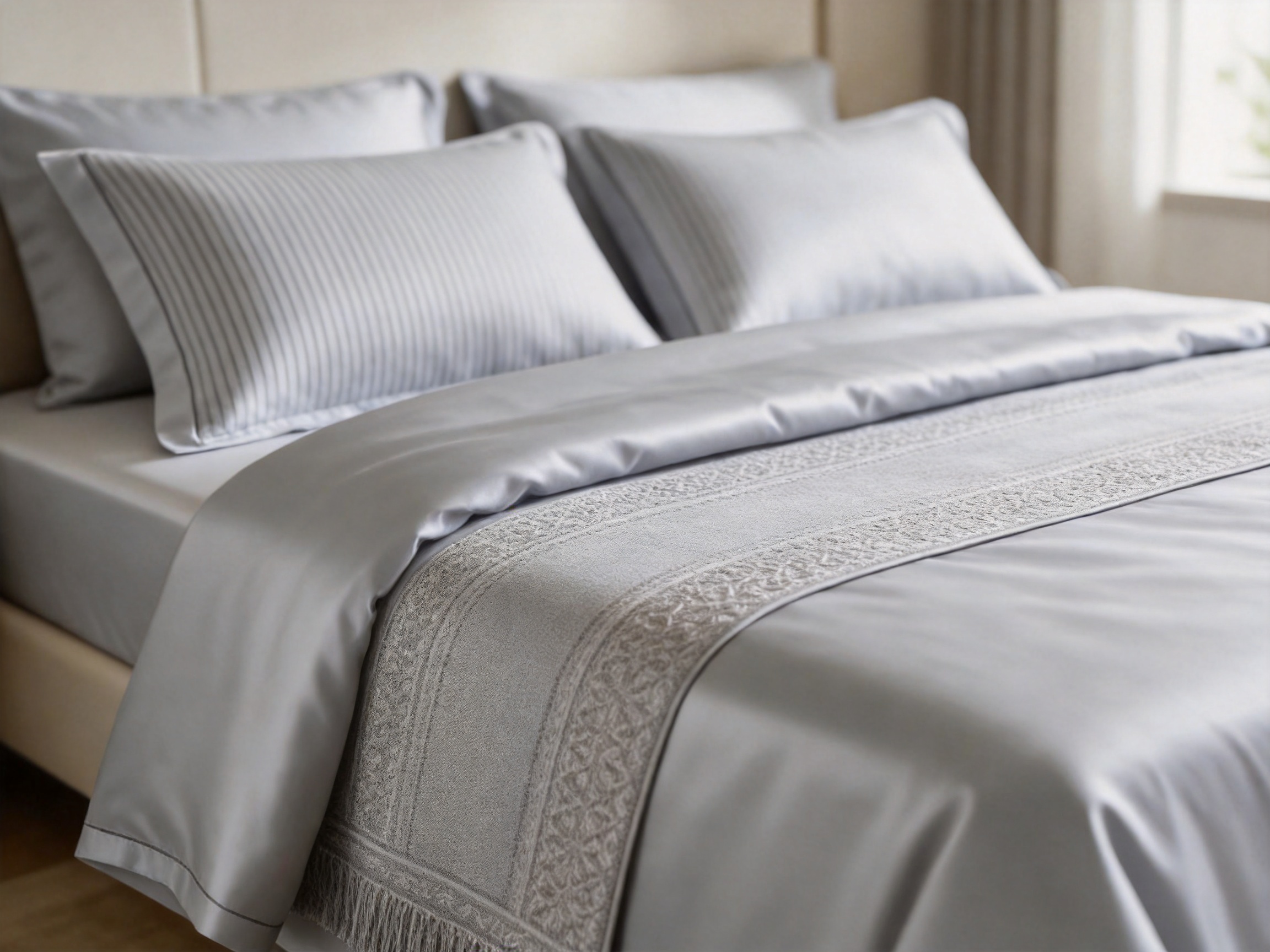
Manufacturing Strengths and Company Capabilities
Hangzhou Xinsili Decorative Fabric Weaving Co., Ltd. builds its production approach around research, development, manufacturing discipline, and practical customer cooperation. The company’s focus on functional decorative fabrics allows it to serve projects where appearance and performance must work together.
Industry Experience
With 19 years of industry experience, the company has developed knowledge of textile materials, fabric construction, finishing, quality control, and application requirements. Experience is valuable because bedding fabrics often involve many interconnected decisions. A change in yarn may affect dyeing. A change in finishing may affect hand feel. A change in weight may influence sewing and product fit.
An experienced supplier can help customers identify these relationships earlier, reducing development risk and improving the likelihood of successful bulk production. This is particularly useful for customers developing new bedding collections or functional textile products.
Dedicated Factory Area
The company operates within a 12,000-square-meter factory area. A dedicated manufacturing space supports organized production flow, material handling, sample development, inspection, and order management. Factory scale alone does not guarantee quality, but it can provide a stronger foundation for systematic operations when combined with effective process control.
For buyers, manufacturing capacity can also support more consistent scheduling and greater flexibility in handling customized requirements. Product development, sampling, and bulk production can be coordinated more effectively when the supplier has an established operational base.
Research and Development Orientation
Functional textile production requires continuing research because market expectations change. Consumers increasingly look for bedding that is comfortable, easy to maintain, visually attractive, and adapted to specific lifestyle needs. Hotels and commercial customers may require more durable or specialized solutions.
Xinsili’s research and development orientation supports the exploration of antibacterial, moisture-resistant, flame-retardant, sleep-supporting, and comfort-improving fabric directions. These technologies can be integrated into decorative textile solutions for residential, hotel, and commercial environments.
National High-Tech Enterprise Recognition
Recognition as a National High-Tech Enterprise in 2023 reflects the company’s emphasis on technological development and innovation. This recognition should be understood as part of the company’s broader commitment to improving textile solutions rather than as a substitute for product-specific testing.
For customers, the practical value of an innovation-oriented supplier is the ability to discuss more than standard fabric specifications. A development team can evaluate the relationship between construction, finishing, appearance, and performance, helping transform a general product idea into a manufacturable textile solution.
Environmental and Practical Product Philosophy
The company describes its development direction as high-quality, environmentally friendly, stable, practical, and reliable. In textile manufacturing, environmental responsibility can involve raw material selection, chemical management, energy use, water management, waste reduction, packaging, and product durability.
Durability itself can contribute to more responsible consumption because products that remain useful for longer may need to be replaced less frequently. At the same time, environmental claims should be supported by appropriate documentation and should correspond to the specific fabric, treatment, and production order.
Advantages over Basic Commodity Fabric Suppliers
A basic commodity supplier may offer a limited range of standard polyester fabrics with minimal customization. This can be suitable for buyers with simple requirements, but it may create challenges when a product needs a specific hand feel, functional finish, color standard, width, weight, or performance target.
A more advanced supplier can provide value in several areas. First, it can assist with product definition before production begins. Instead of asking only for a fiber composition, the buyer can discuss the intended use, target price, surface effect, laundering conditions, and required functions.
Second, an experienced manufacturer can coordinate multiple processing stages. Fabric construction, dyeing, finishing, and inspection must work together. If each stage is treated independently, the final fabric may not deliver a balanced result. Integrated technical management can help reduce inconsistencies.
Third, a capable supplier can support customization without losing sight of production feasibility. Customization is most useful when it produces a repeatable fabric that can be manufactured at the required volume and quality level. The objective is not simply to create a one-time sample, but to establish a reliable production standard.
Fourth, a supplier with decorative textile experience can help customers develop coordinated fabric programs. This is valuable for brands and interior projects that need matching or complementary bedding, sofa, pillow, and other home textile materials.
Quality Control Priorities for Buyers
Appearance and Hand Feel
Buyers should evaluate the fabric under consistent lighting and compare it with approved standards. Color, luster, surface smoothness, texture, and hand feel should be recorded during sample approval. A written or retained standard can help reduce disagreement during bulk production.
Dimensional Performance
Width, shrinkage, stretch, recovery, and skew should be evaluated according to the product design. Fitted bedding and shaped covers require particular attention because small changes can affect fit and sewing efficiency.
Colorfastness
Colorfastness to washing, rubbing, perspiration, light, and water may be relevant depending on the final application. The required test method should be agreed upon in advance. Testing should reflect the target market and the actual care instructions printed on the finished product.
Durability and Pilling
Mattress covers, fitted sheets, and commercial bedding can experience significant abrasion. Pilling resistance and surface durability should therefore be considered during development. A soft finish should not be approved only on the basis of first-touch comfort if it causes unacceptable surface deterioration later.
Functional Claims
Antibacterial, moisture-resistant, flame-retardant, cooling, or sleep-supporting claims should be supported by appropriate evidence. Buyers should ask for test reports, test conditions, durability information, and care limitations. Clear technical communication protects both the supplier and the customer.
Production Consistency
Bulk production should be compared with the approved sample for shade, weight, width, texture, and hand feel. Lot-to-lot variation should be monitored, especially for large projects or repeat orders. A strong quality system should identify variation early rather than waiting until the finished bedding product reaches the market.
Customization Options
Polyester bedding fabric can be customized in many ways. Customers may select fabric width, weight, construction, color, pattern, stretch level, surface treatment, softness, luster, and functional finish. Customization may also include special packaging, roll length, labeling, and inspection requirements.
Color customization can support private-label bedding collections and coordinated interior projects. Surface customization can create brushed, smooth, textured, embossed, or decorative effects. Functional customization can address moisture control, antibacterial needs, flame-retardant requirements, or comfort objectives.
The most effective customization process begins with a clear product brief. The buyer should provide information about the finished product, target customer, market location, expected care method, desired price level, and performance priorities. This allows the manufacturer to propose a suitable fabric direction rather than developing samples without a defined purpose.
Sampling should normally progress through laboratory development, hand samples, trial production, and final approval. At each stage, the buyer and manufacturer should record changes and confirm the acceptance criteria. This structured approach reduces misunderstanding and improves repeatability.
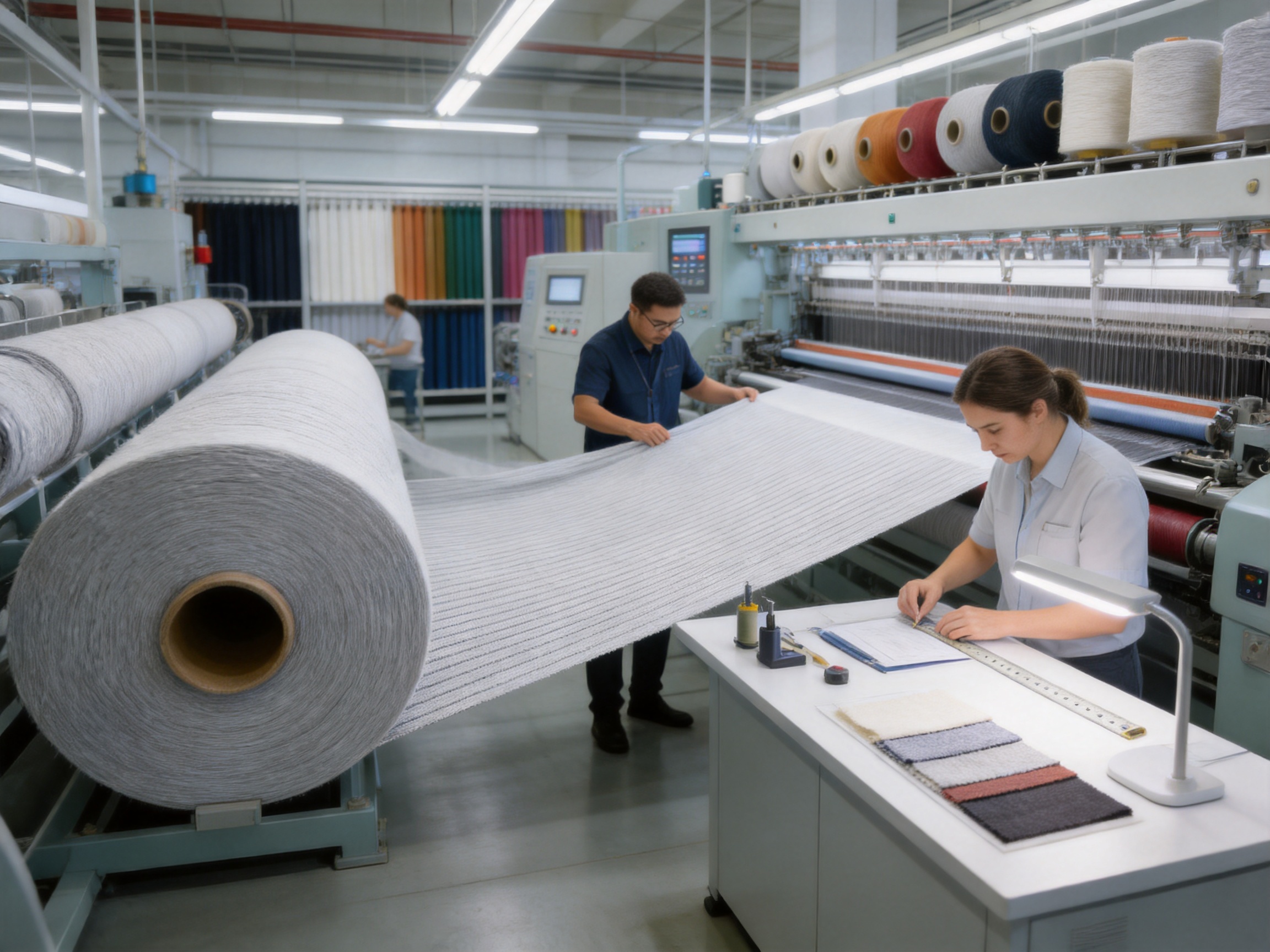
Sustainability and Responsible Textile Development
Sustainability in polyester bedding fabric involves more than selecting a particular fiber. It includes product longevity, manufacturing efficiency, chemical management, energy use, water use, packaging, and end-of-life considerations. A durable fabric that performs well over a longer period may provide practical environmental benefits by reducing premature replacement.
Manufacturers can also examine ways to reduce production waste, improve process stability, optimize fabric yield, and manage offcuts. Efficient cutting and accurate roll inspection help customers reduce waste during finished-product manufacturing. Appropriate packaging can protect the fabric without using unnecessary materials.
Where recycled polyester or other preferred materials are requested, buyers should establish the required certification and traceability standards before production. Sustainability claims should be specific, verifiable, and connected to the actual material used in the order.
Functional finishes should also be evaluated for their complete lifecycle. A finish that provides a valuable performance benefit may be appropriate, but it should be selected with attention to durability, skin-contact requirements, washing behavior, and chemical compliance. Responsible development seeks a practical balance between function, safety, quality, and environmental impact.
Why Partner Selection Matters
Choosing a fabric supplier affects product quality, delivery reliability, development speed, and long-term brand reputation. Bedding is a highly visible and frequently used product category. Problems such as pilling, color bleeding, shrinkage, unpleasant hand feel, poor fit, or loss of function can quickly lead to customer dissatisfaction.
A qualified supplier should be able to explain the proposed material, construction, finishing process, inspection method, and performance limitations. It should also communicate clearly about minimum order quantities, lead times, sample approval, packaging, testing, and repeat-order control.
Hangzhou Xinsili Decorative Fabric Weaving Co., Ltd. offers a combination of industry experience, factory resources, textile development capability, functional product knowledge, and decorative fabric expertise. This combination is relevant for customers looking for more than a standard polyester roll. It supports the development of bedding textiles that need to perform reliably while also contributing to the visual and tactile quality of the finished product.
Recommended Development Workflow
A practical workflow for developing polyester bedding fabric begins with application analysis. The customer and supplier should identify whether the fabric is intended for a mattress cover, pillowcase, pregnancy pillow, cooling mat, sheet, duvet cover, hotel product, or decorative bedding item.
The next step is to define performance priorities. These may include softness, stretch, moisture resistance, durability, quick drying, low pilling, flame-retardant performance, antibacterial treatment, cooling sensation, or decorative appearance. Priorities should be ranked because every textile property involves trade-offs.
After the product brief is established, the supplier can recommend yarn, construction, weight, width, and finishing options. Samples should then be developed and tested. The buyer should evaluate not only the fabric in isolation but also its performance during cutting, sewing, filling, washing, and final product assembly.
Before bulk production, an approved standard should be confirmed. This may include a physical sample, color standard, technical specification, test requirement, packaging instruction, and inspection tolerance. During production, the same criteria should be used to verify consistency.
Frequently Asked Questions
What is polyester bedding fabric used for?
Polyester bedding fabric is used for mattress covers, sheets, pillowcases, duvet covers, blankets, pregnancy pillow covers, cooling mat products, mattress protectors, hotel bedding, and decorative bedroom textiles. The appropriate construction and finishing depend on the specific product.
Is polyester bedding fabric comfortable for sleeping?
It can be comfortable when it is engineered with suitable yarn fineness, construction, softness, breathability, and finishing. Polyester fabrics are available in smooth, lightweight, brushed, textured, and stretch forms, allowing manufacturers to target different comfort preferences.
Can polyester bedding fabric be customized?
Yes. Customization may include color, pattern, width, weight, construction, stretch, surface effect, softness, luster, moisture-related performance, antibacterial treatment, flame-retardant treatment, and other application-specific functions. Final options depend on the intended use and testing requirements.
How does polyester compare with cotton for bedding?
Polyester is often selected for durability, quick drying, wrinkle resistance, color stability, dimensional stability, and production efficiency. Cotton is valued for its natural hand feel and moisture absorbency. The best choice depends on the product’s performance priorities, care conditions, market positioning, and desired tactile experience.
Can polyester fabric be used for hotel bedding?
It can be considered for hotel bedding when the fabric meets the required standards for comfort, durability, laundering, colorfastness, and appearance retention. Commercial use should be validated through testing that reflects the hotel’s actual washing and service conditions.
Can polyester bedding fabric provide moisture resistance?
It can be developed with moisture-resistant or moisture-management features through fabric construction and finishing. Buyers should clarify whether they need water repellency, a protective barrier, moisture transport, quick drying, or breathability because these properties are not identical.
What functional treatments are available?
Depending on the product and technical requirements, possible development directions include antibacterial, moisture-resistant, flame-retardant, sleep-supporting, comfort-improving, anti-pilling, softening, and surface-enhancement treatments. Each claim should be supported by suitable testing.
How should buyers evaluate fabric quality?
Buyers should review appearance, hand feel, width, weight, color, shrinkage, stretch recovery, pilling, abrasion, colorfastness, tensile performance, and any required functional properties. The fabric should also be evaluated in the finished bedding product whenever possible.
What information should be provided when requesting a quotation?
A useful request should include the intended application, fabric composition, desired width and weight, color or pattern, estimated order quantity, functional requirements, target market, testing standards, packaging needs, and delivery expectations. Clear information helps the supplier provide a more accurate proposal.
Why work with an experienced decorative textile manufacturer?
An experienced decorative textile manufacturer can help combine visual design with technical performance. This is valuable when bedding fabrics need coordinated colors, textures, or functions across mattresses, pillows, sofas, and other interior products. Experience also supports more reliable sampling, process control, and bulk production.
Conclusion
Polyester bedding fabric offers a versatile foundation for modern sleep products and decorative textile applications. Its advantages include durability, dimensional stability, easy care, quick drying, color flexibility, design adaptability, and compatibility with functional finishing. With the right yarn, construction, dyeing method, surface treatment, and quality controls, it can provide a comfortable and reliable alternative to competing materials.
The quality of the final fabric depends heavily on the manufacturing process. Careful material selection, controlled fabric construction, accurate dyeing, stable heat-setting, appropriate functional finishing, and thorough inspection all contribute to product consistency. These stages should be managed as one connected system rather than as isolated operations.
Hangzhou Xinsili Decorative Fabric Weaving Co., Ltd. brings together 19 years of industry experience, a 12,000-square-meter factory area, research and development capability, functional textile expertise, and decorative fabric manufacturing knowledge. Its focus on high-quality, environmentally responsible, practical, and reliable textile solutions makes it a suitable development partner for customers seeking customized polyester bedding fabric.
For buyers, the strongest approach is to define the finished product first, identify the most important performance requirements, and then work with the manufacturer to develop and verify the fabric. When technical performance, comfort, appearance, and production consistency are considered together, polyester bedding fabric can support competitive products for homes, hotels, commercial interiors, and specialized bedding markets.
References
1. Textile Institute, Textile Terms and Definitions, professional reference edition.
2. International Organization for Standardization, Textile Testing and Performance Evaluation Standards.
3. American Association of Textile Chemists and Colorists, Technical Manual and Colorfastness Testing Methods.
4. European Committee for Standardization, Textile Fabric Performance and Care Labeling Guidance.
5. Society of Dyers and Colourists, Principles of Textile Coloration and Dyeing Practice.
6. International Trade Centre, Textile and Apparel Quality Management Guidance.
7. Industry guidance on functional textile finishing, moisture management, antibacterial treatments, and fabric durability.
Product: Polyester Bedding Fabric

Our Featured Products
-
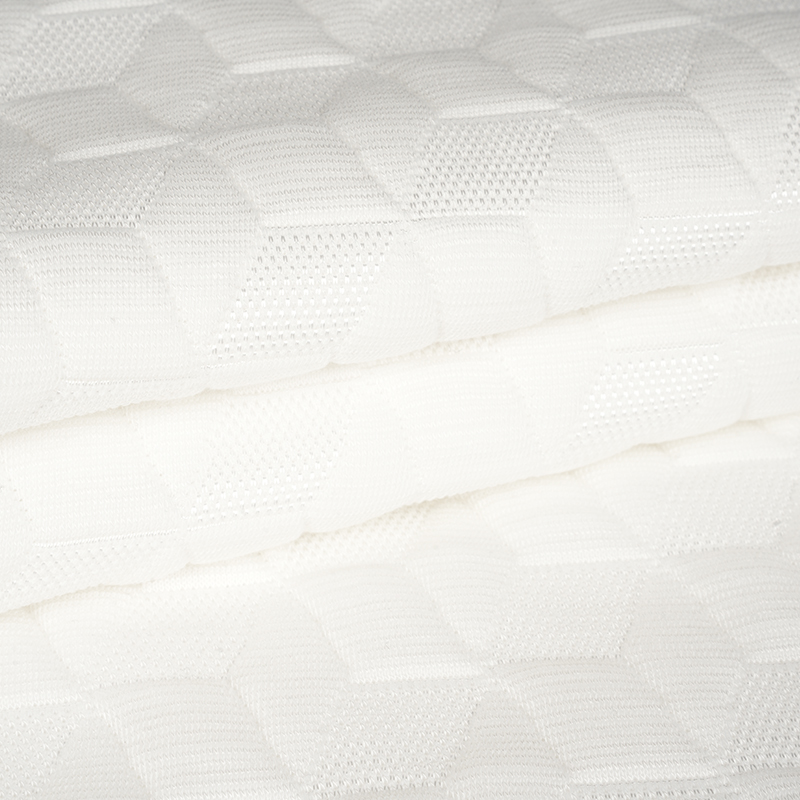
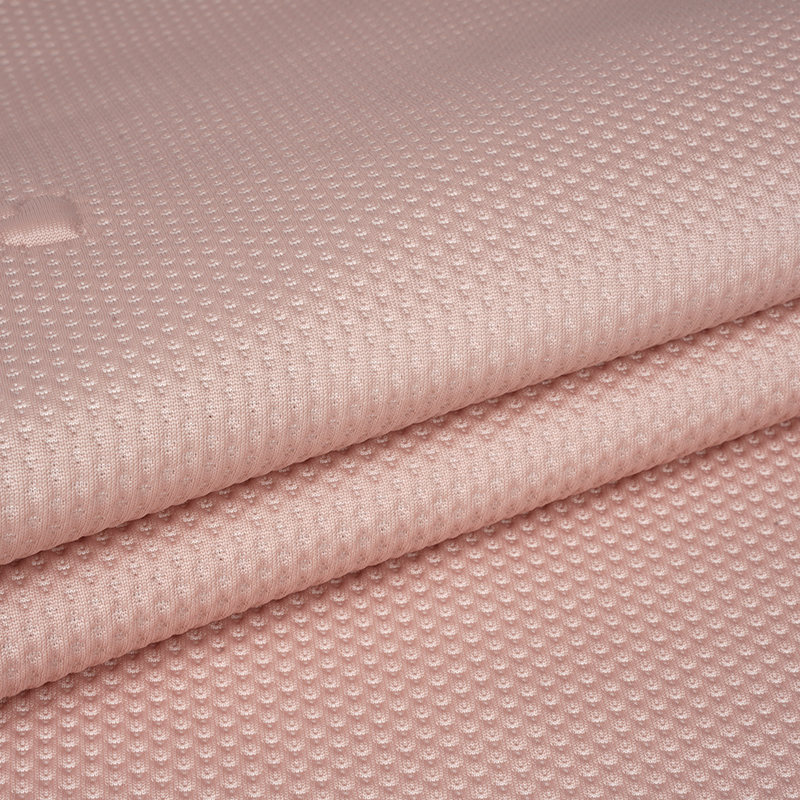
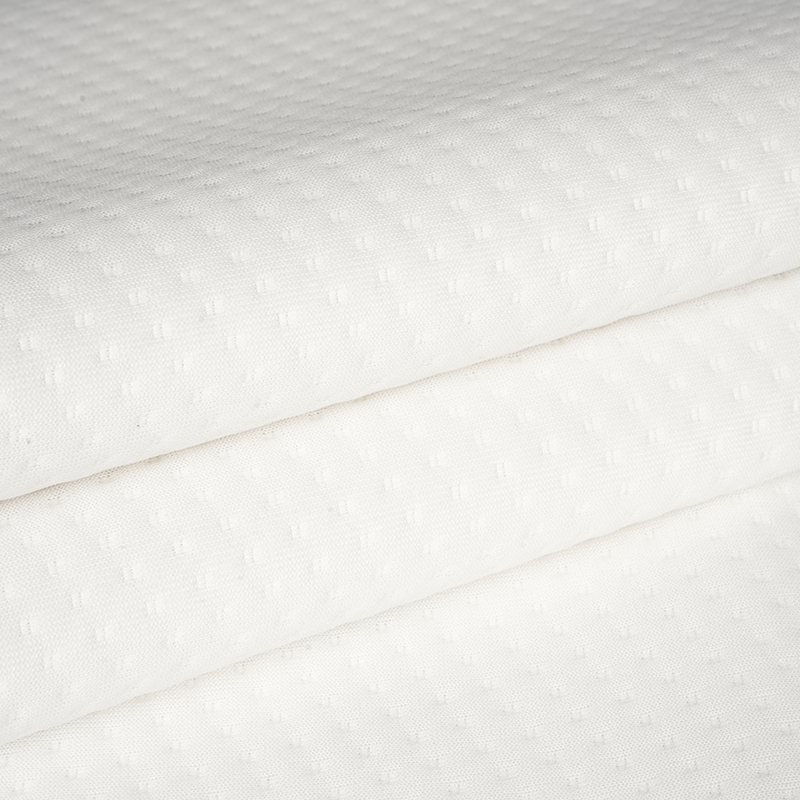
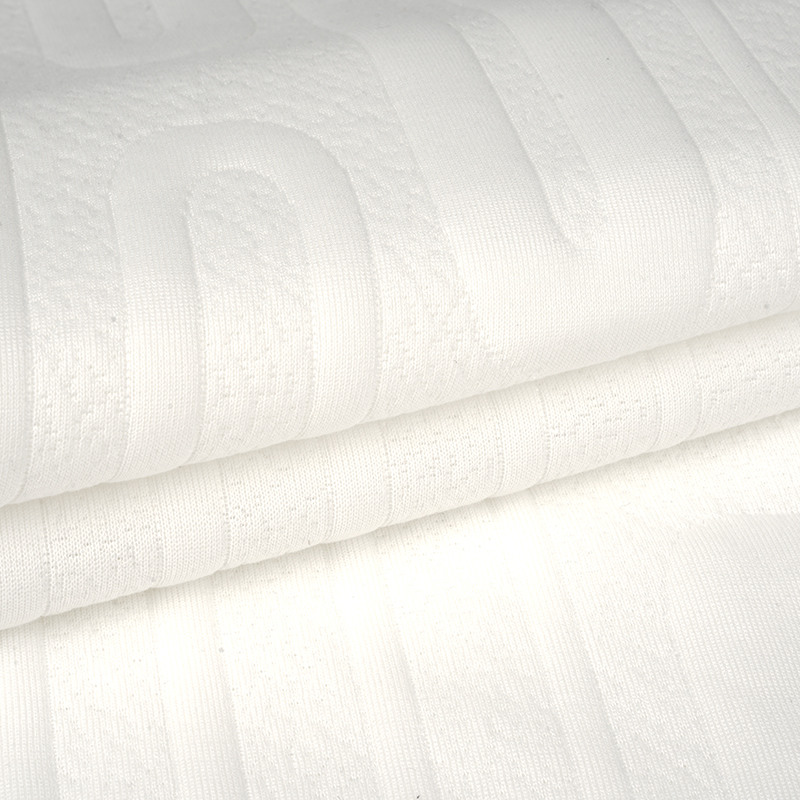
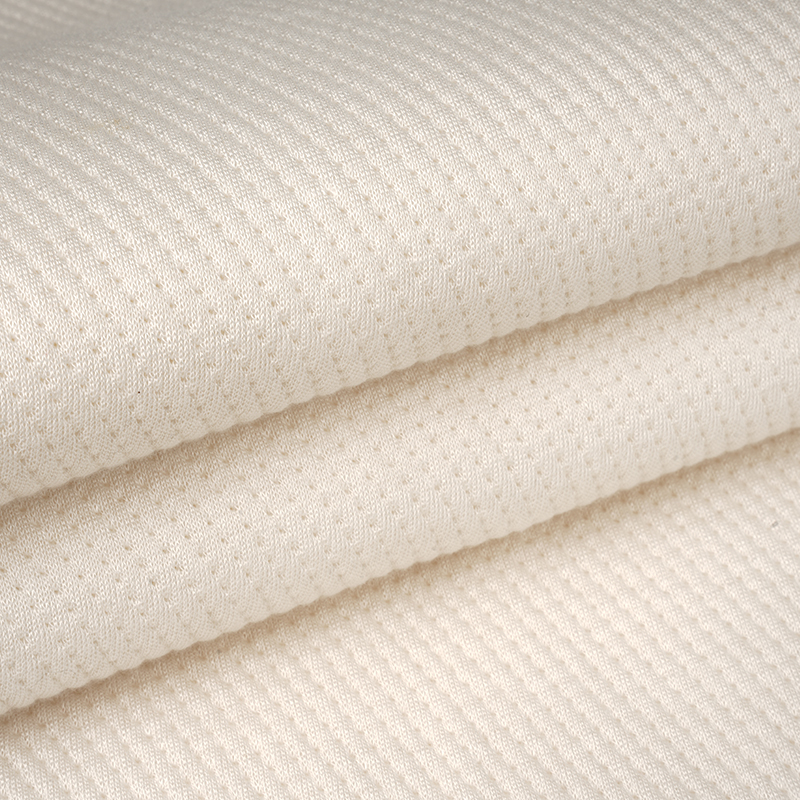
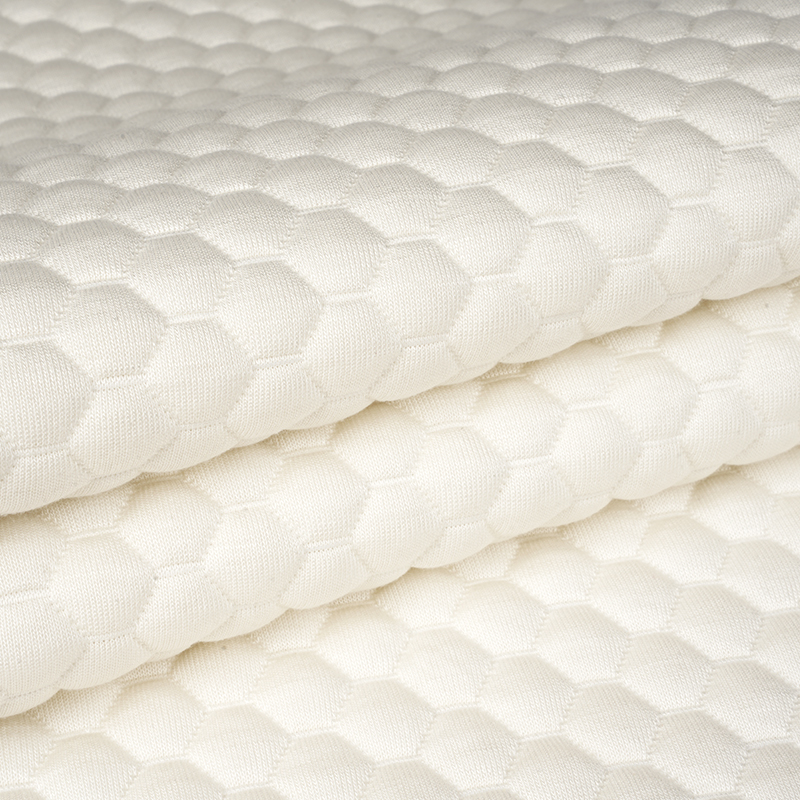
Polyester Mattress Fabric
Polyester Mattress Fabric
Haven’t Found The Products You Want?
-
-
Shen Jinyan:+86-15158070676
[email protected]
Liang Jinwen:+86-15757186621
[email protected]
Qiu Yingyingn:+86-13819545790
[email protected]
Yi qiao Town, Xiaoshan District, Hangzhou City, Zhejiang Province, China
-
Products
Mattress Fabric Children Mattress Fabric Pillowcase Fabric Pregnancy Pillow Fabric Cooling Mat Fabric Bedding Fabric Sofa Fabric Pet Friendly Fabrics -
Contact Information
About Us Products Strength Sustainability News Contact Us
Copyright © Hangzhou Xinsili Decorative Fabric Weaving Co.,Ltd. All Rights Reserved.
Functional Decorative Textile Manufacturers
