

 English
 中文简体
 Español
 عربى
 русский



Cotton Sofa Fabric: A Durable, Comfortable, and Functional Textile for Modern Upholstery
Content
- 1 Introduction
- 2 Product Overview
- 3 Core Material Advantages
- 4 Why Cotton Sofa Fabric Can Outperform Less Specialized Alternatives
- 5 Advanced Manufacturing Process
- 5.1 1. Requirement Analysis and Product Planning
- 5.2 2. Fiber and Yarn Preparation
- 5.3 3. Weave Construction Development
- 5.4 4. Precision Weaving
- 5.5 5. Pre-Shrinking and Dimensional Stabilization
- 5.6 6. Surface and Functional Finishing
- 5.7 7. Inspection and Quality Assurance
- 5.8 8. Packing and Shipment Preparation
- 6 Manufacturing Strengths and Company Capabilities
- 7 Applications in Residential Furniture
- 8 Applications in Hospitality and Commercial Environments
- 9 Design and Customization Possibilities
- 10 Performance Considerations
- 11 Care and Maintenance Guidance
- 12 Sustainability and Responsible Material Selection
- 13 Purchasing Recommendations for Furniture Brands
- 14 Comparison with Common Upholstery Options
- 15 Quality, Service, and Partnership Value
- 16 Frequently Asked Questions
- 16.1 Q1: What is cotton sofa fabric made of?
- 16.2 Q2: Is cotton suitable for sofa upholstery?
- 16.3 Q3: What makes this fabric different from ordinary cotton cloth?
- 16.4 Q4: Which weave is best for a sofa?
- 16.5 Q5: Can cotton sofa fabric be customized?
- 16.6 Q6: Is cotton sofa fabric stain-resistant?
- 16.7 Q7: Does cotton sofa fabric shrink?
- 16.8 Q8: Is cotton suitable for hotels and commercial spaces?
- 16.9 Q9: How should cotton sofa fabric be cleaned?
- 16.10 Q10: What information should buyers request from the manufacturer?
- 16.11 Q11: Why is factory experience important when buying decorative fabric?
- 16.12 Q12: What is the main competitive advantage of this cotton sofa fabric?
- 17 Conclusion
- 18 References
- 19 Product: Cotton Sofa Fabric
Introduction
Cotton sofa fabric remains one of the most trusted upholstery materials for residential, hospitality, commercial, and lifestyle furniture. Its natural composition, comfortable hand feel, visual versatility, and adaptability to different weaving structures make it suitable for sofas, lounge chairs, ottomans, cushions, benches, and other upholstered furnishings. When carefully engineered, cotton fabric can offer a practical balance between comfort, durability, appearance, and maintenance performance.
The product discussed in this article is a 100% cotton sofa fabric developed for furniture applications that require dependable coverage, a pleasant touch, and a stable textile structure. It is typically produced through durable constructions such as twill, canvas, or jacquard. These constructions help the material withstand repeated use while supporting a broad range of interior design styles, from relaxed residential spaces to refined hospitality interiors.
Unlike lightweight apparel cotton, sofa fabric must meet more demanding requirements. It needs sufficient body, coverage, abrasion resistance, dimensional stability, and resistance to daily handling. It must also contribute to the visual character of a room. For these reasons, upholstery cotton is generally manufactured with medium to high grammage and may receive finishing treatments such as pre-shrinking, stain resistance, or abrasion enhancement.
Advanced textile production is essential to achieving these qualities consistently. Hangzhou Xinsili Decorative Fabric Weaving Co., Ltd. specializes in decorative textiles and functional fabrics for residential, hotel, and commercial environments. With 19 years of industry experience, a 12,000-square-meter factory area, and National High-Tech Enterprise recognition in 2023, the company combines weaving expertise, product development, functional finishing, quality control, and application-oriented design to serve global customers.
This article examines the construction, performance, manufacturing process, applications, competitive advantages, care considerations, and purchasing value of cotton sofa fabric. It also explains how a professional decorative textile manufacturer can help buyers select a suitable product for both aesthetic and practical requirements.
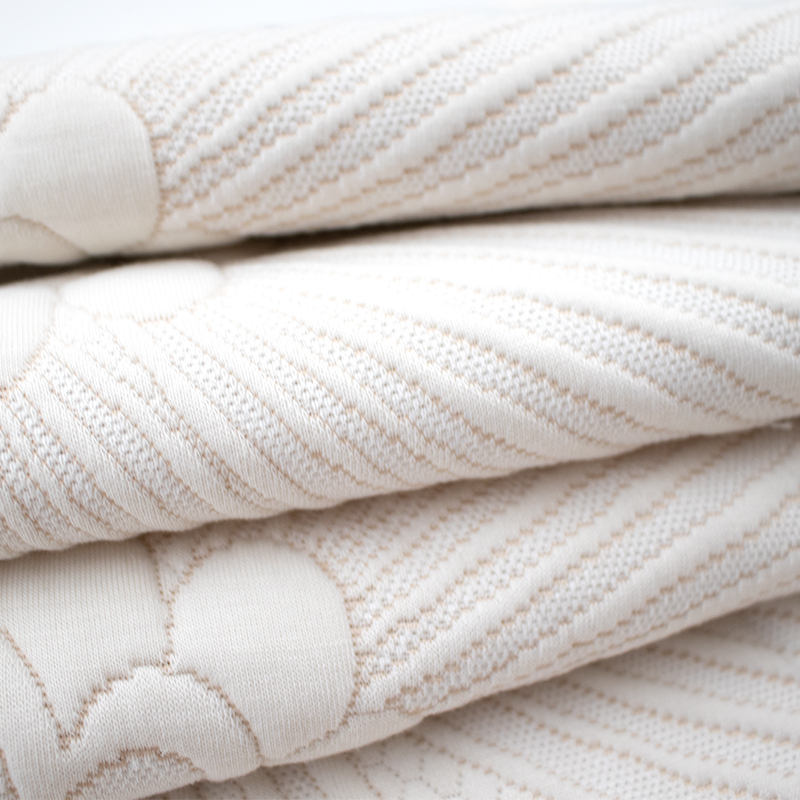
Cotton Sofa Fabric
Product Overview
Cotton sofa fabric is a furniture upholstery textile made from 100% cotton fibers. Cotton is a natural cellulosic fiber known for its softness, breathability, moisture absorption, and comfortable surface character. In sofa applications, these qualities are combined with a heavier construction and carefully selected finishing processes to create a fabric capable of covering furniture frames and supporting everyday use.
The product is designed as a decorative and functional textile rather than a simple household cloth. Its purpose is to form the visible and tactile outer surface of upholstered furniture. It therefore contributes to three important aspects of a sofa: the appearance of the furniture, the comfort of the user, and the long-term protection of the internal padding and frame.
A suitable cotton sofa fabric commonly has a dense structure. The yarns are woven closely enough to provide coverage and reduce excessive shifting during upholstery. The fabric also requires enough weight to avoid a flimsy appearance. Medium to high grammage helps the material sit properly over cushions, arms, backs, and seat platforms, while offering a substantial hand feel that is often associated with quality furniture.
The product information identifies several typical construction options:
• Twill construction creates a diagonal surface pattern and distributes stress effectively across the fabric. It is widely used when a balance of strength, flexibility, and visual texture is required.
• Canvas construction provides a firm, stable, and practical surface. Its relatively plain and robust structure is suitable for casual furniture, family seating, contemporary interiors, and high-use areas.
• Jacquard construction allows patterns, textures, and complex visual effects to be woven directly into the fabric. It is appropriate for decorative furniture where design expression is as important as performance.
The final result depends on the interaction between fiber quality, yarn preparation, weave design, fabric density, coloration, finishing, inspection, and application requirements. A professionally engineered product is not judged only by its fiber content. It is assessed by how well the complete fabric performs as an upholstery covering.
Core Material Advantages
Natural 100% Cotton Composition
The use of 100% cotton gives the sofa fabric a naturally comfortable character. Cotton generally feels softer and warmer than many purely synthetic upholstery materials. It provides a familiar tactile quality that is particularly attractive in residential furniture, reading chairs, bedroom benches, and other seating products where users often touch the fabric directly.
Cotton is also a breathable fiber. While the overall comfort of a sofa depends on the cushion filling, foam, room temperature, and furniture structure, a breathable textile surface can feel less closed and less artificial than some tightly coated or heavily plasticized alternatives. This feature may be valued in homes, hospitality settings, and wellness-oriented interiors.
Another advantage is cotton’s design flexibility. It can be woven in a variety of structures and can accept numerous colors, patterns, and surface effects. This allows designers to choose between understated solids, textured neutrals, decorative jacquards, visible twills, and casual canvas-like appearances without changing the basic fiber identity.
Comfortable Hand Feel
Furniture is a tactile product. Customers do not only view a sofa; they sit on it, lean against it, rest their hands on its arms, and interact with it repeatedly. Cotton can provide a soft, natural hand feel that supports a welcoming furniture experience.
The hand feel can be adjusted through yarn selection, weave density, surface treatment, washing, brushing, and other finishing methods. A tightly woven cotton fabric may feel smooth and structured, while a textured cotton jacquard may create a more expressive and dimensional surface. This adaptability helps manufacturers develop products for different furniture categories and price levels.
Strong and Stable Woven Structures
Cotton sofa fabric is not limited to a lightweight plain weave. The use of twill, canvas, or jacquard structures allows the manufacturer to increase fabric stability and visual interest. These constructions can help distribute tension during cutting, sewing, and upholstery installation.
A dense woven structure also helps the fabric provide better coverage over foam and frame components. It can reduce the risk of a thin or transparent appearance and may improve the overall perceived quality of the finished sofa. For furniture manufacturers, fabric stability can also support more predictable cutting and sewing operations.
Adaptability to Interior Styles
Cotton sofa fabric can be incorporated into many design directions. Canvas-style materials suit relaxed, natural, Scandinavian, coastal, farmhouse, and casual contemporary interiors. Twill constructions can support modern, industrial, transitional, or tailored furniture. Jacquard fabrics can add sophistication to boutique hotels, premium residences, lounges, and statement seating.
This style flexibility gives furniture brands greater freedom when developing collections. A single fiber category can be transformed into several visual identities through changes in yarn, color, construction, pattern, weight, and finish.
Potential for Functional Finishing
The product may undergo special finishing processes to improve its practical performance. Pre-shrinking can help stabilize dimensions. Abrasion-resistant treatment may support improved service life in frequently used furniture. Stain-resistant finishing can make the surface easier to maintain in suitable applications.
Finishing must be selected according to the intended use. A treatment designed for a residential sofa may not be identical to one used for hotel seating or commercial furniture. Professional product development therefore considers the balance between softness, appearance, durability, environmental expectations, and care requirements.
Why Cotton Sofa Fabric Can Outperform Less Specialized Alternatives
Many upholstery materials are available in the market, including polyester, acrylic, rayon blends, leather, coated fabrics, and mixed-fiber textiles. Each has its own advantages. Cotton sofa fabric distinguishes itself by combining a natural fiber identity with upholstery-oriented construction and finishing.
| Evaluation Area | Cotton Sofa Fabric | Potential Advantage in Application |
|---|---|---|
| Fiber identity | 100% cotton | Natural hand feel, familiar comfort, and strong design appeal |
| Fabric body | Medium to high grammage | Good coverage, substantial appearance, and improved upholstery support |
| Construction options | Twill, canvas, or jacquard | Choice of strength, texture, pattern, and styling direction |
| Functional finishing | Pre-shrinking, abrasion resistance, or stain resistance may be applied | Improved dimensional control and practical performance |
| Application range | Residential, hotel, and commercial furniture | Suitable for multiple project types and design environments |
| Customization potential | Adaptable color, weight, pattern, and finish | Supports private-label collections and project-specific development |
Compared with very lightweight decorative cloth, a medium- to high-weight cotton upholstery textile offers better coverage and a more appropriate level of substance. Compared with fabrics selected only for visual effect, a structurally engineered sofa fabric is more likely to provide a stable surface during installation and use.
Compared with some heavily coated materials, cotton can provide a more natural tactile experience. Compared with basic commodity textiles, a product developed through specialized weaving and finishing can offer improved consistency, better technical guidance, and more reliable suitability for furniture applications.
It is important to avoid treating cotton as automatically superior in every technical category. Synthetic fibers may offer specific advantages in moisture resistance, rapid drying, or extreme abrasion performance. However, cotton sofa fabric can be highly competitive when the project values natural comfort, decorative versatility, substantial construction, and a refined user experience.
The strongest competitive position comes from combining cotton’s inherent qualities with disciplined manufacturing. Fiber content alone does not guarantee high performance. The difference is created through proper yarn preparation, weaving control, finishing selection, inspection standards, and application-specific development.
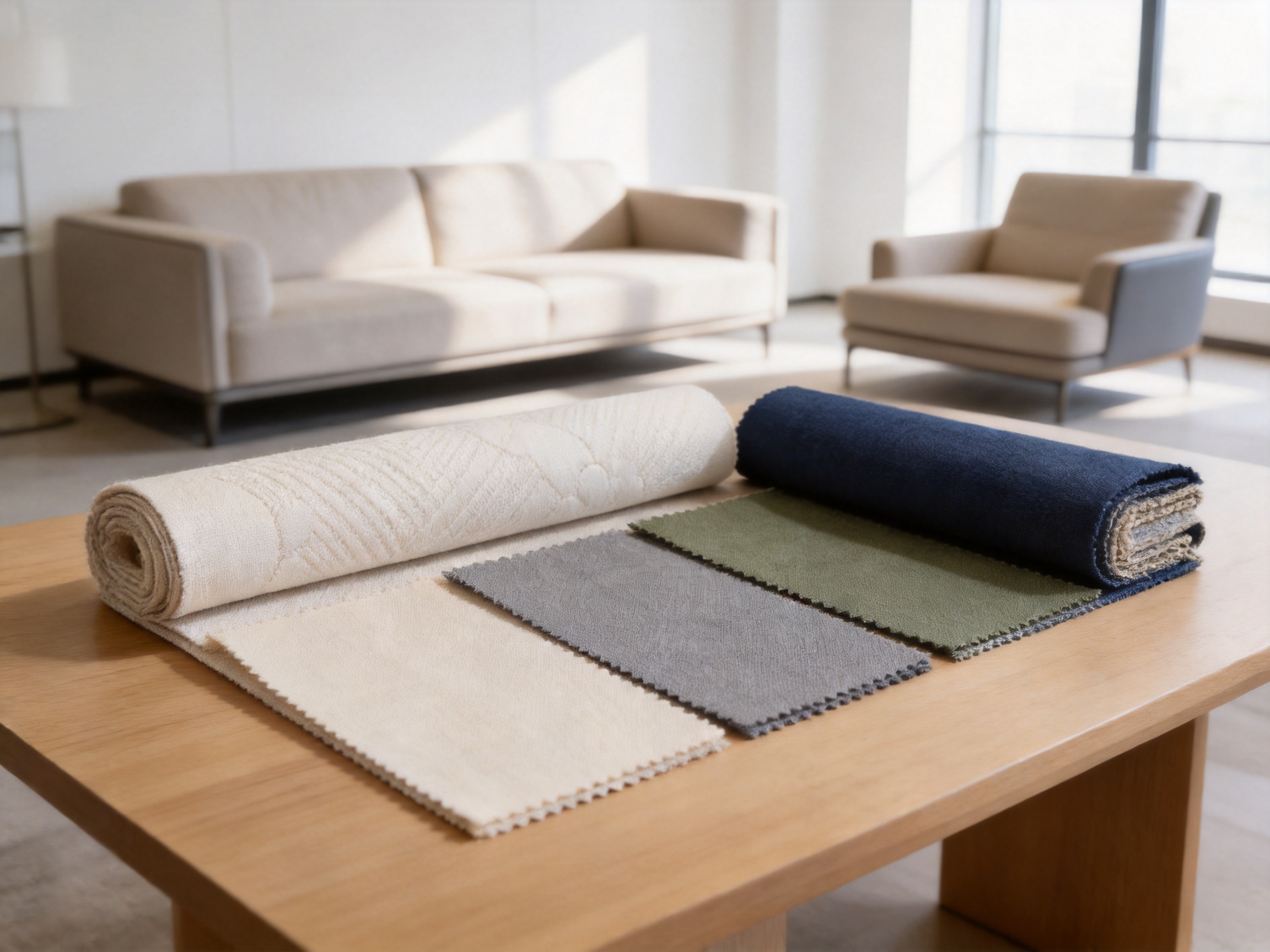
Advanced Manufacturing Process
1. Requirement Analysis and Product Planning
Professional manufacturing begins before yarn enters the loom. The supplier first evaluates the intended use, target market, design direction, required weight, color range, width, performance expectations, and delivery requirements.
Residential sofas may prioritize softness, visual warmth, and easy coordination with home décor. Hotel seating may require stronger resistance to repeated use and more consistent color performance. Commercial furniture may need a balance between cost, appearance, maintenance, and durability. Understanding these differences helps the manufacturer select an appropriate construction instead of offering a generic textile for every application.
During planning, the technical team can determine whether a twill, canvas, or jacquard construction is most suitable. The team may also evaluate whether the fabric should remain natural and breathable or receive additional finishing for dimensional stability, stain resistance, or abrasion performance.
2. Fiber and Yarn Preparation
Because the product is made from 100% cotton, fiber and yarn preparation have a direct effect on the final result. Cotton fibers must be processed into yarn with suitable strength, evenness, twist, and appearance. Yarn characteristics influence surface smoothness, fabric density, softness, resistance to breakage, and visual consistency.
Yarn preparation may include opening, cleaning, blending within approved cotton sources, carding, drawing, roving, spinning, winding, and other controlled operations. Although the exact process varies according to the yarn specification, the objective is to create a stable input for weaving.
Uneven yarn can create streaks, weak places, irregular texture, or inconsistent coloration. Appropriate yarn control helps the fabric maintain a more uniform appearance across production lots. For upholstery buyers, this consistency is important because sofas often contain multiple panels that must visually match after cutting and sewing.
3. Weave Construction Development
The weaving structure is selected to achieve a specific combination of durability, appearance, flexibility, and hand feel. Twill constructions use interlacing patterns that create a diagonal line and can provide a firm yet flexible fabric. Canvas constructions are generally valued for their straightforward, robust appearance and stable surface. Jacquard constructions enable more complex patterns and texture arrangements through controlled lifting of warp yarns.
Construction development requires attention to yarn count, warp density, weft density, weave repeat, fabric width, tension, and finishing allowance. A fabric that is too loose may lack coverage and dimensional stability. A fabric that is too dense may become stiff or difficult to upholster. The manufacturer therefore seeks a practical balance between strength and workability.
For custom projects, construction development may involve sample weaving and comparative testing. Different structures can be examined under light, touch, bending, sewing, and upholstery simulation. This approach allows the customer to choose based on actual application behavior rather than appearance alone.
4. Precision Weaving
During weaving, warp and weft yarns are interlaced under controlled tension. Stable tension helps maintain fabric width, density, surface uniformity, and pattern accuracy. Modern weaving equipment and experienced operators are important for producing decorative fabrics with consistent construction.
Precision weaving is especially important for jacquard designs. Pattern irregularities may become highly visible when a sofa is upholstered across broad surfaces. For twill and canvas products, consistent density and balanced tension help preserve the intended structure and reduce avoidable defects.
Manufacturing control also includes monitoring broken ends, missing picks, slubs, oil marks, reed marks, weaving bars, and other possible imperfections. Early detection reduces waste and helps maintain stable production quality.
5. Pre-Shrinking and Dimensional Stabilization
Cotton is a natural fiber and can respond to moisture and heat. Without suitable dimensional control, the fabric may shrink after production or during later care. Pre-shrinking and related stabilization processes are therefore valuable for upholstery textiles.
Dimensional stabilization helps the fabric maintain a more predictable size during cutting, sewing, and furniture use. It may also reduce the risk of excessive looseness or tension changes after cleaning. The final result depends on the specific treatment, but the general objective is to make the textile more stable and reliable.
For furniture manufacturers, stable dimensions can improve material planning. More predictable behavior can support cleaner seams, better pattern alignment, and more consistent installation. For end users, it can help preserve the intended appearance of the sofa over time.
6. Surface and Functional Finishing
Finishing gives the manufacturer an opportunity to refine the fabric’s touch, appearance, stability, and practical performance. Depending on the product specification, finishing may involve softening, heat setting, pre-shrinking, abrasion enhancement, stain resistance, calendaring, brushing, or other controlled treatments.
Stain-resistant finishing may help liquid or dirt remain on the surface for a longer period, giving users more time to respond. It should not be understood as making the fabric completely immune to staining. Proper care, rapid cleaning, and adherence to the recommended maintenance method remain necessary.
Abrasion-oriented finishing and dense construction may support better performance in frequently used furniture. However, final durability also depends on yarn quality, weave density, upholstery tension, cushion movement, user behavior, and cleaning practices.
Finishing must be carefully balanced. Excessive treatment may affect softness, breathability, color, or environmental suitability. An experienced manufacturer evaluates the complete performance profile rather than maximizing one property at the expense of others.
7. Inspection and Quality Assurance
Quality assurance should continue throughout the manufacturing process. Incoming materials, yarns, woven greige fabric, dyed or finished fabric, and final rolls may all require inspection. Typical evaluation areas include color consistency, width, weight, construction, surface appearance, dimensional stability, strength, abrasion behavior, and finishing uniformity.
Roll inspection can identify defects before shipment. Batch records and production documentation help support traceability. Clear inspection procedures also make communication more efficient when customers require specific tolerances or project standards.
For international buyers, consistent quality is often as important as the initial sample. A capable supplier should be able to repeat the approved appearance and construction across future orders. This is particularly important for furniture collections that remain in production for several seasons.
8. Packing and Shipment Preparation
After inspection, fabric is generally rolled and protected for storage and transport. Proper packing helps reduce contamination, moisture exposure, crushing, and unnecessary handling damage. Roll identification should support traceability through product code, color information, production batch, length, and other relevant details.
Reliable shipment preparation is part of manufacturing strength because the product must arrive in a condition suitable for cutting and upholstery. A well-made textile can still experience avoidable problems if it is poorly packed or handled during logistics.
Manufacturing Strengths and Company Capabilities
Hangzhou Xinsili Decorative Fabric Weaving Co., Ltd. focuses on the research, development, and precision manufacturing of decorative textiles. Its product direction is centered on functional decorative fabrics for homes, hotels, and commercial spaces. This focus is relevant to cotton sofa fabric because upholstery materials must satisfy both design and performance expectations.
The company’s stated vision, “Weaving Beautiful Spaces,” reflects an approach that connects textile engineering with interior environments. Rather than treating fabric as an isolated commodity, the company positions decorative textiles as materials that influence comfort, atmosphere, durability, and the visual identity of a room.
Its 19 years of industry experience provide a foundation for understanding weaving processes, decorative fabric requirements, customer development cycles, and application challenges. Experience is especially valuable when a customer requires a custom combination of weight, pattern, hand feel, width, finishing, and delivery schedule.
The 12,000-square-meter factory area supports organized manufacturing and development activities. Factory scale alone does not guarantee product quality, but an established production environment can help coordinate sampling, weaving, finishing, inspection, storage, and order fulfillment more efficiently.
Recognition as a National High-Tech Enterprise in 2023 indicates an emphasis on technological development and innovation. In the context of decorative textiles, innovation may involve new constructions, functional finishing, process improvement, performance testing, environmental considerations, and application-specific product design.
The company also works with functional concepts such as antibacterial, moisture-resistant, flame-retardant, sleep-supporting, and comfort-improving textiles. Not every function necessarily applies to every cotton sofa fabric, and buyers should confirm the exact specification of each product. Nevertheless, experience with functional textile development can strengthen the manufacturer’s ability to solve complex material requirements.
Another important strength is the company’s stated commitment to environmentally friendly decorative fabric solutions. For modern furniture brands and project buyers, environmental expectations increasingly influence material selection. Cotton is a natural fiber, but responsible sourcing, dyeing, finishing, energy use, waste control, packaging, and product life must also be considered when evaluating sustainability.
The company’s values of craftsmanship-driven manufacturing, design innovation, and win-win collaboration support a partnership-oriented model. Customers may benefit from technical communication during product selection, sampling, customization, and production follow-up. This is particularly valuable for overseas buyers who need clear specifications and dependable responses.
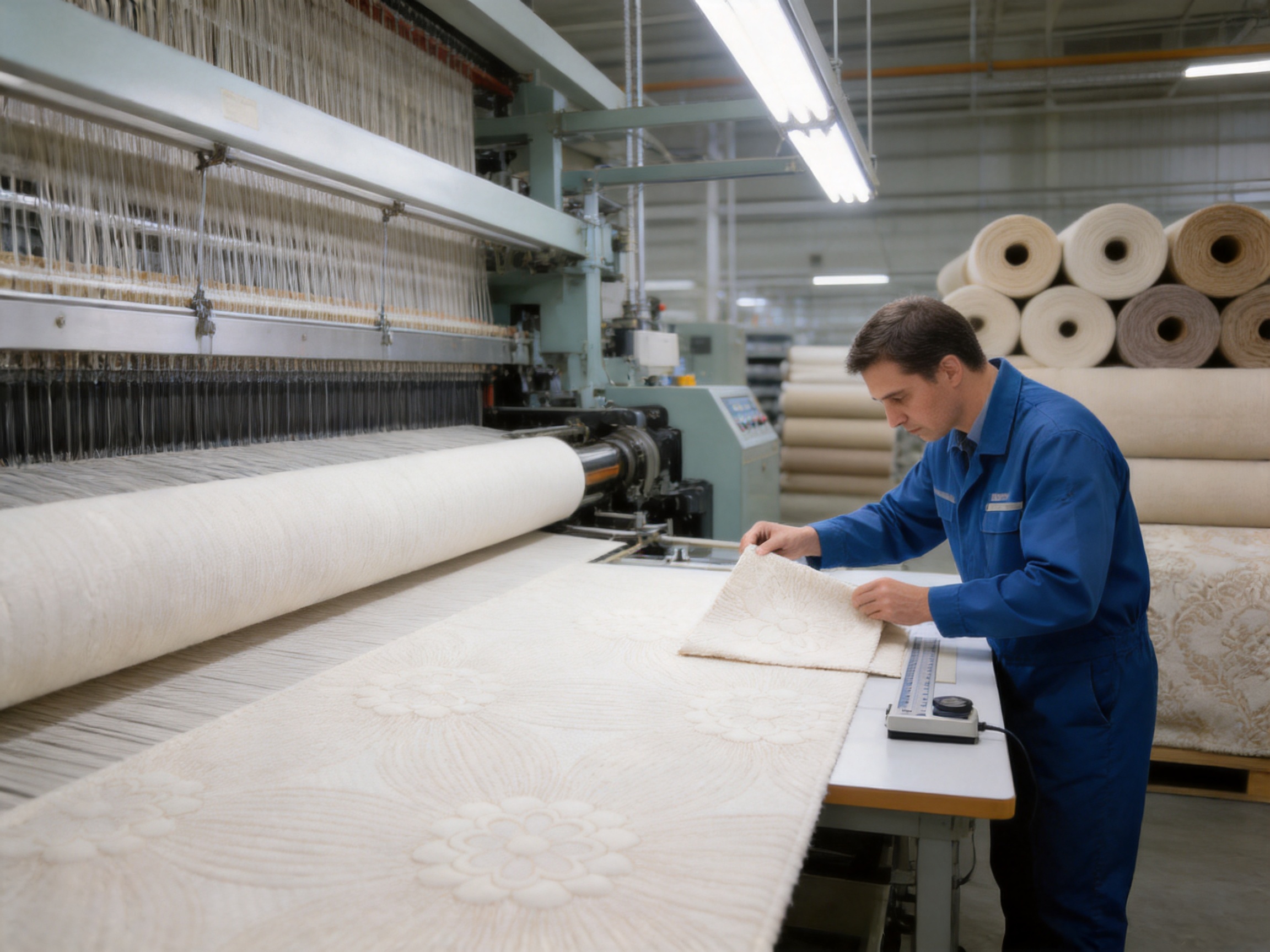
Applications in Residential Furniture
Living Room Sofas
Cotton sofa fabric is a natural choice for living room sofas because it combines visual comfort with everyday practicality. It can be used on compact apartment sofas, large sectional sofas, family couches, accent seating, and coordinated ottomans.
Neutral cotton canvas or twill can create a relaxed and approachable appearance. A textured jacquard can become a design feature in a formal living room. The choice of construction, color, and finish allows the same basic material category to serve both mass-market and premium furniture lines.
Accent Chairs and Lounge Seating
Accent chairs provide an opportunity to use more distinctive cotton fabrics. Jacquard patterns, textured twills, and decorative surfaces can add visual contrast without requiring an entirely different material system.
Lounge seating benefits from cotton’s pleasant hand feel because users often rest their arms, shoulders, or hands directly against the textile. A well-selected medium-weight construction can provide both comfort and an upholstered appearance with sufficient structure.
Benches and Ottomans
Benches and ottomans are often used in entryways, bedrooms, dressing areas, hotels, and common spaces. Cotton fabric can coordinate these pieces with sofas, headboards, cushions, or decorative wall textiles.
When used in high-contact areas, buyers should select an appropriate abrasion specification and consider stain-resistant finishing. The fabric should also be matched to the expected cleaning method and level of use.
Children’s and Family Furniture
Natural-feeling cotton can be appealing for family environments. However, furniture used by children may face increased exposure to spills, friction, marks, and frequent cleaning. In these applications, product selection should prioritize suitable construction, verified finishing, practical color choices, and clear maintenance instructions.
Applications in Hospitality and Commercial Environments
Hotels, serviced apartments, restaurants, offices, lounges, showrooms, and public interiors often require decorative textiles that balance aesthetics and service performance. Cotton sofa fabric can support these applications when the selected construction and finish match the intensity of use.
In hotel lobbies, a textured cotton jacquard can contribute to a warm and memorable first impression. In guest rooms, cotton upholstery can create a more residential atmosphere. In restaurants and cafés, canvas-style surfaces may support casual branding and durable visual appeal.
Commercial offices may use cotton sofa fabric in reception areas, breakout zones, meeting lounges, and collaborative spaces. These areas benefit from fabrics that look professional but remain comfortable and approachable. The final specification should consider cleaning frequency, seating turnover, furniture geometry, and exposure to sunlight.
For hospitality projects, color consistency across multiple production batches is important. Project schedules may also require coordinated sampling, approvals, bulk production, and repeat orders. An experienced decorative textile supplier can help manage these stages through technical documentation and communication.
Design and Customization Possibilities
Color Development
Cotton sofa fabric can be developed in a wide range of color directions. Warm neutrals, cool grays, earth tones, muted greens, deep blues, and accent shades can be used to support different interior concepts.
Color selection should consider lighting, surrounding materials, furniture shape, and expected use. A textured construction may appear different from a smooth construction even when the nominal color is the same. Sample approval under suitable lighting is therefore recommended before bulk production.
Pattern and Texture
Weave structure creates texture without relying only on printing. Twill lines can add directional movement. Canvas can provide a straightforward, natural appearance. Jacquard can create intricate patterns, raised effects, tonal contrasts, and distinctive motifs.
Texture is particularly useful in furniture design because it can enrich a room without overwhelming it. Subtle woven patterns may provide depth to neutral upholstery, while larger jacquard designs can turn a chair or sofa into a focal point.
Weight and Thickness
Medium to high grammage is generally suitable for sofa upholstery because it provides adequate coverage and body. However, the best weight depends on furniture construction, sewing method, pattern complexity, cushion shape, and target price.
A heavier fabric may deliver a more substantial appearance but can require additional effort during sewing and installation. A lighter fabric may be easier to handle but may not provide the desired coverage or durability. Product development should therefore consider the complete upholstery process.
Width and Upholstery Efficiency
Fabric width influences cutting efficiency and seam planning. A suitable width can reduce waste and help accommodate large sofa panels. For custom orders, buyers should provide furniture dimensions or cutting requirements so the manufacturer can evaluate whether the available width is appropriate.
Pattern repeat also affects material consumption. Large jacquard repeats may require matching across panels, increasing fabric usage. Early communication between the furniture manufacturer and textile supplier can help control cost and improve production planning.
Performance Considerations
Abrasion Resistance
Abrasion resistance indicates how well a fabric withstands rubbing and repeated contact. It is an important consideration for sofa upholstery, especially in high-use furniture. Buyers should request test information appropriate to their market and application instead of relying only on general descriptions.
Performance can be influenced by yarn strength, weave density, surface structure, finishing, upholstery tension, and user behavior. A dense, carefully woven cotton fabric may perform well, but each product should be evaluated according to its actual specification.
Dimensional Stability
Dimensional stability helps the fabric maintain its shape and size during manufacturing and use. Pre-shrinking and controlled finishing can reduce unexpected changes, although cotton remains a natural fiber that should be cared for appropriately.
Stable fabric supports cleaner upholstery lines and reduces the risk of excessive looseness. It is particularly important for cushions, fitted panels, and furniture designs with precise seams or pattern alignment.
Colorfastness
Colorfastness refers to the ability of the fabric color to resist fading, rubbing, washing, or other influences. The necessary level depends on indoor lighting, sunlight exposure, cleaning methods, and the intended market.
Furniture placed near large windows or in bright public areas may require stronger lightfastness performance. Buyers should review relevant test data and consider curtains, window films, furniture placement, and maintenance routines as part of the overall solution.
Stain Management
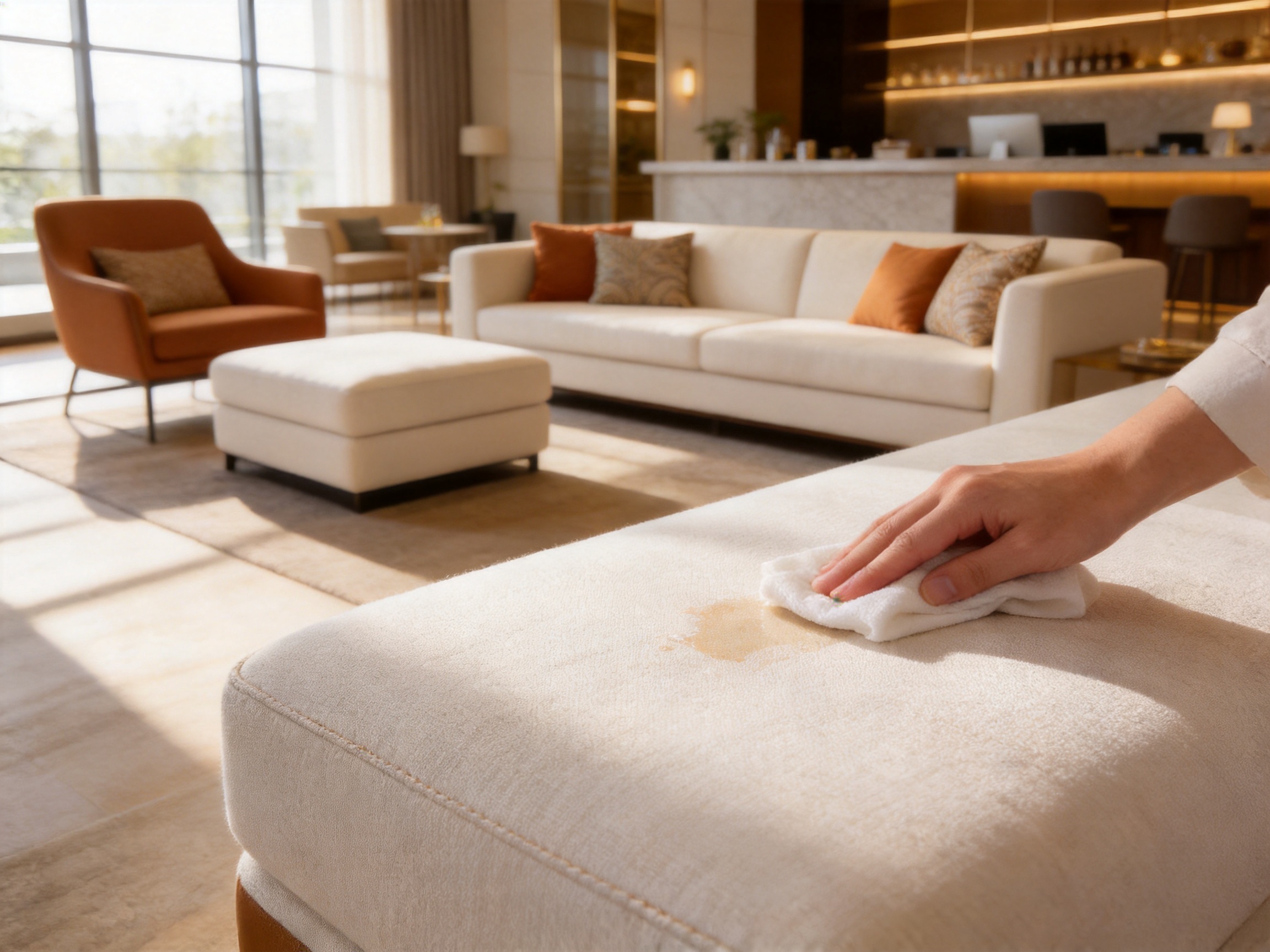
Cotton is absorbent, so rapid response to spills is important. A suitable stain-resistant finish may improve cleanability, but it does not remove the need for prompt care. Users should follow the manufacturer’s instructions and test cleaning methods in an inconspicuous area.
Color and texture can also influence visible staining. Mid-tone or textured fabrics may disguise minor marks more effectively than very light, smooth surfaces, although design preference remains a major factor.
Care and Maintenance Guidance
Regular vacuuming with a suitable upholstery attachment can help remove dust and loose particles. It is advisable to avoid excessive force, aggressive brushing, or sharp tools that could damage the surface.
Small spills should generally be blotted promptly with a clean, absorbent cloth. Rubbing may spread the liquid or push it deeper into the fabric. Cleaning agents should not be applied without checking the care instructions, because unsuitable chemicals may affect color, hand feel, or finishing.
Direct and prolonged sunlight can contribute to color change over time. Where possible, furniture should be positioned with consideration for window exposure. Curtains, blinds, and other shading measures may help protect decorative textiles.
Removable covers should only be washed if the product specification permits washing. Cotton fabric may respond to water, heat, agitation, and drying conditions. Professional upholstery cleaning may be preferable for larger or fixed furniture items.
Furniture should also be used according to its design purpose. Excessive friction, dragging, sharp objects, pets’ claws, and concentrated loads can affect even a high-quality upholstery material. Appropriate care extends the useful and attractive life of the fabric.
Sustainability and Responsible Material Selection
Cotton is a natural, plant-based fiber and can support design strategies that emphasize familiar, comfortable, and renewable materials. However, sustainability should be evaluated across the complete product life cycle.
Important considerations include the origin and quality of the cotton, water and energy use, dyeing and finishing practices, chemical management, factory waste, packaging, product durability, repairability, and end-of-life options. A durable fabric that remains attractive for many years may reduce the need for frequent furniture replacement.
The company’s focus on environmentally friendly decorative textile solutions aligns with the growing demand for safer and more responsible interior materials. Buyers should request specific information about available certifications, restricted substances, finishing chemistry, recycled packaging, and production controls when such documentation is required for a project.
Natural fiber content should not be presented as the only measure of environmental responsibility. The most appropriate evaluation considers performance, service life, manufacturing conditions, maintenance, and disposal together.
Purchasing Recommendations for Furniture Brands
Define the End Use
Before requesting a quotation, buyers should define whether the fabric is intended for a private residence, rental property, hotel, restaurant, office, showroom, or another environment. Use intensity affects the required construction and performance level.
Request Complete Technical Information
Useful information includes fiber composition, fabric width, weight, weave construction, thickness, abrasion performance, colorfastness, dimensional stability, finishing type, care method, available colors, minimum order quantity, sample policy, and production lead time.
Evaluate Physical Samples
Digital images cannot fully communicate hand feel, thickness, texture, drape, color, or surface reflection. Physical samples should be viewed under the expected lighting and compared with the proposed furniture materials, foam, wood, metal, and other interior finishes.
Conduct Upholstery Trials
A fabric may appear suitable on a sample card but behave differently on a large sofa. Trial upholstery can reveal stretching, pattern alignment, seam behavior, corner performance, cutting efficiency, and visual consistency across panels.
Confirm Repeat-Order Capability
Furniture collections often require repeat orders. Buyers should discuss color standards, batch tolerances, production records, retained samples, and quality inspection procedures before placing a large order. Reliable repeatability is a major advantage over suppliers that can provide attractive samples but inconsistent bulk production.
Discuss Custom Development Early
Custom colors, patterns, weights, widths, and finishing treatments may require additional sampling and development time. Early communication allows the manufacturer to assess feasibility and avoid delays during the production stage.
Comparison with Common Upholstery Options
| Material Category | Typical Strengths | Points to Consider | Best-Fit Design Direction |
|---|---|---|---|
| 100% Cotton Sofa Fabric | Natural comfort, breathable hand feel, flexible design, suitable weight options | Requires appropriate care and finishing for demanding applications | Residential, boutique hospitality, natural, relaxed, contemporary, decorative |
| Polyester Upholstery | Often offers strong abrasion performance, color range, and easy-care options | May feel less natural depending on construction and finish | High-use furniture, practical commercial collections, broad-market products |
| Leather | Distinctive appearance, strong premium image, long service potential with care | Higher cost, different maintenance needs, limited textile texture | Executive, luxury, classic, and premium interiors |
| Blended Fabric | Can combine properties of several fibers | Performance and environmental profile vary by blend ratio and processing | Application-specific collections requiring balanced properties |
| Coated Textile | Can offer surface protection and easy wipe-clean characteristics | May provide a less breathable or less natural tactile experience | Selected commercial, contract, and high-maintenance environments |
This comparison demonstrates that product selection should be based on project priorities rather than a single universal ranking. Cotton sofa fabric is particularly compelling when the buyer values natural touch, decorative expression, substantial woven construction, and a comfortable interior atmosphere.
Quality, Service, and Partnership Value
For international furniture manufacturers, the supplier relationship can be as important as the fabric itself. A reliable textile partner supports product development, communicates clearly, manages samples, maintains production records, and responds to technical questions.
Hangzhou Xinsili Decorative Fabric Weaving Co., Ltd. offers a product and manufacturing profile suited to customers seeking functional decorative textiles. Its experience across home, hotel, and commercial applications supports an understanding of varied project requirements.
The company’s development philosophy combines craftsmanship with design innovation. This combination is important because upholstery fabric must satisfy both technical and visual objectives. A technically durable textile that does not fit the design direction may not succeed commercially. Conversely, a beautiful fabric that lacks stability or performance may create customer complaints.
Collaborative development can help bridge this gap. Buyers can communicate their furniture structure, target price, preferred hand feel, color direction, service environment, and testing requirements. The manufacturer can then propose a construction and finishing strategy that addresses the complete application.
Such cooperation may also support private-label and collection development. A furniture brand can build a recognizable material language through coordinated cotton fabrics, matching color families, distinctive textures, and consistent quality standards.
Frequently Asked Questions
Q1: What is cotton sofa fabric made of?
Cotton sofa fabric is made from cotton fibers woven into an upholstery-oriented textile. The product described here uses 100% cotton and is typically produced in durable twill, canvas, or jacquard constructions.
Q2: Is cotton suitable for sofa upholstery?
Yes. Cotton can be suitable for sofa upholstery when it has an appropriate weight, dense construction, dimensional stability, and finishing specification. The correct product should be selected according to the intensity of use and required maintenance performance.
Q3: What makes this fabric different from ordinary cotton cloth?
Sofa fabric is developed with upholstery requirements in mind. It generally has greater weight and body than ordinary clothing or household cotton. It may also use stronger constructions and functional finishes to improve coverage, stability, abrasion performance, or stain management.
Q4: Which weave is best for a sofa?
There is no single best weave for every sofa. Twill is useful for a balanced combination of strength and texture. Canvas provides a stable and casual appearance. Jacquard is suitable when decorative patterns and dimensional texture are important. The best choice depends on furniture design, use intensity, and appearance goals.
Q5: Can cotton sofa fabric be customized?
Yes. Customization may include color, weight, width, weave structure, pattern, texture, and finishing. Buyers should discuss technical requirements early because custom development may require sampling, testing, and production planning.
Q6: Is cotton sofa fabric stain-resistant?
Some cotton sofa fabrics may receive stain-resistant finishing. However, stain resistance does not mean complete immunity to spills or marks. Prompt cleaning and proper maintenance remain necessary, and the exact performance should be confirmed for the selected product.
Q7: Does cotton sofa fabric shrink?
Cotton can respond to moisture and heat, but pre-shrinking and dimensional stabilization can help control this behavior. Buyers should follow the recommended care method and confirm the dimensional stability specification before production.
Q8: Is cotton suitable for hotels and commercial spaces?
It can be suitable when the fabric is selected with the correct abrasion, colorfastness, cleaning, and dimensional requirements. Hotel and commercial projects should request relevant test data and conduct upholstery trials before approving bulk production.
Q9: How should cotton sofa fabric be cleaned?
Loose dust can generally be removed with gentle vacuuming. Spills should be blotted promptly rather than rubbed. The exact cleaning method depends on the finishing and upholstery construction, so the supplier’s care instructions should be followed.
Q10: What information should buyers request from the manufacturer?
Buyers should request composition, weight, width, weave structure, thickness, color options, finishing details, abrasion performance, colorfastness, dimensional stability, care instructions, sample availability, minimum order quantity, lead time, and quality documentation.
Q11: Why is factory experience important when buying decorative fabric?
Experience supports more accurate product development, process control, troubleshooting, quality consistency, and communication. It can also help the supplier recommend a practical fabric construction for a particular furniture application instead of offering a generic material.
Q12: What is the main competitive advantage of this cotton sofa fabric?
Its main advantage is the combination of 100% cotton comfort, substantial upholstery-oriented construction, flexible twill, canvas, or jacquard design options, and the possibility of functional finishing. These qualities are supported by an experienced decorative textile manufacturer with research, weaving, and development capabilities.
Conclusion
Cotton sofa fabric offers a compelling combination of natural comfort, decorative versatility, substantial coverage, and application flexibility. Made from 100% cotton and commonly developed in twill, canvas, or jacquard constructions, it can support a wide variety of furniture styles and interior environments.
Its competitive value is strongest when the product is engineered specifically for upholstery. Medium to high grammage, controlled weaving, dimensional stabilization, abrasion-oriented development, stain-resistant options, and careful inspection can transform cotton from a basic natural fiber into a dependable decorative furniture textile.
The manufacturing process is central to performance. Yarn preparation, weave design, precision weaving, pre-shrinking, functional finishing, quality control, and packing must work together. A supplier with long-term industry experience and dedicated decorative textile capabilities can provide more than fabric; it can provide technical guidance and product development support.
Hangzhou Xinsili Decorative Fabric Weaving Co., Ltd. brings 19 years of industry experience, a 12,000-square-meter factory area, National High-Tech Enterprise recognition in 2023, and a focus on functional decorative textiles. Its emphasis on craftsmanship, innovation, environmental responsibility, and collaboration makes it a suitable manufacturing partner for customers seeking cotton sofa fabrics for residential, hospitality, and commercial applications.
For furniture brands, designers, distributors, and project buyers, the best purchasing decision should consider the full product profile: composition, structure, weight, finish, performance data, visual quality, production consistency, service capability, and long-term application needs. When these factors are evaluated together, cotton sofa fabric can become a reliable foundation for comfortable, attractive, and durable upholstered furniture.
References
1. Product specification information for 100% cotton sofa fabric, including construction, weight, thickness, and finishing characteristics.
2. Company profile information for Hangzhou Xinsili Decorative Fabric Weaving Co., Ltd., including manufacturing focus, factory area, industry experience, values, and technological development.
3. General textile engineering principles concerning cotton fiber behavior, woven construction, dimensional stability, abrasion resistance, and upholstery applications.
4. General upholstery design and furniture manufacturing practices concerning fabric selection, cutting, sewing, installation, care, and maintenance.
5. General decorative textile development principles for residential, hotel, commercial, and contract interior environments.
Product: Cotton Sofa Fabric

Our Featured Products
-
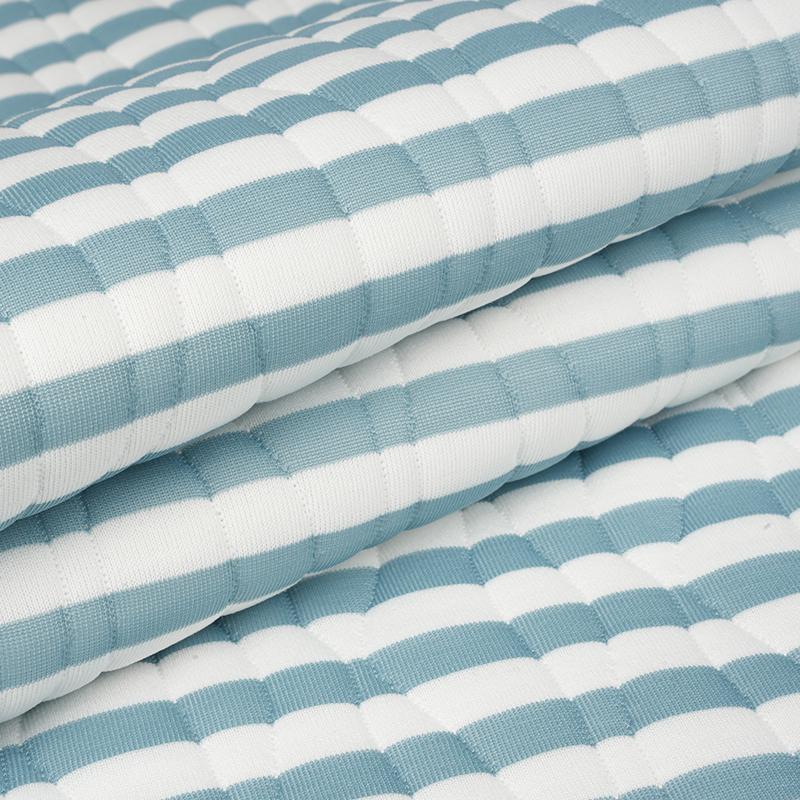
Cotton Pillowcase Fabric
Cotton Pillowcase Fabric
Haven’t Found The Products You Want?
-
-
Shen Jinyan:+86-15158070676
[email protected]
Liang Jinwen:+86-15757186621
[email protected]
Qiu Yingyingn:+86-13819545790
[email protected]
Yi qiao Town, Xiaoshan District, Hangzhou City, Zhejiang Province, China
-
Products
Mattress Fabric Children Mattress Fabric Pillowcase Fabric Pregnancy Pillow Fabric Cooling Mat Fabric Bedding Fabric Sofa Fabric Pet Friendly Fabrics -
Contact Information
About Us Products Strength Sustainability News Contact Us
Copyright © Hangzhou Xinsili Decorative Fabric Weaving Co.,Ltd. All Rights Reserved.
Functional Decorative Textile Manufacturers
