

 English
 中文简体
 Español
 عربى
 русский



Bamboo Fiber Pet Friendly Fabrics for Cleaner, Healthier, and More Comfortable Living Spaces
Content
- 1 Understanding Bamboo Fiber Pet Friendly Fabrics
- 2 Why Pet-Friendly Textile Selection Matters
- 3 Key Advantages of Bamboo Fiber Pet Friendly Fabrics
- 4 Advantages Compared with Conventional Pet-Friendly Textile Options
- 5 Application Areas
- 6 Advanced Manufacturing Process
- 7 Manufacturing Strengths and Company Capabilities
- 8 Customization Options for Buyers
- 9 Quality and Performance Considerations
- 10 Care and Product Design Recommendations
- 11 Sustainability and Responsible Textile Development
- 12 How to Select the Right Specification
- 13 Why Work with an Experienced Decorative Textile Manufacturer?
- 14 Frequently Asked Questions
- 14.1 What are Bamboo Fiber Pet Friendly Fabrics?
- 14.2 Are bamboo fiber fabrics suitable for pet beds?
- 14.3 Can the fabric be used for sofa covers?
- 14.4 Does bamboo fiber automatically make a fabric antibacterial?
- 14.5 Is this fabric suitable for human bedding and pillowcases?
- 14.6 Can buyers request custom colors?
- 14.7 Can the fabric include other functional finishes?
- 14.8 How should buyers compare this fabric with polyester?
- 14.9 Is bamboo fiber environmentally friendly?
- 14.10 What information should be included in a quotation request?
- 14.11 Can the company support large commercial projects?
- 14.12 How can buyers ensure consistent quality in repeat orders?
- 15 Conclusion
- 16 References
- 17 Product: Bamboo Fiber Pet Friendly Fabrics
Modern homes need textiles that can withstand daily use while still supporting comfort, hygiene, and visual appeal. This requirement becomes especially important in households with dogs, cats, and other companion animals. Pet owners expect upholstery, bedding, cushions, mattress covers, pillowcases, and related home products to remain attractive despite repeated contact with fur, paws, moisture, dust, and everyday movement. At the same time, they increasingly prefer materials that are soft, responsibly produced, breathable, and suitable for long-term use.
Bamboo Fiber Pet Friendly Fabrics provide a practical response to these changing expectations. Combining the comfortable hand feel associated with bamboo-based fibers and the performance requirements of functional decorative textiles, this fabric category is designed for homes and commercial environments where softness, cleanliness, durability, and easy care must work together. It can be considered for pet beds, sofa covers, decorative cushions, mattress components, pillowcase products, blankets, and other interior textile applications.
Manufactured by Hangzhou Xinsili Decorative Fabric Weaving Co., Ltd., the fabric benefits from a production philosophy centered on technical development, controlled weaving, stable quality, and application-oriented design. With 19 years of industry experience, a 12,000-square-meter factory area, and recognition as a National High-Tech Enterprise in 2023, the company has developed a strong foundation for producing functional decorative fabrics for residential, hotel, and commercial spaces.
The value of this material is not limited to the word “bamboo.” Its competitive potential comes from the coordinated design of fiber selection, yarn preparation, fabric construction, finishing, inspection, and application support. When these stages are managed systematically, a pet-friendly textile can deliver a more balanced combination of comfort, appearance, maintainability, and dependable performance than a conventional decorative fabric selected only for color or price.
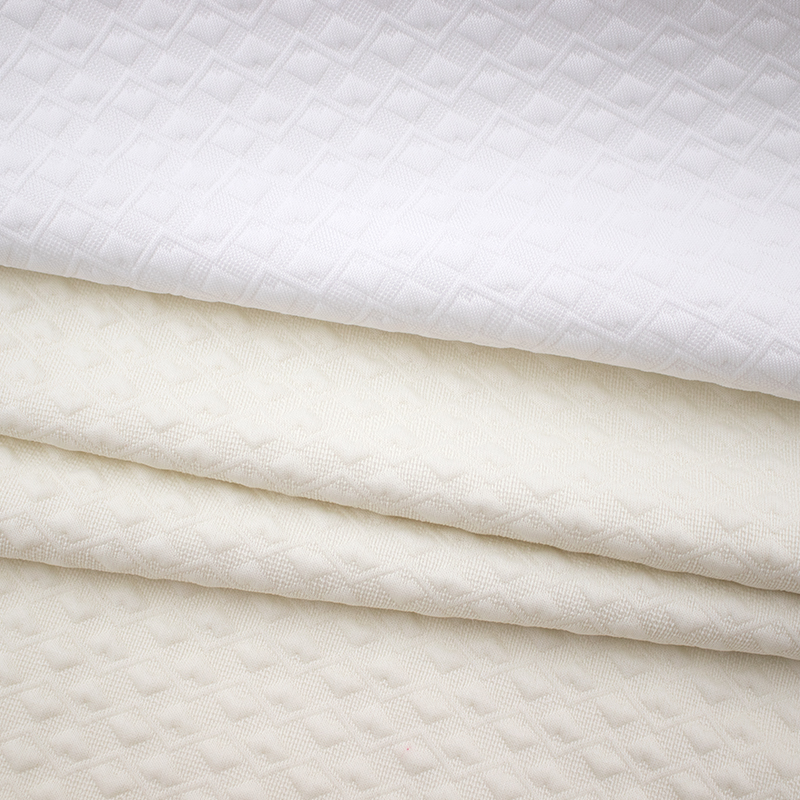
Bamboo Fiber Pet Friendly Fabrics
Understanding Bamboo Fiber Pet Friendly Fabrics
Bamboo Fiber Pet Friendly Fabrics are textiles that incorporate bamboo-based fibers or bamboo-related textile components into a fabric structure intended for environments shared with pets. The exact performance profile depends on the fiber blend, yarn specification, construction, finishing process, weight, color, and intended end use. For this reason, responsible product evaluation should consider the complete fabric specification rather than assuming that every bamboo-based textile has identical characteristics.
In practical terms, a pet-friendly fabric should be comfortable for people and animals, sufficiently resistant to ordinary abrasion, manageable during cleaning, and visually stable under frequent use. It should also be appropriate for the product into which it will be made. A fabric designed for a decorative cushion may have different requirements from one used in a pet mattress cover, sofa upholstery panel, pillowcase, or bedding component.
Bamboo-based fibers are often selected because they can contribute a smooth, soft, and pleasant surface. This quality is useful in products that come into close contact with skin, fur, or paws. A comfortable surface can make a pet bed more inviting and can help household textiles feel less coarse than some basic synthetic alternatives. In addition, bamboo-related materials are frequently associated with breathable comfort and a natural-material image that appeals to consumers seeking more responsible interior products.
However, comfort alone does not make a textile pet friendly. A soft fabric must also be engineered to perform under realistic conditions. Pets may climb, scratch lightly, roll, shed, track in moisture, or lie on the same area for extended periods. Therefore, the most valuable fabric solutions combine a pleasant surface with an appropriate construction and finishing system. This is where professional weaving and quality control become essential.
Why Pet-Friendly Textile Selection Matters
Pet ownership has influenced the way consumers purchase furniture and home accessories. A sofa is no longer judged only by its color and silhouette. Buyers also want to know whether the cover can tolerate daily contact, whether hair is easy to remove, whether the surface feels comfortable, and whether the material can remain attractive after repeated use. Similar questions arise when selecting pet cushions, blankets, mattress covers, decorative pillows, and bedding textiles.
In hospitality, serviced apartments, pet-friendly hotels, veterinary facilities, grooming salons, and commercial waiting areas, the demands are even broader. Textiles must support a clean and welcoming appearance while accommodating different users and more frequent maintenance. A material that combines decorative flexibility with functional properties can simplify product development and help designers create spaces that appear refined without being excessively fragile.
For residential environments, the fabric must also fit naturally into the design language of the home. Pet-related products are increasingly expected to look like coordinated interior accessories rather than separate utility items. Bamboo Fiber Pet Friendly Fabrics can be developed in a range of colors, textures, patterns, and constructions to support modern, natural, minimalist, warm, or premium design directions.
By choosing a fabric specifically developed for pet-oriented use, buyers can reduce the risk of selecting a material that looks attractive in a showroom but performs poorly in daily life. The right fabric can help manufacturers create a better balance between style and practical maintenance, while giving end users greater confidence in the durability and comfort of the finished product.
Key Advantages of Bamboo Fiber Pet Friendly Fabrics
Softness for Direct Contact
A primary advantage of bamboo-based textile materials is their potential to provide a smooth and comfortable hand feel. Pets frequently rest against fabric for long periods, and people may handle, wash, fold, or sleep beside the same products. A surface that feels soft rather than harsh can improve the user experience for both animals and their owners.
Softness is particularly valuable in pet beds, blankets, sofa throws, cushion covers, pillowcases, and mattress-related products. It can also support product differentiation in a competitive market, because consumers often evaluate home textiles through touch as well as appearance. A well-finished bamboo fiber fabric can offer a more refined tactile impression than a low-cost textile selected without consideration for surface comfort.
Breathable Comfort
Textile breathability affects how comfortable a surface feels during extended contact. In warm rooms or during active use, a fabric that allows better movement of air and moisture vapor can feel more comfortable than a dense, poorly ventilated material. This is relevant to pet beds, blankets, cushions, and bedding products, especially when used throughout different seasons.
The final breathability of a fabric depends on yarn composition, fabric density, construction, finishing, and the structure of the completed product. Bamboo fiber can contribute to a comfortable textile system when combined with an appropriate weave or knit design. Manufacturers should therefore select the fabric construction according to the intended application rather than relying on fiber content alone.
A Comfortable Surface for People and Pets
Pet-friendly products are used by animals, but they are also part of the human living environment. A pet bed may sit beside a sofa, a pet blanket may be placed on a bed, and a protective cover may be visible in a living room. Consequently, the fabric must satisfy both animal comfort and human expectations concerning appearance and touch.
Bamboo Fiber Pet Friendly Fabrics can help bridge this gap. Their natural-inspired appeal and soft visual character make them suitable for coordinated interior products. Instead of treating pet accessories as disposable or purely utilitarian, manufacturers can use attractive fabrics to create products that complement the surrounding room.
Support for Hygiene-Oriented Product Design
Hygiene is a major consideration in homes with pets. Fur, dust, outdoor particles, and occasional moisture can accumulate on frequently used surfaces. A fabric cannot eliminate the need for cleaning, but a well-designed textile can support a more manageable maintenance routine when paired with an appropriate product construction.
Functional decorative fabric development may include attention to surface structure, moisture behavior, finishing stability, and compatibility with washing or cleaning requirements. Depending on the specific specification, bamboo-based fabrics may be considered for applications where a comfortable and hygiene-oriented surface is desired. Any antibacterial, moisture-resistant, or other functional claim should be verified against the actual product test results and agreed technical standard.
Decorative Versatility
Pet-friendly fabrics should not be limited to a narrow visual style. Designers may need soft neutrals for contemporary apartments, warm earth tones for natural interiors, deep colors for commercial spaces, or coordinated shades for complete bedding and upholstery collections. Weaving expertise makes it possible to develop fabrics with different textures, weights, patterns, and surface effects.
This versatility gives buyers more freedom to create complete product lines. A manufacturer may use related bamboo fiber fabrics for pet mattresses, sofa cushions, pillowcases, throws, and decorative panels. Consistent color development and fabric coordination can help a brand build a cohesive range rather than sourcing unrelated materials from multiple suppliers.
Potential for Responsible Material Positioning
Consumers are paying greater attention to the material story behind the products they bring into their homes. Bamboo is widely recognized as a renewable plant resource, and bamboo-derived textile materials can support a natural and environmentally conscious product position when responsibly sourced and accurately described.
Environmental performance should be assessed across the full production chain, including raw material processing, chemical management, energy use, water use, transportation, product life, and end-of-life treatment. Even so, bamboo fiber can provide a meaningful option for manufacturers seeking to develop decorative textiles with a more nature-oriented identity. Clear documentation and transparent communication are important for avoiding exaggerated sustainability claims.
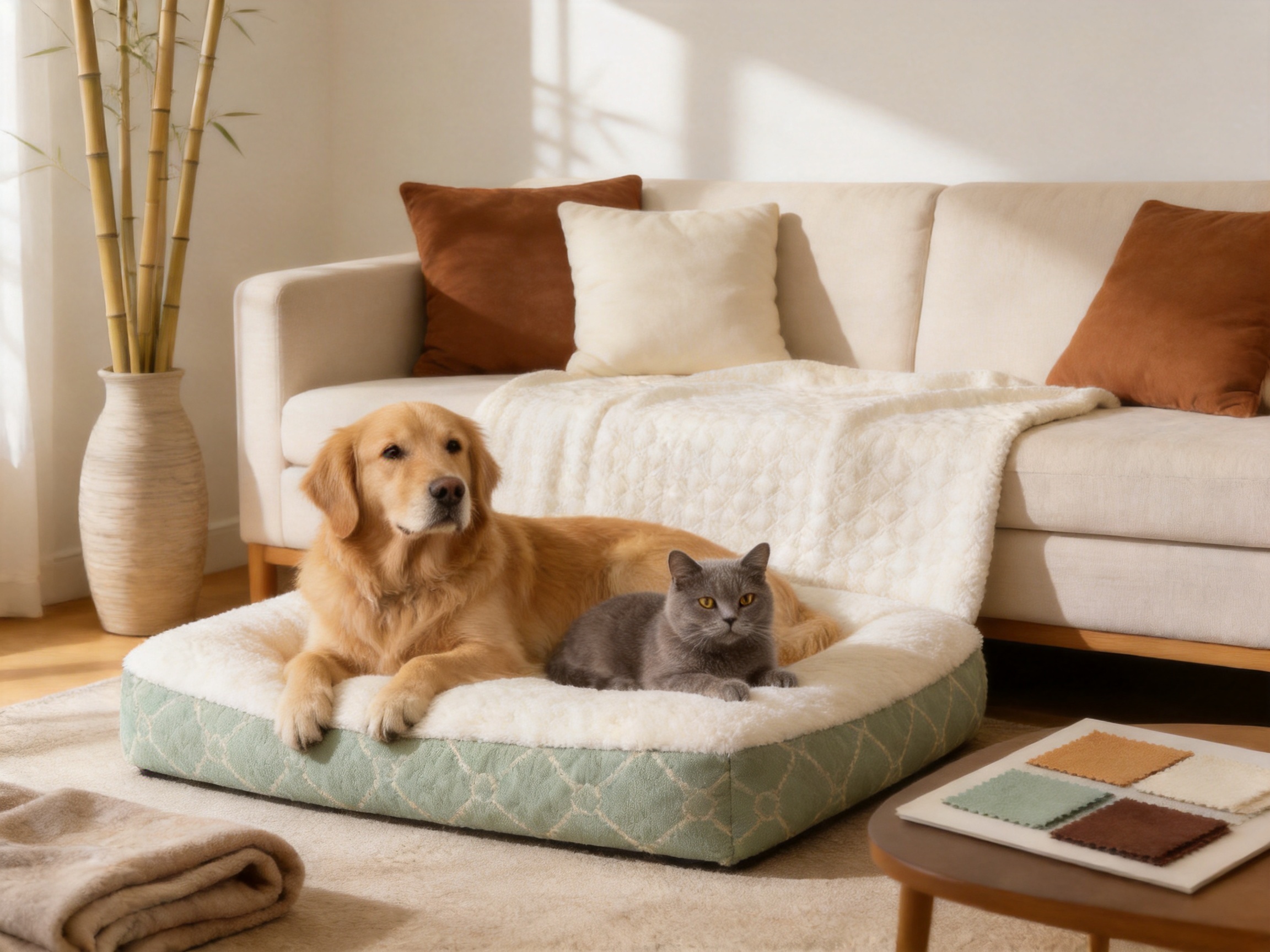
Advantages Compared with Conventional Pet-Friendly Textile Options
The competitive position of Bamboo Fiber Pet Friendly Fabrics becomes clearer when they are compared with other common textile choices. No single material is ideal for every application, and the correct selection depends on performance requirements. Nevertheless, bamboo-based fabrics can offer a valuable middle ground between comfort, appearance, and practical function.
| Evaluation Area | Bamboo Fiber Pet Friendly Fabrics | Basic Polyester Fabrics | Traditional Cotton Fabrics | Heavy Synthetic Upholstery Fabrics |
|---|---|---|---|---|
| Surface Comfort | Can provide a smooth, soft, and comfortable hand feel when properly engineered | Varies widely and may feel less natural | Generally comfortable, depending on yarn and finish | May be durable but can feel heavier or less soft |
| Design Positioning | Supports natural, modern, and premium interior concepts | Broad design range but often more conventional | Natural appearance with familiar styling | Often oriented toward upholstery and high-use interiors |
| Breathable Comfort | Can support comfortable air and moisture management when construction is suitable | Depends strongly on structure and finishing | Often breathable but may absorb moisture readily | May be less breathable in dense constructions |
| Functional Development | Can be combined with selected finishing and construction technologies | Highly adaptable to technical finishes | Adaptable but may require additional performance treatment | Usually optimized for abrasion and structural stability |
| Natural-Material Appeal | Strong natural-inspired appeal | Lower natural-material perception | Widely recognized as a natural fiber | Usually associated with synthetic performance |
| Application Range | Pet bedding, sofa covers, cushions, pillowcases, mattress products, and decorative textiles | Broad, depending on specification | Bedding, apparel, cushions, and home textiles | Sofas, chairs, commercial seating, and heavy-use products |
Compared with basic polyester, bamboo fiber fabrics can provide a softer and more natural tactile identity. Polyester remains valuable because of its strength, color flexibility, and broad processing options, but some consumers may consider it less comfortable or less environmentally aligned. A bamboo-based fabric can therefore serve as a differentiating material when the product needs to communicate softness and natural comfort.
Compared with untreated cotton, bamboo fiber fabrics may provide a different balance of surface smoothness, moisture comfort, and visual refinement. Cotton remains an established choice for bedding and home textiles, yet it can wrinkle, absorb moisture, or lose performance depending on construction and care. Bamboo-based options can be selected when manufacturers want to combine a natural-inspired material story with a more specialized decorative textile development process.
Compared with heavy upholstery fabrics, bamboo fiber materials may offer a more comfortable and lighter-feeling surface for products that require direct skin or fur contact. Heavy fabrics can be appropriate for structural furniture applications, but they may not be the best choice for every blanket, pet cushion, pillowcase, or removable cover. Application-specific engineering allows the fabric to be matched to the required use rather than applying one material to every product.
These comparisons should not be interpreted as a claim that bamboo fabric is automatically superior in every performance category. Instead, its advantage lies in a balanced profile. For customers who value softness, comfort, decorative flexibility, functional development, and a natural-inspired material story, bamboo fiber offers a persuasive alternative to conventional choices.
Application Areas
Pet Beds and Mats
Pet beds are among the most direct applications for this fabric category. A pet bed needs a surface that feels comfortable, looks attractive, and can be incorporated into a practical cover design. Bamboo Fiber Pet Friendly Fabrics can be used for the top surface, side panels, removable covers, or coordinated accessories, depending on the product structure.
The fabric should be selected according to the bed’s filling, seams, closure system, washing method, and expected frequency of use. For products intended for puppies, kittens, or active animals, the construction may need additional attention to seam strength and cover removal. For older pets, softness and ease of access may be more important. By discussing the complete product design with the fabric supplier, manufacturers can obtain a more suitable specification.
Sofa Covers and Throws
Sofas are often one of the most heavily used surfaces in a pet-friendly home. Covers and throws help protect upholstery from fur, dust, and everyday contact while also providing an opportunity to refresh the room’s appearance. A bamboo fiber decorative fabric can bring a soft, coordinated look to these products.
For sofa applications, buyers should review abrasion resistance, colorfastness, dimensional stability, seam behavior, pilling performance, and cleaning instructions. The correct specification may differ depending on whether the material is used as a loose throw, a fitted cover, a cushion panel, or a permanent upholstery component. A professional manufacturer can help match fabric construction with the required level of use.
Pillowcases and Cushion Covers
Pillowcases and cushion covers require a pleasant hand feel because they are frequently touched. They also need stable color, consistent dimensions, and a surface that maintains its appearance after repeated handling. Bamboo-based fabrics can support the development of comfortable pillowcase collections and decorative cushion products for both people and pet-oriented interiors.
For pet cushions, the design may include removable covers, concealed zippers, reinforced seams, or washable panels. The fabric should be assessed not only for initial appearance but also for its behavior after the planned cleaning cycle. Appropriate pre-treatment and finishing can help manufacturers achieve more reliable dimensional performance.
Mattress and Bedding Products
Bamboo Fiber Pet Friendly Fabrics can also be considered for mattress covers, mattress toppers, pet sleeping surfaces, blankets, and related bedding products. The soft surface is valuable in applications where long contact time is expected. Breathable comfort may also be important for products used in bedrooms or warm indoor environments.
When used in bedding, the textile must be compatible with filling materials, quilting, elastic systems, piping, and washing requirements. Fabric weight and construction should be selected to avoid excessive bulk while maintaining sufficient stability. For human bedding, skin comfort and moisture management are especially important. For pet bedding, additional attention may be required for hair release, cover removal, and repeated cleaning.
Hotel and Commercial Interiors
Pet-friendly hospitality is becoming an important service feature in many markets. Hotels, serviced apartments, vacation properties, and rental accommodations may need textiles that support a clean visual identity while accommodating animals. Bamboo fiber decorative fabrics can be used in selected cushions, throws, soft furnishings, pet welcome products, or room accessories.
Commercial buyers should define the expected cleaning frequency, fire-safety requirements, color range, abrasion level, and replacement cycle before ordering. Functional decorative textile suppliers with experience across residential, hotel, and commercial environments can provide more useful guidance because they understand that commercial products often face stricter consistency and maintenance demands.
Veterinary and Pet Care Environments
Veterinary clinics, grooming facilities, boarding centers, and pet day-care businesses also require comfortable and practical textiles. Fabrics may be used for rest mats, waiting-area cushions, partitions, staff-room furnishings, or washable protective layers. In these environments, cleaning and hygiene procedures are central to product selection.
The fabric should be evaluated against the facility’s actual cleaning agents, temperature requirements, drying process, and replacement expectations. If specialized antibacterial or moisture-resistant performance is required, the purchaser should request relevant test information and confirm that the complete finished product, rather than only the base fabric, meets the intended requirement.
Advanced Manufacturing Process
The quality of a functional decorative fabric depends on more than raw material selection. A stable manufacturing process must control every stage from incoming materials to final inspection. Hangzhou Xinsili Decorative Fabric Weaving Co., Ltd. approaches decorative textile production through research, development, weaving, finishing, and quality management, allowing fabric performance and appearance to be considered together.
1. Application-Oriented Product Development
The development process begins with understanding the intended use. A pet bed, sofa cover, pillowcase, mattress product, and commercial cushion do not place identical demands on a fabric. The supplier must consider touch, weight, drape, abrasion, washing, color, moisture behavior, and the construction of the finished product.
Application-oriented development helps prevent the common mistake of selecting a fabric solely because it looks attractive on a sample card. Technical discussions can establish whether the customer needs a soft brushed surface, a tighter woven construction, a more decorative texture, a stronger backing, a particular width, or a finishing treatment that supports maintenance requirements.
2. Fiber and Yarn Preparation
Fiber quality and yarn preparation influence the consistency of the finished textile. Bamboo-based fibers must be processed into yarns suitable for the chosen weaving or fabric construction. Important considerations include yarn evenness, strength, moisture condition, blend ratio, twist, and compatibility with other fibers.
Careful preparation helps reduce irregularities, unwanted slubs, and variations in surface appearance. It also supports more stable weaving performance. If bamboo fiber is blended with other materials, the blend must be selected according to the required comfort, strength, recovery, dimensional stability, and cost structure.
3. Precision Weaving
Weaving transforms prepared yarn into a controlled textile structure. The warp and weft arrangement, density, weave pattern, and tension influence the fabric’s feel, strength, appearance, and behavior during later processing. Precision weaving is especially important for decorative textiles because small variations can affect pattern alignment, color appearance, and surface uniformity.
For pet-friendly applications, weaving parameters may also influence hair retention, snagging risk, abrasion behavior, and cleaning performance. A construction that is too open may be less suitable for certain covers, while a very dense structure may reduce breathability. The correct balance depends on the intended product and must be established through development and testing.
4. Surface and Functional Finishing
Finishing can modify the hand feel, visual character, dimensional stability, moisture behavior, and practical performance of a fabric. Depending on the product specification, finishing may include processes for softening, smoothing, stabilizing, brushing, embossing, coating, or improving functional properties.
Functional decorative fabrics may be developed with antibacterial, moisture-resistant, flame-retardant, sleep-supporting, or comfort-improving objectives. These functions should be carefully matched to the intended end use. For example, a pet bed may prioritize comfort and cleanability, while a hotel curtain or decorative wall textile may have different flame-retardant requirements.
Finishing must also be controlled so that the fabric does not lose its soft hand feel or natural visual identity. Excessive treatment can make a textile feel artificial, stiff, or uncomfortable. A balanced process preserves the character of the bamboo-based material while adding useful performance where appropriate.
5. Color Development and Pattern Control
Color is central to decorative textile production. Pet-friendly fabrics must be available in shades that coordinate with furniture, flooring, wall finishes, bedding, and accessories. Color development requires attention to shade consistency, batch control, light exposure, washing, rubbing, and the visual effect of the fabric surface.
For larger commercial orders, repeatability is particularly important. A supplier should maintain clear color standards and production records so that future batches can be compared with approved samples. Patterned or textured constructions also require control of repeat size, alignment, and surface uniformity.
6. Inspection and Quality Assurance
Quality assurance should take place throughout production rather than only at the final stage. Incoming yarns, weaving conditions, finishing parameters, width, weight, color, appearance, and packaging should be monitored according to the agreed specification.
Final inspection may examine defects, holes, stains, broken yarns, color variation, edge condition, width tolerance, and roll length. Depending on the application, additional testing may evaluate abrasion, pilling, shrinkage, colorfastness, tear strength, tensile strength, moisture behavior, or flammability.
This structured approach protects both the fabric supplier and the buyer. Customers receive greater confidence that bulk production will reflect the approved sample, while the manufacturer can identify process deviations before the material reaches the next production stage.
7. Packaging and Delivery Preparation
Proper packaging helps preserve the fabric during storage and transportation. Rolls should be protected from moisture, contamination, crushing, and unnecessary exposure to direct light. Labels and production records should support traceability, especially for custom orders or repeat programs.
Reliable delivery also depends on production planning, communication, and order coordination. Buyers may require sample yardage, laboratory dips, pre-production approvals, or staged delivery. A supplier with organized processes can make these steps clearer and reduce the risk of misunderstanding between development and bulk production.
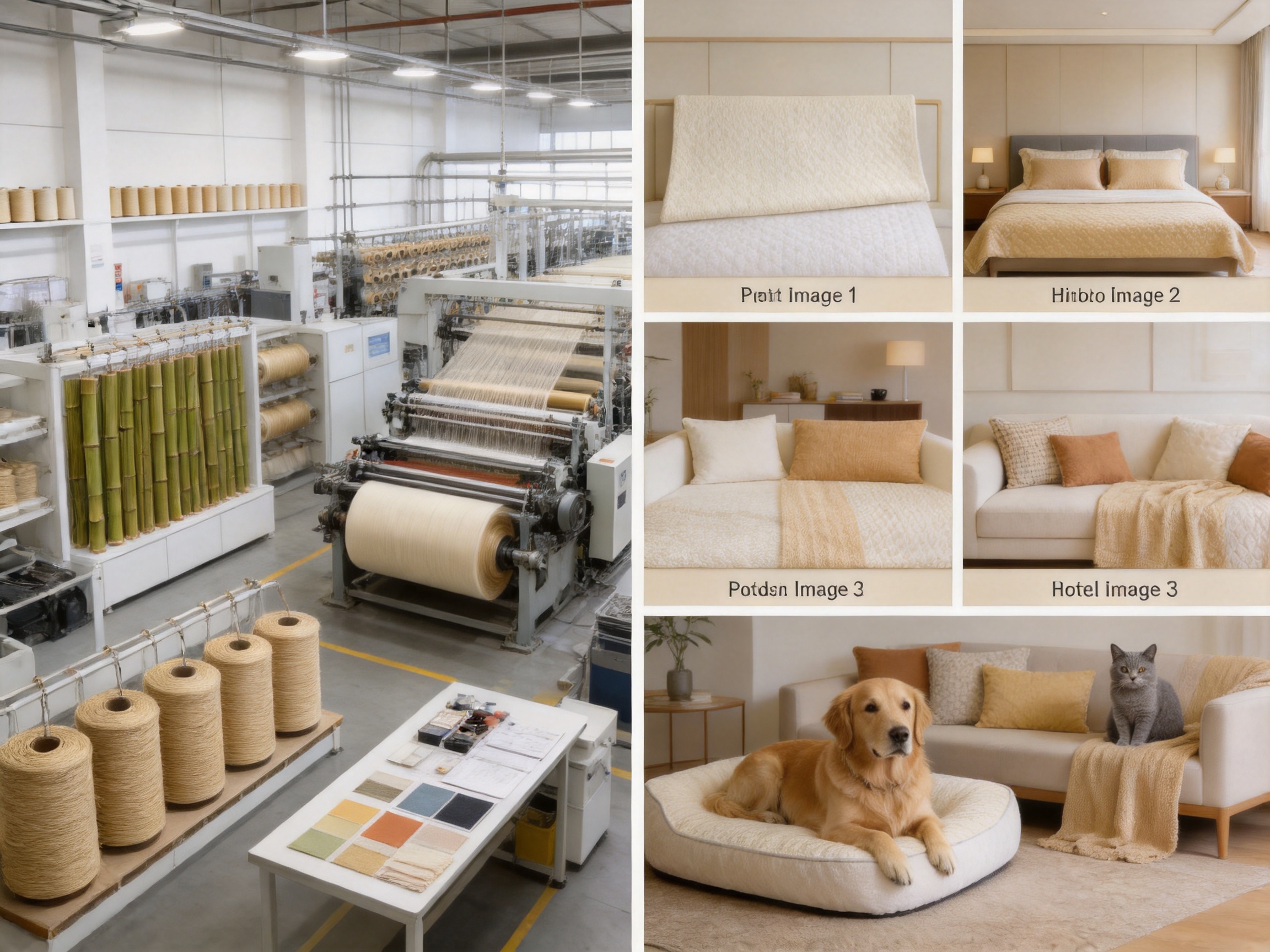
Manufacturing Strengths and Company Capabilities
Hangzhou Xinsili Decorative Fabric Weaving Co., Ltd. focuses on decorative textiles for residential, hotel, and commercial environments. This market orientation is relevant to Bamboo Fiber Pet Friendly Fabrics because pet-oriented products increasingly belong within the broader interior design sector. The fabric must be useful, but it must also contribute to the look and atmosphere of a space.
The company’s 19 years of industry experience provide a foundation for understanding fabric development, weaving control, finishing, and customer-specific requirements. Experience is valuable when it is supported by systematic processes. It helps a manufacturer recognize the practical differences between a fabric intended for a bedroom, a sofa, a pet accessory, a hospitality space, or a commercial installation.
A 12,000-square-meter factory area provides room for organized production, material handling, inspection, development activities, and order management. Factory scale alone does not guarantee quality, but it can support more structured workflow and improved coordination when paired with appropriate equipment, trained personnel, and documented procedures.
Recognition as a National High-Tech Enterprise in 2023 reflects the company’s emphasis on innovation and technical development. For functional decorative fabrics, innovation may involve new fiber combinations, improved finishing methods, better comfort, stronger performance, or more responsible production practices. The most useful innovation is application-driven: it solves a real problem for designers, manufacturers, or end users.
The company’s stated vision, “Weaving Beautiful Spaces,” expresses a connection between textile engineering and interior design. This is particularly important for pet-friendly fabrics. A successful product should not force consumers to choose between a clean-looking home and a comfortable environment for their animals. Instead, the textile should help integrate pet use into the overall design of the room.
Customization Options for Buyers
Customization is often essential when a fabric will be used in a branded product line or a coordinated interior collection. Buyers may request specific colors, widths, weights, textures, blend ratios, patterns, finishing effects, or functional targets. The feasibility of each option depends on minimum order quantity, equipment, raw materials, and testing requirements.
Color customization is one of the most common requests. A buyer may provide a physical standard, a color reference, or a design concept. The supplier can then develop laboratory samples for approval before bulk production. Because bamboo-based fibers and surface textures can affect visual perception, final color approval should be made under appropriate lighting and with the intended finishing process represented as accurately as possible.
Texture customization can create differentiation in a crowded marketplace. Options may include smooth surfaces, subtle slubs, structured patterns, brushed effects, jacquard-like visuals, or other decorative constructions. The texture should always be evaluated alongside pet-use considerations, because a highly raised surface may collect more hair or require special cleaning methods.
Functional customization may involve moisture management, antibacterial treatment, flame retardancy, softness, dimensional stability, or other performance targets. Buyers should define measurable requirements and request supporting test documentation. Clear specifications help prevent vague claims and make it easier to compare different production batches.
Packaging and roll requirements can also be customized. Some customers need fixed roll lengths, labeled batches, export-ready protection, or packaging suited to long-distance transport. These details may appear minor, but they influence warehouse handling, cutting efficiency, and production planning.
Quality and Performance Considerations
Before purchasing Bamboo Fiber Pet Friendly Fabrics, buyers should identify the most important performance indicators for the final product. A home pet cushion may prioritize softness and washability, while a hotel sofa cover may require greater abrasion resistance and colorfastness. A bedding product may emphasize breathability and skin comfort, while a commercial furnishing may require certified flame performance.
Common evaluation categories include:
Abrasion resistance: This indicates how well the fabric tolerates rubbing during normal use. The required level depends on whether the textile is used for a blanket, cushion, removable cover, or fixed upholstery.
Pilling resistance: Surface pills can develop through repeated friction. The result depends on fiber characteristics, yarn construction, finishing, and use conditions.
Colorfastness: Resistance to washing, rubbing, perspiration, light, and water may be relevant depending on the application. Dark or highly saturated colors often require careful evaluation.
Dimensional stability: Shrinkage and distortion can affect cover fit, zipper alignment, quilting, and overall appearance. Pre-treatment and finishing should be matched to the care instructions.
Tear and tensile strength: These properties are important for products that experience pulling, loading, or repeated handling. Seam design also contributes significantly to finished-product durability.
Moisture behavior: Buyers should understand whether the textile absorbs, spreads, or resists moisture and how quickly it dries under the intended conditions.
Cleaning compatibility: The fabric should be tested or reviewed against the recommended washing temperature, detergent, drying method, and cleaning frequency.
Flammability: Hotel, commercial, and certain residential applications may require specific fire-performance documentation. Compliance depends on the finished product and applicable market regulations.
Surface comfort: Hand feel, softness, smoothness, and thermal comfort influence the experience of pets and people during direct contact.
Testing should be performed using recognized methods appropriate to the product and market. Buyers should request technical data and sample approval before making large commitments. The supplier and buyer should also agree on tolerances, inspection criteria, and the procedure for handling nonconforming goods.
Care and Product Design Recommendations
Even a well-engineered textile will perform better when the finished product is designed for realistic care. Removable covers, concealed closures, reinforced seams, replaceable inserts, and washable components can significantly improve the service life of pet-oriented products.
Manufacturers should avoid making cleaning instructions more complicated than necessary. Clear instructions can explain water temperature, detergent type, drying method, ironing restrictions, and whether professional cleaning is recommended. If a fabric contains a special finish, the care label should communicate how to protect that performance over time.
For pet beds and cushions, a removable outer cover is usually more practical than a permanently enclosed structure. For sofa throws, an appropriate fabric weight can make regular laundering easier. For pillowcases and bedding, dimensional stability and colorfastness should be checked after repeated care cycles.
Pet owners should also understand that no textile is completely immune to claws, chewing, stains, or heavy mechanical damage. A pet-friendly fabric is designed to improve suitability and maintenance, not to guarantee resistance against every possible behavior. Honest product communication strengthens customer trust and reduces unrealistic expectations.
Sustainability and Responsible Textile Development
Responsible textile production includes material selection, energy management, water use, chemical control, waste reduction, worker safety, packaging, logistics, and product durability. Bamboo fiber can contribute to a natural-material product story, but sustainability should be evaluated with a complete life-cycle perspective.
Durability is itself an important environmental consideration. A fabric that remains attractive and functional for a longer period may reduce the need for early replacement. Suitable construction, stable finishing, repairable product design, and washable covers can all help extend service life.
Manufacturers should communicate bamboo content accurately and distinguish between bamboo-derived regenerated fibers and mechanically processed bamboo fibers. The manufacturing route affects the textile’s characteristics and the environmental assessment. Buyers should request reliable documentation regarding fiber composition, chemical management, and relevant certifications where necessary.
Hangzhou Xinsili’s emphasis on environmentally friendly decorative fabric solutions aligns with the market’s demand for safer, more comfortable, and more sustainable living spaces. The strongest approach is to combine responsible material selection with technical quality, transparent claims, and products that remain useful in real homes and commercial environments.
How to Select the Right Specification
The first step is to define the final product. Buyers should explain whether the fabric will be used for a pet mattress, sofa cover, blanket, pillowcase, cushion, upholstery panel, hotel accessory, or another application. The more specific the information, the more accurately the supplier can recommend construction and finishing.
The second step is to identify the use intensity. Occasional decorative use requires a different specification from a product used every day by a large dog or multiple pets. Commercial environments may need higher abrasion performance, stronger colorfastness, and more formal test documentation.
The third step is to define the care process. Washing, tumble drying, air drying, spot cleaning, steam cleaning, and professional cleaning can produce different stresses. The fabric must be selected and tested against the care method that the final customer will actually use.
The fourth step is to establish the desired appearance. Buyers should share color references, texture preferences, surface images, pattern concepts, and the design context. This helps the supplier develop a textile that supports the complete product rather than appearing disconnected from the surrounding interior.
The fifth step is to request samples and technical information. Sample evaluation should include touch, drape, color, surface uniformity, sewing behavior, and preliminary cleaning tests. For larger projects, laboratory test reports and bulk approval procedures should be agreed before production.
The final step is to confirm commercial requirements, including width, roll length, minimum order quantity, lead time, packaging, shipping terms, inspection standards, and repeat-order procedures. A clear order structure supports stable cooperation and reduces avoidable delays.
Why Work with an Experienced Decorative Textile Manufacturer?
An experienced textile manufacturer can contribute more than fabric supply. It can help transform a general concept into a practical and repeatable material specification. This is especially important when a buyer wants to combine a specialized fiber, decorative appearance, pet-oriented function, and commercial production requirements.
Hangzhou Xinsili Decorative Fabric Weaving Co., Ltd. brings together product research, fabric development, weaving capability, functional finishing, and experience across multiple interior applications. This combination can help customers avoid fragmented sourcing and improve communication between design and manufacturing teams.
The company’s focus on craftsmanship-driven manufacturing supports attention to fabric detail, while its emphasis on design innovation allows technical performance to be integrated with visual appeal. Its win-win collaboration philosophy is also relevant to customized projects, where successful results depend on communication, sample approval, production consistency, and long-term cooperation.
For international buyers, supplier communication is particularly important. Clear technical documents, responsive sampling, transparent production updates, and organized quality records make it easier to manage cross-border projects. A reliable supplier should be prepared to discuss both the opportunities and the limitations of a specific fabric rather than offering vague promises.

Frequently Asked Questions
What are Bamboo Fiber Pet Friendly Fabrics?
They are decorative or functional textiles that incorporate bamboo-based fibers or bamboo-related textile materials and are developed for products used in homes, hospitality spaces, and other environments shared with pets. Their exact properties depend on fiber composition, construction, finishing, and end use.
Are bamboo fiber fabrics suitable for pet beds?
They can be suitable for pet beds when the fabric specification is selected for the required softness, durability, cleaning method, and product construction. Buyers should confirm abrasion, pilling, dimensional stability, colorfastness, and washing performance before bulk production.
Can the fabric be used for sofa covers?
Yes, it can be considered for sofa covers, throws, cushion covers, and related products. The required specification depends on whether the cover is removable, how frequently it will be cleaned, and the level of daily abrasion expected.
Does bamboo fiber automatically make a fabric antibacterial?
No. Antibacterial performance depends on the fiber type, manufacturing process, finishing treatment, and verified test results. Any antibacterial claim should be supported by appropriate documentation for the specific fabric.
Is this fabric suitable for human bedding and pillowcases?
It may be suitable for pillowcases, mattress products, bedding, and other comfort-oriented textiles when the fabric has the appropriate hand feel, breathability, dimensional stability, colorfastness, and care performance. The final specification should be selected for the intended bedding product.
Can buyers request custom colors?
Custom color development is commonly possible, subject to raw material availability, minimum order quantity, production capability, and approval procedures. Buyers should provide a physical standard or recognized color reference whenever possible.
Can the fabric include other functional finishes?
Depending on the application and technical requirements, functional finishes may address moisture resistance, antibacterial performance, flame retardancy, softness, dimensional stability, or comfort. The requested function should be defined through measurable requirements and verified by testing.
How should buyers compare this fabric with polyester?
Buyers should compare the complete performance profile, including softness, abrasion resistance, pilling, colorfastness, breathability, cleaning, appearance, sustainability objectives, and cost. Bamboo fiber may offer a more natural and comfortable identity, while polyester may provide advantages in certain strength or processing categories.
Is bamboo fiber environmentally friendly?
Bamboo is a renewable plant resource, but the environmental performance of a bamboo-based textile depends on how the fiber is processed and how the entire product is manufactured, used, washed, transported, and disposed of. Responsible claims should be based on accurate material information and relevant evidence.
What information should be included in a quotation request?
A quotation request should include the intended application, fabric composition, width, weight, color, texture, quantity, finishing requirements, performance targets, packaging needs, delivery destination, and required testing or certification. Providing complete information improves quotation accuracy.
Can the company support large commercial projects?
Hangzhou Xinsili Decorative Fabric Weaving Co., Ltd. focuses on residential, hotel, and commercial decorative textiles and has a 12,000-square-meter factory area. Project suitability depends on the specific product, quantity, schedule, testing requirements, and agreed technical specification.
How can buyers ensure consistent quality in repeat orders?
Buyers should approve a reference sample, establish color and performance tolerances, retain production records, define inspection procedures, and communicate any changes before manufacturing. Consistent yarns, finishing parameters, and quality-control practices are also important.
Conclusion
Bamboo Fiber Pet Friendly Fabrics offer a balanced solution for the growing demand for comfortable, attractive, and functional textiles in pet-inclusive living spaces. Their potential advantages include a soft hand feel, breathable comfort, natural-inspired appearance, decorative versatility, and compatibility with application-specific functional development.
The strongest competitive value does not come from bamboo fiber alone. It comes from combining suitable materials with precise weaving, controlled finishing, reliable inspection, thoughtful product design, and accurate technical communication. When these elements are aligned, the fabric can support pet beds, sofa covers, cushions, pillowcases, mattress products, bedding, hotel furnishings, and other decorative applications.
Hangzhou Xinsili Decorative Fabric Weaving Co., Ltd. provides a manufacturing platform built on 19 years of industry experience, a 12,000-square-meter factory area, functional textile research, and a commitment to craftsmanship, innovation, environmental responsibility, and collaboration. Its experience in residential, hotel, and commercial decorative textiles positions it to support buyers seeking more than a basic fabric: they need a dependable material solution that fits real product and interior requirements.
For designers, importers, furniture manufacturers, bedding brands, hospitality suppliers, and pet-product companies, the most effective purchasing approach is to define the final use clearly, request development samples, verify performance data, and establish a consistent bulk-production standard. With the correct specification and manufacturing support, Bamboo Fiber Pet Friendly Fabrics can help create cleaner-looking, more comfortable, and more harmonious spaces for people and their companion animals.
References
1. International Organization for Standardization. Textile Testing and Performance Evaluation Principles.
2. International Organization for Standardization. Textiles — Tests for Colour Fastness and Dimensional Stability.
3. ASTM International. Standard Methods for Evaluating Textile Abrasion, Pilling, Tensile Strength, and Tear Resistance.
4. Textile Exchange. Preferred Fiber and Materials Market Development Principles.
5. European Commission. Best Available Techniques and Environmental Considerations for Textile Manufacturing.
6. International Trade Centre. Sustainable Textile and Apparel Product Development Guidance.
7. Hangzhou Xinsili Decorative Fabric Weaving Co., Ltd. Product and Company Information for Functional Decorative Textiles.
Product: Bamboo Fiber Pet Friendly Fabrics

Our Featured Products
-
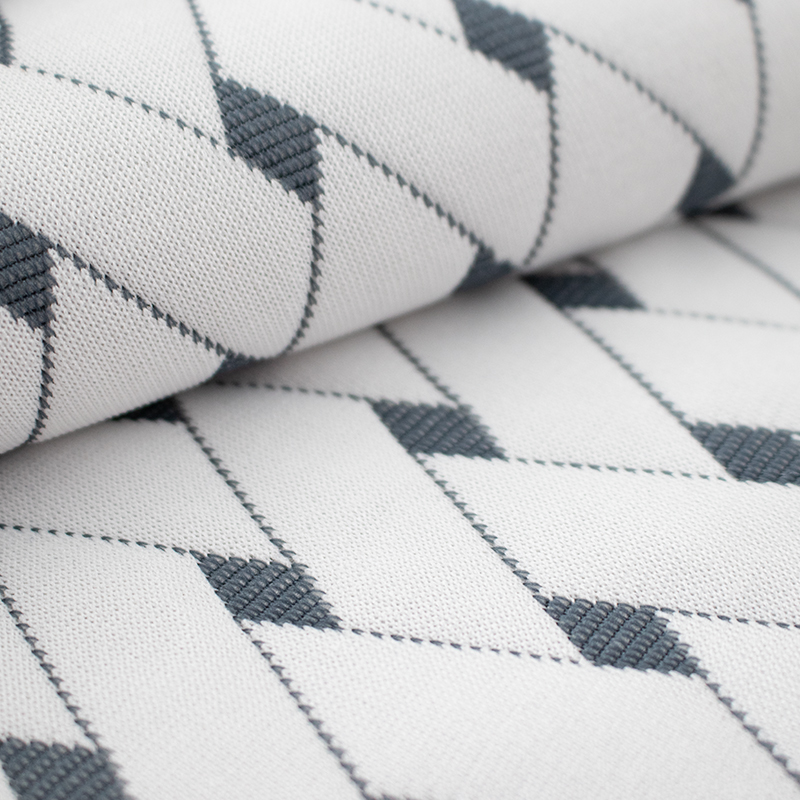
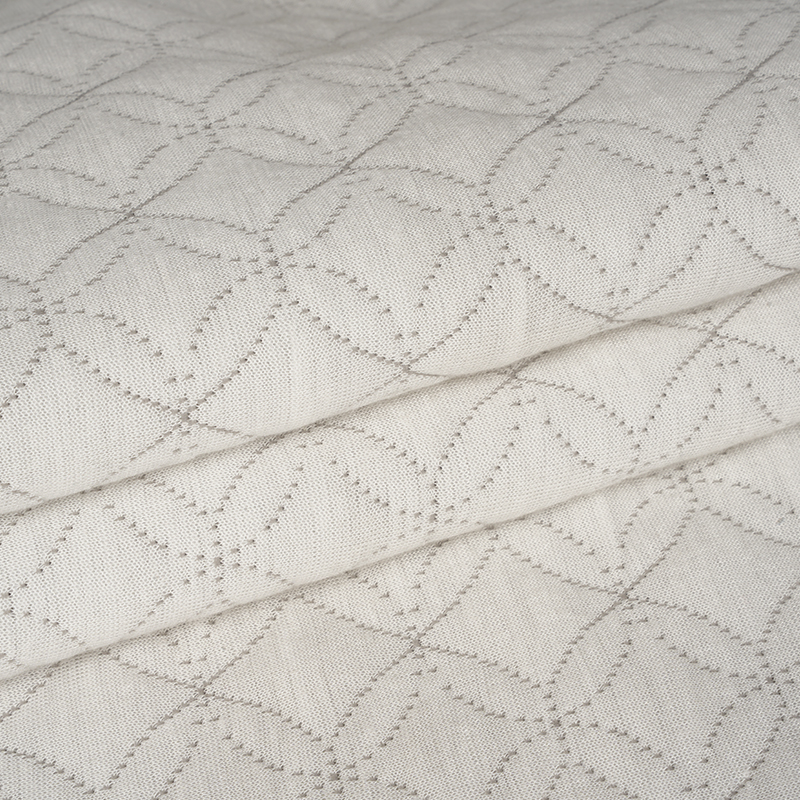
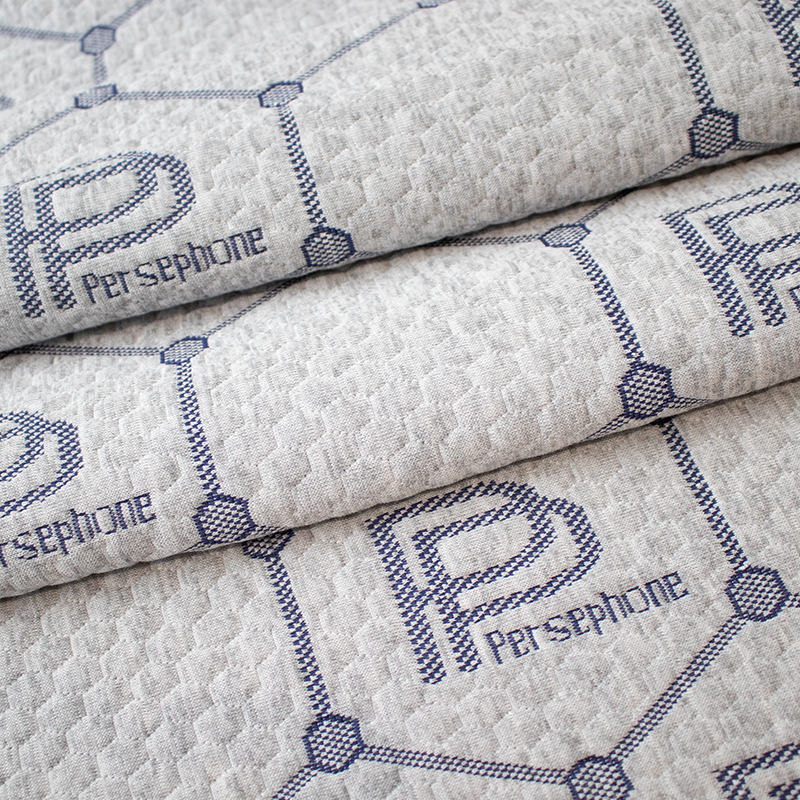
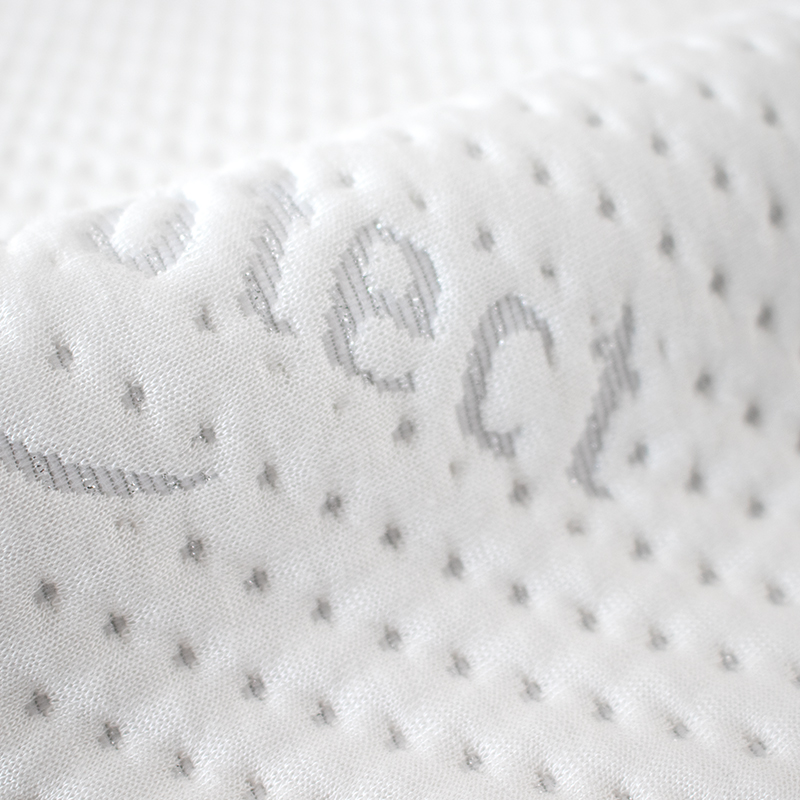
Bamboo Fiber Pet Friendly Fabrics
Bamboo Fiber Pet Friendly Fabrics
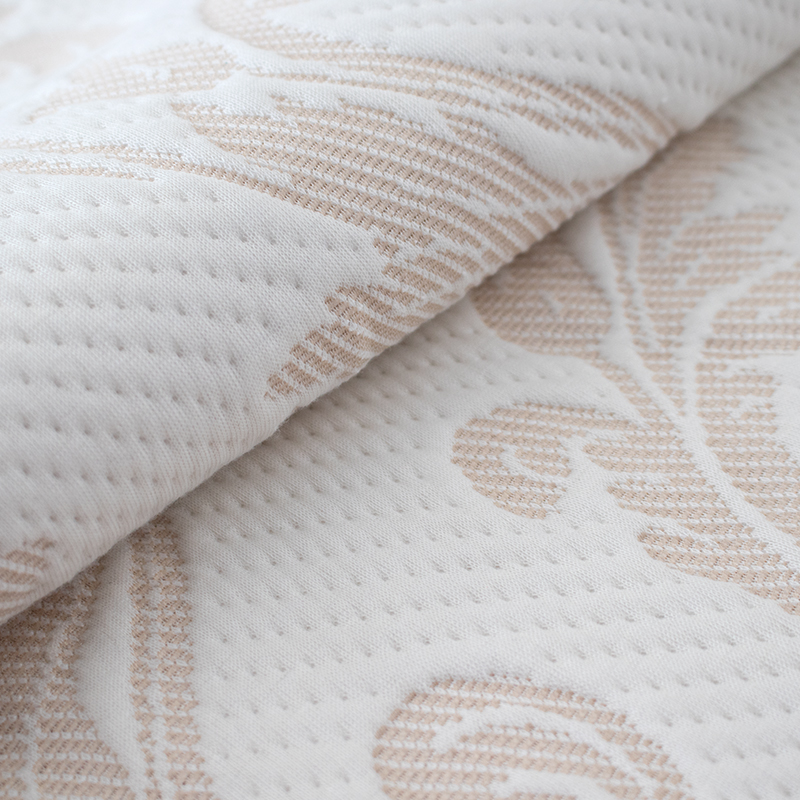
Haven’t Found The Products You Want?
-
-
Shen Jinyan:+86-15158070676
[email protected]
Liang Jinwen:+86-15757186621
[email protected]
Qiu Yingyingn:+86-13819545790
[email protected]
Yi qiao Town, Xiaoshan District, Hangzhou City, Zhejiang Province, China
-
Products
Mattress Fabric Children Mattress Fabric Pillowcase Fabric Pregnancy Pillow Fabric Cooling Mat Fabric Bedding Fabric Sofa Fabric Pet Friendly Fabrics -
Contact Information
About Us Products Strength Sustainability News Contact Us
Copyright © Hangzhou Xinsili Decorative Fabric Weaving Co.,Ltd. All Rights Reserved.
Functional Decorative Textile Manufacturers
