

 English
 中文简体
 Español
 عربى
 русский



Polyester Pet Friendly Fabrics: Durable, Comfortable, and Functional Textile Solutions
Content
- 1 Understanding Polyester Pet Friendly Fabrics
- 2 Core Product Specifications
- 3 Why Polyester Is Suitable for Pet-Contact Environments
- 4 Functional Treatments for Enhanced Performance
- 5 Advantages Compared with Ordinary Decorative Fabrics
- 6 Advanced Manufacturing Capabilities
- 7 Application Areas
- 8 How the Fabric Supports Sustainable Product Development
- 9 Specification and Purchasing Guidance
- 10 Product Development and Customization Process
- 11 Quality, Compliance, and Care Considerations
- 12 Competitive Value for Manufacturers and Brands
- 13 Manufacturer Strengths and Service Philosophy
- 14 Q&A
- 14.1 What is polyester pet friendly fabric?
- 14.2 What compositions are available?
- 14.3 What weight range is available?
- 14.4 What fabric widths are commonly offered?
- 14.5 Can the fabric be used for sofa covers?
- 14.6 Is the fabric water-resistant?
- 14.7 Does the fabric have antimicrobial properties?
- 14.8 How colorfast is the fabric?
- 14.9 Is the fabric suitable for pet bedding?
- 14.10 Can the fabric be customized?
- 14.11 How should buyers evaluate a sample?
- 14.12 Who is the manufacturer?
- 15 Conclusion
- 16 References
- 17 Product: Polyester Pet Friendly Fabrics
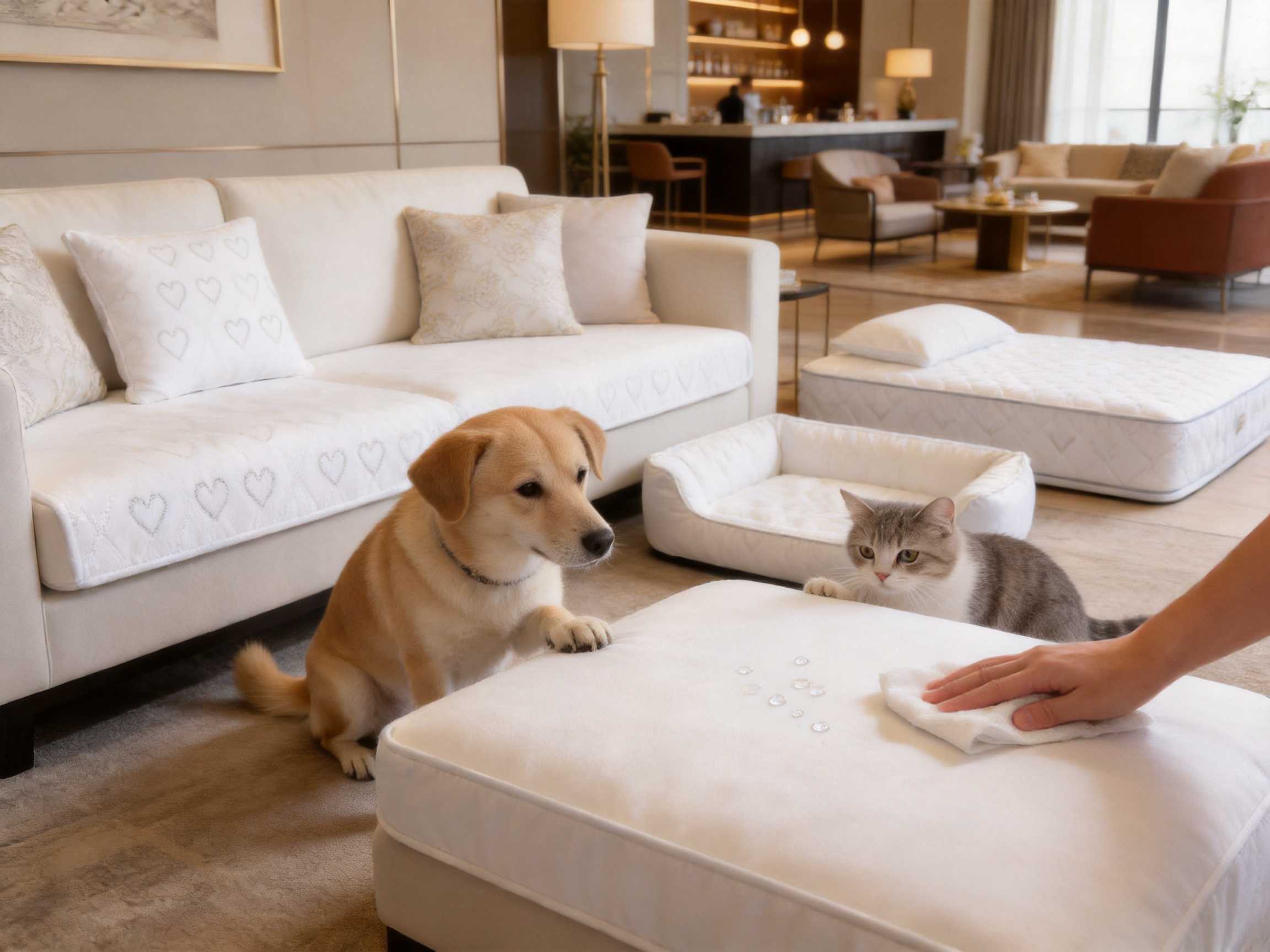
Pet-friendly interiors require fabrics that can withstand daily contact with animals while still delivering comfort, attractive appearance, and reliable performance. Dogs and cats bring warmth and companionship into the home, but they can also introduce hair, moisture, scratching, stains, odors, and repeated friction into furniture and bedding environments. For manufacturers, interior designers, hospitality operators, and homeowners, selecting the right textile is therefore an important part of creating durable and hygienic spaces.
Polyester pet friendly fabrics provide a practical solution for furniture, cushions, bedding accessories, pet products, mattress covers, pillowcases, and other residential or commercial applications. Designed with durability and ease of maintenance in mind, these fabrics combine the stable performance of polyester with optional functional treatments such as water repellency and antimicrobial finishing. Selected constructions may also include a polyester-spandex blend to improve flexibility, softness, and fitting performance.
With a typical composition of 100% polyester or 92% polyester combined with 8% spandex, the fabric can be developed for different end uses and design requirements. The available weight range of approximately 150–300 g/m² allows buyers to select a lighter construction for bedding or a denser construction for upholstery and high-contact applications. Common widths of 150 cm and 160 cm support efficient cutting and production planning.
Produced by Hangzhou Xinsili Decorative Fabric Weaving Co., Ltd., this product is part of a broader portfolio of functional decorative textiles for residential, hotel, and commercial environments. The manufacturer combines nearly two decades of industry experience with research, development, weaving, finishing, and quality-control capabilities. Its production philosophy emphasizes practical performance, design compatibility, environmental awareness, and dependable supply.
Understanding Polyester Pet Friendly Fabrics
Polyester pet friendly fabric is a textile engineered to perform effectively in environments where people and animals share the same living or working space. The fabric is not limited to pet beds or animal accessories. It can also be used in sofas, chairs, cushions, mattress components, pillowcases, decorative covers, bedding products, and other surfaces that experience frequent contact, cleaning, or abrasion.
The principal material is polyester, a synthetic fiber known for dimensional stability, tensile strength, resistance to wrinkling, and relatively low moisture absorption. These characteristics make polyester suitable for products that need to retain their shape and appearance after regular use. In applications involving pets, the material can provide a durable foundation for a surface that may be exposed to claws, fur, body oils, spilled liquids, and repeated movement.
The product can be supplied in two principal material configurations. The first is 100% polyester, which is appropriate when stability, strength, consistent production, and easy care are primary requirements. The second is a common blend of 92% polyester and 8% spandex. The addition of spandex introduces stretch and recovery, which can be useful for fitted covers, flexible upholstery components, mattress-related products, and designs requiring a closer fit around shaped surfaces.
Pet-friendly performance depends on more than fiber content alone. Yarn selection, fabric construction, weight, surface structure, dyeing, finishing, and quality control all affect the final result. For this reason, buyers should evaluate the complete fabric specification rather than choosing a material solely by its fiber name. A well-developed polyester textile can provide a balanced combination of resilience, comfort, cleanability, visual appeal, and production efficiency.
Core Product Specifications
The fabric is available in specifications that can be adjusted according to the intended application. This flexibility is valuable because a textile used for a lightweight pillowcase does not require exactly the same structure as one used for a sofa cushion, pet mat, or high-contact upholstery panel.
| Specification | Typical Option | Application Consideration |
|---|---|---|
| Main composition | 100% polyester | Suitable for stable, durable, easy-care textile products |
| Alternative composition | 92% polyester + 8% spandex | Suitable for applications requiring stretch and recovery |
| Weight range | 150–300 g/m² | Can be selected according to hand feel, coverage, durability, and end use |
| Common fabric width | 150 cm or 160 cm | Supports cutting efficiency and product planning |
| Color fastness | Washing and rubbing fastness at least Grade 3–4 under the stated national standard | Helps maintain appearance during normal care and handling |
| Optional treatments | Water-repellent finish and antimicrobial treatment | Can add functional value for moisture exposure and hygiene-conscious applications |
The 150–300 g/m² weight range is one of the product’s important advantages. Lower-weight constructions can be used where softness, flexibility, breathability, and material efficiency are important. Higher-weight constructions may be selected where greater body, coverage, abrasion resistance, and a more substantial hand feel are desired. This range gives manufacturers room to match the fabric to product architecture and price positioning.
Width is also relevant to production economics. A width of 150 cm or 160 cm can support efficient marker planning for covers, panels, pillowcases, pet mats, and upholstery components. Actual cutting efficiency depends on the product dimensions, pattern layout, stretch direction, and seam allowance. Nevertheless, common commercial widths simplify sourcing and make it easier for manufacturers to integrate the fabric into existing production systems.
Why Polyester Is Suitable for Pet-Contact Environments
Durability for Repeated Daily Use
Pet-contact textiles are often subjected to more frequent use than decorative fabrics placed in low-contact areas. Animals may jump onto sofas, turn repeatedly on cushions, scratch surfaces, or sleep in the same location for long periods. Polyester is suitable for these conditions because its fibers can provide good resistance to everyday wear when the fabric is correctly constructed and finished.
The durability of a fabric is influenced by multiple variables, including yarn quality, fabric density, weave or knit structure, surface finish, and the type of friction involved. The available weight options allow the manufacturer and buyer to coordinate these variables with the intended application. A denser construction can be considered for high-contact upholstery, while a more flexible or lighter construction may be more appropriate for removable covers and bedding accessories.
Shape Retention and Dimensional Stability
Furniture covers and bedding components must often retain their dimensions after handling, cleaning, and repeated installation. Polyester generally offers good dimensional stability compared with many natural fibers, helping products maintain their form when properly processed and cared for. This characteristic is especially useful for fitted covers, cushion panels, pillowcases, and mattress-related textiles.
The 92% polyester and 8% spandex blend can provide additional elasticity where a product must accommodate movement or fit over a shaped surface. Stretch performance can improve installation convenience and reduce the likelihood of a loose or poorly fitted appearance. However, the precise stretch and recovery behavior depends on fabric construction, finishing, direction of stretch, and care conditions, so product developers should confirm the required parameters during sampling.
Practical Cleaning and Maintenance
Pet-friendly products need to be manageable for regular cleaning. Hair, dust, and surface contaminants should be removable without excessive effort, and the fabric should be able to withstand appropriate care procedures. Polyester’s low moisture absorption and stable structure make it a practical option for many washable or cleanable textile products.
The stated washing and rubbing color fastness of Grade 3–4 or above under the applicable national standard indicates a useful level of color retention for routine handling and care. Actual results depend on dye shade, detergent, water temperature, mechanical action, drying method, and the finished product’s construction. Buyers should request care guidance and confirm performance against their own cleaning requirements before large-scale production.
Design Flexibility
Pet-friendly products do not need to appear industrial or purely utilitarian. Decorative environments require textiles that coordinate with furniture, bedding, wall finishes, flooring, and broader interior design concepts. Polyester can be developed in a wide variety of colors, surface effects, textures, and finishing styles, allowing functional performance to coexist with a comfortable visual identity.
This design flexibility is particularly valuable in hotels, serviced apartments, senior living facilities, family homes, pet-friendly offices, and commercial spaces where appearance influences user experience. The fabric can support products that look refined while still being designed for the practical challenges of animal contact.
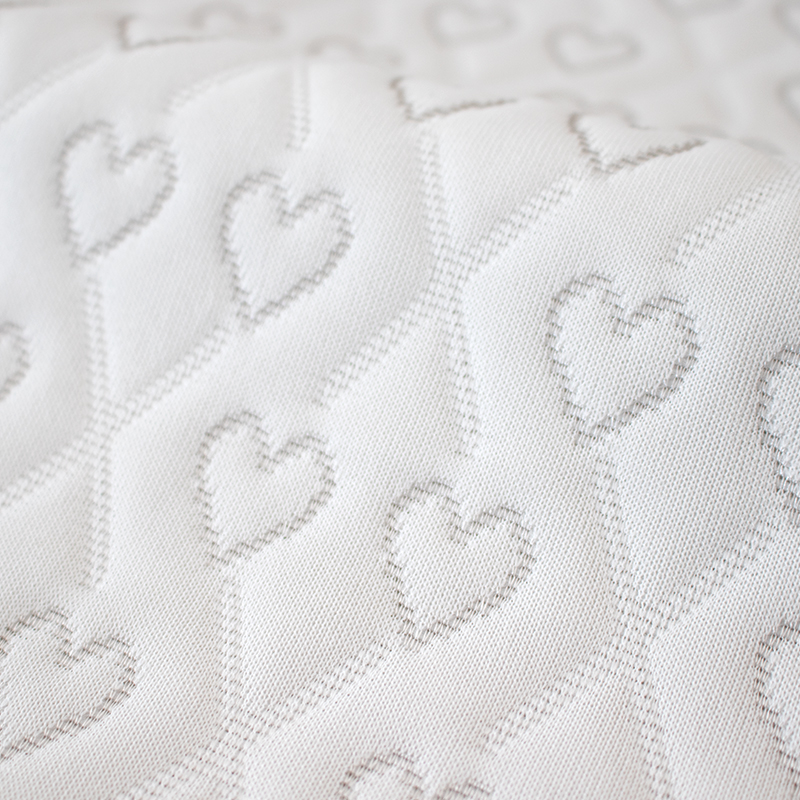
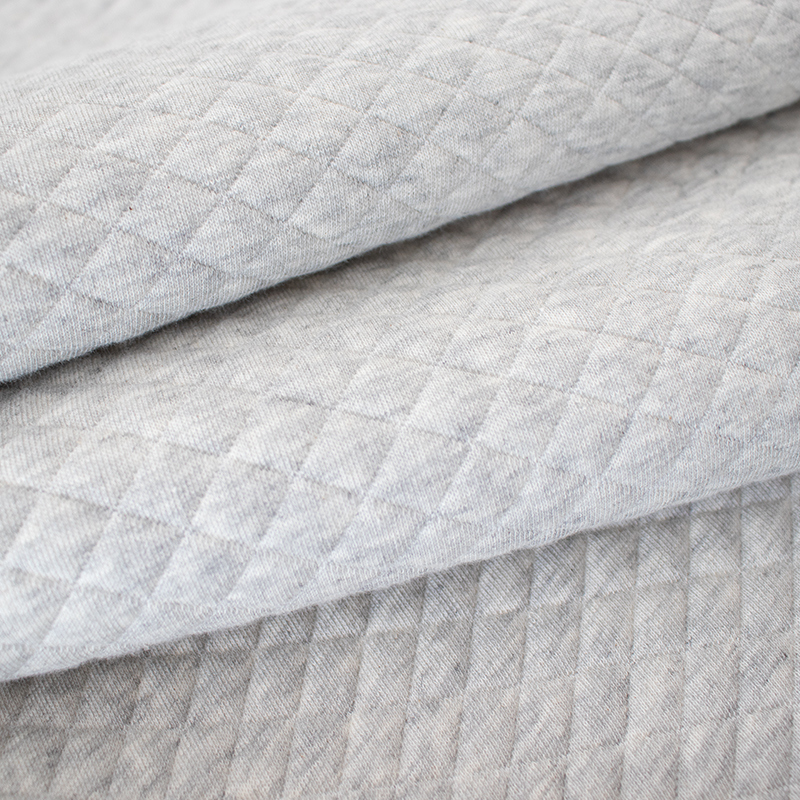
Polyester Pet Friendly Fabrics
Functional Treatments for Enhanced Performance
In addition to the basic polyester construction, optional treatments can be selected according to the needs of the final product. The two listed options are water-repellent finishing and antimicrobial treatment. These functions should be viewed as performance enhancements rather than substitutes for proper cleaning, ventilation, and product maintenance.
Water-Repellent Finishing
A water-repellent finish can help liquid form droplets on the surface instead of immediately penetrating the fabric. This may provide valuable response time when water, beverages, pet saliva, or small spills come into contact with a sofa cover, cushion, mattress accessory, or pet-related textile. Faster wiping can reduce the risk of immediate wetting and may help preserve the appearance of the underlying structure.
Water repellency is different from complete waterproofing. The level of protection depends on the finishing chemistry, fabric structure, application method, pressure, exposure time, and laundering history. Product developers should identify whether they need splash resistance, temporary surface repellency, or a more comprehensive barrier system. The fabric supplier can then recommend a suitable construction and treatment combination.
A water-repellent surface can also contribute to easier maintenance by reducing the tendency of certain liquid contaminants to spread quickly. This can be useful in busy household and commercial environments where prompt cleaning is expected. To preserve performance, the final product should be accompanied by appropriate care instructions, and the finish should be tested after the intended number of cleaning cycles.
Antimicrobial Treatment
An antimicrobial treatment may be considered for products where odor control, freshness, and hygiene perception are important. Pet-contact materials can be exposed to moisture, skin oils, organic residues, and microorganisms. A properly selected treatment may help inhibit the growth or activity of certain microorganisms on the textile surface.
Antimicrobial performance depends on the active technology, dosage, application process, testing method, and regulatory requirements in the destination market. Claims should therefore be based on documented test results and should accurately reflect the scope of the treatment. An antimicrobial finish does not eliminate the need for washing, cleaning, or responsible product care.
For manufacturers serving different markets, treatment selection should also consider chemical compliance, skin-contact requirements, environmental expectations, and local regulations. A professional textile supplier can help align the finished material with the intended product category and sales region.
Advantages Compared with Ordinary Decorative Fabrics
Standard decorative fabrics may offer attractive colors and textures, but they are not always developed for frequent pet contact. Polyester pet friendly fabrics are differentiated by their ability to combine decorative use with performance-oriented features. The following advantages can be important when comparing the material with conventional interior textiles.
Performance-Oriented Material Selection
The product is designed around the practical conditions of pet-friendly use. This means that durability, cleanability, color retention, and optional functional finishes are considered as part of the development process. A conventional decorative fabric may focus primarily on appearance, whereas this product is positioned to balance appearance with repeated-use performance.
Choice of Weight for Different Products
The 150–300 g/m² range gives buyers greater control over the final result. Competing products with only one fixed weight may force manufacturers to compromise between softness and durability or between cost and coverage. Adjustable weight selection makes it possible to develop different product lines using a related material platform.
Stretch Option for Improved Fit
The 92% polyester and 8% spandex option provides a practical alternative to 100% polyester. Stretch can be useful for fitted sofa covers, cushion covers, mattress accessories, protective layers, and other products that need to follow curves or accommodate movement. The blend can also contribute to a softer, more flexible hand feel when the construction is properly engineered.
Balanced Commercial Widths
Widths of 150 cm and 160 cm are suitable for many conventional cutting and sewing operations. Common widths can simplify production planning, reduce the need for specialized equipment, and support more predictable material calculations. The final yield still depends on the product pattern and cutting arrangement, but standard width options can support efficient manufacturing.
Functional Finishing Options
Water-repellent and antimicrobial treatments allow the fabric to move beyond basic decorative use. Buyers can select a standard construction for cost-sensitive applications or specify additional functions for products that require enhanced moisture management or hygiene-related performance. This modular approach makes the fabric adaptable to different market segments.
Suitability for Multiple End Uses
One material family can support a range of finished products, including pet bedding, sofa covers, decorative cushions, mattress covers, pillowcases, bedding components, upholstered panels, and selected commercial furnishings. This versatility can simplify supplier management and enable manufacturers to create coordinated product collections.
Advanced Manufacturing Capabilities
Product quality is closely connected to the manufacturer’s production system. Hangzhou Xinsili Decorative Fabric Weaving Co., Ltd. specializes in the research, development, and precision manufacturing of decorative textiles. Its stated experience of 19 years provides a substantial foundation for understanding fiber selection, weaving, finishing, quality management, and customer-specific textile development.
The company operates a factory covering approximately 12,000 square meters and was recognized as a National High-Tech Enterprise in 2023. These facts indicate an organizational focus on technical development and structured manufacturing. For international buyers, the value of this background lies not only in production capacity but also in the ability to manage product consistency, technical communication, sampling, and ongoing improvement.
Research and Development Before Production
Reliable functional fabric development begins before the first production roll is made. The manufacturer must understand the intended use, target hand feel, required weight, desired stretch, color expectations, finishing needs, and care conditions. A structured development process helps translate these requirements into fiber selection, construction design, dyeing parameters, and finishing specifications.
For polyester pet friendly fabrics, research and development may involve comparing different yarn arrangements, surface structures, weights, elastic components, and functional treatments. The goal is to identify a practical balance between comfort, durability, appearance, cost, and manufacturability. This is especially important when a buyer requires a custom specification rather than a standard stock item.
Precision Weaving and Fabric Formation
Precision weaving or fabric formation influences the textile’s stability, surface appearance, density, handle, and resistance to everyday use. Consistent control of the production process helps reduce variation between batches and supports predictable sewing and cutting performance for downstream manufacturers.
Fabric formation must also be coordinated with the selected fiber composition. A 100% polyester material may be engineered for stability and uniformity, while a polyester-spandex construction requires attention to tension, stretch direction, recovery, and dimensional control. Careful processing helps ensure that the final fabric performs as intended rather than simply meeting a nominal fiber percentage.
Finishing and Functional Integration
Finishing is where many performance characteristics are refined. Softness, surface smoothness, appearance, water repellency, antimicrobial properties, and dimensional behavior can be influenced during this stage. The manufacturer’s experience with functional decorative textiles supports the integration of performance requirements without losing the visual quality expected of interior fabrics.
When a water-repellent or antimicrobial treatment is requested, the finishing process should be controlled for uniform application and compatibility with the underlying fabric. Treatment selection may also affect hand feel, color appearance, washing behavior, and environmental compliance. A technically capable manufacturer can evaluate these interactions during development and testing.
Quality Control and Batch Consistency
For large-scale customers, consistency is as important as the performance of an individual sample. Color differences, width variation, uneven finishing, surface defects, and inconsistent stretch can create problems during cutting, sewing, installation, and retail presentation. A systematic quality-control process helps identify these issues before shipment.
Relevant checks may include composition verification, fabric weight, width, visual inspection, color matching, dimensional stability, washing behavior, rubbing fastness, surface appearance, and functional treatment performance. The exact testing program should be aligned with the buyer’s technical requirements and the intended market.
The stated washing and rubbing fastness of Grade 3–4 or above provides a reference point for color durability. Buyers with stricter requirements, darker shades, high-frequency laundering, or commercial cleaning conditions should request additional testing. Technical documentation and pre-production approval can help reduce uncertainty and establish clear quality expectations.
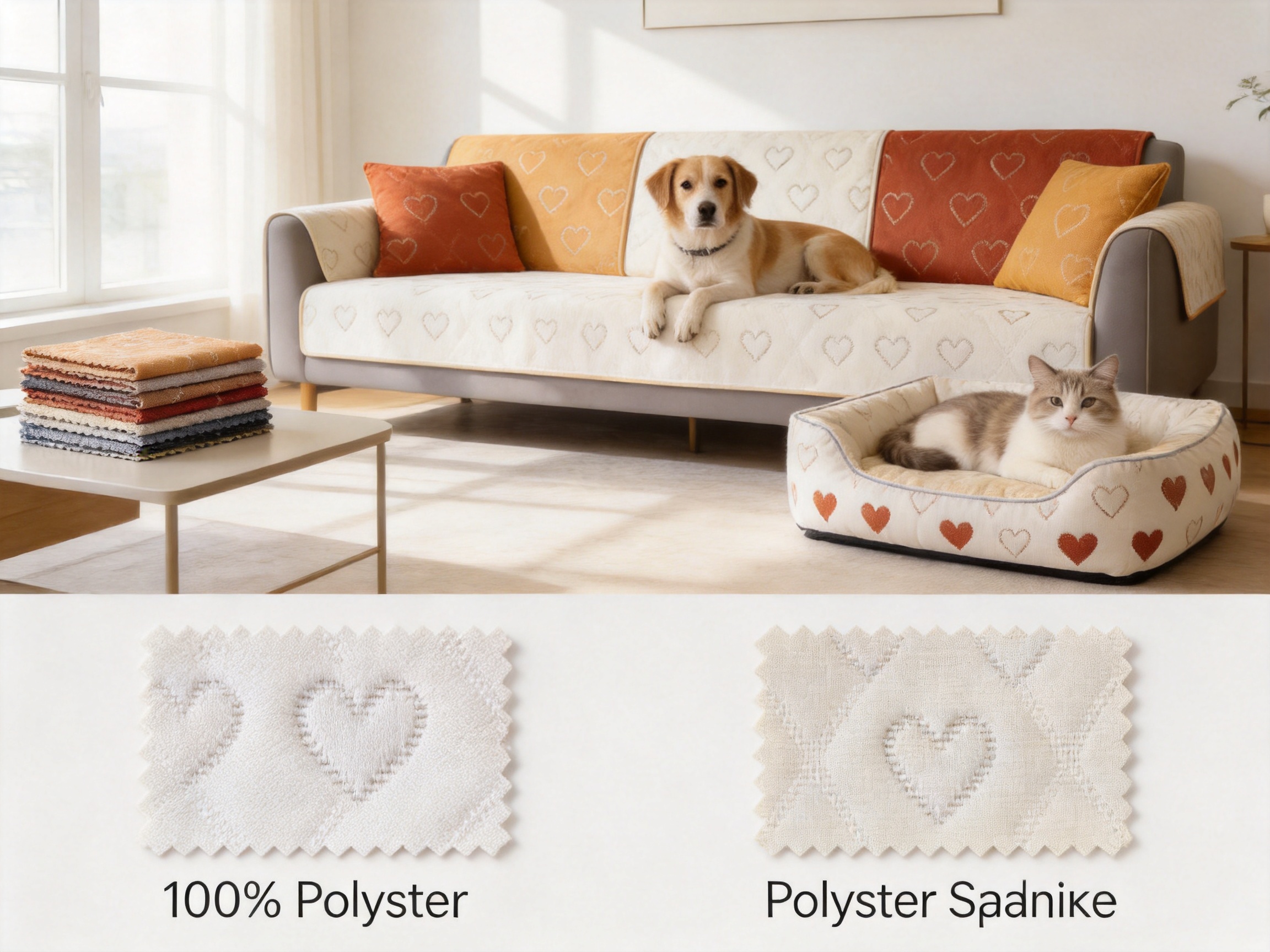
Application Areas
Sofa and Upholstery Fabrics
Sofas are among the most demanding applications for pet-friendly textiles because they combine high frequency of use with direct animal contact. Dogs and cats may climb, sleep, scratch, or shed on sofas every day. A polyester fabric with an appropriate weight and surface construction can provide a practical cover material that supports durability and easier maintenance.
The 92% polyester and 8% spandex option may be suitable for removable or fitted covers that need to conform to cushions and curved profiles. For fixed upholstery panels, a heavier 100% polyester construction may be preferred when stability and body are more important than stretch. Water-repellent finishing can be considered where protection against minor spills is required.
Pet Beds and Resting Mats
Pet beds and mats need to be comfortable while remaining suitable for repeated cleaning. Polyester fabric can be used as an outer cover or decorative component, with the final product design determining the need for stretch, softness, abrasion resistance, and moisture management.
A removable cover made from a washable polyester construction can help pet owners manage routine maintenance. If the product is intended for indoor environments where freshness is a selling point, an antimicrobial treatment may be evaluated in accordance with applicable regulations and validated test methods.
Mattress and Bedding Components
The fabric can support mattress-related applications where a durable and attractive textile is required. Potential uses include mattress covers, protective panels, fitted components, decorative borders, and companion bedding products. The weight should be selected carefully to maintain comfort and avoid unnecessary bulk.
For bedding applications, hand feel, breathability, softness, seam performance, and washing behavior are particularly important. A lighter construction may be suitable for pillowcases or mattress covers, while a denser option may be selected for products exposed to increased friction or contact with pets.
Pillowcases and Cushions
Pillowcases, decorative cushions, and pet-accessible soft furnishings can benefit from a textile that combines visual appeal with practical care. Polyester provides a stable base for printing, dyeing, and surface development, while the optional stretch blend can support a closer fit around cushion inserts.
Where the product is intended for both human and animal use, manufacturers may wish to prioritize a soft surface, reliable color fastness, easy washing, and a construction that does not readily lose its shape. These requirements can be addressed through coordinated specification development.
Hospitality and Commercial Interiors
Hotels, serviced apartments, cafés, waiting areas, and other commercial spaces increasingly need materials that tolerate varied users and frequent cleaning. Pet-friendly policies can increase the need for durable, maintainable furnishings in selected facilities. Polyester decorative fabric can help commercial operators achieve a balance between design quality and practical service requirements.
Commercial buyers should evaluate abrasion, cleaning chemicals, color fastness, flame requirements, chemical compliance, and applicable local standards before final approval. The fabric can be customized or selected as part of a broader technical package to meet the needs of the project.
How the Fabric Supports Sustainable Product Development
Sustainability in textiles involves more than selecting a particular fiber. It also includes product lifespan, repairability, maintenance requirements, manufacturing efficiency, chemical management, waste reduction, and responsible sourcing. A durable fabric that remains attractive and functional for a longer period may help reduce the frequency of replacement in high-use environments.
The product’s adjustable weight range can support more efficient material selection. Using a suitable rather than unnecessarily heavy fabric may reduce material consumption while still meeting performance requirements. Conversely, selecting a sufficiently durable construction for a high-contact product may prevent premature wear and replacement.
Longer product life can be particularly valuable for sofas, cushions, pet beds, and commercial furnishings. When covers are removable, repairable, or replaceable, the entire product may not need to be discarded because of localized damage or staining. Fabric development should therefore consider the complete product system, including seams, closures, backing materials, fillings, and care instructions.
Environmental expectations also apply to finishing chemistry and production management. Buyers may request information about treatment substances, wastewater handling, restricted substances, packaging, and relevant compliance documentation. The manufacturer’s focus on environmentally friendly decorative fabric solutions provides a basis for discussing these requirements during sourcing and product development.
Specification and Purchasing Guidance
Define the End Use First
The correct specification begins with the final application. A cushion cover, fixed sofa upholstery, pet bed, pillowcase, mattress component, and commercial wall panel may require different combinations of weight, stretch, softness, color fastness, and finishing. Buyers should provide as much information as possible before requesting a quotation or sample.
Select the Appropriate Composition
Choose 100% polyester when dimensional stability, consistent performance, and straightforward production are the primary goals. Consider the 92% polyester and 8% spandex blend when the product requires stretch, recovery, close fitting, or additional flexibility. The blend should be evaluated for sewing behavior and dimensional stability under the intended care conditions.
Choose Weight According to Performance Needs
A 150–300 g/m² range allows a more precise match between fabric weight and finished product. Lighter weights may support soft, flexible, and cost-efficient products. Heavier weights can provide additional body and coverage for upholstery or high-contact components. The ideal weight should be determined through sampling rather than selected by number alone.
Discuss Color and Surface Requirements
Color selection should consider the intended environment, branding, furniture style, and visibility of pet hair or minor marks. Surface texture can influence perceived comfort, cleanability, and appearance. Buyers should approve lab dips, shade standards, or physical samples before bulk production.
Confirm Treatment Requirements
Water repellency and antimicrobial treatment should be specified according to the intended claim and use case. Buyers should ask for testing information, care limitations, durability after washing, and regulatory documentation where appropriate. A treatment may change the hand feel or appearance, so approval should be based on the finished fabric rather than an untreated sample.
Establish Quality Standards in Writing
A clear technical specification should identify composition, weight tolerance, width, color, fastness requirements, stretch or recovery expectations, treatment details, packaging, inspection method, and acceptable defect limits. Written standards create a common reference for both the buyer and manufacturer and support stable long-term cooperation.
Product Development and Customization Process
A typical development process begins with a discussion of the intended product and the performance priorities. The buyer may provide a reference sample, design concept, target price, color requirement, or application description. The manufacturer then evaluates possible constructions within the available composition, weight, width, and finishing options.
Initial samples allow the buyer to assess hand feel, appearance, stretch, surface performance, sewing behavior, and compatibility with the rest of the product. If the application involves washing, rubbing, liquid exposure, or antimicrobial claims, testing should be planned at an early stage rather than after bulk production.
Once a construction is approved, the parties can establish a production specification and color standard. Pre-production confirmation is useful for reducing variation between the development sample and the bulk order. For repeat programs, retained standards and batch records can support more consistent future deliveries.
This development approach reflects the company’s broader emphasis on design innovation, craftsmanship-driven manufacturing, and win-win collaboration. Functional decorative textiles must satisfy both technical and aesthetic requirements, and effective communication is essential to achieving that balance.
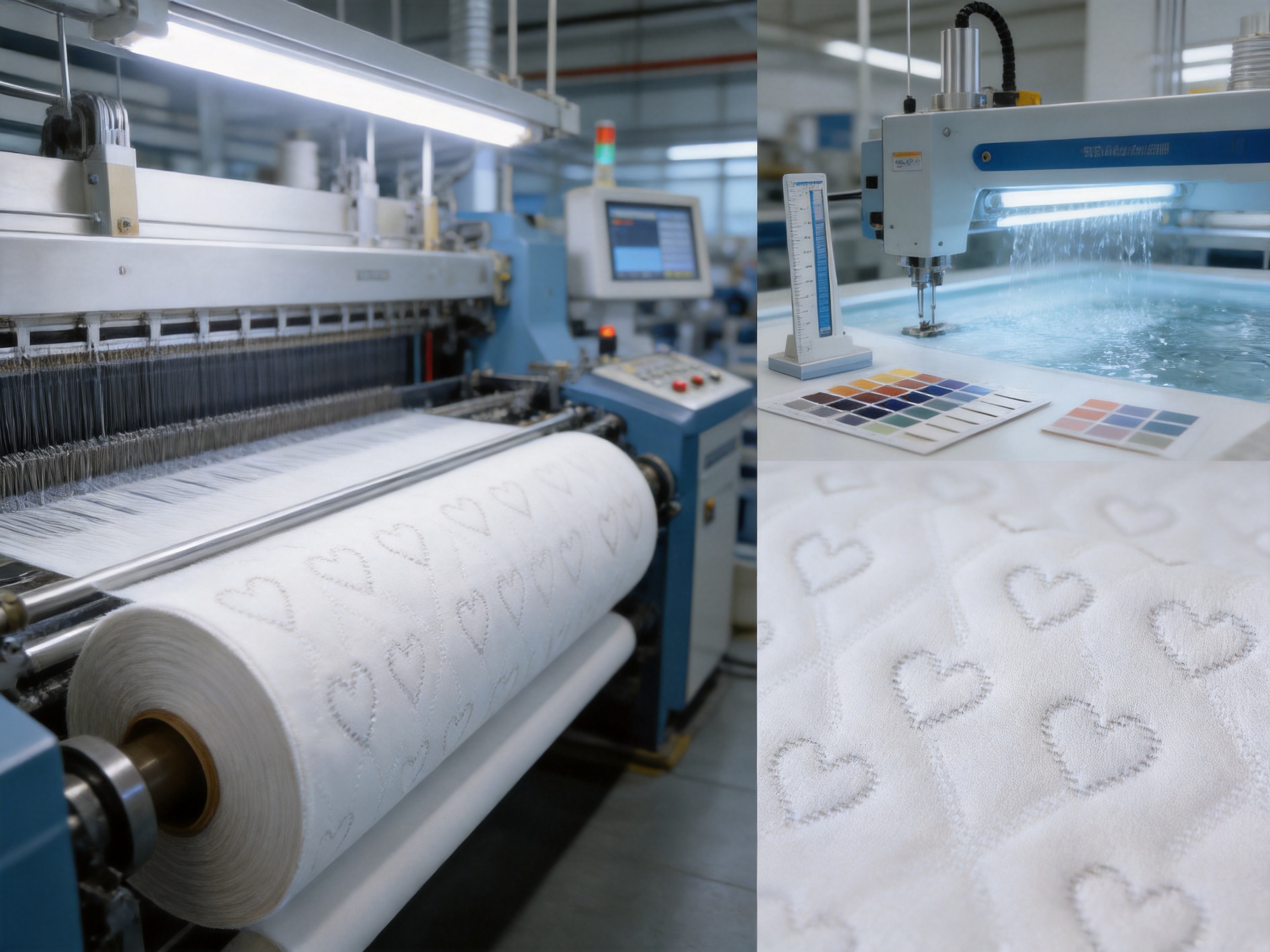
Quality, Compliance, and Care Considerations
Color fastness is a central consideration in pet-friendly textiles because the finished product may be washed, rubbed, handled, and exposed to light during its service life. The stated washing and rubbing fastness of Grade 3–4 or above under the applicable national standard provides a useful baseline. Buyers should still assess whether their own market requires higher performance or additional tests.
Care instructions should be developed for the complete finished product. The same fabric may behave differently depending on backing materials, foam, filling, seam construction, closures, and surface treatments. A removable cover may be machine washable, while a fully upholstered product may require spot cleaning or professional service.
Where water-repellent or antimicrobial treatments are used, care instructions should explain how cleaning affects performance. Some detergents, high temperatures, solvents, or aggressive mechanical processes may reduce the effectiveness of a finish. Clear instructions help users preserve the product’s appearance and functional characteristics.
For products used by children, pregnant individuals, people with allergies, or animals, buyers should examine the suitability of dyes, finishes, and auxiliary chemicals for the intended contact conditions. The appropriate testing and compliance requirements vary by market and product category. Responsible sourcing includes reviewing relevant documentation before commercial release.
Competitive Value for Manufacturers and Brands
For manufacturers, the value of polyester pet friendly fabric lies in its ability to support multiple product categories from one adaptable material platform. A company may use a lighter construction for pillowcases, a medium-weight option for cushion covers, and a heavier or treated option for sofa upholstery or pet mats. This can simplify product development while still allowing meaningful differentiation.
For brands, functional performance can strengthen product positioning. Consumers increasingly look for home textiles that fit real household lifestyles, including homes with dogs and cats. A fabric that is described accurately as durable, easy to maintain, and available with optional functional treatments can help brands create products with clear practical benefits.
For hospitality and commercial customers, a durable decorative textile may help reduce maintenance complications and support a consistent interior appearance. The ability to customize weight, composition, width, and finishing can also make it easier to align the material with project-specific design and performance requirements.
Compared with a low-cost fabric selected only for appearance, a purpose-developed pet-friendly textile may deliver better long-term value when the cost of replacement, cleaning, labor, customer complaints, and inconsistent appearance is considered. The best comparison should therefore include total product performance rather than only the initial fabric price.
Manufacturer Strengths and Service Philosophy
Hangzhou Xinsili Decorative Fabric Weaving Co., Ltd. is positioned as a specialist in decorative and functional textiles. Its stated mission of weaving beautiful spaces reflects a combination of visual design and technical utility. The company’s product focus includes antibacterial, moisture-resistant, flame-retardant, sleep-supporting, and comfort-improving functions, providing relevant experience for customers seeking more than basic decorative fabric.
The manufacturer’s 19 years of industry experience can support practical problem solving during specification development. Experience is particularly valuable when a buyer must balance softness with durability, stretch with dimensional stability, or functional treatment with appearance. A supplier that understands these interactions can help reduce unnecessary trial and error.
The approximately 12,000-square-meter factory area and 2023 National High-Tech Enterprise recognition further support the company’s positioning as a technically oriented textile manufacturer. Buyers should still conduct their own qualification, sampling, testing, and compliance review, but these capabilities provide a strong foundation for professional cooperation.
The company emphasizes environmentally friendly solutions, stable product quality, design innovation, and long-term collaboration. These priorities are relevant to international customers seeking a supplier capable of supporting both standard orders and customized functional textile programs.
Q&A
What is polyester pet friendly fabric?
Polyester pet friendly fabric is a polyester-based textile designed for environments where fabrics are exposed to regular contact with dogs, cats, and other household or commercial activity. It can be used for sofas, cushions, pet beds, mattress covers, pillowcases, bedding components, and similar products.
What compositions are available?
The main composition is 100% polyester. A common alternative is 92% polyester combined with 8% spandex. The 100% polyester option emphasizes stability and consistent structure, while the blended option adds stretch and recovery for fitted or flexible applications.
What weight range is available?
The typical weight range is approximately 150–300 g/m². The correct weight depends on the final product, desired hand feel, durability requirements, surface coverage, and production budget.
What fabric widths are commonly offered?
Common fabric widths are 150 cm and 160 cm. These widths are suitable for many cutting and sewing operations, although the best choice depends on product dimensions and pattern layout.
Can the fabric be used for sofa covers?
Yes. The fabric can be developed for sofa covers and upholstery-related applications. A heavier construction may be preferred for high-contact use, while the 92% polyester and 8% spandex option may be considered for fitted or removable covers requiring flexibility.
Is the fabric water-resistant?
A water-repellent finish is available as an optional treatment. Water repellency helps liquids form droplets on the surface and can provide additional response time for wiping. It should not automatically be interpreted as complete waterproofing.
Does the fabric have antimicrobial properties?
An antimicrobial treatment can be requested as an optional function. The specific performance, claim, durability, and regulatory suitability should be confirmed through technical documentation and appropriate testing.
How colorfast is the fabric?
The stated washing and rubbing color fastness is at least Grade 3–4 under the applicable national standard. Buyers with special commercial, institutional, or dark-color requirements should request testing against their own specifications.
Is the fabric suitable for pet bedding?
Yes. It can be used for pet beds, mats, cushions, and removable covers. The selected construction should be matched to the desired softness, cleaning method, abrasion exposure, and moisture requirements.
Can the fabric be customized?
Specifications can be discussed according to end use. Potential customization areas include composition, weight, width, color, surface effect, stretch, water repellency, antimicrobial treatment, and other technical requirements subject to development and production evaluation.
How should buyers evaluate a sample?
Buyers should review appearance, hand feel, width, weight, stretch, recovery, color, sewing performance, cleaning behavior, and compatibility with the intended finished product. If functional claims are required, testing should be arranged before bulk approval.
Who is the manufacturer?
The product is manufactured by Hangzhou Xinsili Decorative Fabric Weaving Co., Ltd., a Hangzhou-based specialist in decorative and functional textile research, development, and manufacturing.
Conclusion
Polyester pet friendly fabrics provide a balanced textile solution for modern interiors where durability, comfort, appearance, and maintenance all matter. Their 100% polyester or 92% polyester plus 8% spandex compositions support different product requirements, while the 150–300 g/m² weight range allows manufacturers to select an appropriate balance of softness, body, coverage, and performance.
Common widths of 150 cm and 160 cm support practical production planning, and washing and rubbing color fastness of Grade 3–4 or above provides a useful performance reference. Optional water-repellent and antimicrobial treatments can further extend the fabric’s functional value when selected, tested, and maintained appropriately.
The product’s competitive advantage comes from combining pet-oriented practicality with decorative flexibility. It is suitable for sofas, cushions, pet beds, mattress-related products, pillowcases, bedding, hospitality furnishings, and other residential or commercial applications. Supported by research and development, precision manufacturing, functional finishing, and nearly two decades of industry experience, the material can help brands and manufacturers develop attractive textiles for active, shared living environments.
For the best result, buyers should define the final application clearly, select the correct composition and weight, confirm treatment requirements, review samples, establish written quality standards, and conduct relevant testing. With this structured approach, polyester pet friendly fabrics can become a dependable foundation for comfortable, durable, and easier-to-maintain textile products.
References
1. Hangzhou Xinsili Decorative Fabric Weaving Co., Ltd. Product specification information for Polyester Pet Friendly Fabrics.
2. Hangzhou Xinsili Decorative Fabric Weaving Co., Ltd. Corporate information concerning functional decorative textile research, development, and manufacturing.
3. General textile testing principles for fiber composition, fabric weight, width, dimensional stability, washing fastness, and rubbing fastness.
4. General textile finishing practices for water-repellent and antimicrobial treatments.
5. General product development guidance for pet-friendly upholstery, bedding, cushion, and home textile applications.
Product: Polyester Pet Friendly Fabrics

Our Featured Products
-
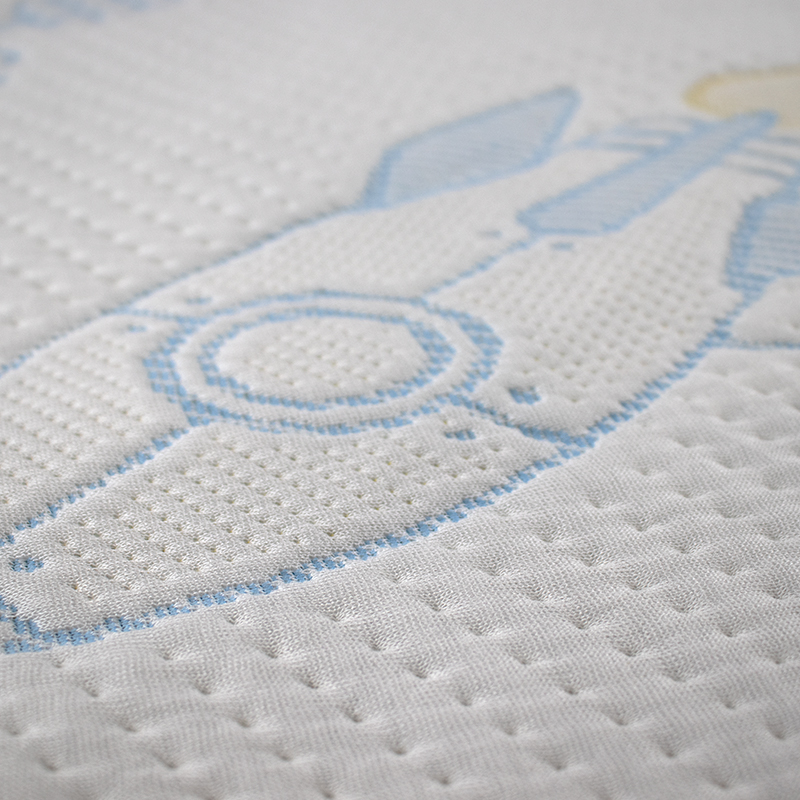
Polyester Pet Friendly Fabrics
Polyester Pet Friendly Fabrics
Haven’t Found The Products You Want?
-
-
Shen Jinyan:+86-15158070676
[email protected]
Liang Jinwen:+86-15757186621
[email protected]
Qiu Yingyingn:+86-13819545790
[email protected]
Yi qiao Town, Xiaoshan District, Hangzhou City, Zhejiang Province, China
-
Products
Mattress Fabric Children Mattress Fabric Pillowcase Fabric Pregnancy Pillow Fabric Cooling Mat Fabric Bedding Fabric Sofa Fabric Pet Friendly Fabrics -
Contact Information
About Us Products Strength Sustainability News Contact Us
Copyright © Hangzhou Xinsili Decorative Fabric Weaving Co.,Ltd. All Rights Reserved.
Functional Decorative Textile Manufacturers
