

 English
 中文简体
中文简体 Español
 عربى
عربى русский


Tencel Pet Friendly Fabrics for Comfortable, Durable, and Sustainable Living Spaces
Content
- 1 Understanding the Value of Tencel in Pet Friendly Fabric Design
- 2 Product Specifications and Application Flexibility
- 3 Advantages Over Conventional Pet Friendly and Decorative Fabrics
- 4 Comfort Benefits for People and Pets
- 5 Hygiene, Maintenance, and Everyday Practicality
- 6 Applications in Mattress Fabric and Children Mattress Fabric
- 7 Applications in Pillowcase Fabric and Pregnancy Pillow Fabric
- 8 Applications in Cooling Mat Fabric and Bedding Fabric
- 9 Applications in Sofa Fabric and Pet Friendly Home Furnishings
- 10 Advanced Manufacturing Strengths Behind the Fabric
- 11 Functional Finishing and Quality Control
- 12 Customization for Manufacturers, Suppliers, and Project Buyers
- 13 Sustainability and Responsible Material Direction
- 14 Why This Fabric Stands Out in Competitive Markets
- 15 Buying Considerations for Professional Customers
- 16 Q&A: Common Questions About Tencel Pet Friendly Fabrics
- 16.1 What makes Tencel Pet Friendly Fabrics different from ordinary decorative fabrics?
- 16.2 Can the fabric be made from 100% Tencel?
- 16.3 What product categories can use this fabric?
- 16.4 What is the common fabric weight range?
- 16.5 Is the fabric easy to clean?
- 16.6 Does Tencel help with moisture and heat comfort?
- 16.7 What widths are available?
- 16.8 What dyeing process is used?
- 16.9 Can the fabric be customized for hotel or commercial projects?
- 16.10 Why should manufacturers choose an experienced decorative textile supplier?
- 17 Conclusion
- 18 References
- 19 Product: Tencel Pet Friendly Fabrics
Pet-friendly interiors are no longer a niche requirement. As families increasingly share sofas, mattresses, cushions, bedding, cooling mats, and decorative textile products with cats, dogs, and other companion animals, fabric performance has become a decisive factor in product quality. Tencel Pet Friendly Fabrics are designed to meet this modern lifestyle demand by combining skin-friendly softness, moisture management, breathable comfort, practical durability, and a refined decorative appearance. For manufacturers and buyers who serve residential, hotel, commercial, bedding, sofa, mattress, pet product, and home textile markets, this fabric category offers a balanced solution that supports both human comfort and pet-oriented functionality.
The product is based on Tencel, also known as lyocell, a regenerated cellulose fiber valued for its smooth hand feel, moisture absorption, breathability, and environmentally conscious production background. Depending on application requirements, the fabric can be made from 100% Tencel or blended with fibers such as cotton or polyester to enhance specific characteristics, including dimensional stability, abrasion resistance, cost efficiency, texture, elasticity, or easy-care performance. Common fabric weights range from 150 to 300 gsm, making the material suitable for light, medium, and heavier applications across different seasons and product structures. Weave and construction options include plain weave, twill, knit, and other customized structures, while standard fabric widths of 145 cm or 150 cm can be adjusted according to project needs.
Unlike ordinary decorative fabrics that only focus on color and surface texture, Tencel Pet Friendly Fabrics are engineered for daily living environments where comfort, hygiene, durability, and cleaning convenience matter. The fabric is suitable for pet-friendly sofas, mattress covers, children’s mattress fabrics, pillowcase fabrics, pregnancy pillow fabrics, cooling mat fabrics, bedding fabrics, and pet bedding surfaces. Its smooth fiber profile can help reduce rough friction against skin and fur, while the moisture-regulating nature of lyocell contributes to a fresher, more breathable surface during extended use. When paired with appropriate weaving, dyeing, finishing, and inspection processes, the result is a decorative textile that supports healthy, comfortable, and practical living spaces.
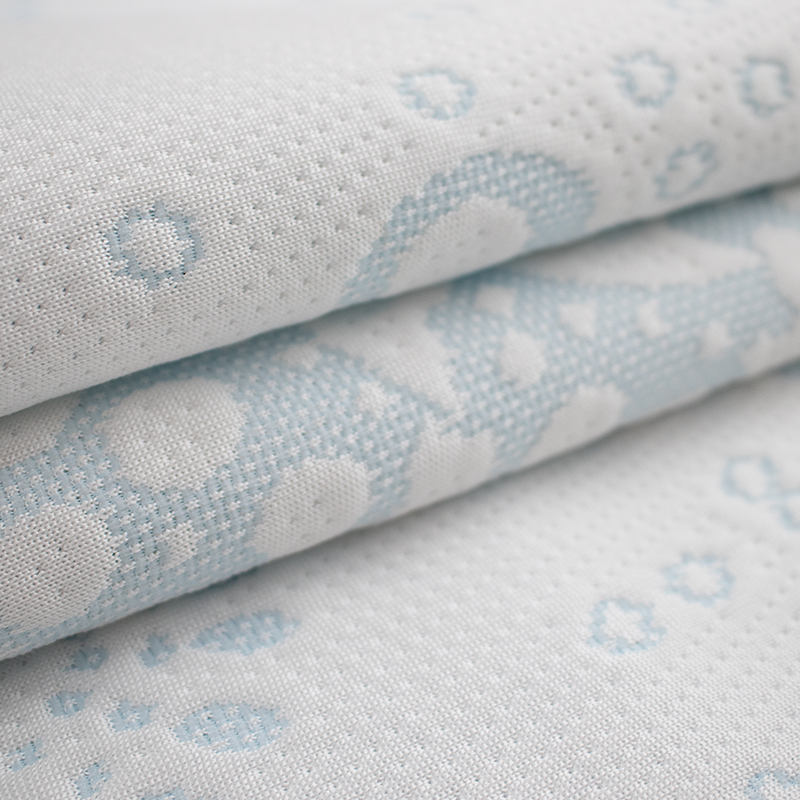
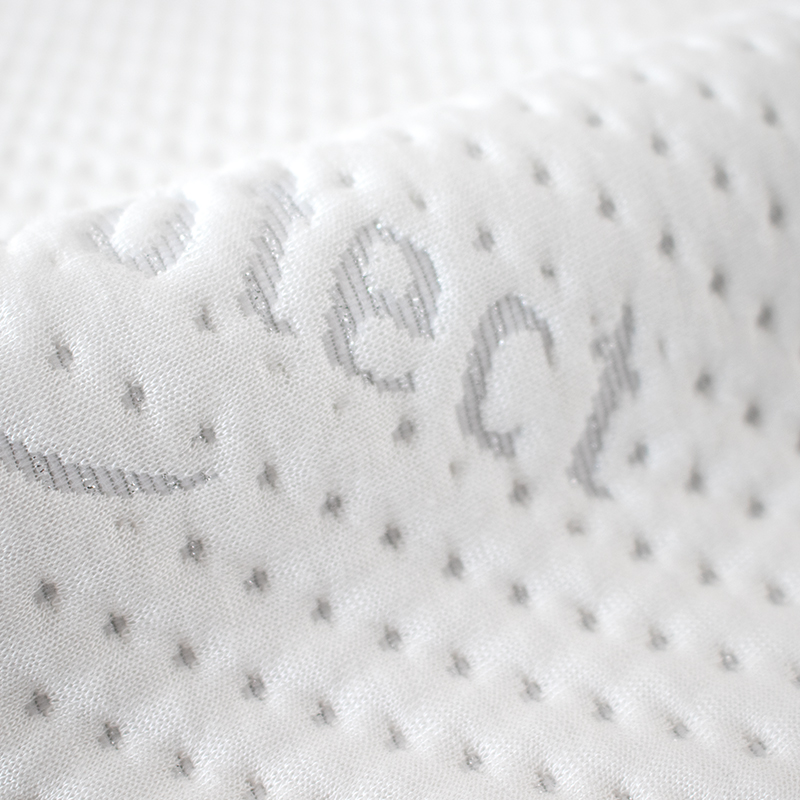
Tencel Pet Friendly Fabrics
Understanding the Value of Tencel in Pet Friendly Fabric Design
Tencel is highly regarded in modern textile development because it offers a natural-feeling surface while benefiting from engineered fiber consistency. The fiber originates from wood-based cellulose and is processed into a smooth, uniform filament or staple fiber. This smoothness is important for pet-friendly environments because fabric surfaces that feel harsh, prickly, or overly textured can trap hair, create discomfort, and show wear more quickly. Tencel-based fabrics offer a soft and gentle touch that is suitable for bedding and furniture surfaces used by both people and pets.
Moisture management is one of the most important functional advantages of Tencel Pet Friendly Fabrics. Pets can bring moisture into interior spaces through fur, paws, body heat, drool, or outdoor activity. Human users also expect mattresses, pillowcases, pregnancy pillows, and bedding to remain comfortable throughout the night. Tencel fibers absorb and release moisture efficiently, helping the textile surface feel less clammy than many conventional synthetic-only fabrics. This characteristic is especially valuable in mattress fabric, cooling mat fabric, pillowcase fabric, and sofa fabric applications where long periods of contact are common.
Breathability is another key factor. A breathable fabric allows air to move through the textile structure more effectively, reducing the sensation of trapped heat. In pet-friendly households, this can help create a more comfortable shared surface on sofas, beds, and cushions. For children’s mattress fabric and pregnancy pillow fabric, breathability is especially meaningful because sensitive users require a soft, stable, and comfortable sleeping environment. When Tencel is combined with suitable weave density and fabric weight, the material can provide a pleasing balance between air permeability and coverage.
The fiber’s smooth surface also supports a cleaner appearance. Although no fabric can completely prevent pet hair from collecting, smoother textile constructions can be easier to brush, vacuum, or wipe compared with highly roughened or deeply textured fabrics. This gives Tencel Pet Friendly Fabrics an advantage in homes where owners want decorative beauty without sacrificing cleaning practicality. For sofa covers, cushion panels, pet mats, and bedding accessories, the result is a fabric that looks refined while remaining suitable for real daily use.
Product Specifications and Application Flexibility
Tencel Pet Friendly Fabrics can be developed in multiple specifications to match different end products. The fiber composition can be 100% Tencel for maximum softness, breathability, and moisture absorption, or a blend with cotton, polyester, or other fibers for enhanced performance targets. Cotton blends can improve natural hand feel and comfort, while polyester blends can strengthen abrasion resistance, improve shape retention, and support easier maintenance. This flexibility allows buyers to select a fabric solution according to market positioning, end-user expectations, and cost-performance requirements.
Common weights from 150 to 300 gsm provide broad design freedom. A lighter 150 gsm construction may be suitable for pillowcases, light bedding, decorative covers, and breathable seasonal products. Medium weights around 200 to 240 gsm can be used for mattress fabric, children’s mattress fabric, sofa panels, pregnancy pillow covers, and pet-friendly home textiles. Heavier weights approaching 300 gsm may be selected for applications requiring more body, coverage, and durability, such as sofa upholstery-style decorative fabric, pet cushion surfaces, and structured bedding components.
The fabric width is typically 145 cm or 150 cm, which suits many home textile and furniture manufacturing processes. Custom widths can also be developed to reduce cutting waste, improve production efficiency, and support specialized product designs. Width customization is important for large-scale manufacturing because even small improvements in fabric utilization can reduce material loss and improve total project value.
Weave type is another important design variable. Plain weave offers a clean, stable, and versatile surface suitable for many decorative and bedding applications. Twill can create a more dimensional texture and improved drape while offering good strength characteristics. Knit constructions can provide elasticity, softness, and body-conforming comfort, making them especially suitable for mattress covers, pillow covers, and flexible home textile products. Through different yarn counts, densities, surface structures, and finishing processes, Tencel Pet Friendly Fabrics can be adapted to a wide range of design directions.
| Specification Item | Available Options | Product Value |
|---|---|---|
| Fiber Composition | 100% Tencel or blends with cotton, polyester, and other fibers | Balances softness, strength, breathability, easy care, and cost performance |
| Common Weight | 150 to 300 gsm | Supports light bedding, mattress covers, sofa fabric, pet mats, and seasonal products |
| Weave Type | Plain, twill, knit, and customized structures | Provides different textures, stretch levels, stability, and visual effects |
| Standard Width | 145 cm or 150 cm | Fits common cutting and manufacturing requirements |
| Customization | Width, color, blend ratio, construction, weight, and finish | Enables tailored solutions for brands, factories, and project buyers |
| Dyeing Process | Reactive dyeing with industry-standard color fastness | Improves color clarity, wash durability, and long-term appearance |
Advantages Over Conventional Pet Friendly and Decorative Fabrics
Many conventional pet-friendly fabrics are designed primarily around durability, often using stiff synthetic fibers or heavily coated surfaces. While such fabrics may resist abrasion, they can sometimes feel warm, artificial, noisy, or uncomfortable for bedding and close-contact applications. Tencel Pet Friendly Fabrics provide a more comfort-oriented alternative. They combine functional performance with a soft, natural-feeling surface that is appropriate for mattresses, pillowcases, pregnancy pillows, children’s bedding, and sofa fabrics.
Compared with ordinary polyester decorative fabrics, Tencel-based fabrics generally provide superior moisture absorption and a cooler touch. Polyester has advantages in strength and easy care, but it absorbs very little moisture and can feel less breathable in warm conditions. By using Tencel alone or in a carefully engineered blend, the fabric can maintain better moisture balance while still achieving practical durability. This is particularly valuable for cooling mat fabric and bedding fabric, where comfort during sleep or rest is a central selling point.
Compared with basic cotton fabrics, Tencel Pet Friendly Fabrics can offer a smoother hand feel and improved drape. Cotton is familiar and breathable, but it may wrinkle easily and can vary in softness depending on fiber quality and finishing. Tencel provides a silky, smooth texture that enhances the perceived quality of home textile products. When blended with cotton, the result can deliver the natural comfort of cellulosic fibers with improved surface refinement and moisture control.
Compared with rough upholstery materials, Tencel Pet Friendly Fabrics are more suitable for multi-category applications. A coarse sofa fabric may work for furniture but may not be appropriate for pillowcases or mattress covers. Tencel-based fabrics can be engineered across different weights and constructions, allowing one material family to serve bedding, sofa, cushion, cooling mat, pregnancy pillow, children’s mattress, and pet product categories. This gives product developers more consistency in material sourcing and design planning.
Another competitive advantage lies in aesthetic flexibility. Pet-friendly fabrics are sometimes associated with limited color choices or plain utilitarian textures. Through reactive dyeing and controlled finishing, Tencel Pet Friendly Fabrics can achieve attractive shades, smooth surfaces, and decorative appeal suitable for modern interiors. Color fastness meeting industry standards helps the fabric retain visual quality through regular use and cleaning. This is essential for brands and manufacturers who want a fabric that performs well while still looking premium.
Comfort Benefits for People and Pets
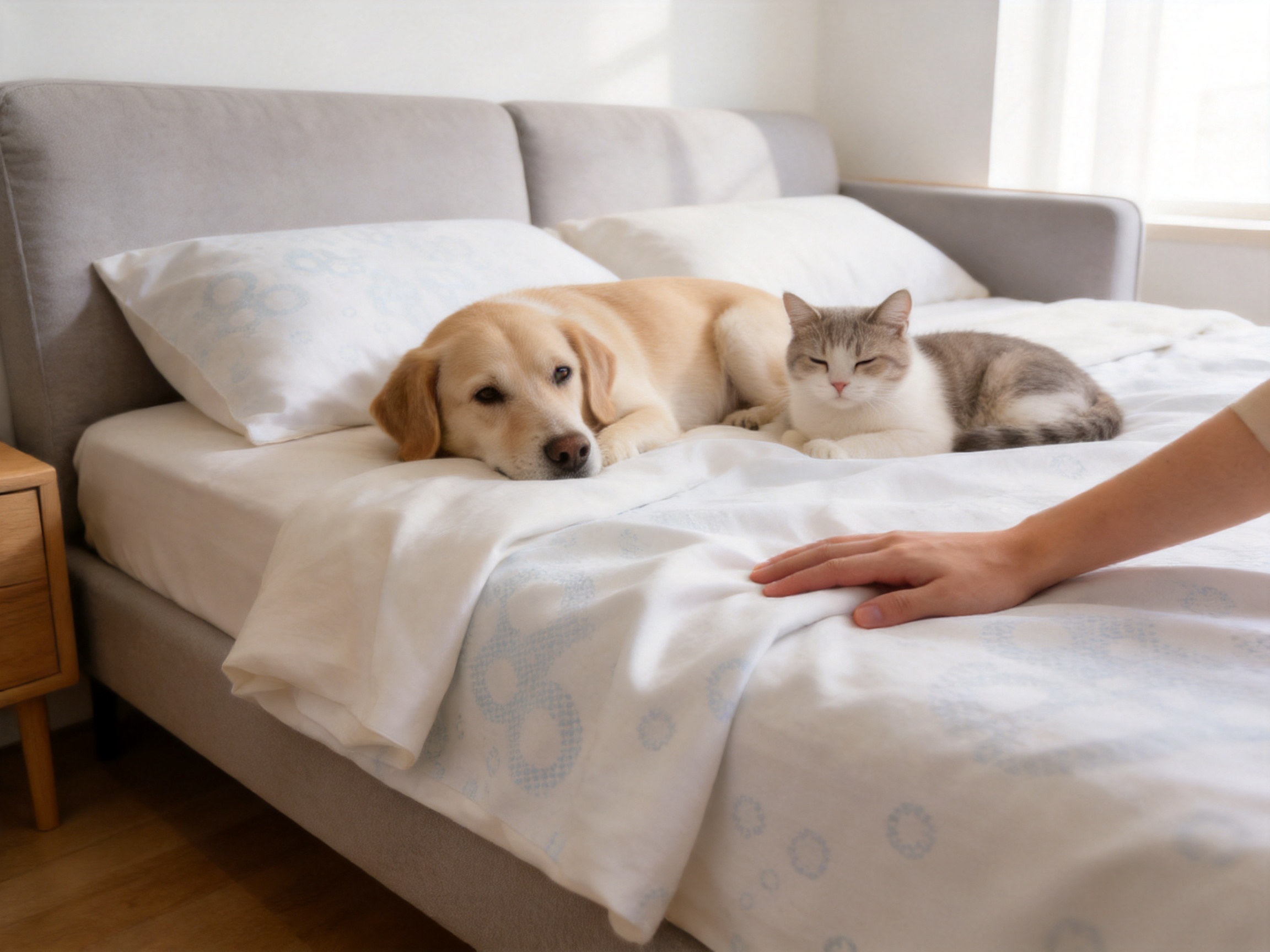
A successful pet-friendly fabric must satisfy two user groups at the same time: humans and animals. Humans want an attractive, soft, clean, and durable surface. Pets want a comfortable place to rest, scratch lightly, stretch, roll, and sleep. Tencel Pet Friendly Fabrics are designed to meet these overlapping needs through a balanced combination of softness, breathability, moisture control, and textile stability.
For pet owners, softness matters because sofas, beds, and cushions are often shared spaces. A fabric that feels pleasant against the skin is more likely to be accepted for living room, bedroom, nursery, hotel, and commercial lounge environments. Tencel’s smoothness makes it suitable for direct-contact products such as pillowcases and mattress surfaces. This quality is also important for pregnancy pillow fabric, where users often need extended support and comfort during rest.
For pets, the smooth texture can reduce irritation when they lie on the surface for long periods. While pet behavior varies by animal, many cats and dogs prefer soft but stable materials. A fabric that is too slippery may not feel secure, while one that is too rough may catch claws or fur. Tencel Pet Friendly Fabrics can be engineered with the appropriate weave and weight to provide a comfortable balance between smoothness and grip.
Moisture control supports comfort in all seasons. During warmer months, a breathable and moisture-managing surface can feel fresher and less sticky. During cooler months, the fabric can still provide a gentle touch suitable for layered bedding and cushion products. With weights from 150 to 300 gsm, buyers can choose lighter or heavier constructions depending on climate, product category, and target market.
In children’s mattress fabric and family bedding applications, comfort is not only about softness but also about creating a cleaner and more pleasant sleep surface. Tencel’s moisture-regulating ability can help reduce the damp feeling that sometimes develops with less breathable materials. When combined with proper product design, ventilation layers, and care routines, the fabric supports a healthier and more comfortable sleep environment.
Hygiene, Maintenance, and Everyday Practicality
Pet-friendly materials must be practical. A fabric may feel excellent in a showroom, but if it is difficult to clean, traps odor, or loses color quickly, it will not satisfy consumers in real homes. Tencel Pet Friendly Fabrics address daily practicality through fiber selection, construction design, dyeing quality, and finishing control. The goal is not to create a fragile luxury textile, but a reliable surface that performs in active living environments.
The smooth fiber structure can help reduce deep entanglement of dust and pet hair compared with heavily brushed or rough-textured surfaces. This can make routine cleaning easier with vacuuming, lint removal, or gentle brushing. For sofa fabric, pet bedding, and decorative cushion surfaces, easier maintenance is a significant advantage. Consumers often judge pet-friendly products by how quickly they can restore a clean appearance after use.
Reactive dyeing supports strong color performance. In reactive dyeing, dye molecules form stable bonds with cellulosic fibers, creating clear and durable color results when the process is properly controlled. For Tencel and other cellulose-based materials, this method is widely valued because it can produce good shade depth and wash fastness. Color fastness meeting industry standards helps reduce fading, staining concerns, and early appearance deterioration.
Odor management is also connected to moisture control and cleaning convenience. Fabrics that retain dampness may develop unpleasant smells more easily. Tencel’s ability to absorb and release moisture helps support a fresher textile environment, especially when products are regularly aired and cleaned. For pet mats, bedding, and sofa covers, this contributes to long-term user satisfaction.
Maintenance requirements can be adjusted by blend and finish. A 100% Tencel fabric may emphasize premium comfort and natural softness, while a Tencel-polyester blend may improve resilience and simplify care. A Tencel-cotton blend may provide a balanced natural hand feel. This ability to customize makes the fabric suitable for different price levels and product positioning strategies.
Applications in Mattress Fabric and Children Mattress Fabric
Mattress fabric is one of the most important applications for Tencel Pet Friendly Fabrics because mattresses require long-term comfort, breathability, softness, and durability. A mattress surface is exposed to body heat, moisture, friction, and repeated pressure night after night. In pet-friendly households, the mattress may also come into contact with pet fur and movement. Tencel-based mattress fabric provides a smooth and breathable surface that can improve the perceived quality of the finished mattress.
For children mattress fabric, softness and comfort are especially important. Children have sensitive skin and often spend many hours sleeping or playing on mattresses. A fabric surface that feels gentle and breathable supports better rest and everyday comfort. The use of Tencel can help create a refined sleep surface suitable for family-oriented product lines. When the fabric is made in appropriate weights and constructions, it can combine soft contact with reliable stability.
Mattress manufacturers can benefit from the fabric’s customization options. Knit constructions can provide stretch and contouring performance, helping the mattress cover fit foam, spring, or hybrid mattress structures. Plain or twill constructions can provide a more stable decorative surface for certain mattress panels. Fabric weight can be selected according to mattress type, cover design, quilting process, and target price segment.
In pet-friendly mattress products, easy cleaning and color stability are also important. Consumers may use removable mattress covers, protectors, or layered bedding, but the mattress fabric itself still contributes to overall hygiene perception. A smooth, breathable, and well-dyed Tencel fabric can support a premium product image while meeting practical expectations.
Applications in Pillowcase Fabric and Pregnancy Pillow Fabric
Pillowcase fabric requires exceptional softness because it touches the face, neck, and hair. Tencel Pet Friendly Fabrics are suitable for pillowcases because they provide a smooth, gentle hand feel and moisture-regulating comfort. In pet-friendly households, pets may rest near pillows or contact bedding during the day, making easy maintenance and surface cleanliness more important. A well-constructed Tencel pillowcase fabric can feel luxurious while remaining practical.
Pregnancy pillow fabric requires even more attention to comfort. Pregnancy pillows are often used for extended periods to support the abdomen, back, hips, and legs. The fabric must feel pleasant against the skin and remain breathable during long contact. Tencel’s moisture absorption and smooth texture help reduce discomfort caused by heat and friction. For maternity products, a soft and reliable fabric can become a major selling point.
For both pillowcase and pregnancy pillow applications, fabric weight selection matters. Lighter weights may provide a cool and silky hand feel, while medium weights can improve durability and coverage. Knit constructions may add flexibility and softness, while woven constructions may provide crispness and structure. Buyers can choose according to the desired product experience.
Reactive dyeing enables attractive color options for pillow and maternity textile collections. Soft neutrals, natural tones, pastel shades, and modern decorative colors can be developed to match bedding sets and interior design themes. Color fastness is important because pillow products are washed more frequently than many decorative textiles. Stable dyeing helps preserve appearance over repeated use.
Applications in Cooling Mat Fabric and Bedding Fabric
Cooling mat fabric must deliver a refreshing sensation while remaining comfortable, stable, and skin-friendly. Tencel Pet Friendly Fabrics are well suited for cooling mat surfaces because of their moisture management and breathable characteristics. While the cooling effect of a complete mat may also depend on inner materials, gel layers, airflow structures, or functional finishes, the surface fabric plays a major role in how cool and comfortable the product feels during use.
For pets, cooling mats are especially popular in warm climates or during summer seasons. Dogs and cats may seek cool resting surfaces to regulate body comfort. A Tencel-based cooling mat fabric can provide a soft and breathable touch compared with slick plastic-like surfaces. This makes the mat more suitable for indoor environments where decorative appearance and comfort matter.
Bedding fabric benefits from similar properties. Breathability, moisture control, softness, and color quality are central to bedding performance. Tencel Pet Friendly Fabrics can be used for sheets, duvet covers, pillow covers, mattress protectors, and decorative bedding accessories. In households with pets, bedding fabrics must also support cleaning practicality and repeated laundering. The smooth surface and dyeing quality help maintain a fresh look and pleasant feel.
For bedding manufacturers, the ability to develop coordinated fabrics across different items is valuable. A product line may include mattress fabric, pillowcase fabric, bedding fabric, and pet cushion fabric in matching colors or complementary textures. Tencel-based materials provide a consistent comfort story that can be communicated clearly to consumers: soft, breathable, moisture-managing, pet-friendly, and suitable for modern living.
Applications in Sofa Fabric and Pet Friendly Home Furnishings
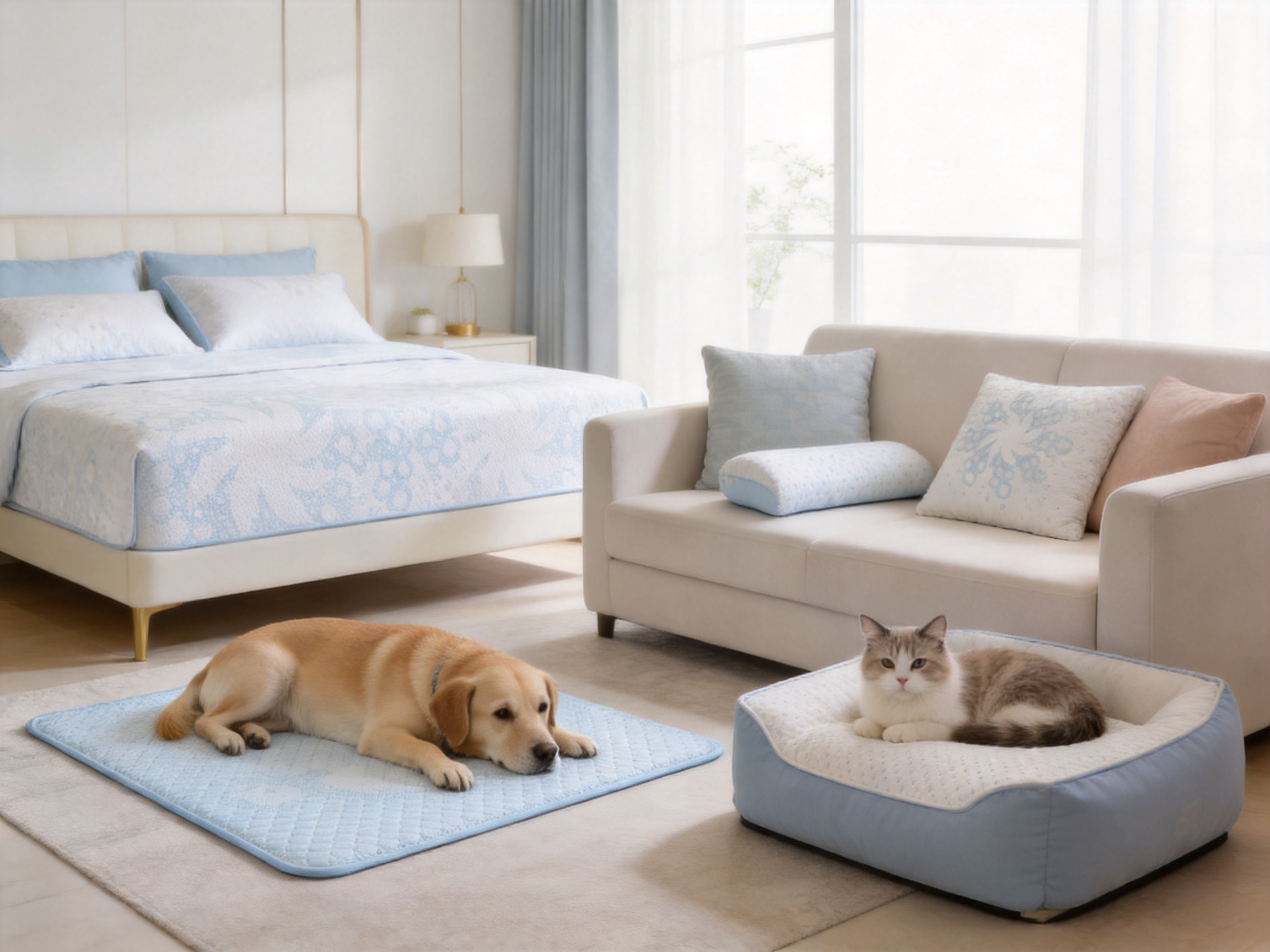
Sofa fabric must withstand frequent sitting, rubbing, pressure, and decorative inspection. In pet-friendly homes, it may also face claws, paws, fur, and occasional spills. Tencel Pet Friendly Fabrics can be engineered for sofa and home furnishing applications by selecting suitable weights, blends, weave structures, and finishing processes. A Tencel-polyester blend, for example, can enhance strength and resilience while preserving a softer, more breathable surface than many conventional synthetic upholstery materials.
The fabric’s decorative quality is essential for sofas. Consumers want pet-friendly furniture that does not look overly industrial or compromise interior style. Tencel fabrics can be dyed in attractive shades and woven or knitted into refined textures. This allows sofa manufacturers to create products that appeal to design-conscious buyers who also live with pets.
For pet-friendly sofas, cleaning convenience is a major purchase driver. A smoother surface can help owners remove pet hair more easily. Color fastness and stable finishing help the sofa maintain its appearance over time. Depending on the product design, the fabric can be used for fixed upholstery panels, removable covers, cushion surfaces, armrest covers, or decorative accessories.
Beyond sofas, Tencel Pet Friendly Fabrics can be used for pet beds, decorative mats, cushion covers, travel pads, indoor kennels, and home textile accessories. The same fabric family can support multiple product categories, helping manufacturers build coordinated pet-friendly collections. This cross-category potential is a key advantage over materials that are suitable only for heavy upholstery or only for lightweight bedding.
Advanced Manufacturing Strengths Behind the Fabric
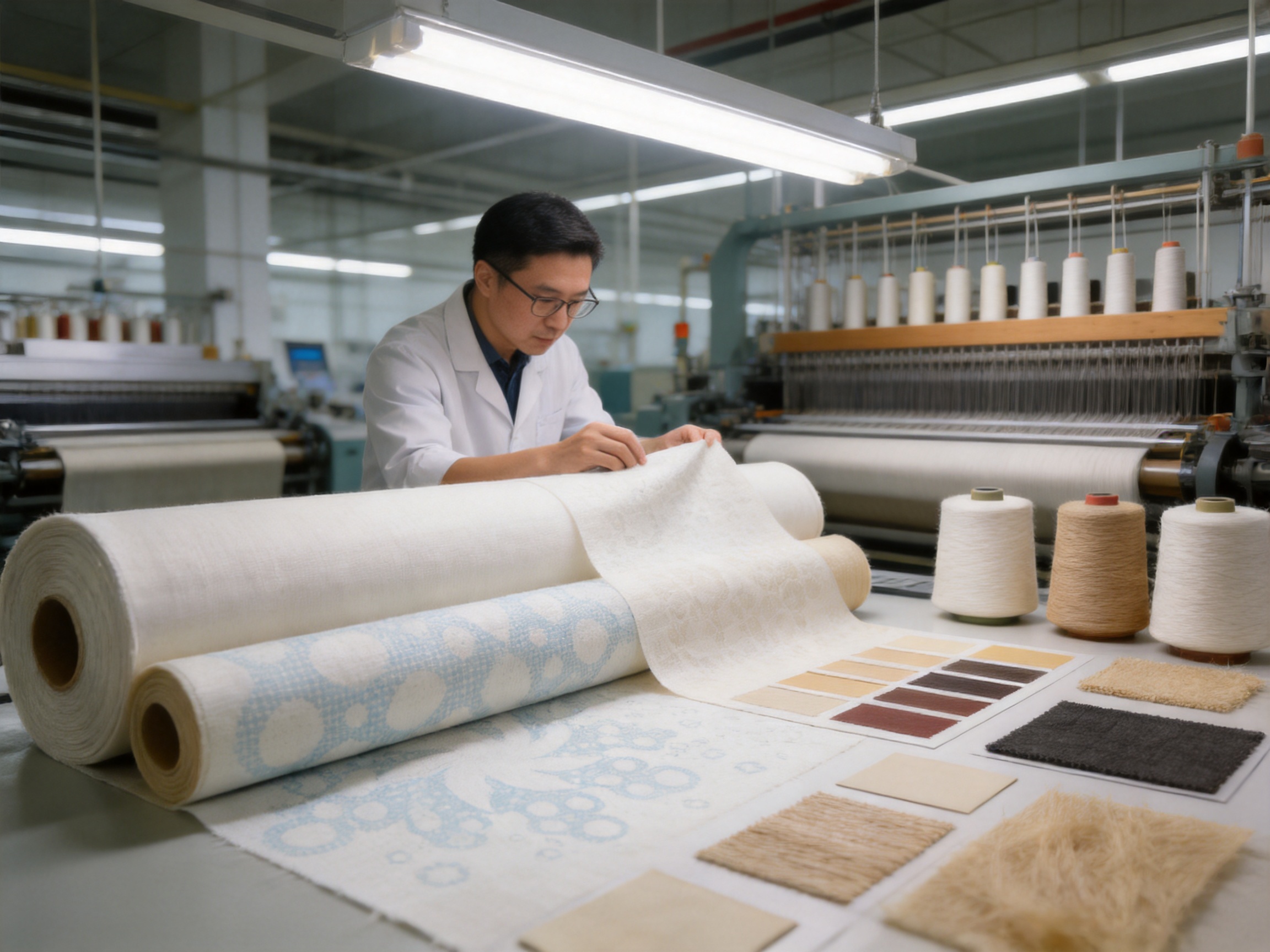
High-quality Tencel Pet Friendly Fabrics depend not only on fiber selection but also on manufacturing expertise. Hangzhou Xinsili Decorative Fabric Weaving Co., Ltd. specializes in the research, development, and manufacturing of decorative textiles, with a focus on functional fabrics for home, hotel, and commercial spaces. With 19 years of industry experience, a 12,000 square meter factory area, and recognition as a National High-Tech Enterprise in 2023, the company has built a strong foundation for stable production, practical innovation, and reliable quality control.
The company’s manufacturing philosophy emphasizes craftsmanship-driven production, design innovation, and win-win collaboration. This is highly relevant to Tencel Pet Friendly Fabrics because the product must satisfy many performance requirements at once. It must be soft but durable, breathable but stable, decorative but practical, and suitable for humans while also meeting pet-friendly expectations. Achieving this balance requires technical knowledge in yarn selection, fabric construction, dyeing, finishing, inspection, and customization.
Raw material evaluation is the first step. Fiber composition is selected according to the intended application. A premium pillowcase or bedding fabric may use a high proportion of Tencel to maximize comfort. A sofa fabric or pet mat may use a blend to improve abrasion resistance and dimensional stability. By adjusting blend ratios and yarn specifications, the manufacturer can create fabrics that meet different market segments.
Weaving and knitting processes are then optimized to achieve target texture, density, weight, and mechanical performance. Plain weave may be chosen for simplicity and stability, twill for texture and strength, and knit for stretch and softness. Process control is essential because inconsistent tension, density variation, or uneven surface structure can affect both appearance and performance. Advanced production management helps ensure fabric consistency from batch to batch.
Dyeing is another critical stage. The use of reactive dyeing for cellulosic fibers supports clear color development and strong fastness. Proper dyeing requires control of temperature, time, pH, dye concentration, washing, and fixation. For decorative fabrics, color consistency is especially important because materials may be used across large furniture surfaces or coordinated bedding sets. Good color management reduces shade variation and improves buyer confidence.
Functional Finishing and Quality Control
Functional finishing can further enhance Tencel Pet Friendly Fabrics depending on customer needs. The company focuses on decorative textiles with functional technologies such as antibacterial, moisture-resistant, flame-retardant, sleep-supporting, and comfort-improving functions. While the exact finish should be chosen according to regulatory requirements and end-use conditions, this technical background allows the development of fabrics that go beyond basic decoration.
For pet-friendly applications, possible finishing goals include improved abrasion resistance, reduced pilling tendency, enhanced moisture management, easier cleaning, softer touch, and better dimensional stability. Finishing must be carefully controlled because excessive chemical treatment can reduce softness or breathability. A strong manufacturer understands how to balance function and comfort so that the fabric remains pleasant to use.
Quality control is essential throughout production. Fabric weight, width, color, surface defects, hand feel, shrinkage, color fastness, and construction stability may all be checked according to order requirements. For buyers producing mattresses, sofas, bedding, or pet products, consistent quality reduces cutting waste, sewing problems, customer complaints, and return risk. Reliable inspection is one of the strongest competitive advantages a textile supplier can offer.
The company’s factory scale supports stable production and project coordination. A 12,000 square meter manufacturing area provides space for production flow, material storage, inspection, and customization activities. Combined with nearly two decades of experience, this capacity helps serve buyers who need both standard fabrics and tailored development. For international clients, stability and communication are as important as product performance.
Recognition as a National High-Tech Enterprise reflects the company’s emphasis on innovation and technical capability. In functional decorative textiles, innovation is not limited to creating new patterns. It includes developing fabrics that support safer, healthier, more comfortable, and more sustainable living spaces. Tencel Pet Friendly Fabrics fit this direction because they respond to changing lifestyle needs while using a fiber known for comfort and environmental value.
Customization for Manufacturers, Suppliers, and Project Buyers
Customization is one of the strongest advantages of Tencel Pet Friendly Fabrics. Different buyers have different priorities. A mattress brand may need stretch, quilting compatibility, breathability, and soft touch. A sofa manufacturer may prioritize abrasion resistance, color depth, and decorative texture. A pet product supplier may require easy cleaning, comfort, and cost efficiency. A hotel project may need durability, flame-retardant options, and consistent color matching. A strong fabric supplier must be able to translate these requirements into technical fabric solutions.
Fiber composition can be customized first. 100% Tencel can be selected for premium comfort-focused products. Tencel-cotton blends can create a natural, soft, and breathable surface. Tencel-polyester blends can improve durability and recovery. Other blend structures may be developed according to specific project needs. This flexibility allows the fabric to compete effectively against both natural and synthetic alternatives.
Weight customization allows product developers to choose the right balance of drape, strength, opacity, and hand feel. A lightweight fabric may be ideal for pillowcases and summer bedding, while a heavier fabric may be better for sofa covers and pet mats. The 150 to 300 gsm range provides a practical foundation, and additional adjustments may be possible for special orders.
Width customization can improve production efficiency. Standard widths of 145 cm and 150 cm are suitable for many applications, but custom widths may reduce waste for specific cutting layouts. This is especially useful for large furniture panels, mattress covers, or bedding products where fabric utilization directly affects cost.
Color and pattern development also support brand differentiation. With reactive dyeing and controlled finishing, the fabric can be developed in colors suitable for modern residential interiors, hotel environments, children’s products, pet accessories, and commercial spaces. Neutral colors may appeal to furniture brands, while soft natural shades may suit bedding and maternity products. Bright or playful colors may be appropriate for children’s mattress fabric and pet products.
Sustainability and Responsible Material Direction
Modern textile buyers increasingly consider sustainability, not only price and appearance. Tencel is widely recognized as a more environmentally conscious fiber option compared with many traditional materials because it is derived from renewable wood-based cellulose and produced through advanced processes that emphasize resource efficiency. For brands seeking more responsible home textile materials, Tencel Pet Friendly Fabrics provide a compelling story.
Sustainability in fabric development also includes durability and long service life. A fabric that wears out quickly creates waste and dissatisfaction. By combining Tencel with appropriate construction, dyeing, and finishing, the product can maintain comfort and appearance through regular use. For pet-friendly products, this is especially important because low-quality fabrics may pill, fade, trap odor, or lose structure quickly.
The company’s commitment to high-quality, environmentally friendly decorative fabric solutions aligns with the broader movement toward healthier living spaces. Functional decorative textiles can help improve comfort, safety, and practical performance in residential, hotel, and commercial environments. Tencel Pet Friendly Fabrics support this mission by offering a material that is pleasant for daily contact and adaptable to multiple product categories.
Sustainable product development also benefits from manufacturing precision. Accurate production reduces defects, rework, and waste. Consistent dyeing reduces rejected batches. Proper width customization reduces cutting loss. Quality inspection reduces downstream product failure. In this sense, advanced manufacturing is part of responsible textile production.
Why This Fabric Stands Out in Competitive Markets
The market for pet-friendly fabrics is competitive, but many products solve only one part of the problem. Some are durable but uncomfortable. Some are soft but not stable enough. Some are decorative but difficult to clean. Some are affordable but lack a premium feel. Tencel Pet Friendly Fabrics stand out because they combine multiple advantages in one adaptable material platform.
The first advantage is comfort. Tencel offers a smooth, soft, and breathable surface that is suitable for direct skin contact. This makes the fabric more versatile than many conventional pet-oriented upholstery materials. It can be used not only for pet beds or sofas, but also for pillowcases, bedding, maternity pillows, mattress covers, and children’s mattress products.
The second advantage is moisture management. Pet-friendly environments need fabrics that can help maintain freshness and comfort. Tencel’s ability to absorb and release moisture supports a more pleasant surface experience. This is an important difference from many synthetic-only fabrics that may feel warm or less breathable during prolonged contact.
The third advantage is customization. Buyers can choose composition, weight, weave, width, color, and finish according to their product goals. This makes the fabric suitable for both mass-market and premium product lines. It also helps manufacturers differentiate their offerings in crowded categories.
The fourth advantage is manufacturing reliability. Backed by experienced decorative textile production, functional fabric development, and quality control capabilities, the fabric can be produced with attention to consistency and performance. For buyers, a dependable supplier reduces risk and supports long-term cooperation.
The fifth advantage is sustainability-oriented value. Tencel’s material background and the company’s focus on environmentally friendly decorative fabric solutions help brands respond to consumer interest in healthier and more responsible living products. Pet-friendly no longer means merely tough; it can also mean comfortable, refined, and more thoughtful.
Buying Considerations for Professional Customers
Professional buyers should evaluate Tencel Pet Friendly Fabrics according to the intended product category. For mattress and bedding applications, breathability, softness, shrinkage, wash fastness, and compatibility with quilting or sewing processes may be key. For sofa fabric, abrasion resistance, pilling resistance, color fastness, seam performance, and texture stability may be more important. For pet mats, cleaning convenience, durability, comfort, and cost-performance balance should be considered.
Fiber composition should be selected carefully. 100% Tencel provides a premium touch, but blends may be more suitable for products exposed to higher abrasion or frequent washing. Polyester blends can improve durability, while cotton blends can enhance natural comfort. The best choice depends on product positioning and performance requirements.
Fabric weight should match the structure of the finished product. Lightweight fabrics may not provide enough body for sofa or pet cushion applications, while heavy fabrics may feel too dense for pillowcases or summer bedding. The 150 to 300 gsm range offers many practical options, but sampling and testing are recommended before bulk production.
Color selection should consider end-use conditions. Dark colors may hide stains better, while light colors may convey cleanliness and softness. For pet-friendly products, medium tones and textured surfaces can be practical because they balance decoration and maintenance. Reactive dyeing helps achieve reliable color performance, but buyers should specify required fastness standards based on market needs.
Testing should be aligned with product claims. If a buyer plans to market a fabric as antibacterial, flame-retardant, cooling, moisture-resistant, or extra durable, appropriate testing and documentation should be discussed. Clear communication between buyer and manufacturer helps ensure that the final fabric meets both regulatory and marketing expectations.
Q&A: Common Questions About Tencel Pet Friendly Fabrics
What makes Tencel Pet Friendly Fabrics different from ordinary decorative fabrics?
Tencel Pet Friendly Fabrics are designed to combine decorative appeal with comfort and practical daily performance. Unlike ordinary decorative fabrics that may focus mainly on appearance, these fabrics emphasize softness, breathability, moisture management, cleaning convenience, and suitability for shared human and pet environments.
Can the fabric be made from 100% Tencel?
Yes. The fabric can be made from 100% Tencel for products that prioritize premium softness, breathable comfort, and moisture absorption. It can also be blended with cotton, polyester, or other fibers to improve specific characteristics such as durability, dimensional stability, resilience, or cost efficiency.
What product categories can use this fabric?
The fabric is suitable for mattress fabric, children mattress fabric, pillowcase fabric, pregnancy pillow fabric, cooling mat fabric, bedding fabric, sofa fabric, pet beds, cushion covers, decorative home textiles, and pet-friendly furniture products.
What is the common fabric weight range?
The common weight range is 150 to 300 gsm. Lighter weights are suitable for pillowcases and breathable bedding, medium weights are useful for mattress covers and general home textiles, and heavier weights can be selected for sofa fabric, pet mats, and structured decorative applications.
Is the fabric easy to clean?
The smooth surface of Tencel-based fabrics can make routine cleaning easier than rough or heavily textured materials. Pet hair, dust, and surface debris may be removed more conveniently by vacuuming, brushing, or lint removal. Cleaning performance also depends on fabric construction, finishing, and the care method used for the finished product.
Does Tencel help with moisture and heat comfort?
Yes. Tencel is valued for moisture absorption and breathability. These characteristics can help the fabric surface feel fresher and more comfortable during prolonged contact. This is useful for bedding, mattress covers, pillowcases, pregnancy pillows, cooling mats, sofas, and pet resting surfaces.
What widths are available?
Standard widths are commonly 145 cm or 150 cm. Custom widths can also be developed according to buyer requirements, helping improve cutting efficiency and reduce fabric waste in large-scale manufacturing.
What dyeing process is used?
Reactive dyeing is commonly used for Tencel and other cellulosic fiber fabrics. This process supports clear color, good dye fixation, and color fastness that meets industry standards when properly controlled.
Can the fabric be customized for hotel or commercial projects?
Yes. The fabric can be developed for residential, hotel, and commercial environments. Depending on project requirements, buyers can discuss composition, weight, width, color, texture, and functional finishing options such as moisture-resistant, flame-retardant, antibacterial, comfort-improving, or other performance-oriented treatments.
Why should manufacturers choose an experienced decorative textile supplier?
An experienced supplier can provide better control over yarn selection, weaving or knitting, dyeing, finishing, inspection, and customization. This reduces production risk, improves batch consistency, and helps buyers develop fabrics that match real market needs. Manufacturing experience is especially important for multifunctional fabrics that must be comfortable, durable, decorative, and pet-friendly at the same time.
Conclusion
Tencel Pet Friendly Fabrics represent a modern solution for interiors where people and pets share the same living spaces. By combining the smooth softness and moisture management of Tencel with flexible blending, fabric weights from 150 to 300 gsm, plain, twill, knit, and customized structures, standard or custom widths, and reactive dyeing with reliable color fastness, the product offers strong value across many categories. It is suitable for mattress fabric, children mattress fabric, pillowcase fabric, pregnancy pillow fabric, cooling mat fabric, bedding fabric, sofa fabric, pet beds, and decorative textile applications.
Its advantages over conventional competitors are clear. Compared with stiff synthetic pet fabrics, it offers superior comfort and breathability. Compared with ordinary cotton fabrics, it provides a smoother and more refined surface. Compared with basic decorative textiles, it delivers better functional adaptability for pet-friendly lifestyles. With the right construction and finish, it can support easier cleaning, improved comfort, attractive appearance, and durable everyday performance.
Behind the fabric is the strength of experienced manufacturing. Hangzhou Xinsili Decorative Fabric Weaving Co., Ltd. brings 19 years of industry experience, a 12,000 square meter factory area, advanced functional textile development, and recognition as a National High-Tech Enterprise. Its focus on craftsmanship, design innovation, stable quality, and environmentally friendly decorative fabric solutions supports the creation of textiles that are practical, reliable, and aligned with modern living needs.
For brands, manufacturers, suppliers, and project buyers seeking a fabric that can serve both human comfort and pet-friendly functionality, Tencel Pet Friendly Fabrics provide a versatile and future-oriented choice. They help transform everyday surfaces into softer, fresher, more comfortable, and more sustainable spaces for homes, hotels, commercial interiors, and pet-loving families.
References
1. Textile Institute. Textile Terms and Definitions. Textile Institute Publications.
2. Morton, W. E., and Hearle, J. W. S. Physical Properties of Textile Fibres. Woodhead Publishing.
3. Kadolph, S. J. Textiles. Pearson Education.
4. Sinclair, R. Textiles and Fashion: Materials, Design and Technology. Woodhead Publishing.
5. Cook, J. G. Handbook of Textile Fibres: Man-Made Fibres. Woodhead Publishing.
6. Broadbent, A. D. Basic Principles of Textile Coloration. Society of Dyers and Colourists.
7. Saville, B. P. Physical Testing of Textiles. Woodhead Publishing.
8. Horrocks, A. R., and Anand, S. C. Handbook of Technical Textiles. Woodhead Publishing.
Product: Tencel Pet Friendly Fabrics

Our Featured Products
-
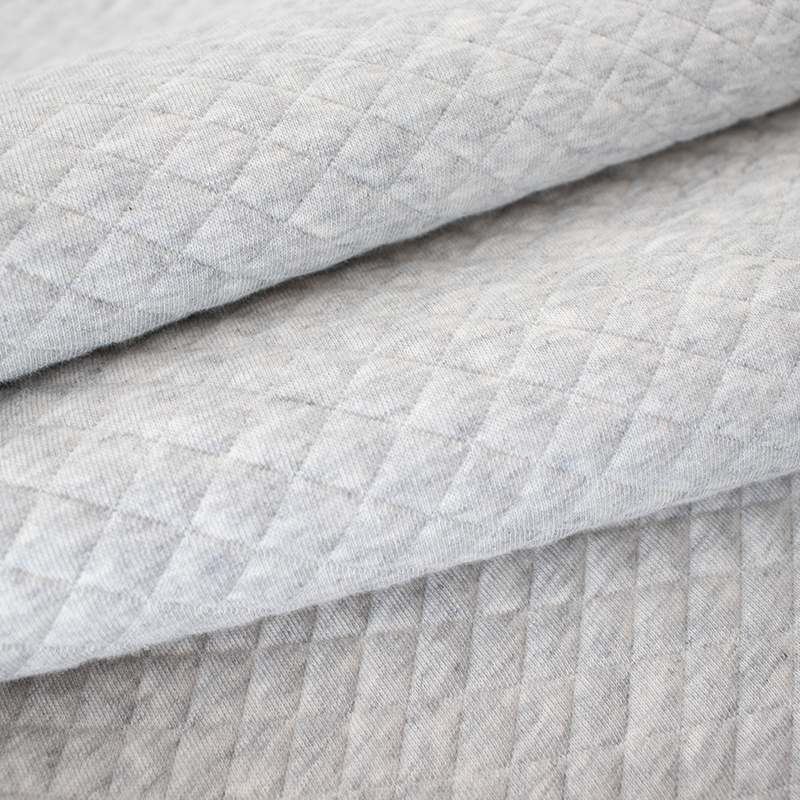
Tencel Pet Friendly Fabrics
Tencel Pet Friendly Fabrics
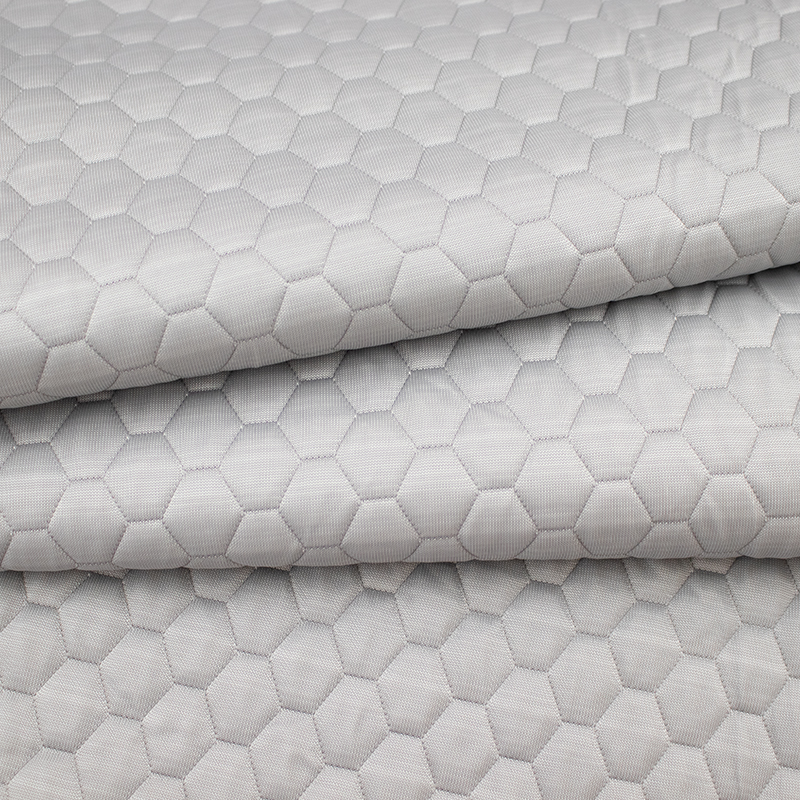
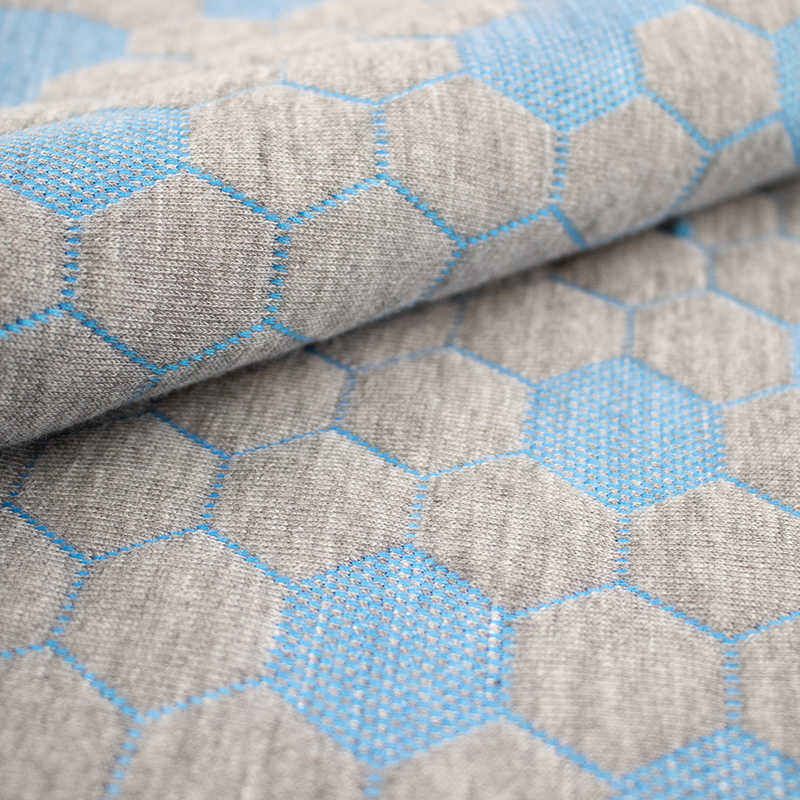
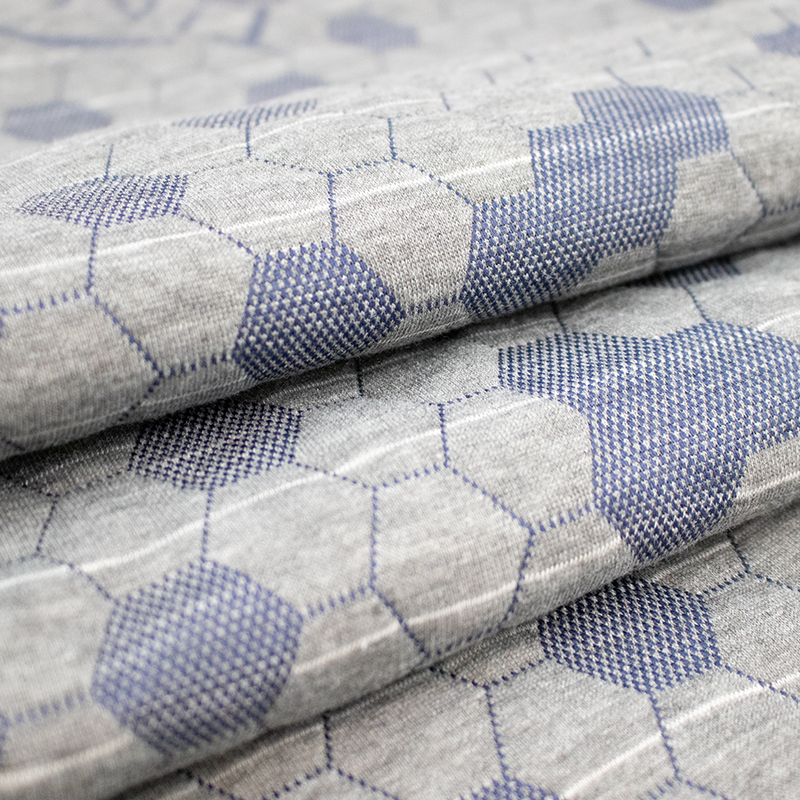
Haven’t Found The Products You Want?
-
-
Shen Jinyan:+86-15158070676
[email protected]
Liang Jinwen:+86-15757186621
[email protected]
Qiu Yingyingn:+86-13819545790
[email protected]
Yi qiao Town, Xiaoshan District, Hangzhou City, Zhejiang Province, China
-
Products
Mattress Fabric Children Mattress Fabric Pillowcase Fabric Pregnancy Pillow Fabric Cooling Mat Fabric Bedding Fabric Sofa Fabric Pet Friendly Fabrics -
Contact Information
About Us Products Strength Sustainability News Contact Us
Copyright © Hangzhou Xinsili Decorative Fabric Weaving Co.,Ltd. All Rights Reserved.
Functional Decorative Textile Manufacturers
