

 English
 中文简体
中文简体 Español
 عربى
عربى русский


Bamboo Fiber Sofa Fabric for Healthy, Durable, and Sustainable Seating
Content
- 1 Understanding Bamboo Fiber Sofa Fabric
- 2 Key Product Advantages
- 3 Advantages Over Common Competing Sofa Fabrics
- 4 Manufacturing Strength Behind the Fabric
- 5 Applications in Residential Interiors
- 6 Applications in Hotels and Commercial Spaces
- 7 Why Bamboo Fiber Sofa Fabric Supports Sustainable Design
- 8 Customization Possibilities
- 9 Product Value for Furniture Manufacturers
- 10 Product Value for Interior Designers and Project Buyers
- 11 Care and Maintenance Considerations
- 12 How Advanced Manufacturing Creates Competitive Advantage
- 13 Quality Factors Buyers Should Evaluate
- 14 Frequently Asked Questions
- 14.1 What is Bamboo Fiber Sofa Fabric?
- 14.2 Why is bamboo fiber suitable for sofa upholstery?
- 14.3 How does Bamboo Fiber Sofa Fabric compare with polyester sofa fabric?
- 14.4 Can Bamboo Fiber Sofa Fabric be customized?
- 14.5 Can the fabric include antibacterial or flame-retardant functions?
- 14.6 Is Bamboo Fiber Sofa Fabric comfortable in warm weather?
- 14.7 Is this fabric suitable for hotels and commercial spaces?
- 14.8 How should Bamboo Fiber Sofa Fabric be maintained?
- 14.9 What makes the manufacturer competitive?
- 15 Conclusion
- 16 References
- 17 Product: Bamboo Fiber Sofa Fabric
Bamboo Fiber Sofa Fabric is a modern decorative textile designed for upholstery applications where comfort, appearance, durability, and environmental responsibility are expected to work together. In today’s residential, hotel, apartment, office, and commercial interior markets, sofa fabric is no longer judged only by color or pattern. Buyers, furniture manufacturers, interior designers, and end users increasingly evaluate a fabric by its touch, breathability, hygiene performance, abrasion resistance, moisture behavior, maintenance convenience, and long-term value. Bamboo fiber brings a distinctive combination of natural softness and functional comfort, making it an excellent choice for sofa upholstery that must feel inviting while performing reliably in daily use.
For furniture brands and project purchasers seeking a differentiated upholstery material, Bamboo Fiber Sofa Fabric offers a strong balance between lifestyle appeal and technical practicality. It has a smooth and comfortable hand feel, a breathable structure, and a naturally pleasant textile character that supports relaxed living spaces. Compared with many conventional synthetic upholstery fabrics, bamboo fiber fabric can provide a fresher touch and a more skin-friendly seating experience. Compared with some purely natural fabrics, it can be engineered with improved dimensional stability, practical strength, and decorative consistency through controlled manufacturing and finishing processes.
Hangzhou Xinsili Decorative Fabric Weaving Co., Ltd. focuses on functional decorative fabrics for home, hotel, and commercial spaces. With long-term experience in textile development and manufacturing, the company combines material selection, weaving technology, finishing treatment, quality control, and customer-oriented customization to produce fabrics that support safe, healthy, comfortable, and sustainable interiors. Bamboo Fiber Sofa Fabric reflects this manufacturing philosophy by integrating soft comfort with reliable upholstery performance.
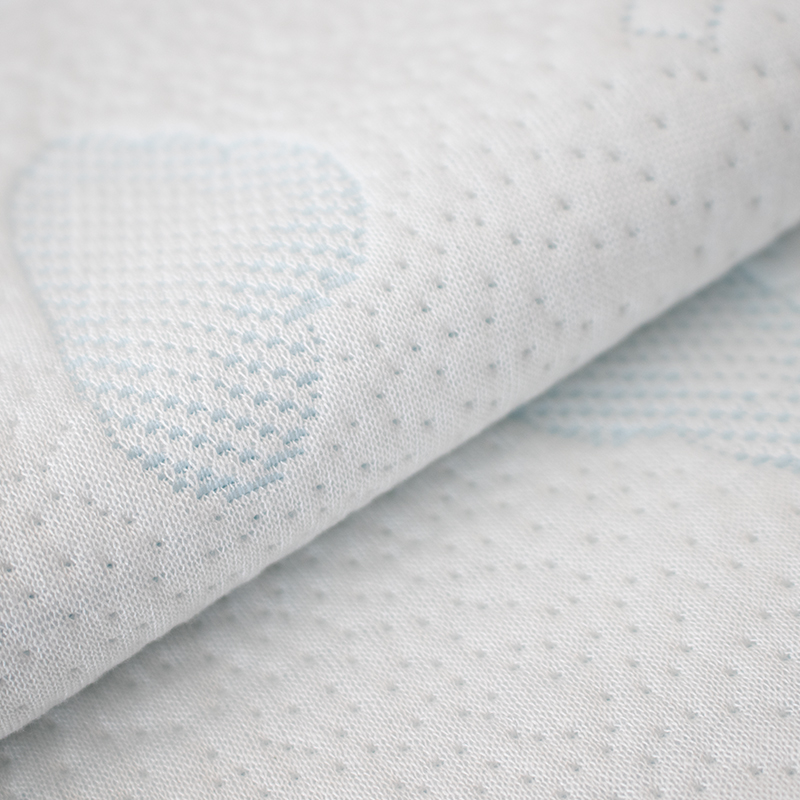
Understanding Bamboo Fiber Sofa Fabric
Bamboo Fiber Sofa Fabric is an upholstery textile made using bamboo-derived fibers, often blended or engineered with other fibers depending on the target performance requirements. The fabric is intended for sofa surfaces, cushions, armrests, backrests, modular seating, lounge chairs, decorative panels, and other upholstered furniture elements. Its value comes from the way bamboo fiber contributes softness, breathability, and comfort, while professional weaving and finishing improve strength, appearance stability, and practical usability.
Bamboo fiber is widely appreciated because it creates a naturally smooth surface that feels gentle against the skin. For sofa use, this is important because upholstery is frequently touched by hands, arms, legs, and the face during daily relaxation. A fabric that feels rough, stuffy, or irritating can reduce the perceived value of the furniture even if the structure of the sofa is strong. Bamboo Fiber Sofa Fabric helps solve this problem by offering a refined tactile experience suitable for modern homes and premium commercial environments.
The fabric can be developed in multiple textures, visual effects, and weights. Depending on design needs, it can be woven into plain, twill, jacquard, textured, or patterned styles. It may present a clean minimalist look for contemporary living rooms, a warm natural look for family spaces, or a more elegant decorative look for hotel lounges and boutique apartments. This versatility makes it suitable for furniture manufacturers that need both comfort and design flexibility.
In the upholstery market, the word “comfort” often refers to the foam, spring system, and sofa structure. However, the top fabric also plays a decisive role. It directly influences touch, air exchange, moisture sensation, warmth, visual softness, and maintenance experience. Bamboo Fiber Sofa Fabric enhances this surface-level comfort and helps furniture feel more premium from the first moment of contact.
Key Product Advantages
Soft and Skin-Friendly Touch
One of the most immediate advantages of Bamboo Fiber Sofa Fabric is its soft hand feel. Bamboo-derived fibers are known for their smoothness, and when processed through appropriate yarn preparation and weaving, they can create a sofa surface that feels gentle, refined, and comfortable. This makes the fabric suitable for living rooms, children’s relaxation areas, bedrooms, reading corners, and hospitality spaces where guests spend extended periods sitting or reclining.
Many conventional upholstery fabrics can feel stiff when they prioritize abrasion strength alone. Others may be soft at first but lose their smoothness after repeated use. Bamboo Fiber Sofa Fabric can be engineered to maintain a pleasant touch while still supporting furniture durability. This balance is especially valuable for mid-to-high-end furniture brands that want a comfortable surface without sacrificing practical performance.
Breathable Seating Comfort
Breathability is a major advantage for sofa upholstery. When a fabric traps heat and moisture, the sofa may feel uncomfortable during long sitting periods, especially in warm climates or air-conditioned indoor spaces where temperature changes are frequent. Bamboo Fiber Sofa Fabric helps improve the seating microclimate by supporting air movement and moisture diffusion. This creates a fresher and more comfortable experience for users.
Compared with dense synthetic coverings that may create a hotter surface, bamboo fiber fabric can provide a more balanced feel. It does not merely decorate the sofa; it contributes to the comfort system of the furniture. In family living rooms, offices, waiting areas, and hotel suites, this breathable characteristic helps users feel more relaxed and less fatigued during daily use.
Moisture Management and Freshness
Bamboo fiber is often valued for its moisture absorption and release behavior. For sofa fabric, this characteristic helps reduce the sticky sensation that may occur when people sit for long periods. A fabric with good moisture management can feel more pleasant in humid seasons and can support a cleaner, fresher perception of the seating surface.
In homes with children, pets, or frequent guests, sofa fabric is exposed to body moisture, temperature changes, and daily contact. Bamboo Fiber Sofa Fabric offers a comfort advantage by helping manage this contact environment. When combined with professional finishing, it can also be adapted for enhanced antibacterial, moisture-resistant, or easy-care performance depending on customer requirements.
Natural Appearance with Modern Design Flexibility
Bamboo Fiber Sofa Fabric can deliver a natural and elegant visual character. Its surface can appear soft, warm, and refined, which matches current interior design trends that favor calm colors, organic textures, and comfortable materials. Unlike some highly glossy synthetic upholstery materials, bamboo fiber fabric can create a more relaxed and premium atmosphere.
At the same time, it is not limited to one style. Through color development, yarn arrangement, jacquard design, and surface texture control, it can be adapted for modern minimalist sofas, Scandinavian-inspired furniture, family sofas, hotel seating, apartment furniture, and commercial lounge seating. This flexibility allows furniture manufacturers to build product lines with consistent comfort but different visual identities.
Support for Healthier Interior Spaces
Consumers are paying more attention to the health impact of interior materials. Sofa fabric is a large surface material inside a room, and it can influence comfort, odor perception, skin contact, and overall living quality. Bamboo Fiber Sofa Fabric supports the development of healthier seating environments because it offers softness, breathability, and a more natural textile image.
Hangzhou Xinsili’s focus on functional decorative textiles further strengthens this value. The company integrates technologies such as antibacterial, moisture-resistant, flame-retardant, sleep-supporting, and comfort-improving functions into textile solutions. For Bamboo Fiber Sofa Fabric, such development capability means the product can be customized according to different markets, whether the priority is comfort, safety, freshness, durability, or sustainability.
Advantages Over Common Competing Sofa Fabrics
Bamboo Fiber Sofa Fabric competes with many upholstery materials, including polyester fabric, cotton fabric, linen fabric, velvet, faux leather, microfiber, and blended decorative textiles. Each material has its own benefits, but bamboo fiber fabric offers a balanced solution for buyers who want comfort, functional potential, and an environmentally conscious material story.
| Comparison Item | Bamboo Fiber Sofa Fabric | Common Synthetic Sofa Fabric | Traditional Natural Sofa Fabric |
|---|---|---|---|
| Touch Comfort | Soft, smooth, and skin-friendly | May feel warm, stiff, or less breathable depending on construction | Can be comfortable but may vary greatly by fiber and finish |
| Breathability | Good air exchange and seating freshness | Often depends on density and finishing; some types feel stuffy | Generally breathable but may wrinkle or absorb moisture heavily |
| Moisture Behavior | Helps manage moisture sensation and comfort | May dry quickly but can feel less natural against skin | Absorbs moisture but may require more care |
| Design Flexibility | Suitable for modern, natural, elegant, and textured looks | Very flexible but sometimes lacks natural hand feel | Attractive natural appearance but may have limitations in stability |
| Functional Customization | Can be developed with antibacterial, moisture-resistant, or flame-retardant options | Highly customizable but may not provide the same natural comfort image | Functional finishing possible but may affect touch or care |
| Market Appeal | Combines comfort, sustainability image, and practical performance | Often valued for cost and durability | Often valued for natural texture and authenticity |
Compared with standard polyester upholstery, Bamboo Fiber Sofa Fabric provides a softer and more breathable user experience. Polyester fabrics are popular because of their durability and cost efficiency, but some types can feel less natural and less comfortable during extended contact. Bamboo fiber fabric helps furniture brands create a higher-value tactile experience while maintaining practical performance through proper weaving and finishing.
Compared with cotton, bamboo fiber fabric can offer a smoother hand and a more refined surface feel. Cotton is familiar and comfortable, but it may wrinkle, shrink, or absorb moisture heavily if not properly engineered. Bamboo Fiber Sofa Fabric can be developed to provide natural comfort while supporting improved dimensional and decorative stability through controlled production.
Compared with linen, bamboo fiber fabric generally feels softer and less coarse. Linen has a desirable natural look, but its crisp texture is not always ideal for sofas intended for relaxed family comfort. Bamboo Fiber Sofa Fabric can deliver a natural interior style while remaining more inviting to the touch.
Compared with faux leather, Bamboo Fiber Sofa Fabric offers better breathability and a warmer textile feeling. Faux leather can be easy to wipe and visually sleek, but it may feel cold in winter, sticky in summer, and less suitable for people who prefer fabric comfort. Bamboo fiber upholstery provides a softer and more breathable alternative for comfort-oriented seating.
Compared with velvet, Bamboo Fiber Sofa Fabric can offer a more balanced everyday performance profile. Velvet is luxurious and visually rich, but it may show pressure marks, require careful maintenance, or feel warmer. Bamboo fiber fabric can provide elegance with a calmer surface and practical daily usability.
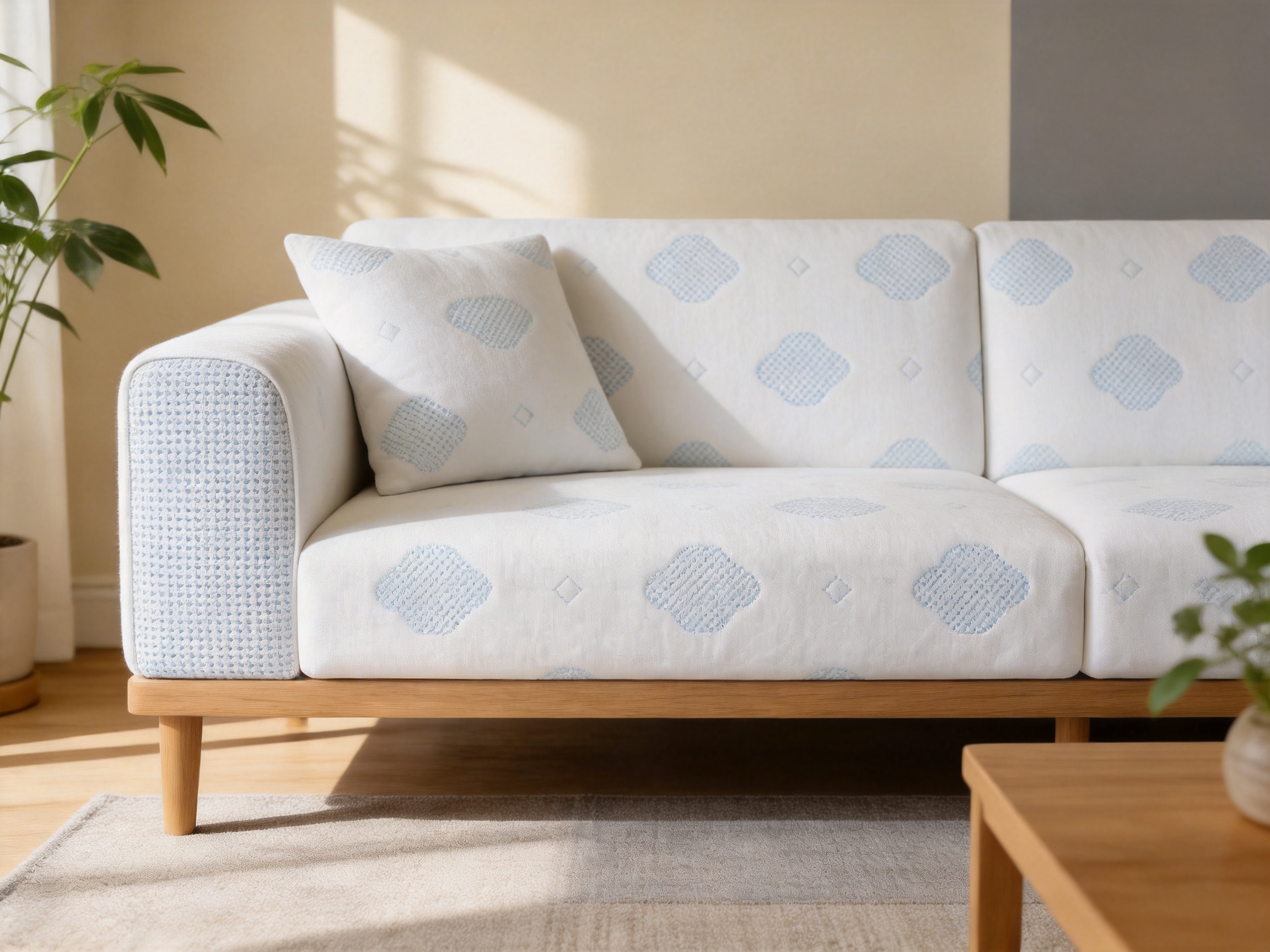
Manufacturing Strength Behind the Fabric
The performance of Bamboo Fiber Sofa Fabric depends not only on the fiber itself but also on the way the fabric is manufactured. Hangzhou Xinsili Decorative Fabric Weaving Co., Ltd. has developed its capabilities through years of experience in decorative textile weaving. The company operates with a focus on stable quality, practical functionality, and reliable supply for residential, hotel, and commercial environments.
With 19 years of industry experience and a factory area of approximately 12,000 square meters, the company has built a production foundation that supports both product development and consistent manufacturing. Recognition as a National High-Tech Enterprise in 2023 reflects its emphasis on innovation, technology application, and continuous improvement. For customers, these strengths matter because sofa fabric must meet not only visual expectations but also long-term performance requirements after delivery.
Material Selection and Yarn Development
The production process begins with material selection. For Bamboo Fiber Sofa Fabric, the quality of yarn has a direct impact on touch, strength, color performance, and surface consistency. The company evaluates fiber characteristics, yarn fineness, yarn strength, twist level, blending structure, and suitability for upholstery applications. This ensures that the final textile can meet both comfort and durability goals.
Yarn development is especially important because sofa fabric is exposed to repeated friction, stretching, pressure, and contact. A fabric that looks beautiful in a sample book must also perform after months and years of use. By selecting appropriate yarn structures and compatible blends when required, the company can improve abrasion resistance, pilling resistance, tensile behavior, and surface stability.
Design and Fabric Structure Engineering
Decorative upholstery fabric is both a design material and a technical material. The appearance must match interior trends, while the structure must withstand furniture use. Bamboo Fiber Sofa Fabric can be developed in different constructions to achieve different effects. A tighter construction may be chosen for higher abrasion resistance, while a more textured construction may be selected for visual richness and softness. Jacquard patterns can provide decorative depth, and simple weaves can support modern minimalism.
Structure engineering also affects breathability, drape, thickness, and hand feel. For sofa applications, the fabric must be flexible enough to upholster curves and corners but stable enough to resist distortion during use. Professional weaving control helps achieve this balance. The company’s experience in decorative textiles allows it to create fabrics that are practical for furniture production, not just attractive as flat samples.
Precision Weaving
Weaving is a critical stage in determining fabric quality. During weaving, yarn tension, density, alignment, pattern accuracy, and loom stability must be carefully controlled. Uneven tension can cause streaks, distortion, or inconsistent hand feel. Poor density control can reduce abrasion resistance or create shade variation. For Bamboo Fiber Sofa Fabric, precision weaving helps maintain a smooth surface, consistent texture, and reliable upholstery behavior.
Advanced weaving management also supports customization. Customers may request specific colors, pattern repeats, widths, textures, weights, or performance goals. A capable weaving facility can translate these requests into manufacturable fabric specifications. This is an important advantage for furniture manufacturers and project buyers that need exclusive designs or market-specific product development.
Functional Finishing
Finishing transforms woven fabric into a product that is ready for real use. Depending on customer requirements, Bamboo Fiber Sofa Fabric can be finished to improve softness, dimensional stability, moisture resistance, antibacterial performance, flame retardancy, or other functional properties. Functional finishing is especially important for hotel, commercial, rental, and family furniture markets where fabric must meet stricter performance expectations.
Softening finishing can enhance the natural smoothness of bamboo fiber and create a more luxurious touch. Heat setting or stabilization processes can help control shrinkage and deformation. Moisture-resistant treatments can improve daily usability in humid environments. Antibacterial finishing can support fresher interior surfaces. Flame-retardant finishing may be required for certain commercial or hospitality projects, depending on local standards and customer specifications.
The company’s broader experience in antibacterial, moisture-resistant, flame-retardant, sleep-supporting, and comfort-improving textile technologies gives it a strong foundation for developing functional sofa fabrics. Instead of offering only standard decorative textiles, it can provide solutions that respond to market needs for health, safety, comfort, and sustainability.
Color Development and Visual Consistency
Color is one of the most important factors in sofa fabric purchasing. A slight color difference can affect furniture collections, showroom presentation, and project installation consistency. Bamboo Fiber Sofa Fabric requires careful color control because its soft surface and natural fiber character can influence how light is reflected. Professional dyeing and color matching help ensure that the final fabric meets approved standards.
Visual consistency also includes pattern clarity, surface evenness, and batch control. For furniture manufacturers, repeatability is essential. A sofa model may be produced over multiple batches, and customers expect consistent appearance. The company’s manufacturing process supports stable production by controlling raw materials, weaving parameters, finishing conditions, and inspection procedures.
Quality Inspection and Testing
Reliable sofa fabric must pass multiple quality checks before shipment. Inspection may include width measurement, weight verification, shade evaluation, surface defect inspection, abrasion testing, pilling assessment, tensile strength testing, seam behavior evaluation, colorfastness testing, and dimensional stability checks. These controls help reduce customer risk and improve production efficiency for furniture manufacturers.
Quality inspection is not simply a final step; it is part of the entire manufacturing system. Problems identified during production can be corrected before they become large-scale defects. By combining process control with final inspection, the company helps customers receive fabrics that are more consistent, easier to cut and upholster, and more dependable in finished furniture.
Applications in Residential Interiors
Bamboo Fiber Sofa Fabric is well suited for residential sofas because it directly supports the comfort expectations of modern families. In a home, the sofa is used for resting, watching television, reading, entertaining guests, playing with children, and sometimes sleeping. The fabric must feel pleasant in many different situations. A breathable and skin-friendly fabric makes the sofa more enjoyable throughout the day.
For family living rooms, the fabric can create a warm and inviting atmosphere. Its soft touch makes it comfortable for children and adults, while its natural appearance supports a calmer interior style. In apartments, where furniture often needs to serve multiple functions, the fabric’s comfort and visual versatility are valuable. It can help a compact sofa feel more premium and livable.
Bamboo Fiber Sofa Fabric can also be used for accent chairs, reading chairs, upholstered benches, cushion covers, and decorative panels. This allows interior designers to create coordinated spaces using the same material language. A sofa fabric that offers both comfort and functional potential can help unify furniture design across the home.
Applications in Hotels and Commercial Spaces
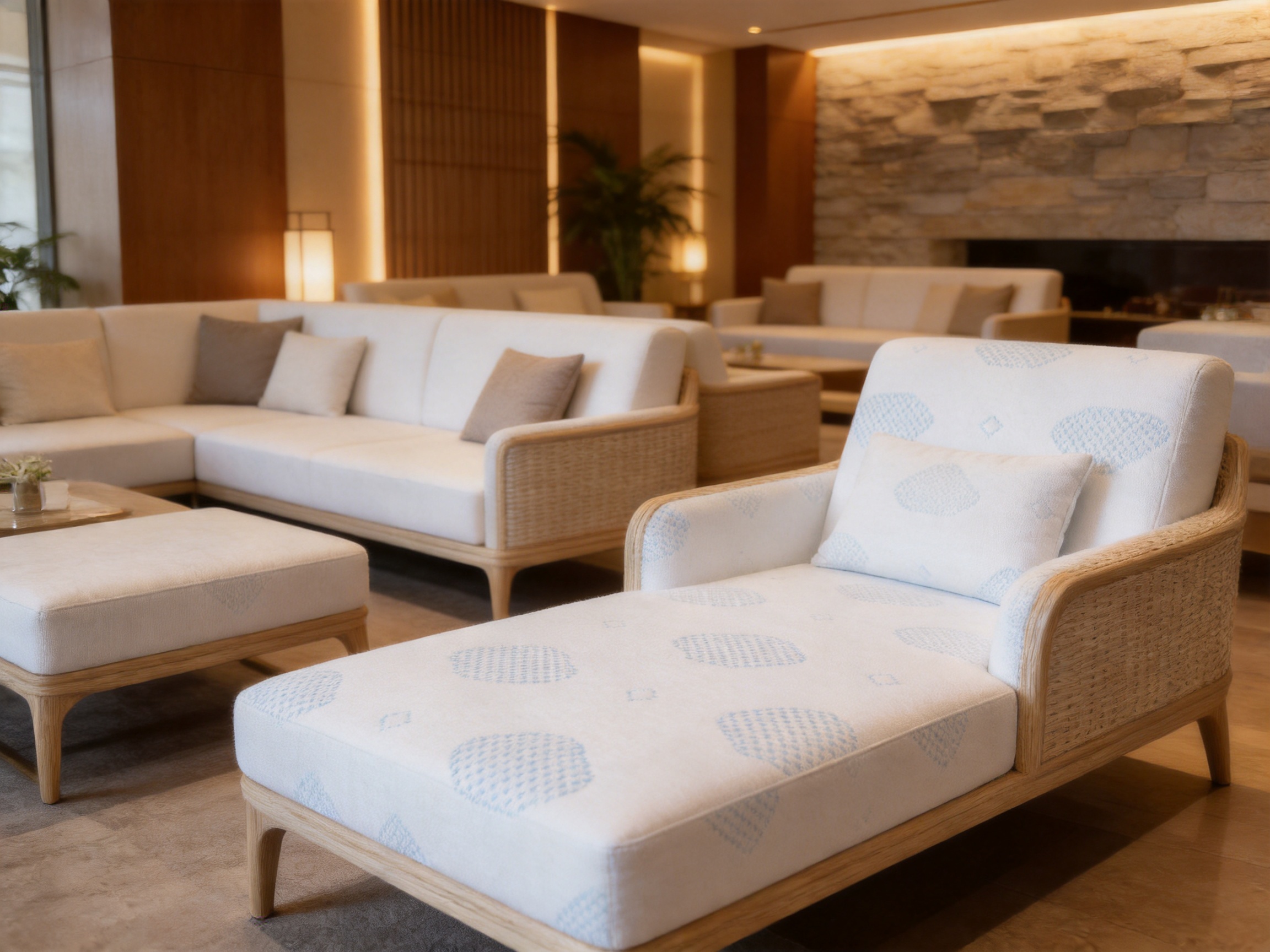
Hotels, serviced apartments, offices, clubs, lounges, and commercial waiting areas require sofa fabrics that can combine appearance with durability. The fabric must look attractive to guests while tolerating repeated use. Bamboo Fiber Sofa Fabric can meet this need by offering a premium tactile experience and a professional decorative effect.
In hotel rooms, guests often judge comfort through surface contact. A sofa or lounge chair covered with soft, breathable fabric can improve the guest experience. In lobbies and public seating areas, the fabric must also create a welcoming impression. Bamboo fiber’s natural and refined appearance supports hospitality design trends that emphasize wellness, comfort, and sustainable materials.
For commercial buyers, optional functional finishing is especially important. Depending on project requirements, the fabric can be developed with enhanced flame-retardant, antibacterial, or moisture-resistant properties. This gives designers and procurement teams greater flexibility when balancing comfort, compliance, and maintenance considerations.
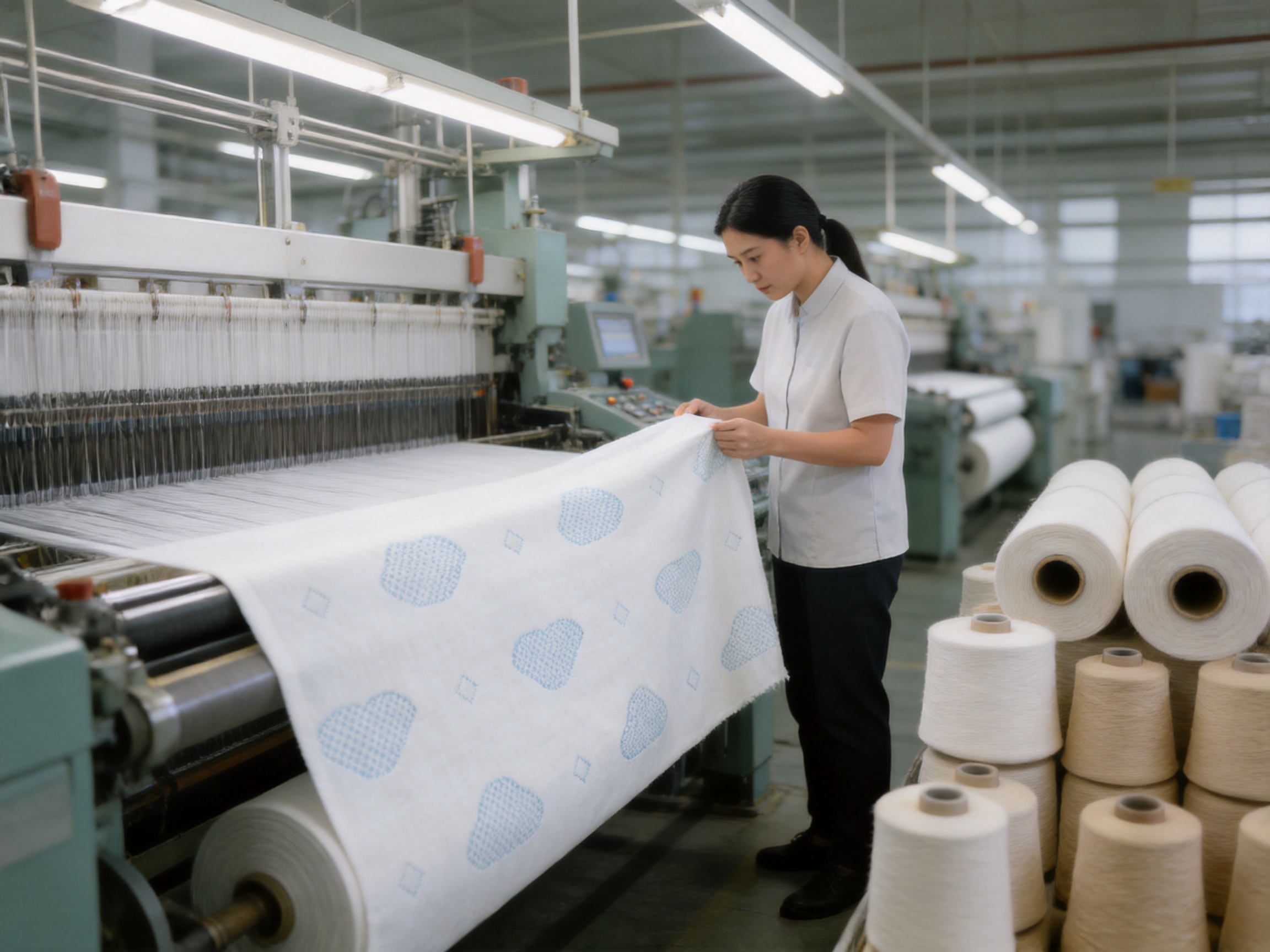
Why Bamboo Fiber Sofa Fabric Supports Sustainable Design
Sustainability has become an important topic in furniture and interior materials. Customers increasingly prefer products that reduce environmental burden, use responsible materials, and support healthier spaces. Bamboo is widely recognized as a fast-growing renewable resource, and bamboo-derived fibers carry a strong sustainability narrative when responsibly produced and processed.
Bamboo Fiber Sofa Fabric supports sustainable design not only through material identity but also through durability and long-term usability. A fabric that remains comfortable, attractive, and functional over time helps extend the life of furniture. Longer furniture life can reduce replacement frequency and material waste. Therefore, durability is an important part of sustainability.
The company’s focus on environmentally friendly decorative fabric solutions also aligns with this direction. By developing stable, practical, and reliable textile products, it helps customers create interiors that are safer, healthier, more comfortable, and more sustainable. For furniture brands, using Bamboo Fiber Sofa Fabric can strengthen product storytelling and appeal to consumers who care about both comfort and responsible material choices.
Customization Possibilities
Furniture manufacturers and interior project buyers often require customized fabric specifications. Bamboo Fiber Sofa Fabric can be developed according to different needs, including color, texture, pattern, width, weight, hand feel, backing, and functional finishing. This flexibility is essential because sofa fabric must match brand positioning, market preferences, furniture structure, and price targets.
Color customization allows customers to create seasonal collections or exclusive furniture series. Neutral shades such as beige, gray, cream, taupe, and light brown are suitable for modern homes, while deeper colors such as navy, charcoal, forest green, coffee, and burgundy can create a premium or commercial atmosphere. Pattern customization can include subtle textures, geometric jacquards, natural woven effects, or more decorative motifs.
Performance customization is equally valuable. Some customers may prioritize softness for residential sofas, while others may require higher abrasion resistance for commercial seating. Some may request antibacterial finishing for health-oriented furniture, while others may need flame-retardant treatment for hospitality projects. The company’s functional textile development capability allows it to respond to these different requirements with practical solutions.
Product Value for Furniture Manufacturers
For furniture manufacturers, the right sofa fabric can improve production efficiency, reduce complaints, strengthen brand differentiation, and increase consumer satisfaction. Bamboo Fiber Sofa Fabric offers several commercial advantages. First, it gives furniture a comfortable and premium surface that customers can immediately feel. Second, it supports a natural and sustainable marketing story. Third, it can be engineered for functional performance. Fourth, it offers design flexibility for different furniture styles.
During furniture production, fabric behavior matters. A good upholstery fabric should cut cleanly, sew reliably, wrap smoothly, and maintain appearance after installation. It should not distort excessively or create unexpected surface problems. Through controlled weaving and finishing, Bamboo Fiber Sofa Fabric can be developed to meet these upholstery processing needs.
The company’s stable manufacturing system also supports buyers who require repeat orders. Furniture collections may remain in the market for years, so suppliers must maintain consistent fabric quality and appearance. Hangzhou Xinsili’s experience, factory scale, and quality management help provide this reliability.
Product Value for Interior Designers and Project Buyers
Interior designers need fabrics that can translate concepts into real spaces. Bamboo Fiber Sofa Fabric supports design concepts related to wellness, comfort, nature, warmth, and understated luxury. Its tactile quality helps create spaces that feel welcoming rather than purely visual. This is important in hotels, private residences, healthcare-adjacent lounges, wellness spaces, and premium apartments.
Project buyers often need to balance budget, performance, and aesthetics. A fabric that looks good but fails quickly is not cost-effective. A fabric that is durable but uncomfortable may reduce user satisfaction. Bamboo Fiber Sofa Fabric offers a balanced option because it combines comfort with practical manufacturing possibilities. Optional functional finishes also help align the fabric with project requirements.
Care and Maintenance Considerations
Proper care helps preserve the appearance and comfort of Bamboo Fiber Sofa Fabric. General maintenance may include regular vacuuming with a soft brush attachment, prompt removal of surface dust, careful spot cleaning according to fabric instructions, and avoiding harsh chemicals. For removable covers, cleaning methods should follow the approved care label. For fixed upholstery, professional cleaning may be recommended when deeper cleaning is needed.
Like all upholstery fabrics, bamboo fiber fabric should be protected from prolonged direct sunlight when possible, as strong ultraviolet exposure can affect color over time. It is also wise to rotate cushions where possible to distribute wear evenly. If the fabric includes special functional finishing, care instructions should be followed carefully to preserve the finish.
The company can support customers by providing fabric specifications and recommended care guidance according to the actual fabric construction and finishing selected. This helps furniture manufacturers communicate accurate maintenance information to end users.
How Advanced Manufacturing Creates Competitive Advantage
The competitive advantage of Bamboo Fiber Sofa Fabric is created by the combination of material advantage and manufacturing discipline. Bamboo fiber provides the foundation of softness, breathability, and natural appeal. The manufacturer’s process control transforms that foundation into a reliable upholstery material. Without skilled production, even a promising fiber may result in inconsistent fabric. With strong manufacturing, the fiber’s advantages become practical commercial value.
Hangzhou Xinsili Decorative Fabric Weaving Co., Ltd. emphasizes craftsmanship-driven manufacturing, design innovation, and win-win collaboration. This approach is important because decorative fabric development often requires cooperation between the supplier and customer. A furniture brand may have an idea for a new sofa series, but the fabric must be adjusted in texture, color, weight, and performance before it becomes commercially successful. The company’s development capability helps turn customer concepts into practical textiles.
The company’s experience in functional decorative fabrics also provides an advantage over suppliers that only offer standard upholstery materials. Modern customers increasingly ask for fabrics with added value: antibacterial protection, moisture resistance, flame-retardant performance, comfort enhancement, or environmental features. A manufacturer with functional textile expertise can provide more complete solutions and help customers respond to changing market demands.
Quality Factors Buyers Should Evaluate
When selecting Bamboo Fiber Sofa Fabric, buyers should evaluate more than appearance. Important quality factors include fabric weight, width, abrasion resistance, pilling resistance, colorfastness, shrinkage, tensile strength, seam strength, hand feel, breathability, finishing type, and batch consistency. These factors influence how the fabric performs in furniture manufacturing and in daily use.
Buyers should also consider the intended application. A family sofa may require softness, stain management, and comfort. A hotel lobby sofa may require higher abrasion resistance and flame-retardant treatment. A decorative accent chair may prioritize texture and color. By clearly defining the application, customers can work with the manufacturer to choose the most suitable fabric specification.
Supplier capability is another key factor. A reliable supplier should provide stable production, customization support, quality inspection, and professional communication. The company’s long industry experience and factory foundation help support these requirements, making it a strong partner for furniture manufacturers, designers, and project buyers.
Frequently Asked Questions
What is Bamboo Fiber Sofa Fabric?
Bamboo Fiber Sofa Fabric is an upholstery textile made with bamboo-derived fibers or bamboo fiber blends. It is designed for sofas, chairs, cushions, and other upholstered furniture. Its main advantages include softness, breathability, moisture comfort, natural appearance, and functional customization potential.
Why is bamboo fiber suitable for sofa upholstery?
Bamboo fiber is suitable for sofa upholstery because it offers a smooth and skin-friendly touch, supports breathable comfort, and creates a natural textile appearance. When combined with professional weaving and finishing, it can become a practical and attractive material for residential and commercial seating.
How does Bamboo Fiber Sofa Fabric compare with polyester sofa fabric?
Polyester sofa fabric is often valued for durability and cost efficiency, but it may feel less natural or less breathable depending on its structure. Bamboo Fiber Sofa Fabric provides a softer and fresher seating experience while still being engineered for practical upholstery performance.
Can Bamboo Fiber Sofa Fabric be customized?
Yes. It can be customized in color, pattern, texture, weight, width, hand feel, backing, and functional finishing. Customers may request different specifications for residential sofas, hotel furniture, office seating, or commercial projects.
Can the fabric include antibacterial or flame-retardant functions?
Functional finishing can be developed according to customer requirements. Options may include antibacterial, moisture-resistant, flame-retardant, or comfort-improving treatments, depending on the target application and required standards.
Is Bamboo Fiber Sofa Fabric comfortable in warm weather?
Yes. The fabric’s breathable character and moisture management behavior can help create a fresher seating surface. This makes it more comfortable for long sitting periods and suitable for homes, hotels, and commercial interiors in different climates.
Is this fabric suitable for hotels and commercial spaces?
Yes. Bamboo Fiber Sofa Fabric can be developed for hotel rooms, lobbies, lounges, serviced apartments, offices, and waiting areas. For commercial applications, specifications such as abrasion resistance, colorfastness, and flame-retardant performance should be selected according to project needs.
How should Bamboo Fiber Sofa Fabric be maintained?
Regular vacuuming, gentle spot cleaning, and protection from prolonged direct sunlight are recommended. Cleaning instructions should follow the actual fabric specification and finishing type. For deep cleaning, professional upholstery cleaning may be appropriate.
What makes the manufacturer competitive?
Hangzhou Xinsili Decorative Fabric Weaving Co., Ltd. has long experience in decorative textile manufacturing, a substantial factory foundation, functional fabric development capability, and a focus on quality control. These strengths help the company provide stable, practical, and customizable Bamboo Fiber Sofa Fabric solutions.
Conclusion
Bamboo Fiber Sofa Fabric is a strong choice for modern upholstery because it combines comfort, natural appeal, breathability, and functional development potential. It responds to the growing demand for sofa materials that are not only beautiful but also healthier, softer, fresher, and more sustainable. For residential furniture, it improves daily relaxation. For hotels and commercial interiors, it supports guest comfort and premium design. For furniture manufacturers, it provides a differentiated material with strong market appeal.
The product’s advantage is not limited to bamboo fiber itself. Its true value is created through professional material selection, fabric structure design, precision weaving, functional finishing, color control, and quality inspection. Hangzhou Xinsili Decorative Fabric Weaving Co., Ltd. brings experience, manufacturing strength, and innovation capability to this process, helping customers obtain sofa fabrics that are attractive, reliable, and aligned with contemporary interior trends.
As consumers continue to seek healthier and more comfortable living spaces, Bamboo Fiber Sofa Fabric offers a practical path forward. It supports beautiful furniture, pleasant touch, breathable seating, and responsible design. For brands and projects that want to combine performance with comfort and sustainability, it is a fabric solution worthy of serious consideration.
References
Textile Institute. Textile Terms and Definitions. The Textile Institute, latest edition.
Kadolph, Sara J. Textiles. Pearson Education, latest edition.
Collier, Billie J., and Phyllis G. Tortora. Understanding Textiles. Pearson, latest edition.
Horrocks, A. Richard, and Subhash C. Anand. Handbook of Technical Textiles. Woodhead Publishing.
Goswami, K. K. Advances in Carpet Manufacture. Woodhead Publishing.
Sinclair, Rose. Textiles and Fashion: Materials, Design and Technology. Woodhead Publishing.
Product: Bamboo Fiber Sofa Fabric

Our Featured Products
-
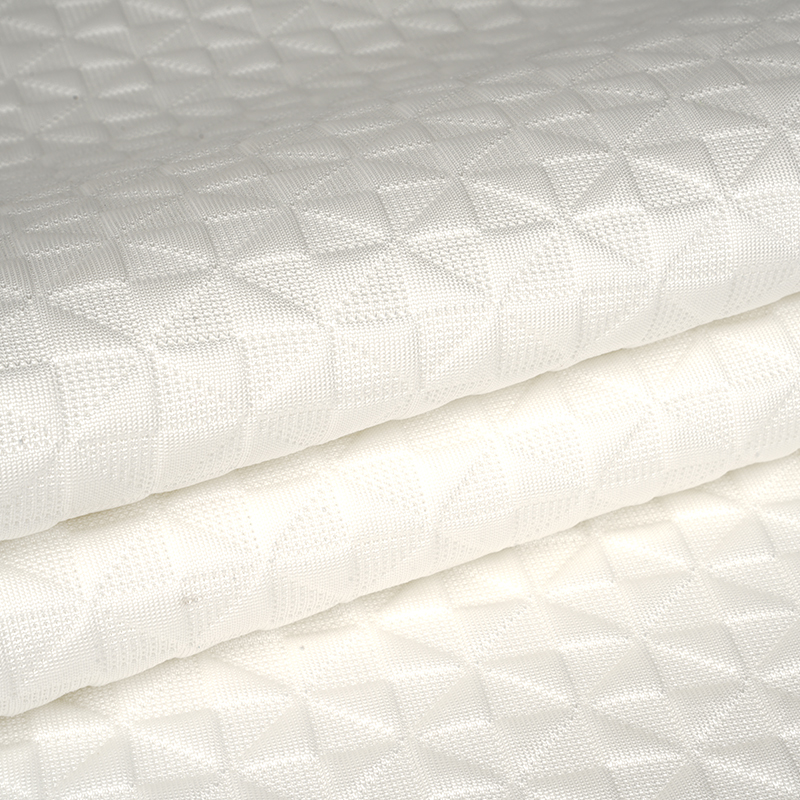
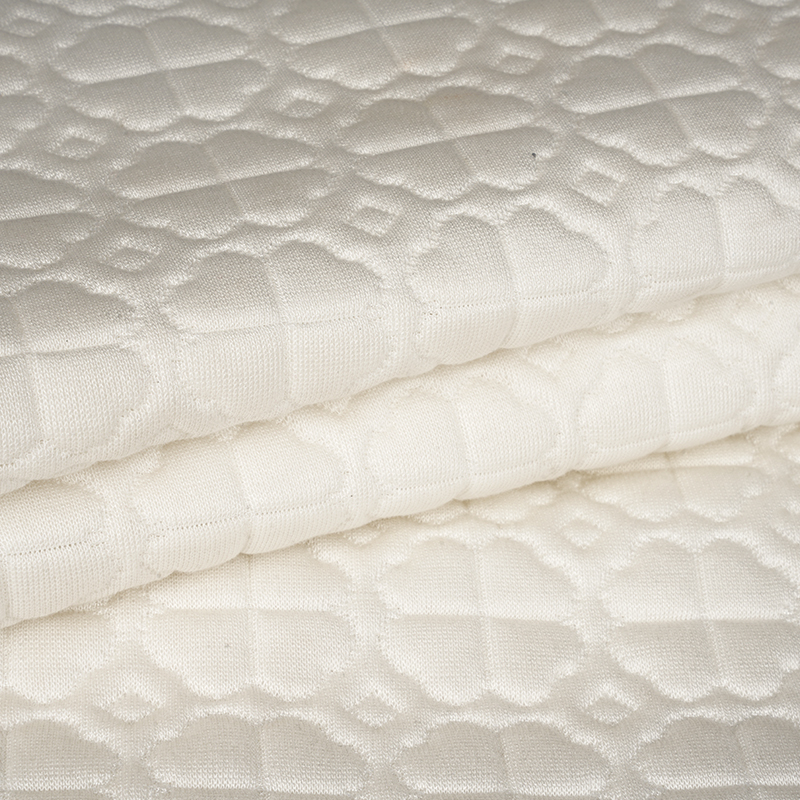
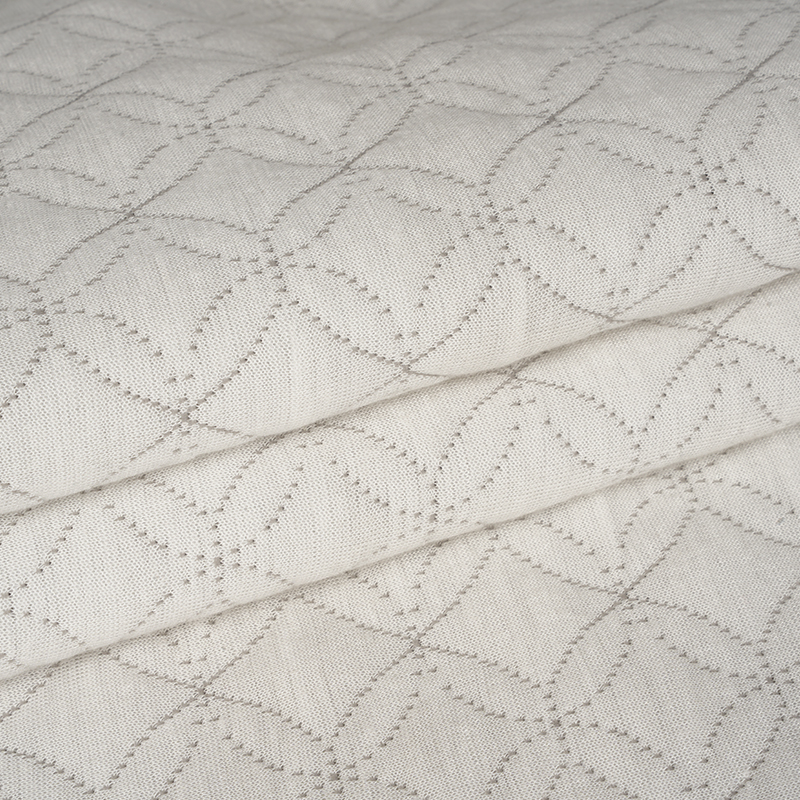
Bamboo Fiber Children Mattress Fabric
Bamboo Fiber Children Mattress Fabric
Haven’t Found The Products You Want?
-
-
Shen Jinyan:+86-15158070676
[email protected]
Liang Jinwen:+86-15757186621
[email protected]
Qiu Yingyingn:+86-13819545790
[email protected]
Yi qiao Town, Xiaoshan District, Hangzhou City, Zhejiang Province, China
-
Products
Mattress Fabric Children Mattress Fabric Pillowcase Fabric Pregnancy Pillow Fabric Cooling Mat Fabric Bedding Fabric Sofa Fabric Pet Friendly Fabrics -
Contact Information
About Us Products Strength Sustainability News Contact Us
Copyright © Hangzhou Xinsili Decorative Fabric Weaving Co.,Ltd. All Rights Reserved.
Functional Decorative Textile Manufacturers
