

 English
 中文简体
中文简体 Español
 عربى
عربى русский


Bamboo Fiber Bedding Fabric for Cooler, Cleaner, and More Comfortable Sleep
Content
- 1 Understanding Bamboo Fiber Bedding Fabric
- 2 Why Bamboo Fiber Matters in Modern Bedding
- 3 Core Product Advantages
- 4 Competitive Advantages Compared with Common Bedding Fabrics
- 5 Applications Across Bedding and Decorative Textile Categories
- 6 Advanced Manufacturing Processes Behind Reliable Quality
- 7 Manufacturing Strengths That Support Global Buyers
- 8 Why Quality Consistency Is a Major Competitive Advantage
- 9 Comfort Science: How the Fabric Supports Better Sleep Environments
- 10 Sustainability and Responsible Material Appeal
- 11 Customization Possibilities for Different Markets
- 12 Design and Aesthetic Value
- 13 Durability and Practical Performance
- 14 How Bamboo Fiber Bedding Fabric Adds Value to Finished Products
- 15 Quality Control Points Buyers Should Consider
- 16 Company Capabilities Supporting Product Development
- 17 Practical Buying Guidance
- 18 Frequently Asked Questions
- 18.1 Q1: What makes Bamboo Fiber Bedding Fabric different from ordinary bedding fabric?
- 18.2 Q2: Is Bamboo Fiber Bedding Fabric suitable for mattress surfaces?
- 18.3 Q3: Can this fabric be used for children’s bedding?
- 18.4 Q4: Does Bamboo Fiber Bedding Fabric help with cooling comfort?
- 18.5 Q5: Can antibacterial or flame-retardant functions be added?
- 18.6 Q6: How does the fabric compare with cotton?
- 18.7 Q7: How does the fabric compare with polyester?
- 18.8 Q8: What should buyers check before placing an order?
- 18.9 Q9: Is Bamboo Fiber Bedding Fabric only for luxury products?
- 18.10 Q10: Why is manufacturer experience important?
- 19 Conclusion
- 20 References
- 21 Product: Bamboo Fiber Bedding Fabric
Bamboo fiber bedding fabric has become one of the most valued textile solutions for modern sleep environments because it combines a naturally smooth hand feel, strong moisture management, breathable comfort, and a refined appearance suitable for residential, hotel, and commercial bedding applications. As consumers increasingly look for healthier sleep surfaces, softer touch, and more responsible material choices, bamboo fiber fabric offers a practical answer: it feels gentle against the skin, supports a cooler sleeping experience, and can be engineered into durable, functional bedding textiles.
This article focuses on Bamboo Fiber Bedding Fabric as a high-performance material for bedding and related soft furnishing applications. It explains the product’s core advantages, its competitive value compared with conventional bedding fabrics, and the manufacturing strengths behind its consistent quality. It also introduces how advanced weaving, finishing, inspection, and functional textile technologies can help the fabric meet the needs of mattresses, pillowcases, pregnancy pillows, cooling mats, sofas, children’s bedding, and pet-friendly fabric markets.
Hangzhou Xinsili Decorative Fabric Weaving Co., Ltd. specializes in the research, development, and precision manufacturing of decorative textiles. With 19 years of industry experience, a 12,000㎡ factory area, and recognition as a National High-Tech Enterprise in 2023, the company focuses on functional decorative fabrics for home, hotel, and commercial spaces. Its production philosophy emphasizes stable quality, practical performance, design innovation, and reliable cooperation for global clients.
Understanding Bamboo Fiber Bedding Fabric
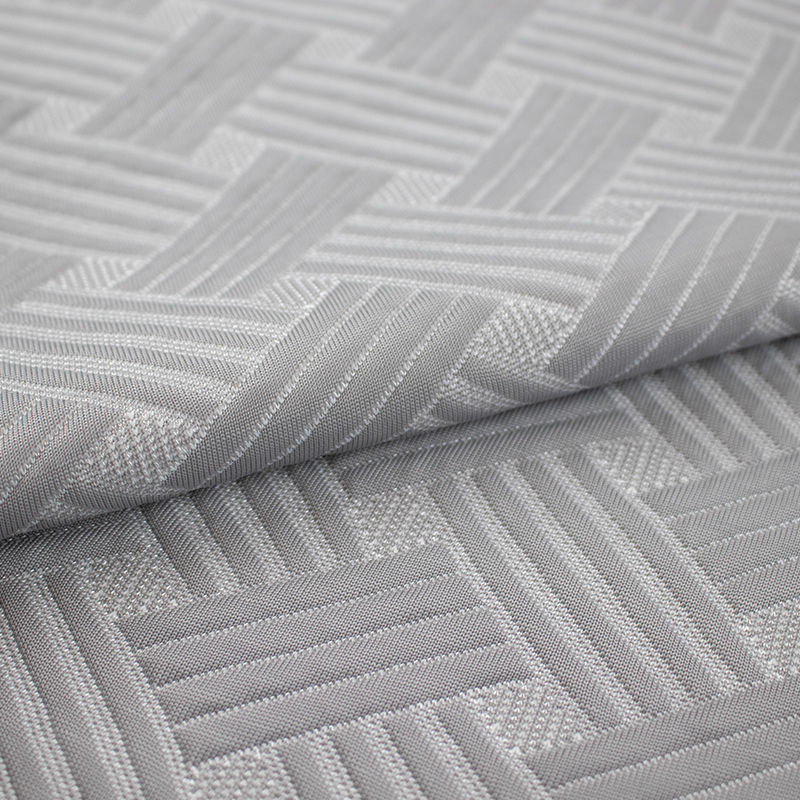
Bamboo fiber bedding fabric is a textile material made with bamboo-derived fiber, either as the primary component or as part of a blended fabric system designed for bedding comfort. Bamboo-derived fibers are widely appreciated for their smooth surface, soft drape, absorbent structure, and ability to support a fresh sleeping microclimate. In bedding applications, the fabric can be woven or knitted into various textures and weights depending on the desired performance, appearance, stretch, resilience, and tactile character.
The term “bedding fabric” covers a wide range of uses. It can refer to the outer fabric used for mattress ticking, pillowcase fabric, pregnancy pillow fabric, cooling mat fabric, children’s mattress fabric, and other sleep-related textile surfaces. In each of these applications, the fabric must provide more than visual appeal. It must endure daily friction, repeated contact with skin, changes in body temperature, body moisture, laundering or cleaning requirements, and long-term use in different climates.
Bamboo fiber bedding fabric is especially attractive because it can deliver a soft and elegant surface without compromising functional performance. For consumers, this means a fabric that feels pleasant from the first touch. For manufacturers and procurement teams, it means a versatile base material that can be customized through yarn selection, fabric structure, color, pattern, finishing, and performance treatments.
Compared with ordinary bedding fabric made only for low cost, bamboo fiber bedding fabric is often chosen for higher perceived value. It can help finished products stand out in premium mattress collections, hotel bedding lines, children’s bedding, wellness-oriented sleep products, and home textiles that emphasize comfort and sustainability. The material can also be adapted to different decorative styles, from minimalist solid colors to textured patterns and refined jacquard effects.
Why Bamboo Fiber Matters in Modern Bedding
Modern bedding is no longer evaluated only by appearance. A successful bedding fabric must contribute to comfort, hygiene, durability, and emotional satisfaction. People spend many hours each night in contact with bedding surfaces, so the material directly affects sleep quality and user experience. Bamboo fiber fabric supports these expectations through its balance of softness, breathability, moisture absorption, and adaptability.
The smoothness of bamboo-derived fiber is one of its major advantages. A smooth fiber surface can reduce roughness against the skin, making the fabric suitable for pillowcases, mattress surfaces, pregnancy pillows, and children’s bedding products. For users with sensitive skin, a softer textile surface can create a more relaxed and pleasant feeling, especially when compared with coarse or stiff synthetic fabrics.
Moisture management is another important reason for the popularity of bamboo fiber bedding fabric. During sleep, the body releases moisture through perspiration and natural evaporation. If the bedding surface traps moisture, the user may feel hot, sticky, or uncomfortable. Bamboo fiber fabric can absorb and move moisture more effectively than many basic synthetic textiles, helping the surface feel drier and fresher.
Breathability also matters. A bedding fabric that allows air exchange can help reduce heat accumulation between the body and the mattress or pillow. This is especially valuable for cooling mat fabric, mattress fabric, pillowcase fabric, and hotel bedding. By supporting airflow and moisture dispersion, bamboo fiber bedding fabric can help create a more comfortable sleeping environment through different seasons.
In addition, bamboo fiber fabric aligns with the growing demand for more responsible textile materials. Bamboo is known as a fast-growing plant resource, and bamboo-derived fibers are widely associated with environmental awareness. When combined with responsible manufacturing, careful process control, and quality finishing, bamboo fiber bedding fabric can serve both comfort and sustainability goals.
Core Product Advantages
Soft and Skin-Friendly Touch
The first impression of bedding fabric is touch. Bamboo fiber bedding fabric is known for a soft, smooth, and refined hand feel. This makes it suitable for products that contact the face, neck, shoulders, arms, and body for long periods. Pillowcases, pregnancy pillows, children’s mattresses, and mattress top fabrics all benefit from this tactile advantage.
Compared with many conventional polyester surfaces, bamboo fiber fabric often provides a more natural, gentle touch. While polyester can be durable and cost-effective, low-grade polyester bedding may feel slippery, clammy, or less breathable. Bamboo fiber bedding fabric can provide a more balanced sensation: soft but not overly slick, smooth but not cold, and comfortable across different sleep positions.
Breathable Sleeping Comfort
Breathability is essential for sleep comfort. A fabric with good air permeability helps maintain a comfortable microclimate around the body. Bamboo fiber bedding fabric can be engineered with breathable structures, allowing air circulation while still maintaining a quality appearance and stable surface.
In mattress and pillow applications, breathability helps reduce the feeling of heat accumulation. For users who sleep warm, this can be a major advantage. The fabric may also be combined with cooling-oriented structures or finishes to further improve thermal comfort, depending on product requirements.
Moisture Absorption and Freshness
Bedding fabric must manage moisture released during sleep. Bamboo fiber is valued for moisture absorption, which can help reduce a damp feeling on the surface. When designed correctly, the fabric can absorb, distribute, and release moisture more efficiently than many basic synthetic alternatives.
This performance is especially useful for pregnancy pillow fabric and children’s mattress fabric. Pregnant users may experience temperature fluctuations, and children’s bedding may be exposed to higher moisture variation. A fabric that supports dryness and freshness can improve everyday comfort and product satisfaction.
Elegant Appearance for Decorative Bedding
Bedding is both functional and decorative. Bamboo fiber bedding fabric can be produced in attractive colors, textures, and patterns suitable for home, hotel, and commercial use. With advanced weaving and finishing, the fabric can achieve a refined surface that enhances the visual quality of finished bedding products.
For brands and product developers, this means the fabric can support premium positioning. A mattress or pillow that looks clean, elegant, and soft can attract attention before the user even touches it. Visual quality and tactile quality work together to create perceived value.
Functional Customization Potential
Bamboo fiber bedding fabric can be developed with additional functions depending on application needs. Functional options may include antibacterial treatment, moisture-resistant finishing, flame-retardant finishing, cooling enhancement, comfort-improving finishing, and sleep-supporting textile design. These functions should be selected according to the product’s target market, regulatory requirements, and testing expectations.
This customization potential gives bamboo fiber bedding fabric a strong advantage over ordinary fabrics. Instead of using one basic textile for all purposes, manufacturers can create differentiated solutions for children’s mattresses, hotel bedding, pet-friendly sofas, cooling mats, and home textile collections.
Competitive Advantages Compared with Common Bedding Fabrics
The bedding fabric market includes many material options, such as cotton, polyester, microfiber, viscose blends, Tencel-type fibers, nylon blends, and various knitted or woven synthetics. Each material has strengths. However, bamboo fiber bedding fabric offers a distinctive combination of comfort, softness, breathability, and functional adaptability that makes it highly competitive.
Compared with standard cotton fabric, bamboo fiber fabric can feel smoother and may offer a softer drape in certain constructions. Cotton is familiar and widely accepted, but it may wrinkle more easily and can vary significantly in softness depending on yarn quality and finishing. Bamboo fiber bedding fabric can achieve a refined hand feel and elegant surface while maintaining moisture comfort.
Compared with basic polyester, bamboo fiber fabric offers a more skin-friendly and breathable experience. Polyester is strong, affordable, and easy to maintain, but low-grade polyester bedding may trap heat and moisture. Bamboo fiber fabric is often preferred for sleep products where comfort and freshness are key selling points.
Compared with low-cost microfiber, bamboo fiber bedding fabric can provide a more premium natural feel. Microfiber can be soft, but it may lack the moisture absorption and breathable character expected in higher-end bedding. Bamboo fiber fabric can help position finished products above commodity-level bedding and improve perceived quality.
Compared with some luxury fibers, bamboo fiber fabric may offer a practical balance between comfort and scalable production. Premium natural fibers can be expensive or require special care. Bamboo fiber bedding fabric can provide an appealing combination of softness, functional performance, and manufacturing adaptability for broader product ranges.
| Fabric Type | Typical Strength | Common Limitation | Bamboo Fiber Bedding Fabric Advantage |
|---|---|---|---|
| Basic Polyester | Durable, economical, easy to produce | May feel hot or less moisture absorbent | Softer natural touch with better moisture comfort potential |
| Standard Cotton | Familiar, breathable, natural feel | Can wrinkle and vary in softness | Smooth hand feel, elegant drape, and refined surface options |
| Microfiber | Soft and lightweight | May lack premium texture and moisture balance | Higher perceived value and fresher sleep experience |
| Ordinary Decorative Fabric | Visual variety | May not focus on sleep comfort | Combines appearance with bedding-specific comfort functions |
| Premium Specialty Fiber Fabric | Luxury image and softness | Higher cost or limited scalability | Practical comfort, customization, and commercial production suitability |
Applications Across Bedding and Decorative Textile Categories
Mattress Fabric
Bamboo fiber bedding fabric is well suited for mattress ticking and mattress surface fabric because it delivers both comfort and appearance. The mattress surface is the first textile layer users touch, and it strongly affects their perception of quality. A soft, breathable, and attractive bamboo fiber surface can enhance the value of foam mattresses, spring mattresses, hybrid mattresses, children’s mattresses, and premium sleep systems.
In mattress applications, the fabric can be engineered for stretch, dimensional stability, pattern clarity, and surface resilience. It may also be combined with quilting, lamination, or functional finishing depending on the finished mattress structure. Breathable and moisture-managing properties help improve sleep comfort, while refined patterns support brand differentiation.
Children Mattress Fabric
Children’s bedding requires special attention to softness, comfort, and stable quality. Children may have more sensitive skin and may move frequently during sleep. Bamboo fiber bedding fabric can provide a gentle surface that feels comfortable against the body, making it suitable for children’s mattresses and related bedding products.
The fabric can also be designed with practical functional goals, such as moisture comfort, easy-care performance, and optional antibacterial finishing. For children’s bedding brands, the combination of softness, freshness, and responsible material image can be a strong selling point.
Pillowcase Fabric
Pillowcase fabric is in direct contact with the face and hair, so touch and breathability are extremely important. Bamboo fiber bedding fabric can create pillowcases that feel smooth, cool, and comfortable. The fabric’s gentle surface can reduce the rough feeling sometimes associated with lower-quality materials.
For hotel pillowcases, the fabric can support a premium sleep experience while contributing to a clean and elegant appearance. For home bedding, it can appeal to consumers who want comfort, softness, and a fresh sleeping surface.
Pregnancy Pillow Fabric
Pregnancy pillows are used for body support and extended contact during rest. The fabric must feel soft, breathable, and comfortable over long periods. Bamboo fiber bedding fabric is a strong choice because it can reduce discomfort caused by heat buildup and rough contact.
Pregnant users often seek a more comfortable sleep environment. A breathable bamboo fiber cover can help improve daily rest quality by supporting moisture balance and a smoother touch. The fabric can also be designed for removable covers, easy cleaning, and attractive appearance.
Cooling Mat Fabric
Cooling mat fabric must help users feel refreshed and comfortable. Bamboo fiber bedding fabric can contribute to cooling comfort through breathability and moisture management. When combined with suitable fabric construction and cooling-oriented finishing, it can support products designed for warm climates, summer bedding, and hot sleepers.
Unlike some cooling materials that may feel artificial or overly slick, bamboo fiber fabric can offer a more balanced and natural touch. This helps cooling mats feel comfortable for everyday use rather than only momentary cooling.
Bedding Fabric for Home and Hotel Use
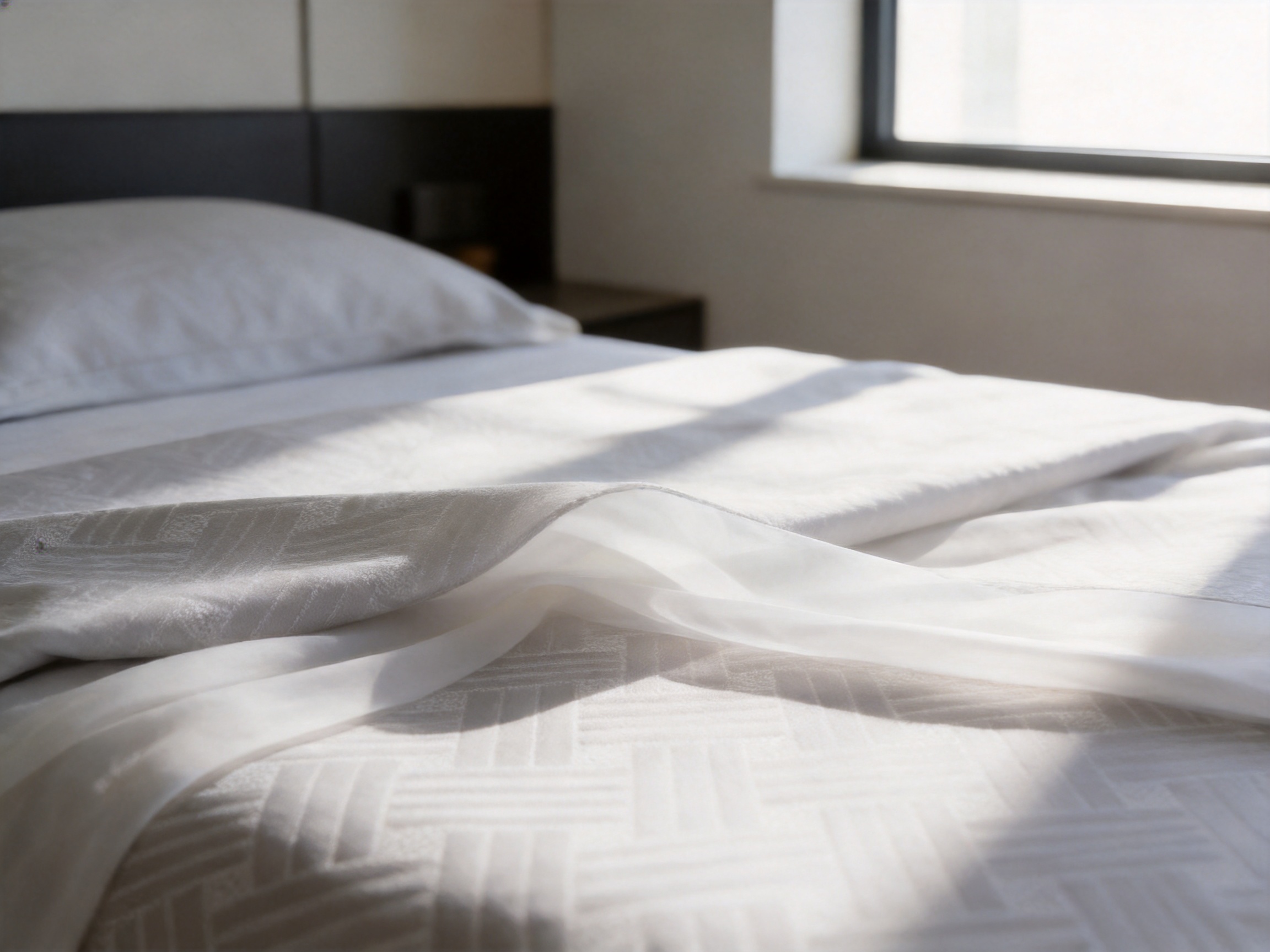
For general bedding, bamboo fiber fabric can be used in sheets, pillow covers, mattress covers, duvet-related products, and decorative bedding surfaces. Home users appreciate comfort and softness, while hotels require consistent appearance, durability, and guest satisfaction. Bamboo fiber bedding fabric can serve both markets when manufactured with stable quality control.
Hotel environments often demand fabrics that look refined after repeated use and cleaning. By controlling yarn quality, weaving density, finishing, and inspection standards, bamboo fiber bedding fabric can help provide a professional bedding solution for hospitality spaces.
Sofa Fabric and Pet Friendly Fabrics
Although bamboo fiber bedding fabric is primarily associated with sleep products, bamboo-based or bamboo-blend decorative textile concepts can also inspire sofa fabric and pet-friendly fabric development. In living spaces, softness, moisture comfort, and attractive texture are valuable. For pet-friendly applications, fabric development may also focus on abrasion resistance, easy cleaning, and practical durability.
Functional decorative fabric manufacturing allows the same design philosophy to extend from bedding to living room textiles. This creates material consistency across home, hotel, and commercial interiors.
Advanced Manufacturing Processes Behind Reliable Quality
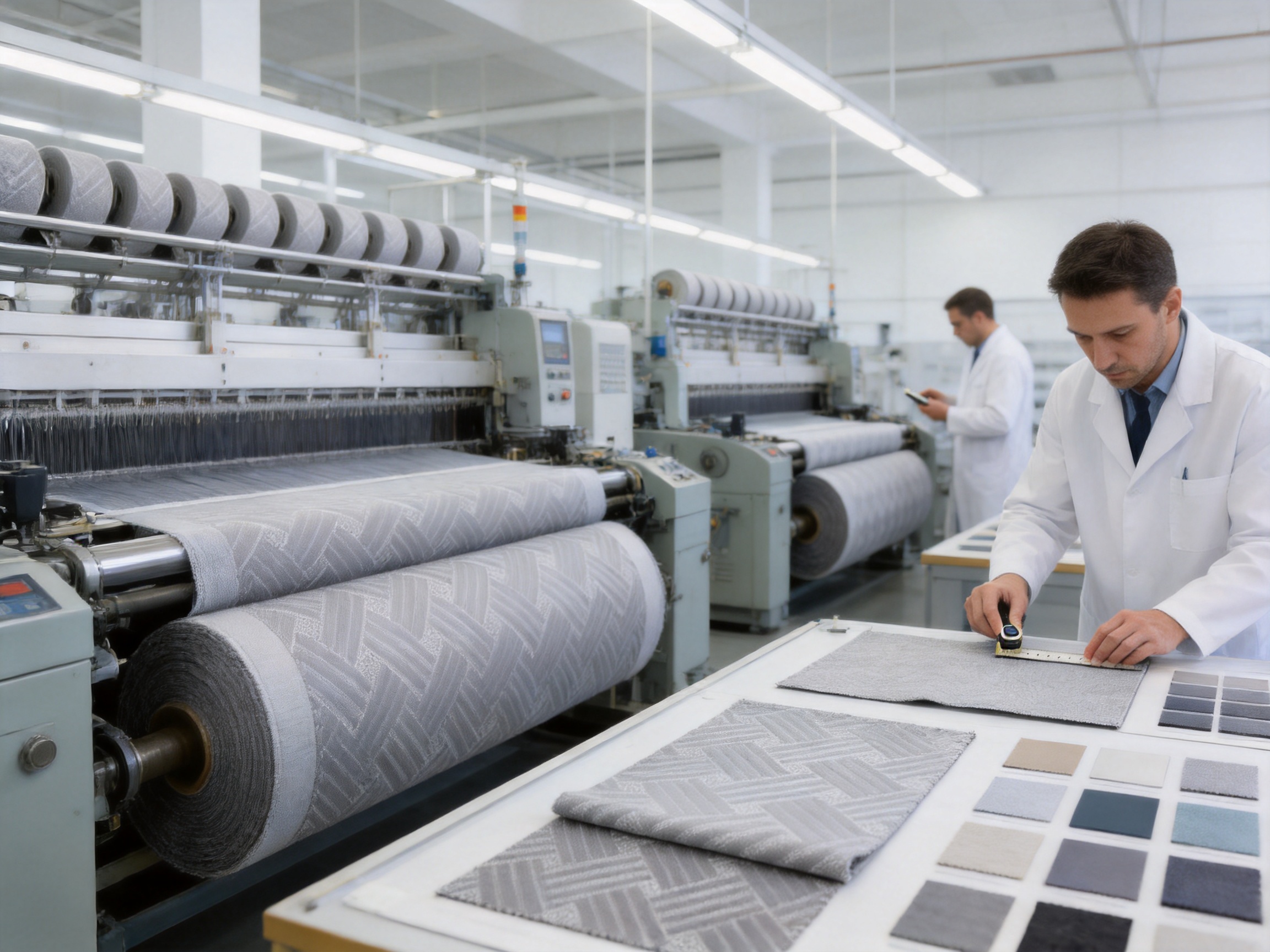
The performance of bamboo fiber bedding fabric depends not only on fiber selection but also on the entire manufacturing process. A high-quality fabric requires careful control from raw material preparation to yarn selection, weaving or knitting, dyeing, finishing, inspection, cutting preparation, rolling, and packaging. Advanced manufacturing ensures that softness, breathability, color, pattern, and durability remain consistent across production batches.
Raw Material and Yarn Selection
The process begins with suitable bamboo-derived fiber and yarn planning. The yarn must match the target fabric structure and end use. For pillowcase fabric, a softer and smoother yarn may be prioritized. For mattress fabric, yarn strength, surface resilience, and structural stability may receive greater attention. For cooling mat fabric, yarn and structure can be selected to support breathability and moisture dispersion.
Yarn quality affects everything: fabric smoothness, pilling resistance, tensile behavior, dyeing performance, pattern clarity, and user comfort. Careful yarn selection helps reduce defects and improves the stability of downstream weaving and finishing.
Fabric Structure Design
Fabric structure determines how the material feels and performs. Bamboo fiber bedding fabric can be designed in woven, knitted, jacquard, textured, or blended structures depending on customer requirements. The structure influences stretch, thickness, air permeability, surface softness, dimensional stability, and decorative appearance.
For mattress fabric, a stable yet comfortable surface is important. For pillowcases, smoothness and drape may be prioritized. For pregnancy pillows, the fabric may need a soft and flexible hand. For hotel bedding, the structure must support repeated use and a refined visual effect. A strong manufacturer can recommend suitable structures according to application, price level, performance expectations, and production feasibility.
Precision Weaving and Process Control
Weaving is a critical stage in fabric quality. Precision manufacturing helps maintain uniform density, stable pattern formation, and consistent width. Any instability in tension, yarn feeding, or equipment control can lead to streaks, uneven texture, deformation, or reduced durability. Advanced weaving management reduces these risks.
Hangzhou Xinsili Decorative Fabric Weaving Co., Ltd. has long-term experience in decorative textile weaving, which supports stable production and customized fabric development. The company’s focus on craftsmanship-driven manufacturing helps ensure that functional requirements do not compromise appearance and that decorative effects do not reduce practical performance.
Dyeing and Color Management
Color is essential for bedding fabric because it influences product identity and consumer appeal. Bamboo fiber bedding fabric may be produced in soft neutral tones, clean white, gentle children’s colors, hotel-style shades, or customized decorative colors. Color management requires control of dye selection, process temperature, timing, washing, and finishing.
Consistent color from batch to batch is especially important for brands and factories that produce large quantities of finished bedding. Shade variation can cause assembly problems and customer complaints. Professional dyeing and color approval procedures help reduce these risks and improve supply reliability.
Functional Finishing
Functional finishing can enhance the value of bamboo fiber bedding fabric. Depending on customer needs, the fabric can be developed with comfort-improving, moisture-resistant, antibacterial, flame-retardant, or cooling-related treatments. These functions must be selected carefully to balance performance, hand feel, safety, durability, and regulatory requirements.
For example, antibacterial finishing may be useful for bedding products marketed toward hygiene-conscious consumers. Moisture-resistant finishing may help certain protective bedding applications. Flame-retardant finishing may be required in specific hospitality or commercial projects. Cooling-related finishing can support warm-weather bedding and cooling mat products. The key is not simply applying a treatment, but integrating finishing technology with fabric structure and end-use expectations.
Softening and Hand Feel Optimization
Bamboo fiber fabric is naturally associated with softness, but manufacturing still plays a major role in final hand feel. Finishing processes can improve smoothness, drape, and surface comfort. However, excessive finishing may reduce breathability or cause an artificial touch. A careful balance is necessary.
Experienced textile technicians evaluate the fabric by touch, appearance, thickness, stretch, and recovery. They adjust finishing methods to ensure that the fabric remains soft without becoming weak or unstable. This is especially important for bedding because the user’s skin directly senses the final surface.
Inspection and Quality Assurance
Quality assurance is essential for competitive bedding fabric. Inspection may include visual defect checking, width measurement, weight control, color review, pattern consistency, surface smoothness, hand feel evaluation, and performance testing according to customer requirements. Defects such as stains, broken yarns, weaving flaws, uneven dyeing, skewing, pilling risk, or inconsistent finishing must be identified before shipment.
A systematic quality process helps customers reduce production losses. When fabric arrives with stable width, consistent color, and fewer defects, downstream cutting and sewing become more efficient. This is a major advantage over low-cost suppliers that may offer attractive prices but cause hidden costs through waste, delays, and complaints.
Manufacturing Strengths That Support Global Buyers
For international buyers, choosing a fabric supplier is not only about product samples. It is about long-term reliability, communication, customization ability, production capacity, and quality stability. A fabric may look good in one sample, but the true test is whether the supplier can reproduce that quality in bulk production and continue improving products over time.
Hangzhou Xinsili Decorative Fabric Weaving Co., Ltd. brings several important strengths to Bamboo Fiber Bedding Fabric development. The company has 19 years of industry experience, which means it has accumulated knowledge of yarn behavior, fabric structures, finishing effects, customer needs, and market changes. Experience helps prevent avoidable production problems and supports practical innovation.
The company’s 12,000㎡ factory area provides a foundation for organized production, process management, and quality control. Manufacturing scale matters because bedding fabric orders may require stable output, consistent batch quality, and timely delivery. A structured factory environment helps coordinate production steps and inspection procedures.
Recognition as a National High-Tech Enterprise in 2023 reflects the company’s commitment to innovation and technological development. In the functional decorative textile industry, high-tech capability is important because customers increasingly demand fabrics with added functions, not just simple decoration. Antibacterial, moisture-resistant, flame-retardant, sleep-supporting, and comfort-improving technologies require technical understanding and process discipline.
The company’s vision of “Weaving Beautiful Spaces” also reflects the connection between textile performance and living quality. Bedding fabric is not an isolated material; it is part of the sleep space. A fabric that is soft, breathable, beautiful, and reliable contributes to healthier and more comfortable environments for homes, hotels, and commercial interiors.
Why Quality Consistency Is a Major Competitive Advantage
In the textile industry, quality consistency is often more valuable than a single impressive sample. Buyers need fabric that performs predictably in production and use. Bamboo fiber bedding fabric must maintain stable width, weight, color, texture, softness, and functional performance from roll to roll and batch to batch.
Competitors that focus only on low price may reduce costs through inconsistent yarns, unstable dyeing, simplified finishing, or limited inspection. These shortcuts can create problems such as shade variation, poor hand feel, weak fabric strength, excessive shrinkage, surface defects, and customer dissatisfaction. The initial price may appear lower, but the total cost can become higher after waste, rework, returns, and brand damage.
A quality-focused manufacturer takes a more sustainable approach. By controlling raw materials, production parameters, finishing conditions, and inspection standards, the supplier helps customers protect their brand reputation. This is especially important for bedding products, where user comfort directly affects reviews and repeat purchases.
For hotels and commercial buyers, consistency also supports operational efficiency. Bedding must look uniform across rooms and replacement cycles. Inconsistent color or texture can make a hotel environment appear less professional. Stable bamboo fiber bedding fabric helps maintain a clean, coordinated, and premium impression.
Comfort Science: How the Fabric Supports Better Sleep Environments
Sleep comfort is influenced by temperature, humidity, pressure distribution, tactile sensation, and psychological relaxation. Bamboo fiber bedding fabric contributes to several of these factors. Although fabric alone cannot guarantee sleep quality, it plays an important role in the sleep environment.
Temperature comfort depends partly on how fabric handles heat and moisture. A fabric that traps warm, humid air may cause discomfort and waking. A breathable fabric with moisture absorption can help reduce this issue. Bamboo fiber bedding fabric can be engineered to support airflow and moisture balance, creating a fresher feeling during sleep.
Tactile comfort affects relaxation. Rough, stiff, or irritating fabric can distract the body and reduce comfort. Smooth bamboo fiber fabric can create a calm and soft surface. This is especially valuable for pillowcases and pregnancy pillows, where the fabric touches sensitive areas for long periods.
Psychological comfort also matters. A clean, elegant, and natural-looking fabric can make the bedroom feel more peaceful. Soft colors, refined textures, and a pleasant surface can contribute to a sense of restfulness. This decorative and emotional value is one reason bamboo fiber bedding fabric is attractive for home and hotel interiors.
Sustainability and Responsible Material Appeal
Consumers increasingly care about the environmental story behind textiles. Bamboo is widely recognized as a fast-growing plant resource, and bamboo-derived textile fibers are often associated with a more responsible lifestyle. For bedding brands, using bamboo fiber fabric can help communicate comfort, freshness, and environmental awareness.
However, true sustainability depends on more than the fiber name. It also depends on manufacturing responsibility, process efficiency, quality durability, waste reduction, and long product life. A fabric that lasts longer and performs consistently can reduce replacement frequency and manufacturing waste. Stable production and careful inspection also help reduce defective goods.
Hangzhou Xinsili Decorative Fabric Weaving Co., Ltd. emphasizes high-quality and environmentally friendly decorative fabric solutions. This approach aligns with modern expectations for safer, healthier, more comfortable, and more sustainable living spaces. By combining material selection with advanced manufacturing and functional design, bamboo fiber bedding fabric can support both commercial performance and responsible product development.
Customization Possibilities for Different Markets
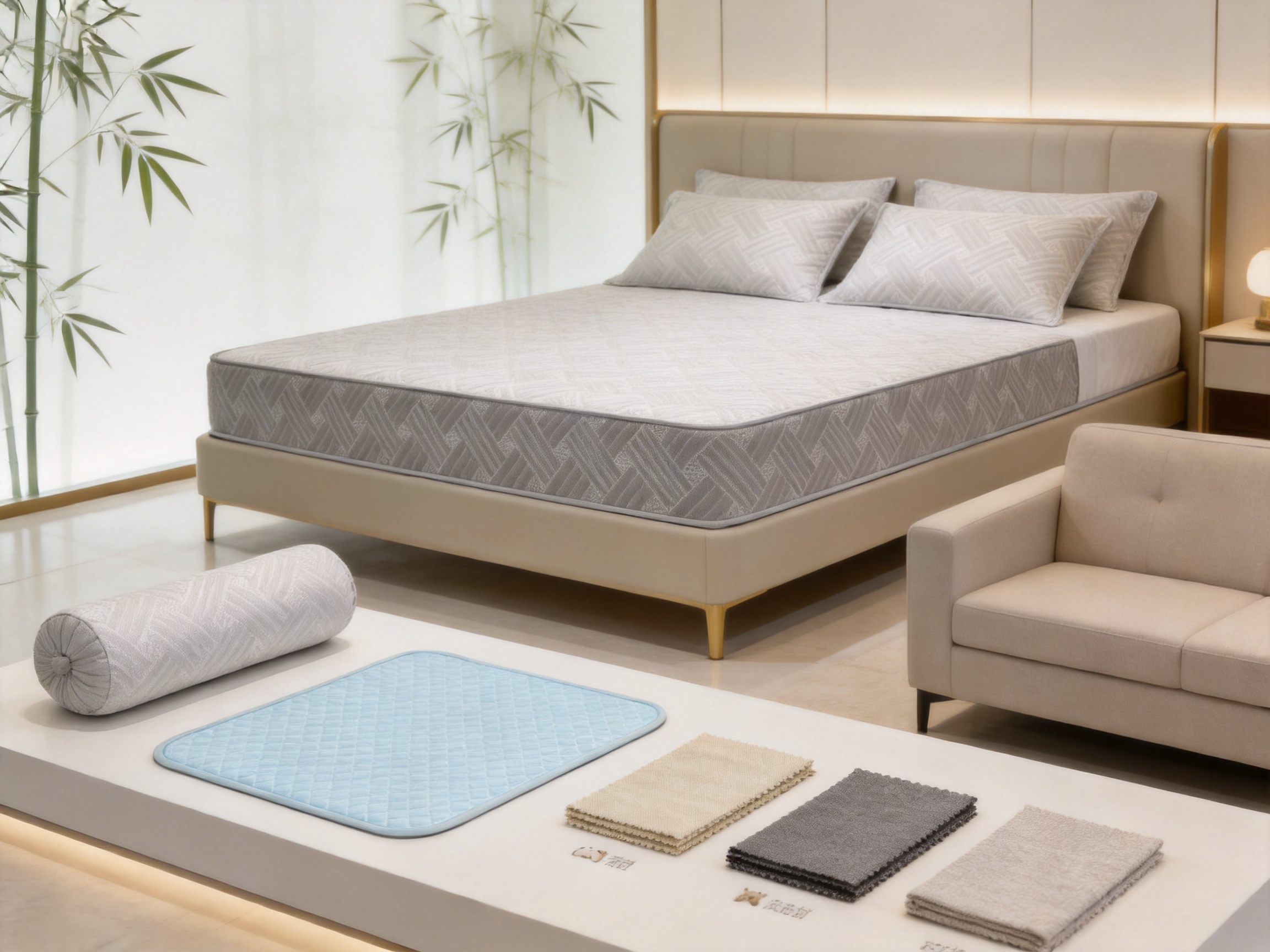
Bamboo fiber bedding fabric can be customized according to market positioning. A premium mattress brand may require a thicker, patterned fabric with elegant visual texture and optional functional finishing. A children’s bedding manufacturer may prioritize soft touch, gentle color, and freshness. A hotel supplier may need consistent color, refined surface, durability, and easy-care performance. A cooling mat brand may request enhanced breathability and cool-touch effects.
Customization can involve fiber blending, yarn count, fabric weight, width, pattern, color, finishing, hand feel, stretch, backing, lamination compatibility, and packaging requirements. This flexibility allows product developers to build distinct collections rather than relying on generic fabric.
For example, a home bedding brand may choose a soft bamboo fiber fabric in calm neutral shades for a wellness-oriented collection. A mattress manufacturer may select a jacquard bamboo blend fabric with a clean geometric pattern to highlight modern technology. A pregnancy pillow producer may request a smooth, breathable, removable cover fabric that feels gentle during extended use.
Customization also supports regional market differences. Warm-climate markets may prefer lighter, more breathable structures. Luxury markets may request richer textures and elegant finishing. Commercial projects may require functional treatments and stricter performance specifications. A manufacturer with strong R&D and production experience can help buyers match fabric specifications to these different requirements.
Design and Aesthetic Value
Bamboo fiber bedding fabric is not only a comfort material; it is also a design surface. The look of bedding influences consumer purchase decisions and interior atmosphere. A well-designed fabric can communicate cleanliness, calmness, luxury, health, or modernity.
Patterns can range from simple and minimal to decorative and textured. For mattress fabric, subtle patterns can suggest support, comfort, and premium technology. For pillowcases and bedding covers, smooth solids or soft textures can create a peaceful bedroom style. For children’s bedding, gentle colors and comfortable textures can create a safe and inviting feeling.
Advanced weaving allows surface patterns to be integrated into the fabric rather than merely printed. This can improve visual depth and tactile quality. Decorative fabric expertise is valuable because bedding must look attractive while still feeling comfortable. A pattern that looks beautiful but feels rough is not suitable for sleep products. A strong manufacturer balances design and comfort.
Durability and Practical Performance
Softness alone is not enough. Bedding fabric must withstand repeated contact, friction, stretching, folding, cleaning, and long-term use. Bamboo fiber bedding fabric must be designed to maintain its hand feel and appearance over time. Durability depends on yarn strength, fabric structure, finishing quality, and inspection standards.
For mattress fabric, abrasion resistance and dimensional stability are important. The fabric must stay smooth and attractive after packaging, transport, installation, and daily use. For pillowcase fabric, pilling resistance and smoothness are important because facial contact and washing can stress the surface. For pregnancy pillow fabric, seam performance and fabric flexibility matter because the pillow may be frequently adjusted and compressed.
Professional manufacturing reduces common durability risks. Proper tension control prevents distortion. Suitable finishing improves surface stability. Inspection catches defects before shipment. These details help bamboo fiber bedding fabric compete effectively against cheaper alternatives that may look acceptable at first but deteriorate quickly.
How Bamboo Fiber Bedding Fabric Adds Value to Finished Products
For finished product manufacturers, fabric choice directly affects product positioning. A mattress with a premium bamboo fiber surface can be marketed around comfort, breathability, and refined sleep quality. A pillowcase made from bamboo fiber fabric can emphasize softness and freshness. A pregnancy pillow cover can highlight gentle support and all-night comfort. A cooling mat can promote a more breathable sleeping experience.
Using a higher-quality fabric can also improve customer satisfaction. Consumers judge bedding by touch, appearance, and comfort during use. If the fabric feels soft and fresh, the entire product feels more valuable. This can lead to better reviews, stronger brand loyalty, and fewer complaints.
In competitive markets, differentiation is essential. Many bedding products use similar foam, filling, or construction concepts. Fabric becomes a visible and touchable way to stand out. Bamboo fiber bedding fabric offers a compelling story: natural-inspired comfort, breathable freshness, softness, and functional customization.
Quality Control Points Buyers Should Consider
When sourcing bamboo fiber bedding fabric, buyers should evaluate more than price. Important quality points include fiber composition, yarn quality, fabric weight, width tolerance, colorfastness, shrinkage, pilling performance, abrasion resistance, breathability, moisture management, hand feel, functional finishing durability, and inspection standards.
Buyers should also consider production repeatability. A supplier should be able to provide consistent fabric quality across bulk orders. Communication is equally important. Clear discussion of end use, testing requirements, packaging, delivery schedule, and acceptable tolerances helps prevent misunderstandings.
Sample approval should include both visual and tactile evaluation. The fabric should be tested in the intended finished product structure whenever possible. For mattress fabric, buyers may test quilting, lamination, cutting, sewing, and packaging behavior. For pillowcase fabric, washing and skin-contact comfort may be checked. For cooling mats, breathability and cooling performance should be evaluated.
Company Capabilities Supporting Product Development
Hangzhou Xinsili Decorative Fabric Weaving Co., Ltd. provides a manufacturing base for functional decorative textile development. The company’s experience in mattress fabric, children mattress fabric, pillowcase fabric, pregnancy pillow fabric, cooling mat fabric, bedding fabric, sofa fabric, and pet friendly fabrics allows it to understand different performance requirements across related categories.
This cross-category experience is valuable because many customers develop complete home textile or sleep product lines. A supplier that understands multiple fabric applications can help create coordinated materials for mattresses, pillows, bedding accessories, and decorative interior products.
The company focuses on stable, practical, and reliable products. This is important for buyers who need long-term supply rather than one-time samples. Its values of craftsmanship-driven manufacturing, design innovation, and win-win collaboration support customer partnerships. By using technological advancement to empower design and consistent quality to build trust, the company is positioned to serve customers seeking both performance and aesthetics.
Practical Buying Guidance
Before selecting Bamboo Fiber Bedding Fabric, buyers should define the final product category and target consumer. A fabric for a luxury hotel mattress may require different specifications from a children’s pillowcase or cooling mat. The expected hand feel, weight, pattern, color, function, durability, and price level should be discussed early.
Buyers should request samples that match realistic production conditions. A small hand sample may not fully represent bulk fabric behavior. Larger sample yardage can help evaluate cutting, sewing, quilting, washing, and packaging. If functional finishing is required, buyers should clarify testing methods and performance expectations.
It is also useful to compare total value rather than unit price alone. A slightly higher-quality fabric may reduce waste, improve product appeal, increase customer satisfaction, and strengthen brand positioning. In bedding, comfort is a direct selling point, and fabric quality has immediate influence on user perception.
For long-term cooperation, buyers should discuss production capacity, lead time, quality documentation, packaging methods, and after-sales support. Reliable communication and process transparency can be as important as the fabric itself.
Frequently Asked Questions
Q1: What makes Bamboo Fiber Bedding Fabric different from ordinary bedding fabric?
A1: Bamboo Fiber Bedding Fabric offers a combination of soft touch, breathability, moisture absorption, and refined appearance. Compared with many ordinary synthetic bedding fabrics, it can feel more skin-friendly and fresher during sleep. It can also be customized with different structures, colors, patterns, and functional finishes for specific bedding applications.
Q2: Is Bamboo Fiber Bedding Fabric suitable for mattress surfaces?
A2: Yes. It is suitable for mattress fabric when designed with the right structure, weight, stability, and durability. It can provide a soft and breathable surface while supporting attractive mattress design. It may also be used with quilting or other mattress construction processes depending on the finished product requirements.
Q3: Can this fabric be used for children’s bedding?
A3: Yes. Its soft and gentle hand feel makes it suitable for children mattress fabric and children’s bedding applications. For children’s products, buyers should confirm specific performance requirements, safety standards, colorfastness, and finishing choices according to the target market.
Q4: Does Bamboo Fiber Bedding Fabric help with cooling comfort?
A4: Bamboo fiber fabric can support cooling comfort through breathability and moisture management. For stronger cooling performance, the fabric structure and finishing can be designed specifically for cooling mat fabric or warm-climate bedding products.
Q5: Can antibacterial or flame-retardant functions be added?
A5: Functional finishing can be selected according to customer requirements. Options may include antibacterial, moisture-resistant, flame-retardant, sleep-supporting, or comfort-improving treatments. The exact function should be confirmed through product development and testing requirements.
Q6: How does the fabric compare with cotton?
A6: Cotton is breathable and familiar, but bamboo fiber bedding fabric can offer a smoother touch and elegant drape in many constructions. It may also provide strong moisture comfort and a premium skin-contact feeling. The best choice depends on the final product’s market position and performance goals.
Q7: How does the fabric compare with polyester?
A7: Polyester is durable and economical, but basic polyester may feel hotter or less absorbent. Bamboo fiber bedding fabric can provide a more natural, soft, and breathable sleep surface, making it attractive for comfort-focused bedding products.
Q8: What should buyers check before placing an order?
A8: Buyers should confirm composition, fabric weight, width, color, pattern, hand feel, shrinkage, pilling resistance, colorfastness, breathability, moisture performance, functional finishing, packaging, delivery time, and testing standards. It is also important to test the fabric in the final product construction.
Q9: Is Bamboo Fiber Bedding Fabric only for luxury products?
A9: No. It can be developed for different price levels depending on yarn, structure, finishing, and design. However, it is especially valuable for products that emphasize comfort, softness, freshness, and premium quality.
Q10: Why is manufacturer experience important?
A10: Experience helps ensure stable production, proper structure selection, effective finishing, and consistent quality. A manufacturer with long-term decorative textile expertise can help buyers avoid technical problems and develop fabrics that match real market needs.
Conclusion
Bamboo Fiber Bedding Fabric is a strong textile choice for modern sleep and decorative applications because it brings together softness, breathability, moisture comfort, elegant design, and functional customization. It helps finished products stand out in competitive markets where consumers increasingly expect bedding to feel better, look better, and support healthier living environments.
Its advantages over ordinary competitors are clear. Compared with basic polyester, it can provide a more natural and breathable touch. Compared with standard cotton, it can offer a smoother and more refined surface in suitable constructions. Compared with low-cost microfiber, it can support stronger premium positioning and better moisture comfort. When enhanced with appropriate finishing, it can serve specialized bedding categories such as children’s mattresses, pregnancy pillows, cooling mats, hotel bedding, and functional home textiles.
The value of the fabric is also closely connected to manufacturing quality. Advanced yarn selection, structure design, precision weaving, color management, functional finishing, softening, and inspection all influence the final result. Hangzhou Xinsili Decorative Fabric Weaving Co., Ltd. supports this product with 19 years of industry experience, a 12,000㎡ factory area, high-tech enterprise recognition, and a commitment to practical, reliable, and innovative functional decorative fabrics.
For buyers seeking a fabric that can elevate bedding products through comfort, appearance, and dependable performance, Bamboo Fiber Bedding Fabric offers a versatile and commercially attractive solution. It is not merely a fabric surface; it is a material foundation for cooler, cleaner, softer, and more beautiful sleep spaces.
References
1. Textile Institute. Textile Terms and Definitions. The Textile Institute, latest edition.
2. Kadolph, S. J. Textiles. Pearson Education, latest edition.
3. Saville, B. P. Physical Testing of Textiles. Woodhead Publishing.
4. Collier, B. J., and Epps, H. H. Textile Testing and Analysis. Pearson.
5. Horrocks, A. R., and Anand, S. C. Handbook of Technical Textiles. Woodhead Publishing.
6. Sinclair, R. Textiles and Fashion: Materials, Design and Technology. Woodhead Publishing.
Product: Bamboo Fiber Bedding Fabric

Our Featured Products
-
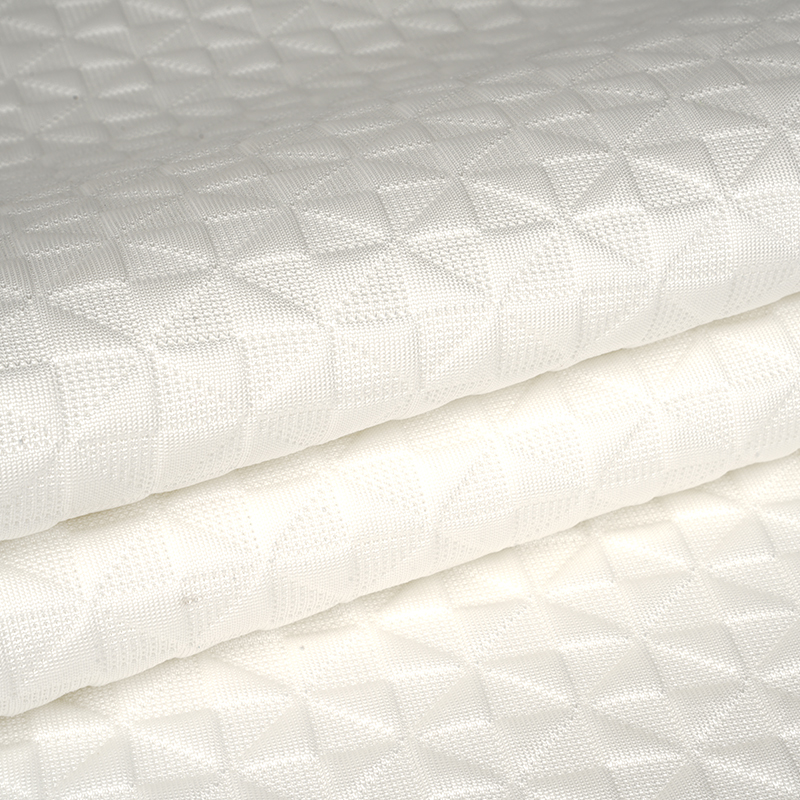
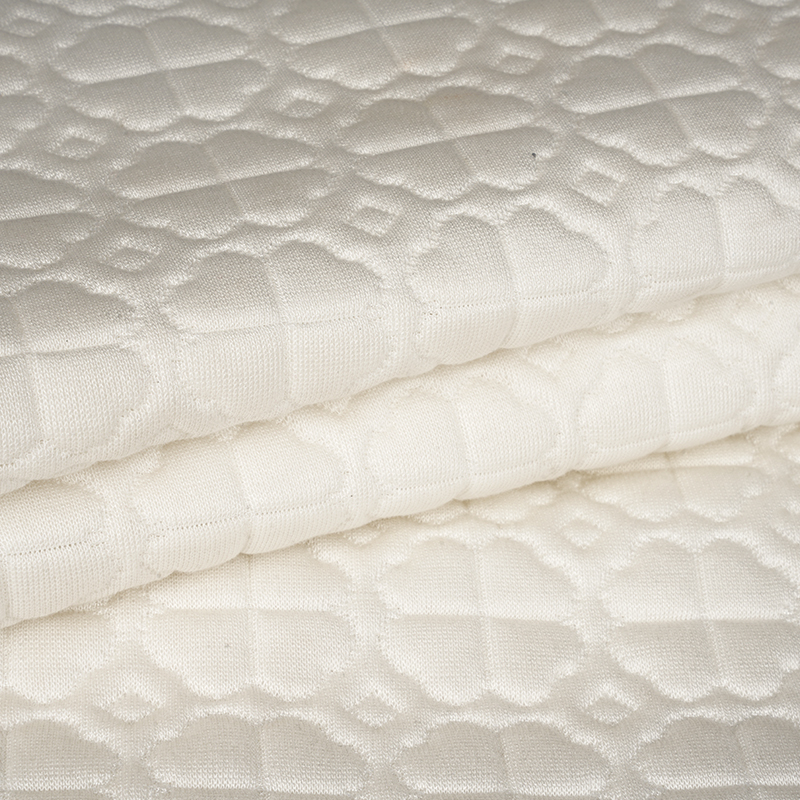
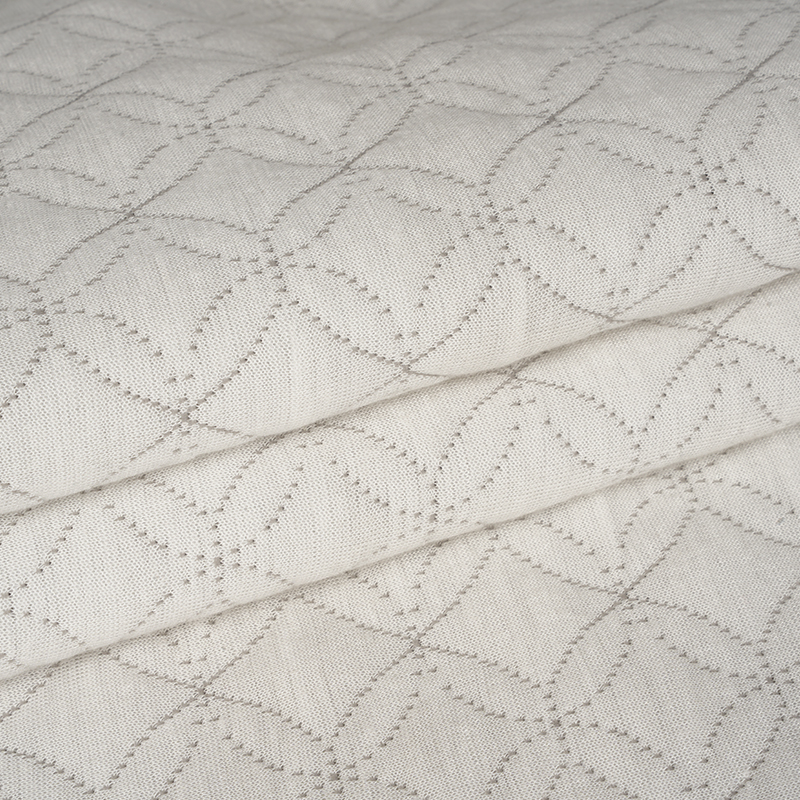
Bamboo Fiber Children Mattress Fabric
Bamboo Fiber Children Mattress Fabric
Haven’t Found The Products You Want?
-
-
Shen Jinyan:+86-15158070676
[email protected]
Liang Jinwen:+86-15757186621
[email protected]
Qiu Yingyingn:+86-13819545790
[email protected]
Yi qiao Town, Xiaoshan District, Hangzhou City, Zhejiang Province, China
-
Products
Mattress Fabric Children Mattress Fabric Pillowcase Fabric Pregnancy Pillow Fabric Cooling Mat Fabric Bedding Fabric Sofa Fabric Pet Friendly Fabrics -
Contact Information
About Us Products Strength Sustainability News Contact Us
Copyright © Hangzhou Xinsili Decorative Fabric Weaving Co.,Ltd. All Rights Reserved.
Functional Decorative Textile Manufacturers
