

 English
 中文简体
中文简体 Español
 عربى
عربى русский


Antibacterial Yarn Pillowcase Fabric: Advanced Comfort, Hygiene, and Decorative Performance
Content
- 1 Understanding Antibacterial Yarn Pillowcase Fabric
- 2 Why Antibacterial Performance Matters in Pillowcases
- 3 Key Advantages Over Conventional Pillowcase Fabrics
- 4 Advanced Manufacturing Capabilities
- 5 Production Strengths That Benefit Buyers
- 6 Design and Performance Characteristics
- 7 Applications Across Residential and Commercial Environments
- 8 Customization Options for Different Product Strategies
- 9 Comparison with Other Antibacterial Textile Approaches
- 10 Quality Evaluation Before Purchase
- 11 Responsible Communication of Antibacterial Benefits
- 12 Sustainability and Product Longevity
- 13 Why Choose a Specialized Manufacturer
- 14 Recommended Development Process for Buyers
- 15 Care and Use Considerations
- 16 Frequently Asked Questions
- 16.1 What is antibacterial yarn pillowcase fabric?
- 16.2 Is antibacterial pillowcase fabric a replacement for washing?
- 16.3 How does yarn-based functionality differ from a surface treatment?
- 16.4 Can the fabric be customized?
- 16.5 Is the fabric suitable for hotel bedding?
- 16.6 Can it be used for children’s pillowcases?
- 16.7 Does antibacterial fabric prevent all microorganisms?
- 16.8 What information should buyers request from the supplier?
- 16.9 Why is manufacturing experience important?
- 16.10 What makes this manufacturer suitable for functional decorative textiles?
- 17 Conclusion
- 18 References
- 19 Product: Antibacterial Yarn Pillowcase Fabric
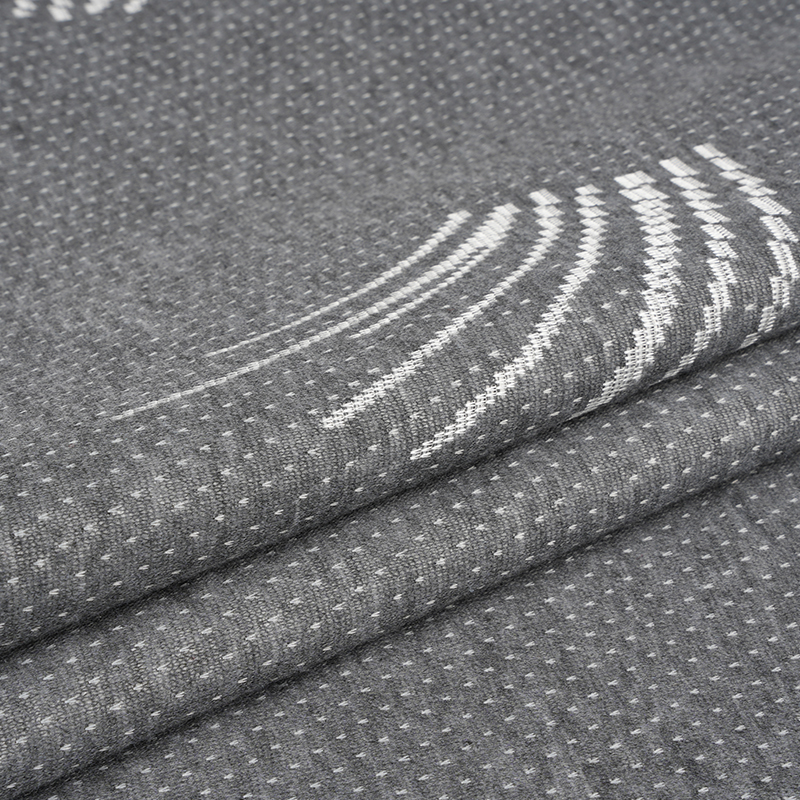
Antibacterial yarn pillowcase fabric is becoming an important material choice for bedding manufacturers, hospitality suppliers, home textile brands, healthcare-oriented product developers, and consumers who want a cleaner and more comfortable sleeping environment. Unlike ordinary pillowcase materials that provide only a soft surface and attractive appearance, antibacterial yarn fabric is designed to combine textile comfort with an additional level of hygiene support. The result is a functional decorative textile that can contribute to a more pleasant, practical, and dependable bedding experience.
Modern pillowcase fabric must satisfy several requirements at the same time. It needs to feel comfortable against the skin, maintain a neat appearance, withstand repeated laundering, support efficient production, and remain visually compatible with bedroom interiors. For many applications, it must also help address concerns related to odor, moisture, microbial growth, and long-term cleanliness. Antibacterial yarn pillowcase fabric responds to these needs through the integration of functional yarn technology and carefully controlled weaving processes.
Manufactured by Hangzhou Xinsili Decorative Fabric Weaving Co., Ltd., the fabric is part of a broader portfolio of functional decorative textiles developed for residential, hotel, and commercial environments. The manufacturer combines decorative textile expertise with research, development, and precision manufacturing capabilities. Its product philosophy emphasizes reliable quality, practical innovation, environmental awareness, and the creation of safe, healthy, and comfortable living spaces.
This article examines the characteristics, advantages, manufacturing process, quality considerations, application opportunities, and purchasing value of antibacterial yarn pillowcase fabric. It also explains why a specialized manufacturer with extensive industry experience can offer advantages over suppliers focused only on conventional bedding fabric or surface-level finishing treatments.
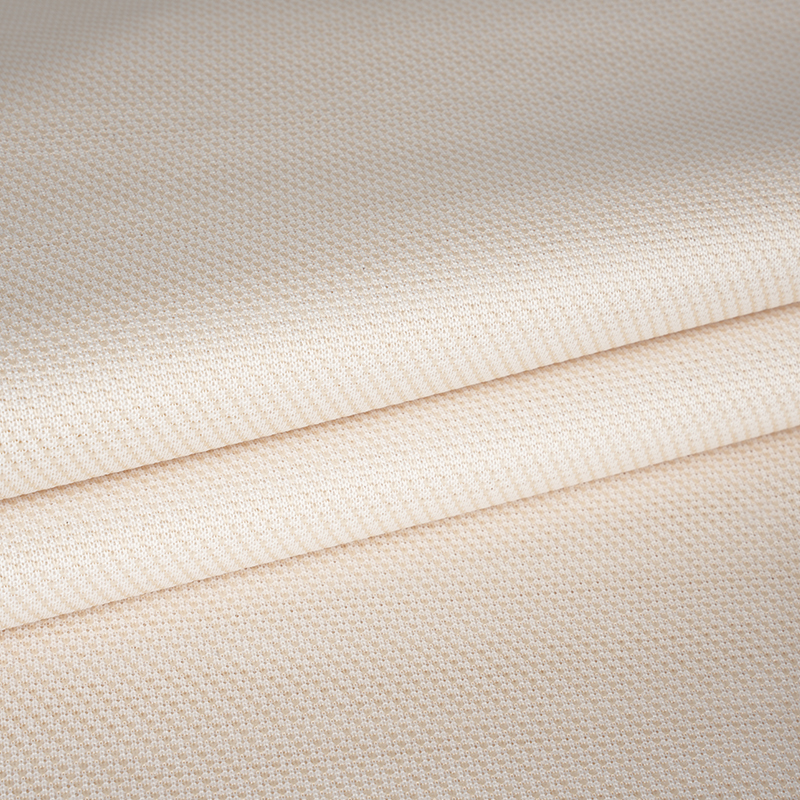
Antibacterial Yarn Pillowcase Fabric
Understanding Antibacterial Yarn Pillowcase Fabric
Antibacterial yarn pillowcase fabric is a textile material engineered for use in pillowcases and related bedding products. Its distinguishing feature is the use of yarn with antibacterial functionality. Rather than relying exclusively on a coating applied after the fabric has been woven, the functional performance is incorporated into the yarn structure or fiber system used during textile production, depending on the specific construction and technical specification.
This approach can offer important advantages. A surface treatment may be vulnerable to gradual reduction through washing, abrasion, handling, or exposure to cleaning agents. When antibacterial functionality is associated with the yarn itself, the performance can be more consistently distributed throughout the fabric structure. The exact durability and test results depend on the selected yarn, construction, finishing process, and care conditions, so buyers should confirm technical data for the intended application. Nevertheless, yarn-based functionality is widely valued because it can support a more integrated and stable textile solution.
Pillowcases are especially suitable for functional fabric development because they remain in prolonged contact with the face, hair, and neck. They are also exposed to perspiration, skin oils, cosmetics, environmental dust, and regular laundering. These conditions make softness, breathability, moisture management, and cleanliness important considerations. Antibacterial yarn pillowcase fabric is intended to support these needs while retaining the visual and tactile qualities expected from modern bedding textiles.
The fabric can be developed in different weights, constructions, colors, patterns, and surface appearances according to the target market. A minimalist interior may require a smooth, understated fabric, while a hotel or lifestyle brand may prefer a richer texture or a more distinctive decorative effect. The material can therefore function not only as a hygiene-oriented textile but also as a design element within a complete bedding collection.
Why Antibacterial Performance Matters in Pillowcases
Microorganisms can be introduced to pillowcases through normal daily use. Human skin naturally releases moisture and oils, while hair products, facial products, dust, and airborne particles may accumulate on the textile surface. Warm and humid conditions can make bedding more vulnerable to unpleasant odors and reduced freshness. Regular washing remains essential, but a pillowcase with antibacterial functionality can provide an additional layer of textile hygiene support between laundering cycles.
Antibacterial performance should not be misunderstood as a replacement for cleaning. A functional fabric does not eliminate the need for appropriate laundering, drying, ventilation, and good household or hospitality hygiene practices. Instead, it is designed to help inhibit the growth or persistence of certain bacteria under tested conditions. The practical value lies in combining responsible care with a textile structure that is better suited to cleanliness-conscious applications.
For consumers, the appeal may include a fresher feeling surface and greater confidence in daily bedding use. For hotels, serviced apartments, dormitories, wellness facilities, and other accommodation environments, antibacterial pillowcase fabric can support a more thoughtful bedding specification. For manufacturers, it creates an opportunity to differentiate products in a competitive market where customers increasingly look for functional benefits in addition to color, softness, and price.
Antibacterial functionality can also contribute to odor management. Odor is often associated with the interaction of moisture, skin residues, and microorganisms. By helping to reduce the conditions under which certain bacteria proliferate, a functional textile may help maintain a cleaner-smelling surface. Actual odor-control results depend on fabric construction, environmental conditions, washing practices, and the nature of the microorganisms involved. Technical evaluation is therefore important when a project requires specific performance claims.
Key Advantages Over Conventional Pillowcase Fabrics
Integrated Functional Value
Traditional pillowcase fabric is generally selected for appearance, hand feel, price, and basic durability. These remain important, but they may not address the growing demand for functional bedding. Antibacterial yarn fabric adds a hygiene-related benefit to the textile specification, allowing one material to serve both decorative and performance purposes. This can simplify product development and help brands create a more compelling value proposition.
Potentially More Consistent Functional Distribution
When antibacterial functionality is introduced through the yarn, the feature is associated with the material used to build the fabric rather than being limited to a thin external layer. This can support a more uniform functional concept throughout the fabric structure. The actual performance depends on the yarn formulation, fabric construction, and finishing conditions, but the approach can be more integrated than a basic post-production surface spray.
Comfort Suitable for Direct Skin Contact
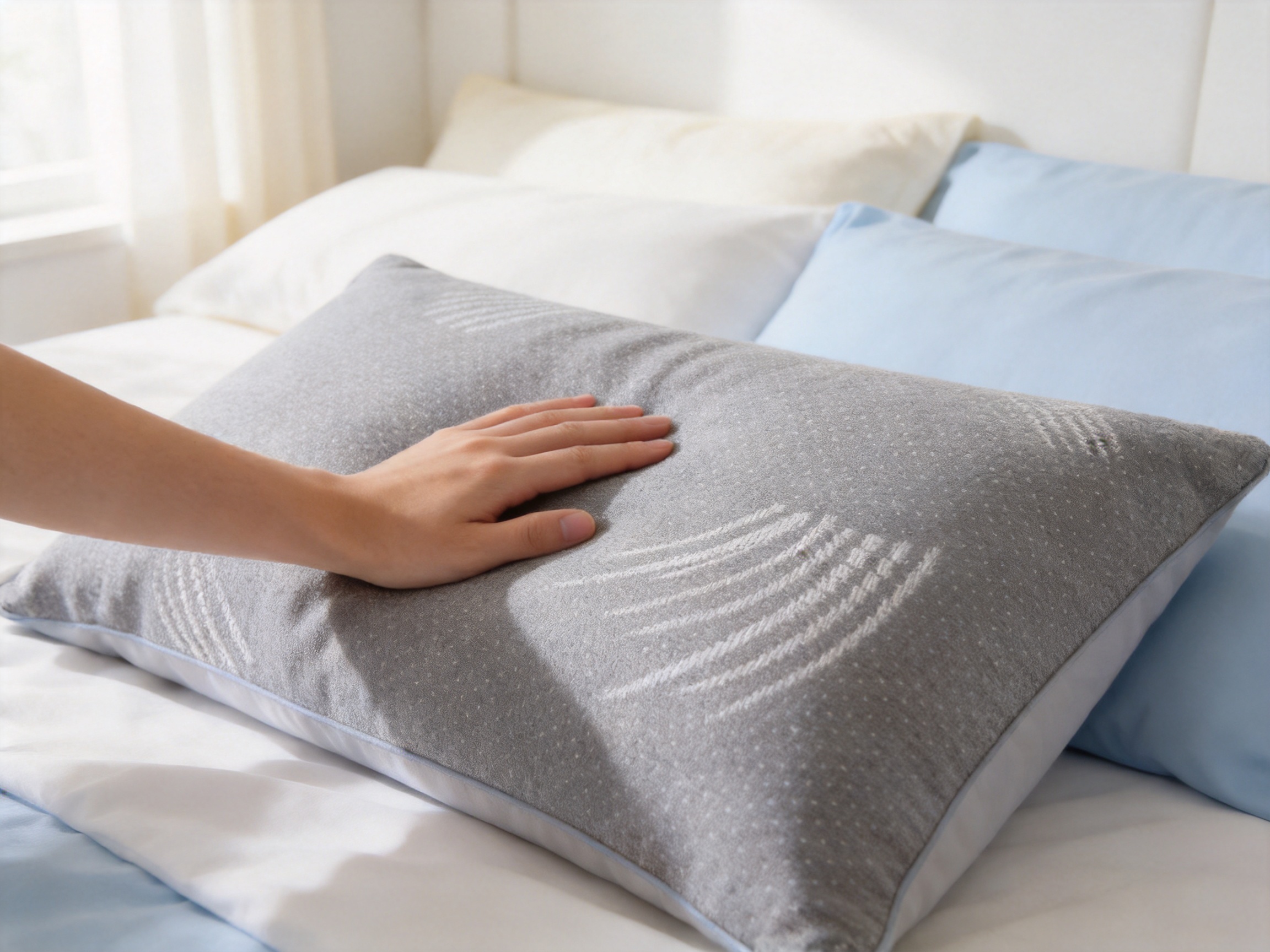
A pillowcase is one of the closest-contact textile products in the home. A fabric that feels rough, excessively stiff, or poorly breathable may undermine the user experience even if it has an attractive appearance. Functional pillowcase fabric must therefore preserve a comfortable hand feel. Through suitable fiber selection, yarn planning, weaving control, and finishing, the material can be developed to provide a soft, smooth, or subtly textured surface suitable for bedding applications.
Support for Freshness and Cleanliness
Antibacterial yarn pillowcase fabric is suited to users who prioritize a fresh bedding environment. It can be considered for personal bedrooms, children’s bedding, guest rooms, hotels, healthcare-related accommodation, and wellness spaces. The fabric is particularly relevant where bedding is used frequently and where product differentiation through health-conscious design is valuable.
Decorative Flexibility
Functional performance does not need to come at the expense of visual appeal. As a decorative textile manufacturer, Xinsili focuses on fabrics that contribute to the appearance of interior spaces as well as their comfort. Antibacterial pillowcase fabric may be coordinated with bedding sets, mattress fabrics, sofa fabrics, curtains, cushions, and other interior textile products. A coordinated textile system can help brands and project designers achieve a more unified room concept.
Suitability for Brand Differentiation
The bedding market contains many products with similar basic claims, including softness, breathability, and attractive color. Antibacterial yarn technology gives manufacturers a more specific point of differentiation. It can support product lines positioned around clean living, wellness, family comfort, hospitality quality, or functional home design. When supported by appropriate testing and documentation, the feature can be communicated clearly and responsibly to buyers.
Advanced Manufacturing Capabilities
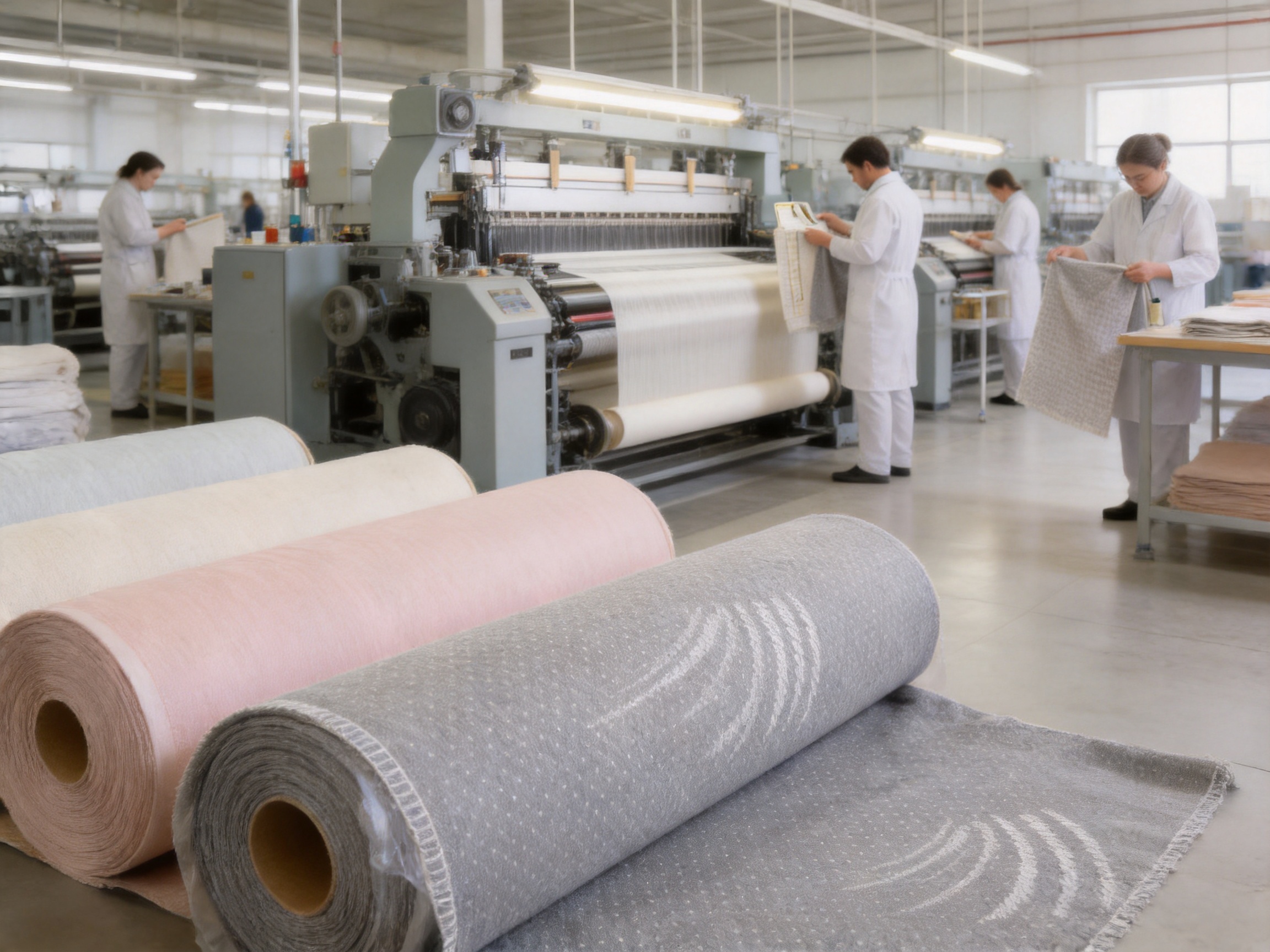
The performance of a functional textile depends not only on the selected yarn but also on how the material is woven, finished, inspected, and prepared for delivery. A capable manufacturer must control the entire process carefully. Small variations in yarn tension, density, construction, moisture, finishing temperature, or inspection standards can affect the final hand feel, appearance, dimensional stability, and functional performance of the fabric.
Hangzhou Xinsili Decorative Fabric Weaving Co., Ltd. specializes in the research, development, and precision manufacturing of decorative textiles. The company has 19 years of industry experience and operates a factory covering approximately 12,000 square meters. This combination of long-term experience and established production space provides a practical foundation for developing fabrics that must balance design requirements with functional performance.
The manufacturer’s capabilities are organized around several key principles: craftsmanship-driven production, design innovation, technological development, and consistent quality. These principles are especially important for antibacterial pillowcase fabric because the material must meet both aesthetic and technical expectations. A supplier that understands only one side of the equation may produce a fabric that is functional but unattractive, or attractive but insufficiently reliable in repeated use.
Material and Yarn Selection
The manufacturing process begins with the selection of suitable yarns and supporting materials. For antibacterial pillowcase fabric, yarn selection influences softness, surface appearance, moisture behavior, strength, color development, and functional performance. The yarn must be compatible with the intended weaving construction and end-use requirements.
A professional manufacturer evaluates yarn characteristics before production rather than treating the yarn as a simple commodity input. Considerations may include yarn uniformity, tensile behavior, hairiness, color compatibility, processing stability, and interaction with other yarns in the fabric structure. For custom projects, the manufacturer can work with buyers to determine the preferred balance between softness, durability, visual texture, and cost.
Precision Weaving
Weaving converts selected yarns into a stable textile structure. During this stage, warp and weft tension, density, alignment, pattern accuracy, and machine settings must be controlled. Consistent weaving is essential for achieving uniform thickness, stable dimensions, and a regular appearance across the full width and length of the fabric.
For pillowcase applications, weaving quality has a direct effect on comfort. An uneven structure may create an inconsistent surface or produce weak areas that become visible after laundering. Precise control can help the material maintain a reliable appearance and hand feel from roll to roll. It also supports efficient cutting and sewing for downstream bedding manufacturers.
Decorative textile weaving requires an additional level of visual attention. Even simple pillowcase fabric must be free from obvious streaks, bars, holes, slubs outside the approved standard, and color irregularities. When the fabric is intended for premium bedding or hotel use, appearance consistency becomes particularly important because multiple pillowcases may be displayed or used together.
Functional Finishing
After weaving, the fabric may undergo finishing processes designed to improve softness, dimensional stability, appearance, moisture behavior, or other specified characteristics. Finishing must be carefully matched to antibacterial yarn technology. Excessive heat, unsuitable chemicals, or improper processing conditions may affect color, hand feel, or functional performance.
A controlled finishing program can help the fabric reach the desired balance between comfort and practicality. For example, a pillowcase material may need a smooth hand feel without becoming excessively slippery, or a soft surface without losing structural stability. The finishing process should be selected according to the final application, expected laundering conditions, and customer requirements.
Inspection and Quality Control
Quality control is an ongoing process rather than a single inspection at the end of production. Incoming yarns should be evaluated, weaving conditions should be monitored, and finished fabric should be inspected before packing. Important checks may include width, weight, construction, color, surface defects, hand feel, dimensional stability, and appearance under suitable lighting.
For functional fabrics, technical verification is also important. Antibacterial performance should be assessed according to the applicable testing method and target claim. Buyers may request test reports, wash durability information, composition details, and care recommendations. Clear technical communication helps prevent exaggerated claims and supports responsible product labeling.
Consistent quality control is one of the most valuable advantages offered by an experienced manufacturer. It reduces the risk of variation between production batches and helps customers plan cutting, sewing, inventory, and quality approval more efficiently. For projects requiring repeated orders, manufacturing consistency is often as important as the initial sample quality.
Research and Development
Functional decorative textiles require continuous development because customer expectations, interior trends, performance standards, and sustainability concerns continue to change. Xinsili’s focus on innovative research and development supports the creation of textile products that combine decorative value with practical functionality.
Research may involve evaluating new yarns, improving fabric structures, adjusting finishing methods, testing color options, and developing materials for different interior environments. The same research philosophy can be applied across mattress fabric, children’s mattress fabric, pillowcase fabric, pregnancy pillow fabric, cooling mat fabric, bedding fabric, sofa fabric, and pet-friendly fabrics.
This broad product experience is beneficial because it allows the manufacturer to understand how different textile applications influence material selection. A pillowcase requires direct-contact comfort, while a sofa fabric may prioritize abrasion resistance and visual depth. A cooling mat fabric may require moisture and heat-management characteristics. Experience across categories encourages a more complete understanding of functional textile design.
Production Strengths That Benefit Buyers
Long-Term Industry Experience
With 19 years of industry experience, the manufacturer has had time to develop practical knowledge of yarn behavior, weaving conditions, finishing requirements, customer expectations, and quality challenges. Long-term experience is especially useful when a product must be customized. A supplier with a mature production background can often identify potential issues earlier and suggest adjustments before large-scale production begins.
Established Factory Infrastructure
The approximately 12,000-square-meter factory provides an established base for production, material handling, inspection, and order coordination. Factory scale alone does not guarantee quality, but adequate infrastructure can support more organized production and better process management. It can also help a supplier handle a wider range of decorative textile requirements while maintaining clear separation between product types and customer orders.
National High-Tech Enterprise Recognition
In 2023, the company was recognized as a National High-Tech Enterprise. This recognition reflects an emphasis on technological development and innovation. For buyers of functional textiles, it is a meaningful indication that the manufacturer is not limited to traditional fabric production but is also committed to research-oriented development and the application of advanced textile concepts.
Integrated Design and Manufacturing Thinking
Many textile suppliers focus heavily on either production volume or decorative design. A stronger partner understands how the two must work together. Antibacterial yarn pillowcase fabric must be technically reliable, but it must also fit the intended interior style, product positioning, sewing process, and consumer expectation. An integrated approach helps transform a functional yarn into a market-ready bedding material.
Commitment to Environmental and Practical Values
The company’s stated direction emphasizes high-quality and environmentally friendly decorative fabric solutions. Environmental responsibility in textile manufacturing involves many factors, including material selection, production efficiency, chemical management, durability, packaging, and product lifespan. A longer-lasting fabric can reduce replacement frequency, while carefully selected processes can support more responsible production. Buyers should discuss specific environmental requirements and request relevant documentation for individual projects.
Design and Performance Characteristics
Softness and Surface Comfort
Softness is a fundamental requirement for pillowcase fabric. The material should provide a comfortable contact surface without excessive roughness or stiffness. Yarn type, weave density, finishing treatment, and laundering behavior all contribute to the final hand feel. A well-developed fabric can offer a smooth surface for minimalist bedding or a subtle texture for a more decorative appearance.
Breathability and Moisture Considerations
Sleeping environments can become warm and humid, particularly during summer or in rooms with limited ventilation. Pillowcase fabric should therefore be evaluated for its ability to support comfortable air and moisture exchange. Breathability depends on fiber composition, yarn structure, weave openness, fabric weight, and finishing. Antibacterial functionality can complement these characteristics, but it does not replace the need for appropriate fabric construction.
Durability During Repeated Use
Pillowcases are frequently washed and may be exposed to mechanical agitation, detergents, drying, and ironing. Durability is influenced by yarn strength, weave structure, seam design, laundering conditions, and finishing. A professional fabric supplier can help buyers select the appropriate construction for domestic use, hotel laundering, institutional applications, or premium retail products.
Dimensional Stability
Fabric that shrinks excessively or becomes distorted after washing can create problems during sewing and reduce the visual quality of the finished pillowcase. Dimensional stability should be considered from the beginning of product development. Pre-treatment and finishing conditions may be adjusted to improve stability, but buyers should still follow the recommended care instructions and confirm expected shrinkage levels.
Color and Decorative Coordination
Color is a major factor in bedding selection. Antibacterial pillowcase fabric can be developed in colors suitable for neutral, contemporary, traditional, hospitality, children’s, or wellness-oriented collections. Color consistency between batches is important for repeat orders, especially when pillowcases must match sheets, duvet covers, mattress fabrics, or decorative cushions.
The manufacturer’s broader decorative textile experience supports the coordination of functional pillowcase fabric with interior textile programs. A hotel may want a calm palette that complements room furniture, while a home textile brand may develop seasonal colors or coordinated bedding collections. Functional performance can therefore be integrated into a complete visual product strategy.
Applications Across Residential and Commercial Environments
Residential Bedding
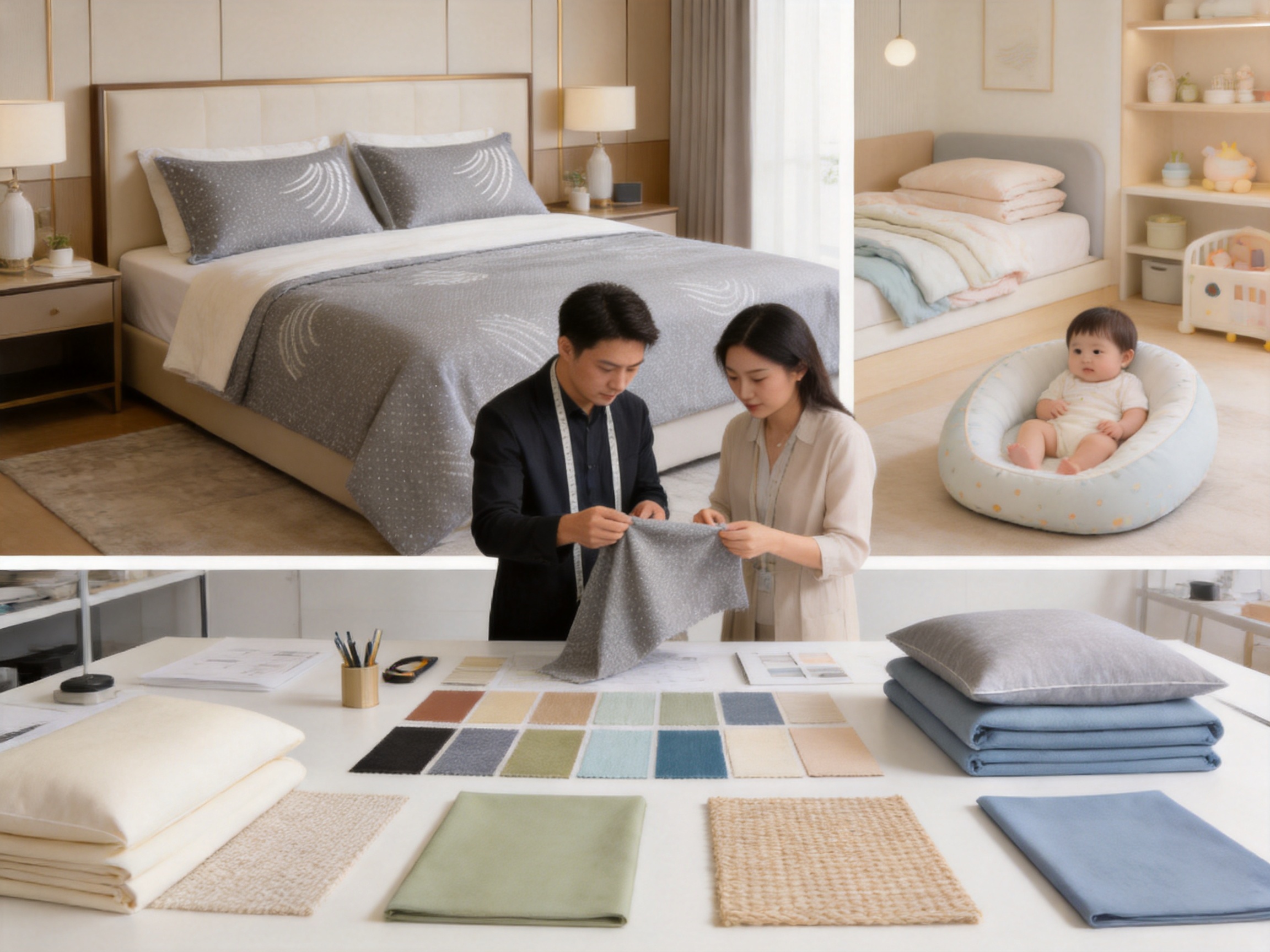
In residential settings, antibacterial yarn pillowcase fabric can be used for everyday pillowcases, decorative pillow covers, children’s bedding, guest-room textiles, and wellness-oriented bedroom products. Consumers increasingly seek home products that support comfort, cleanliness, and healthy living. A pillowcase with functional yarn technology can respond to this preference without requiring a dramatic change in familiar bedding design.
Hotel and Hospitality Bedding
Hotels and serviced apartments need bedding that looks attractive, feels comfortable, and withstands frequent laundering. Pillowcase fabric also contributes to guests’ perception of room cleanliness and quality. Antibacterial yarn fabric can be considered as part of a broader hospitality textile specification, particularly for brands that emphasize wellness, hygiene, and premium comfort.
Commercial buyers should evaluate laundering requirements carefully. Industrial washing may involve higher temperatures, stronger detergents, mechanical stress, and repeated cycles. The fabric’s tested performance, care recommendations, and expected service life should be discussed before adoption. A reliable manufacturer can help align fabric selection with the operating conditions of the property.
Wellness and Spa Environments
Wellness centers, spas, retreats, and health-oriented accommodations often use textiles to reinforce a sense of freshness and relaxation. Antibacterial pillowcase fabric can support this positioning when combined with suitable colors, soft hand feel, breathable construction, and responsible care practices. The material can be used in guest rooms, treatment rooms, relaxation areas, and specialized bedding products.
Children’s Bedding
Children’s bedding requires careful attention to softness, comfort, color safety, durability, and easy care. Antibacterial yarn pillowcase fabric may be considered for children’s applications where parents seek additional functional value. However, product developers should verify all relevant safety, composition, dye, and testing requirements for the intended age group and market.
Pregnancy and Support Pillow Products
Pregnancy pillows and support pillows are used for long periods and often remain in close contact with the body. Functional pillowcase fabric can be adapted for removable covers used with these products. Softness, breathability, ease of washing, and dimensional stability are especially important because users may prefer frequent cleaning during extended use.
Healthcare-Related and Institutional Accommodation
Some institutional and healthcare-related accommodation environments may benefit from bedding textiles designed with hygiene considerations in mind. Antibacterial yarn pillowcase fabric may be evaluated for staff residences, patient accommodation, rehabilitation centers, or care facilities, subject to the applicable regulations and performance requirements. It should not be presented as a medical product unless it meets the relevant legal definition and certification requirements.
Customization Options for Different Product Strategies
Customization allows antibacterial yarn pillowcase fabric to serve different market segments without forcing every buyer to use the same standard specification. Buyers may discuss fabric weight, width, construction, yarn composition, color, pattern, surface appearance, finishing, and packaging requirements with the manufacturer.
For a premium bedding brand, a smooth and refined surface with carefully selected neutral colors may be appropriate. For a lifestyle collection, a textured appearance or woven pattern may create stronger shelf appeal. For hotel projects, the priority may be durability, easy care, batch consistency, and compatibility with commercial laundering. For children’s products, softness, color, safety, and clear care instructions may receive greater emphasis.
Customization should be managed through a structured development process. The buyer should provide the intended application, target market, expected washing conditions, preferred hand feel, required width, target price range, and applicable technical standards. The manufacturer can then recommend a suitable construction and prepare samples for evaluation.
Sample approval should include more than a visual check. Buyers should assess the fabric under realistic lighting, compare hand feel after washing, inspect the reverse side, review shrinkage, test sewing behavior, and confirm compatibility with the filling or pillow construction. If antibacterial performance is a key selling point, the buyer should request relevant test documentation and clarify the test method, test organism, wash-cycle conditions, and reporting limits.
Comparison with Other Antibacterial Textile Approaches
| Feature | Antibacterial Yarn Pillowcase Fabric | Conventional Pillowcase Fabric | Basic Surface-Treated Fabric |
|---|---|---|---|
| Functional concept | Antibacterial functionality is associated with the selected yarn system and fabric construction. | Primarily provides comfort, appearance, and basic textile performance. | Relies mainly on a treatment applied to the fabric surface after or during production. |
| Design flexibility | Can be developed in different constructions, colors, weights, and decorative effects. | Generally offers broad design flexibility but without built-in antibacterial positioning. | Design flexibility may be broad, although treatment compatibility must be considered. |
| Durability considerations | Requires evaluation of yarn technology, construction, finishing, and laundering conditions. | Depends on fiber, weave, finishing, and care practices. | Functional durability may be affected by washing, abrasion, chemicals, and treatment adhesion. |
| Market positioning | Suitable for wellness, hygiene-conscious, hospitality, and functional bedding collections. | Suitable for general bedding and decorative textile applications. | Suitable for projects seeking a surface-based functional treatment. |
| Development requirement | Requires technical coordination between yarn selection, weaving, finishing, and testing. | Usually focuses on conventional textile specifications. | Requires close control of treatment formulation and application. |
The comparison does not mean that one approach is suitable for every application. Surface treatments can be useful in some textile systems, while conventional fabrics remain appropriate for many products. The value of antibacterial yarn fabric lies in its integrated development concept. It combines functional yarn selection with weaving and finishing expertise, creating a more comprehensive material solution for pillowcase manufacturers.
Quality Evaluation Before Purchase
Buyers should evaluate antibacterial yarn pillowcase fabric through a combination of physical, functional, aesthetic, and commercial criteria. A fabric may look attractive in a small sample but perform differently in large-scale cutting or after repeated laundering. A systematic evaluation process helps reduce risk.
Physical Evaluation
Physical checks may include fabric width, weight, thickness, yarn count, weave density, tensile strength, tear strength, seam performance, and dimensional change. The exact tests should correspond to the intended product and market. Hotel and institutional buyers may require more demanding durability criteria than consumers purchasing occasional decorative pillow covers.
Functional Evaluation
Antibacterial claims should be supported by an appropriate test report. Buyers should identify which test method was used and what the results mean. A test may measure bacterial reduction under laboratory conditions, inhibition around a specimen, or another defined indicator. The result should not be generalized beyond the organisms, conditions, and test limits covered by the report.
Comfort Evaluation
Hand feel should be assessed by several people when possible because softness and smoothness are partly subjective. The sample should be reviewed before and after washing. Buyers should also consider whether the fabric creates noise during movement, whether it feels too warm, and whether the surface is appropriate for direct facial contact.
Appearance Evaluation
Color, luster, texture, pattern clarity, and surface uniformity should be inspected. For larger bedding programs, buyers should request production-length samples or approval standards that define acceptable variation. Clear standards are helpful when different lots must be combined in one order or when repeat orders are expected months later.
Compliance and Documentation
Depending on the destination market and intended use, buyers may require fiber composition declarations, restricted-substance information, colorfastness results, antibacterial test reports, care labels, and other documentation. Requirements vary by country and product category. Early communication allows the manufacturer to prepare the appropriate technical information and avoid delays.
Responsible Communication of Antibacterial Benefits
Functional textile marketing should be accurate and specific. A pillowcase made with antibacterial yarn may help inhibit the growth of certain bacteria under defined test conditions, but it should not be described as sterilizing the sleeping environment or preventing disease unless legally authorized evidence supports such statements. Responsible wording protects consumers and strengthens the credibility of the brand.
Marketing materials should explain the role of the fabric alongside normal washing and hygiene practices. Clear care instructions are equally important. If the antibacterial performance has been tested after a particular number of wash cycles, the product information should reflect that evidence. Claims should also distinguish between antibacterial performance, odor control, antimicrobial activity, and general cleanliness because these terms are not always interchangeable.
For international buyers, local advertising and textile labeling regulations should be reviewed before publication. The manufacturer can provide technical information, but the brand owner or importer remains responsible for ensuring that final claims comply with the rules of the destination market.
Sustainability and Product Longevity
Sustainability in bedding involves more than selecting a functional yarn. Product lifespan, washing frequency, material efficiency, manufacturing waste, packaging, and end-of-life considerations all influence environmental impact. A durable pillowcase that retains its appearance and performance for a longer period may reduce the need for frequent replacement.
Functional performance can support sustainability when it helps maintain freshness and encourages responsible product use, but the environmental balance depends on the full product system. Buyers should consider the yarn composition, manufacturing inputs, finishing chemistry, recommended care, and expected service life. They may also ask about production waste management, energy use, water management, and packaging options.
The company’s stated commitment to environmentally friendly decorative fabric solutions provides a useful foundation for sustainability discussions. Specific environmental objectives should be confirmed for each project because different yarns, colors, finishes, and production volumes can have different impacts. A transparent conversation between buyer and manufacturer is the best way to identify realistic improvements.
Why Choose a Specialized Manufacturer
A specialized decorative textile manufacturer offers more than fabric inventory. It provides knowledge of how yarn, structure, finishing, design, and end use interact. This is important when developing antibacterial pillowcase fabric because the desired result cannot be achieved by choosing a functional yarn alone.
Specialized manufacturing expertise can help buyers avoid common problems such as an uncomfortable hand feel, uneven appearance, unstable dimensions, poor color repeatability, inadequate laundering performance, or unclear functional claims. A capable supplier can also advise on sample development, production scheduling, inspection criteria, and packaging.
Hangzhou Xinsili Decorative Fabric Weaving Co., Ltd. combines 19 years of textile experience with a 12,000-square-meter manufacturing base and a research-oriented development direction. Its recognition as a National High-Tech Enterprise in 2023 further reflects the company’s commitment to technological progress. The company’s product range across mattress, bedding, sofa, cooling, children’s, pregnancy pillow, and pet-friendly fabric categories demonstrates an understanding of diverse functional textile applications.
Its stated vision, “Weaving Beautiful Spaces,” expresses a balance between design and performance. For buyers, this means the fabric can be evaluated not only as a technical material but also as part of a complete interior environment. The same textile should help support comfort, visual harmony, practical use, and long-term customer satisfaction.
Recommended Development Process for Buyers
Step One: Define the Application
Begin by identifying whether the fabric will be used for domestic pillowcases, hotel bedding, children’s products, pregnancy pillows, wellness environments, or another application. Define the expected user, washing frequency, climate, sewing method, and target product positioning.
Step Two: Confirm Functional Requirements
Specify the desired antibacterial performance, testing method, expected wash durability, moisture behavior, softness, and any related requirements. If the product will carry a formal antibacterial claim, determine the documentation needed for the target market before approving the fabric.
Step Three: Select the Aesthetic Direction
Choose the preferred color range, pattern, texture, luster, weight, and surface appearance. It is helpful to provide reference samples or mood boards. The manufacturer can then recommend a construction that supports both the visual concept and the functional requirements.
Step Four: Review Samples
Evaluate laboratory or development samples for appearance, hand feel, width, sewing behavior, shrinkage, colorfastness, and laundering response. Functional tests should be reviewed alongside physical and visual evaluations. Sample approval should be documented clearly.
Step Five: Establish Production Standards
Before bulk production, confirm the approved sample, tolerances, inspection method, packaging, labeling, roll length, delivery schedule, and documentation. Written standards reduce misunderstandings and support stable quality during repeat orders.
Step Six: Monitor Bulk Production
For important projects, buyers may arrange pre-production confirmation, in-process inspection, or finished-roll inspection. Batch consistency is particularly important when pillowcases, mattress covers, and other coordinated products must match each other.
Care and Use Considerations
Antibacterial pillowcase fabric should be cared for according to the manufacturer’s recommendations. Washing temperature, detergent choice, drying method, ironing temperature, and use of bleach can influence appearance, dimensional stability, hand feel, and functional performance. Care instructions should be tested on the finished sewn product rather than relying only on raw fabric assumptions.
Regular laundering remains necessary. Users should wash pillowcases at an appropriate frequency, allow them to dry thoroughly, and avoid storing damp textiles. Good ventilation and proper pillow maintenance also contribute to a fresher bedding environment. Functional fabric works best as part of a complete hygiene and care system.
For commercial users, laundry procedures should be reviewed with the textile supplier. Industrial washing conditions can vary considerably. A fabric selected for home use may not be suitable for high-frequency hotel laundering without additional testing. Confirming the operating conditions early helps prevent premature wear and protects the intended performance.
Frequently Asked Questions
What is antibacterial yarn pillowcase fabric?
It is a pillowcase textile made with yarn that provides antibacterial functionality as part of the fabric development. It is designed to combine comfort and decorative value with a textile-based hygiene feature. The exact performance depends on the yarn, fabric construction, finishing, and test conditions.
Is antibacterial pillowcase fabric a replacement for washing?
No. Antibacterial functionality is an additional textile feature and does not replace regular laundering, drying, ventilation, or normal hygiene practices. Users should follow the recommended care instructions to maintain cleanliness and fabric performance.
How does yarn-based functionality differ from a surface treatment?
Yarn-based functionality is integrated into the yarn system used to construct the textile, while a surface treatment is applied to the fabric during or after production. Each approach has different technical considerations. Yarn-based development can provide a more integrated functional concept, but buyers should still verify durability through appropriate testing.
Can the fabric be customized?
Yes. Buyers can discuss colors, patterns, widths, weights, constructions, surface textures, finishing requirements, and packaging. Customization should be based on the intended application, target market, washing conditions, and required technical performance.
Is the fabric suitable for hotel bedding?
It can be considered for hotel and hospitality bedding, particularly where comfort, freshness, design, and functional differentiation are important. Commercial laundering conditions should be reviewed before approval, and the fabric should be tested for the expected washing and drying cycles.
Can it be used for children’s pillowcases?
It may be suitable for children’s bedding, subject to the required safety, composition, dye, and market compliance standards. Children’s products should be evaluated carefully for softness, durability, colorfastness, and responsible functional claims.
Does antibacterial fabric prevent all microorganisms?
No. Antibacterial test results generally apply to specified organisms and defined laboratory conditions. The fabric should not be described as eliminating all microorganisms. Buyers should review the test report and use precise wording in product information.
What information should buyers request from the supplier?
Useful information may include fiber composition, fabric width and weight, construction details, colorfastness, shrinkage, care recommendations, antibacterial test results, wash durability data, production tolerances, and available certifications or compliance documents.
Why is manufacturing experience important?
Experience helps a supplier manage the relationship between yarn selection, weaving, finishing, inspection, and final use. It can improve consistency, reduce development problems, and support more practical customization. Long-term experience is especially valuable for repeat orders and coordinated textile programs.
What makes this manufacturer suitable for functional decorative textiles?
The manufacturer specializes in decorative textile research, development, and precision manufacturing. It has 19 years of industry experience, an approximately 12,000-square-meter factory, recognition as a National High-Tech Enterprise in 2023, and a product portfolio covering multiple functional textile categories. These strengths support the development of materials that combine design, comfort, and practical performance.
Conclusion
Antibacterial yarn pillowcase fabric represents a practical evolution in bedding textiles. It addresses the need for a more comfortable, attractive, and hygiene-conscious material without separating functional performance from interior design. Its value comes from the combined effect of functional yarn selection, precision weaving, controlled finishing, quality inspection, and responsible technical communication.
Compared with conventional pillowcase fabrics, it offers an additional point of differentiation for residential, hospitality, wellness, children’s, and institutional applications. Compared with basic surface-treated materials, its yarn-based development provides an integrated route to functional textile design, although performance must always be confirmed through appropriate testing and care evaluation.
Hangzhou Xinsili Decorative Fabric Weaving Co., Ltd. brings together long-term industry experience, an established manufacturing base, research and development capability, and a broad understanding of functional decorative fabrics. Its 19 years of experience, approximately 12,000-square-meter factory, and National High-Tech Enterprise recognition in 2023 support its ability to develop practical textile solutions for global customers.
For buyers, the most effective approach is to define the application clearly, identify functional and aesthetic requirements, evaluate samples under realistic conditions, confirm documentation, and establish detailed production standards. When these steps are followed, antibacterial yarn pillowcase fabric can become a reliable component of bedding products designed for comfort, freshness, durability, and contemporary living.
References
1. International Organization for Standardization. Textile Testing and Performance Evaluation Principles.
2. Association for Textile Testing and Technical Standards. Guidance on Antibacterial and Antimicrobial Textile Testing.
3. Textile Institute. Fundamentals of Woven Fabric Construction and Finishing.
4. International Trade Centre. Sustainable Textile Manufacturing and Responsible Supply Chain Practices.
5. Technical information supplied by the manufacturer regarding functional decorative textile research, product development, factory capacity, and company experience.
Product: Antibacterial Yarn Pillowcase Fabric

Our Featured Products
-
Antibacterial Yarn Pillowcase Fabric
Antibacterial Yarn Pillowcase Fabric
-
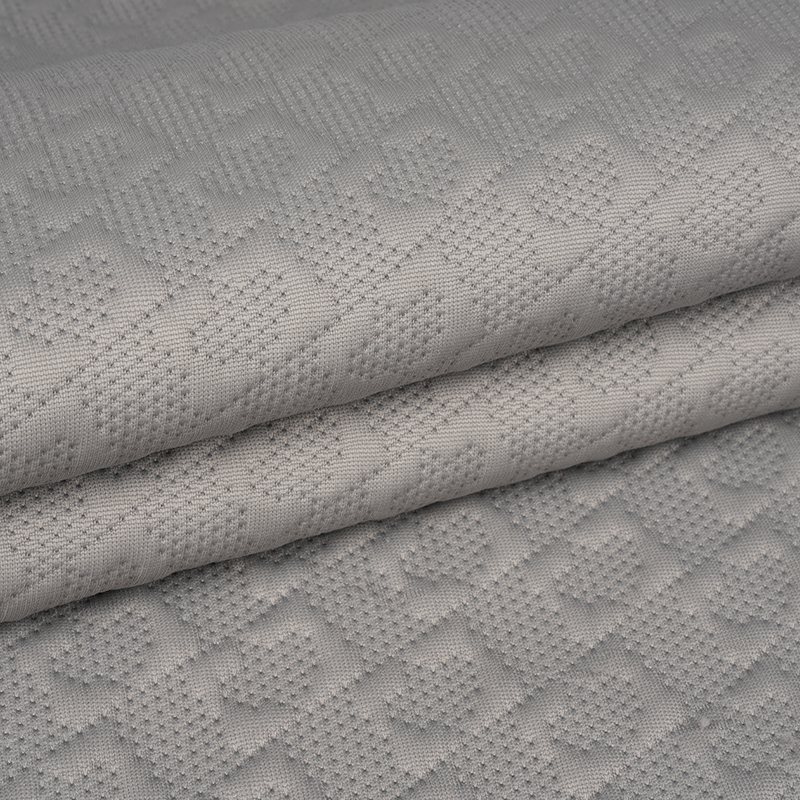
Antibacterial Yarn Children Mattress Fabric
Antibacterial Yarn Children Mattress Fabric
Haven’t Found The Products You Want?
-
-
Shen Jinyan:+86-15158070676
[email protected]
Liang Jinwen:+86-15757186621
[email protected]
Qiu Yingyingn:+86-13819545790
[email protected]
Yi qiao Town, Xiaoshan District, Hangzhou City, Zhejiang Province, China
-
Products
Mattress Fabric Children Mattress Fabric Pillowcase Fabric Pregnancy Pillow Fabric Cooling Mat Fabric Bedding Fabric Sofa Fabric Pet Friendly Fabrics -
Contact Information
About Us Products Strength Sustainability News Contact Us
Copyright © Hangzhou Xinsili Decorative Fabric Weaving Co.,Ltd. All Rights Reserved.
Functional Decorative Textile Manufacturers
