

 English
 中文简体
中文简体 Español
 عربى
عربى русский


Polyester Cooling Mat Fabric: Advanced Functional Textile for Comfortable, Durable Bedding and Furniture
Content
- 1 Understanding Polyester Cooling Mat Fabric
- 2 Advantages Compared with Ordinary Decorative Fabrics
- 3 Applications in Bedding and Sleep Products
- 4 Applications Beyond the Bedroom
- 5 Advanced Manufacturing Approach
- 6 Advantages of the Manufacturer
- 7 Customization and Product Development Support
- 8 Quality, Testing, and Responsible Product Claims
- 9 Supply Chain and Cooperation Benefits
- 10 How to Select the Correct Specification
- 11 Why Choose Polyester Cooling Mat Fabric for Competitive Products?
- 12 Conclusion
- 13 Questions and Answers
- 13.1 What is Polyester Cooling Mat Fabric?
- 13.2 What makes it different from ordinary polyester fabric?
- 13.3 Can this fabric be used for bedding?
- 13.4 Is the fabric suitable for sofa products?
- 13.5 Can it be used for pet products?
- 13.6 Can the fabric be customized?
- 13.7 Does the fabric guarantee a specific cooling temperature?
- 13.8 What tests should buyers request?
- 13.9 Why is manufacturer experience important?
- 13.10 What information should be provided when requesting a quotation?
- 13.11 Can the fabric support environmentally conscious product development?
- 13.12 Where is the manufacturer located?
- 14 References
- 15 Product: Polyester Cooling Mat Fabric
Modern consumers expect more from household textiles than attractive colors and a pleasant hand feel. Mattress covers, cooling mats, pillowcases, bedding products, sofa upholstery, and pet accessories must increasingly support comfort, hygiene, durability, easy care, and dependable long-term performance. Polyester Cooling Mat Fabric has been developed to answer these needs by combining the practical advantages of polyester with a textile structure designed for cooling-oriented applications.
This fabric is suitable for manufacturers, wholesalers, furniture companies, bedding brands, hospitality suppliers, and product developers seeking a reliable material for temperature-conscious sleep and rest products. It can be used as an important component in cooling mats, mattress accessories, summer bedding, pillow products, pregnancy pillows, sofa surfaces, and selected pet-friendly textile applications.
Produced by Hangzhou Xinsili Decorative Fabric Weaving Co., Ltd., the fabric reflects the company’s experience in decorative and functional textile development. With 19 years of industry experience, a factory area of approximately 12,000 square meters, and recognition as a National High-Tech Enterprise in 2023, the manufacturer combines practical weaving knowledge, product development, and quality-focused production for customers in residential, hotel, and commercial markets.
Unlike ordinary textile materials that focus only on appearance or basic softness, Polyester Cooling Mat Fabric is positioned as a functional decorative textile. Its value lies in the relationship between fiber selection, fabric construction, finishing, surface comfort, dimensional stability, appearance, and suitability for finished products. When these elements are controlled together, the resulting textile can provide a more balanced solution than a basic fabric used without functional planning.
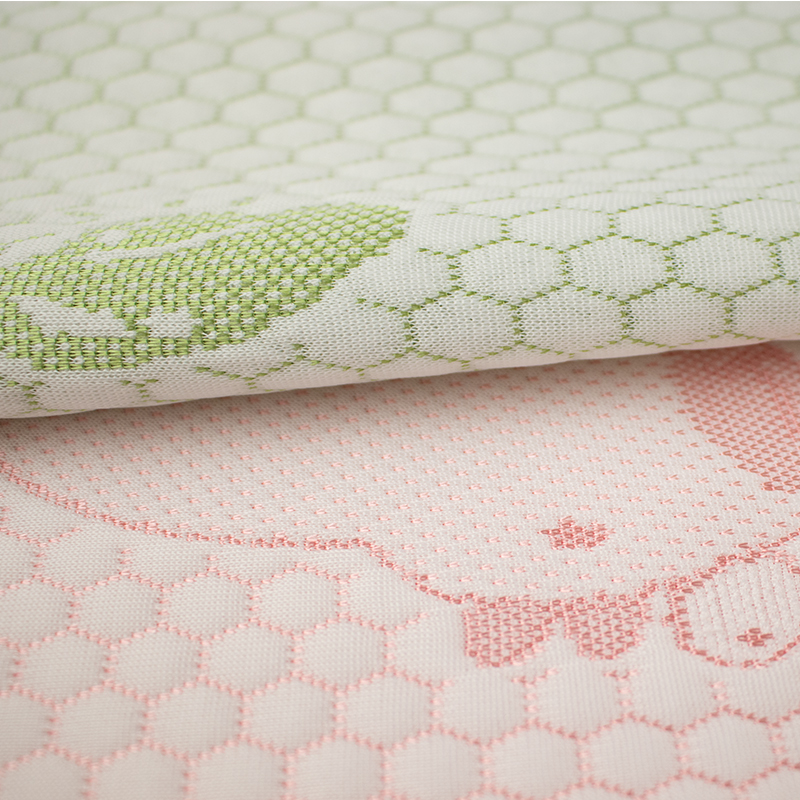
Polyester Cooling Mat Fabric
Understanding Polyester Cooling Mat Fabric
Polyester Cooling Mat Fabric is a polyester-based textile designed for products that require a cooler, more comfortable, and practical surface experience. Polyester is widely used in the textile industry because it offers strength, resistance to repeated use, relatively good dimensional stability, and flexibility in weaving, dyeing, finishing, and design development.
For cooling-oriented products, the fabric surface and construction are especially important. A fabric may influence how heat and moisture are experienced at the contact area between the user and the product. Depending on the final structure and finishing process, a cooling mat fabric can be designed to support a smooth touch, efficient surface contact, improved comfort, and a more refreshing feel during warm conditions.
The fabric is not limited to one finished product. It can be incorporated into cooling mats, mattress pads, mattress covers, pillowcases, pregnancy pillows, bedding sets, sofa textiles, and other home comfort products. This versatility makes it useful for brands that want to create coordinated product ranges using one core textile platform.
Functional performance must always be considered together with the intended product design. A cooling mat may require a fabric with a specific surface feel and abrasion resistance, while a pillowcase may prioritize softness, drape, and skin comfort. A sofa application may require stronger wear performance and visual consistency. For this reason, a professional supplier should be able to discuss fabric structure, product use, finishing, color, width, and order requirements rather than offering a one-size-fits-all material.
Key Material Characteristics
Polyester offers several characteristics that make it appropriate for cooling mat and bedding applications. It can be engineered into different yarn forms and fabric constructions, allowing manufacturers to balance touch, strength, appearance, and production efficiency. It also accepts a wide range of colors and patterns, which supports both functional product development and decorative design.
The material is suitable for products that must withstand regular handling, folding, washing, transportation, and repeated daily use. In commercial environments such as hotels, dormitories, guest rooms, rental properties, and care facilities, these practical characteristics can be especially valuable because textiles may experience more frequent cleaning and replacement cycles than those used in occasional home applications.
Polyester also supports consistent production when weaving, dyeing, and finishing parameters are properly controlled. Stable production is important for buyers who need repeat orders with similar appearance and performance. Color continuity, width consistency, surface uniformity, and controlled finishing can reduce difficulties during cutting, sewing, and assembly.
Cooling-Oriented Comfort
The primary purpose of this product category is to support a cooler and more comfortable user experience. Cooling comfort can be influenced by the fabric’s surface contact, breathability, moisture interaction, thermal sensation, construction, and the design of the complete finished product.
Polyester Cooling Mat Fabric can be selected for products intended for warm climates, summer use, temperature-sensitive sleepers, children’s bedding, pregnancy pillows, pet resting products, and other comfort-focused applications. Its value is not merely the word “cooling” in the product name. The fabric must work as part of a complete product system, including the filling, backing, quilting, mattress structure, air circulation, and surrounding environment.
For brands, this creates opportunities to develop products with a clear functional story. A cooling mat can be presented as a summer comfort product, a mattress accessory, a rest surface for pets, or a practical solution for people who prefer a fresher sleeping environment. The same textile platform can support multiple product categories when the construction and finishing are adjusted appropriately.
Advantages Compared with Ordinary Decorative Fabrics
Traditional decorative fabrics often emphasize color, pattern, texture, and visual appeal. These features remain important, but they may not be sufficient for products that have direct skin contact or are used for sleeping and resting. Polyester Cooling Mat Fabric is intended to bridge the gap between decorative design and functional performance.
Functional Value Beyond Appearance
An ordinary fabric may look attractive but provide limited support for cooling-related product claims. A functional fabric, by contrast, is developed with a specific user experience in mind. Its surface, construction, and finishing are considered in relation to temperature comfort, repeated use, moisture management, and practical care.
This functional orientation can help finished-product manufacturers differentiate their goods in a competitive market. Bedding and home textile products are frequently sold in visually similar categories. A product made with a cooling-oriented fabric may offer a more specific benefit and a stronger reason for customers to choose it over a standard mattress cover or ordinary blanket.
Balance of Comfort and Durability
Some highly soft fabrics may sacrifice durability, while very strong fabrics may feel less comfortable. Polyester Cooling Mat Fabric is intended to offer a practical balance between user comfort and product service life. The correct balance can be adjusted according to the target application, whether the fabric is intended for a light summer bedding product, a frequently washed pillowcase, or a heavier-use sofa or pet mat.
This balance is one of the product’s key advantages over materials developed only for a single purpose. Buyers can discuss the desired hand feel, appearance, use frequency, and expected care conditions with the manufacturer before production. Such communication can help avoid selecting a textile that performs well in one area but fails to meet the wider requirements of the finished product.
Design Flexibility
Functional textiles do not have to appear technical or industrial. Polyester Cooling Mat Fabric can be developed in colors, textures, and visual styles suited to modern bedrooms, children’s rooms, hotels, living rooms, and pet product collections. This allows designers to combine performance and decorative appeal.
For interior product manufacturers, this flexibility is important. A cooling fabric may be used in a bright children’s collection, a neutral hotel bedding range, a refined bedroom accessory, or a practical pet resting mat. Design flexibility makes it easier for brands to create different product lines while maintaining a coherent material strategy.
Suitable for Multiple Market Segments
The fabric can be considered for residential, hospitality, commercial, and specialty markets. Residential users may value its comfort and easy-care potential. Hotels may appreciate a material that supports a clean, comfortable, and coordinated room environment. Commercial buyers may need dependable supply, repeatable quality, and customization options.
It can also be considered for products related to children, pregnancy, pets, and seasonal comfort. These segments often require a careful balance of softness, safety awareness, appearance, and functionality. A supplier with experience in several related fabric categories can provide useful guidance when a buyer is developing a new application.
| Evaluation Area | Polyester Cooling Mat Fabric | Ordinary Decorative Fabric | Potential Product Benefit |
|---|---|---|---|
| Primary design purpose | Functional comfort combined with decorative use | Usually focused on appearance and general textile use | More suitable for cooling-oriented products |
| Application range | Cooling mats, bedding, mattress products, pillow products, sofas, and pet accessories | Primarily decorative or general furnishing applications | Supports broader product development |
| User experience | Designed to support a fresh, comfortable surface feel | Depends mainly on general texture and finishing | Provides a clearer functional product story |
| Design flexibility | Can be adapted to different colors, textures, and product styles | Often offers color and pattern flexibility | Combines appearance with functional positioning |
| Manufacturing focus | Requires attention to construction, finishing, and functional consistency | May prioritize visual uniformity above functional performance | Better alignment with performance-oriented product development |
Applications in Bedding and Sleep Products
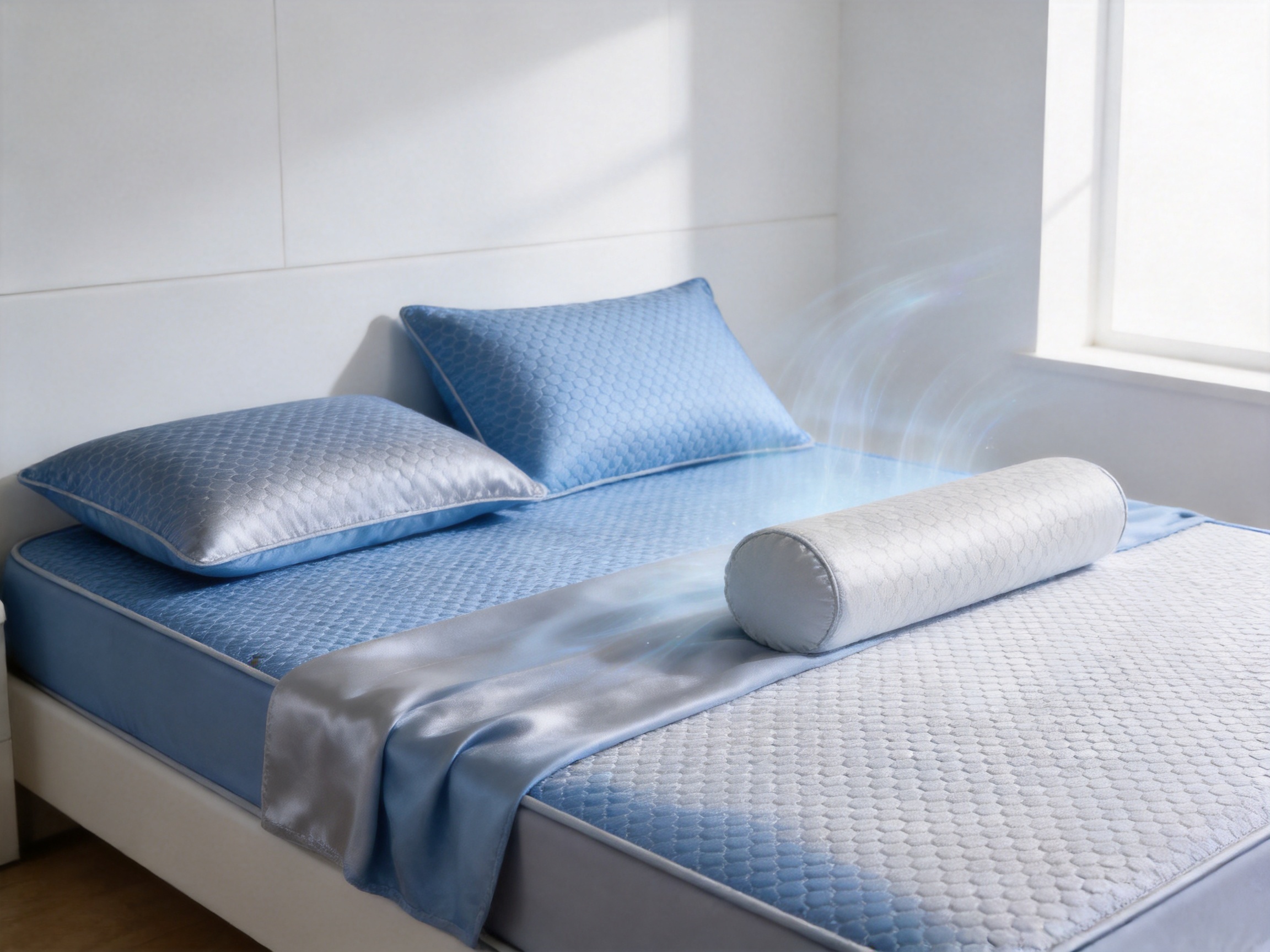
Sleep products are among the most natural applications for Polyester Cooling Mat Fabric. A large portion of the night is spent in direct or near-direct contact with bedding materials. Surface feel, temperature perception, moisture comfort, and cleanliness can therefore influence the user’s overall impression of a mattress or pillow product.
Cooling Mats
The fabric can be used as an outer textile for cooling mats designed for beds, floors, sofas, travel, or rest areas. In this role, it may provide a comfortable contact layer while supporting the visual identity and structural integrity of the finished mat.
Cooling mats may be used during warm seasons or in regions with high temperatures. The fabric can help create a product that feels more appropriate for summer conditions than a heavy, heat-retaining textile. Manufacturers can combine the fabric with suitable internal materials, quilting methods, edging, and backing constructions to create a complete mat designed for the intended market.
For portable cooling mats, considerations such as folding, rolling, storage, and cleaning may be important. For fixed mattress applications, dimensional stability, seam behavior, and compatibility with the mattress structure may receive greater attention. The same base fabric may therefore be adapted for different finished-product formats.
Mattress Covers and Mattress Pads
Mattress covers and mattress pads require textiles that can remain comfortable while tolerating movement, pressure, and regular laundering. Polyester Cooling Mat Fabric can be considered for summer mattress covers, mattress toppers, protective pads, and other bedding accessories.
The material can contribute to a product’s overall comfort positioning, especially when paired with a breathable construction and an appropriate filling or backing. Designers may select different surface textures or finishing options depending on whether they want a smooth, cool touch or a softer, more textile-like sensation.
In mattress products, cutting and sewing quality are also important. A fabric that is stable and consistent can simplify manufacturing, reduce visual irregularities, and support cleaner finished edges. Suppliers with strong production controls can help buyers achieve more reliable results across repeated orders.
Pillowcases and Pregnancy Pillows
Pillowcases have direct and prolonged contact with the face, neck, and hair. A cooling-oriented textile may be attractive to customers who prefer a fresher pillow surface, particularly in warm seasons. The fabric can be used for standard pillowcases, decorative pillow covers, and specialty pillow products.
Pregnancy pillows also benefit from comfort-focused textiles. These products are often used for long periods and may be placed against the abdomen, back, legs, or shoulders. A suitable fabric can support a more pleasant contact experience while allowing manufacturers to create coordinated covers in a range of colors and designs.
For pillow applications, hand feel, seam strength, zipper or closure compatibility, colorfastness, and laundering performance should be evaluated together. Buyers should communicate the expected finished-product construction and care instructions so that the selected fabric is appropriate for the complete application.
Children’s Bedding
Children’s products require careful consideration of touch, appearance, care, and safety-related expectations. Polyester Cooling Mat Fabric can be used in children’s mattress covers, summer bedding, cooling mats, pillow products, and other bedroom accessories when the construction and specifications are selected for the intended use.
Bright colors, playful patterns, and coordinated designs can make the fabric attractive for children’s collections. At the same time, the fabric’s functional positioning may help parents and retailers distinguish the product from ordinary decorative bedding. The final product should be manufactured and labeled according to the applicable requirements of its destination market.
Applications Beyond the Bedroom
Sofa and Upholstered Furniture Products
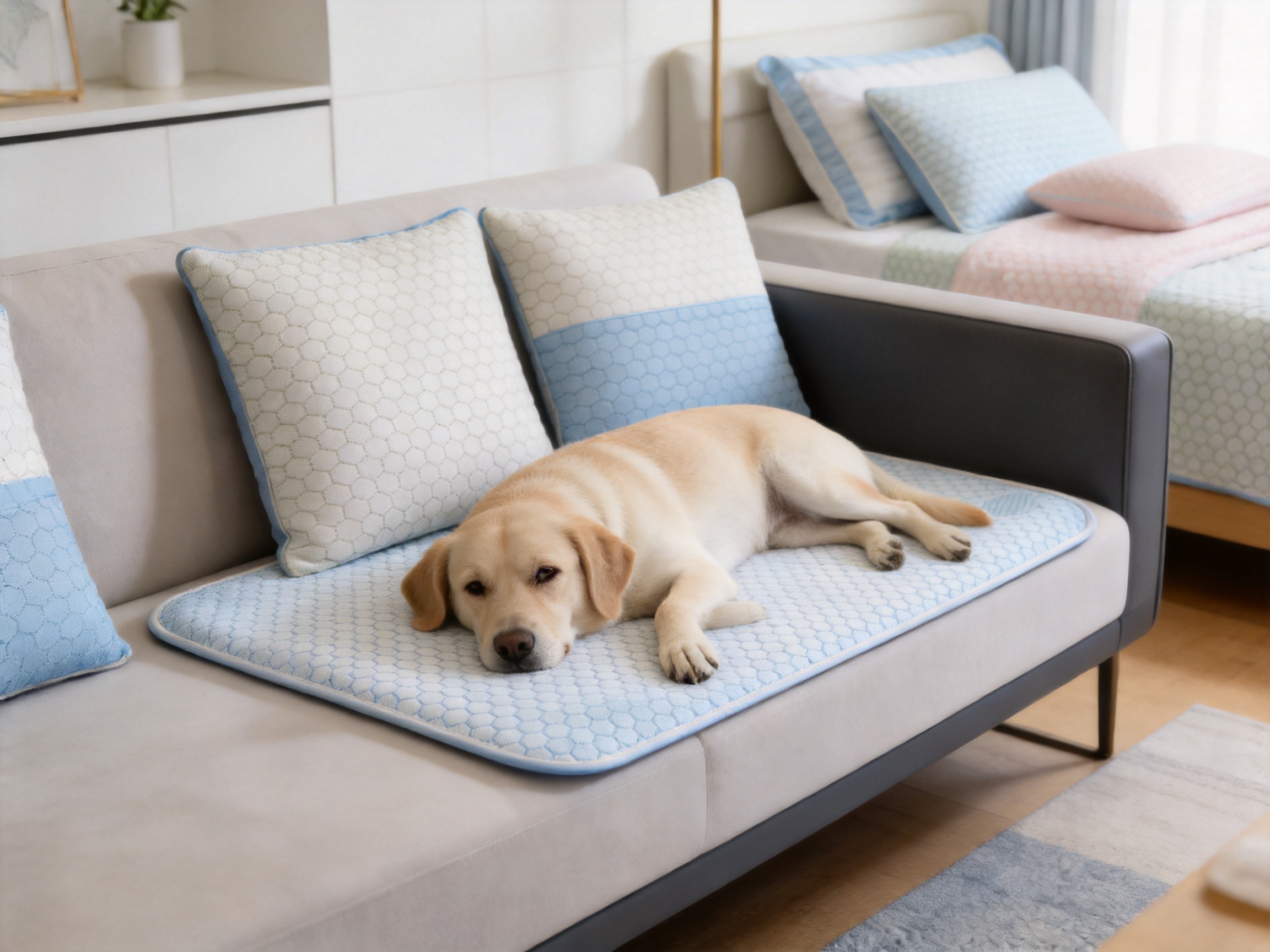
Cooling-oriented comfort is not limited to mattresses and bedding. Sofas, lounge cushions, daybeds, and decorative seating are also surfaces where people rest for extended periods. Polyester Cooling Mat Fabric can be considered for selected sofa and upholstered furniture applications, especially for seasonal collections or products intended for warm environments.
When used for furniture, the fabric must be evaluated for abrasion, seam performance, color stability, cleaning, and compatibility with the upholstery structure. A sofa textile may require a different construction or finishing approach from a pillowcase fabric. The manufacturer’s ability to discuss application-specific requirements is therefore important.
Furniture brands can use the material to create a collection that combines decorative coordination with comfort-oriented performance. For example, a living-room range may include matching sofa covers, cushions, pet mats, and seasonal resting accessories. A unified fabric program can support stronger visual merchandising and simplify material sourcing.
Pet-Friendly Fabrics and Pet Mats
Pets also require comfortable resting surfaces, particularly during hot weather. Polyester Cooling Mat Fabric can be used in pet mats, kennel pads, sofa protectors, pet cushions, and other textile accessories designed for domestic animals.
Pet products are exposed to hair, claws, dirt, moisture, repeated washing, and frequent movement. The fabric should therefore be selected with the finished product’s durability and maintenance requirements in mind. Depending on the design, it may be paired with a protective backing, removable cover, reinforced edge, or washable construction.
A cooling-oriented pet product can offer a clear seasonal benefit. It may be positioned for dogs and cats that need a more comfortable resting surface in warm conditions. Product developers should still evaluate the complete design, since performance depends on the combination of textile, filling, construction, ventilation, and use environment.
Hospitality and Commercial Interiors
Hotels, serviced apartments, wellness facilities, and commercial accommodation providers are increasingly attentive to guest comfort. Textiles play an important role in shaping the perceived quality of a room. A cooling mat, mattress accessory, pillow cover, or upholstered feature made with functional fabric can contribute to a more thoughtful guest experience.
Commercial buyers usually require stable supply, consistent color, dependable manufacturing, and clear communication. They may also need fabrics for multiple room categories or seasonal programs. A supplier that can support customization and repeat production can be more valuable than a supplier offering only a limited stock range.
Functional decorative textiles are especially useful in commercial interiors because they can support both visual design and practical performance. A hotel may want a calm neutral palette, while a residential project may require stronger colors or textured surfaces. The same functional concept can be adapted to different interior styles.
Advanced Manufacturing Approach
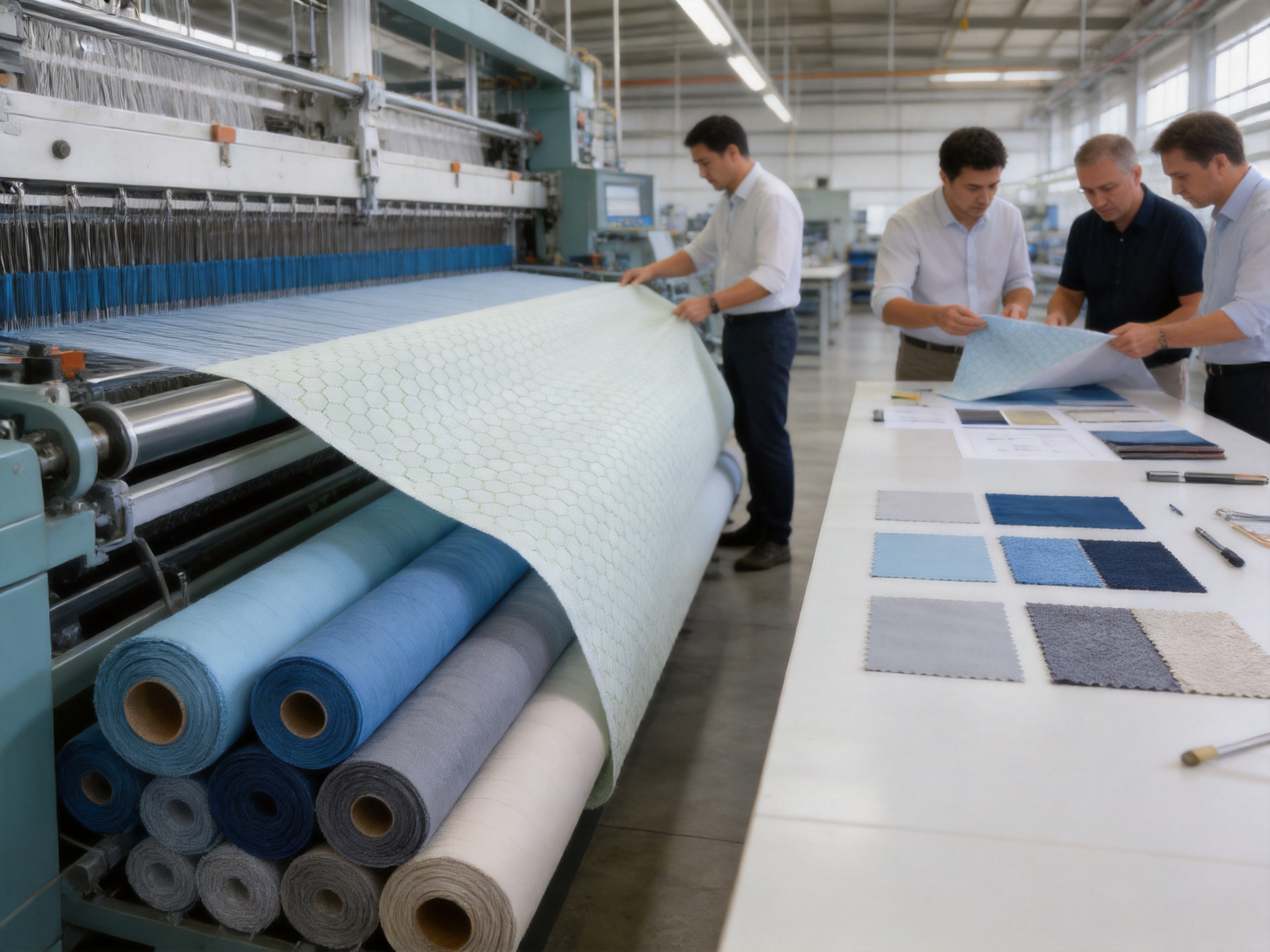
The performance of a functional textile is closely linked to manufacturing discipline. A fabric may have a promising concept, but inconsistent yarns, unstable weaving, uneven finishing, poor inspection, or inadequate communication can reduce its value in the finished product. Hangzhou Xinsili Decorative Fabric Weaving Co., Ltd. focuses on research, development, weaving, and functional decorative textile production.
Research and Product Development
Product development begins with understanding the intended application. A cooling mat fabric for a bedding brand may require a different surface and weight from a sofa fabric or pet mat material. Development decisions can include fiber selection, yarn arrangement, fabric construction, weight, width, color, texture, and finishing.
The company’s functional textile focus includes technologies and product directions related to antibacterial performance, moisture resistance, flame retardancy, sleep support, and comfort improvement. These capabilities provide a wider technical context for developing cooling-oriented products. Rather than treating each fabric as an isolated item, the manufacturer can evaluate how different functions may support the needs of a complete product range.
Precision Weaving
Weaving quality influences the fabric’s appearance, stability, hand feel, and performance. Controlled weaving helps maintain a more uniform structure across the roll. This is important for manufacturers that need consistent cutting, sewing, quilting, printing, or upholstery work.
Precision production also helps reduce problems such as uneven density, visual streaks, irregular texture, and unstable width. These issues can create waste or affect the quality of finished products. A stable weaving process supports better production efficiency for both the fabric supplier and the buyer.
The factory’s approximately 12,000-square-meter production area provides a substantial base for organized manufacturing, inspection, storage, and order management. Factory scale alone does not guarantee quality, but it can support more systematic production when combined with experienced personnel, clear processes, and effective quality controls.
Finishing and Surface Development
Finishing is a key stage in functional textile manufacturing. It can influence touch, appearance, dimensional behavior, moisture interaction, and the way a fabric performs during use. For cooling mat fabric, the finishing process should be selected according to the intended surface sensation and finished-product requirements.
A controlled finishing program can help create a surface that feels clean, smooth, comfortable, or refreshing. The exact result depends on the construction and treatment used. Buyers should review samples and, where necessary, conduct application-specific testing before approving large-scale production.
Finishing may also be used to support other functional requirements. Depending on the product specification, the textile may be considered alongside moisture-resistant, antibacterial, flame-retardant, or comfort-improving technologies. These functions must be evaluated individually and should not be assumed solely from the general product category.
Inspection and Quality Consistency
Quality inspection is important at different stages of production. Incoming materials, weaving conditions, dyeing or finishing results, roll appearance, color, width, weight, and defects may all require attention. Consistent inspection allows problems to be identified earlier and supports more reliable delivery.
For buyers, quality consistency is often as important as a fabric’s initial performance. A single excellent sample is not enough if later production varies significantly. Long-term supply relationships depend on repeatable standards, clear approval samples, accurate production records, and prompt communication when adjustments are needed.
Customers should discuss inspection requirements before placing an order. Important points may include allowable defects, roll length, color tolerance, width tolerance, packaging, labeling, testing, and documentation. Clear specifications reduce misunderstandings and help both parties evaluate the same quality expectations.
Advantages of the Manufacturer
Hangzhou Xinsili Decorative Fabric Weaving Co., Ltd. brings together industry experience, functional textile development, and manufacturing capability. These strengths are relevant to buyers looking for more than a basic commodity fabric.
Nineteen Years of Industry Experience
With 19 years of industry experience, the company has developed practical knowledge of decorative fabric weaving and customer requirements. Experience can be valuable when a buyer is dealing with issues such as fabric selection, product matching, color development, finishing, production scheduling, and repeat orders.
Experienced manufacturers are also more likely to recognize the relationship between fabric properties and finished-product performance. For example, a fabric that appears suitable for a cooling mat may require additional attention to backing, edge construction, filling compatibility, or cleaning instructions. Manufacturing experience helps identify these considerations earlier in the development process.
National High-Tech Enterprise Recognition
The company was recognized as a National High-Tech Enterprise in 2023. This recognition supports its positioning as an enterprise focused on technical development and innovation. In the functional textile market, research capability is important because customers increasingly seek products with measurable or clearly defined benefits.
High-tech recognition does not replace product testing or application evaluation, but it indicates an organizational commitment to technological advancement. For customers, this can be relevant when developing new fabrics, integrating multiple functions, or seeking long-term cooperation on product improvements.
Focus on Functional Decorative Textiles
The company’s business direction is centered on functional decorative fabrics for homes, hotels, and commercial spaces. This focus differentiates it from suppliers that concentrate only on basic fabrics or only on visual decoration.
Functional decorative textiles must satisfy several requirements at the same time. They must look appropriate in the target environment, feel comfortable, perform reliably, and support practical manufacturing. A supplier with experience across these areas can help buyers achieve a more complete product solution.
Commitment to Environmentally Conscious Development
The company describes its products and development vision as environmentally friendly and aligned with safe, healthy, comfortable, and sustainable living spaces. In practice, sustainability should be assessed through the complete supply chain, including raw materials, production efficiency, product durability, care requirements, packaging, and end-of-life considerations.
Durable textiles can support more sustainable product use by reducing premature replacement. Efficient production and responsible material planning may also help reduce waste. Buyers seeking environmental certifications or specific compliance documentation should communicate those requirements in advance so that the supplier can confirm what is available for the selected product.
Customization and Product Development Support
Customization is important for brands that want to create a distinctive cooling mat, bedding collection, or furniture product. Customization may involve color, pattern, texture, weight, width, finishing, packaging, or a combination of these elements.
Color and Appearance
Color development can be matched to a brand identity, seasonal collection, hotel interior, children’s product range, or furniture program. Neutral shades may be suitable for minimalist bedrooms and hospitality projects, while brighter colors can support children’s bedding or lifestyle products.
Color approval should be completed using appropriate samples under suitable lighting conditions. Buyers should understand that the final appearance may be influenced by fabric construction, finishing, lighting, and display conditions. Production color tolerance should be agreed before bulk manufacturing.
Texture and Hand Feel
Different product categories may require different hand-feel targets. A pillowcase may need a smoother and more delicate surface, while a pet mat may need a stronger and more practical textile character. A sofa product may benefit from a structured texture that contributes to visual richness.
Hand feel is partly subjective, so physical samples are important. Buyers should evaluate the fabric after any relevant washing, compression, folding, or sewing process. A fabric that feels ideal in a flat sample may feel different when quilted, laminated, filled, or used as part of a finished product.
Width, Weight, and Construction
Width and weight affect material utilization, cutting efficiency, product size, shipping, and the final feel of the finished article. A manufacturer should understand whether the material will be used for large mattress panels, narrow pillow covers, sofa sections, or smaller pet accessories.
Construction may also influence the appearance of seams and the behavior of the textile during assembly. For example, a product that requires quilting may need a fabric with suitable stability and sewing performance. A removable cover with a zipper may require attention to edge strength and dimensional control.
Sampling and Approval
A responsible development process usually includes sample review, application testing, specification confirmation, and pre-production approval. Buyers should test the fabric in the actual or simulated finished product whenever possible.
Useful evaluations may include touch, appearance, color, shrinkage, seam behavior, abrasion, washing, drying, pilling, dimensional stability, and compatibility with the intended filling or backing. Additional tests may be necessary if the product will be marketed with specific functional claims.
| Customization Item | Why It Matters | Recommended Buyer Action |
|---|---|---|
| Color | Influences brand identity, product coordination, and retail appeal | Approve a physical color sample and define tolerance |
| Surface texture | Affects touch, appearance, and perceived comfort | Evaluate samples in the intended finished product |
| Fabric width | Influences cutting efficiency and material waste | Provide finished-product dimensions and cutting plans |
| Fabric weight | Affects drape, structure, shipping, and hand feel | Confirm the target range before bulk production |
| Finishing | Can influence surface sensation, stability, and functionality | Define the required performance and request relevant testing |
| Packaging | Protects the fabric and supports warehouse handling | Confirm roll, carton, labeling, and moisture-protection requirements |
Quality, Testing, and Responsible Product Claims
Functional textile marketing should be supported by responsible product communication. The term “cooling” can refer to a cool-touch sensation, thermal comfort, moisture-related comfort, or a broader product design concept. Buyers should define the specific benefit they want to communicate and verify it through suitable testing.
Testing Considerations
Depending on the application, testing may include colorfastness, dimensional stability, pilling resistance, abrasion resistance, tensile strength, tear strength, seam performance, washing behavior, and surface appearance. For cooling-related products, thermal or contact-cooling evaluations may be considered where appropriate.
Testing requirements depend on the destination market and the final product. A fabric used for a pet mat may have different priorities from one used for children’s bedding. A hotel textile may require repeated laundering evaluations, while a decorative sofa fabric may require more extensive abrasion testing.
Buyers should work with the supplier to determine which tests are appropriate. Test results should relate to the actual product specification and should not be generalized beyond the conditions under which the testing was performed.
Safety and Compliance
Products intended for children, pregnant users, pets, or direct skin contact require careful product planning. The fabric, dyes, finishes, accessories, backing, filling, thread, packaging, and labeling may all contribute to final product compliance.
Customers should specify the destination country, product category, age group, intended use, and required standards before development. This allows the manufacturer to identify suitable materials and documentation. Compliance expectations vary by market, and the responsibility for the finished product remains with the brand or importer placing it on the market.
Care and Durability
Care instructions should reflect the actual construction of the finished product. The fabric alone may be washable, but a cooling mat containing foam, gel, coated backing, electrical components, or special fillings may require different care. Clear instructions can help maintain performance and extend product life.
Durability is also influenced by use conditions. A fabric used in a frequently occupied sofa, a pet mat exposed to claws, or a hotel mattress cover subjected to industrial laundering may need a more demanding specification than a decorative pillow used occasionally.
Supply Chain and Cooperation Benefits
For international buyers, supplier cooperation involves more than product quality. Communication, sample management, production scheduling, packaging, documentation, and after-sales support all influence the total purchasing experience.
Clear Technical Communication
Technical communication should cover the intended use, target market, fabric requirements, color, width, weight, finishing, testing, order quantity, packaging, and delivery expectations. The more precisely these details are defined, the easier it becomes to develop a suitable product.
Buyers should provide drawings, reference samples, product photographs, technical sheets, or finished-product dimensions when available. This information helps the supplier understand the application and propose a more appropriate construction.
Stable Repeat Orders
Many bedding, furniture, and pet-product businesses require regular replenishment. Stable repeat orders depend on consistent raw materials, production records, approved samples, and quality inspection. A long-term supplier relationship can reduce the time required for each new order and support more predictable production planning.
Repeat-order customers should still confirm key specifications before manufacturing. Changes in color, finishing, packaging, or destination requirements can affect the production result. Written confirmation helps maintain continuity and avoids assumptions.
Support for New Product Lines
A manufacturer with experience in several functional decorative fabric categories can assist brands that want to expand from one product type to another. A company producing mattress fabric may also need pillowcase fabric, pregnancy pillow fabric, sofa fabric, or pet-friendly fabric for a coordinated range.
This broader capability can simplify sourcing and help create a consistent material language across multiple products. It may also allow a brand to develop seasonal collections, such as summer cooling bedding, breathable children’s products, and matching pet accessories.
How to Select the Correct Specification
Choosing the correct Polyester Cooling Mat Fabric requires more than requesting a general cooling material. Buyers should begin with the finished product and work backward toward the fabric specification.
Step One: Define the Application
Identify whether the fabric will be used for a cooling mat, mattress cover, pillowcase, pregnancy pillow, children’s bedding, sofa, pet product, or another application. Note whether the product will be used indoors, outdoors, seasonally, commercially, or in a high-use environment.
Step Two: Define the User Experience
Decide whether the product should feel smooth, soft, structured, lightweight, dense, dry, or refreshing. Consider the expected temperature conditions and whether the textile will have direct contact with skin, clothing, fur, or upholstery.
Step Three: Define the Construction
Confirm whether the fabric will be quilted, laminated, sewn to a backing, filled, used as a removable cover, or attached to a complete mattress or sofa. Construction can influence the suitable weight, width, strength, and dimensional stability.
Step Four: Define Testing and Compliance
List the required performance tests and destination-market requirements. If the product will use claims related to cooling, antibacterial performance, moisture resistance, or flame retardancy, determine how those claims will be evaluated and documented.
Step Five: Review Samples
Request samples and examine them under realistic conditions. Wash or process the fabric if the finished product will be washed or treated. Evaluate the material after sewing, quilting, folding, compression, and exposure to the expected use environment.
Step Six: Confirm Bulk Production Details
Before placing a production order, confirm the approved sample, technical specification, color, quantity, packaging, lead time, inspection method, and shipping information. This final confirmation protects both the buyer and the manufacturer.
Why Choose Polyester Cooling Mat Fabric for Competitive Products?
In a crowded home textile market, a product needs a clear combination of comfort, function, appearance, and reliability. Polyester Cooling Mat Fabric provides a useful foundation for brands seeking to move beyond ordinary decorative materials.
Its main competitive advantages include a cooling-oriented product position, suitability for multiple finished products, polyester’s practical strength and design flexibility, compatibility with decorative applications, and the possibility of customization. These advantages can help manufacturers develop products for different price levels and market segments.
The fabric also supports the broader trend toward functional home environments. Consumers are increasingly interested in textiles that contribute to comfort, hygiene, sleep quality, temperature management, and easy maintenance. A functional decorative fabric can respond to these expectations while preserving the visual qualities required in modern interiors.
For manufacturers, the material may simplify product development by serving as a common platform across mattress, pillow, sofa, bedding, and pet categories. For retailers, it can support a stronger product story. For hospitality buyers, it can contribute to an improved guest experience. For designers, it provides an opportunity to combine technical performance with attractive visual presentation.
Conclusion
Polyester Cooling Mat Fabric is a versatile functional textile for modern comfort products. It combines the practical characteristics of polyester with a cooling-oriented design approach, making it suitable for cooling mats, mattress covers, bedding, pillowcases, pregnancy pillows, children’s products, sofas, and pet accessories.
Its advantages over ordinary decorative fabrics come from its focus on functional comfort, application versatility, customization potential, and compatibility with both residential and commercial environments. The material can support products that seek to deliver a fresher surface experience while maintaining attractive design and practical use characteristics.
Hangzhou Xinsili Decorative Fabric Weaving Co., Ltd. strengthens this product offering through 19 years of industry experience, a dedicated functional decorative textile direction, research and development capabilities, an approximately 12,000-square-meter factory area, and National High-Tech Enterprise recognition received in 2023. Its manufacturing philosophy combines craftsmanship, design innovation, technical advancement, and long-term cooperation.
For the best result, buyers should select the fabric according to the finished product, user group, climate, care method, construction, testing requirements, and market regulations. Sample approval and application-specific evaluation remain essential. When these steps are managed carefully, Polyester Cooling Mat Fabric can become a dependable material for comfortable, attractive, and competitive textile products.
Questions and Answers
What is Polyester Cooling Mat Fabric?
Polyester Cooling Mat Fabric is a polyester-based functional textile developed for cooling mats and other comfort-oriented products. It can also be used in mattress covers, bedding, pillowcases, pregnancy pillows, sofas, and pet accessories.
What makes it different from ordinary polyester fabric?
Ordinary polyester fabric may be produced for general clothing, decoration, or furnishing use. Polyester Cooling Mat Fabric is selected and developed with cooling-oriented comfort and finished-product applications in mind. Its construction and finishing can be evaluated for surface sensation, comfort, durability, and application suitability.
Can this fabric be used for bedding?
Yes. It can be considered for mattress covers, mattress pads, cooling mats, pillowcases, summer bedding, and selected children’s or pregnancy pillow products. The final specification should be chosen according to the intended construction and care requirements.
Is the fabric suitable for sofa products?
It can be used for selected sofa, cushion, and upholstered furniture applications. Furniture buyers should confirm abrasion resistance, colorfastness, seam performance, cleaning requirements, and the desired hand feel before production.
Can it be used for pet products?
Yes. Potential applications include pet cooling mats, pet cushions, kennel pads, sofa protectors, and other resting accessories. The complete product should be evaluated for washing, moisture, claws, hair, dirt, and repeated use.
Can the fabric be customized?
Customization may be available for color, texture, weight, width, finishing, and other product requirements. Buyers should provide details about the finished product and request samples before confirming a bulk order.
Does the fabric guarantee a specific cooling temperature?
No fabric should be assumed to provide a specific cooling result without appropriate testing. Cooling comfort depends on the fabric, finishing, product construction, filling, backing, air movement, room temperature, and user conditions. Specific claims should be supported by relevant evaluation.
What tests should buyers request?
Depending on the application, buyers may consider tests for colorfastness, dimensional stability, pilling, abrasion, tensile strength, tear strength, seam performance, washing behavior, and cooling-related performance. The required tests depend on the destination market and the finished product.
Why is manufacturer experience important?
Experience helps a supplier understand how fabric selection affects cutting, sewing, quilting, finishing, laundering, packaging, and final product performance. It also supports more effective communication during sample development and repeat production.
What information should be provided when requesting a quotation?
Buyers should provide the application, desired fabric type, approximate quantity, color, width, weight, finishing, testing requirements, packaging, destination market, and delivery expectations. Finished-product drawings or reference samples are also useful.
Can the fabric support environmentally conscious product development?
It can be considered as part of a broader sustainable product strategy. Durability, efficient production, responsible material selection, reduced waste, care requirements, packaging, and product lifespan should all be evaluated. Specific environmental certifications or claims should be confirmed with the manufacturer.
Where is the manufacturer located?
Hangzhou Xinsili Decorative Fabric Weaving Co., Ltd. is located in Yi Qiao Town, Xiaoshan District, Hangzhou City, Zhejiang Province, China.
References
1. General principles of polyester fiber and woven textile manufacturing.
2. Textile quality control practices for fabric inspection, color consistency, dimensional stability, and defect management.
3. Functional textile development principles for moisture comfort, thermal sensation, surface feel, and user-oriented product design.
4. Good practices for testing home textiles, bedding fabrics, upholstery fabrics, and pet product materials.
5. Product development guidance for children’s textiles, sleep products, hospitality textiles, and direct-contact household fabrics.
6. Sustainable textile manufacturing principles concerning durability, resource efficiency, responsible finishing, packaging, and product lifecycle considerations.
7. Manufacturer-provided company information, product classification, and functional decorative textile development overview.
Product: Polyester Cooling Mat Fabric

Our Featured Products
-
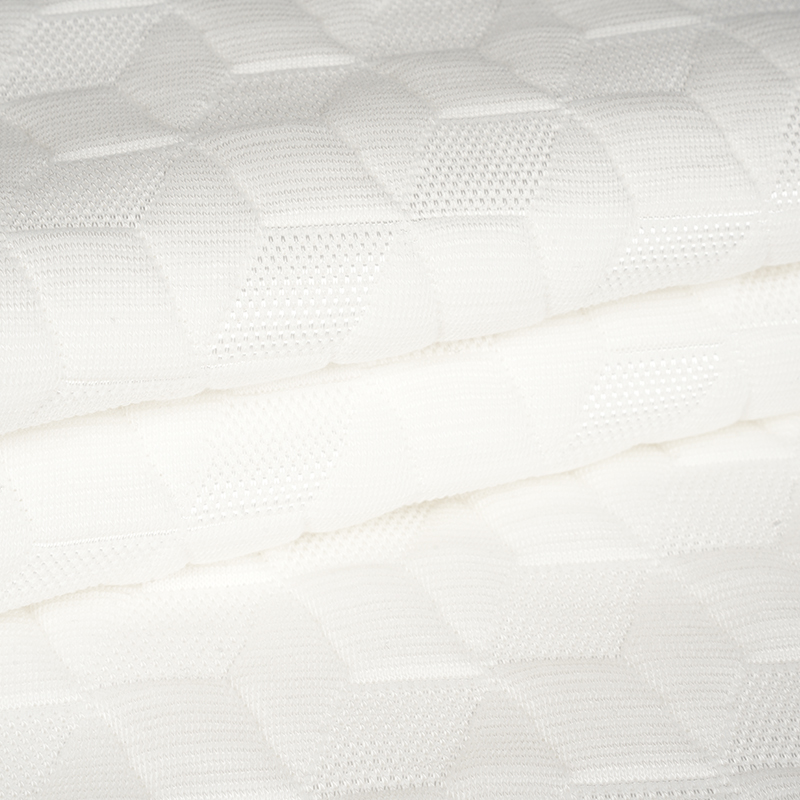
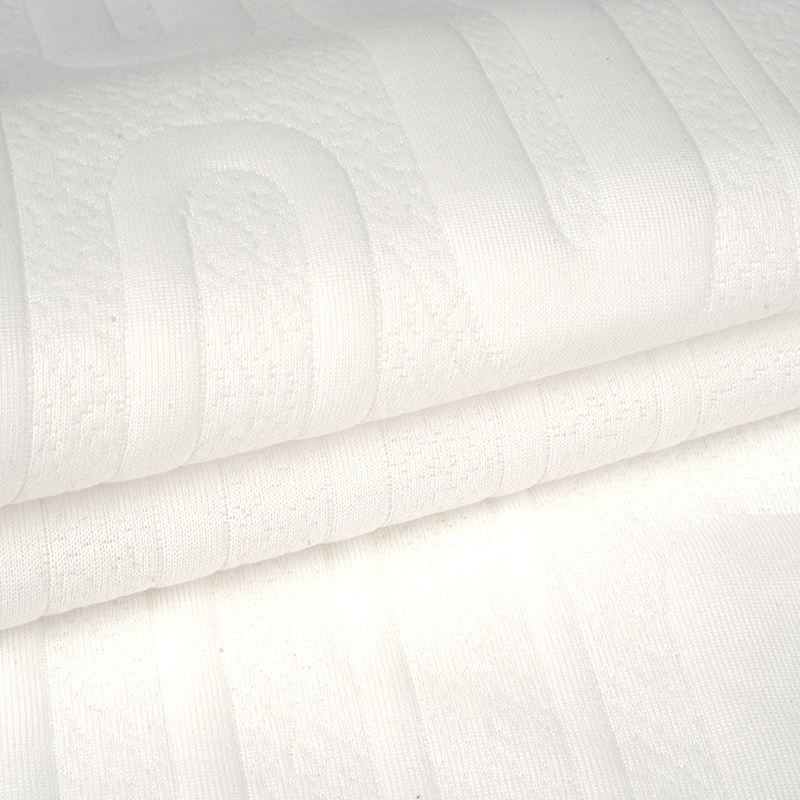
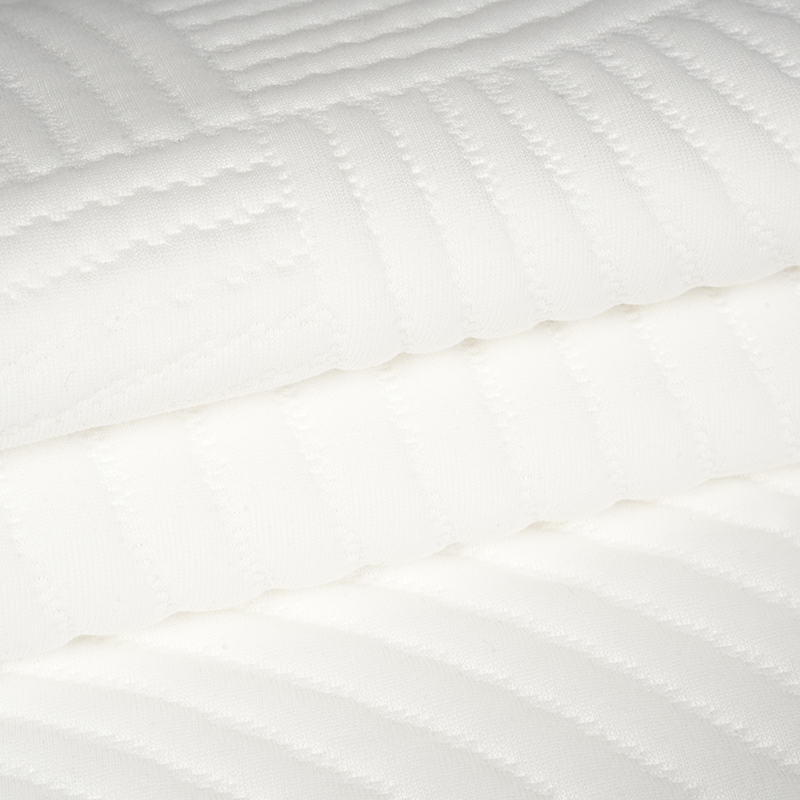
Polyester Mattress Fabric
Polyester Mattress Fabric
Haven’t Found The Products You Want?
-
-
Shen Jinyan:+86-15158070676
[email protected]
Liang Jinwen:+86-15757186621
[email protected]
Qiu Yingyingn:+86-13819545790
[email protected]
Yi qiao Town, Xiaoshan District, Hangzhou City, Zhejiang Province, China
-
Products
Mattress Fabric Children Mattress Fabric Pillowcase Fabric Pregnancy Pillow Fabric Cooling Mat Fabric Bedding Fabric Sofa Fabric Pet Friendly Fabrics -
Contact Information
About Us Products Strength Sustainability News Contact Us
Copyright © Hangzhou Xinsili Decorative Fabric Weaving Co.,Ltd. All Rights Reserved.
Functional Decorative Textile Manufacturers
