

 English
 中文简体
中文简体 Español
 عربى
عربى русский


Graphene Children’s Mattress Fabric: Advanced Comfort, Protection, and Textile Performance for Growing Sleep Spaces
Content
- 1 Understanding Graphene Children’s Mattress Fabric
- 2 Why Children’s Mattress Fabric Requires Specialized Engineering
- 3 Key Advantages of Graphene Children’s Mattress Fabric
- 4 How the Fabric Compares with Conventional Mattress Textiles
- 5 Advanced Manufacturing Strengths
- 6 Graphene Integration and Product Performance
- 7 Safety and Compliance Considerations for Children’s Products
- 8 Applications Across the Sleep and Interior Industries
- 9 Customization Options for Mattress Manufacturers
- 10 Recommended Development and Procurement Process
- 11 Quality Control from Raw Material to Finished Fabric
- 12 Environmental and Long-Term Value
- 13 Why Work with an Experienced Functional Decorative Textile Supplier?
- 14 Product Selection Checklist
- 15 Q&A: Graphene Children’s Mattress Fabric
- 15.1 Q1: What is Graphene Children’s Mattress Fabric used for?
- 15.2 Q2: Does graphene make the mattress automatically cool?
- 15.3 Q3: Is the fabric suitable for direct skin contact?
- 15.4 Q4: Can the fabric provide antibacterial performance?
- 15.5 Q5: Can the material be washed?
- 15.6 Q6: Can customers request custom colors or patterns?
- 15.7 Q7: How does this fabric compare with ordinary polyester mattress fabric?
- 15.8 Q8: Is the fabric suitable for hotels and childcare facilities?
- 15.9 Q9: Can the fabric be quilted?
- 15.10 Q10: What information should a buyer provide when requesting a quotation?
- 15.11 Q11: Where is the manufacturer located?
- 15.12 Q12: Can one supplier provide other coordinated fabrics?
- 16 Conclusion
- 17 References
- 18 Product: Graphene Children Mattress Fabric
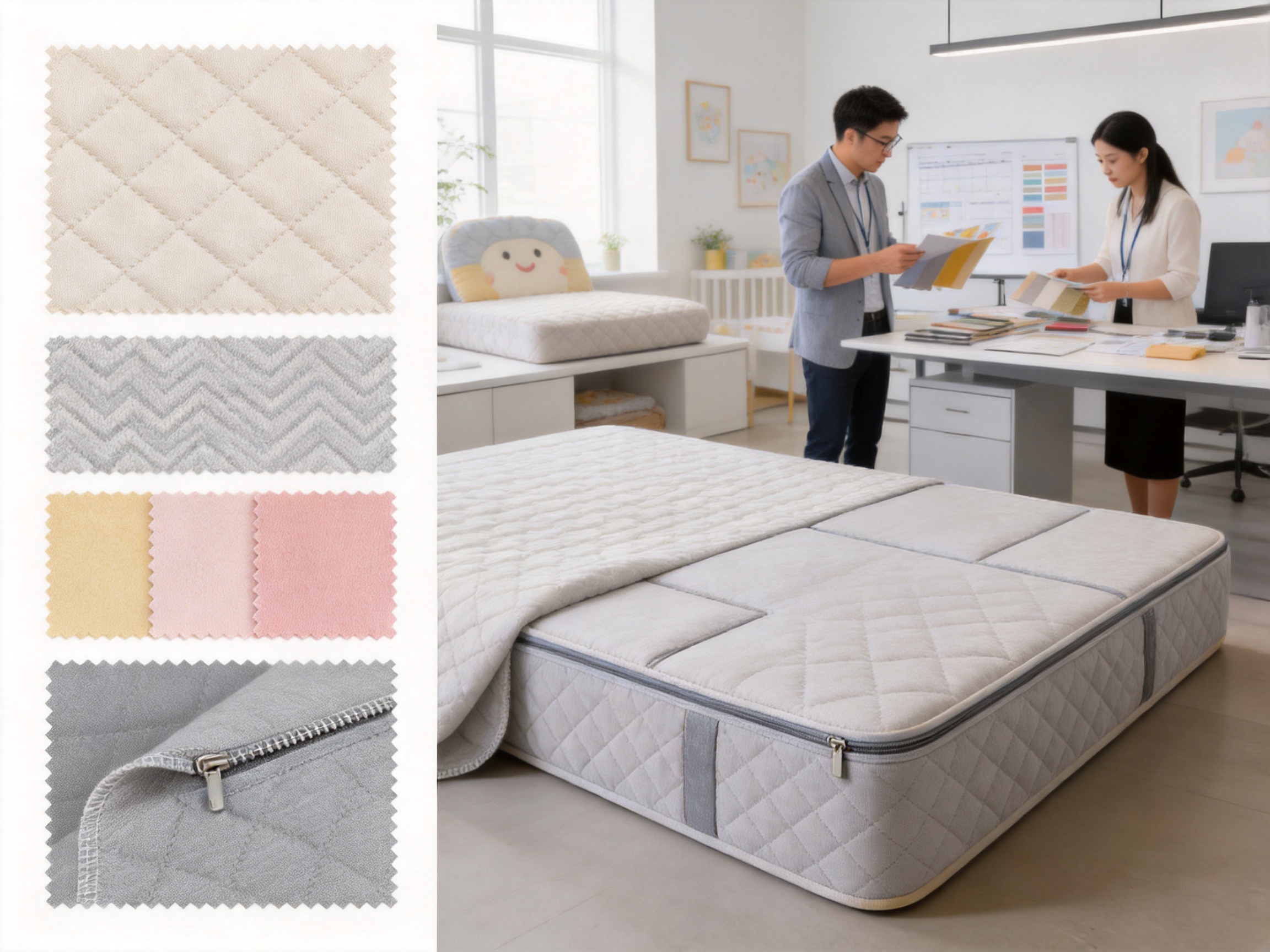
Children’s sleep environments require more than attractive colors and soft hand feel. A mattress fabric for young users must support comfort, cleanliness, durability, temperature management, and everyday safety while also meeting the practical requirements of mattress manufacturers, bedding brands, hospitality projects, and family-focused retailers. Graphene Children’s Mattress Fabric is designed to respond to these needs through a combination of engineered textile construction, graphene-related functional performance, precise weaving, and quality-oriented manufacturing.
Unlike ordinary mattress upholstery fabrics that focus mainly on appearance, this fabric is developed as a functional decorative textile. Its purpose is to provide a comfortable and attractive surface while contributing to a healthier and more manageable sleeping environment. The fabric can be used in children’s mattresses, mattress covers, removable sleep-system components, cushions, and selected bedding applications where comfort and performance are equally important.
Hangzhou Xinsili Decorative Fabric Weaving Co., Ltd. specializes in the research, development, and manufacturing of decorative and functional textiles. With 19 years of industry experience, a 12,000-square-meter factory, and recognition as a National High-Tech Enterprise in 2023, the company combines practical textile production with continuing material and process innovation. Its manufacturing philosophy is based on stable quality, responsible material development, design flexibility, and long-term cooperation with customers in residential, hotel, and commercial markets.
For children’s mattress applications, these capabilities are especially valuable. Children may spend many hours in bed each day, and their mattresses are exposed to perspiration, movement, friction, accidental spills, frequent cleaning, and changing room temperatures. A well-designed mattress fabric should therefore be soft enough for comfort, strong enough for long-term use, attractive enough for modern interiors, and functional enough to support hygiene and moisture management. Graphene Children’s Mattress Fabric brings these requirements together in one specialized textile solution.
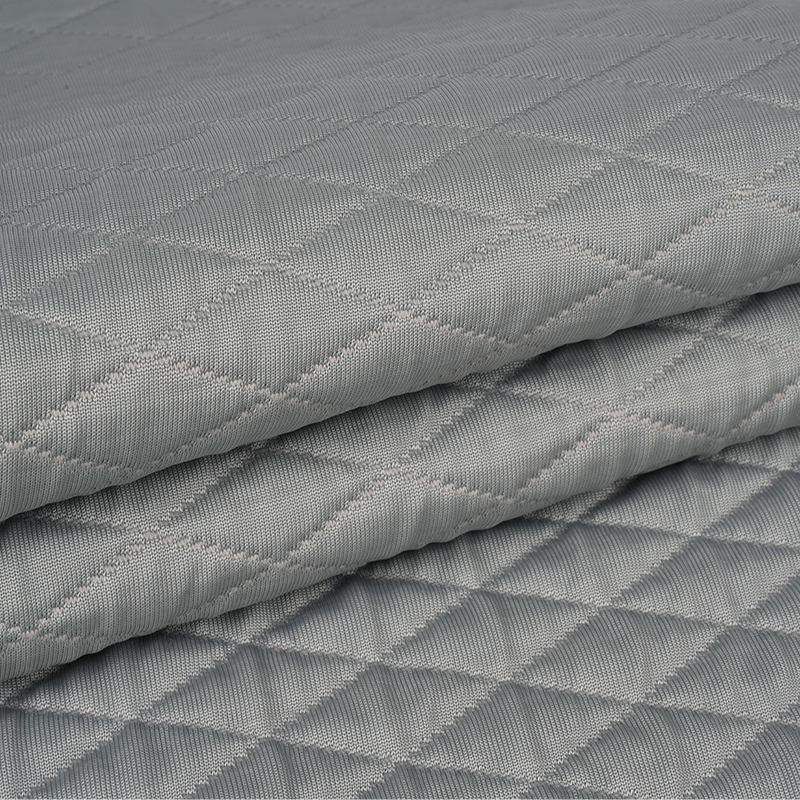
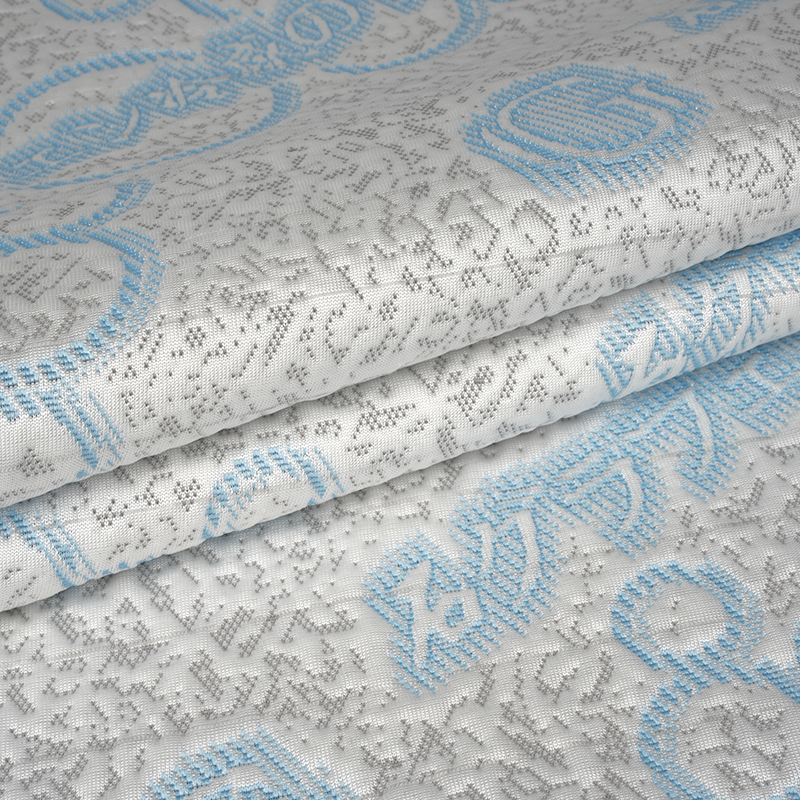
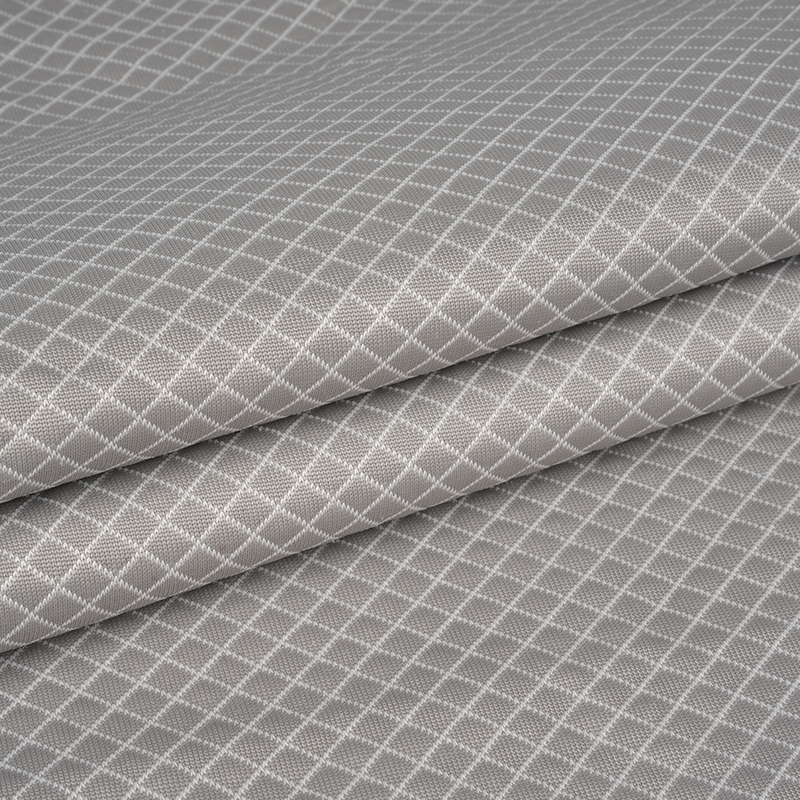
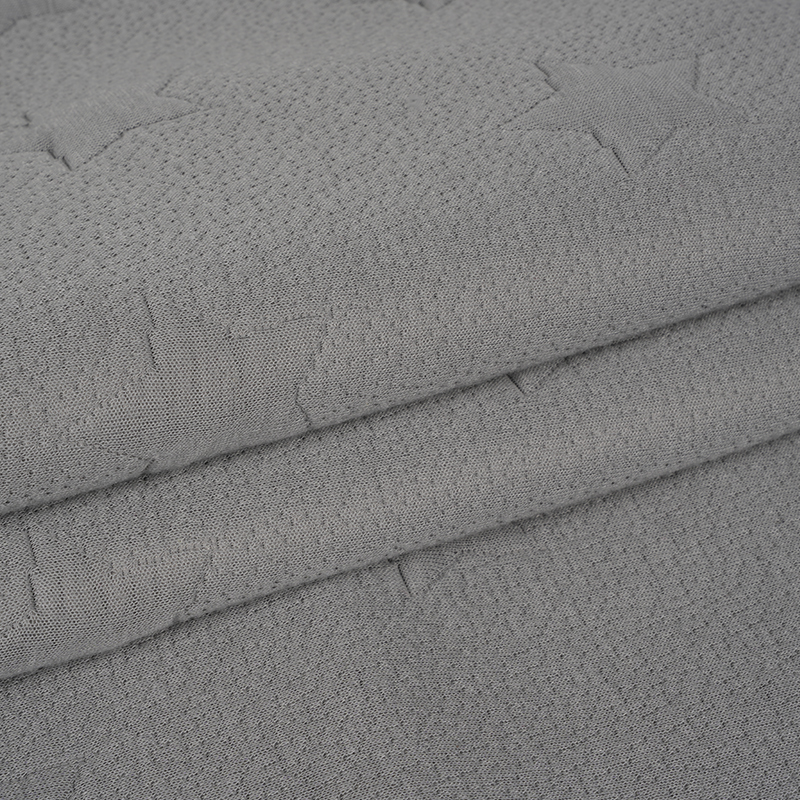
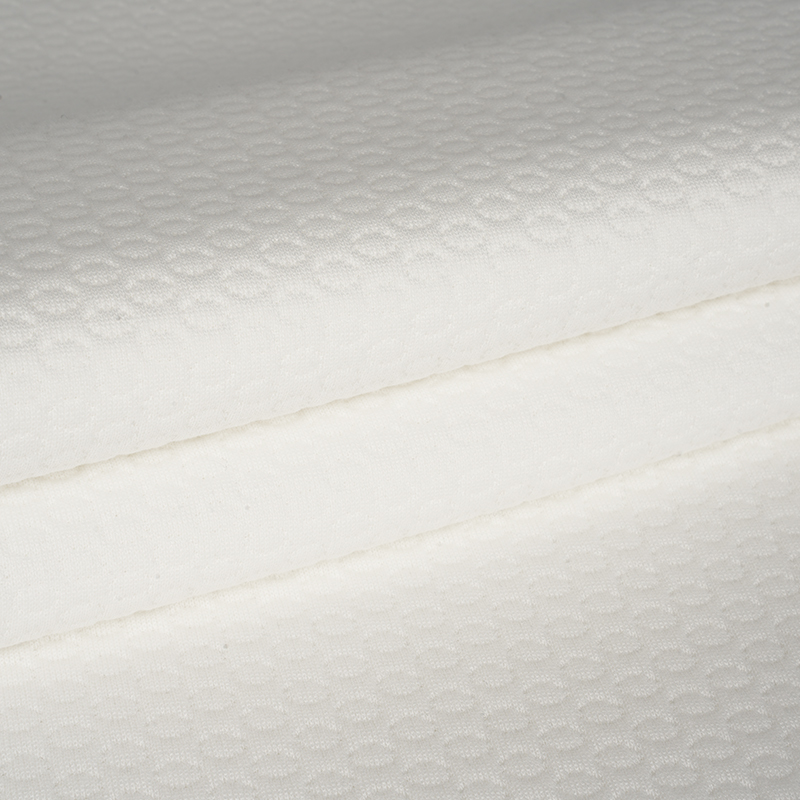
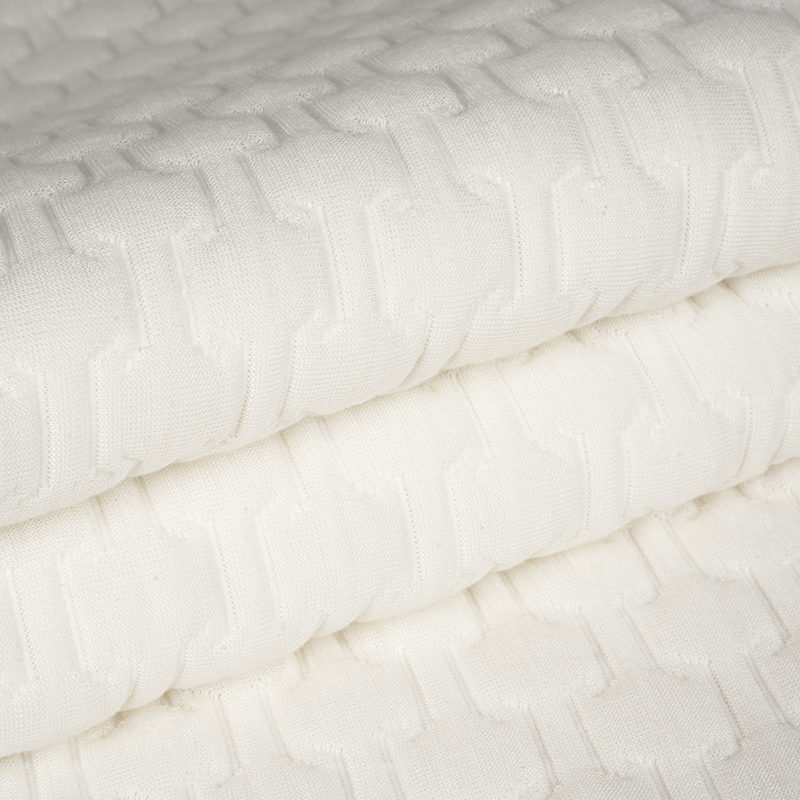
Graphene Children Mattress Fabric
Understanding Graphene Children’s Mattress Fabric
Graphene Children’s Mattress Fabric is a functional mattress textile designed for use in children’s sleep products. The fabric combines a decorative textile surface with performance-oriented material engineering. Depending on the final construction, color, finishing system, and application requirements, it may be produced for direct mattress upholstery, mattress side panels, removable covers, quilted structures, protective layers, or coordinated children’s bedding products.
The term “graphene” refers to the use of graphene or graphene-related material technology within the textile system. Graphene is widely studied for its thin structure, high surface area, thermal behavior, electrical characteristics, and potential contribution to functional composite materials. In a textile application, graphene is not used simply as a visual feature. It is incorporated or applied through a controlled technical approach intended to support selected performance goals, such as thermal regulation, static management, durability, or the development of a more advanced functional surface.
The exact performance of the finished fabric depends on fiber composition, yarn structure, graphene concentration, coating or finishing method, fabric weight, weave design, lamination system, washing conditions, and the final mattress construction. For this reason, professional buyers should evaluate the fabric through technical samples, test reports, and application-specific validation rather than judging performance from the material name alone.
The fabric is intended to help mattress manufacturers create products that are more differentiated than conventional children’s mattresses. A standard decorative fabric may provide color and basic abrasion resistance, but a functional graphene textile can offer a stronger product story. It can be presented as part of a broader approach to comfortable, clean, temperature-aware, and technologically advanced sleep products.
Why Children’s Mattress Fabric Requires Specialized Engineering
Children’s mattresses face a demanding combination of use conditions. Young sleepers move frequently during the night, which creates repeated rubbing and tension on the mattress surface. Children may also sweat more noticeably during warm weather or active sleep. Food, drinks, dust, skin oils, and other contaminants can reach the mattress cover. At the same time, parents expect the sleep product to remain soft, attractive, odor-conscious, and easy to maintain.
A mattress fabric for children must also work within a complete product system. The textile is only one layer of the mattress, and its performance is influenced by the foam, spring unit, padding, barrier fabric, zipper, quilting, edge construction, and cover design. A high-quality fabric should cooperate with these components instead of creating unnecessary stiffness, noise, heat retention, or cleaning difficulties.
Visual design is another important consideration. Children’s products often require a friendly appearance, but parents and project buyers may prefer refined colors and patterns that coordinate with bedrooms, nurseries, hotels, or commercial interiors. A professional fabric supplier should therefore be able to provide more than one aesthetic direction, including subtle textures, contemporary neutrals, playful colors, and custom developments for specific brands.
Graphene Children’s Mattress Fabric is positioned to meet these requirements through a balance of functional material technology and decorative textile manufacturing. The product can support the development of children’s mattresses that look comfortable and inviting while also offering a more advanced technical profile than ordinary mattress fabrics.
Key Advantages of Graphene Children’s Mattress Fabric
Potential Thermal Comfort Support
Temperature comfort is one of the most important factors in sleep quality. A mattress surface that traps excessive heat may feel uncomfortable, especially in warm climates, poorly ventilated rooms, or rooms used by active children. Graphene-related materials are known for their thermal characteristics and ability to participate in heat distribution within engineered structures. When properly integrated into a textile system, they may help support a more balanced thermal sensation across the fabric surface.
This does not mean that the fabric independently cools a mattress in every situation. Actual thermal performance depends on the entire mattress, including foam density, air permeability, quilting, room temperature, humidity, bedding layers, and body contact. However, a graphene-enhanced textile can become one useful part of a temperature-management strategy.
For mattress manufacturers, this creates an opportunity to develop products positioned for summer comfort, climate-sensitive markets, or families seeking a more breathable sleep experience. The fabric may also be coordinated with cooling foam, breathable padding, mesh panels, or ventilated mattress structures to create a more complete comfort system.
Support for a Cleaner Sleep Surface
Children’s mattresses need regular attention to hygiene. A fabric that resists the retention of moisture and is compatible with suitable antibacterial or easy-care finishing can help manufacturers produce a more manageable sleep product. Xinsili focuses on functional decorative fabrics that may include antibacterial, moisture-resistant, flame-retardant, sleep-supporting, and comfort-improving technologies according to project needs.
Graphene Children’s Mattress Fabric can therefore be developed as part of a hygiene-oriented mattress cover system. The fabric may be engineered to work with suitable finishing technologies that reduce the conditions associated with unpleasant odors and surface contamination. Any antibacterial or antimicrobial claim should be confirmed by the relevant laboratory test method, because performance depends on the finish, concentration, washing process, and intended use.
It is important to distinguish between a fabric designed for hygiene support and a medical or sterilizing product. The material does not replace regular washing, mattress protection, ventilation, or responsible household cleaning. Its value lies in helping manufacturers build a more practical and performance-conscious surface into the sleep product.
Moisture Management and Everyday Comfort
Moisture can affect the comfort, odor, and service life of a mattress cover. Children may perspire during sleep, and a fabric that handles moisture poorly can feel clammy or allow dampness to remain near the body. A carefully selected fiber blend, weave structure, and finishing system can help improve moisture transport and drying behavior.
Graphene Children’s Mattress Fabric can be developed with moisture-conscious construction to support a drier contact surface. The result depends on the fabric’s air permeability, absorbency, wicking behavior, surface structure, and the moisture-management properties of the underlying mattress. In practical terms, a suitable construction may help reduce the uncomfortable feeling associated with moisture accumulation and improve the overall user experience.
For children’s products, moisture management is particularly useful because it supports both comfort and maintenance. A fabric that dries more efficiently may be easier to manage after cleaning or accidental spills. It can also complement breathable mattress cores and washable cover designs.
Soft Hand Feel for Sensitive Users
Children’s skin can be sensitive to rough or stiff surfaces. Mattress fabric should therefore provide a pleasant hand feel without sacrificing strength. The surface can be engineered through yarn selection, weaving density, finishing, brushing, or other textile treatments. A soft fabric encourages comfort during extended contact and helps the mattress feel more welcoming.
Softness must be balanced with durability. Excessively delicate fabrics may pill, snag, stretch, or lose their appearance during use. The advantage of a professional decorative fabric manufacturer is the ability to adjust construction parameters to achieve an appropriate balance between softness and resistance. The final material can be selected according to whether it will be used as a direct contact surface, a quilted cover, a side panel, or a protected internal layer.
For high-end children’s mattresses, the sensory experience is part of product value. Parents often assess a mattress by touching the cover, while children respond to the feeling and visual character of the surface. A carefully manufactured textile can improve the first impression and reinforce a premium product position.
Durability for Repeated Daily Use
A children’s mattress is not a decorative object that remains untouched. It may be used for sleeping, reading, playing, jumping, and sitting. Repeated movement produces abrasion, compression, seam stress, and possible pilling. Mattress fabric must maintain its appearance and structure throughout the expected service period.
Durability is influenced by fiber type, yarn strength, weave density, fabric weight, finishing, color fastness, seam design, and care conditions. Xinsili’s manufacturing experience allows these variables to be considered together rather than treating fabric appearance as the only priority. Buyers can request material development that emphasizes abrasion resistance, tear strength, dimensional stability, color retention, or other measurable properties.
Compared with generic decorative fabrics, a purpose-developed mattress fabric can be better aligned with the mechanical demands of mattress production. It can be evaluated for cutting, sewing, quilting, folding, edge binding, zipper installation, and repeated handling during assembly.
Decorative Flexibility for Modern Children’s Products
Children’s furniture and bedding have evolved beyond brightly colored basic designs. Many families prefer coordinated interiors in soft neutrals, natural tones, muted pastels, or modern geometric patterns. Hotels, nurseries, schools, and healthcare-related accommodation projects may require textiles that feel friendly without appearing overly themed.
Graphene Children’s Mattress Fabric can support different design directions through color development, texture, pattern, and surface finish. The fabric may be used to create a discreet technical appearance or a more expressive decorative style. Its functional positioning gives manufacturers the opportunity to combine performance messaging with attractive design rather than choosing between the two.
Custom development is particularly valuable for mattress brands that want a recognizable product family. A coordinated fabric collection can help distinguish different models, age groups, or comfort levels while maintaining a consistent brand identity across the range.
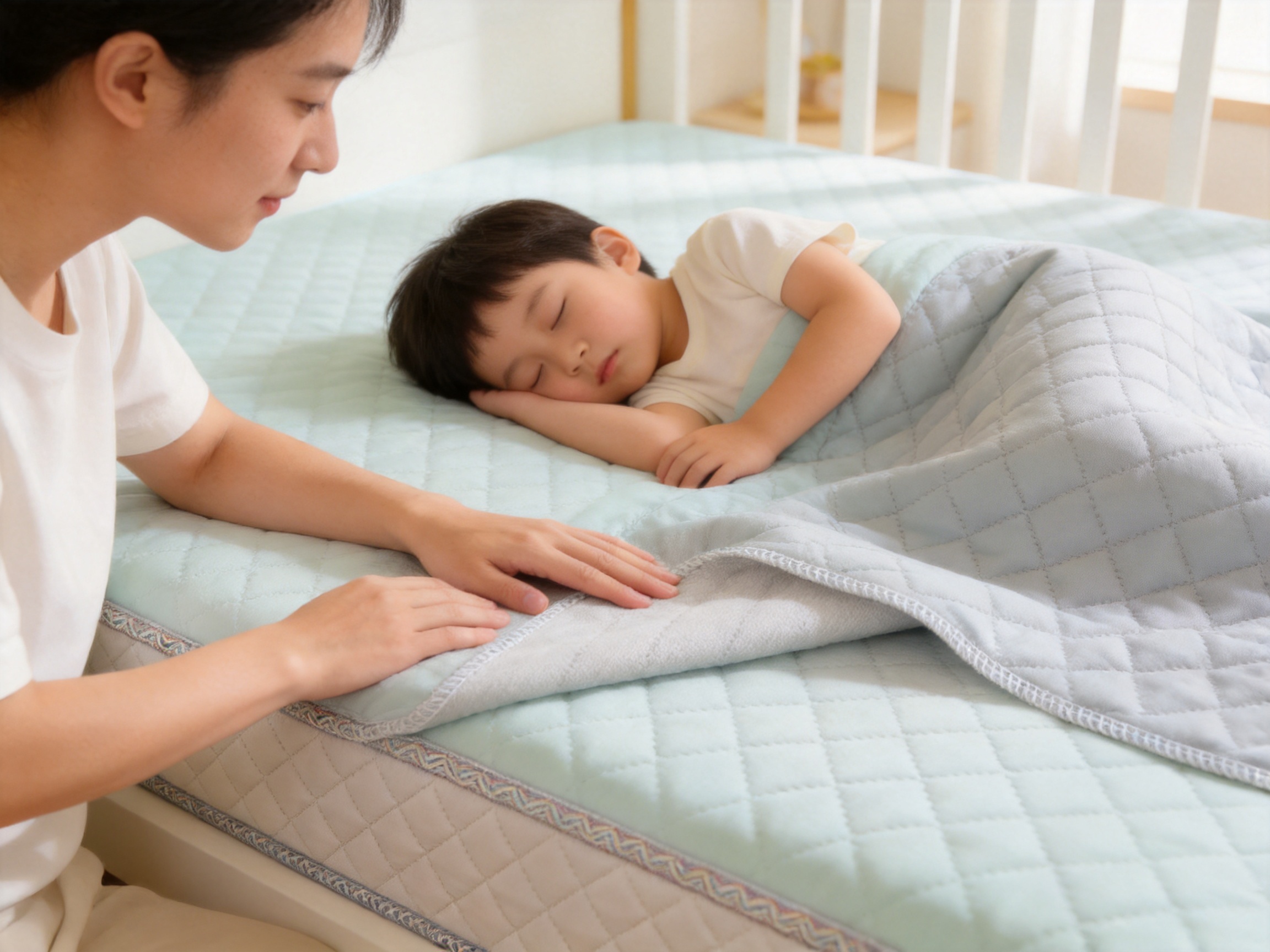
How the Fabric Compares with Conventional Mattress Textiles
Conventional mattress fabrics remain useful for many applications, but they are often designed primarily around cost, appearance, or basic wear resistance. A functional graphene textile is developed with a broader set of objectives. It seeks to combine visual appeal with material performance, creating additional value for the manufacturer and the end user.
| Evaluation Area | Conventional Decorative Mattress Fabric | Graphene Children’s Mattress Fabric |
|---|---|---|
| Primary design focus | Appearance and basic covering function | Appearance combined with functional textile performance |
| Thermal comfort strategy | Depends mainly on ordinary fiber and weave structure | Can incorporate graphene-related thermal management concepts alongside breathable construction |
| Moisture approach | Varies according to fiber and finishing | Can be developed with moisture-conscious fibers, structures, and finishing systems |
| Hygiene positioning | Usually depends on routine cleaning and optional finishing | May support antibacterial or easy-care textile programs when validated by testing |
| Product differentiation | Often based on color, pattern, and price | Combines design differentiation with functional material technology |
| Customization | May be limited to standard colors and widths | Can be adapted to application, construction, appearance, and technical requirements |
| Target markets | General mattresses and bedding products | Children’s mattresses, premium sleep products, hospitality, and health-conscious interiors |
The comparison does not mean that every graphene fabric will outperform every conventional textile in every test. Textile performance must be measured under equivalent conditions. The advantage of Graphene Children’s Mattress Fabric is its development direction: it is created to address more than basic covering needs and can be integrated into a broader functional product strategy.
For buyers, the most meaningful comparison should include laboratory data, production trials, washing tests, color fastness, abrasion results, seam behavior, air permeability, moisture performance, and applicable safety documentation. Xinsili can work with customers to define the appropriate testing and specification framework for the intended market.
Advanced Manufacturing Strengths
Experience-Based Textile Development
Textile innovation is most effective when it is supported by practical manufacturing experience. With 19 years in the industry, Hangzhou Xinsili Decorative Fabric Weaving Co., Ltd. has developed knowledge across decorative fabrics, functional fabrics, mattress materials, bedding textiles, sofa fabrics, pet-friendly fabrics, and related applications.
This experience helps the company understand how a fabric behaves beyond the laboratory. A material must be suitable for weaving, finishing, cutting, sewing, quilting, packaging, transport, and final installation. It must also maintain stable quality from one production batch to another. Experience in these stages reduces the risk that an attractive sample will fail during mass production.
For customers developing a new children’s mattress, the supplier’s role can extend from fabric selection to technical coordination. The manufacturer can help discuss width, weight, color, pattern, finishing, hand feel, performance requirements, and production quantities before the order is finalized.
Research and Development Orientation
Xinsili specializes in innovative research, development, and precision manufacturing of decorative textiles. Its product philosophy is based on combining design innovation with functional performance. This approach is important for graphene textiles because the value of graphene depends on how it is integrated into the overall fabric system.
Research and development may involve evaluating different yarns, blend ratios, fabric constructions, surface treatments, coating methods, bonding approaches, and finishing sequences. It may also include testing how the material behaves after washing, during sewing, under abrasion, or in combination with mattress foam and padding.
A development-oriented factory can also make adjustments when a customer’s requirements change. For example, a mattress brand may need a softer surface, a heavier side panel, a more breathable construction, a specific color range, or compatibility with a removable washable cover. These requirements often cannot be met by selecting a standard catalog fabric alone.
Precision Weaving and Consistent Fabric Structure
Weaving precision affects appearance, touch, strength, dimensional stability, and processing efficiency. Variations in yarn tension, density, width, or surface structure can create problems during cutting and sewing. Consistent weaving is therefore essential for manufacturers that require predictable production performance.
Graphene Children’s Mattress Fabric benefits from a controlled manufacturing process in which yarn selection, machine settings, fabric density, and finishing conditions are coordinated. Stable construction helps maintain a uniform appearance across mattress panels and supports more reliable quality control.
For large-volume mattress production, consistency can be as important as peak performance. A fabric that performs well in a single sample but varies between batches can increase waste, slow production, and create customer complaints. Precision manufacturing helps protect the efficiency of the buyer’s production line.
Controlled Functional Finishing
Functional finishing is a critical stage in the production of performance textiles. Depending on the desired result, the fabric may receive treatments intended to improve softness, moisture behavior, antimicrobial performance, flame resistance, stain resistance, dimensional stability, or surface protection.
Finishing must be carefully controlled because excessive treatment can reduce breathability, alter hand feel, create stiffness, affect color, or interfere with sewing. The best result is not necessarily the heaviest finish. It is the finish that provides the required performance while preserving comfort and appearance.
For children’s mattress applications, finishing selection should also consider skin contact, odor, wash durability, chemical compliance, and the regulations of the destination market. Buyers should communicate the intended use clearly so that the finishing system can be assessed for suitability.
Integrated Quality Management
Quality management begins with raw material selection and continues through weaving, dyeing, finishing, inspection, packing, and shipment. Important checkpoints may include yarn quality, fabric width, weight, color consistency, surface defects, tensile strength, tear resistance, abrasion, pilling, dimensional change, and functional test results.
A professional supplier should maintain inspection procedures that identify problems before the material reaches the mattress manufacturer. Clear specifications and approved samples help both sides establish a common quality standard. Production records and batch traceability can further support communication and corrective action if a problem arises.
Xinsili’s emphasis on stable, practical, and reliable products reflects the importance of consistent quality in contract manufacturing and international supply. A long-term textile partner should not only offer innovative materials but also provide dependable delivery and communication.
Factory Capacity and Project Coordination
The company’s 12,000-square-meter factory provides a foundation for organized production, sample development, inventory management, and order fulfillment. Factory size alone does not guarantee quality, but adequate production space can support clearer workflow, better material handling, and more efficient coordination between development and manufacturing teams.
For international buyers, project coordination is especially important. Product development may involve several rounds of color approval, testing, sample revision, packaging confirmation, and production scheduling. A supplier with experience in export-oriented communication can help reduce misunderstandings and keep the project moving through each stage.
Graphene Integration and Product Performance
Graphene can be incorporated into textiles through different technical routes. It may be introduced as part of a fiber or yarn system, applied as a functional coating, blended into a polymer matrix, or used in a composite finishing process. Each method creates a different balance of softness, durability, conductivity, thermal response, wash resistance, and production cost.
The appropriate method depends on the target application. A directly contacted mattress cover may require a soft, low-irritation surface and strong wash durability. A side panel may prioritize visual design, dimensional stability, and abrasion resistance. An internal functional layer may allow a different construction because it is not directly exposed to skin contact.
When evaluating a graphene children’s mattress fabric, buyers should ask several technical questions. What is the graphene-related material form? How is it distributed within the textile? Is the function retained after washing? What are the applicable test methods? Does the material affect air permeability or hand feel? Is the fabric suitable for cutting and sewing? Are there chemical compliance documents for the intended market?
These questions do not reduce the value of the product. They help ensure that the material is used responsibly and that its performance claims are connected to measurable results. Xinsili’s research and manufacturing capabilities can support this evaluation process by adapting the textile to the customer’s technical and commercial objectives.
Safety and Compliance Considerations for Children’s Products
Children’s products require careful attention to safety. Mattress fabrics may be exposed to skin for extended periods, and the finished product may be used in bedrooms, nurseries, hotels, or childcare environments. Material selection should therefore consider chemical safety, color fastness, odor, flammability requirements, mechanical durability, and the regulations applicable in the destination market.
The fabric should be assessed according to its intended use rather than relying on general textile descriptions. A fabric used in a removable washable cover may have different requirements from one laminated directly to a mattress core. A mattress sold for infants may be subject to stricter requirements than a mattress for older children. The buyer and supplier should identify these requirements at the beginning of the development project.
Antibacterial, flame-retardant, moisture-resistant, or graphene-related claims should be supported by appropriate testing. Test results should identify the sample, test method, laboratory conditions, and performance limits. Marketing language should accurately reflect the evidence and should not imply that a textile prevents illness, replaces cleaning, or provides medical protection unless the product has been specifically approved for such claims.
Responsible manufacturing also includes attention to environmental considerations. Longer-lasting fabrics can help reduce replacement frequency, while carefully selected finishing systems may support safer production and use. Xinsili’s stated focus on environmentally friendly decorative fabric solutions aligns with the broader objective of developing durable, practical, and more sustainable interior textiles.
Applications Across the Sleep and Interior Industries
Children’s Mattresses
The primary application is children’s mattress upholstery and cover construction. The fabric can be used on the sleeping surface, side panels, or complete removable cover depending on the selected weight and structure. It may be paired with breathable foam, spring systems, quilted padding, protective barriers, and secure closures.
Mattress brands can use the fabric to develop different product levels. A basic model may use a standard color and simple construction, while a premium model may combine graphene-related functionality with advanced quilting, cooling padding, moisture management, and custom branding.
Nursery and Baby Furniture
Selected constructions may be suitable for crib mattresses, changing-area cushions, children’s daybeds, nap mats, and upholstered nursery furniture. These applications require careful assessment of safety, cleaning, seam construction, and contact conditions. The fabric’s soft touch and decorative flexibility can help create coordinated nursery collections.
Hotels and Family Accommodation
Hotels, resorts, serviced apartments, and family-oriented accommodation providers often seek durable, easy-care materials that create a welcoming atmosphere. Graphene Children’s Mattress Fabric may be considered for children’s rooms, family suites, extra beds, nap areas, and upholstered furnishings.
In hospitality, the fabric must withstand more frequent cleaning and varied user behavior than a private household product. Buyers should therefore request application-specific abrasion, color fastness, cleaning, and dimensional stability testing before commercial installation.
Schools and Childcare Environments
Nap rooms, early-learning centers, and childcare facilities need textiles that are practical, durable, and visually appropriate. A functional mattress fabric can support a cleaner and more comfortable environment when integrated with washable covers and responsible maintenance procedures.
Coordinated Bedding and Decorative Products
The fabric may also be coordinated with pillowcase fabric, pregnancy pillow fabric, bedding fabric, sofa fabric, cooling mat fabric, or other interior textile categories. A unified textile program allows manufacturers and interior designers to create a consistent material language across mattresses, cushions, seating, and sleep accessories.
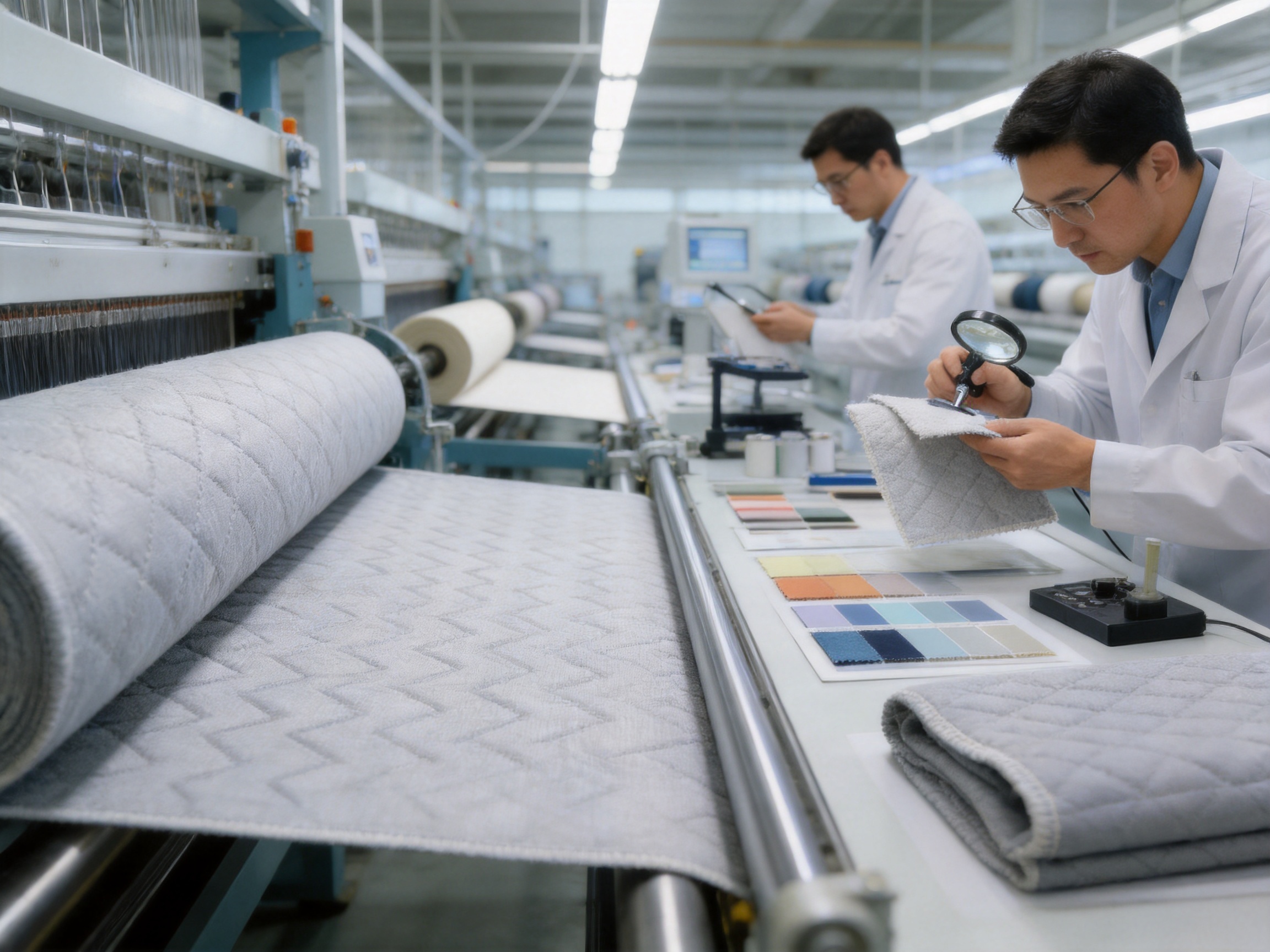
Customization Options for Mattress Manufacturers
Customization is one of the most important advantages of working with a specialized fabric manufacturer. Different mattress brands have different price points, target age groups, market regulations, construction methods, and design identities. A one-size-fits-all material may not provide the best result.
Possible customization areas include fabric width, weight, color, pattern, texture, stretch level, hand feel, moisture performance, abrasion resistance, surface finishing, quilting compatibility, and packaging format. Customers may also request coordinated fabrics for mattress panels and related bedding products.
Color development can be based on physical standards, reference samples, or digital design information. Because color can change according to lighting, fiber composition, finishing, and viewing angle, final approval should be made from a production-representative sample whenever possible.
Pattern and texture can also be adapted to the market. A subtle knitted appearance may suit premium residential interiors, while a more playful pattern may appeal to children’s collections. Hotels may prefer calm, easy-to-coordinate colors, and institutional buyers may require clear visual differentiation between product types.
Technical customization should be connected to the finished mattress design. If the fabric will be quilted, the supplier should evaluate how it behaves with the selected padding and stitch pattern. If a zipper is required, the fabric should be checked for seam strength and dimensional stability. If the cover will be removed and washed, the material should be tested under the expected care conditions.
Recommended Development and Procurement Process
Step One: Define the Application
The buyer should first identify the intended use, mattress type, target user age, contact position, expected cleaning method, sales region, and anticipated annual volume. Clear application information helps the supplier recommend a suitable construction.
Step Two: Review Technical Requirements
Important requirements may include weight, width, composition, air permeability, moisture management, abrasion resistance, pilling, color fastness, shrinkage, flame performance, chemical compliance, and wash durability. Not every project needs the same test program, so requirements should be prioritized according to actual use.
Step Three: Approve Appearance and Hand Feel
Samples should be reviewed for color, texture, softness, stretch, surface uniformity, and overall suitability for the finished mattress. A fabric can meet technical requirements and still fail commercially if it does not create the desired user experience.
Step Four: Conduct Mattress-Level Trials
Fabric testing is important, but mattress-level trials are equally valuable. The material should be cut, sewn, quilted, fitted, and compressed using the intended production methods. This can reveal issues related to seam slippage, puckering, stretching, zipper installation, or interaction with foam and padding.
Step Five: Confirm Testing and Compliance
Before mass production, the buyer should confirm the required laboratory testing and destination-market compliance documents. Functional claims involving graphene, antibacterial performance, moisture resistance, flame resistance, or other properties should be supported by appropriate evidence.
Step Six: Establish a Production Standard
An approved sample, technical data sheet, color standard, inspection procedure, and packing specification should be retained as the reference for future orders. This helps protect consistency when repeat production is scheduled months or years later.
Quality Control from Raw Material to Finished Fabric
Quality begins with the selection of fibers, yarns, graphene-related materials, dyes, auxiliaries, and finishing agents. Raw materials should be assessed for consistency and suitability before entering production. Variation at this stage can affect color, strength, softness, and functional performance.
During weaving, operators and quality personnel should monitor fabric width, density, tension, pattern alignment, surface defects, and construction stability. Problems such as broken yarns, missed picks, uneven tension, stains, and irregular texture should be identified early to reduce waste.
During finishing, parameters such as temperature, pressure, chemical concentration, drying time, and fabric speed can influence the final result. Careful process control helps maintain uniform hand feel and functional performance. Excessive heat or chemical treatment may damage sensitive components or alter the fabric’s appearance.
Final inspection should be performed under suitable lighting and according to an agreed inspection standard. Rolls may be checked for length, width, weight, color, appearance, defects, and packaging condition. Selected rolls or batches may also be tested for physical and functional properties.
This systematic approach is especially important for children’s mattress fabric because the finished textile may become part of a high-contact consumer product. Reliable quality supports not only customer satisfaction but also the reputation of the mattress brand.
Environmental and Long-Term Value
Environmental responsibility in textiles involves more than selecting a fashionable material. It includes product durability, efficient production, responsible chemical management, material traceability, packaging, and the expected service life of the finished product.
A durable mattress fabric can help reduce premature replacement caused by pilling, tearing, color loss, or surface damage. Longer service life may lower material consumption over time, although the environmental impact should be evaluated across the complete product life cycle.
Functional performance can also support more efficient product design. If a fabric provides suitable moisture management, comfort, and durability in one construction, manufacturers may be able to simplify certain product layers or reduce unnecessary material combinations. Any such decision must be validated through mattress-level testing and safety assessment.
Xinsili describes its decorative fabric solutions as environmentally friendly and focuses on safe, healthy, comfortable, and sustainable living spaces. For buyers, this provides a basis for discussing responsible material choices, production efficiency, and documentation throughout the supply relationship.
Why Work with an Experienced Functional Decorative Textile Supplier?
Buying a mattress fabric is not only a matter of selecting a surface appearance. It is a technical decision that affects product comfort, durability, manufacturing efficiency, compliance, cost, and market positioning. An experienced functional decorative textile supplier can help connect these factors.
Hangzhou Xinsili Decorative Fabric Weaving Co., Ltd. brings together product development, weaving, functional finishing, decorative design, and application knowledge. Its product range covers mattress fabric, children’s mattress fabric, pillowcase fabric, pregnancy pillow fabric, cooling mat fabric, bedding fabric, sofa fabric, and pet-friendly fabrics. This broader category experience can be useful for customers seeking coordinated textile solutions rather than a single isolated material.
The company’s 19 years of industry experience support practical communication with mattress producers, furniture manufacturers, interior designers, hospitality buyers, and trading companies. Its 12,000-square-meter factory provides a production base for sample work and commercial orders. Recognition as a National High-Tech Enterprise in 2023 reflects its emphasis on technical development and innovation.
Most importantly, the company’s manufacturing philosophy focuses on stable, practical, and reliable products. Innovation is valuable only when it can be translated into consistent production and useful performance. For Graphene Children’s Mattress Fabric, this means combining advanced material concepts with the fundamentals of weaving quality, finishing control, inspection, and customer support.
Product Selection Checklist
Before placing an order, buyers should consider the following questions:
| Selection Topic | Questions to Confirm |
|---|---|
| Application | Will the fabric be used on the sleeping surface, side panel, removable cover, or internal layer? |
| Composition | What fibers and graphene-related components are included, and how are they integrated? |
| Comfort | Is the hand feel suitable for children and compatible with the intended padding system? |
| Performance | Which thermal, moisture, antibacterial, abrasion, or durability properties are required? |
| Care | Can the fabric be washed or cleaned using the planned care instructions? |
| Safety | What chemical, flammability, color fastness, and destination-market requirements apply? |
| Manufacturing | Does the fabric cut, sew, quilt, stretch, and fit consistently on the production line? |
| Design | Are custom colors, patterns, textures, widths, or coordinated fabrics needed? |
| Supply | What are the sample lead time, minimum order quantity, production capacity, and repeat-order process? |
| Documentation | Which technical data sheets, test reports, inspection records, and compliance documents are available? |
Q&A: Graphene Children’s Mattress Fabric
Q1: What is Graphene Children’s Mattress Fabric used for?
It is primarily used for children’s mattress surfaces, side panels, removable mattress covers, quilted mattress constructions, and related sleep products. The appropriate construction depends on the intended contact position and the mattress design.
Q2: Does graphene make the mattress automatically cool?
No textile can guarantee the same cooling result in every mattress and climate. Graphene-related materials may support thermal distribution or temperature-management strategies, but the final sensation also depends on the mattress core, padding, air permeability, bedding, room conditions, and body contact. Performance should be confirmed through application-specific testing.
Q3: Is the fabric suitable for direct skin contact?
It may be suitable for direct contact when the selected composition, finishing system, and compliance documentation meet the requirements of the intended market. Buyers should confirm chemical safety, color fastness, surface comfort, odor, and any relevant children’s product standards before commercial use.
Q4: Can the fabric provide antibacterial performance?
The fabric can be developed within an antibacterial or antimicrobial textile program when the appropriate technology and finishing system are selected. Such claims must be supported by recognized test methods and should be described accurately. The fabric does not replace washing, ventilation, or normal mattress hygiene practices.
Q5: Can the material be washed?
Washability depends on the fabric construction, finishing, graphene integration method, cover design, and care instructions. If the final mattress includes a removable cover, the complete cover should be tested through the expected washing and drying process rather than evaluating the fabric alone.
Q6: Can customers request custom colors or patterns?
Yes. Custom color, texture, pattern, width, weight, and hand feel can be discussed according to project requirements. A production-representative sample should be approved before mass production to reduce differences between the design reference and the finished fabric.
Q7: How does this fabric compare with ordinary polyester mattress fabric?
Ordinary polyester fabric may provide good affordability, color flexibility, and basic durability. Graphene Children’s Mattress Fabric is developed with an additional functional objective and may support thermal, moisture, hygiene, or comfort-oriented product positioning. The exact advantage should be verified through comparative testing under equivalent conditions.
Q8: Is the fabric suitable for hotels and childcare facilities?
It may be suitable for these environments when its durability, cleaning, flammability, chemical compliance, and maintenance performance meet the project requirements. Commercial and institutional applications usually require more extensive testing because the textile may be cleaned and used more frequently than a household mattress.
Q9: Can the fabric be quilted?
Many mattress fabrics can be quilted, but the result depends on fabric weight, stretch, surface structure, padding, thread, stitch density, and machine settings. A production trial should be completed to confirm that the fabric does not pucker, shift, or lose its intended appearance.
Q10: What information should a buyer provide when requesting a quotation?
The buyer should provide the intended application, fabric width, approximate quantity, preferred composition, color or design reference, performance requirements, destination market, testing needs, packaging requirements, and target delivery schedule. More complete information allows the supplier to recommend a more suitable construction and provide a more accurate quotation.
Q11: Where is the manufacturer located?
Hangzhou Xinsili Decorative Fabric Weaving Co., Ltd. is located in Yi Qiao Town, Xiaoshan District, Hangzhou City, Zhejiang Province, China. The company supports customers through product development, fabric manufacturing, technical communication, and order coordination.
Q12: Can one supplier provide other coordinated fabrics?
Yes. In addition to children’s mattress fabric, the company works with mattress fabric, pillowcase fabric, pregnancy pillow fabric, cooling mat fabric, bedding fabric, sofa fabric, and pet-friendly fabrics. This can simplify sourcing for customers developing coordinated sleep, furniture, and interior textile collections.
Conclusion
Graphene Children’s Mattress Fabric represents a modern direction for children’s sleep textiles. It combines decorative value with the possibility of advanced thermal, moisture, hygiene, comfort, and durability performance. Its strongest advantage is not simply the inclusion of graphene-related material technology, but the way that technology can be integrated into a carefully designed fabric system for real mattress manufacturing.
Compared with conventional mattress textiles that focus mainly on appearance and basic covering function, this fabric supports a broader product concept. It can help mattress brands develop more differentiated products for families, hotels, nurseries, childcare facilities, and other environments where children’s comfort and material quality matter.
The success of the final product depends on responsible development. Buyers should define the application, review technical specifications, conduct mattress-level trials, confirm safety and compliance documentation, and validate functional claims through recognized testing. When these steps are followed, the fabric can become a valuable component in a comfortable, practical, attractive, and technologically advanced children’s mattress.
With 19 years of textile experience, a 12,000-square-meter factory, National High-Tech Enterprise recognition in 2023, and a focus on functional decorative fabrics, Hangzhou Xinsili Decorative Fabric Weaving Co., Ltd. is positioned to support both standard supply and customized development. Its combination of research, precision weaving, functional finishing, quality management, and design flexibility offers a strong foundation for customers seeking dependable children’s mattress fabric solutions.
For product inquiries, sampling, customization, and technical cooperation, buyers may contact the company through its sales channels and discuss the requirements of their intended mattress, bedding, hospitality, or interior textile project.
References
1. International Organization for Standardization. Guidance on Textile Testing, Fiber Identification, and Fabric Performance Evaluation.
2. International Organization for Standardization. Standard Methods for Determining Textile Color Fastness, Abrasion Resistance, Pilling, and Dimensional Stability.
3. American Society for Testing and Materials. Textile Test Methods for Tensile Strength, Tear Resistance, Air Permeability, and Surface Performance.
4. International Electrotechnical Commission. Technical Literature on Graphene-Based Materials and Functional Composite Applications.
5. Textile Research Journal. Research Literature on Graphene, Thermal Regulation, Moisture Management, and Functional Textile Structures.
6. World Health Organization. General Principles for Healthy Sleeping Environments and Indoor Comfort.
7. International Association for Textile Chemical Ecology. Guidance on Textile Chemical Safety, Skin Contact, and Responsible Finishing Practices.
8. Hangzhou Xinsili Decorative Fabric Weaving Co., Ltd. Product and Company Information Supplied for Functional Decorative Textile Development.
Product: Graphene Children Mattress Fabric

Our Featured Products
-
Graphene Children Mattress Fabric
Graphene Children Mattress Fabric
Haven’t Found The Products You Want?
-
-
Shen Jinyan:+86-15158070676
[email protected]
Liang Jinwen:+86-15757186621
[email protected]
Qiu Yingyingn:+86-13819545790
[email protected]
Yi qiao Town, Xiaoshan District, Hangzhou City, Zhejiang Province, China
-
Products
Mattress Fabric Children Mattress Fabric Pillowcase Fabric Pregnancy Pillow Fabric Cooling Mat Fabric Bedding Fabric Sofa Fabric Pet Friendly Fabrics -
Contact Information
About Us Products Strength Sustainability News Contact Us
Copyright © Hangzhou Xinsili Decorative Fabric Weaving Co.,Ltd. All Rights Reserved.
Functional Decorative Textile Manufacturers
