

 English
 中文简体
中文简体 Español
 عربى
عربى русский


Breathable Cotton Pregnancy Pillow Fabric for Supportive Maternity Comfort
Content
- 1 Understanding Cotton Pregnancy Pillow Fabric
- 2 Why Fabric Matters in Pregnancy Pillow Design
- 3 Key Product Advantages
- 4 Comparison with Common Competing Fabrics
- 5 Manufacturing Strength Behind the Fabric
- 6 Comfort Benefits for Maternity Users
- 7 Applications Beyond Pregnancy Pillows
- 8 Advantages for Manufacturers and Buyers
- 9 Environmental and Practical Considerations
- 10 Design Considerations for Finished Products
- 11 How Cotton Pregnancy Pillow Fabric Supports Brand Value
- 12 Company Strengths Supporting Product Confidence
- 13 Quality Factors Buyers Should Evaluate
- 14 Care and Maintenance Considerations
- 15 Q&A Section
- 15.1 What is Cotton Pregnancy Pillow Fabric used for?
- 15.2 Why is cotton a good choice for pregnancy pillow fabric?
- 15.3 How does this fabric compare with polyester pregnancy pillow fabric?
- 15.4 Can the fabric be customized?
- 15.5 Is the fabric suitable for removable pillow covers?
- 15.6 What manufacturing strengths support the product’s quality?
- 15.7 Can the fabric include functional treatments?
- 15.8 Who should consider sourcing this fabric?
- 16 Conclusion
- 17 References
- 18 Product: Cotton Pregnancy Pillow Fabric
Pregnancy pillow fabric plays a decisive role in the comfort, hygiene, durability, and long-term usability of a maternity support pillow. While pillow shape and filling are often discussed first, the fabric is the surface that touches the user every night, regulates the sleeping microclimate, withstands repeated washing, and determines the first impression of quality. Cotton Pregnancy Pillow Fabric is designed for these practical needs, offering a soft hand feel, breathable comfort, dependable strength, and a clean appearance suitable for maternity bedding, nursing pillows, pillowcases, and comfort-focused home textile products.
This article focuses on Cotton Pregnancy Pillow Fabric as a functional decorative textile for pregnancy and maternity support applications. It explains the fabric’s advantages, its value compared with common alternatives, its role in safer and more comfortable rest, and the manufacturing strengths behind its stable quality. It also introduces the production capabilities of Hangzhou Xinsili Decorative Fabric Weaving Co., Ltd., a specialist in decorative textile research, development, and manufacturing with long-term experience in functional fabrics for residential, hotel, and commercial environments.
For manufacturers, wholesalers, bedding brands, maternity product developers, and home textile buyers, the selection of pregnancy pillow fabric is not only a matter of softness. It affects product positioning, customer satisfaction, return rates, washing performance, visual appeal, and supply consistency. A pregnancy pillow is often used for many months, sometimes from early pregnancy through postpartum recovery and nursing. Therefore, the fabric must remain comfortable and stable under continuous use. Cotton Pregnancy Pillow Fabric responds to these needs through natural comfort, practical durability, and manufacturing control.
Cotton Pregnancy Pillow Fabric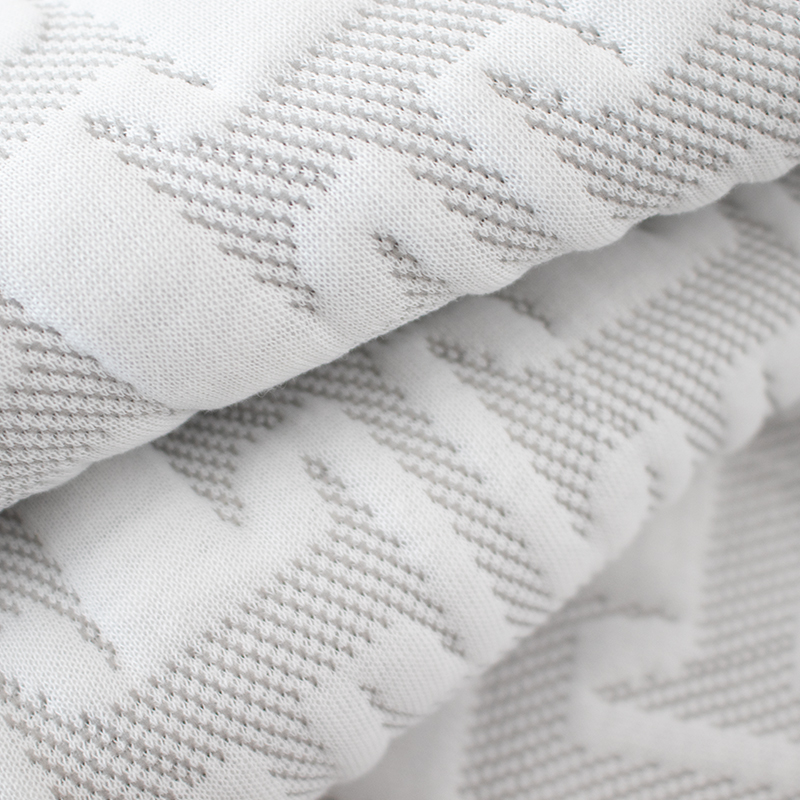
Understanding Cotton Pregnancy Pillow Fabric
Cotton Pregnancy Pillow Fabric is a textile material developed for use on pregnancy pillows and related maternity comfort products. Its category emphasizes cotton-based comfort, making it suitable for items that remain in close contact with sensitive skin. During pregnancy, many users become more sensitive to heat, pressure, odors, and rough textures. A fabric used for pregnancy pillows must therefore balance softness, breathability, and resilience.
The fabric can be applied to outer pillow covers, removable pillowcases, decorative maternity pillow shells, nursing pillow covers, and other bedding products that require skin-friendly surface performance. Compared with ordinary decorative fabric, pregnancy pillow fabric must meet more demanding comfort expectations because it is used during sleep and rest. Compared with standard pillowcase fabric, it must often handle larger pillow shapes, curved sewing lines, frequent repositioning, and continuous body contact over an extended surface area.
The cotton character of the fabric gives it a natural tactile advantage. Cotton fibers are widely appreciated for their absorbency, familiar softness, and breathable structure. For maternity use, these qualities can help create a more pleasant sleep environment. When supported by careful weaving, finishing, inspection, and quality management, cotton pregnancy pillow fabric can provide a refined balance of everyday comfort and reliable manufacturing performance.
Why Fabric Matters in Pregnancy Pillow Design
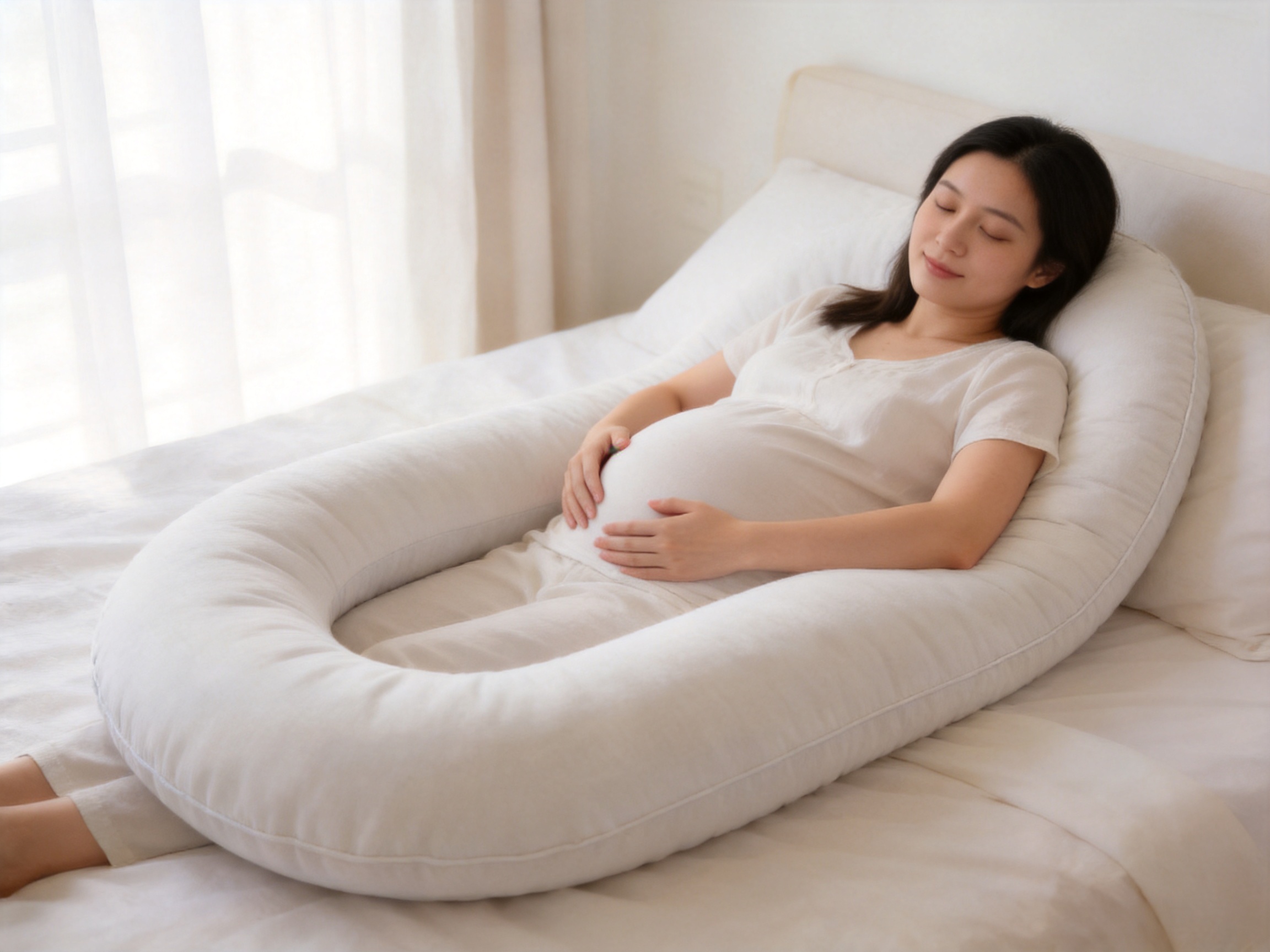
A pregnancy pillow is designed to support the abdomen, back, knees, hips, neck, and shoulders. Because the pillow wraps around or supports large areas of the body, the textile surface becomes more important than it might be in a regular cushion. Users may rest against it for hours each night, and the fabric must remain pleasant even when body temperature changes.
Pregnancy often brings sleep disruption, increased warmth, skin sensitivity, and changing support needs. A poorly selected fabric can make these issues worse. Synthetic surfaces that trap heat may lead to discomfort. Rough fabrics can irritate skin. Weak fabrics may pill, deform, or tear after washing. Fabrics with poor moisture behavior may feel damp or sticky. Cotton Pregnancy Pillow Fabric addresses these concerns by offering a breathable, skin-comfortable surface with practical durability for repeated use.
The fabric also affects the commercial value of the finished product. Maternity pillows are often purchased as premium wellness products. Consumers expect them to feel soft, look clean, and remain usable after laundering. A high-quality fabric supports brand reputation because it improves the user’s daily experience. For product developers, choosing the right textile is a key step in creating a maternity pillow that feels trustworthy from the first touch.
Key Product Advantages
Soft and Skin-Friendly Touch
The most immediate advantage of Cotton Pregnancy Pillow Fabric is its gentle hand feel. Pregnancy pillow users often lie directly against the fabric, sometimes with exposed arms, face, neck, or legs. The fabric must not feel harsh, slippery, stiff, or irritating. Cotton-based fabric provides a natural softness that many users associate with comfort and cleanliness.
Softness is not merely a luxury feature. It contributes to relaxation and sleep quality. A maternity pillow may be used during side sleeping, back support, nursing, reading, or resting. When the surface feels soft and reassuring, the product becomes easier to use for long periods. This is particularly important for pregnant users who may already experience physical discomfort and need materials that reduce sensory stress.
Breathable Comfort for Nightly Use
Breathability is a core requirement for maternity bedding. Pregnant users may experience increased body warmth, night sweating, or temperature sensitivity. Cotton Pregnancy Pillow Fabric supports air movement and helps create a more balanced contact environment. While no fabric can solve all temperature issues by itself, a breathable textile surface can reduce the feeling of trapped heat and improve comfort during long sleep periods.
Compared with many dense synthetic fabrics, cotton-based pregnancy pillow fabric can offer a more natural moisture and air exchange. This makes it suitable for products intended to be used across seasons. In warm conditions, breathability helps reduce stuffiness. In cooler conditions, cotton remains comfortable without the cold, slick feel that some synthetic surfaces may have.
Moisture Absorption and Everyday Freshness
Cotton fibers are known for their moisture absorption. In pregnancy pillow applications, this property helps the fabric manage light perspiration and body moisture. A surface that absorbs and disperses moisture can feel more comfortable than one that allows moisture to remain on the skin. This contributes to a fresher sleeping experience, especially for users who rest with the pillow in close contact with the body.
Moisture behavior is also relevant for pillowcase laundering. Pregnancy pillow covers may need frequent washing due to daily use, skin contact, and household conditions. A fabric designed for practical maternity bedding should be able to support a hygienic care routine while maintaining comfort and appearance. Cotton Pregnancy Pillow Fabric is suitable for products where washable, skin-comfortable performance is a priority.
Durability for Large Pillow Shapes
Pregnancy pillows are larger and more complex than standard pillows. They may be U-shaped, C-shaped, J-shaped, wedge-shaped, or full-body designs. These forms create stress on seams, curves, and fabric panels. The fabric must tolerate pulling, bending, body weight, and repeated repositioning. Cotton Pregnancy Pillow Fabric is suitable for these applications because it can be manufactured with controlled structure and reliable strength.
Durability is especially important for removable covers. Users may unzip, remove, wash, dry, and reinstall covers many times. Weak fabric may shrink excessively, lose shape, or become difficult to fit over the pillow filling. A stable fabric helps preserve product usability and reduces consumer frustration. For brands, durable fabric supports lower after-sales complaints and better product reviews.
Clean and Versatile Appearance
The appearance of pregnancy pillow fabric matters because maternity products often remain visible in bedrooms, nurseries, and living spaces. Cotton Pregnancy Pillow Fabric can be developed with a clean, decorative look that fits modern bedding styles. It may be used in simple, natural, elegant, or functional product designs.
As a decorative textile manufacturer, Hangzhou Xinsili Decorative Fabric Weaving Co., Ltd. understands that fabric must combine comfort with visual value. The company’s background in decorative fabrics for home, hotel, and commercial spaces supports the development of textiles that are both practical and attractive. For maternity pillow brands, this helps create products that look refined while still meeting comfort requirements.
Comparison with Common Competing Fabrics
Pregnancy pillow manufacturers may consider polyester, microfiber, blended fabrics, bamboo-style fabrics, or low-cost generic cotton fabrics. Each material has its own place, but Cotton Pregnancy Pillow Fabric offers a strong balance of comfort, familiarity, breathability, and practical value. The following table summarizes important comparison points for product developers and buyers.
| Fabric Type | Main Strength | Potential Limitation | Advantage of Cotton Pregnancy Pillow Fabric |
|---|---|---|---|
| Low-cost polyester fabric | Affordable and widely available | May trap heat and feel less natural against skin | Offers a more breathable and familiar cotton touch for maternity comfort |
| Microfiber fabric | Smooth hand feel and easy color development | Can feel warm or slippery during long contact | Provides a natural, absorbent surface preferred by many bedding users |
| Generic cotton fabric | Natural fiber comfort | Quality may vary in weave, finish, shrinkage, and durability | Benefits from controlled manufacturing, functional textile experience, and stable inspection |
| Decorative upholstery fabric | Strong structure and decorative effect | Often too heavy or rough for maternity pillow contact | Balances decorative appearance with skin-friendly bedding comfort |
| Stretch synthetic fabric | Good fit for curved pillow shapes | May have reduced breathability and less natural touch | Supports comfort-focused maternity use with breathable cotton character |
The comparison shows that the value of Cotton Pregnancy Pillow Fabric lies in balance. It is not simply soft, nor simply durable. It addresses multiple product requirements at the same time. For pregnancy pillow applications, this balanced profile is often more important than maximizing only one property. A fabric that is extremely cheap but uncomfortable can damage customer satisfaction. A fabric that is decorative but rough may not be suitable for sleep. A fabric that feels soft at first but pills quickly may reduce the perceived quality of the finished product. Cotton Pregnancy Pillow Fabric is positioned to avoid these common problems.
Manufacturing Strength Behind the Fabric
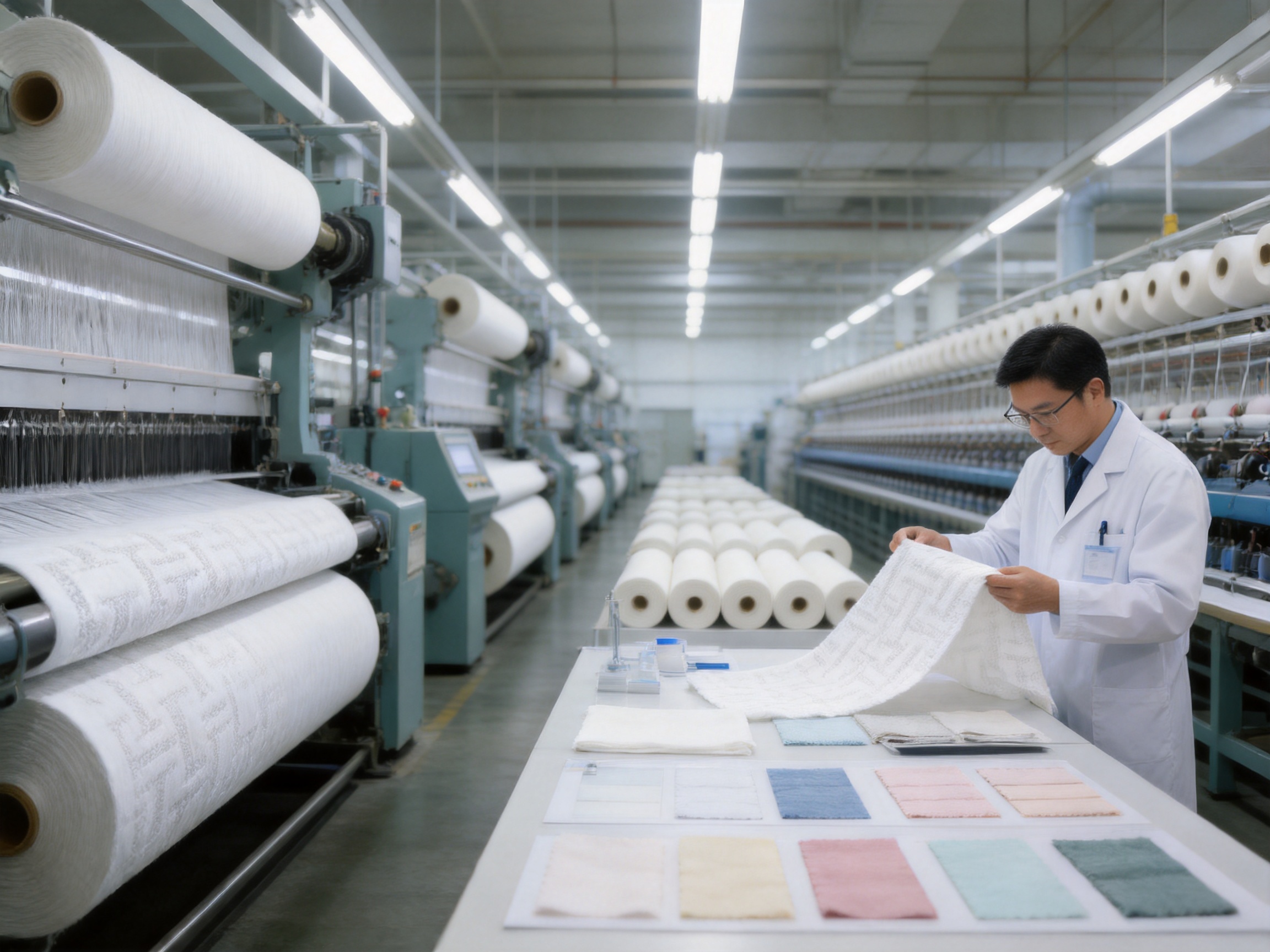
The performance of a fabric depends not only on fiber content but also on manufacturing discipline. Hangzhou Xinsili Decorative Fabric Weaving Co., Ltd. specializes in innovative research, development, and precision manufacturing of decorative textiles. With 19 years of industry experience, a 12,000 square meter factory area, and recognition as a National High-Tech Enterprise in 2023, the company has built a strong foundation for stable textile production.
The company’s manufacturing philosophy is guided by the idea of weaving beautiful spaces. This vision is relevant to pregnancy pillow fabric because maternity bedding is part of a living space where comfort, safety, and emotional reassurance are important. The company focuses on high-quality, environmentally friendly decorative fabric solutions and emphasizes stable, practical, and reliable products for global clients.
Advanced manufacturing is not defined only by machinery. It includes material selection, weaving control, finishing methods, quality inspection, process repeatability, and responsiveness to customer requirements. In the production of Cotton Pregnancy Pillow Fabric, each stage contributes to the final user experience. The yarn selection affects touch and breathability. The weaving structure affects strength and surface smoothness. Finishing affects softness, shrinkage control, and appearance. Inspection affects consistency across bulk orders.
Research and Development Capability
Pregnancy pillow fabric must respond to changing consumer expectations. Modern buyers want comfort, hygiene, sustainability, and attractive design. Hangzhou Xinsili Decorative Fabric Weaving Co., Ltd. integrates research and development into its manufacturing process, allowing fabric solutions to be adapted for different product categories, including mattress fabric, children mattress fabric, pillowcase fabric, pregnancy pillow fabric, cooling mat fabric, bedding fabric, sofa fabric, and pet friendly fabrics.
This broad category experience is valuable. Knowledge gained from mattress fabrics can support durability and sleep comfort. Experience with children mattress fabric contributes awareness of skin contact and safety expectations. Pillowcase fabric experience supports softness and washability. Pet friendly fabrics contribute insight into abrasion resistance and practical household use. By combining expertise from these categories, the company can develop pregnancy pillow fabric with a mature understanding of real home environments.
Precision Weaving and Structure Control
Weaving quality influences the fabric’s strength, surface feel, and dimensional stability. A pregnancy pillow cover often includes long panels and curved shapes, so fabric consistency is essential. Uneven weaving can cause visual defects, weak areas, or inconsistent sewing performance. Precision manufacturing helps ensure that fabric rolls maintain reliable structure from beginning to end.
Controlled weaving also supports efficient downstream processing. For pillow manufacturers, fabric that cuts cleanly, sews predictably, and maintains shape can improve production efficiency. It reduces waste and helps maintain consistent finished pillow dimensions. This is especially important for large maternity pillows where even small fabric variations can affect fit and appearance.
Functional Finishing Options
The company focuses on functional decorative fabrics and integrates technologies such as antibacterial, moisture-resistant, flame-retardant, sleep-supporting, and comfort-improving functions. Depending on buyer requirements and regulatory considerations, fabric solutions can be developed with functional finishing goals. For pregnancy pillow fabric, the most relevant priorities often include softness, moisture comfort, hygiene support, and stable wash performance.
Functional finishing must be carefully balanced. A fabric for maternity use should not become stiff or uncomfortable due to excessive treatment. The advantage of an experienced textile manufacturer is the ability to choose appropriate finishing methods that support the intended function while preserving the natural comfort of cotton-based material. This balance is one of the reasons professional manufacturing is important for maternity textile products.
Quality Inspection and Consistency
Bulk fabric orders require consistency. A sample may feel excellent, but commercial success depends on repeatable quality across production batches. Hangzhou Xinsili Decorative Fabric Weaving Co., Ltd. emphasizes stable, practical, and reliable products. Inspection can include surface defect checks, color consistency review, hand feel evaluation, width control, weight monitoring, and performance-related assessment according to order requirements.
For buyers, consistent fabric reduces risk. It helps maintain product quality across different production runs, improves customer trust, and supports long-term cooperation. In maternity products, where comfort expectations are high, consistency is particularly important. A consumer who purchases a pregnancy pillow based on reviews expects the same softness and quality that other users experienced.
Comfort Benefits for Maternity Users
Cotton Pregnancy Pillow Fabric supports a better rest experience in several ways. First, its soft surface reduces the possibility of irritation during prolonged contact. Second, its breathable character helps reduce stuffiness. Third, its moisture absorption contributes to a fresher feel. Fourth, its stable structure supports the pillow’s shape and usability.
Pregnancy can make sleep position more challenging. Many users rely on full-body pillows to support side sleeping and reduce pressure. Because the fabric touches multiple body areas, it should feel comfortable from head to toe. Cotton Pregnancy Pillow Fabric helps create a sense of natural ease, making the pillow feel more like quality bedding rather than a medical support device.
The emotional aspect of maternity comfort should not be overlooked. Pregnancy products are often chosen with care, and users want materials that feel safe, gentle, and trustworthy. Cotton’s familiar bedding association can help create confidence. A well-made cotton pregnancy pillow cover can make the product feel more personal, warm, and suitable for daily life.
Applications Beyond Pregnancy Pillows
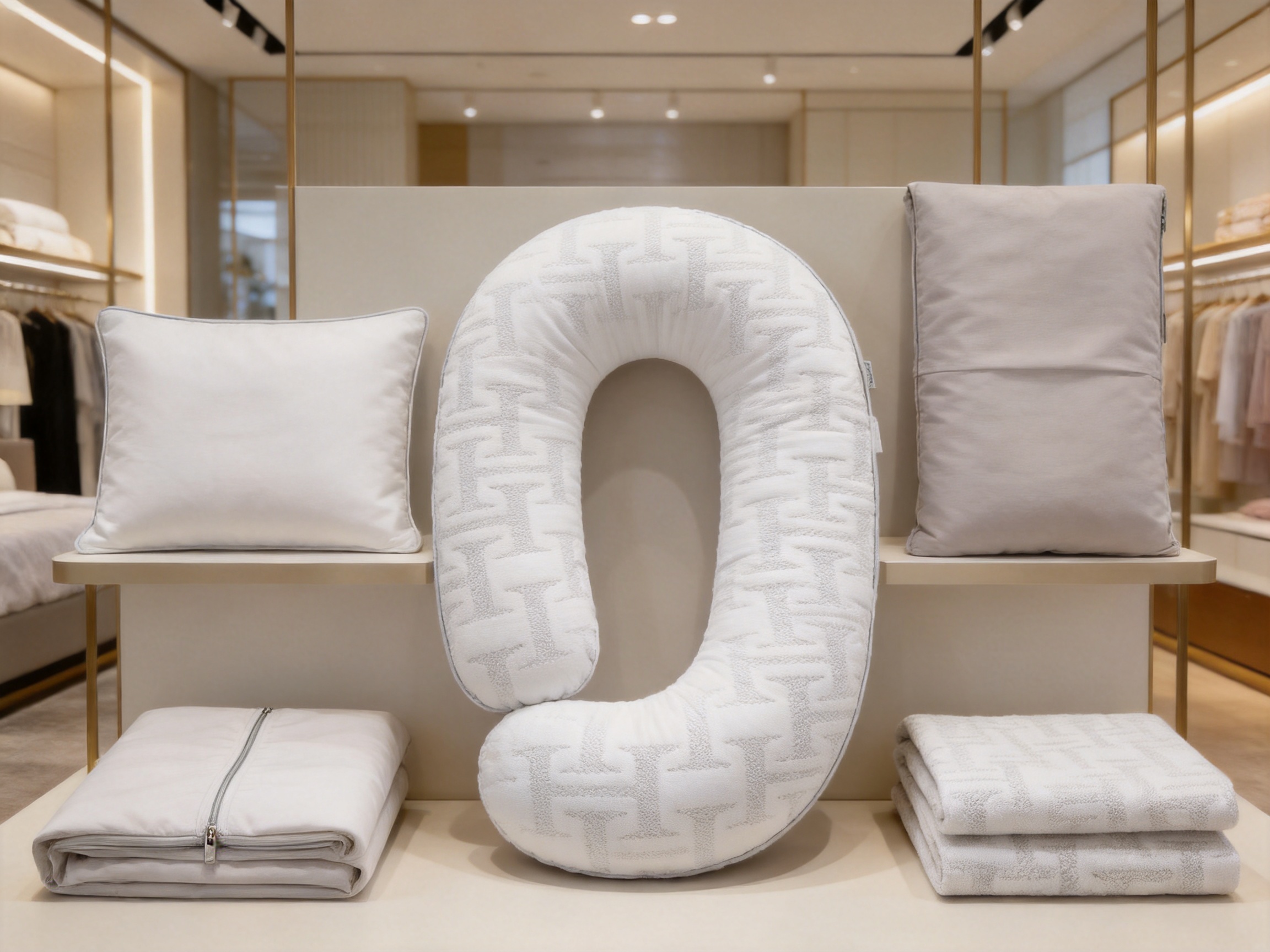
Although the product is categorized as Cotton Pregnancy Pillow Fabric, its comfort characteristics make it suitable for related textile applications. These may include maternity pillowcases, nursing pillow covers, postpartum support cushions, body pillow covers, baby room soft furnishings, and comfort bedding accessories. The fabric can also be considered for pillowcase fabric and bedding fabric lines where cotton comfort is required.
Its use in pregnancy pillow products is especially appropriate because the fabric combines touch comfort with functional reliability. However, manufacturers may also develop coordinated bedding sets or maternity room textile collections using similar fabric concepts. This can create a unified product line that includes pregnancy pillows, pillowcases, mattress-related accessories, and other home comfort textiles.
The company’s wider experience in mattress fabric, children mattress fabric, cooling mat fabric, sofa fabric, and pet friendly fabrics also supports customization. Buyers may request different weights, finishes, surface effects, or performance directions depending on market positioning. For example, a premium maternity brand may prioritize superior softness and elegant texture, while a practical mass-market product may prioritize durability and easy care.
Advantages for Manufacturers and Buyers
Improved Product Differentiation
The maternity pillow market includes many similar shapes and fillings. Fabric becomes a clear way to differentiate a product. A pillow with a comfortable cotton fabric can be positioned as more breathable, more natural, and more suitable for sensitive users than pillows with low-cost synthetic covers. This distinction can be communicated through product packaging, e-commerce descriptions, and retail displays.
Because consumers often cannot assess pillow filling quality immediately, the fabric surface becomes the first quality signal. A soft, clean, well-finished fabric creates a positive first impression. It encourages touch, supports premium pricing, and helps the product stand out in a competitive category.
Better End-User Satisfaction
Comfort products succeed when users keep using them. If a pregnancy pillow feels too hot, rough, or difficult to maintain, the user may stop using it or leave negative feedback. Cotton Pregnancy Pillow Fabric supports user satisfaction by improving daily tactile comfort and practical usability. This can contribute to better reviews, repeat purchases, and brand loyalty.
For maternity and bedding brands, user satisfaction is especially valuable because recommendations often spread through families, friends, parenting communities, and online reviews. A comfortable fabric can become a reason for positive word-of-mouth.
Reliable Supply for Commercial Production
Working with an experienced manufacturer helps buyers manage production planning. Hangzhou Xinsili Decorative Fabric Weaving Co., Ltd. has a 12,000 square meter factory area and long-term industry experience, supporting stable production capacity. For buyers who need ongoing supply, repeat orders, or customized development, manufacturing reliability is a major advantage.
Commercial fabric sourcing involves more than selecting a sample. Buyers need confidence in delivery, batch consistency, communication, and technical support. A professional manufacturer with functional decorative textile expertise can provide this support more effectively than a generic fabric supplier with limited category experience.
Customization Potential
Different markets have different expectations. Some customers prefer simple white or neutral maternity pillow covers. Others prefer printed, textured, or decorative surfaces. Some brands prioritize natural comfort, while others request added functional performance. Cotton Pregnancy Pillow Fabric can be adapted within a professional development process to suit different design directions.
Customization may include color, texture, fabric weight, finish, pattern, hand feel, width, and performance orientation. The ability to customize helps brands build unique product lines instead of relying only on standard commodity fabrics. This is especially useful for private label maternity products and retailers seeking exclusive designs.
Environmental and Practical Considerations
Modern consumers increasingly care about healthy and sustainable living spaces. Hangzhou Xinsili Decorative Fabric Weaving Co., Ltd. is committed to providing high-quality, environmentally friendly decorative fabric solutions. In the context of Cotton Pregnancy Pillow Fabric, this means paying attention to practical comfort, responsible material choices, and reliable manufacturing quality.
Cotton is valued for its natural origin and familiar use in bedding. When processed with appropriate manufacturing controls, it can support products that feel safe and comfortable in the home. For pregnancy pillow applications, this is important because the user may be especially cautious about materials used near the body during pregnancy and postpartum recovery.
Durability is also part of practical sustainability. A fabric that lasts longer can reduce replacement frequency and waste. If a pillow cover maintains comfort and appearance after repeated use, it contributes to a more responsible product lifecycle. Strong manufacturing quality therefore supports both consumer value and environmental thinking.
Design Considerations for Finished Products
When using Cotton Pregnancy Pillow Fabric in finished maternity pillows, product developers should consider several factors. The fabric should match the pillow’s shape, filling density, intended wash method, zipper structure, and packaging style. For large body pillows, fabric width and cutting efficiency are important. For removable covers, shrinkage control and seam strength are important. For premium retail products, surface appearance and hand feel are essential.
The fabric can be used to create a clean minimalist product or a more decorative maternity accessory. It may be paired with hidden zippers, reinforced seams, piping, quilted effects, or coordinated pillowcase sets. The final design should preserve the fabric’s softness and breathability while ensuring that the cover fits securely and can be removed easily.
Because pregnancy pillows often have irregular shapes, sewing compatibility is crucial. Fabric that slips too much, stretches unpredictably, or frays excessively can slow production. A well-controlled cotton fabric supports more efficient cutting and stitching, helping manufacturers maintain both productivity and quality.
How Cotton Pregnancy Pillow Fabric Supports Brand Value
For a maternity product brand, fabric selection influences brand identity. A brand that promotes wellness, comfort, and care should use materials that reinforce those messages. Cotton Pregnancy Pillow Fabric aligns well with such positioning because it is associated with natural softness, breathable rest, and everyday practicality.
Premium brands can emphasize the gentle touch and manufacturing quality. Practical brands can highlight washable comfort and dependable use. Eco-conscious brands can focus on the natural character of cotton and durable product value. Retailers can present the fabric as a feature that improves comfort for expectant mothers and postpartum users.
In e-commerce, fabric quality also affects visual presentation. A clean and well-finished textile photographs better, looks more reliable, and supports consumer confidence. Since online shoppers cannot touch the product before purchase, the appearance of the fabric and the description of its benefits become essential. Cotton Pregnancy Pillow Fabric gives sellers a strong comfort story to communicate.
Company Strengths Supporting Product Confidence
Hangzhou Xinsili Decorative Fabric Weaving Co., Ltd. has developed its capabilities through 19 years of textile industry experience. The company specializes in decorative textiles and functional fabric solutions for residential, hotel, and commercial environments. Its values include craftsmanship-driven manufacturing, design innovation, and win-win collaboration. These values are reflected in the development of fabrics that combine usability, aesthetics, and stable quality.
The company’s recognition as a National High-Tech Enterprise in 2023 demonstrates its commitment to technological advancement and innovation. This background is meaningful for buyers looking for more than ordinary fabric supply. A high-tech enterprise orientation suggests a focus on development capability, process improvement, and functional textile innovation.
The factory area of 12,000 square meters supports organized production and capacity planning. For international buyers, factory scale can be an important consideration because it affects order handling, lead time management, and long-term cooperation. Combined with experience in multiple textile categories, this production foundation supports Cotton Pregnancy Pillow Fabric as a reliable choice for commercial maternity product manufacturing.
The company’s mission to promote safe, healthy, comfortable, and sustainable living spaces is directly relevant to pregnancy pillow fabric. Maternity products should contribute to comfort and well-being. By applying textile knowledge to softness, breathability, hygiene support, and practical durability, the company helps transform a simple pillow cover material into a meaningful component of better rest.
Quality Factors Buyers Should Evaluate
When sourcing Cotton Pregnancy Pillow Fabric, buyers should evaluate several technical and commercial factors. These include fabric composition, weight, width, hand feel, color consistency, shrinkage behavior, washing performance, abrasion resistance, seam performance, finishing requirements, and packaging needs. The right specifications depend on the finished pillow design and target market.
Hand feel should be tested under realistic conditions. A fabric may feel soft in a small swatch but perform differently after washing or sewing. Buyers should review sample yardage, trial production results, and wash tests. For pregnancy pillow covers, the fabric should remain comfortable after laundering and should not become overly stiff or distorted.
Color and appearance should also be evaluated carefully. Maternity products often use calming tones, clean neutrals, or soft decorative patterns. Consistency is important because color variation across panels can make a finished pillow look defective. A professional manufacturer’s inspection process helps reduce these risks.
Finally, buyers should consider long-term supply stability. A fabric may be suitable for one order, but successful product lines require repeatability. Working with a manufacturer that understands functional decorative textiles and maintains quality management can help ensure stable future production.
Care and Maintenance Considerations
Pregnancy pillow covers are frequently used and may require regular cleaning. Cotton Pregnancy Pillow Fabric is suitable for products where comfort and washability are important, but final care instructions should be determined based on the exact fabric specification, finish, dyeing method, and construction of the finished cover. Manufacturers should test washing and drying conditions before assigning care labels.
In general, maternity pillow covers should be designed for convenient removal and reinstallation. A user-friendly zipper or closure system enhances the value of the fabric by making cleaning easier. If the fabric is pleasant but the cover is difficult to remove, the product may still frustrate users. Therefore, fabric selection and product engineering should work together.
Proper care helps preserve softness and appearance. Consumers should be guided to avoid harsh treatment that may damage fibers or finishes. For product brands, clear care instructions reduce complaints and help users enjoy the pillow for a longer period.
Q&A Section
What is Cotton Pregnancy Pillow Fabric used for?
Cotton Pregnancy Pillow Fabric is used for pregnancy pillow covers, maternity pillowcases, nursing pillow covers, body pillow covers, and related bedding accessories. It is designed for products that require a soft, breathable, skin-friendly surface suitable for long periods of rest and body contact.
Why is cotton a good choice for pregnancy pillow fabric?
Cotton is widely valued for its natural softness, breathability, and moisture absorption. These properties are especially useful for pregnancy pillows because expectant mothers may experience increased warmth, skin sensitivity, and sleep discomfort. A cotton-based surface can help create a more comfortable and familiar bedding experience.
How does this fabric compare with polyester pregnancy pillow fabric?
Polyester fabric can be affordable and durable, but it may feel warmer or less natural during prolonged skin contact. Cotton Pregnancy Pillow Fabric offers a more breathable and absorbent surface, making it better suited for comfort-focused maternity bedding. It can also provide a more premium touch for brands that want to differentiate their products.
Can the fabric be customized?
Yes. Depending on order requirements and production feasibility, the fabric can be developed with different colors, textures, weights, finishes, and performance characteristics. Customization helps maternity product brands create unique pillow lines for different markets and consumer preferences.
Is the fabric suitable for removable pillow covers?
Yes. Cotton Pregnancy Pillow Fabric is suitable for removable covers when properly specified and tested. Buyers should confirm shrinkage, washing performance, seam strength, and fit after laundering to ensure the finished cover remains easy to use.
What manufacturing strengths support the product’s quality?
The fabric is supported by the manufacturing experience of Hangzhou Xinsili Decorative Fabric Weaving Co., Ltd., which has 19 years of industry experience, a 12,000 square meter factory area, and recognition as a National High-Tech Enterprise in 2023. The company focuses on functional decorative textiles and integrates research, weaving control, finishing, and quality inspection.
Can the fabric include functional treatments?
Functional options may be developed according to buyer requirements. The company has experience with antibacterial, moisture-resistant, flame-retardant, sleep-supporting, and comfort-improving textile technologies. For pregnancy pillow fabric, comfort, hygiene support, and safe practical performance are usually key considerations.
Who should consider sourcing this fabric?
Maternity pillow manufacturers, bedding brands, home textile wholesalers, private label product developers, and retailers offering pregnancy or nursing support products should consider this fabric. It is particularly suitable for buyers seeking a balance of softness, breathability, durability, and reliable supply.
Conclusion
Cotton Pregnancy Pillow Fabric is a practical and comfort-focused textile solution for maternity pillows and related bedding products. Its core advantages include a soft skin-friendly touch, breathable comfort, moisture absorption, durable structure, and versatile appearance. These qualities make it well suited for the needs of expectant mothers, postpartum users, and bedding brands that prioritize long-term comfort.
Compared with many competing fabrics, it offers a balanced performance profile. It feels more natural than many synthetic surfaces, provides better maternity comfort than rough decorative fabrics, and gains reliability when produced through controlled manufacturing. For finished product brands, this fabric can improve user satisfaction, strengthen product differentiation, and support a premium comfort message.
The manufacturing strengths of Hangzhou Xinsili Decorative Fabric Weaving Co., Ltd. add further value. With 19 years of textile experience, a 12,000 square meter factory area, functional fabric development capability, and recognition as a National High-Tech Enterprise, the company provides a strong foundation for stable quality and customized textile solutions. Its focus on craftsmanship, innovation, and reliable cooperation makes it a capable partner for pregnancy pillow fabric development.
As maternity consumers continue to seek products that are comfortable, hygienic, attractive, and dependable, fabric selection will remain a key factor in product success. Cotton Pregnancy Pillow Fabric meets this demand by combining the natural comfort of cotton with professional textile manufacturing. For buyers seeking a fabric that supports better rest and stronger product value, it is a compelling choice.
References
American Association of Textile Chemists and Colorists. Textile Testing and Quality Evaluation Guidelines.
Kadolph, S. J. Textiles. Pearson Education.
Collier, B. J., and Epps, H. H. Textile Testing and Analysis. Pearson Prentice Hall.
Sinclair, R. Textiles and Fashion: Materials, Design and Technology. Woodhead Publishing.
Gohl, E. P. G., and Vilensky, L. D. Textile Science. CBS Publishers.
Joseph, M. L. Introductory Textile Science. Holt, Rinehart and Winston.
Product: Cotton Pregnancy Pillow Fabric

Our Featured Products
-
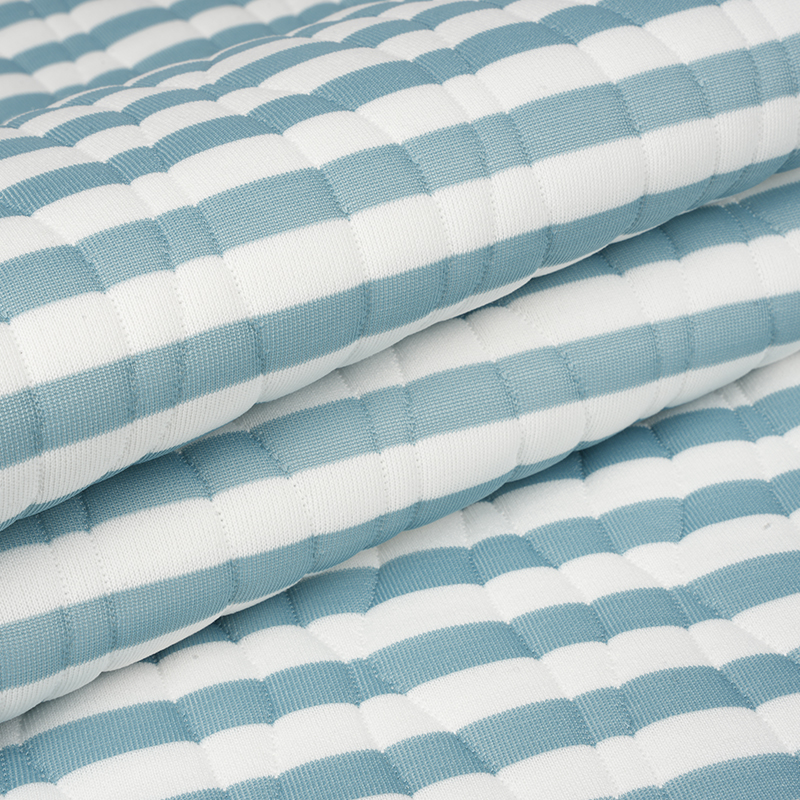
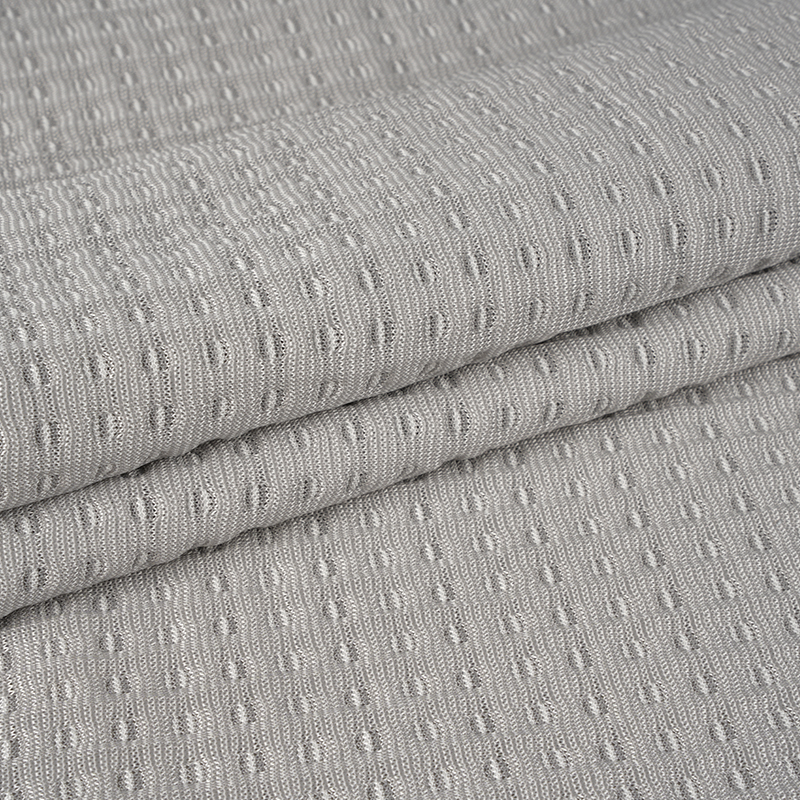
Cotton Pillowcase Fabric
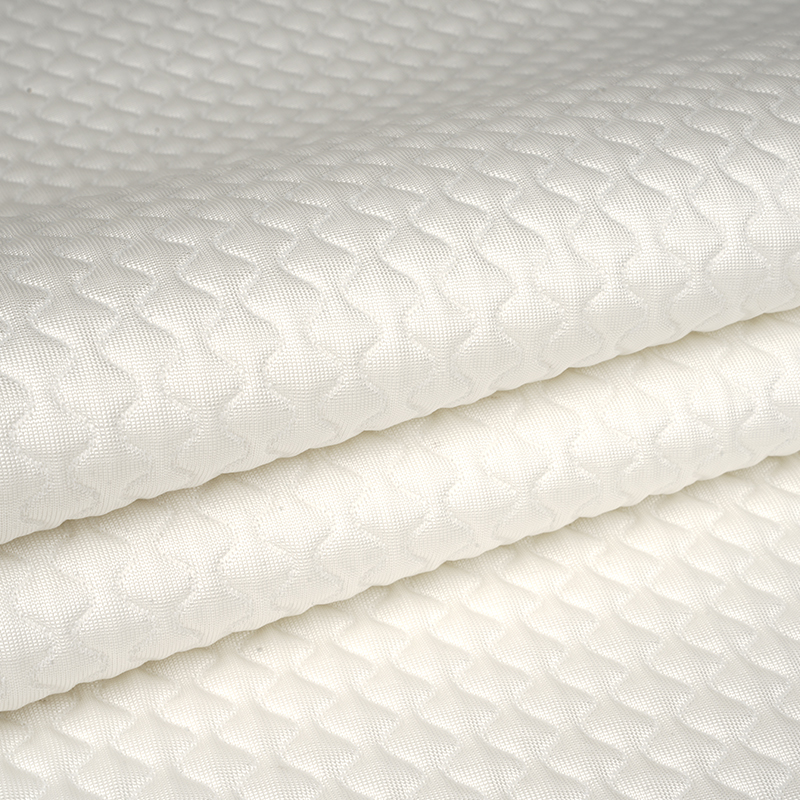
Cotton Pillowcase Fabric
Haven’t Found The Products You Want?
-
-
Shen Jinyan:+86-15158070676
[email protected]
Liang Jinwen:+86-15757186621
[email protected]
Qiu Yingyingn:+86-13819545790
[email protected]
Yi qiao Town, Xiaoshan District, Hangzhou City, Zhejiang Province, China
-
Products
Mattress Fabric Children Mattress Fabric Pillowcase Fabric Pregnancy Pillow Fabric Cooling Mat Fabric Bedding Fabric Sofa Fabric Pet Friendly Fabrics -
Contact Information
About Us Products Strength Sustainability News Contact Us
Copyright © Hangzhou Xinsili Decorative Fabric Weaving Co.,Ltd. All Rights Reserved.
Functional Decorative Textile Manufacturers
