

 English
 中文简体
中文简体 Español
 عربى
عربى русский


Graphene Sofa Fabric for High-Performance Interiors
Content
- 1 Understanding Graphene Sofa Fabric
- 2 Key Advantages Over Conventional Sofa Fabrics
- 3 Performance Benefits for Different Application Scenarios
- 4 Manufacturing Strength Behind the Fabric
- 5 Advanced Production Process
- 6 Comparison with Ordinary Upholstery Options
- 7 Why Manufacturing Experience Matters
- 8 Design Flexibility and Customization
- 9 Comfort as a Competitive Advantage
- 10 Durability and Lifecycle Value
- 11 Healthier and More Sustainable Interior Direction
- 12 Quality Control for Reliable Supply
- 13 Competitive Value for Furniture Brands and Interior Projects
- 14 Practical Care and Maintenance Considerations
- 15 Company Strength and Service Capability
- 16 Frequently Asked Questions
- 16.1 What is Graphene Sofa Fabric?
- 16.2 How is it different from ordinary sofa fabric?
- 16.3 Is Graphene Sofa Fabric suitable for hotels and commercial spaces?
- 16.4 Can the fabric be customized?
- 16.5 Does the fabric help with heat comfort?
- 16.6 Is it easy to maintain?
- 16.7 Can it be used for pet-friendly furniture?
- 16.8 Why choose an experienced manufacturer for this fabric?
- 17 Conclusion
- 18 References
Graphene Sofa Fabric represents a new generation of functional decorative textile designed for modern sofas, lounge seating, hotel furniture, commercial interiors, and comfort-focused residential spaces. It combines the visual appeal of decorative upholstery with the advanced performance potential of graphene-enhanced textile engineering. For buyers, furniture manufacturers, interior designers, hospitality groups, and fabric distributors, this material offers more than a surface covering; it offers a practical solution for durability, comfort, hygiene, thermal balance, and long-term value.
In today’s upholstery market, customers expect sofa fabrics to do much more than look attractive. A competitive fabric must resist daily wear, remain comfortable through seasonal changes, support easy maintenance, and contribute to healthier living environments. Graphene Sofa Fabric is developed to answer these expectations by integrating functional textile technology into a refined decorative fabric structure. Its value lies in the balance between performance and aesthetics: it is engineered to serve demanding environments while maintaining a soft, elegant, and versatile appearance.
Hangzhou Xinsili Decorative Fabric Weaving Co., Ltd. specializes in the research, development, and manufacturing of functional decorative textiles. With 19 years of industry experience, a 12,000-square-meter factory area, and recognition as a National High-Tech Enterprise in 2023, the company has built a manufacturing system focused on stable quality, practical functionality, and reliable supply. Guided by the vision of “Weaving Beautiful Spaces,” the company develops decorative fabrics suitable for residential, hotel, and commercial environments, including mattress fabric, children mattress fabric, pillowcase fabric, pregnancy pillow fabric, cooling mat fabric, bedding fabric, sofa fabric, and pet-friendly fabrics.
Graphene Sofa Fabric is one of the company’s functional upholstery solutions. It reflects the company’s broader direction: using textile innovation to improve comfort, safety, durability, and sustainability in everyday spaces. For customers seeking custom functional decorative textile manufacturers and suppliers, this fabric provides an example of how advanced materials can be integrated into practical interior applications without sacrificing beauty or usability.
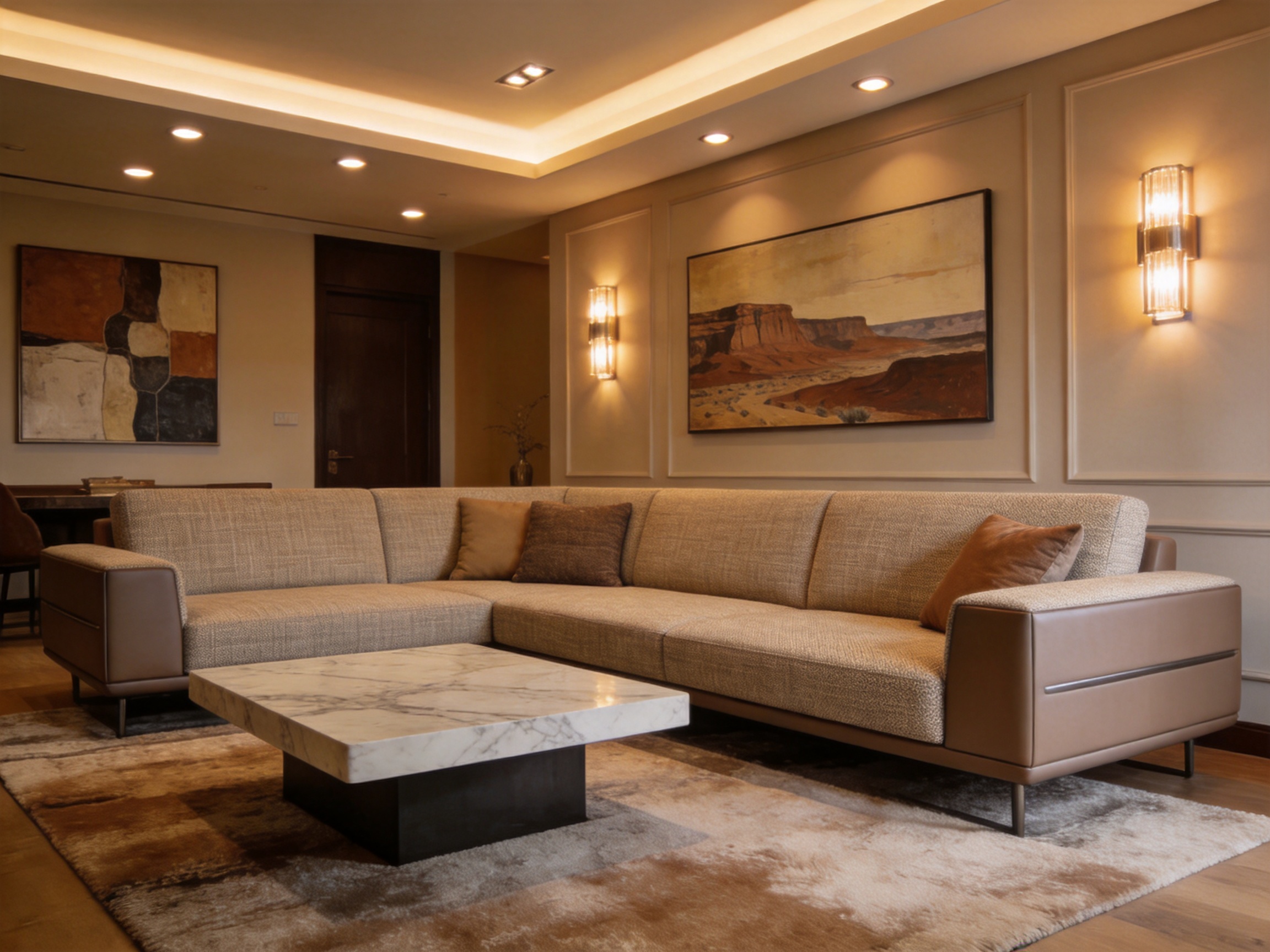
Understanding Graphene Sofa Fabric
Graphene is widely recognized as a high-performance carbon-based material with remarkable properties. In textile applications, graphene-related functional treatments or graphene-enhanced yarn systems can be used to improve fabric performance in areas such as thermal regulation, antibacterial support, anti-static behavior, durability, and comfort. When adapted for sofa fabric, graphene technology is not used simply as a marketing concept; it is applied to address real problems that occur in upholstery use.
Sofa fabric is exposed to friction, pressure, body heat, moisture, dust, stains, and repeated contact. In residential settings, it may be used by families, children, guests, and pets. In hotels and commercial spaces, the intensity of use is even higher. A fabric that appears attractive at first but quickly loses its hand feel, color stability, or surface integrity creates long-term costs for furniture brands and project buyers. Graphene Sofa Fabric is designed to improve the functional value of upholstered furniture by enhancing comfort and performance at the fabric level.
The fabric can be developed in various structures, textures, colors, weights, and finishing styles according to customer needs. It may be used for sofas, lounge chairs, headboards, cushions, upholstered panels, commercial seating, and other decorative interior products. The aim is to create a fabric that meets both design expectations and functional requirements, especially for spaces where comfort, hygiene, and durability matter.
Unlike ordinary sofa fabric that focuses only on color, texture, and basic abrasion resistance, Graphene Sofa Fabric adds a layer of performance thinking. It is suitable for clients who want to upgrade conventional upholstery into a functional textile product. This is especially important in competitive furniture markets, where consumers increasingly compare comfort features, health-related benefits, and long-term maintenance advantages.
Key Advantages Over Conventional Sofa Fabrics
The main advantage of Graphene Sofa Fabric is that it combines decorative value with functional benefits. Conventional upholstery fabrics may perform well in appearance but often lack advanced features. Some fabrics may feel soft but wear quickly. Others may be durable but uncomfortable in hot or humid conditions. Some may be affordable but difficult to clean or unable to support healthier interior environments. Graphene Sofa Fabric is developed to overcome these limitations through a more integrated approach.
One important advantage is thermal comfort. Sofas are used for relaxation, social gatherings, reading, entertainment, and rest. When fabric traps excessive heat, users may feel discomfort, especially in warm climates or heated indoor environments. Graphene-enhanced textile technology can support improved thermal balance by helping distribute heat more evenly across the fabric surface. This contributes to a more comfortable sitting experience and reduces the sensation of localized heat accumulation.
Another advantage is hygiene-oriented performance. Upholstery fabrics are frequently touched and can collect moisture, dust, and microorganisms. A sofa in a home, hotel lobby, guest room, office lounge, or healthcare-related waiting area must remain pleasant and clean-looking over time. Functional textile engineering can support antibacterial or freshness-enhancing characteristics, helping the fabric contribute to a healthier indoor environment. This benefit is especially relevant for families with children, pet owners, hotels, serviced apartments, and public seating projects.
Durability is also a core strength. Sofa fabric must withstand repeated friction caused by sitting, shifting, leaning, and cleaning. Compared with low-grade upholstery fabric, Graphene Sofa Fabric is designed with attention to yarn selection, weaving stability, finishing consistency, and surface performance. The goal is to reduce premature pilling, deformation, fading, and loss of texture. For furniture manufacturers, this means fewer customer complaints and stronger product reputation. For project buyers, it means lower replacement frequency and improved lifecycle value.
Graphene Sofa Fabric also supports anti-static comfort. Static electricity can affect user experience, especially in dry climates or air-conditioned spaces. It may cause unpleasant touch sensations and attract dust. Graphene-related functional properties can help reduce static build-up, supporting a cleaner and more comfortable fabric surface. This makes the material suitable for modern interior environments where both comfort and cleanliness are important.
The fabric is also adaptable in design. A high-performance fabric should not look overly technical or industrial unless that is the desired design style. Graphene Sofa Fabric can be manufactured with a decorative textile appearance suitable for contemporary, minimalist, classic, hotel, residential, and commercial interiors. It can be customized in texture, color, pattern, and hand feel to match different furniture collections and project concepts.
Performance Benefits for Different Application Scenarios
For residential sofas, Graphene Sofa Fabric improves everyday comfort. Families need upholstery that can handle long sitting hours, casual dining, entertainment, children’s activity, and daily cleaning. The fabric’s comfort-focused and durability-oriented design helps sofas remain attractive and functional for longer periods. When paired with suitable foam, frame, and furniture design, it can elevate the user’s overall seating experience.
For hotel furniture, the fabric offers a professional advantage. Hotels require decorative materials that combine elegant appearance with repeated-use resistance. Lobby sofas, guest room seating, lounge chairs, and suite furniture must remain presentable under high occupancy conditions. A fabric with functional features such as comfort support, antibacterial performance, moisture resistance, and improved durability helps hotels maintain a clean and welcoming atmosphere while controlling maintenance costs.
For commercial interiors, Graphene Sofa Fabric supports long-term reliability. Office lounges, waiting areas, retail seating zones, clubs, restaurants, and shared spaces often experience heavy traffic. Ordinary fabrics may age quickly under such conditions. A high-performance decorative textile reduces the risk of rapid surface deterioration and supports a consistent brand image. Designers and contractors can use it to meet both aesthetic and practical expectations.
For pet-friendly interiors, the fabric can be developed with stronger surface performance depending on the chosen specification. Pet owners often worry about scratches, hair accumulation, odor, and cleaning difficulty. While no fabric is completely immune to all pet damage, a carefully engineered sofa fabric can provide better resistance, easier care, and longer-lasting appearance than low-quality alternatives. This aligns with the company’s experience in pet-friendly fabrics and functional decorative textiles.
For wellness-oriented spaces, Graphene Sofa Fabric contributes to the growing trend of healthier interiors. People spend much of their time indoors, and furniture materials affect comfort and perception. Textiles that help manage moisture, reduce unpleasant surface conditions, and support freshness are increasingly valued in residential and commercial environments. Graphene Sofa Fabric fits this direction by providing functional support while maintaining decorative elegance.
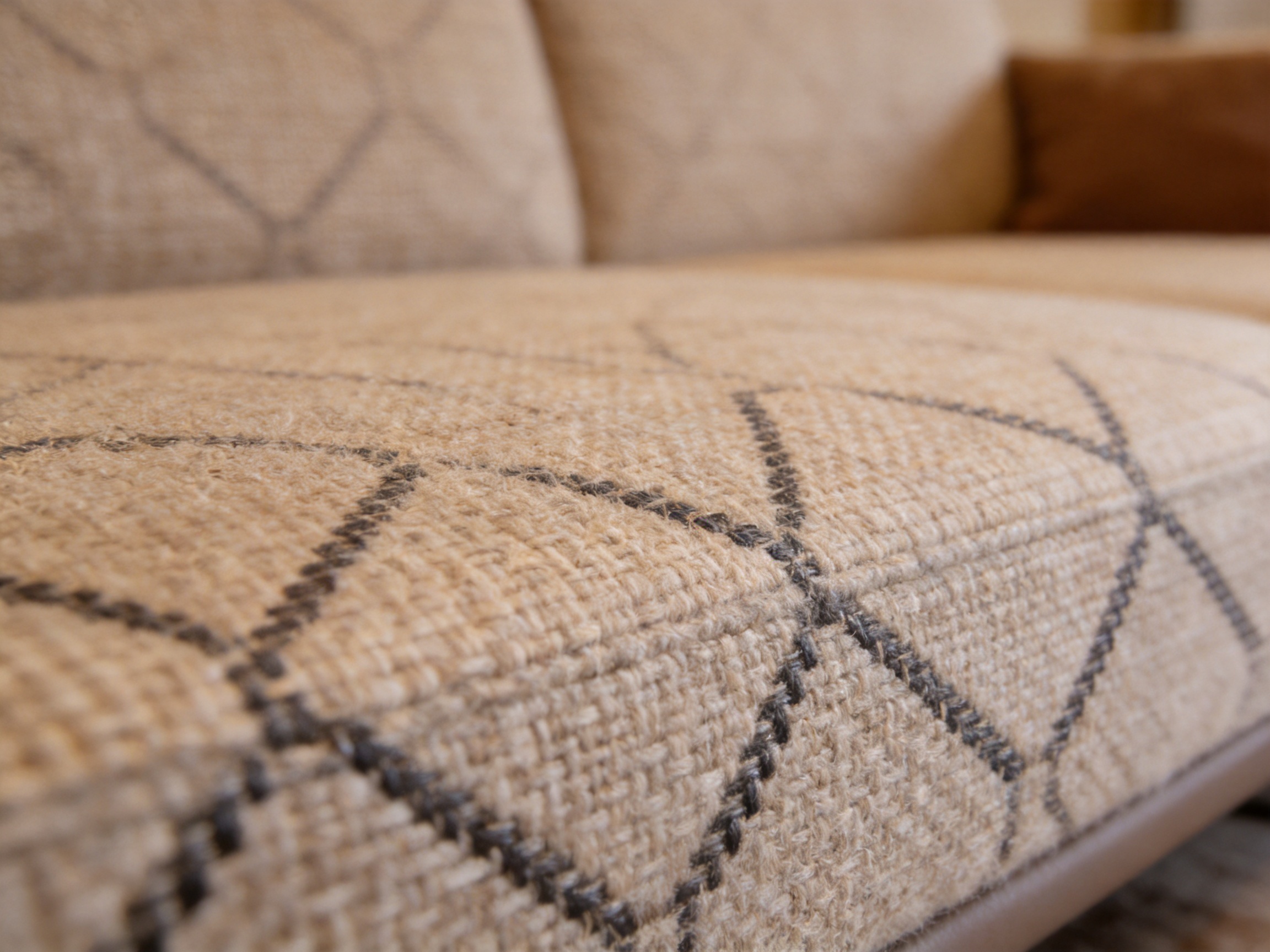
Manufacturing Strength Behind the Fabric
The quality of Graphene Sofa Fabric depends not only on the functional material itself but also on the manufacturing system behind it. Hangzhou Xinsili Decorative Fabric Weaving Co., Ltd. has developed its strength through long-term focus on decorative textile weaving, product development, and functional finishing. The company’s 19 years of industry experience allow it to understand both market needs and production challenges. This experience is important because functional upholstery fabric must perform consistently from sample development to bulk production.
The company’s 12,000-square-meter factory area supports organized production, process control, and scalable manufacturing. In textile production, space and workflow matter. A well-managed facility can separate different stages of preparation, weaving, inspection, finishing, and packaging, reducing cross-contamination and improving quality consistency. For international buyers, this manufacturing foundation provides confidence that orders can be handled with stable output and reliable standards.
As a National High-Tech Enterprise recognized in 2023, the company demonstrates a commitment to innovation and technical development. This status reflects not only production capability but also the ability to pursue research, apply functional technologies, and improve textile performance. Graphene Sofa Fabric benefits from this innovation-driven approach because advanced functional fabrics require continuous testing, refinement, and process optimization.
The company focuses on craftsmanship-driven manufacturing, design innovation, and win-win collaboration. These values are important in the decorative textile industry. Craftsmanship ensures that fabric appearance, hand feel, and structural quality are carefully controlled. Design innovation helps the fabric align with market trends and customer preferences. Collaboration allows the company to develop customized solutions for furniture brands, distributors, and project clients.
Manufacturing Graphene Sofa Fabric requires coordination between material selection, yarn preparation, weaving design, functional treatment, finishing, inspection, and packaging. If one step is poorly controlled, the final fabric may fail to meet expectations. For example, a fabric may have good functionality but poor color consistency, or attractive texture but weak abrasion resistance. The company’s strength lies in combining function and decoration into one stable product system.
Advanced Production Process
The development of Graphene Sofa Fabric begins with product planning. The company evaluates the intended use, target market, performance requirements, design style, and customer budget. A fabric for high-end hotel sofas may require a different surface texture and durability level than a fabric for residential sofa collections. A fabric for pet-friendly furniture may need enhanced surface resistance, while a fabric for comfort-focused seating may emphasize softness and thermal balance. Product planning ensures that each specification is practical and market-oriented.
Material selection is the next essential step. The yarn system, base textile structure, and functional components must be compatible. Graphene-related technology must be applied in a way that supports performance without damaging fabric hand feel or visual quality. The company considers fiber composition, yarn count, strength, elasticity, moisture behavior, dyeing performance, and finishing compatibility. This careful selection helps ensure that the finished fabric is not only functional but also stable and comfortable.
Weaving design determines texture, density, strength, and visual effect. Sofa fabric must have enough structural integrity to withstand repeated use while also offering a pleasant surface. By adjusting weave structure, yarn arrangement, fabric density, and decorative pattern, the company can create different styles for diverse furniture applications. The weaving process must be controlled to reduce defects such as broken yarns, uneven surfaces, inconsistent tension, and pattern irregularities.
Functional finishing is a critical stage. Depending on the product specification, the fabric may be treated or engineered to support antibacterial performance, moisture resistance, flame-retardant properties, comfort improvement, anti-static behavior, or other functions. Graphene-related functionality must be applied with attention to uniformity and durability. The finishing process must also preserve the fabric’s appearance, color, softness, and breathability. A high-quality finish is not simply added onto the fabric; it must be integrated into the fabric’s performance profile.
Color control is another important part of production. Sofa fabric is often ordered in large quantities and used across multiple furniture units. Even small shade variations can cause problems for furniture manufacturers and interior projects. The company must control dyeing conditions, batch management, and inspection procedures to maintain color consistency. This is particularly important for hotel and commercial projects where multiple sofas, chairs, and panels must match within the same interior design scheme.
Quality inspection ensures that each production batch meets required standards. Inspection may include checks for width, weight, color, surface defects, hand feel, pattern alignment, abrasion performance, pilling resistance, and finishing consistency. Functional properties may also be evaluated according to customer requirements. This inspection process reduces the risk of defective fabric entering the supply chain and helps clients receive material that performs reliably in production and use.
Packaging and delivery are also part of product quality. Fabric must be rolled, protected, labeled, and prepared for transportation in a way that prevents creasing, contamination, moisture damage, or confusion between batches. For export and long-distance logistics, secure packaging is essential. Professional packaging supports smoother downstream cutting, sewing, upholstery, and installation.
Comparison with Ordinary Upholstery Options
The following table summarizes how Graphene Sofa Fabric differs from many conventional upholstery fabrics. Actual performance may vary according to specifications, testing standards, and customer requirements, but the comparison shows the product’s intended advantages.
| Feature | Graphene Sofa Fabric | Conventional Sofa Fabric | Customer Value |
|---|---|---|---|
| Thermal Comfort | Designed to support improved heat distribution and seating comfort | May trap heat or feel uncomfortable after long use | Better comfort in residential, hotel, and commercial seating |
| Functional Hygiene | Can be engineered with antibacterial or freshness-supporting properties | Often limited to basic decorative performance | Helps create cleaner and more pleasant interior environments |
| Durability | Developed with attention to abrasion resistance, structural stability, and surface quality | Quality varies widely and may deteriorate faster | Longer service life and reduced replacement costs |
| Anti-Static Support | Graphene-related properties can help reduce static build-up | May attract dust and create static discomfort | Improved user experience and easier maintenance |
| Design Flexibility | Available in customized textures, colors, weights, and styles | May have limited functional customization | Suitable for furniture brands and project-specific interiors |
| Manufacturing Reliability | Produced by an experienced functional decorative textile manufacturer | Depends heavily on supplier capability | More stable quality and scalable supply |
Why Manufacturing Experience Matters
In the textile industry, advanced materials alone do not guarantee a successful product. A fabric can only be considered high quality when its performance is repeatable, its appearance is stable, and its production can meet commercial requirements. Manufacturing experience matters because decorative fabrics involve many variables: yarn quality, machine tension, humidity, dyeing behavior, finishing chemistry, inspection standards, and storage conditions. A company with long-term experience is better prepared to manage these variables.
Hangzhou Xinsili Decorative Fabric Weaving Co., Ltd. has spent nearly two decades developing decorative textile capabilities. This experience supports better problem-solving during product development. When a customer requests a specific texture, color, hand feel, or performance level, the company can evaluate feasibility, recommend suitable construction, and adjust the process to achieve the desired result. This reduces trial-and-error time and improves project efficiency.
Experience also helps the company understand real-world furniture production. Upholstery fabric must be cut, sewn, stretched, stapled, shaped, and installed on frames. A fabric that looks good as a swatch may behave differently during sofa manufacturing. It may fray, stretch unevenly, wrinkle, or show seam problems. A reliable supplier considers these downstream requirements and develops fabrics that are practical for furniture factories.
In addition, experienced manufacturers understand the importance of consistency. Furniture brands may need repeat orders for the same fabric over several seasons. Hotels may need additional material for renovation or replacement. Distributors may need stable supply across multiple batches. Consistency in color, hand feel, width, and performance protects the customer’s business and strengthens long-term cooperation.
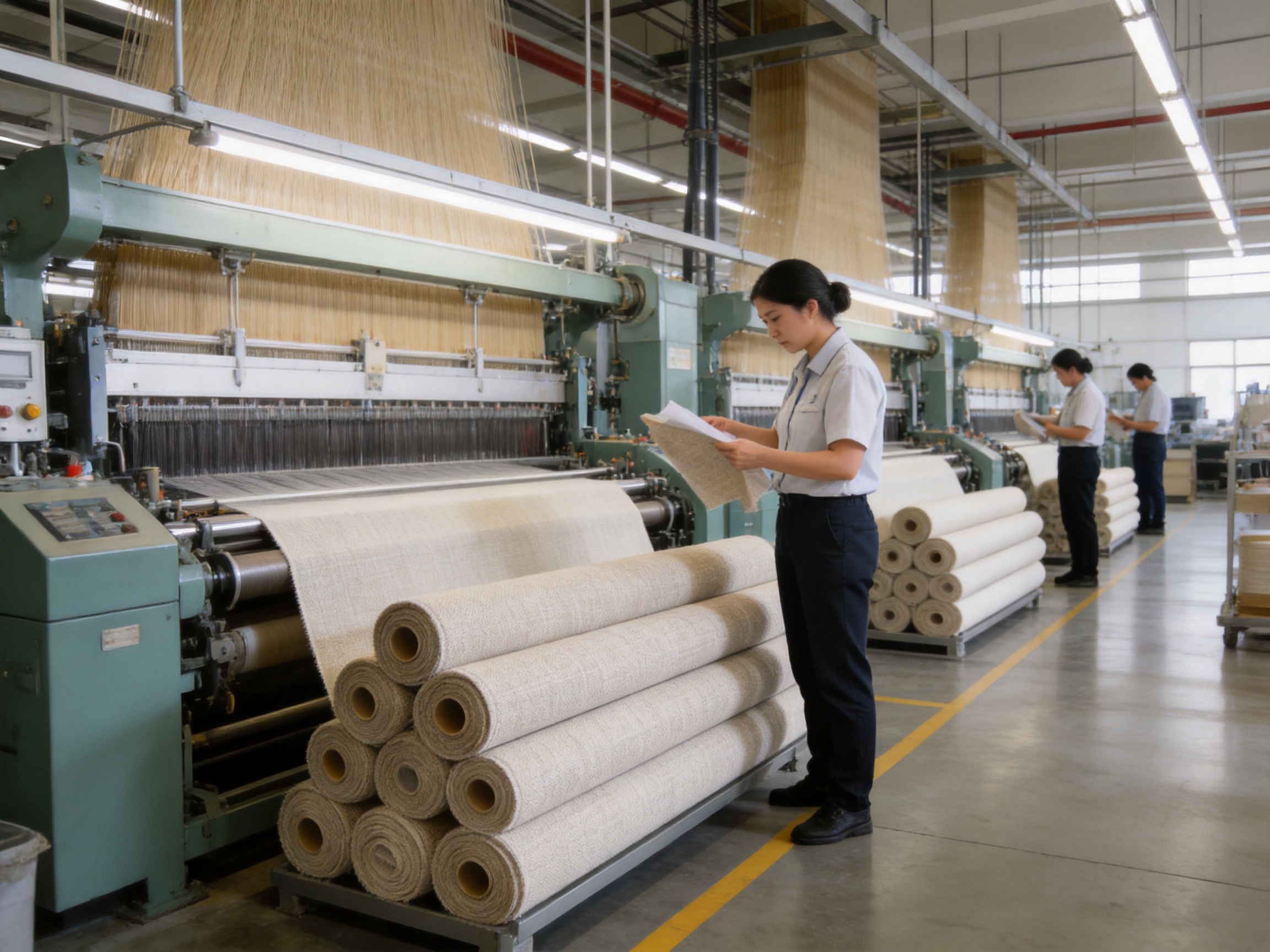
Design Flexibility and Customization
Graphene Sofa Fabric can be customized to meet different market needs. Customization may include color development, texture selection, fabric weight adjustment, pattern design, functional finishing, backing treatment, and packaging method. This flexibility is important because sofa fabric is not a one-size-fits-all product. A luxury sofa brand may prefer a soft and refined hand feel. A commercial seating supplier may prioritize abrasion resistance and easy maintenance. A hotel project may require flame-retardant performance and color matching to a design scheme.
The company’s position as a functional decorative textile manufacturer allows it to combine technical function with design-oriented production. Customers can work with the company to develop fabrics suitable for specific product lines or interior projects. This collaborative development approach is valuable for brands seeking differentiation. Instead of purchasing common market fabric, they can create a fabric identity that supports their furniture value proposition.
Color is one of the most important customization areas. Modern sofa markets include warm neutrals, soft grays, natural beige tones, earthy browns, deep blues, greens, and bold accent colors. Graphene Sofa Fabric can be developed in different shades to match contemporary interior trends. Texture can also vary from smooth and refined to woven, linen-like, jacquard, plush, or structured. The ability to combine function with decorative diversity makes the fabric suitable for wide application.
Functional customization is equally important. Depending on the target market, customers may request antibacterial support, moisture resistance, flame retardancy, comfort-enhancing properties, cooling feel, or pet-friendly surface performance. The company’s experience in mattress fabric, pillowcase fabric, pregnancy pillow fabric, cooling mat fabric, bedding fabric, sofa fabric, and pet-friendly fabrics gives it a broad technical foundation for functional textile development. This cross-category knowledge can support innovation in Graphene Sofa Fabric.
Customization also extends to business cooperation. Customers may need specific roll lengths, labeling, packaging, sample books, or documentation. Furniture manufacturers may require stable lead times and batch planning. Project buyers may need coordination with renovation schedules. A supplier with organized manufacturing processes can support these requirements and help customers manage their supply chains more effectively.
Comfort as a Competitive Advantage
Comfort is one of the most powerful selling points in the sofa market. Consumers may first notice the appearance of a sofa, but long-term satisfaction depends on how it feels during daily use. Fabric plays a major role in this experience. It touches the skin, influences perceived temperature, affects softness, and contributes to the sense of quality. Graphene Sofa Fabric is designed to enhance this comfort experience through material selection, weave design, and functional technology.
Thermal comfort is particularly valuable. Many people experience discomfort when sitting on upholstery that feels too warm, sticky, or poorly breathable. A fabric that supports more balanced heat distribution can make sitting more pleasant, especially during long periods. This is beneficial for family living rooms, home theaters, hotel rooms, lounges, and offices. While the complete comfort of a sofa also depends on foam and structure, the fabric surface is the first point of contact and therefore strongly influences user perception.
Softness and hand feel are also important. Functional fabric should not feel stiff, harsh, or artificial. One challenge in technical textiles is maintaining comfort while adding performance. The company’s manufacturing approach aims to preserve a decorative, user-friendly hand feel while integrating functional properties. This balance helps Graphene Sofa Fabric compete against ordinary fabrics that may look attractive but lack added value, as well as against technical fabrics that may perform well but feel less comfortable.
Comfort also includes psychological comfort. Consumers appreciate furniture materials that feel clean, safe, and reliable. A fabric with hygiene-oriented performance and stable quality can increase confidence in the living environment. For hotels and commercial venues, this perception supports guest satisfaction and brand image. For residential customers, it supports everyday peace of mind.
Durability and Lifecycle Value
Durability is not only a technical feature; it is an economic advantage. Sofa fabric replacement can be expensive, especially for hotels, offices, and commercial seating projects. Even in residential markets, customers expect sofas to remain attractive for years. A fabric that wears quickly can damage the reputation of the furniture brand and create after-sales costs. Graphene Sofa Fabric is designed to provide stronger lifecycle value through improved surface stability and functional performance.
Abrasion resistance is one of the most important measures of upholstery durability. Sofa fabric faces constant friction from clothing, movement, cushions, and cleaning. If the fabric surface breaks down, pills, or becomes shiny too quickly, the sofa appears old even if the structure remains sound. By focusing on yarn quality, weaving density, finishing control, and inspection, the company works to deliver fabric that maintains its appearance under repeated use.
Dimensional stability is another factor. Upholstery fabric must keep its shape when stretched over furniture frames. Excessive stretch or deformation can cause wrinkles, loose surfaces, or uneven seams. Proper weaving and finishing help improve stability, making the fabric easier to use in sofa manufacturing and more reliable after installation. This advantage is especially useful for furniture factories seeking efficient production and reduced waste.
Color durability also contributes to long-term value. Sofas are often exposed to indoor light, cleaning agents, and daily contact. Poor colorfastness can lead to fading or staining. A professional manufacturer controls dyeing and finishing processes to support stable color performance. Customers can request specific testing standards according to their target market and application requirements.
Lifecycle value should be evaluated beyond the initial fabric price. A cheaper ordinary fabric may reduce upfront cost but increase risk through faster wear, more complaints, or earlier replacement. Graphene Sofa Fabric offers a higher-value approach by combining function, durability, comfort, and design. For furniture brands, this supports premium positioning. For project buyers, it supports long-term cost control.
Healthier and More Sustainable Interior Direction
Modern interior design increasingly emphasizes health, comfort, and sustainability. Consumers want homes that feel safe and comfortable. Hotels want spaces that communicate cleanliness and care. Commercial venues want materials that support both performance and environmental responsibility. Functional decorative textiles can help meet these expectations when they are developed with practical benefits and responsible manufacturing principles.
Graphene Sofa Fabric supports healthier interiors by addressing common upholstery concerns such as comfort, moisture, static, and surface freshness. When combined with appropriate cleaning and maintenance practices, functional fabric can help preserve a more pleasant seating environment. This is especially relevant in spaces with frequent use, shared seating, or sensitive users such as children and elderly people.
Sustainability also involves durability. A fabric that lasts longer can reduce the frequency of replacement, saving resources and reducing waste. While sustainability is a complex topic involving raw materials, energy use, chemical management, logistics, and end-of-life treatment, product longevity is an important part of responsible consumption. By improving performance and extending usable life, Graphene Sofa Fabric contributes to more sustainable furniture value.
The company’s commitment to high-quality, environmentally friendly decorative fabric solutions aligns with this direction. Its focus on stable, practical, and reliable products helps customers avoid disposable thinking and invest in materials that perform over time. In the decorative textile industry, sustainability is not only about using new materials; it is also about making better products that reduce failure and waste.
Quality Control for Reliable Supply
Quality control is essential for every stage of Graphene Sofa Fabric production. Customers need assurance that the fabric they approve in samples will be consistent in bulk orders. This requires disciplined control over raw materials, weaving, finishing, color, inspection, and documentation. Without quality control, even advanced fabric technology can become unreliable.
Raw material inspection helps confirm that yarns and functional components meet required specifications. Inconsistent yarn quality can cause uneven texture, weak strength, or dyeing problems. During weaving, machine settings and fabric tension must be monitored to avoid structural defects. After weaving, greige fabric inspection can identify flaws before finishing. This prevents defective material from moving further into the process.
Finishing control is especially important for functional fabrics. The treatment must be applied evenly and cured correctly. If functional finishing is inconsistent, one part of the fabric may perform differently from another. Professional process control helps maintain uniformity across the roll and batch. Testing may be conducted according to customer needs, including abrasion, pilling, colorfastness, anti-static behavior, antibacterial performance, or flame-retardant performance.
Final inspection provides another layer of assurance. Fabric is checked for appearance, width, weight, color, hand feel, and defects. Rolls are labeled and packaged to support traceability. Traceability is important because it allows the manufacturer and customer to manage batch information, repeat orders, and quality feedback. This level of organization is particularly valuable for export clients and large furniture production programs.
Reliable supply is not only about producing fabric; it is about delivering consistent fabric on time. The company’s manufacturing scale and industry experience support stable production planning. For buyers who need long-term cooperation, this stability can be as important as product performance. A fabric supplier becomes a strategic partner when it can combine innovation, consistency, and service.
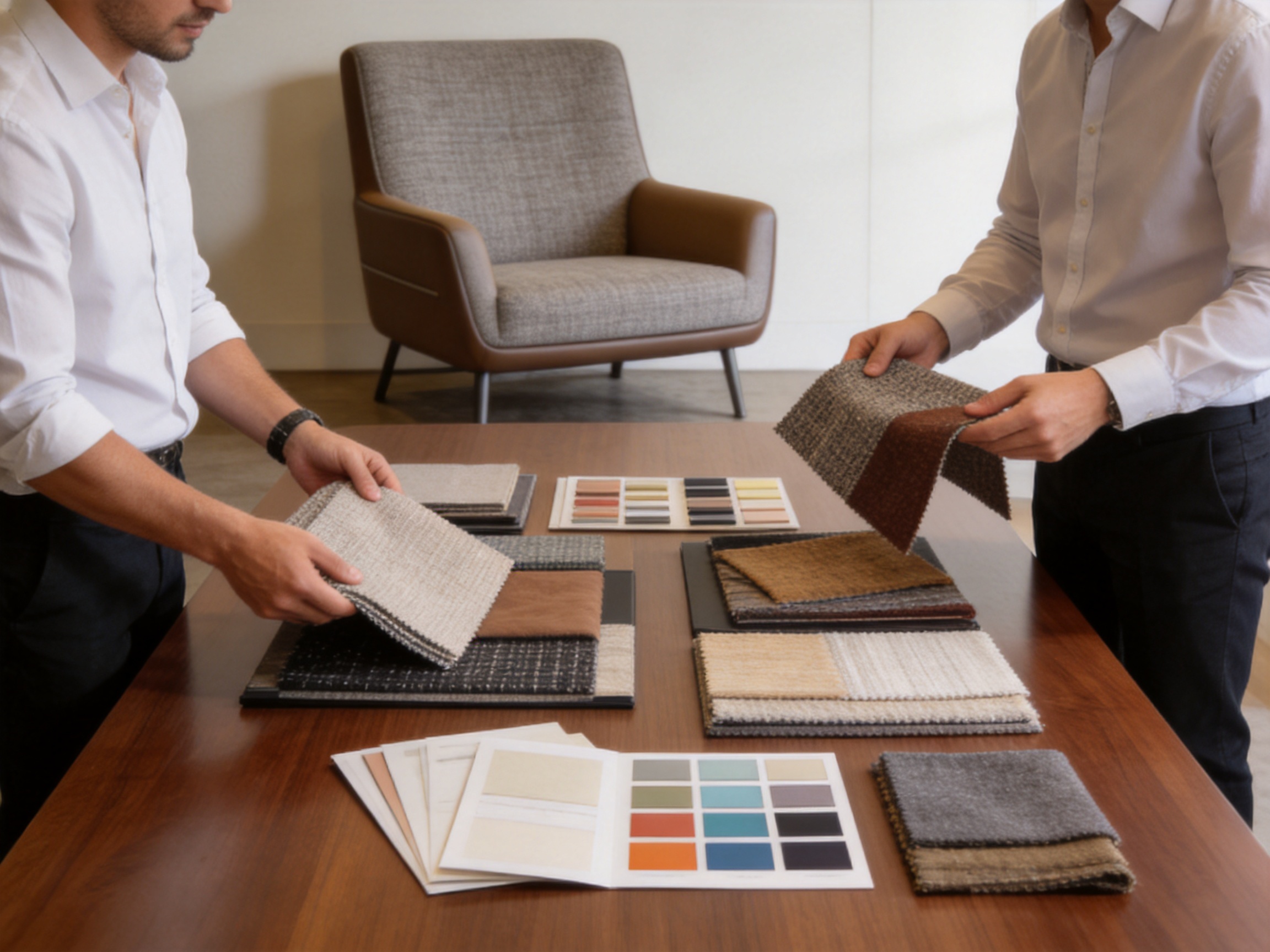
Competitive Value for Furniture Brands and Interior Projects
Graphene Sofa Fabric helps furniture brands differentiate their products in a crowded market. Many sofas compete on shape, price, and basic fabric appearance. By using a functional fabric, brands can communicate additional value: enhanced comfort, advanced material technology, hygiene support, durability, and modern living benefits. This creates stronger selling points for retailers, online product pages, showrooms, and project proposals.
For furniture manufacturers, the fabric can support premium product lines. Instead of offering only standard upholstery options, manufacturers can develop graphene-enhanced sofa collections targeted at customers who value technology and comfort. This can be especially effective in markets where consumers are willing to pay more for better performance and healthier home products.
For interior designers, Graphene Sofa Fabric provides a material that supports both visual concept and functional needs. Designers often face the challenge of selecting fabrics that look beautiful but can survive real use. In hotels, restaurants, lounges, and offices, fabric must satisfy both aesthetic and operational requirements. A functional decorative textile gives designers more confidence when specifying materials for demanding spaces.
For distributors and wholesalers, the fabric offers a differentiated product category. Standard upholstery fabrics are widely available, but functional graphene-enhanced sofa fabric can create stronger market positioning. Distributors can serve customers seeking innovation, performance, and customization. With support from an experienced manufacturer, they can also develop sample collections suited to local market preferences.
For project buyers, the value is practical. A fabric that lasts longer, feels better, and supports easier maintenance can reduce long-term operating costs. In commercial interiors, furniture replacement and maintenance can disrupt operations. Choosing a higher-performance fabric at the beginning of a project can improve overall cost efficiency and user satisfaction.
Practical Care and Maintenance Considerations
Even high-performance sofa fabric requires proper care. Maintenance practices affect the life and appearance of upholstery. Customers should follow the care instructions provided for the specific fabric specification, because cleaning methods may vary depending on fiber composition, finishing, backing, color, and performance requirements. In general, regular vacuuming, prompt stain treatment, and avoidance of harsh chemicals help preserve fabric quality.
For residential users, daily care may include removing dust and pet hair, rotating cushions when possible, and preventing long-term exposure to strong sunlight. For hotels and commercial spaces, a scheduled cleaning program is recommended. Staff should use approved cleaning methods and avoid excessive moisture unless the fabric specification allows it. Improper cleaning can damage finishing, affect color, or reduce functional performance.
Furniture manufacturers should also handle the fabric carefully during cutting and upholstery. Clean working surfaces, sharp cutting tools, proper tension control, and correct seam techniques help protect fabric appearance. During storage, fabric rolls should be kept in a dry, clean, and ventilated environment. Good handling practices ensure that the fabric’s advantages are fully preserved before it reaches the final user.
Company Strength and Service Capability
Hangzhou Xinsili Decorative Fabric Weaving Co., Ltd. is located in Yi Qiao Town, Xiaoshan District, Hangzhou City, Zhejiang Province, China. The company serves customers seeking functional decorative textile solutions for residential, hotel, and commercial environments. Its product categories include Mattress Fabric, Children Mattress Fabric, Pillowcase Fabric, Pregnancy Pillow Fabric, Cooling Mat Fabric, Bedding Fabric, Sofa Fabric, and Pet Friendly Fabrics.
The company’s strength comes from its combination of experience, production capacity, technology orientation, and customization service. With 19 years in the industry, it understands the requirements of decorative fabric customers and the technical details of textile production. Its 12,000-square-meter factory provides a foundation for organized manufacturing. Its recognition as a National High-Tech Enterprise in 2023 reflects its commitment to innovation and product development.
The company integrates functional technologies such as antibacterial, moisture-resistant, flame-retardant, sleep-supporting, and comfort-improving functions. These capabilities are relevant not only to bedding fabrics but also to upholstery and decorative textiles. Graphene Sofa Fabric benefits from this technical background by combining advanced material thinking with decorative weaving expertise.
Customer cooperation is an important part of the company’s service model. Buyers may contact the company to discuss fabric specifications, customization, sample development, order planning, and application requirements. The company can support clients who need functional decorative textiles tailored to furniture manufacturing, hotel procurement, commercial interiors, and residential product development.
Frequently Asked Questions
What is Graphene Sofa Fabric?
Graphene Sofa Fabric is a functional decorative upholstery fabric designed with graphene-related textile technology to support improved comfort, durability, hygiene-oriented performance, and modern interior applications. It is intended for sofas, lounge seating, upholstered panels, chairs, and other furniture products.
How is it different from ordinary sofa fabric?
Ordinary sofa fabric often focuses mainly on appearance and basic wear resistance. Graphene Sofa Fabric is designed to combine decorative appearance with added functional value, such as thermal comfort support, anti-static behavior, antibacterial potential, and enhanced durability depending on the specification.
Is Graphene Sofa Fabric suitable for hotels and commercial spaces?
Yes. The fabric is suitable for hotel furniture, lobby seating, guest room sofas, office lounges, commercial waiting areas, and other high-use interiors. Its durability and functional design make it valuable for environments where appearance, comfort, and long-term performance are important.
Can the fabric be customized?
Yes. Customization can include color, texture, weight, pattern, hand feel, functional finishing, backing, roll length, and packaging. Customers can develop specifications according to furniture style, project requirements, performance standards, and target market needs.
Does the fabric help with heat comfort?
Graphene-related textile technology can support improved heat distribution and thermal balance, helping reduce the uncomfortable feeling of localized heat build-up during sitting. Actual performance depends on the final fabric construction and application conditions.
Is it easy to maintain?
The fabric is designed for practical use, but care instructions should be followed according to the specific product specification. Regular vacuuming, prompt cleaning of stains, and avoidance of harsh chemicals are generally recommended to preserve appearance and function.
Can it be used for pet-friendly furniture?
It can be developed for pet-friendly furniture applications depending on required specifications. Enhanced surface performance, durability, and easier maintenance can make it more suitable for homes with pets than many low-grade ordinary fabrics.
Why choose an experienced manufacturer for this fabric?
Functional sofa fabric requires stable production, consistent finishing, controlled color, reliable testing, and practical upholstery performance. An experienced manufacturer can manage these factors more effectively, reducing risk for furniture brands, distributors, and project buyers.
Conclusion
Graphene Sofa Fabric is a high-performance decorative textile designed for the evolving needs of modern interiors. It offers advantages over many conventional upholstery fabrics by combining comfort, functionality, durability, hygiene-oriented support, and design flexibility. For residential sofas, it improves daily seating comfort. For hotels and commercial spaces, it supports long-term appearance and operational value. For furniture brands and distributors, it creates a differentiated product with advanced material appeal.
The strength of the fabric is closely connected to the manufacturing capability behind it. Hangzhou Xinsili Decorative Fabric Weaving Co., Ltd. brings 19 years of experience, a 12,000-square-meter factory area, high-tech enterprise recognition, and a strong focus on functional decorative textile development. Through careful material selection, weaving design, finishing control, inspection, and customization service, the company provides reliable fabric solutions for global clients.
As interiors become more comfort-focused, healthier, and performance-oriented, functional decorative textiles will continue to gain importance. Graphene Sofa Fabric reflects this trend by turning sofa upholstery into a more intelligent material choice. It is not only a fabric for covering furniture; it is a fabric for improving how people experience living rooms, hotels, lounges, offices, and shared spaces.
References
Novoselov, K. S., Geim, A. K., Morozov, S. V., Jiang, D., Zhang, Y., Dubonos, S. V., Grigorieva, I. V., and Firsov, A. A. “Electric Field Effect in Atomically Thin Carbon Films.” Science, 2004.
Stankovich, S., Dikin, D. A., Dommett, G. H. B., Kohlhaas, K. M., Zimney, E. J., Stach, E. A., Piner, R. D., Nguyen, S. T., and Ruoff, R. S. “Graphene-Based Composite Materials.” Nature, 2006.
Textile Institute. Textile Terms and Definitions. Textile Institute Publications.
Horrocks, A. R., and Anand, S. C. Handbook of Technical Textiles. Woodhead Publishing.
Gao, W. The Chemistry of Graphene Oxide. Springer.
Saville, B. P. Physical Testing of Textiles. Woodhead Publishing.
Kadolph, S. J. Textiles. Pearson.

Our Featured Products
-
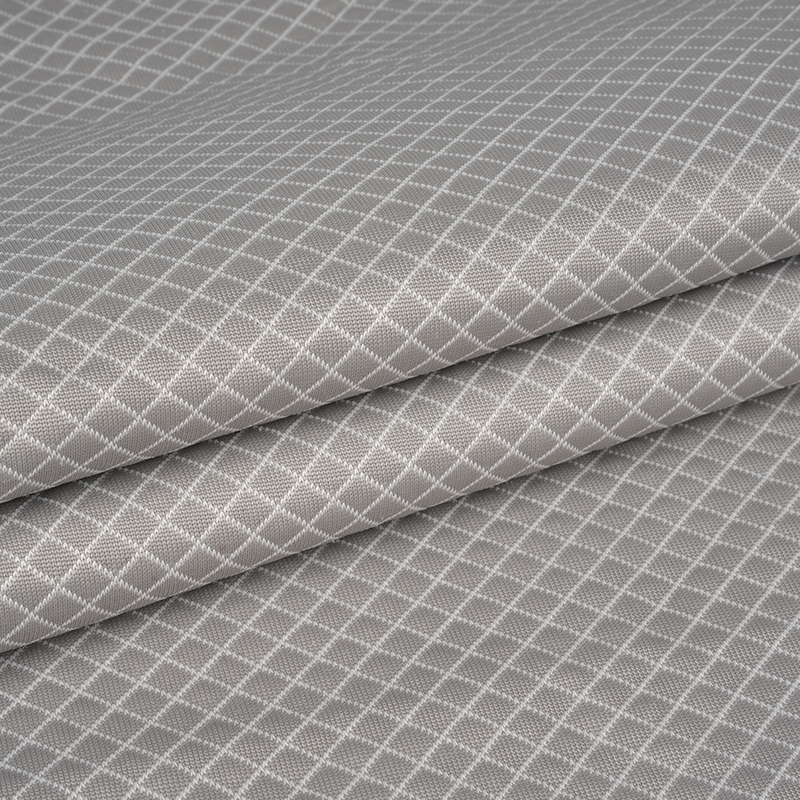
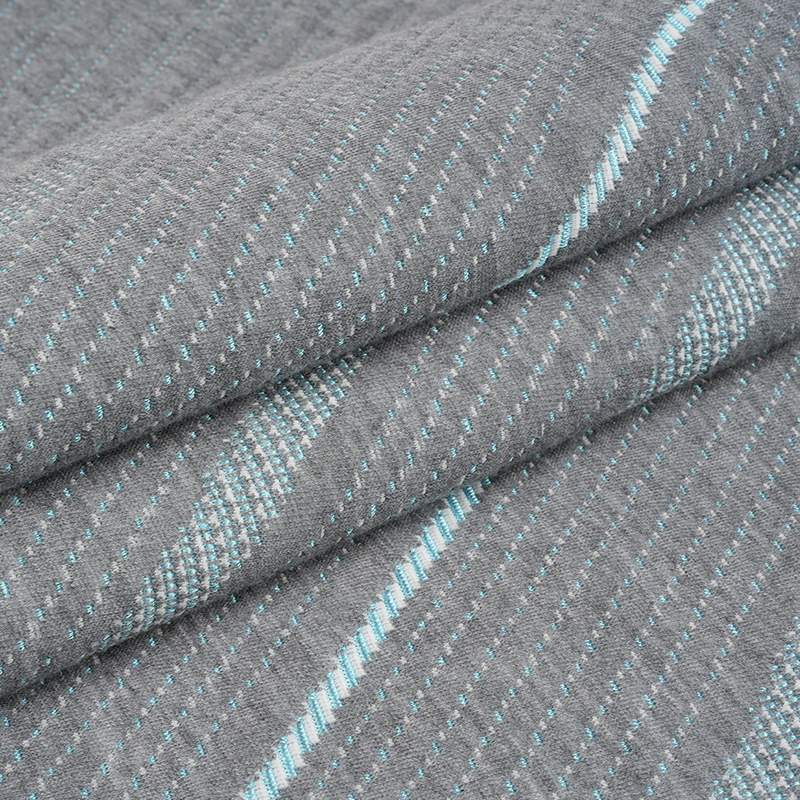
Graphene Children Mattress Fabric
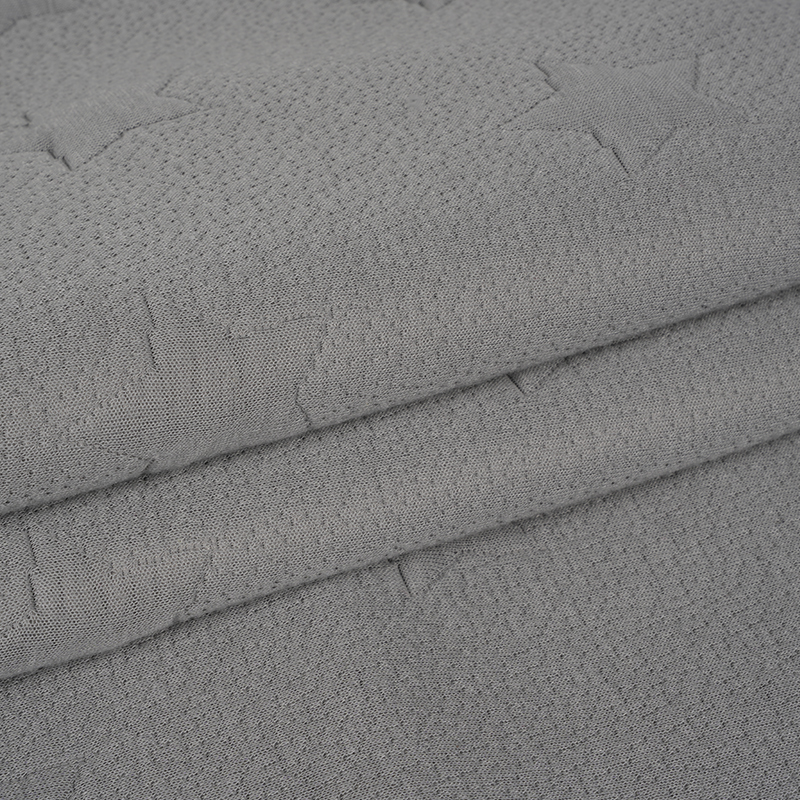
Graphene Children Mattress Fabric
Haven’t Found The Products You Want?
-
-
Shen Jinyan:+86-15158070676
[email protected]
Liang Jinwen:+86-15757186621
[email protected]
Qiu Yingyingn:+86-13819545790
[email protected]
Yi qiao Town, Xiaoshan District, Hangzhou City, Zhejiang Province, China
-
Products
Mattress Fabric Children Mattress Fabric Pillowcase Fabric Pregnancy Pillow Fabric Cooling Mat Fabric Bedding Fabric Sofa Fabric Pet Friendly Fabrics -
Contact Information
About Us Products Strength Sustainability News Contact Us
Copyright © Hangzhou Xinsili Decorative Fabric Weaving Co.,Ltd. All Rights Reserved.
Functional Decorative Textile Manufacturers
