

 English
 中文简体
中文简体 Español
 عربى
عربى русский


Advanced Polyester Pregnancy Pillow Fabric for Comfort, Durability, and Healthy Sleep Support
Content
- 1 Understanding the Role of Polyester Pregnancy Pillow Fabric
- 2 Key Product Advantages Over Ordinary Competitor Fabrics
- 3 Manufacturing Strength Behind the Fabric
- 4 Advanced Process Flow for Polyester Pregnancy Pillow Fabric
- 4.1 1. Product Design and Specification Development
- 4.2 2. Yarn Selection
- 4.3 3. Weaving or Knitting Construction
- 4.4 4. Dyeing and Color Management
- 4.5 5. Functional Finishing
- 4.6 6. Heat Setting and Dimensional Control
- 4.7 7. Surface Finishing and Hand Feel Adjustment
- 4.8 8. Inspection and Quality Assurance
- 5 Performance Comparison Table
- 6 Comfort Engineering for Maternity Sleep Products
- 7 Hygiene and Cleanliness Benefits
- 8 Design Flexibility for Brand Differentiation
- 9 Advantages for Pillow Manufacturers and Sewing Factories
- 10 Sustainability and Responsible Textile Development
- 11 Quality Control Standards That Matter
- 12 Why Polyester Is a Practical Choice for Pregnancy Pillow Covers
- 13 Applications Beyond Pregnancy Pillows
- 14 Customization Opportunities for Global Buyers
- 15 Company Strengths Supporting Reliable Supply
- 16 How the Fabric Enhances the Finished Pregnancy Pillow
- 17 Market Positioning and Competitive Value
- 18 Recommended Selection Considerations
- 19 Q&A: Polyester Pregnancy Pillow Fabric
- 19.1 Q1: Why is polyester suitable for pregnancy pillow fabric?
- 19.2 Q2: Is Polyester Pregnancy Pillow Fabric comfortable for skin contact?
- 19.3 Q3: How does it compare with cotton fabric?
- 19.4 Q4: Can the fabric include antibacterial or cooling functions?
- 19.5 Q5: Is the fabric suitable for custom private-label products?
- 19.6 Q6: What quality tests are important for this fabric?
- 19.7 Q7: Can it be used for products other than pregnancy pillows?
- 19.8 Q8: Why work with an experienced functional decorative textile manufacturer?
- 20 Conclusion
- 21 References
Pregnancy pillow fabric is more than a surface material. It is the first layer of contact between the sleeper and the pillow system, and it directly influences softness, temperature sensation, breathability, durability, hygiene, appearance, and long-term user satisfaction. For maternity products, the requirements are especially demanding because the fabric must support daily comfort during a period when rest quality, body pressure, skin sensitivity, and cleanliness are all important. Polyester Pregnancy Pillow Fabric is designed to meet these needs with a balanced combination of smooth hand feel, stable structure, easy-care performance, and practical decorative value.
As a functional decorative textile, Polyester Pregnancy Pillow Fabric is suitable for full-body pregnancy pillows, U-shaped pillows, C-shaped pillows, wedge pillows, nursing pillows, maternity support cushions, and removable pillowcases. Compared with many ordinary pillow fabrics, it offers better dimensional stability, faster drying, stronger resistance to deformation, and more flexible finishing options. It can be engineered for softness, moisture management, antibacterial performance, cooling sensation, flame-retardant requirements, and decorative surface effects, depending on the intended market and customer specification.
Hangzhou Xinsili Decorative Fabric Weaving Co., Ltd. focuses on the research, development, and manufacturing of functional decorative fabrics for home, hotel, and commercial environments. With 19 years of industry experience, a 12,000-square-meter factory area, and recognition as a National High-Tech Enterprise in 2023, the company brings a mature textile manufacturing foundation to the maternity bedding and pregnancy pillow fabric sector. Its production philosophy emphasizes craftsmanship, design innovation, stable quality, and practical function, enabling customers to build comfortable, reliable, and aesthetically pleasing pillow products.
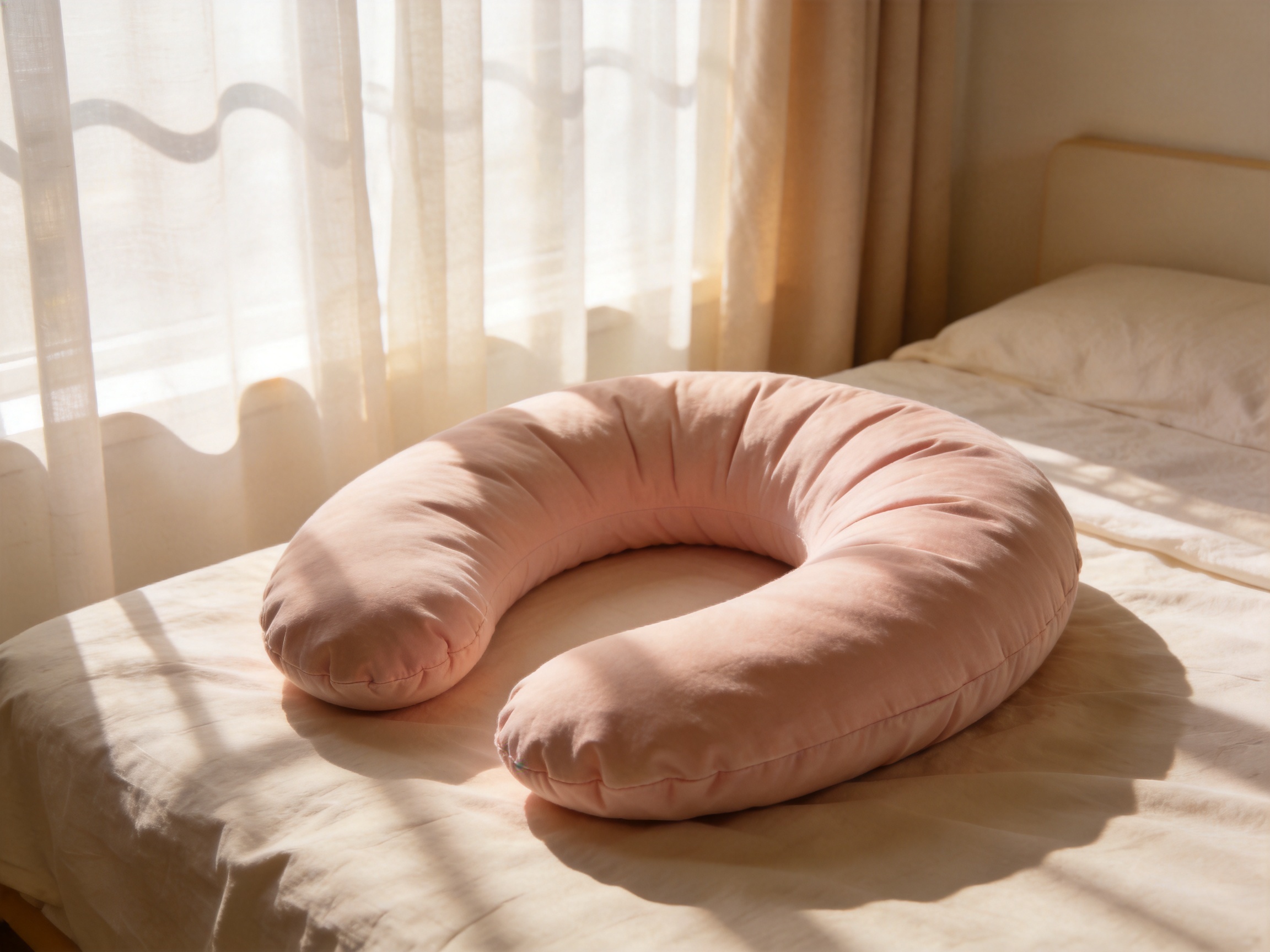
Understanding the Role of Polyester Pregnancy Pillow Fabric
A pregnancy pillow is not used like an ordinary decorative cushion. It is often used for long periods during sleep, relaxation, reading, nursing preparation, and body support. The fabric therefore needs to withstand repeated friction, body movement, washing, stretching around curved pillow forms, and close skin contact. A low-quality textile may pill, shrink, fade, feel stuffy, lose its softness, or develop uneven surface wear. A well-engineered Polyester Pregnancy Pillow Fabric helps the finished pillow maintain a pleasant appearance and comfortable touch throughout repeated use.
Polyester is widely used in bedding and pillowcase fabrics because it can be engineered with excellent structural stability. It resists excessive shrinkage, dries quickly after washing, and supports consistent surface design. For maternity pillow applications, polyester can be woven, knitted, brushed, embossed, printed, or finished with functional treatments. This makes it highly adaptable for different product grades, from economical daily-use pillowcases to premium decorative maternity pillow covers.
The fabric can also be developed with different weights, textures, and elasticity levels. A pregnancy pillow cover may require a soft and stretch-friendly surface to fit a curved pillow core, while a decorative outer cover may need a more structured appearance. Polyester fabric allows manufacturers to adjust yarn fineness, weave or knit density, finishing temperature, surface brushing, dyeing process, and functional coating to achieve targeted product performance.
Another important role of the fabric is emotional comfort. Pregnancy products are often purchased with care, and users expect a sense of safety, softness, and cleanliness. The surface should not feel harsh, noisy, or overly synthetic. Through refined yarn selection and finishing, polyester can achieve a soft, skin-friendly hand feel while preserving practical advantages such as washability and durability. This is why high-quality Polyester Pregnancy Pillow Fabric is increasingly valued by maternity bedding brands and pillow manufacturers.
Key Product Advantages Over Ordinary Competitor Fabrics
Compared with basic cotton blends, low-grade microfiber, or untreated synthetic fabrics, advanced Polyester Pregnancy Pillow Fabric offers several competitive advantages. These advantages are not only related to raw material selection but also to the manufacturing process, finishing technology, and quality control system behind the textile.
Excellent Dimensional Stability
Pregnancy pillow covers often have irregular shapes and long seam lines. If the fabric shrinks after washing, the pillow cover may become difficult to install, distort the pillow core, or create tension at seams and zippers. Polyester has naturally strong dimensional stability compared with many natural fibers. When properly heat-set and finished, it can maintain its shape through repeated washing and daily use. This allows pillow brands to reduce after-sales complaints related to size changes and fit inconsistency.
Durable Surface Performance
Pregnancy pillows are frequently used through the night, and the same surface areas may experience continuous rubbing from arms, legs, belly support, and bedding contact. Ordinary fabrics may begin pilling or thinning quickly. Polyester Pregnancy Pillow Fabric can be engineered with high abrasion resistance and good tensile strength, helping the finished product maintain a clean and attractive surface. Durable fabric extends the usable life of the pillow cover and increases perceived value for end consumers.
Fast Drying and Easy Care
For maternity and family bedding products, easy washing is a major advantage. Pregnancy pillow covers may need frequent cleaning because they are used close to the body. Polyester dries faster than many natural fibers because it absorbs less moisture into the fiber itself. This helps users return the pillow cover to service more quickly after washing. It also reduces the inconvenience of maintaining large pillow covers, which can be difficult to dry if made from heavy or highly absorbent materials.
Softness with Functional Possibilities
Modern polyester fabric does not have to feel rough or plasticky. Through fine denier yarns, brushed surfaces, knitted constructions, and softening treatments, it can achieve a smooth and comfortable touch. At the same time, polyester provides a stable platform for additional functions such as antibacterial finishing, moisture-resistant treatment, cooling sensation, flame-retardant performance, or printed decorative effects. This combination of softness and function gives it an advantage over fabrics that offer comfort but limited technical adaptability.
Consistent Color and Pattern Expression
Pregnancy pillow products are often sold as part of a home bedding style. Consumers may choose neutral tones, pastel colors, floral patterns, geometric prints, or modern minimalist surfaces. Polyester is suitable for stable dyeing and printing performance, helping manufacturers achieve consistent color batches and detailed pattern expression. This is important for brands that need repeat orders, coordinated collections, or private-label designs with reliable appearance from batch to batch.
Cost-Performance Balance
Premium maternity fabrics must balance user comfort, manufacturing cost, and performance. Some natural or specialty fibers can provide good comfort but may create higher costs, greater shrinkage, longer drying times, or more complex care requirements. Polyester Pregnancy Pillow Fabric offers a strong cost-performance ratio because it combines durability, easy care, design flexibility, and functional finishing compatibility. This makes it suitable for both mass-market and upgraded product lines.
Manufacturing Strength Behind the Fabric
Hangzhou Xinsili Decorative Fabric Weaving Co., Ltd. has built its textile capabilities around functional decorative fabrics. The company’s experience in mattress fabric, children mattress fabric, pillowcase fabric, pregnancy pillow fabric, cooling mat fabric, bedding fabric, sofa fabric, and pet friendly fabrics provides a broad foundation for developing materials that must perform in different living environments. This cross-category knowledge is valuable because pregnancy pillow fabric needs the softness of bedding textiles, the durability of upholstery-related fabrics, and the hygiene-focused performance of sleep-supporting materials.
The company’s manufacturing system is guided by the idea of “Weaving Beautiful Spaces,” emphasizing products that are stable, practical, and reliable. This concept is especially relevant for pregnancy pillow fabric because comfort must be matched with dependable production quality. A soft fabric is not enough if it has unstable width, inconsistent color, weak seams, or poor wash resistance. Xinsili’s approach integrates raw material selection, weaving or knitting control, functional finishing, inspection, and packaging to provide fabric that meets commercial production requirements.
With 19 years of industry experience, the company understands how decorative textiles are used in real environments. Its 12,000-square-meter factory area supports structured production and quality management. Recognition as a National High-Tech Enterprise in 2023 further reflects the company’s commitment to technical development and innovation. These strengths allow the company to serve customers seeking custom functional decorative textiles with reliable performance and scalable manufacturing.
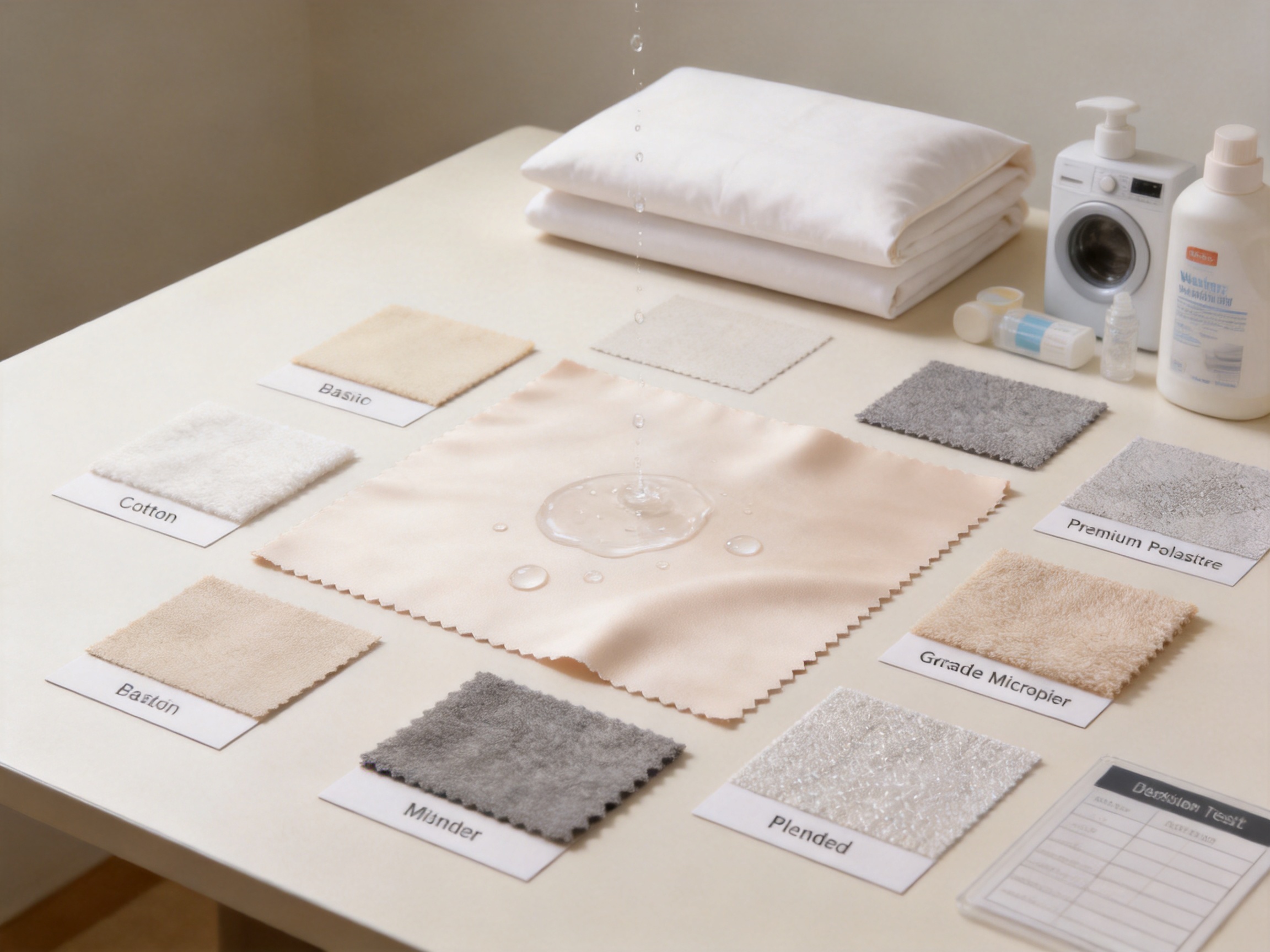
Advanced Process Flow for Polyester Pregnancy Pillow Fabric
The performance of Polyester Pregnancy Pillow Fabric depends on each step of production. A complete manufacturing process may include product design, yarn selection, weaving or knitting, dyeing, functional finishing, heat setting, inspection, testing, rolling, and packaging. Each stage has a direct influence on the final fabric’s softness, stability, appearance, and suitability for maternity pillow applications.
1. Product Design and Specification Development
Before production begins, the fabric must be defined according to the intended use. A removable pregnancy pillowcase may need moderate elasticity, smoothness, and excellent washability. A decorative outer cover may require stronger texture, print clarity, or premium visual appeal. A cooling maternity pillow cover may require moisture management or cool-touch finishing. Xinsili can develop specifications based on customer needs, including weight, width, construction, color, pattern, hand feel, functional treatment, and packaging method.
In this stage, engineers and product developers consider factors such as pillow shape, sewing method, zipper position, target market, care instructions, and functional expectations. The goal is to create a fabric that performs well not only in laboratory conditions but also in actual pillow manufacturing and consumer use.
2. Yarn Selection
Yarn quality is the foundation of fabric quality. Polyester yarn can vary in fineness, strength, luster, elasticity, and texture. For pregnancy pillow fabric, the yarn should support a soft touch while maintaining durability. Fine denier yarns can produce a smoother surface, while textured yarns can improve loft and comfort. Depending on product requirements, yarns may be selected for moisture movement, cooling effect, color absorption, or mechanical strength.
Consistent yarn quality also helps prevent fabric defects such as streaks, uneven dyeing, weak areas, or inconsistent thickness. By controlling raw material quality from the beginning, the company can improve production stability and reduce defects in later processing.
3. Weaving or Knitting Construction
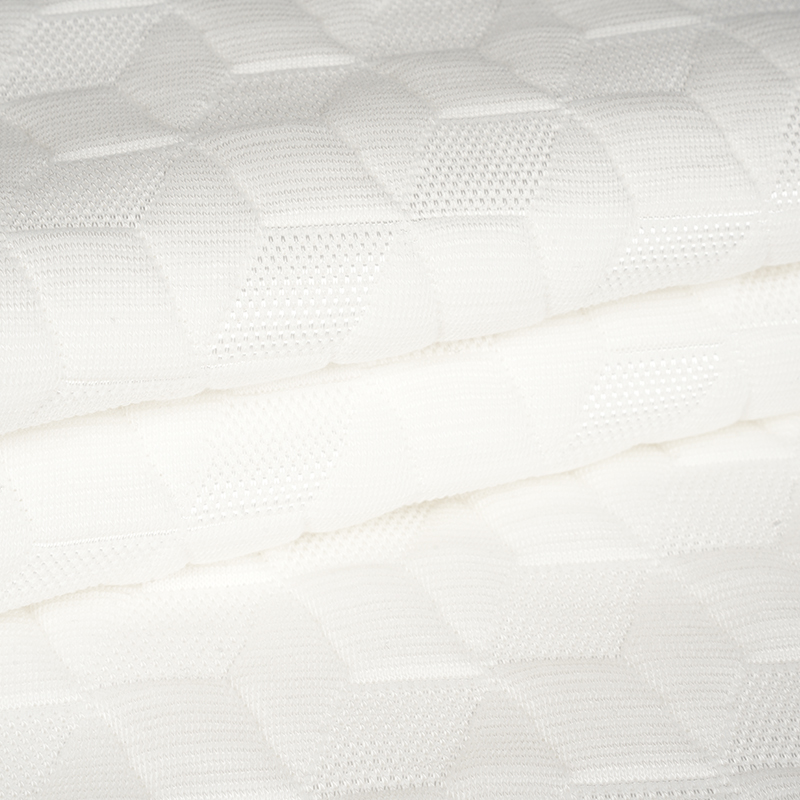
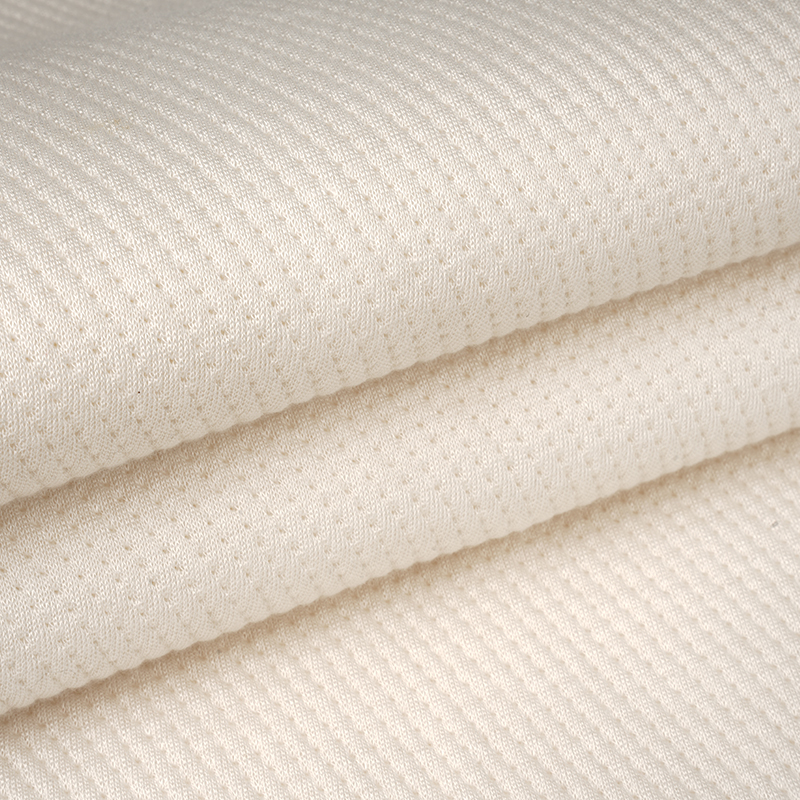
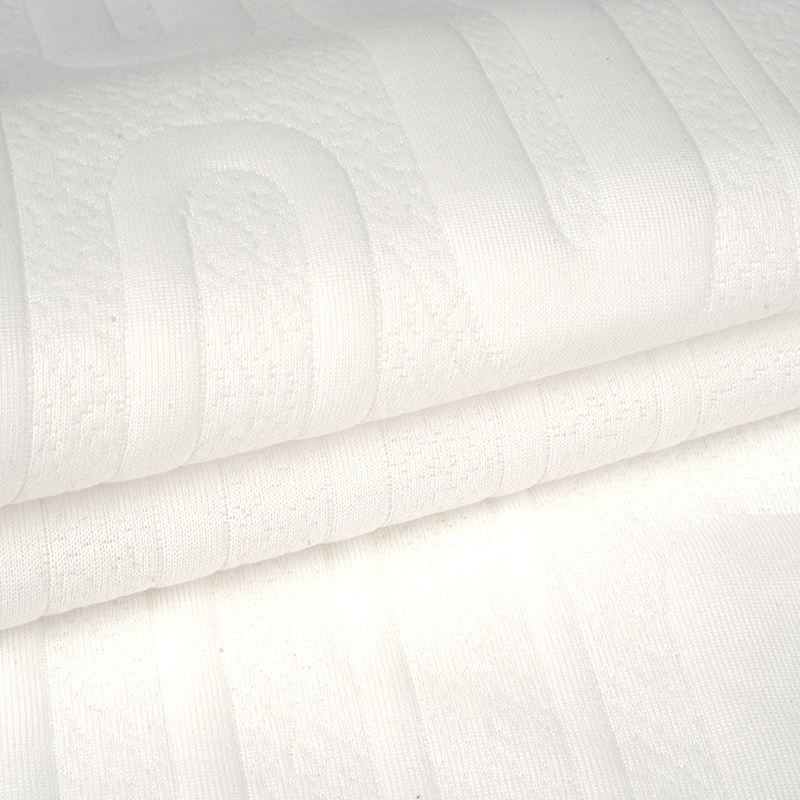
Pregnancy pillow fabric can be produced through different textile structures. Woven polyester fabric offers stability, clean appearance, and controlled surface texture. Knitted polyester fabric can provide softness, stretch, and flexibility around curved pillow forms. Jacquard or patterned structures can create decorative visual effects without relying only on printing. The chosen construction affects breathability, drape, stretch, durability, and sewing performance.
For large curved pillow covers, fabric flexibility is particularly important. If the fabric is too rigid, it may create wrinkles or tension around the pillow core. If it is too loose, it may deform or lose shape. An advanced manufacturing process balances density, yarn count, and finishing to achieve the correct level of flexibility and stability.
4. Dyeing and Color Management
Color consistency is important for textile buyers, especially when fabrics are used in coordinated bedding collections. Polyester dyeing requires controlled temperature, time, dye selection, and post-treatment. Poor dyeing can lead to shade variation, staining, or weak colorfastness. A professional dyeing and finishing approach helps ensure that the fabric retains its intended appearance after washing and use.
For maternity pillow products, colors are often selected to create calmness and warmth. Popular choices include soft gray, cream, beige, light blue, blush pink, mint, white, and subtle printed patterns. However, custom orders may require deeper shades or branded color palettes. Strong color management supports repeatability for wholesale and private-label production.
5. Functional Finishing
Functional finishing is one of the major strengths of advanced Polyester Pregnancy Pillow Fabric. Depending on customer requirements, the fabric can be treated for antibacterial performance, moisture resistance, flame retardancy, cooling sensation, comfort improvement, or sleep-supportive surface feel. These finishes must be carefully selected and applied to avoid harming softness, breathability, or wash durability.
Antibacterial finishing can help maintain freshness in bedding products that are used close to the body. Moisture-resistant or moisture-management finishes can reduce the feeling of dampness. Cooling finishes can create a more refreshing surface sensation, particularly for users who feel warm during sleep. Flame-retardant treatments may be required for certain markets, hotels, or commercial applications. The company’s experience with functional decorative textiles supports the development of fabrics that combine practical safety and comfort features.
6. Heat Setting and Dimensional Control
Heat setting is critical for polyester fabrics. It stabilizes the fabric structure and reduces future shrinkage or distortion. Pregnancy pillow covers require accurate dimensions because even small size changes can affect fit. Proper heat setting helps maintain width, length stability, and surface smoothness. It also contributes to improved sewing performance and reduces the risk of twisting after washing.
7. Surface Finishing and Hand Feel Adjustment
The emotional impression of a pregnancy pillow fabric often comes from touch. Surface finishing can make the fabric smoother, softer, warmer, cooler, or more luxurious. Brushing, sanding, softening, embossing, and calendering are examples of finishing methods that may be used depending on the desired effect. A high-quality maternity fabric should feel pleasant without excessive slickness, stiffness, or chemical odor.
Surface finishing must be controlled carefully because over-processing can reduce strength or cause pilling. Professional finishing balances comfort and durability, ensuring that the fabric feels soft while remaining suitable for repeated use and washing.
8. Inspection and Quality Assurance
Quality inspection is necessary before fabric is delivered to pillow manufacturers. Inspectors may check width, weight, color, surface defects, holes, stains, tension, roll length, and packing condition. Testing may include colorfastness, shrinkage, abrasion resistance, pilling resistance, tensile strength, and functional performance depending on specifications. A strong quality assurance system helps buyers reduce production risks and maintain brand reputation.
Performance Comparison Table
The following table summarizes how advanced Polyester Pregnancy Pillow Fabric can compare with several common fabric choices used in pillow products. Actual results depend on fabric specification, finishing, and testing standards, but the comparison illustrates why polyester is a strong option for maternity pillow applications.
| Performance Factor | Advanced Polyester Pregnancy Pillow Fabric | Basic Cotton Fabric | Low-Grade Microfiber Fabric | Typical Blended Fabric |
|---|---|---|---|---|
| Dimensional Stability | Excellent when properly heat-set; low shrinkage and good shape retention | May shrink noticeably after washing if not pre-treated | Variable; may stretch or deform depending on density | Moderate; depends on fiber ratio and finishing |
| Drying Speed | Fast drying and convenient for frequent cleaning | Slower drying due to higher moisture absorption | Usually fast, but comfort may vary | Moderate to fast depending on polyester content |
| Durability | Strong abrasion resistance and long service life when engineered well | Comfortable but may wear or fade faster in heavy use | May pill or thin if yarn quality is poor | Moderate durability; depends on construction |
| Softness | Can be customized from smooth to brushed and plush | Naturally soft but may wrinkle | Can be soft but sometimes overly thin or slippery | Varies widely |
| Functional Finishing | Highly compatible with antibacterial, cooling, moisture-resistant, and flame-retardant options | Possible but may affect hand feel or wash stability | Possible but durability may be inconsistent | Possible, depending on fiber blend |
| Color and Pattern Consistency | Strong dyeing and printing repeatability | Good, but may fade or wrinkle depending on care | Variable with low-cost production | Moderate to good |
| Cost-Performance | Balanced performance, durability, and customization value | Comfortable but may involve higher care and shrinkage concerns | Low cost but quality risks may be higher | Depends on blend and finishing level |
Comfort Engineering for Maternity Sleep Products
Pregnancy can change sleep preferences and increase the need for supportive rest positions. A pregnancy pillow helps support the abdomen, back, knees, hips, and shoulders, but the fabric determines how comfortable the surface feels over many hours. The ideal pregnancy pillow fabric should not irritate the skin, trap excessive heat, or create a rough sensation during movement. Polyester Pregnancy Pillow Fabric can be engineered to address these comfort factors through softness, breathability, moisture control, and surface stability.
Softness is often the first comfort feature users notice. A smooth polyester surface can reduce friction between skin, sleepwear, and pillow. For customers who prefer a warmer touch, brushed polyester can create a gentle, cozy feel. For those who prefer a cleaner and cooler surface, a smooth knit or moisture-management finish may be more suitable. This versatility enables pillow brands to develop multiple product lines from one material family.
Breathability is also important. While polyester itself is less absorbent than cotton, fabric structure can be designed to allow air movement. Knitted structures, controlled density, and moisture-management finishes can help reduce stuffiness. For maternity pillow covers, the goal is not simply to absorb moisture but to keep the surface feeling comfortable and manageable during long use. Quick drying after washing also supports hygiene and convenience.
Another comfort factor is noise. Some low-quality synthetic fabrics create a rustling or crisp sound when moved. This can disturb sleep, especially for users who change positions frequently. A well-finished polyester pregnancy pillow fabric can be soft and quiet, with a stable surface that does not produce unwanted friction noise. This detail can strongly affect the premium impression of the final pillow product.
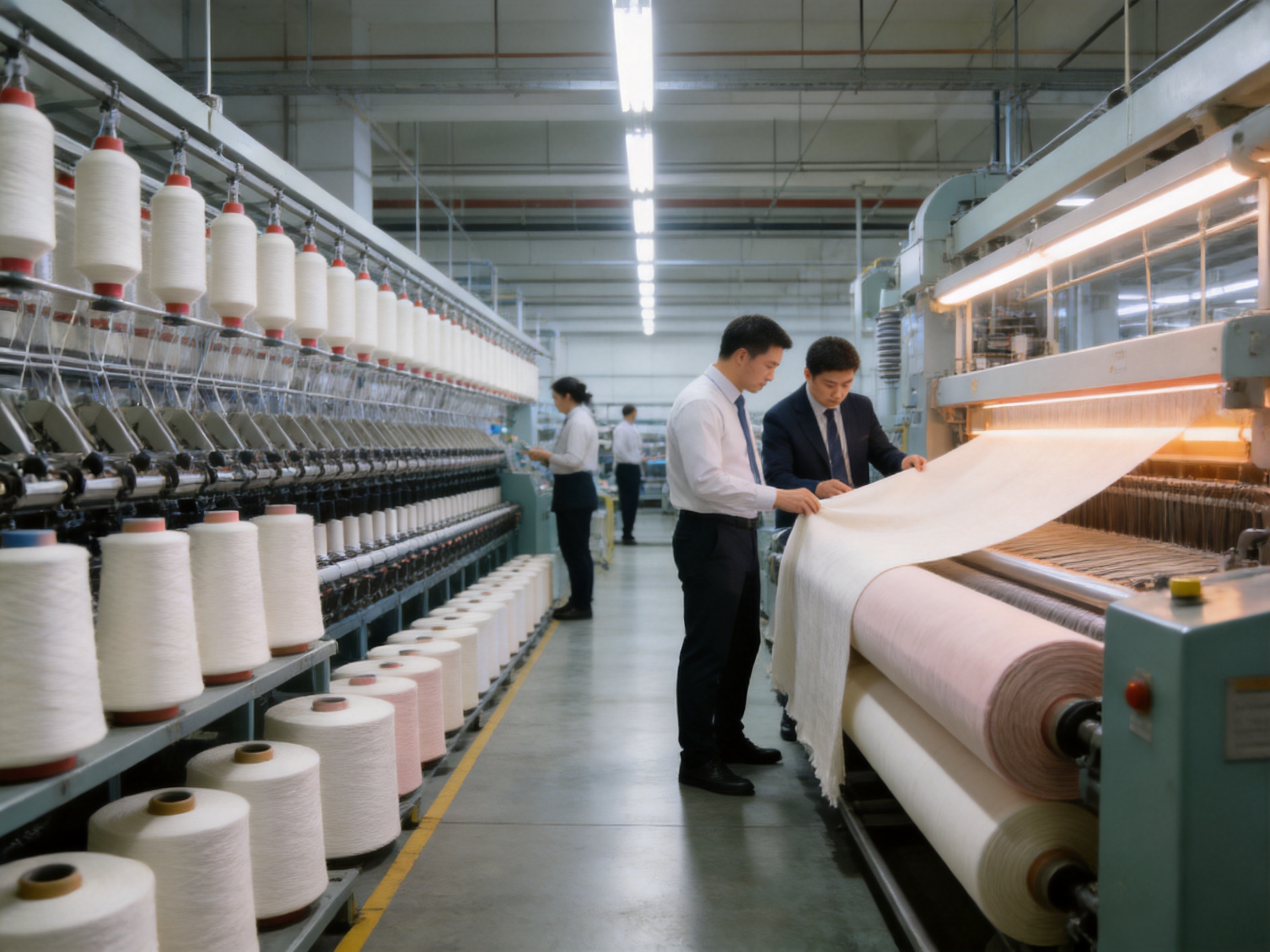
Hygiene and Cleanliness Benefits
Maternity pillow products are used close to the body and may be shared with infants during nursing or resting periods after birth. Cleanliness is therefore a key purchasing concern. Polyester Pregnancy Pillow Fabric supports hygiene in several ways. First, it is easy to wash and dries quickly. Second, it can be finished with antibacterial or freshness-enhancing treatments. Third, its lower moisture absorption can reduce prolonged dampness compared with highly absorbent fabrics.
Frequent washing can be challenging for large pillow covers. If a fabric becomes heavy when wet, dries slowly, or wrinkles severely, users may avoid washing it regularly. Polyester helps solve this problem by offering convenient care. It can be designed for machine-washable products, depending on the construction, dyeing, finishing, and sewing accessories selected by the pillow manufacturer.
Antibacterial finishing may be useful for product lines emphasizing freshness and home hygiene. Such finishing should be selected responsibly and tested according to relevant standards. It should not replace regular washing, but it can provide added value for bedding products. Xinsili’s experience with antibacterial and moisture-resistant decorative textiles allows the company to support customers who require functional claims backed by appropriate testing and documentation.
Design Flexibility for Brand Differentiation
The maternity pillow market includes many product styles. Some brands focus on minimalist wellness aesthetics, while others use cheerful patterns, children-friendly motifs, luxury textures, or coordinated nursery colors. Polyester Pregnancy Pillow Fabric provides strong design flexibility because it can support printing, embossing, jacquard effects, brushed textures, and various dyeing options.
For a premium maternity pillow, the fabric may feature a refined solid color, gentle sheen, and smooth hand feel. For a family-oriented product, soft printed patterns may be preferred. For hotel or commercial maternity care environments, the fabric may require restrained color, excellent durability, and flame-retardant compliance. For online retail, color consistency and attractive surface photography can influence conversion rates. Polyester’s stable structure and finish adaptability help manufacturers meet these different design strategies.
Customization can include fabric weight, width, color, pattern, texture, functional finish, roll packaging, and testing requirements. This is important for wholesale buyers and private-label brands seeking differentiation. Rather than purchasing generic fabric from open stock, customers can work with a capable manufacturer to develop fabric that matches their target price, product positioning, and end-user expectations.
Advantages for Pillow Manufacturers and Sewing Factories
A successful pregnancy pillow fabric must be comfortable for end users, but it must also perform well during cutting, sewing, filling, packaging, and shipping. Fabric that stretches unpredictably, sheds fibers, frays excessively, or changes size after cutting creates production waste and delays. Polyester Pregnancy Pillow Fabric can be engineered to support smoother manufacturing operations.
Dimensional stability helps maintain accurate pattern cutting. Stable width and consistent fabric weight allow factories to plan material consumption more efficiently. Good tensile strength supports seam durability, especially around curved pillow areas and zipper openings. Smooth surface quality reduces visible defects after sewing. Color consistency helps avoid shade mismatch between panels.
For large U-shaped or C-shaped pregnancy pillows, sewing accuracy is essential. Long seam lines must remain even, and the fabric must turn smoothly around curves. A fabric with controlled flexibility can help sewing workers create a clean finished shape. This improves final product appearance and reduces rework.
Fast-drying fabric also benefits post-production handling. If covers require pre-washing or quality testing, shorter drying times can improve efficiency. Strong colorfastness reduces the risk of staining during storage or shipping. Proper packaging protects rolls from contamination, moisture, and deformation before they reach the sewing factory.
Sustainability and Responsible Textile Development
Modern buyers increasingly expect textile products to support healthier and more sustainable living spaces. While polyester is a synthetic fiber, responsible manufacturing can improve its practical sustainability profile through durability, reduced replacement frequency, efficient production control, and compatibility with recycled polyester options where specified. A long-lasting pillow cover may be more sustainable than a low-quality product that must be replaced quickly.
Xinsili’s company philosophy emphasizes high-quality and environmentally friendly decorative fabric solutions. In practice, this can include careful material selection, process control, waste reduction, functional durability, and product designs that support long service life. For customers who require sustainability-oriented specifications, fabric development may consider recycled polyester yarns, safer finishing systems, low-odor treatments, and compliance with relevant textile safety requirements.
Durability is an important part of sustainability. A fabric that maintains shape, color, and comfort through repeated washing reduces waste and enhances product value. Easy-care properties can also reduce maintenance burden for households. For maternity products, where cleanliness and reliability are important, a durable and washable fabric offers both environmental and practical benefits.
Quality Control Standards That Matter
For professional textile buyers, quality control should be measurable. Polyester Pregnancy Pillow Fabric can be evaluated through several important indicators. These include fabric weight, width tolerance, shrinkage rate, colorfastness to washing and rubbing, pilling resistance, abrasion resistance, tensile strength, tear strength, seam slippage, odor level, surface defect rate, and functional finishing durability. Depending on destination market, additional safety or chemical compliance tests may be required.
Colorfastness is especially important because pillow covers are washed repeatedly and may contact light-colored bedding. Poor colorfastness can damage consumer trust. Shrinkage testing is equally important because pregnancy pillow covers must maintain fit. Pilling resistance affects appearance and hand feel. Abrasion resistance indicates whether the fabric can tolerate long-term friction. Functional finishing tests confirm whether antibacterial, cooling, or flame-retardant effects meet customer requirements.
A strong quality system does not rely only on final inspection. It begins with raw materials and continues through every production stage. In-process monitoring can catch problems before they become large-scale defects. Final roll inspection then verifies that fabric delivered to customers is suitable for cutting and sewing. This systematic approach is a key advantage over suppliers that only compete on price without stable process control.
Why Polyester Is a Practical Choice for Pregnancy Pillow Covers
Some consumers associate natural fibers with comfort, and cotton remains a popular bedding material. However, pregnancy pillow covers have unique requirements that make polyester highly practical. Large pillow covers must be easy to remove, wash, dry, and reinstall. They must retain shape over curved forms. They must resist daily friction and maintain an attractive surface. Polyester performs strongly in all of these areas.
Compared with cotton, polyester usually offers lower shrinkage, faster drying, better wrinkle resistance, and stronger long-term dimensional stability. Compared with low-grade microfiber, high-quality engineered polyester can provide better durability, more controlled hand feel, and stronger functional finishing options. Compared with many blends, polyester allows clearer performance targeting because the fiber behavior is predictable and compatible with various finishing technologies.
This does not mean all polyester fabric is the same. The difference between ordinary polyester and advanced Polyester Pregnancy Pillow Fabric lies in yarn quality, construction design, finishing technique, quality control, and customization capability. A professional manufacturer can transform polyester from a basic textile into a comfort-focused, functional, and attractive maternity fabric.
Applications Beyond Pregnancy Pillows
Although this article focuses on Polyester Pregnancy Pillow Fabric, the same textile development principles can support related products. The fabric may be adapted for pillowcases, nursing pillow covers, maternity cushions, body pillows, children’s bedding accessories, cooling mat covers, sofa cushions, pet-friendly home textiles, and decorative bedding. This versatility is valuable for brands that want to build coordinated product collections.
A maternity pillow brand may use one fabric family across pregnancy pillows, nursing pillows, baby room cushions, and decorative pillowcases. A bedding brand may combine pregnancy pillow fabric with mattress fabric or pillowcase fabric to create a complete sleep environment. A home textile distributor may request different functional finishes for different markets, such as cooling fabric for warm regions or moisture-resistant fabric for humid climates.
Xinsili’s broad product category experience supports this type of development. The company is not limited to one narrow fabric application. Its knowledge across mattress, bedding, sofa, cooling mat, children mattress, pillowcase, pregnancy pillow, and pet-friendly fabrics allows it to respond to varied customer requirements and cross-apply technical solutions.
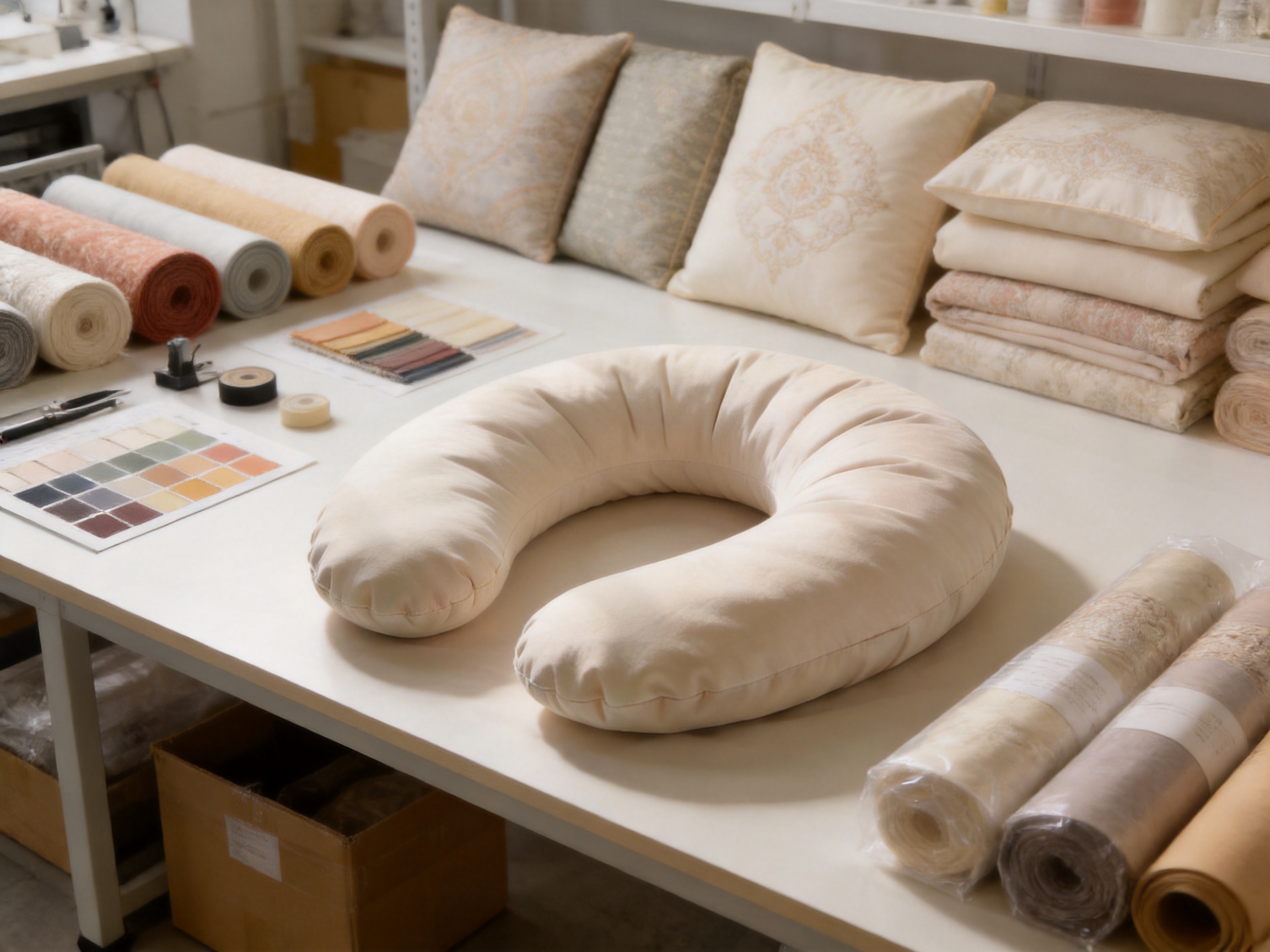
Customization Opportunities for Global Buyers
Global buyers often need fabric that fits specific market standards, consumer expectations, and price levels. Polyester Pregnancy Pillow Fabric can be customized in many ways. Fabric weight can be adjusted for lightweight, standard, or premium product lines. Width can be selected according to cutting efficiency. Surface texture can be smooth, brushed, patterned, jacquard, or embossed. Color can be developed according to customer samples or trend palettes. Functional treatments can be added according to product positioning.
For brands selling through e-commerce, fabric appearance under photography matters. Smooth, evenly colored fabric with attractive texture can improve product images and reduce customer hesitation. For offline retail, touch and perceived quality are critical. A soft, substantial fabric can make a pillow feel more valuable in the showroom. For hospital, hotel, or maternity care channels, durability and compliance may be more important than decorative complexity.
Custom development also supports brand identity. A company may create a signature maternity pillow fabric with a unique pattern, exclusive color, or special hand feel. This helps avoid direct price competition with generic products. With a capable manufacturing partner, fabric becomes a strategic tool for differentiation rather than just a cost item.
Company Strengths Supporting Reliable Supply
Hangzhou Xinsili Decorative Fabric Weaving Co., Ltd. is located in Yi qiao Town, Xiaoshan District, Hangzhou City, Zhejiang Province, China, an area with strong textile industry resources and supply chain advantages. The company specializes in innovative research, development, and precision manufacturing of decorative textiles. Its mission is to provide high-quality, environmentally friendly decorative fabric solutions for global clients through stable, practical, and reliable products.
The company’s values include craftsmanship-driven manufacturing, design innovation, and win-win collaboration. These values are highly relevant to international buyers who need more than a simple material supplier. A reliable fabric partner should understand product development, respond to technical requirements, support customization, maintain quality consistency, and help customers manage market expectations.
Xinsili focuses on functional decorative fabrics for home, hotel, and commercial spaces. This background gives the company experience with both comfort and durability requirements. Home textiles require softness and beauty. Hotel and commercial textiles require stability and long-term performance. Pregnancy pillow fabric benefits from both perspectives because it must feel comfortable in daily home use while resisting frequent handling and washing.
The company integrates technologies such as antibacterial, moisture-resistant, flame-retardant, sleep-supporting, and comfort-improving functions. These technologies can be adapted to pregnancy pillow fabric according to customer needs. The goal is to create safer, healthier, more comfortable, and more sustainable living spaces through innovation.
How the Fabric Enhances the Finished Pregnancy Pillow
A pregnancy pillow is a system made of cover fabric, inner filling, shape design, sewing workmanship, and packaging. Even if the pillow core is supportive, the user’s first impression comes from the cover. Polyester Pregnancy Pillow Fabric enhances the finished product in multiple ways. It gives the pillow a clean appearance, supports comfortable skin contact, helps the cover fit the pillow shape, and maintains performance during washing.
When a user unpacks a pregnancy pillow, the surface should look smooth and inviting. The color should be even. The fabric should not have strong odor, visible defects, or excessive wrinkles. During use, it should feel comfortable against the face, arms, legs, and abdomen. After washing, it should return to shape and remain easy to reinstall. These everyday experiences determine whether the consumer views the pillow as valuable and trustworthy.
For brands, fabric quality influences reviews, repeat purchases, and return rates. A cover that pills, shrinks, or feels hot can lead to negative feedback even if the pillow shape is well designed. By using advanced Polyester Pregnancy Pillow Fabric, manufacturers can improve the total user experience and strengthen product competitiveness.
Market Positioning and Competitive Value
The maternity and bedding market is competitive. Many products look similar online, and buyers often compare price, reviews, material description, and perceived comfort. Fabric quality can become a decisive advantage. A product description that highlights soft polyester fabric, easy-care performance, antibacterial option, cooling option, durability, and stable fit can communicate clear value to consumers.
For wholesale buyers, the competitive value is also operational. A stable fabric supplier helps reduce production uncertainty. Consistent rolls reduce cutting waste. Reliable color batches support repeat orders. Functional finishing capability helps brands launch upgraded models. Strong inspection reduces the risk of defective finished goods. These benefits can be more valuable than a small material cost saving from a less reliable supplier.
Advanced Polyester Pregnancy Pillow Fabric is therefore suitable for brands that want to compete through quality and function rather than price alone. It supports entry-level, mid-range, and premium product strategies, depending on specification. This flexibility makes it a practical choice for retailers, importers, pillow manufacturers, maternity product brands, and home textile distributors.
Recommended Selection Considerations
When selecting Polyester Pregnancy Pillow Fabric, buyers should first define the product’s target user and selling channel. A premium wellness pillow may require a softer surface and calming color palette. A practical family product may prioritize wash durability and cost-performance. A hot-climate market may require cooling or moisture-management features. A hotel or care facility product may require flame-retardant or stronger abrasion performance.
Second, buyers should review technical specifications. These include fabric composition, weight, width, construction, shrinkage, colorfastness, pilling resistance, abrasion resistance, and finishing type. If claims such as antibacterial or cooling are used, test reports should be considered. Third, buyers should request hand samples and trial production to confirm sewing behavior and finished pillow appearance.
Fourth, buyers should consider long-term supply stability. A fabric that looks good in one sample but cannot be reproduced consistently may create problems later. Working with an experienced manufacturer such as Xinsili can help ensure that specifications are documented and production remains consistent across orders.
Q&A: Polyester Pregnancy Pillow Fabric
Q1: Why is polyester suitable for pregnancy pillow fabric?
Polyester is suitable because it offers strong dimensional stability, fast drying, durability, wrinkle resistance, and broad design flexibility. For large pregnancy pillow covers, these qualities help maintain shape, simplify washing, and support long-term use.
Q2: Is Polyester Pregnancy Pillow Fabric comfortable for skin contact?
Yes, when properly engineered. Fine yarns, suitable construction, brushing, softening, and surface finishing can create a smooth and comfortable hand feel. The fabric can be customized for a soft, cozy, cool, or clean-touch surface depending on customer requirements.
Q3: How does it compare with cotton fabric?
Cotton is naturally comfortable, but it may shrink more, dry slower, and wrinkle more easily. Polyester Pregnancy Pillow Fabric generally provides better shape retention, faster drying, and stronger easy-care performance, which are important for large removable pillow covers.
Q4: Can the fabric include antibacterial or cooling functions?
Yes. Polyester is compatible with various functional finishing technologies, including antibacterial, moisture-resistant, cooling, flame-retardant, and comfort-improving treatments. The selected function should be matched with testing requirements and the intended market.
Q5: Is the fabric suitable for custom private-label products?
Yes. Buyers can customize weight, width, color, texture, pattern, hand feel, and functional finish. This makes it suitable for private-label maternity pillows, nursing pillows, body pillows, and coordinated bedding collections.
Q6: What quality tests are important for this fabric?
Important tests may include shrinkage, colorfastness to washing and rubbing, pilling resistance, abrasion resistance, tensile strength, tear strength, seam performance, odor evaluation, and functional durability tests for special finishes.
Q7: Can it be used for products other than pregnancy pillows?
Yes. The fabric can be adapted for pillowcases, body pillows, nursing pillows, bedding accessories, children’s mattress covers, cooling mat covers, sofa textiles, and pet-friendly home textile products, depending on specification.
Q8: Why work with an experienced functional decorative textile manufacturer?
An experienced manufacturer can provide stable process control, customization support, functional finishing expertise, quality inspection, and scalable supply. This helps customers reduce risk and develop more competitive finished products.
Conclusion
Polyester Pregnancy Pillow Fabric is a practical and advanced material choice for modern maternity sleep products. It combines comfort, durability, dimensional stability, easy care, design flexibility, and functional finishing potential. Compared with many ordinary competitor fabrics, it offers stronger wash performance, faster drying, better shape retention, and more reliable customization opportunities. These qualities are especially important for pregnancy pillows, which are used frequently, washed regularly, and expected to provide lasting comfort.
The value of the fabric comes not only from polyester fiber itself but from professional textile engineering. Yarn selection, weaving or knitting construction, dyeing, finishing, heat setting, inspection, and functional treatment all determine final performance. Hangzhou Xinsili Decorative Fabric Weaving Co., Ltd. brings 19 years of experience, a 12,000-square-meter factory foundation, National High-Tech Enterprise recognition, and a strong focus on functional decorative textile development. Its expertise in antibacterial, moisture-resistant, flame-retardant, sleep-supporting, and comfort-improving technologies supports the creation of high-quality pregnancy pillow fabrics for global customers.
For maternity product brands, pillow manufacturers, importers, and home textile distributors, selecting the right fabric is a strategic decision. A reliable Polyester Pregnancy Pillow Fabric can improve user satisfaction, reduce quality complaints, support attractive product design, and strengthen market competitiveness. With advanced manufacturing processes and customization capability, this fabric can help create pregnancy pillows that are comfortable, durable, beautiful, and suitable for the evolving needs of modern families.
References
1. Saville, B. P. Physical Testing of Textiles. Woodhead Publishing.
2. Collier, B. J., and Epps, H. H. Textile Testing and Analysis. Pearson Education.
3. Kadolph, S. J. Textiles. Pearson.
4. Horrocks, A. R., and Anand, S. C. Handbook of Technical Textiles. Woodhead Publishing.
5. Sinclair, R. Textiles and Fashion: Materials, Design and Technology. Woodhead Publishing.
6. Booth, J. E. Principles of Textile Testing. CBS Publishers.
Our Featured Products
-
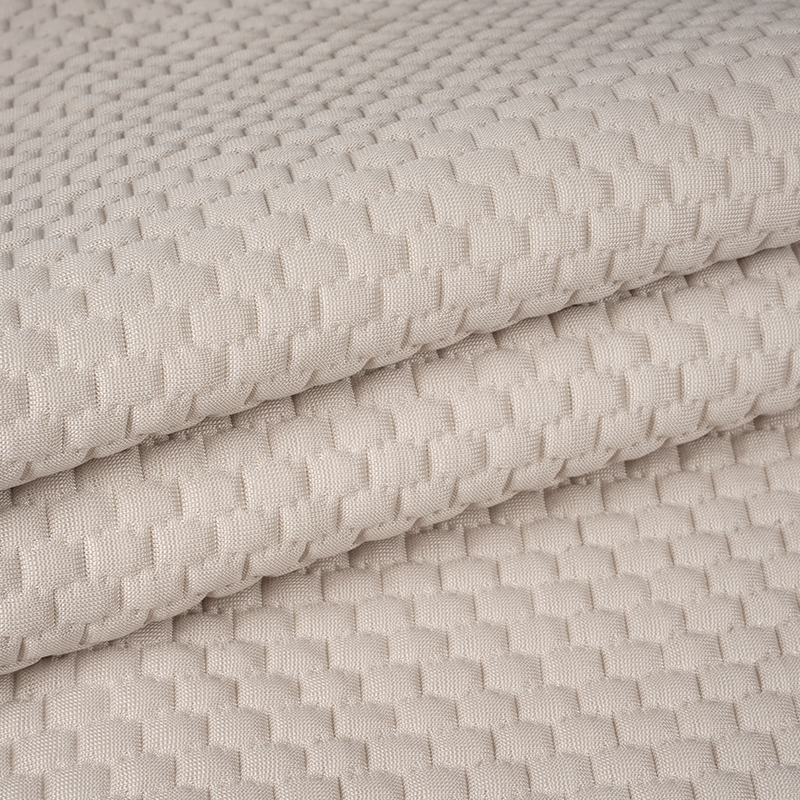
Polyester Pillowcase Fabric
Polyester Pillowcase Fabric
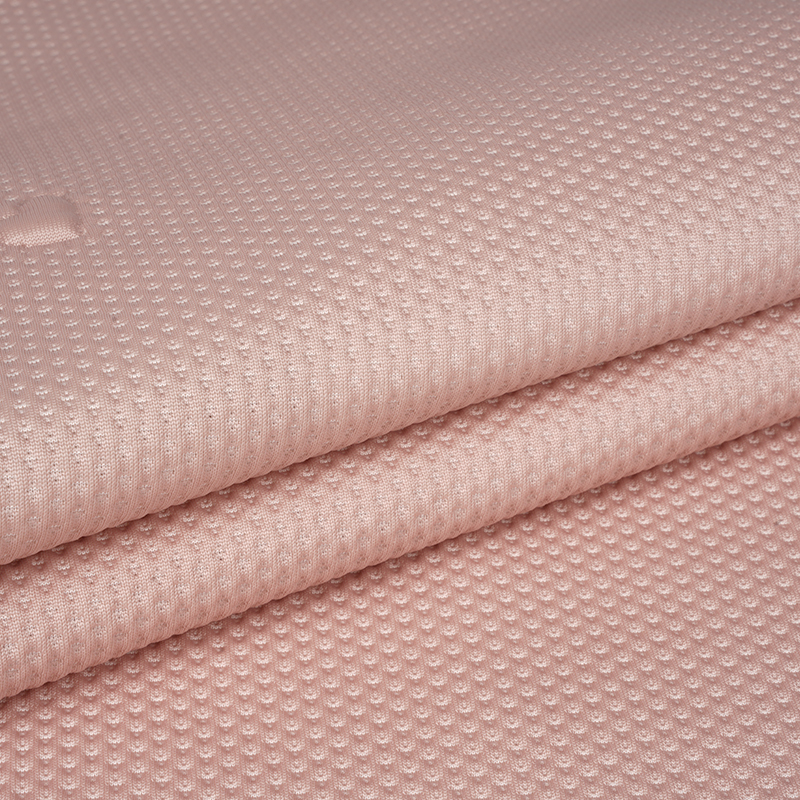
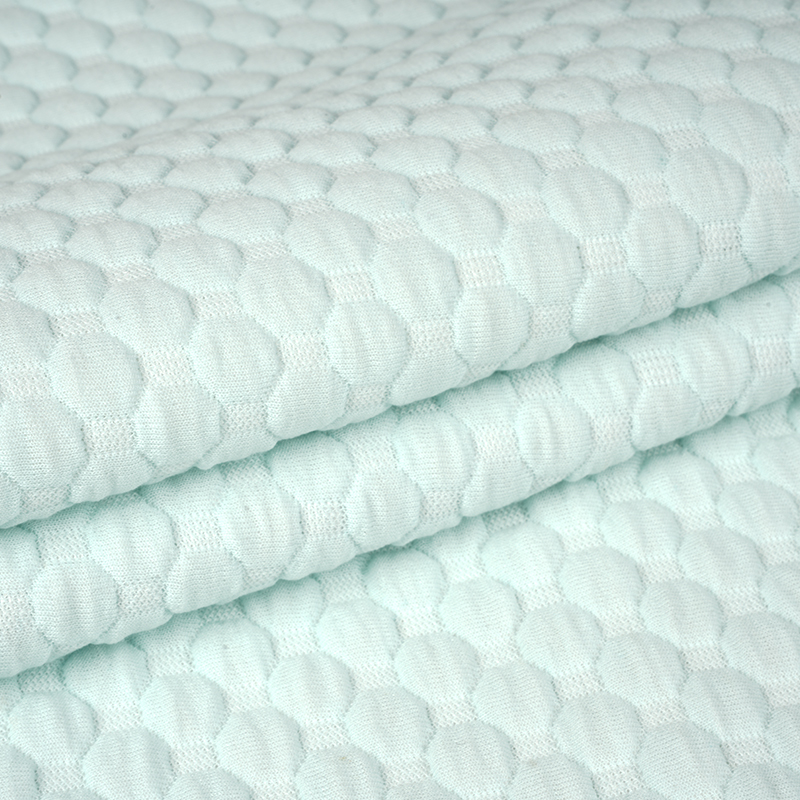
Haven’t Found The Products You Want?
-
-
Shen Jinyan:+86-15158070676
[email protected]
Liang Jinwen:+86-15757186621
[email protected]
Qiu Yingyingn:+86-13819545790
[email protected]
Yi qiao Town, Xiaoshan District, Hangzhou City, Zhejiang Province, China
-
Products
Mattress Fabric Children Mattress Fabric Pillowcase Fabric Pregnancy Pillow Fabric Cooling Mat Fabric Bedding Fabric Sofa Fabric Pet Friendly Fabrics -
Contact Information
About Us Products Strength Sustainability News Contact Us
Copyright © Hangzhou Xinsili Decorative Fabric Weaving Co.,Ltd. All Rights Reserved.
Functional Decorative Textile Manufacturers
